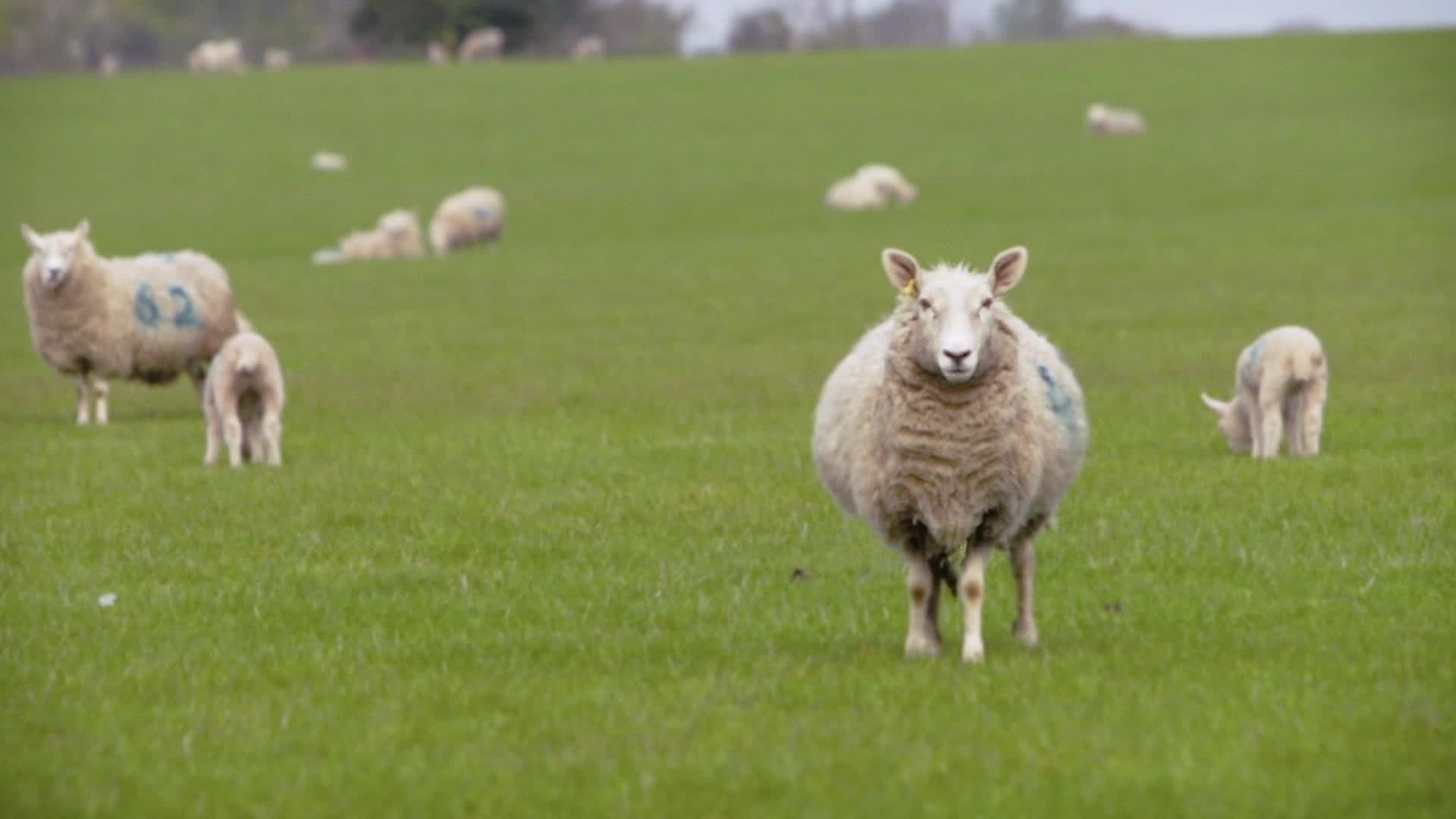
"Here's to the ones who dream... of sheep"
An eight-hour contemplative epic, entirely starring sheep.
Social & External
"This film explores how freedom of speech — including dissent — is afforded to all Americans, and shows freedom of expression in art, music, dance, architecture, and science. The film also emphasizes the importance of the individual’s contribution to the whole of society and demonstrates how a productive and creative society is formed by the open and respectful exchange of ideas. The film was written, produced, and directed by William Greaves" (National Archives).
What is the secret behind the success of "Rocky Horror"? Is it the music? The actors? The comedy? It's certainly not the Special Effects. "Rocky Horror" has been around for more than 40 years, and still continues to be successful in the movie theaters as well as on stage. This documentary is highlighting the history of "Rocky Horror", which started off as a two-page script written in crayons, and ended up with two movies, tons of merchandise, millions of fans and world touring shows, grossing more than $500 million in revenue.
Cinema and painting establish a fluid dialogue and begins with introspection in the themes and forms of the plastic work of a woman tormented by the elongated specters, originating from her obsessions and nightmares.
This special 10th anniversary edition of the Found Footage Festival finds curators Joe Pickett and Nick Prueher in a nostalgic mood, delving deeper--perhaps too deep--into some of their favorite VHS finds from over years. But Volume 7 is also jam packed with newly unearthed treasures, featuring singing rabbis, petulant news anchors, coughing snake handlers, bodybuilding clowns, and two body parts never before seen in the festival! It's a celebration of a decade of Found. Record over and you'll die! Taped live at The Grey Eagle in Asheville, North Carolina.
Fame driven Ken Dean becomes the subject of a documentary when he attempts to start a pornography company. Following the failure of the company, Ken uses his father's religious music to start a Christian rock band but finds himself trapped in a gay conversion cult.
Filmmakers use archival footage and animation to explore the culture surrounding nuclear weapons, the fascination they inspire and the perverse appeal they still exert.
A fly-on-the-wall display of lives changing and time passing told through an unanswered question.
The first film made by Markopoulos after moving to Europe, Bliss was shot over the course of two days using only available light to create a lyrical study of the interior of the Church of St. John on the island of Hydra.
An abstract perspective into two young South African workers in the heart of Johannesburg's industrial sector during Covid-19
The film is a study of nature and significance of the hands in cinema. Besides review of movements and actions, which creates an independent story, it reveals interactions and interdependence of cinematic traditions of various authors, countries and periods
Founded in the second half of the 1990s, the experimental film association L'Etna witnessed the transition from film to digital cinema. Its premises, located in the heart of Paris, were unable to withstand gentrification.
In this daring follow-up to The History of White People in America, comedian Martin Mull takes us on an in-depth look at such topics as White Religion, White Stress, White Politics, and White Crime.
A 6-year-old Tibetan boy leaves his family and flees to a refugee camp in northern India.
The collective life of the generation born as Jurij Gagarin became the first man in space. Vitaly Mansky has woven together a fictional biography – taken from over 5.000 hours of film material, and 20.000 still pictures made for home use. A moving document of the fictional, but nonetheless true life of the generation who grew up in this time of huge change and upheaval.
A meditation on the human quest to transcend physicality, constructed from decaying archival footage and set to an original symphonic score.
A cameraman wanders around with a camera slung over his shoulder, documenting urban life with dazzling inventiveness.
Filmmaker Warwick Thornton investigates our relationship to the Southern Cross, in this fun and thought provoking ride through Australia's cultural and political landscape.
This film describes a psychological state "kin to moonstruck, its images emblems (not quite symbols) of suspension-of-self within consciousness and then that feeling of falling away from conscious thought. The film can only be said to describe or be emblematic of this state because I cannot imagine symbolizing or otherwise representing an equivalent of thoughtlessness itself. Thus the actors in the film, Jane Brakhage, Tom and Gloria Bartek, Williams Burroughs, Allen Ginsberg, Peter Olovsky and Phillip Whalen are figments of this 'Thought-Fallen Process', as are their images in the film to find themselves being photographed."
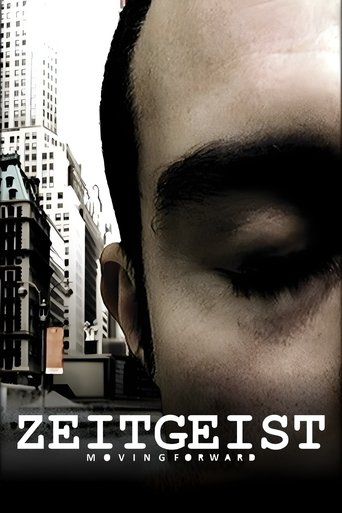
A presentation of a case for a needed transition out of the current socioeconomic monetary paradigm which governs the entire world society. This subject matter will transcend the issues of cultural relativism and traditional ideology and move to relate the core, empirical 'life ground' attributes of human and social survival, extrapolating those immutable natural laws into a new sustainable social paradigm called a 'Resource-Based Economy'.
A documentary about how a dominant cultural and demographic institution both sustains their traditional activities and adapts to the digital revolution.
Filmed at the end of the tour in Vancouver, B.C., with the entire Tortured Poets Department set.
Live Aid was held on 13 July 1985, simultaneously in Wembley Stadium in London, England, and the John F. Kennedy Stadium in Philadelphia, United States. It was one of the largest scale satellite link-ups and television broadcasts of all time: watched live by an estimated global audience of 1.9 billion, across 150 nations. "It's twelve noon in London, seven AM in Philadelphia, and around the world it's time for Live Aid...!"
A portrait of the day-to-day operations of the National Gallery of London, that reveals the role of the employees and the experiences of the Gallery's visitors. The film portrays the role of the curators and conservators; the education, scientific, and conservation departments; and the audience of all kinds of people who come to experience it.
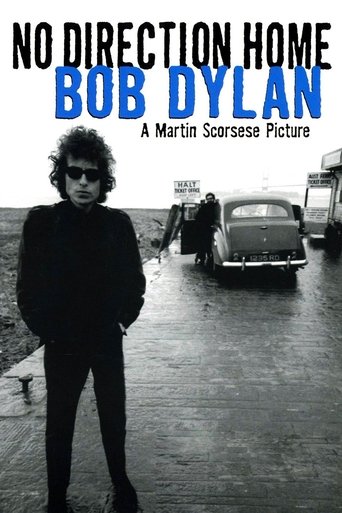
A chronicle of Bob Dylan's strange evolution between 1961 and 1966 from folk singer to protest singer to "voice of a generation" to rock star.
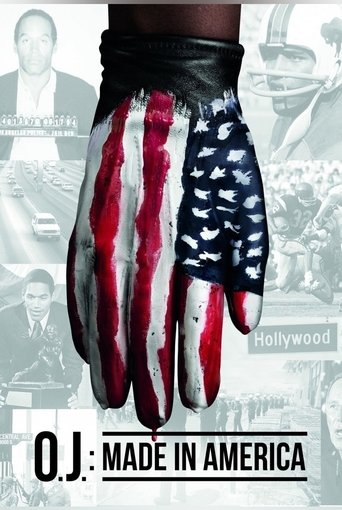
A chronicle of the rise and fall of O.J. Simpson, whose high-profile murder trial exposed the extent of American racial tensions, revealing a fractured and divided nation.
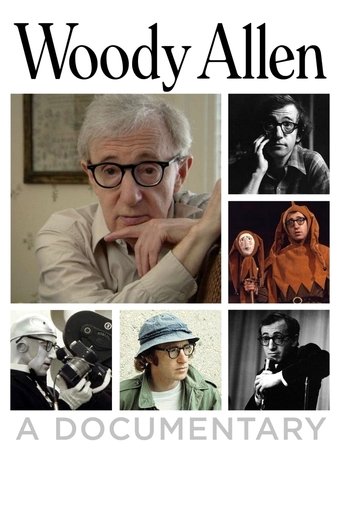
An intense portrait of the iconic filmmaker, writer, actor, comedian and musician Woody Allen: his life, family and friends; his writing and directing habits, and his relationship with performers.
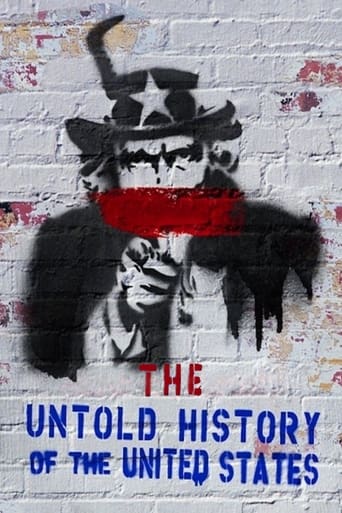
Oliver Stone charts the history of the United States from the Second World War to the present.
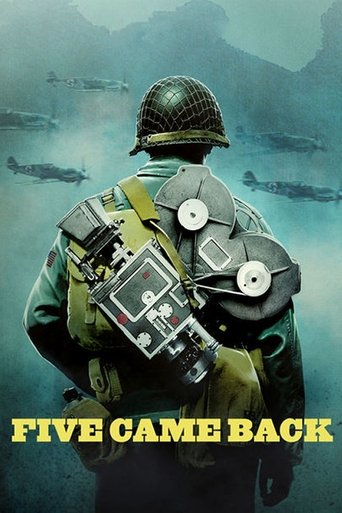
The extraordinary story of how Hollywood changed World War II – and how World War II changed Hollywood, through the interwoven experiences of five legendary filmmakers who went to war to serve their country and bring the truth to the American people: John Ford, William Wyler, John Huston, Frank Capra, and George Stevens. Based on Mark Harris’ best-selling book, “Five Came Back: A Story of Hollywood and the Second World War.”
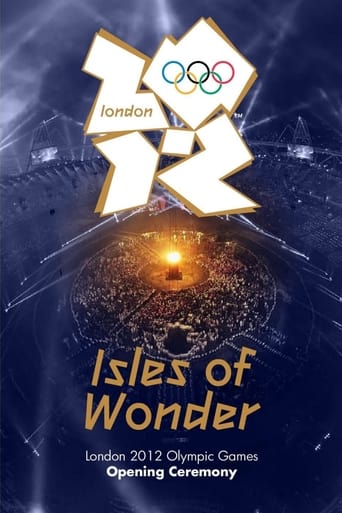
The London 2012 Olympic Games Opening Ceremony took place at 9pm on 27 July 2012. Titled 'Isles of Wonder', the Ceremony welcomed the finest athletes from more than 200 nations for the start of the London 2012 Olympic Games, marking an historic third time the capital has hosted the world’s biggest and most important sporting event. The Opening Ceremony reflected the key themes and priorities of the London 2012 Games, based on sport, inspiration, youth and urban transformation. It was a Ceremony 'for everyone' and celebrated contributions the UK has made to the world through innovation and revolution, as well as the creativity and exuberance of British people.