Social & External
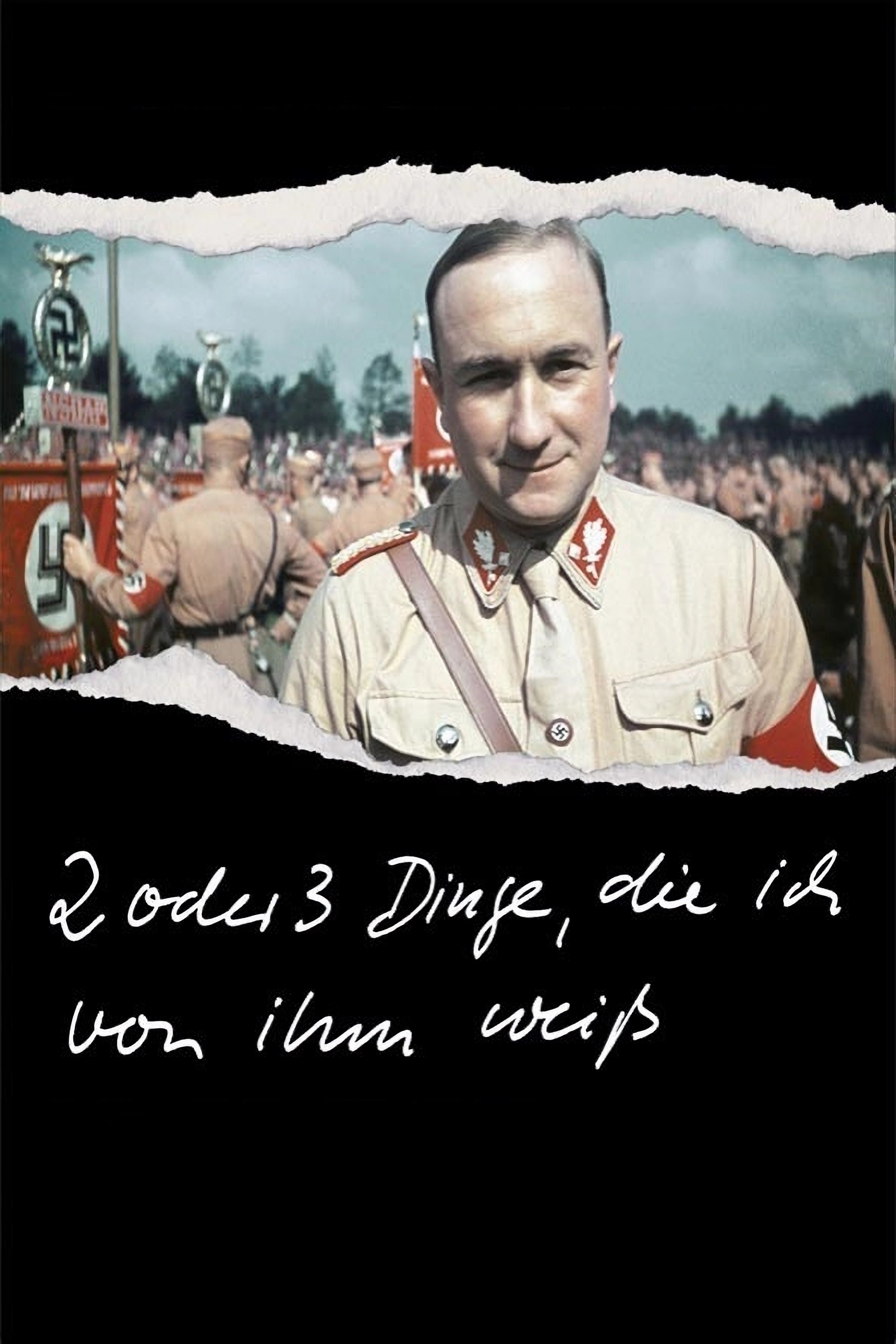
What would your family reminiscences about dad sound like if he had been an early supporter of Hitler’s, a leader of the notorious SA and the Third Reich’s minister in charge of Slovakia, including its Final Solution? Executed as a war criminal in 1947, Hanns Ludin left behind a grieving widow and six young children, the youngest of whom became a filmmaker. It's a fascinating, maddening, sometimes even humorous look at what the director calls "a typical German story." (Film Forum)
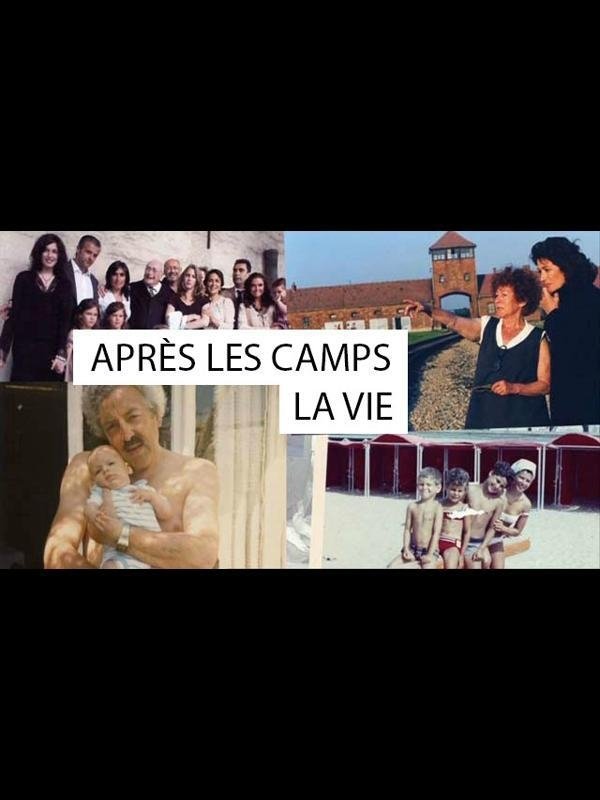
For the first time, survivors talk about life after the camps. How does one return to a life that was interrupted with such violence? How does one reconstruct oneself when all or most of one’s family were butchered? How does one resume studies and earn a living in a society that had cast you out a few years earlier?
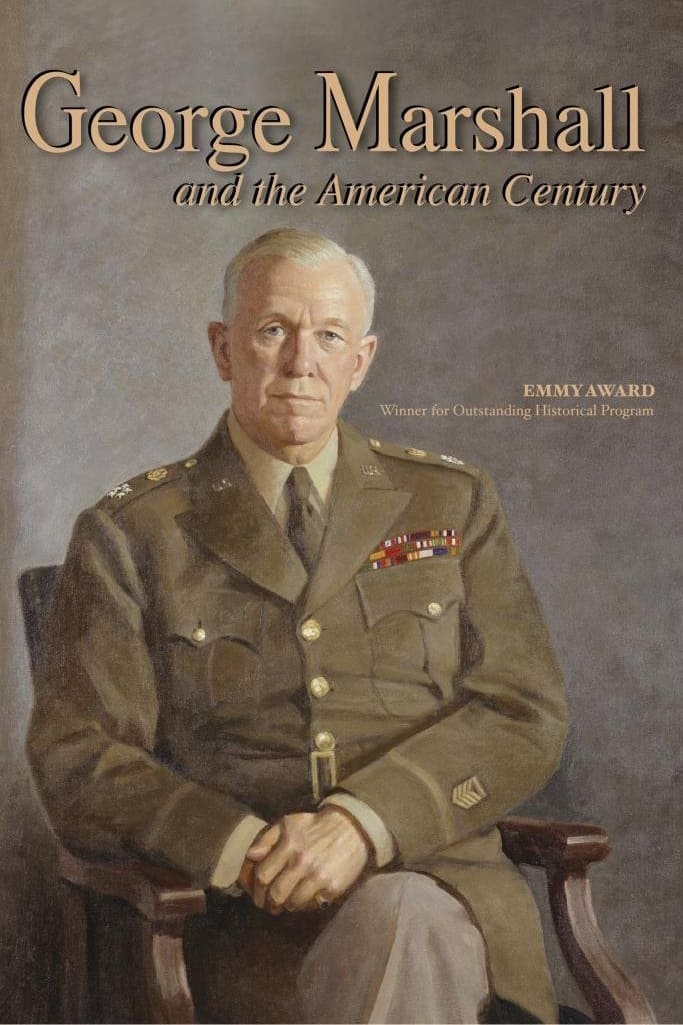
He built the mightiest army in history and selected its leaders. Eisenhower, MacArthur and Patton all obeyed his commands. George Marshall was the only soldier ever to receive the Nobel Peace Prize.
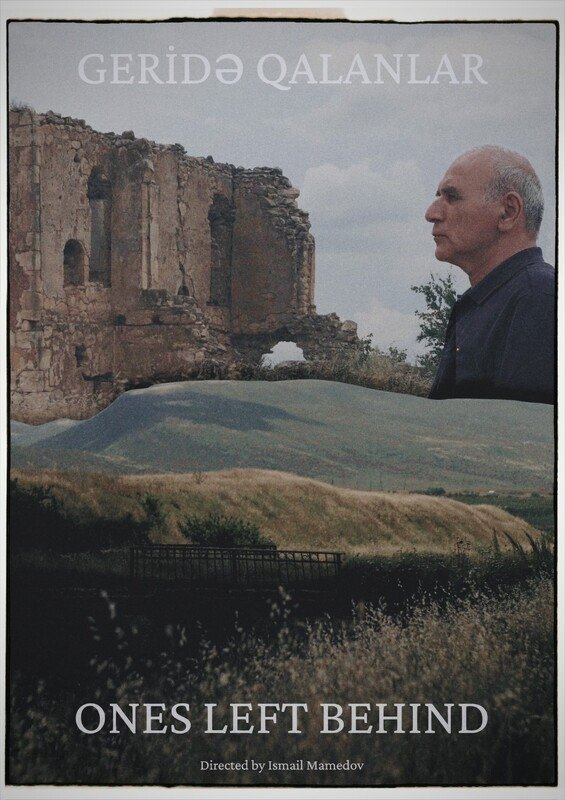
A couple returns to Aghdam, the city they once fled 32 years ago due to the war. It's a story about memory held in people, and about the small, powerful ways the past resurfaces when you finally face it.
Jonathan Stavleu explores, in a stream-of-consciousness video essay, the relationship people have with water and what happens when access to it is taken away. For this work, he examines anecdotal histories he has heard from Estonians, as well as stories from his own family history in the Netherlands, weaving them together into a journal-like narrative.
The animated corpse of Moscow goes on after its inhabitants left. Filled with weeps and whispers of the mourning ghosts, torn apart with phone calls from distant countries and unfamiliar sounds, emotionally devastated and deserted, the city attempts to reconcile with its own voice.
Between 1993 and 1995, artist and photographer Louis Jammes took pictures of people on the streets of Sarajevo under siege and gave them angelic face and wings. Then he put his huge portraits on destroyed city walls. Suddenly, it seems as life is getting back with their arrival, because they brought a sense of peace, beauty, nostalgia...
The story of the railroad in Illinois and the train's role in moving product out of the states to the rest of America.
The film's protagonists are the orphaned children taken into custody by the state and institutionalized at Children's House no. 6 from Bucharest. For Mészáros, the concern for the situation of children left orphaned during the Second World War is autobiographical: the director directly experienced the absence of parents in her own childhood.
Made on the occasion of March 8, it presents a series of brief portraits of women, from various professional fields, of different ages and even of different ethnicities, pointing out the benefits that the communist organization had brought to their daily lives. A special emphasis is placed on their status as mothers and on the role of nurseries and socialist kindergartens not only in making their lives easier, but also in giving them the time they need to build a career. Another concern of the filmmaker, starting from the concrete case of one of the protagonists, is to highlight the differences between the happy present and the not-too-distant past in which someone with her social status should have dedicated herself exclusively to raising children, in hygienic and extremely difficult lives.
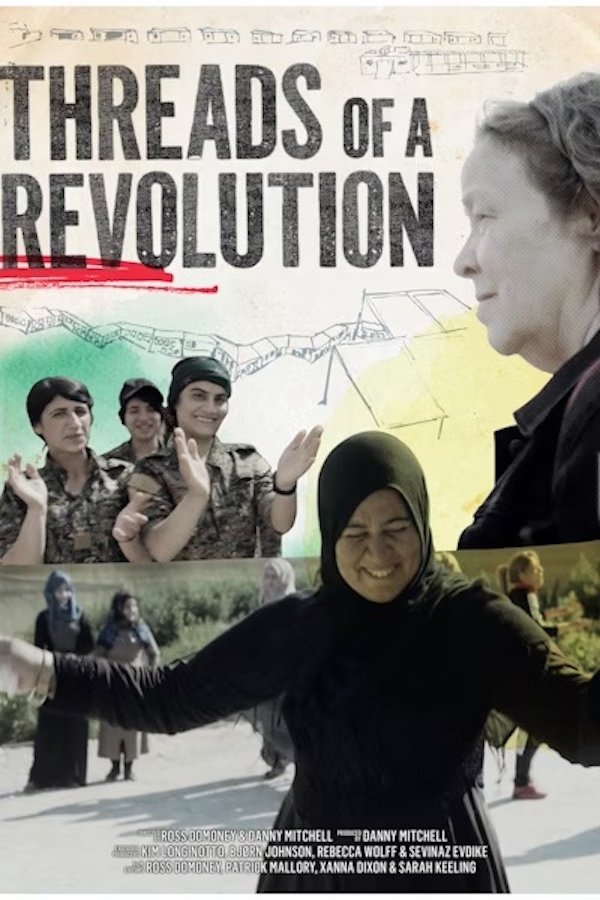
When artist Janet Biehl fell in love with radical American philosopher Murray Bookchin in the 1980s whilst editing his ground-breaking opus “The Ecology of Freedom”, she could never have imagined that it would one day take her halfway across the globe. Now, over 40 years later, Janet travels from America to the Middle East to witness something remarkable - how Murray’s ideas have ignited a female-led revolution in North-East Syria, where society is being rebuilt in the wake of victory over ISIS. Janet meets the women who are turning her late partner’s political theories into a modern reality, creating a grassroots communal democracy. Janet draws what she sees, and her illustrations capture the humanity of ordinary people in their struggle to self-govern. Now, at this critical moment for Syria and with this revolutionary project under renewed threat, "Threads of a Revolution" reveals a possible way forward for those prepared to fight for a new way to live.
A fascinating compilation of scenes showing diversity and disparity in 1940s China. The ancient Forbidden City and Great Wall are followed by Shanghai’s metropolitan skyline; primitive farming methods are juxtaposed with mechanised factories; children in rags are contrasted with models wearing the latest fashions; Nationalist commanders and Communist leaders vie for support.
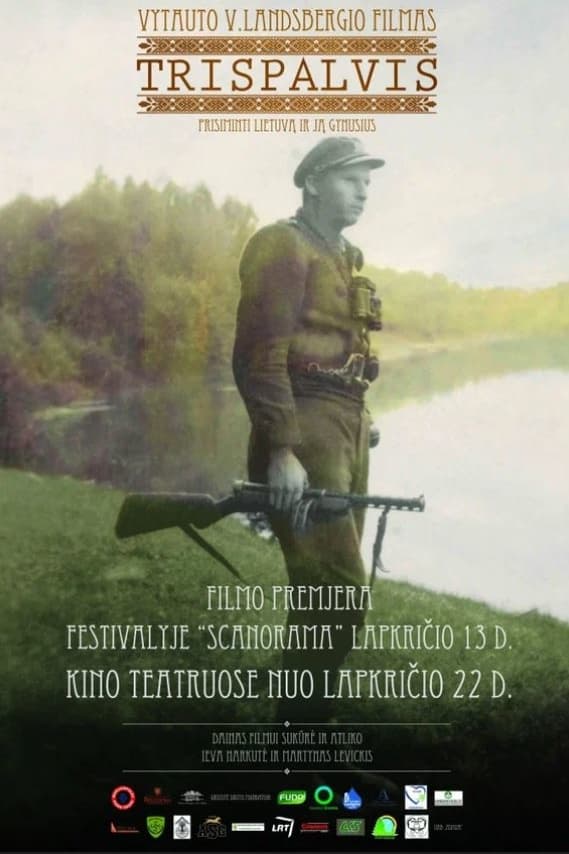
Tells the tale of Lithuanian post-war history.
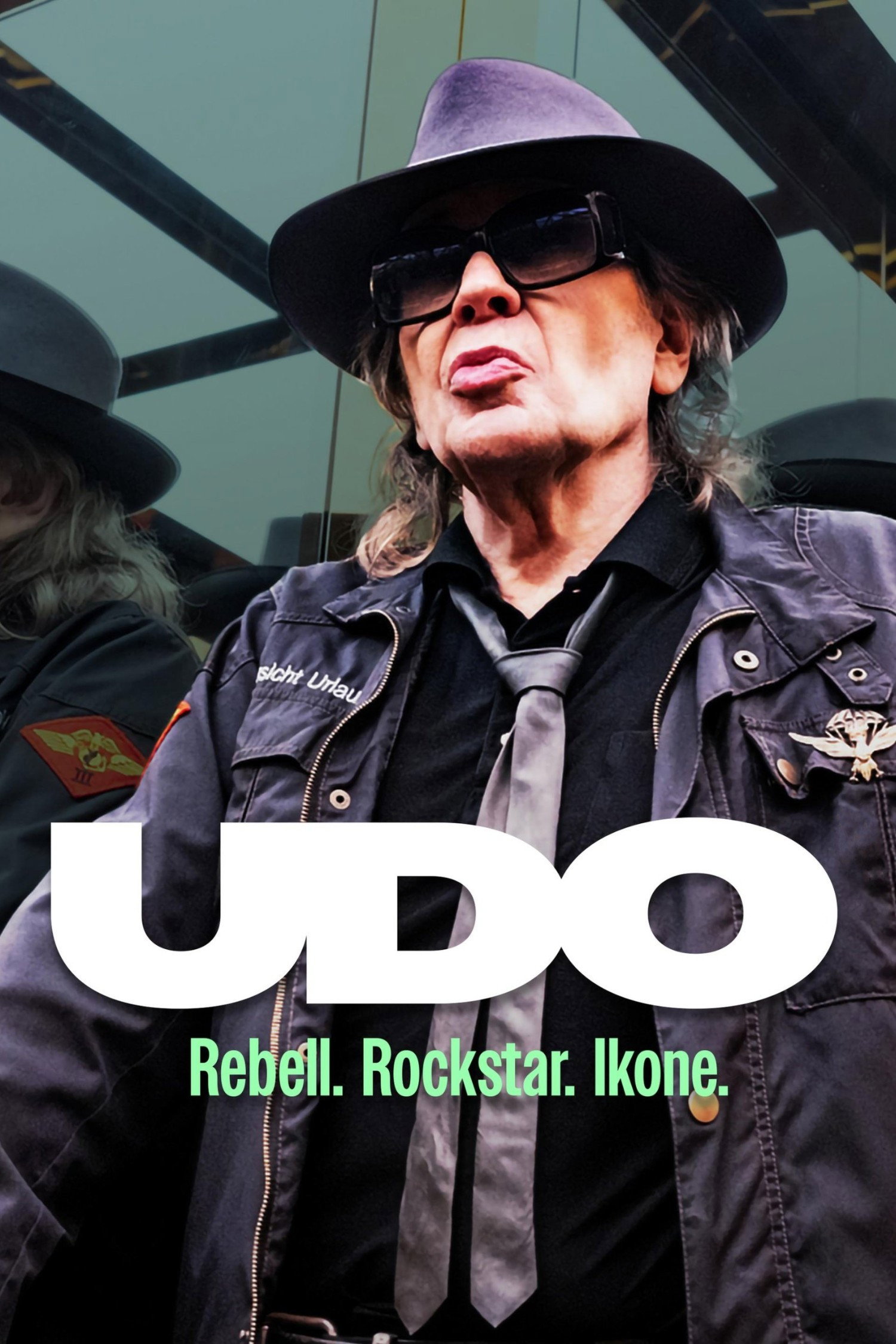
Celebrating Udo Lindenberg’s 80th birthday, exploring his extraordinary career as one of Germany’s most influential rock musicians. The film traces his rise from a rebellious young artist to a national icon, highlighting his music, political activism, and unique personality. Through interviews, archival footage, and behind-the-scenes insights, the documentary showcases Lindenberg’s cultural impact and enduring legacy in the German music scene.
This first-person documentary provides an inside look into the terrifying and bloody events that shook Central Europe in the 1990s, as the filmmaker takes a trip along the road that once united the disparate states of Yugoslavia, from Slovenia to Macedonia. A film about memory, hatred, love and hope.
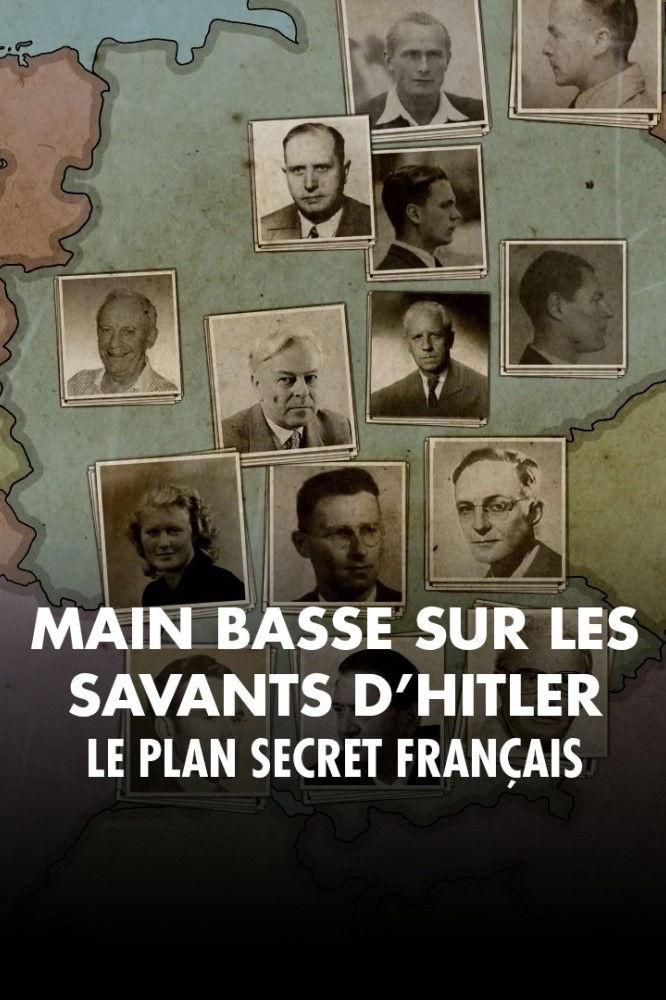
Following in the footsteps of two women in search of their origins, this documentary lifts the veil on a little-known page of the post-war era: the adoption, as part of a cross-border program, of thousands of children born during the French occupation of Germany.
Al Pacino's deeply-felt rumination on Shakespeare's significance and relevance to the modern world through interviews and an in-depth analysis of "Richard III."
The life of Mr. Spock, as well as that of Leonard Nimoy, the actor who played him for almost fifty years, written and directed by his son: Adam.
Brilliant, long in-the-works story of the life and art of the world's greatest comedian and the cinema's first genius, Charlie Chaplin. Produced, written and directed by renowned film critic Richard Schickel.
The life and career of one of comedy's most inimitable modern voices, Mr. Gilbert Gottfried.
Through deeply personal interviews with her siblings and an examination of the photographs, letters, and belongings left behind, Mariska assembles a new portrait of her mother Jayne Mansfield, an extraordinary and complex woman.
An inside look at one of the most anticipated movie sequels ever with James Cameron and cast.
The Making-of James Cameron's Avatar. It shows interesting parts of the work on the set.
The life and career of an actor, artist, and icon. His own journey through his own camera.
This revealing documentary honors the legendary Sidney Poitier—iconic actor, filmmaker, and civil rights activist. Featuring interviews with Denzel Washington, Spike Lee, Halle Berry, and more.
Artists in LA discover the work of forgotten Polish sculptor Stanislav Szukalski, a mad genius whose true story unfolds chapter by astounding chapter.
Those who knew iconic funnyman John Candy best share his story, in their own words, through never-before-seen archival footage, imagery, and interviews.
Alex Gibney explores the charged issue of pedophilia in the Catholic Church, following a trail from the first known protest against clerical sexual abuse in the United States and all way to the Vatican.
When Allied forces liberated the Nazi concentration camps in 1944-45, their terrible discoveries were recorded by army and newsreel cameramen, revealing for the first time the full horror of what had happened. Making use of British, Soviet and American footage, the Ministry of Information’s Sidney Bernstein (later founder of Granada Television) aimed to create a documentary that would provide lasting, undeniable evidence of the Nazis’ unspeakable crimes. He commissioned a wealth of British talent, including editor Stewart McAllister, writer and future cabinet minister Richard Crossman – and, as treatment advisor, his friend Alfred Hitchcock. Yet, despite initial support from the British and US Governments, the film was shelved, and only now, 70 years on, has it been restored and completed by Imperial War Museums under its original title "German Concentration Camps Factual Survey".
SEDUCED AND ABANDONED combines acting legend Alec Baldwin with director James Toback as they lead us on a troublesome and often hilarious journey of raising financing for their next feature film. Moving from director to financier to star actor, the two players provide us with a unique look behind the curtain at the world's biggest and most glamourous film festival, shining a light on the bitter-sweet relationship filmmakers have with Cannes and the film business. Featuring insights from directors Martin Scorsese, 'Bernando Bertolucci' and Roman Polanski; actors Ryan Gosling and Jessica Chastain and a host of film distribution luminaries.
Martin Scorsese's documentary intertwines footage from The Band's incredible farewell tour with probing backstage interviews and featured performances by Eric Clapton, Bob Dylan, Joni Mitchell, Van Morrison, and other rock legends.
A string of threatening emails escalates into a revenge plot involving a newly married US marshal and his ex-girlfriend.
A documentary about the making of season five of the acclaimed AMC series Breaking Bad.
A documentary about how a dominant cultural and demographic institution both sustains their traditional activities and adapts to the digital revolution.
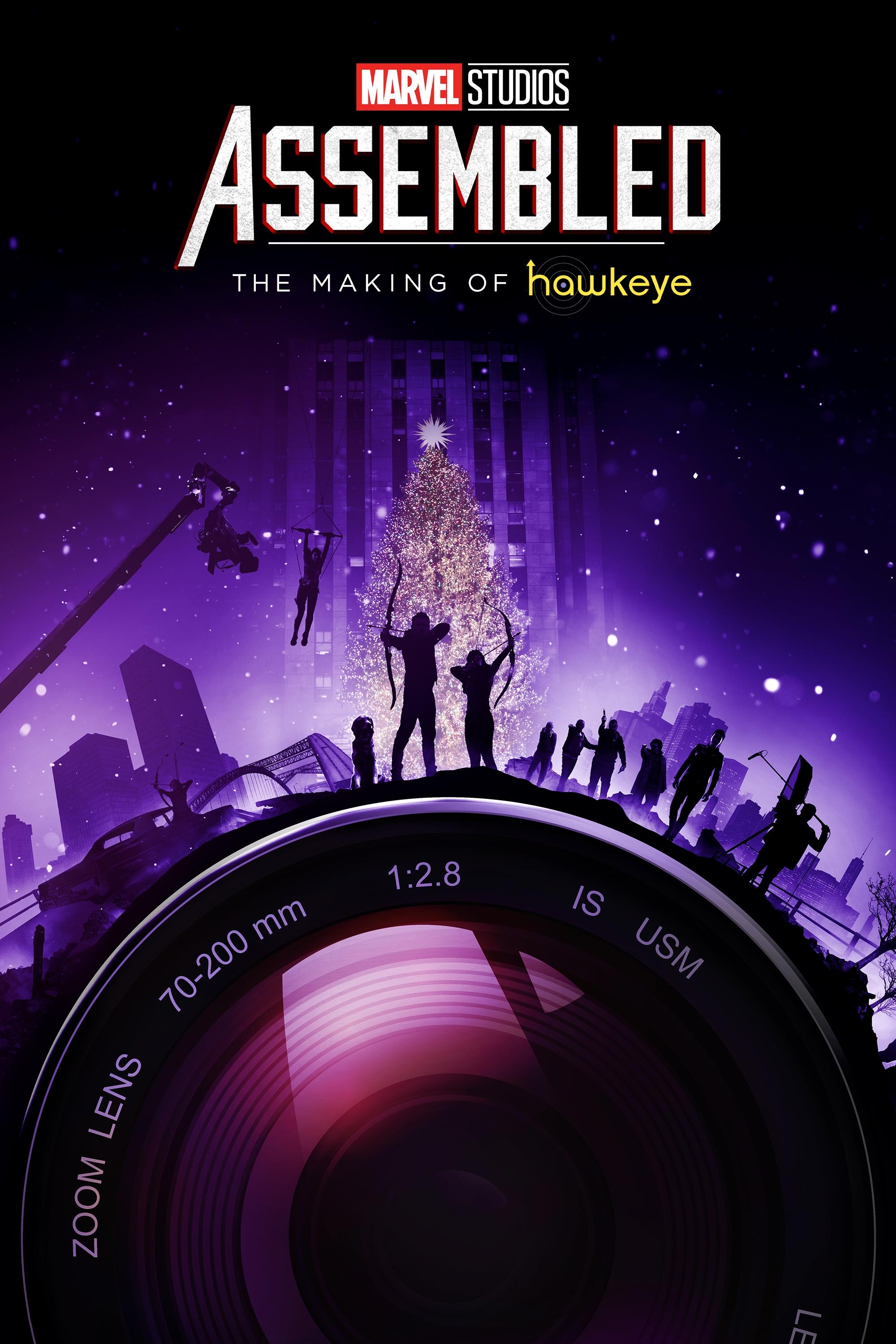
Join the likes of Jeremy Renner, Hailee Steinfeld, Florence Pugh, and Vincent D’Onofrio as they reveal how Marvel Studios’ “Hawkeye” was conceived and created. Witness firsthand what it took to pull off the show’s pulse-pounding action set pieces, and discover how iconic characters from the pages of Marvel Comics such as Kate Bishop were adapted and brought to life for the six-episode series.
Over 35 years after Bob Lazar's revelations, this documentary exposes secrets of a facility the government still denies. Featuring Lazar's testimony, recreations, and new evidence, it reopens a case that continues to spark global curiosity