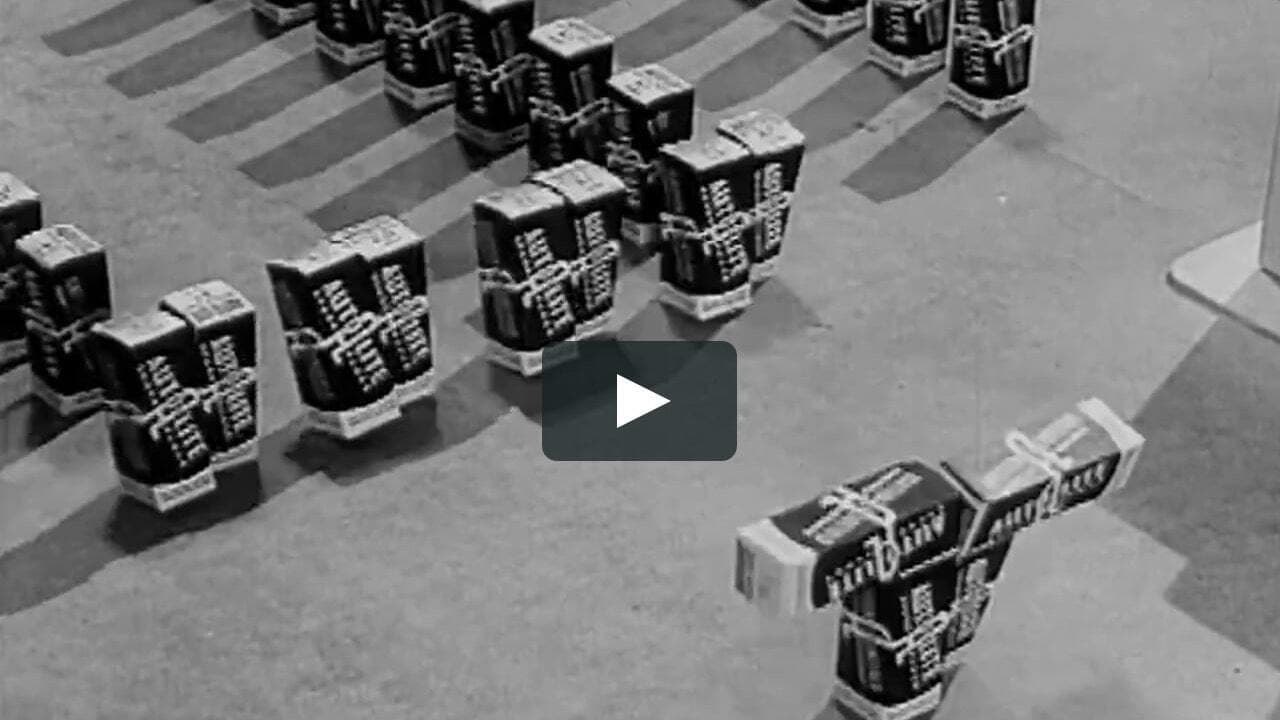
Tour of an auto parts and accessories factory climaxing with a stop-motion product parade.
Social & External
The people behind it
Lowell Thomas
Narrator
A short behind the scenes documentary showing the creation of the short claymation film The Genie in a Ravioli Can (Le génie de la boîte de raviolis).
A documentary on the work of experimental British animator David Anderson.
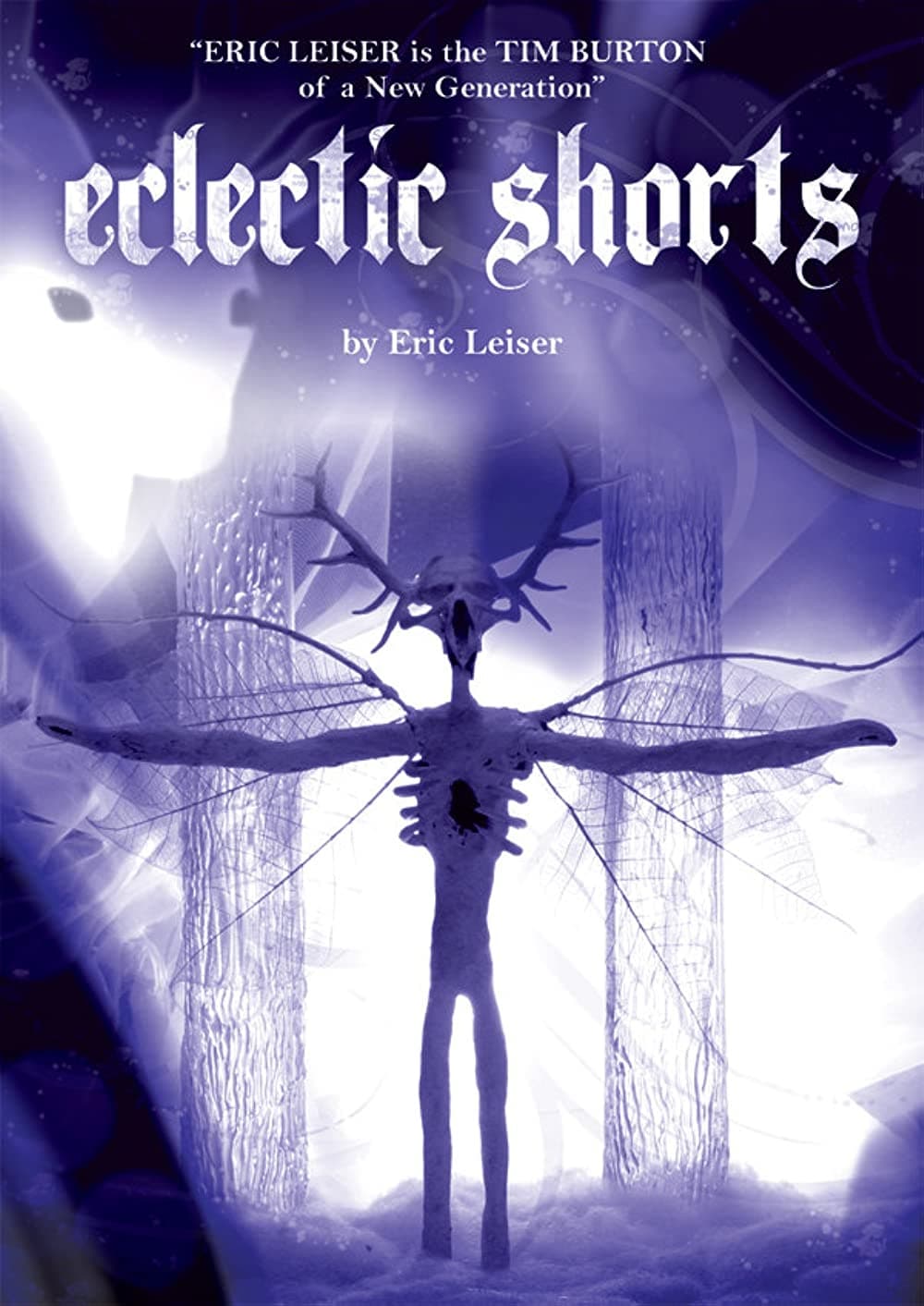
Eric Leiser displays his boundless creativity in this short collection; A stunning compilation of works presented with a mixture of live action, stop motion animation, puppetry and pixilation techniques, produced between 2001 and 2006.
Is it the outrageous claims? Or just the bad acting? This early media literacy film helps kids understand that that ads are trying to, well, sell them something. Kitschy good and super tasty, it's lipsmackin' fun!
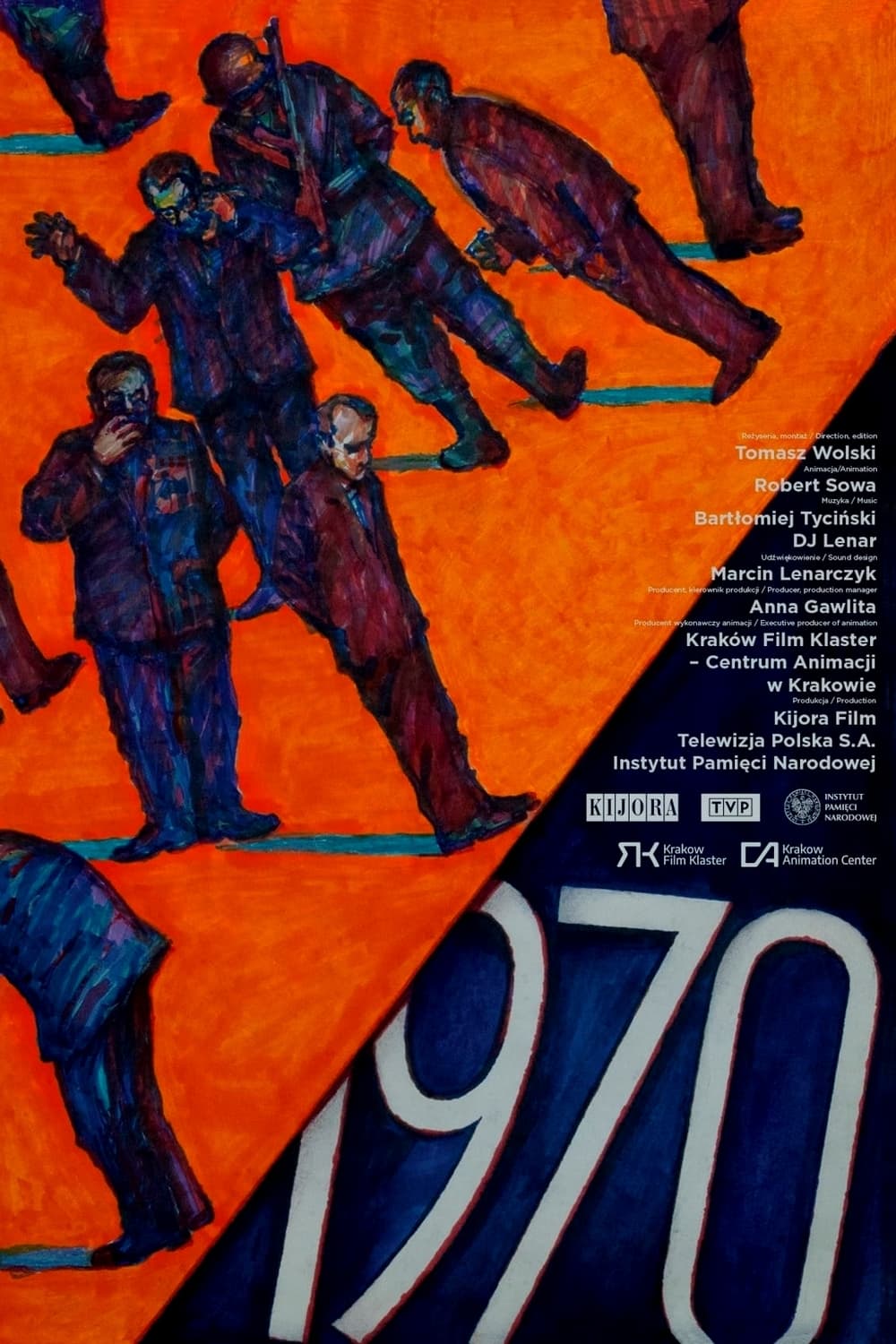
Poland, 1970. When popular protests erupt in the streets due to rising prices, the communist government organizes a crisis team. Soon after, the police use their truncheons and then their firearms. The story of a rebellion from the point of view of the oppressors.
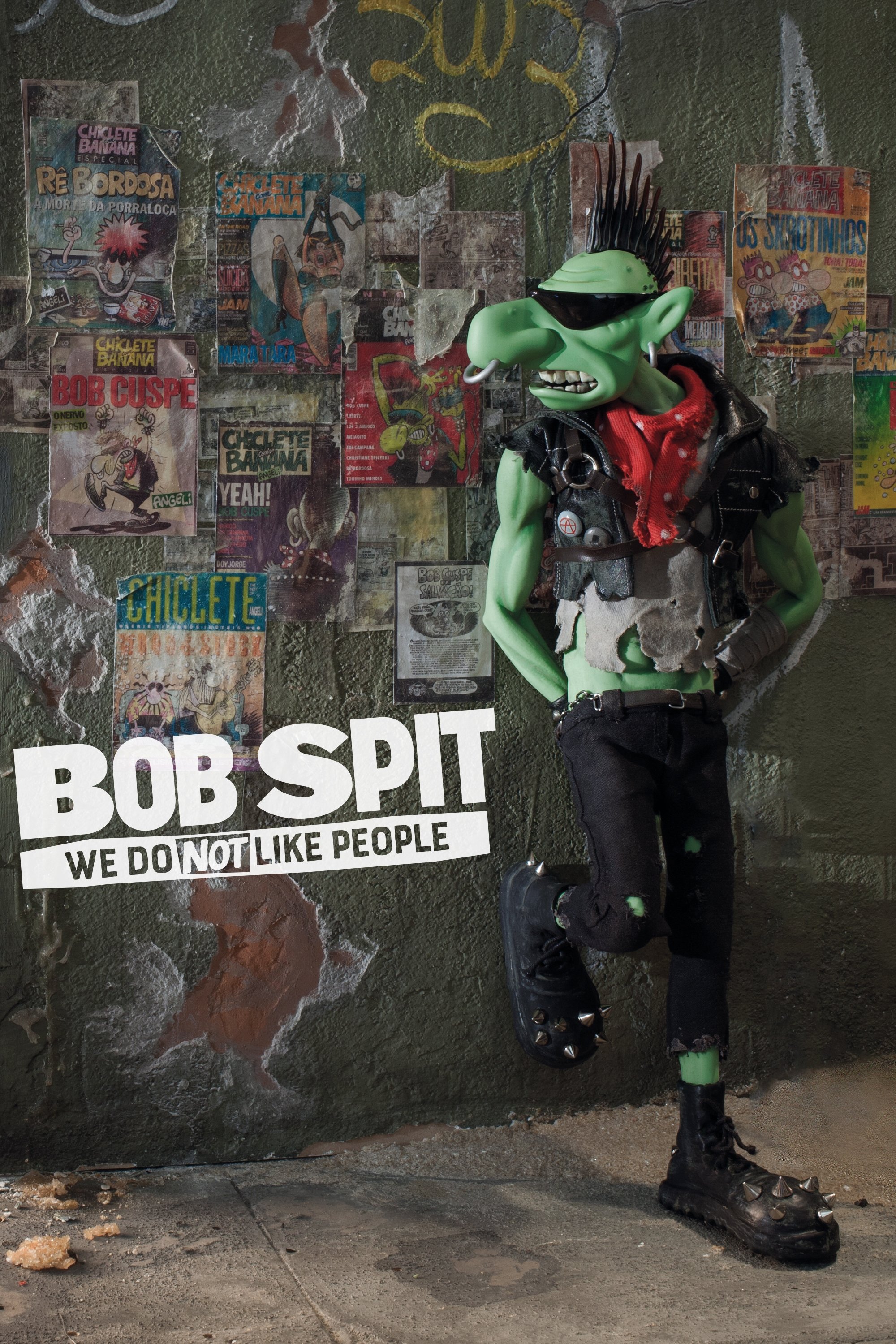
Bob Spit, a comic book character, lives in a post-apocalyptic desert inside the mind of his creator, the legendary Brazilian cartoonist Angeli. When Angeli decides to kill off Bob, the old punk leaves this wasteland and faces his creator.
Good Grief is a short stop motion animated documentary that explores the lessons we learn from dealing with grief and loss. Five real people share their true stories of losing something precious and what it has taught them about living.
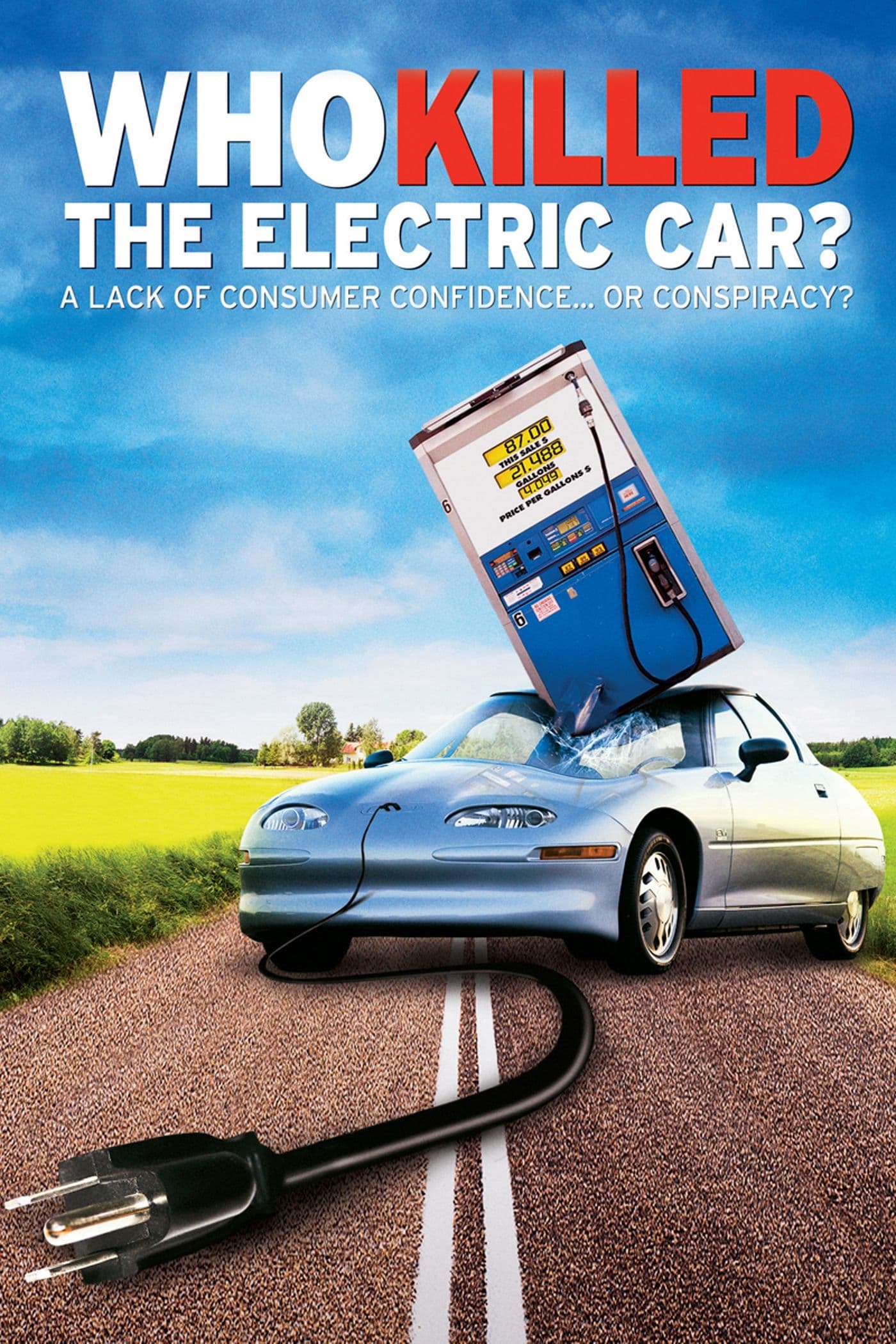
In 1996, electric cars began to appear on roads all over California. They were quiet and fast, produced no exhaust, and ran without gasoline... Ten years later, these cars were destroyed.
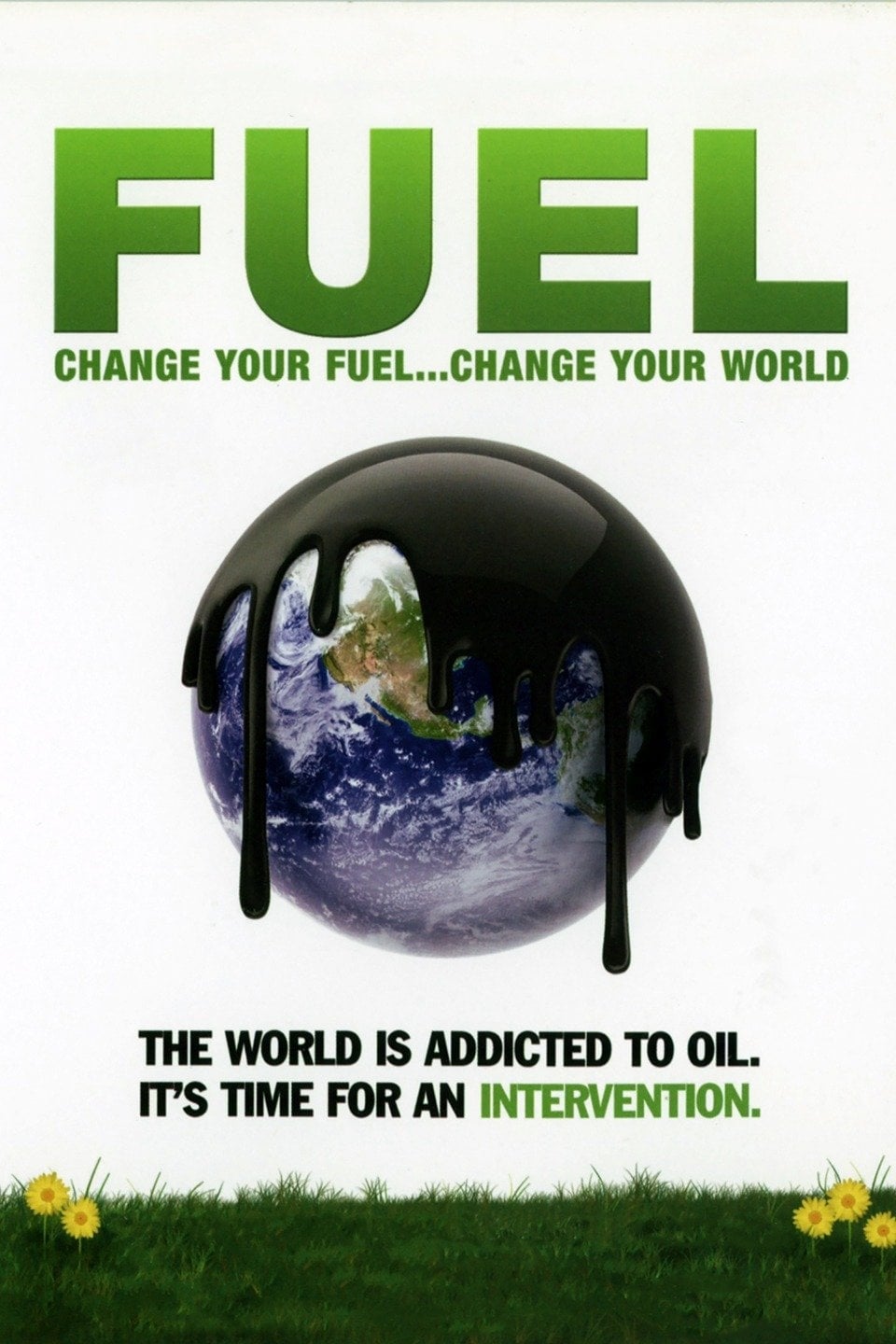
Record high oil prices, global warming, and an insatiable demand for energy: these issues define our generation. The film exposes shocking connections between the auto industry, the oil industry, and the government, while exploring alternative energies such as solar, wind, electricity, and non-food-based biofuels.
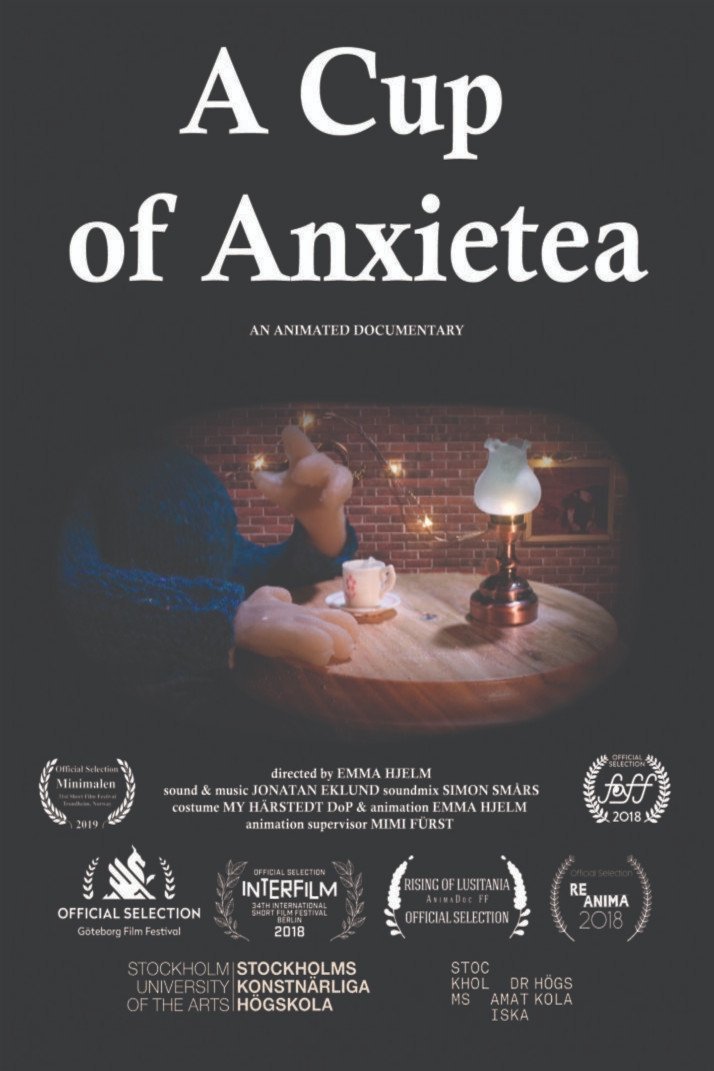
Stop-motion documentary based on interviews about anxiety.
A documentary covering the making of Chicken Run.
Two students from the Czech Film Academy commission a leading advertising agency to organize a huge campaign for the opening of a new supermarket named Czech Dream. The supermarket however does not exist and is not meant to. The advertising campaign includes radio and television ads, posters, flyers with photos of fake Czech Dream products, a promotional song, an internet site, and ads in newspapers and magazines. Will people believe in it and show up for the grand opening?
PUMP is a documentary that tells the story of America’s addiction to oil, from its corporate conspiracy beginnings to its current monopoly today, and explains clearly and simply how we can end it — and finally win choice at the pump. Today, oil is our only option for transportation-fuel at the pump. Our exclusive use of it has drained our wallets, increased air pollution and sent our sons and daughters to war in faraway lands. PUMP shows how, through the use of a variety of replacement fuels, we will be able to fill up our cars — cheaper, cleaner and American made — and in the process create more jobs for a stronger, healthier economy. Narrated by Jason Bateman and featuring notable experts such as John Hofmeister former President of Shell Oil, and Elon Musk, the CEO of Tesla Motors, PUMP will forever change the way you think about your car — and the fuel that powers it.
Follow the animated journey of an Indigenous photographer as she travels through time. The oral and written history of her family reveals the story — we witness the impact and legacy of the railways, the slaughter of the buffalo and colonial land policies.
If God came down to earth and try to earn a living in Bombay, most probably he would become successful as a voice over artiste, lending his voice to thousands of Hindi movies and even more documentaries and public service films in India.
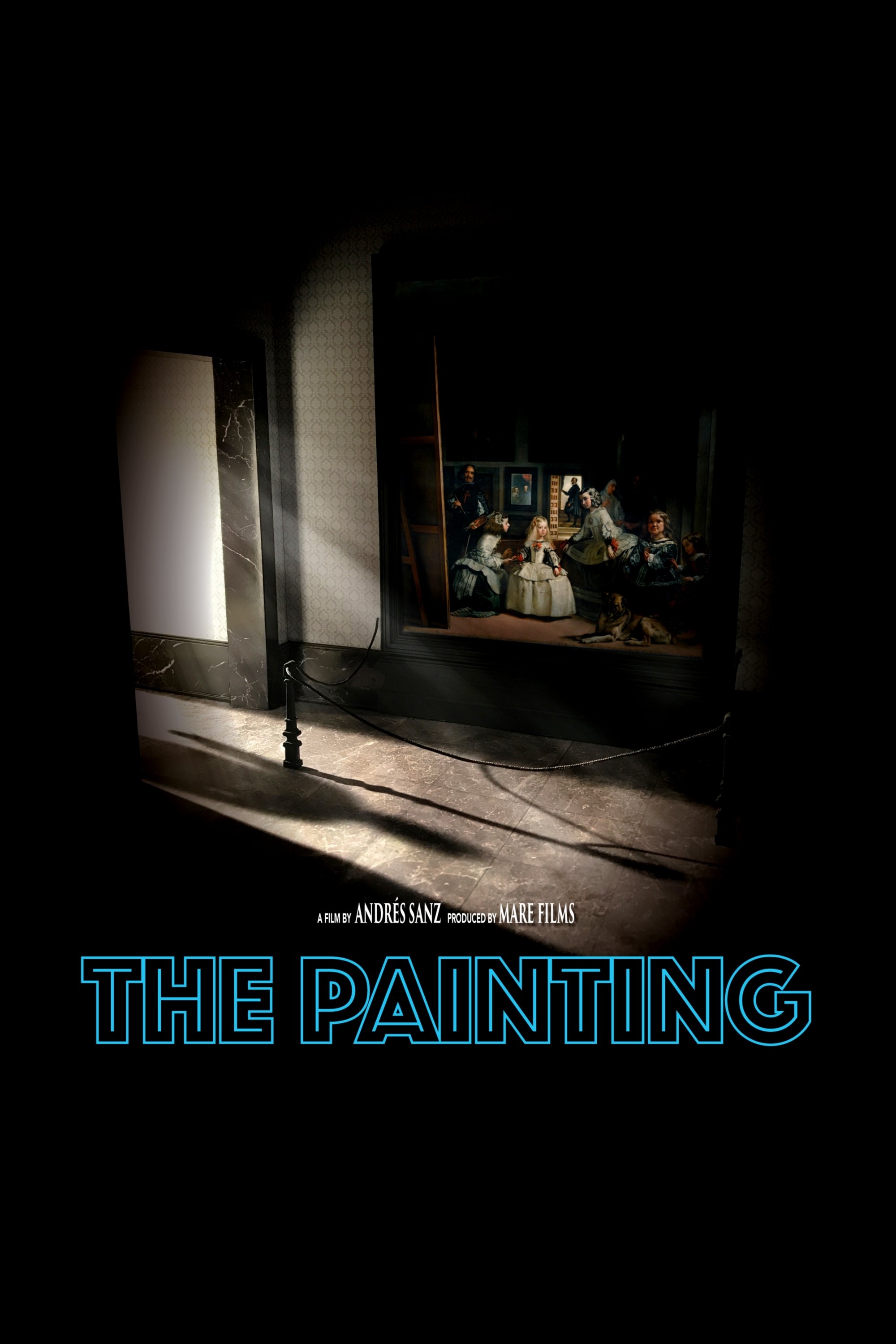
For three and a half centuries, from the same day that Diego Velázquez (1599-1660) applied his last brushstroke to the canvas, the enigma of “Las meninas, o La familia de Felipe IV” (1656) has not been deciphered. The secret story of a painting unveiled as if it was the resolution of a perfect crime.
70-year-old Timo makes the most of his short ride to work. Speeding up on a bicycle ends up in a ditch, but the adrenaline rush leaves a feeling of pleasure.
The life and career of an actor, artist, and icon. His own journey through his own camera.
Al Pacino's deeply-felt rumination on Shakespeare's significance and relevance to the modern world through interviews and an in-depth analysis of "Richard III."
An inside look at one of the most anticipated movie sequels ever with James Cameron and cast.
Those who knew iconic funnyman John Candy best share his story, in their own words, through never-before-seen archival footage, imagery, and interviews.
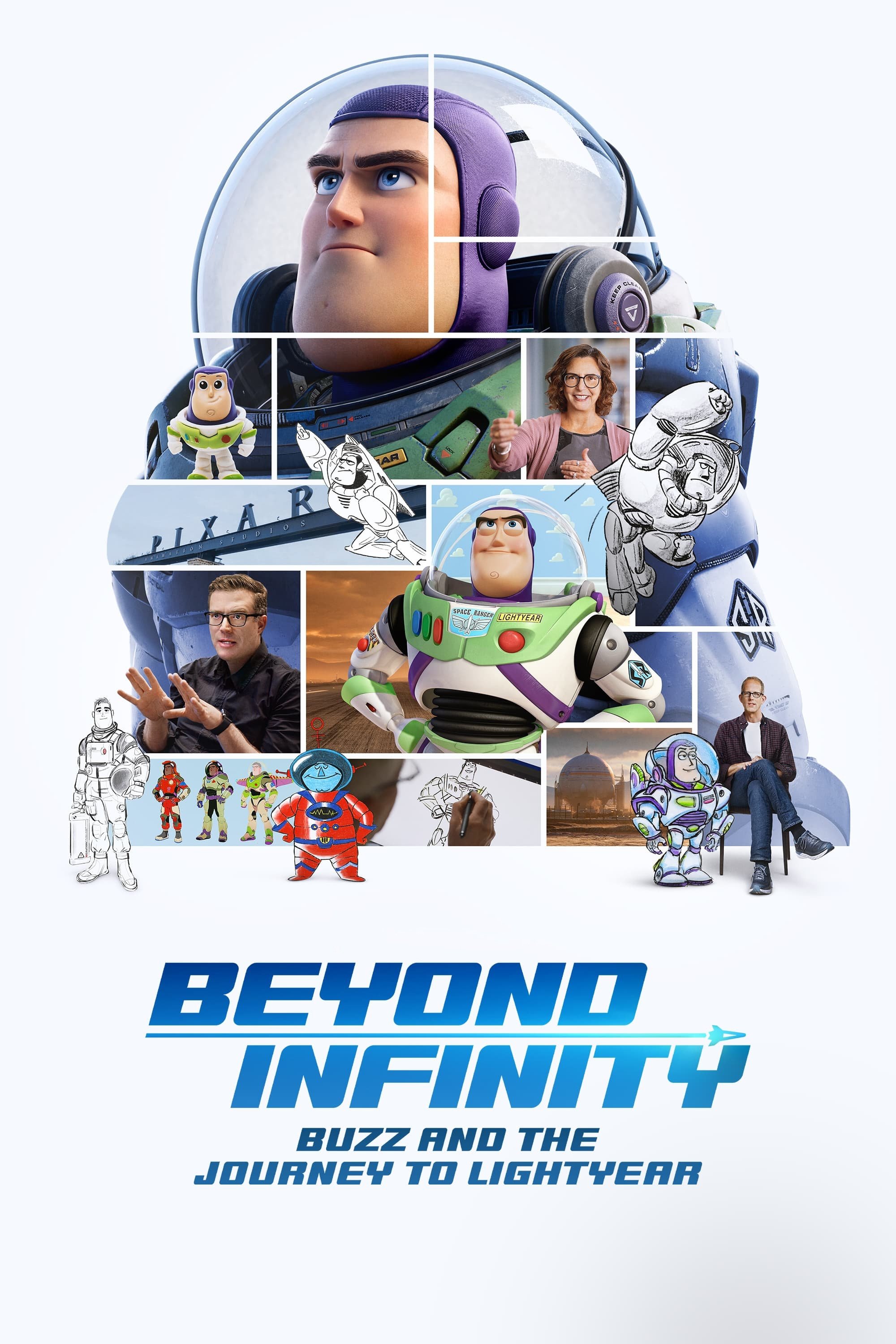
Explore the evolution of Buzz Lightyear from toy to human in the making of Pixar’s Lightyear. Dive into the origin and cultural impact of everyone’s favorite Space Ranger, the art of designing a new “human Buzz,” and the challenges faced by the Lightyear crew along the way.
The life of Mr. Spock, as well as that of Leonard Nimoy, the actor who played him for almost fifty years, written and directed by his son: Adam.
Join the likes of Jeremy Renner, Hailee Steinfeld, Florence Pugh, and Vincent D’Onofrio as they reveal how Marvel Studios’ “Hawkeye” was conceived and created. Witness firsthand what it took to pull off the show’s pulse-pounding action set pieces, and discover how iconic characters from the pages of Marvel Comics such as Kate Bishop were adapted and brought to life for the six-episode series.
The Making-of James Cameron's Avatar. It shows interesting parts of the work on the set.
“Showrunners” is the first ever feature length documentary film to explore the fascinating world of US television showrunners and the creative forces aligned around them. These are the people responsible for creating, writing and overseeing every element of production on one of the United State’s biggest exports – television drama and comedy series. Often described as the most complex job in the entertainment business, a showrunner is the chief writer / producer on a TV series and, in most instances, the show’s creator. Battling daily between art and commerce, showrunners manage every aspect of a TV show’s development and production: creative, financial and logistical.
This revealing documentary honors the legendary Sidney Poitier—iconic actor, filmmaker, and civil rights activist. Featuring interviews with Denzel Washington, Spike Lee, Halle Berry, and more.
A detailing of the rise to prominence and global sporting superstardom of six supremely talented young Manchester United football players (David Beckham, Nicky Butt, Ryan Giggs, Paul Scholes, Phil and Gary Neville). The film covers the period 1992-1999, culminating in Manchester United's European Cup triumph.
A look at the first years of Pixar Animation Studios - from the success of "Toy Story" and Pixar's promotion of talented people, to the building of its East Bay campus, the company's relationship with Disney, and its remarkable initial string of eight hits. The contributions of John Lasseter, Ed Catmull and Steve Jobs are profiled. The decline of two-dimensional animation is chronicled as three-dimensional animation rises. Hard work and creativity seem to share the screen in equal proportions.
Take a virtual vacation to some of the Star Wars films' most iconic and beloved locations like Hoth, Tatooine, and Sorgan, as this charming series whisks you off for fly-through tours of the Galaxy Far, Far Away.
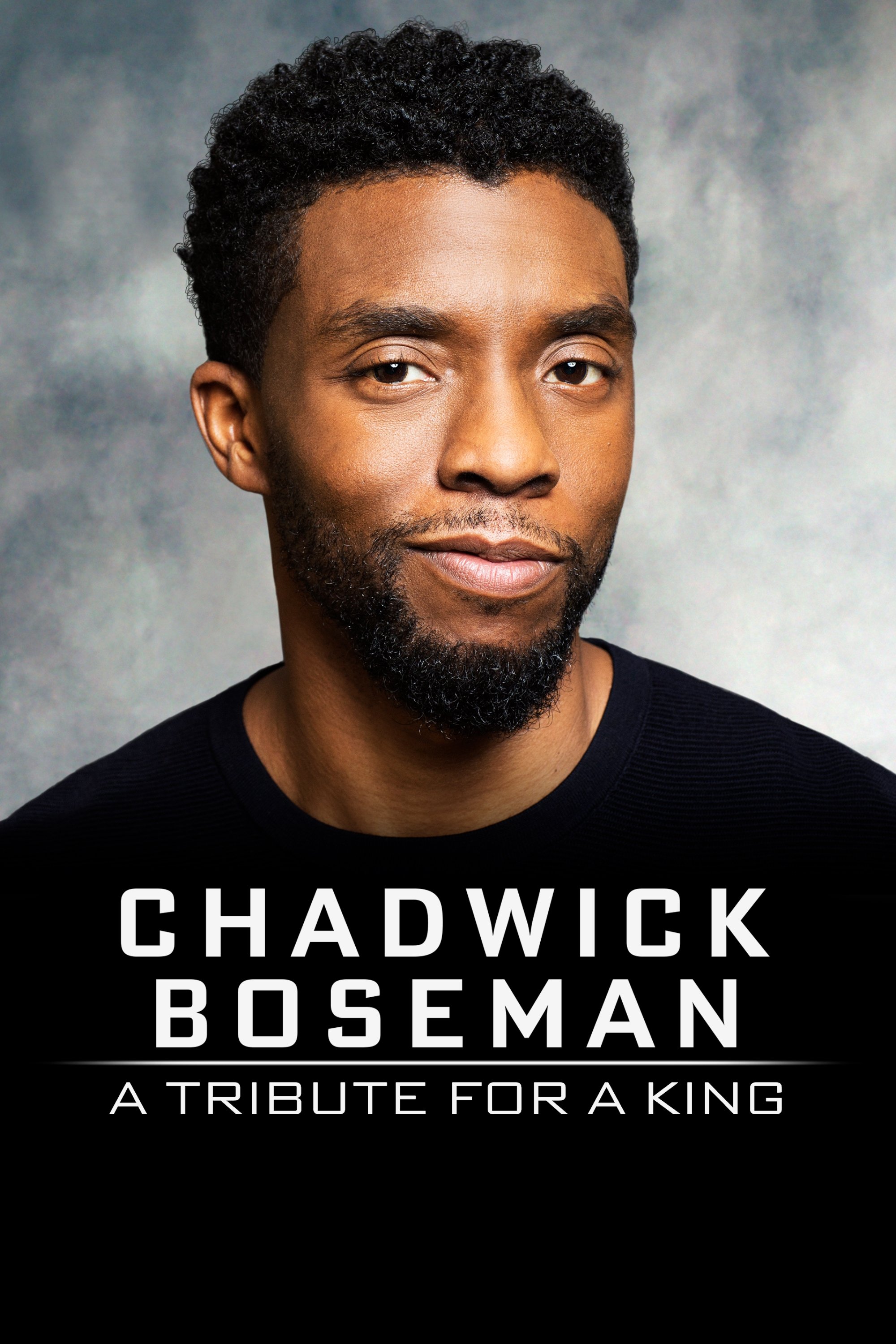
A tribute to Chadwick Boseman, celebrating his life and legacy.
A documentary about the life and films of director John Ford.
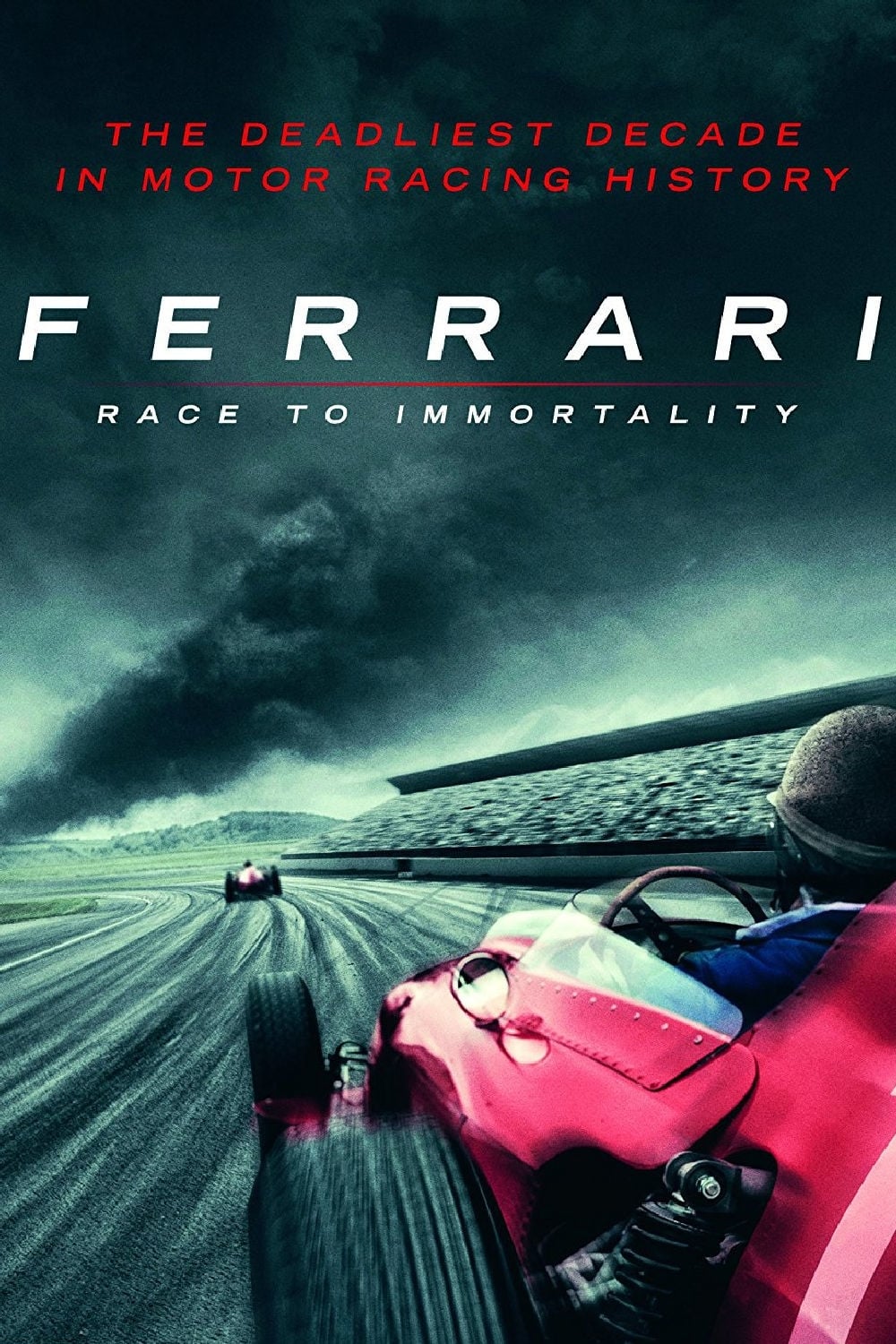
The late 1950s were known as golden years in the world of motor racing, champions were made and lost on a Sunday, and no losses were greater than those of Enzo Ferrari’s Scuderia. Based on Chris Nixon’s bestselling biography Mon Ami Mate, Ferrari: Race to Immortality tells the story of the loves and losses, triumphs and tragedy of a turbulent era that shook the motor racing world.
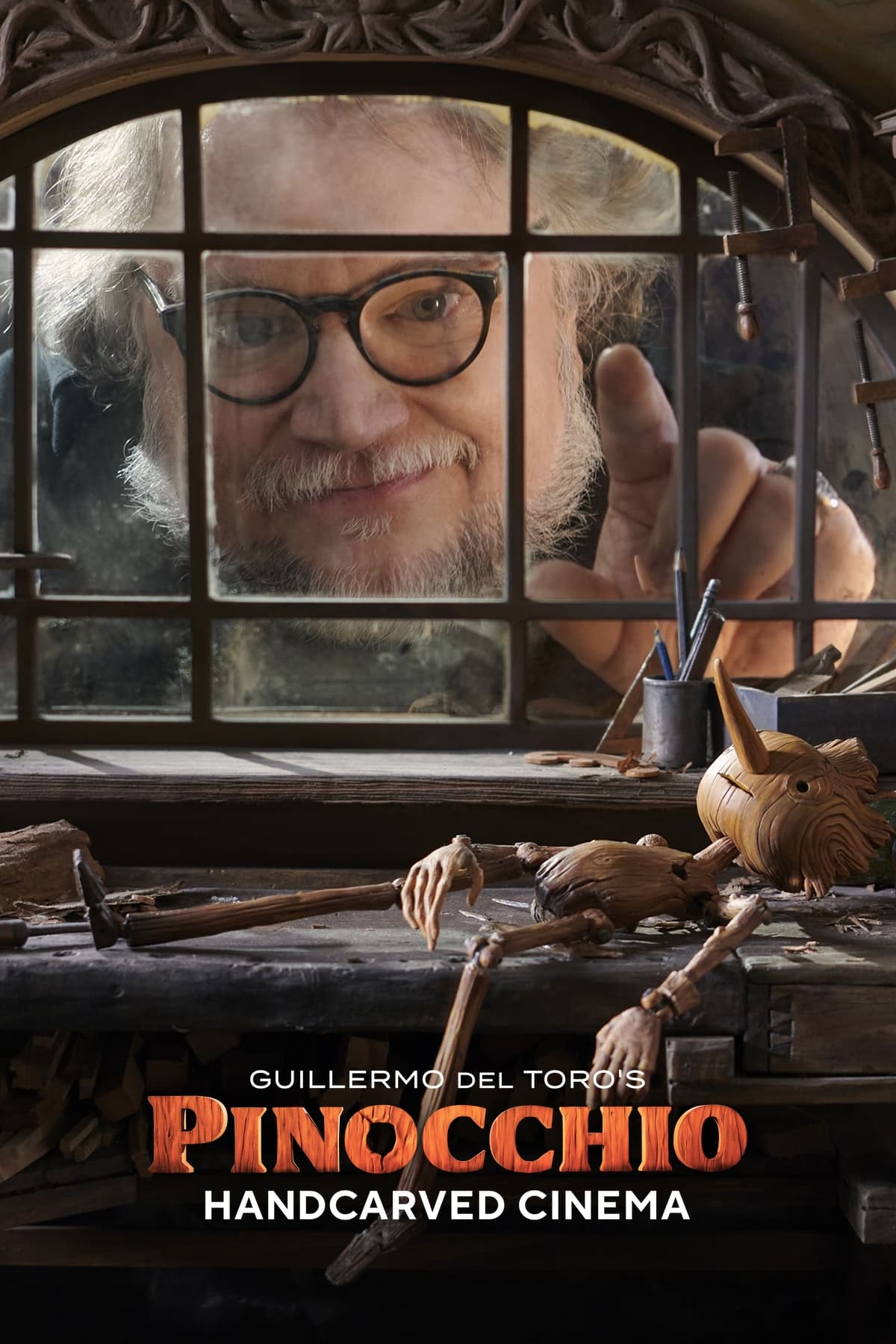
With mesmerizing footage and time lapses of animators at work, this behind-the-scenes special captures the artistry of a unique tale years in the making.
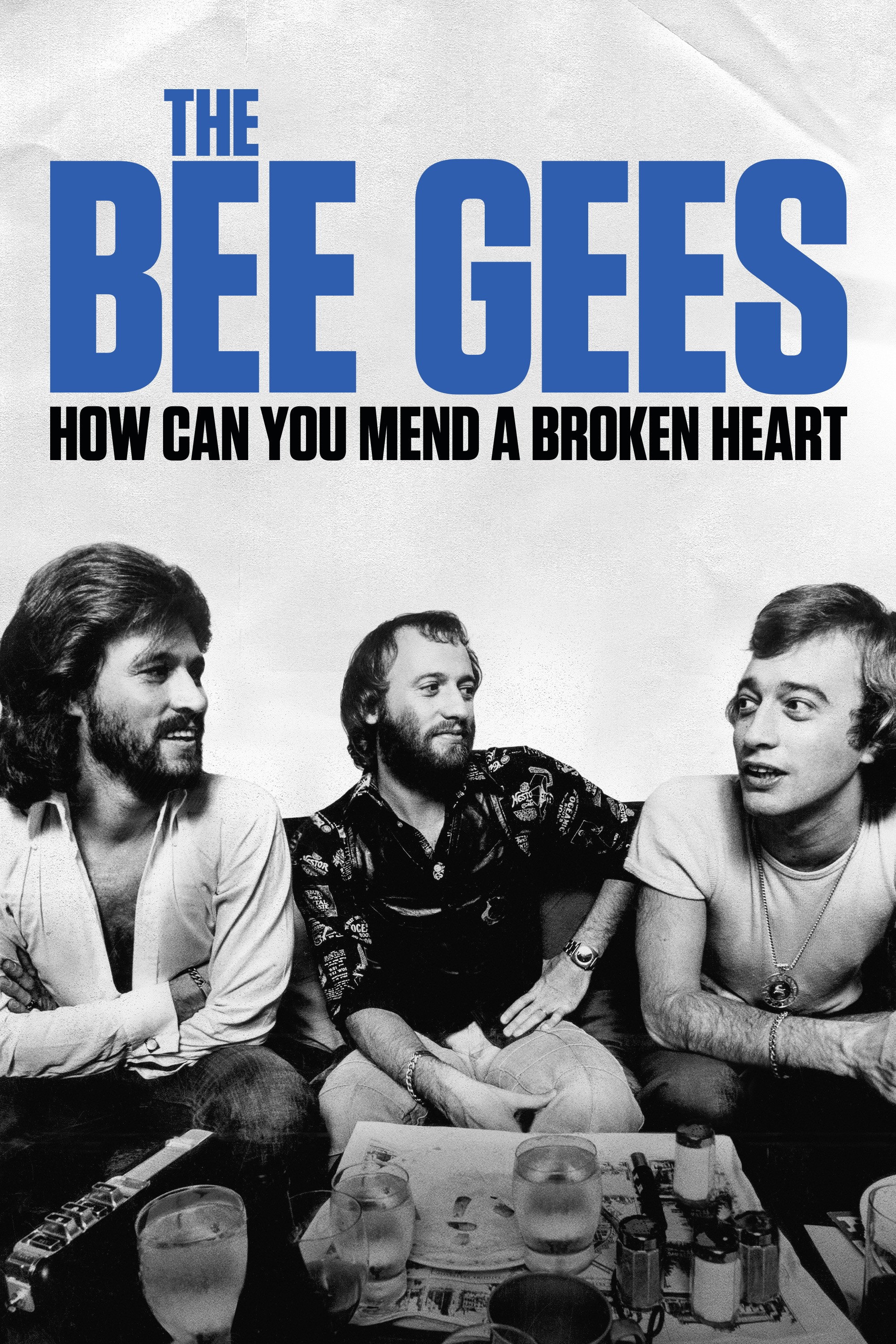
The story of the triumphs and hurdles of brothers Barry, Maurice, and Robin Gibb, otherwise known as the Bee Gees. The iconic trio, who found early fame in the 1960s, went on to write over 1,000 songs and have 20 No. 1 hits throughout their career, transcending more than five decades of changing tastes and styles.
A documentary about the making of season five of the acclaimed AMC series Breaking Bad.
Daniel Craig candidly reflects on his 15 year adventure as James Bond. Including never-before-seen archival footage from Casino Royale to the upcoming 25th film No Time To Die, Craig shares his personal memories in conversation with 007 producers, Michael G Wilson and Barbara Broccoli.