Social & External
The people behind it
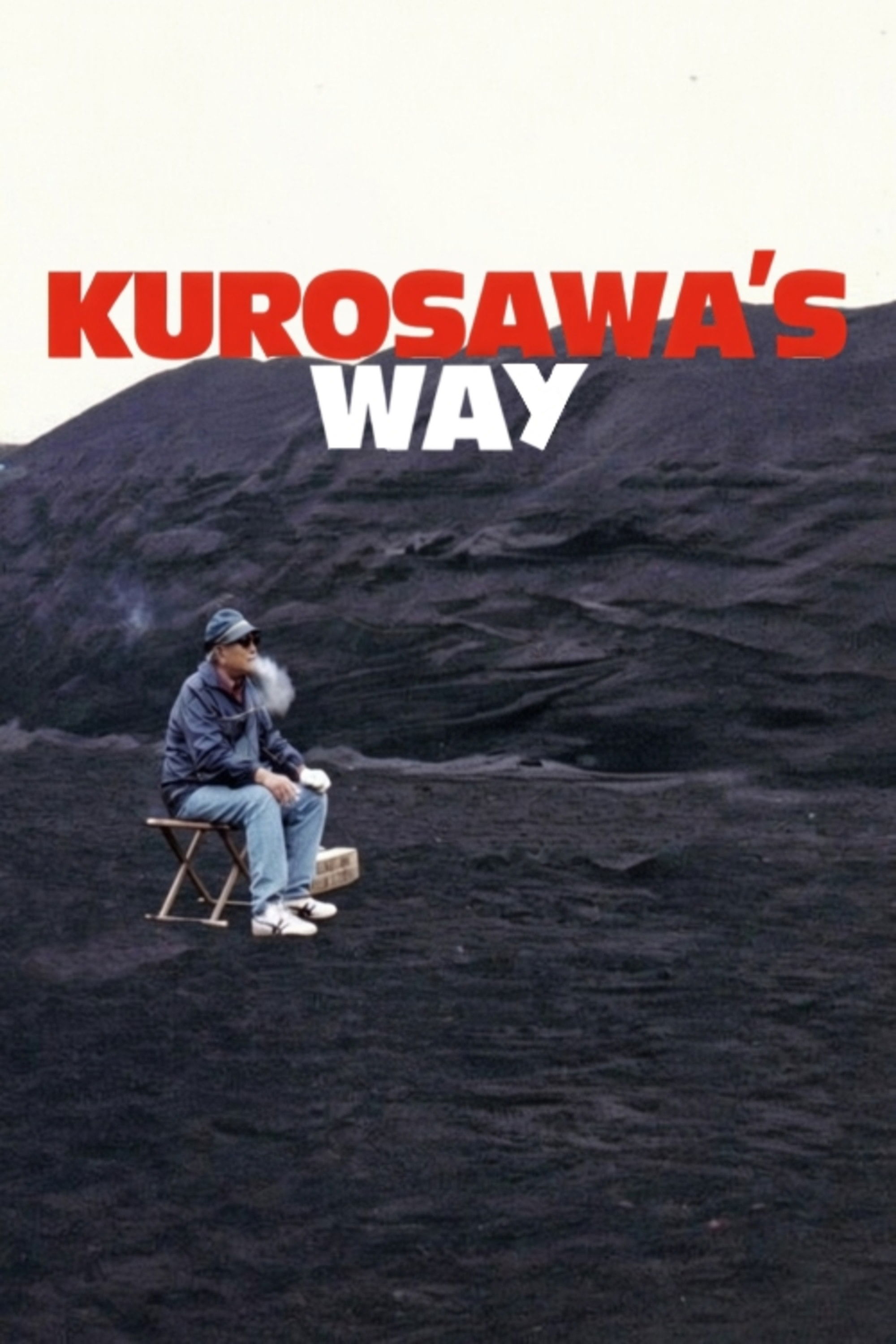
Eleven major film makers from Europe, America and Asia talk about Akira Kurosawa and discover surprising influences on their own work.
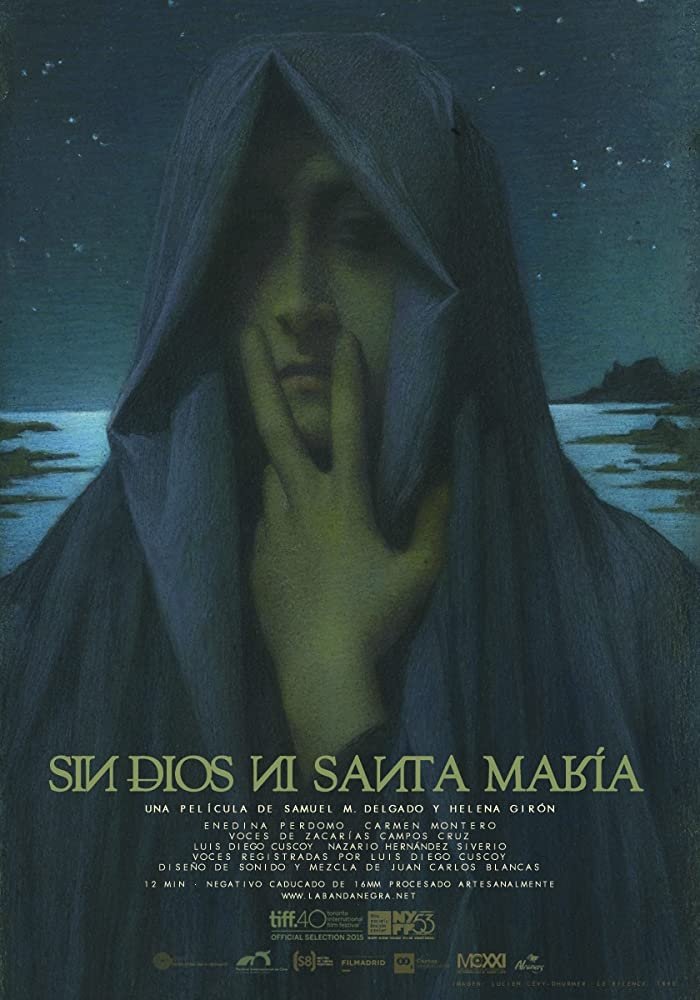
“Since airplanes did not exist, people moved around using prayers; they went from one land to another and returned early, before dawn. In old audio recordings, the voices of pastors speak of the mythical existence of witches and their travels. In the daily life of a woman, the magic of her tales begins to materialize as night falls. Night is the time when travel is possible.”—Samuel Delgado & Helena Girón
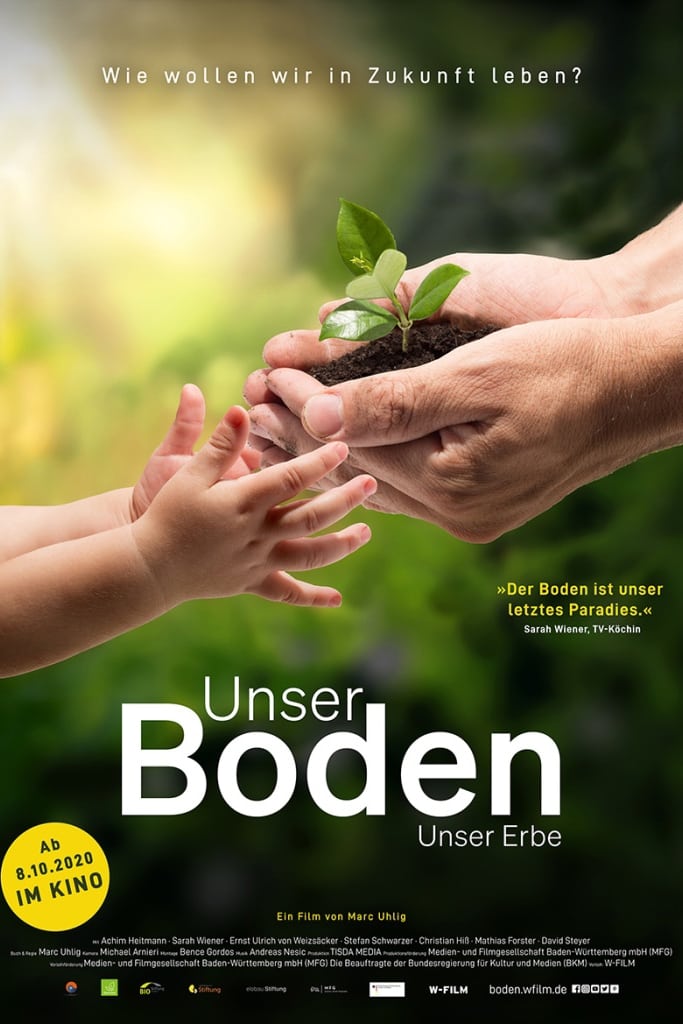
Right on our doorstep there is something that feeds us all: living soil. But this precious resource is under threat – from us humans! Our planet needs more than 2000 years to form ten centimetres of fertile soil. What does this mean for the future?
On December 12, 1945 Maria Stadler got (as one of the first from the American occupying power) the license to operate a movie theater. At first she ran a traveling cinema, which went so well that she opened on 30 October 1953 Maria's Kino in Bad Endorf, which still exists today. In the winter of 1976/77 students of the Munich University of Film and Television made a documentary about the idealist, who had since become a movie legend.
Forty years after the Fall of Saigon, a young Vietnamese woman is among the Vietnam War's uncounted casualties. Born near fields where American planes sprayed Agent Orange, Thao lives with severe physical deformities. Halfway around the world, a woman in New York is struggling to cope after the sudden death of her famed younger sister. In the midst of her crippling depression, a friend shows Elizabeth a black-and-white photograph from a recent trip abroad. The image haunts Elizabeth.
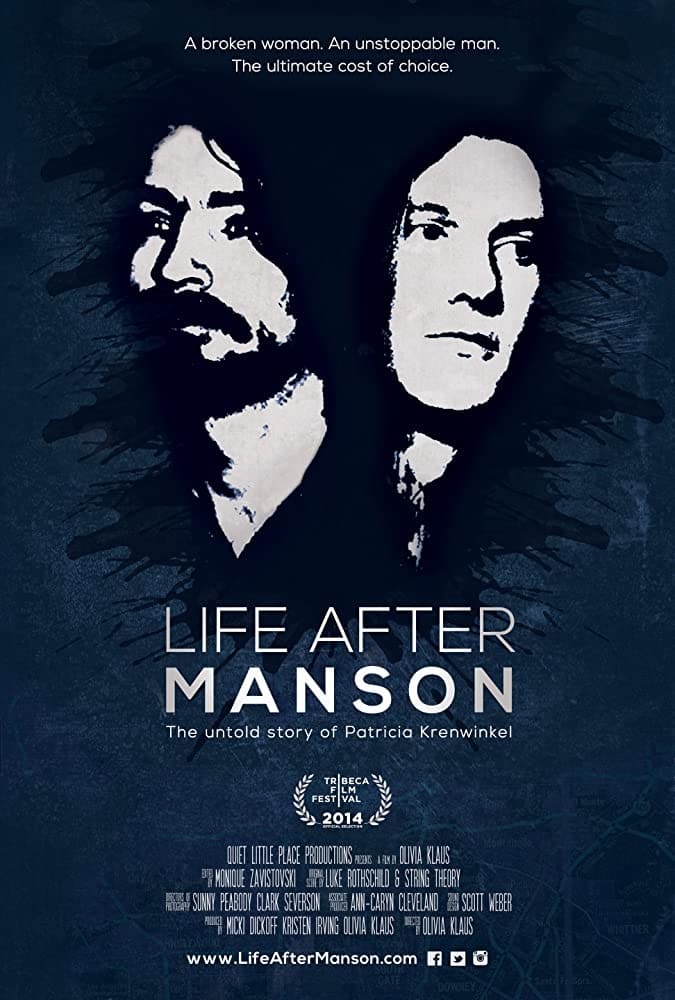
Life After Manson is an intimate portrait of one of the world's most infamous crimes and notorious killers. An exclusive interview with Manson Family member Patricia Krenwinkel reveals an unlikely relationship with charismatic Charles Manson that led her to cross every line of moral consciousness, culminating in the brutal murders she committed to win approval of the man she loved. Life After Manson offers a provocative character study that exposes a broken woman struggling with her past, her arduous effort to evaluate the cost of her choices, and the possibility of self-forgiveness. Can society offer her the same, and even identify with a woman who took life only to lose her own in a desperate effort to find love?
African Diary uses footage from a filmed personal diary shot in Algeria by an anonymous Frenchman between 1927-1936. Here, they reprise his cinematic jottings as he followed in the footsteps of the 19th century Orientalists like Flaubert.
Real stories of five women of the Old West....
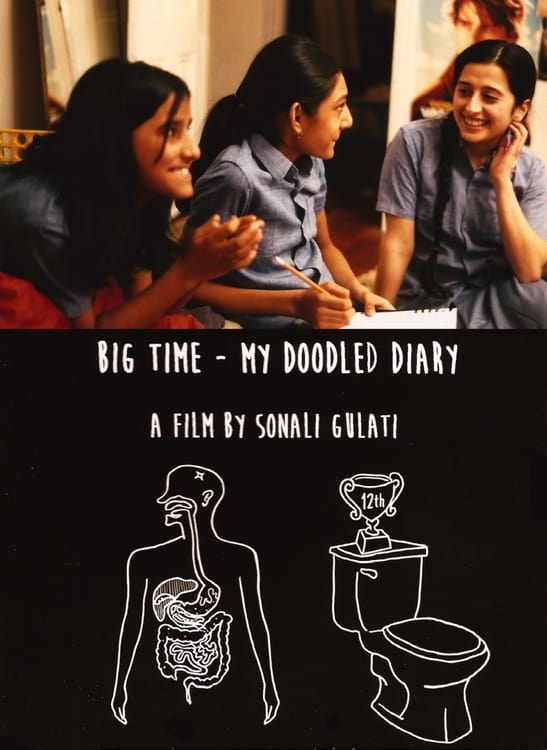
As “Girls Just Want to Have Fun” dominates the pop charts, Maya writes in her diary everything that rocks her teenage world, from the assassination of Indira Gandhi and her parents’ divorce, to the latest pimple that made its appearance. But suddenly not much else seems to matter when a new girl arrives at school. A delightful and intimate exploration of youthful obsession, budding sexuality and what it means to be a teenager, which all too often sucks, big time.
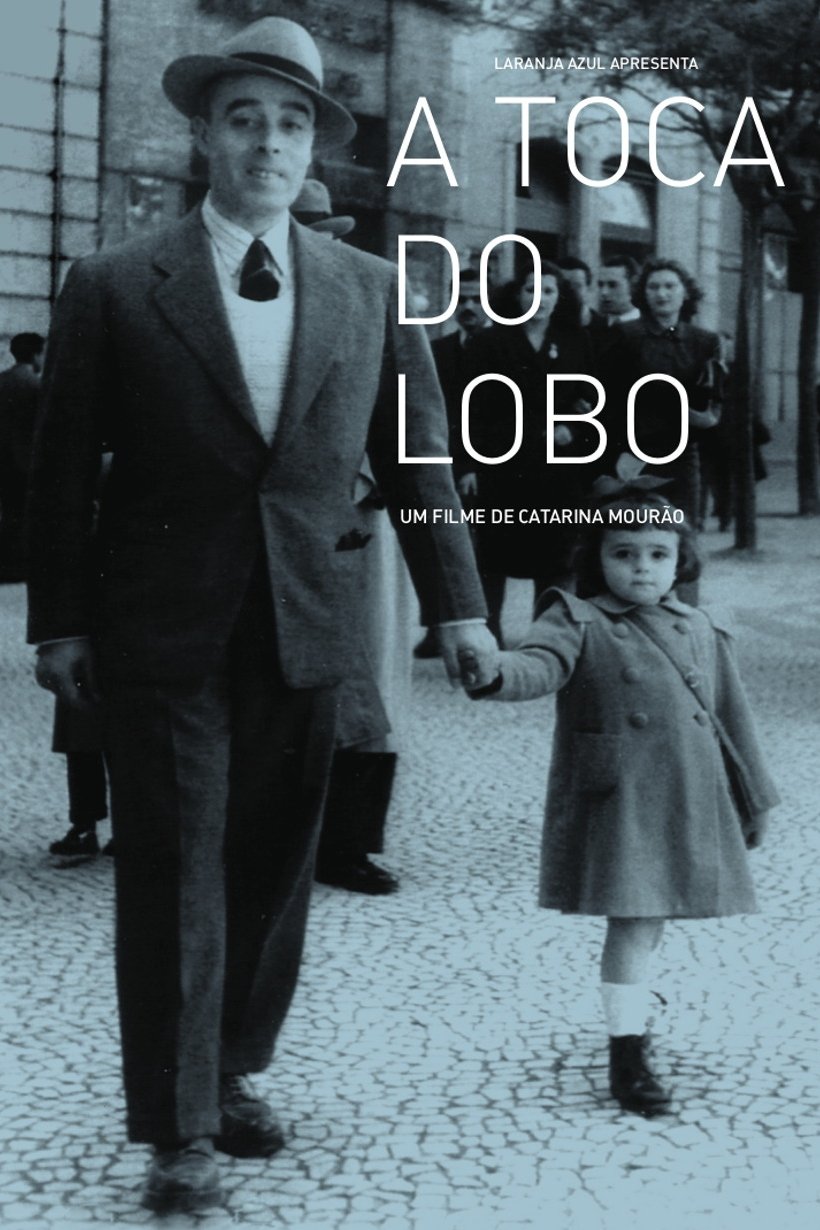
Every family has its secrets, the family of Portuguese filmmaker Mourão included. As the granddaughter of the well-known writer Tomaz de Figueiredo, she picks apart several of them in an intimate yet universally meaningful way. As such, her film also becomes a portrait of dictatorship and resistance and of the urge to create art.
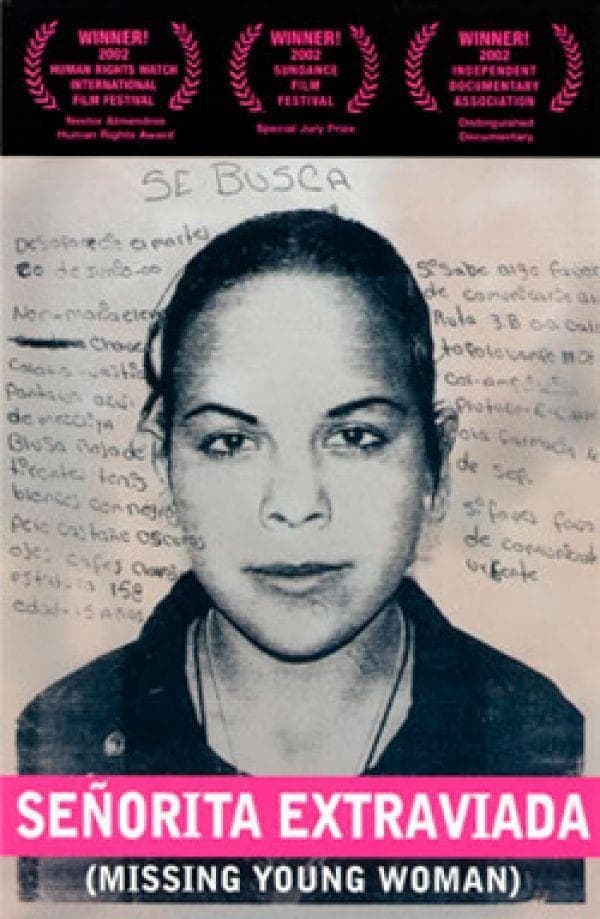
This gripping documentary investigates the disappearance of young women from assembly plants that line the Mexican-American border.
Documentary on a recovering crack addict and her troubled daughter as they navigate the obstacles of joblessness, parenthood, welfare, and public housing.
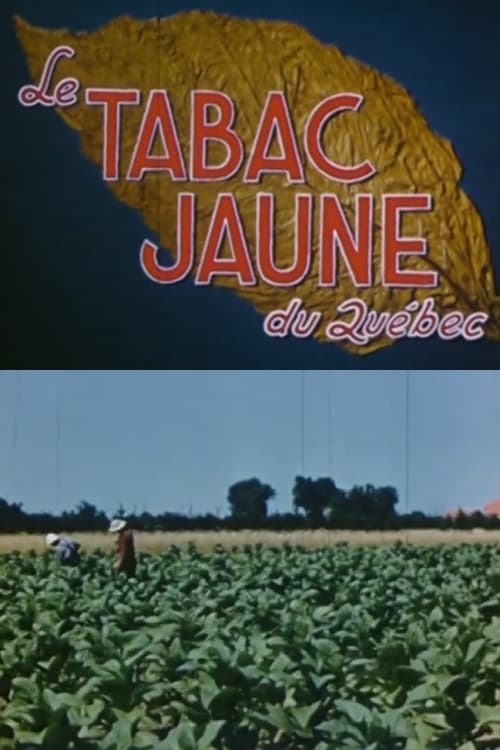
History of yellow tobacco cultivation in the regions of Joliette, Berthier and Trois-Rivières. The documentary describes the care and work required for this crop and pays tribute to the producers whose efforts have made it possible to introduce and maintain this highly specialized industrial crop in Quebec.
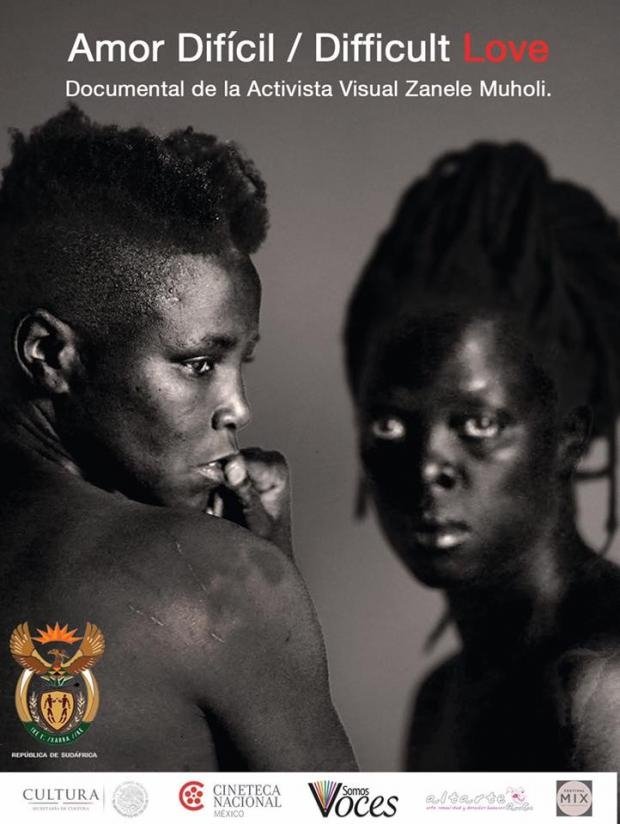
The film is a portrayal of Zanele Muholi, a lesbian photographer working in the South African GLBT community. This thin, combative person is already a world-wide famous artist. They define themselves as a "visual activist" in order to highlight their commitment to politics, to communicating ideas and to art. Their work includes: provocative nudes (like a female Mapplethorpe); young Zulu couples, dressed in traditional costumes, embracing each other; a homeless socially excluded lesbian couple; a dignified portrait of Victor Mukasa, the gay human rights leader from Uganda; wonderful shots of Zanele with their white partner. Beautiful and poetic pictures which are "militant" in nature since they condemn homophobia, poverty, and the public and private conflicts of a country divided between tradition and modernity.
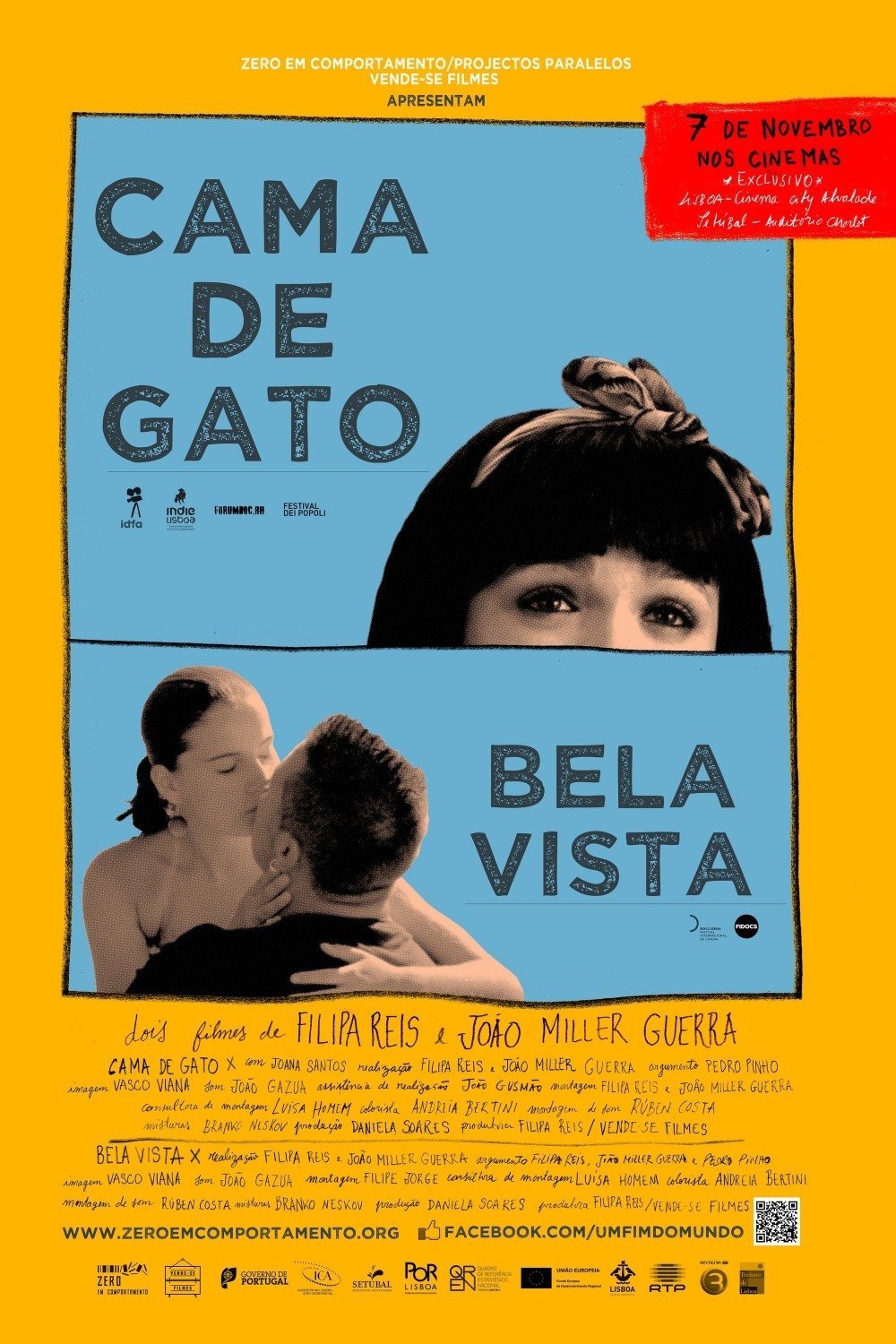
Lives being lived, words, gestures, gazes cross our paths, amidst a chaos en framed by a rectangular grid of windows and balconies. Rows of buildings interconnected by corridors perched over courtyards. Each ones property off their private slice of the view. The geometry of the life of a neighborhood: Bela Vista.
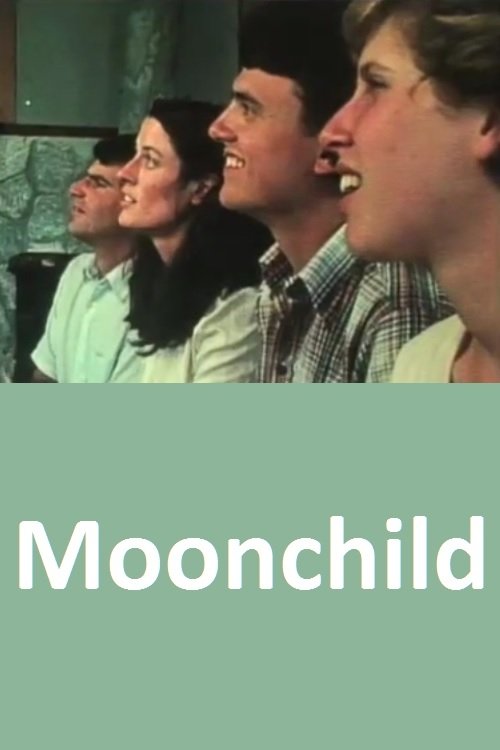
Real life deprogrammers and ex-Moonies reenact one person’s journey into and out of the Unification Church in this compelling docudrama. Moonchild is an eye-opening glimpse of a religious cult from an insider’s point of view.
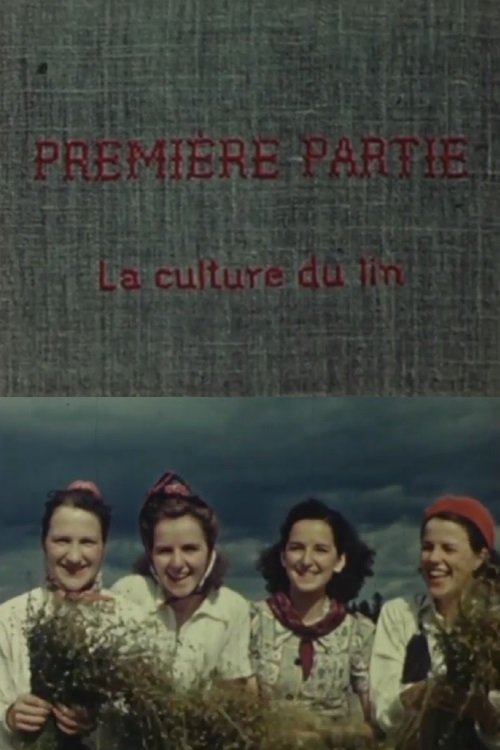
The cultivation of flax, long and complicated, requires constant precautions and care. This document describes the different stages of this culture, from tillage and fertilization of the soil to uprooting, retting, braying, stacking, retting and, finally, shipping to the factory.
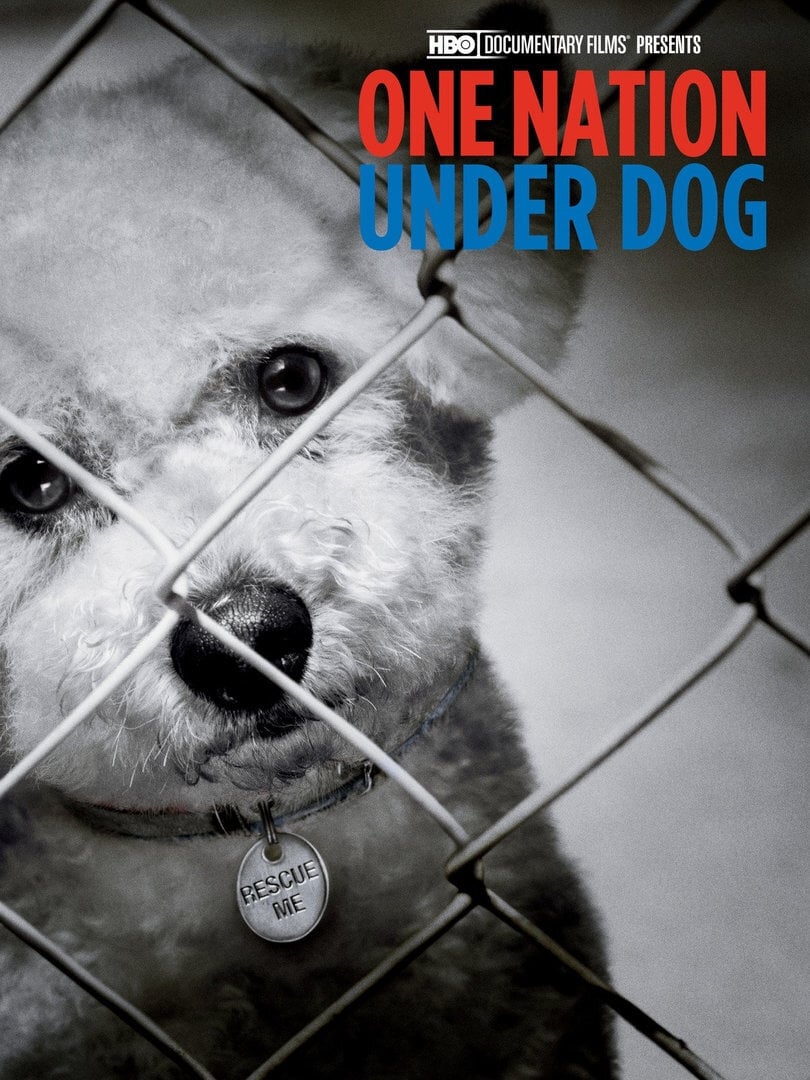
.Americans have had a long love affair with dogs, with many of us referring to our canine companions as best friends, significant others, soul mates, even children. But lost amidst all the pampering and pedestaling are hard and often tragic truths surrounding dog ownership, care and commerce, not to mention the daunting odds continuing to face millions of unwanted shelter dogs. Divided into three parts – “Fear,” “Loss” and “Betrayal” – this 73-minute documentary is comprised of eight case studies that probe the complicated and conflicted relationship we have with canines. Collectively, the segments reveal the sobering realities behind our relationship with dogs, showing not only how far some dog lovers will go for their pets, but how far we as nation have to go in order to treat all dogs humanely.
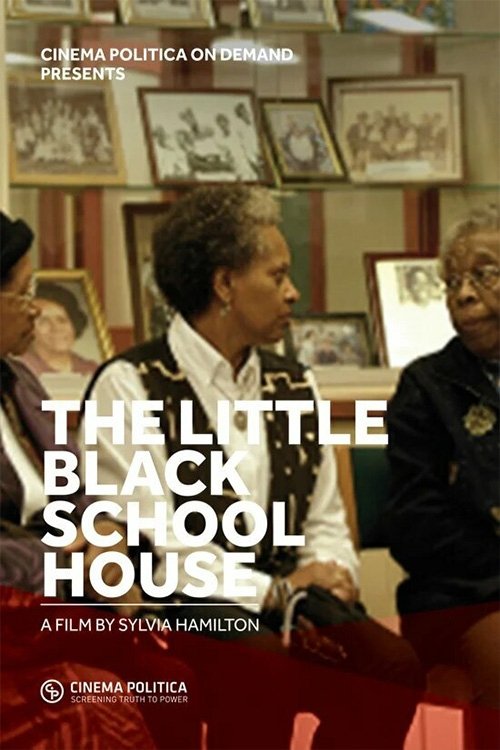
Award-winning filmmaker and writer Sylvia Hamilton painstakingly unearths the story of the children, women, men who were students and teachers in Canada’s racially segregated schools in The Little Black School House. The film is a compelling illustration of how many of the students who attended Canada’s all-Black schools look back on the experience with conflicted feelings: fondness for the dedication of their Black teachers, and outrage at being denied a right, fundamental to democracy in Canada: equal access to quality education.
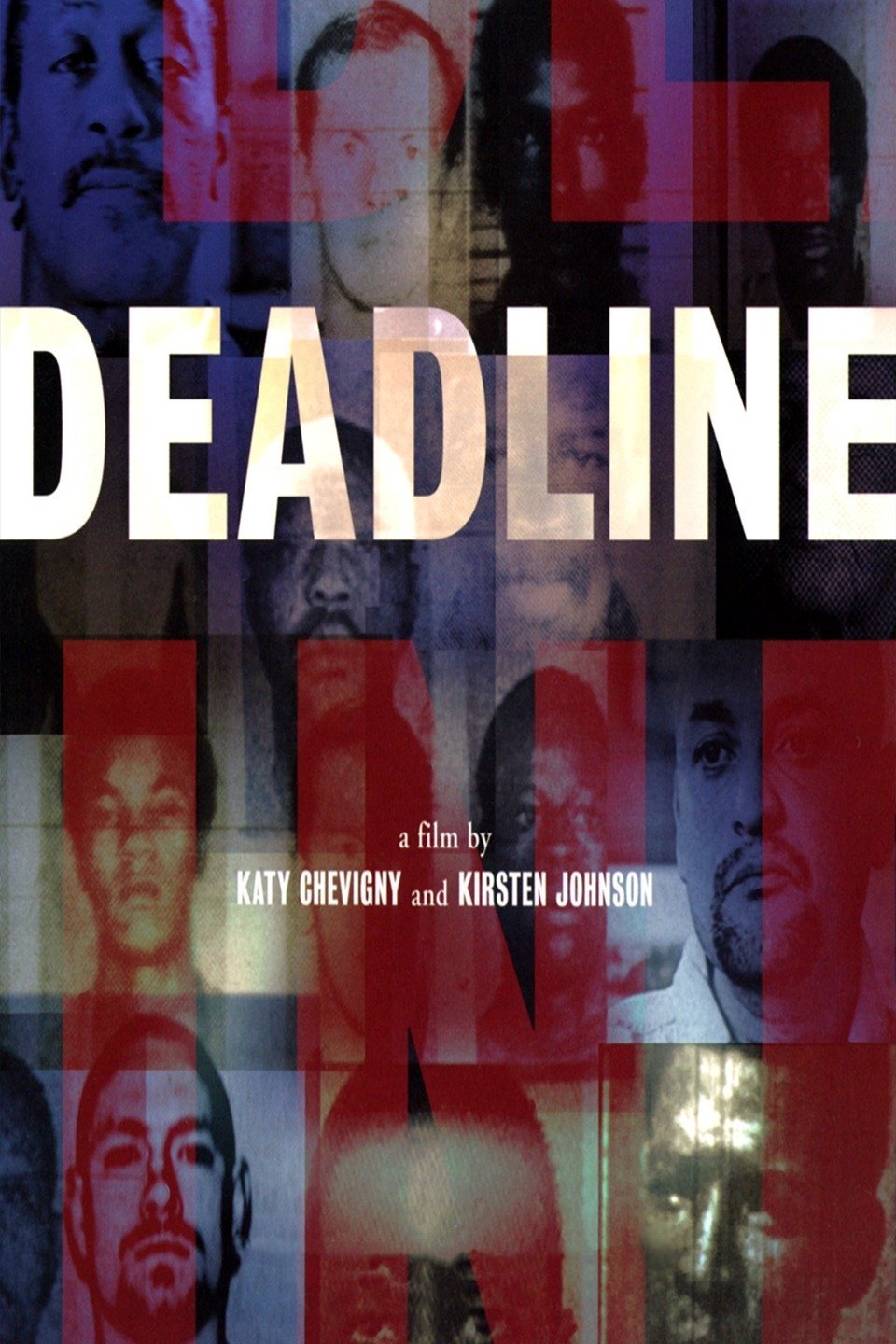
In 2000, Illinois Gov. George Ryan ordered a moratorium on the death penalty after university students uncovered new evidence proving the innocence of 13 men on death row. This documentary follows the hearings held by a panel Ryan appointed to study the issue and interviews activists, scholars and prisoners, while examining the history of the American death penalty. As Ryan's time in office comes to an end, he must decide what steps to take to reform the judicial system.
Ranjit, a farmer in India, takes on the fight of his life when he demands justice for his 13-year-old daughter, the victim of a brutal gang rape. His decision to support his daughter is virtually unheard of, and his journey unprecedented.
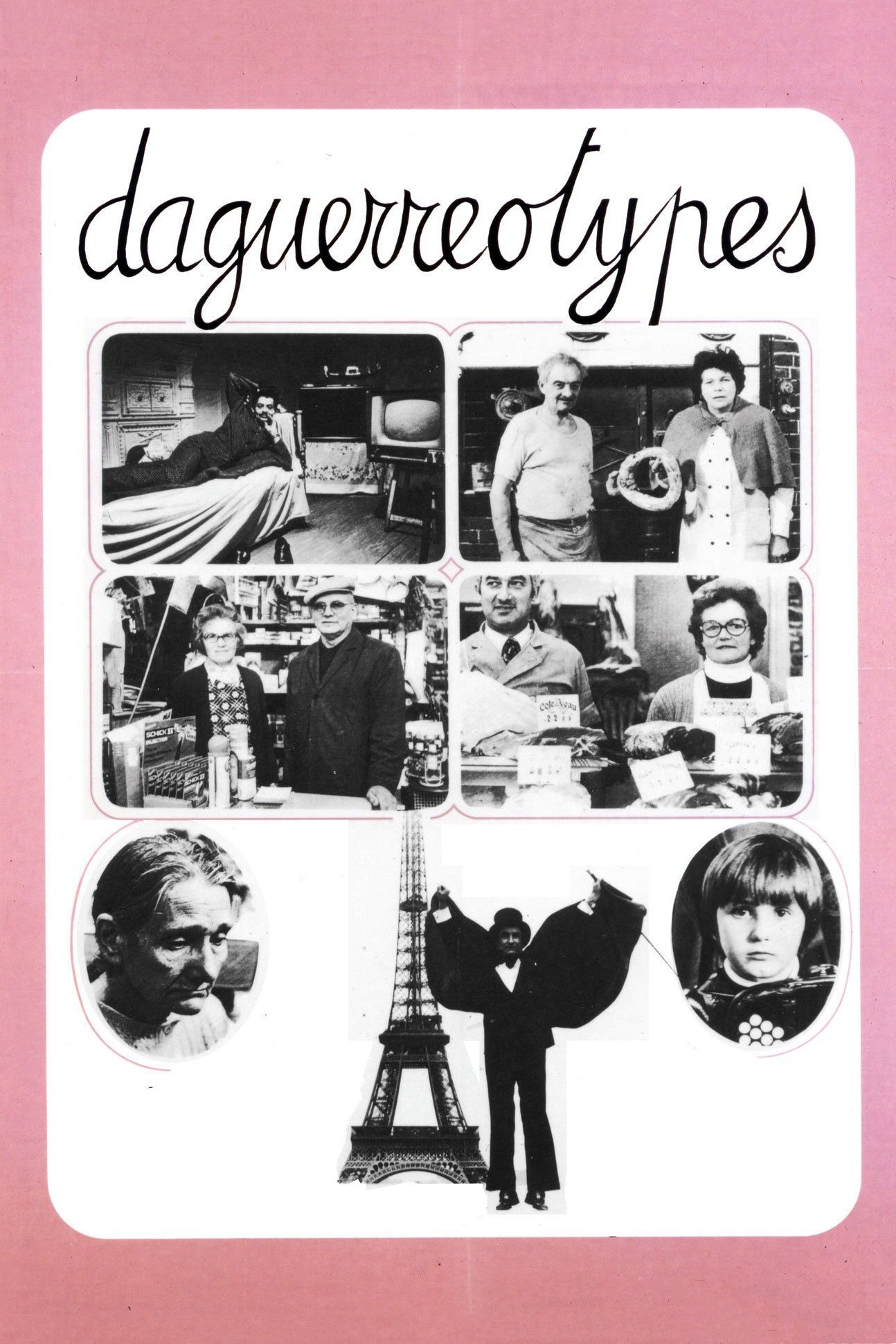
An intimate portrait of the small shops and shopkeepers of the Rue Daguerre in Paris, a picturesque street that has been the filmmaker’s home for more than 50 years.
A string of threatening emails escalates into a revenge plot involving a newly married US marshal and his ex-girlfriend.
Lyrical and powerfully personal essay film that reflects on the deaths of her husband Lou Reed, her mother, her beloved dog, and such diverse subjects as family memories, surveillance, and Buddhist teachings.
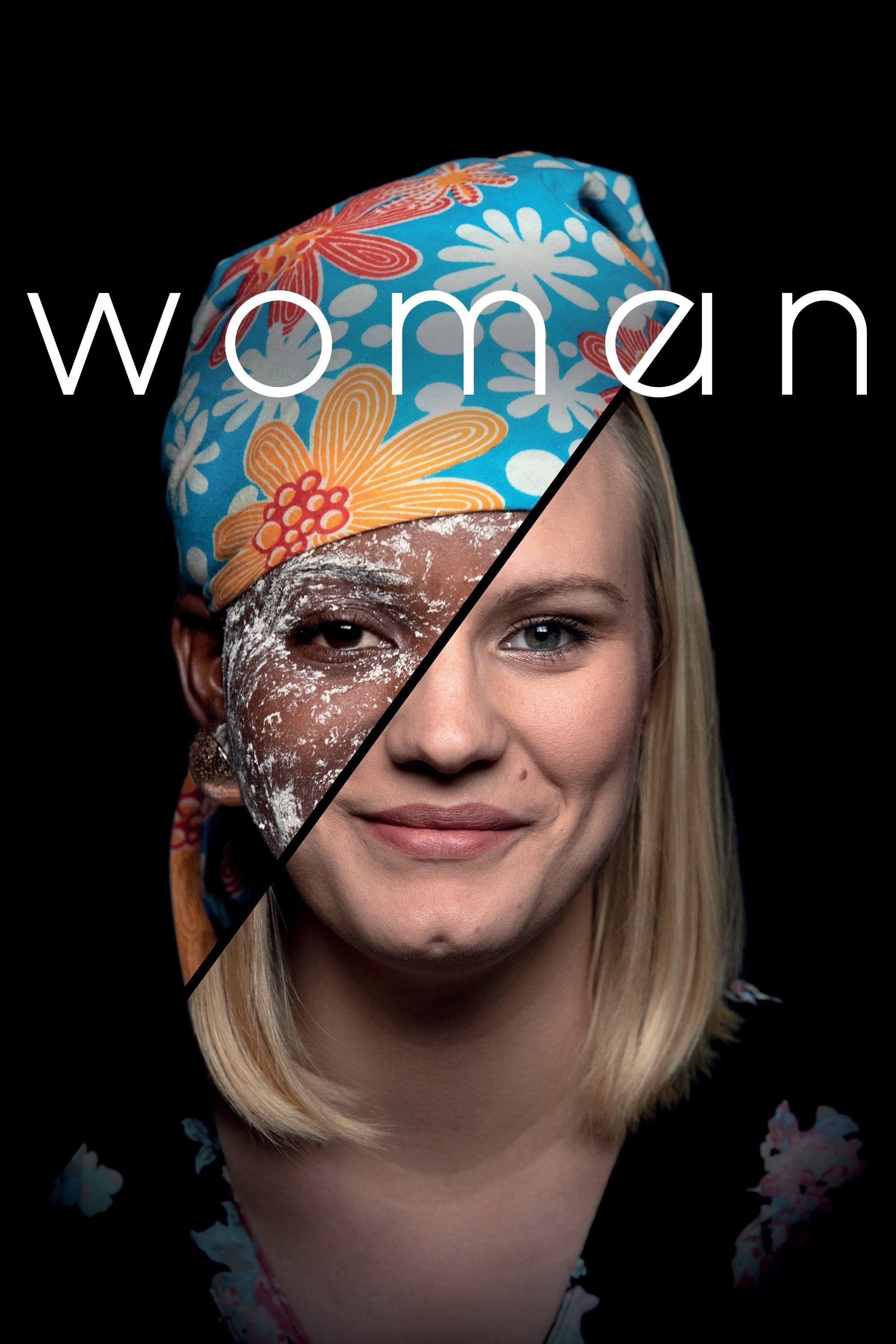
The film is based on interviews with 2,000 women from 50 countries, and covers the status of women all over the world. The topics covered include forced marriages, sexual assault, female genital mutilation, acid attacks, motherhood, sexuality, menstruation, education and the professional success of women.
A visual montage portrait of our contemporary world dominated by globalized technology and violence.
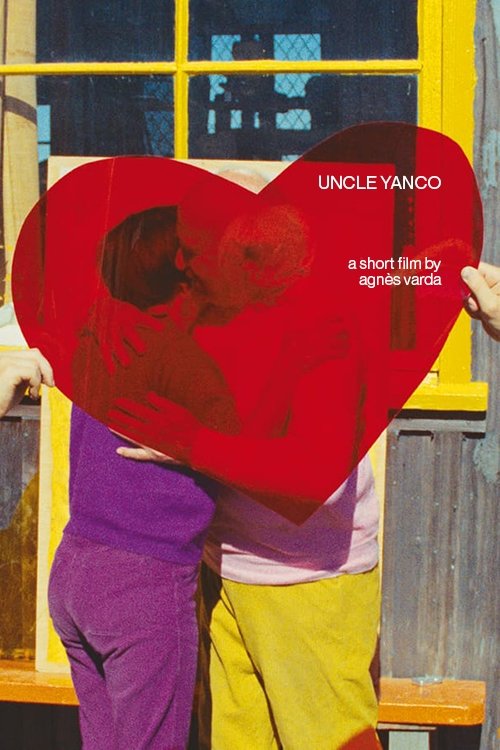
While in San Francisco for the promotion of her last film in October 1967, Agnès Varda, tipped by her friend Tom Luddy, gets to know a relative she had never heard of before, Jean Varda, nicknamed "Yanco". This hitherto unknown uncle lives on a boat in Sausalito, is a painter, has adopted a hippie lifestyle and loves life. The meeting is a very happy one.
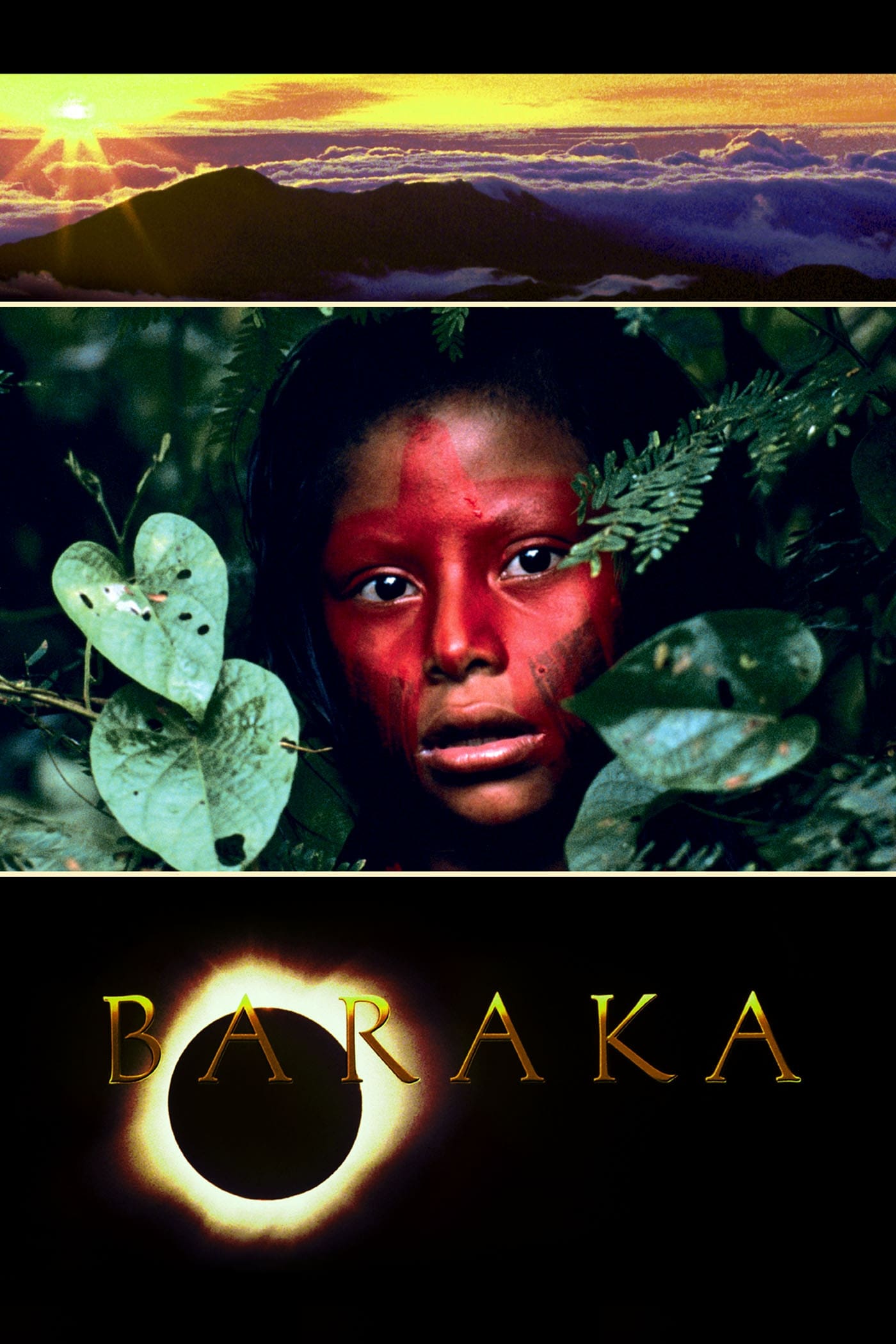
A paralysingly beautiful documentary with a global vision—an odyssey through landscape and time—that attempts to capture the essence of life.
“Showrunners” is the first ever feature length documentary film to explore the fascinating world of US television showrunners and the creative forces aligned around them. These are the people responsible for creating, writing and overseeing every element of production on one of the United State’s biggest exports – television drama and comedy series. Often described as the most complex job in the entertainment business, a showrunner is the chief writer / producer on a TV series and, in most instances, the show’s creator. Battling daily between art and commerce, showrunners manage every aspect of a TV show’s development and production: creative, financial and logistical.
Over 35 years after Bob Lazar's revelations, this documentary exposes secrets of a facility the government still denies. Featuring Lazar's testimony, recreations, and new evidence, it reopens a case that continues to spark global curiosity
Director Michael Apted revisits the same group of British-born adults after a 7 year wait. The subjects are interviewed as to the changes that have occurred in their lives during the last seven years.
A documentary directed by Winding Refn's wife, Liv Corfixen, and it follows the Danish-born filmmaker during the making of his 2013 film Only God Forgives.
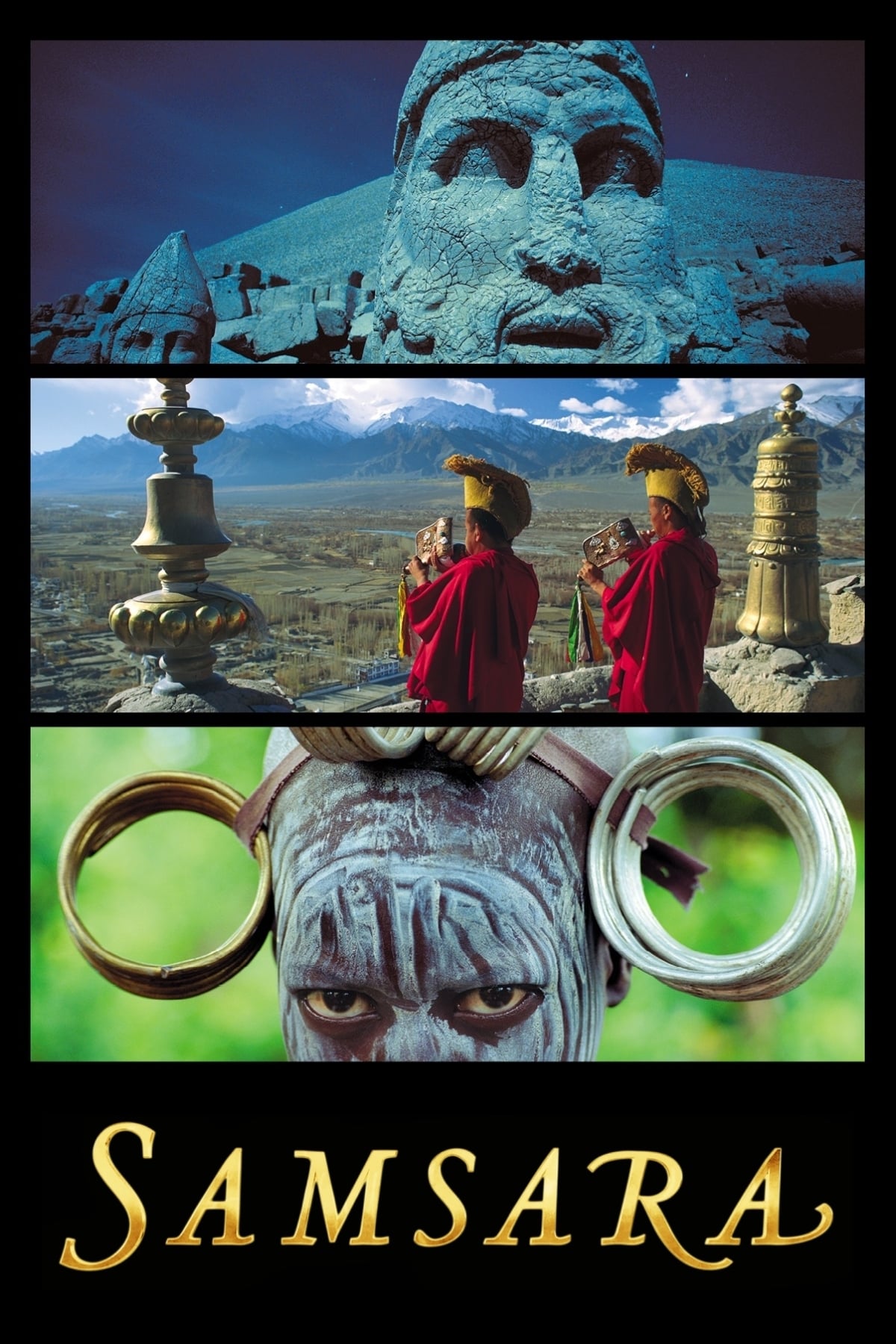
Filmed over nearly five years in twenty-five countries on five continents, and shot on seventy-millimetre film, Samsara transports us to the varied worlds of sacred grounds, disaster zones, industrial complexes, and natural wonders.
A documentary about the life and films of director John Ford.
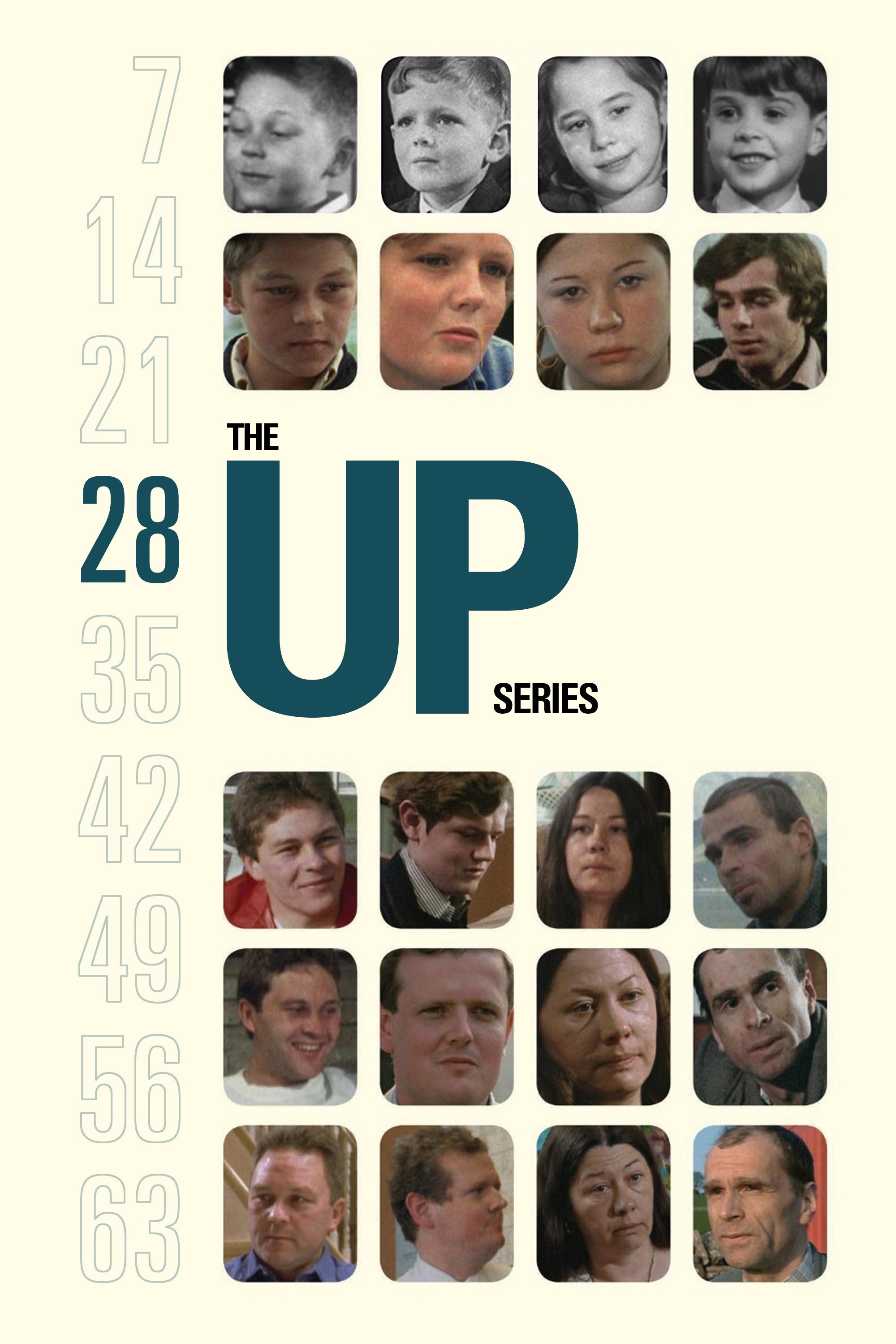
Just two years away from turning 30, participants in Michael Apted's documentary series are facing serious questions of identity and purpose, wondering whether they've found their place in the world.
The life of Bambi, a male roe deer, from his birth through childhood, the loss of his mother, the finding of a mate, the lessons he learns from his father, and the experience he gains about the dangers posed by human hunters in the forest.
Nine filmmakers each profile a young girl from a different part of the world to weave a global tapestry of youth in the 21st century.
Through deeply personal interviews with her siblings and an examination of the photographs, letters, and belongings left behind, Mariska assembles a new portrait of her mother Jayne Mansfield, an extraordinary and complex woman.
Using the book 'Fragments', which collects Marilyn Monroe's poems, notes and letters, and with participation from the Arthur Miller and Truman Capote estates who have contributed more material, each of the actresses will embody the legend at various stages in her life.
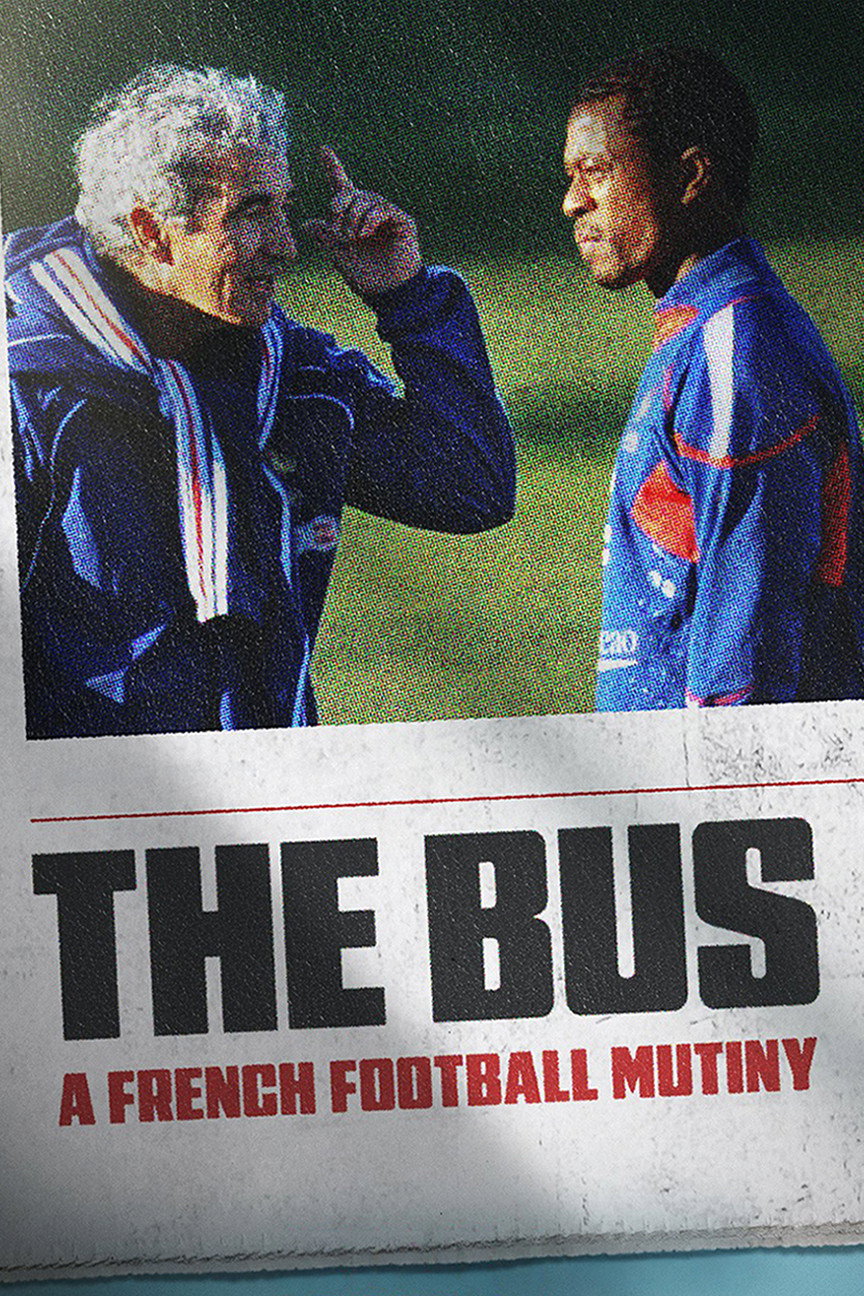
This documentary revisits the French football team's controversial 2010 World Cup and the bus strike that sparked global headlines and national outrage.