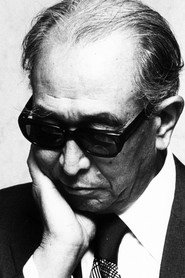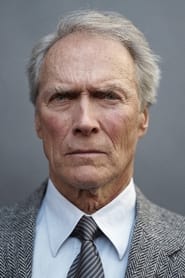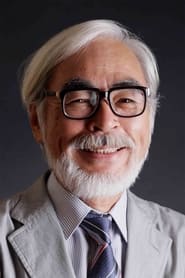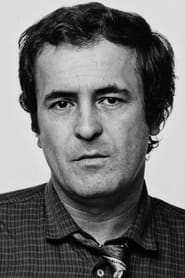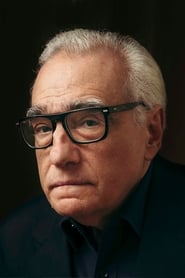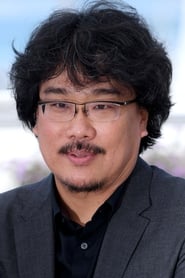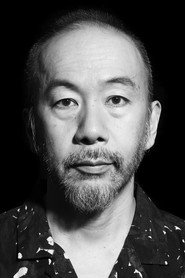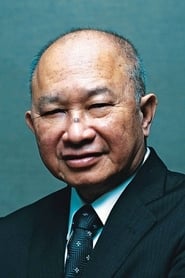


Eleven major film makers from Europe, America and Asia talk about Akira Kurosawa and discover surprising influences on their own work.
Social & External
Self (Archive Footage)
Self
It was a family secret, hidden for decades - until now. With the help of commercial DNA bases, SVT's US correspondent Carina Bergfeldt sets out in search of her secret half-brother, who according to a rumour exists. The hunt came to affect her whole life.
After giving birth, Joyce attempts to regain her position as a filmmaker while also caring for her new baby. The changes to both her and her husband’s professional lives are remarkable and frustrating. The new parents love the baby but must recognize the limitations she puts on their careers.
"Lionpower from MGM" (1967) is an exciting 60's promotional short subject, which showcases MGM's releases for the 1967-68 film season under a "five seasons" theme--fall, winter, spring, summer--plus a "fabulous fifth season". The main music is set to the rousing theme from "The Magnificent Yankee" composed by David Raksin in 1950. The promo is narrated by some of the best voice-over actors of the time, and is an excellent time capsule of a by-gone era.
Set to a classic Duke Ellington recording "Daybreak Express", this is a five-minute short of the soon-to-be-demolished Third Avenue elevated subway station in New York City.
Despite what the documentary suggests, the group featured in Jesus Camp does not represent mainstream evangelical Christianity. Becky Fischer and her “Kids on Fire” camp come out of a narrow Charismatic stream that pushes children into extreme emotional experiences, overemphasizes tongues, demons, and political “dominion,” and puts a crushing spiritual burden on young kids to “take back America for God.” This is not healthy, biblical Christianity; it is a troubling distortion. Bible‑believing Christians should not treat this film as the definition of our faith or of Christian camps in general. Most evangelical churches and camps focus on clear teaching of Scripture, the gospel of grace in Christ, age‑appropriate discipleship, and normal spiritual growth—not the kind of excesses and manipulation shown in this documentary.
Segregation, abandonment, and the meaning of home are discussed by the people that lived in, worked at, and crusaded for one of the largest and oldest Intellectual and Developmental Disability Institutions in the United States. The facility, in its closing, challenged society's perception of those with intellectual disabilities and ultimately fought for better rights.
Antonio is 92 years old and lives on his own in Penàguila, a small Spanish village in the Mediterranean mountains. In his old age, he spends his days enjoying the good weather on the patio, doing minimal tasks, and teaching things to younger generations. His old age sets the pace in a village where he has lived all his life and where his past is around him, like the family restaurant or the fields he used to harvest. The arrival of the cold winter will change it all.
When a Mongolian nomadic family's newest camel colt is rejected by its mother, a musician is needed for a ritual to change her mind.
The film describes the microcosmos of the small village Wacken and shows the clash of the cultures, before and during the biggest heavy metal festival in Europe.
Grindcore Vacation melds the expository documentary, diary film, and live performance footage to produce a portrait of the musicians who play grindcore, an extreme sub-genre of punk/metal characterized by high speed and full volume. Shot during a weekend trip from Victoria BC to Dallas TX for a single DIY concert, it interviews members of Deterioration, Cognizant, and Imperial Slaughter. Live concert footage combines with interviews and Super 8mm film to create an impression of the people who play grindcore, why they love the genre, and their experiences as practitioners of the niche style.
A look at the unusual process used in the making of the film Shortbus (2006) featuring interviews, behind the scenes footage and clips from the feature film. Director John Cameron Mitchell starts with the concept of using real sex in a film with a positive message. The cast of unknowns is selected from homemade audition tapes and then a callback audition workshop. More acting workshops are used to develop the characters and script. The project overcomes a number of obstacles and the rest of the film's development is followed up until its premiere at the Cannes Film Festival.
Citizen Film collaborated with the African American Cultural and Historical Society to produce an initial short film on African American migration, which was screened at African American Art & Culture Complex and other cultural venues around the city during Black History Month, February 2019. This first iteration of the migration stories will pave the way for Citizen Film’s collaborative process with the historical society to include a chorus of voices documenting personal and social histories.
Explore the complicated history of African Americans’ place in San Francisco politics in African Americans and The Vote – a collaboration between Citizen Film and the San Francisco African American Historical and Cultural Society. African Americans and the Vote features San Francisco’s first Black mayor, Willie Brown and members of the next generation of leadership. Bernal Heights Outdoor Cinema will be screening African Americans and the Vote virtually Tuesday, October 27 as a part of their “Best of Bernal” live streaming event!
Between the Lines is a visually lyrical experimental documentary about women who cut themselves. The film is about gray areas in women’s relationship to their bodies in the context of deliberate self-harm. The women in this film negotiate the fine lines between self-destructive behavior and self-preserving coping mechanisms, as well as personal marking and the record keeping of experiences that defy language.
Chris Marker and François Reichenbach document the massive anti–Vietnam War protest held in Washington, D.C., on October 21, 1967, where more than 100,000 demonstrators gathered at the Lincoln Memorial before marching on the Pentagon. Filmed amid the crowd, the short captures the tension, idealism, and growing radicalism of the American peace movement.
Exploring the art of Armenian portraitist Hakob Hovnatanyan, Parajanov revives the culture of Tbilisi of the 19th century.
Nagisa Oshima interviews Akira Kurosawa, leading him to share his thoughts about filmmaking, his life and works, and numerous anecdotes relating to his films and his various film activities.
The first film in a Seven Up-like series examining the lives of three teenage girls in South Australia during the 1970s. It looks at issues such as boys and sex, abortion, marriage, pregnancy, career paths, and education.
When the lights dim and the stage is revealed, Meschke channels life through the strings of his puppets, triggering the spiritual connection between the creator and his alter-egos: the charismatic Don Quixote, the loving Penelope, the inquisitive Baptiste, or the mysterious Antigone. THE MAN WHO MADE ANGELS FLY is a poetic story about a master of his craft that has inspired audiences to reflect upon common issues of suffering and the mortal coil. Visionary and un-biographic, imaginary tribute to the puppeteer.
A look at the state of the global environment including visionary and practical solutions for restoring the planet's ecosystems. Featuring ongoing dialogues of experts from all over the world, including former Soviet Prime Minister Mikhail Gorbachev, renowned scientist Stephen Hawking, former head of the CIA R. James Woolse
During the 1982 Cannes Film Festival, Wim Wenders asked a number of global film directors to, one at a time, go into a hotel room, turn on the camera, and answer a simple question: "What is the future of cinema?"
Martin Scorsese, Robert De Niro, Joe Pesci, and Al Pacino in conversation about The Irishman.
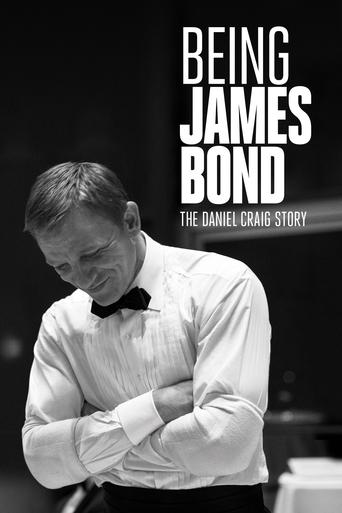
Daniel Craig candidly reflects on his 15 year adventure as James Bond. Including never-before-seen archival footage from Casino Royale to the upcoming 25th film No Time To Die, Craig shares his personal memories in conversation with 007 producers, Michael G Wilson and Barbara Broccoli.
A film shot during the summer of 1968 in Oakland, California around the meetings organised by the Black Panthers Party to free Huey Newton, one of their leaders, and to turn his trial into a political debate. They tried and succeeded in catching America’s attention.
As a visually radical memoir, CAMERAPERSON draws on the remarkable footage that filmmaker Kirsten Johnson has shot and reframes it in ways that illuminate moments and situations that have personally affected her. What emerges is an elegant meditation on the relationship between truth and the camera frame, as Johnson transforms scenes that have been presented on Festival screens as one kind of truth into another kind of story—one about personal journey, craft, and direct human connection.
Since the invention of cinema, the standard format for recording moving images has been film. Over the past two decades, a new form of digital filmmaking has emerged, creating a groundbreaking evolution in the medium. Keanu Reeves explores the development of cinema and the impact of digital filmmaking via in-depth interviews with Hollywood masters, such as James Cameron, David Fincher, David Lynch, Christopher Nolan, Martin Scorsese, George Lucas, Steven Soderbergh, and many more.
Documentary about the art of film editing. Clips are shown from many groundbreaking films with innovative editing styles.
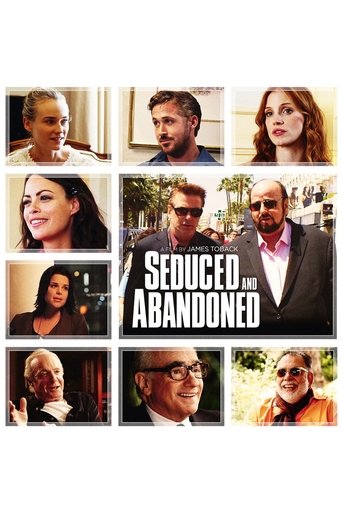
SEDUCED AND ABANDONED combines acting legend Alec Baldwin with director James Toback as they lead us on a troublesome and often hilarious journey of raising financing for their next feature film. Moving from director to financier to star actor, the two players provide us with a unique look behind the curtain at the world's biggest and most glamourous film festival, shining a light on the bitter-sweet relationship filmmakers have with Cannes and the film business. Featuring insights from directors Martin Scorsese, 'Bernando Bertolucci' and Roman Polanski; actors Ryan Gosling and Jessica Chastain and a host of film distribution luminaries.
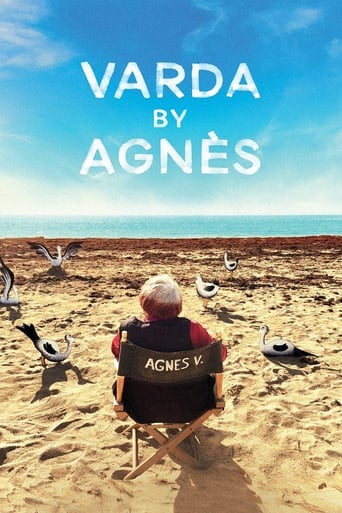
An unpredictable documentary from a fascinating storyteller, Agnès Varda’s last film sheds light on her experience as a director, bringing a personal insight to what she calls "cine-writing," traveling from Rue Daguerre in Paris to Los Angeles and Beijing.
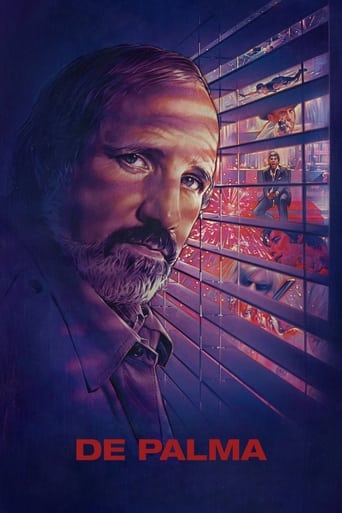
An intimate conversation between filmmakers, chronicling De Palma’s 55-year career, his life, and his filmmaking process, with revealing anecdotes and, of course, a wealth of film clips.
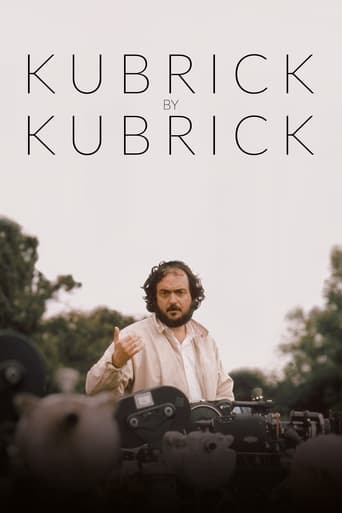
American filmmaker Stanley Kubrick (1928–1999), one of the greatest in history, but also one of the most reserved, gave few interviews throughout his long career, and none of them were filmed. A first-person journey through his life and work, based on a recorded conversation with French film critic Michel Climent.
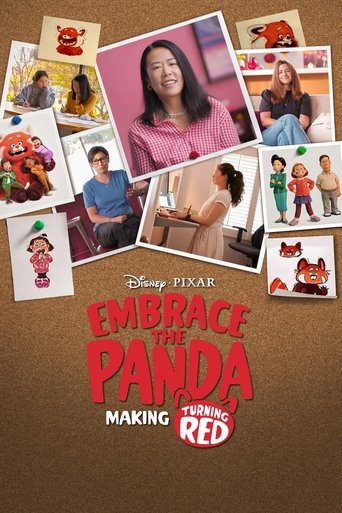
A feature length documentary about the all-women team at the helm of Pixar's original feature, Turning Red. With unprecedented behind-the-scenes access to Director Domee Shi and her core leadership crew, this story shines a light on the powerful professional and personal journeys that brought this incredibly comical, utterly relatable, and deeply heartfelt story to the screen.
This special explores the return of Obi-Wan Kenobi and Anakin Skywalker to the screen, as well as Ewan McGregor and Hayden Christensen to their classic roles. Director Deborah Chow leads the cast and crew as they create new heroes and villains that live alongside new incarnations of beloved Star Wars characters, and an epic story that dramatically bridges the saga films.
Lyrical and powerfully personal essay film that reflects on the deaths of her husband Lou Reed, her mother, her beloved dog, and such diverse subjects as family memories, surveillance, and Buddhist teachings.
As his life comes to its end, famous Hollywood director Orson Welles puts it all on the line at the chance for renewed success with the film The Other Side of the Wind.
From the heights of her modeling fame to her tragic death, this documentary reveals Anna Nicole Smith through the eyes of the people closest to her.
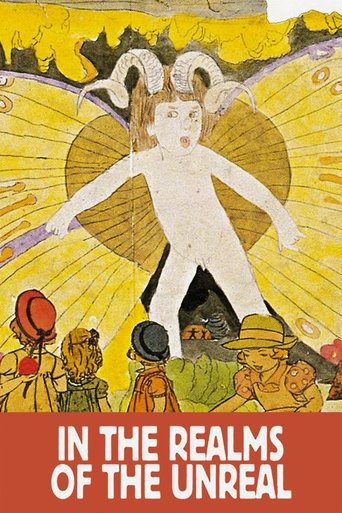
In the Realms of the Unreal is a documentary about the reclusive Chicago-based artist Henry Darger. Henry Darger was so reclusive that when he died his neighbors were surprised to find a 15,145-page manuscript along with hundreds of paintings depicting The Story of the Vivian Girls, in What is Known as the Realms of the Unreal, of the Glodeco-Angelinnian War Storm, Cased by the Child Slave Rebellion.
A hilarious introduction, using as examples some of the best films ever made, to some of Slovenian philosopher and psychoanalyst Slavoj Žižek's most exciting ideas on personal subjectivity, fantasy and reality, desire and sexuality.
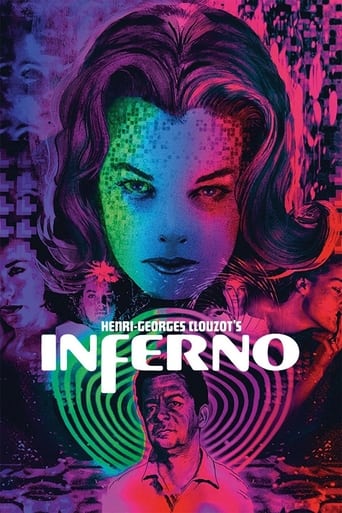
In 1964, Henri-Georges Clouzot's production of L'Enfer came to a halt. Despite huge expectations, major studio backing and an unlimited budget, after three weeks the production collapsed. This documentary presents Inferno's incredible expressionistic original rushes, screen tests, and on-location footage, whilst also reconstructing Clouzot's original vision, and shedding light on the ill-fated endeavor through interviews, dramatizations of unfilmed scenes, and Clouzot's own notes.
Filmmakers discuss the legacy of Alfred Hitchcock and the book “Hitchcock/Truffaut” (“Le cinéma selon Hitchcock”), written by François Truffaut and published in 1966.