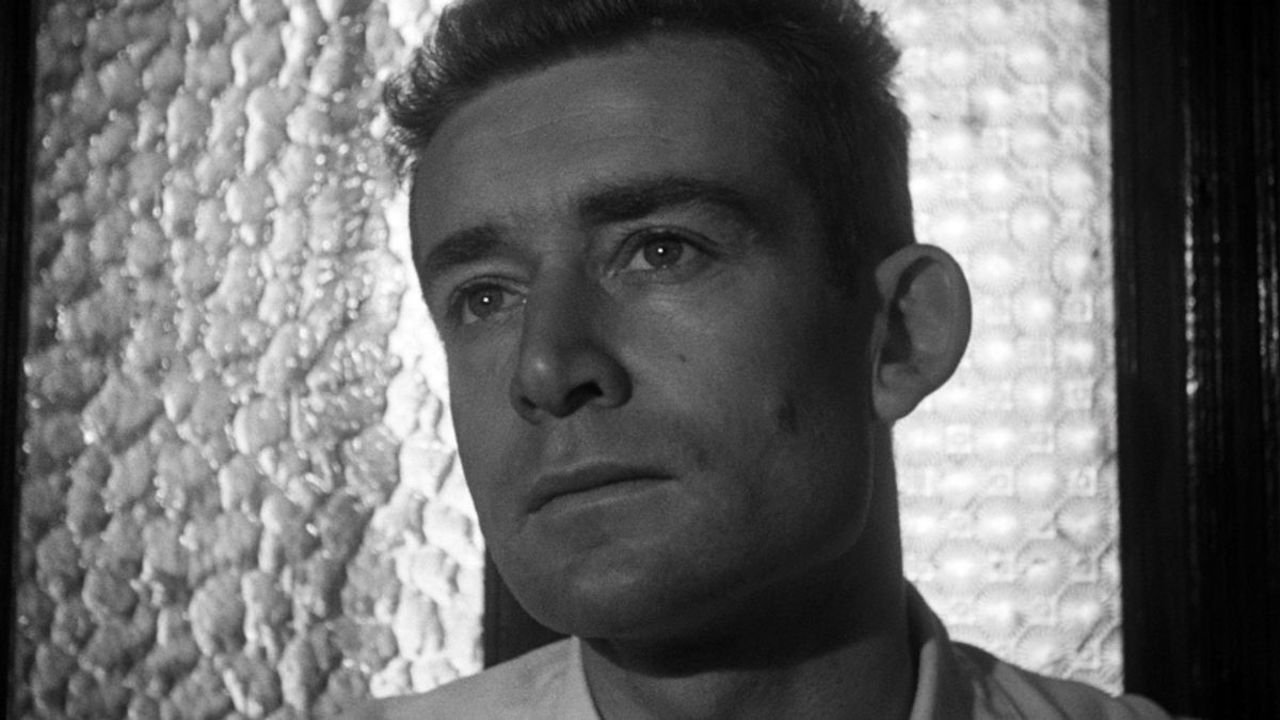
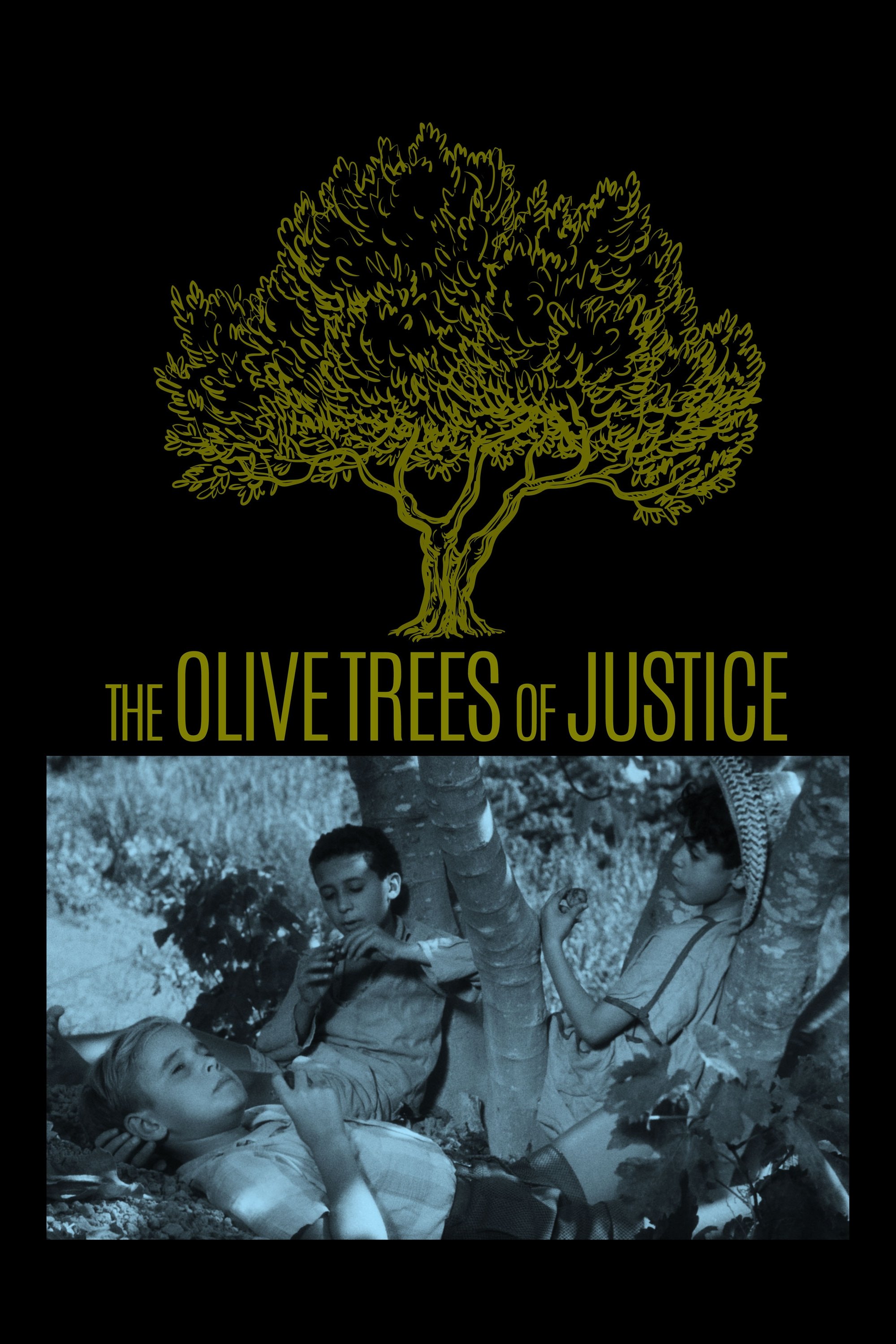
The son of a French colonialist in Algeria returns to Algeria after learning that his father is ill. Memories from childhood return. He also must deal with some problems involving the Algerian fight for independence.
Social & External
The people behind it
Pierre Prothon
Jean / Narrator
Marie Decaître
Jean's Mother
Jean Pélégri
Jean's Father
Huguette Poggi
Cousin Louise
Said Achaibou
Saïd
A man befriends a fellow criminal as the two of them begin serving their sentence on a dreadful prison island, which inspires the man to plot his escape.
Parisian authorities clash with the Front de Libération Nationale (FLN) in director Alain Tasma’s recounting of one of the darkest moments of the Algerian War of Independence. As the war wound to a close and violence persisted in the streets of Paris, the FLN and its supporters adopted the tactic of murdering French policemen in hopes of forcing a withdrawal. When French law enforcement retaliated by brutalizing Algerians and imposing a strict curfew, the FLN organizes a peaceful demonstration that drew over 11,000 supporters, resulting in an order from the Paris police chief to take brutal countermeasures. Told through the eyes of both French policemen as well as Algerian protestors, Tasma’s film attempts to get to the root of the tragedy by presenting both sides of the story.
Meursault is a man who feels utterly isolated from everyone and everything around him. This alienation results in sudden, inexplicable bursts of violence, culminating in murder.
A group of refractory and pacifist Bretons is sent to Algeria. These beings confronted with the horrors of war gradually become killing machines. One of them did not accept it and deserted, taking with him an FLN prisoner who was to be executed the next day.
Rachid is a young man who survives in Morroco boxing in clandestine fights in order to save enough money with which to pay a smuggler, and be able to cross the Strait of Gibraltar with his two friends.
In Kabylie, rude mountain region in the north of Algeria. Arezki finds the young Larbi exhausted, buried under the snow. He takes him in and nurses him until he's recovered. The host seduces Arezki's daughter. She is pregnant. This is an unsupportable shame to the father of the female sinner. Arezki claims vengeance. He leaves his house and takes the oath not to come back before having killed Larbi who betrayed him under his own roof.
North Africa, World War II. British soldiers on the brink of collapse push beyond endurance to struggle up a brutal incline. It's not a military objective. It's The Hill, a manmade instrument of torture, a tower of sand seared by a white-hot sun. And the troops' tormentors are not the enemy, but their own comrades-at-arms.
Film describes the miserable existence of a charcoal-burner who is barely able to feed his family. His search for work in town ends in failure and he is forced to return to his village.
In prison in colonial Algeria, shortly after the end of the Second World War, three indigenous cellmates make out. Once free, they attack the authority represented by the triad of the boss, the gendarme and the administrator. “Living the colonial condition,” confided Tewfik Farès, “is something! It’s not sociologically or historically speaking. It’s life. And I think that’s all there in it. [...] For a hundred and thirty years, we wait. We hold back. We push back. We hope. At the same time, on different occasions, there are skirmishes, unrest.
Pépé le Moko, one of France's most wanted criminals, hides out in the Casbah section of Algiers. He knows police will be waiting for him if he tries to leave the city. When Pépé meets Gaby, a gorgeous woman from Paris who is lost in the Casbah, he falls for her.
A French teacher in a small Algerian village during the Algerian War forms an unexpected bond with a dissident who is ordered to be turned in to the authorities.
As the Algerian War draws to a close, a teenager with a girlfriend starts feeling homosexual urges for two of his classmates: a country boy, and a French-Algerian intellectual.
Madagascar, at the turn of the 1960s and 1970s. On an air base of the French army, the soldiers live the last carefree years of colonialism. Influenced by his readings of Fantômette, Thomas, a child who is not yet 10 years old, gradually forges a look at the world around him.
Set against the vibrant backdrop of contemporary North Africa, this drama follows three women as they navigate the complex interplay between tradition and modernity. Each woman, driven by her own desires for success and meaningful relationships, faces societal pressures and cultural constraints that test their resolve. As their lives unexpectedly intersect, they reveal the shared struggles and resilience needed to overcome the obstacles placed in their path.
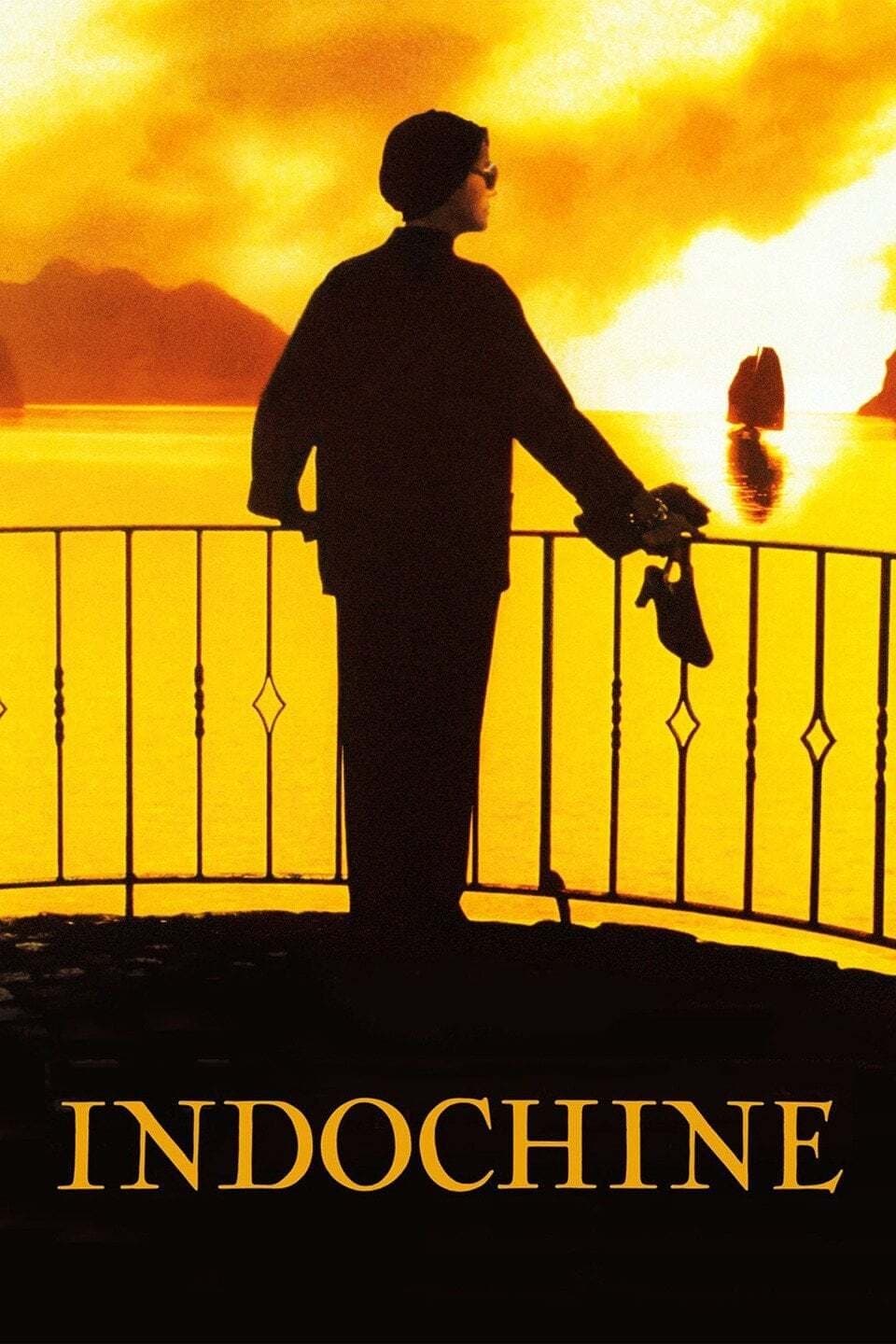
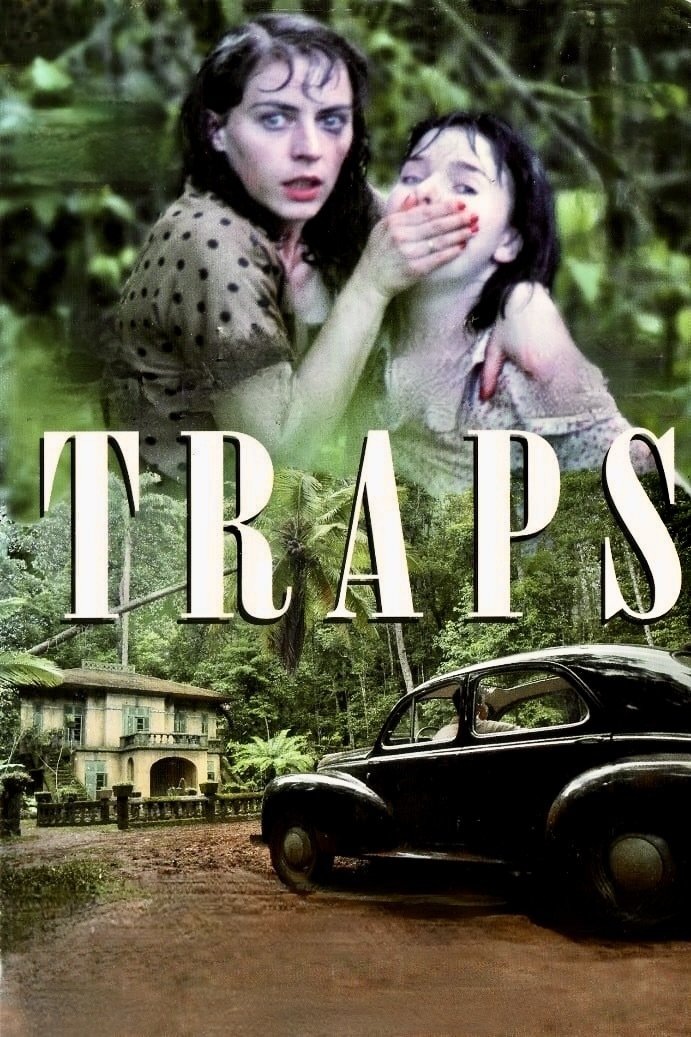
The year is 1950 and an English couple, Louise and Michael, have arrived in French-occupied Indochina to cover a story on a French-owned rubber plantation. They are to be the guests of the enigmatic plantation overseer, Daniel, and his beautiful yet difficult daughter Viola, at their elegant, decaying villa amid a tropical jungle. Michael and Louise hope that some time spent working in an exotic location will help reignite the passion in their floundering marriage. Instead they become unwittingly involved in the personal, sexual and political tensions of their hosts. Daniel is desperate to hold onto a way of life no longer possible in a country struggling for independence, bringing him into conflict with not only his daughter but also with his adopted country.
Set in the 1800s among the Berbers of North Africa, this 1997 Algerian feature concerns a noble widow who receives a customary purse of gold coins from the enemy tribe that murdered her husband; the gift puts her in conflict with her kinsmen, who want the money to buy back land taken by the enemy in cahoots with French colonials.
At the outbreak of the Second World War, two friends, Mokrane and Menach, abruptly interrupt their studies and return to their remote native Kabylian village of Tagsa. While waiting to be drafted into the French Army they have time to woo. Mokrane falls for beautiful Aazi and soon marries her only to find out that she can bear no child. Menach, on his part, is stongly attracted to Davda, but the latter is already married to a rich merchant...Happiness does not seem to be in store for the two former students...
A legend that begins with the magic words: "Once upon a time." Once upon a time, there was a little girl nicknamed Mimezrane for her beauty and especially for her beautiful braids. She was beautiful but had strangely sad eyes. She was orphaned at a very young age. Her boyfriend and confidant was Hennouche, a mischievous little boy with big black eyes. They lived together a carefree childhood. Time passed. They grew up. Hennouche became a goat herder with a melodious voice; Mimezrane, for her part, became a washerwoman and, on occasion, a water carrier. Both accepted their fate without ever complaining. Yet, even in her poverty, Mimezrane was the most beautiful of all.
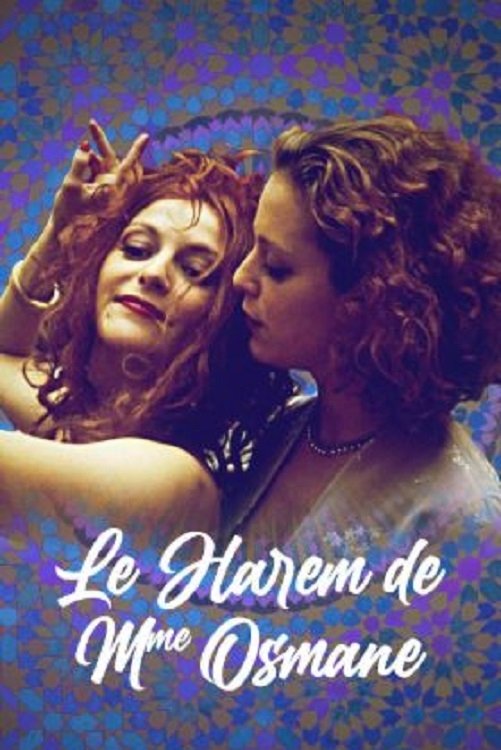
In Algiers in 1993, while the civil war is starting, Mrs Osmane's tenants have to endure her bad temper. Her husband left her and the fear to lose her respectability haunt her. The former member of the Resistance during the Independence War persists in controlling the slightest moves of the households rather than struggle against her own frustrations. Learning her daughter is in love, the possibility of finding herself alone will push her to the limit: The symbolical Mrs Osmane "harem" is about to collapse.
Néfissa, a student in Algiers, returns to her village in the south in the summer. Her father wants her to marry the mayor but she wants to continue her studies. Confronting her father and the opinion of the villagers who do not understand her, she decides to flee to Algiers. The shepherd Rabah discovering her wounded and lost in the mountains, has her treated by her mother. In contact with Nefissa, Rabat becomes aware of his exploited condition and discovers the possibilities offered to him by the cooperatives of the agrarian revolution. The two young people will go through the decisive stage together which will allow them to escape obscurantism and exploitation. Based on the novel "Le vent du sud" by Abdelhamid Benahouga
Algiers, 1938. Meursault, a quiet and unassuming employee in his early thirties, attends his mother's funeral without shedding a tear. The next day, he begins a casual affair with Marie, a work colleague. He quickly slips back into his usual routine.
A woman has a close bond with her beloved Algerian grandfather, who protected her from a toxic home life as a child; his death triggers a deep identity crisis as tensions between her extended family members escalate, revealing new depths of resentment and bitterness.
Based on a novel that Albert Camus was working on when he died, we follow Jacques Comery as he travels back to Algeria in 1957, a place full of childhood memories. The country is split between those wanting to remain a part of France, and those demanding independence. Reminiscences of his mother, his stern grandmother and a young Arab boy come flooding back.
Caught in the stranglehold of debt and structural adjustment, Africa is fighting for its survival. In the face of disaster, representatives of African society bring an action against international financial institutions. The trial takes place in Bamako, in the yard of a house, among its inhabitants.
Agnès Varda eloquently captures Paris in the sixties with this real-time portrait of a singer set adrift in the city as she awaits test results of a biopsy. A chronicle of the minutes of one woman’s life, Cléo from 5 to 7 is a spirited mix of vivid vérité and melodrama, featuring a score by Michel Legrand and cameos by Jean-Luc Godard and Anna Karina.
In this, the sequel to Jean de Florette, Manon has grown into a beautiful young shepherdess living in the idyllic Provencal countryside. She plots vengeance on the men who greedily conspired to acquire her father's land years earlier.


Stéphanie, a police officer working for Internal Affairs, is assigned to a case involving a young man severely wounded during a tense and chaotic demonstration in Paris. While she finds no evidence of illegitimate police violence, the case takes a personal turn when she discovers the victim is from her hometown.
On her way to visit her childhood home in a colonial outpost in Northern Cameroon, a young French woman recalls her childhood, her memories concentrating on her family's houseboy.
The story of a woman who is suddenly visited by her estranged ex-husband. The ex-hubby wants to buy her country house, which she received in the divorce settlement. Instead he finds himself locked in a cage in the cellar.
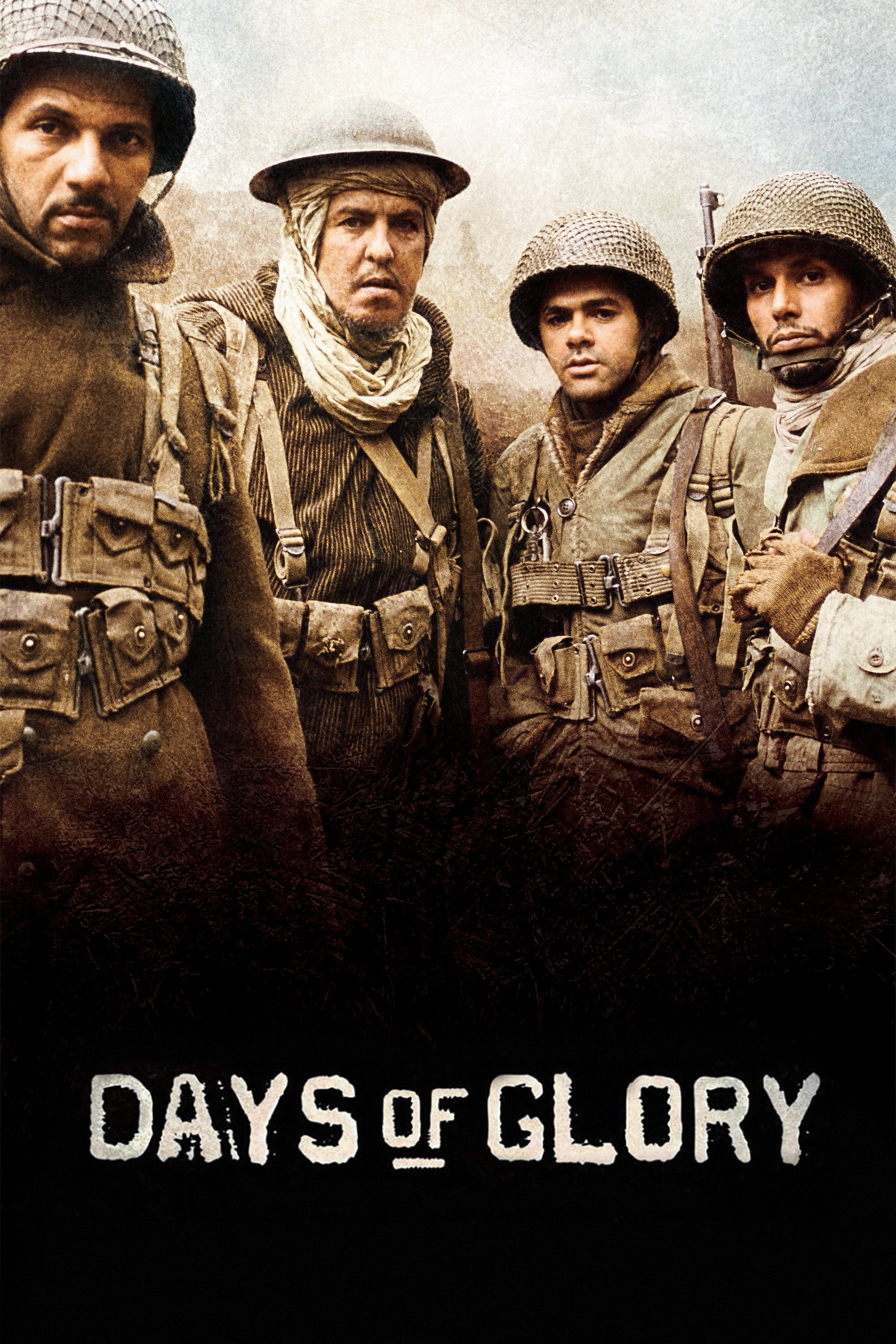
1943. They have never stepped foot on French soil but because France was at war, Said, Abdelkader, Messaoud and Yassir enlist in the French Army, along with 130,000 other “indigenous” soldiers, to liberate the “fatherland” from the Nazi enemy. Heroes that history has forgotten…
Set in France during the struggle for Algerian independence, Messaoud's mother is terminally ill and his father, needing to work long hours in the factory, can't look after him, so decides to put him and his older brother Abdel in foster care. Sent to the countryside, Abdel has to work on a farm, but Messaoud is taken in by a childless woman, who conceals his Arab origins from her fiercely Gaullist ex-army husband. Re-named Michel/Michou, and with his hair comically dyed blond, the young boy quickly steals the hearts of both foster-parents, and eventually is instrumental in saving their troubled marriage.
MMA legend Patton James, now a commercial fisherman, is pulled back into the cage when his brother is in danger. Reuniting with his old coach Sammy, he commits to one final fight in one championship against the brutal champion Xavier Grau.
Disgrace is the story of a South African professor of English who loses everything: his reputation, his job, his peace of mind, his good looks, his dreams of artistic success, and finally even his ability to protect his cherished daughter. After having an affair with a student, he moves to the Eastern Cape, where he gets caught up in a mess of post-apartheid politics.
Waking up in an unfamiliar city, a man with no memory must confront the mysteries of his own identity. However, his desperate search to uncover the past pits him against a powerful enemy, leading to a showdown that ultimately reveals the truth.
Based on the writer/director's childhood, FARMING tells the story of a young Nigerian boy, 'farmed out' by his parents to a white British family in the hope of a better future. Instead, he becomes the feared leader of a white skinhead gang.
In a rural French village, an old man and his only remaining relative cast their covetous eyes on an adjoining vacant property. They need its spring water for growing their flowers, and are dismayed to hear that the man who has inherited it is moving in. They block up the spring and watch as their new neighbour tries to keep his crops watered from wells far afield through the hot summer. Though they see his desperate efforts are breaking his health and his wife and daughter's hearts, they think only of getting the water.
The eldest son of a ruthlessly tough MMA champion must fight his way out of the abusive cycle his father has continued.
The prodigal son of a family in turmoil returns home to his French rural home to reconnect with his family and make sense of their dysfunctions.
In the snowy seaside town of Sokcho, 25-year-old Soo-Ha works at a guesthouse. She drifts between her mother’s fish stall and her boyfriend until a French artist’s arrival stirs questions about her identity. As winter deepens, Soo-Ha and the artist form an unspoken connection through food and art.