Horse carriages seen at the Copenhagen Town Square.
Social & External
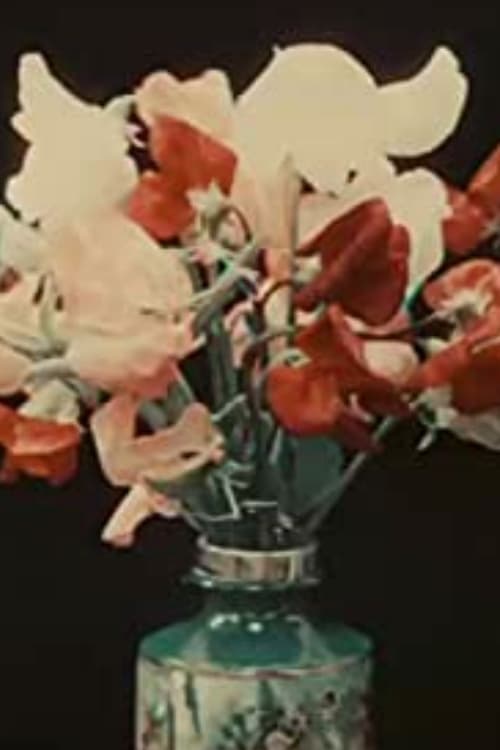
An early British Kinemacolor short, in which delicate tones and shades of color are beautifully reproduced in examples of highly cultivated sweet pea flowers.
Directed by one of the pioneers of the cinematic industry, James Williamson, The History of a Butterfly - A Romance of Insect Life is an intriguing look at the life cycles of butterflies and moths. Caterpillars are seen hatching, feeding and ready for pupation and with three caterpillars changing into chrysalis and the birth of a peacock butterfly, this black and white silent film is an early example of British natural history filmmaking.
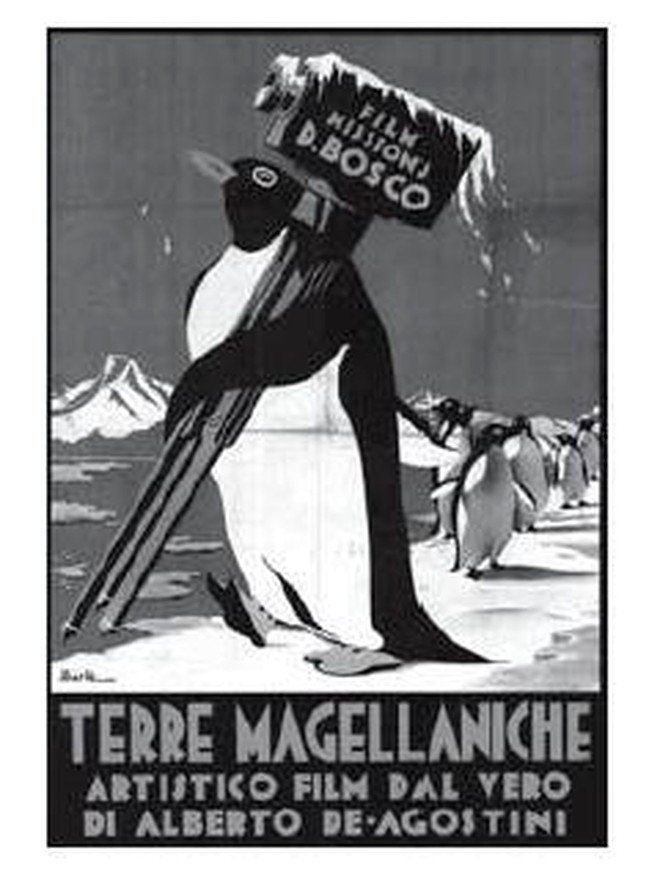
The film Terre Magellaniche represents the fruit of multiple and risky trips that the explorer Alberto M. De Agostini made in the Patagonian mountain range and in the Tierra del Fuego archipelago. Executed with rare mastery and exquisite artistic sense, the film shows the explorer in the labyrinth of Patagonian channels, penetrating the deep fjords between large masses of floating ice of curious shapes, coming from the immense glaciers that descend from the Cordillera and bathe its frontal walls on the waters of the sea. Transported to regions of extraordinary beauty, situated in front of gigantic mountains, from which majestic waterfalls rush, the viewer experiences the illusion of finding themselves in a mysterious kingdom of dream and enchantment.
The film had a skirmish to Firefighters from Havana pulling guard barracks pump, reel and carriage for help, two staircases and fire rising up to the roof, carrying hoses.
In collaboration with Lomo, an Austrian camera company, and Mubi, a global film website, Weerasethakul was invited to make a work to launch the new LomoKino, a portable motion picture camera. Ashes juxtaposes the intimacy of his daily routine with the destruction of memories and his observations of the dark side of Thailand’s social realities.
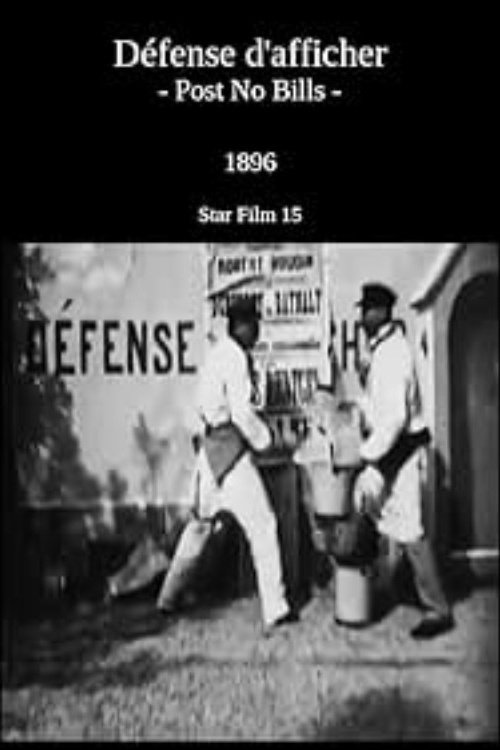
A soldier stands guard at a sentry box and leaves it unprotected for a moment, a moment that two men take advantage of to put up posters where it is prohibited.
A reporter travelling in the Balkans is trying to gain a deeper understanding of the region, which is a melting pot of cultures, languages and religions.
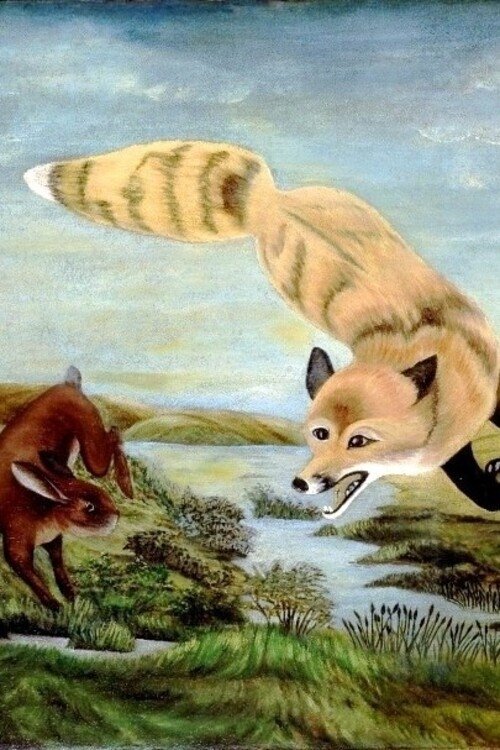
A short film capturing a fox and rabbits.
Short dramatised documentary showing the ups and downs of daily life on a circus farm. “The only light comes from the flames of the funeral pyre that consumes a dead circus elephant shortly after its corpse has been unceremoniously dragged across a field by 50 carthorses.” (BFI)
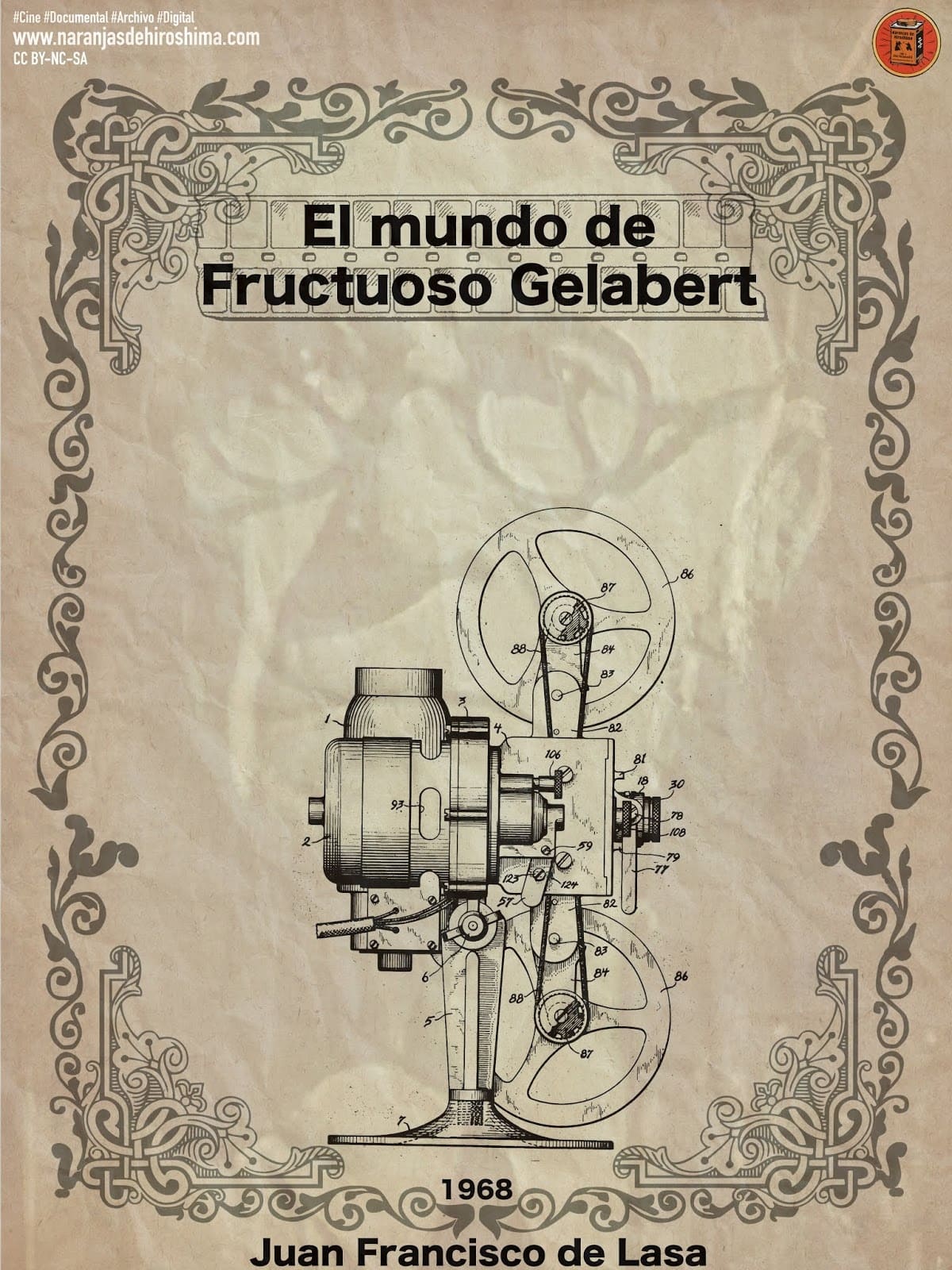
Documentary by Juan Francisco de Lasa about a pioneer of Spanish cinema. Gelabert attended one of the first sessions of the Lumière's cinématographe in Barcelona. Briefly after, he built a contraption based on this invention. He produced his first picture, "Dorotea", in 1897. His film "Riña en un café" is considered the first Spanish film to feature a plot.
Several young and cheerful children share at Cavancha Beach, while a couple begins to dance a cueca.
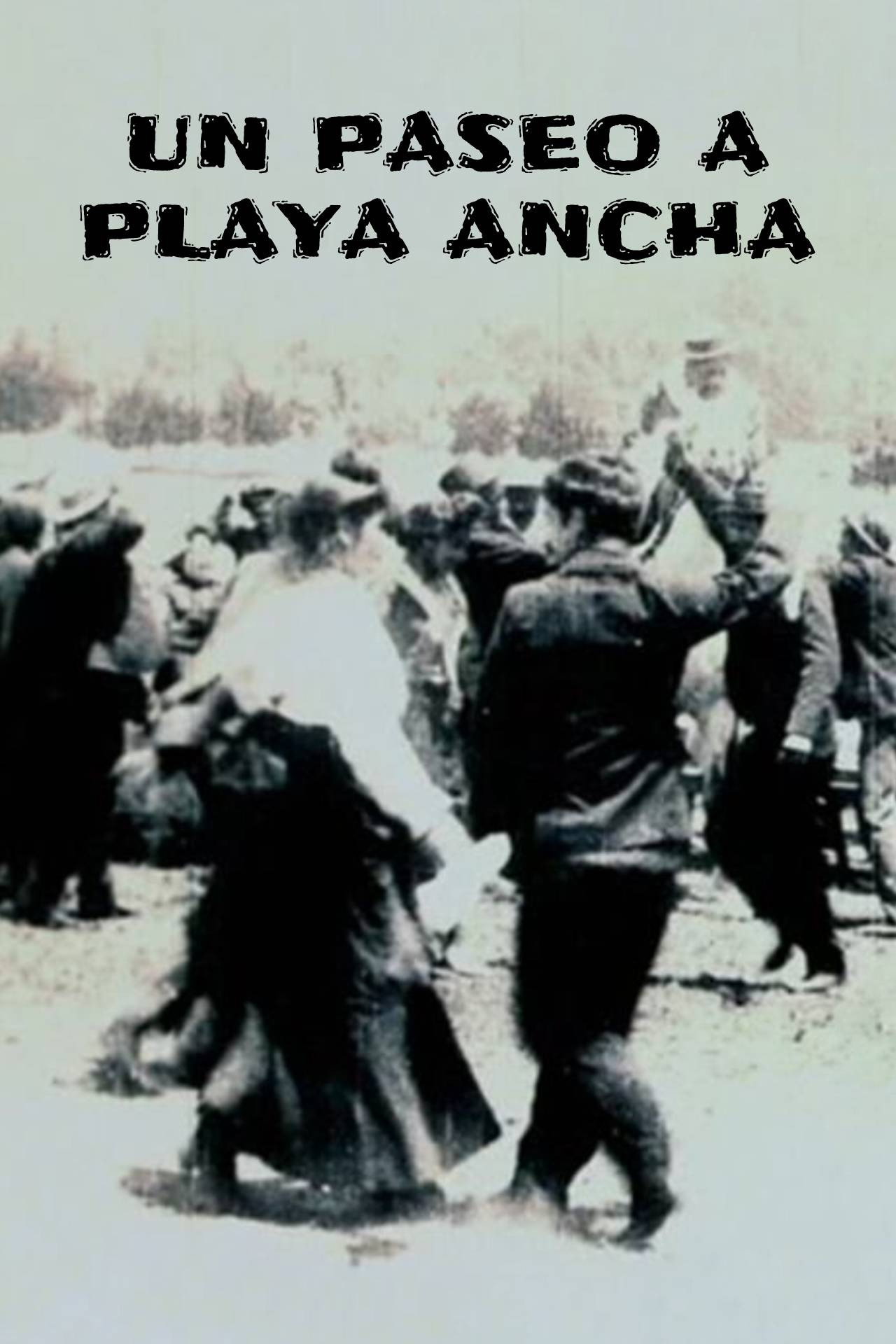
A group of people perform local dances and prepare to have lunch outdoors in Playa Ancha.
Russian hunters on horse and a pack of borzois hunt down and kill a wolf.
The epic story of the Russian Civil War (1918-21): the White Terror, the counterrevolutionary uprisings, the guerrilla war, the Kolchak front, the Wrangel front and the Kronstadt rebellion. Chaos and violence, devastation and death.
Short silent film.
A series of visual paradoxes between the names of the streets of Madrid and those of the shops located in them.
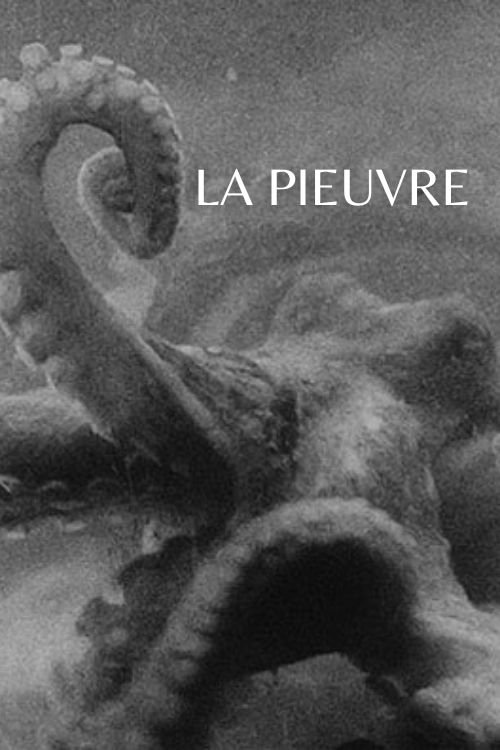
An octopus slithers over objects on land—a doll, a skull—then oozes along the shore into the sea. It secretes its ink. The camera follows it along rocks into deeper water, watching closely as it breathes. Its eye is closed then open. Simple titles, in French and German, suggest what to watch. The octopus alternates the use of breathing tubes on either side. It changes color as cells on its skin contract or dilate. Extreme magnification helps us see these changes. Two struggle, one dies. On shore, fishermen catch them and put them in pails. A single tentacle still has life. Back in the sea, two octopi attack a crab. Soon only a couple of crab legs are visible in the mouth of the victor.
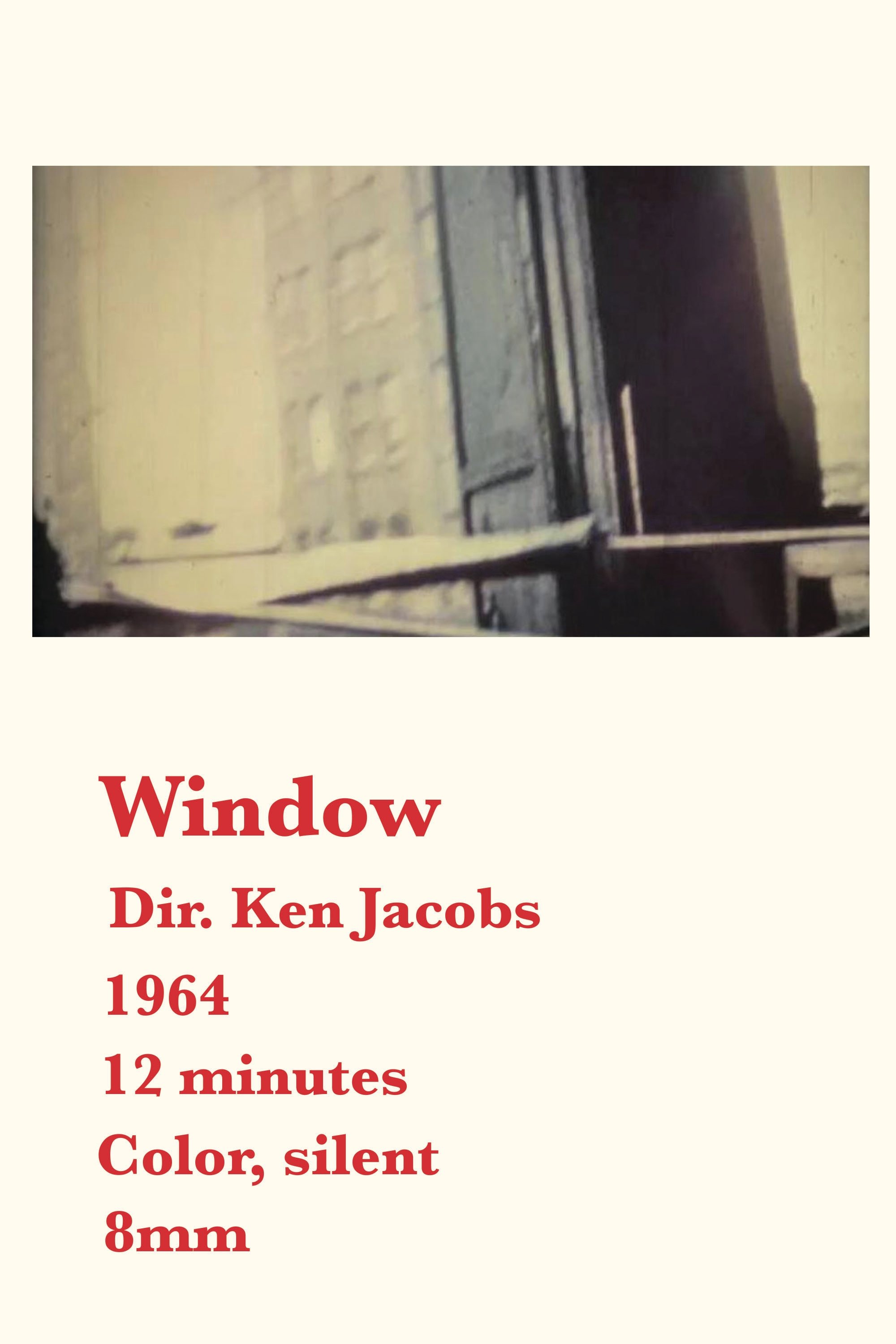
The moving camera shapes the screen image with great purposefulness, using the frame of a window as fulcrum upon which to wheel about the exterior scene. The zoom lens rips, pulling depth planes apart and slapping them together, contracting and expanding in concurrence with camera movements to impart a terrific apparent-motion to the complex of the object-forms pictured on the horizontal-vertical screen, its axis steadied by the audience's sense of gravity. The camera's movements in being transferred to objects tend also to be greatly magnified (instead of the camera the adjacent building turns). About four years of studying the window-complex preceded the afternoon of actual shooting (a true instance of cinematic action-painting). The film exists as it came out of the camera barring one mechanically necessary mid-reel splice
An inside look at one of the most anticipated movie sequels ever with James Cameron and cast.
Daniel Craig candidly reflects on his 15 year adventure as James Bond. Including never-before-seen archival footage from Casino Royale to the upcoming 25th film No Time To Die, Craig shares his personal memories in conversation with 007 producers, Michael G Wilson and Barbara Broccoli.
This revealing documentary honors the legendary Sidney Poitier—iconic actor, filmmaker, and civil rights activist. Featuring interviews with Denzel Washington, Spike Lee, Halle Berry, and more.
A feature length documentary about the all-women team at the helm of Pixar's original feature, Turning Red. With unprecedented behind-the-scenes access to Director Domee Shi and her core leadership crew, this story shines a light on the powerful professional and personal journeys that brought this incredibly comical, utterly relatable, and deeply heartfelt story to the screen.
SEDUCED AND ABANDONED combines acting legend Alec Baldwin with director James Toback as they lead us on a troublesome and often hilarious journey of raising financing for their next feature film. Moving from director to financier to star actor, the two players provide us with a unique look behind the curtain at the world's biggest and most glamourous film festival, shining a light on the bitter-sweet relationship filmmakers have with Cannes and the film business. Featuring insights from directors Martin Scorsese, 'Bernando Bertolucci' and Roman Polanski; actors Ryan Gosling and Jessica Chastain and a host of film distribution luminaries.
A string of threatening emails escalates into a revenge plot involving a newly married US marshal and his ex-girlfriend.
Those who knew iconic funnyman John Candy best share his story, in their own words, through never-before-seen archival footage, imagery, and interviews.
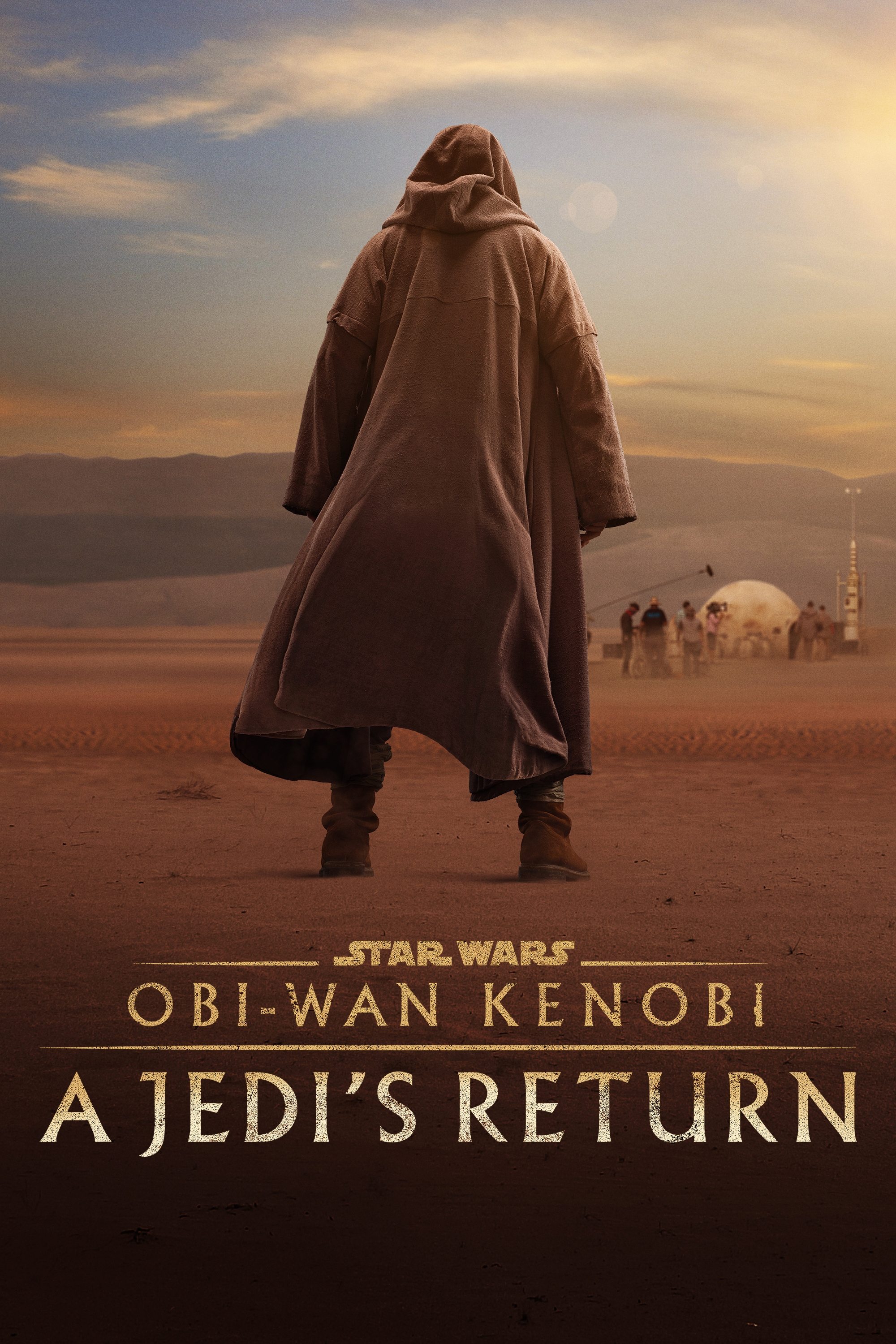
This special explores the return of Obi-Wan Kenobi and Anakin Skywalker to the screen, as well as Ewan McGregor and Hayden Christensen to their classic roles. Director Deborah Chow leads the cast and crew as they create new heroes and villains that live alongside new incarnations of beloved Star Wars characters, and an epic story that dramatically bridges the saga films.
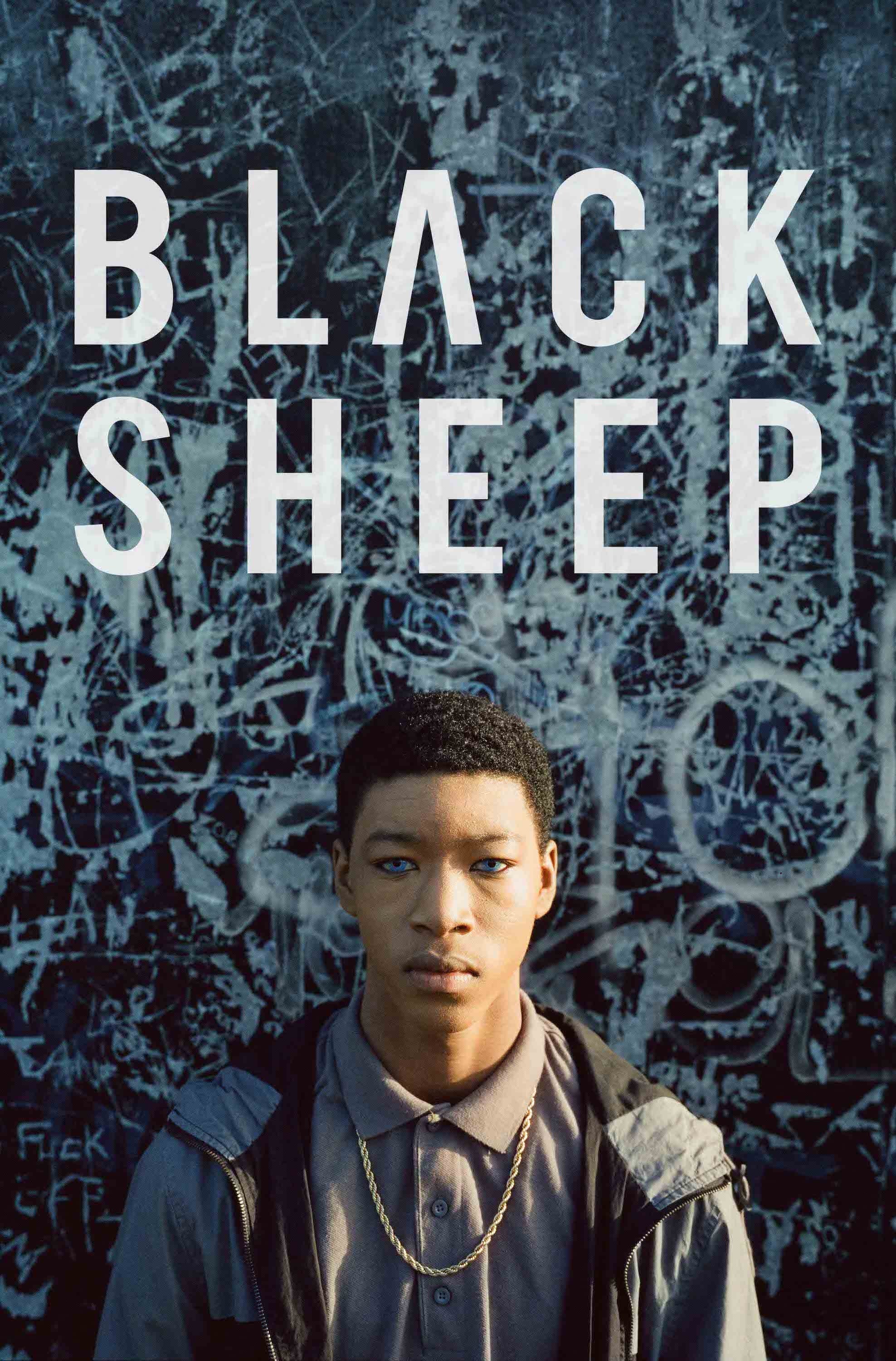
After the high-profile killing of Damilola Taylor, Cornelius' family move out of London. But when they discover their new town is run by racists, Cornelius takes a drastic step to survive.
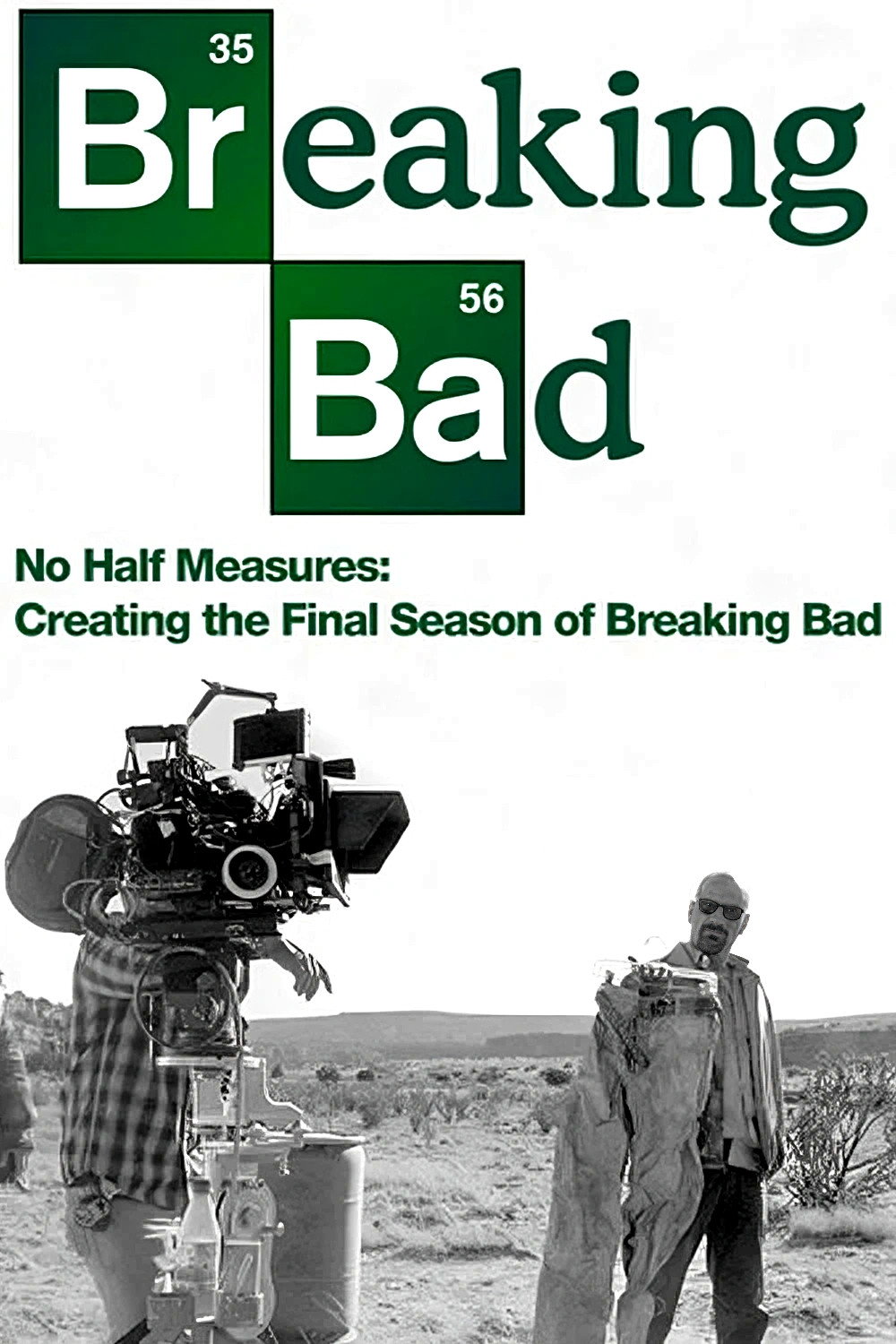
A documentary about the making of season five of the acclaimed AMC series Breaking Bad.
Featuring interviews with filmmakers and industry legends, discover the origins and evolution of The Joker, and learn why The Clown Prince of Crime is universally hailed as the greatest comic-book supervillain of all time.
Al Pacino's deeply-felt rumination on Shakespeare's significance and relevance to the modern world through interviews and an in-depth analysis of "Richard III."
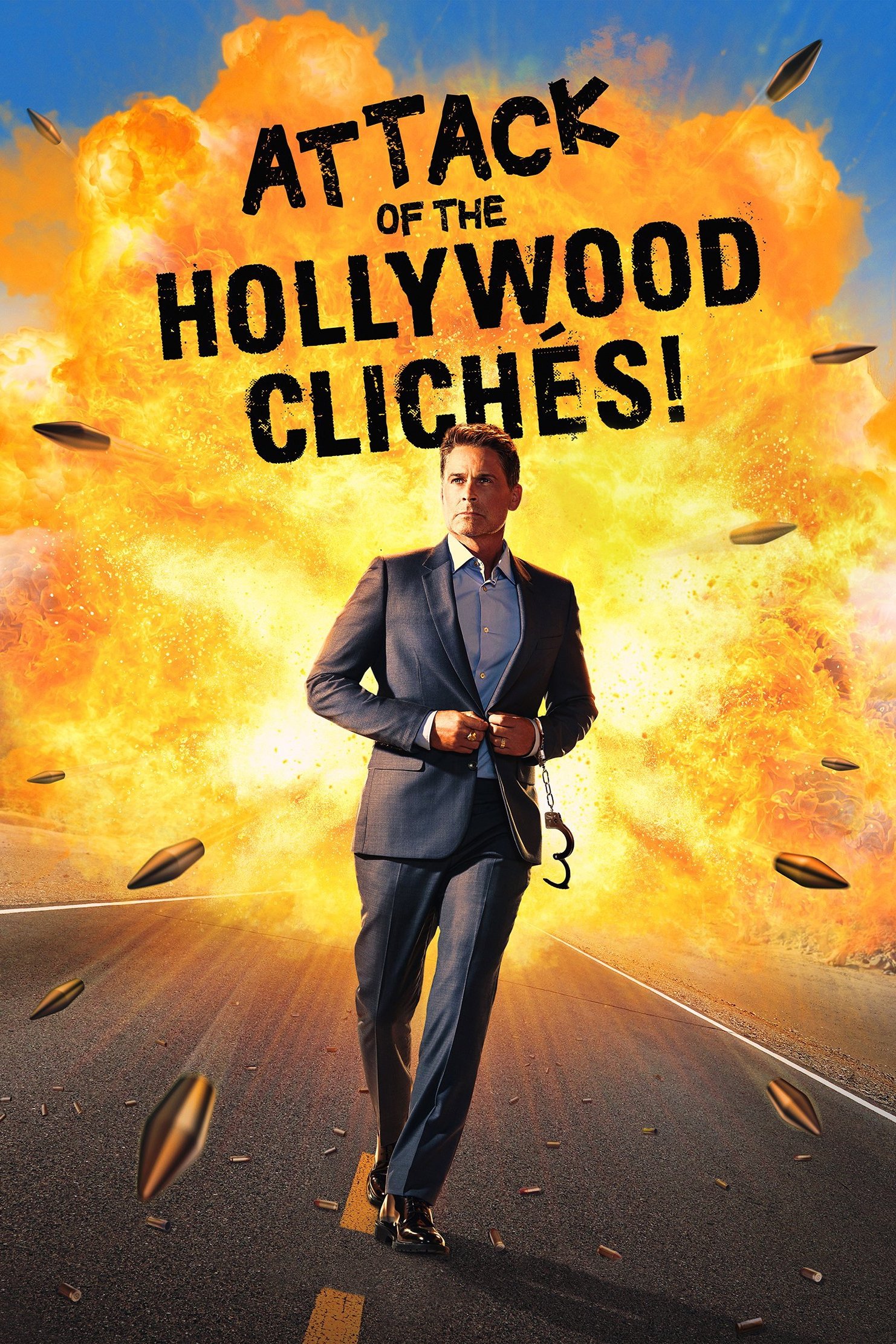
One-man armies, meet-cutes, casual strolls away from huge explosions — stars and industry insiders toast and roast these cinematic chestnuts and more.
Ranjit, a farmer in India, takes on the fight of his life when he demands justice for his 13-year-old daughter, the victim of a brutal gang rape. His decision to support his daughter is virtually unheard of, and his journey unprecedented.
The film follows adventurer Jeff Johnson as he retraces the epic 1968 journey of his heroes Yvon Chouinard and Doug Tompkins to Patagonia.
JB Smoove and Martin Starr host a celebration of 20 years of "Spider-Man" movies, from the Sam Raimi trilogy to Marc Webb's movies and the trio from Jon Watts.
Director Michael Apted revisits the same group of British-born adults after a 7 year wait. The subjects are interviewed as to the changes that have occurred in their lives during the last seven years.
The life and career of an actor, artist, and icon. His own journey through his own camera.
A documentary special that explores the power of identity behind the iconic superheroes we know and love today. These legendary Marvel creations and stories have not only reflected the world outside our window – they have become a reflection of our own identities and who we truly are.
14-year-old Laura Dekker sets out on a two-year voyage in pursuit of her dream to become the youngest person ever to sail around the world alone.