A documentary about the cultural effect of film censorship, focusing on the tumultuous times of the teens and early 1920s in America.
Social & External
The people behind it
Oliver Stone
Self
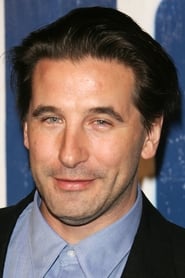
William Baldwin
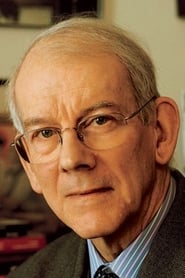
Kevin Brownlow
Michael Kieffer
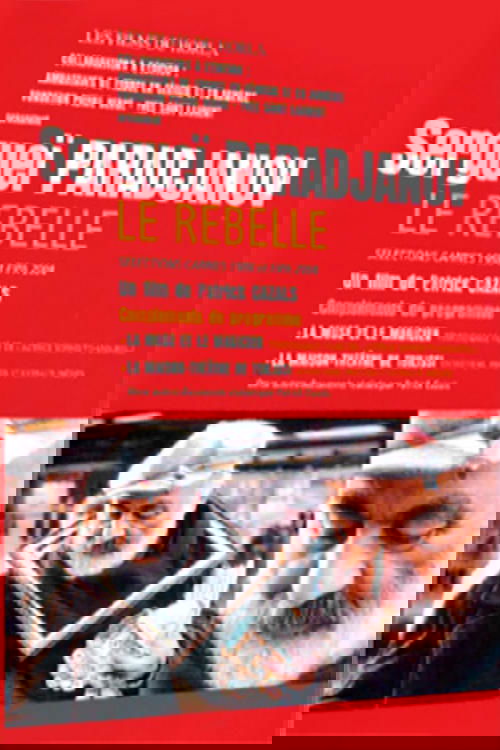
This documentary is not a straightforward portrait of Armenian film director Sergei Paradjanov's life, but rather a fluid celebration of his talent and creativity. Focusing on the collages he produced during his years in prison, and featuring interviews with the director himself, Cazals' film demonstrates the scope of Paradjanov's artistic vision, lovingly commemorating this rebel of art cinema.
An insightful short documentary about eight young filmmakers, just out of film school who all have a romantic outlook about Cinema but are equally aware of the challenges of the real world of film making. This little film captures these beautiful young filmmakers at their most candid selves.
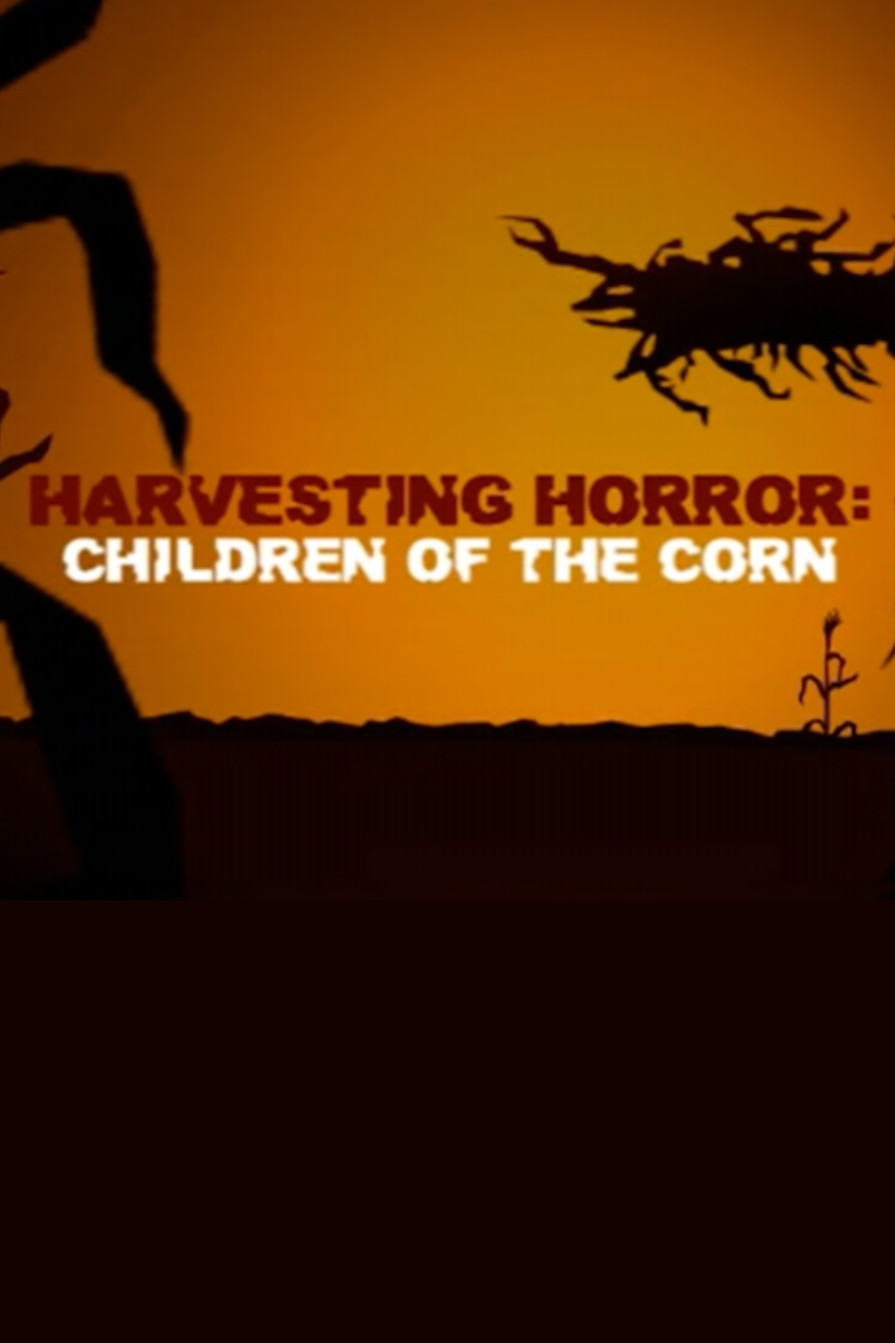
This documentary is featured on the Divimax Special Edition DVD for Children of the Corn, released in 2004.
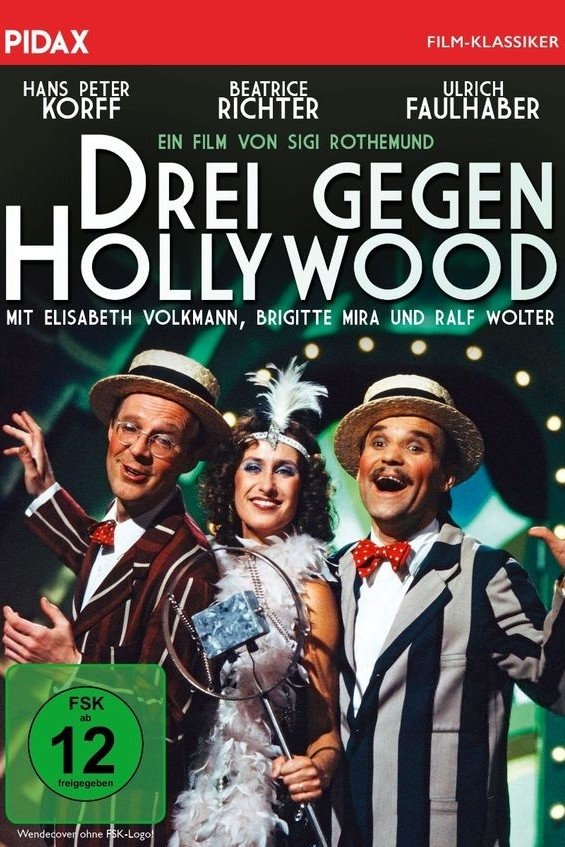
In the 1930s, three unsuccessful variety artists dream of making it big. When they hear about the rise of sound films in Hollywood, they see their chance: a language school for silent film stars will bring them fame and success. Full of hope, they travel to California, straight into the exciting world of the first sound film productions. But not everything goes as planned...
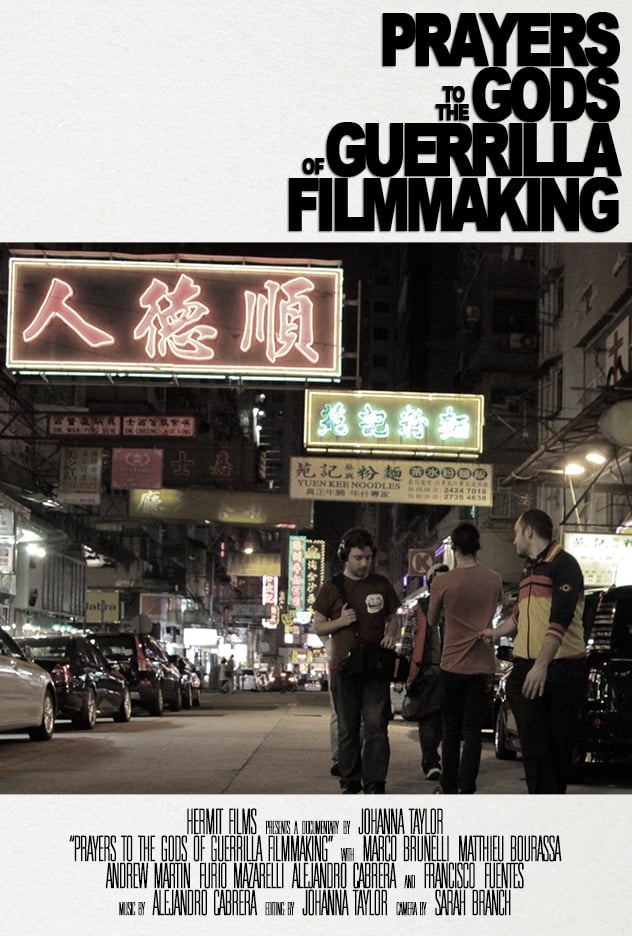
A crew of filmmakers shoot undercover on the streets of Hong Kong with hidden microphones and no permits. The city becomes a giant set as mounting tension and ego clashes push tempers to breaking point.
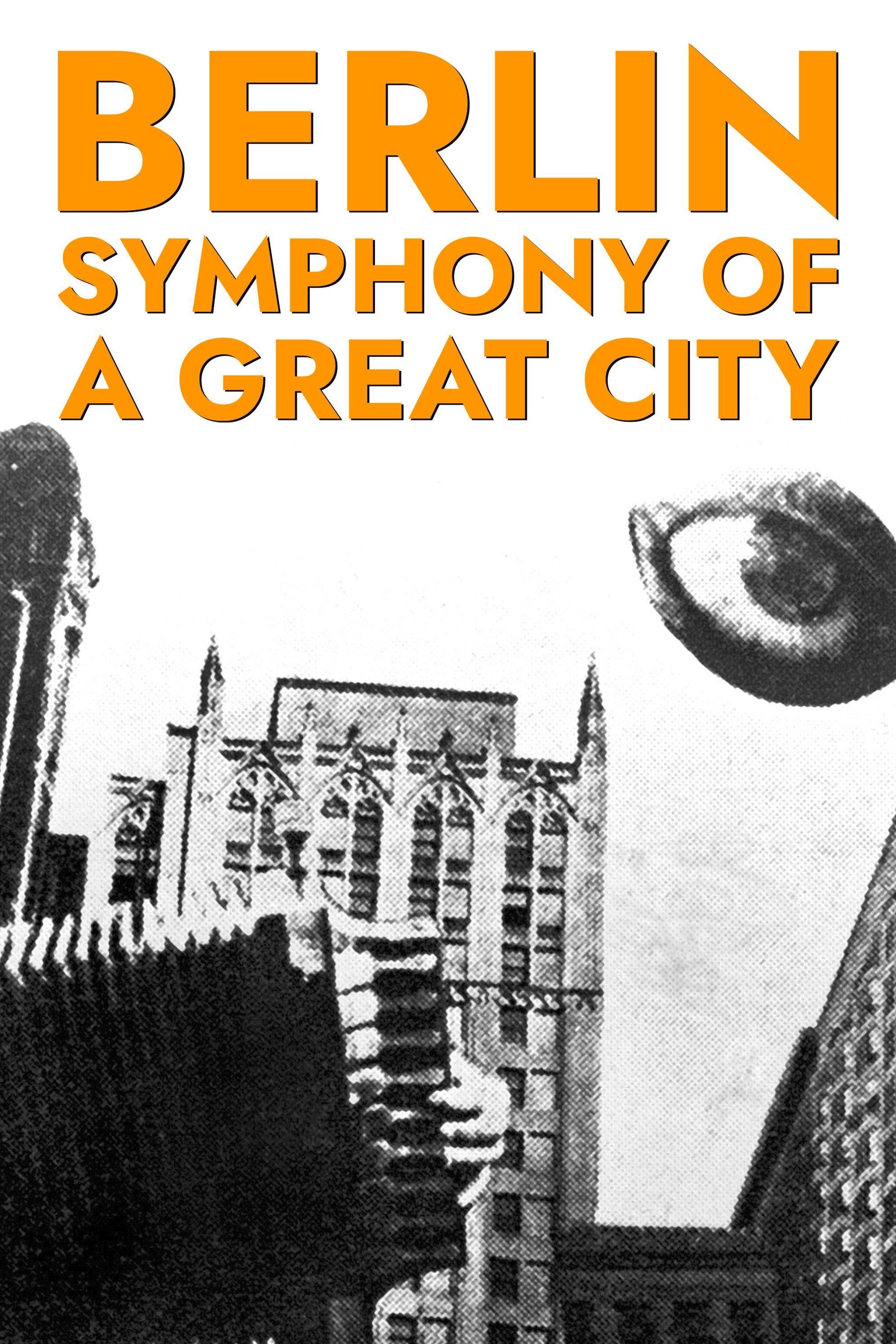
A day in the city of Berlin, which experienced an industrial boom in the 1920s, and still provides an insight into the living and working conditions at that time. Germany had just recovered a little from the worst consequences of the First World War, the great economic crisis was still a few years away and Hitler was not yet an issue at the time.
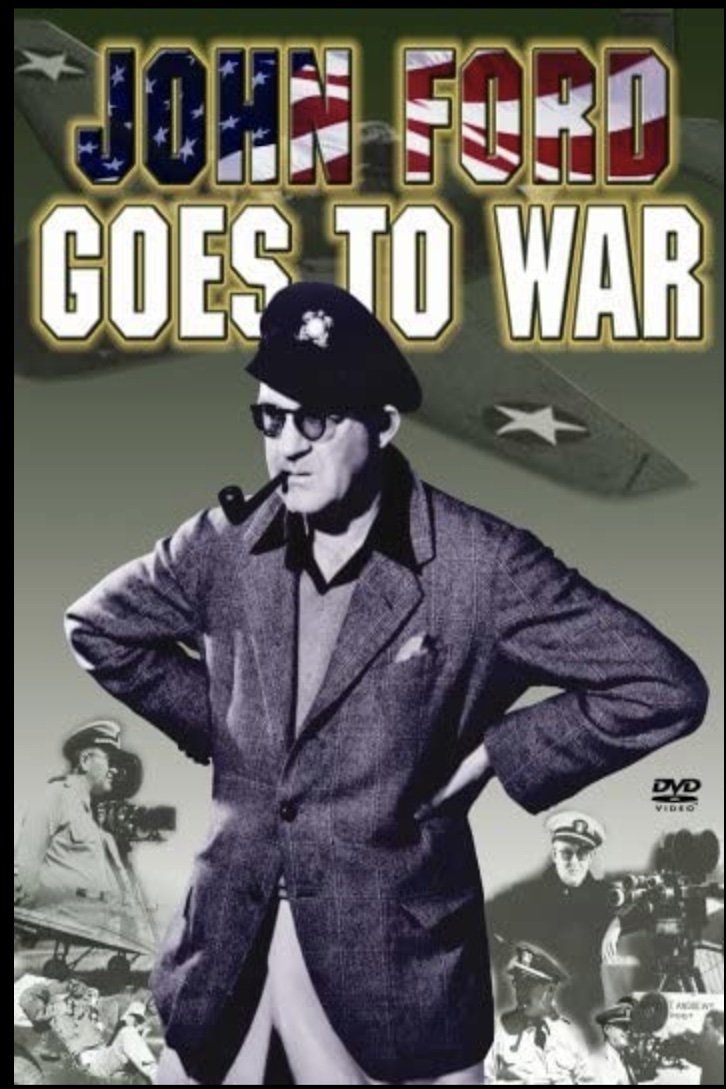
When World War II broke out, John Ford, in his forties, commissioned in the Naval Reserve, was put in charge of the Field Photographic Unit by Bill Donavan, director of the soon-to-be-OSS. During the war, Field Photo made at least 87 documentaries, many with Ford's signature attention to heroism and loss, and many from the point of view of the fighting soldier and sailor. Talking heads discuss Ford's life and personality, the ways that the war gave him fulfillment, and the ways that his war films embodied the same values and conflicts that his Hollywood films did. Among the films profiled are "Battle of Midway," "Torpedo Squadron," "Sexual Hygiene," and "December 7."
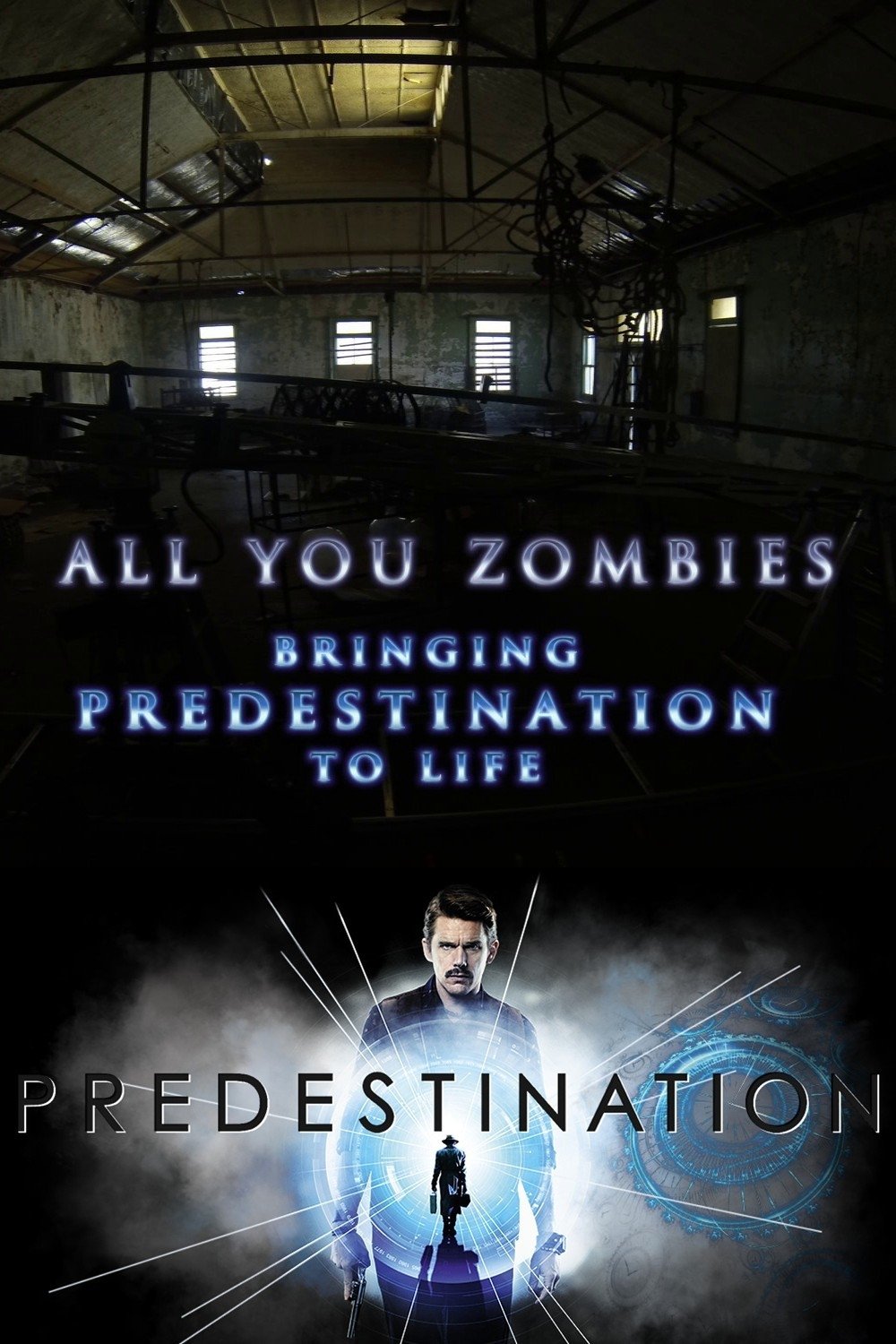
Documentary about the making of the Spierig Brothers' 2014 film PREDESTINATION that is based on Robert A. Heinlein's 1959 science-fiction short story '—All You Zombies—'. Through interviews with cast and crew, film clips and behind-the-scenes footage, this documentary thoroughly explores how the film came to be from casting to pre-production to principal photography to post-production. Interviewees include writers/directors Michael and Peter Spierig, producers Paddy McDonald and Tim McGahan, director of photography Ben Nott, special makeup effects designer Steve Boyle, production designer Matthew Putland, special makeup effects supervisor Samantha Lyttle, costume designer Wendy Cork, film editor Matt Villa, and actors Sarah Snook, Noah Taylor and Ethan Hawke.
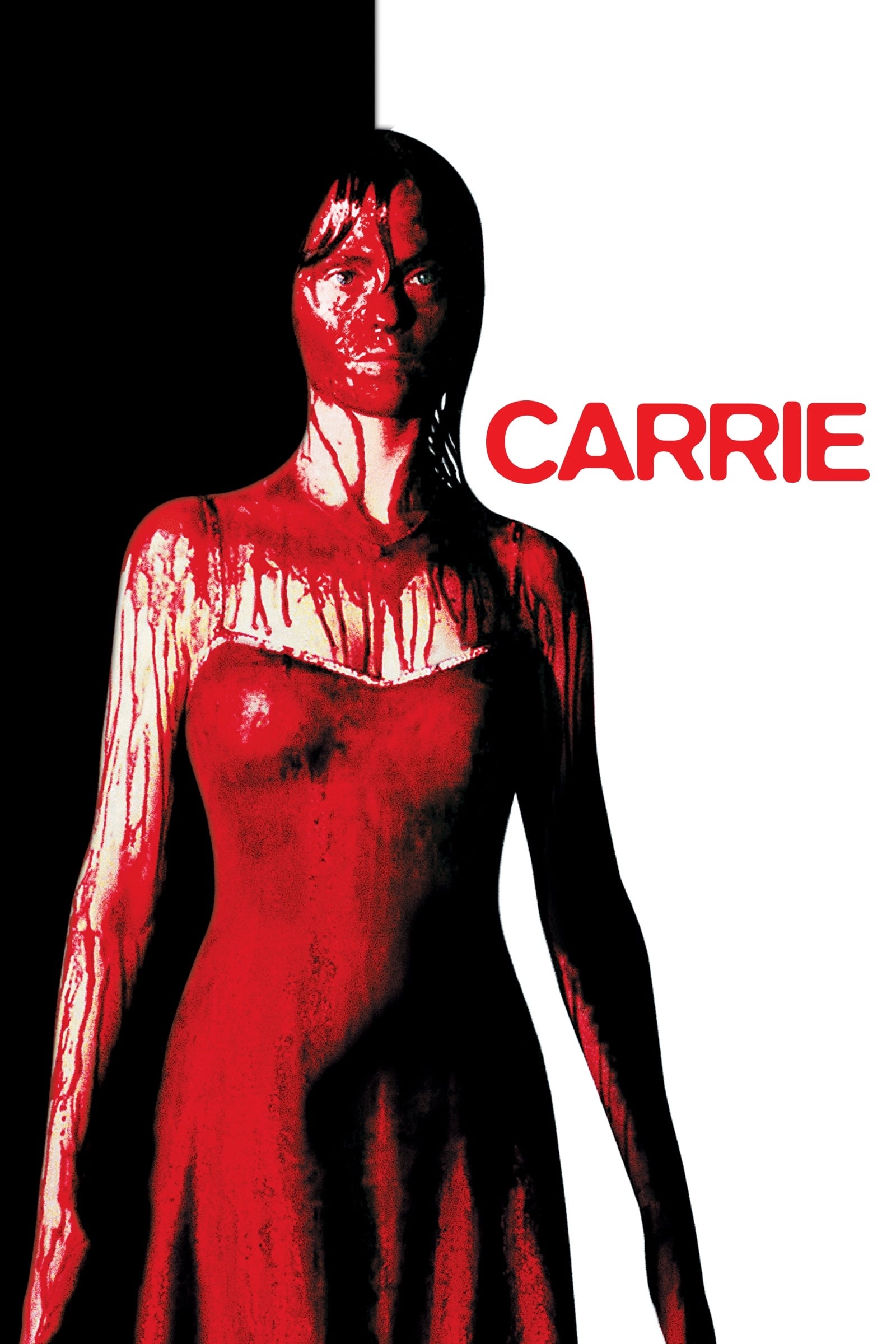
An awkward, telekinetic teenage girl's lonely life is dominated by relentless bullying at school and an oppressive religious fanatic mother at home. When her tormentors pull a humiliating prank at the senior prom, she unleashes a horrifying chaos on everyone, leaving nothing but destruction in her wake.
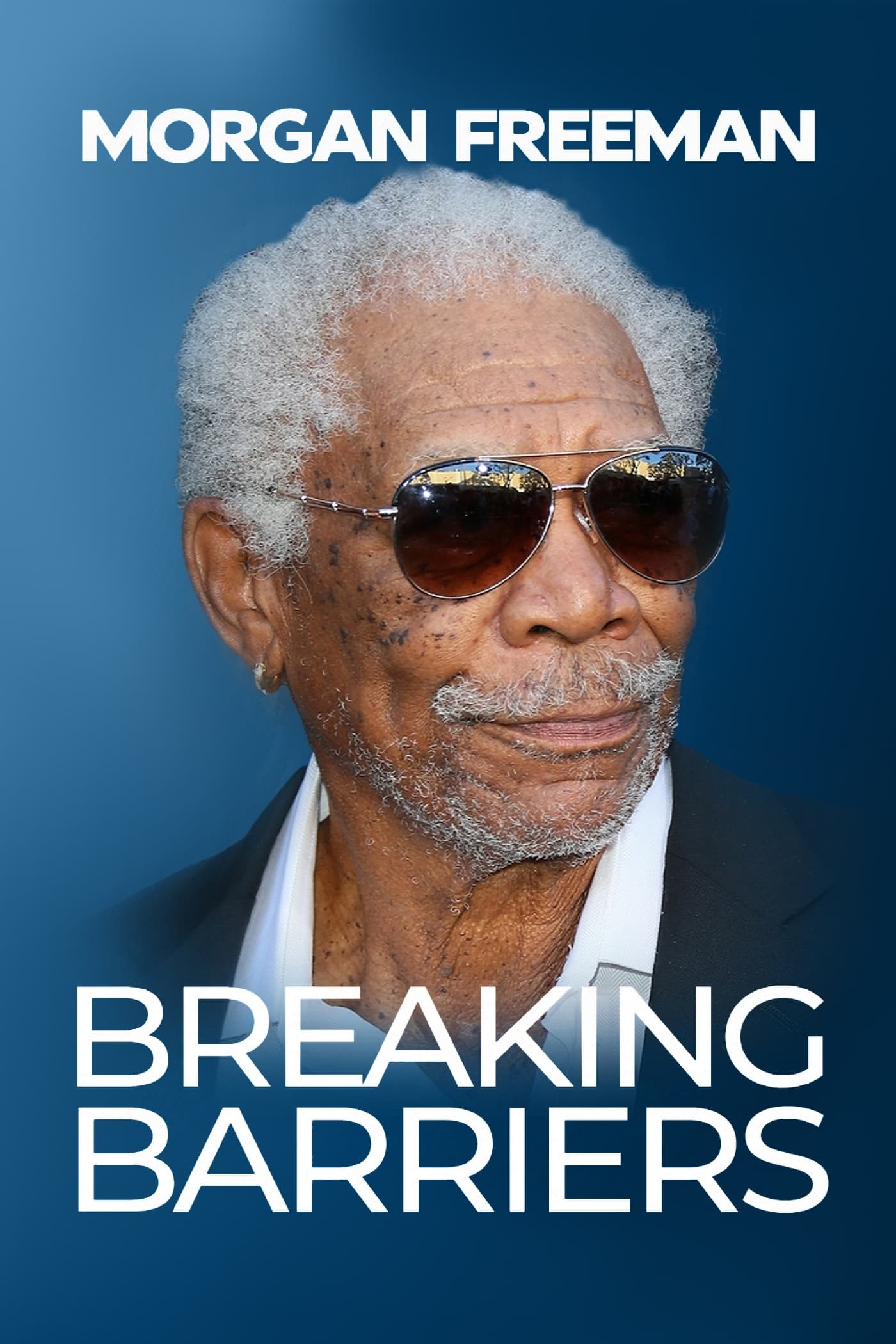
Perhaps it is his distinctive velvet smooth voice and calming demeanor that made Morgan Freeman a household name. World-renowned actor, Freeman has starred in over 100 movies in just three decades and continues to break barriers.
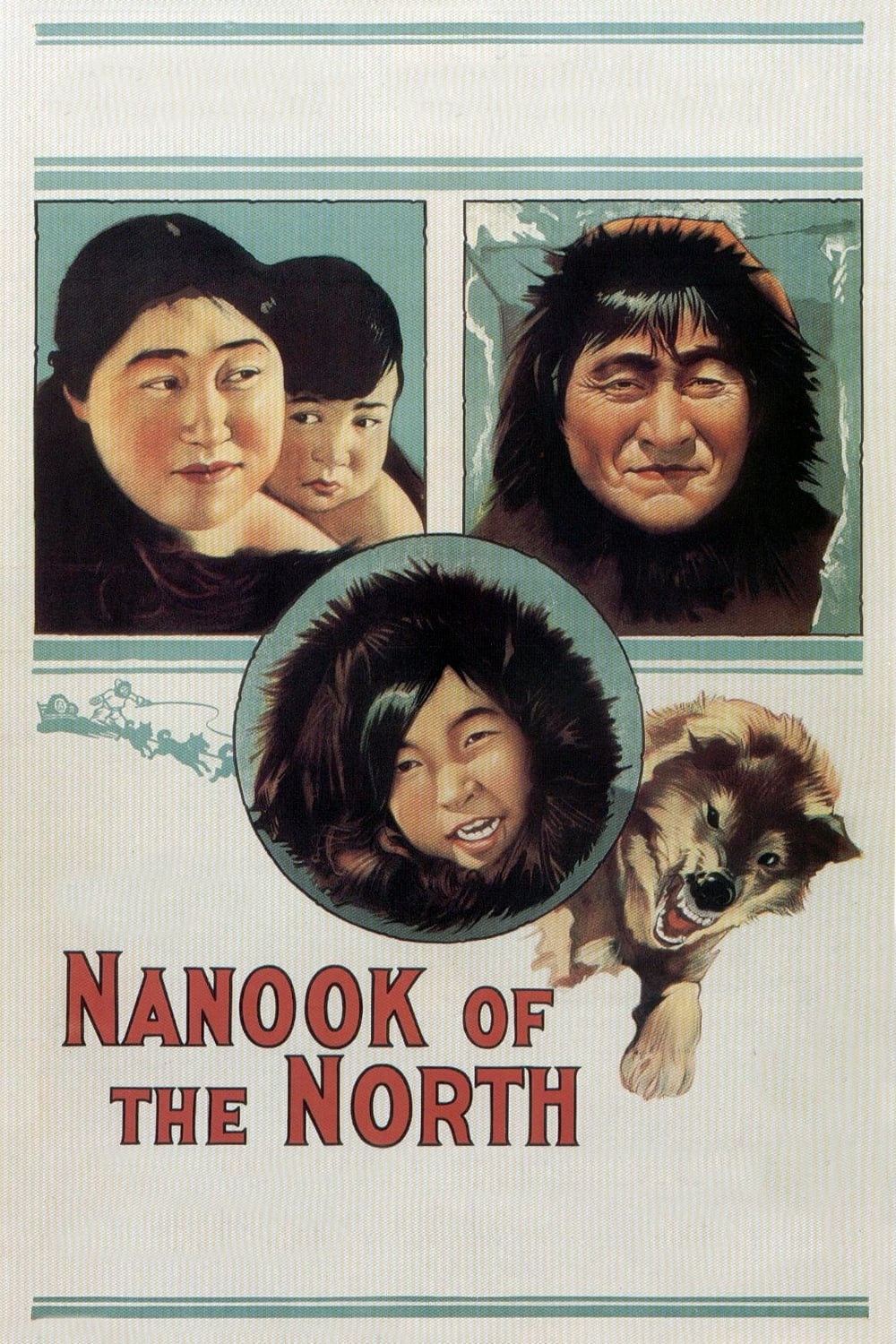
This pioneering documentary film depicts the lives of the indigenous Inuit people of Canada's northern Quebec region. Although the production contains some fictional elements, it vividly shows how its resourceful subjects survive in such a harsh climate, revealing how they construct their igloo homes and find food by hunting and fishing. The film also captures the beautiful, if unforgiving, frozen landscape of the Great White North, far removed from conventional civilization.
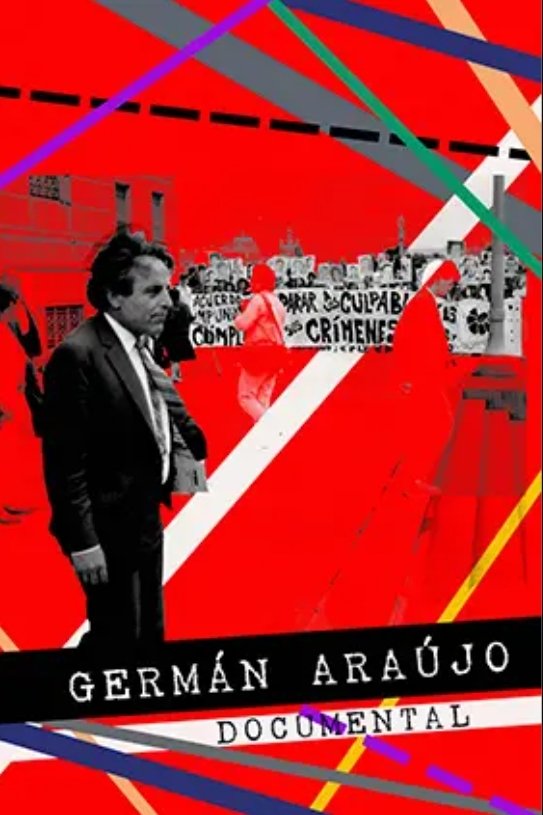
In Germán Araujo, director Aldo Novick revives the memory of a journalist who defied censorship during one of Uruguay's darkest periods. Through previously unseen archival footage, testimonies, and music, the film honors the courage of those who reported the truth when it was risky. This powerful documentary is shaping up to be one of the most important Uruguayan film releases of the year.
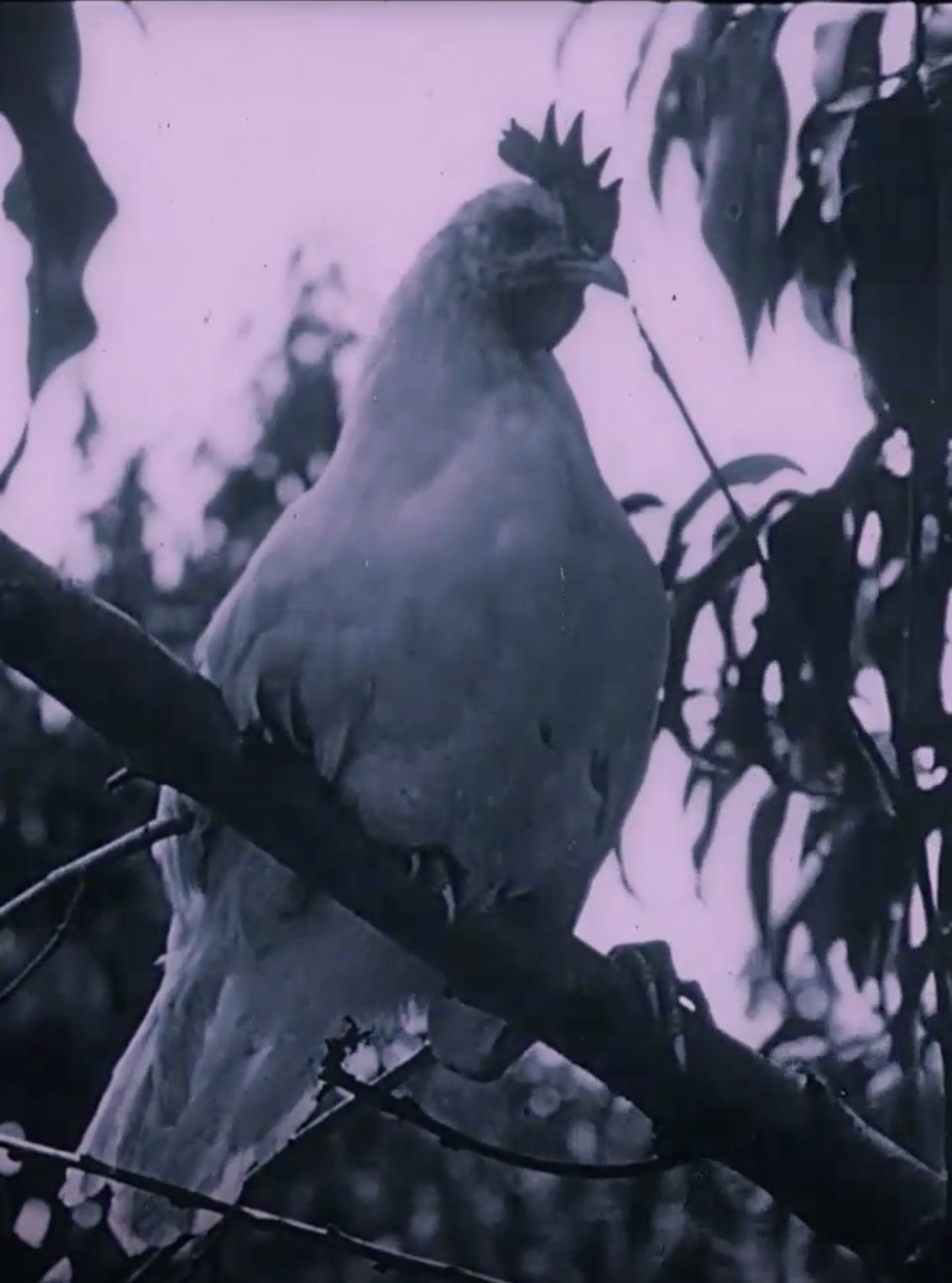
This 10-minute short documentary exploring the shifting state of the American poultry industry was preserved in 2015 from an original nitrate print. More information is available on the film's page in the National Film Preservation Foundation's website, where this version can be found featuring original music by Michael D. Mortilla.
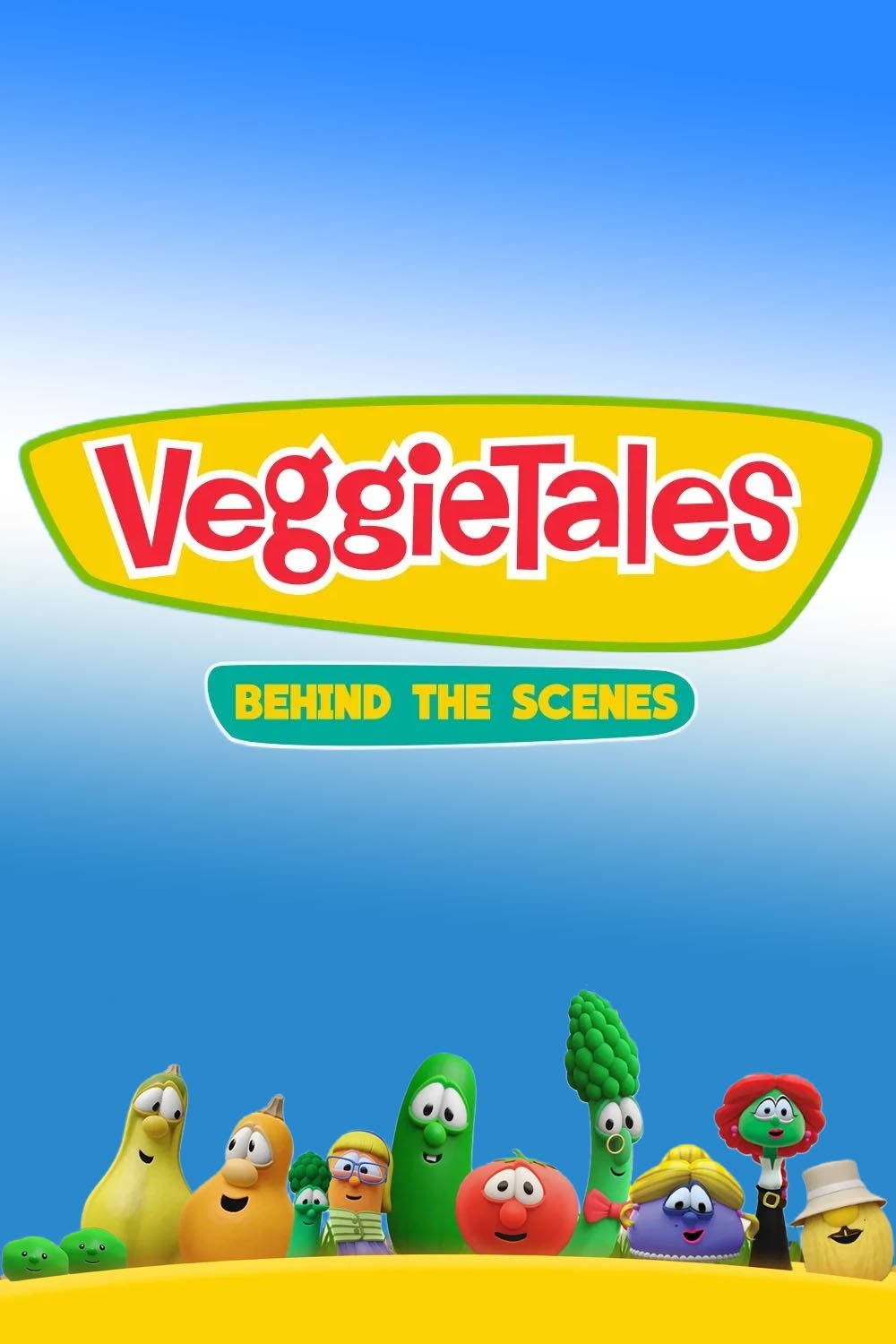
See how the VeggieTales episodes are made! Plus, hear the heart and purpose of VeggieTales from the creators, Phil Vischer and Mike Nawrocki, as they sit down for an entertaining conversation with Matt and Laurie Crouch.
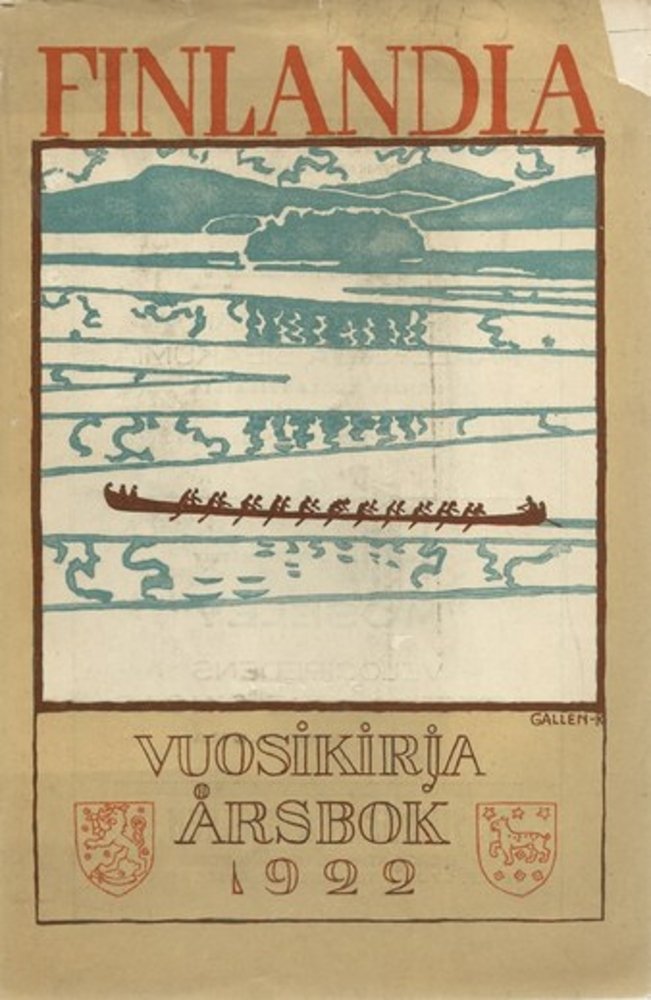
A documentary from Erkki Karu, one of the earliest pioneers of Finnish cinema: This government-produced propaganda film introduces the nature, sports, military, agriculture and capital of Finland.
The story of the making and subsequent success of The Day of the Beast, the Spanish cult film directed by Álex de la Iglesia and released in 1995.
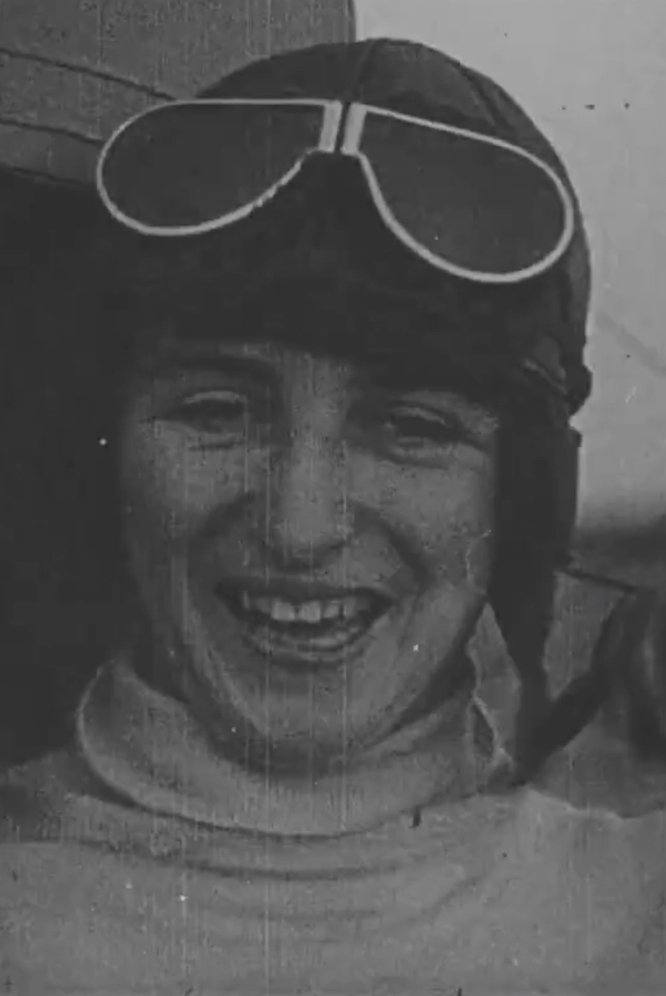
Topical Budget 545-2. Newsreel of the 1920s aerial stuntwoman and barnstormer, Sara “Babe” Kalishek. We see her on the ground at first, standing in front of a plane before we see her wing walking on a plane in flight, then climbing from one plane onto the wing of another.
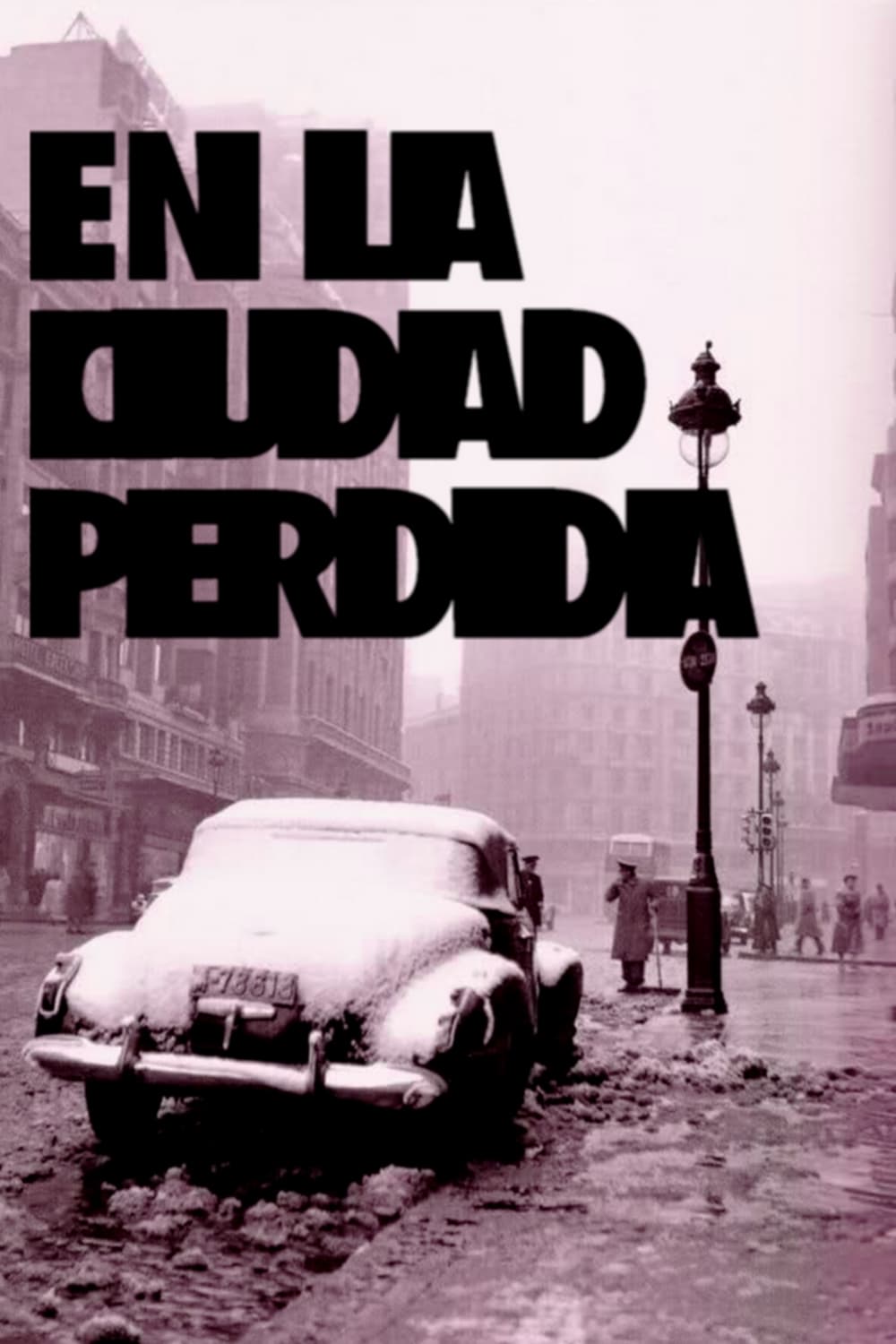
The city of Madrid as it appears in the Spanish films of the 1950s. A small tribute to all those who filmed and portrayed Madrid despite the dictatorship, censorship and the critical situation of industry and society.
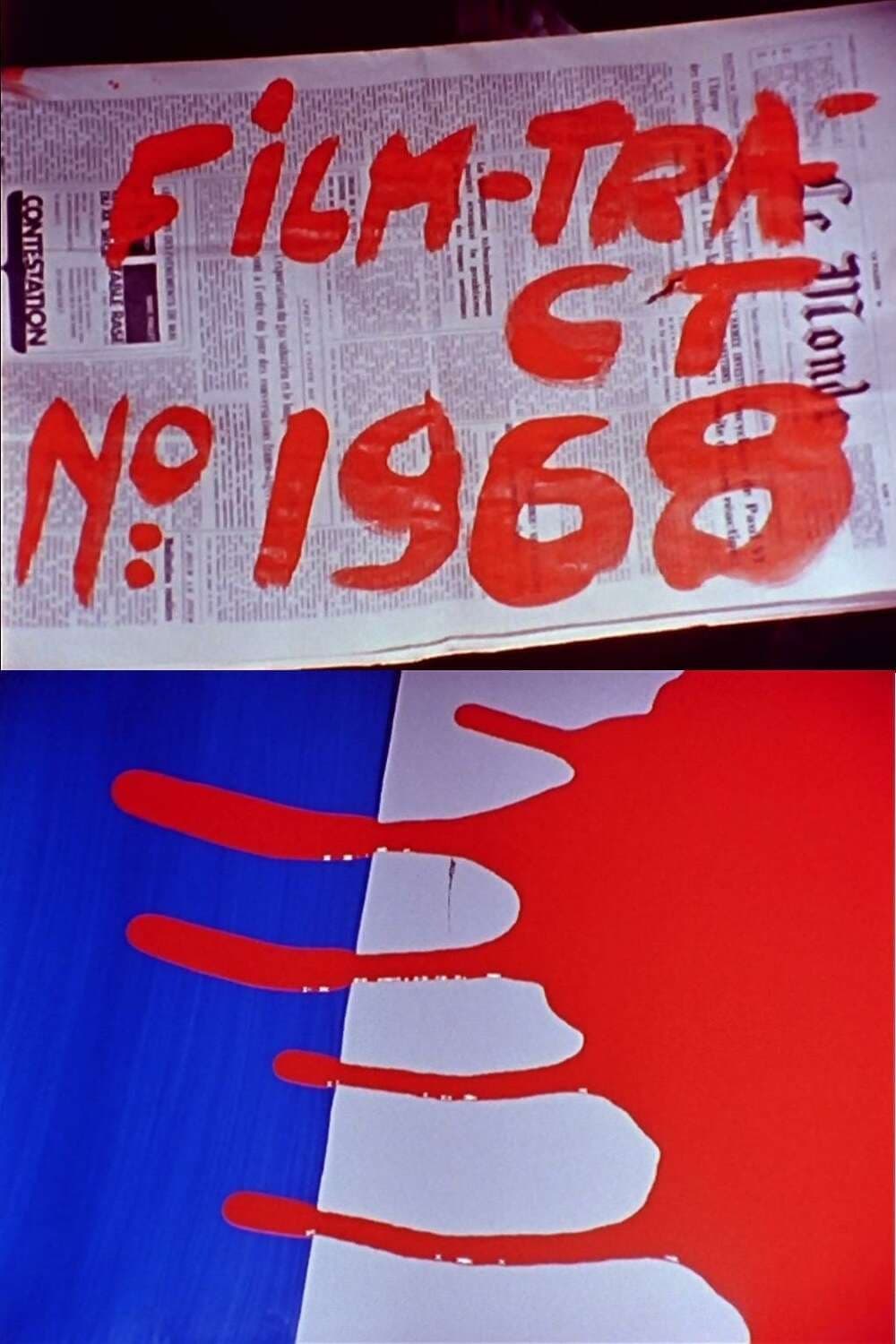
In the 1968 movement in Paris, Jean-Luc Godard made a 16mm, 3-minute long film, Film-tract No.1968, Le Rouge, in collaboration with French artist Gérard Fromanger. Starting with the shot identifying its title written in red paint on the Le Monde for 31 July 1968, the film shows the process of making Fromanger’s poster image, which is thick red paint flows over a tri-color French flag. —Hye Young Min
The history of cinematic sound, told by legendary sound designers and visionary filmmakers.
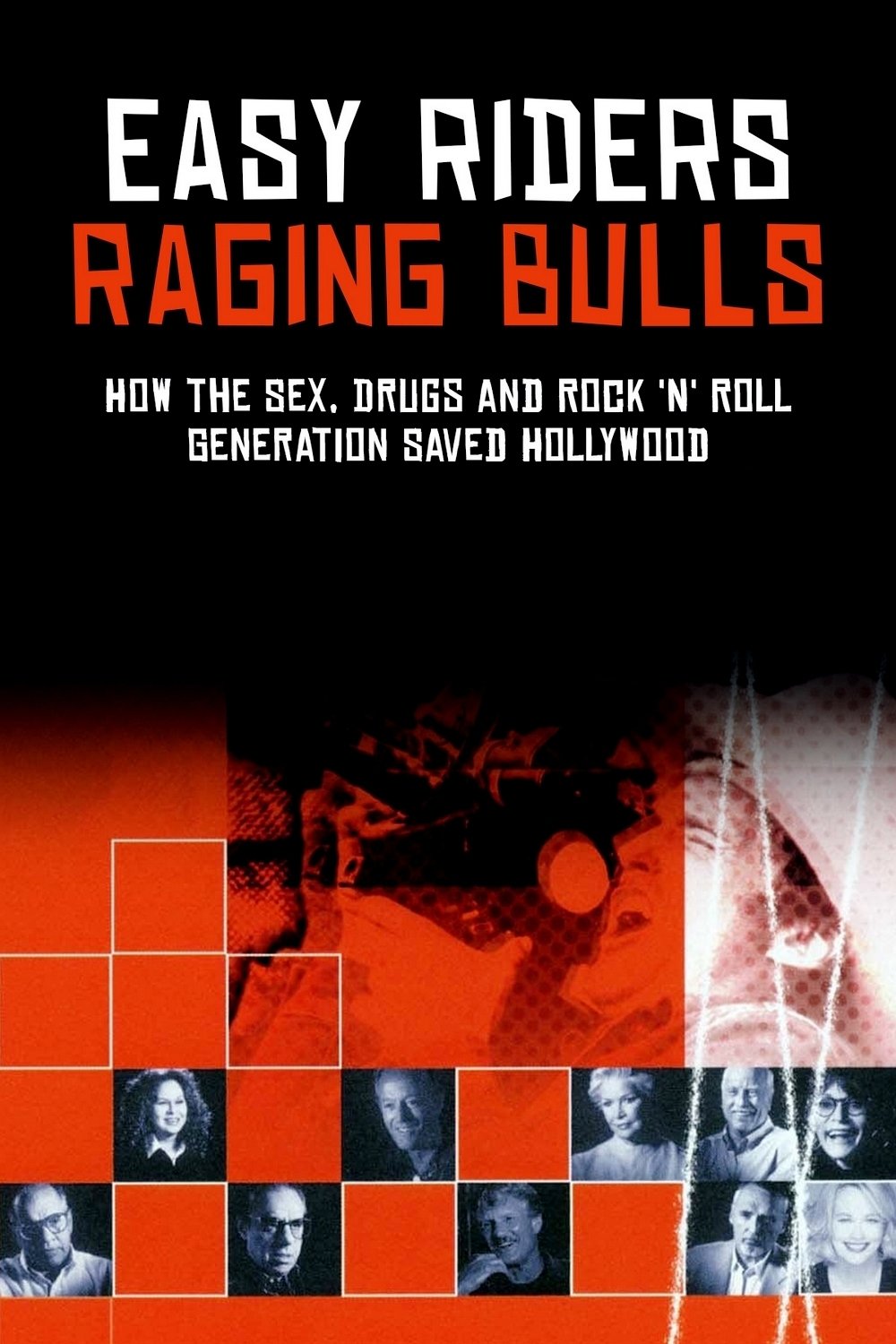
The chronicle of the mind-blowing journey that was Hollywood during the seventies; the true and gripping story of the last golden age of American cinema, an exalted celebration of creativity and experimentation; but also of sex, drugs and rock 'n' roll: a turbulent and dark tale of ambition, envy, betrayal, hatred and self-destruction.
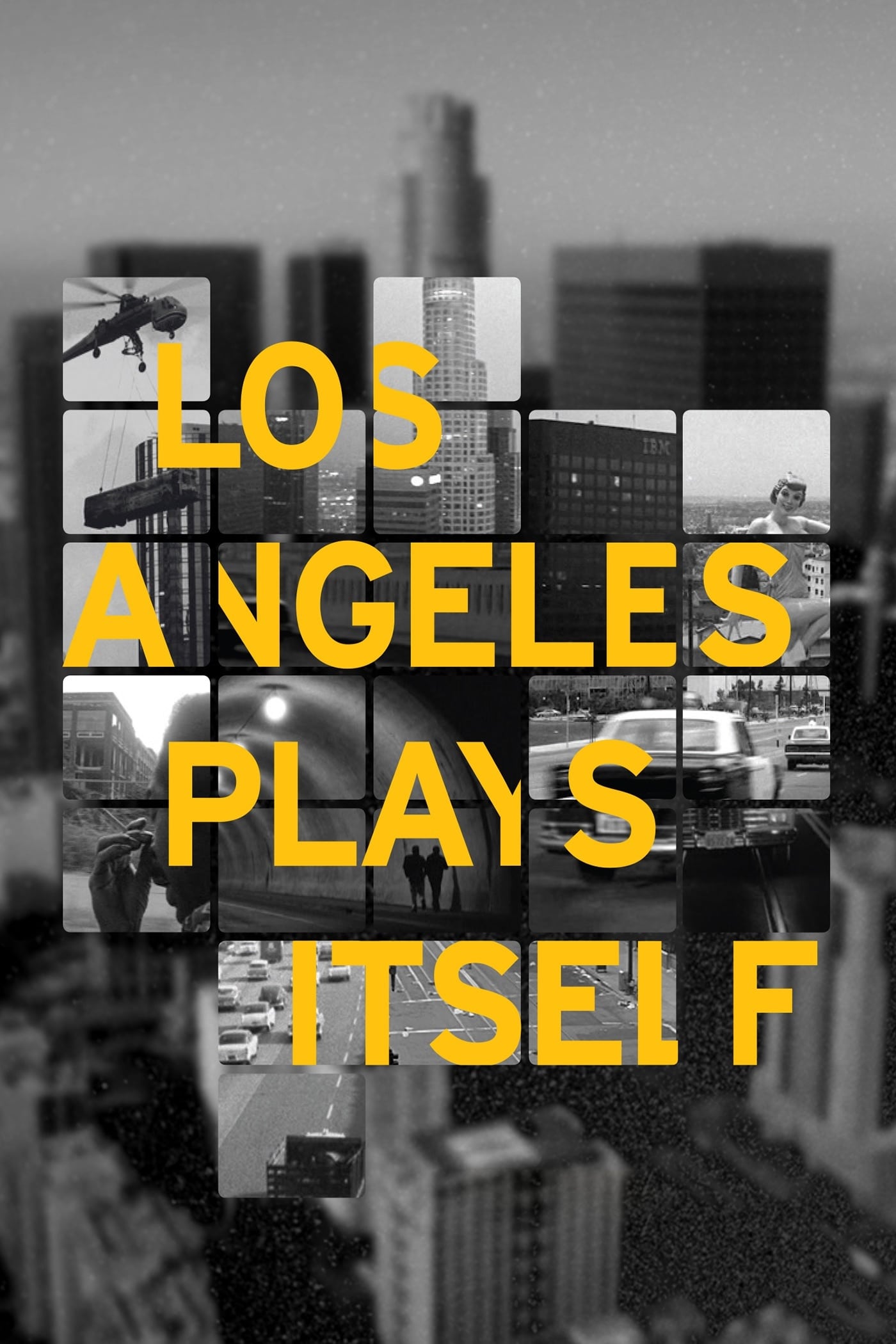
From its distinctive neighborhoods to its architectural homes, Los Angeles has been the backdrop to countless movies. In this dazzling work, Andersen takes viewers on a whirlwind tour through the metropolis' real and cinematic history, investigating the myriad stories and legends that have come to define it, and meticulously, judiciously revealing the real city that lives beneath.
This revealing documentary honors the legendary Sidney Poitier—iconic actor, filmmaker, and civil rights activist. Featuring interviews with Denzel Washington, Spike Lee, Halle Berry, and more.
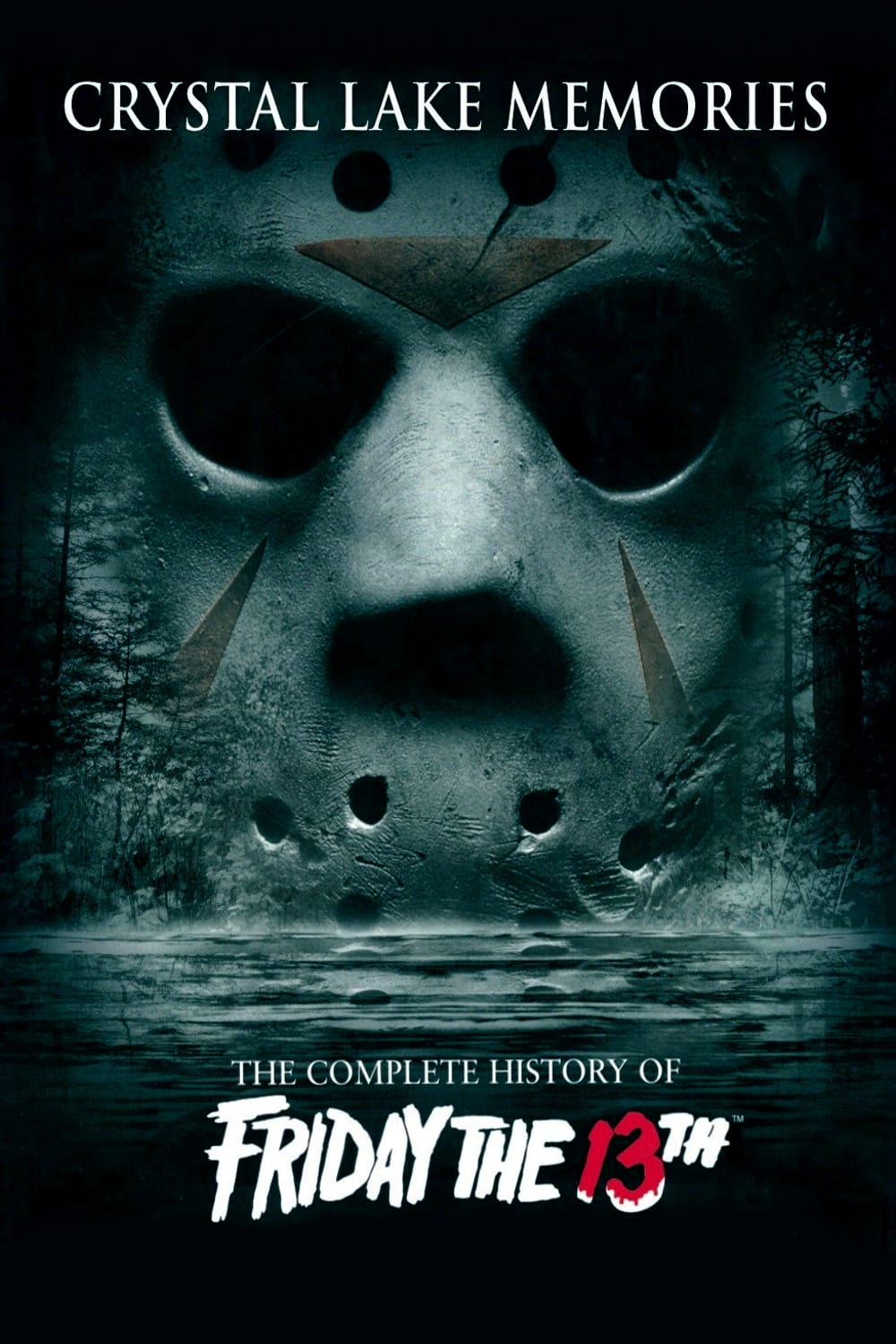
Taking inspiration from Peter M. Bracke's definitive book of the same name, this seven-hour documentary dives into the making of all twelve Friday the 13th films, with all-new interviews from the cast and the crew.
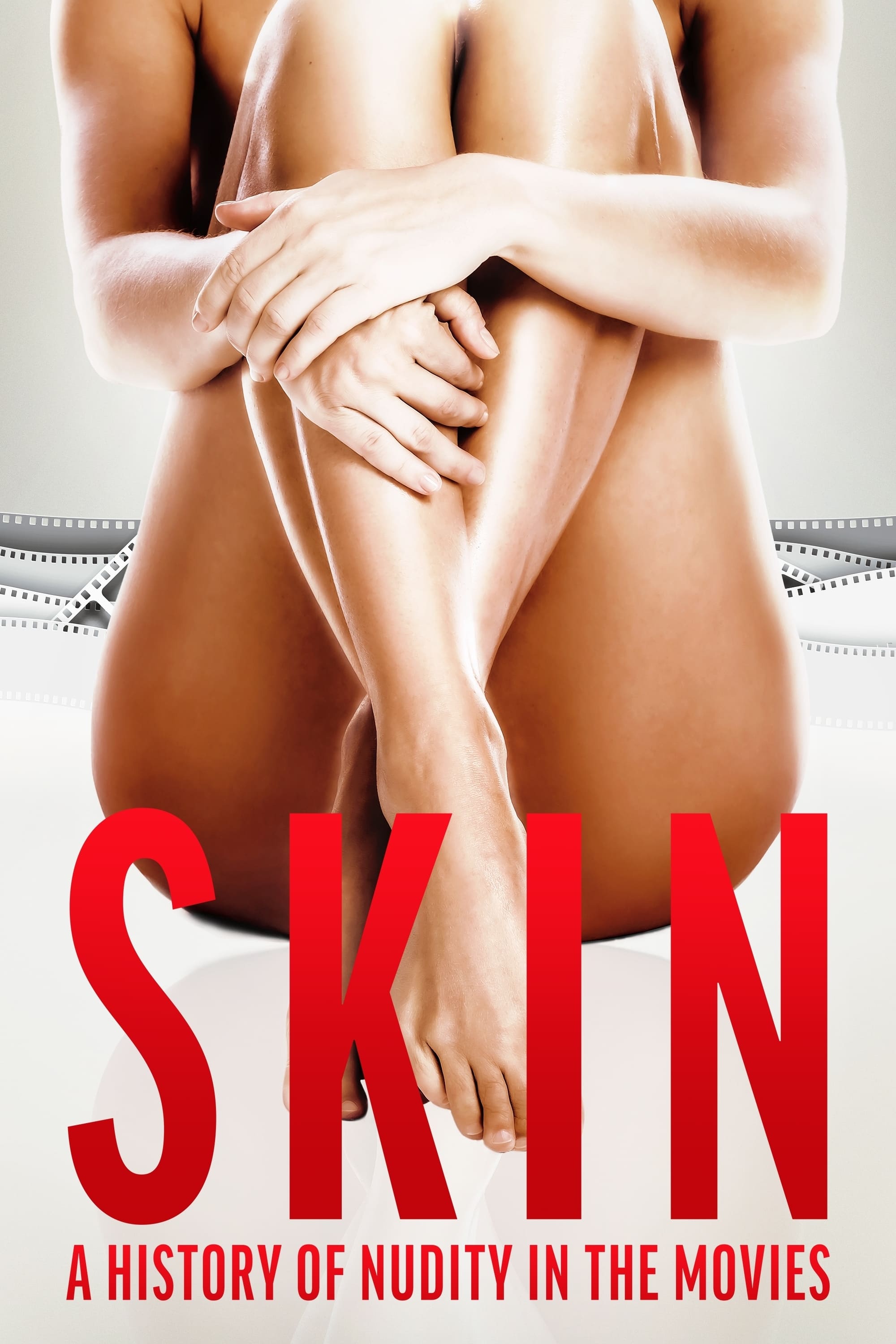
The definitive documentary on the history of nudity in feature films from the early silent days to the present, studying the changes in morality that led to the use of nudity in films while emphasizing the political, sociological and artistic changes that shaped that history. Skin will also study the gender inequality in presenting nude images in motion pictures and will follow the revolution that has created nude gender equality in feature films today.
An investigative look and analysis of gender disparity in Hollywood, featuring accounts from well-known actors, executives and artists in the Industry.
A subjective documentary that explores various theories about hidden meanings in Stanley Kubrick's classic film The Shining. Five very different points of view are illuminated through voice over, film clips, animation and dramatic reenactments.
Documentary about the art of film editing. Clips are shown from many groundbreaking films with innovative editing styles.
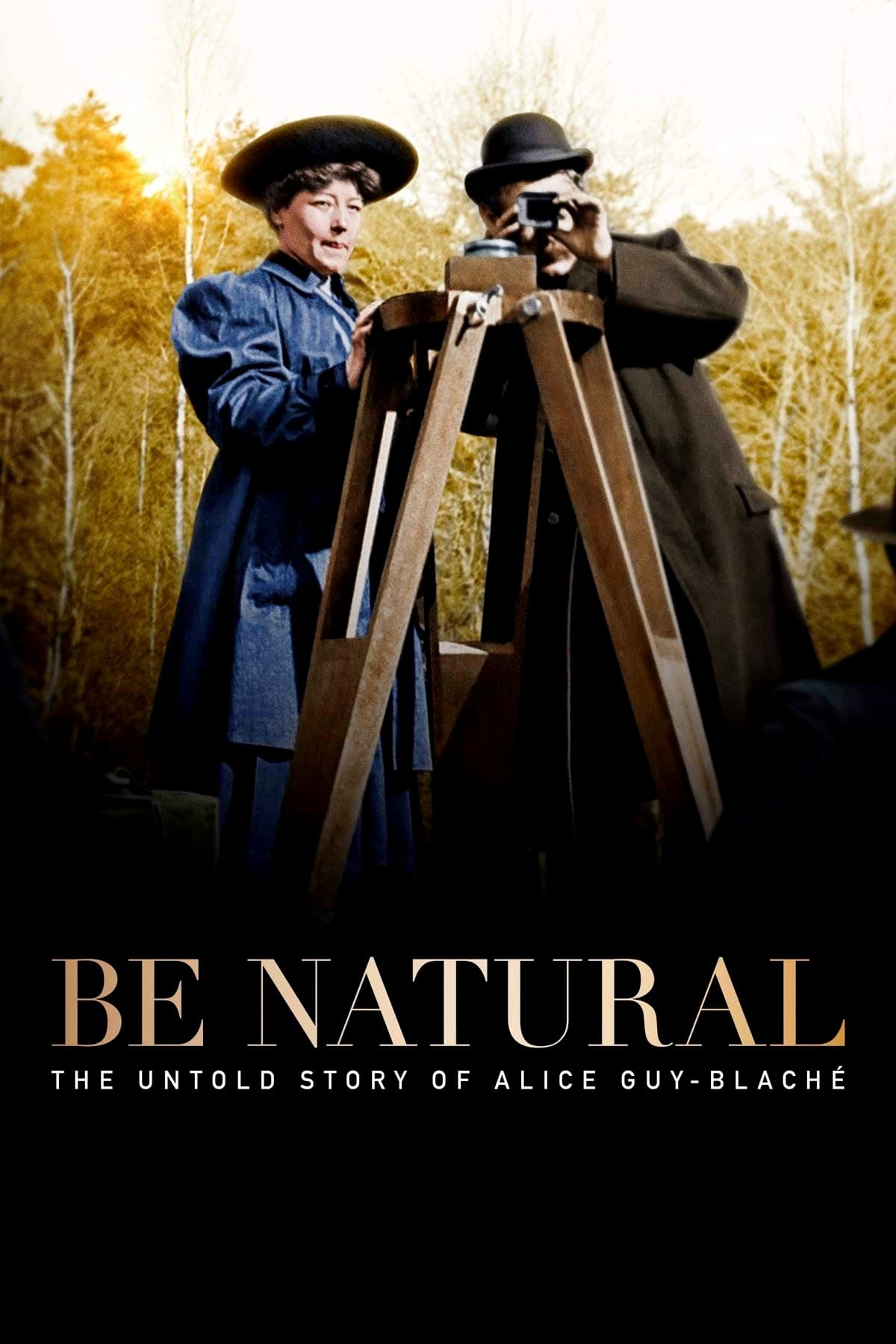
The epic life story of Alice Guy-Blaché (1873–1968), a French screenwriter, director and producer, true pioneer of cinema, the first person who made a narrative fiction film; author of hundreds of movies, but banished from history books. Ignored and forgotten. At last remembered.
An inside look at one of the most anticipated movie sequels ever with James Cameron and cast.
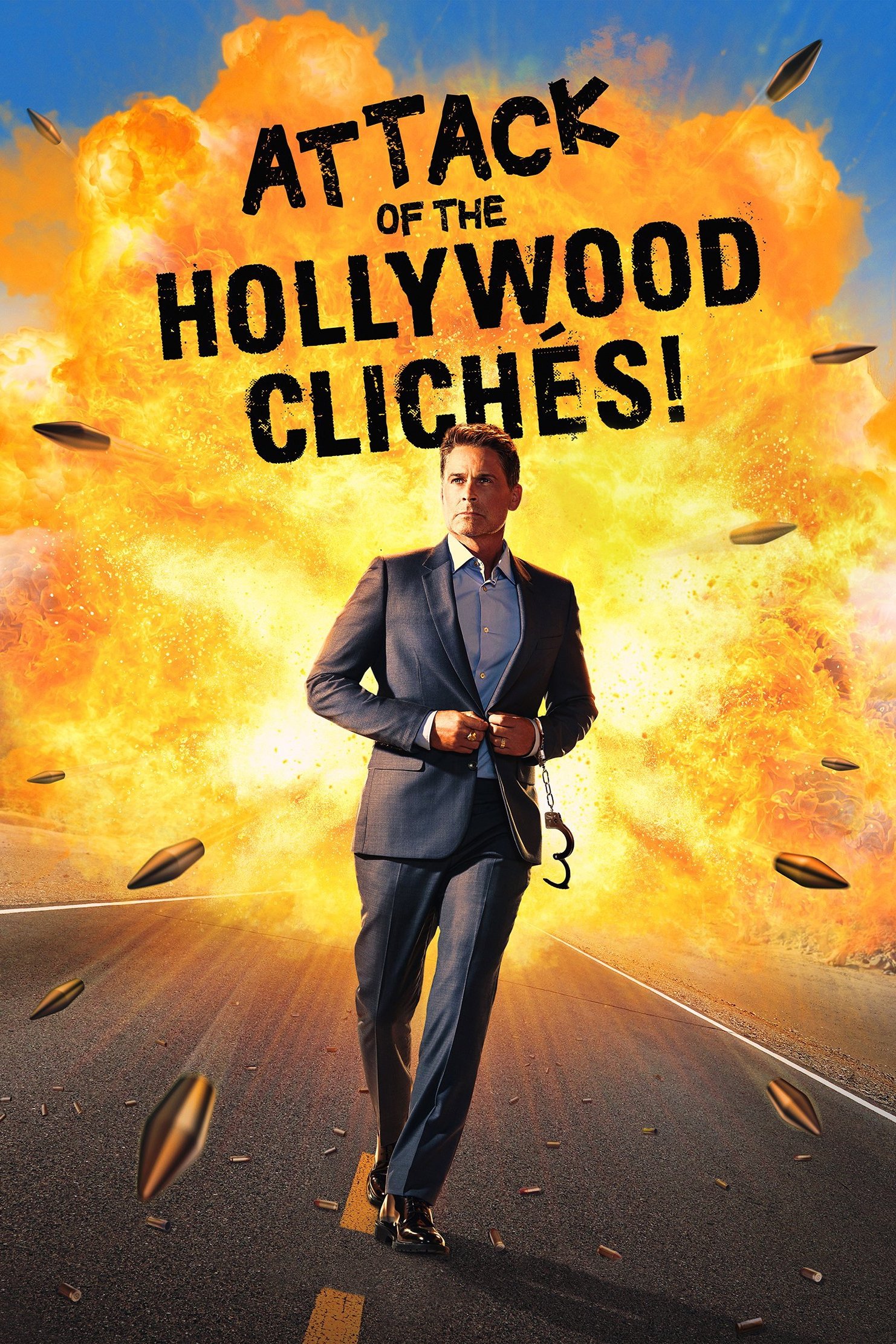
One-man armies, meet-cutes, casual strolls away from huge explosions — stars and industry insiders toast and roast these cinematic chestnuts and more.
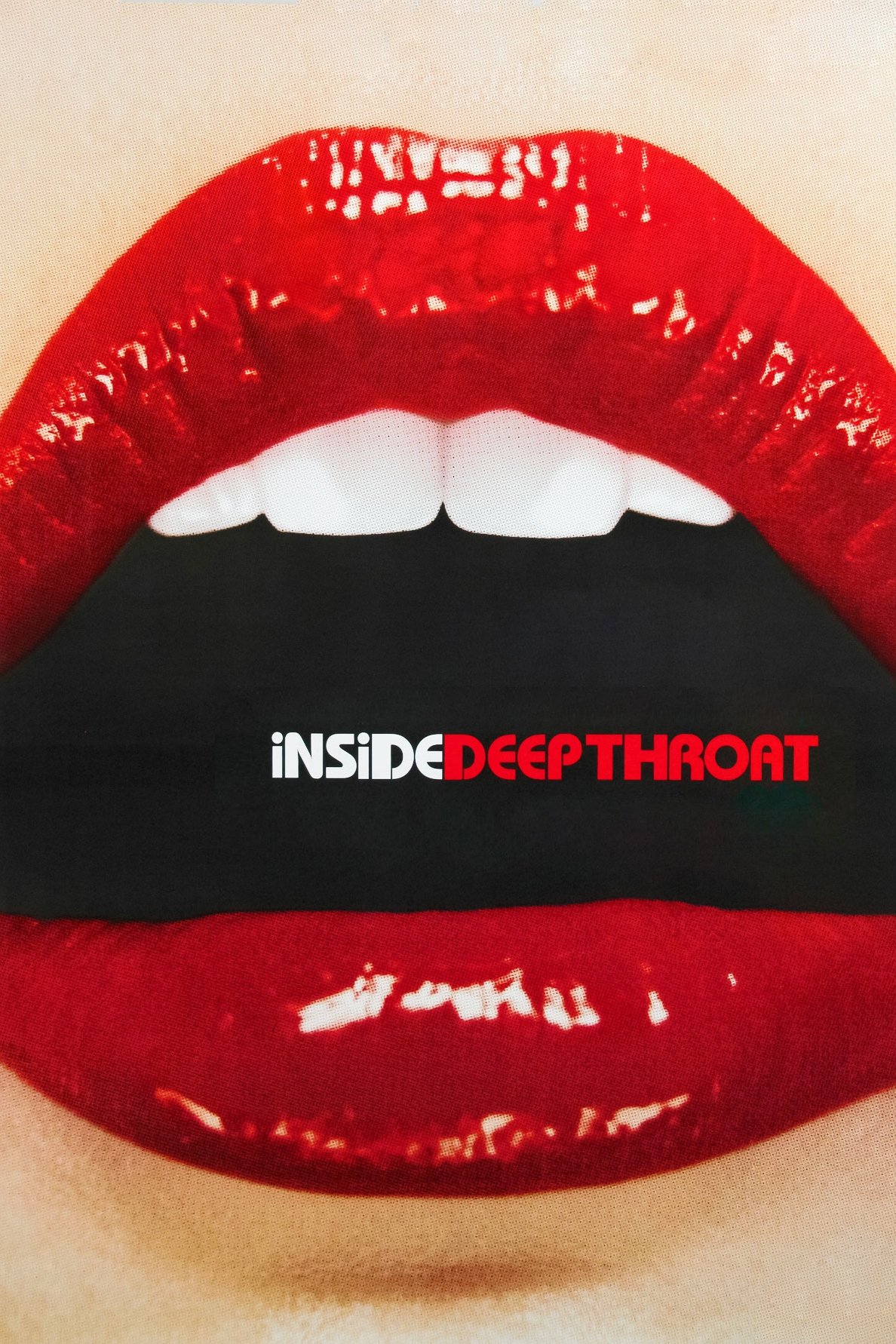
In 1972, a seemingly typical shoestring budget pornographic film was made in a Florida hotel: "Deep Throat," starring Linda Lovelace. This film would surpass the wildest expectation of everyone involved to become one of the most successful independent films of all time. It caught the public imagination which met the spirit of the times, even as the self-appointed guardians of public morality struggled to suppress it, and created, for a brief moment, a possible future where sexuality in film had a bold artistic potential. This film covers the story of the making of this controversial film, its stunning success, its hysterical opposition along with its dark side of mob influence and allegations of the on set mistreatment of the film's star.
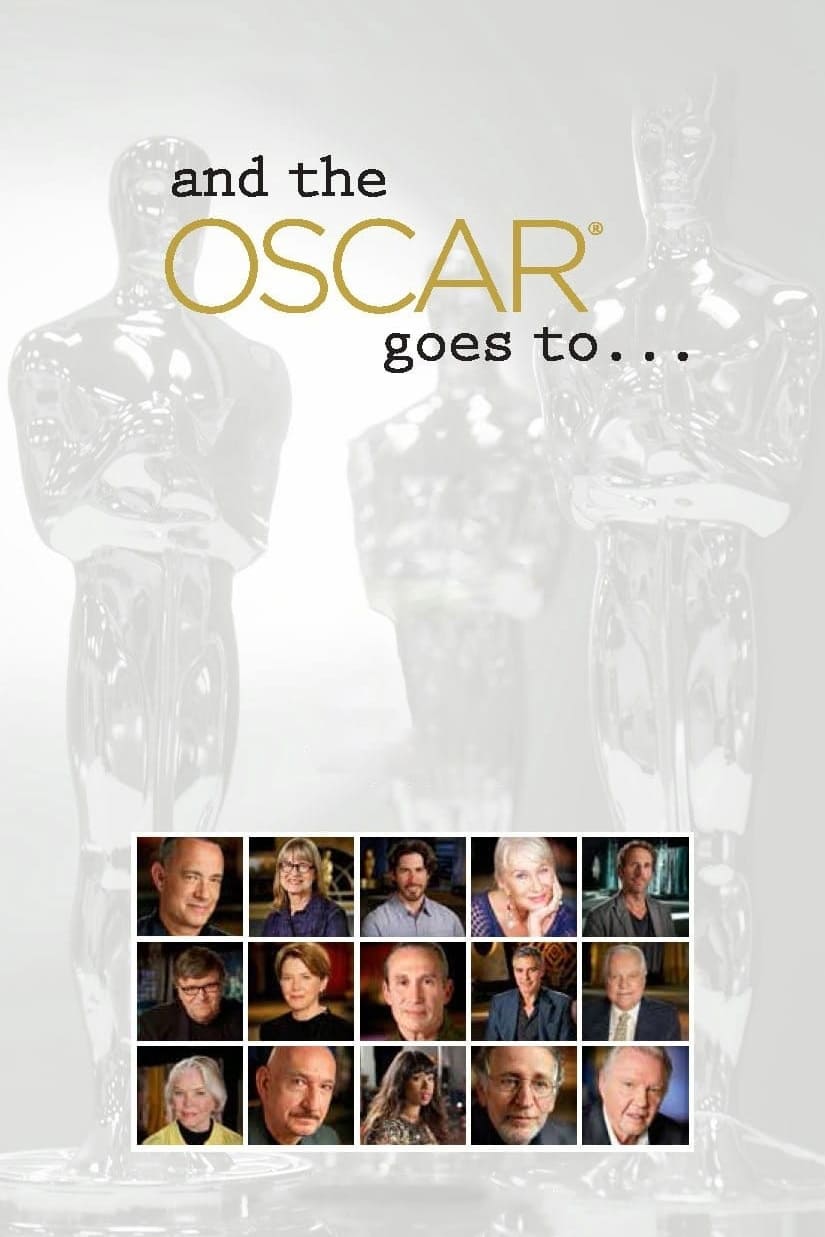
The story of the gold-plated statuette that became the film industry's most coveted prize, AND THE OSCAR GOES TO... traces the history of the Academy itself, which began in 1927 when Louis B. Mayer, then head of MGM, led other prominent members of the industry in forming this professional honorary organization. Two years later the Academy began bestowing awards, which were nicknamed "Oscar," and quickly came to represent the pinnacle of cinematic achievement.
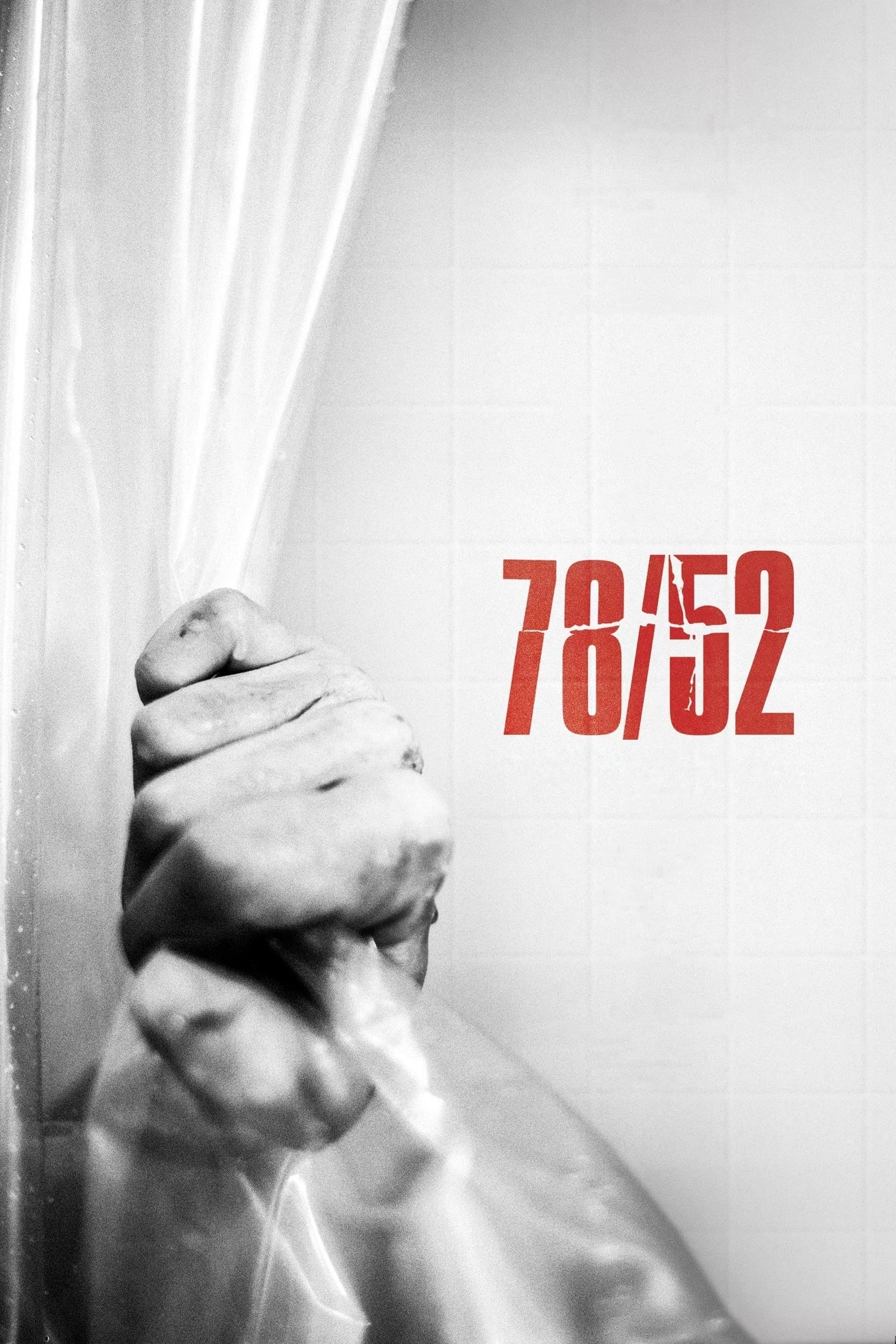
The most famous murder scene in movie history comprises 78 camera settings and 52 cuts: the shower scene in Alfred Hitchcock's Psycho. 78/52 tells the story of the man behind the curtain and his greatest obsession.
Daniel Craig candidly reflects on his 15 year adventure as James Bond. Including never-before-seen archival footage from Casino Royale to the upcoming 25th film No Time To Die, Craig shares his personal memories in conversation with 007 producers, Michael G Wilson and Barbara Broccoli.
Unravel the case of Utah therapist Jodi Hildebrandt, whose child abuse arrest with parenting YouTuber Ruby Franke exposed a twisted tale of manipulation.
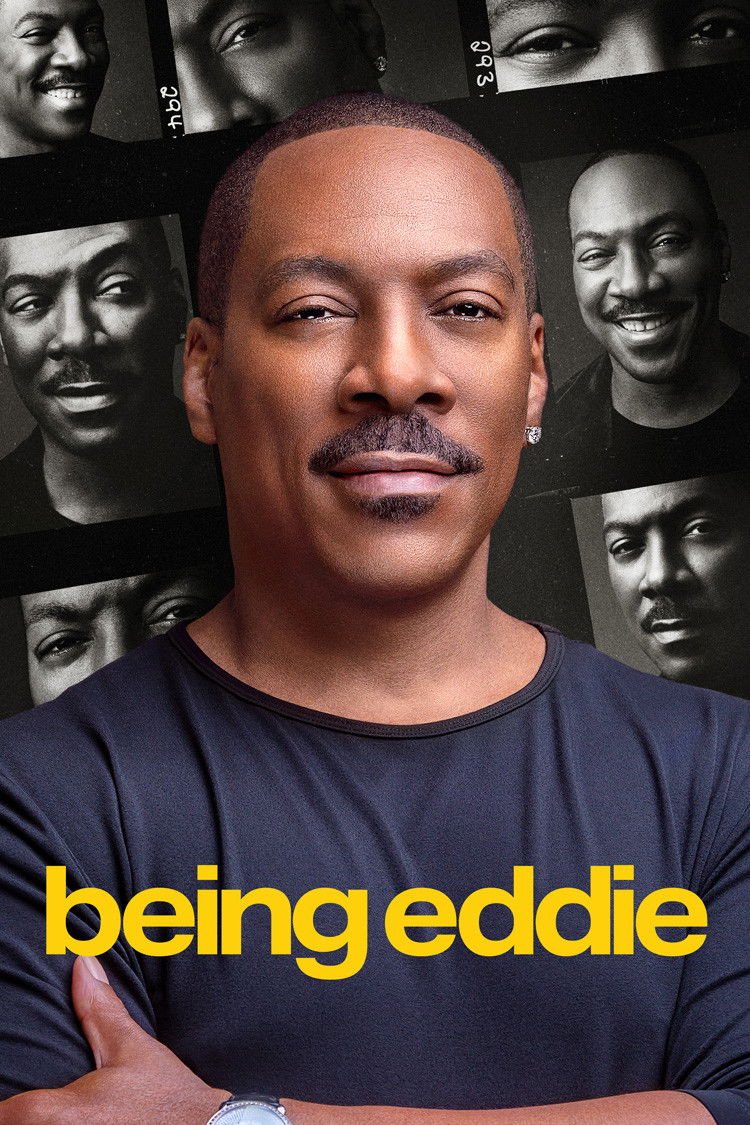
From teen comedian to Hollywood legend, Eddie Murphy revisits his extraordinary showbiz ride with raw honesty and humor.
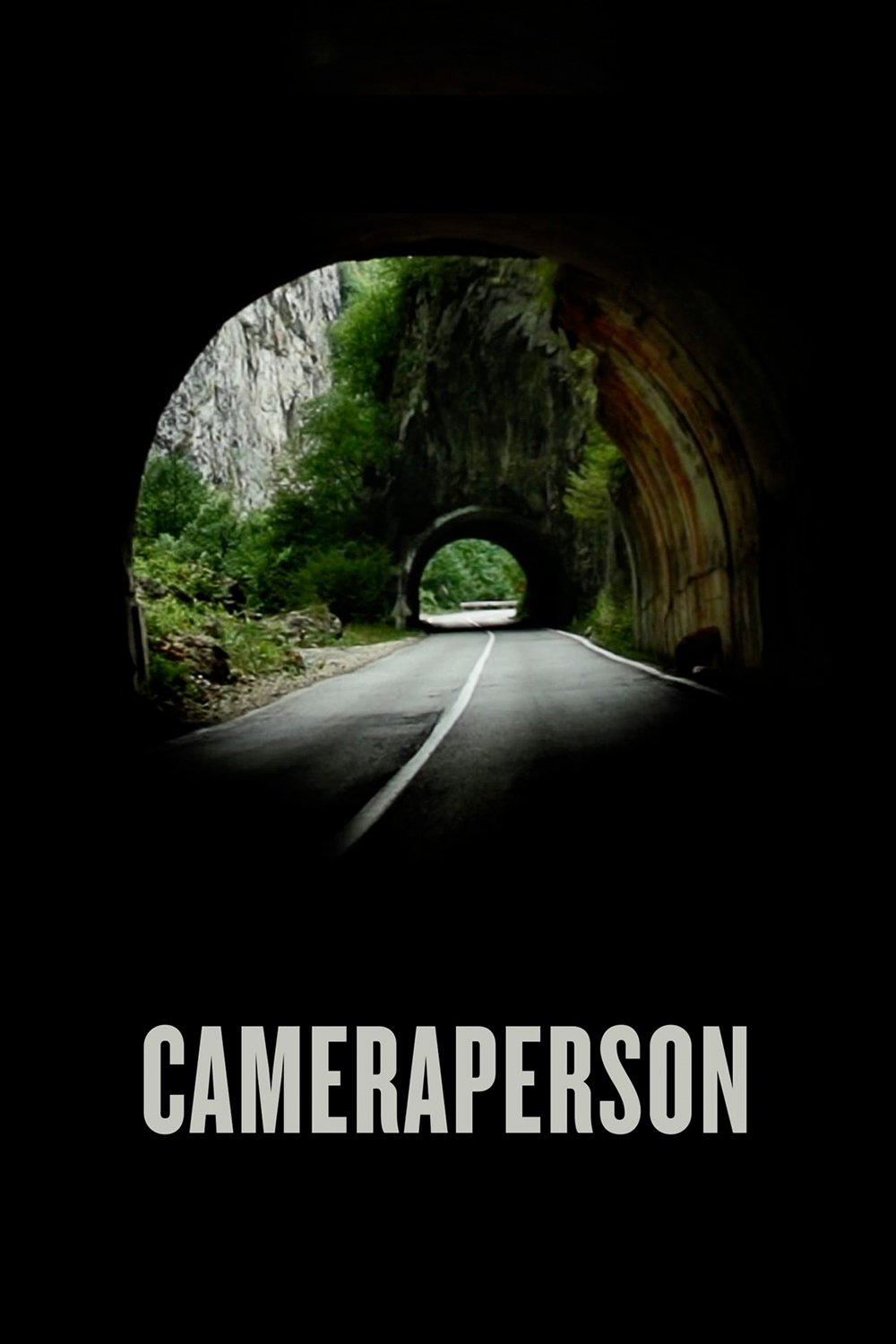
As a visually radical memoir, CAMERAPERSON draws on the remarkable footage that filmmaker Kirsten Johnson has shot and reframes it in ways that illuminate moments and situations that have personally affected her. What emerges is an elegant meditation on the relationship between truth and the camera frame, as Johnson transforms scenes that have been presented on Festival screens as one kind of truth into another kind of story—one about personal journey, craft, and direct human connection.
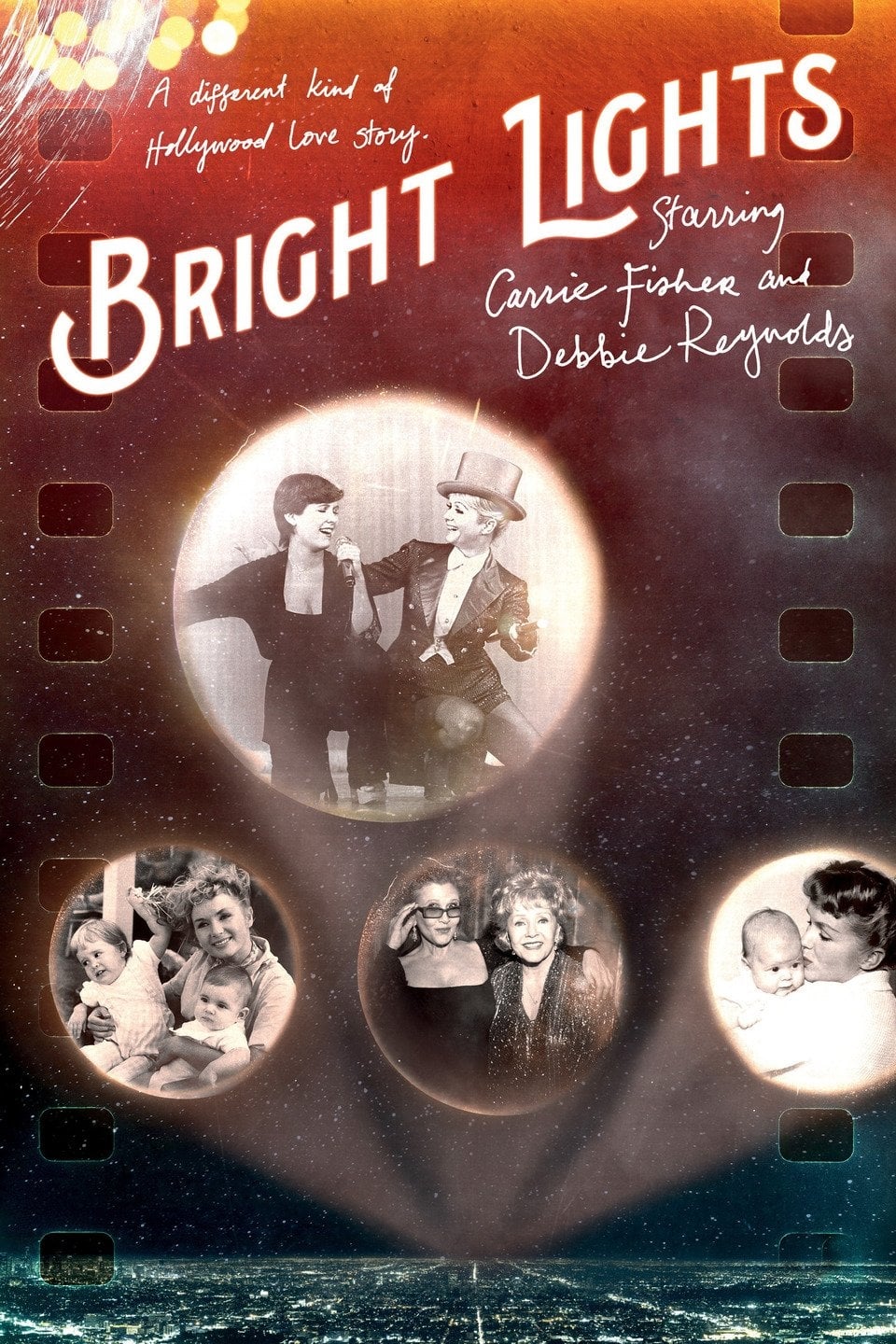
An intimate portrait of Hollywood royalty featuring Debbie Reynolds, Todd Fisher, and Carrie Fisher.