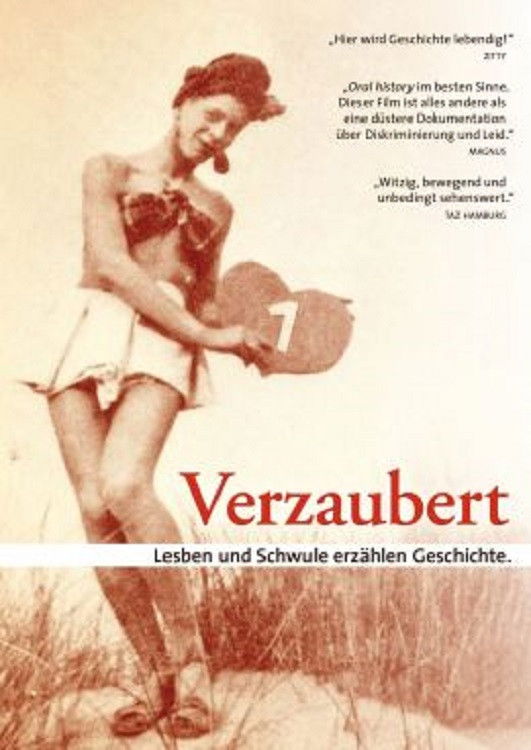
"Lesbians and gay men tell history"
Stories of 12 gay and lesbian survivors of Nazism and the Holocaust.
Social & External
The people behind it
The lifelong friendship between Rafe McCawley and Danny Walker is put to the ultimate test when the two ace fighter pilots become entangled in a love triangle with beautiful Naval nurse Evelyn Johnson. But the rivalry between the friends-turned-foes is immediately put on hold when they find themselves at the center of Japan's devastating attack on Pearl Harbor on Dec. 7, 1941.
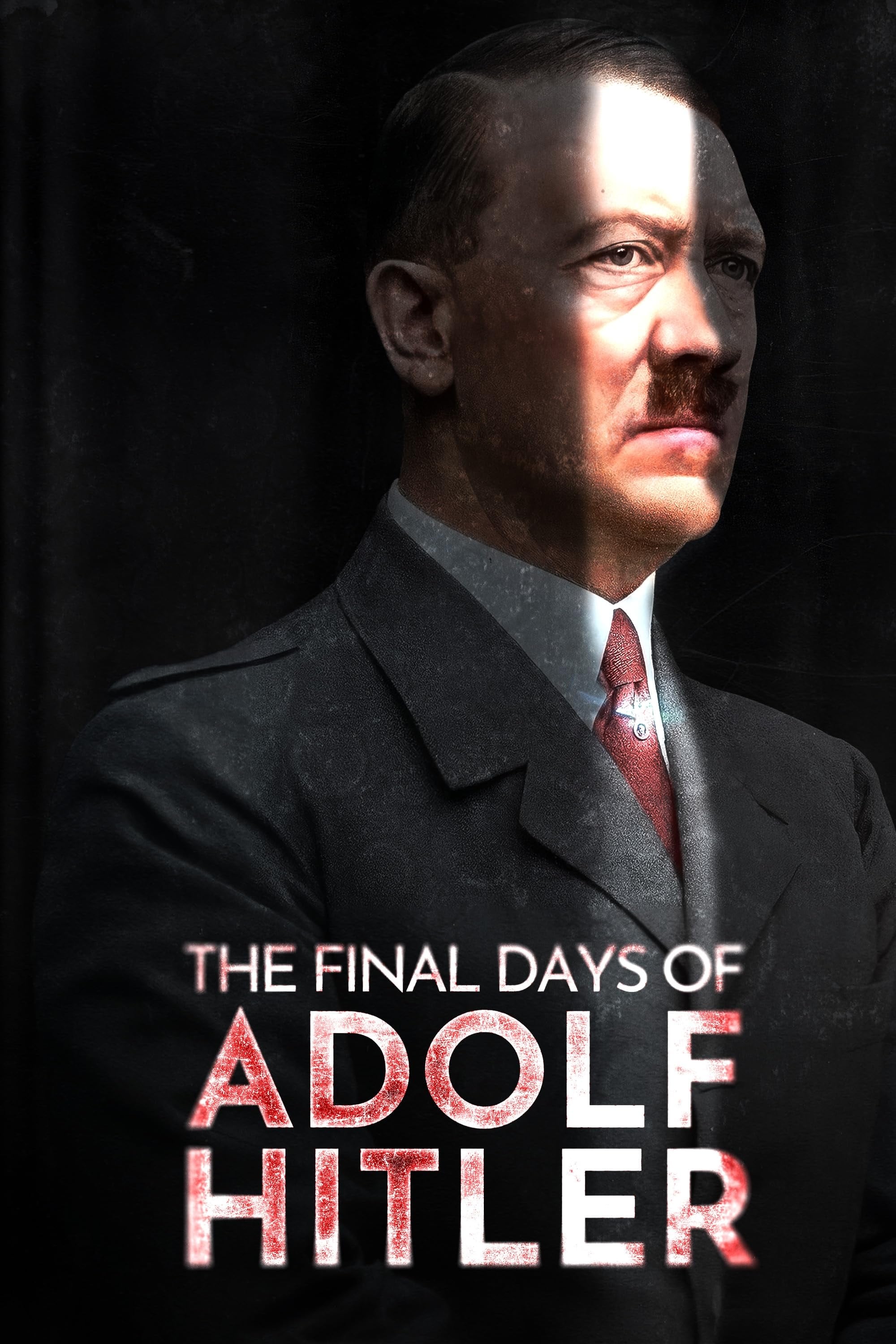
In April of 1945, Germany stands at the brink of defeat with the Russian Army closing in from the east and the Allied Expeditionary Force attacking from the west. In Berlin, capital of the Third Reich, Adolf Hitler proclaims that Germany will still achieve victory and orders his generals and advisers to fight to the last man. When the end finally does come, and Hitler lies dead by his own hand, what is left of his military must find a way to end the killing that is the Battle of Berlin, and lay down their arms in surrender.
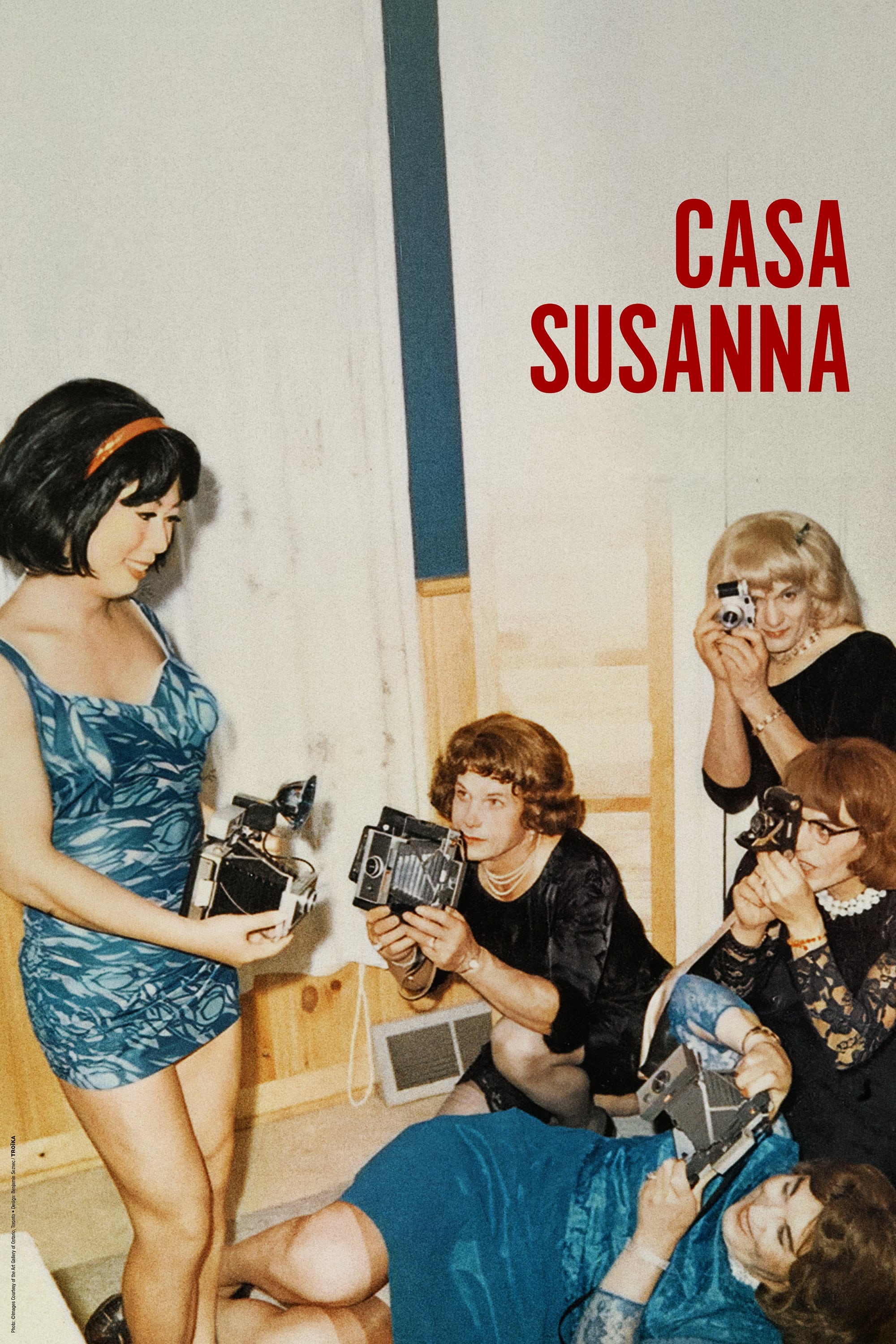
In the 50s and 60s, deep in the American countryside at the foot of the Catskills, a small wooden house with a barn behind it was home to the first clandestine network of cross-dressers. Diane and Kate are now 80 years old. At the time, they were men and part of this secret organization. Today, they relate this forgotten but essential chapter of the early days of trans-identity. It is a story full of noise and fury, rich in extraordinary characters, including the famous Susanna, who had the courage to create this refuge that came to be known as Casa Susanna.
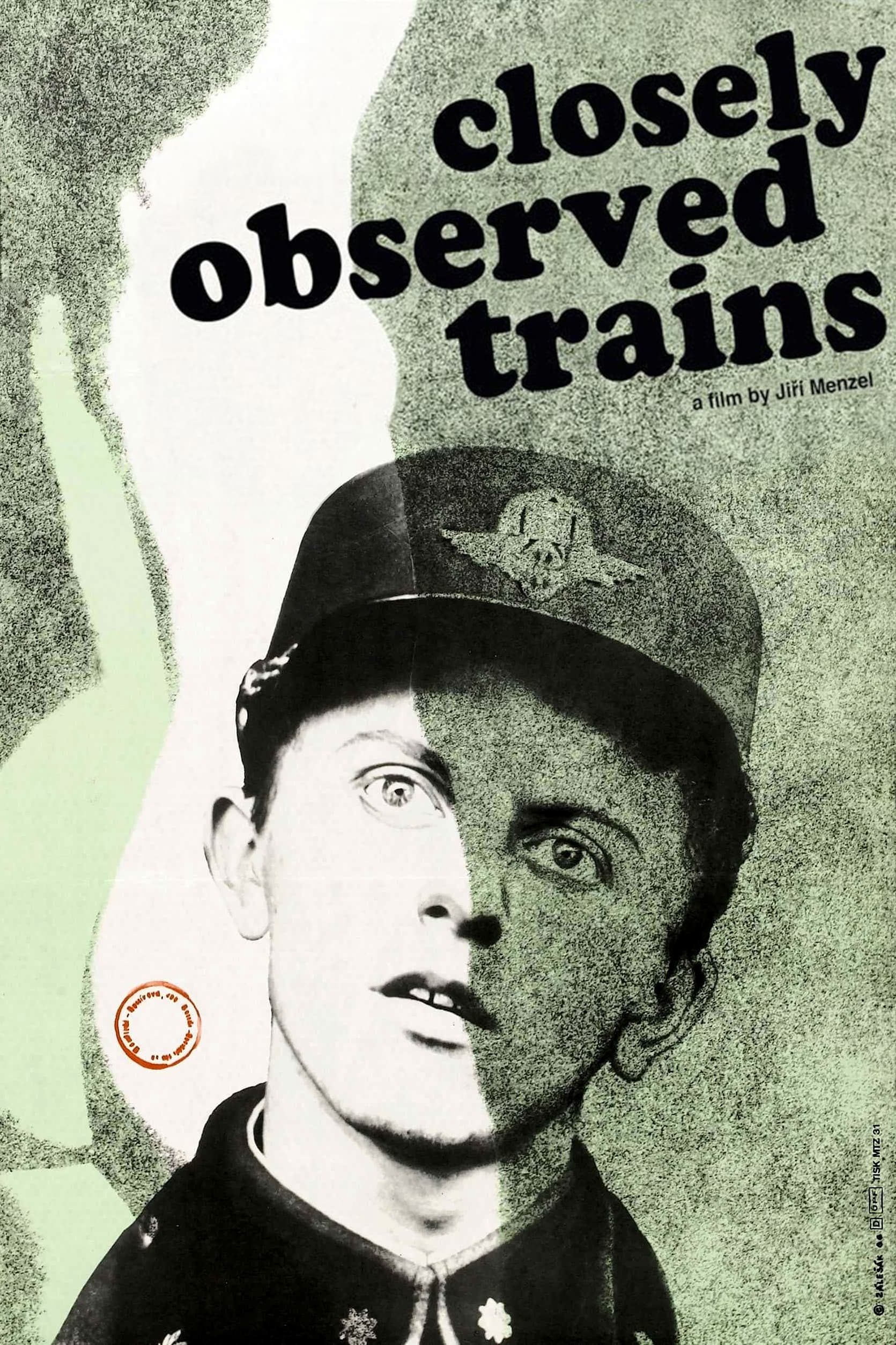
At a village railway station in occupied Czechoslovakia, a bumbling dispatcher’s apprentice longs to liberate himself from his virginity. Oblivious to the war and the resistance that surrounds him, this young man embarks on a journey of sexual awakening and self-discovery, encountering a universe of frustration, eroticism, and adventure within his sleepy backwater depot.
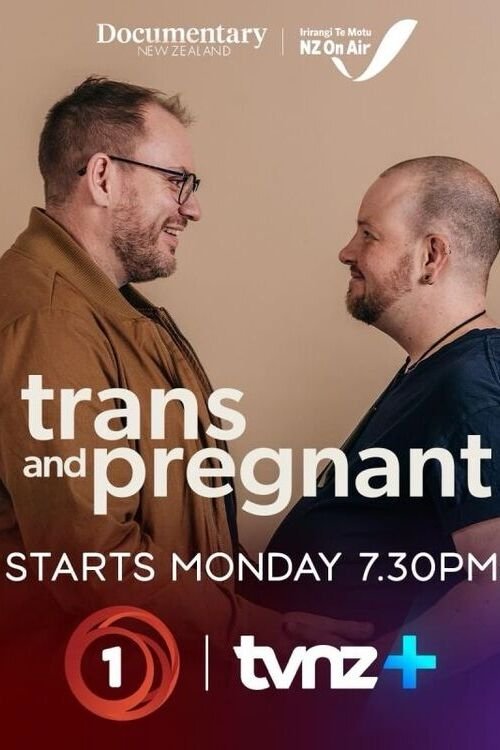
Two men undertake a thought-provoking journey to parenthood. Not by adoption or surrogacy, but by Frankie, a trans man, carrying their baby. Made with support from NZ on Air.
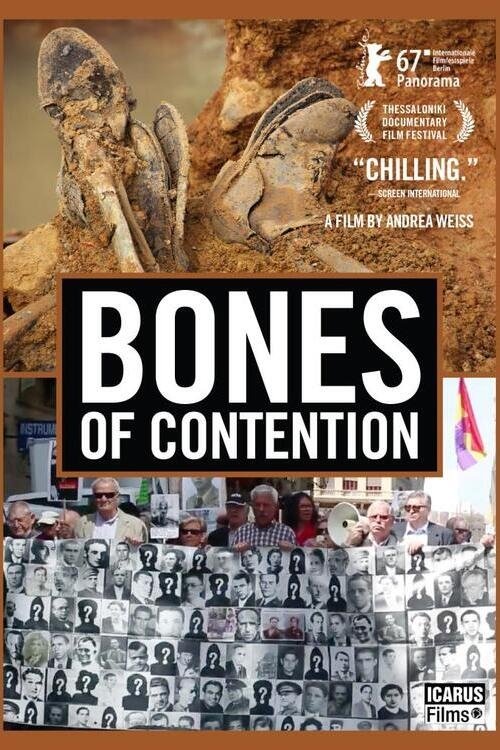
A history of the political and social repression carried out by the ruthless regime of Spanish dictator Francisco Franco between 1936 and 1975 that focuses on the lives of gays and lesbians during those dark years and the death of the Spanish gay poet Federico García Lorca.
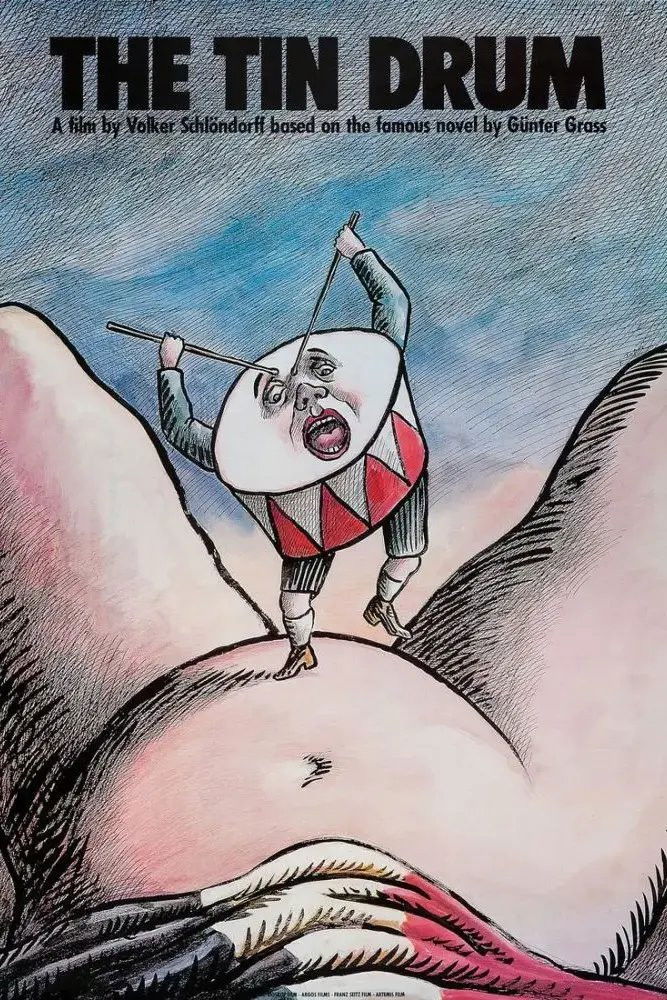
In 1924, Oskar Matzerath is born in the Free City of Danzig. At age three, he falls down a flight of stairs and stops growing. In 1939, World War II breaks out.
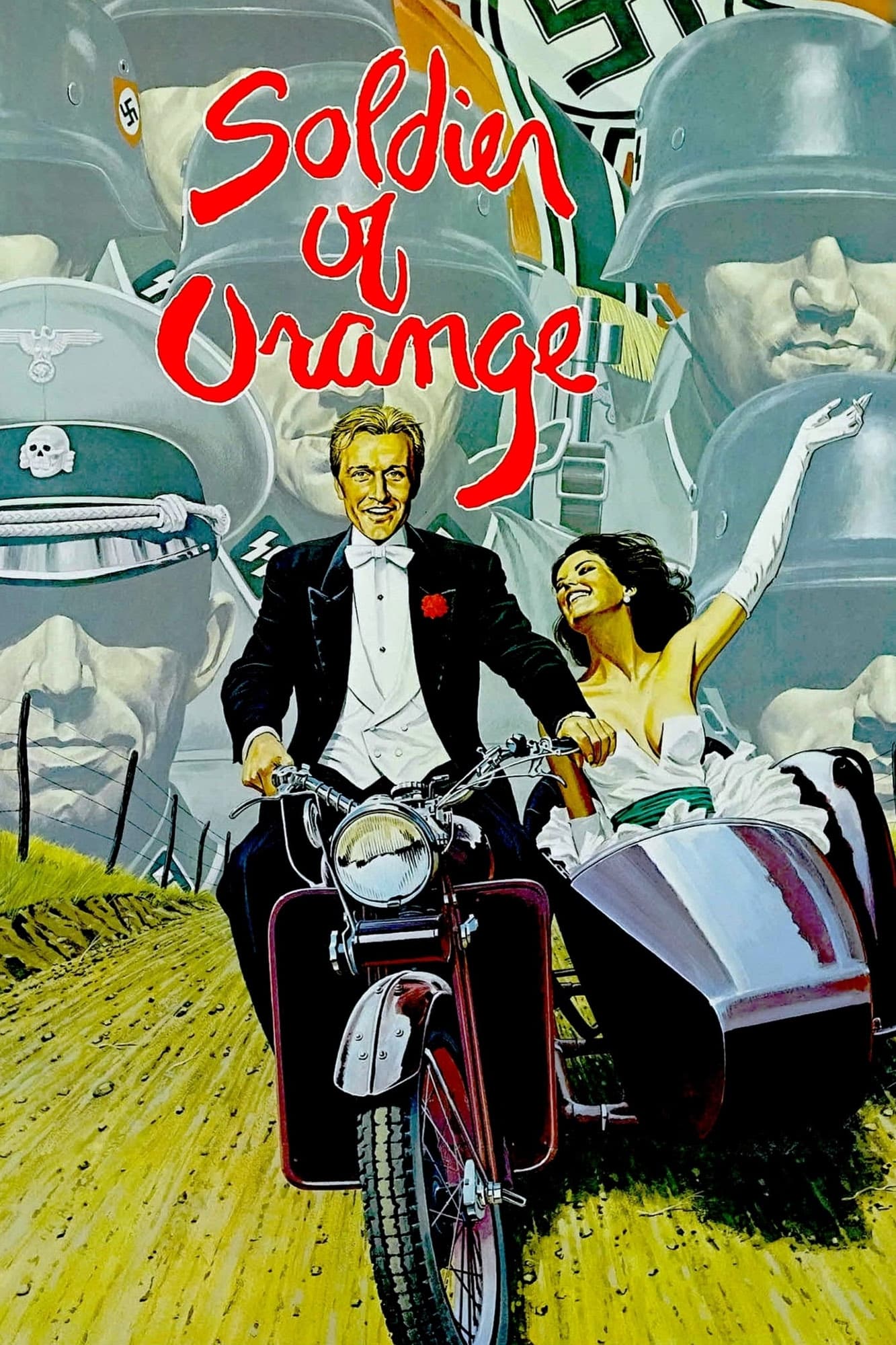
The lives of Erik Lanshof and five of his closest friends take different paths when the German army invades the Netherlands in 1940: fight and resistance, fear and resignation, collaboration and high treason.
Based on a poem by a Zimbabwean LGBT activist written in response to the gay hate speech that is being perpetuated president Robert Mugabe. The film was shot in South East London UK with a cast of six women from several African countries playing multiple roles in this portrayal of being a lesbian in homophobic Zimbabwe. Five of the actors and the producer are refugees who fled their countries in fear of persecution for their sexuality.
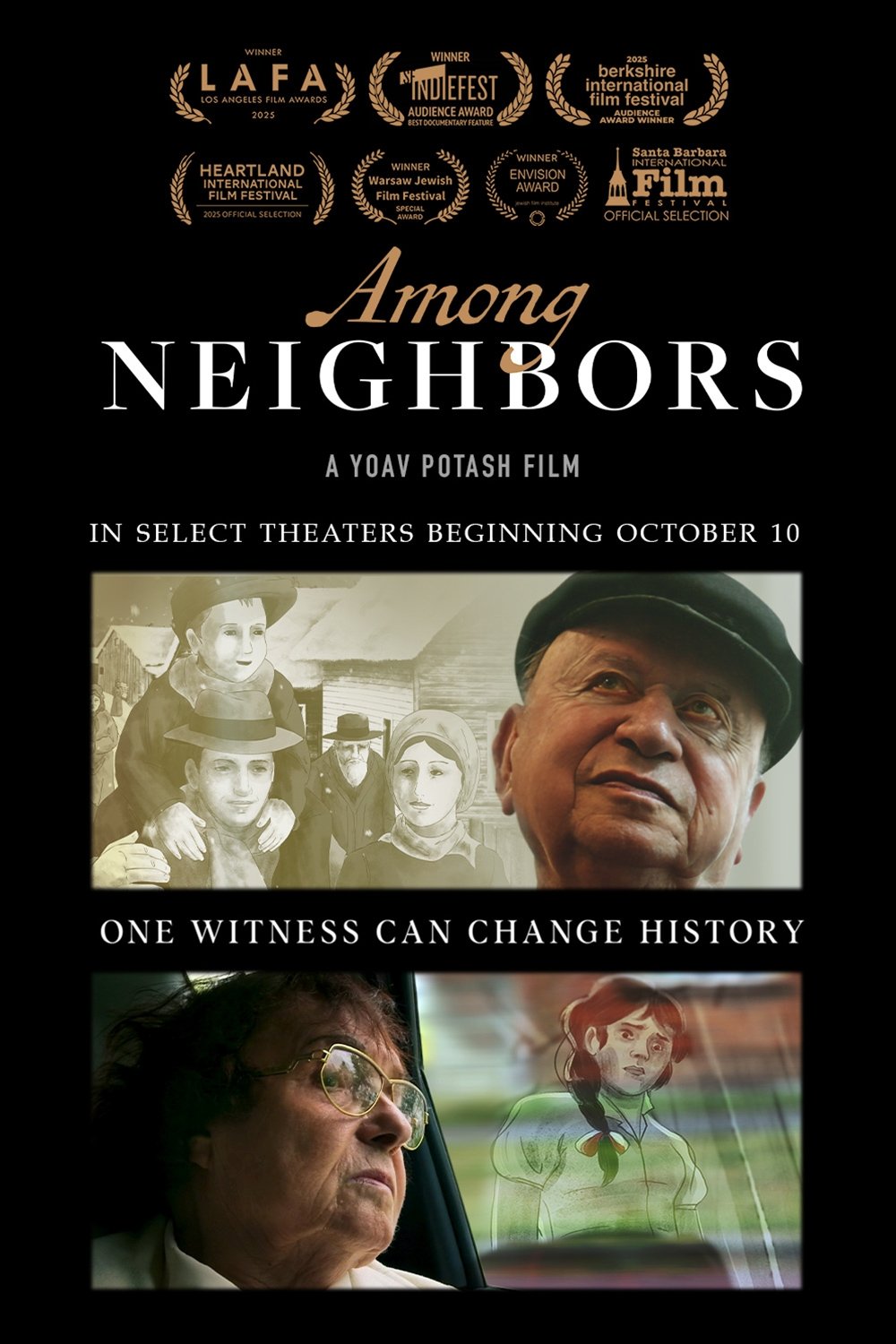
Combining magical realism and evocative hand-drawn animation with revelatory interviews and verité footage, "Among Neighbors" examines the story of a small, rural town where Jews and Polish Catholics lived side by side for centuries before World War II. The film brings the Polish response to the Holocaust to life through the last living eyewitnesses, revealing both love and betrayal as it zeroes in on one of the last living Holocaust survivors from the town, and an aging eyewitness who saw Jews murdered there — not by Nazis, but by her own Polish neighbors. Produced and directed by award-winning filmmaker Yoav Potash ("Crime After Crime," Sundance Film Festival).
I'll just have cats documentary follows 21-year-old Kay Proctor as she delves into Britain’s evolving views on queer parenthood and questions whether she even wants children herself. Through conversations with queer parents and professionals, Kay confronts complex questions about her future. This award-winning documentary, recognised with multiple Royal Television Society Student Awards, offers a candid exploration of family, identity, and choice in modern Britain.
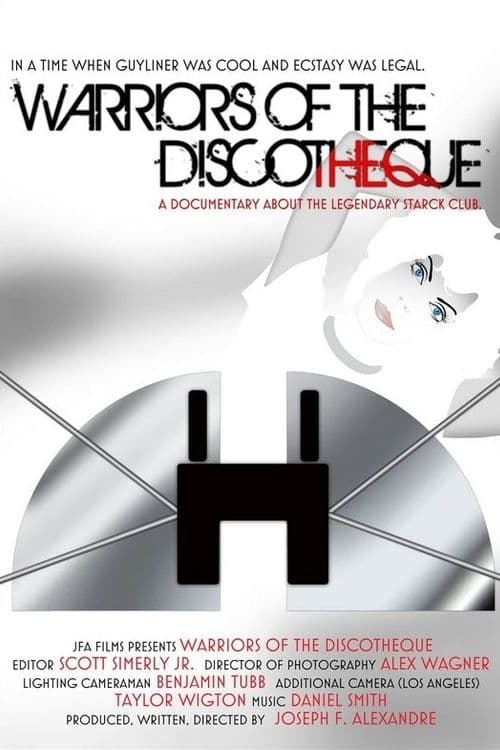
The place is the notorious Starck Club (so called because it was the first major project designed by Philippe Starck in the US.) The Starck Club opened in Dallas in 1984 and not long after hosted the 1984 national Republican Convention. Ironically, it was actually legal to buy MDMA aka ecstasy there, people would put it on their credit cards. The DEA stepped in and made it a category 1 drug on July 1, 1985... In a time when ecstasy was legal & guyliner was cool.
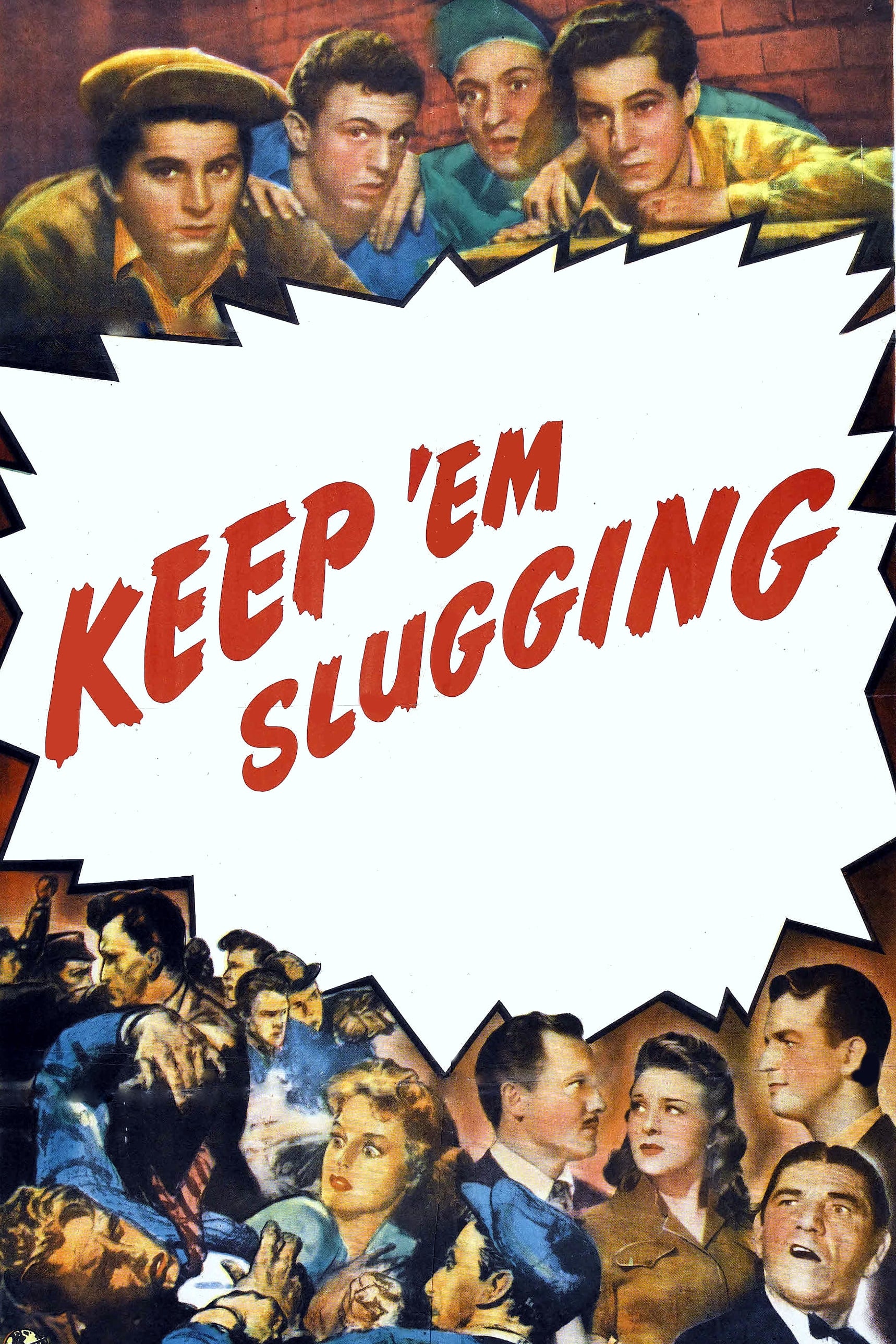
A gang of tough street kids decide to go straight and get jobs in order to free draft-age men for the war effort. However, because of their past tangles with the law, they can't find anybody who'll hire them. Finally one of them gets a job at the department store where his sister works, but runs afoul of a store executive who is in league with a ring of hijackers.
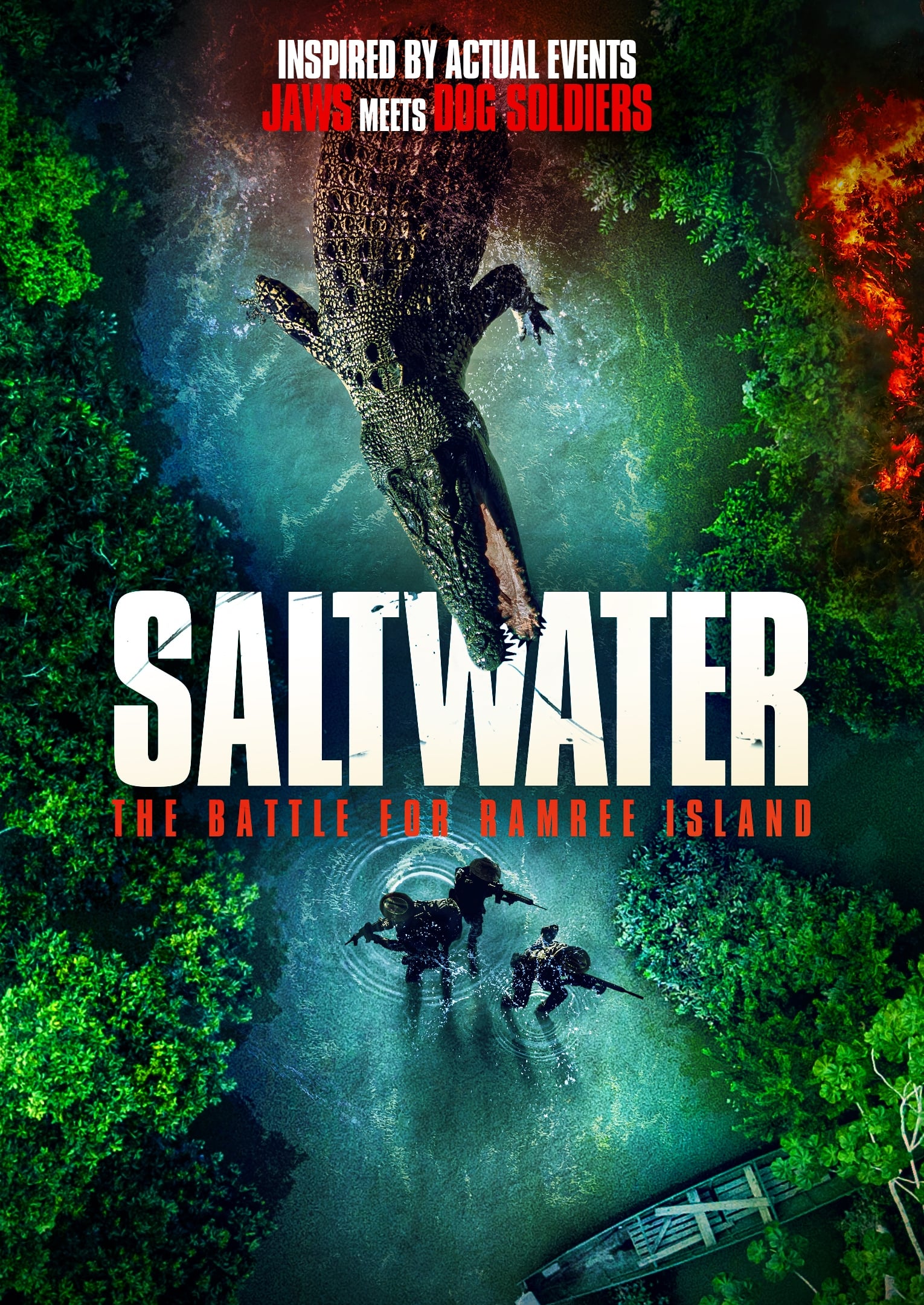
During the last desperate months of World War II, an Allied mission to regain Ramree Island off the coast of Burma ends in horror when an embattled group of soldiers find themselves trapped in dense swampland infested with deadly saltwater crocodiles. As the men are picked off one by one by the hungry reptiles, those that remain resort to increasingly desperate measures to survive the onslaught of carnage and get off the island alive.
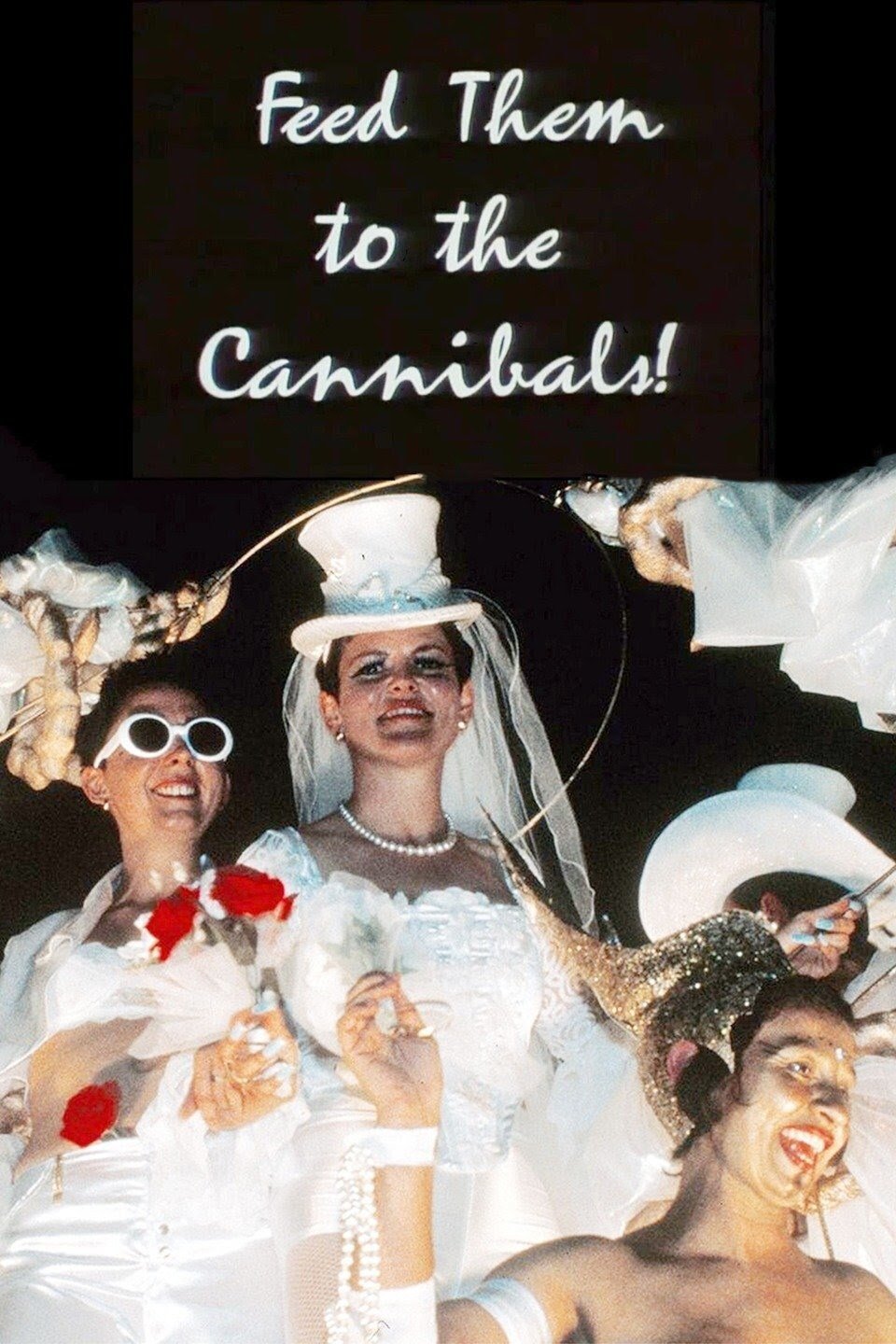
Originally broadcast on ABC's True Stories in 1993, Feed Them to the Cannibals tells the story of Sydney's Gay and Lesbian Mardi Gras. It was the first time cameras were allowed at Sleaze Ball and the Mardi Gras Party.
Documentary about the ten days the director spent in Moscow, during the 1986 Moscow Youth Festival, as kind of a gay delegate.
A tribute to the important work of female nurses during World War II.
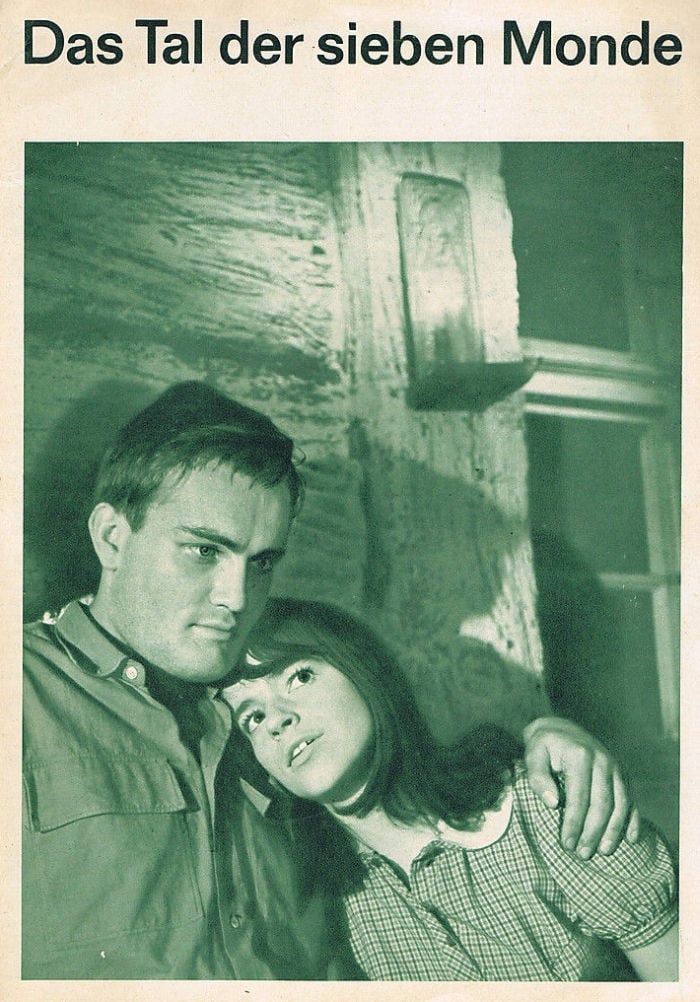
Based on the novel of the same name by Harry Turk. 1944. In occupied Poland, a railway line is being built to transport lead ore to Germany. The Valley of Seven Moons is restless, with construction materials disappearing and people vanishing. The occupiers feel uneasy on foreign soil. Despite increased security, partisans carry out one act of sabotage after another, hindering construction in every way possible. The German Rudek and the Jewish girl Martina, who at first stand aside from any struggle, join the partisan detachment.
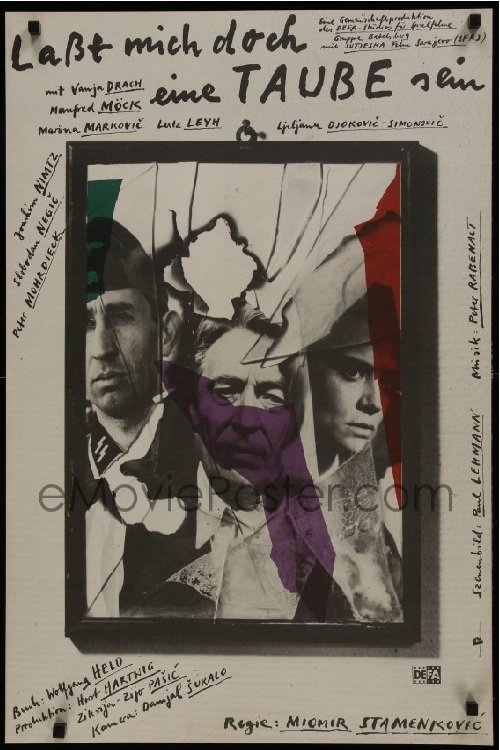
The story of German minority members who, after escaping from Wehrmacht, form a partisan unit named "Ernst Thalmann" in eastern Croatia. The focus is a family whose members fight on different sides of the barricade.
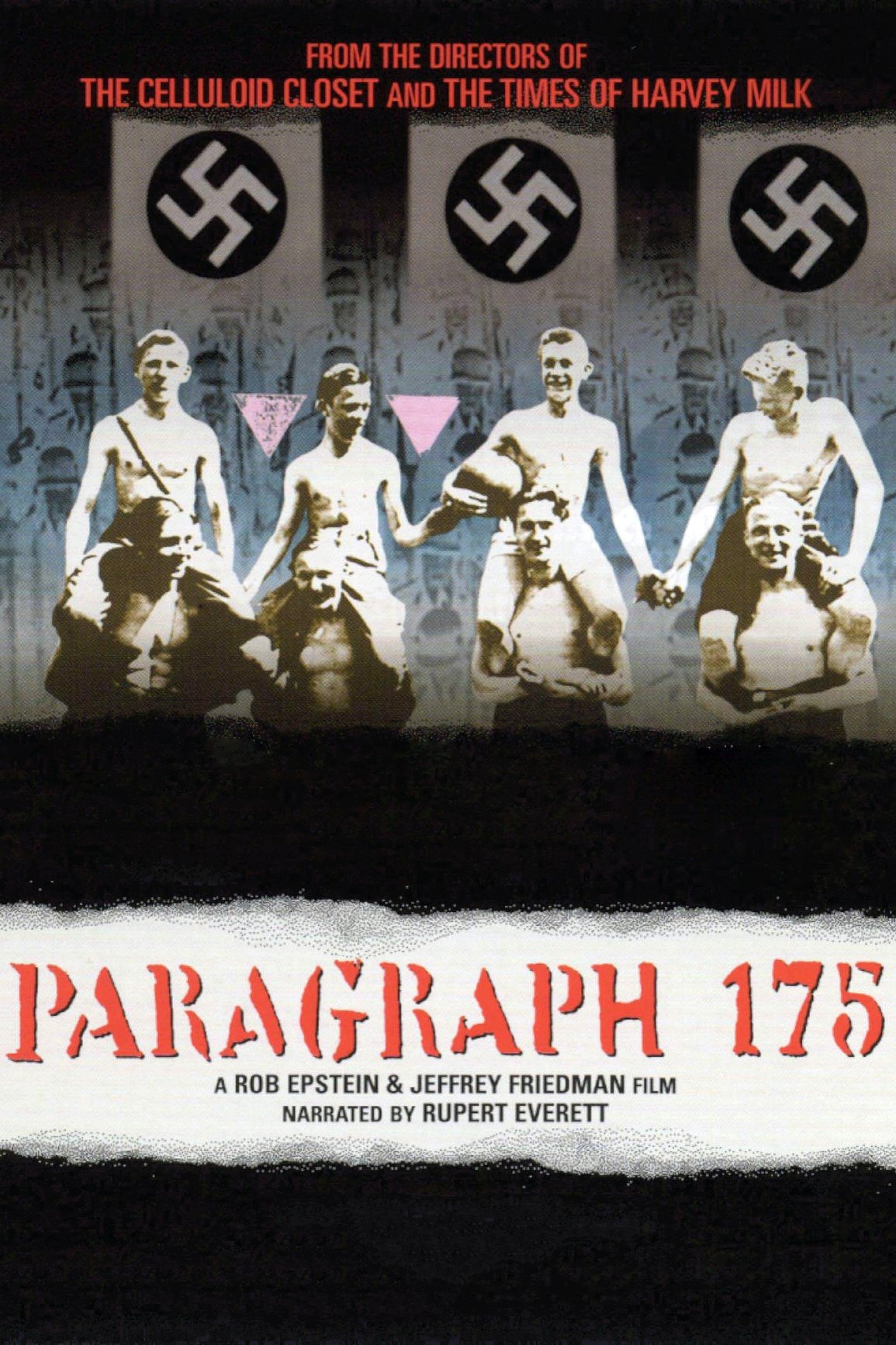
During the Nazi regime, there was widespread persecution of homosexual men, which started in 1871 with the Paragraph 175 of the German Penal Code. Thousands were murdered in concentration camps. This powerful and disturbing documentary, narrated by Rupert Everett, presents for the first time the largely untold testimonies of some of those who survived.
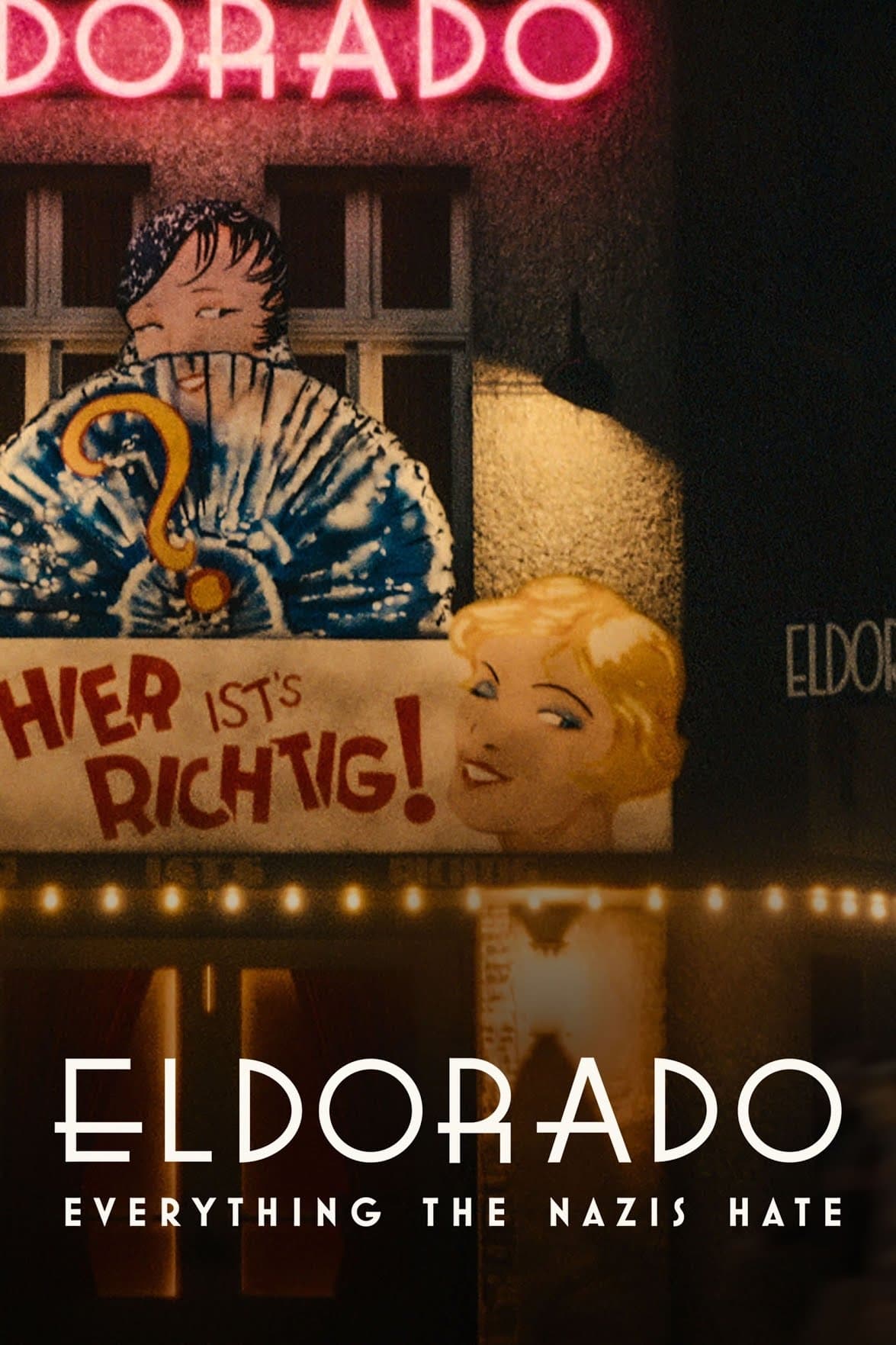
A glittery nightclub in 1920s Berlin becomes a haven for the queer community in this documentary exploring the freedoms lost amid Hitler’s rise to power.
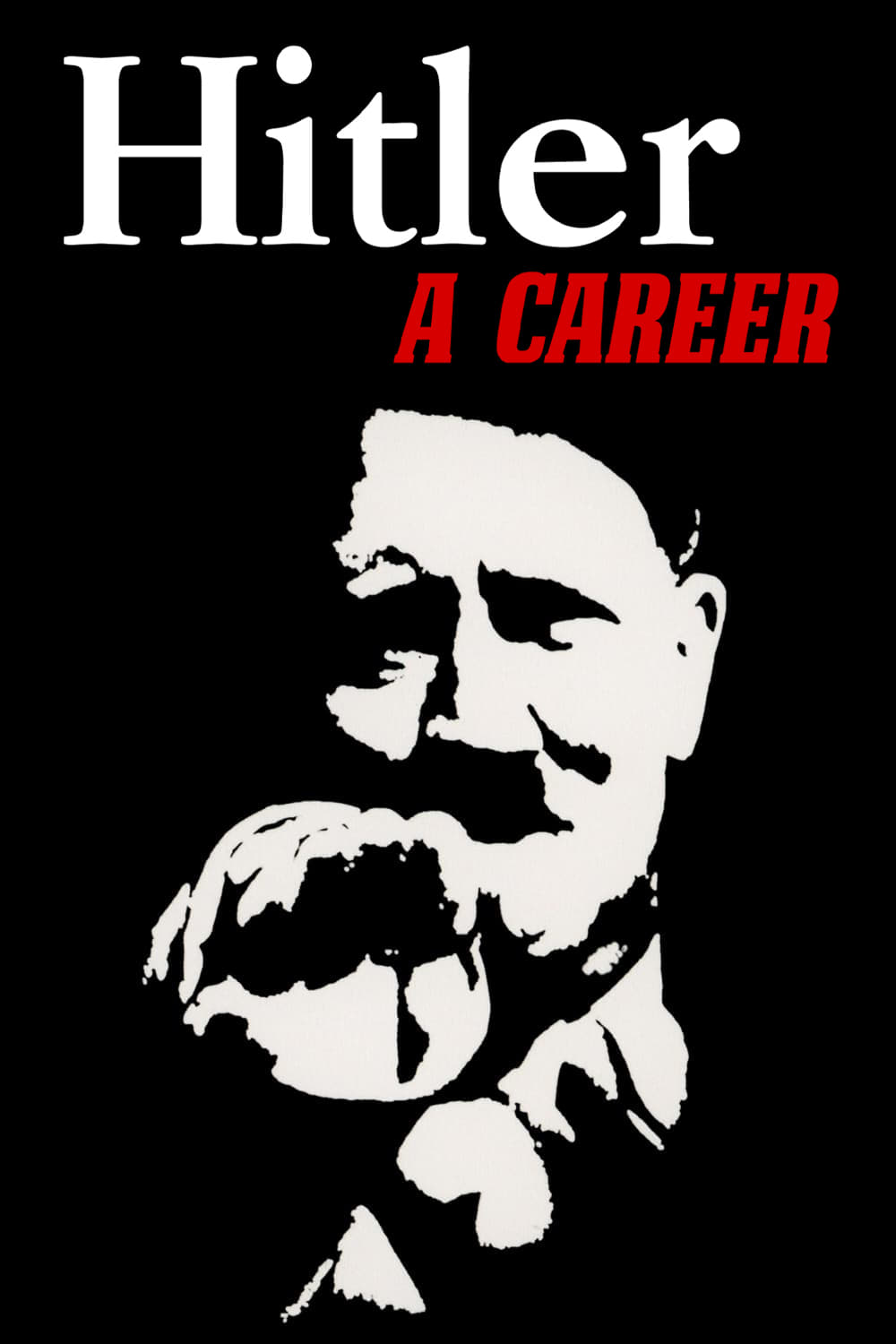
A keen chronicle of the unlikely rise to power of Adolf Hitler (1889-1945) and a dissection of the Third Reich (1933-1945), but also an analysis of mass psychology and how the desperate crowd can be deceived and shepherded to the slaughterhouse.
“The Soviet Story” is a story of an Allied power, which helped the Nazis to fight Jews and which slaughtered its own people on an industrial scale. Assisted by the West, this power triumphed on May 9th, 1945. Its crimes were made taboo, and the complete story of Europe’s most murderous regime has never been told. Until now...
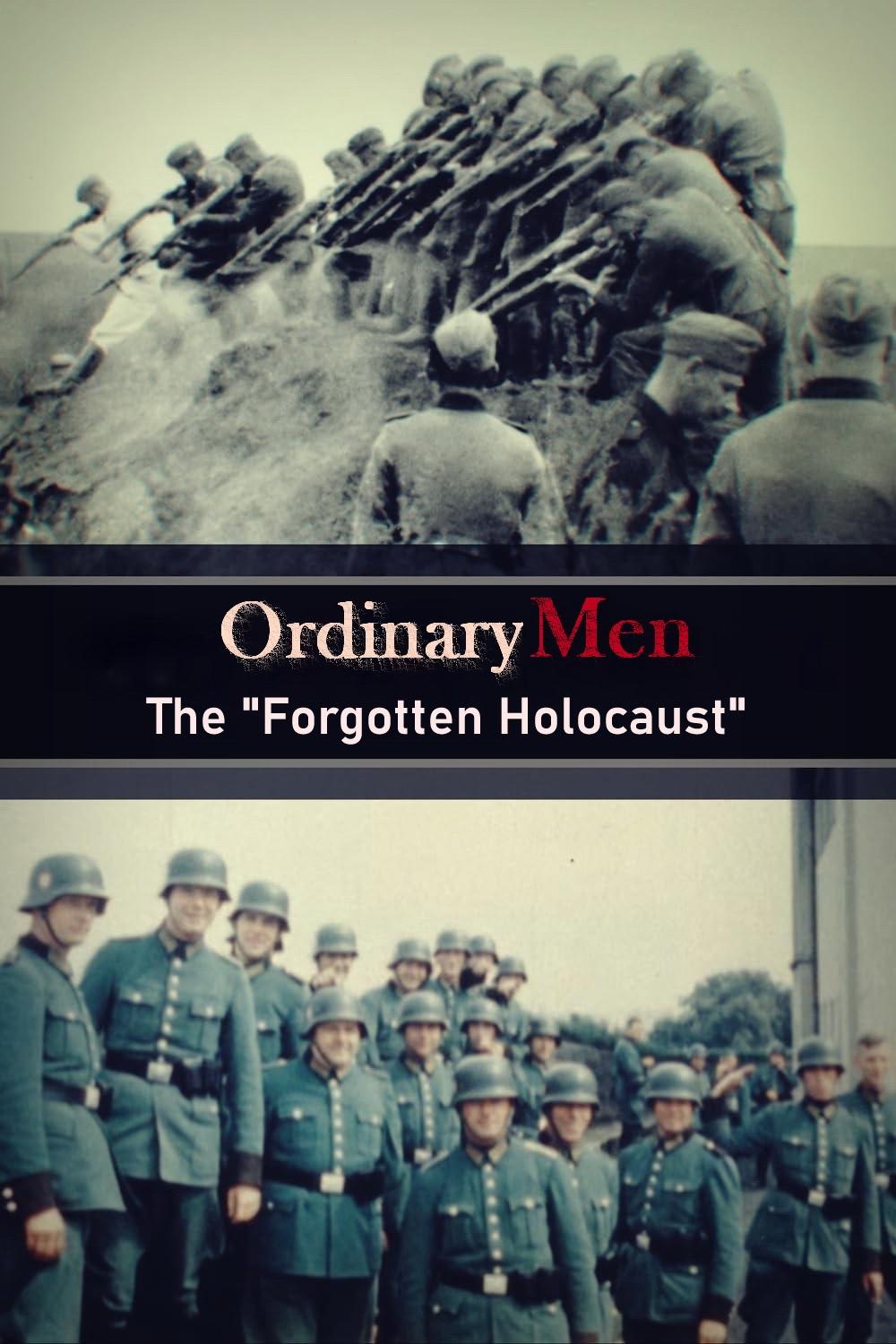
Six million Jews died during World War II, both in the extermination camps and murdered by the mobile commandos of the Einsatzgruppen and police battalions, whose members shot men, women and children, day after day, obediently, as if it were a normal job, a fact that is hardly known today. Who were these men and how could they commit such crimes?
A woman’s Holocaust memoir takes the world by storm, but a fallout with her publisher-turned-detective reveals her story as an audacious deception created to hide a darker truth.
Prelude to War was the first film of Frank Capra's Why We Fight propaganda film series, commissioned by the Pentagon and George C. Marshall. It was made to convince American troops of the necessity of combating the Axis Powers during World War II. This film examines the differences between democratic and fascist states.
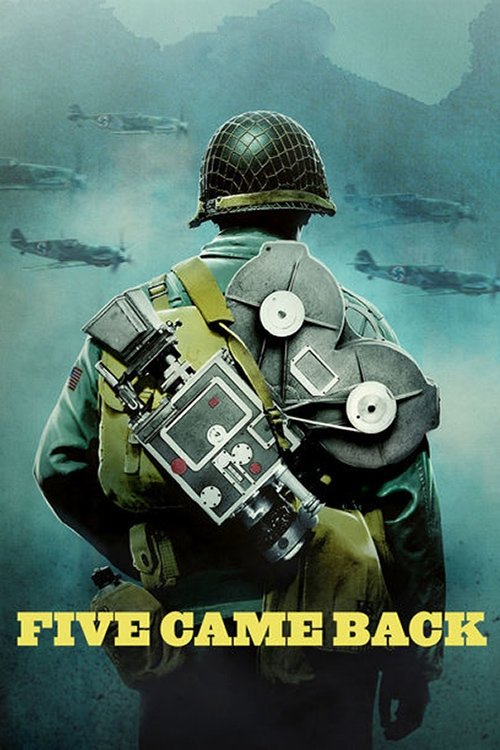
The extraordinary story of how Hollywood changed World War II – and how World War II changed Hollywood, through the interwoven experiences of five legendary filmmakers who went to war to serve their country and bring the truth to the American people: John Ford, William Wyler, John Huston, Frank Capra, and George Stevens. Based on Mark Harris’ best-selling book, “Five Came Back: A Story of Hollywood and the Second World War.”
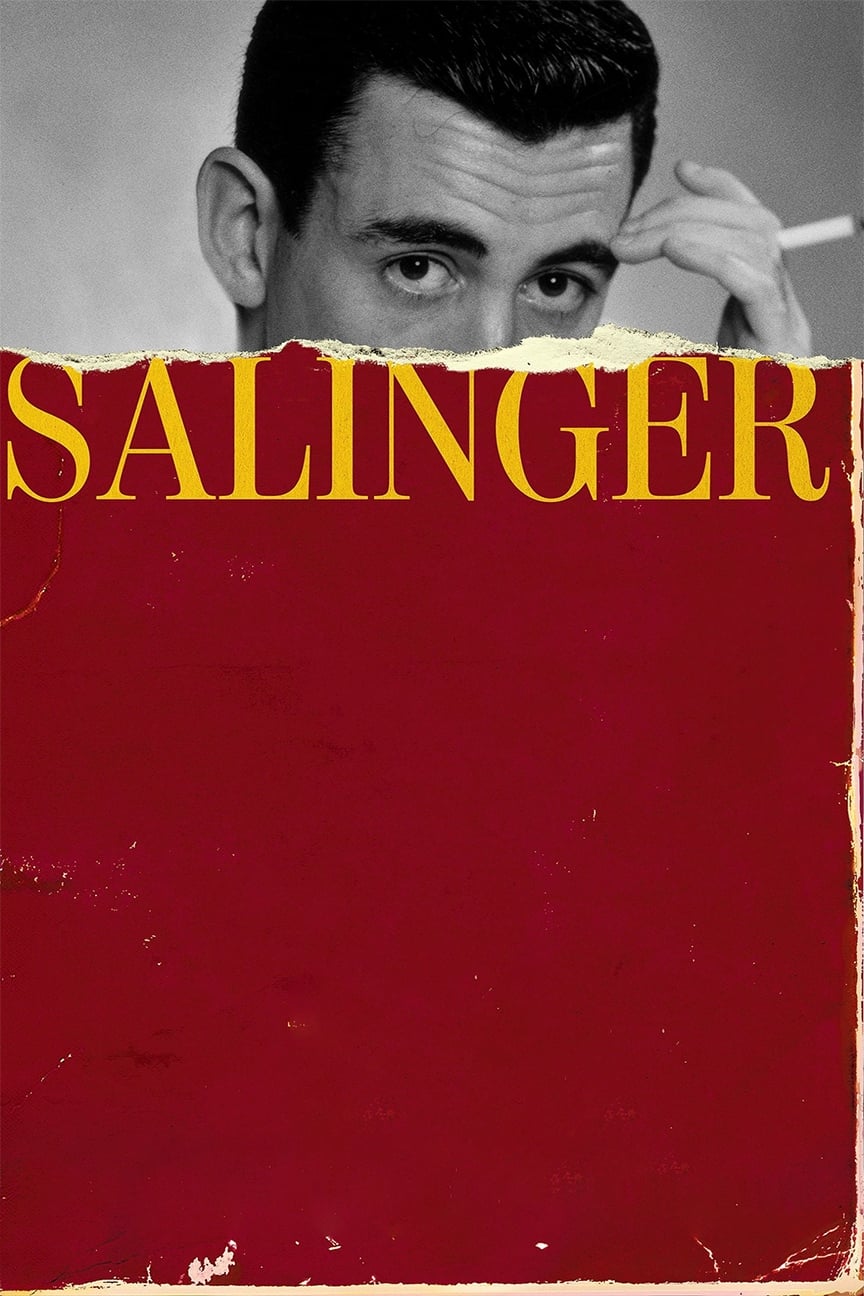
An in-depth investigation into the private world of the American writer J. D. Salinger (1919-2010), who lived most of his life behind the impenetrable wall of a self-imposed seclusion: how his dramatic experiences during World War II influenced his life and work, his relationships with very young women, his obsessive writing methods, his many literary secrets.
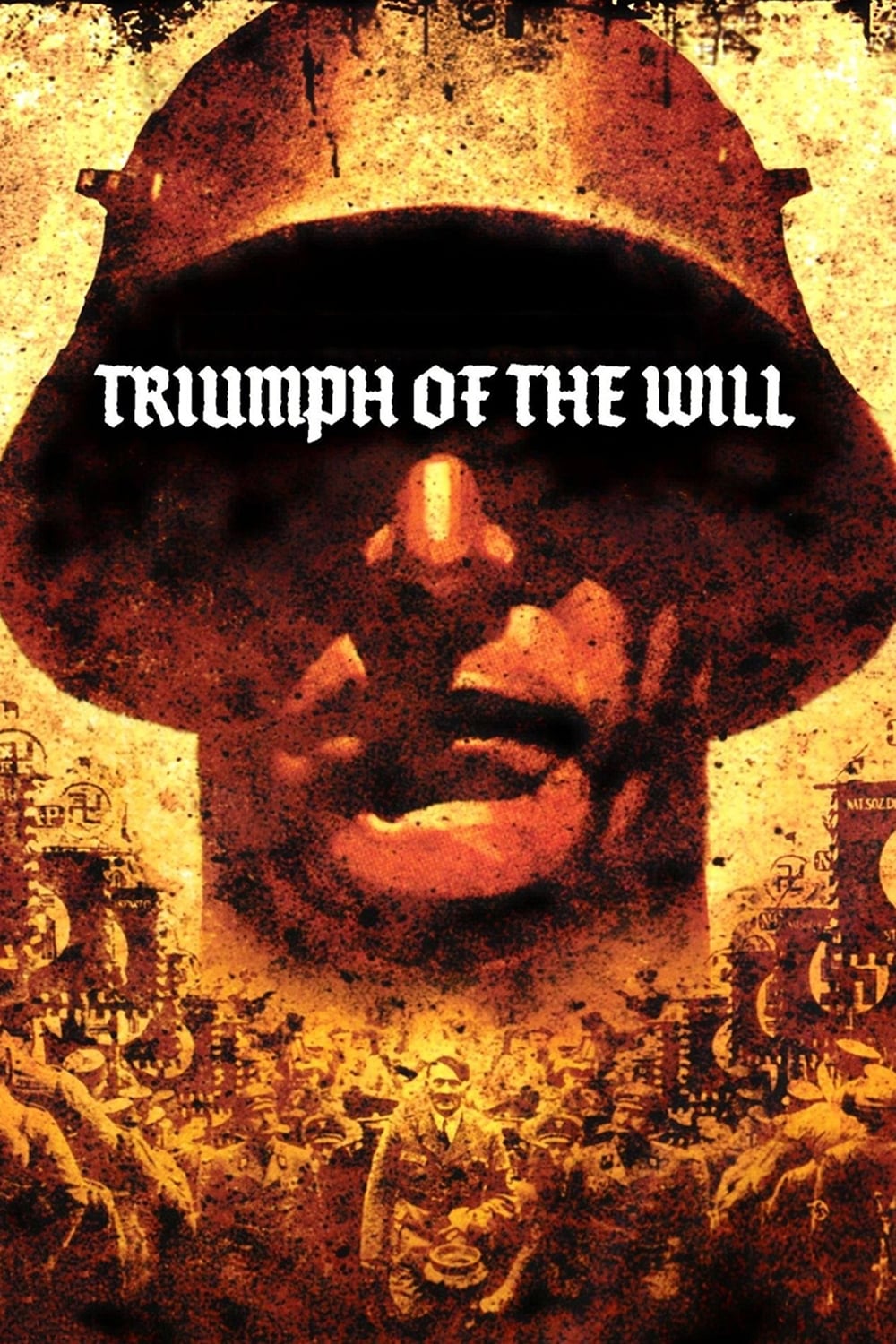
A showcase of German chancellor and Nazi Party leader Adolf Hitler at the 1934 Nuremberg Rally.
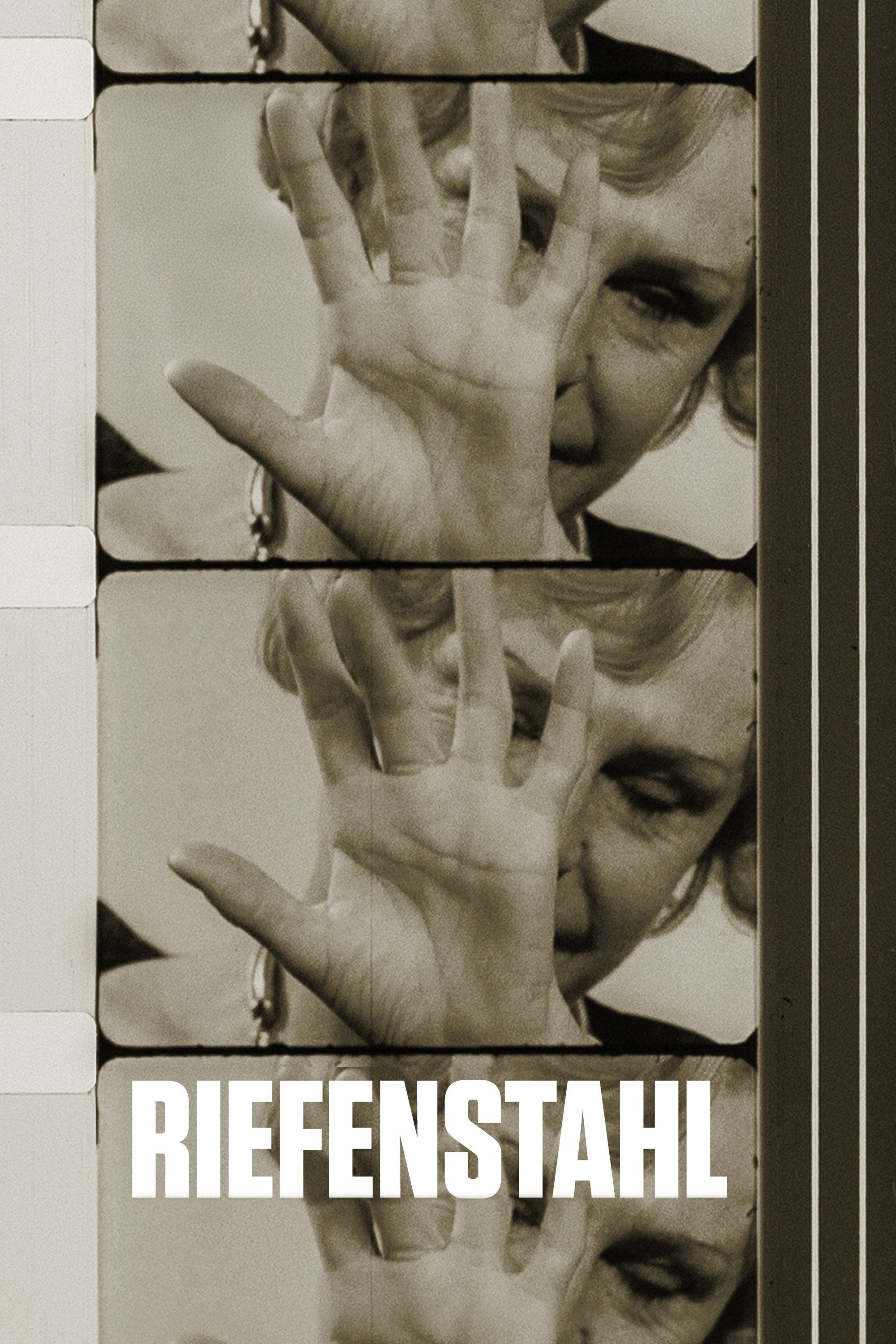
Explores Leni Riefenstahl's artistic legacy and her complex ties to the Nazi regime, juxtaposing her self-portrayal with evidence suggesting awareness of the regime's atrocities.
Al Pacino's deeply-felt rumination on Shakespeare's significance and relevance to the modern world through interviews and an in-depth analysis of "Richard III."
A documentary about World War I with never-before-seen footage to commemorate the centennial of Armistice Day, and the end of the war.
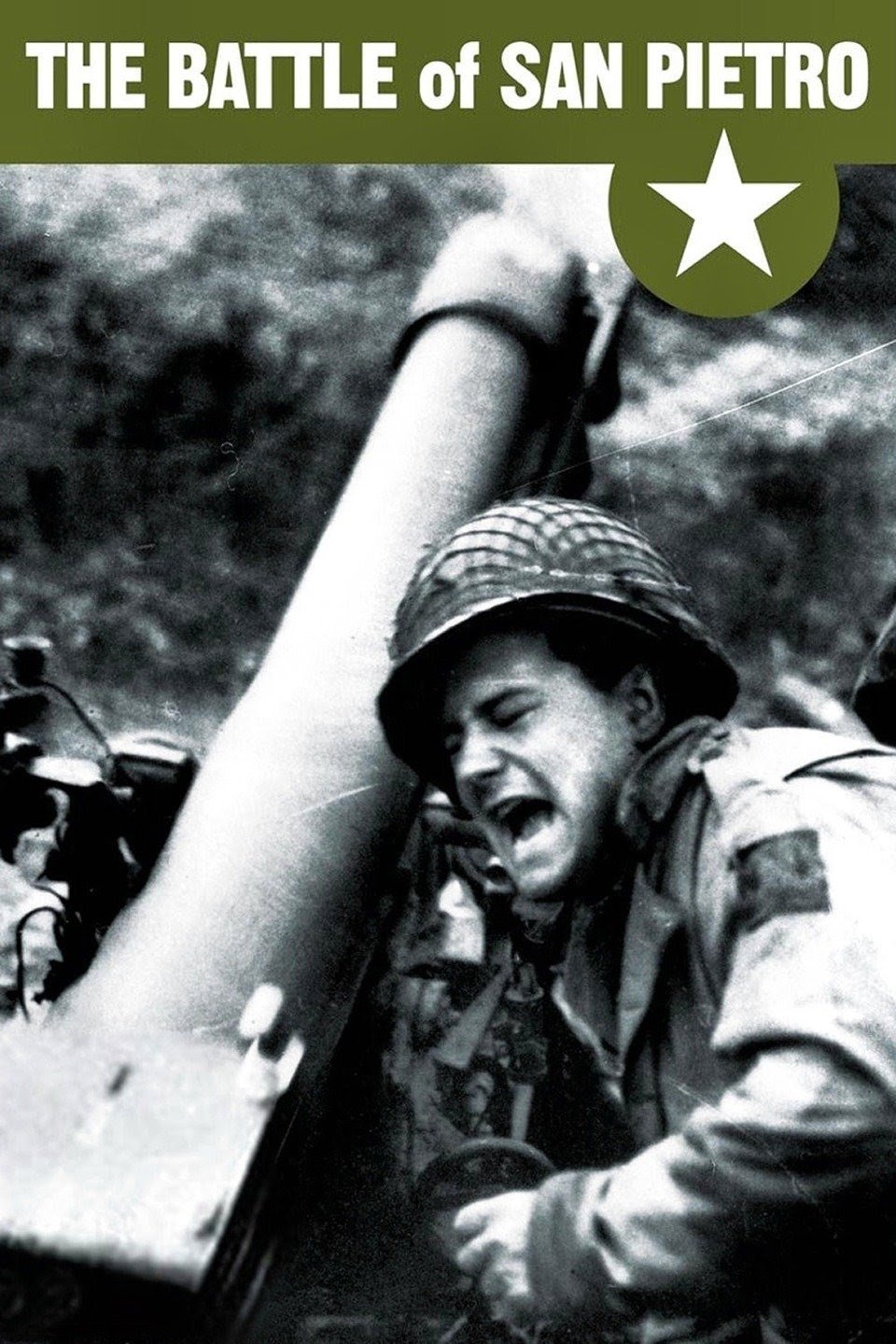
This documentary movie is about the battle of San Pietro, a small village in Italy. Over 1,100 US soldiers were killed while trying to take this location, that blocked the way for the Allied forces from the Germans. Preserved by the Academy Film Archive in 2005.
This searing investigative work shadows a group of activists risking unimaginable peril to confront the ongoing anti-LGBTQ program raging in the repressive and closed Russian republic. Unfettered access and a remarkable approach to protecting anonymity exposes this under-reported atrocity–and an extraordinary group of people confronting evil.
Through deeply personal interviews with her siblings and an examination of the photographs, letters, and belongings left behind, Mariska assembles a new portrait of her mother Jayne Mansfield, an extraordinary and complex woman.
A love letter from a young mother to her daughter, the film tells the story of Waad al-Kateab’s life through five years of the uprising in Aleppo, Syria as she falls in love, gets married and gives birth to Sama, all while cataclysmic conflict rises around her. Her camera captures incredible stories of loss, laughter and survival as Waad wrestles with an impossible choice– whether or not to flee the city to protect her daughter’s life, when leaving means abandoning the struggle for freedom for which she has already sacrificed so much.
Meet the real-life airmen who inspired Masters of the Air as they share the harrowing and transformative events of the 100th Bomb Group.
Those who knew iconic funnyman John Candy best share his story, in their own words, through never-before-seen archival footage, imagery, and interviews.
When Allied forces liberated the Nazi concentration camps in 1944-45, their terrible discoveries were recorded by army and newsreel cameramen, revealing for the first time the full horror of what had happened. Making use of British, Soviet and American footage, the Ministry of Information’s Sidney Bernstein (later founder of Granada Television) aimed to create a documentary that would provide lasting, undeniable evidence of the Nazis’ unspeakable crimes. He commissioned a wealth of British talent, including editor Stewart McAllister, writer and future cabinet minister Richard Crossman – and, as treatment advisor, his friend Alfred Hitchcock. Yet, despite initial support from the British and US Governments, the film was shelved, and only now, 70 years on, has it been restored and completed by Imperial War Museums under its original title "German Concentration Camps Factual Survey".