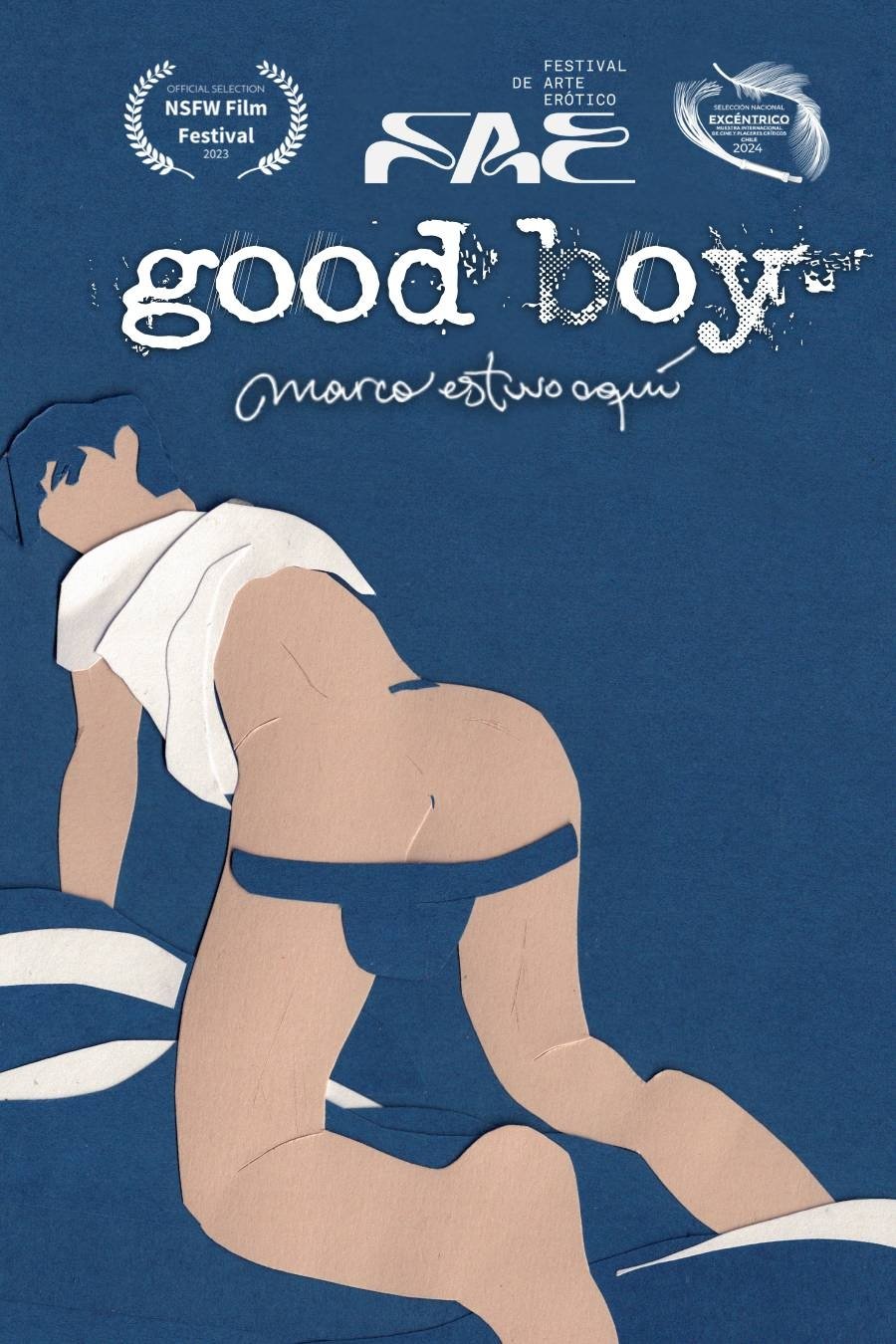
A haunting documentary on the pains of growing up male. It explores the inner and outer cruelties that boys perpetrate and endure. The film provokes the viewer to reflect on how our society can deprive boys of wholeness.
Social & External
Narrator
Baldwin’s “pseudo-pseudo-documentary” presents a factual chronicle of US intervention in Latin America in the form of the ultimate conspiracy theory, combining covert action, environmental catastrophe, space aliens, cattle mutilations, killer bees, religious prophecy, doomsday diatribes, and just about every other crackpot theory broadcast through the dentures of the modern paranoiac.
Considerations on collage as a cognitive act in artists’ cinema. A pedagogical film adrift: 35mm photographs and other materials collected over the last fifteen years by artist Stefano Miraglia meet a text written by Baptiste Jopeck and the voice of Margaux Guillemard.
An accurate depiction of the basic tenets of northern Mahayana Buddhism, cast into living or "experiential" form, consistent with powerful mantras heard on the soundtrack of the film. Tarthang Tulku, a Tibetan Lama, was the advisor.
King of the Jews is a film about anti-Semitism and transcendence. Utilizing Hollywood movies, 1950's educational films, personal home movies and religious films, the filmmaker depicts his childhood fear of Jesus Christ. These childhood recollections are a point of departure for larger issues such as the roots of Christian anti-Semitism.
Animal Charm makes videos from other people's videos. By compositing TV and reducing it to a kind of tic-ridden babble, they force television to not make sense. While this disruption is playful, it also reveals an overall 'essence' of mass culture that would not be apprehended otherwise. Videos such as Stuffing, Ashley, and Lightfoot Fever upset the hypnotic spectacle of TV viewing, revealing how advertising creates anxiety, how culture constructs "nature" and how conventional morality is dictated through seemingly neutral images. By forcing television to convulse like a raving lunatic, we might finally hear what it is actually saying.
In an effort to cure her smoking habit a middle-aged woman discovers that she can communicate with her long lost son while watching a Halloween safety program on TV. After suffering a nervous breakdown, her husband, a used car salesman, is revitalized when he travels back in time to drive the first car he ever sold. Seventeen years later a powerful canned food manufacturer crashes the same car into a toaster truck while endorsing a brand of yams on live TV. At the funeral his clergyman experiences a crisis of faith when he and a lifelike Mexican continue their search for a married couple who have befriended an insect who enjoys drinking lime soda. They later meet a young man whose bizarre murder scheme involves four innocent members of an experimental rock band who have all given up smoking.
For this behemoth, Bressane took his opera omnia and edited it in an order that first adheres to historical chronology but soon starts to move backwards and forward. The various pasts – the 60s, the 80s, the 2000s – comment on each other in a way that sheds light on Bressane’s themes and obsessions, which become increasingly apparent and finally, a whole idea of cinema reveals itself to the curious and patient viewer. Will Bressane, from now on, rework The Long Voyage of the Yellow Bus when he makes another film? Is this his latest beginning? Why not, for the eternally young master maverick seems to embark on a maiden voyage with each and every new film!
The author's erotic imagination is mixed between desire and magazine clippings, and the trade of collage becomes a ship that travels from outer space to the city itself.
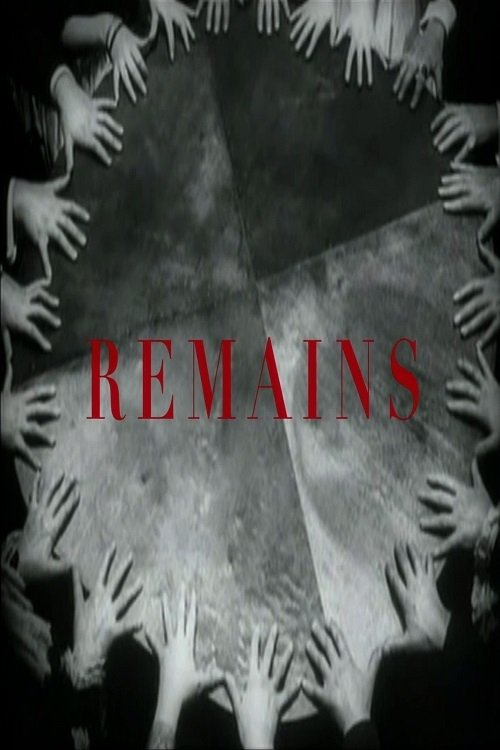
Something takes us underground, where gods and monsters are active, amid the ruins of a world they move around with their innumerable hands. Inspired by Fritz Lang and Richard Wagner, Remains is a daydream.
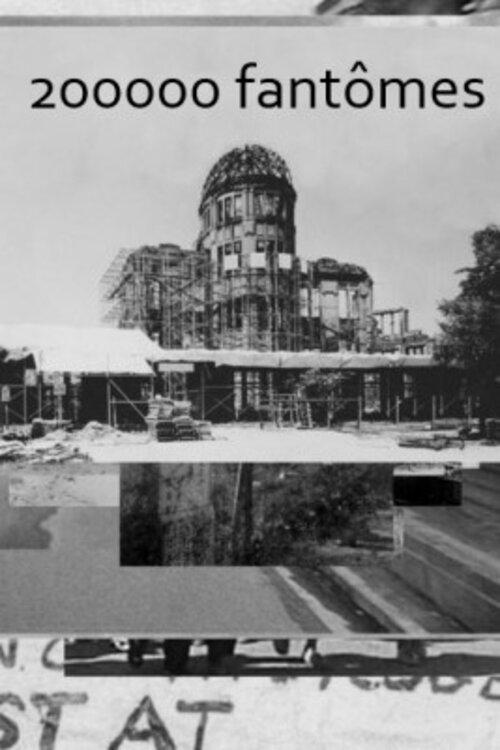
In 1914, the Czech architect Jan Letzel designed in the Japanese city of Hiroshima Center for the World Expo, which has turned into ruins after the atomic bombing in August 1945. “Atomic Dome” – all that remains of the destroyed palace of the exhibition – has become part of the Hiroshima memorial. In 2007, French sculptor, painter and film director Jean-Gabriel Périot assembled this cinematic collage from hundreds of multi-format, color and black and white photographs of different years’ of “Genbaku Dome”.
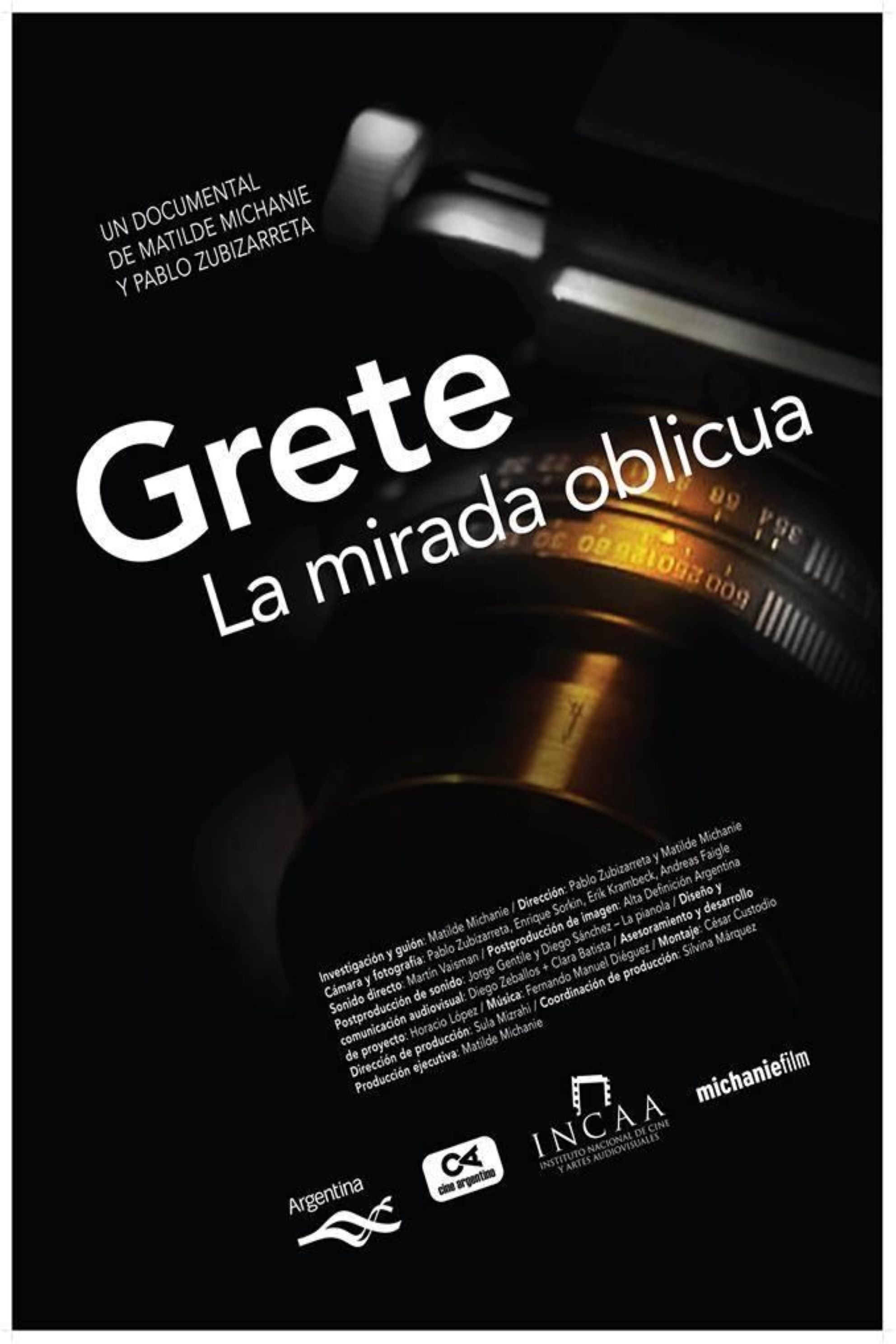
Grete Stern decided to be a photographer. Then she also decided to be Argentinian. Those two choices are interwoven in a unique heritage, of paramount importance for modern Argentinian photography, that helps us better understand the world we live in and the worlds that live inside us.
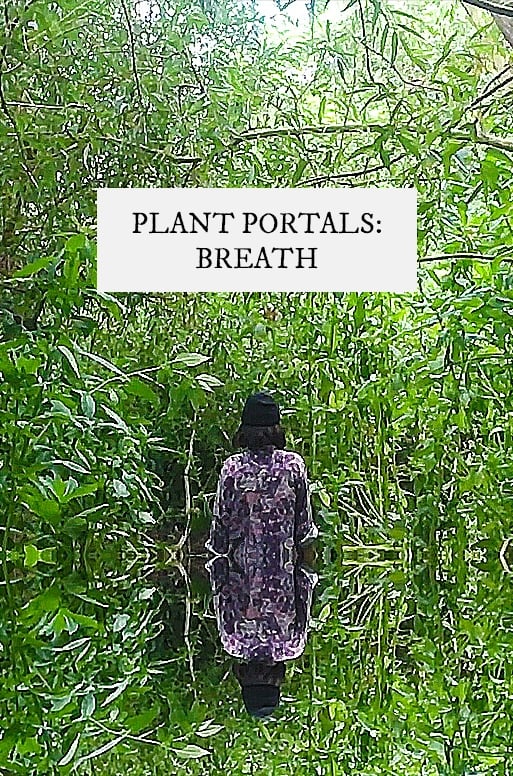
"plant portals: breath" is an experimental meditation on the unspoken history many queer and trans people of colour carry daily, connecting bumblebees, colonial trauma, alternate universes and the complicated concept of "rest" to ask: Can nature heal us? Shot entirely on an iPhone, the film is intentional in imagining what is possible, and manifests a reality rooted in mindfulness.“
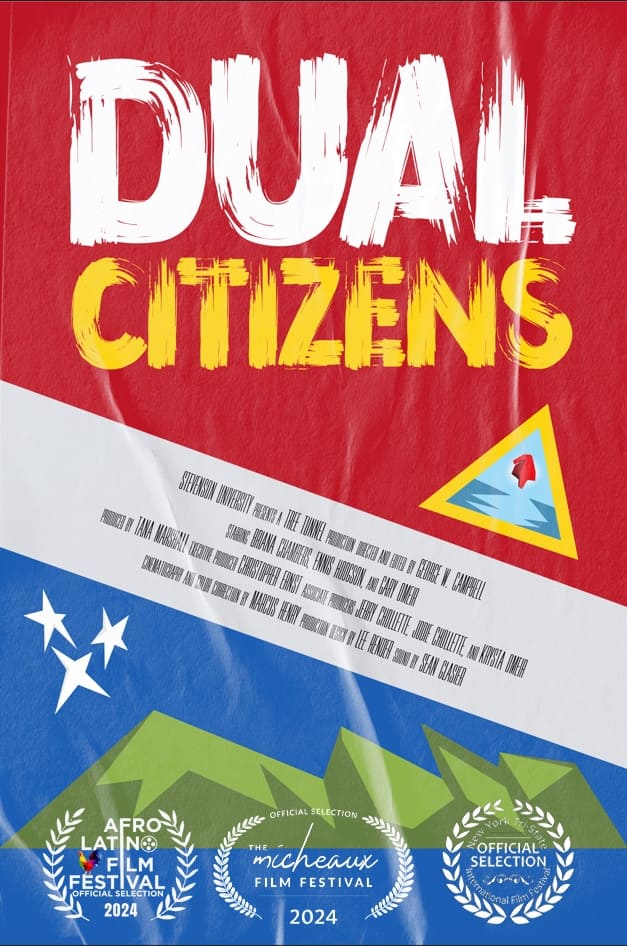
Three Nicaraguan-American artists from the Washington D.C. Metro area discuss growing up in two cultures and how it influences their art.
A girl haunted by traumatic events takes us on a mesmerising journey through 100 years of horror cinema to explore how filmmakers scare us – and why we let them.
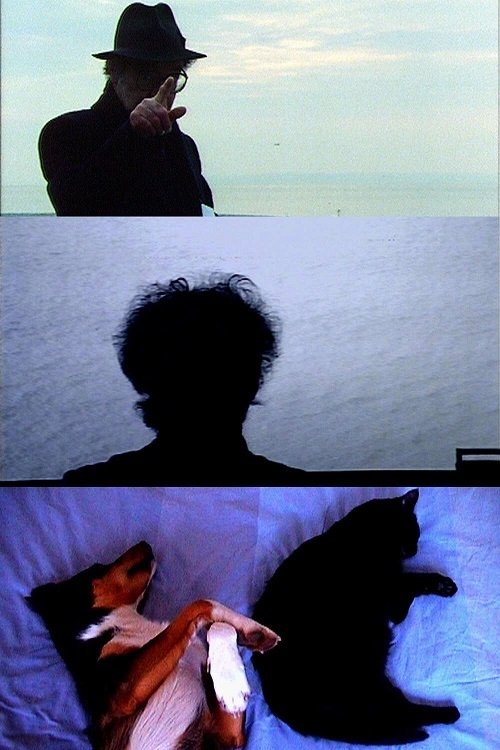
A collaborator since 2002 (Notre Musique), Fabrice Aragno did not want to make a documentary ‘on’ but ‘with’ Jean-Luc Godard. The latter decided on a mathematical approach. The TV station asked for 26 minutes, and so Godard suggested they make 26 one-minute sequences, and have 4 shots in each sequence, all recycled from his work.
The Darkness of Day is a haunting meditation on suicide. It is comprised entirely of found 16mm footage that had been discarded. The sadness, the isolation, and the desire to escape are recorded on film in various contexts. Voice-over readings from the journal kept by a brother of the filmmaker’s friend who committed suicide in 1990 intermix with a range of compelling stories, from the poignant double suicide of an elderly American couple to a Japanese teenager who jumped into a volcano, spawning over a thousand imitations. While this is a serious exploration of a cultural taboo, its lyrical qualities invite the viewer to approach the subject with understanding and compassion.
Mudos testigos is a cinematographic collage made from all the surviving material of Colombian silent films, re-editing the images in such a way as to create a single imaginary film: the impossible love story of Efraín and Alicia that traces the convulsive first half of the twentieth century in Colombia. Compiled by the late Luis Ospina and finished posthumously by Jeronimo Atehortúa.
Al Pacino's deeply-felt rumination on Shakespeare's significance and relevance to the modern world through interviews and an in-depth analysis of "Richard III."
A visual montage portrait of our contemporary world dominated by globalized technology and violence.
A portrait of the day-to-day operations of the National Gallery of London, that reveals the role of the employees and the experiences of the Gallery's visitors. The film portrays the role of the curators and conservators; the education, scientific, and conservation departments; and the audience of all kinds of people who come to experience it.
In this genre-bending tale, Errol Morris explores the mysterious death of a U.S. scientist entangled in a secret Cold War program known as MK-Ultra.
Documentary filmmaker Frederick Wiseman takes us inside Northeast High School as a fly on the wall to observe the teachers and how they interact with the students.
Artists in LA discover the work of forgotten Polish sculptor Stanislav Szukalski, a mad genius whose true story unfolds chapter by astounding chapter.
Through deeply personal interviews with her siblings and an examination of the photographs, letters, and belongings left behind, Mariska assembles a new portrait of her mother Jayne Mansfield, an extraordinary and complex woman.
A documentary focused on plastic pollution in the world's oceans.
A detailing of the rise to prominence and global sporting superstardom of six supremely talented young Manchester United football players (David Beckham, Nicky Butt, Ryan Giggs, Paul Scholes, Phil and Gary Neville). The film covers the period 1992-1999, culminating in Manchester United's European Cup triumph.
A purely observational non-fiction film that takes viewers into the ethically murky world of end-of-life decision making in a public hospital.
Those who knew iconic funnyman John Candy best share his story, in their own words, through never-before-seen archival footage, imagery, and interviews.
The life and career of an actor, artist, and icon. His own journey through his own camera.
A comedic, brutally honest documentary following self-destructive TV writer Dan Harmon as he takes his live podcast on a national tour.
The life and career of one of comedy's most inimitable modern voices, Mr. Gilbert Gottfried.
Vulgar, taunting texts blow up the phones of a teen and her boyfriend. Who's sending them — and why? This twisty documentary reveals the shocking answer.
Experience the iconic rock band's legacy in the first major documentary to tell their story. Directed with the era’s avant-garde spirit by Todd Haynes, this kaleidoscopic oral history combines exclusive interviews with dazzling archival footage.
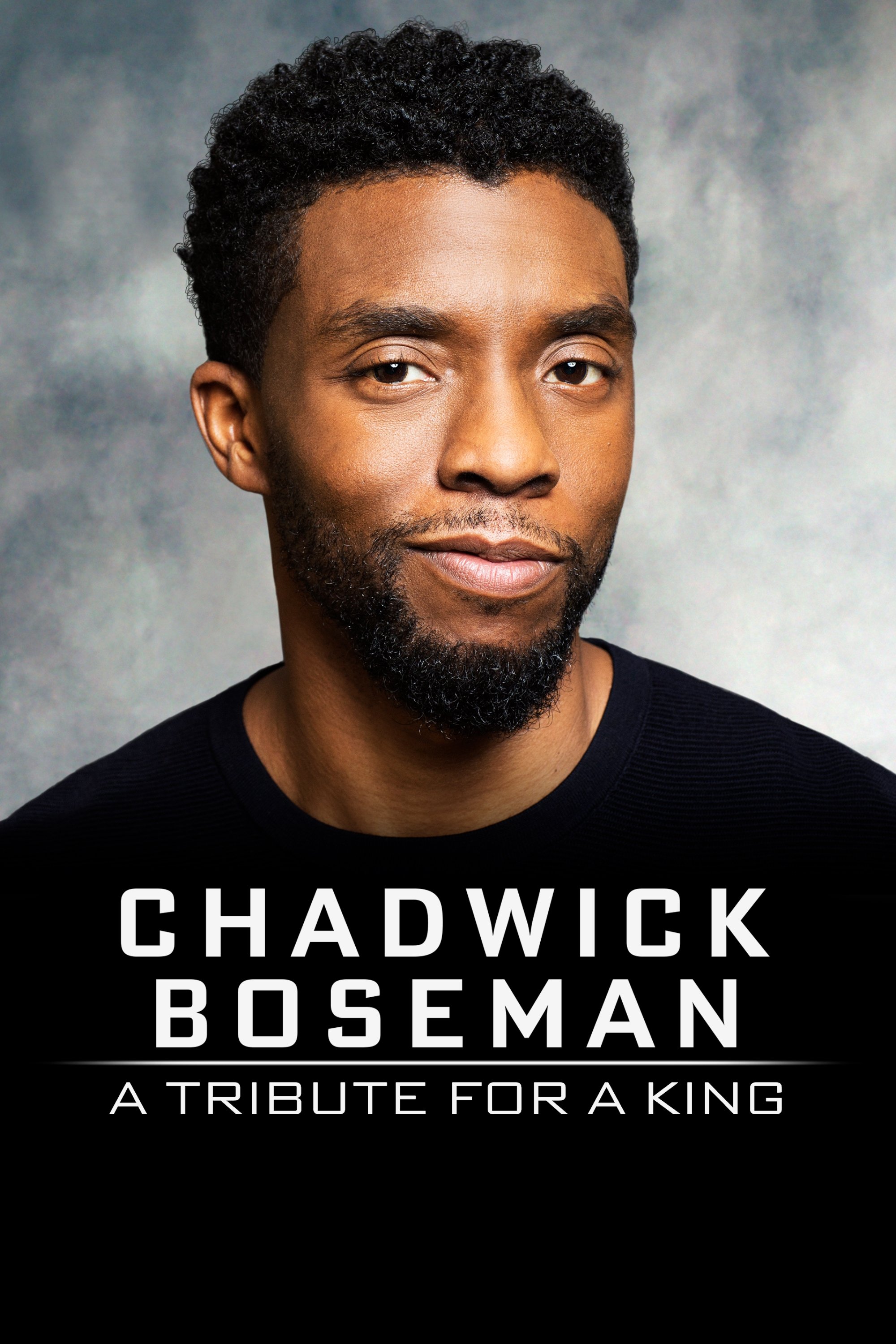
A tribute to Chadwick Boseman, celebrating his life and legacy.
Lyrical and powerfully personal essay film that reflects on the deaths of her husband Lou Reed, her mother, her beloved dog, and such diverse subjects as family memories, surveillance, and Buddhist teachings.
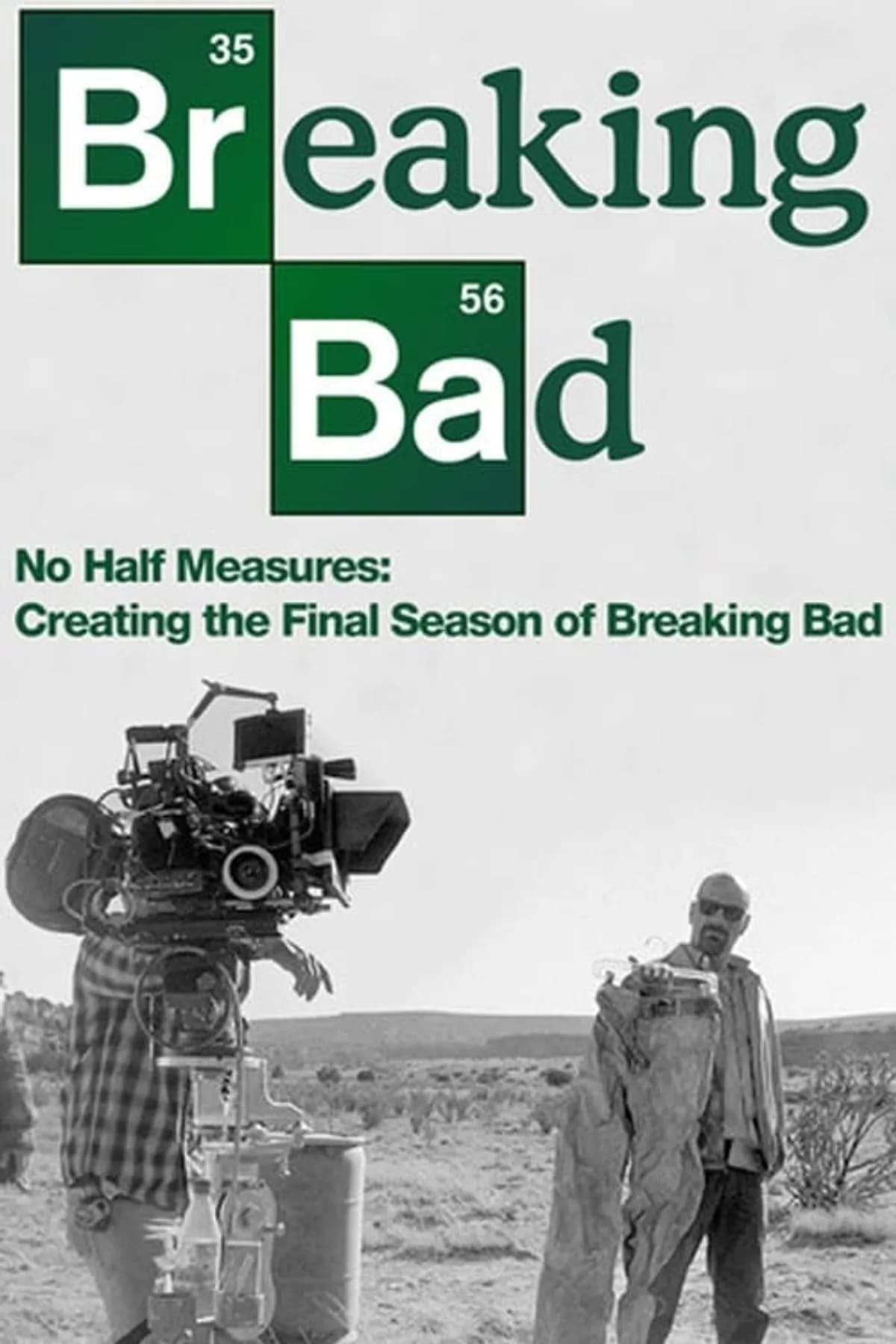
A documentary about the making of season five of the acclaimed AMC series Breaking Bad.
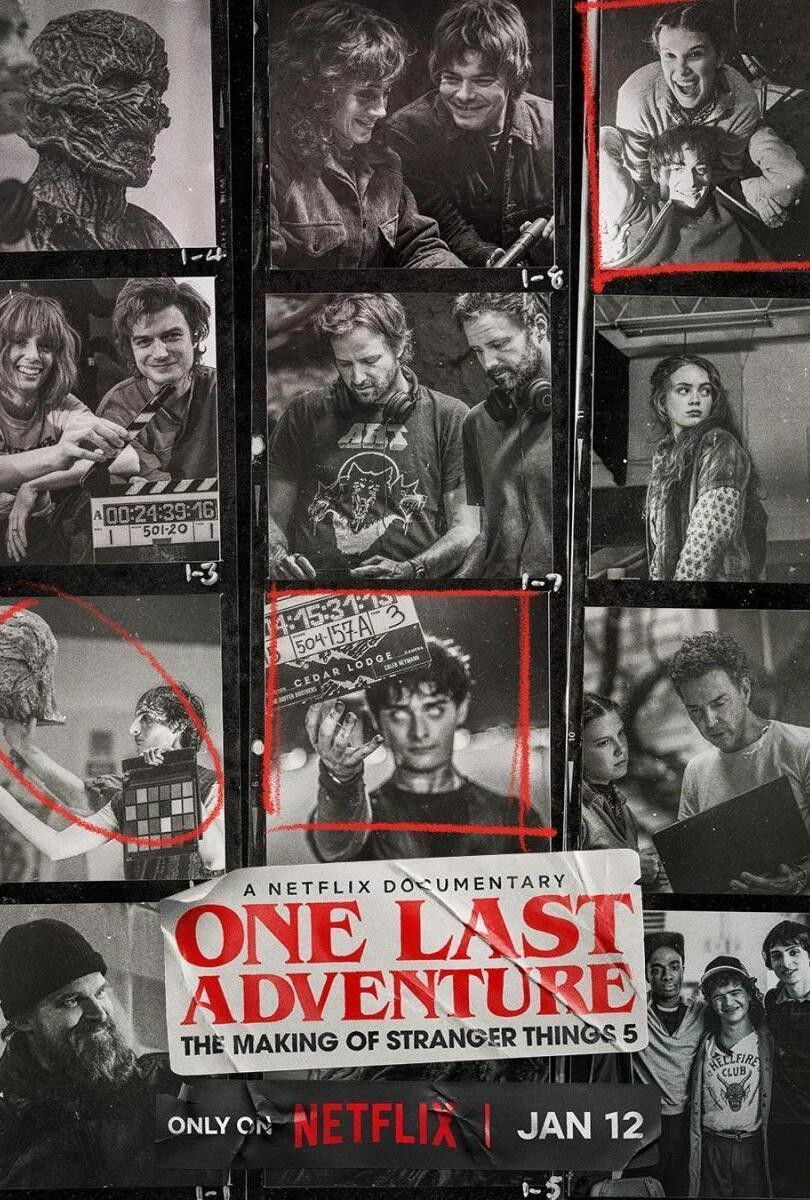
An inside look at the years of effort and craft that went into the final installment of the Duffer Brothers' generation-defining series.