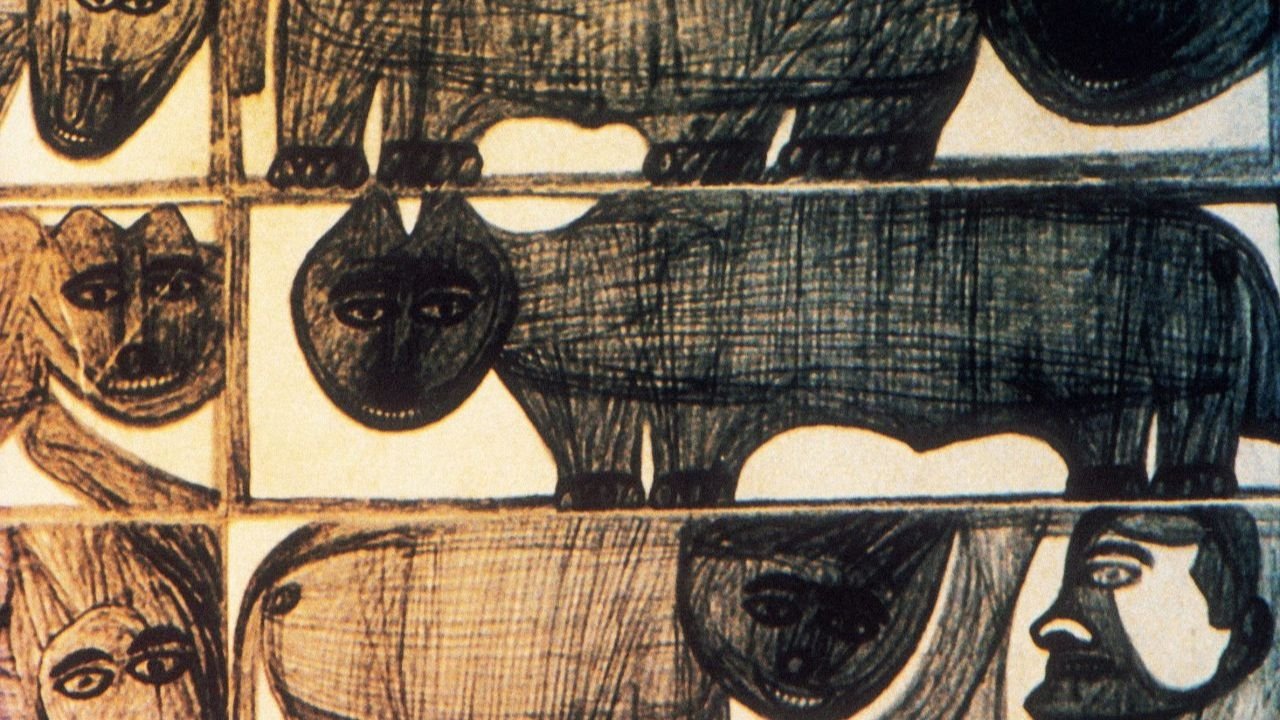
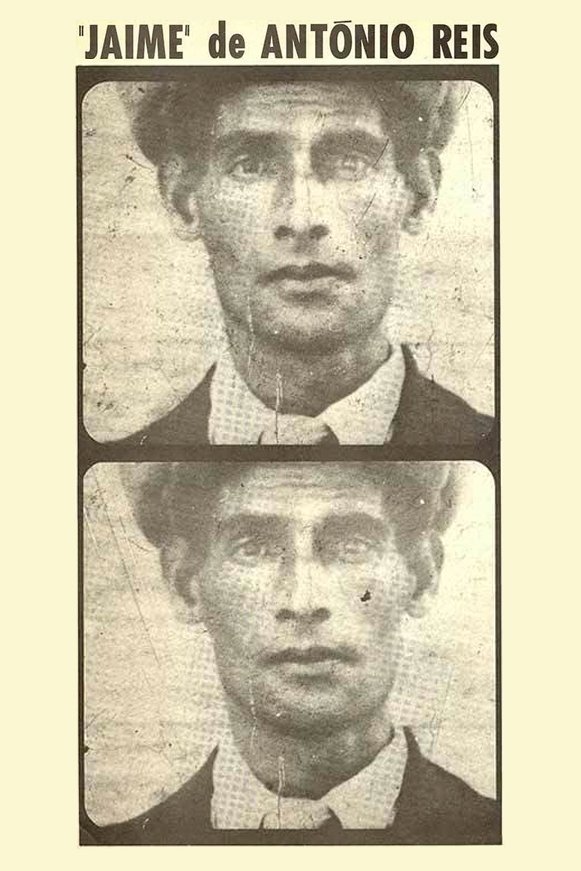
Jaime, a poem of suffering and loneliness, describes the existence and pictorial work of a man isolated in a psychiatric hospital.
Social & External
Himself
Herself
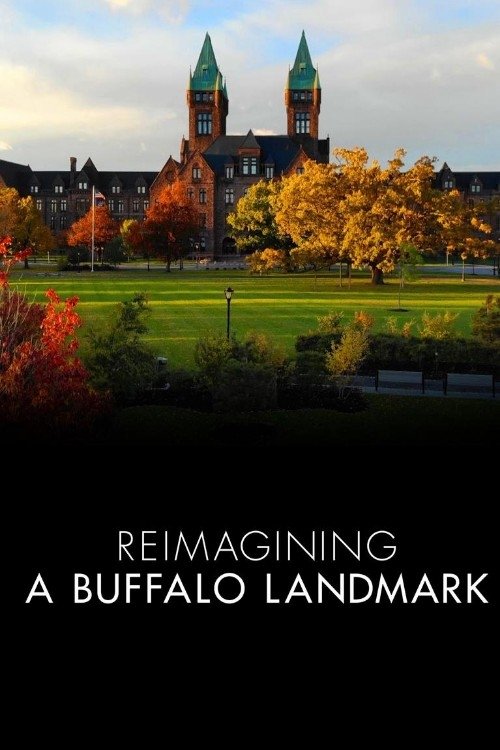
The Richardson Olmsted Campus, a former psychiatric center and National Historic Landmark, is seeing new life as it undergoes restoration and adaptation to a modern use.
A nocturnal journey inside the abandoned spaces of the former Collegno mental hospital. Through the writings from within - the voices of the letters, diaries and testimonies of the internees - the labyrinthine and crumbling rooms come back to life and evoke the painful past of the psychiatric hospital. They tell of the electroshocks and tortures on adults and children carried out by Doctor Giorgio Coda, the "electrician" from Collegno. They tell of the official trial against him for torture and of the proletarian trial that Coda suffered at the hands of a Prima Linea group, led by one of his "patients". Only at dawn, with the story of the closure of the mental hospitals, will we see the light again.
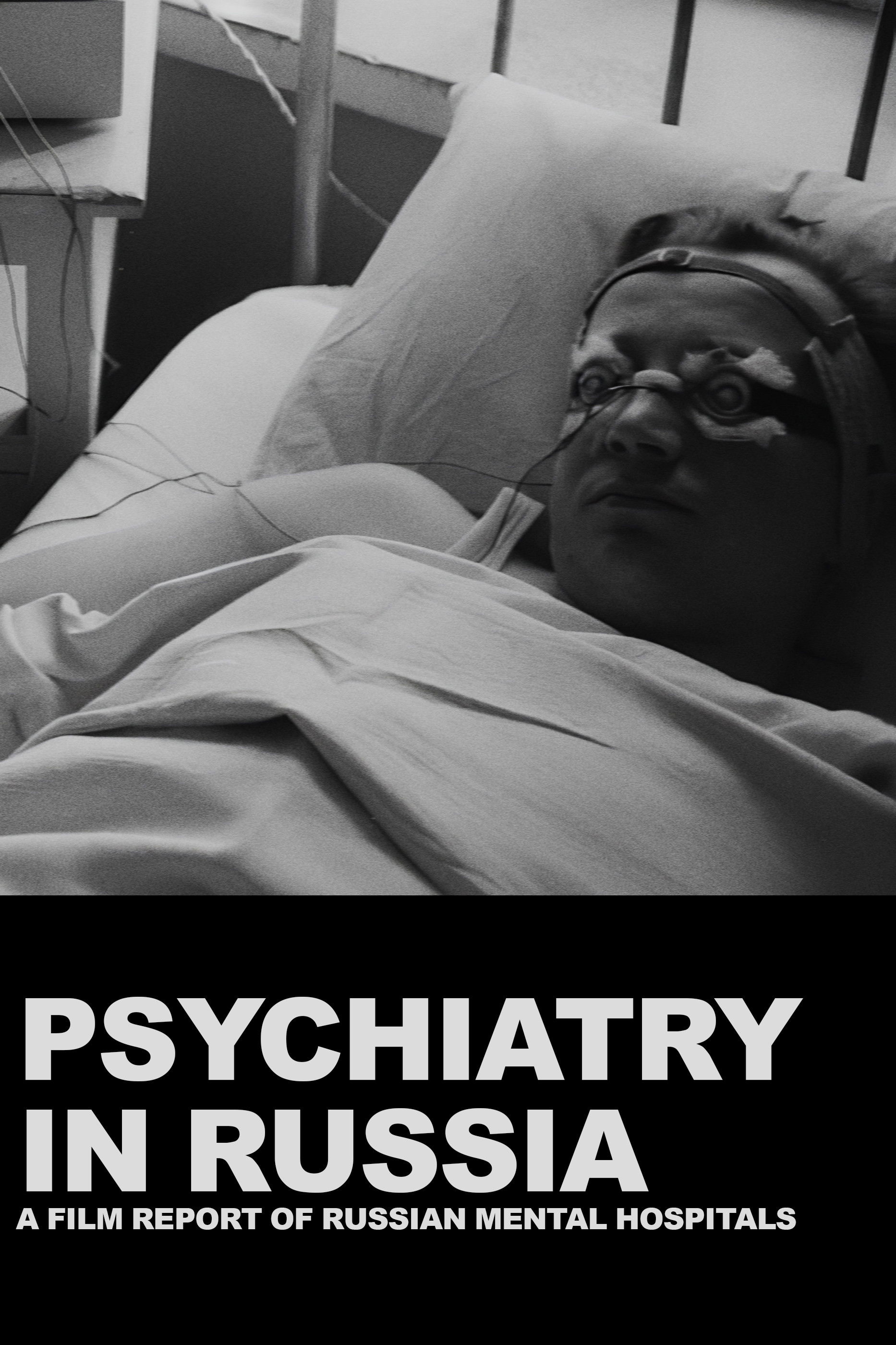
In 1955, Albert Maysles traveled by motorcycle throughout Russia. During this trip, he shot what was to become his first film, 'Psychiatry in Russia', an unprecedented view into Soviet mental healthcare. Originally televised by the David Garroway Show on NBC-TV in 1956.
"You who enter, leave all your hope behind." Själö was Finland's first mental hospital. The hospital opened in 1622. Intended for those suffering leprosy. But Själö hospital also had a secret ward. A house for the insane. The ungodly and mentally ill were deposited here forever and their property fell to the church. In 1889 Själö became a storage area for women with "unbearable insanity".
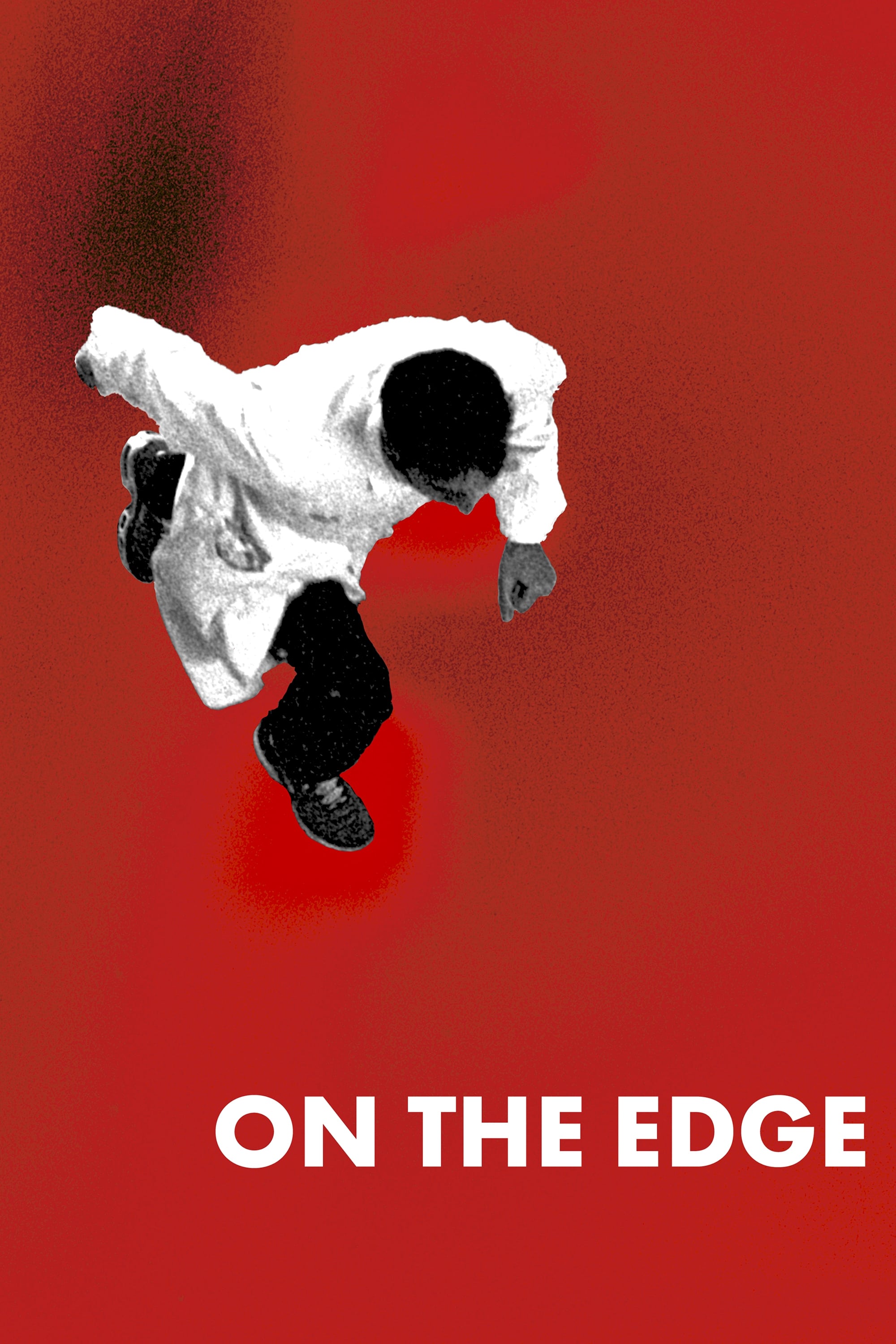
Things are busy at the Paris hospital where young psychiatrist Jamal and his colleagues work. The place is run down, the staff are exhausted, budgets are constantly being slashed. You know the story, but you’ve rarely seen it conveyed as engagingly as in ‘On the Edge’, which employs a handheld camera and meaningful, artistic interventions to observe the daily routine at the psychiatric ward. The deeply sympathetic Jamal is an everyday hero with an exemplary, humanistic disposition, for whom the most important prerequisites for mental health – and for a healthy society in general – are good relationships with other people. He puts his philosophy into practice by listening patiently, giving good advice and organising theatre exercises based on Molière. Realism and idealism, however, are in balance for the young doctor, at least as long as the institutional framework holds up.
Dialoguing directly with the trilogy of documentaries “Images of the Unconscious”, made between 1983 and 1986 and based on clinical cases and therapies with a humanist approach and artistic expression, conducted by the pioneering psychiatrist Nise da Silveira (1905-1999) – screenwriter of that film –, here is presented, in two parts, an interview with the doctor, a student of Carl Jung and a pioneer in the application of non-violent treatments for psychiatric patients, given to director Leon Hirszman, in 1986. The conversation is divided in two parts: the first, "The emotion of dealing", the second, "The egress".
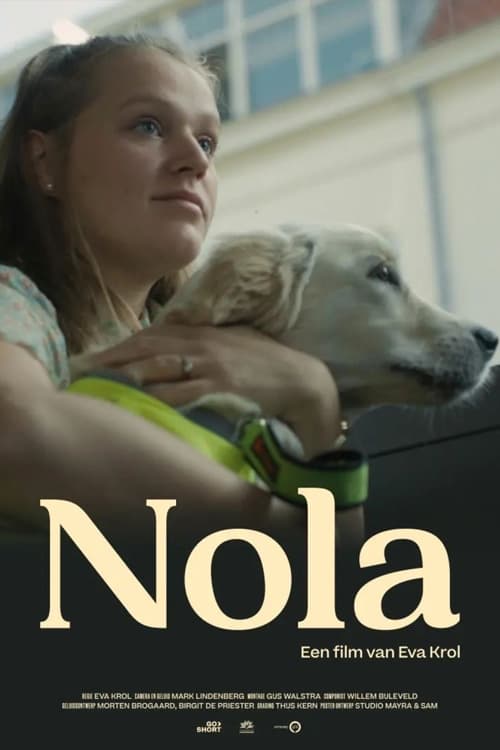
In the documentary Nola, we follow the 24 year old Daniëlle and her psychosocial assistance dog. Daniëlle has been struggling with her anxiety disorder for years and has tried many forms of therapy to no avail. Therefore, assistance dog Nola is her last hope for recovery.
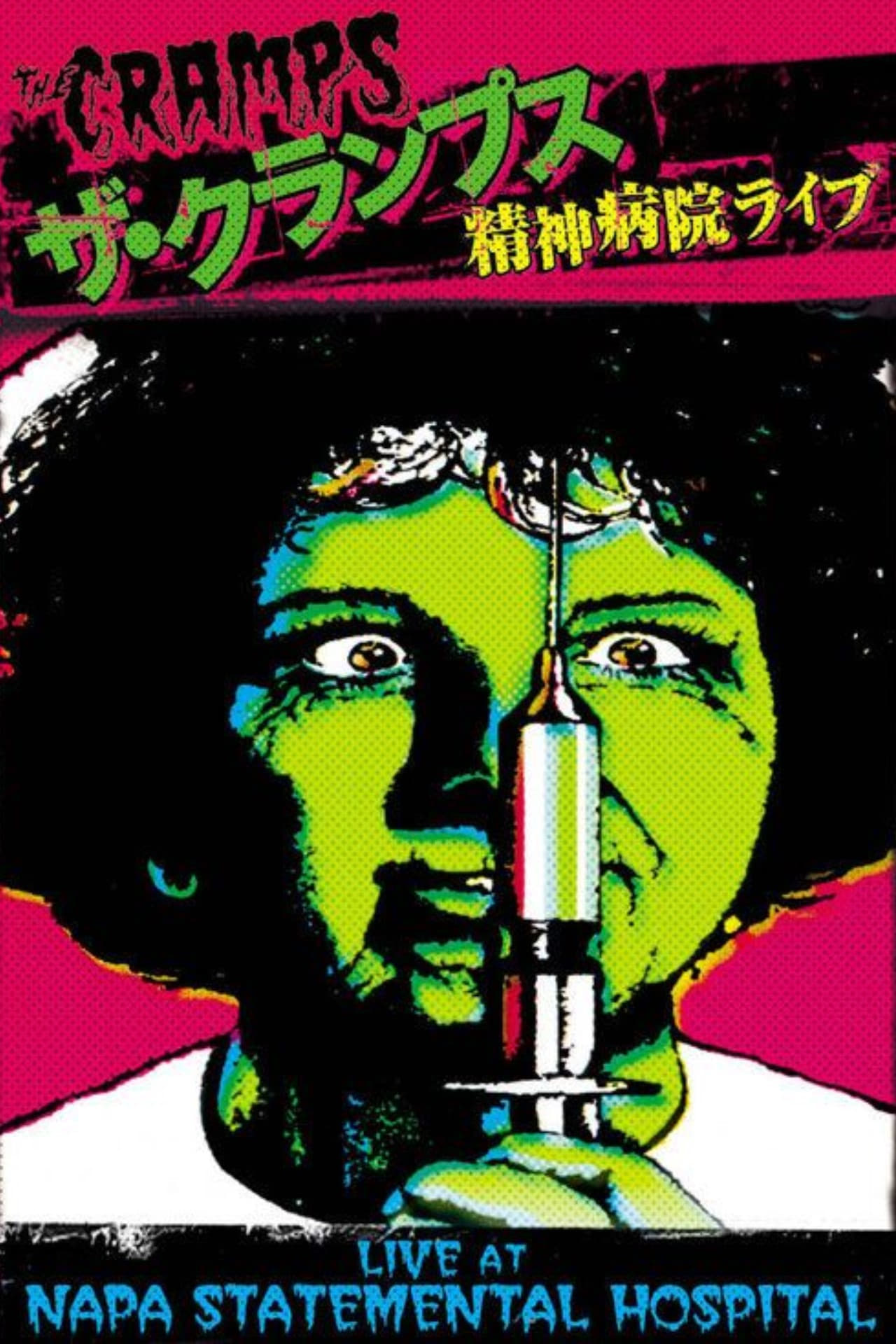
The concert was recorded with a black-and-white video camera and a single microphone on June 13, 1978.
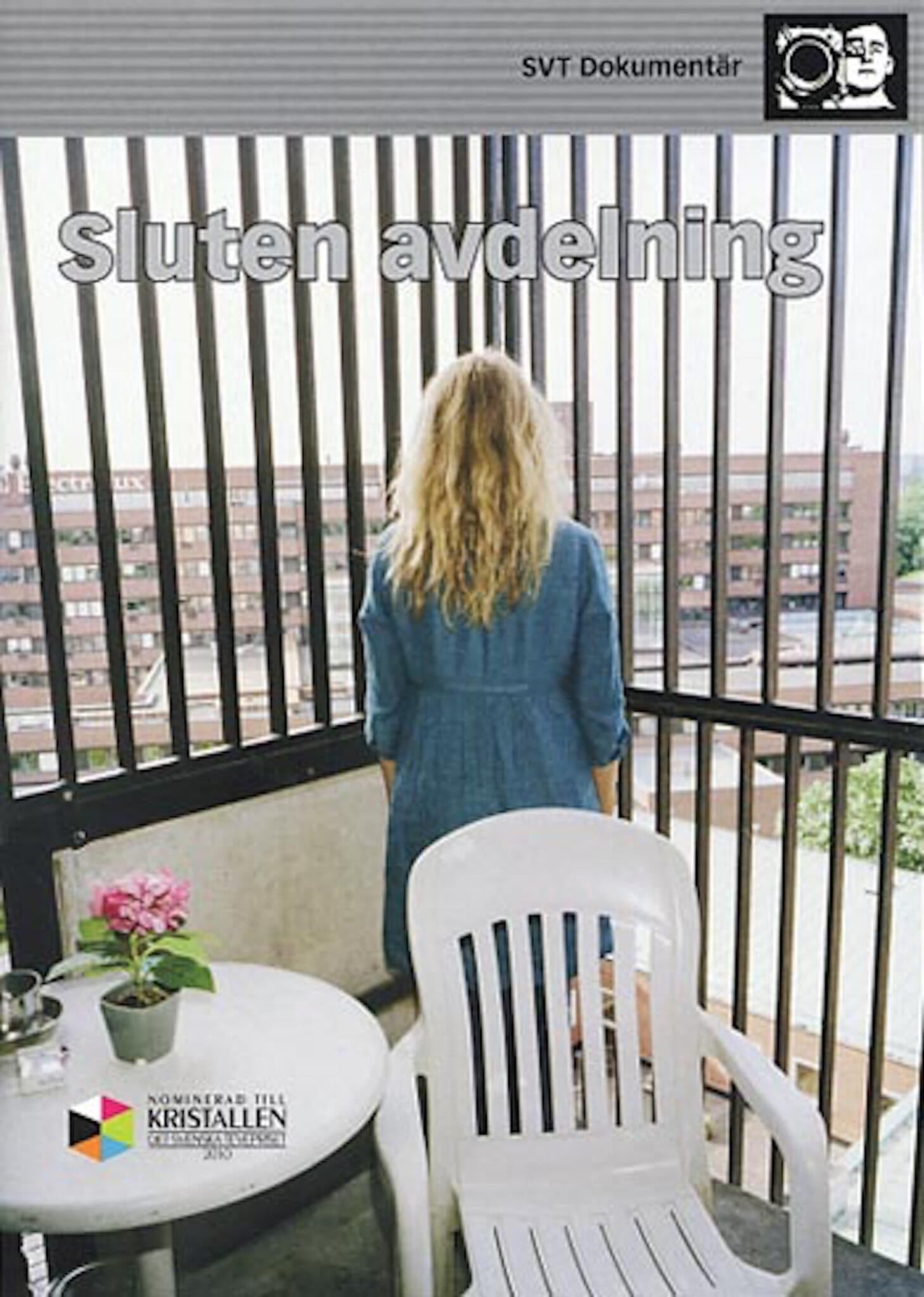
Maud Nycander has over one and a half years, filmed a psychiatric emergency ward at St. Göran's Hospital in Stockholm.
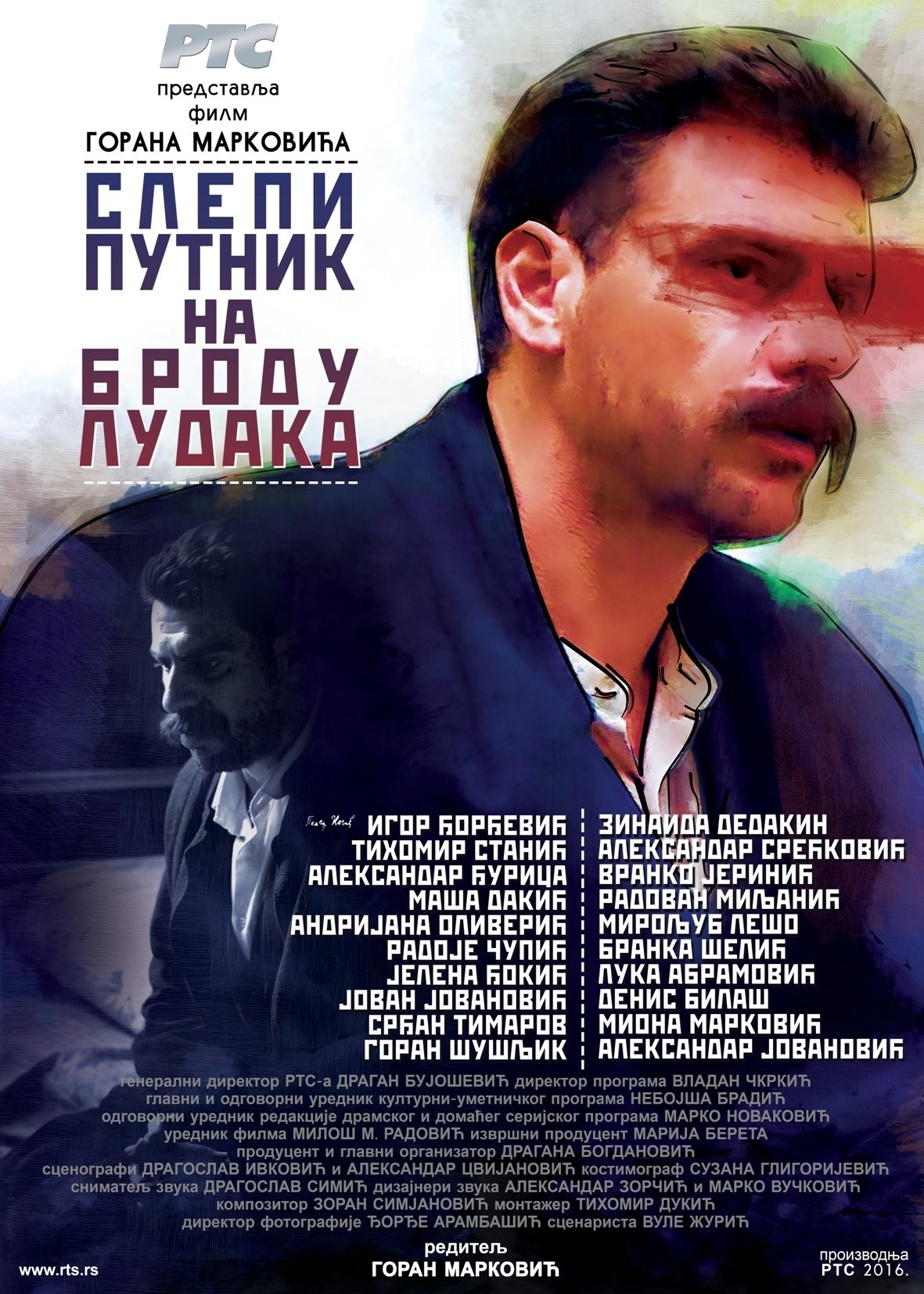
The story takes place in the Belgrade mental hospital on Guberevac during the WWI, where notable Serbian writer Petar Kočić spends his last years of life. The safety of mental hospital in a war-torn Belgrade is disrupted when the deputy military governor in occupied Belgrade, Kosta Herman, finds out that Kočić is in the hospital and decides to settle old scores with him.
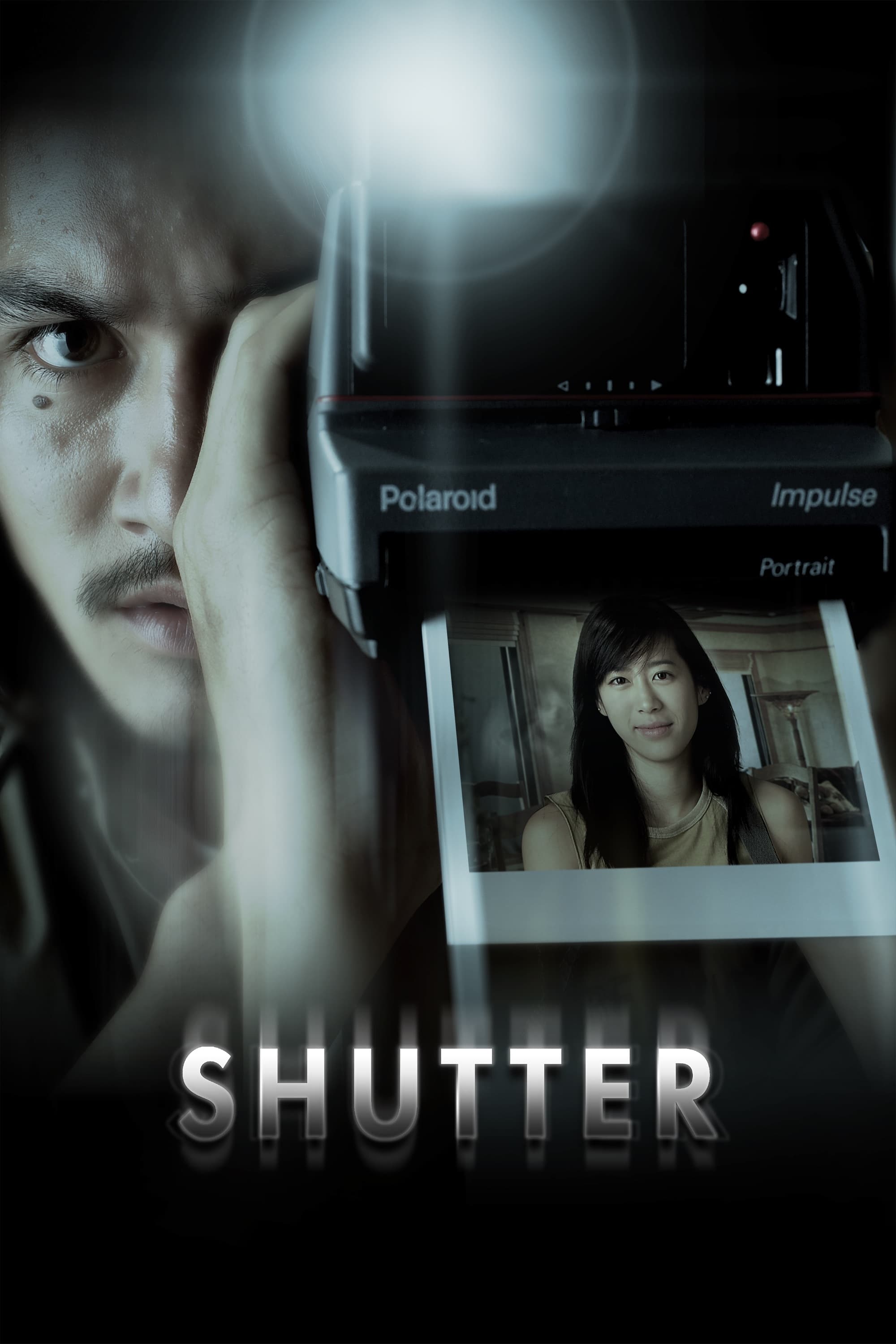
When Jane and Tun run over a girl in a car accident, they speed away immediately from the crime scene. However, Tun, a photographer, soon discovers strange shadows in his photos, which unsettles them.
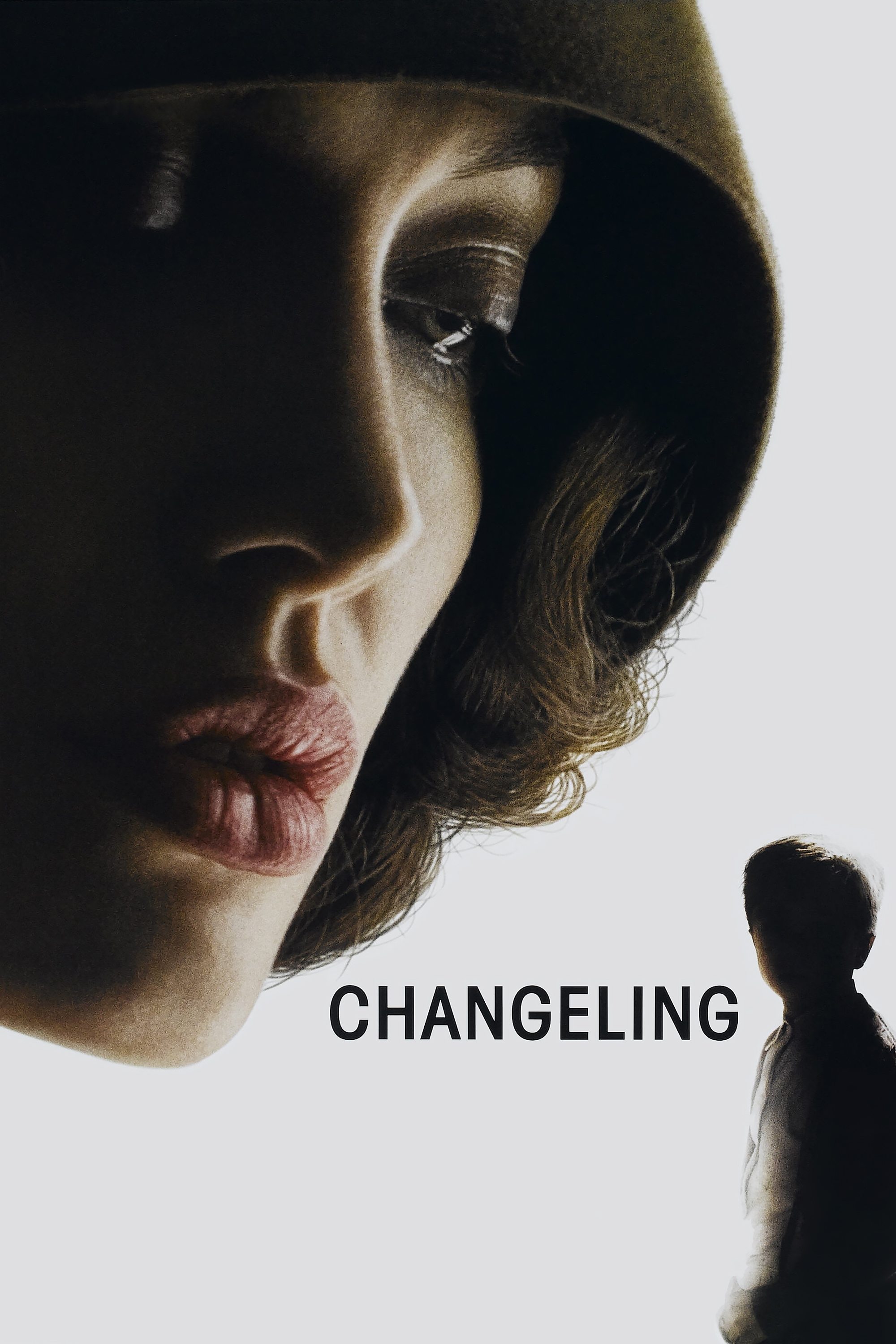
Los Angeles, 1928. When single mother Christine Collins leaves for work, her son vanishes without a trace. Five months later, the police reunite mother and son. But when Christine suspects that the boy returned to her isn't her child, her quest for truth exposes a world of corruption.
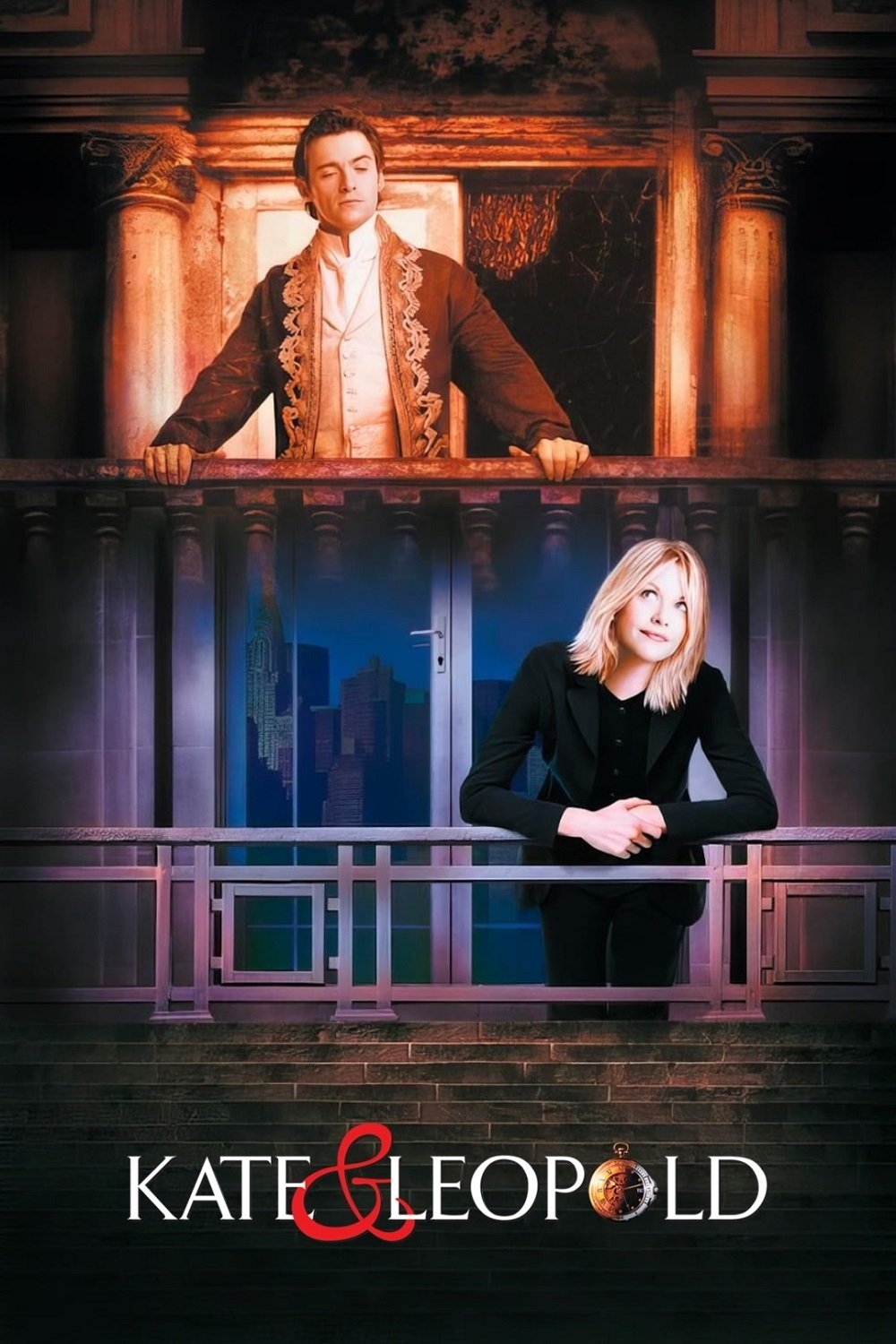
When her scientist ex-boyfriend discovers a portal to travel through time -- and brings back a 19th-century nobleman named Leopold to prove it -- a skeptical Kate reluctantly takes responsibility for showing Leopold the 21st century. The more time Kate spends with Leopold, the harder she falls for him. But if he doesn't return to his own time, his absence will forever alter history.
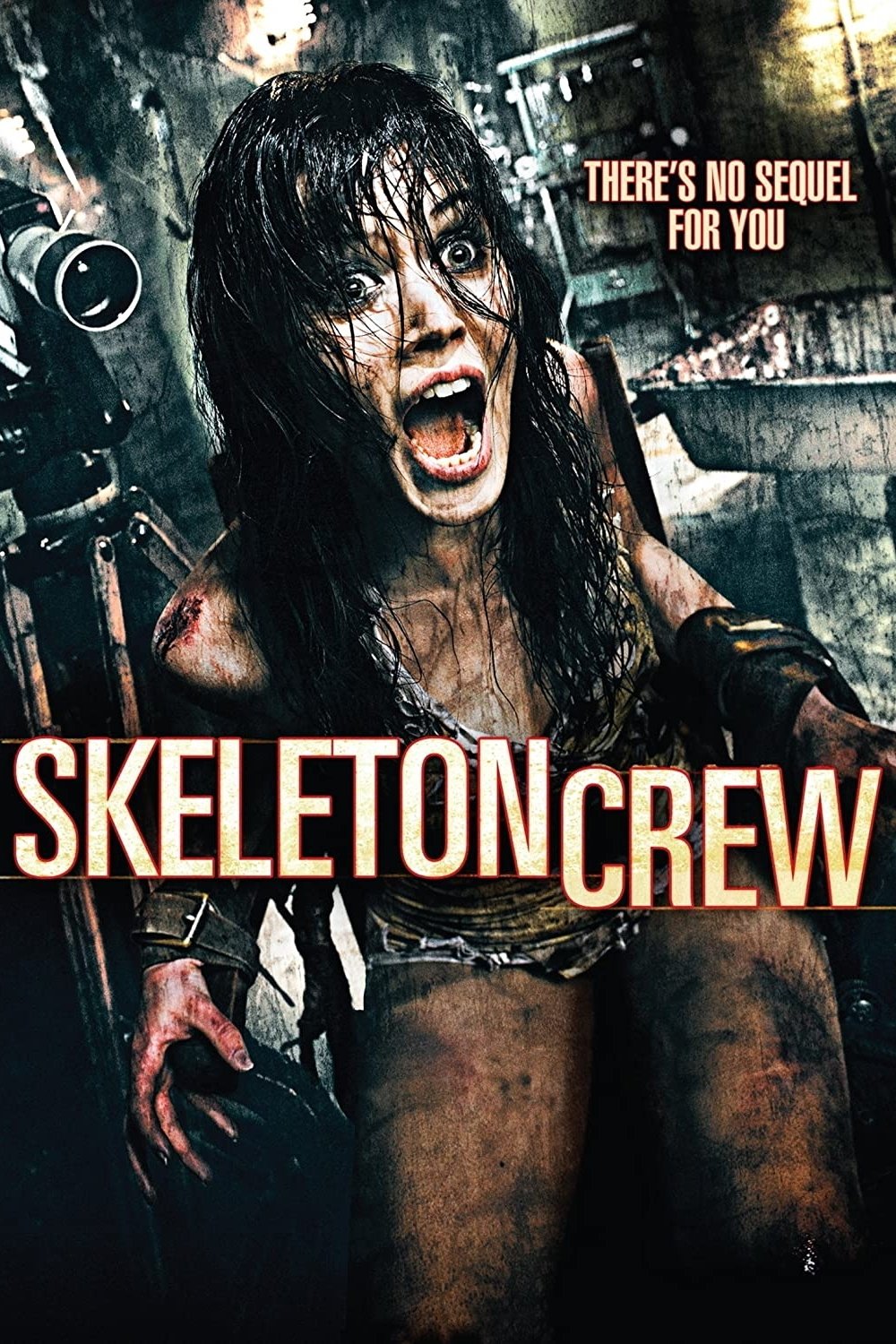
Back in the early 1970s, at a mental institution near the Russian border, a crazed doctor, Dr. Anderson assumed the persona of "the Auteur," and began murdering his patients while filming the atrocities. Thirty years later, an American film crew has arrived at the hospital to shoot a horror film based on those awful events. The director, Steven, is determined to make the film as realistic as possible, a goal that doesn't seem too far-fetched when his Finnish sound men discover a hidden room in the hospital basement. There, perfectly preserved, are the original snuff films shot by "the Auteur". As Steven's obsession grows, his cast and crew begin to fear for his sanity. But this is only the beginning, because when Steven discovers actual camera used by "the Auteur", he assumes the role of the murderous doctor and the real slaughter begins.
A hedonistic bachelor - he is his rich family's black sheep - falls for a suicidal mental patient.
Now confined to a mental hospital, young Kirsty insists her supposedly dead father is actually stuck in Hell following his wife’s betrayal. Few believe the young woman’s lurid stories aside from the thrill-seeking Dr. Channard. Kirsty is undeterred and, with the help of a fellow patient, heads to Hell for a rescue.
After being released from a mental hospital, a troubled young man tracks down an actress he once had sex with and forces her into captivity, determined to make her part of his life.
A lyrical and spiritual cinematic essay on The Exorcist, the last film of Alexandre O. Philippe explores the uncharted depths of William Friedkin’s mind’s eye, the nuances of his filmmaking process, and the mysteries of faith and fate that have shaped his life and filmography.
A visual montage portrait of our contemporary world dominated by globalized technology and violence.
When Allied forces liberated the Nazi concentration camps in 1944-45, their terrible discoveries were recorded by army and newsreel cameramen, revealing for the first time the full horror of what had happened. Making use of British, Soviet and American footage, the Ministry of Information’s Sidney Bernstein (later founder of Granada Television) aimed to create a documentary that would provide lasting, undeniable evidence of the Nazis’ unspeakable crimes. He commissioned a wealth of British talent, including editor Stewart McAllister, writer and future cabinet minister Richard Crossman – and, as treatment advisor, his friend Alfred Hitchcock. Yet, despite initial support from the British and US Governments, the film was shelved, and only now, 70 years on, has it been restored and completed by Imperial War Museums under its original title "German Concentration Camps Factual Survey".
Alexander McQueen's rags-to-riches story is a modern-day fairy tale, laced with the gothic. Mirroring the savage beauty, boldness and vivacity of his design, this documentary is an intimate revelation of McQueen's own world, both tortured and inspired, which celebrates a radical and mesmerizing genius of profound influence.
In candid conversations with actor Jonah Hill, leading psychiatrist Phil Stutz explores his early life experiences and unique, visual model of therapy.
The life and career of an actor, artist, and icon. His own journey through his own camera.
Offbeat documentarian Chris Smith provides a behind-the-scenes look at how Jim Carrey adopted the persona of idiosyncratic comedian Andy Kaufman on the set of Man on the Moon.
Artists in LA discover the work of forgotten Polish sculptor Stanislav Szukalski, a mad genius whose true story unfolds chapter by astounding chapter.
A tribute to Chadwick Boseman, celebrating his life and legacy.
JB Smoove and Martin Starr host a celebration of 20 years of "Spider-Man" movies, from the Sam Raimi trilogy to Marc Webb's movies and the trio from Jon Watts.
A chronicle of the life, work and mind that created the Cthulhu mythos.
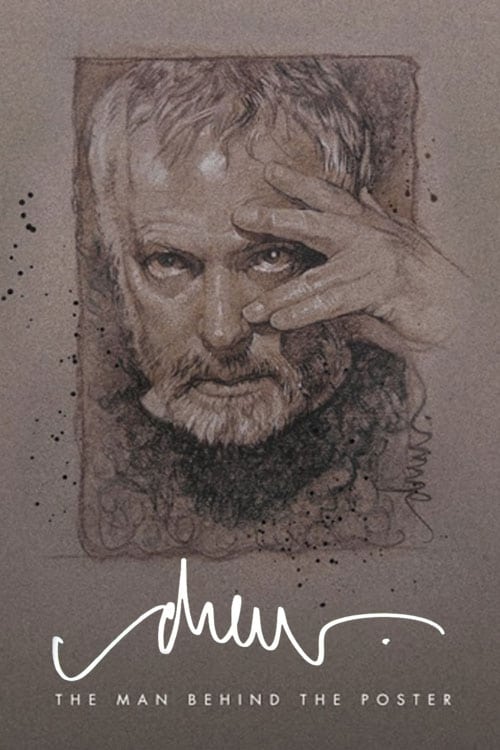
A documentary on legendary movie-poster artist Drew Struzan.
Brilliant, long in-the-works story of the life and art of the world's greatest comedian and the cinema's first genius, Charlie Chaplin. Produced, written and directed by renowned film critic Richard Schickel.
In this genre-bending tale, Errol Morris explores the mysterious death of a U.S. scientist entangled in a secret Cold War program known as MK-Ultra.
Follow the evolution of the 'Halloween' movies over the past twenty-five years. It examines why the films are so popular and revisits many of the original locations used in the films - seeing the effects on the local community. For the first time, cast, crew, critics and fans join together in the ultimate 'Halloween' retrospective.
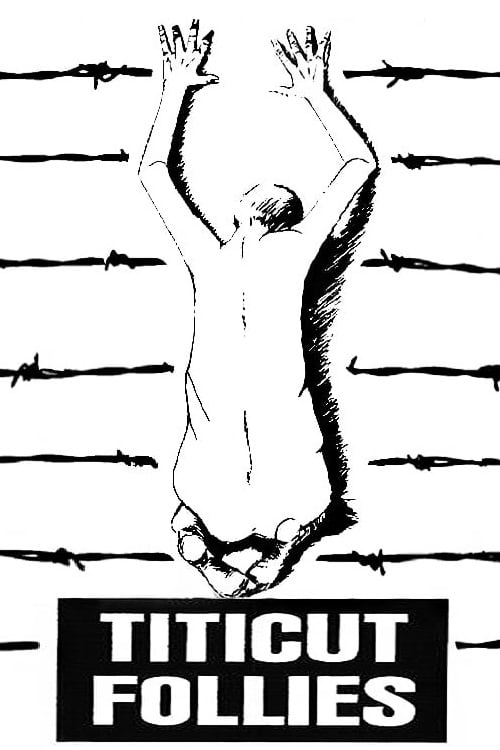
A stark and graphic portrayal of the conditions that existed at the State Prison for the Criminally Insane at Bridgewater, Massachusetts, and documents the various ways the inmates are treated by the guards, social workers, and psychiatrists.
A detailing of the rise to prominence and global sporting superstardom of six supremely talented young Manchester United football players (David Beckham, Nicky Butt, Ryan Giggs, Paul Scholes, Phil and Gary Neville). The film covers the period 1992-1999, culminating in Manchester United's European Cup triumph.
Those who knew iconic funnyman John Candy best share his story, in their own words, through never-before-seen archival footage, imagery, and interviews.
The life and career of one of comedy's most inimitable modern voices, Mr. Gilbert Gottfried.
This searing investigative work shadows a group of activists risking unimaginable peril to confront the ongoing anti-LGBTQ program raging in the repressive and closed Russian republic. Unfettered access and a remarkable approach to protecting anonymity exposes this under-reported atrocity–and an extraordinary group of people confronting evil.