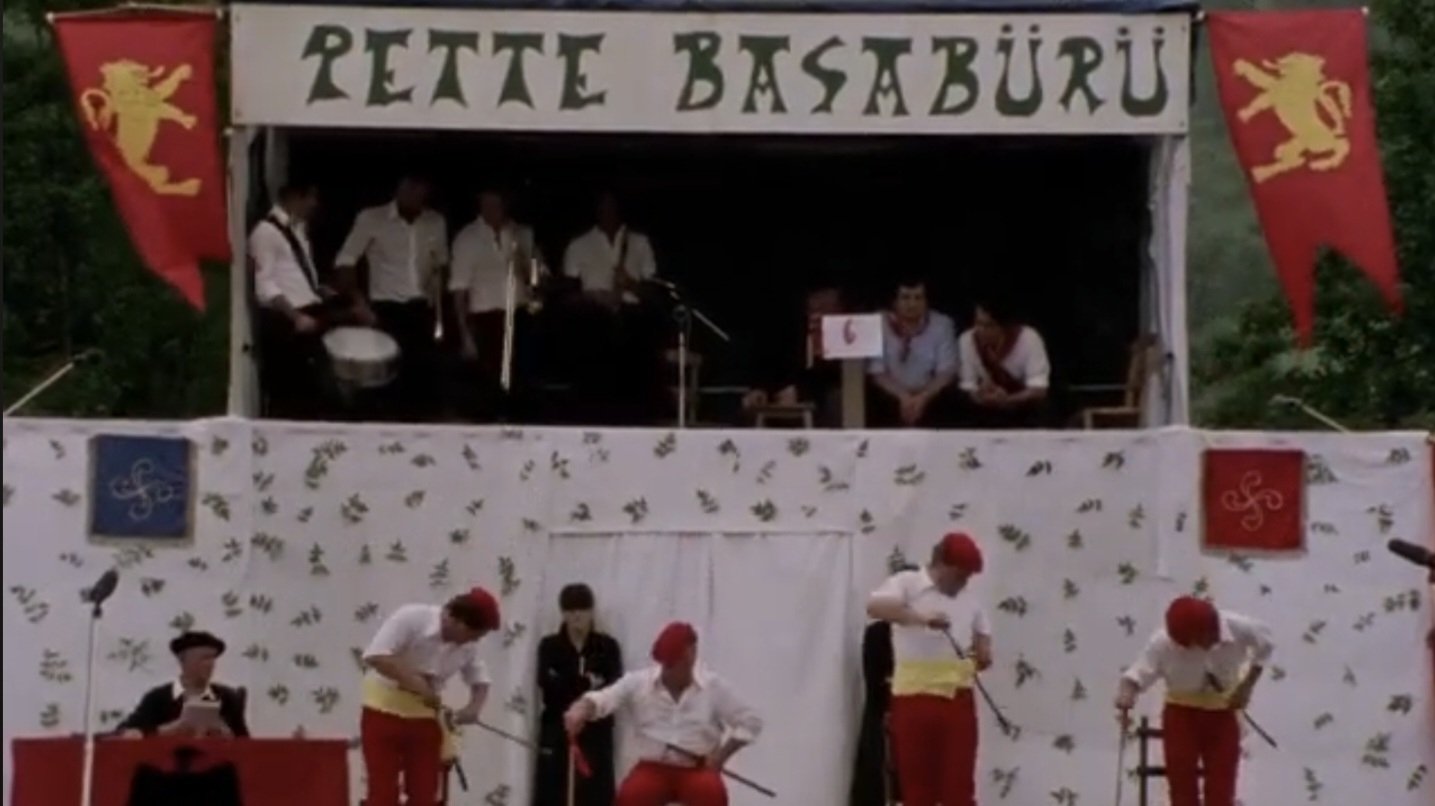
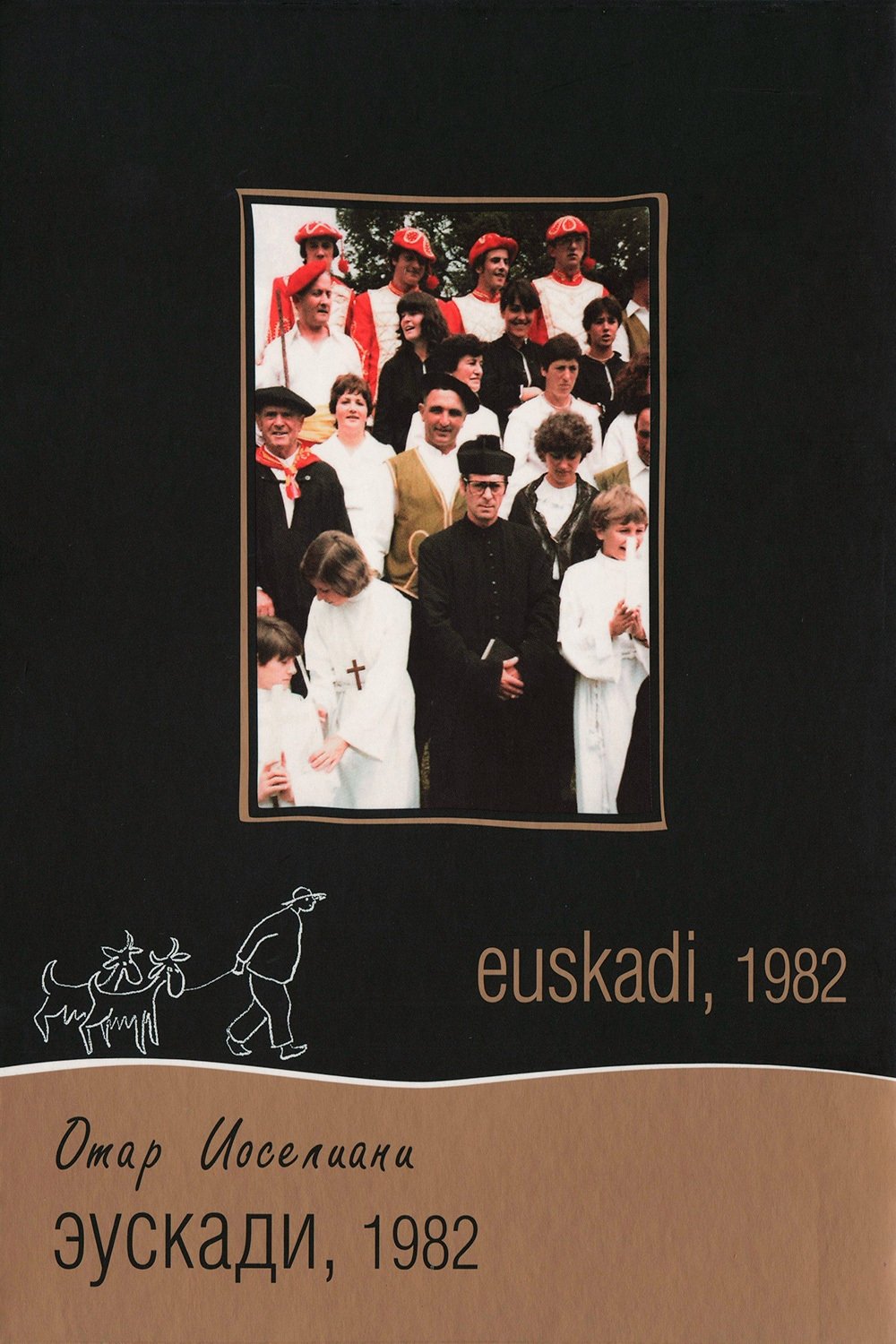
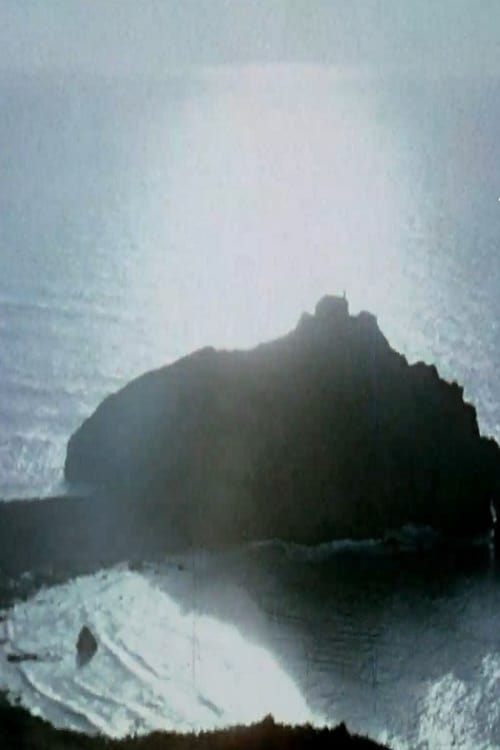
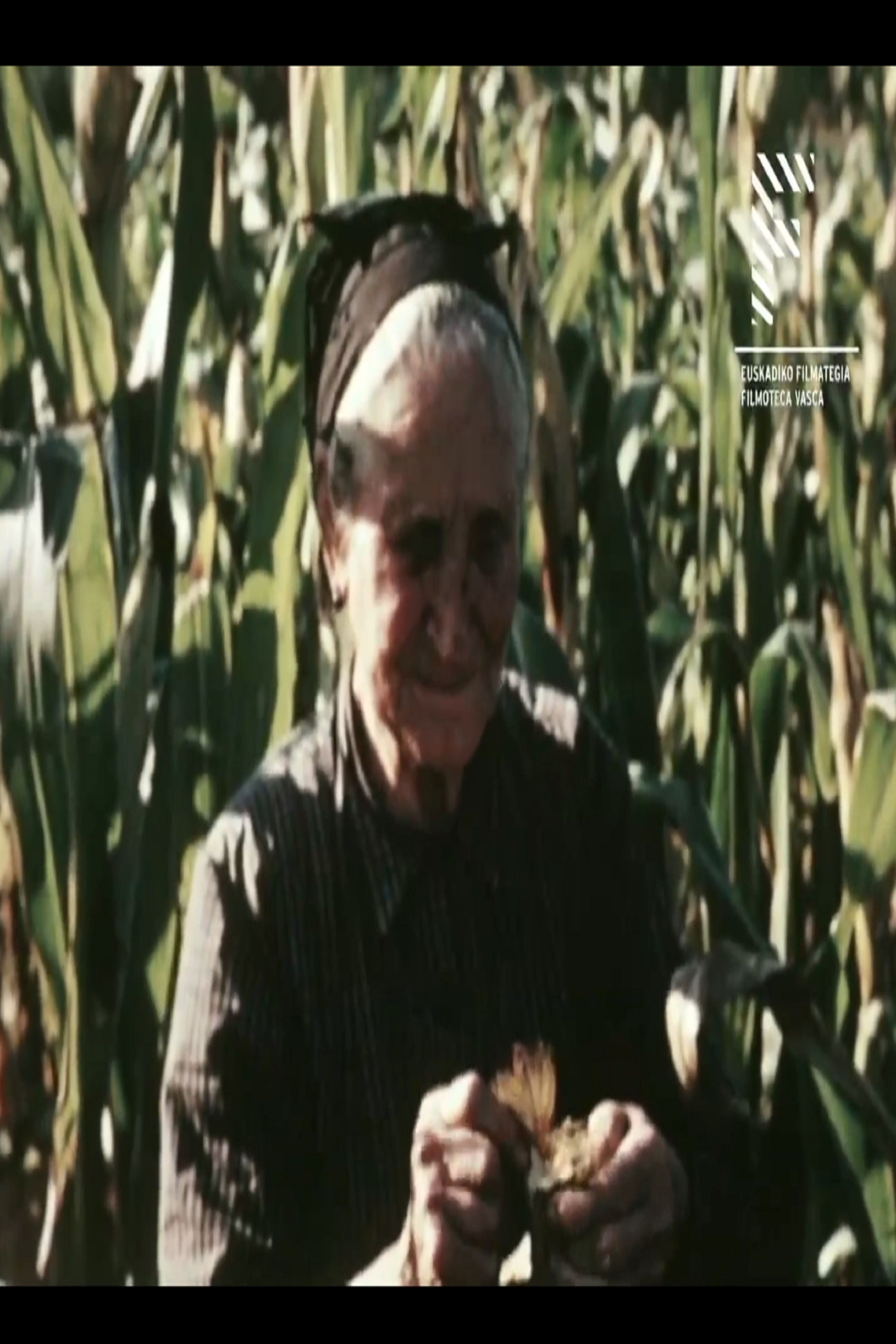
Part of a series in which foreign filmmakers portray a region or town in France. Otar Iosselani looks at the Basque region and its inhabitants.
Social & External
The chronicle of the process, ten long years, that led to the end of ETA (Euskadi Ta Askatasuna), a Basque terrorist gang that perpetrated robberies, kidnappings and murders in Spain and the French Basque Country for more than fifty years. Almost 1,000 people died, but others are still alive to tell the story of how the nightmare finally ended.
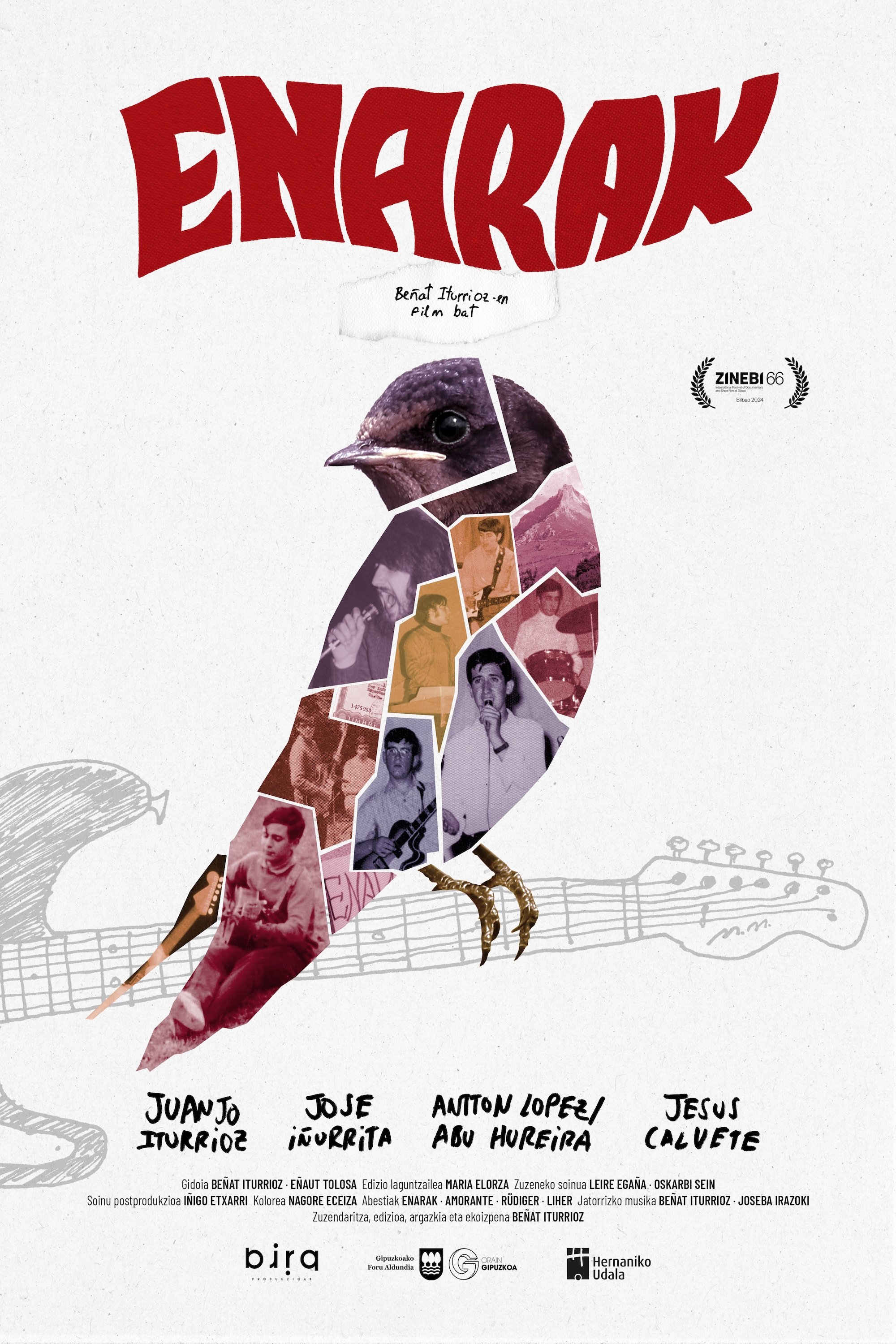
In 1967, in the midst of Franco's dictatorship, a group of seminarians thirsty for freedom founded the group Enarak. They played pop, rock and psychedelia, styles that were foreign to the society of the time, and all of it entirely in Basque. After hundreds of concerts, they mysteriously disappeared in 1971. Fifty years later, the singer's son, Beñat, sets out to find traces of the group, immersing himself in a film labyrinth that mixes ornithology, collage and eccentric research.
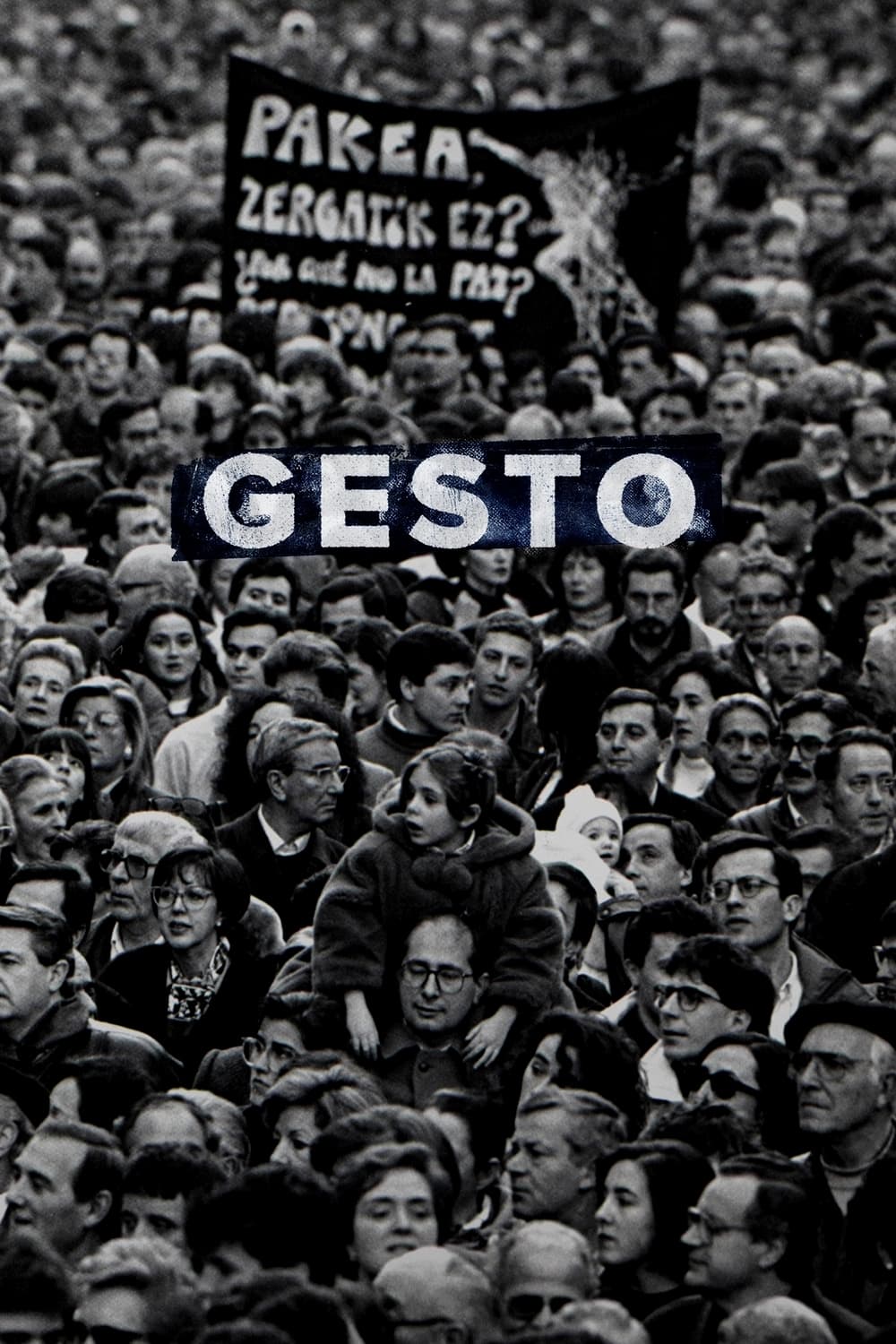
The history of the citizens' movement that for thirty years worked hard to overcome fear, fight hatred and eradicate the violence exercised by the savage terrorist gang ETA, both in the Basque Country and in the rest of Spain.
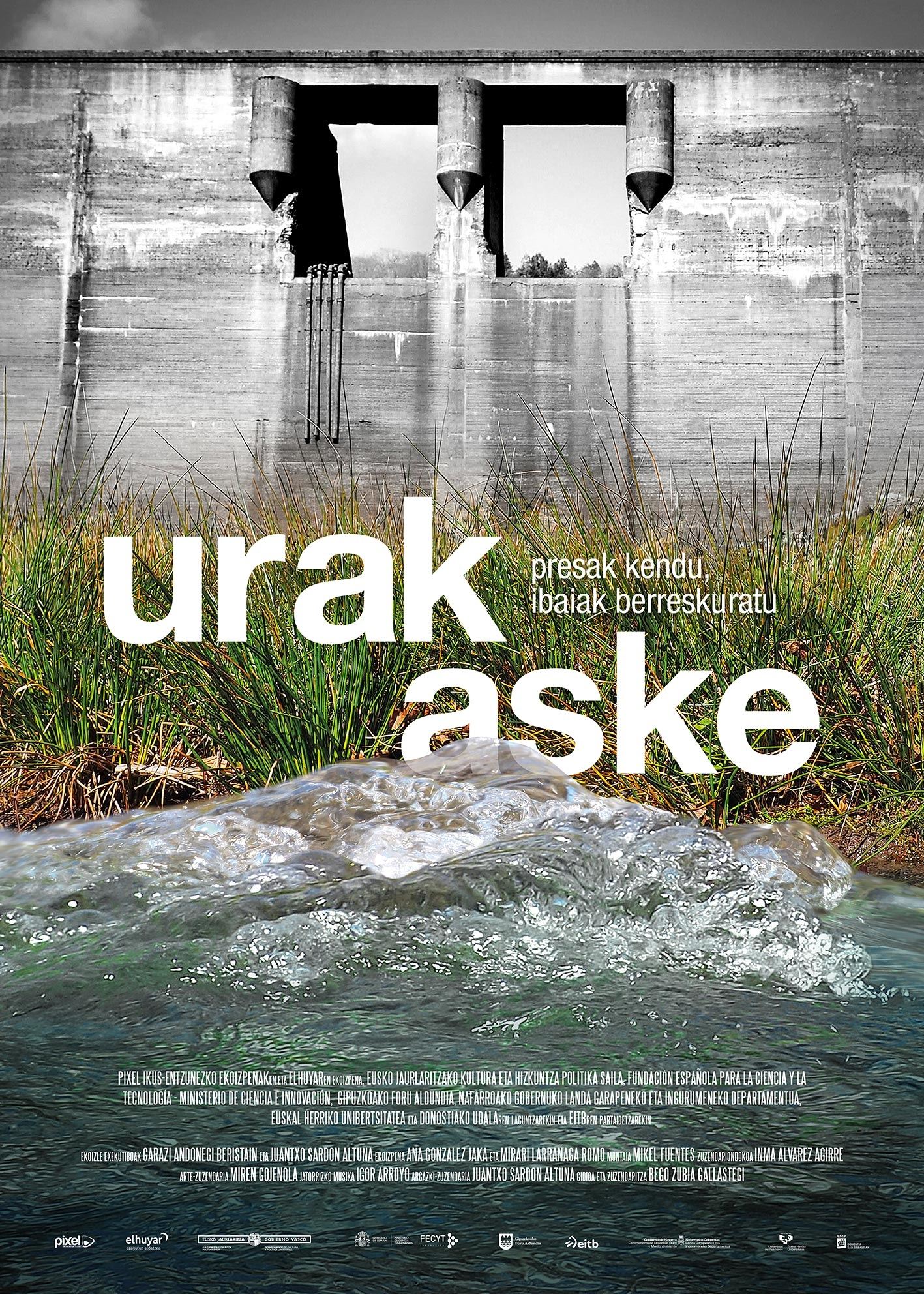
Draining two million cubic meters of water to protect a small animal in danger of extinction. This has been the task of those who have worked to remove the Enobieta reservoir and ensure a safe haven for the Pyrenean desman. This amazing story took place in Artikutza, the estate that San Sebastián bought in Navarre a century ago and which is now one of the best-preserved natural sites on the Cantabrian coast. In Normandy, meanwhile, the large Vezins dam has been removed. Its demolition will allow salmon to return to the Sélune River. Abandoned dams on rivers are barriers to biodiversity, and their demolition allows us to imagine a more habitable planet. That future will depend on small gestures, or large ones, such as those in Vezins and Enobia.
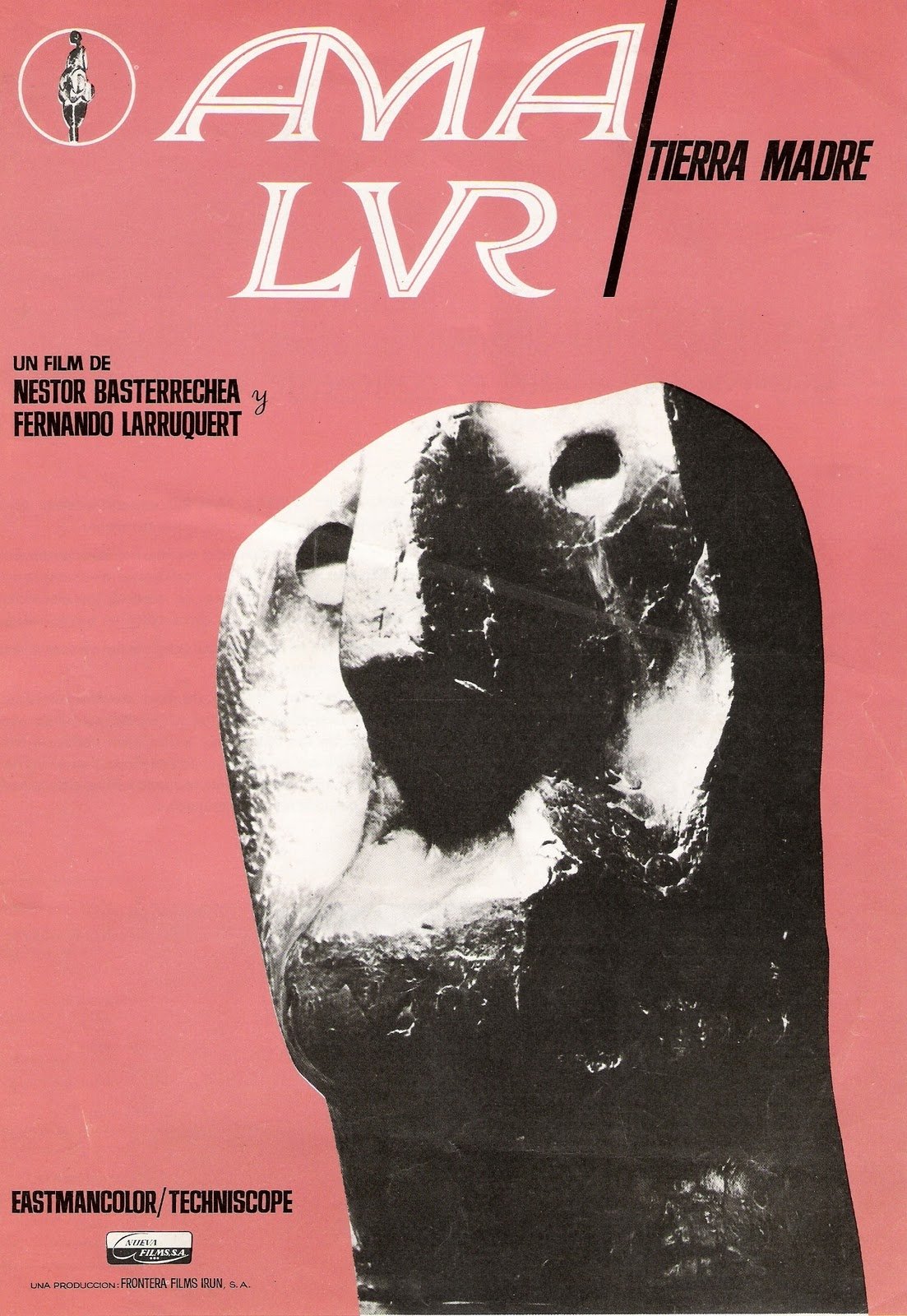
'Ama Lur' is a documentary, directed by Nestor Basterretxea and Fernando Larruquert, that premiered in San Sebastián in 1968, and it is considered the foundation of Basque cinema.
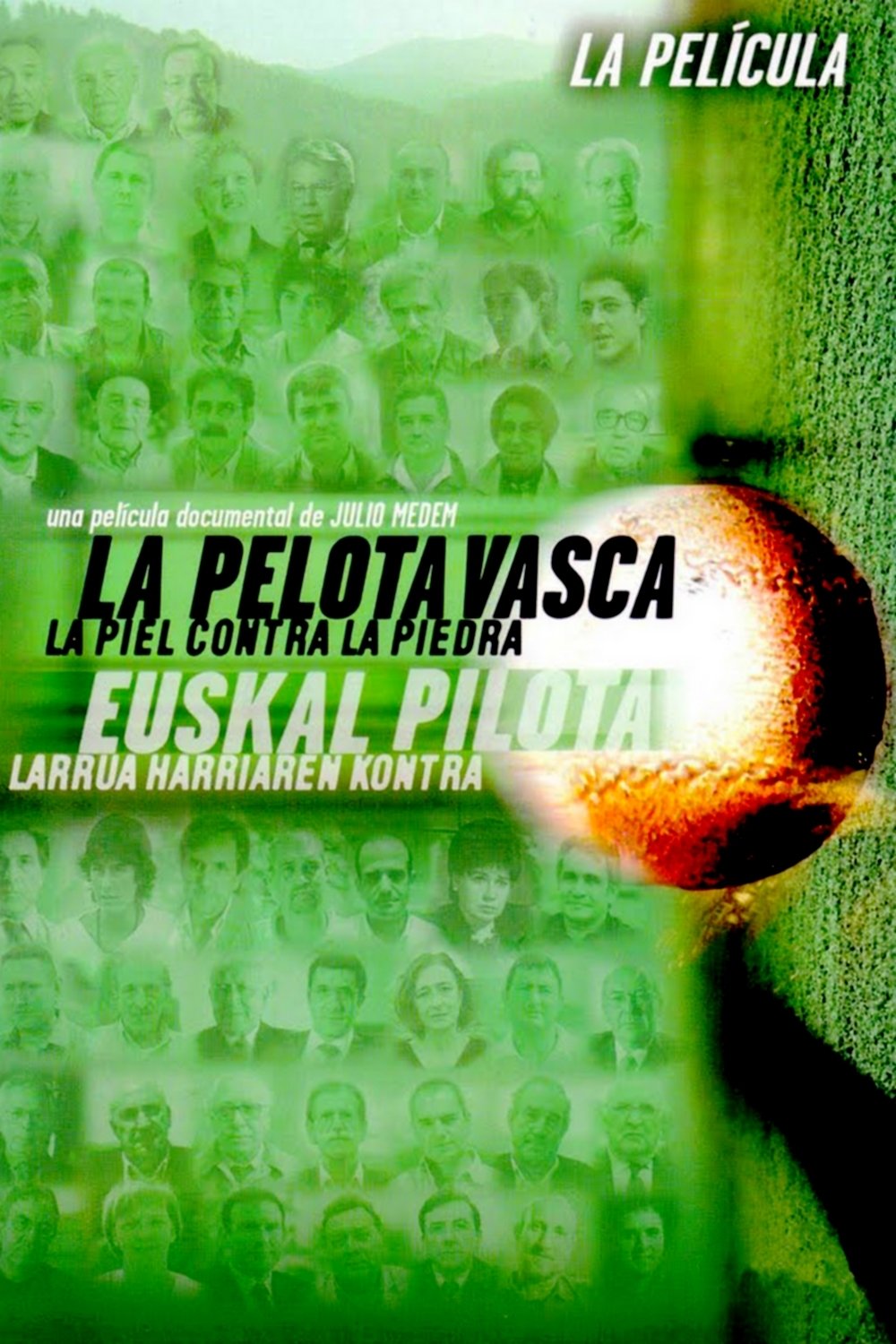
An attempt to create a bridge between the different political positions that coexist, sometimes violently, in the Basque Country, in northern Spain.
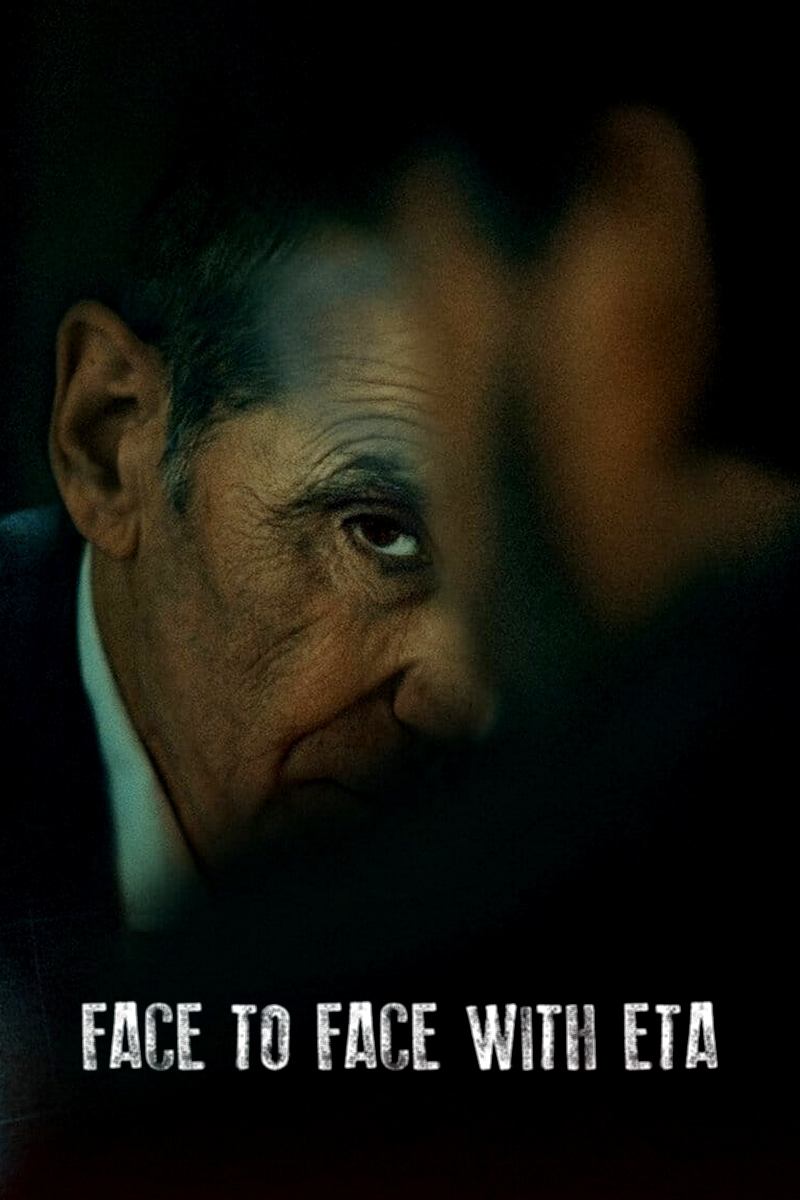
An in-depth interview with José Antonio Urrutikoetxea, known as Josu Ternera, one of the most relevant leaders of the terrorist gang ETA.
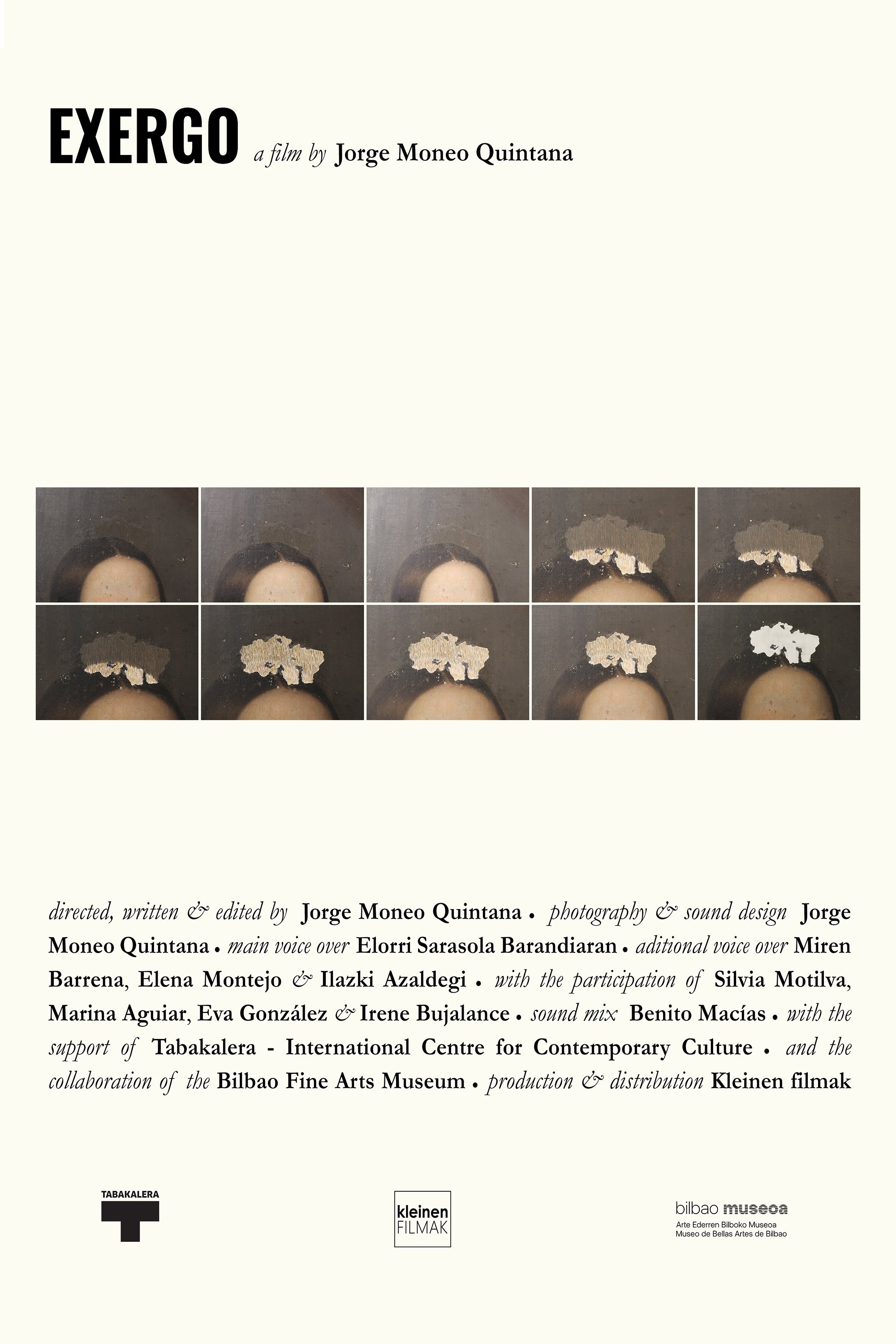
Departing from peripheral details of some paintings of the Bilbao Fine Arts Museum, a female narrator unravels several stories related to the economic, social and psychological conditions of past and current artists.
Pilot chapter of the film series 'Ikuska', a compilation of shorts on the Basque Country’s culture and politics. A documentary about the referendum on the Spanish constitution.
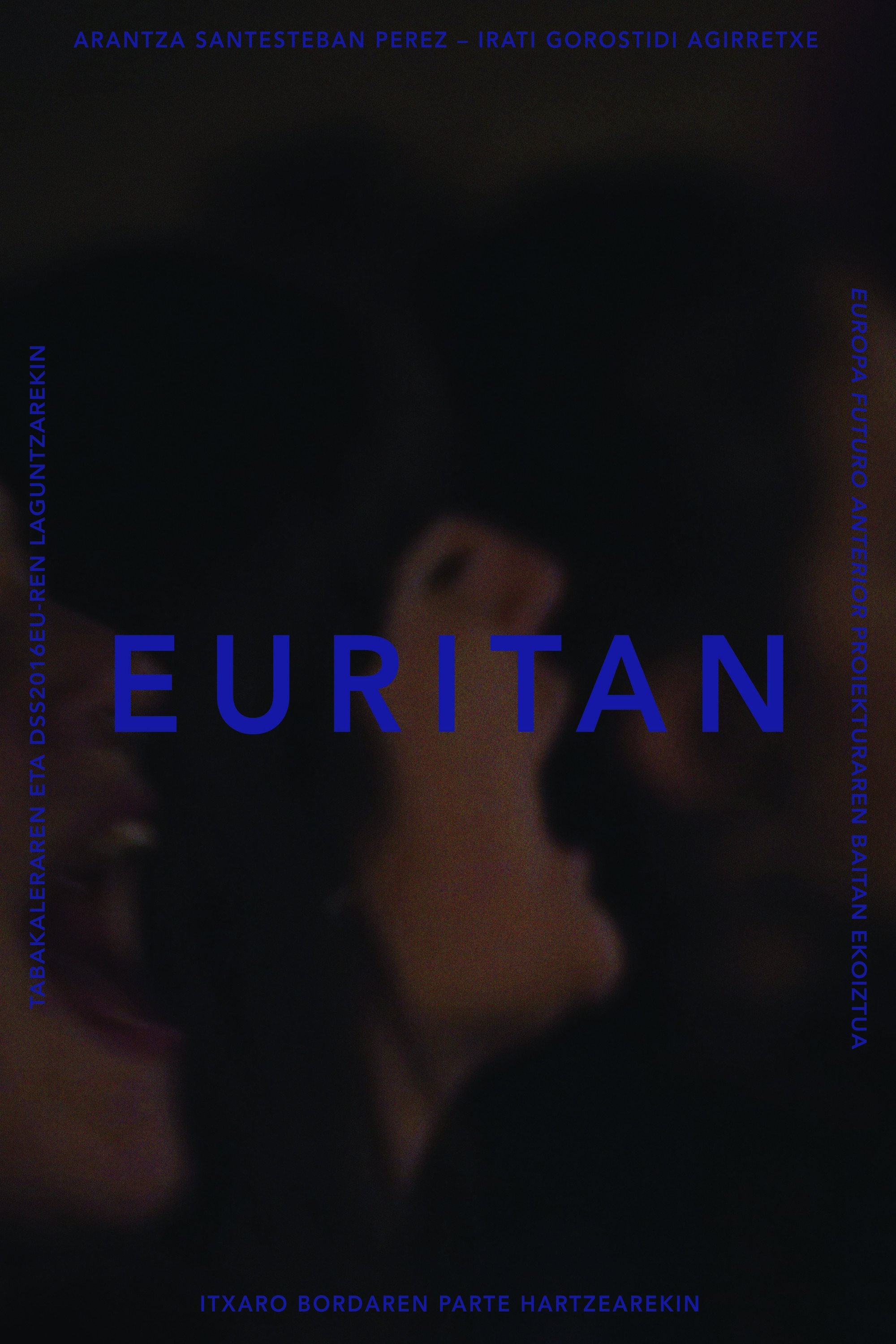
Euritan is a review of the narrative 'Klara eta biok', written by Itxaro Borda in 1985. Putting the author against the words of her past, it updates her view on the peripheral relationship around the Basque character.
Through interviews with different people linked to the work and life of the Basque sculptor Jorge Oteiza (1908-2003), this documentary aims to unravel fundamental aspects of his work.
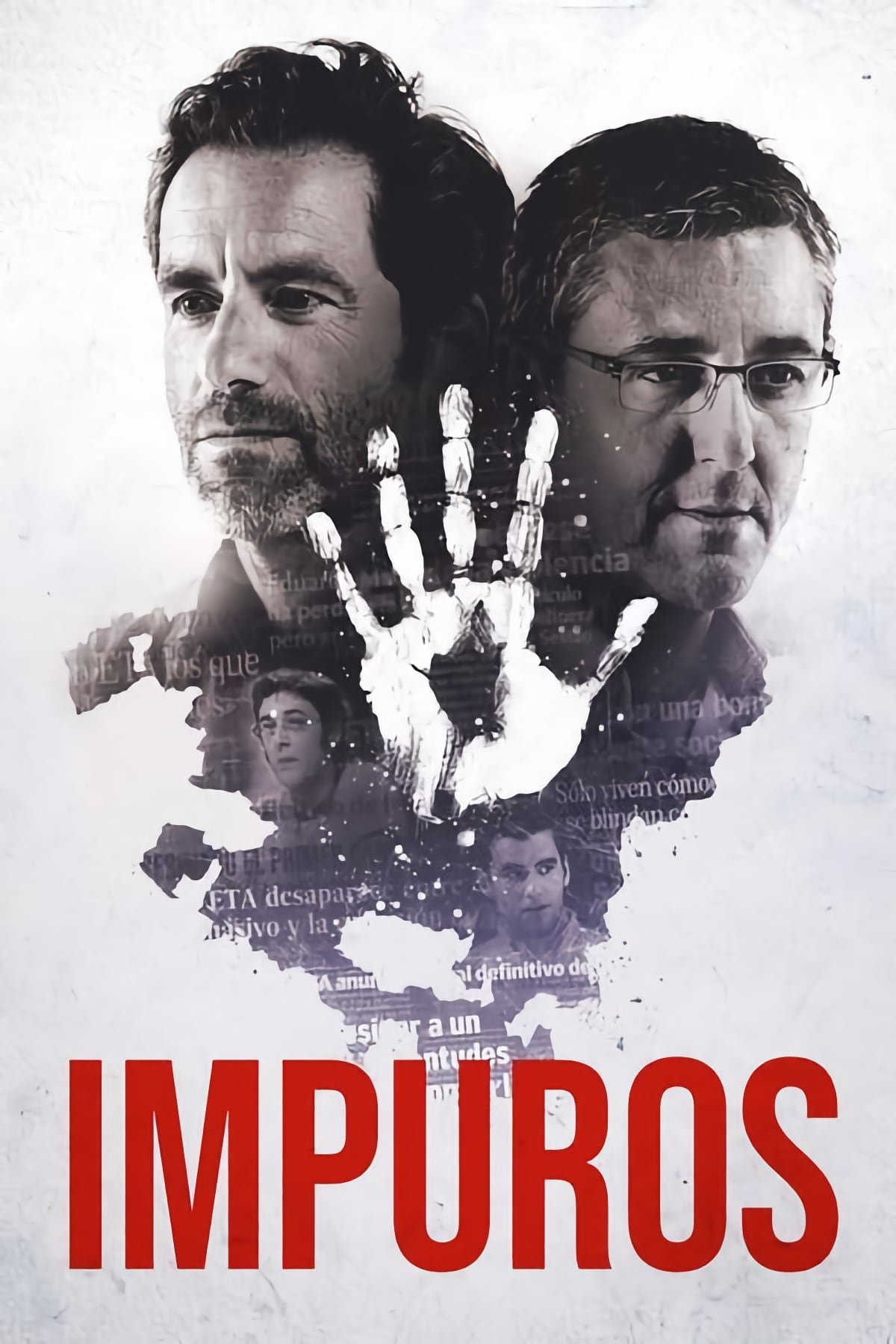
At just 17 years old, Eduardo Madina and Borja Semper decided to enter politics to defend freedom of thought in the Basque Country. This made them a target of the ETA terrorist group for almost two decades.
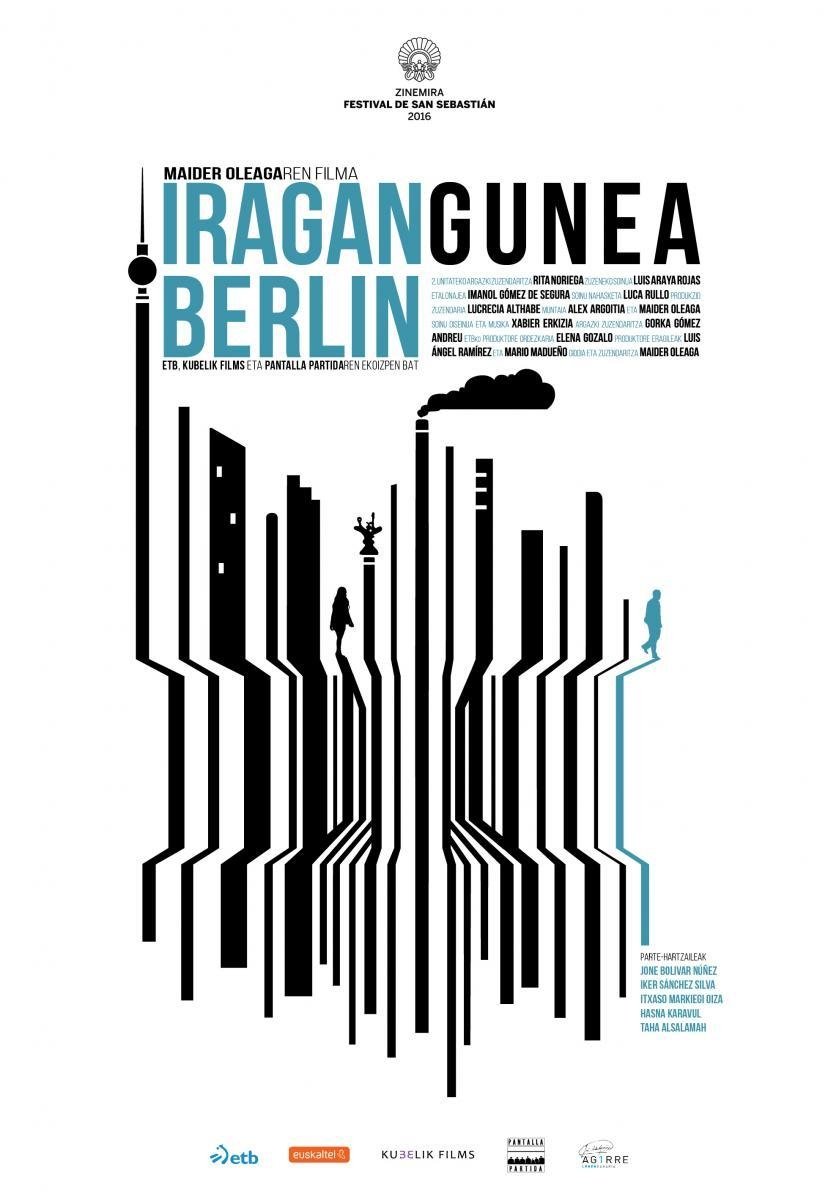
The film follows five people from different origins as they move anonymously around the streets of Berlin. Each of them with another life somewhere else, trying to ascertain where to go.
Documentary about anchovy fishermen in San Sebastian
Not unlike the travel blogs so in vogue today, this film takes us from Ereaga beach to Cape Matxitxako, treating us to an incomparable look at the beaches and towns on the way.
A peculiar in-depth reflection on the concept of homeland reflecting the atmosphere of Basque farmhouses with the participation of emblematic figures in the Basque culture of the period, like the bertsolaris (improvisers of Basque verse) Valentin Enbeita and Jon Lopategi and the Basque dancer Victor Olaeta. To avoid the censorship in place at the time, Elortza entitled the film 'Erria' (Country) rather than 'Aberria' (Homeland).
In a temple in Thailand, an order of Buddhist monks are performing a ceremony for people who headed there to get re-incarnated. There, we meet Tarn, a young Thai woman who lived in the Basque Country some years ago and who is still fascinated with that region, food and culture.
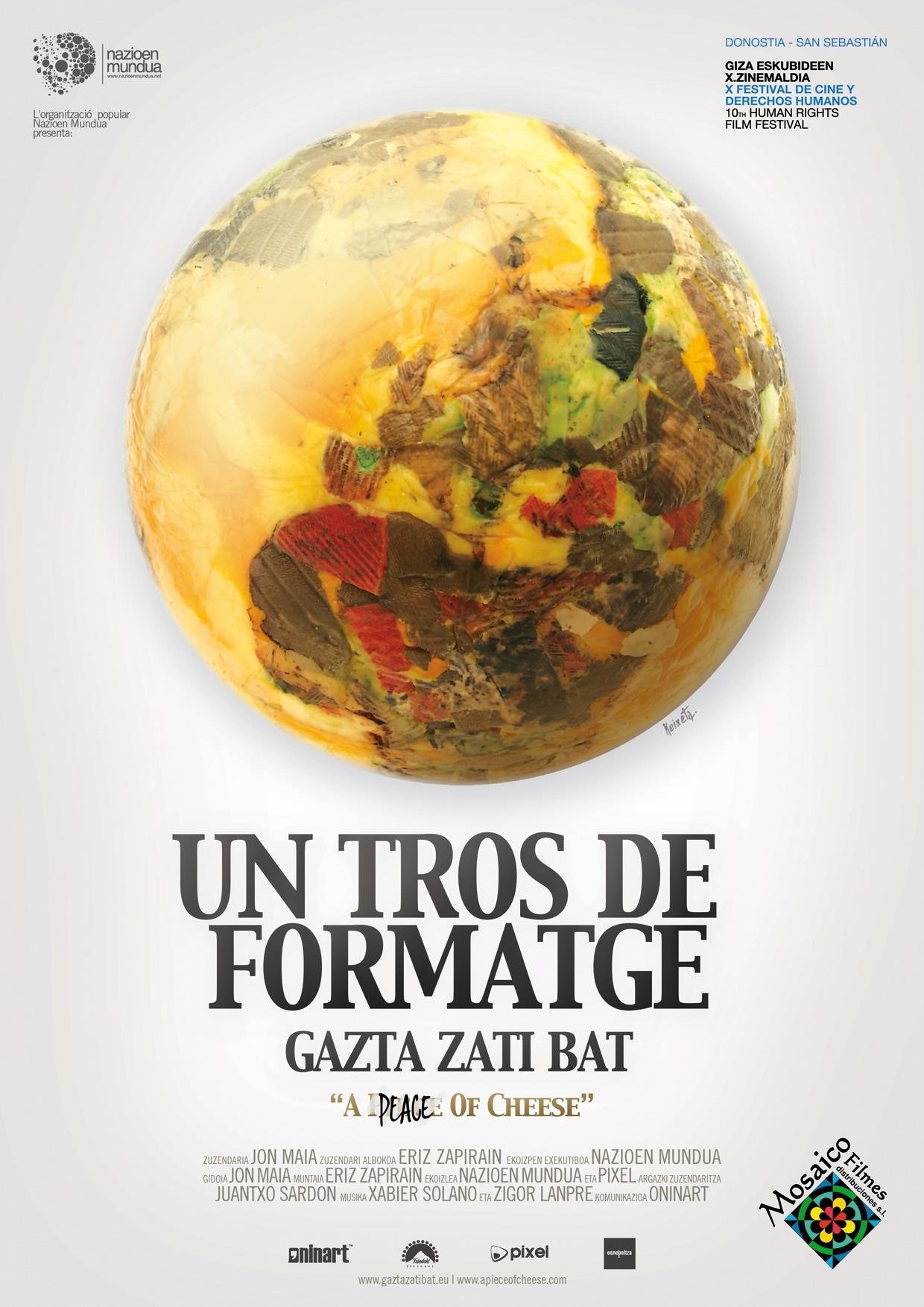
This story begins in a small town in Euskal Herria known worldwide for its cheese. The inhabitants of this town put aside the differences created by the recent armed conflict in Europe to carry out a mission: to choose what to be in the world. This adventure will take them to witness the historic events of two nations that will be news in Europe: Scotland and Euskal Herria. A great story written in small print. A documentary of the new era that makes us look to the future
The film follows adventurer Jeff Johnson as he retraces the epic 1968 journey of his heroes Yvon Chouinard and Doug Tompkins to Patagonia.
A detailing of the rise to prominence and global sporting superstardom of six supremely talented young Manchester United football players (David Beckham, Nicky Butt, Ryan Giggs, Paul Scholes, Phil and Gary Neville). The film covers the period 1992-1999, culminating in Manchester United's European Cup triumph.
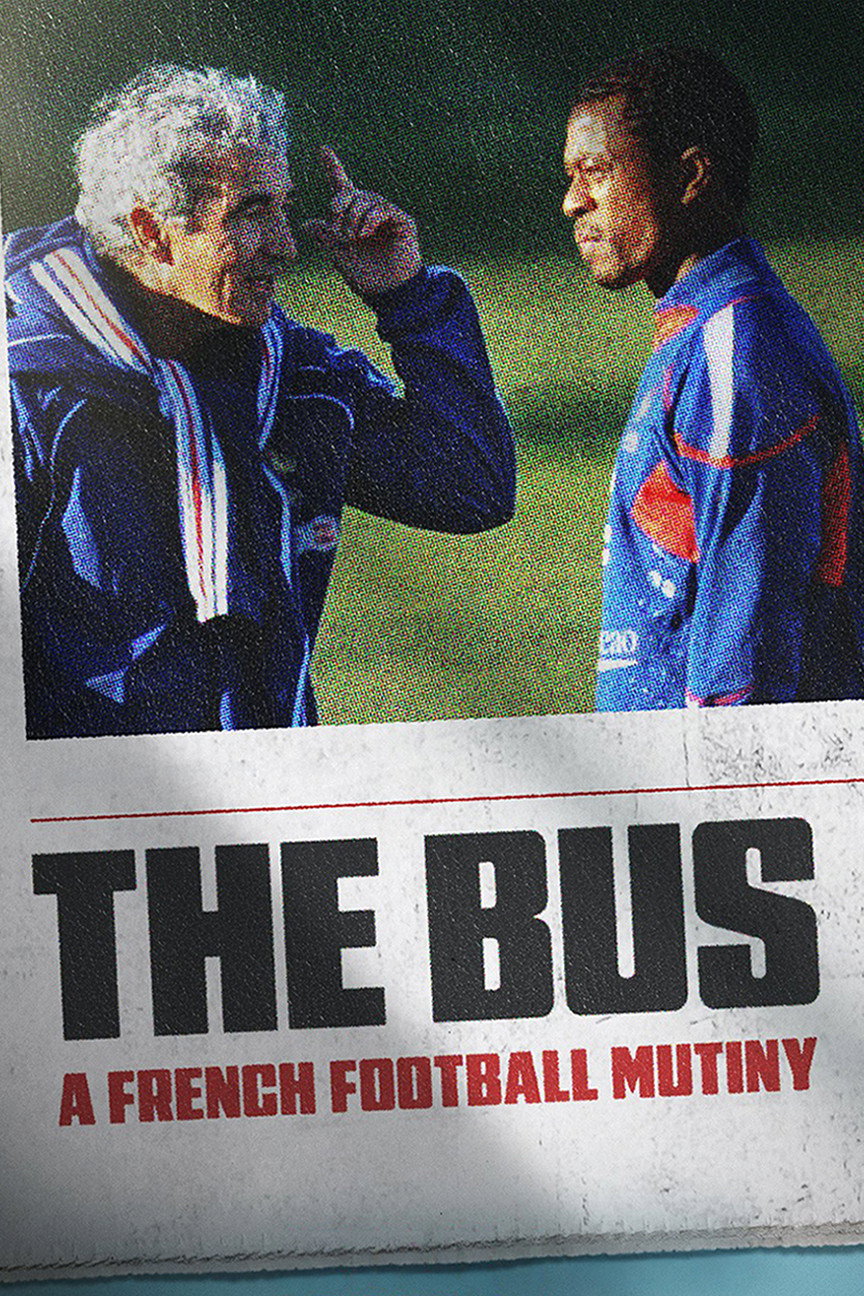
This documentary revisits the French football team's controversial 2010 World Cup and the bus strike that sparked global headlines and national outrage.
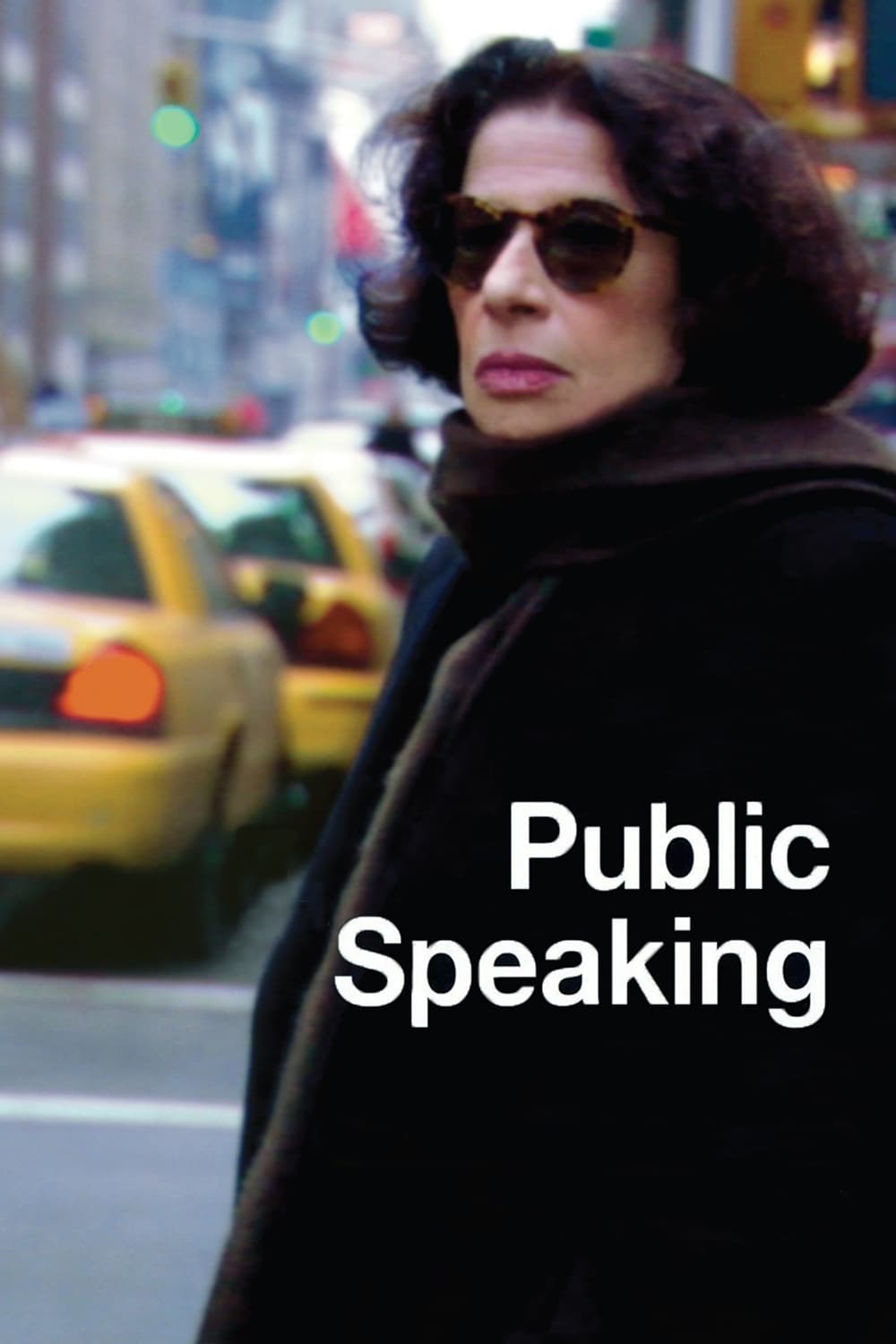
Martin Scorsese’s portrait of writer and social commentator Fran Lebowitz, celebrated for her sharp wit and observations on modern life. Filmed at New York’s Waverly Inn and intercut with archival footage and interviews, the documentary captures Lebowitz’s distinctive worldview through her spontaneous monologues and public appearances.
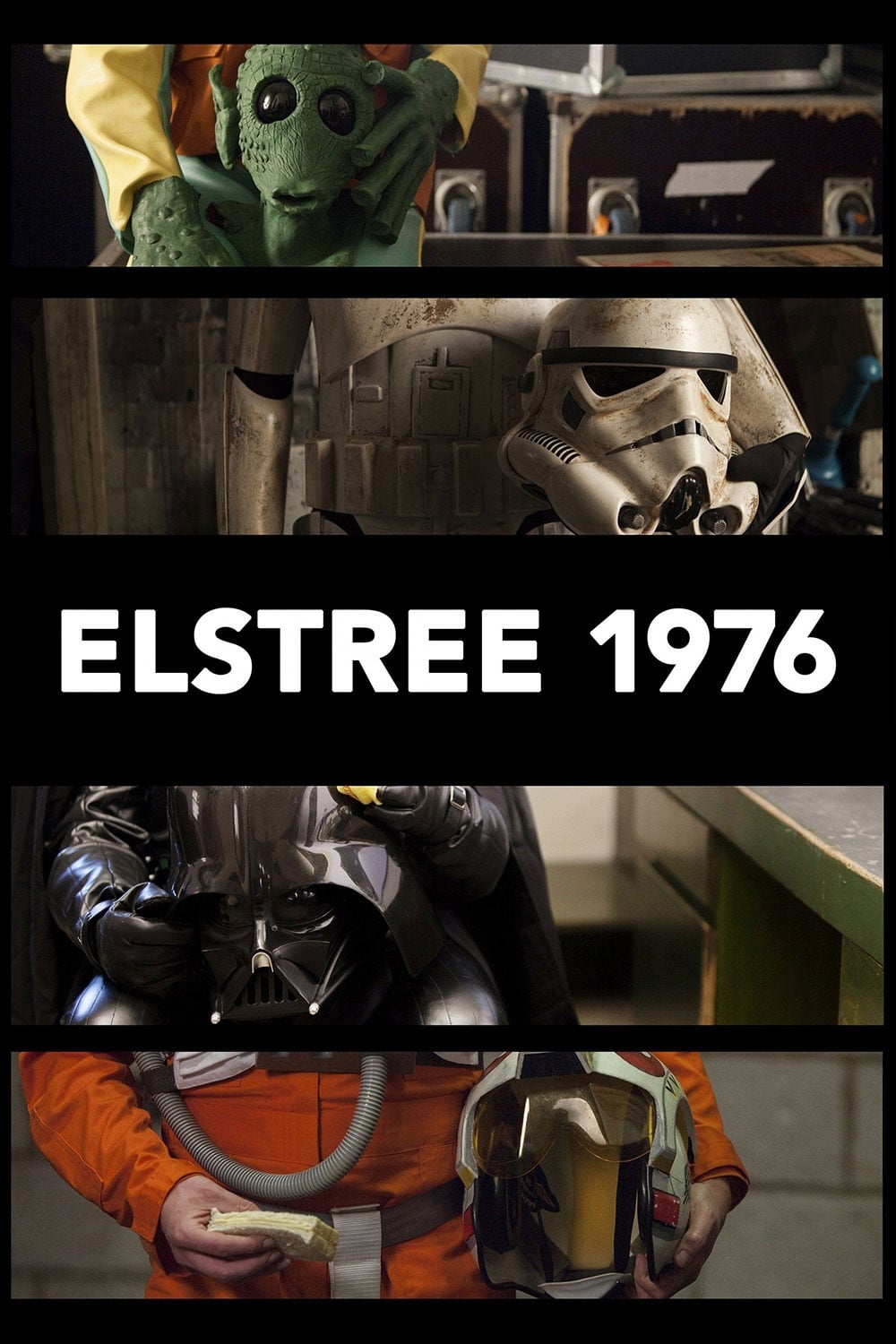
A documentary about ten very different lives connected by having appeared onscreen wearing masks or helmets in Star Wars.
This character-driven film considers the evolving sex trafficking landscape as seen by the main players: the exploited, the pimps, the johns that fuel the business, and the cops who fight to stop it.
A documentary about the life and films of director John Ford.
Behind-the-scenes documentary about how Lionel Messi succeeded in lifting the World Cup – the only trophy to have eluded him in an incredible career.
The Captains is a feature-length documentary film written and directed by William Shatner. The film follows Shatner as he interviews the other actors who have portrayed starship captains in the Star Trek franchise.
Through deeply personal interviews with her siblings and an examination of the photographs, letters, and belongings left behind, Mariska assembles a new portrait of her mother Jayne Mansfield, an extraordinary and complex woman.
This revealing documentary honors the legendary Sidney Poitier—iconic actor, filmmaker, and civil rights activist. Featuring interviews with Denzel Washington, Spike Lee, Halle Berry, and more.
When Allied forces liberated the Nazi concentration camps in 1944-45, their terrible discoveries were recorded by army and newsreel cameramen, revealing for the first time the full horror of what had happened. Making use of British, Soviet and American footage, the Ministry of Information’s Sidney Bernstein (later founder of Granada Television) aimed to create a documentary that would provide lasting, undeniable evidence of the Nazis’ unspeakable crimes. He commissioned a wealth of British talent, including editor Stewart McAllister, writer and future cabinet minister Richard Crossman – and, as treatment advisor, his friend Alfred Hitchcock. Yet, despite initial support from the British and US Governments, the film was shelved, and only now, 70 years on, has it been restored and completed by Imperial War Museums under its original title "German Concentration Camps Factual Survey".
A documentary on the expletive's origin, why it offends some people so deeply, and what can be gained from its use.
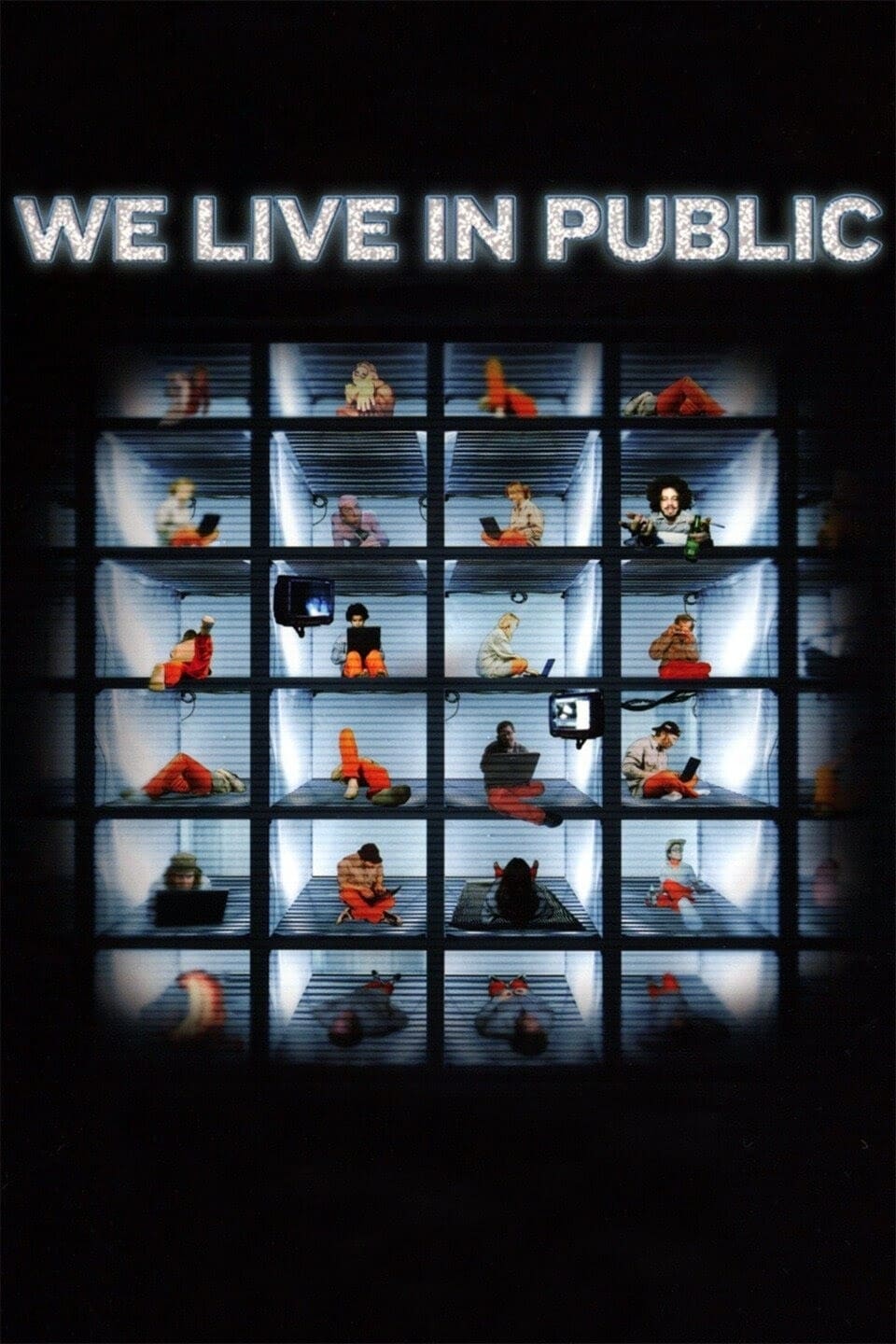
In 1999, Internet entrepreneur Josh Harris recruits dozens of young men and women who agree to live in underground apartments for weeks at a time while their every movement is broadcast online. Soon, Harris and his girlfriend embark on their own subterranean adventure, with cameras streaming live footage of their meals, arguments, bedroom activities, and bathroom habits. This documentary explores the role of technology in our lives, as it charts the fragile nature of dot-com economy.
A look at the origins, history and conspiracies behind the "Majestic 12", a clandestine group of military and corporate figureheads charged with reverse-engineering extraterrestrial technology.
SEDUCED AND ABANDONED combines acting legend Alec Baldwin with director James Toback as they lead us on a troublesome and often hilarious journey of raising financing for their next feature film. Moving from director to financier to star actor, the two players provide us with a unique look behind the curtain at the world's biggest and most glamourous film festival, shining a light on the bitter-sweet relationship filmmakers have with Cannes and the film business. Featuring insights from directors Martin Scorsese, 'Bernando Bertolucci' and Roman Polanski; actors Ryan Gosling and Jessica Chastain and a host of film distribution luminaries.
A documentary focused on plastic pollution in the world's oceans.
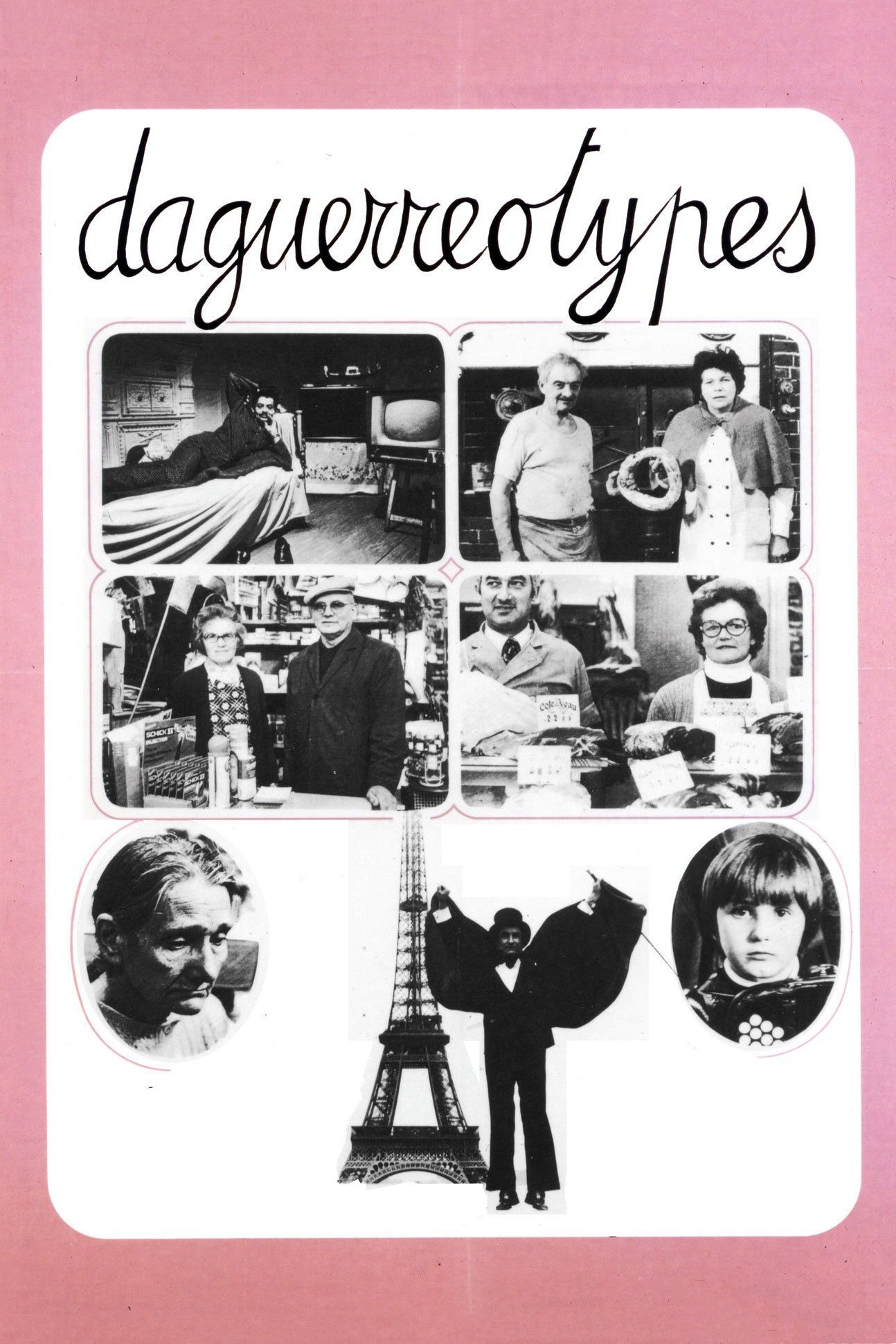
An intimate portrait of the small shops and shopkeepers of the Rue Daguerre in Paris, a picturesque street that has been the filmmaker’s home for more than 50 years.
Unravel the case of Utah therapist Jodi Hildebrandt, whose child abuse arrest with parenting YouTuber Ruby Franke exposed a twisted tale of manipulation.
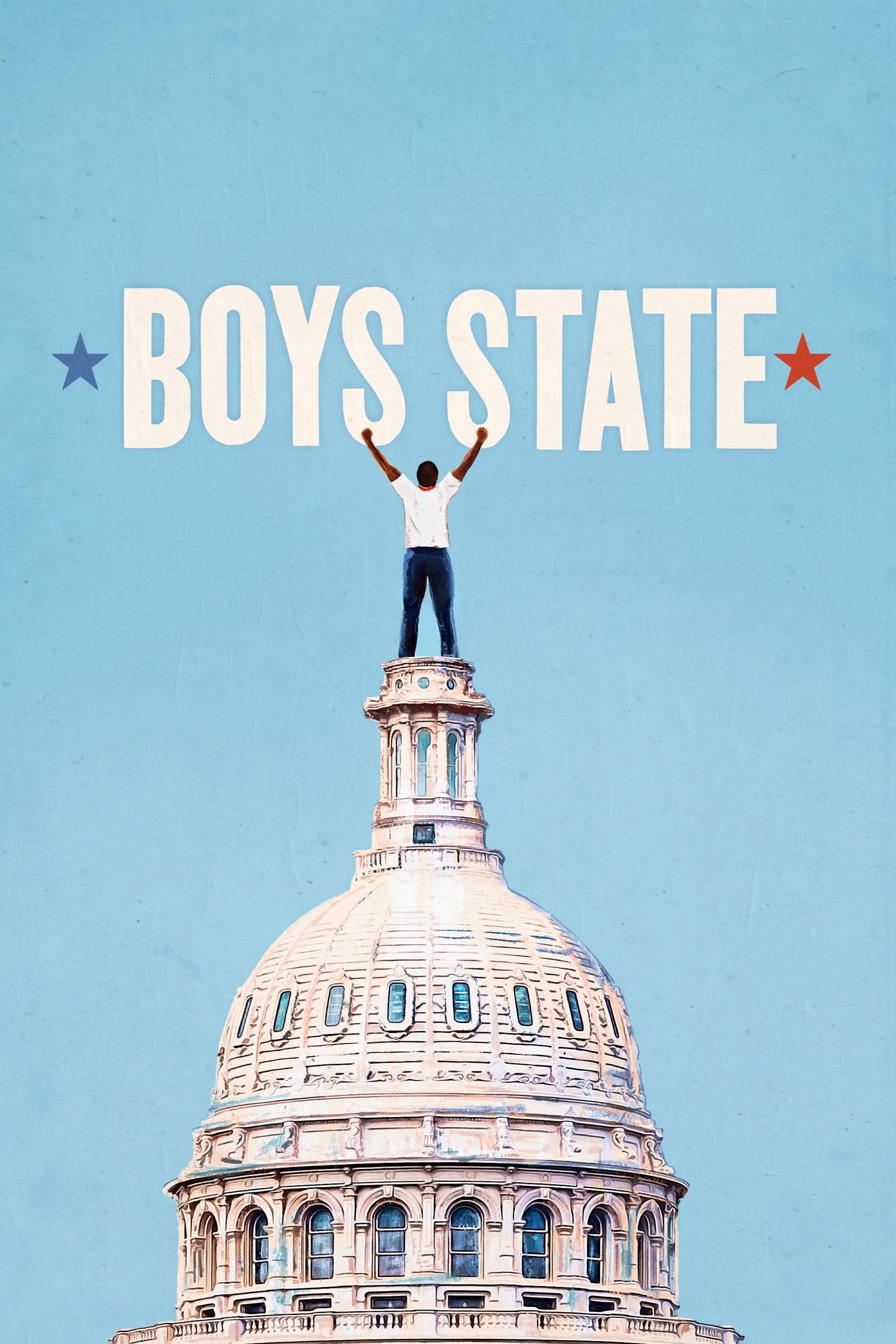
This raucous journey into the heart of democracy captures an unusual rite of passage: 1,100 teenage boys from across Texas coming together to build a representative government from the ground up.