Social & External
The people behind it
Five residents of a tiny village in Catalonia decide to make a report on the drought it is suffering from. A group of young filmmakers accompany them for a day.
160 meters is the distance between the two banks of the estuary of Bilbao. An economic, social and cultural approach at two ways of looking at life.
For those who electrical sensitivity, there aren’t many places to seek refuge. In a remote part of West Virginia, the so-called National Radio Quiet Zone offers one such escape.
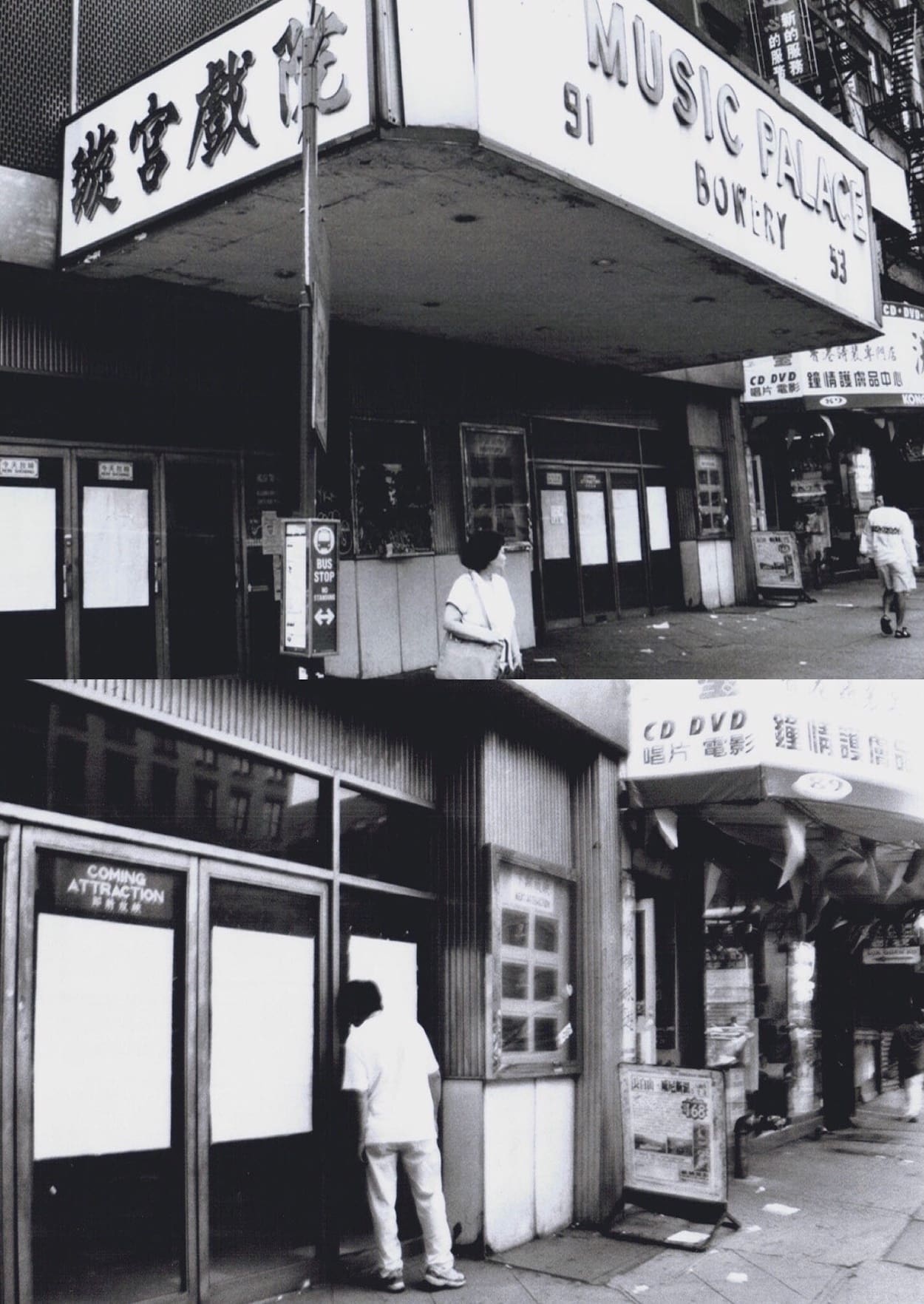
Previously a central part of communal life, the movie palaces of New York’s Chinatown are now extinct. This documentary short takes us inside the title theater located on the Bowery, as it’s about to close its doors, with its caretakers ruefully looking back at the life that once was. Eric Lin’s poignant first film serves as a glimpse into the usually private—and, according to the Music Palace’s projectionist, “lonely”—operations of a theater, and mourns the loss of a once-vital movie-going locale.
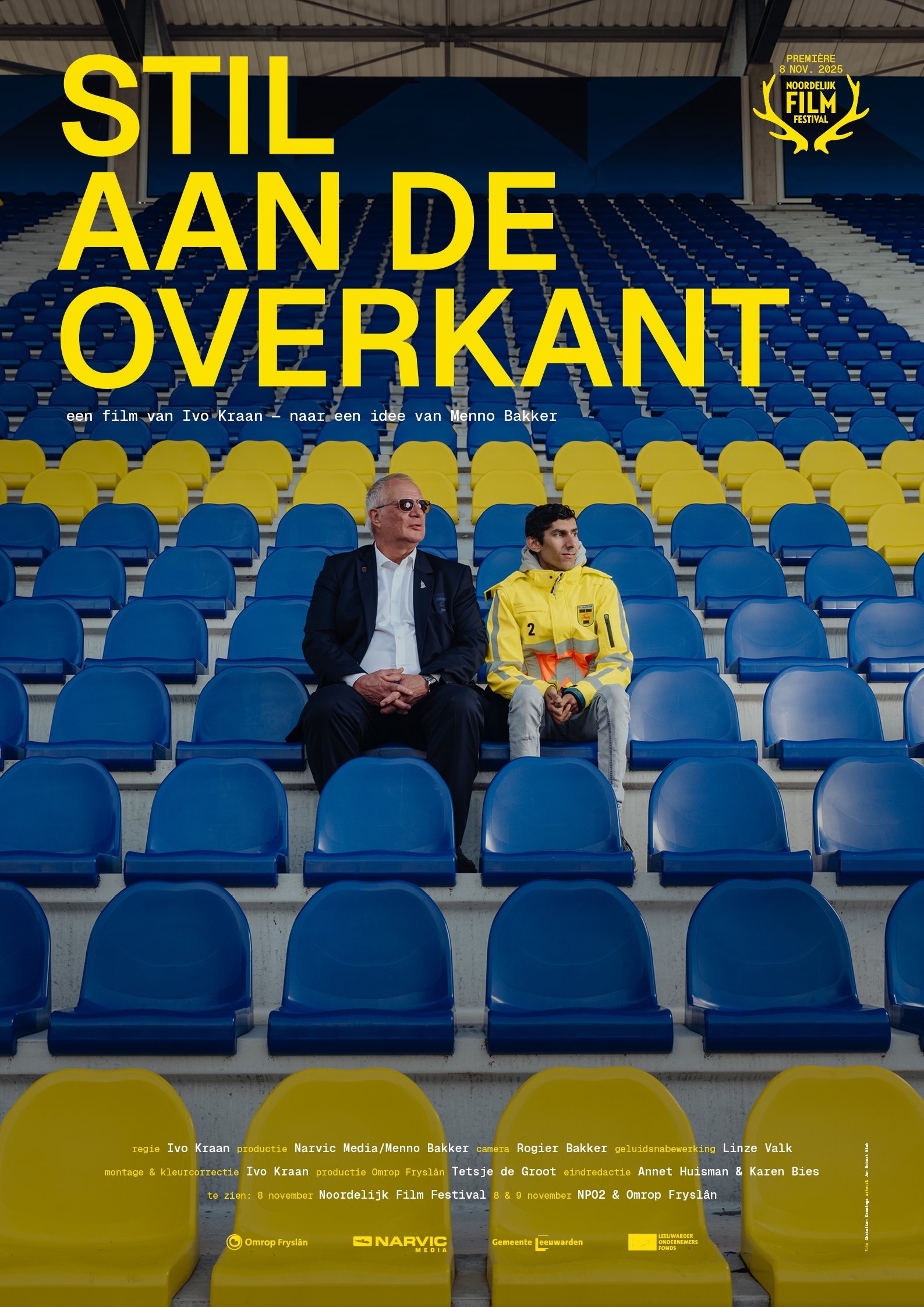
In the 2024/2025 season, a new era begins for SC Cambuur with the opening of a brand-new stadium on the outskirts of Leeuwarden. Behind the scenes, it’s a transitional year full of contrasts, as work continues in the old stadium. Stil aan de overkant follows two volunteers: Jan, a veteran who feels pushed to the sidelines, and Remy, a young volunteer full of opportunity in a time of transition.
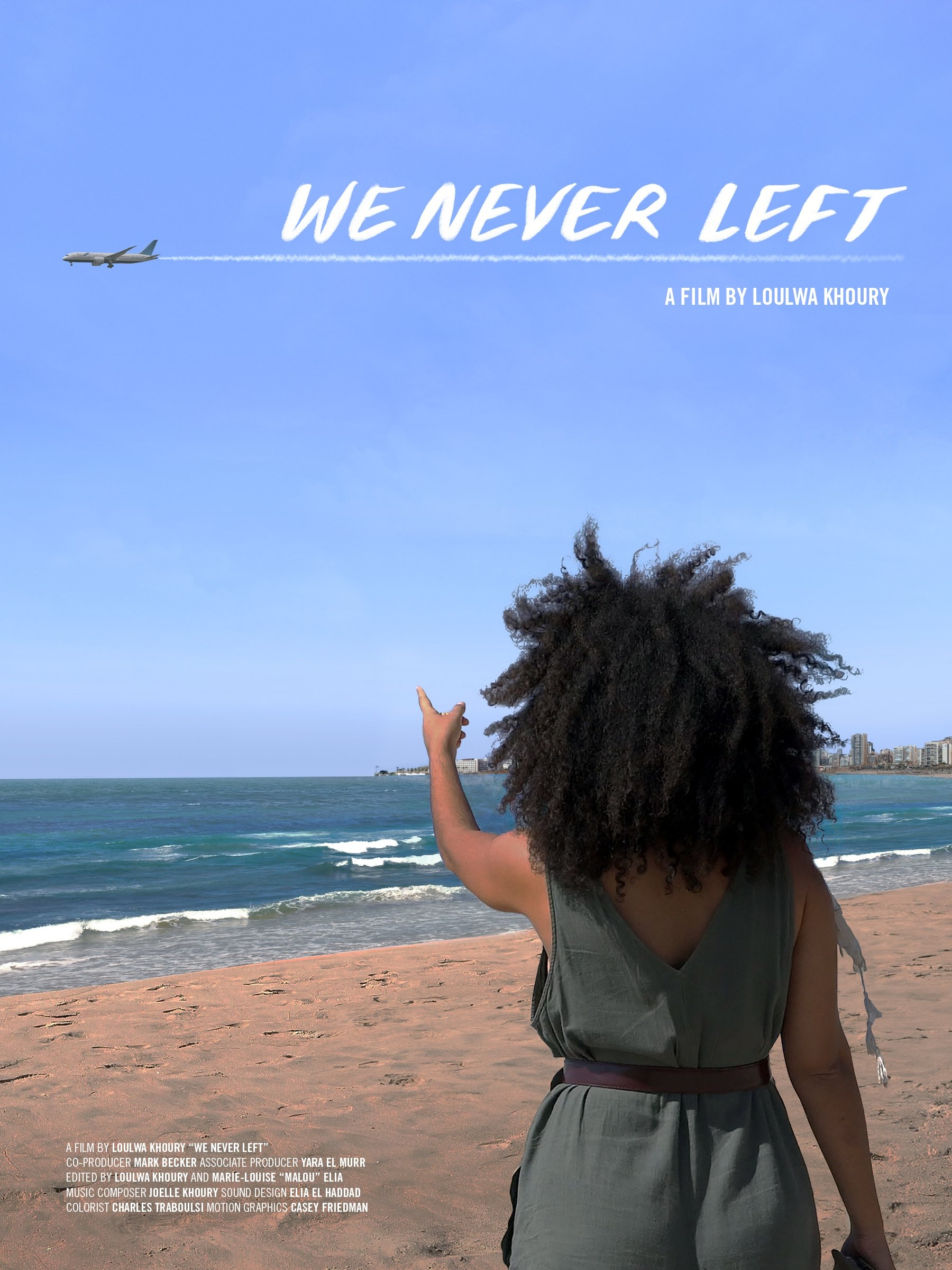
Set during the Lebanese revolution, WE NEVER LEFT portrays a heart-wrenching duality between Beirut and New York, an impassioned testament to the Lebanese diaspora’s unrequited but irrepressible love for their homeland.
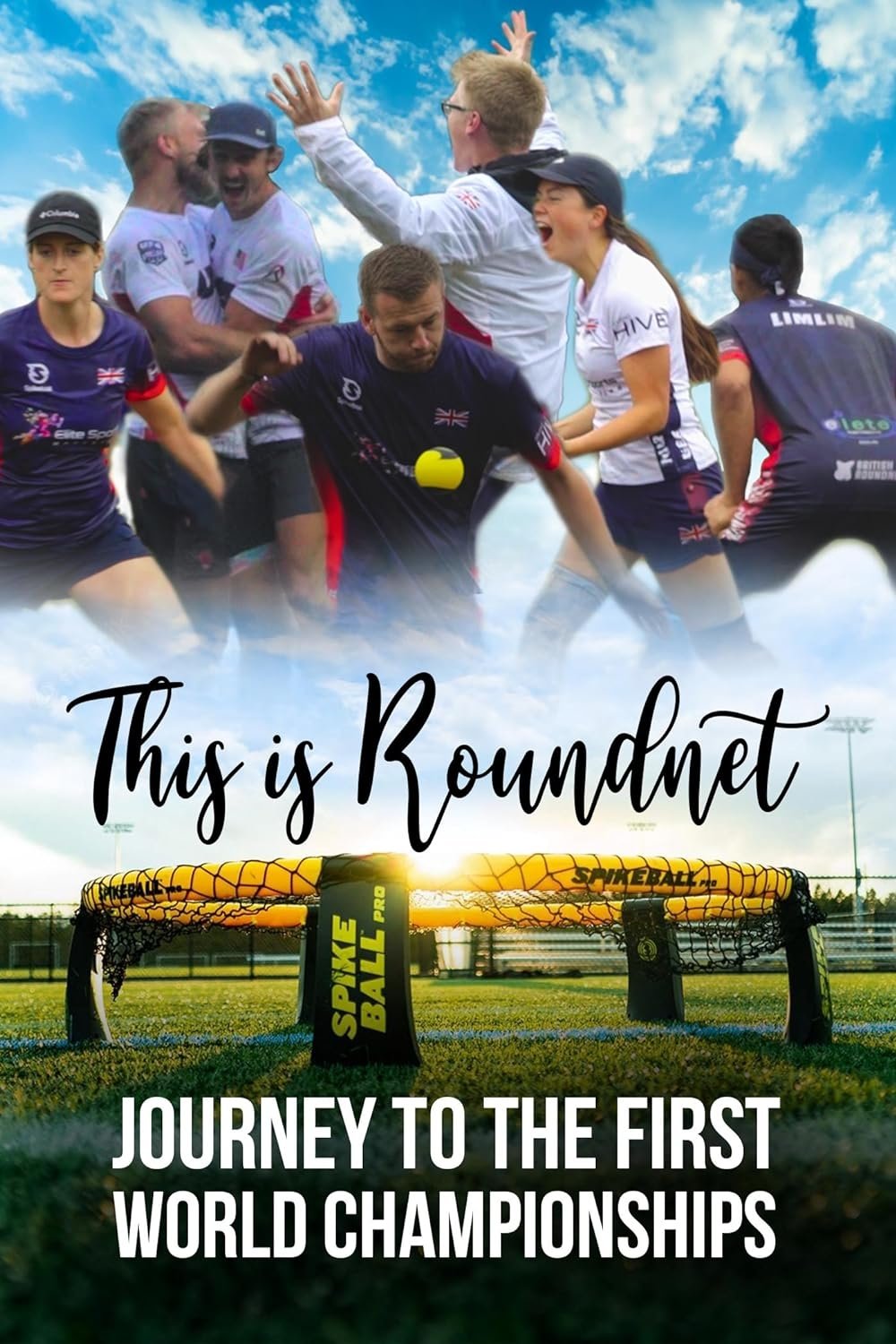
This is a documentary that follows a group of friends as they see what it takes to play at the first ever Roundnet World Championships. Showcasing Roundnet as a sport on the rise as well as the incredible community behind the weird and wonderful game.
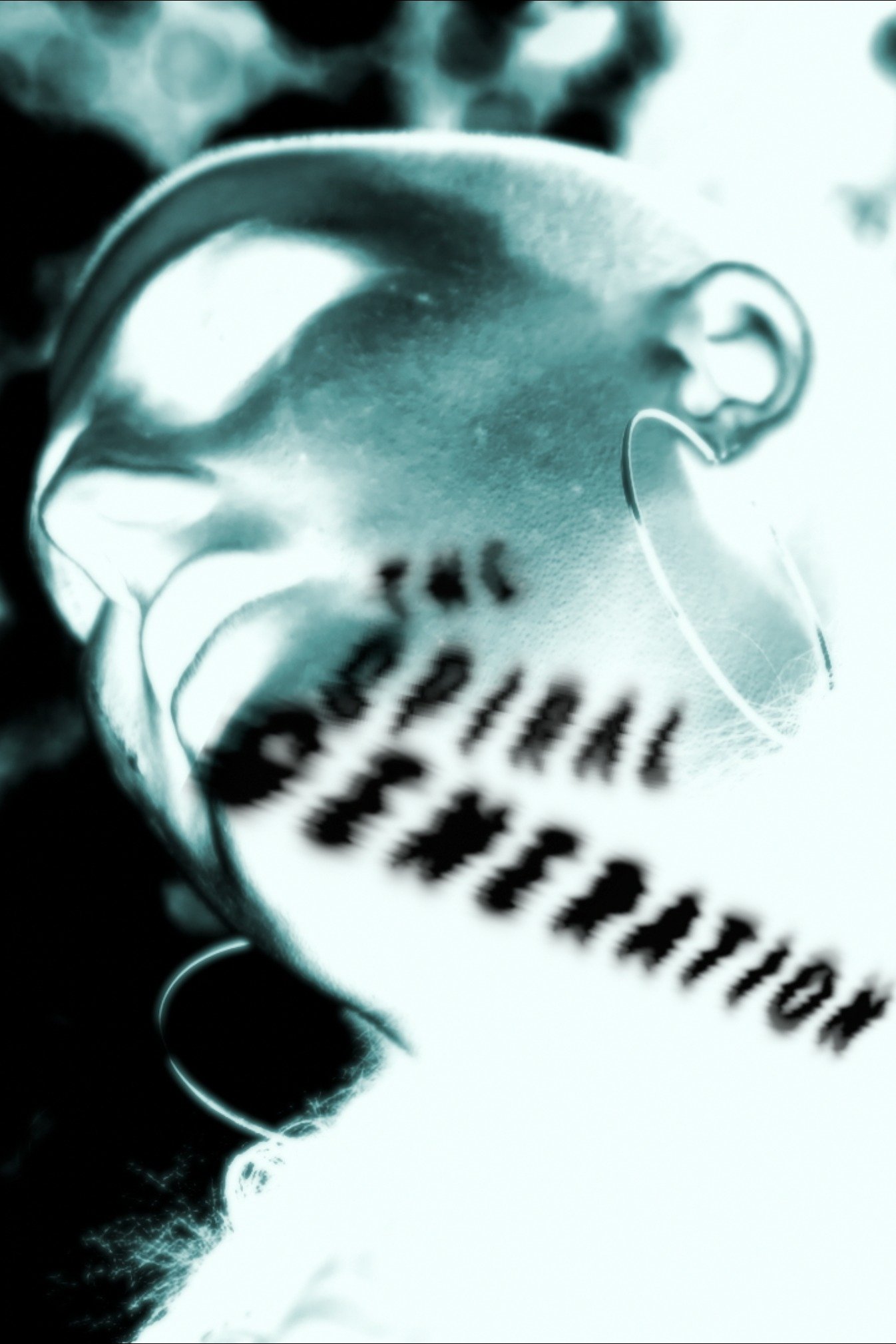
A significant group of trans and queer artists gather to mourn the loss of their friend – Indigo, AKA Spiral – to suicide.
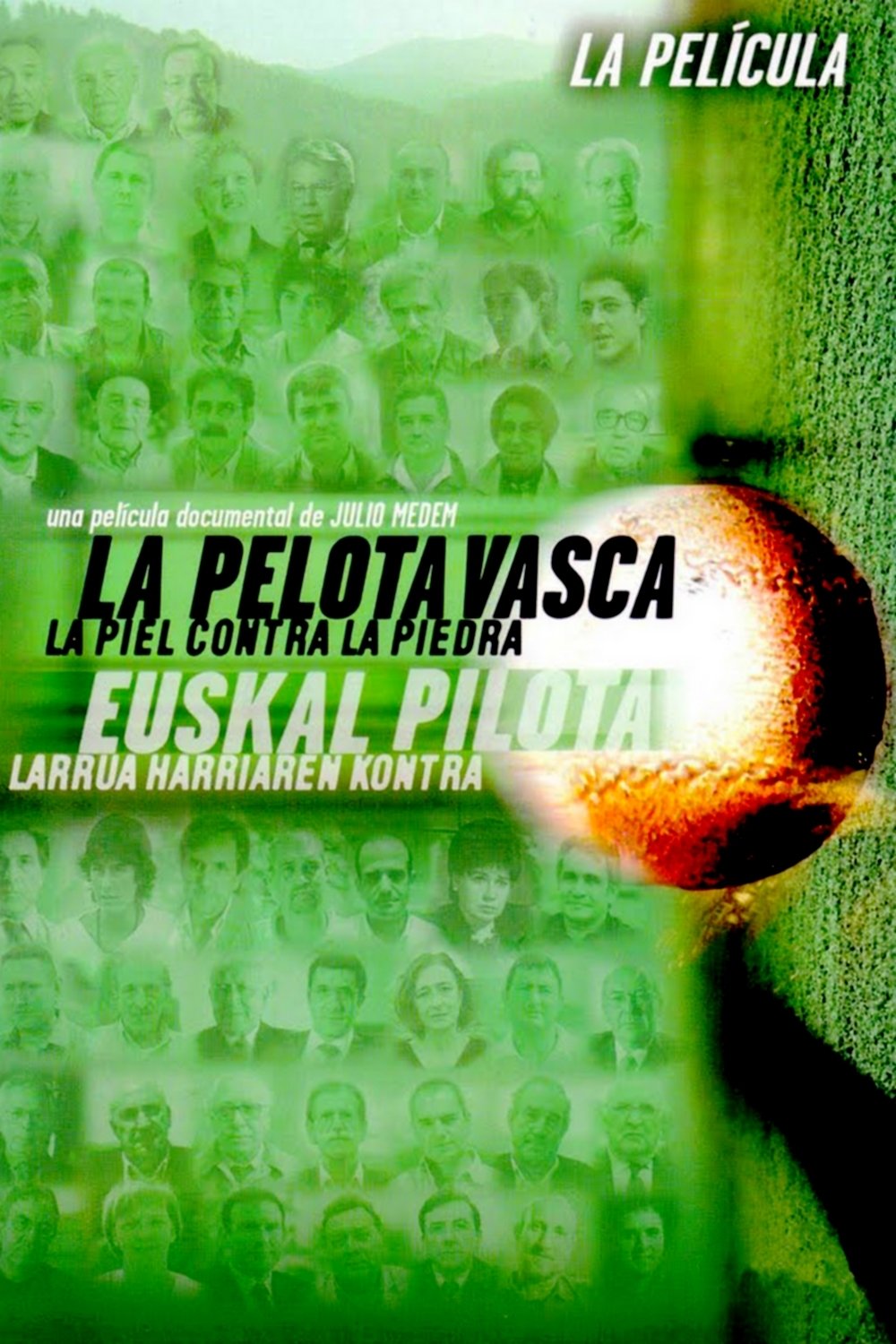
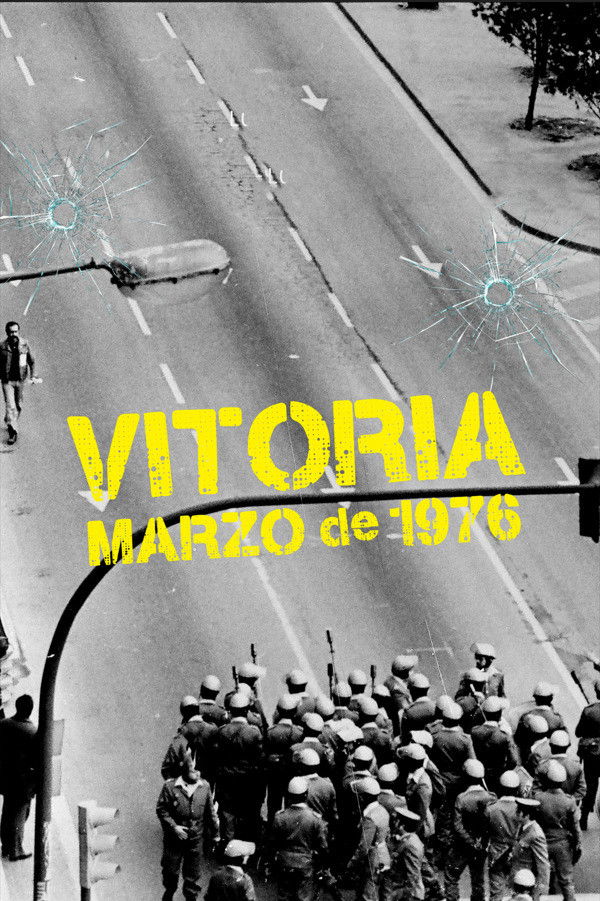
An attempt to create a bridge between the different political positions that coexist, sometimes violently, in the Basque Country, in northern Spain.
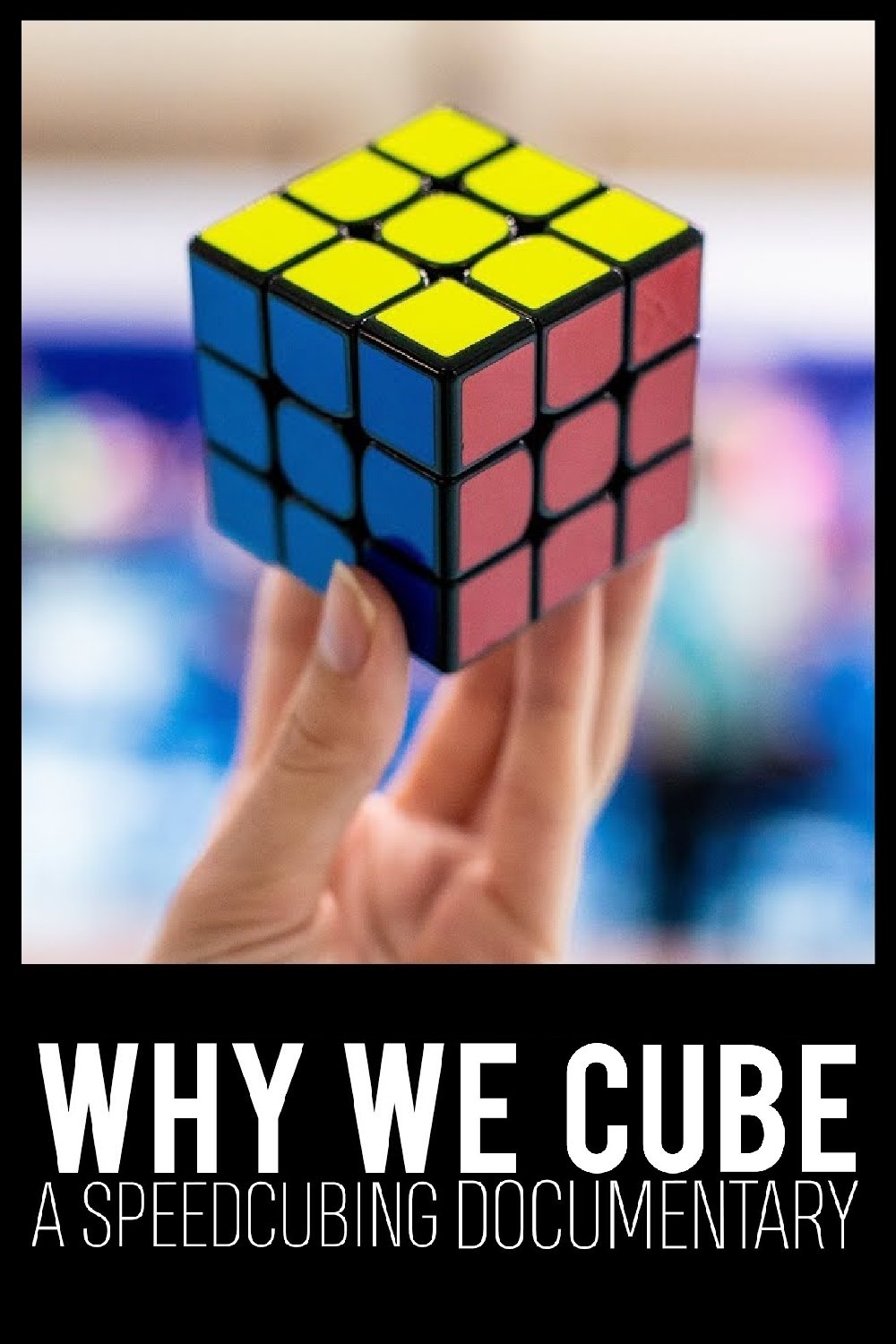
Speedcubing is a sport where the goal is to solve a twisty puzzle as fast as possible. Alongside this emerging sport, a community full of diverse and driven individuals is steadily growing. It is impacting the next generation of youth and teaching them valuable life skills.
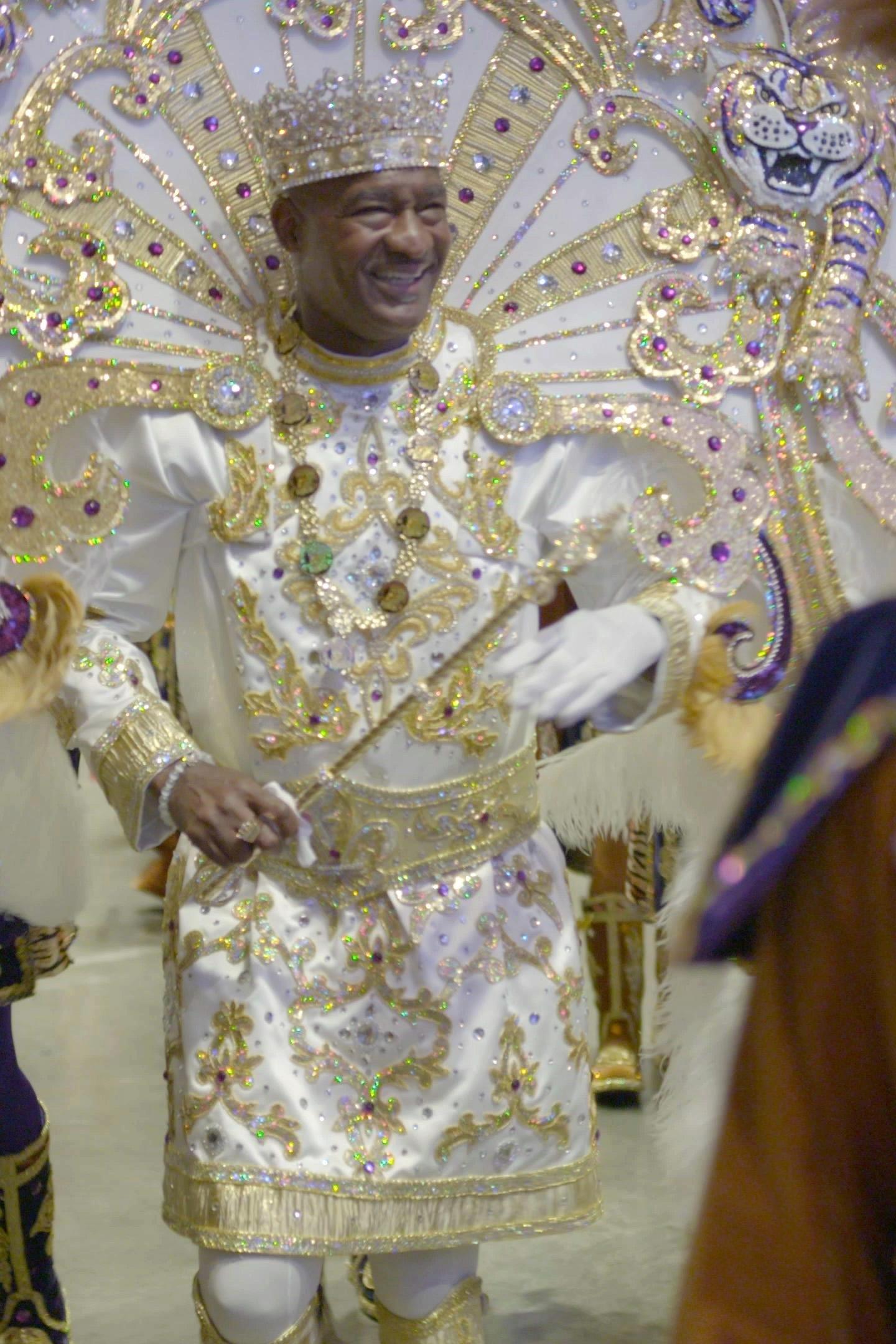
Follows members of the Zulu Club, New Orleans’ first Black Mardi Gras, as they work to bring the Zulu parade back to the streets for Mardi Gras Day 2022, in the face of a global pandemic, hurricane Ida and the loss of members due to COVID and gun violence.
Who owns the public space? Urban Contradictions documents the State's poorly planned interventions in public spaces, segregating social strata, the neglect of the problems resulting from this social exclusion. Condomínio Selva de Pedra, Cruzada São Sebastião, both in the upscale neighborhood of Leblon, Rio de Janeiro. And the traditional neighborhood of Catumbi: Solutions, Organizations and Contradictions. Urban Contradictions is the report of an investigation on citizen identity and the use of urban spaces.
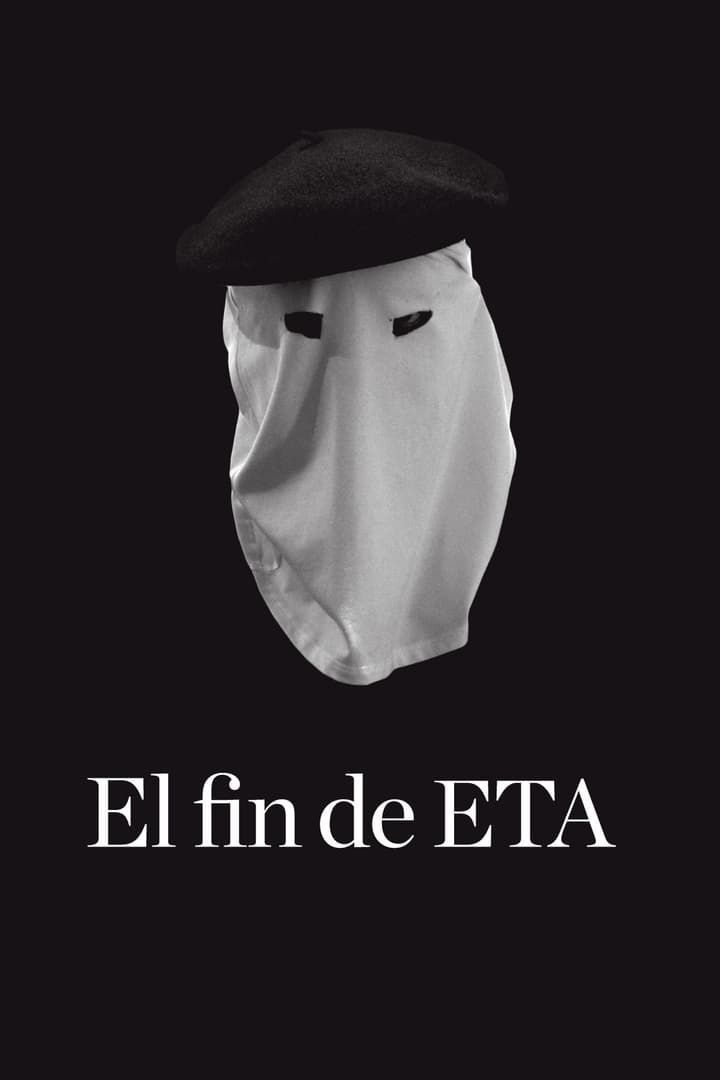
The chronicle of the process, ten long years, that led to the end of ETA (Euskadi Ta Askatasuna), a Basque terrorist gang that perpetrated robberies, kidnappings and murders in Spain and the French Basque Country for more than fifty years. Almost 1,000 people died, but others are still alive to tell the story of how the nightmare finally ended.
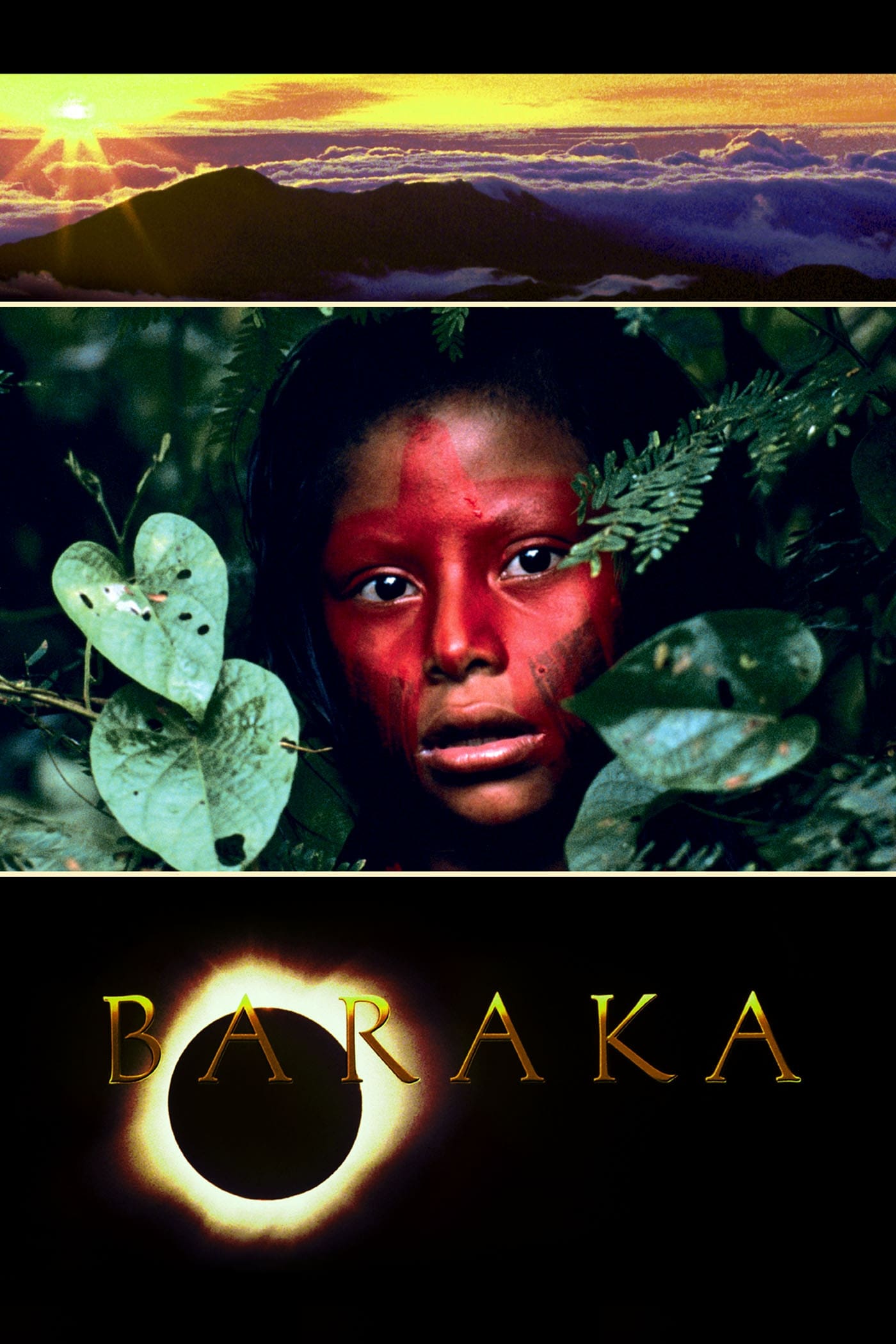
A paralysingly beautiful documentary with a global vision—an odyssey through landscape and time—that attempts to capture the essence of life.
Blackout is a short, animated documentary about the 2003 power failure in much of the eastern seaboard of the U.S and Canada for up to 4 days.
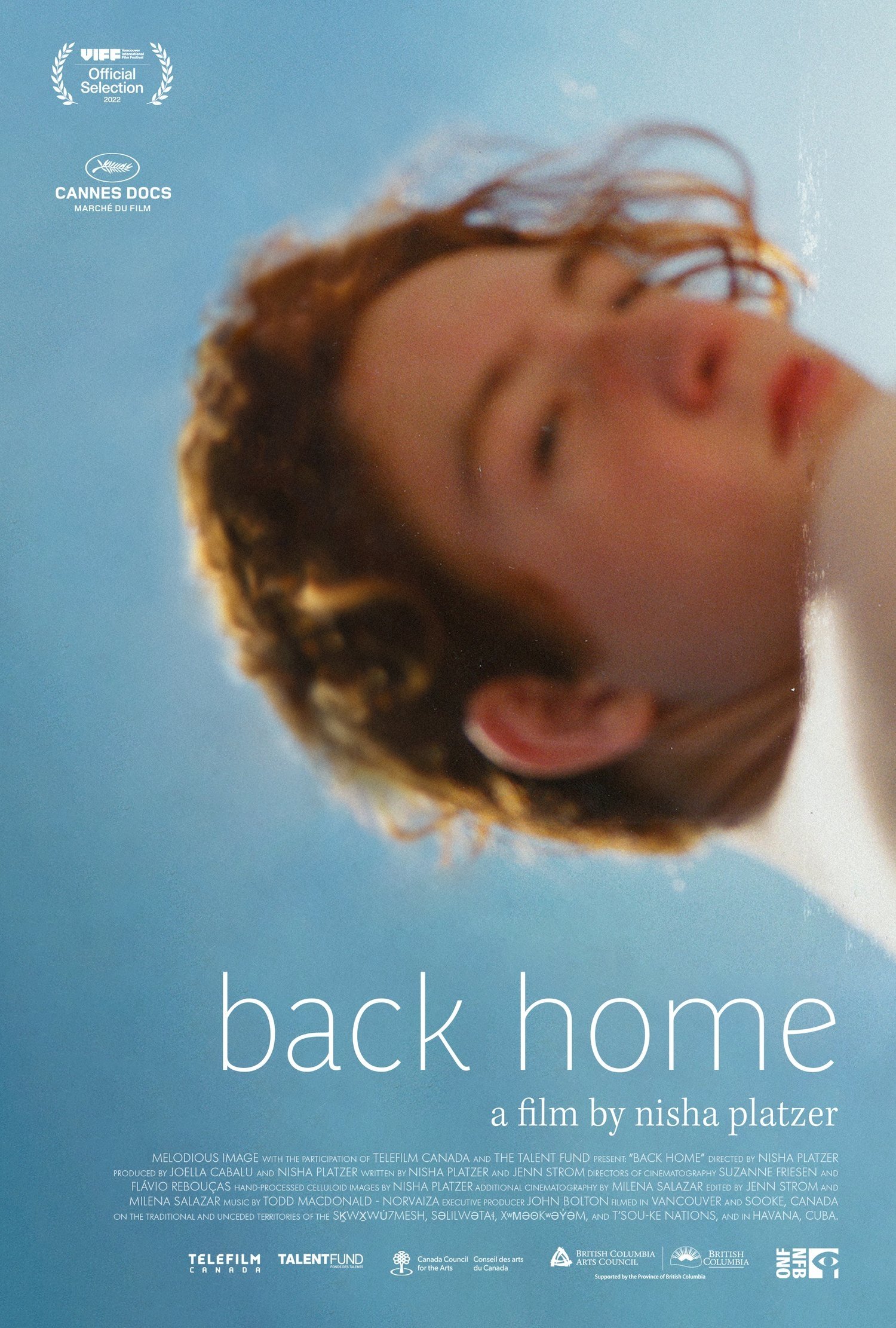
In 1999, 11-year-old Nisha Platzer lost her older brother, Josh, to suicide. Twenty years later, her search for a specialized medical treatment leads her to the door of someone who was once exceptionally close to Josh. And so it is that she finally has the chance to truly know her brother through his chosen family. Captured over five years in which synchronicities continually manifested, Platzer’s documentation of these encounters gently asserts that both grieving and healing are meant to be communal experiences.
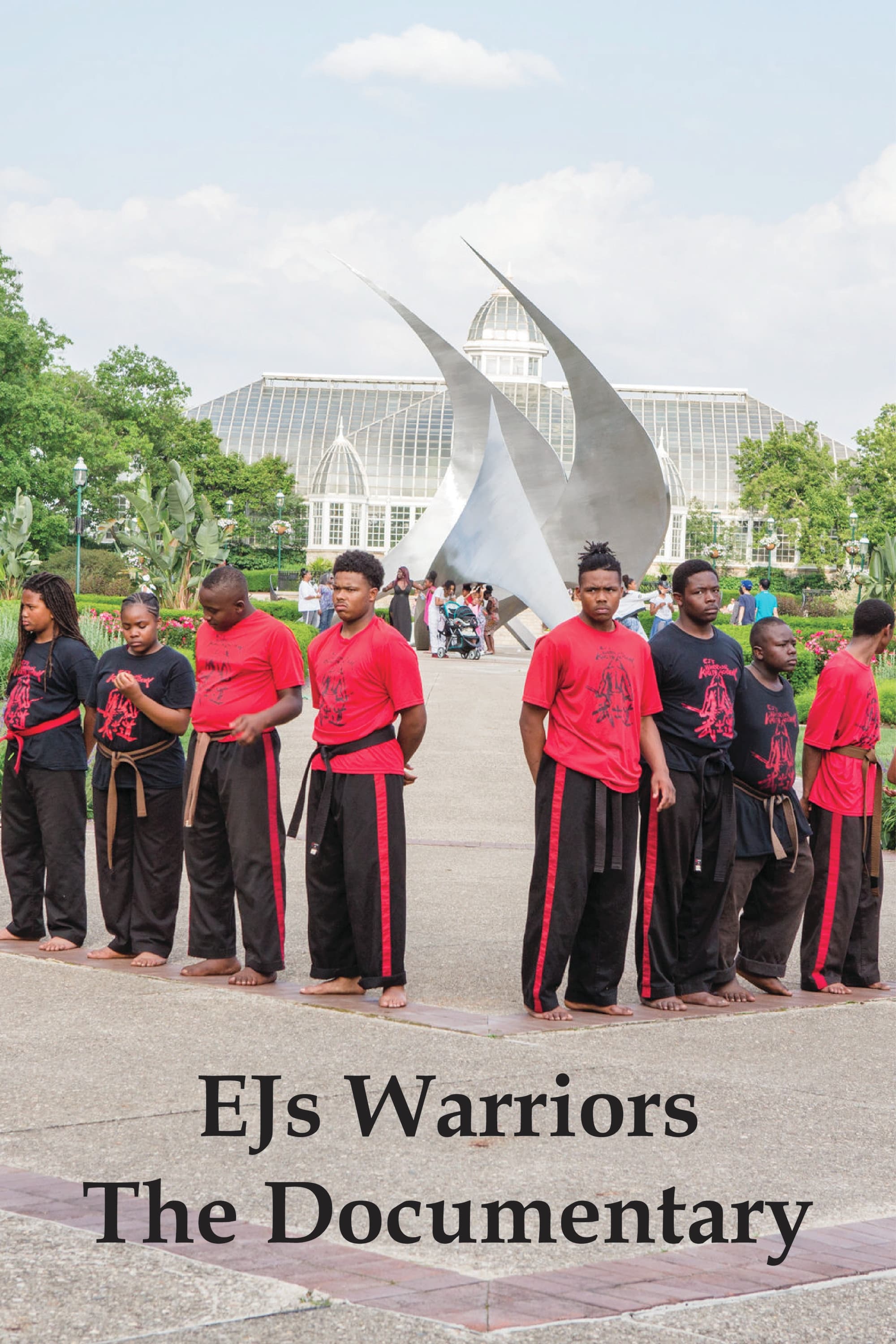
After turning his life around, Sensei EJ creates Warriors Karate Academy in the basement of Greater Glory Ministries in Columbus, Ohio. A summer school is created and the school quickly grows outside of the church and becomes involved in the community.
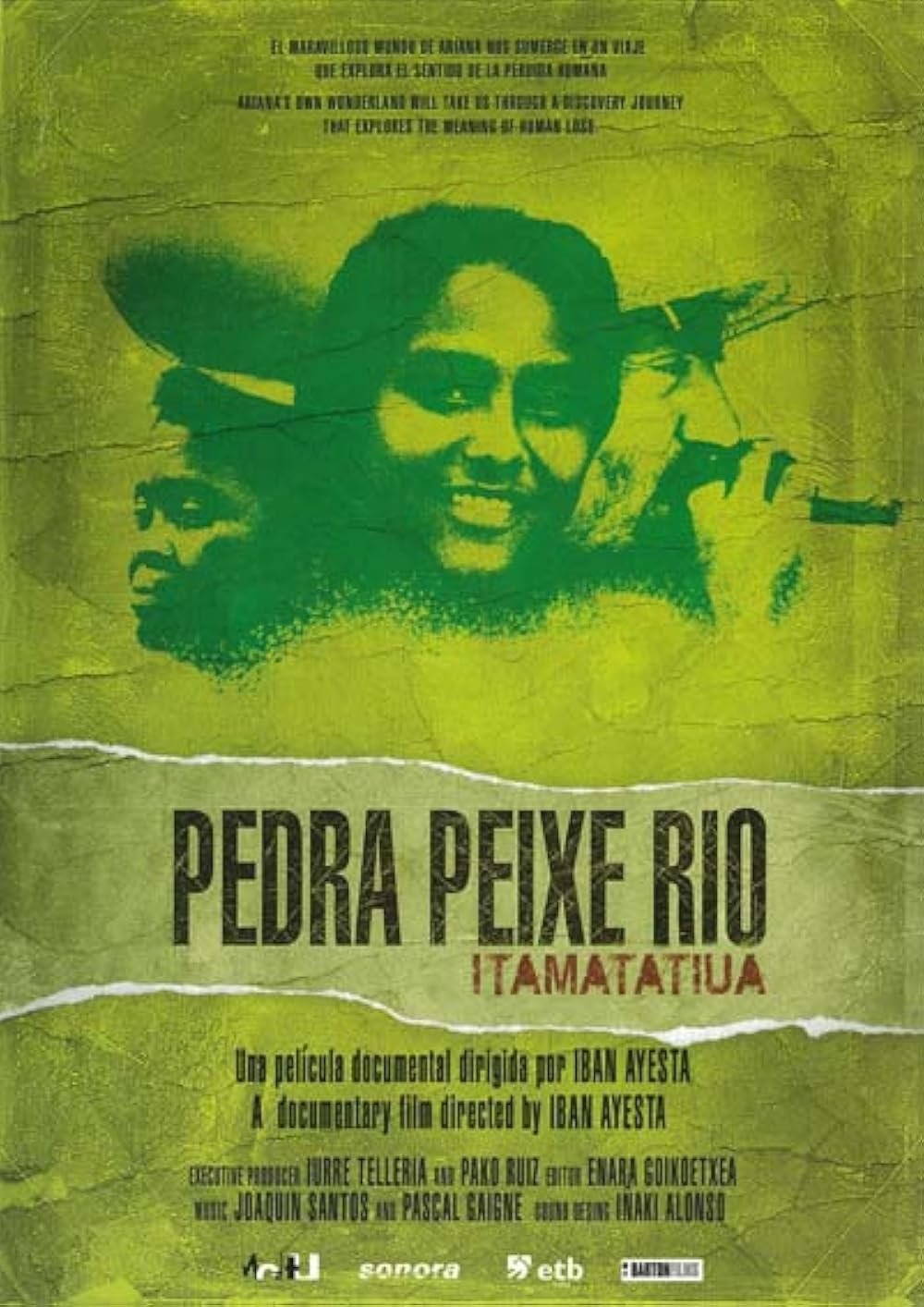
A film that explores the space of intimacy shared by three people who live under the same roof. Ariana, an eight-year-old foster girl from the city of Sao Luis, Iban, an anthropologist of European origin who intends to make a documentary film, and Doña Eloisa, a native woman from Itamatatiua who works in ceramics. The members of this kind of family in transit find in common a feeling that binds them intimately: the feeling of loss. Ariana, Doña Eloisa and Iban have lived the experience of separation from their mothers. Human fragility will become the truth of their relationship, even more so after Sheyla's death.
Police bodycam footage reveals how a long-running neighborhood dispute turned fatal in this documentary about fear, prejudice and Stand Your Ground laws.
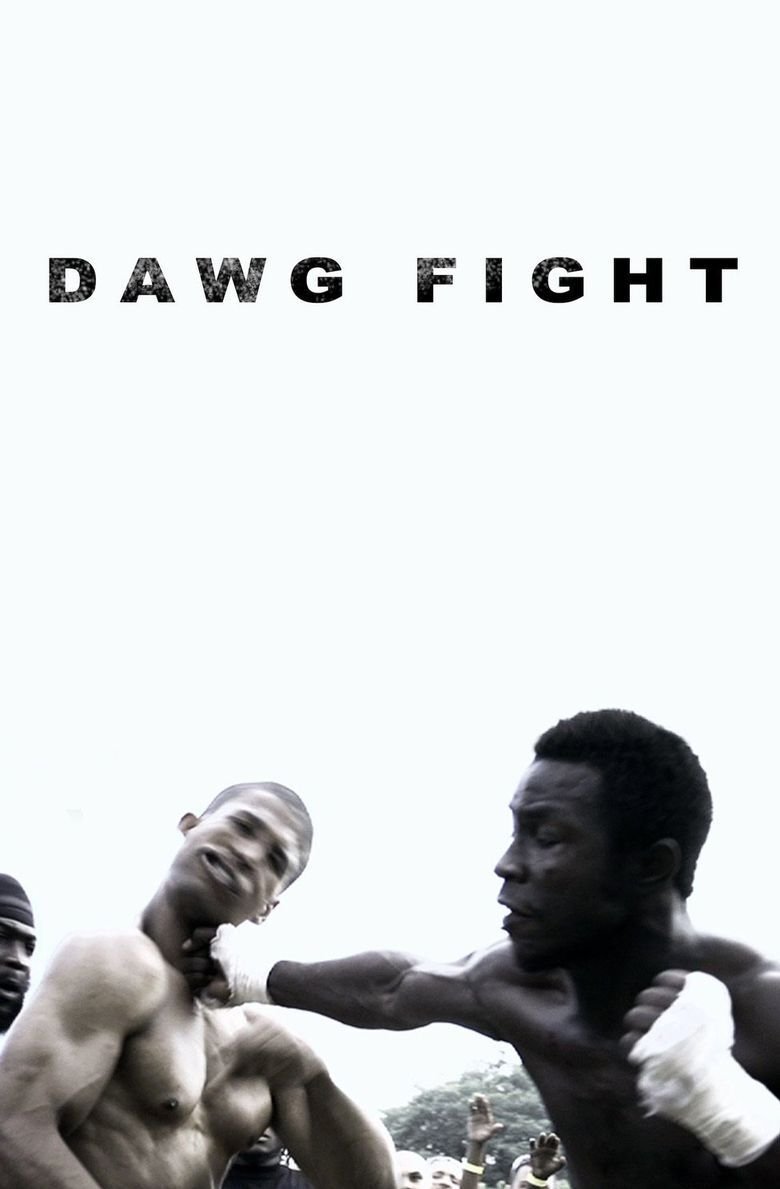
In a crime-plagued neighborhood near Miami, brutal, bare-knuckled backyard fights give young men a chance to earn money -- and self-respect.
Alexander McQueen's rags-to-riches story is a modern-day fairy tale, laced with the gothic. Mirroring the savage beauty, boldness and vivacity of his design, this documentary is an intimate revelation of McQueen's own world, both tortured and inspired, which celebrates a radical and mesmerizing genius of profound influence.
Over 35 years after Bob Lazar's revelations, this documentary exposes secrets of a facility the government still denies. Featuring Lazar's testimony, recreations, and new evidence, it reopens a case that continues to spark global curiosity
The film follows adventurer Jeff Johnson as he retraces the epic 1968 journey of his heroes Yvon Chouinard and Doug Tompkins to Patagonia.
In the Realms of the Unreal is a documentary about the reclusive Chicago-based artist Henry Darger. Henry Darger was so reclusive that when he died his neighbors were surprised to find a 15,145-page manuscript along with hundreds of paintings depicting The Story of the Vivian Girls, in What is Known as the Realms of the Unreal, of the Glodeco-Angelinnian War Storm, Cased by the Child Slave Rebellion.
Over the course of three seasons, the story of Luna, Matteo, Simón, Ámbar, and the rest of the Jam & Roller crew became a unique phenomenon thanks to its blend of music, romance, drama, and roller skating. The enormous success of the series was followed by several international tours, giving the cast the opportunity to meet their fans face to face. In this special program, the cast of Soy Luna performs live for the very last time at the legendary Luna Park stadium in Buenos Aires. We will get an inside look at the backstage experience and revisit the story of the series, from the first rehearsals, filming sessions, and tours to this incredible farewell.
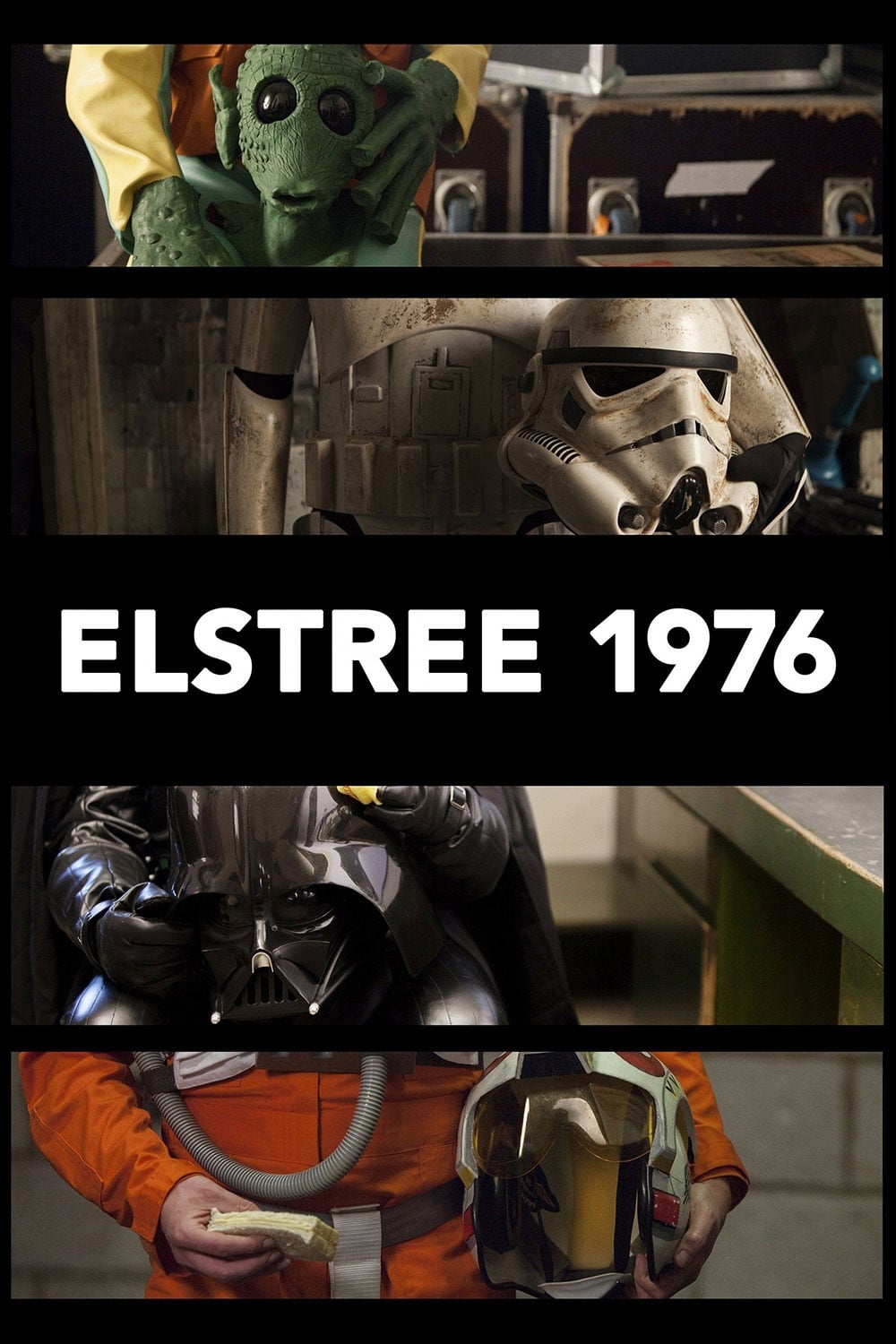
A documentary about ten very different lives connected by having appeared onscreen wearing masks or helmets in Star Wars.
Through deeply personal interviews with her siblings and an examination of the photographs, letters, and belongings left behind, Mariska assembles a new portrait of her mother Jayne Mansfield, an extraordinary and complex woman.
A detailing of the rise to prominence and global sporting superstardom of six supremely talented young Manchester United football players (David Beckham, Nicky Butt, Ryan Giggs, Paul Scholes, Phil and Gary Neville). The film covers the period 1992-1999, culminating in Manchester United's European Cup triumph.
An inside look at one of the most anticipated movie sequels ever with James Cameron and cast.
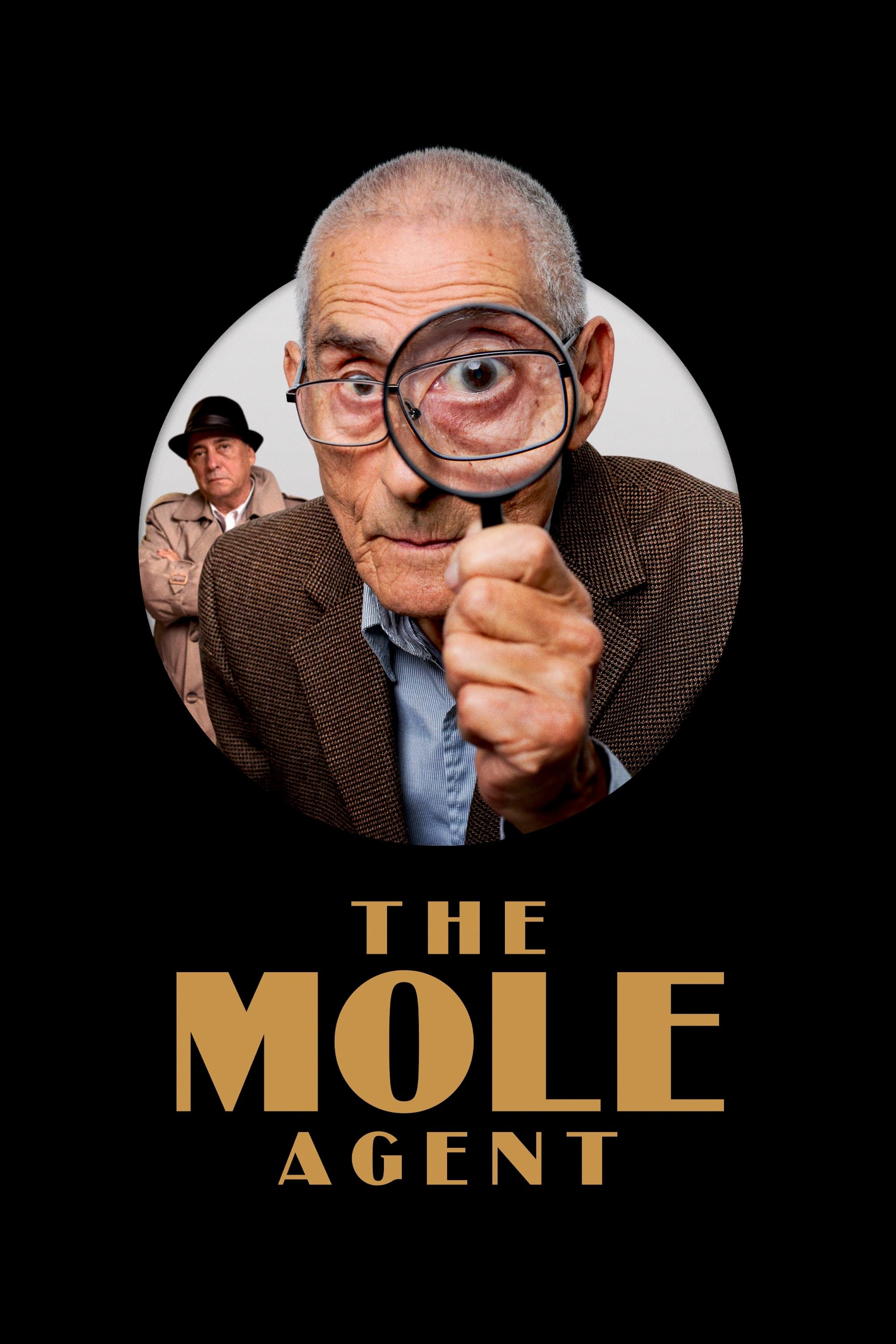
When a daughter becomes concerned about her mother's well-being in a retirement home, private investigator Romulo hires Sergio, an 83-year-old man who becomes a new resident—and a mole inside the home, who struggles to balance his assignment with becoming increasingly involved in the lives of several residents.
A documentary about the life and films of director John Ford.
A documentary about how a dominant cultural and demographic institution both sustains their traditional activities and adapts to the digital revolution.
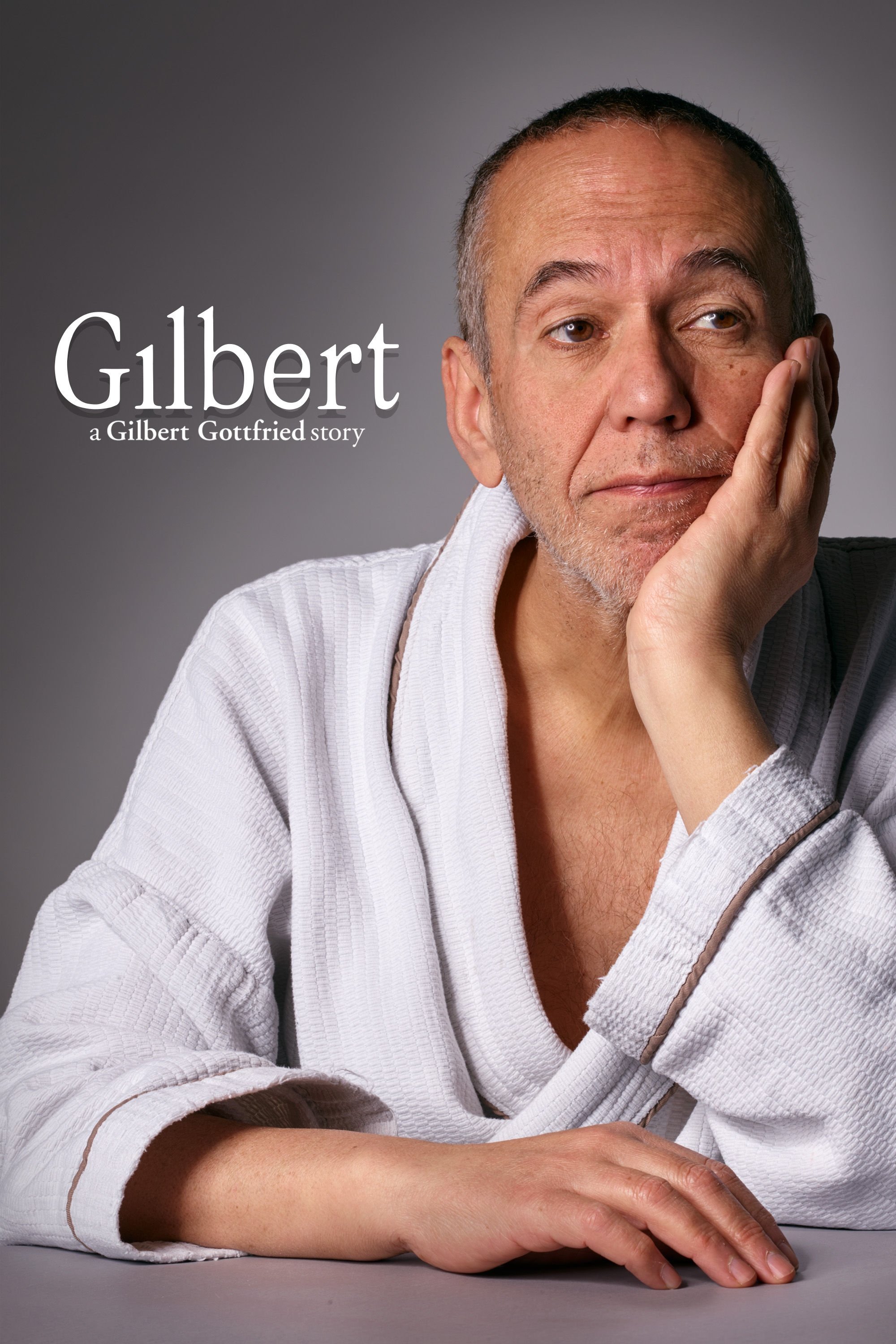
The life and career of one of comedy's most inimitable modern voices, Mr. Gilbert Gottfried.
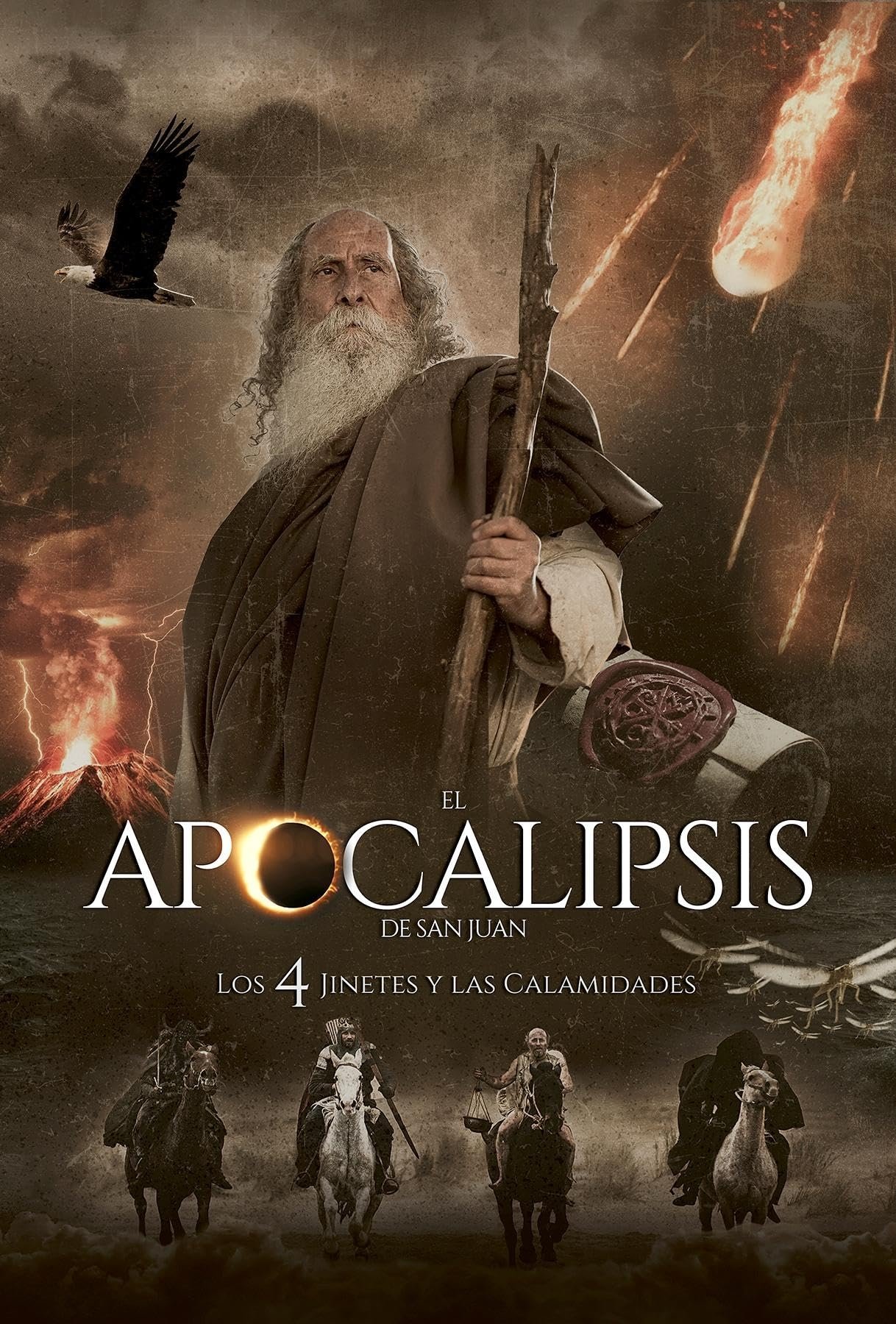
Embark on an epic journey through time and faith with 'The Apocalypse of Saint John.' Join the Apostle John in a stunning visual narrative that unravels the visions of the End Times. Experience each vision like never before, with striking visual effects and epic scenes that immerse you in the apocalyptic narrative.
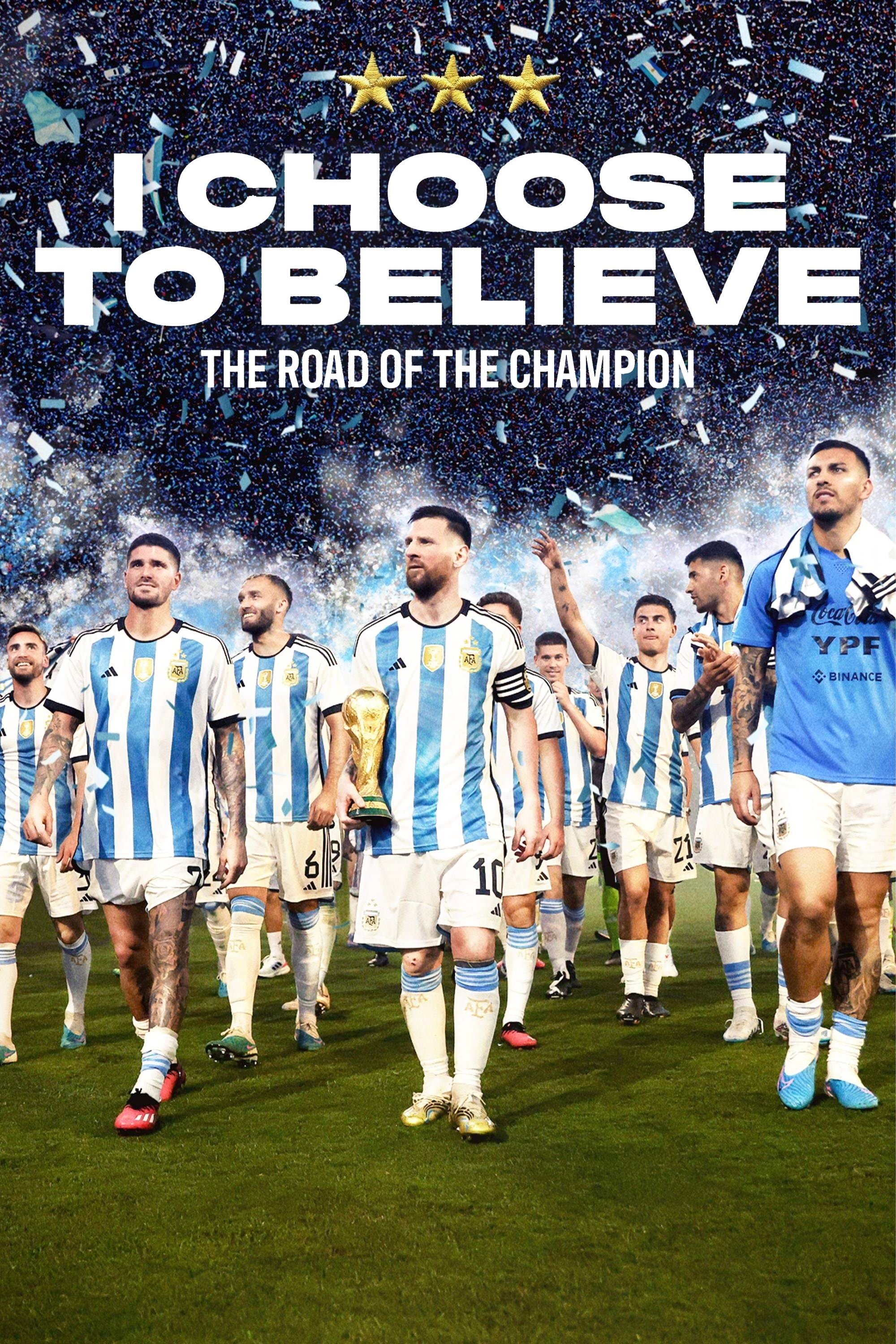
It narrates the epic title obtained by the Argentine National Team in the World Cup Qatar 2022 with testimonies of the protagonists, told from the intimacy and in first person.
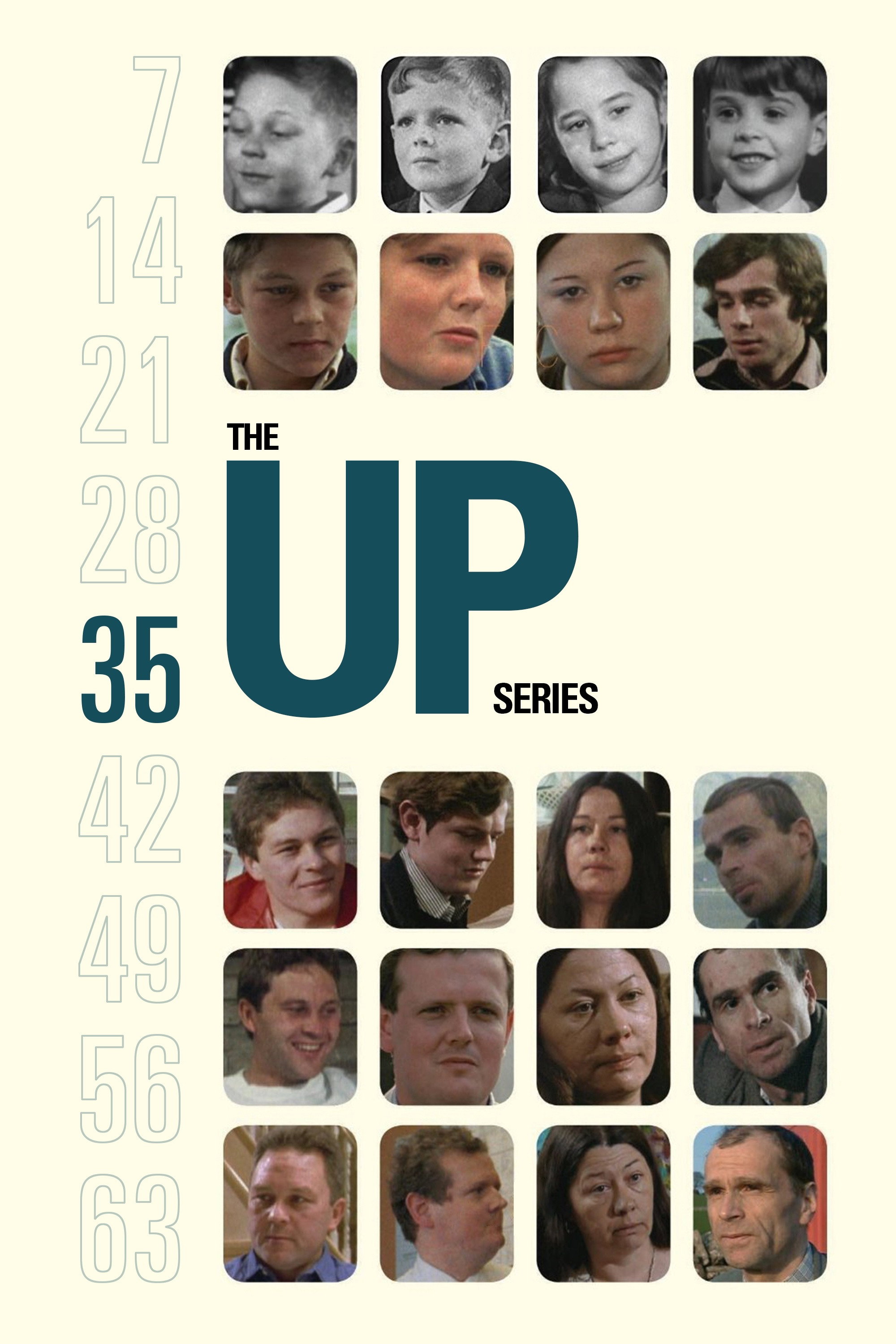
Director Michael Apted revisits the same group of British-born adults after a 7 year wait. The subjects are interviewed as to the changes that have occurred in their lives during the last seven years.
A string of threatening emails escalates into a revenge plot involving a newly married US marshal and his ex-girlfriend.
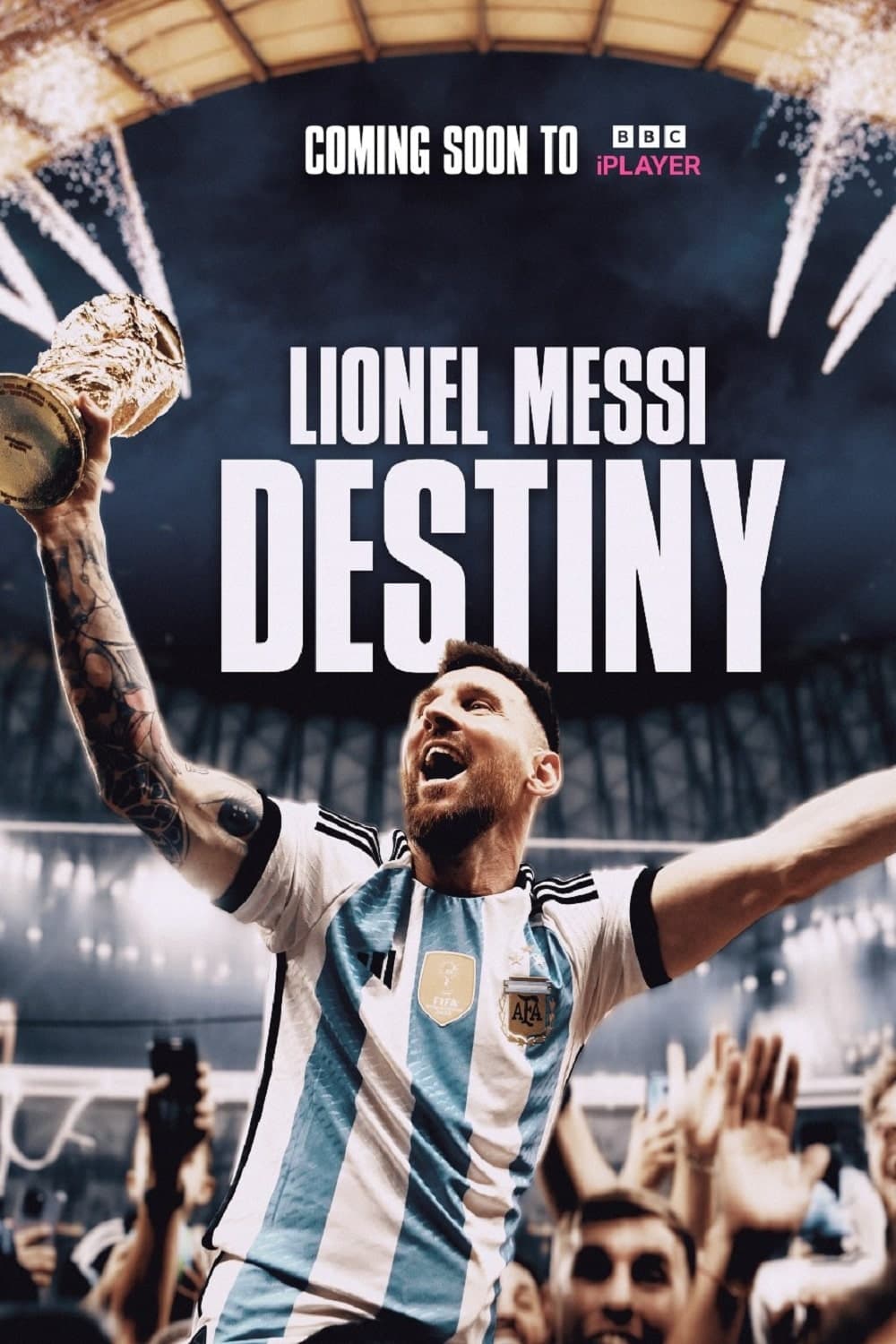
Behind-the-scenes documentary about how Lionel Messi succeeded in lifting the World Cup – the only trophy to have eluded him in an incredible career.
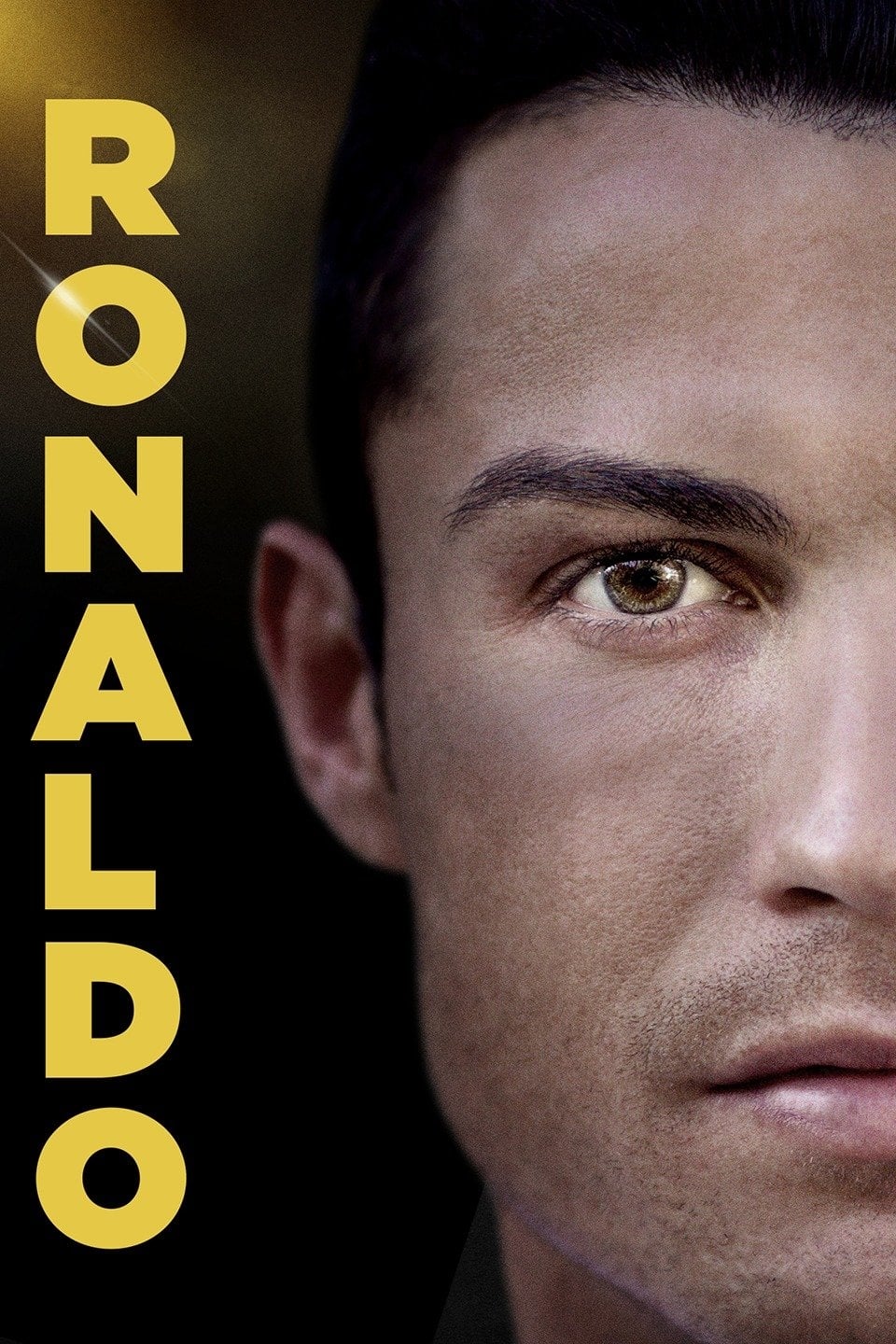
Filmed over 14 months with unprecedented access into the inner circle of the man and the sport, this is the first official and fully authorised film of one of the most celebrated figures in football. For the first time ever, the world gets vividly candid and un-paralleled, behind-closed-doors access to the footballer, father, family-man and friend in this moving & fascinating documentary. Through in-depth conversations, state of the art football footage and never before seen archival footage, the film gives an astonishing insight into the sporting and personal life of triple Ballon D'Or winner Cristiano Ronaldo at the peak of his career. From the makers of ‘Senna’ and ‘Amy’, Ronaldo takes audiences on an intimate and revealing journey of what it’s like to live as an iconic athlete in the eye of the storm.