The 1900 Paris World's Fair as seen from Trocadéro.
Social & External
The people behind it
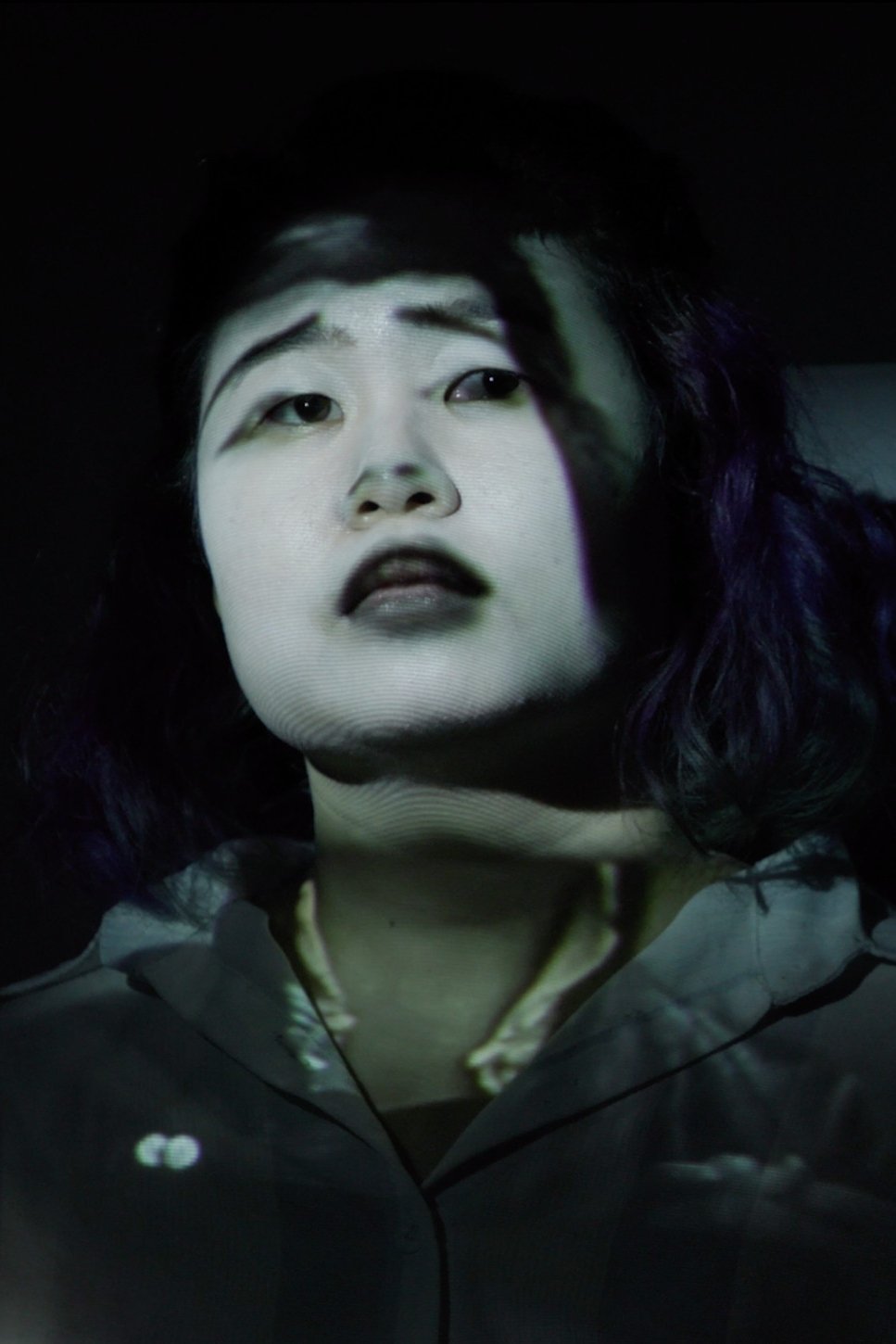
Tattooed hands gently glide over a rock face, probing it with the tips of the fingers. Three women, arms raised to a high boulder, appear to be in prayer. Hidden in a cave, two others stare at their bloody palms. Touching Rocks depicts bouldering as a pagan ritual.
Huw Stephens presents an exciting selection of short films from emerging artists and film-makers from across the UK. Topics are fresh, varied and thought-provoking, including a behind-the-scenes look at a zoo closing for the night, an honest account of farming the land, and a powerful love letter from a son to a mother who has cancer. Expect to be moved and challenged by these short dramas, observations and dance, made by a new generation of storytellers. Yew; Echdo; King of the Pit; Two B or Not Two B; Lucky House; Everything Is Fine; The Jacket; Cages; It's Always Been; Mary Lost Her Battle; Between the Dog and the Wolf; From His Perspective
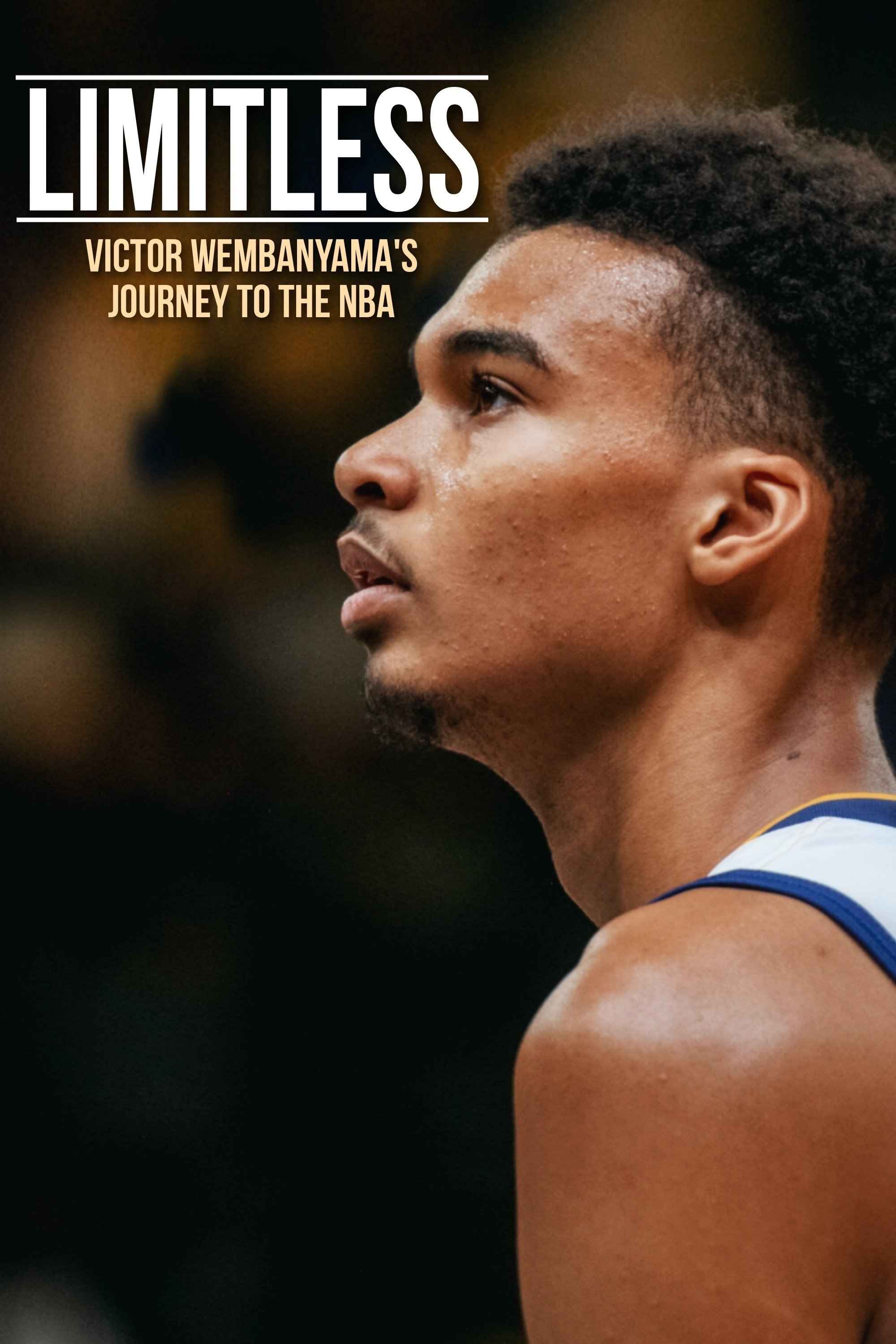
"LIMITLESS", is an original documentary about 7'5 French basketball star Victor Wembanyama and his journey to becoming the projected #1 overall pick in the 2023 NBA Draft.
An Eternalism film.
In 1916, twenty-year-old Marion Wong wrote and directed The Curse of Quon Gwon, the earliest example of an Asian American film. What initially appears to be a story about a Chinese family cursed for allowing Western influence through the door, proves to be an illuminating examination of cultural diaspora years ahead of its time.Sandwiched between two global pandemics, this documentary follows the Wong family descendents as they secure The Curse of Quon Gwon its place in film history and new revelations rise to the surface.
A retrospective about the world of the mineral, following different narrative lines, centered on housing, labor, transport, recreation among others. Original copy is lost, only 14 minutes are available.
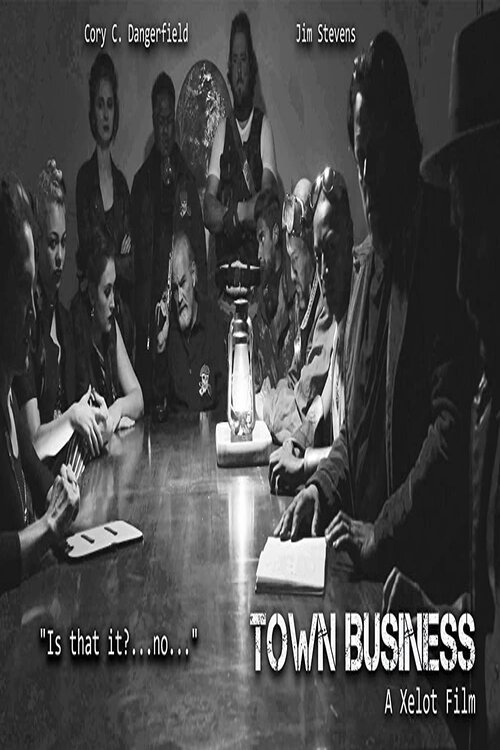
After a "diplomatic mission" into a neighboring town Kell returns to his town to see that his not so bright team of idiots have screwed up everything.
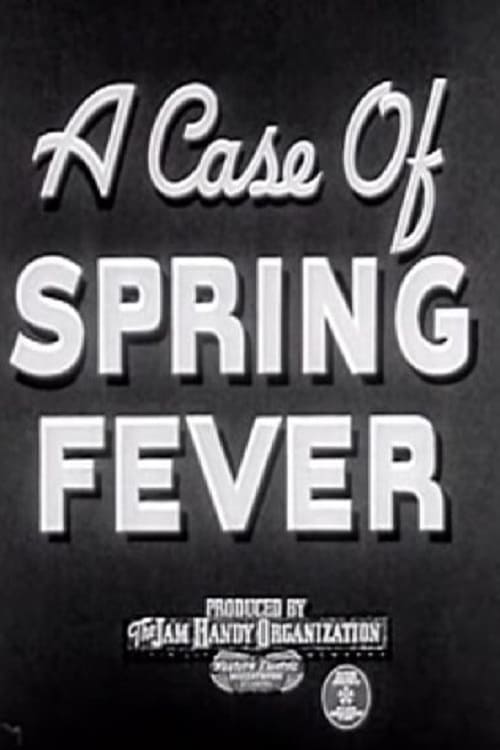
Advertising short for Chevrolet combining live action and animation. The film relates the story of Gilbert Willoughby, who, exasperated by his stubborn boxspring mattress, imprudently wishes for the disappearance of springs. Coily, the animated spring sprite, grants his wish, and Gilbert is bedeviled by once-familar appliances that no longer function. Apologizing to Coily, Gilbert acknowledges the contribution of springs to daily life, especially in the Chevrolet.
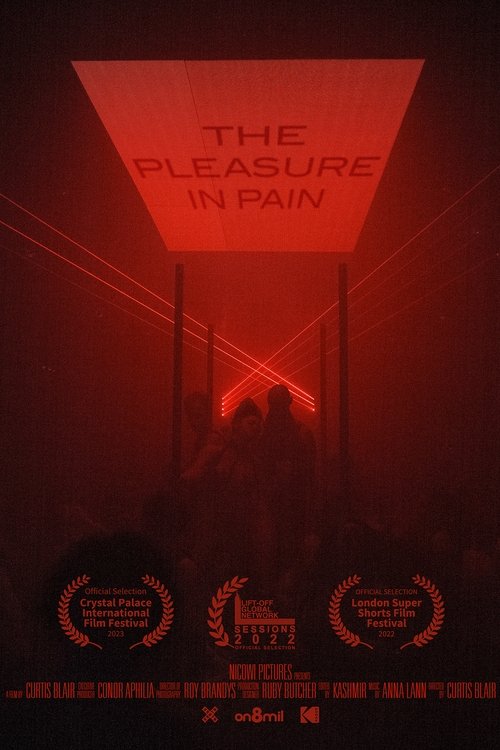
A short film that follows key figures of the London kink scene on an exploration into BDSM and the notorious fetish event Klub Verboten. The film touches upon themes of psychology, trauma, LGBTQ+ rights and black representation.
The film depicts one of the great hunts the South Sea Islanders. Come schools of fish in one of the bays on the island, so hurry on an alarm signal all the people out to sea to seal off the bay to drive the fish towards the coast and to impose there with spears.
Documentary from Barbara Bialowąs.
From the break of dawn until the darkness of night, the *tianguis* is born and dies in the streets of Mexico City. It is during these fleeting hours that we can find an endless array of colors, sounds, and unique personalities.
Albert Ward was a highly regarded Mi'kmaq Elder from Eel Ground First Nation and a very dear friend and teacher to my family. This recording was the last time we spoke to him, and the first time I had met him since infancy.
"Cinématon" No. 2735 of Ari Boulogne, filmed by Gérard Courant on May 31, 2013, in Fontenay-aux-Roses, France (Silent). Ari Boulogne's portrait by Gérard Courant (2013 - silent).
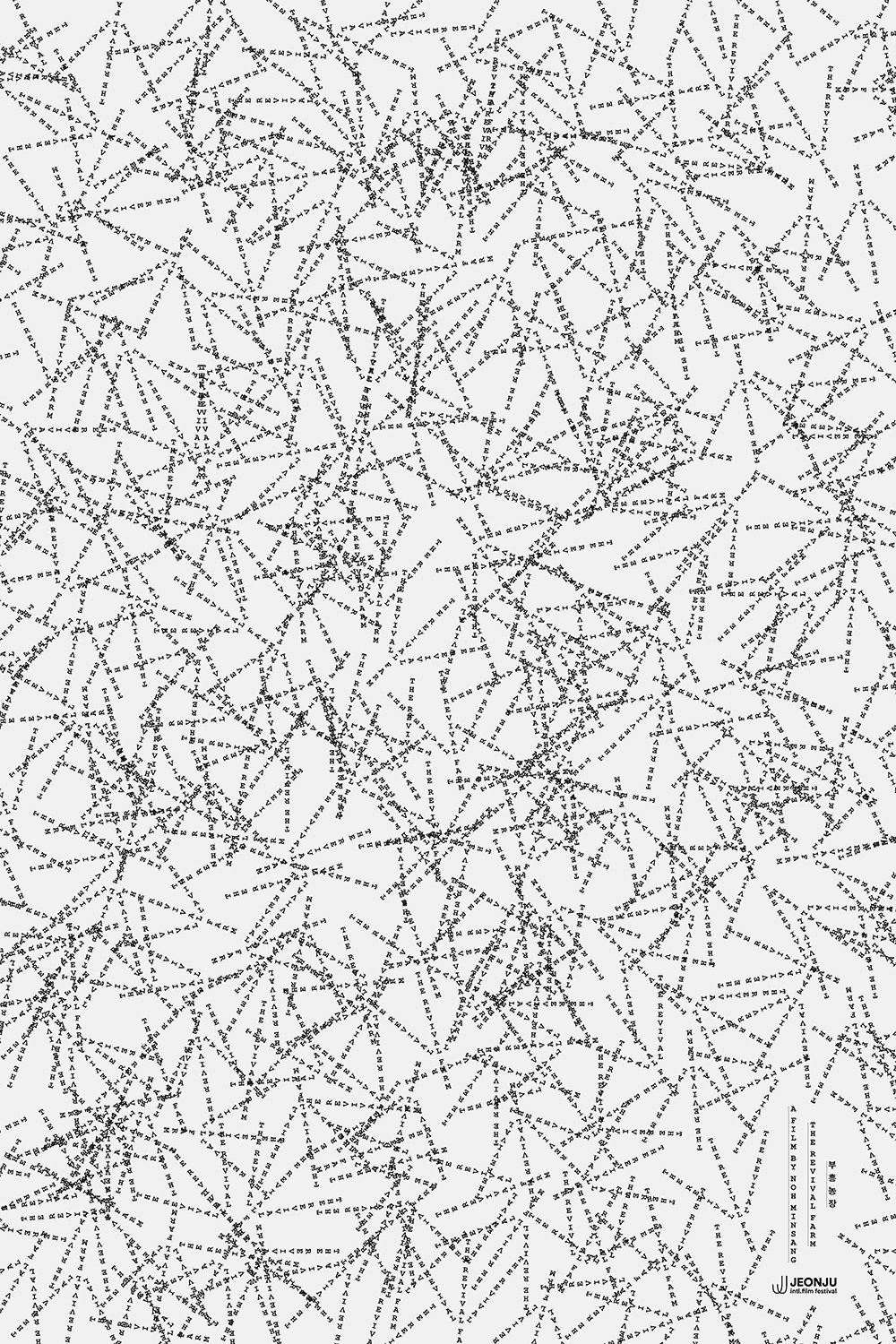
Late at night, roaring sounds echo at the poultry farms full of chickens. Soon after, tractors begin to carry chickens. As the day dawns, Jae-cheol, the owner of "The Revial Farm," prepares to receive chicks by managing the empty poultry farms and doing his daily life.
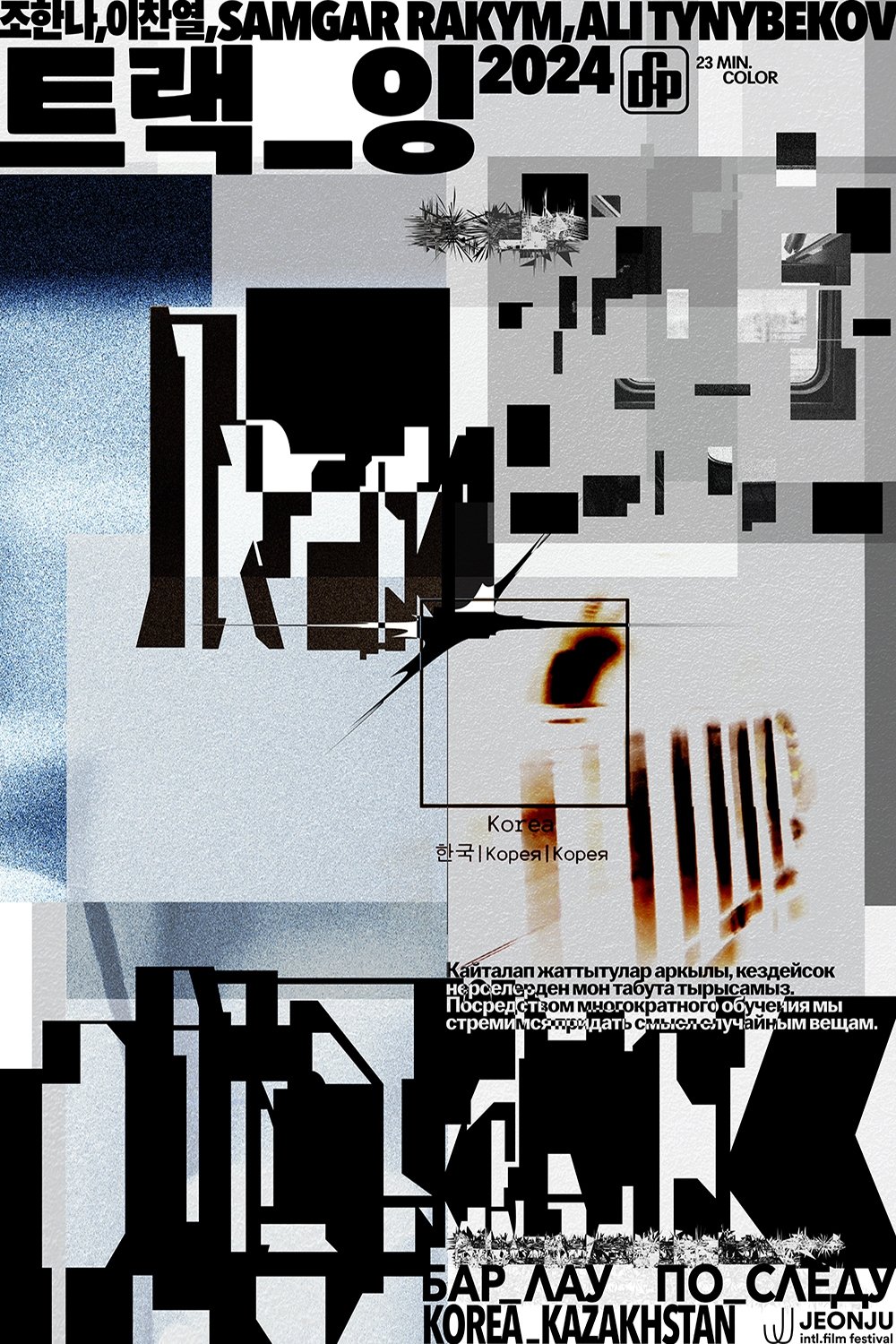
A set of 500*500 pixel boxes analyzes a group of image data produced on a train—a train running between Korea and Kazakhstan. Mostly, the detection process appears to be random. However, despite the incoherency, the boxes can generate an output, a story that can make sense.
A young autistic woman defies her doctor's prognosis of lifelong mutism and finds her voice through showing cats.
Laura Green, 63, wakes up every morning and keeps skiers safe through backcountry avalanche forecasting and avalanche mitigation at Mt Hood Meadows resort. When Laura’s dear friend is caught in an avalanche, suddenly these dangers hit close to home. Director's note: On December 6, 2018, Laura Green lost her life in a windsurfing accident. She never had the chance to see this film. This story is dedicated to Laura and all she has done for mountain culture and public safety in the Pacific Northwest.
For 100 years, we have waged war on wildfire in the United States, and ironically, have created a more volatile landscape than ever.
The mix of my films with Ari Boulogne: Ari Boulogne, Cinématon number 2735, Ari Boulogne and Marie-Hélène Raby, Couple number 139 and Les Amis d’Ari Boulogne, Portrait de groupe number 252, filmed on May 31, 2013.
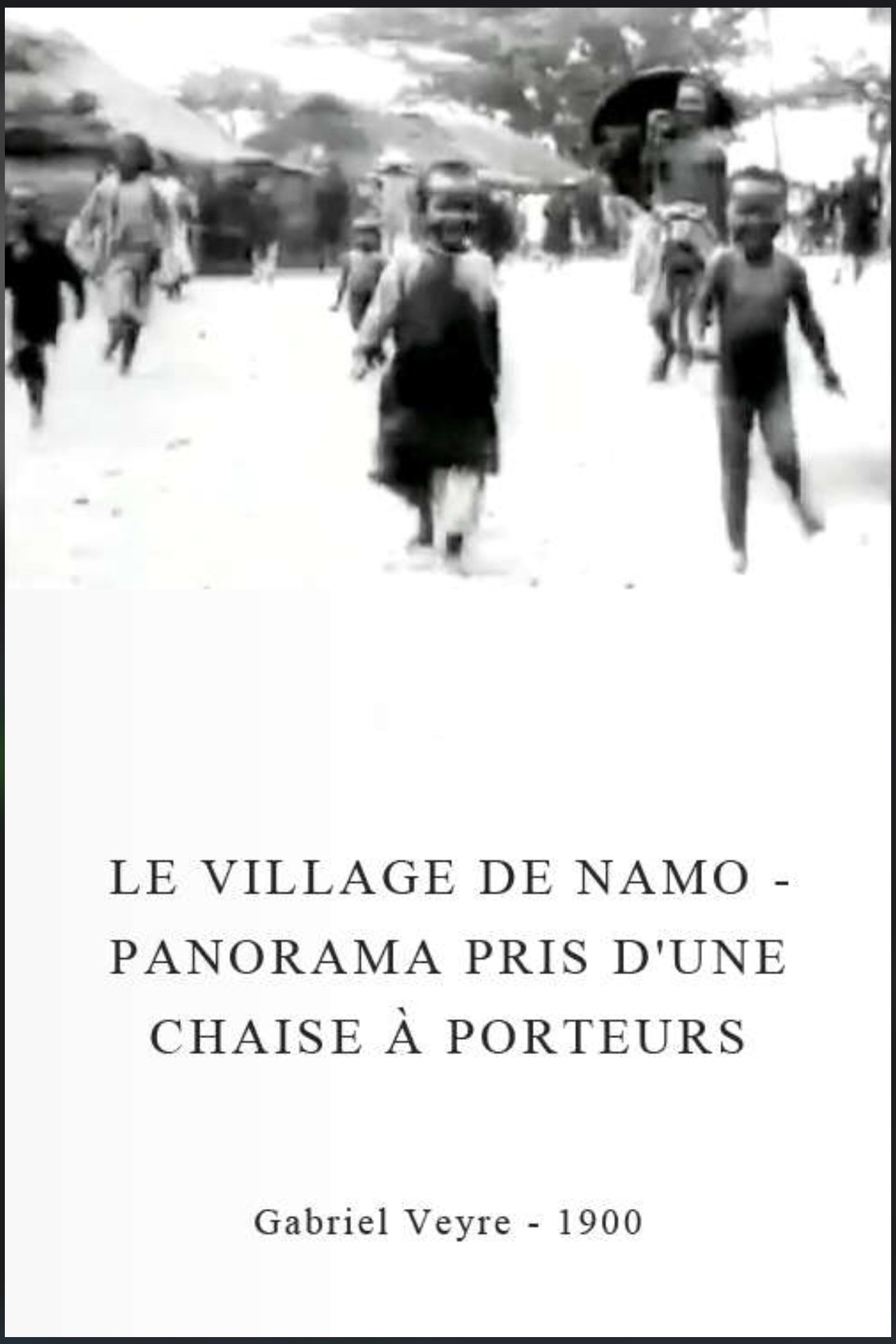
The film is a panorama shot-scene lasting just under a minute. The panorama film, as coined by Lumière, is a moving-camera shot--usually accomplished by placing the camera on a moving transport, such as a boat or train.
During the 1982 Cannes Film Festival, Wim Wenders asked a number of global film directors to, one at a time, go into a hotel room, turn on the camera, and answer a simple question: "What is the future of cinema?"
Daniel Craig candidly reflects on his 15 year adventure as James Bond. Including never-before-seen archival footage from Casino Royale to the upcoming 25th film No Time To Die, Craig shares his personal memories in conversation with 007 producers, Michael G Wilson and Barbara Broccoli.
A feature length documentary about the all-women team at the helm of Pixar's original feature, Turning Red. With unprecedented behind-the-scenes access to Director Domee Shi and her core leadership crew, this story shines a light on the powerful professional and personal journeys that brought this incredibly comical, utterly relatable, and deeply heartfelt story to the screen.
Featuring interviews with filmmakers and industry legends, discover the origins and evolution of The Joker, and learn why The Clown Prince of Crime is universally hailed as the greatest comic-book supervillain of all time.
A purely observational non-fiction film that takes viewers into the ethically murky world of end-of-life decision making in a public hospital.
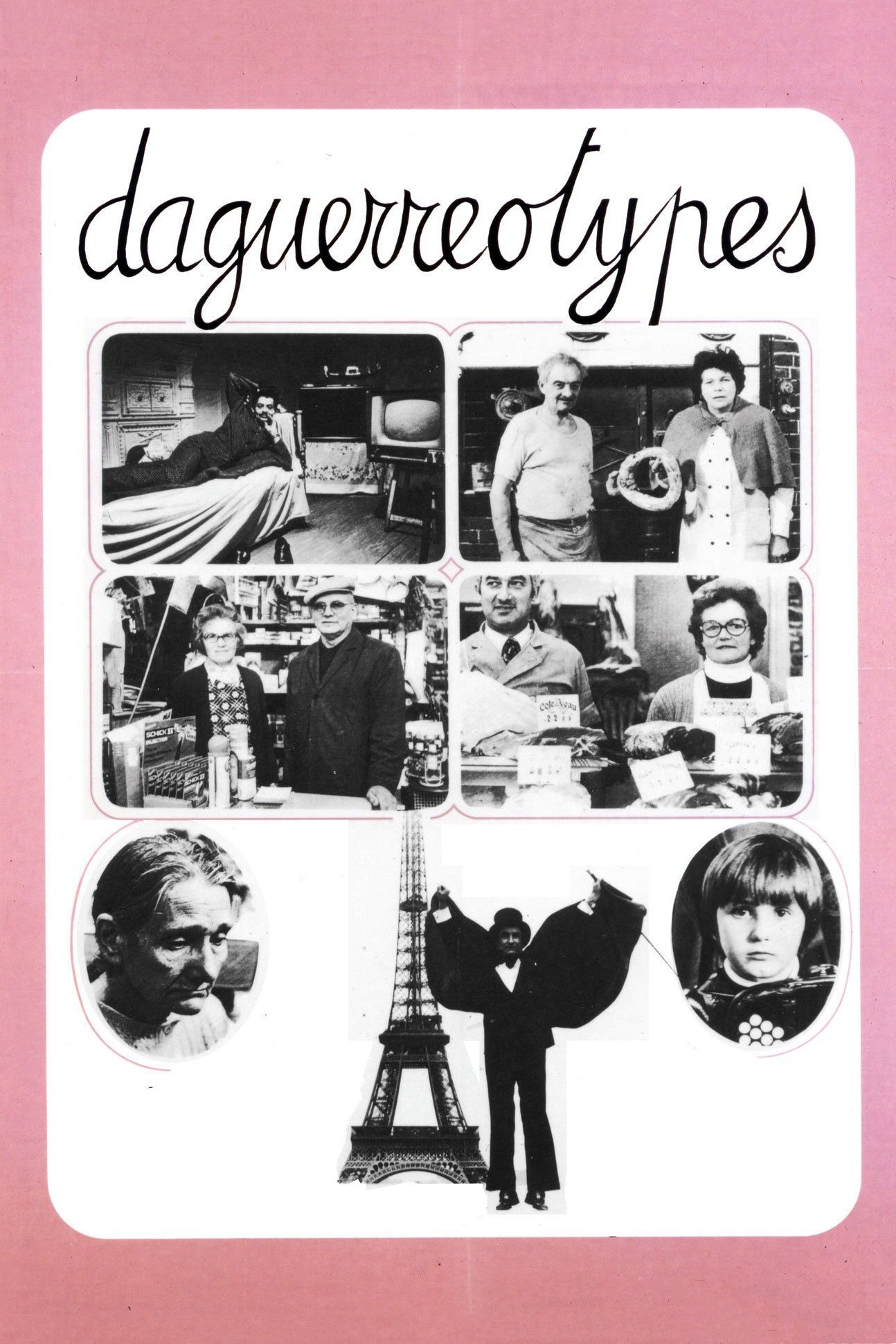
An intimate portrait of the small shops and shopkeepers of the Rue Daguerre in Paris, a picturesque street that has been the filmmaker’s home for more than 50 years.
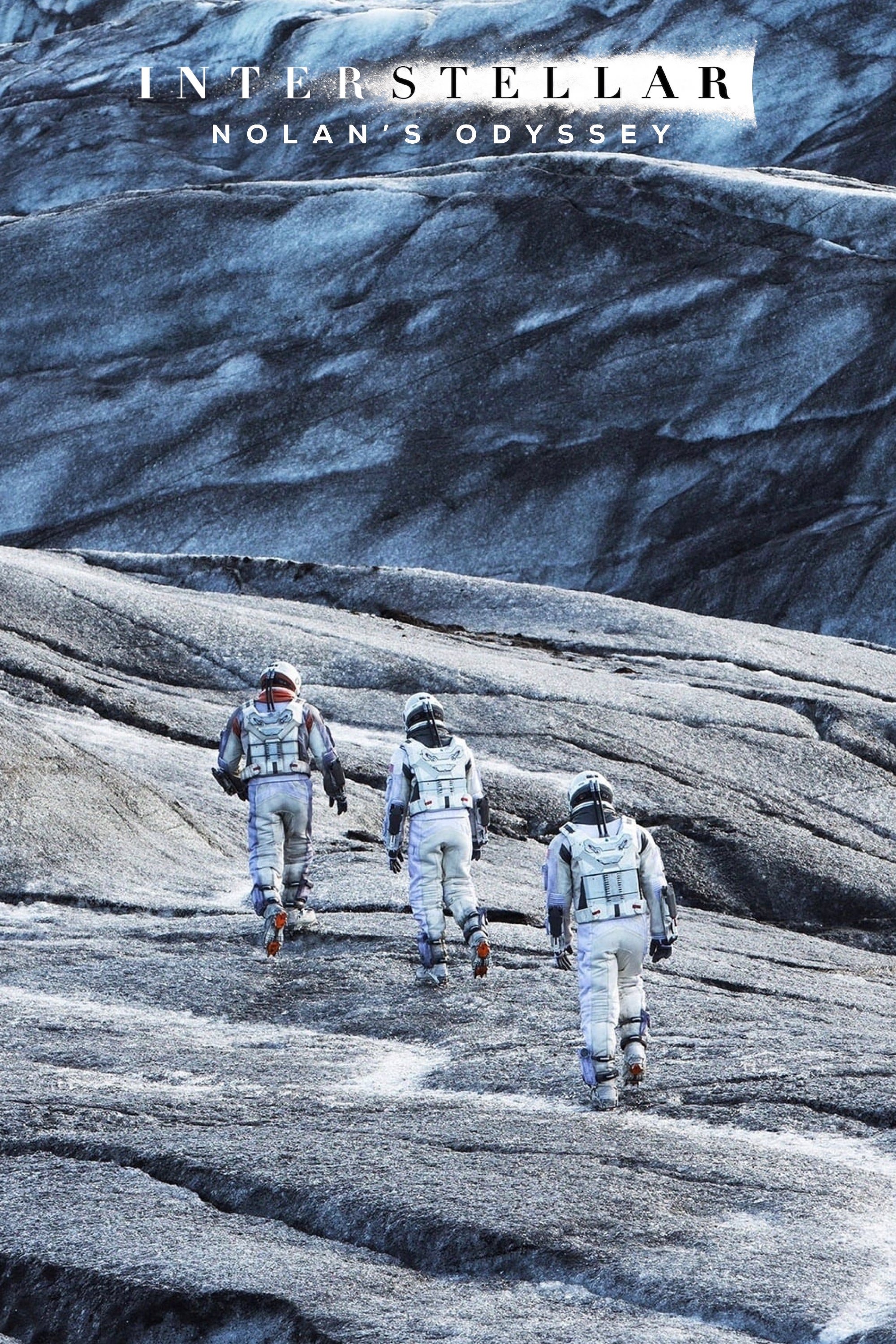
A look behind the lens of Christopher Nolan's space epic.
An inside look at one of the most anticipated movie sequels ever with James Cameron and cast.
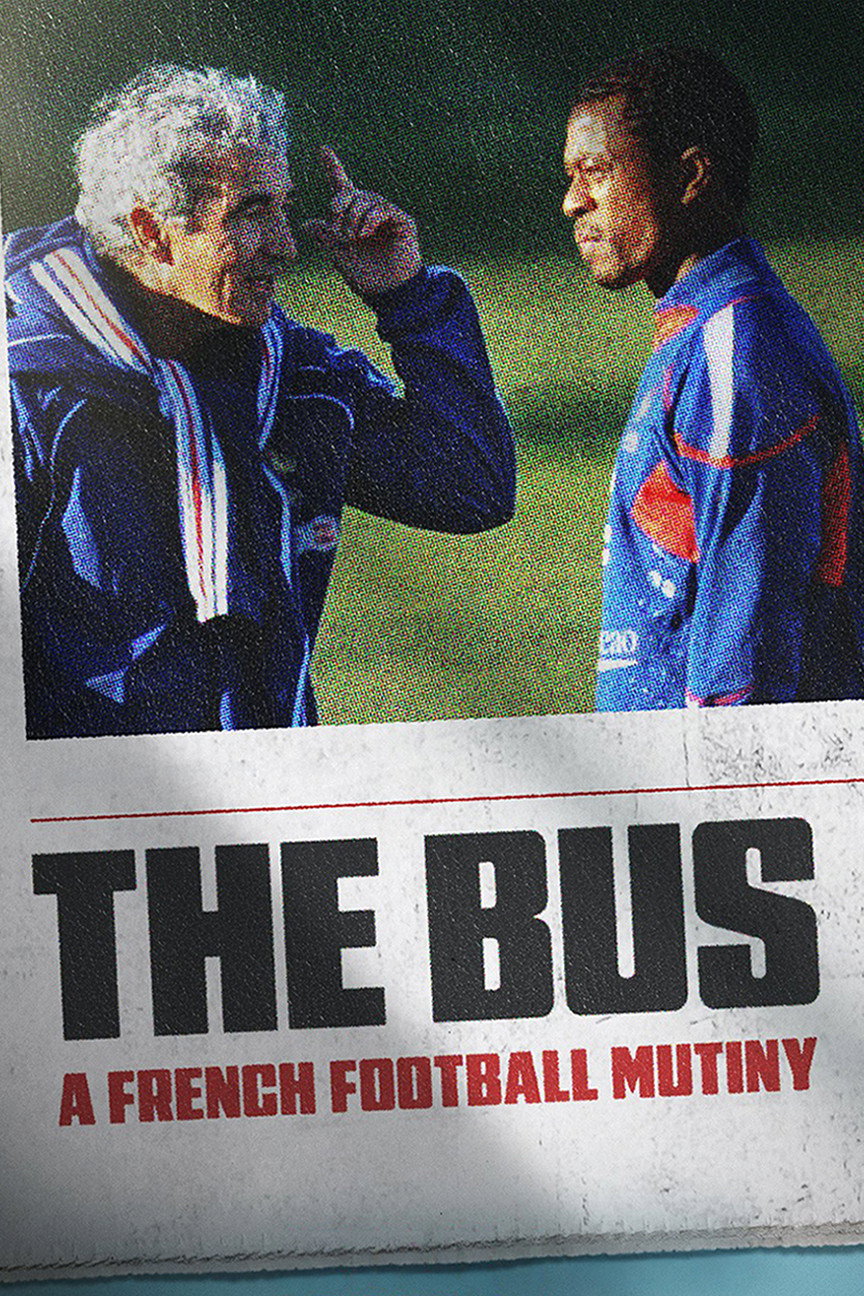
This documentary revisits the French football team's controversial 2010 World Cup and the bus strike that sparked global headlines and national outrage.
A documentary chronicling Queen and Lambert's incredible journey since they first shared the stage together on "American Idol" in 2009.
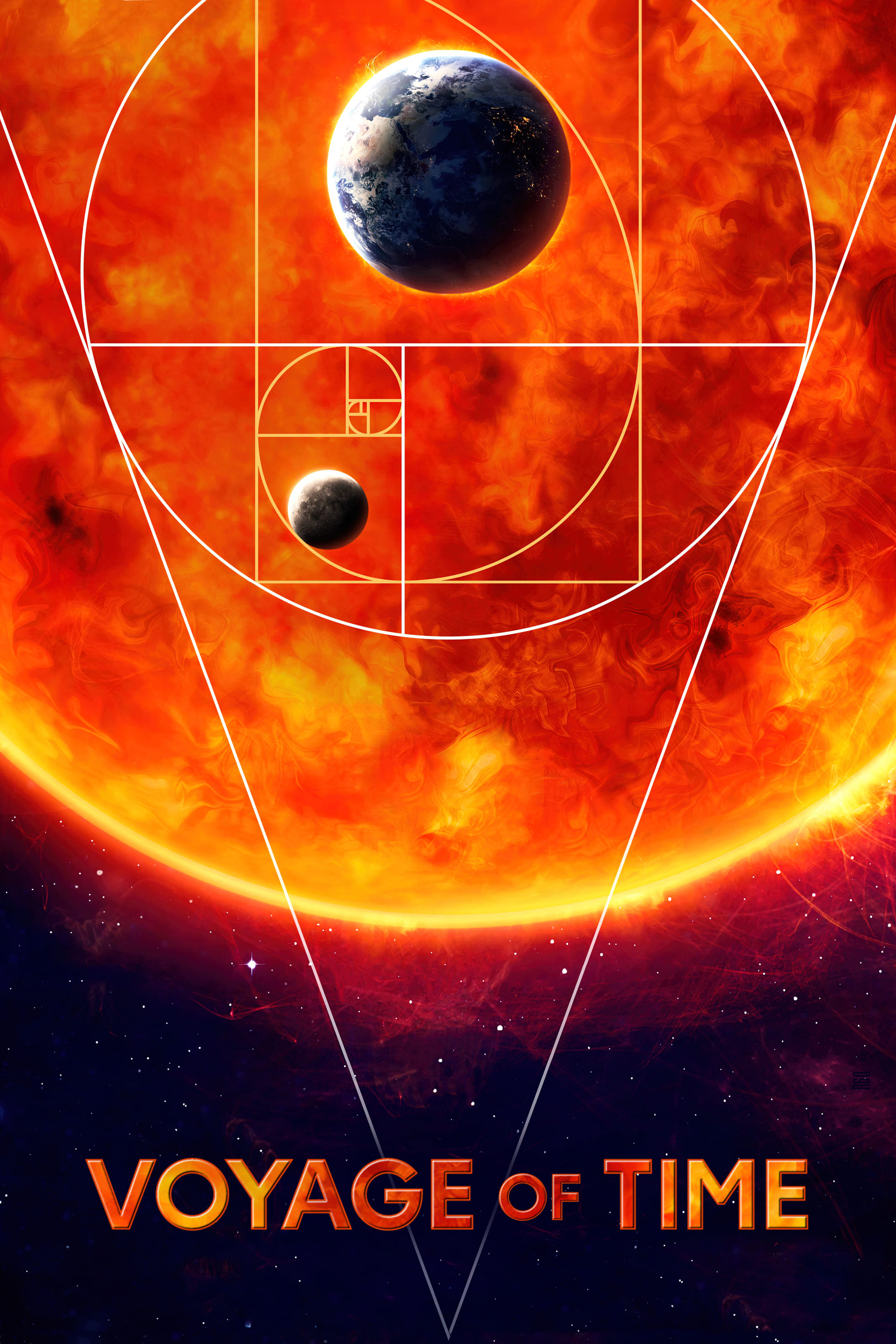
A celebration of the universe, displaying the whole of time, from its start to its final collapse. This film examines all that occurred to prepare the world that stands before us now: science and spirit, birth and death, the grand cosmos and the minute life systems of our planet.
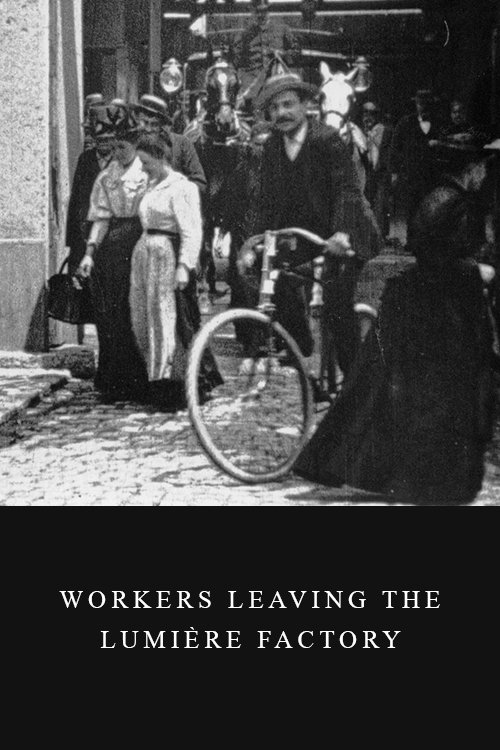
Working men and women leave through the main gate of the Lumière factory in Lyon, France. Filmed on 22 March 1895, it is often referred to as the first real motion picture ever made, although Louis Le Prince's 1888 Roundhay Garden Scene pre-dated it by seven years. Three separate versions of this film exist, which differ from one another in numerous ways. The first version features a carriage drawn by one horse, while in the second version the carriage is drawn by two horses, and there is no carriage at all in the third version. The clothing style is also different between the three versions, demonstrating the different seasons in which each was filmed. This film was made in the 35 mm format with an aspect ratio of 1.33:1, and at a speed of 16 frames per second. At that rate, the 17 meters of film length provided a duration of 46 seconds, holding a total of 800 frames.
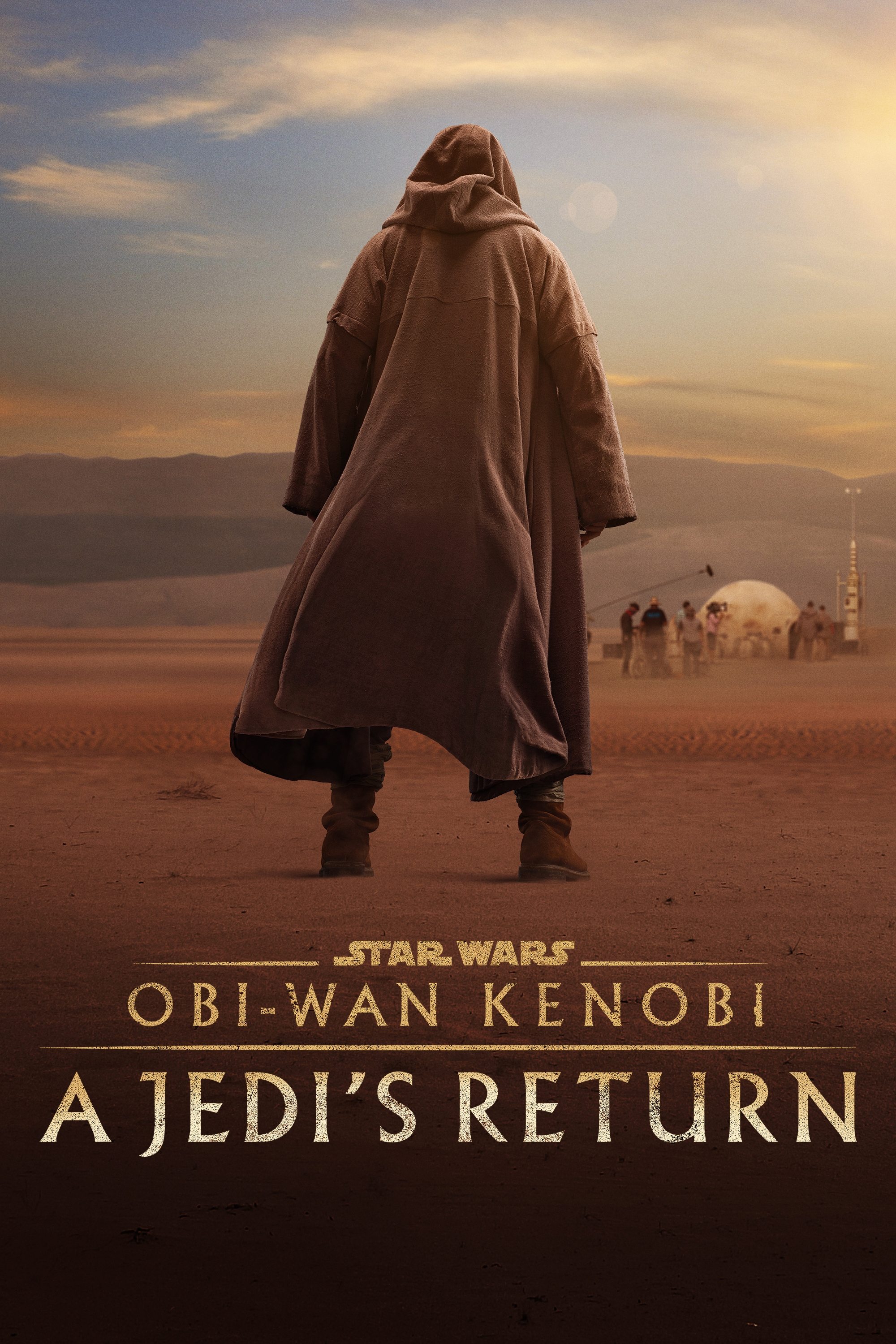
This special explores the return of Obi-Wan Kenobi and Anakin Skywalker to the screen, as well as Ewan McGregor and Hayden Christensen to their classic roles. Director Deborah Chow leads the cast and crew as they create new heroes and villains that live alongside new incarnations of beloved Star Wars characters, and an epic story that dramatically bridges the saga films.
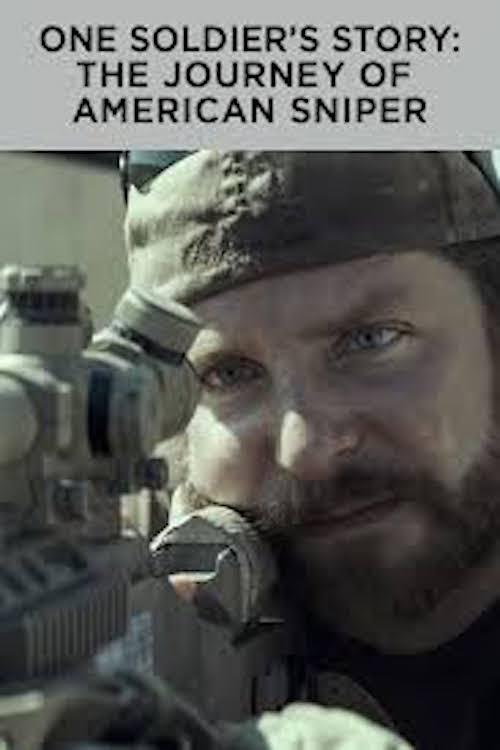
Join director Clint Eastwood and his creative team, along with Bradley Cooper and Sienna Miller, as they overcome enormous creative and logistic obstacles to make a film that brings the truth of Navy SEAL Chris Kyle's story to the screen.
Amber Heard and Nicole Kidman discuss their characters Mera and Atlanna.
JB Smoove and Martin Starr host a celebration of 20 years of "Spider-Man" movies, from the Sam Raimi trilogy to Marc Webb's movies and the trio from Jon Watts.
A visual montage portrait of our contemporary world dominated by globalized technology and violence.
An unpredictable documentary from a fascinating storyteller, Agnès Varda’s last film sheds light on her experience as a director, bringing a personal insight to what she calls "cine-writing," traveling from Rue Daguerre in Paris to Los Angeles and Beijing.
SEDUCED AND ABANDONED combines acting legend Alec Baldwin with director James Toback as they lead us on a troublesome and often hilarious journey of raising financing for their next feature film. Moving from director to financier to star actor, the two players provide us with a unique look behind the curtain at the world's biggest and most glamourous film festival, shining a light on the bitter-sweet relationship filmmakers have with Cannes and the film business. Featuring insights from directors Martin Scorsese, 'Bernando Bertolucci' and Roman Polanski; actors Ryan Gosling and Jessica Chastain and a host of film distribution luminaries.