Released on the 17th of April, 1916. Produced by Burton Holmes.
Social & External
The people behind it
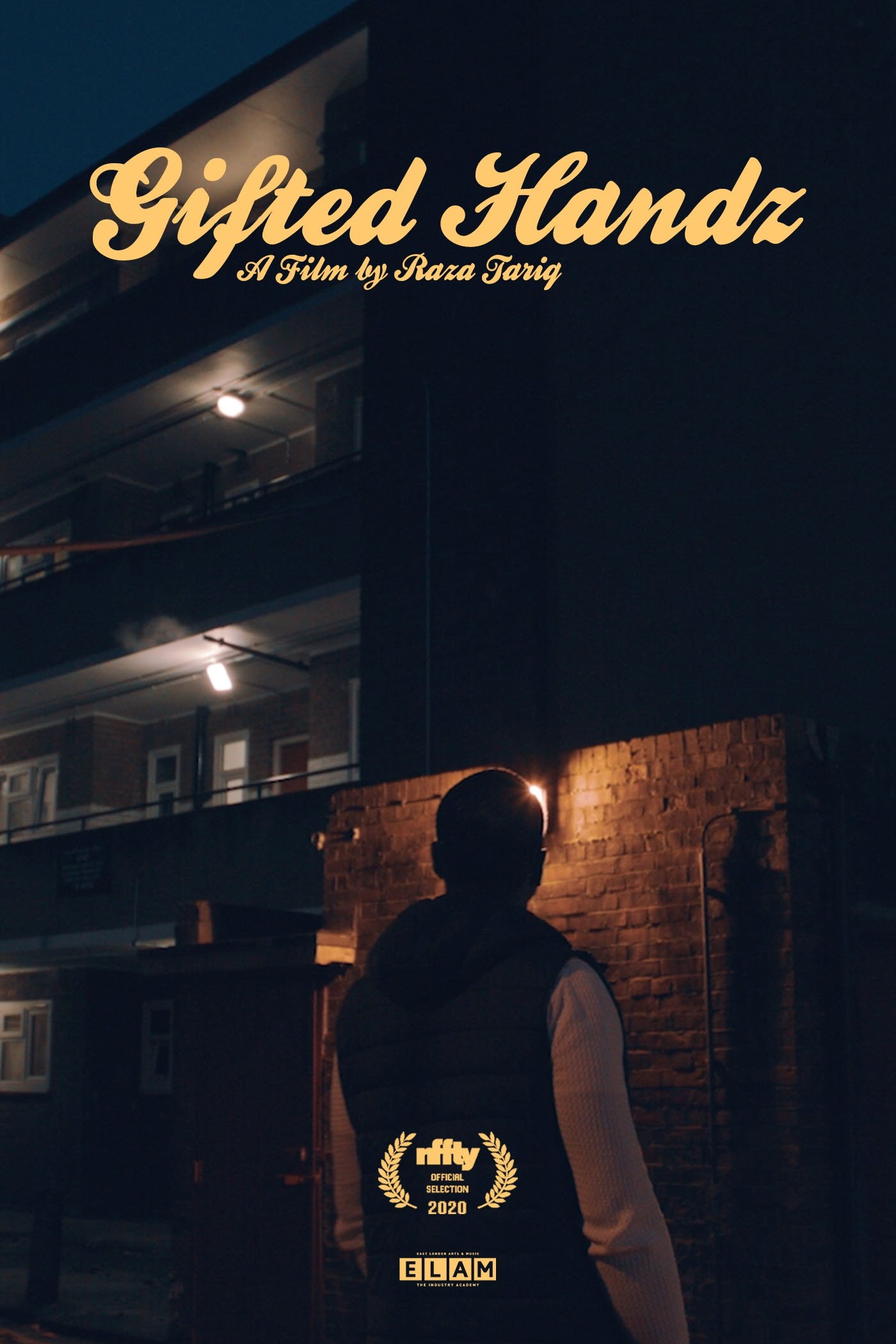
A documentary following a West London barber, as he reminisces on his entry into his profession and how it saved him from other fates.
St. Louis florist Darien Burress launches her small business while preparing to compete at Art in Bloom, the St. Louis Art Museum's annual festival celebrating floral design and the fine arts.
A multitude of reflections on the Francophone community and Canadian identity ebb and flow through a Winnipeg that is searching for its identity.
A graffiti artist in his early 20s, begins a 3½ year prison sentence for vandalism. He must attempt to cope with the struggles of his new life on the inside: sharing a cell with an aggressive murderer, being moved to high security, living 23 hours a day alone. An unlikely allay soon teaches him how to survive. Questions then begin to arise. Who can he trust? Will he ever find solace?
Commercial and technical developments on British Rail: new freight loads, air conditioned carriages, an ultrasonic test-train for checking the permanent way, a lecture train, and a new station for motorists - all part of the railway scene in the 1970's.
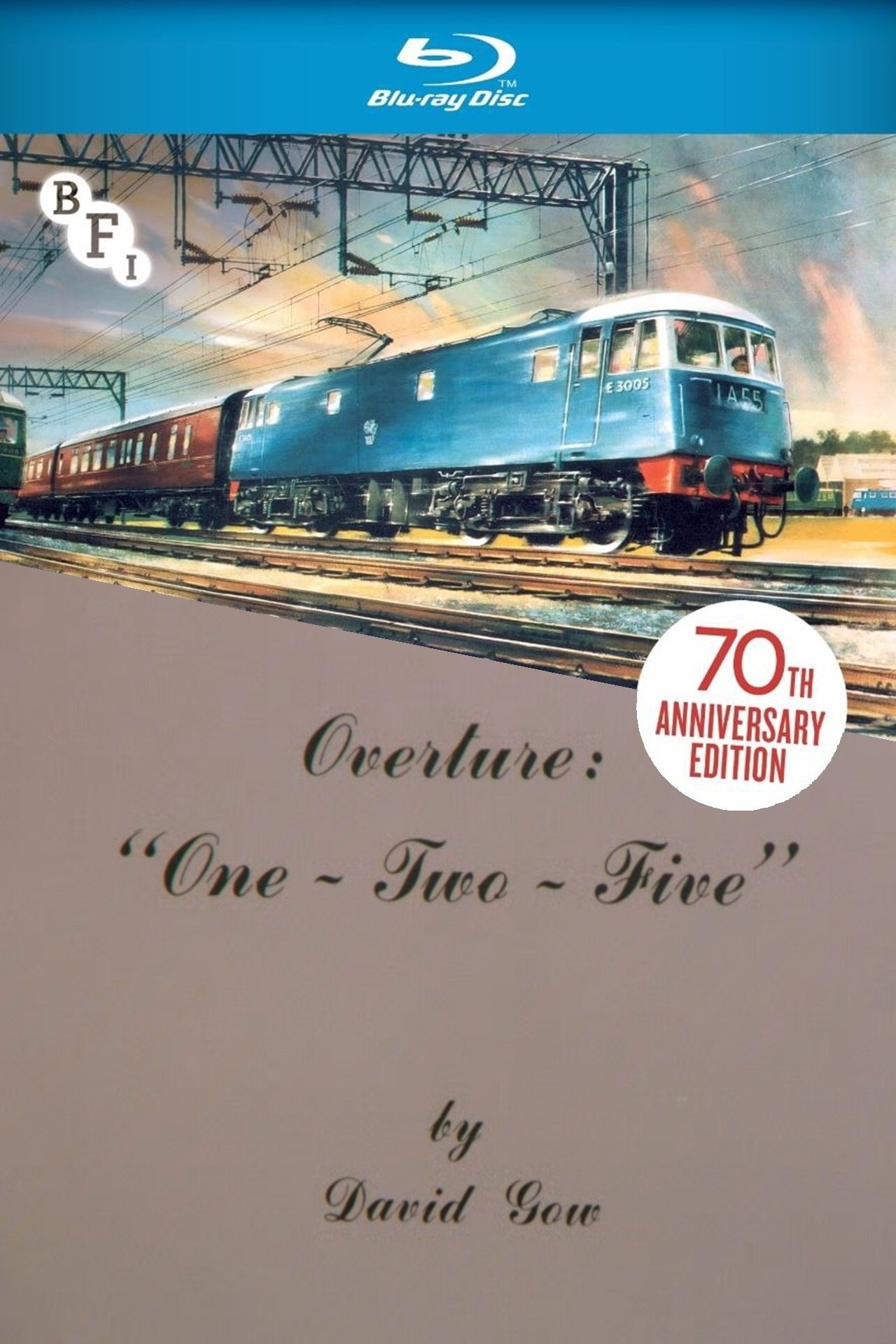
A high speed Inter-City train is the star of this impressionist film in which picture and music are brought together to enhance the mood and rhythm of the subject and hail the arrival of 125mph regular passenger services. With specially composed music by David Gow and no commentary, Overture: One-Two-Five was the last complete production to be shot on 35mm film by British Transport Films. It was produced to mark the introduction of the new Inter-City 125 High Speed Train services between Paddington and Bristol. One of the last big budget productions, it was treated to a coat of Technicolor and a theatrical cinema release. It also marked the beginning of the slow decline of BTF which culminated in its closure. With the abandoning of support features and shorts at cinemas in the late 1970s and early 1980s, most of the unit’s films after 1978 were made primarily for internal use.
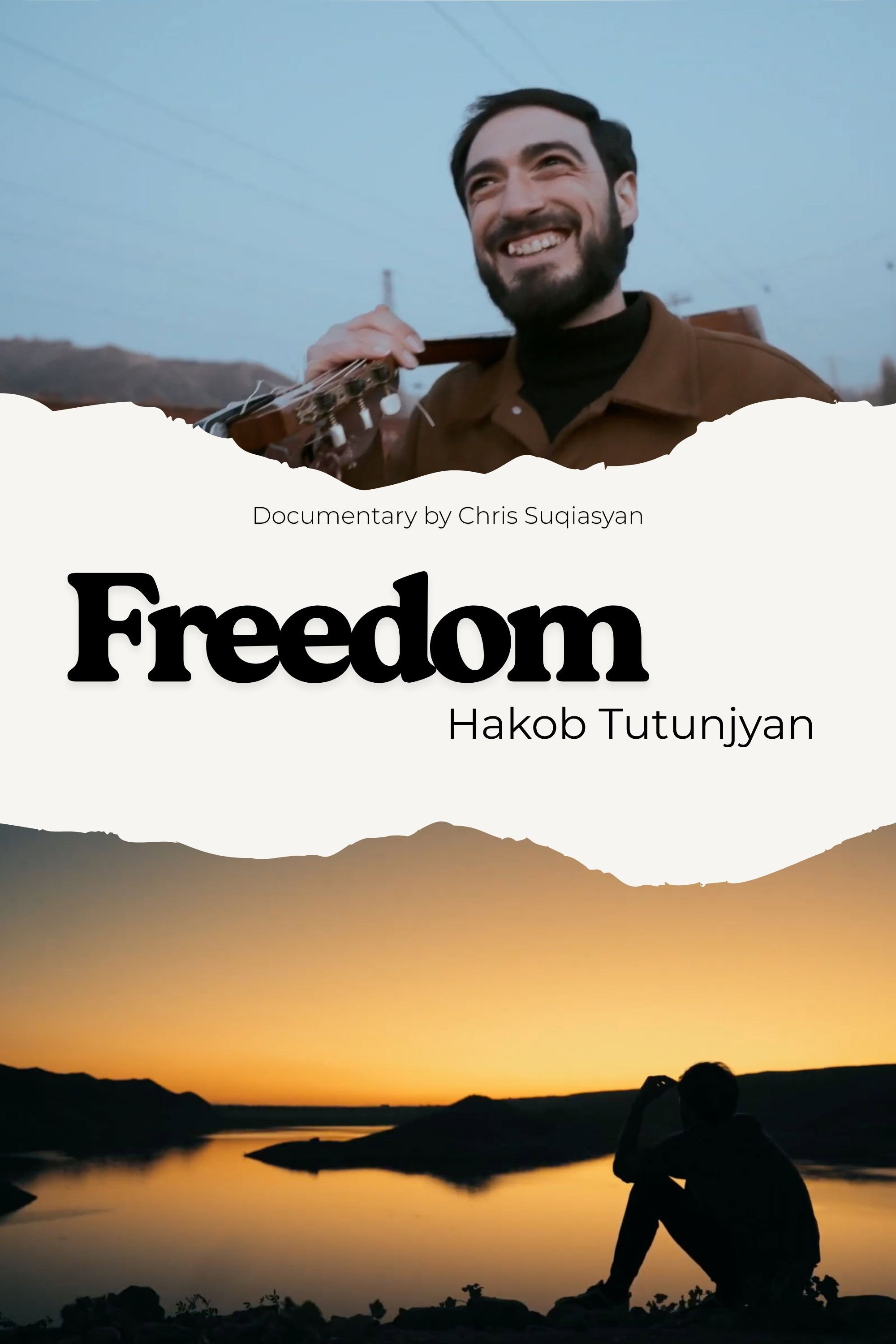
The film tells the story of young musician Hakob Tutunjyan, who discovers what freedom truly means to him.
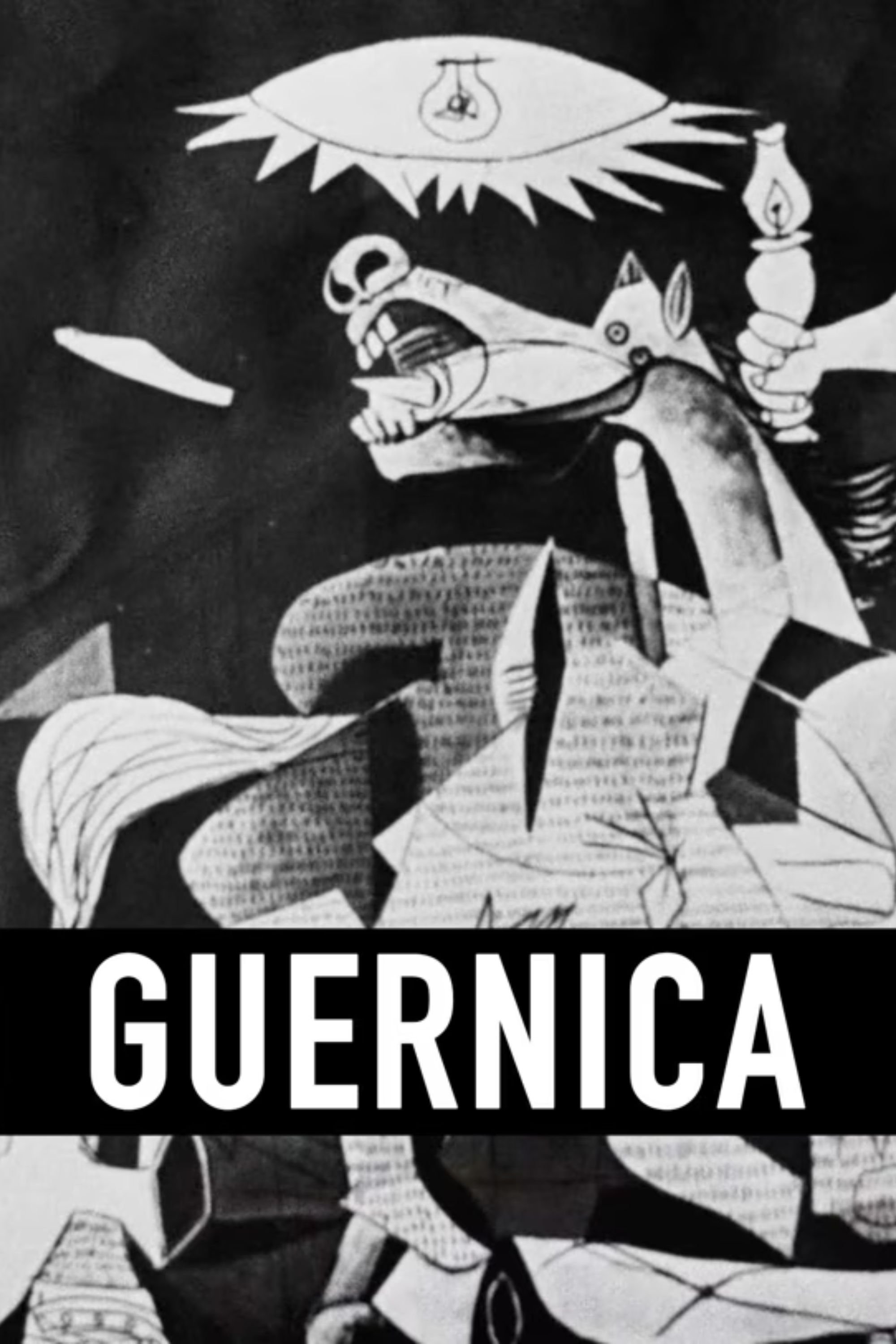
Alain Resnais & Robert Hessen use the famous Picasso mural "Guernica" in combination with newspaper headlines in an anti-war cry against the Spanish Civil War. Narration by Jacques Pruvost highlights the Guernica atrocity of April 1937, followed by a poem by Paul Eluard read by María Casares to a discordant score by Guy Bernard.
Orson Welles talks fantasy and magic in this short Vienna travelogue.
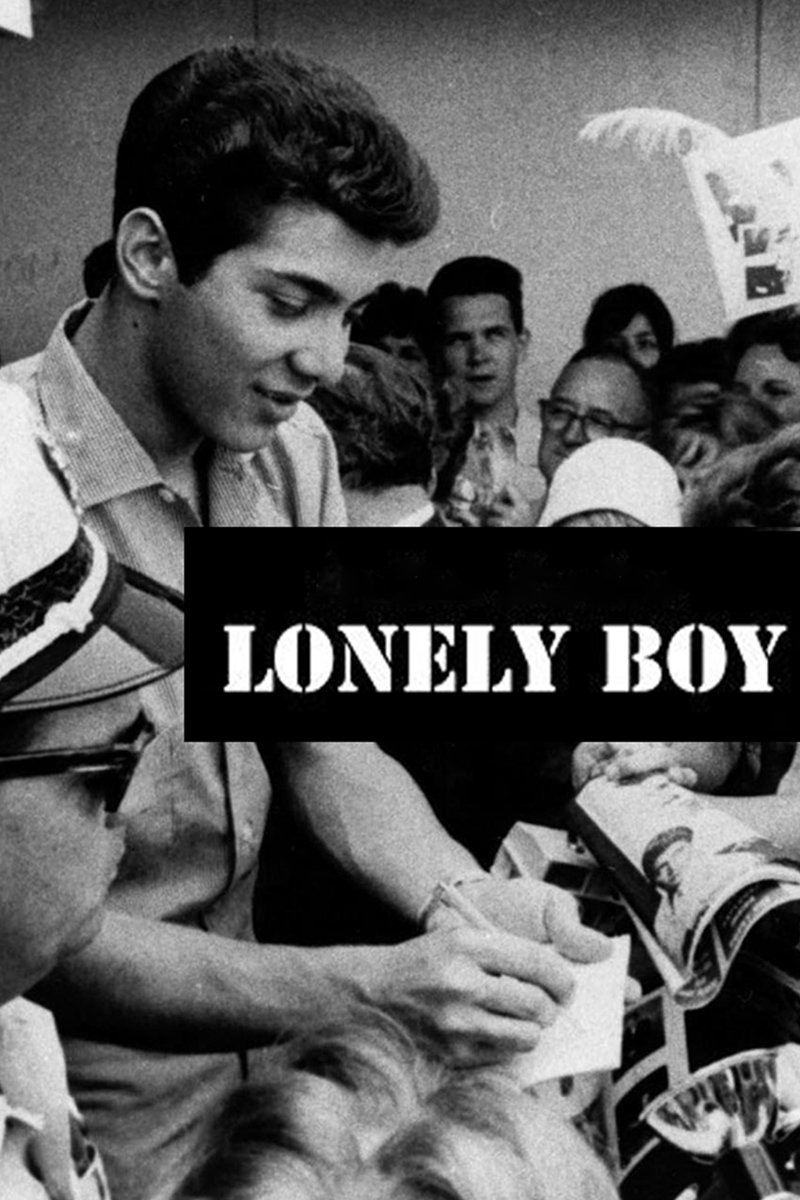
This short film portrays the story of singer Paul Anka, who rose from obscurity to become the idol of millions of adolescent fans around the world. Taking a candid look at both sides of the footlights, this film examines the marketing machine behind a generation of pop singers. Interviews with Anka and his manager reveal their perspective on the industry.
A hairdresser's shop in Madrid crowded with people who come to see and touch a replica of the Virgin of Quinche. A priest proposes to take the statue to a church downtown. The story continues when the replica of the Virgin is returned to the barbershop after an angry crowd disagrees with the way the priest handles things. So, I decide to write a letter to the priest. Offer him a deal he can't refuse.
A room full of memories.
A study of Antoni Gaudí's architecture (especially the Church of the Holy Trinity in Barcelona), his sources of inspiration and his influence on Picasso. (BFI)
Camera moves around the city of Turku. We also pay a visit to Naantali and Airistola.
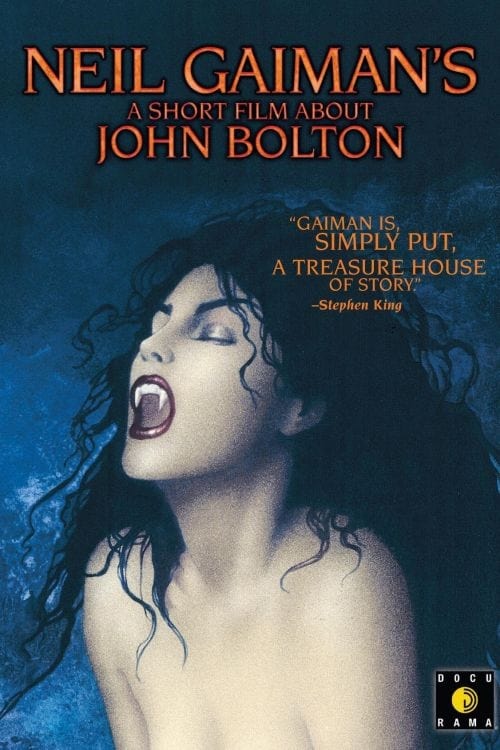
A Short Film About John Bolton is a darkly hip and hilarious film explores the question that torments artists of every medium: "Where do your ideas come from?" Renowned artist John Bolton's paintings of voluptuous she-vampire nudes have earned this quiet eccentric a reputation for having a "damaged imagination." BBC radio personality Jonathan Ross buys his pieces, which leads interviewer extraordinaire Marcus Brigstocke to find out what the appeal is in Bolton's beautiful (but terrifying) artwork. Why does Bolton demand that his gallery "monsterpieces" speak for themselves? What does he do with that ornamental knife that he carries everywhere? Will Marcus ever learn how to operate the camera?
A nervous, careless recording of a trip through India and Nepal at the beginning of the 1970s. Fleeting impressions of faces, landscapes, temples, people and things. Images that, having been captured in a ephemeral medium, proceed to fade away (although without aging), alongside the river of time.
Images of the Church of the Sagrada Familia by Antoni Gaudí confronted with brief flashes of housing projects and industrial areas. The furious display of a effervescent imagination is opposed to a grey functionality.
A quiet village scene of pleasing restfulness, permitting us to see how the Swiss villagers maintain their reputation as regular Churchgoers. The old street and church are the only remains of the former village of Meiringen, which was destroyed by fire ten years ago.
1904, cinematography by Frank Ormiston-Smith.
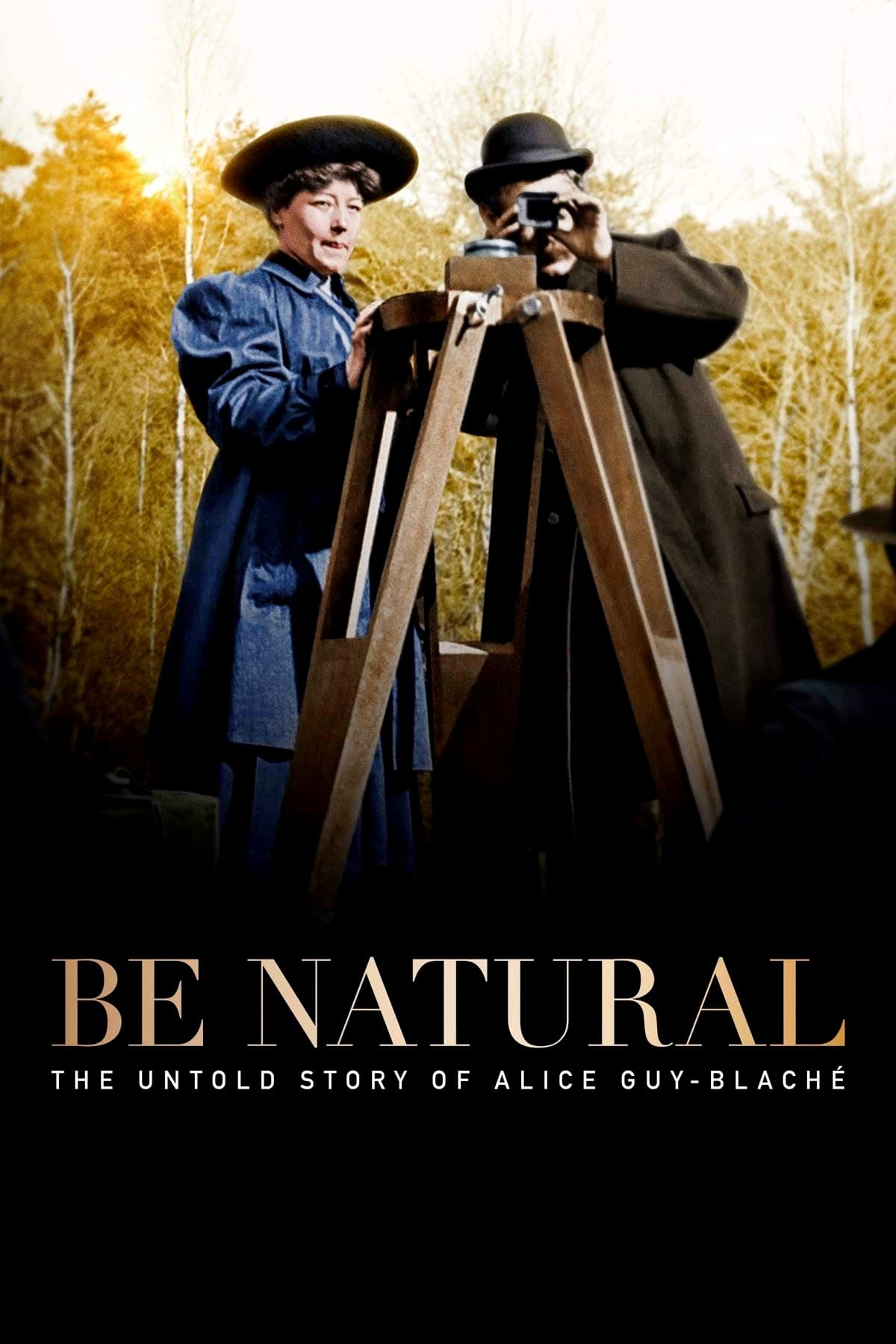
The epic life story of Alice Guy-Blaché (1873–1968), a French screenwriter, director and producer, true pioneer of cinema, the first person who made a narrative fiction film; author of hundreds of movies, but banished from history books. Ignored and forgotten. At last remembered.
When Allied forces liberated the Nazi concentration camps in 1944-45, their terrible discoveries were recorded by army and newsreel cameramen, revealing for the first time the full horror of what had happened. Making use of British, Soviet and American footage, the Ministry of Information’s Sidney Bernstein (later founder of Granada Television) aimed to create a documentary that would provide lasting, undeniable evidence of the Nazis’ unspeakable crimes. He commissioned a wealth of British talent, including editor Stewart McAllister, writer and future cabinet minister Richard Crossman – and, as treatment advisor, his friend Alfred Hitchcock. Yet, despite initial support from the British and US Governments, the film was shelved, and only now, 70 years on, has it been restored and completed by Imperial War Museums under its original title "German Concentration Camps Factual Survey".
A compilation of over 30 years of private home movie footage shot by Lithuanian-American avant-garde director Jonas Mekas, assembled by Mekas "purely by chance", without concern for chronological order.
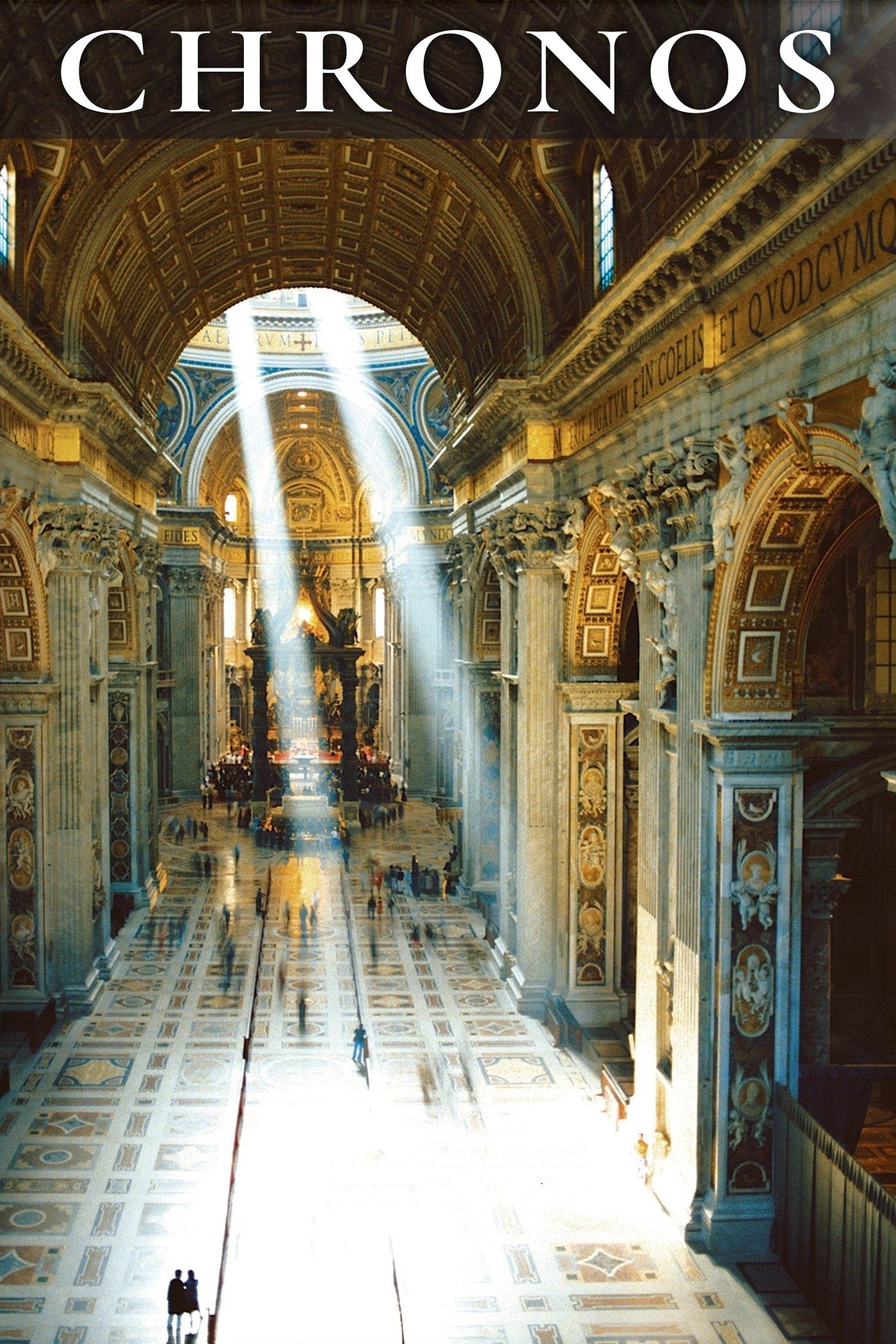
Carefully picked scenes of nature and civilization are viewed at high speed using time-lapse cinematography in an effort to demonstrate the history of various regions.
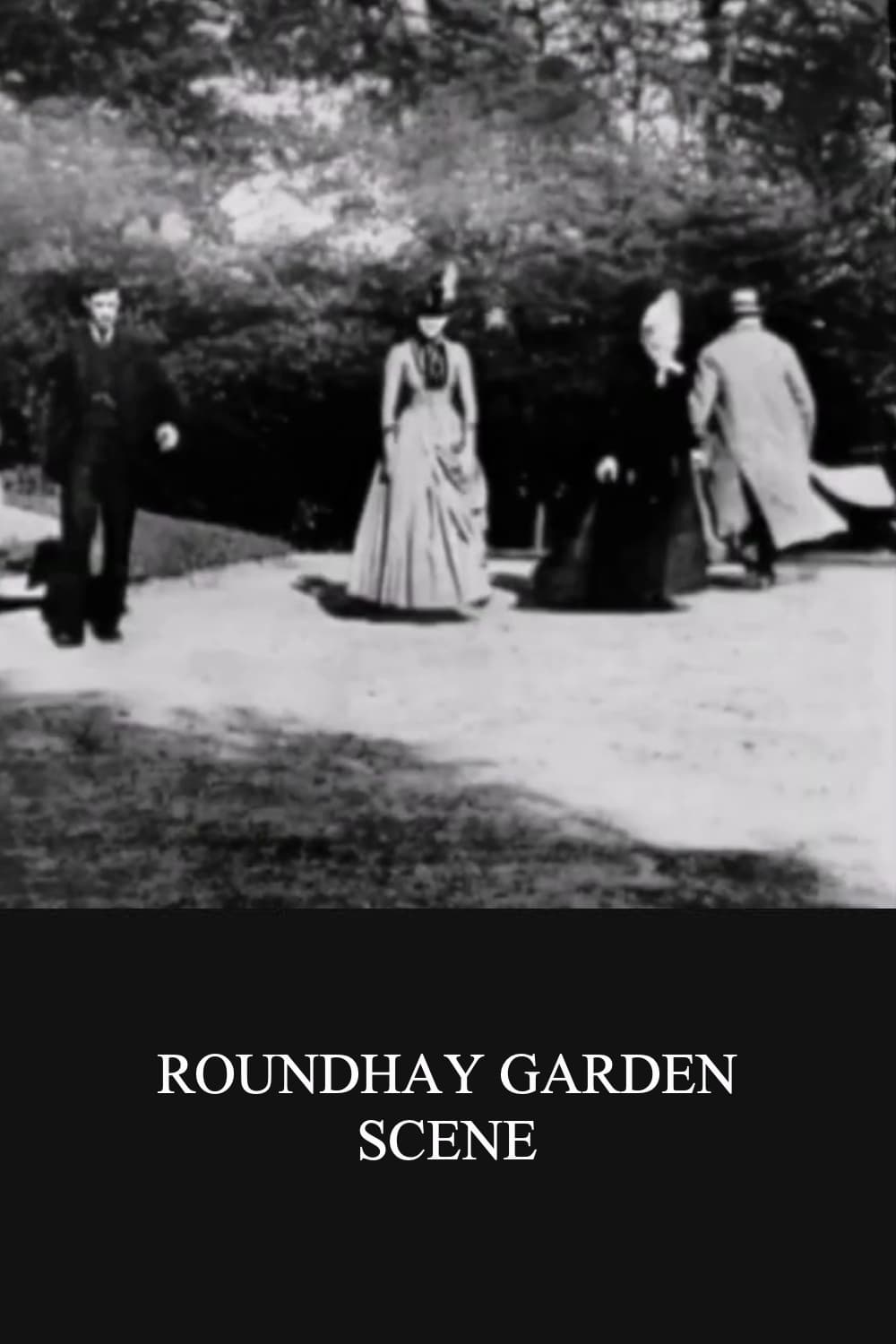
The earliest surviving motion-picture film, and believed to be one of the very first moving images ever created, was shot by Louis Aimé Augustin Le Prince using the LPCCP Type-1 MkII single-lens camera. It was taken on paper-based photographic film in the garden of Oakwood Grange, the Whitley family house in Roundhay, Leeds, West Riding of Yorkshire (UK), on 14 October 1888. The film shows Adolphe Le Prince (Le Prince’s son), Mrs. Sarah Whitley (Le Prince’s mother-in-law), Joseph Whitley, and Miss Harriet Hartley walking around in circles, laughing to themselves, and staying within the area framed by the camera. Roundhay Garden Scene is often associated with a recording speed of around 12 frames per second and runs for about 2 to 3 seconds.
A visual montage portrait of our contemporary world dominated by globalized technology and violence.
Daniel Craig candidly reflects on his 15 year adventure as James Bond. Including never-before-seen archival footage from Casino Royale to the upcoming 25th film No Time To Die, Craig shares his personal memories in conversation with 007 producers, Michael G Wilson and Barbara Broccoli.
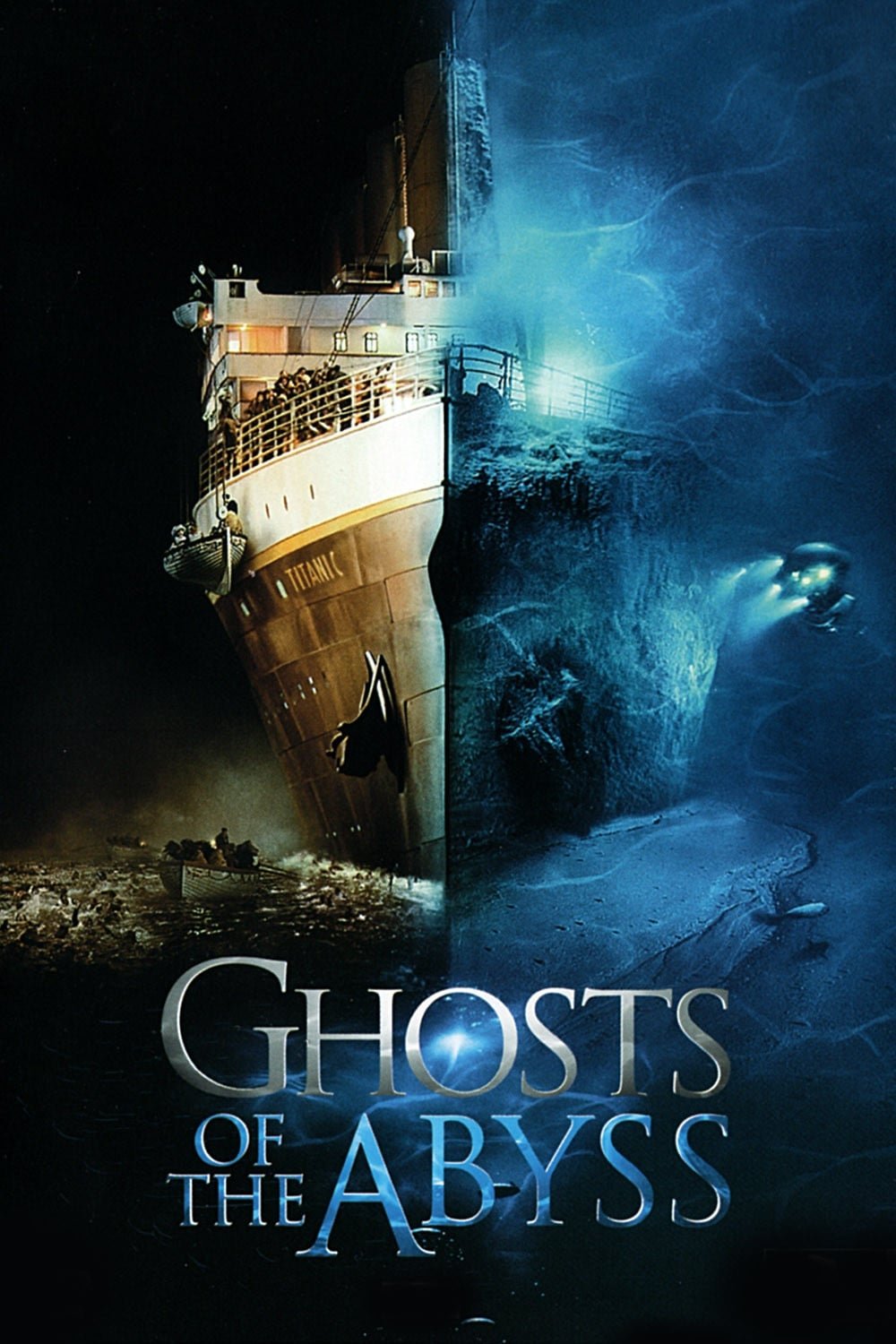
With a team of the world's foremost historic and marine experts as well as friend Bill Paxton, James Cameron embarks on an unscripted adventure back to the wreck of the Titanic where nearly 1,500 souls lost their lives almost a century ago.
Through deeply personal interviews with her siblings and an examination of the photographs, letters, and belongings left behind, Mariska assembles a new portrait of her mother Jayne Mansfield, an extraordinary and complex woman.
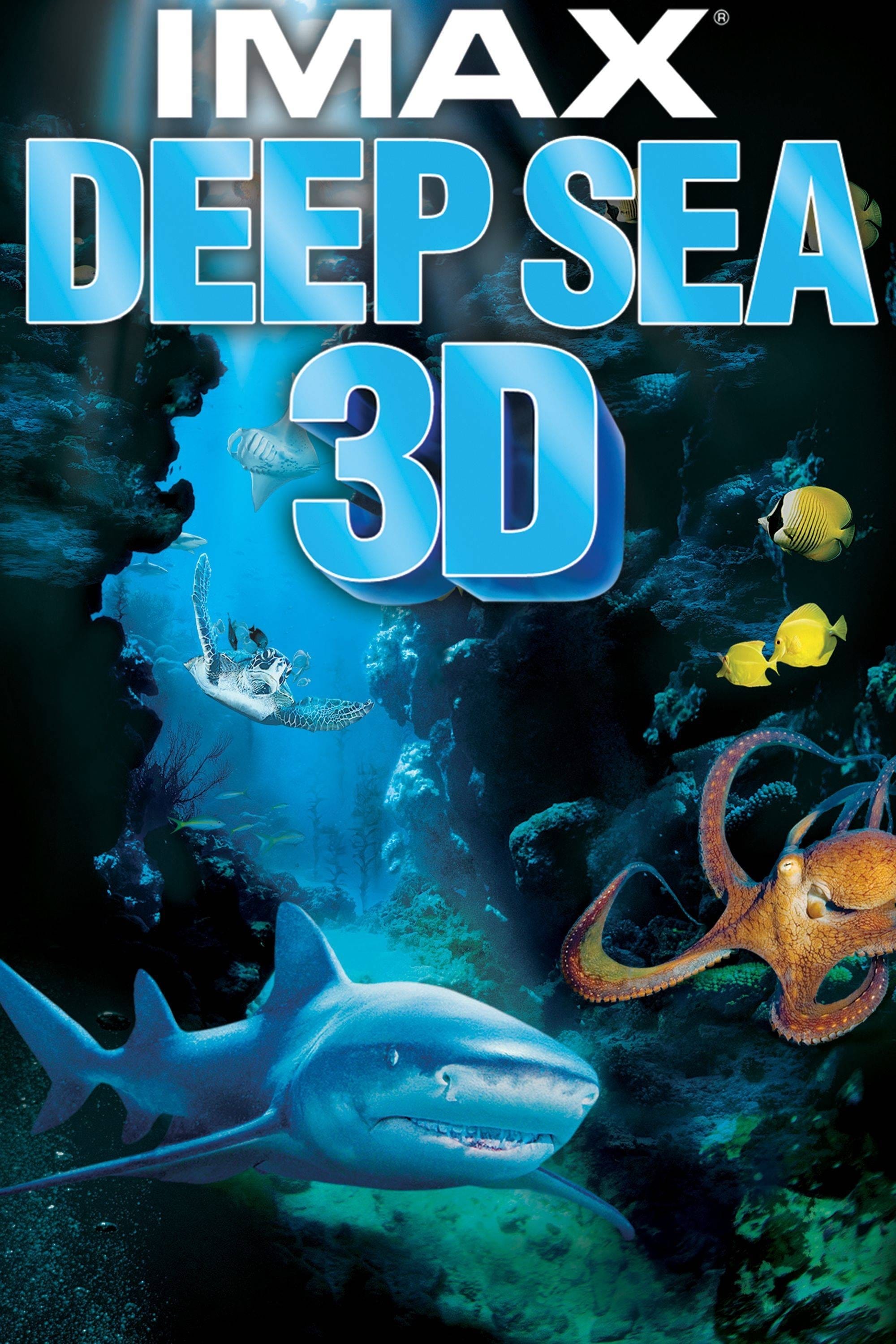
Sea life in a whole new way. Deep Sea 3D, an underwater adventure from the filmmakers behind the successful IMAX® 3D film Into the Deep, transports audiences deep below the ocean surface. Through the magic of IMAX®; and IMAX 3D, moviegoers will swim with some of the planets most unique, dangerous and colorful creatures, and understand this inspiring underworld.
JB Smoove and Martin Starr host a celebration of 20 years of "Spider-Man" movies, from the Sam Raimi trilogy to Marc Webb's movies and the trio from Jon Watts.
A look behind the lens of Christopher Nolan's space epic.
An inside look at one of the most anticipated movie sequels ever with James Cameron and cast.
The history of cinematic sound, told by legendary sound designers and visionary filmmakers.
The life and career of an actor, artist, and icon. His own journey through his own camera.
In the final decades of the 20th century, the Philippines was a country where low-budget exploitation-film producers were free to make nearly any kind of movie they wanted, any way they pleased. It was a country with extremely lax labor regulations and a very permissive attitude towards cultural expression. As a result, it became a hotbed for the production of cheapie movies. Their history and the genre itself are detailed in this breezy, nostalgic documentary.
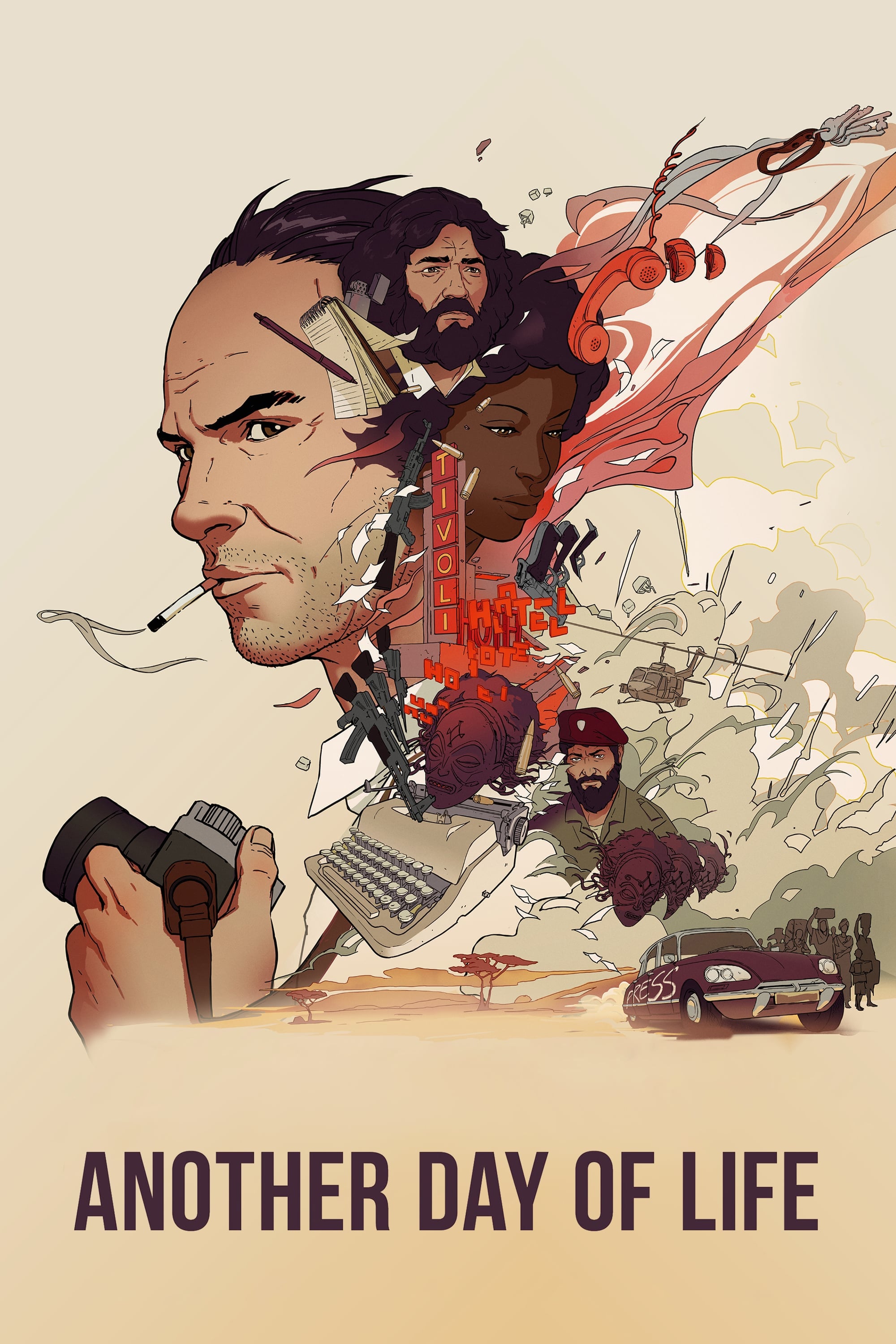
In 1975, Ryszard Kapuściński, a veteran Polish journalist, embarked on a seemingly suicidal road trip into the heart of the Angola's civil war. There, he witnessed once again the dirty reality of war and discovered a sense of helplessness previously unknown to him. Angola changed him forever: it was a reporter who left Poland, but it was a writer who returned…
From a prolific career in film and television, Anton Yelchin left an indelible legacy as an actor. Through his journals and other writings, his photography, the original music he wrote, and interviews with his family, friends, and colleagues, this film looks not just at Anton's impressive career, but at a broader portrait of the man.
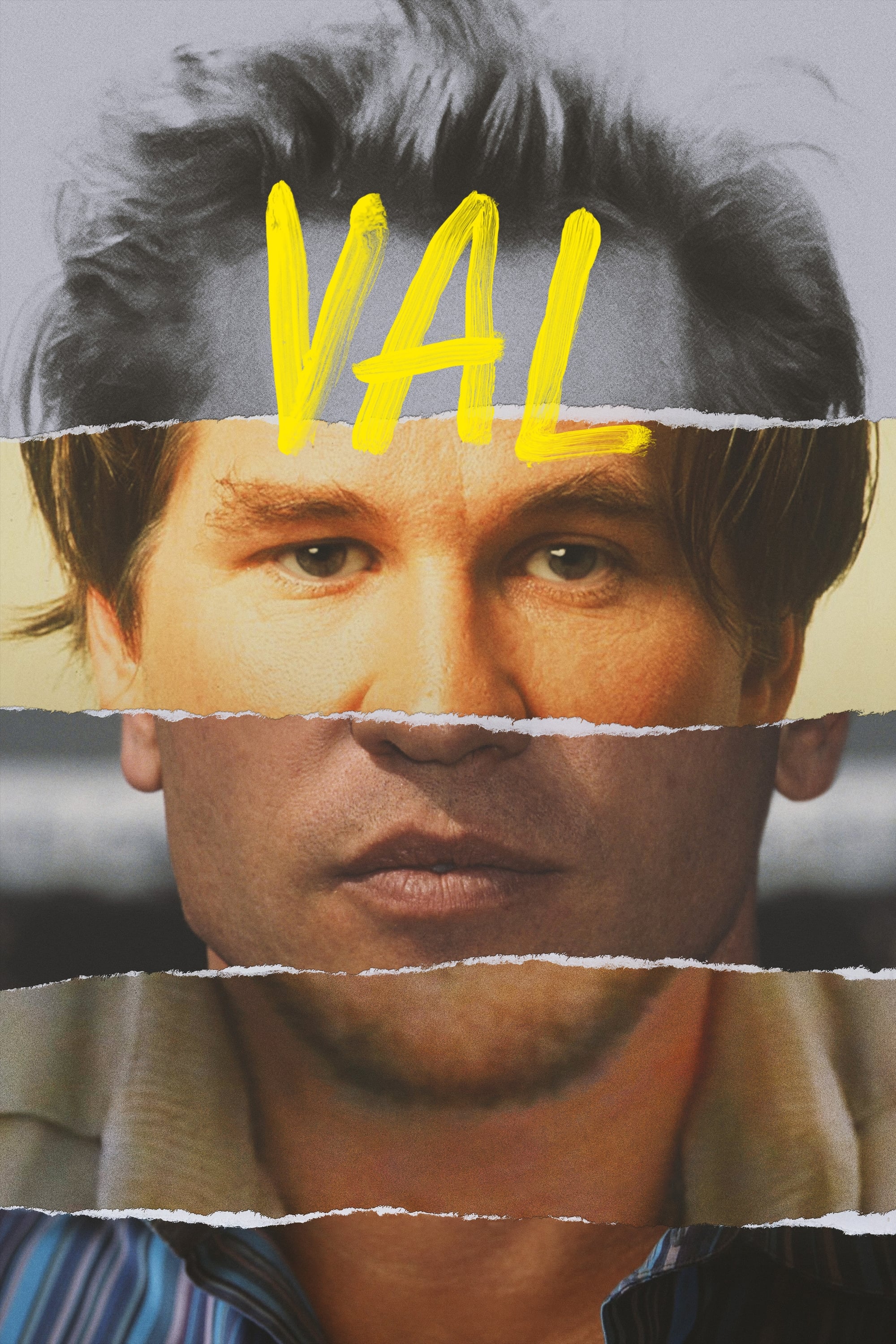
For over 40 years Val Kilmer, one of Hollywood's most mercurial and/or misunderstood actors, has been documenting his own life and craft through film and video. He has amassed thousands of hours of footage, from 16mm home movies made with his brothers, to time spent in iconic roles for blockbuster movies like Top Gun, The Doors, Tombstone, and Batman Forever. This raw, wildly original and unflinching documentary reveals a life lived to extremes and a heart-filled, sometimes hilarious look at what it means to be an artist and a complex man.
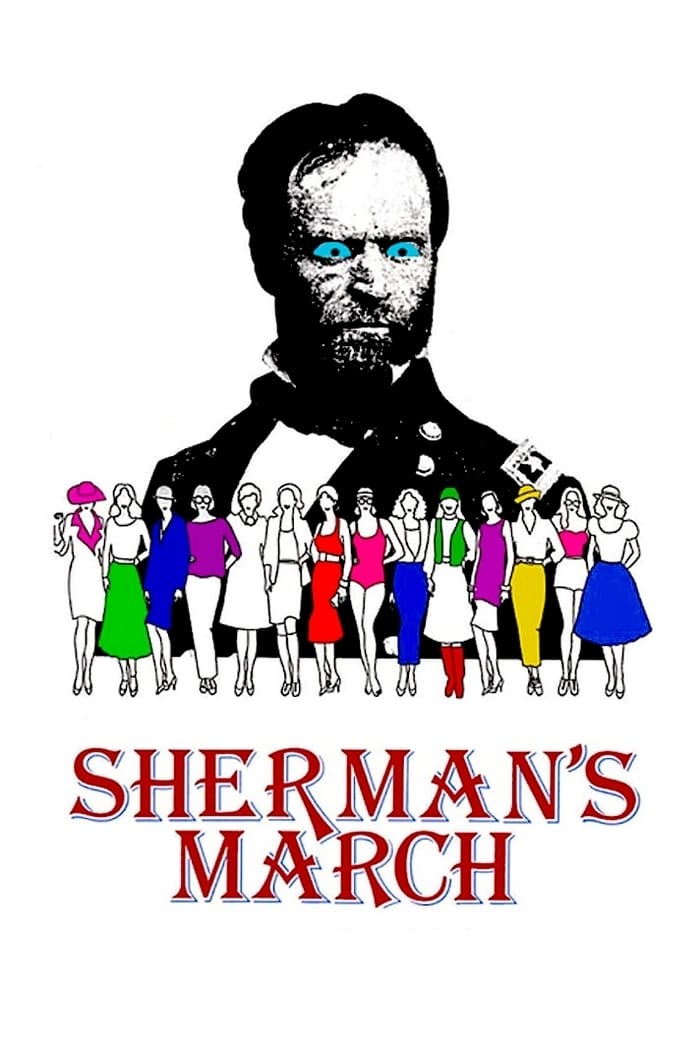
Documentarian Ross McElwee originally set out to make a travelogue of sorts tracing General William T. Sherman's infamous scorched-earth march through the Confederacy in the latter stages of the Civil War. Instead, haunted by a recent breakup with a girlfriend, McElwee ends up documenting his progress -- or lack thereof -- in starting a new relationship. His journey then becomes one of self-reflection and self-discovery rather than a historical/sociological exploration.