A room full of memories.
Social & External
The people behind it
Gardênia Maria
Ela
Vitória Maria
Voz
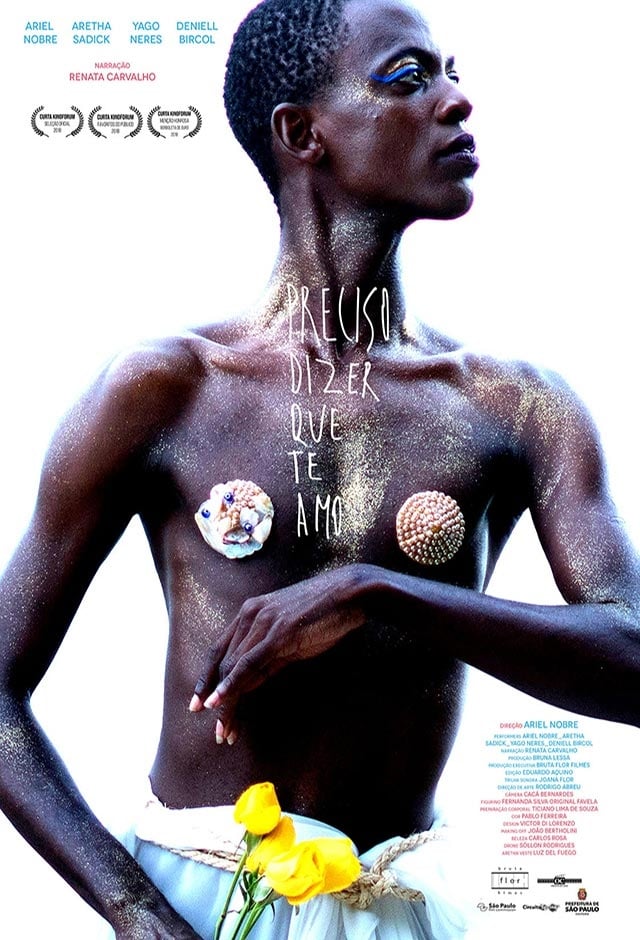
A documentary about resilience and the fight against suicide among trans people, the film portrays the characters’ relationships with their bodies, life and all that is sacred. It dives into the hearts of Aretha, Yago, Deniell and Ariel in an attempt to promote inner healing.
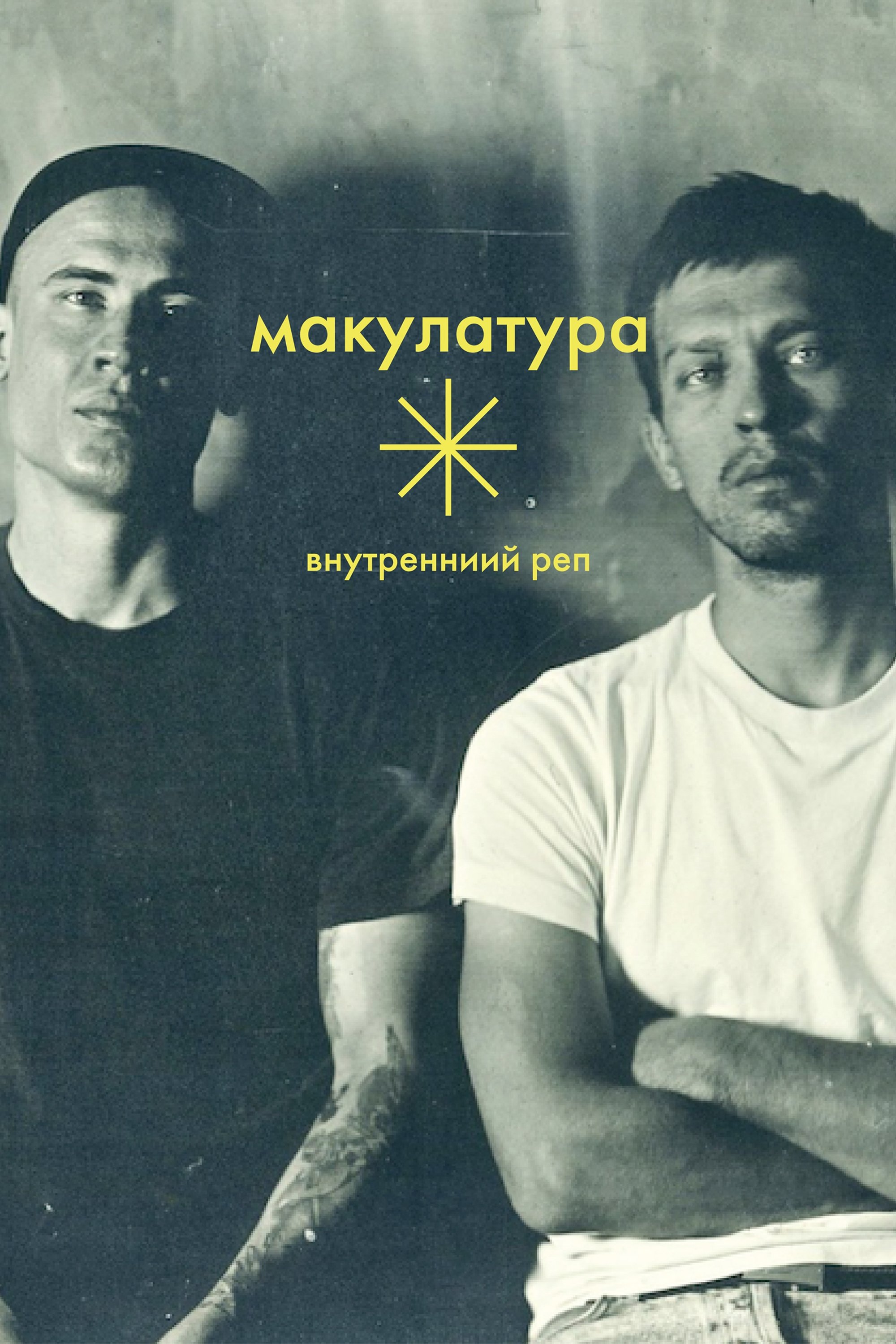
Makulatura [which means both scrap paper and pulp fiction in Russian] is a duo of poets Evgeniy Alyokhin and Konstantin Speransky, who have been performing together since 2003. Blending classic literature references, mind-bending introspection, musings on modern love and an ironic attitude to their act, they create what faithful fans and listeners call “existential rap.” The film follows Makulatura on tour through several Russian cities.
1918, produced by Frederick Burlingham.
In addition to music by Family and Procol Harum, you can hear a composition of percussive natural sounds—rain drumming on the window—and...
Short avant garde film. Views of rippling water.
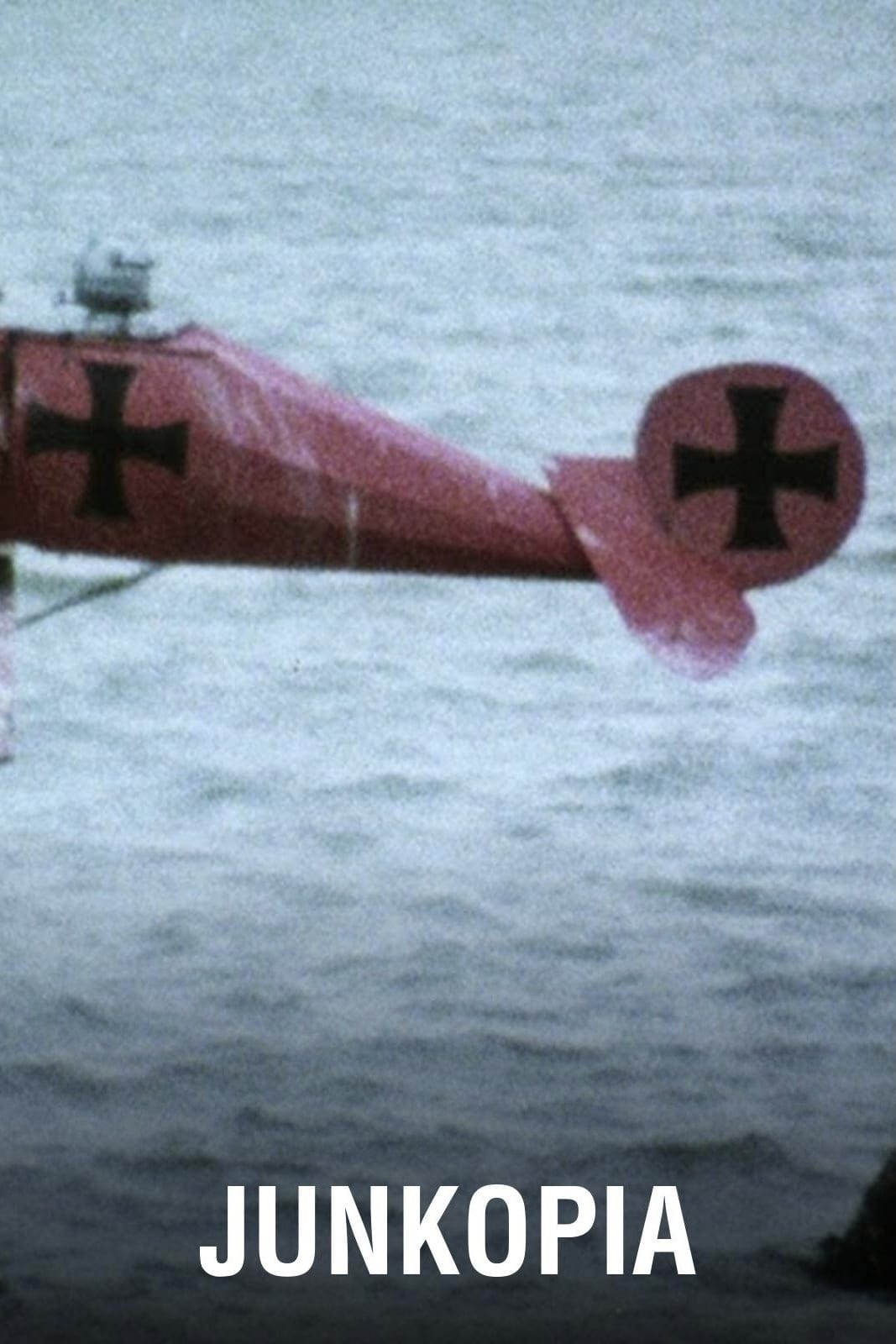
Filmed along the Emeryville Mudflats near San Francisco, Junkopia captures a landscape of sculptural installations made from driftwood and discarded materials. Chris Marker, John Chapman, and Frank Simeone transform these ephemeral artworks—set against highways and the distant city—into a quiet meditation on art, decay, and the modern environment.
Documentary about the history of the Belgium-Congo route, made on the occasion of the thousandth flight.
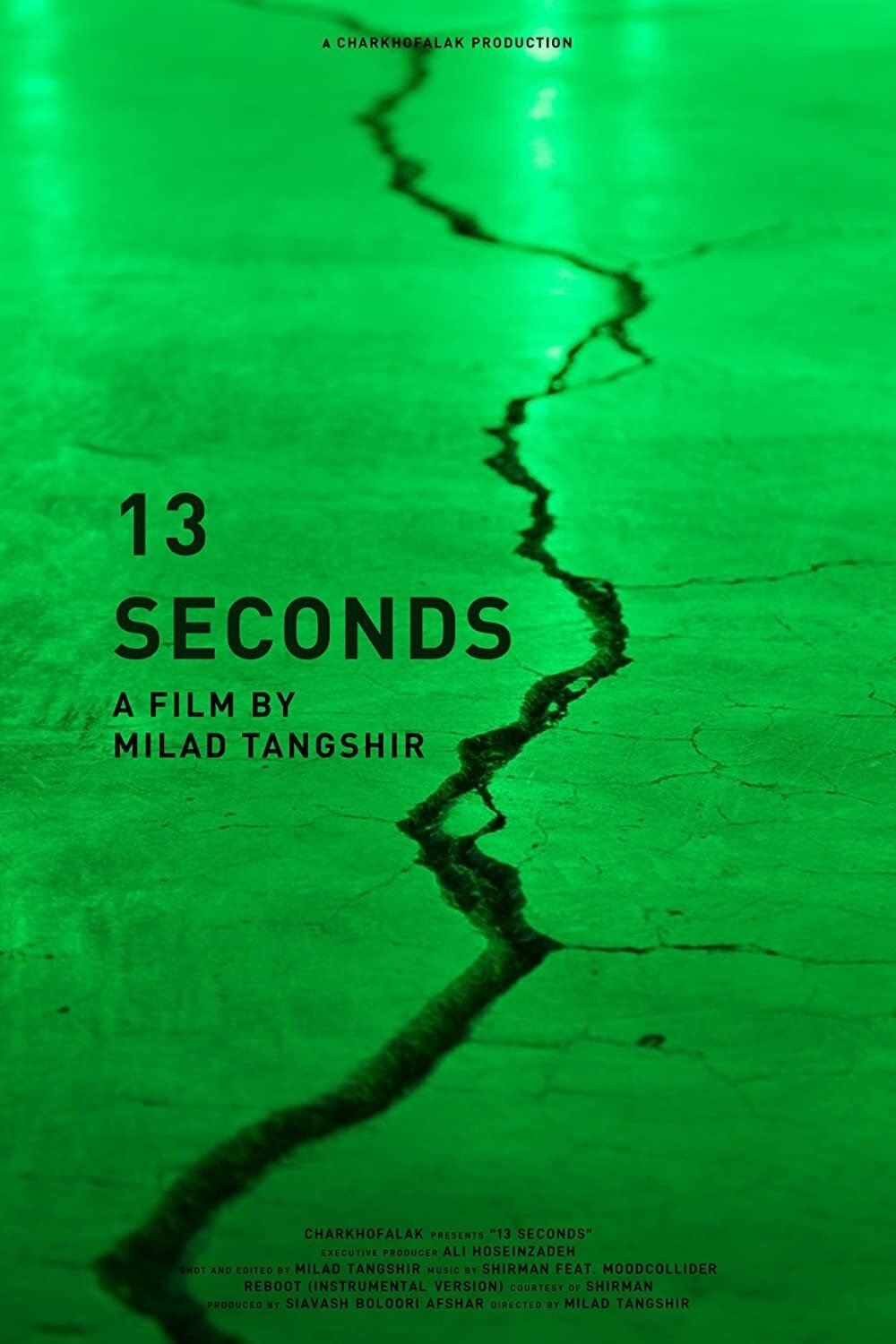
In November 2017, a devastating earthquake hit western Iran. It took only 13 seconds to lose everything. This is a fleeting observation of the days after the disaster.
After being tasked with creating a piece of work summarizing their filmmaking journey, 18 year old Lewis Bedford reflects on their history in film and video.
A short film documenting the immigrant experience. Open-borders? Policing? Naturalizing? Etc.
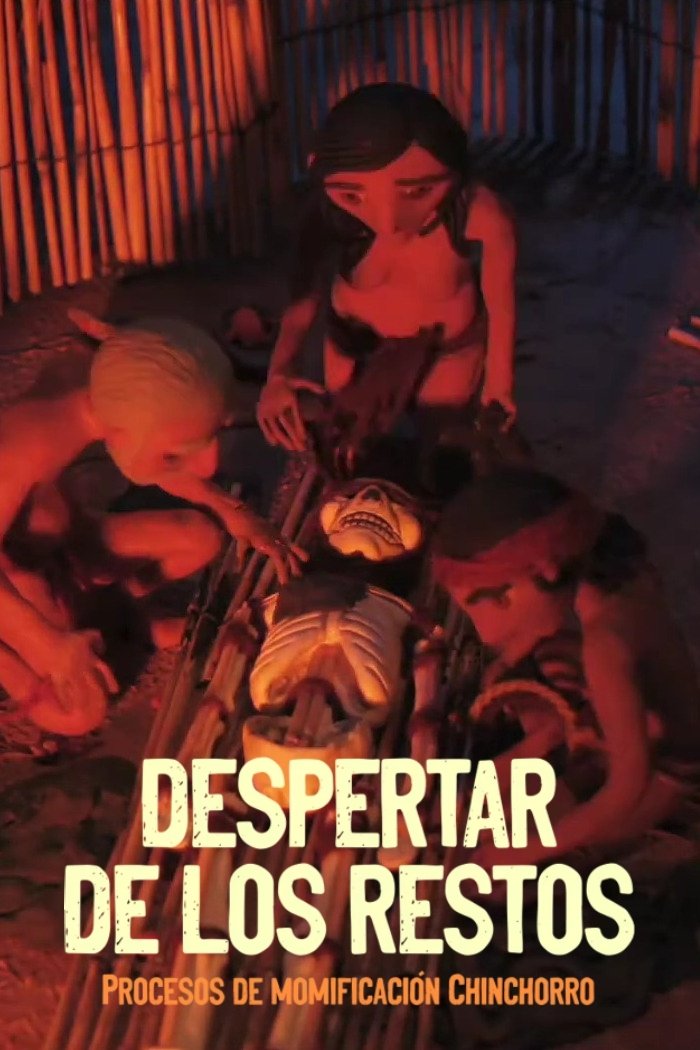
A stop-motion documentary that describes the artificial mummification (black and red mummies) of the Chinchorro culture, a pre-hispanic society of fishermen and hunter-gatherers who practiced funeral rites with sophisticated techniques for body preservation 7,000 years ago, originating on the Camarones coast of Chile.
A playful and original vision of the indelible mark left by Emiliano Zapata.
The Alberts (Bruce Lacey, Tony Gray and his brother Dougie Gray) attempt to take off. There are two edits of this film, both with their own distinct ending.
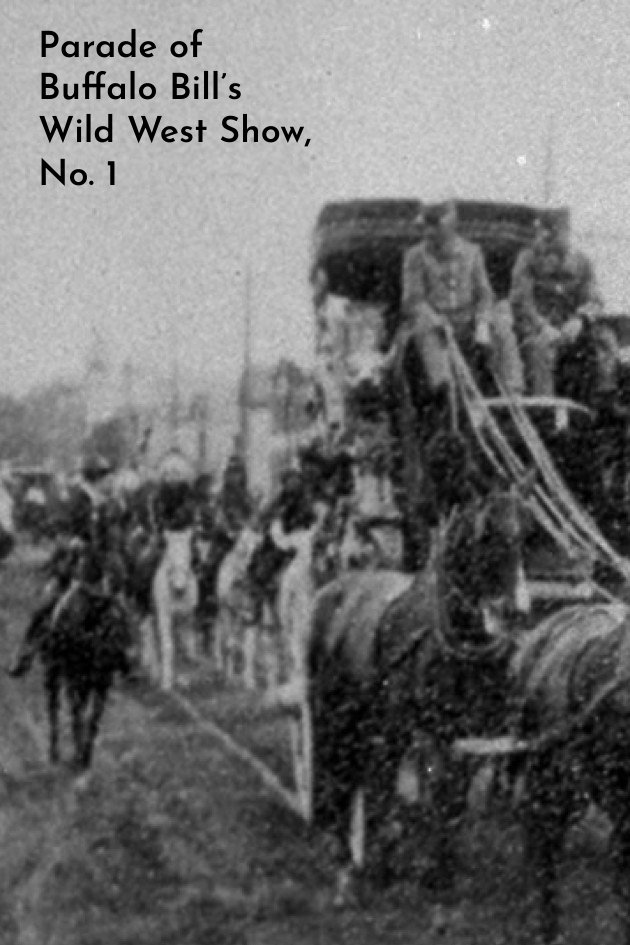
The famous show makes a parade.
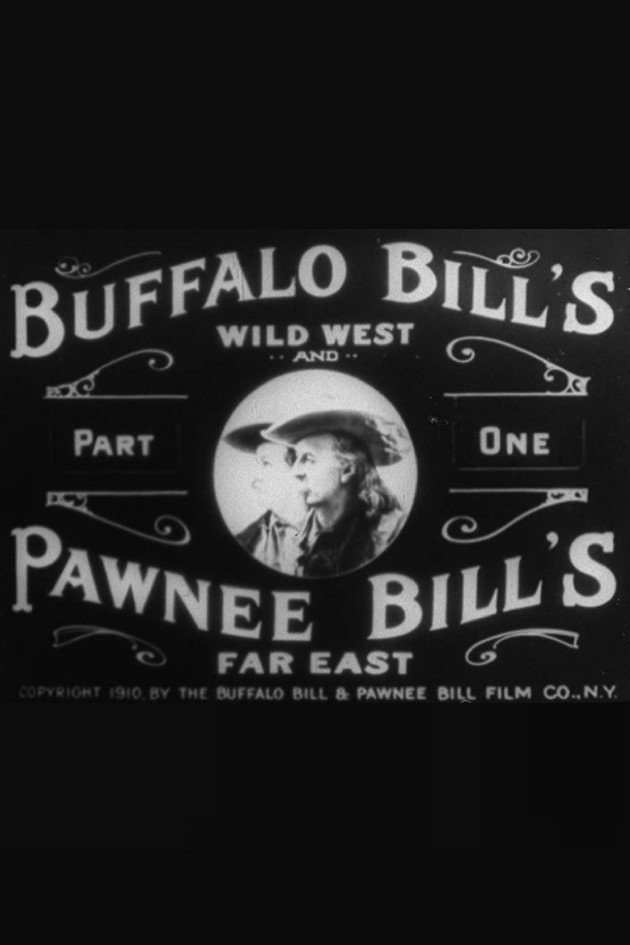
Highlights from the Buffalo Bill's Wild West and Pawnee Bill's Far East shows.
Choreographer Dave Gould and his students demonstrate various tap dancing steps. Also featured are an adagio and Russian sword dancers.
Through deeply personal interviews with her siblings and an examination of the photographs, letters, and belongings left behind, Mariska assembles a new portrait of her mother Jayne Mansfield, an extraordinary and complex woman.
Daniel Craig candidly reflects on his 15 year adventure as James Bond. Including never-before-seen archival footage from Casino Royale to the upcoming 25th film No Time To Die, Craig shares his personal memories in conversation with 007 producers, Michael G Wilson and Barbara Broccoli.
In an intimate and joyful story of love in the face of loss, celebrated poets Andrea Gibson and Megan Falley find strength—and unexpected hilarity—in what might be their final year together.
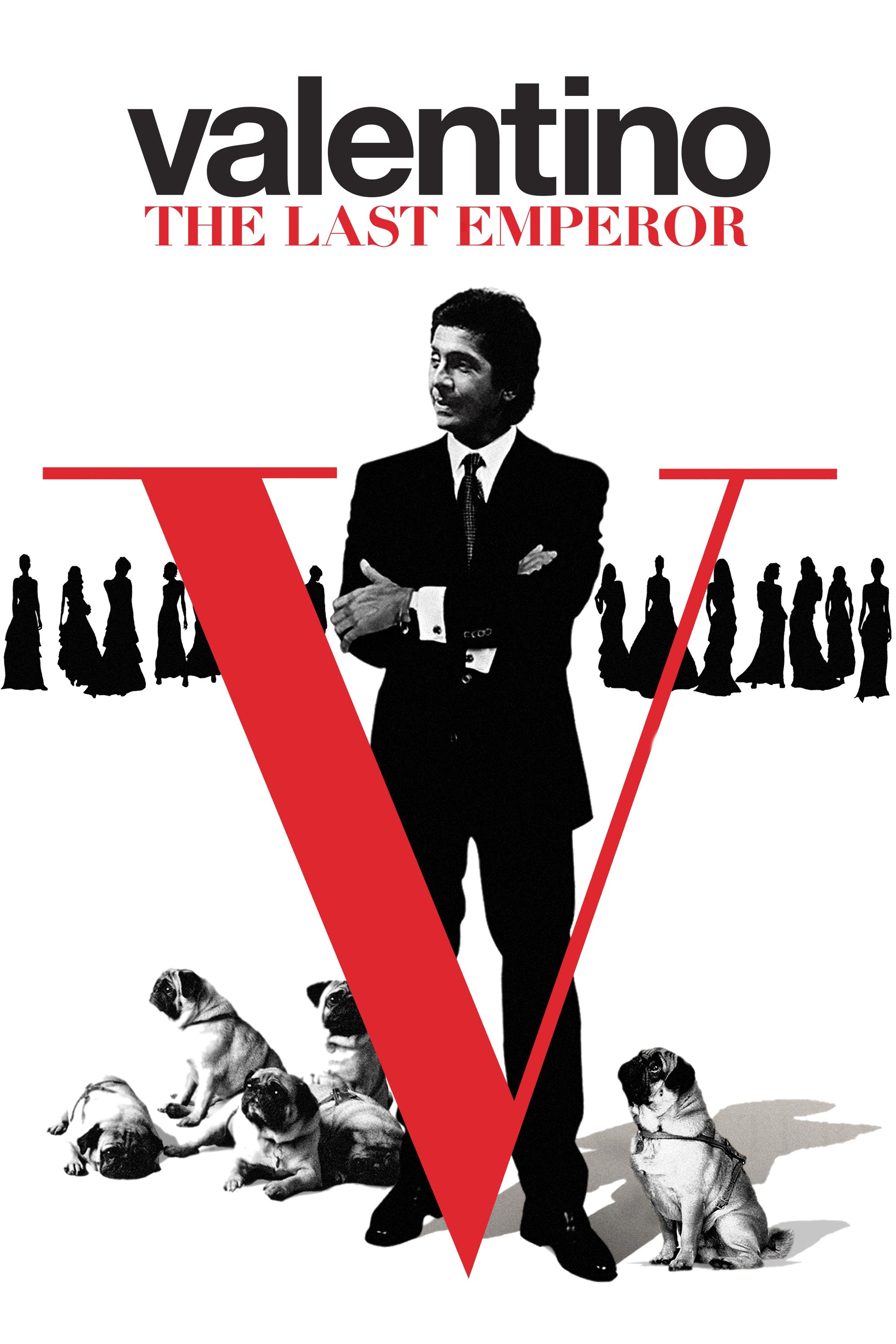
Film which travels inside the singular world of one of Italy's most famous fashion designers, Valentino Garavani, documenting the colourful and dramatic closing act of his celebrated career and capturing the end of an era in global fashion. However, at the heart of the film is a love story - the unique relationship between Valentino and his business partner and companion of 50 years, Giancarlo Giammetti. Capturing intimate moments in the lives of two of Italy's richest and most famous men, the film lifts the curtain on the final act of a nearly 50-year reign at the top of the glamorous and fiercely competitive world of fashion. (Storyville)
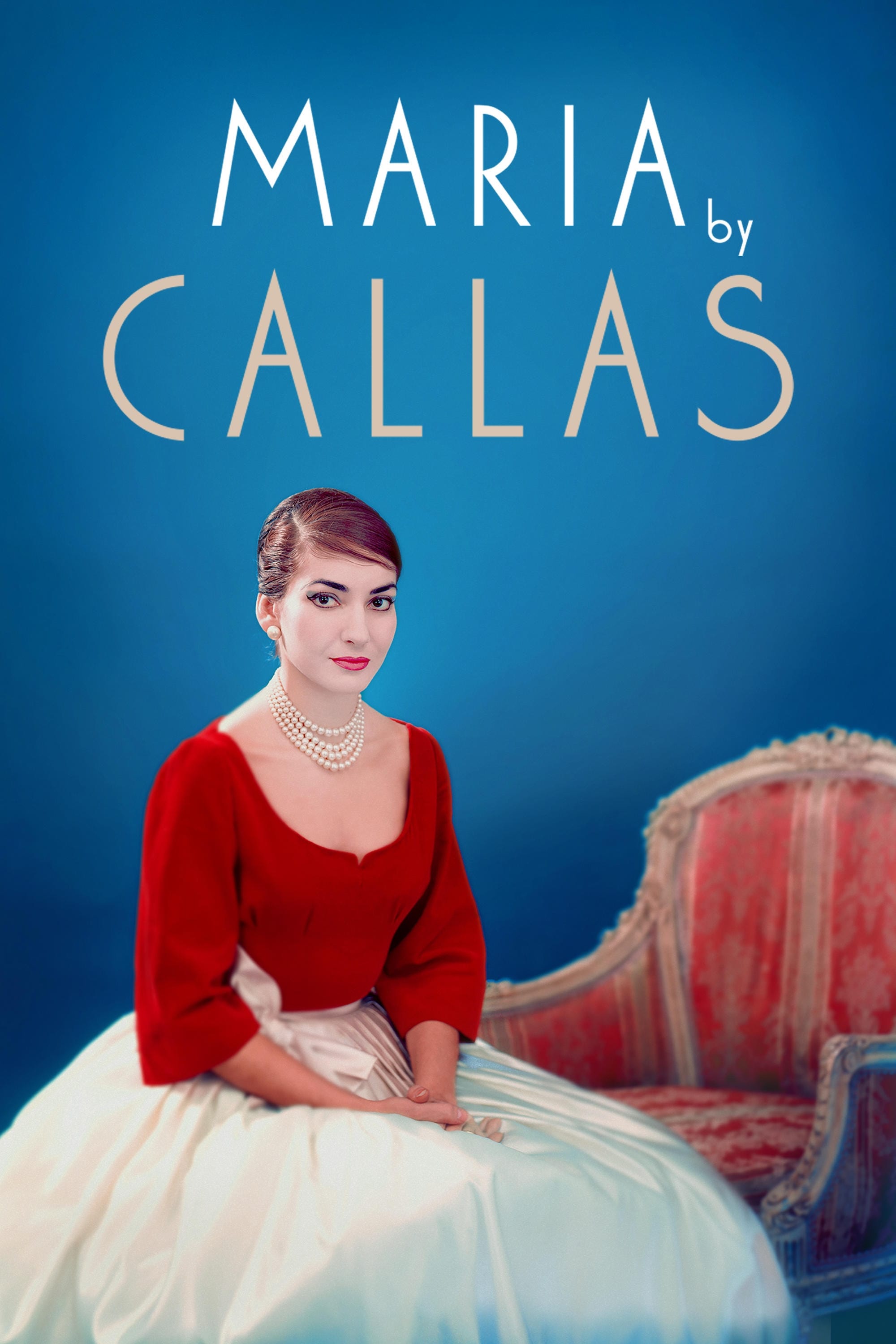
Told through performances, TV interviews, home movies, family photographs, private letters and unpublished memoirs, the film reveals the essence of an extraordinary woman who rose from humble beginnings in New York City to become a glamorous international superstar and one of the greatest artists of all time.
The life and career of an actor, artist, and icon. His own journey through his own camera.
A compilation of over 30 years of private home movie footage shot by Lithuanian-American avant-garde director Jonas Mekas, assembled by Mekas "purely by chance", without concern for chronological order.
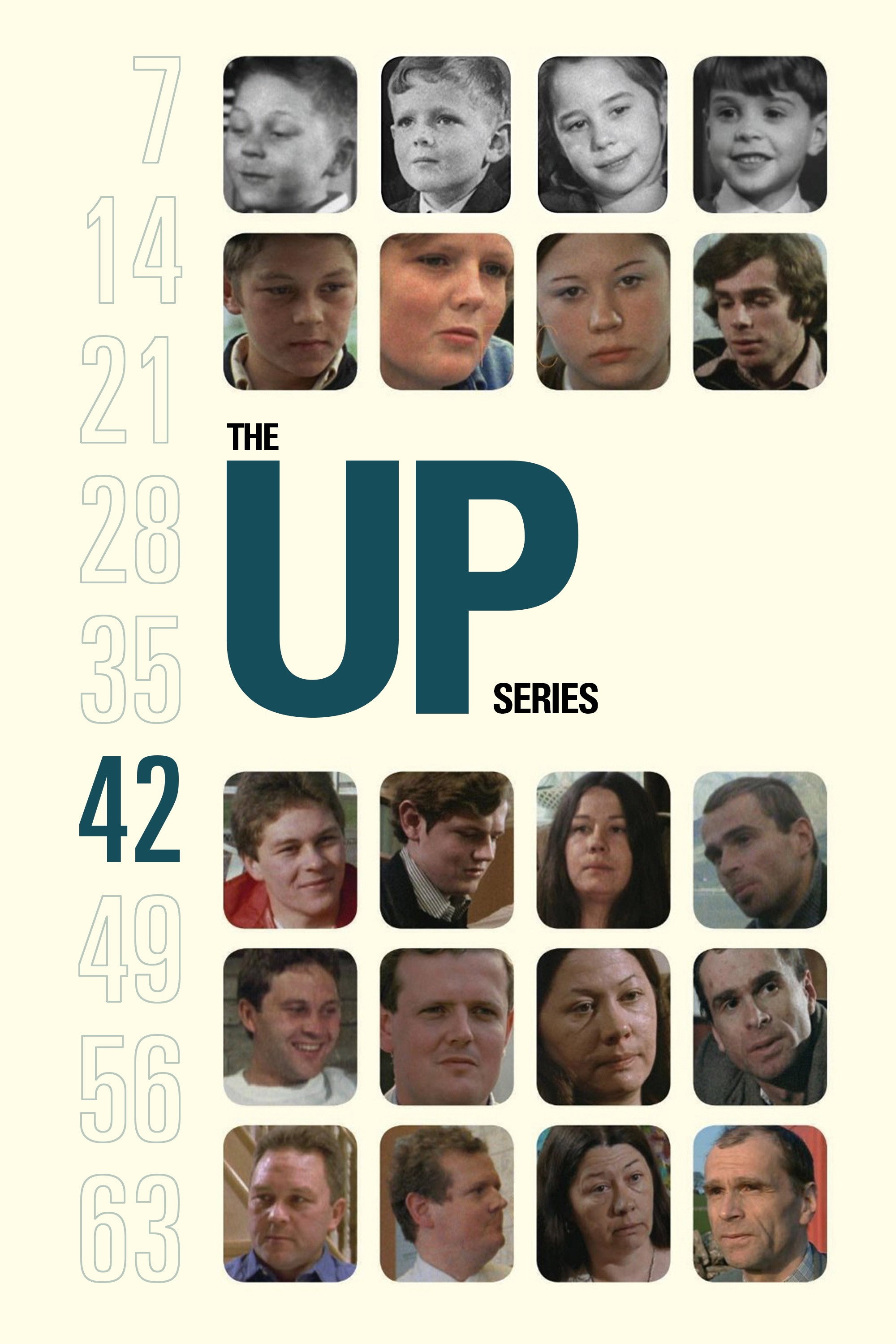
Director Michael Apted revisits the same group of British-born adults after a 7 year wait. The subjects are interviewed as to the changes that have occurred in their lives during the last seven years.
An inside look at one of the most anticipated movie sequels ever with James Cameron and cast.
Using the book 'Fragments', which collects Marilyn Monroe's poems, notes and letters, and with participation from the Arthur Miller and Truman Capote estates who have contributed more material, each of the actresses will embody the legend at various stages in her life.
The life and career of one of comedy's most inimitable modern voices, Mr. Gilbert Gottfried.
A visual montage portrait of our contemporary world dominated by globalized technology and violence.
A documentary about the making of season five of the acclaimed AMC series Breaking Bad.
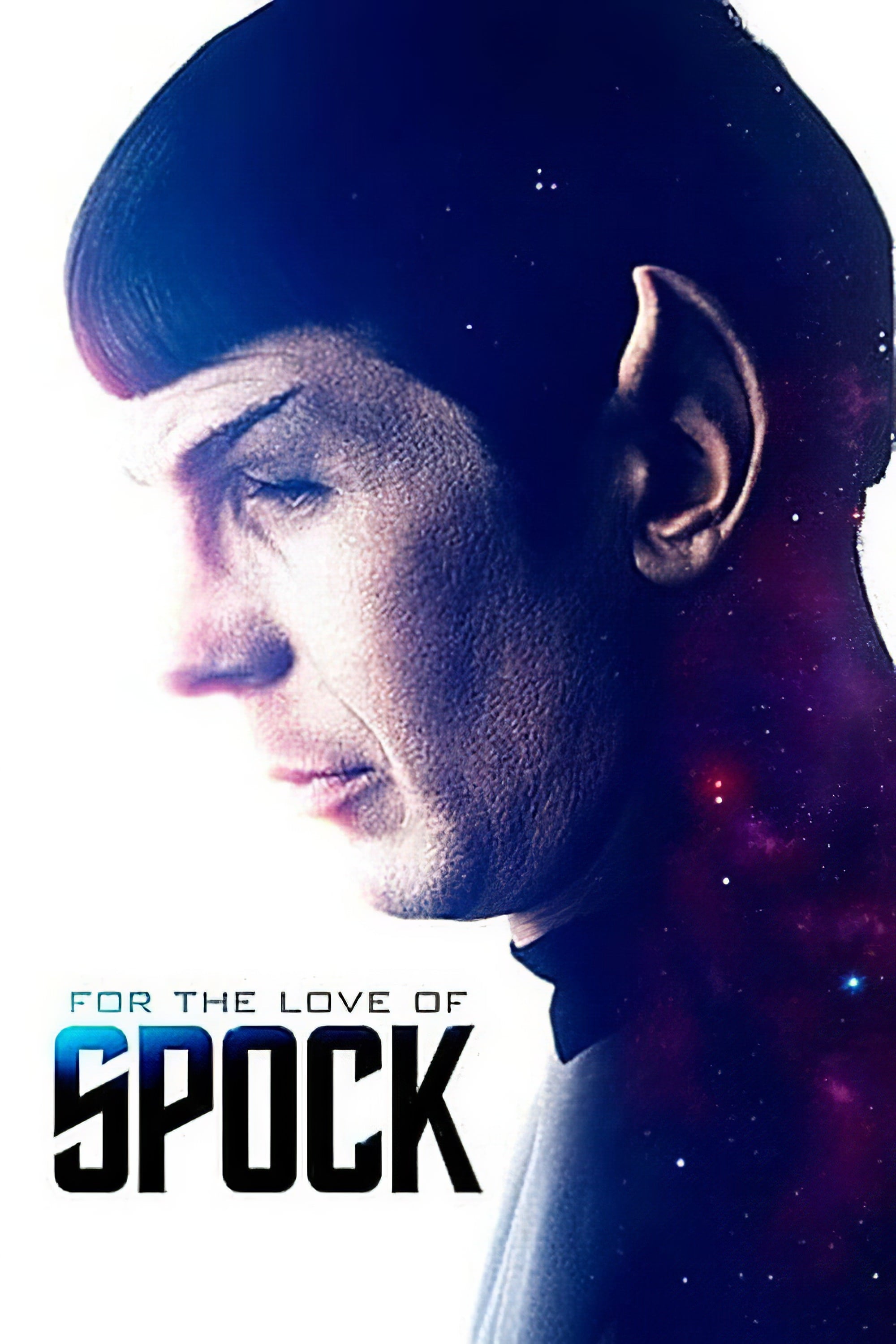
The life of Mr. Spock, as well as that of Leonard Nimoy, the actor who played him for almost fifty years, written and directed by his son: Adam.
The film follows adventurer Jeff Johnson as he retraces the epic 1968 journey of his heroes Yvon Chouinard and Doug Tompkins to Patagonia.
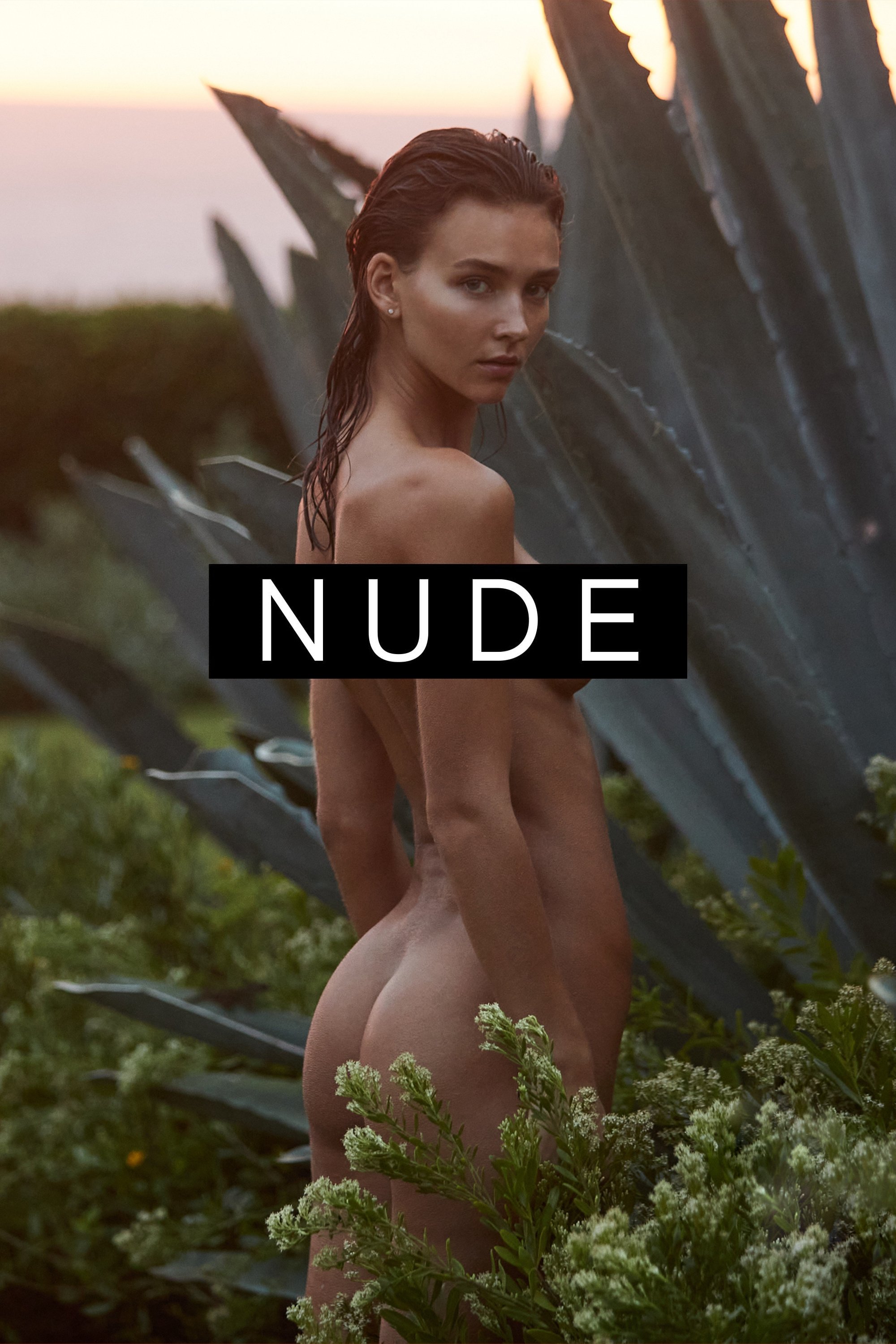
NUDE explores perceptions of nudity in art by chronicling the creative process of photographer David Bellemere as he's commissioned by NU Muses founder Steve Shaw to shoot a fine art calendar of nude photographs.
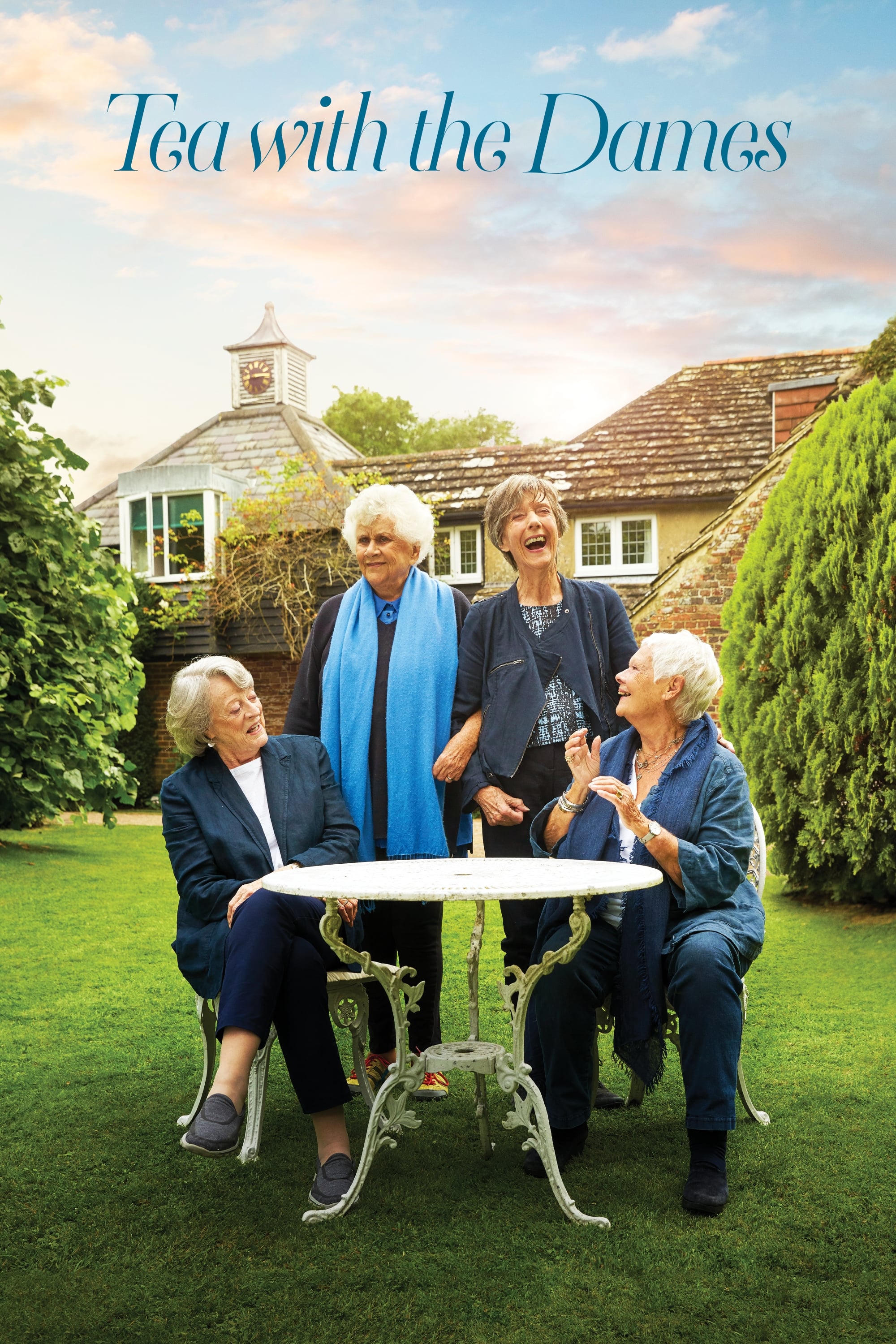
BBC Arena's documentary on the Dames of British Theatre and film featuring Maggie Smith, Eileen Atkins, Judi Dench and Joan Plowright on screen together for the first time as they reminisce over a long summer weekend in a house Joan once shared with Sir Laurence Olivier.
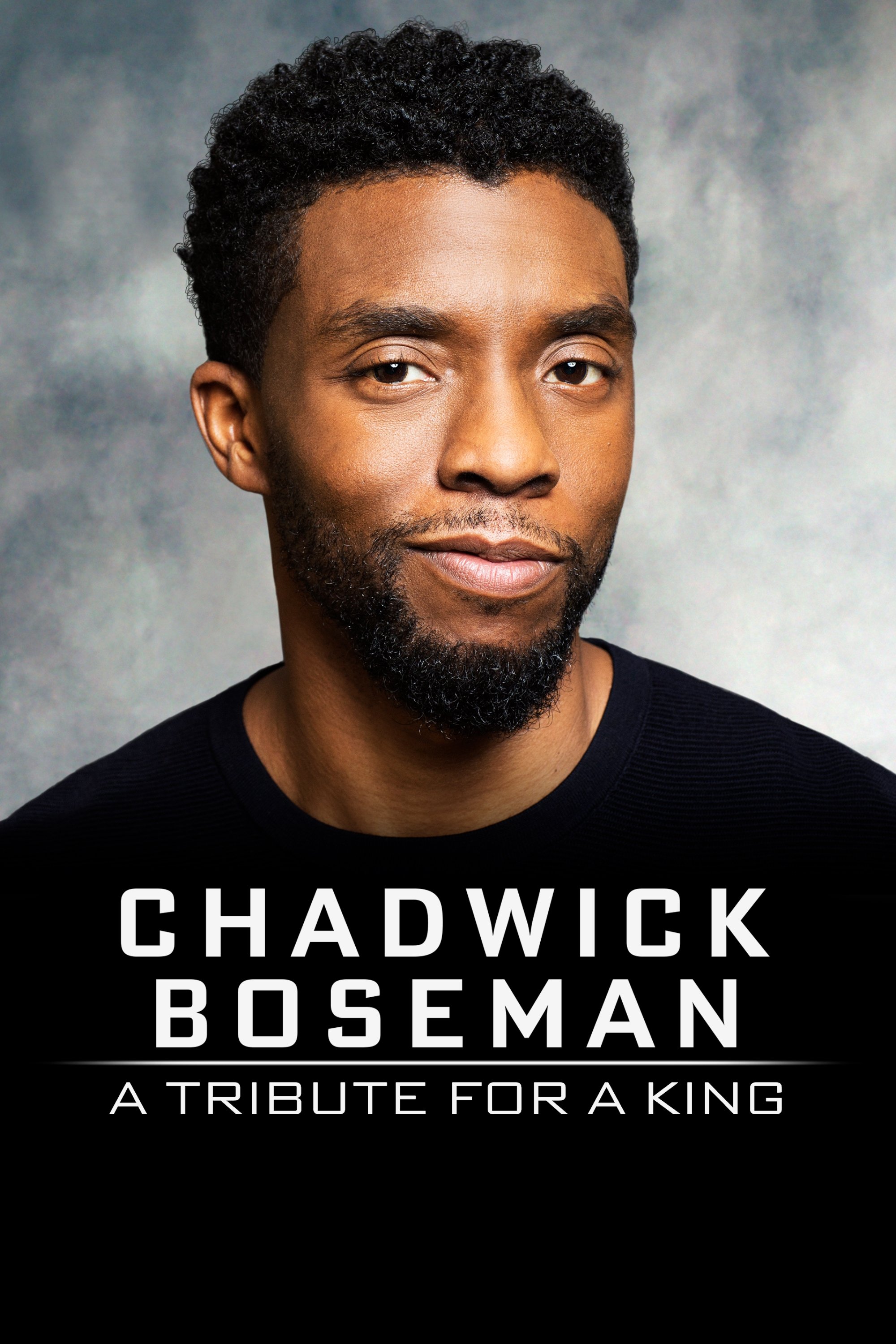
A tribute to Chadwick Boseman, celebrating his life and legacy.
A string of threatening emails escalates into a revenge plot involving a newly married US marshal and his ex-girlfriend.
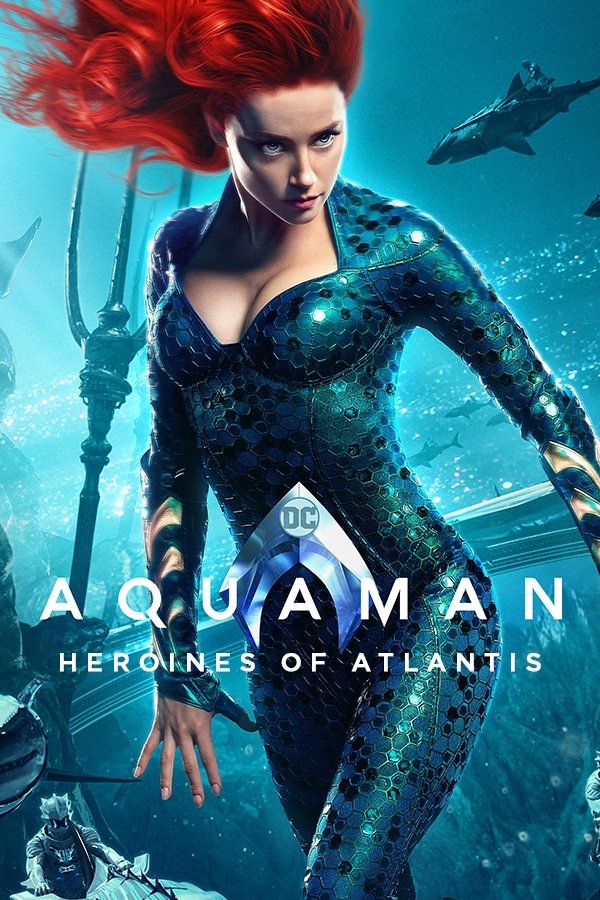
Amber Heard and Nicole Kidman discuss their characters Mera and Atlanna.