The building of blast furnaces Magnitogorsk and the Kubas Basin by Komsomol, the Communist Union of youth, as part of Stalin’s first five-year plan.
Social & External
This 1982 film explains the KGB infiltration of America. Who they are, what they are doing, and how well they have infiltrated North America.
Ben Stewart, the bright young musician and philosopher who brought us the sleeper hit "Esoteric Agenda", unveils his new work, Kymatica!. Kymatica will venture into the realm of Cymatics and Shamanic practices. It will offer insight into the human psyche and discuss matters of spirituality, altered states of consciousness and much more! Not to be missed!
Poland, 1970. When popular protests erupt in the streets due to rising prices, the communist government organizes a crisis team. Soon after, the police use their truncheons and then their firearms. The story of a rebellion from the point of view of the oppressors.
The impact of Marx on the 20th century has been all-pervasive and world-wide. This program looks at the man, at the roots of his philosophy, at the causes and explanations of his philosophical development, and at its most direct outcome: the failed Soviet Union.
Vladimir Ilyich Ulyanov, better known as Lenin, is remembered as the instigator of the October Revolution of 1917 and, therefore, as one of the men who changed the shape of the world at that time and forever, but perhaps the actual events happened in a way different from that narrated in the history books…
Mothers and doctors speak out about the grim reality of life in the five years following the Chernobyl disaster. In children, doctors witnessed a massive increase of recurrent infections, baldness, as well as leukaemia and other cancers.
Charlie Marx and the Chocolate Factory started as an investigation of the link between politics and chocolate, at the Karl Marx Confectionary Factory in Kiev, Ukraine. Since access to the factory was denied, the project had to be re-considered, re-invented or re-enacted. Mostly made of archival footage and re-enacted performances based on the company's website, the film merges what was left of the initial idea with what has been collected and realized instead. It borrows from the genres of video art, 'Man on the street' interview, direct address, corporate film, essay, and music video, without legitimately belonging to any of them. The film unravels as a reflection on its own failure, and yet keeps on investigating what has always been at stake: the shift from public to private property (and from analog to digital technology), dialectics of permanence and change, language as a mirror of ideology, and post-Soviet oligarchy culture.
The free, almost naive view from the perspective of a child puts the "68ers" in a new, illuminating light in the anniversary year 2008. The film is a provocative reckoning with the ideological upbringing that seemed so progressive and yet was suffocated by the children's desire to finally grow up. With an ironic eye and a feuilletonistic style, author Richard David Precht and Cologne documentary film director André Schäfer trace a childhood in the West German provinces - and place the major events of those years in completely different, smaller and very private contexts.
This program is an overview of the life and career of Joseph Stalin. It concentrates on describing and attempting to explain the origins of the policy of “terror” instigated by Stalin as leader of the USSR. There are interviews with surviving family members and experts all of whom attempt some sort of personality “analysis” of the dictator to explain his behaviour and policies. Another question that is examined is, given his record of “terror”, why was he so popular? Why did so many Russians mourn his death in 1953? This could be an overview and introduction to a study of both Stalin and USSR in the post revolution period.
In 2016, DEFA celebrates its 70th anniversary: the film embarks on a journey into the exciting film history of the GDR. In a comprehensive kaleidoscope, the importance of DEFA productions is illuminated, the relevance of the films as propaganda productions for the GDR, which socio-political themes were in the foreground, but also which heroes DEFA brought to the screen and celebrated as people from the people.
This is a rare look at one of the worst horror stories in the long infamous history of warfare. This series features captured German and Russian film footage, much of which has never been seen before. For decades the Cold War prevented us from looking closely at what really happened between the Russians and the Germans on the Eastern Front during World War II. More than a struggle between nations, it pitted maniacal tyrant against maniacal tyrant, evil ideology against evil ideology. The lives of tens of millions of human beings were consumed by its raging hatreds and appalling indignities. One in every ten Russians died. One in every four Poles died. Whole divisions of Italians, Romanians, Hungarians disappeared with barely a trace. An average of 17,800 people died on every single day and this, the war on the Russian German Front, lasted for 1,400 days. This series features captured German and Russian film footage, much of which has never been seen before.
In 1944 Crimean Tatars has suffered a long road in exile. It was accompanied by famine, illness and loss. In the first years of exile, almost half of deported Crimean Tatars died. But those, who survived, dreamed of only one thing - to return to Crimea. The documentary 1944 tells about the tragedy of all Crimean Tatars through several separate life stories. They are cherished by each Crimean Tatar family and must be remembered by all generations to come.
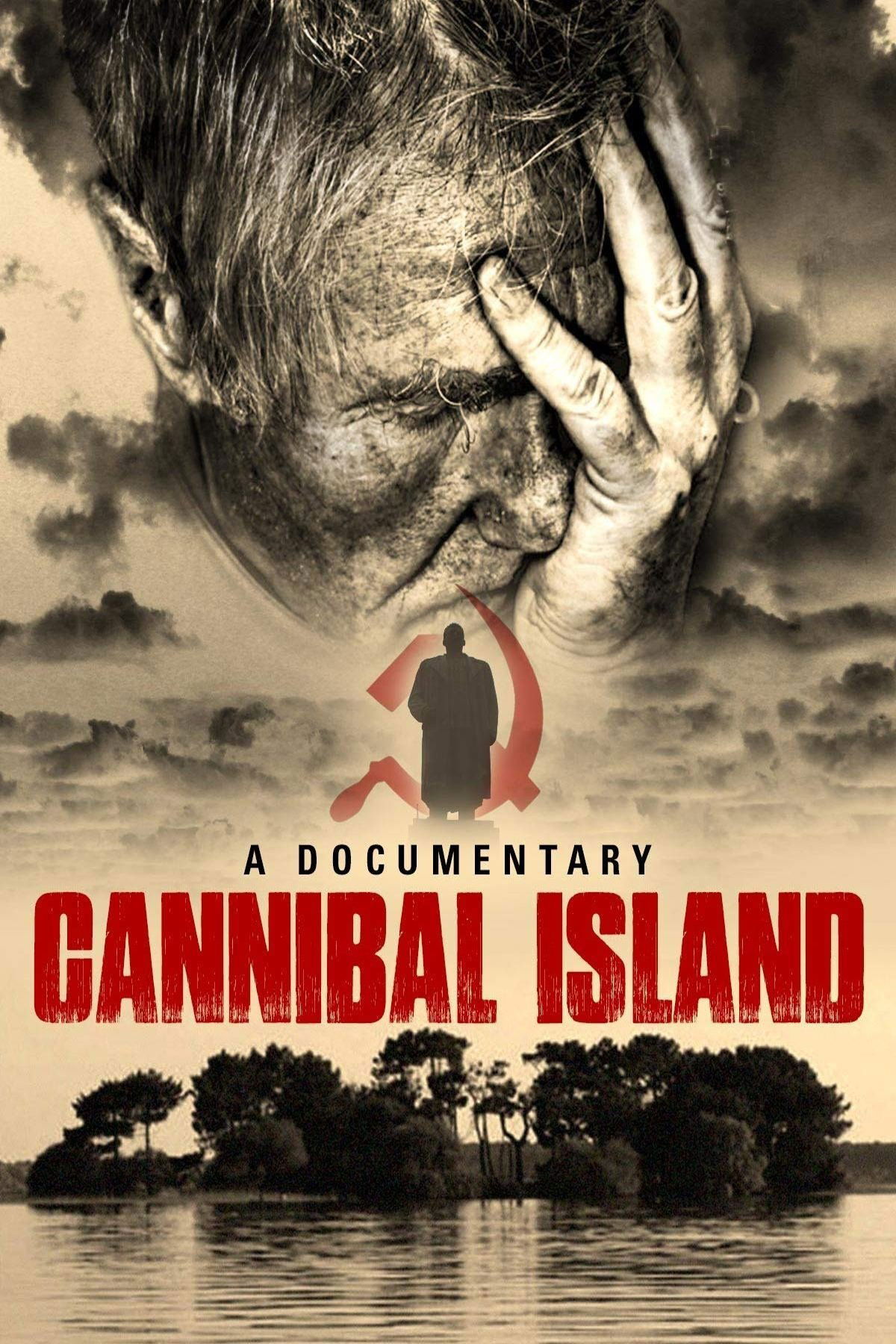
A disturbing chapter in Russian history is explored in this documentary. In 1933, Joseph Stalin sent 6000 "unwanted" citizens of Moscow and Leningrad to a desolate Siberian island - with no food or clothes to speak of. Decades later this documentary returns to the island.
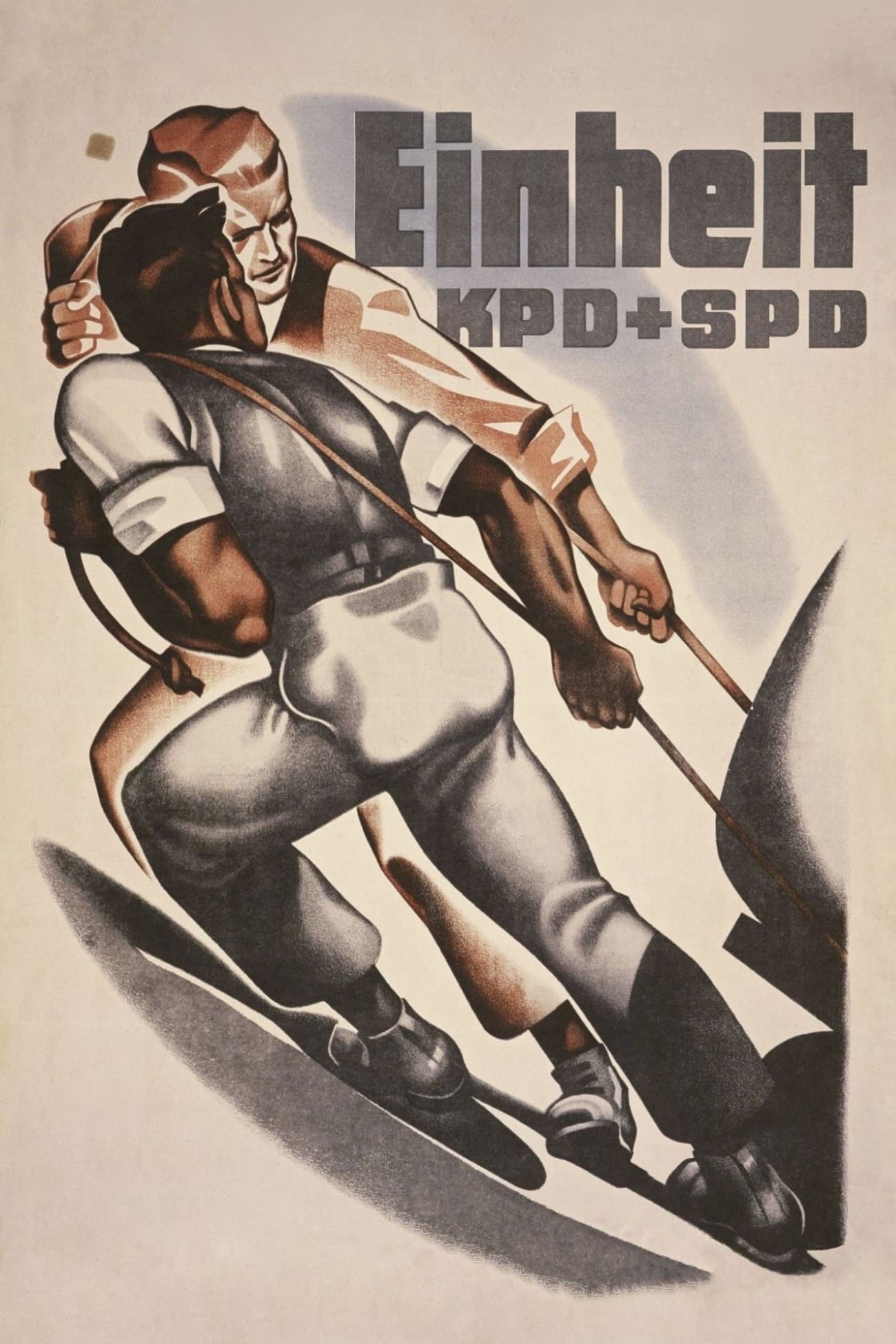
Documentary about the merging of the Communist Party of Germany and the Socialist Unity Party of Germany in the Soviet occupation zone, a merger that would lead to the creation of the Socialist Unity Party that would rule the soon-to-be-created East Germany until 1989.
An account of the life and work of Russian filmmaker Andrey Tarkovsky (1932-86) in his own words: his memories, his vision of art and his reflections on the fate of the artist and the meaning of human existence; through extremely rare audio recordings that allow a complete understanding of his inner life and the mysterious world existing behind his complex cinematic imagery.
Two little girls read the Communist Manifesto and ask their grandmother, an artist and political figure, questions like "What is a revolution? What is oppression?"
"A Home On The Range" tells the little-known story of Jews who fled the pogroms and hardships of Eastern Europe and traveled to California to become chicken ranchers. Even in the sweatshops of New York they heard about Petaluma where the Jews were not the shopkeepers and the professionals, they were the farmers. Meet this fractious, idealistic, intrepid group of Eastern European Jews and their descendants as they confront obstacles of language and culture on their journey towards becoming Americans. Jack London, California vigilantes, McCarthyism, the Cold War and agribusiness all come to life in this quintessentially American story of how a group of immigrants found their new home, a home on the range.
This documentary promoting the joys of life in a Soviet village centers on the activities of the Young Pioneers. These children are constantly busy, pasting propaganda posters on walls, distributing hand bills, exhorting all to "buy from the cooperative" as opposed to the Public Sector, promoting temperance, and helping poor widows. Experimental portions of the film, projected in reverse, feature the un-slaughtering of a bull and the un-baking of bread.
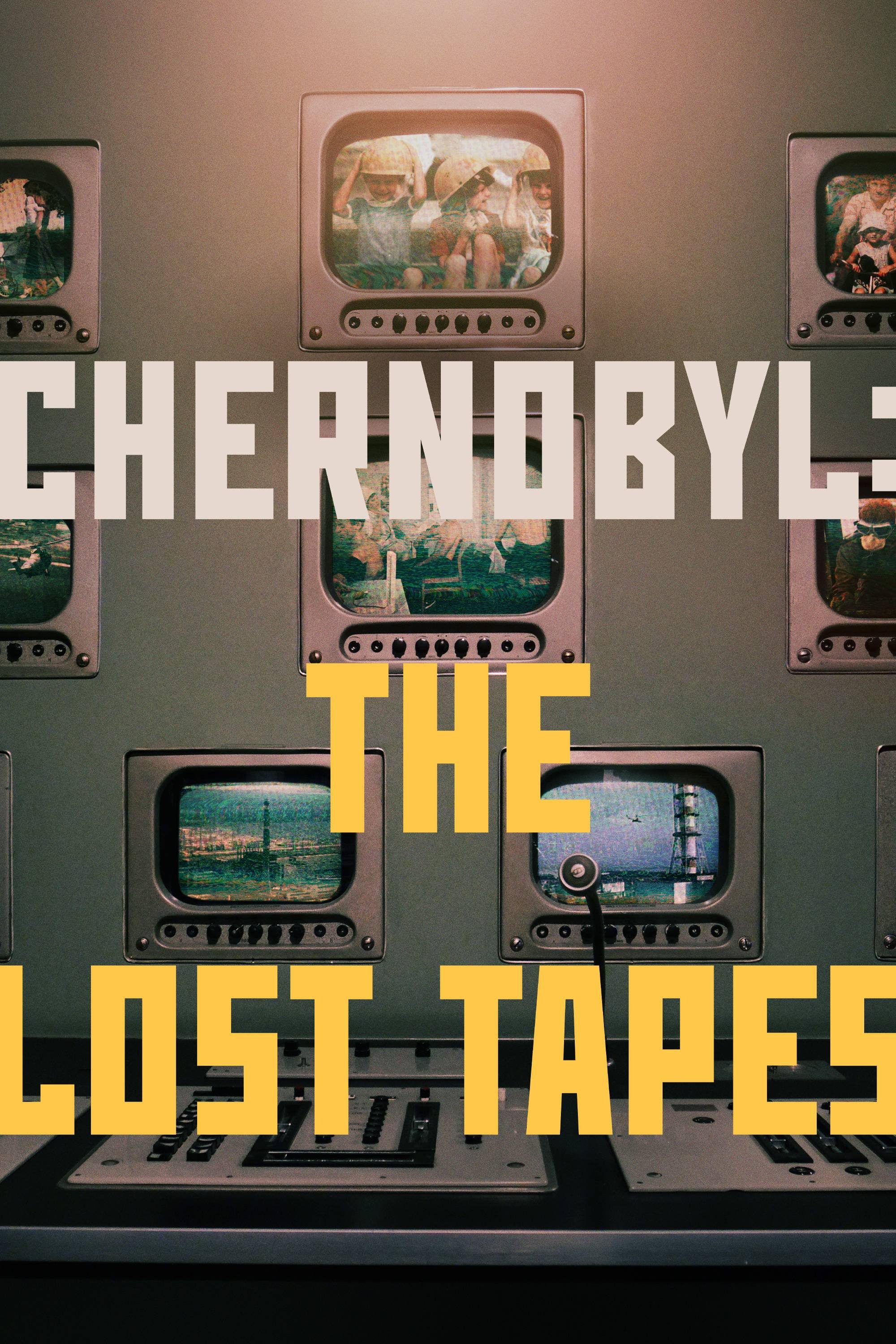
Thirty-six years after the Chernobyl nuclear reactor exploded in Soviet Ukraine, newly uncovered archival footage and recorded interviews with those who were present paint an emotional and gripping portrait of the extent and gravity of the disaster and the lengths to which the Soviet government went to cover up the incident, including the soldiers sent in to “liquidate” the damage. Chernobyl: The Lost Tapes is the full, unvarnished true story of what happened in one of the least understood tragedies of the twentieth century.
“The Soviet Story” is a story of an Allied power, which helped the Nazis to fight Jews and which slaughtered its own people on an industrial scale. Assisted by the West, this power triumphed on May 9th, 1945. Its crimes were made taboo, and the complete story of Europe’s most murderous regime has never been told. Until now...
A subjective documentary that explores various theories about hidden meanings in Stanley Kubrick's classic film The Shining. Five very different points of view are illuminated through voice over, film clips, animation and dramatic reenactments.
When Allied forces liberated the Nazi concentration camps in 1944-45, their terrible discoveries were recorded by army and newsreel cameramen, revealing for the first time the full horror of what had happened. Making use of British, Soviet and American footage, the Ministry of Information’s Sidney Bernstein (later founder of Granada Television) aimed to create a documentary that would provide lasting, undeniable evidence of the Nazis’ unspeakable crimes. He commissioned a wealth of British talent, including editor Stewart McAllister, writer and future cabinet minister Richard Crossman – and, as treatment advisor, his friend Alfred Hitchcock. Yet, despite initial support from the British and US Governments, the film was shelved, and only now, 70 years on, has it been restored and completed by Imperial War Museums under its original title "German Concentration Camps Factual Survey".
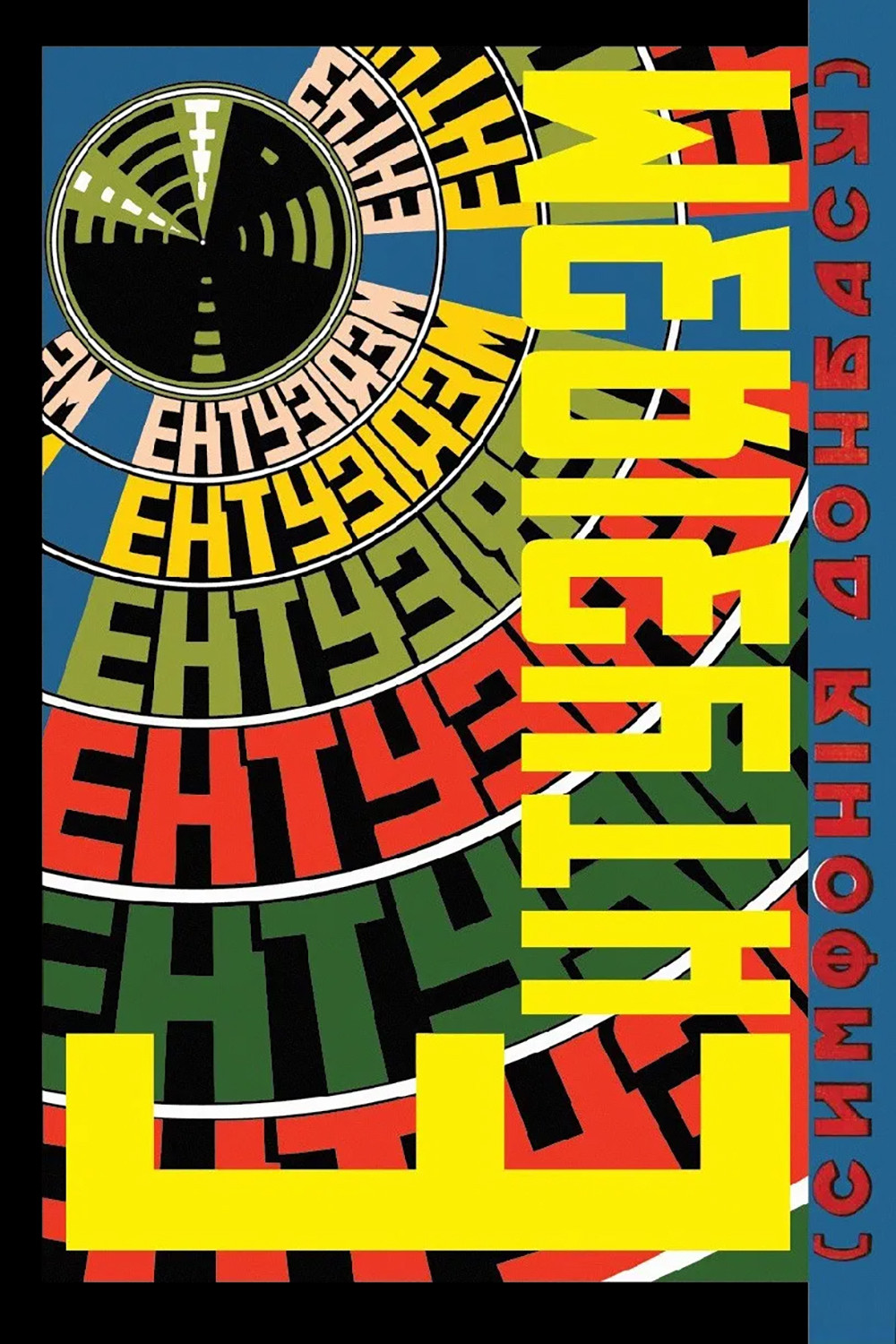
An audiovisual symphony that delves into the industrial, agrarian, and cultural fabric of the Donbas region during the inaugural Soviet Five Year Plan. It spotlights anti-religious campaigns, propagandistic marches, and the vibrant athletic culture of its time
A presentation of a case for a needed transition out of the current socioeconomic monetary paradigm which governs the entire world society. This subject matter will transcend the issues of cultural relativism and traditional ideology and move to relate the core, empirical 'life ground' attributes of human and social survival, extrapolating those immutable natural laws into a new sustainable social paradigm called a 'Resource-Based Economy'.
Ross McElwee sets out to make a documentary about the lingering effects of General Sherman's march of destruction through the South during the Civil War, but is continually sidetracked by women who come and go in his life, his recurring dreams of nuclear holocaust, and Burt Reynolds.
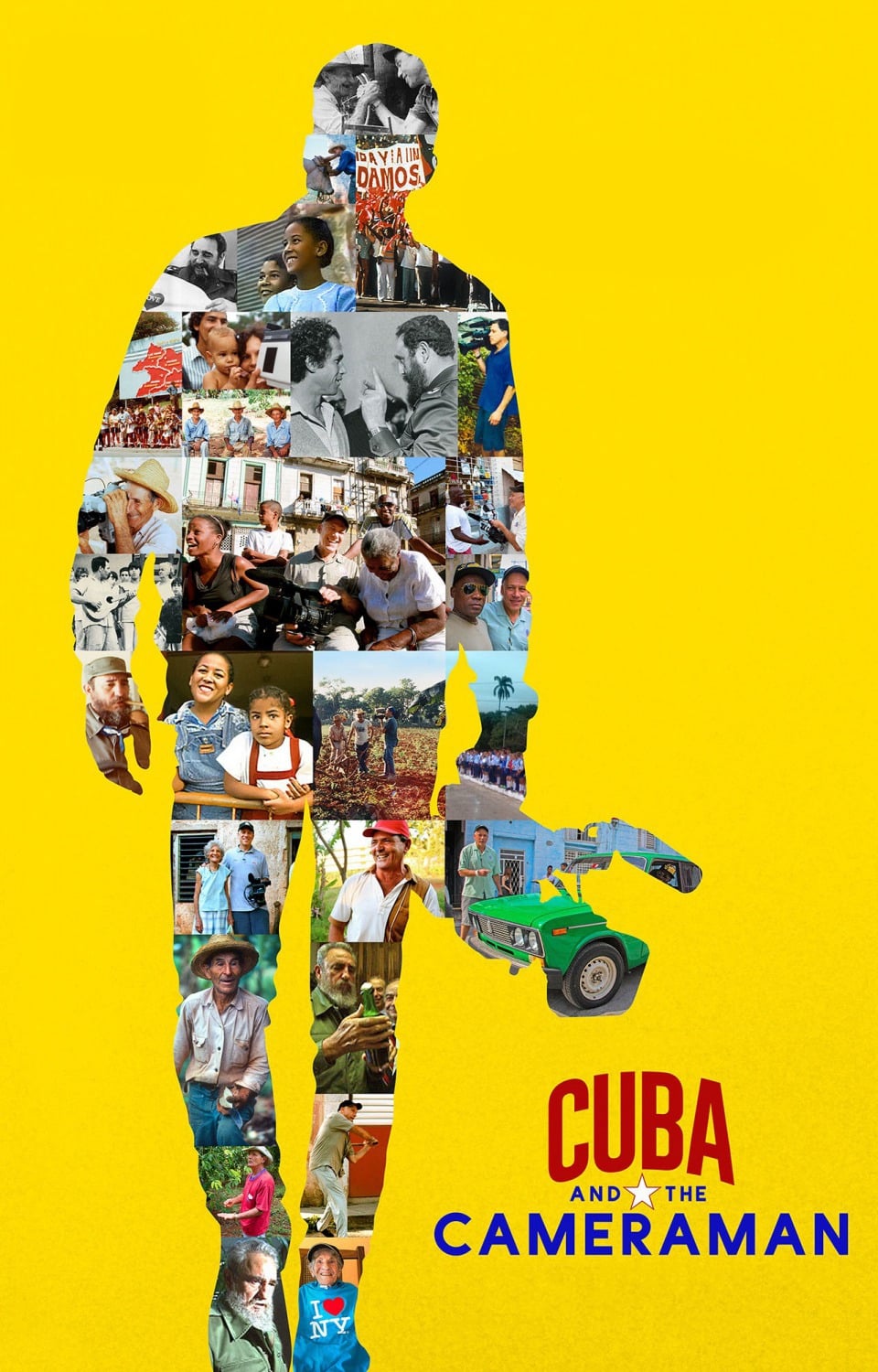
This revealing portrait of Cuba follows the lives of Fidel Castro and three Cuban families affected by his policies over the last four decades.
In the Realms of the Unreal is a documentary about the reclusive Chicago-based artist Henry Darger. Henry Darger was so reclusive that when he died his neighbors were surprised to find a 15,145-page manuscript along with hundreds of paintings depicting The Story of the Vivian Girls, in What is Known as the Realms of the Unreal, of the Glodeco-Angelinnian War Storm, Cased by the Child Slave Rebellion.
Photographer Estevan Oriol and artist Mister Cartoon turned their Chicano roots into gritty art, impacting street culture, hip hop and beyond.
A documentary on the expletive's origin, why it offends some people so deeply, and what can be gained from its use.
Artists in LA discover the work of forgotten Polish sculptor Stanislav Szukalski, a mad genius whose true story unfolds chapter by astounding chapter.
A compilation of over 30 years of private home movie footage shot by Lithuanian-American avant-garde director Jonas Mekas, assembled by Mekas "purely by chance", without concern for chronological order.
A documentary about the making of season five of the acclaimed AMC series Breaking Bad.
Taking inspiration from Peter M. Bracke's definitive book of the same name, this seven-hour documentary dives into the making of all twelve Friday the 13th films, with all-new interviews from the cast and the crew.
Those who knew iconic funnyman John Candy best share his story, in their own words, through never-before-seen archival footage, imagery, and interviews.
Ten of Muhammad Ali's former rivals pay tribute to the three-time world heavyweight champion.
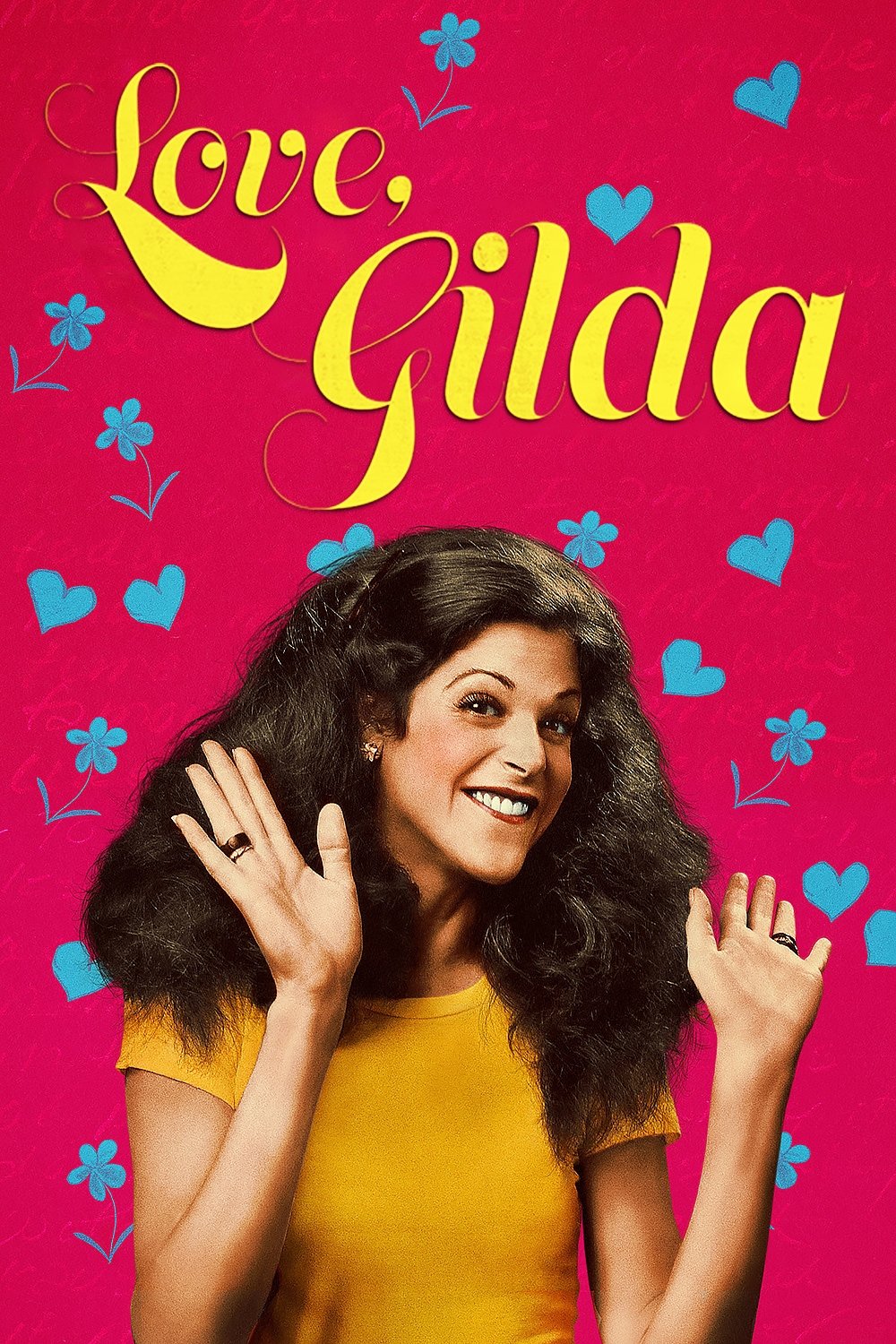
Diaries, audiotapes, videotapes and testimonials from friends and colleagues offer insight into the life and career of Gilda Radner -- the beloved comic and actress who became an icon on Saturday Night Live.
The history of cinematic sound, told by legendary sound designers and visionary filmmakers.