Social & External
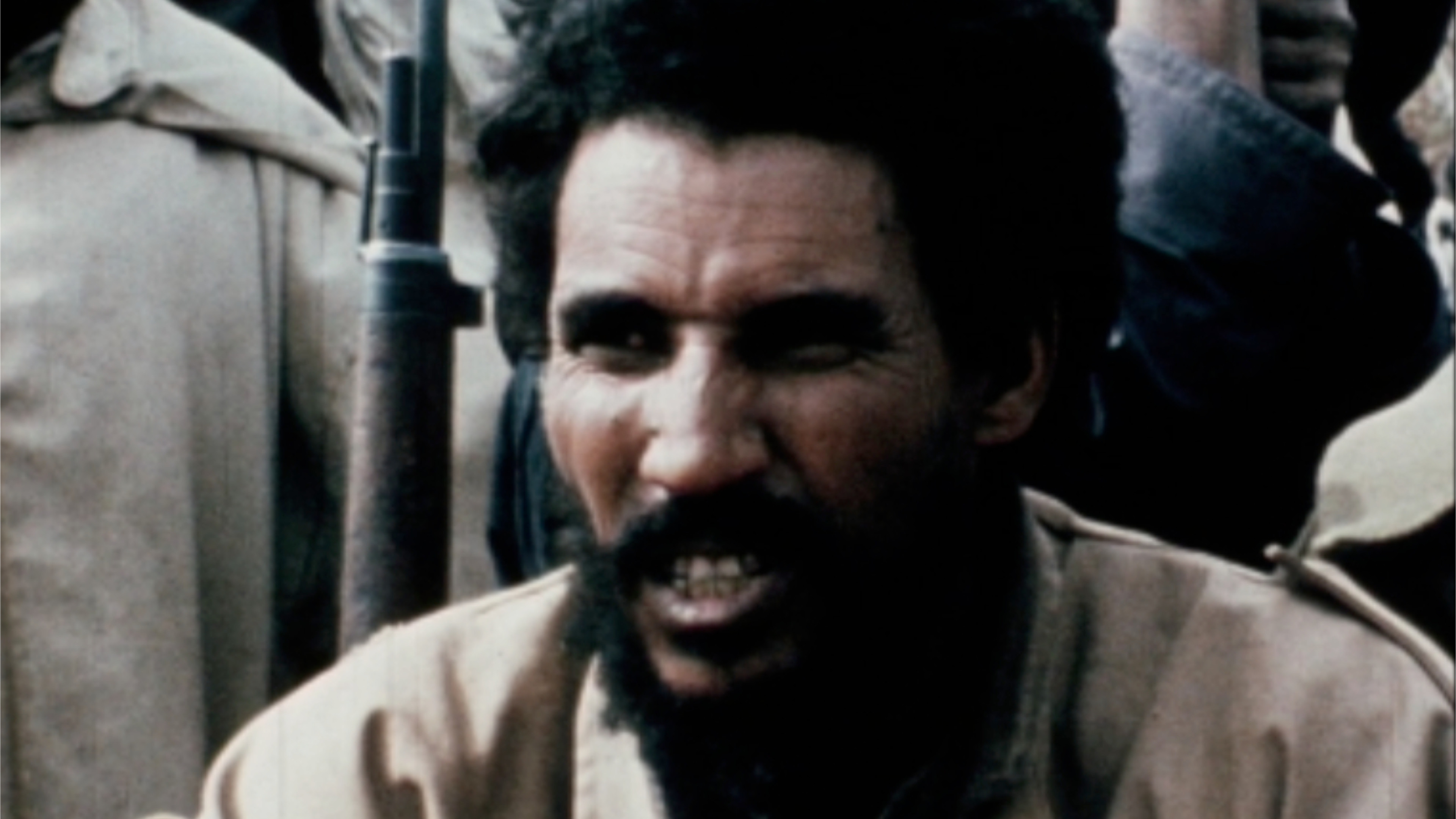
El-Ouali Moustapha Sayed
Documentary that shows the changing attitude towards immigrant labor in The Netherlands. The documentary follows three immigrants that arrived in Holland 30 years ago to work in a bakery.
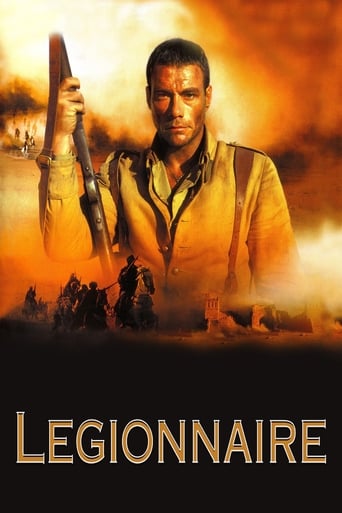
Alain Lefevre is a boxer paid by a Marseille mobster to take a dive. When he wins the fight he attempts to flee to America with the mobster's girlfriend Katrina. This plan fails and he seeks escape by joining the foreign legion. As part of the legion he tangles with abusive lieutenant Steinkampf and bonds with legionnaires Luther, Mackintosh and Rosetti.
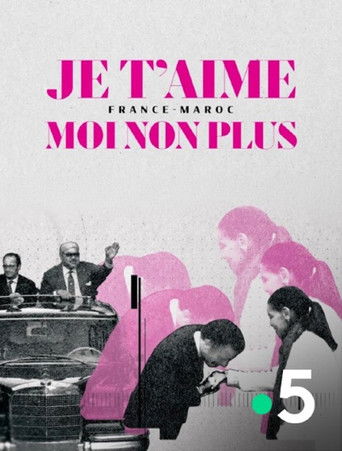
On July 30, 2024, Mohamed VI celebrates the 25th anniversary of his reign in style. Who is this so-called secret monarch? How did he gradually impose his vision and projects?
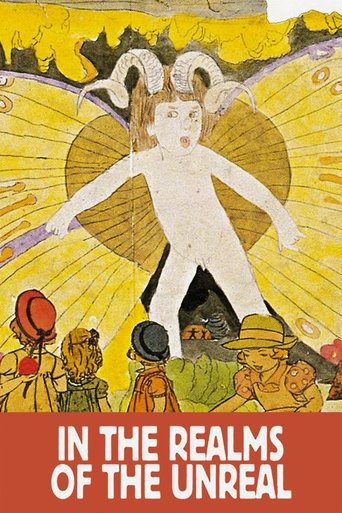
This short-length documentary takes us to Agadir, a city in Morocco that was struck by an earthquake in 1960. The film, made by an expatriate Moroccan who lost family and friends in the disaster, is a memorial to that tragedy and to the past he left behind when he came to North America. Partly allegorical, it employs varying techniques to offset reality from fantasy sequences.
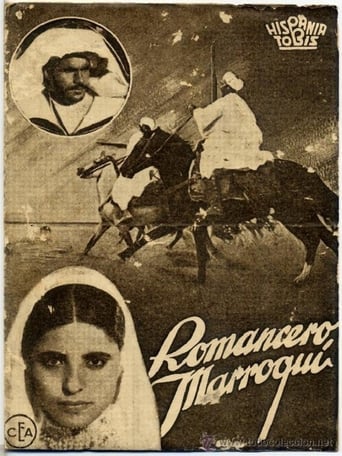
The young farmer Aalami leaves his family to find work elsewhere. He gets to know the country and its people, customs and traditions at Küste in North Africa: Market life in Tetuan, the art of craftsmanship, the life of the Moors, dances and festivities in honour of the caliph, white mosques, the call of the muezzin of the minaret and the music of the shepherd flutes. Aalami also follows Franco's call and flies from Morocco to Spain to fight at Bürgerkrieg. In the end Aalami comes back to his wife and children.
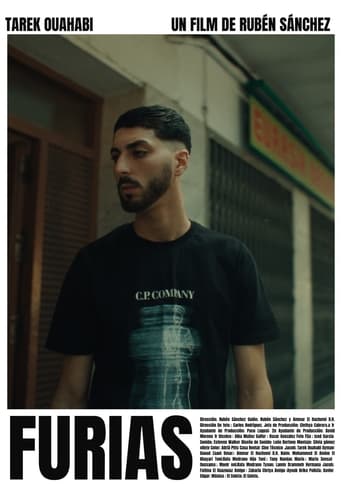
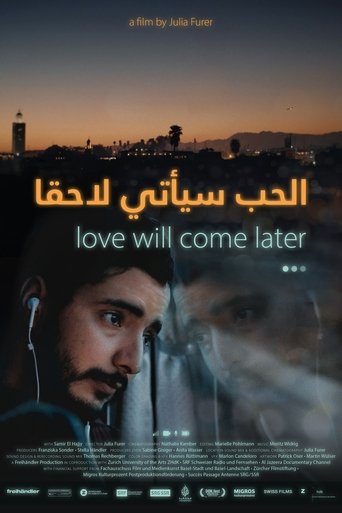
A seagull, a dog, a child, a call to prayer; Looking through a window, the corridor of a train, the wall of a medina; Everyday life is momentarily paused through the eyes of a stranger in an unknown land.
Two years ago, Mohammed VI succeeded his father, Hassan II, without any apparent difficulties. Is this succession really as smooth as it seems?
Four women are on an existential journey in Morocco, connecting with local women from all walks of life bonding in sisterhood, and share their common quest for empowerment.
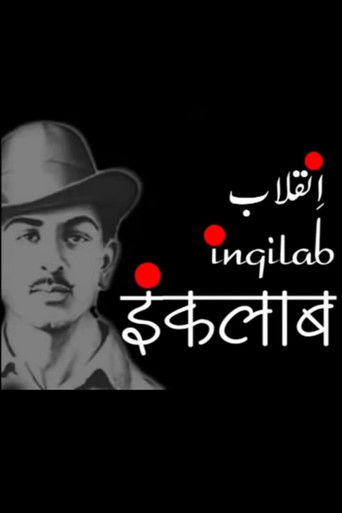
A documentary that traces the life and times of Bhagat Singh, a committed Marxist who most ably exemplified the spirit of revolutionary resistance against British imperialism in undivided India.
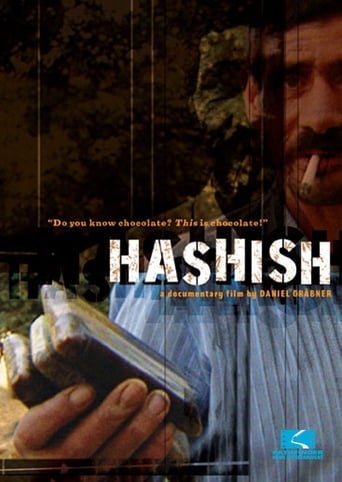
A small village high up in the mountains of Ketama, Northern Morocco. The life of the people here has been shaped by the drug hashish for centuries. Hashish as daily work, hash as exchange currency, hashish as business, hashish as basis and philosophy of a social system, hashish as medium for dreams and hashish as reason for stagnation.
Yann Arthus-Bertrand flew over Morocco with his cameras and asked the journalist Ali Baddou to write and record the comment.
Orientalism is a literary and artistic movement born in Western Europe in the 18th century. Through its scale and popularity, throughout the 19th century, it marked the interest and curiosity of artists and writers for the countries of the West (the Maghreb) or the Levant (the Middle East). Orientalism was born from the fascination of the Ottoman Empire and followed its slow disintegration and the progression of European colonizations. This exotic trend is associated with all the artistic movements of the 19th century, academic, romantic, realistic or even impressionist. It is present in architecture, music, painting, literature, poetry... Picturesque aesthetics, confusing styles, civilizations and eras, orientalism has created numerous clichés and clichés that we still find today in literature or cinema.
During the oppressive reign of Moroccan King Hassan II in the 70s and 80s (Years of Lead), many dissidents went missing. After the throning of a new king, a truth commission was formed in the 2000's. Families of the missing speak.
An intimate portrait of Matthew Shepard, the gay young man murdered in one of the most notorious hate crimes in U.S. history. Framed through a personal lens, it's the story of loss, love, and courage in the face of unspeakable tragedy.
This FitzPatrick Traveltalk short visits the cities of Casablanca, Rabat, and Marrakesh in Morocco, as well as the city of Algiers in Algeria.
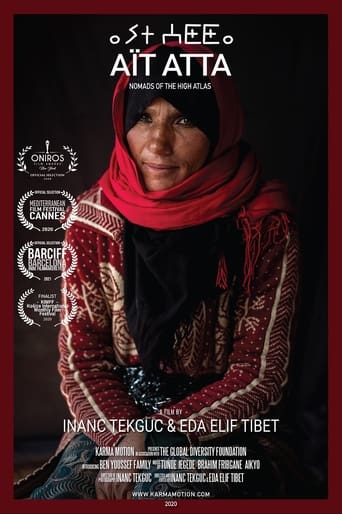
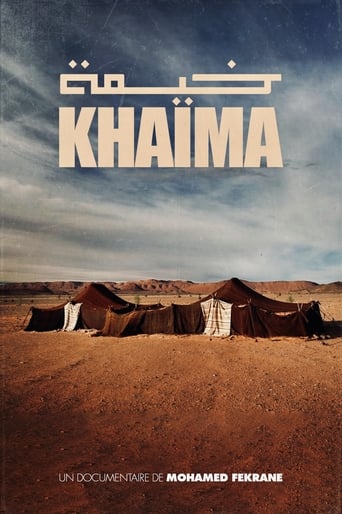
The Aït Atta tribe of the High Atlas mountain range in Morocco preserves their ancestral right of access to the agdal, a communal land management system that dates back hundreds of years. The film follows Ben Youssef family’s arduous transhumance journey from the desert-like landscape of Nkob to the green pastures of Agdal Igourdane, throughout uneven terrain of steep climbs and descents of these High Atlas mountains. They migrate each summer with their 800 goats, donkeys, mules, camels and dogs, as they embark on this formidable journey on foot.
Legendary underground cartoonist Spain Rodriguez and his friends -- cartoonists Robert Crumb and Jay Kinney and cultural critic Susie Bright -- discuss Spain's art and his life as an outlaw biker, '60s figure and social satirist.
Prelude to War was the first film of Frank Capra's Why We Fight propaganda film series, commissioned by the Pentagon and George C. Marshall. It was made to convince American troops of the necessity of combating the Axis Powers during World War II. This film examines the differences between democratic and fascist states.
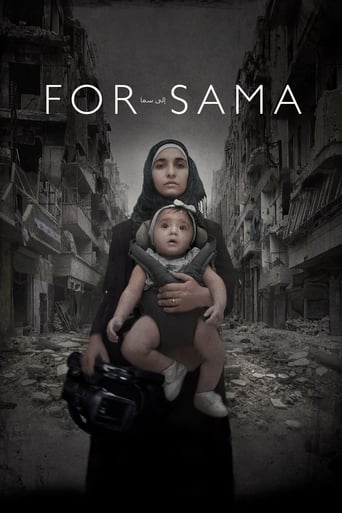
A love letter from a young mother to her daughter, the film tells the story of Waad al-Kateab’s life through five years of the uprising in Aleppo, Syria as she falls in love, gets married and gives birth to Sama, all while cataclysmic conflict rises around her. Her camera captures incredible stories of loss, laughter and survival as Waad wrestles with an impossible choice– whether or not to flee the city to protect her daughter’s life, when leaving means abandoning the struggle for freedom for which she has already sacrificed so much.
“The Soviet Story” is a story of an Allied power, which helped the Nazis to fight Jews and which slaughtered its own people on an industrial scale. Assisted by the West, this power triumphed on May 9th, 1945. Its crimes were made taboo, and the complete story of Europe’s most murderous regime has never been told. Until now...
Documentary filmmaker Amy Berg investigates the life of 30-year pedophile Father Oliver O'Grady and exposes the corruption inside the Catholic Church that allowed him to abuse countless children. Victims' stories and a disturbing interview with O'Grady offer a view into the troubled mind of the spiritual leader who moved from parish to parish gaining trust ... all the while betraying so many.
This documentary movie is about the battle of San Pietro, a small village in Italy. Over 1,100 US soldiers were killed while trying to take this location, that blocked the way for the Allied forces from the Germans. Preserved by the Academy Film Archive in 2005.
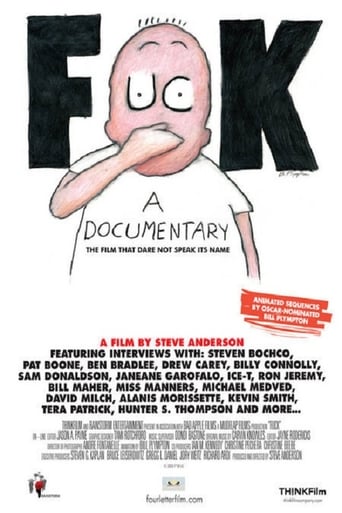
A documentary on the expletive's origin, why it offends some people so deeply, and what can be gained from its use.
Amid the failing counteroffensive, a journalist follows a Ukrainian platoon on their mission to traverse one mile of heavily fortified forest and liberate a strategic village from Russian occupation. But the farther they advance through their destroyed homeland, the more they realize that this war may never end.
When Allied forces liberated the Nazi concentration camps in 1944-45, their terrible discoveries were recorded by army and newsreel cameramen, revealing for the first time the full horror of what had happened. Making use of British, Soviet and American footage, the Ministry of Information’s Sidney Bernstein (later founder of Granada Television) aimed to create a documentary that would provide lasting, undeniable evidence of the Nazis’ unspeakable crimes. He commissioned a wealth of British talent, including editor Stewart McAllister, writer and future cabinet minister Richard Crossman – and, as treatment advisor, his friend Alfred Hitchcock. Yet, despite initial support from the British and US Governments, the film was shelved, and only now, 70 years on, has it been restored and completed by Imperial War Museums under its original title "German Concentration Camps Factual Survey".
Using the book 'Fragments', which collects Marilyn Monroe's poems, notes and letters, and with participation from the Arthur Miller and Truman Capote estates who have contributed more material, each of the actresses will embody the legend at various stages in her life.
Over seven decades, actor and activist George Takei journeyed from a World War II internment camp to the helm of the Starship Enterprise, and then to the daily news feeds of five million Facebook fans. Join George and his husband, Brad, on a wacky and profound trek for life, liberty, and love.
Martin Scorsese’s portrait of writer and social commentator Fran Lebowitz, celebrated for her sharp wit and observations on modern life. Filmed at New York’s Waverly Inn and intercut with archival footage and interviews, the documentary captures Lebowitz’s distinctive worldview through her spontaneous monologues and public appearances.
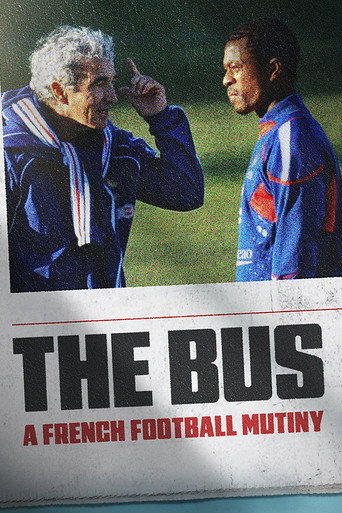
This documentary revisits the French football team's controversial 2010 World Cup and the bus strike that sparked global headlines and national outrage.
Director Michael Apted revisits the same group of British-born adults after a 7 year wait. The subjects are interviewed as to the changes that have occurred in their lives during the last seven years.
With unprecedented access, this documentary follows the extraordinary journey of “Raqqa is Being Slaughtered Silently”—a group of anonymous citizen journalists who banded together after their homeland was overtaken by ISIS—as they risk their lives to stand up against one of the greatest evils in the world today.
Set both in Latin America and the United States, the film explores the historic and current relationship of Washington with countries such as Venezuela, Bolivia and Chile. Pilger says that the film "...tells a universal story... analysing and revealing, through vivid testimony, the story of great power behind its venerable myths. It allows us to understand the true nature of the so-called "war on terror". According to Pilger, the film’s message is that the greed and power of empire is not invincible and that people power is always the "seed beneath the snow".
Filmmakers discuss the legacy of Alfred Hitchcock and the book “Hitchcock/Truffaut” (“Le cinéma selon Hitchcock”), written by François Truffaut and published in 1966.
When Sgt. First Class Brian Eisch is critically wounded in Afghanistan, it sets him and his sons on a journey of love, loss, redemption and legacy.
An investigative and powerfully emotional documentary about the epidemic of rape of soldiers within the US military, the institutions that perpetuate and cover up its existence, and its profound personal and social consequences.
A documentary about the life and films of director John Ford.
Deep beneath the surface in the Syrian province of Ghouta, a group of female doctors have established an underground field hospital. Under the supervision of paediatrician Dr. Amani and her staff of doctors and nurses, hope is restored for some of the thousands of children and civilian victims of the ruthless Syrian civil war.