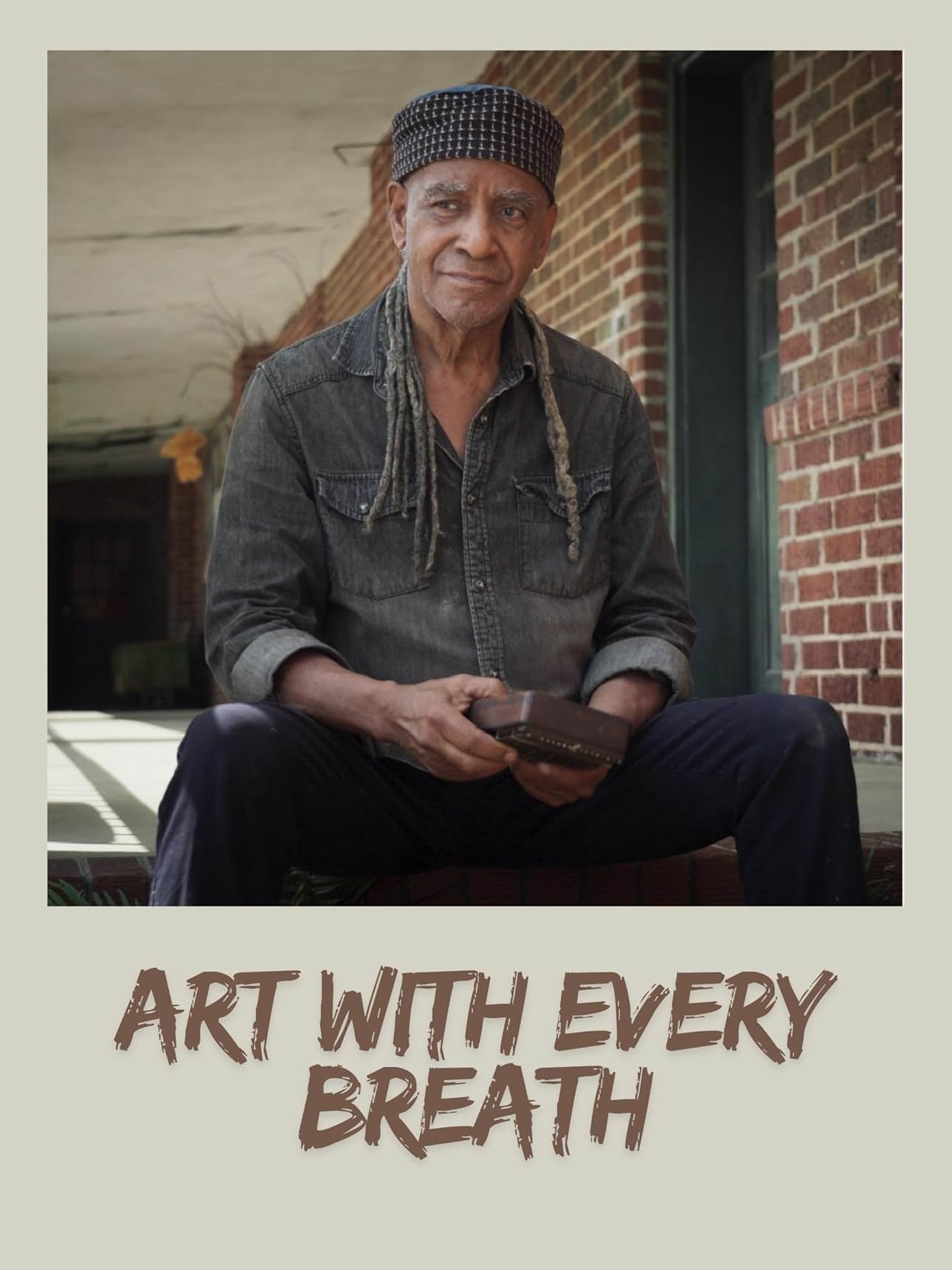
Savannah-based artist Jerome Meadows reflects on his creative process and deep connection to his community through work confronting racial inequality and celebrating cultural resilience.
Social & External
The people behind it
Jerome B. Meadows
Self
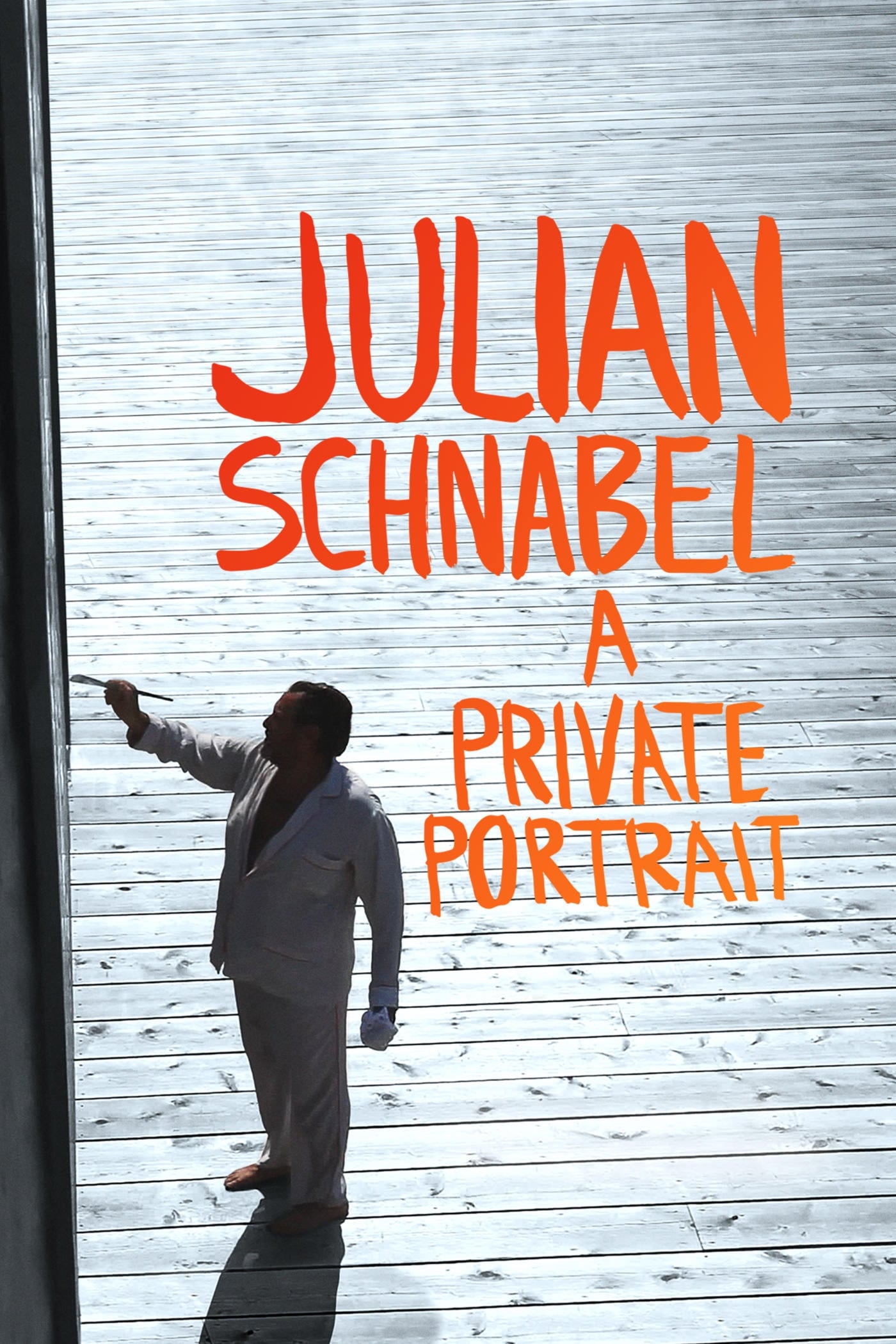
A chronicle of the personal life and public career of the celebrated artist and filmmaker Julian Schnabel.
Len Lye (1901-1980) was a pioneer of experimental animation, and also of kinetic sculpture. This short film dramatically presents 18 minutes inside the head of the artist as a teenager. The opening scenes are set in New Zealand in the year 1917, on the day when Lye (setting out on his bicycle to deliver newspapers) makes his excited discovery that motion can be the basis for a radically new approach to art.
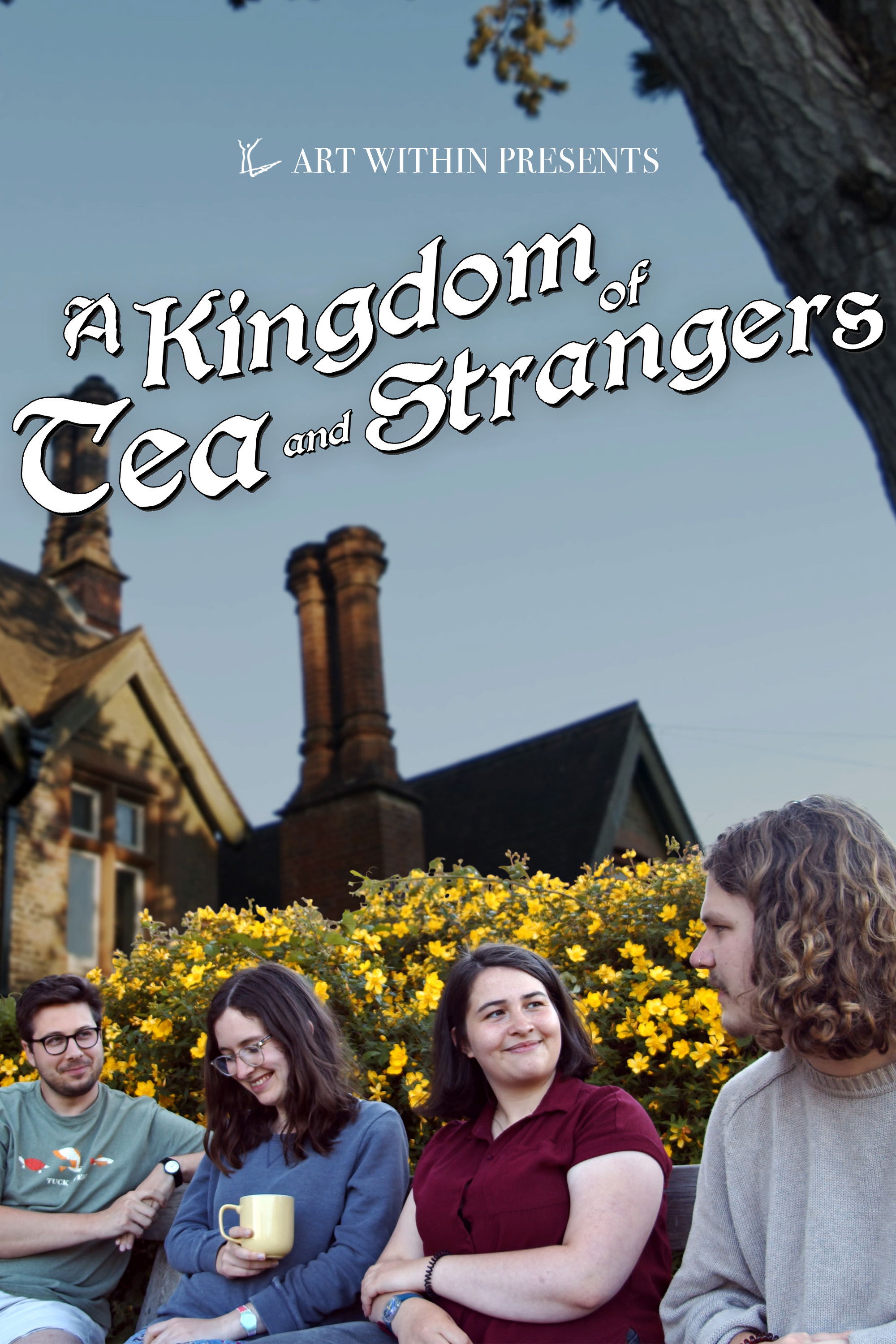
At L'Abri, a short-term "hospitality community" in the English countryside, five strangers spend a summer together exploring their big questions about faith, being human, and finding belonging back home.
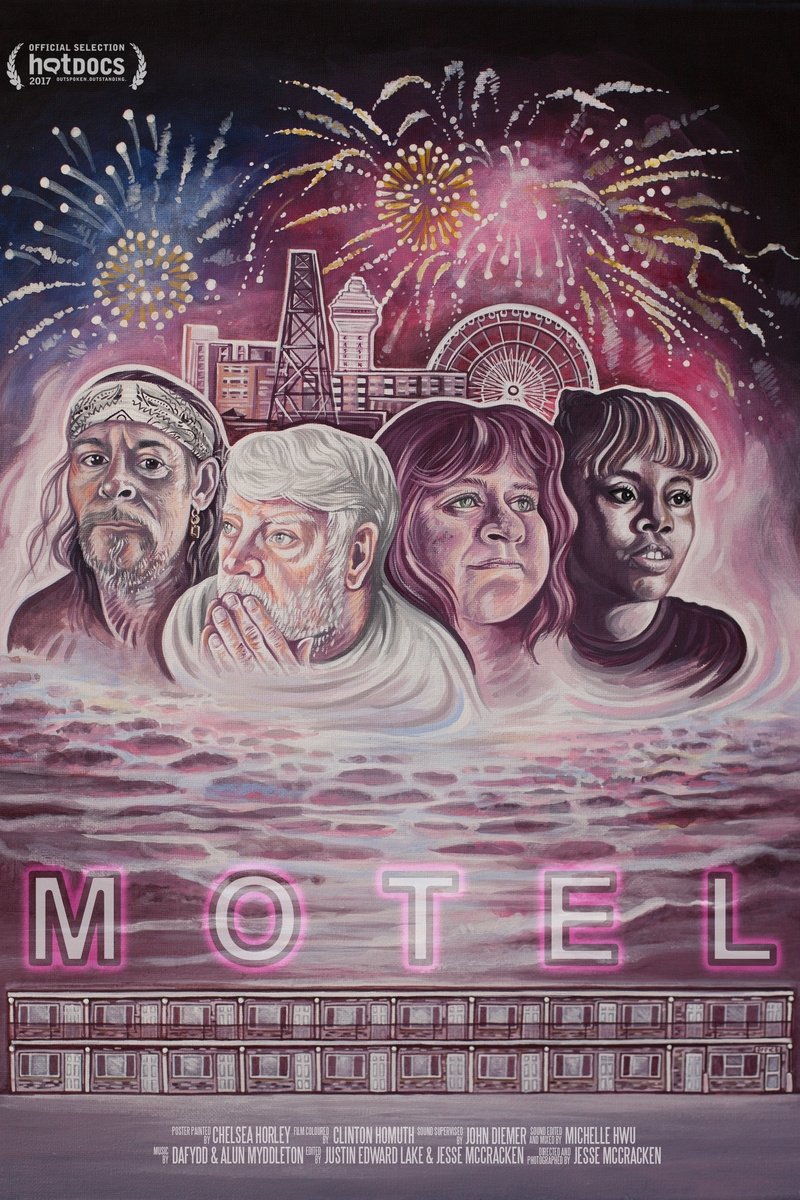
As Niagara Falls transformed from honeymoon capital of the world to Las Vegas North, corporate hotel chains and casinos cast a long shadow over the independent motels that once populated the town. The Continental survived the transition by converting its rooms into affordable housing units, becoming a home for those with few places to go. The night manager, Brian, once a freelance photographer who survived the horrors of war in Vietnam, shares his duties with his colleague Linda. Together they manage both the Continental and the individual struggles of its tenants, providing more than a roof over the heads of those who live under their supervision. Bringing a fresh focus to one of the most photographed places on Earth, director and cinematographer Jesse McCracken develops an intimate and caring portrait of the residents of this modest micro-community set against the backdrop of neon-lit tourist attractions.
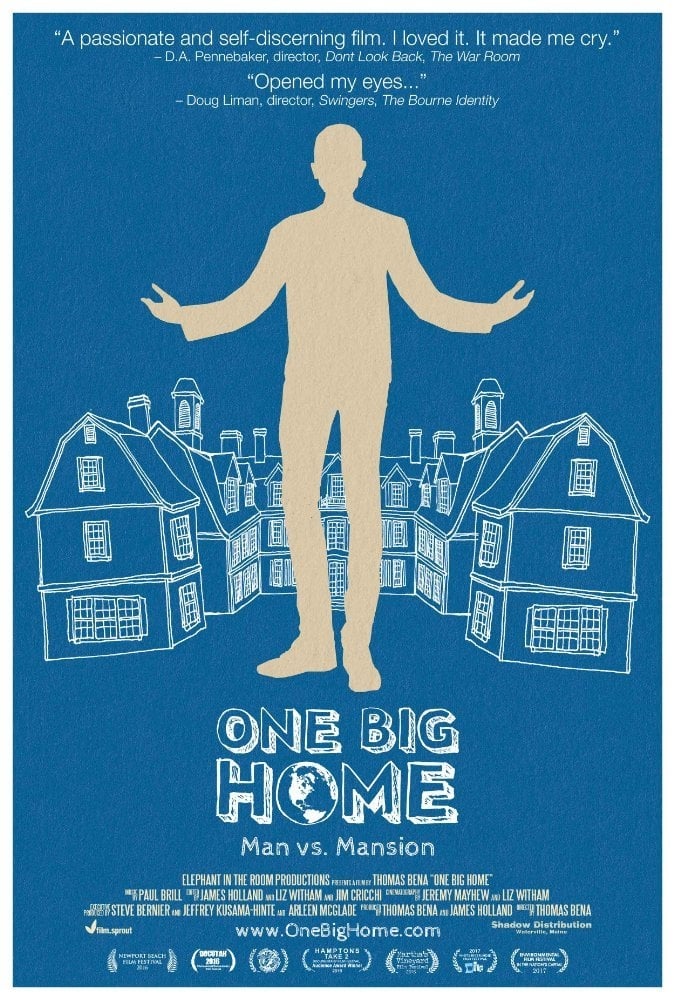
On the tiny island of Martha's Vineyard, where presidents and celebrities vacation, trophy homes threaten to destroy the islands unique character. Twelve years in the making, One Big Home follows one carpenters journey to understand the trend toward giant houses. When he feels complicit in wrecking the place he calls home, he takes off his tool belt and picks up a camera.
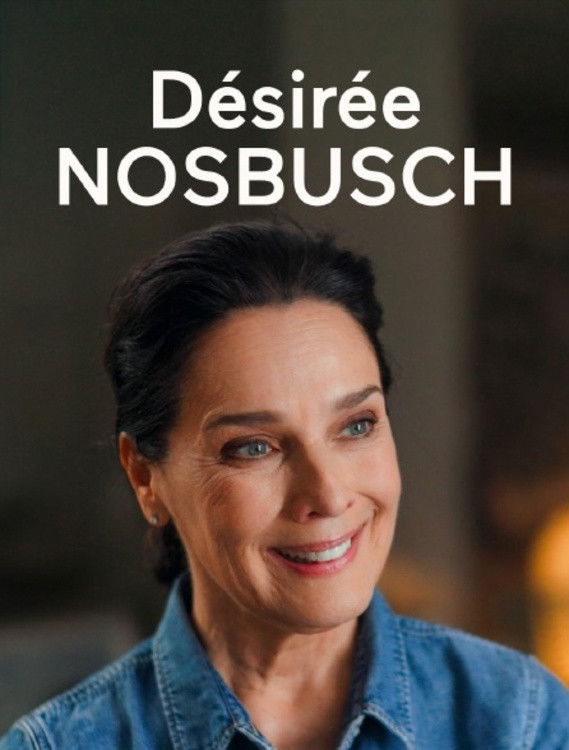
Luxembourgish presenter, director, producer, and actress Désirée Nosbusch, born in 1965, is a woman of many talents. After starting out in radio at the age of 12, she landed her first role on the big screen four years later, then presented the Eurovision Song Contest in five languages at the age of just 19. Over the years, she has hosted popular TV shows and starred in more than 30 films and TV dramas, establishing herself as a major figure in European cinema.
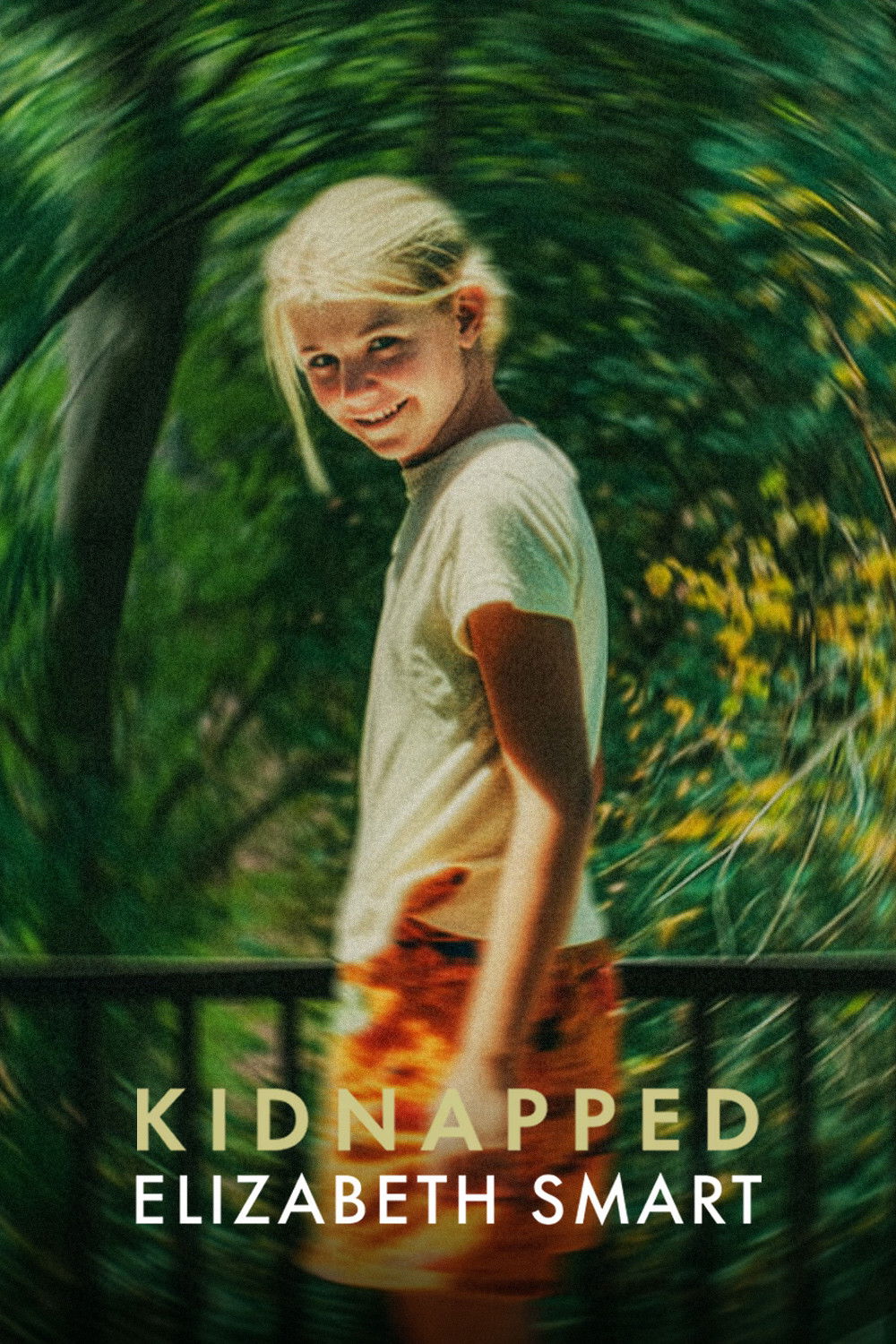
Elizabeth Smart's harrowing abduction at 14 from her family's Utah home unfolds through her own words and never-before-seen material in this documentary.
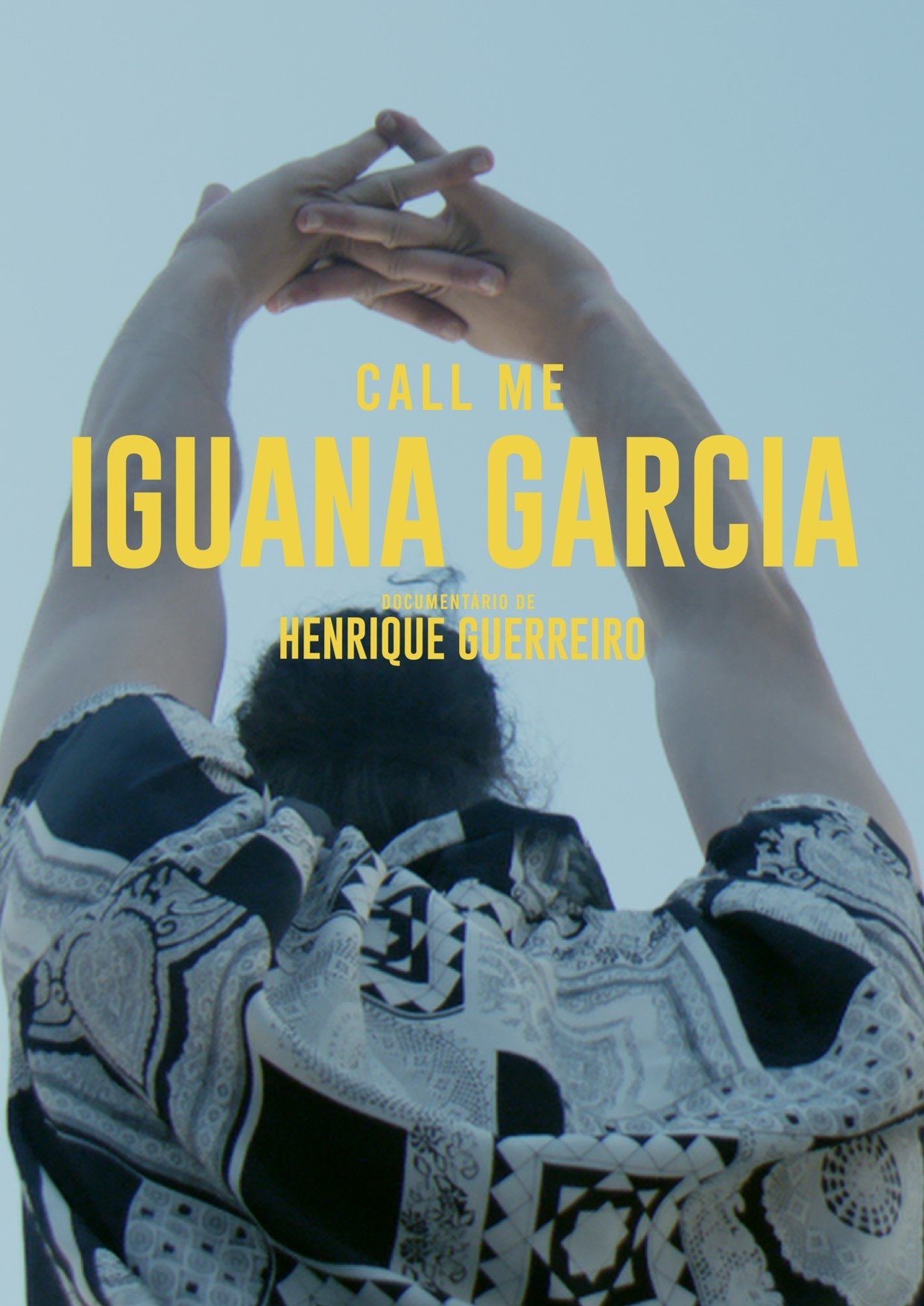
A documentary about Iguana Garcia, a Lisbon musician, where we get to know João, the man behind the name, who embodies one of the most promising growing musicians in the world of Portuguese national music. In a personal and intimate phone call, we get to know him without barriers and all his history to this day.
A look at the community surrounding Nintendo's New York store in the month leading up to the launch of the Nintendo Switch in 2017.
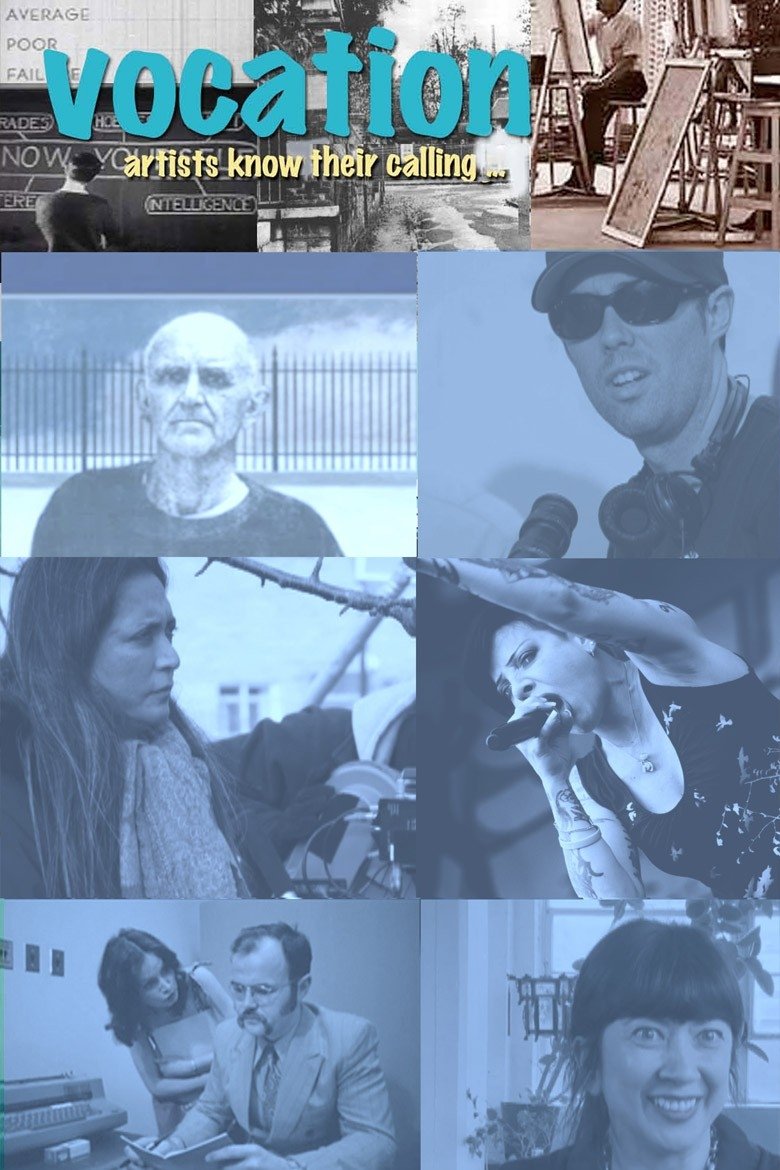
Vocation is a documentary on artists who knew from a very early age they wanted to be an artist. A decision that for them was instinctual and some may even say it is 'a calling' based on faith and perhaps even fate alone. Artists Andy Jones, Deepa Mehta, Marie Brassard, Christopher Pratt, Brad Peyton and Bif Naked are committed to creating work in theatre, literature, music, film and performance based on an innate desire to succeed while working in the precarious profession of art.
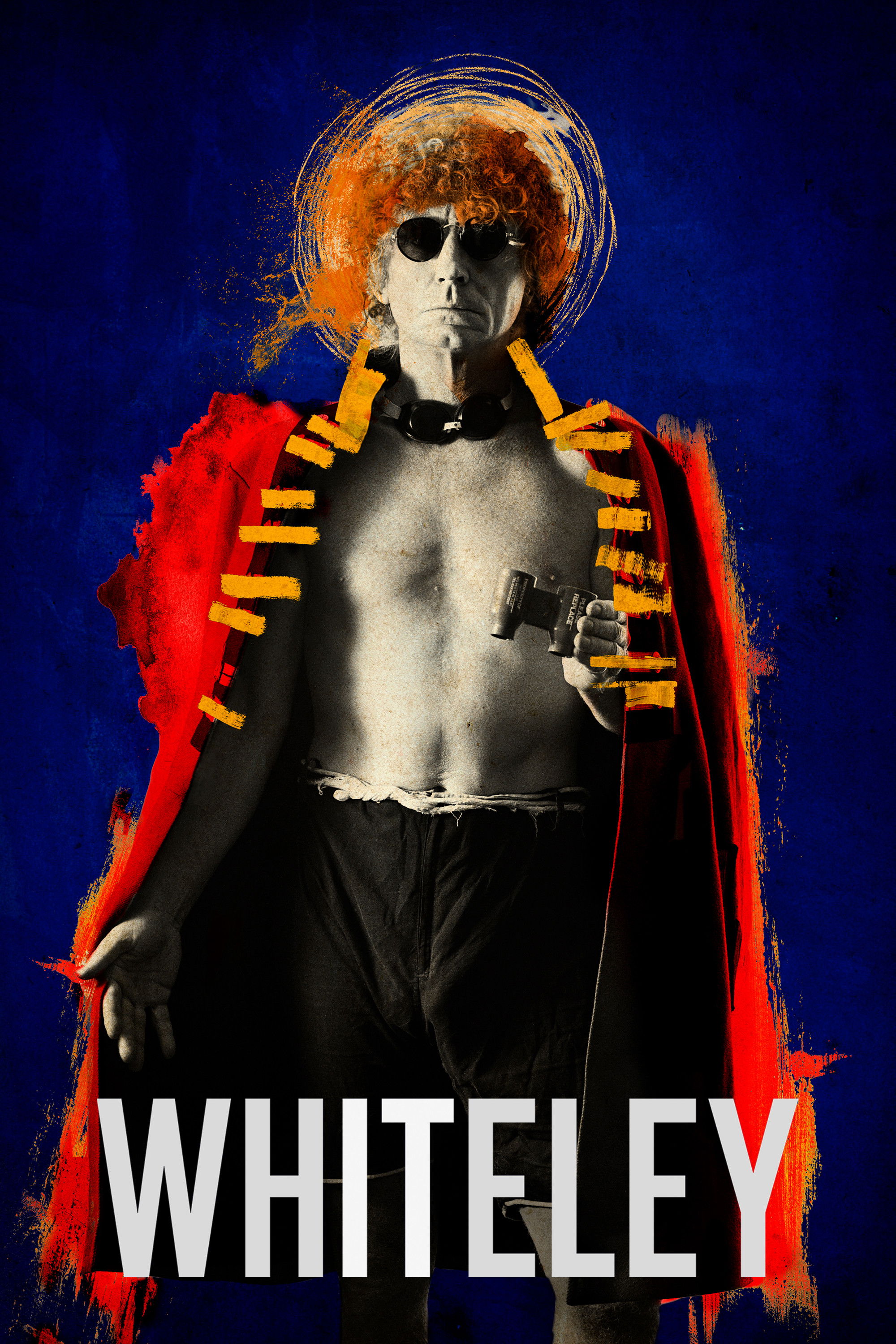
A visual journey into the life and legacy of one of Australia's most celebrated artists, Brett Whiteley.
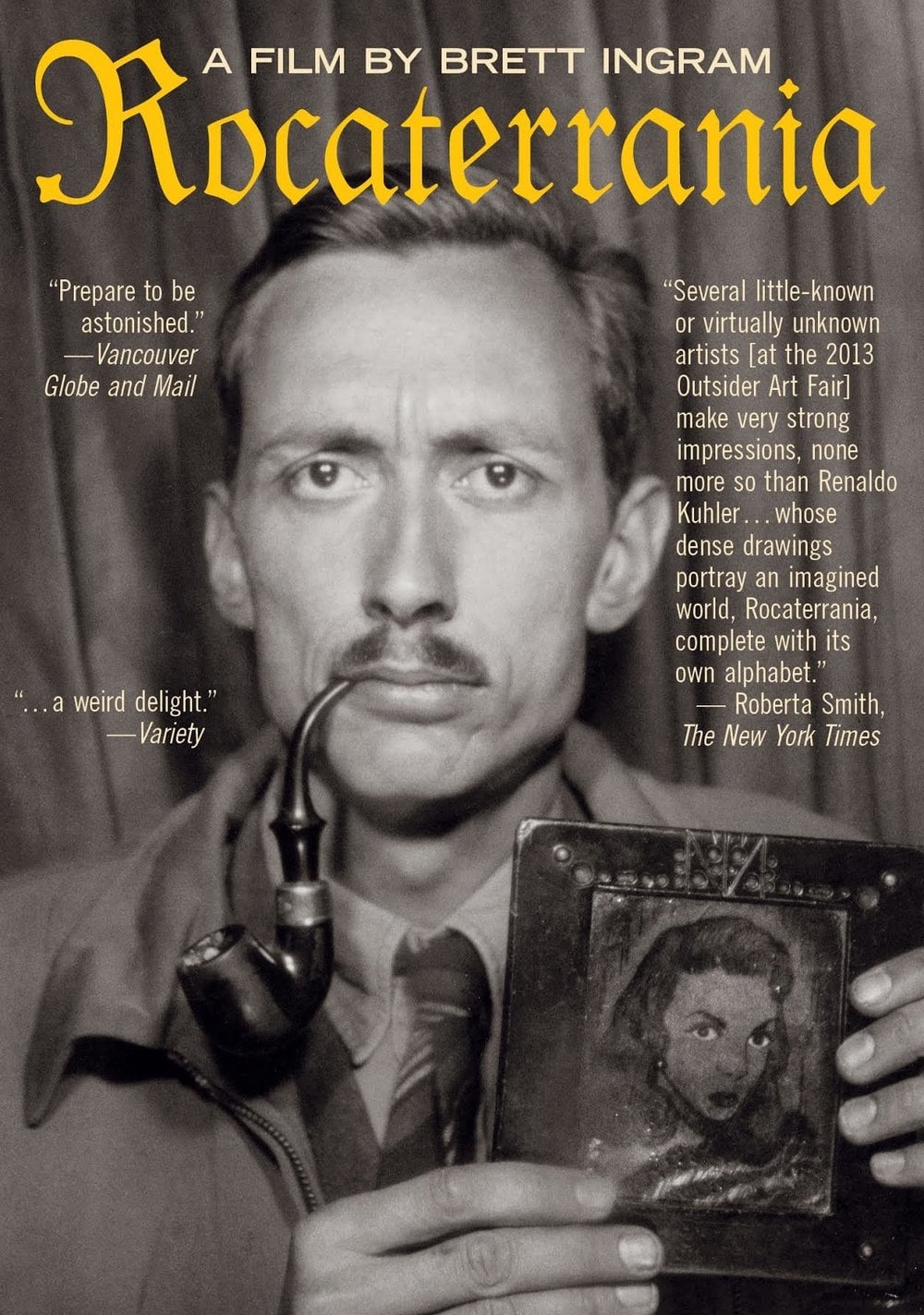
A journey into the secret world of 76-year-old Renaldo Kuhler, a scientific illustrator who invented an imaginary country to survive his disaffected youth.
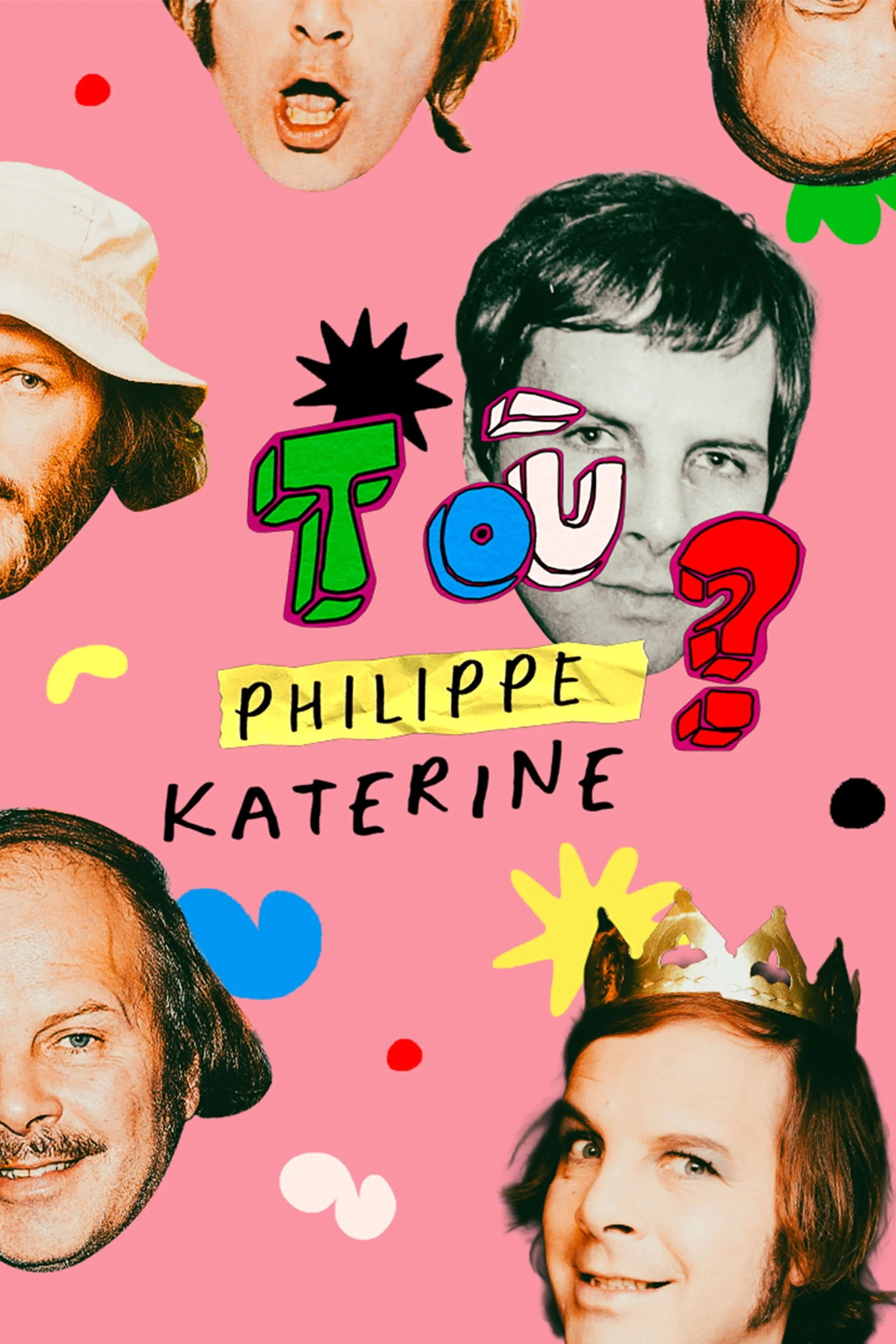
Gaëtan Chataigner has been filming his friend Philippe Katerine for nearly thirty years. The director revisits all these accumulated images in an attempt to understand how and why his artist friend became such a phenomenon. By following him step by step, sometimes questioning him, listening to his loved ones, he weaves a touching, funny, and moving portrait of this unique artist.
A fascinating journey through the life of Israeli artist Dani Karavan, an irreverent and charismatic creator, recognized worldwide for radically transforming public space with his monumental environmental installations.
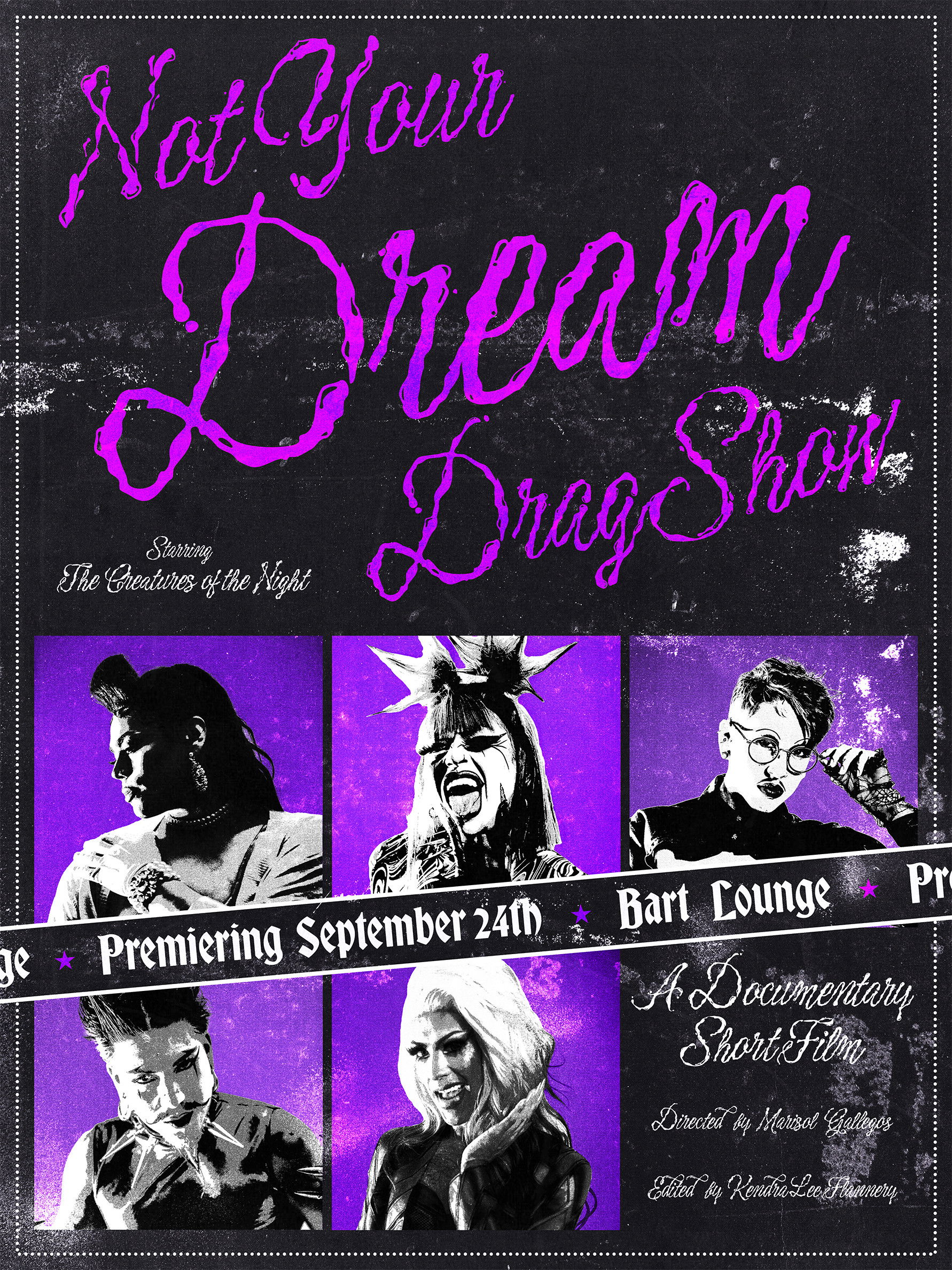
A documentary short film capturing the world of The Creatures of the Night, an up and coming group of alternative drag artists in the Coachella Valley.
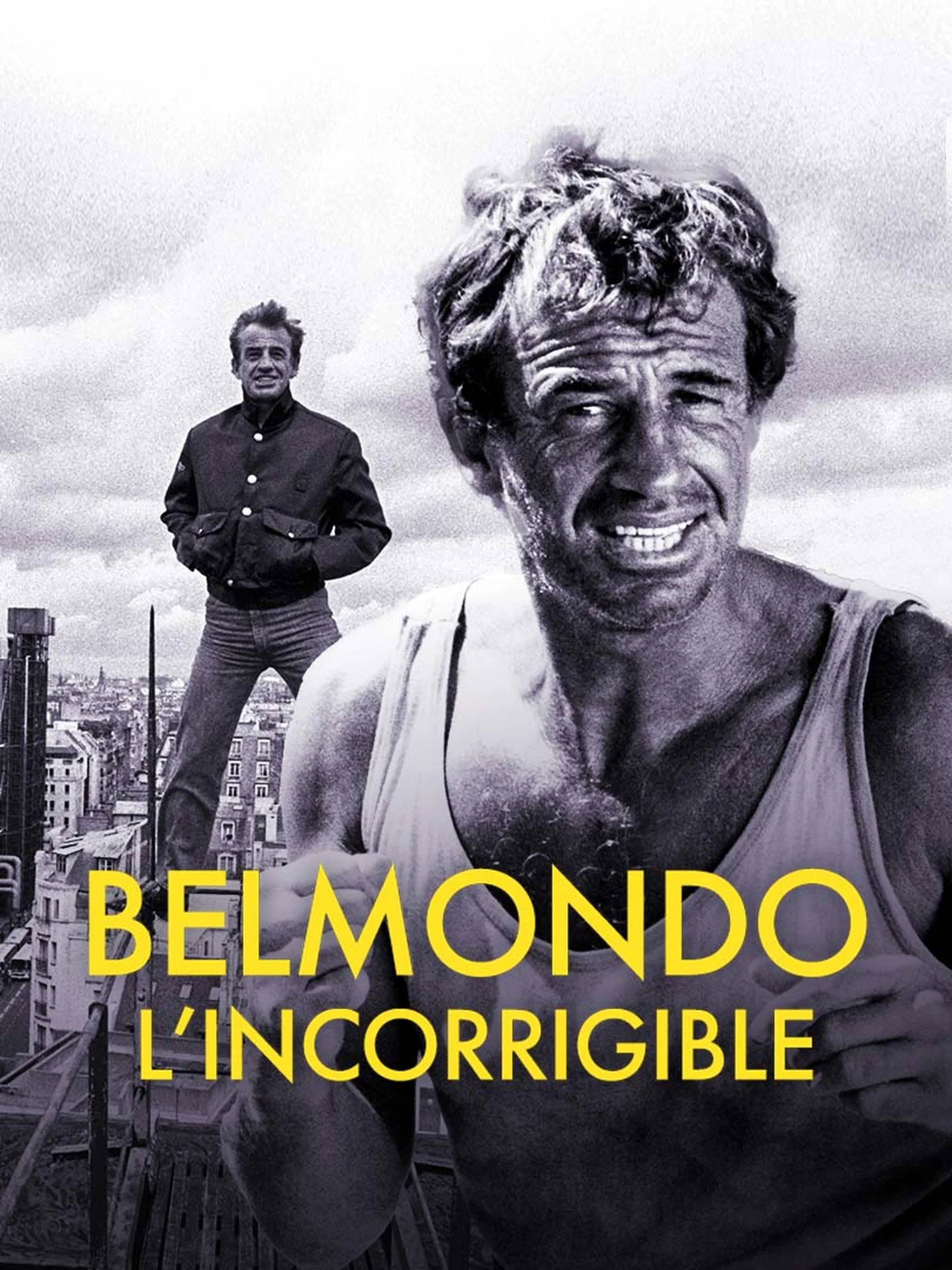
Charismatic and resourceful, seducer and daredevil, Jean-Paul Belmondo has always played his roles as he lived, at a thousand miles an hour. He had only one passion: to entertain the public with his smile, his naturalness, his energy, his stunts. But contrary to appearances, his destiny was full of pitfalls. This film lifts the veil on a founding childhood that allowed him to overcome many obstacles throughout his life thanks to the tutelary figures of his father and mother. Told from the inside with the help of his autobiography, interviews and unpublished archives, this epic story traces the career of this turbulent young actor who launched the New Wave in Breathless before becoming the popular Bebel, an indestructible and provocative vigilante. From film to film, this documentary paints an intimate portrait of a man who built himself up to reach the top: his triumphs but also his trials, his doubts, his secrets, his angers, his clowning, his disappointments or his personal dramas.
Giving Voice is a musical documentary about a community choir in Central New York that uses singing as a tool to foster broad social inclusiveness and community building.
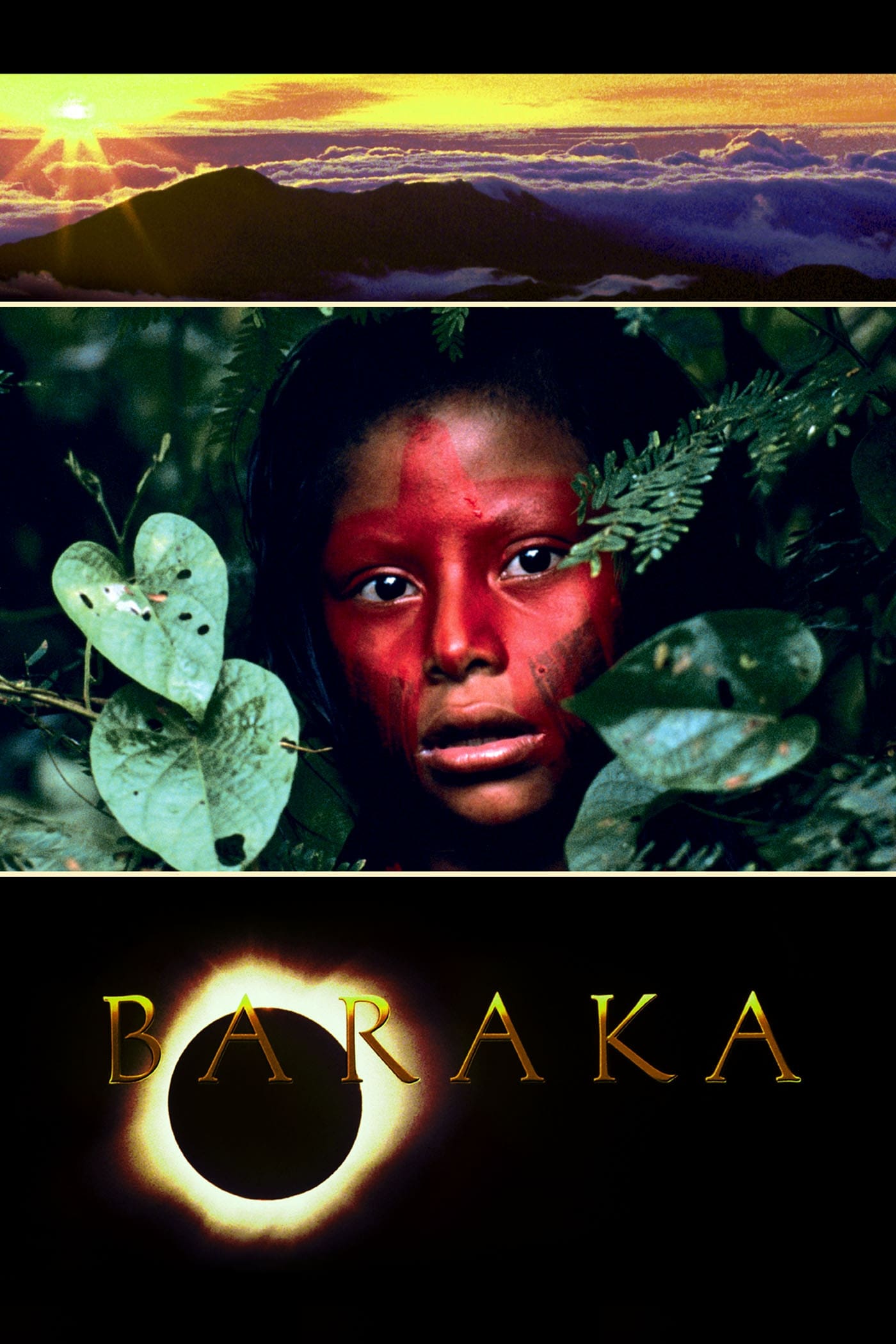
A paralysingly beautiful documentary with a global vision—an odyssey through landscape and time—that attempts to capture the essence of life.
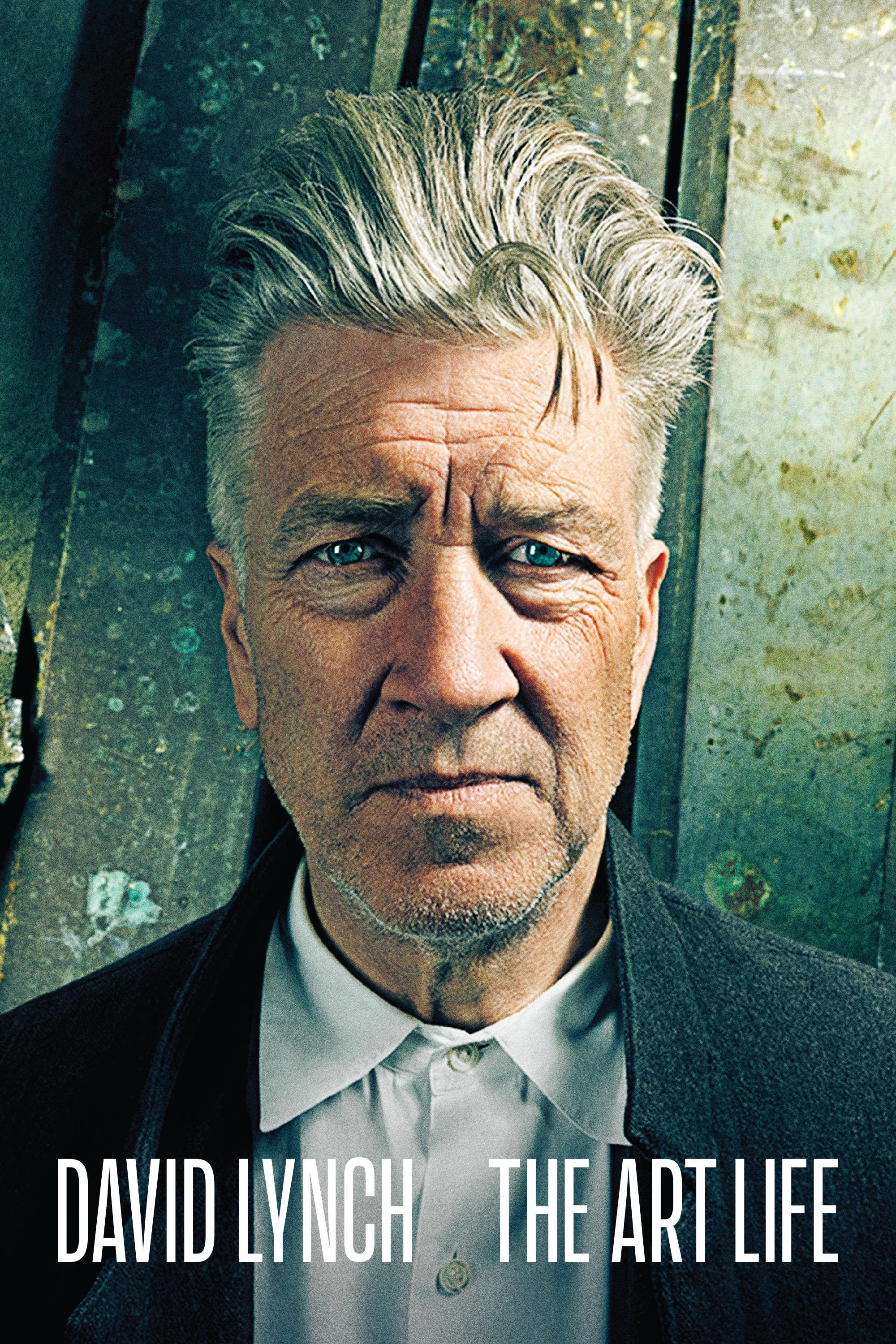
An intimate journey through the formative years of David Lynch's life. From his idyllic upbringing in small town America to the dark streets of Philadelphia, we follow Lynch as he traces the events that have helped to shape one of cinema's most enigmatic directors.
A documentary about how a dominant cultural and demographic institution both sustains their traditional activities and adapts to the digital revolution.
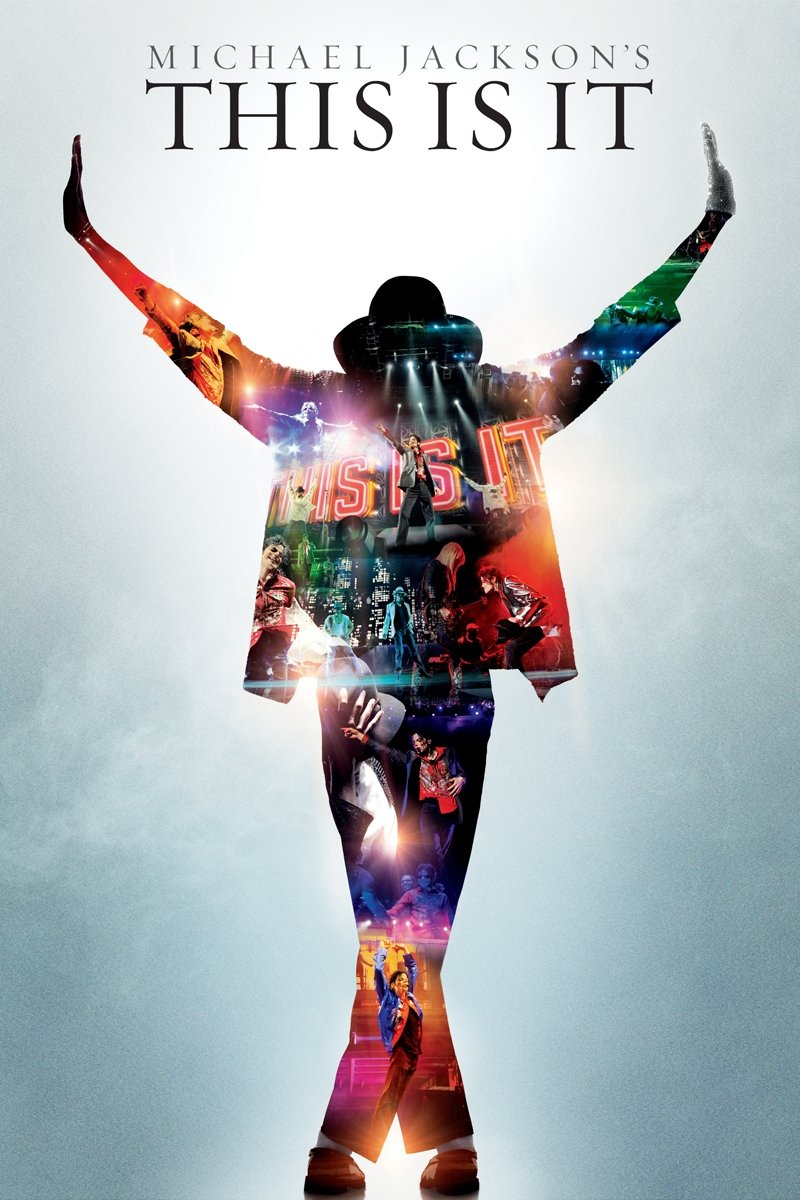
A compilation of interviews, rehearsals and backstage footage of Michael Jackson as he prepared for his series of sold-out shows in London.
A visual montage portrait of our contemporary world dominated by globalized technology and violence.
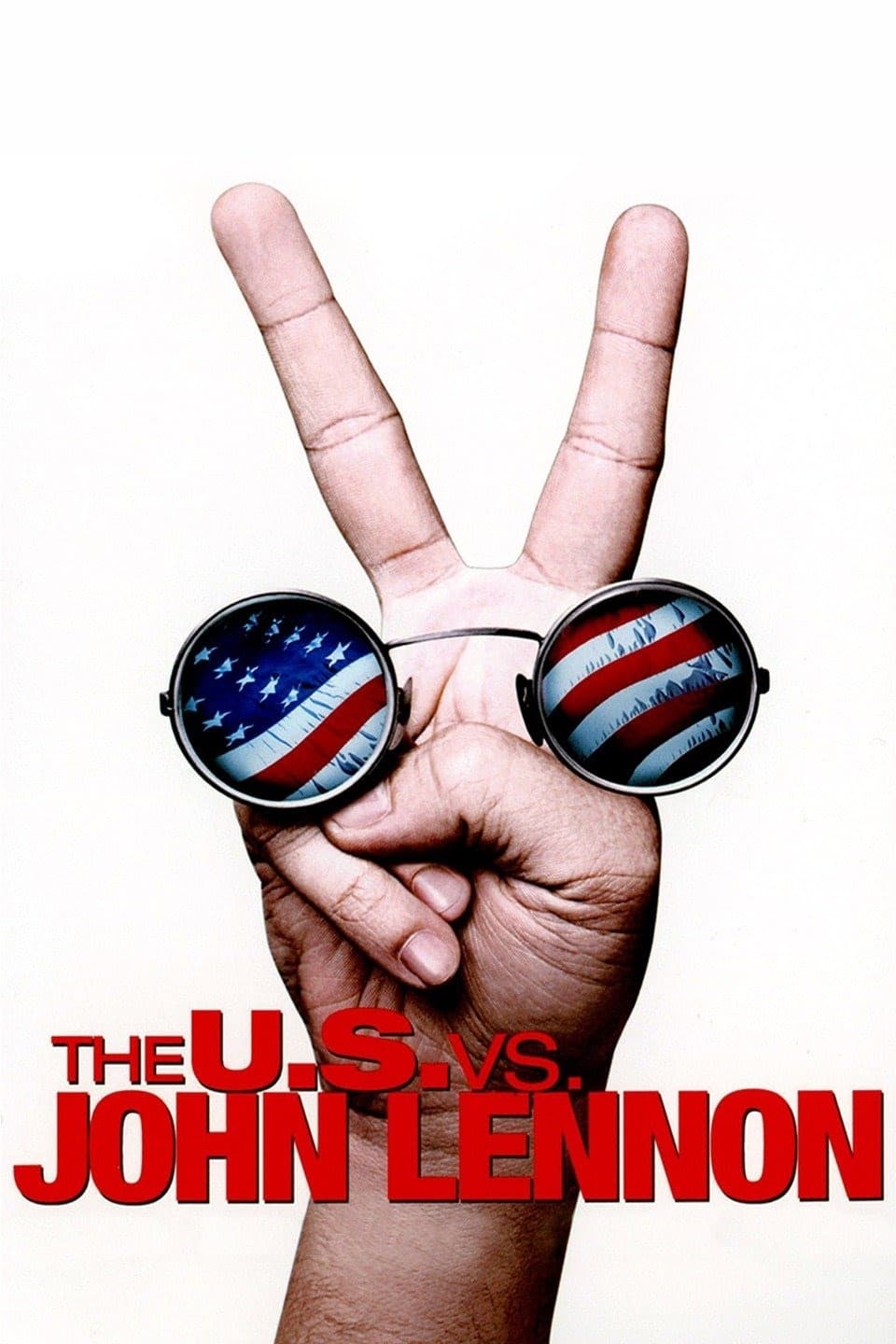
A documentary on the life of John Lennon, with a focus on the time in his life when he transformed from a musician into an antiwar activist.
Musician and performance artist Laurie Anderson reflects on the deaths of her husband Lou Reed, her mother and her beloved dog.
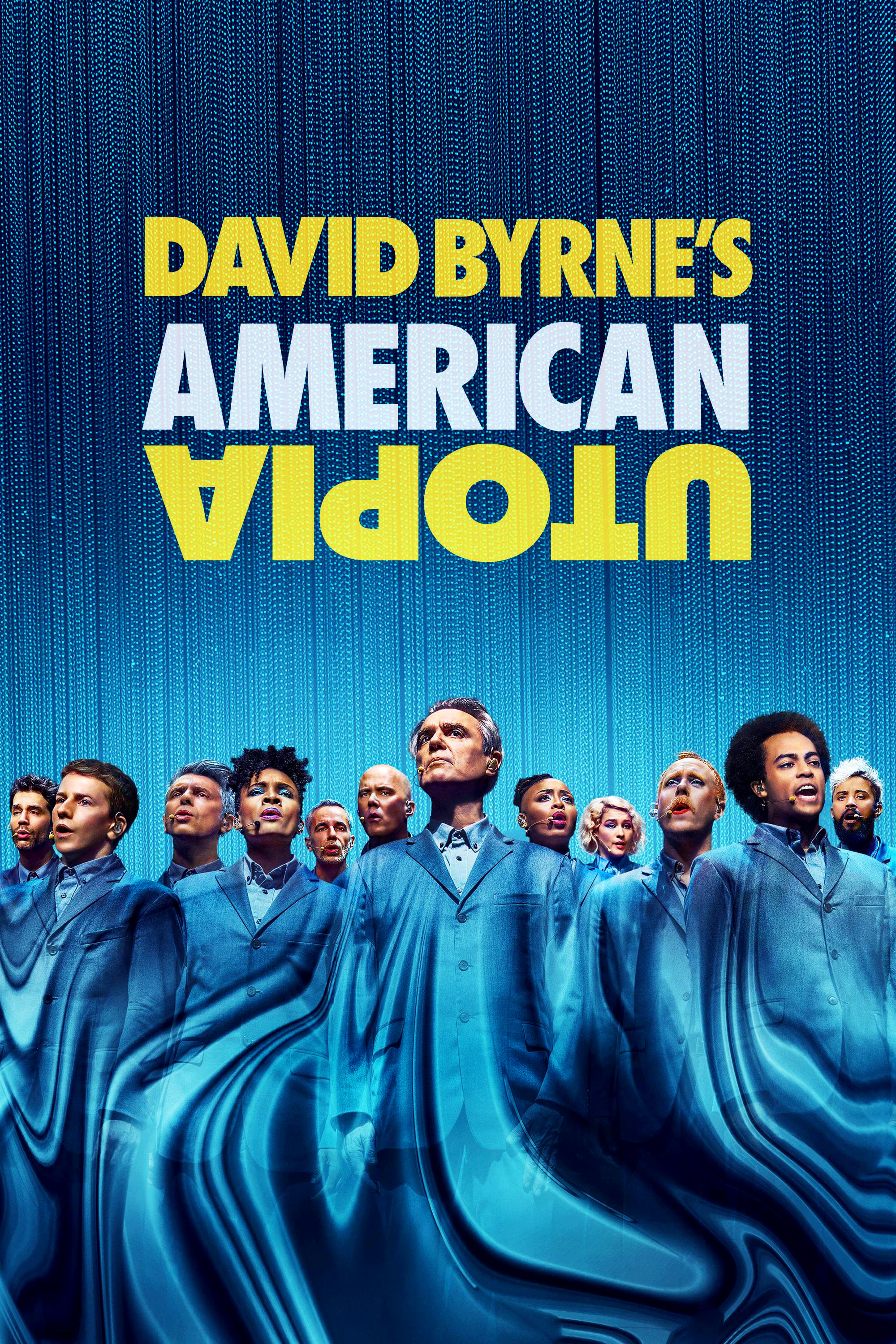
A filmed version of David Byrne's Broadway show, a unifying musical celebration that inspires audiences to connect to each other and to the global community.
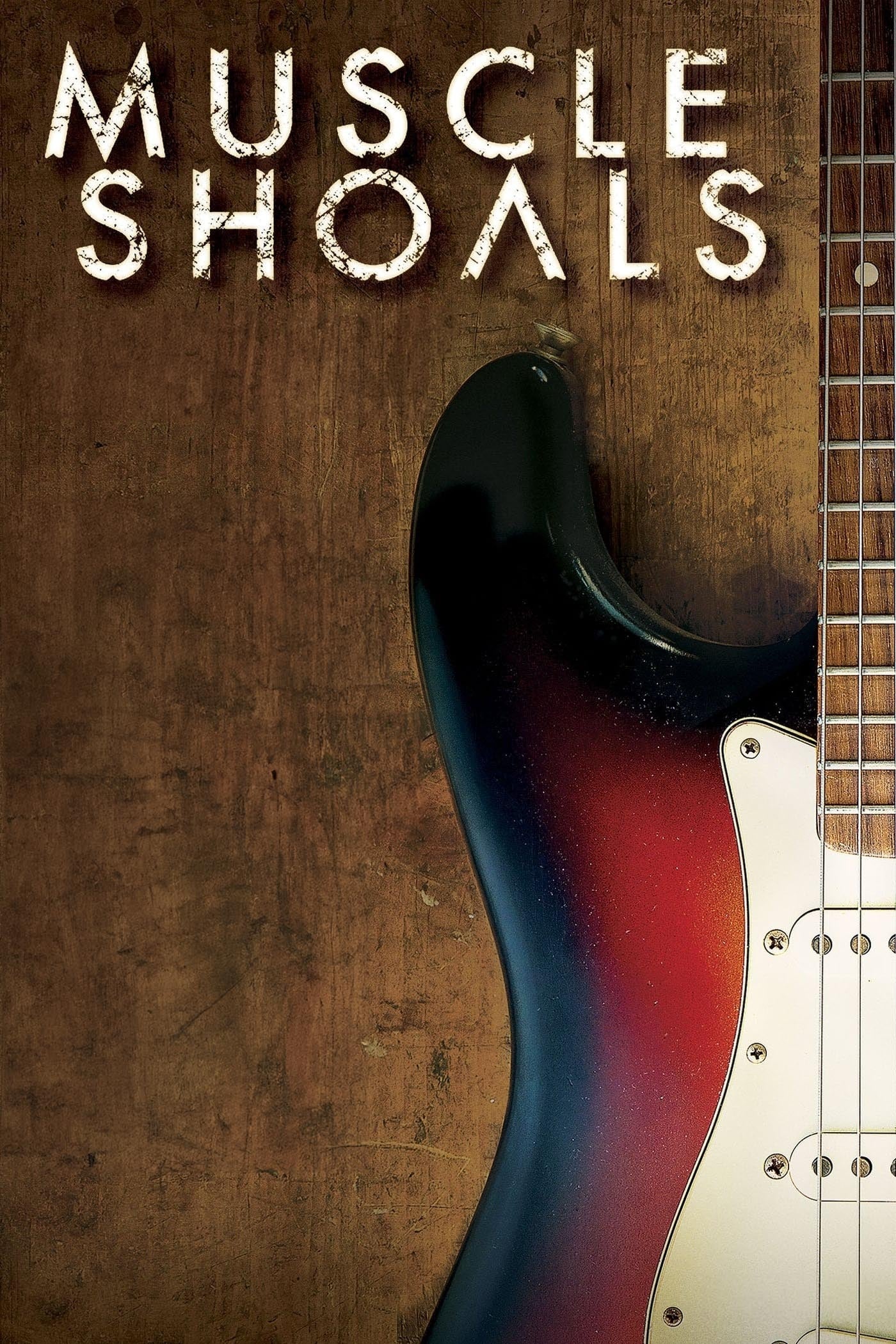
In a tiny Alabama town with the curious name of Muscle Shoals, something miraculous sprang from the mud of the Tennessee River. A group of unassuming, yet incredibly talented, locals came together and spawned some of the greatest music of all time: “Mustang Sally,” “I Never Loved a Man,” “Wild Horses,” and many more. During the most incendiary periods of racial hostility, white folks and black folks came together to create music that would last for generations and gave birth to the incomparable “Muscle Shoals sound.”
The life and career of an actor, artist, and icon. His own journey through his own camera.
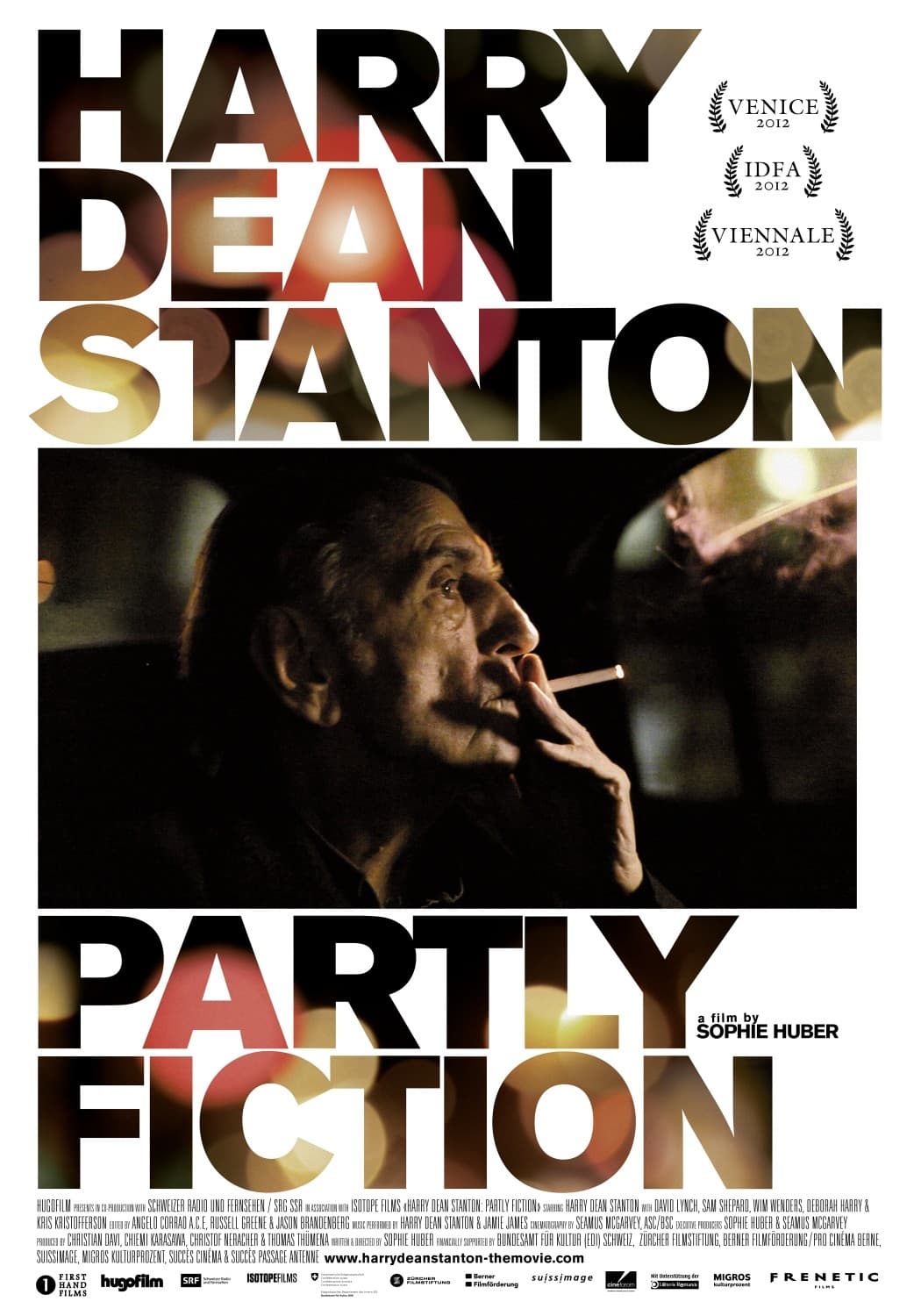
An impressionistic portrait of the iconic actor Harry Dean Stanton comprised of intimate moments, film clips from some of his 250 films and his renditions of American folk songs.
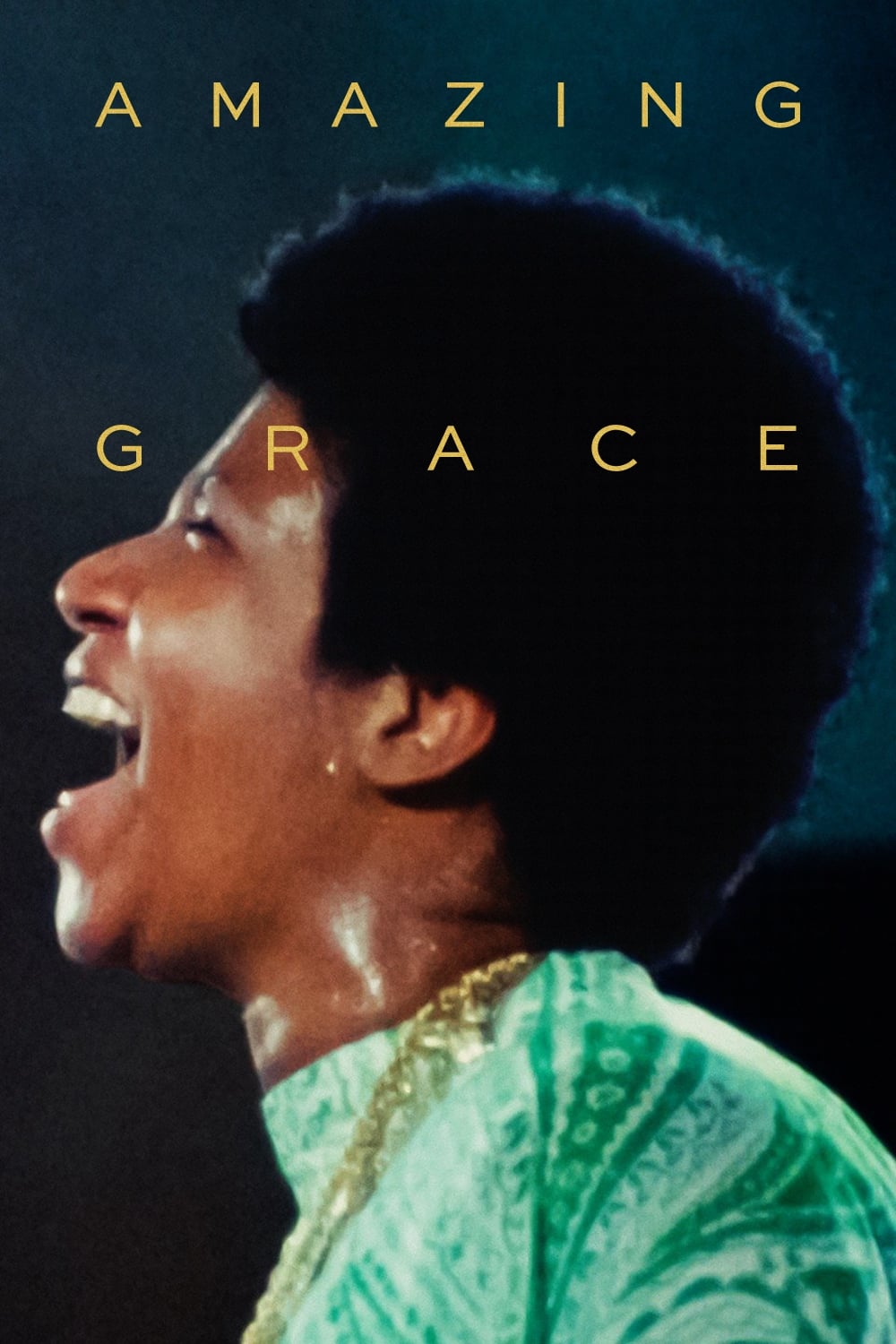
A behind-the-scenes documentary about the recording of Aretha Franklin's best-selling album finally sees the light of day more than four decades after the original footage was shot.
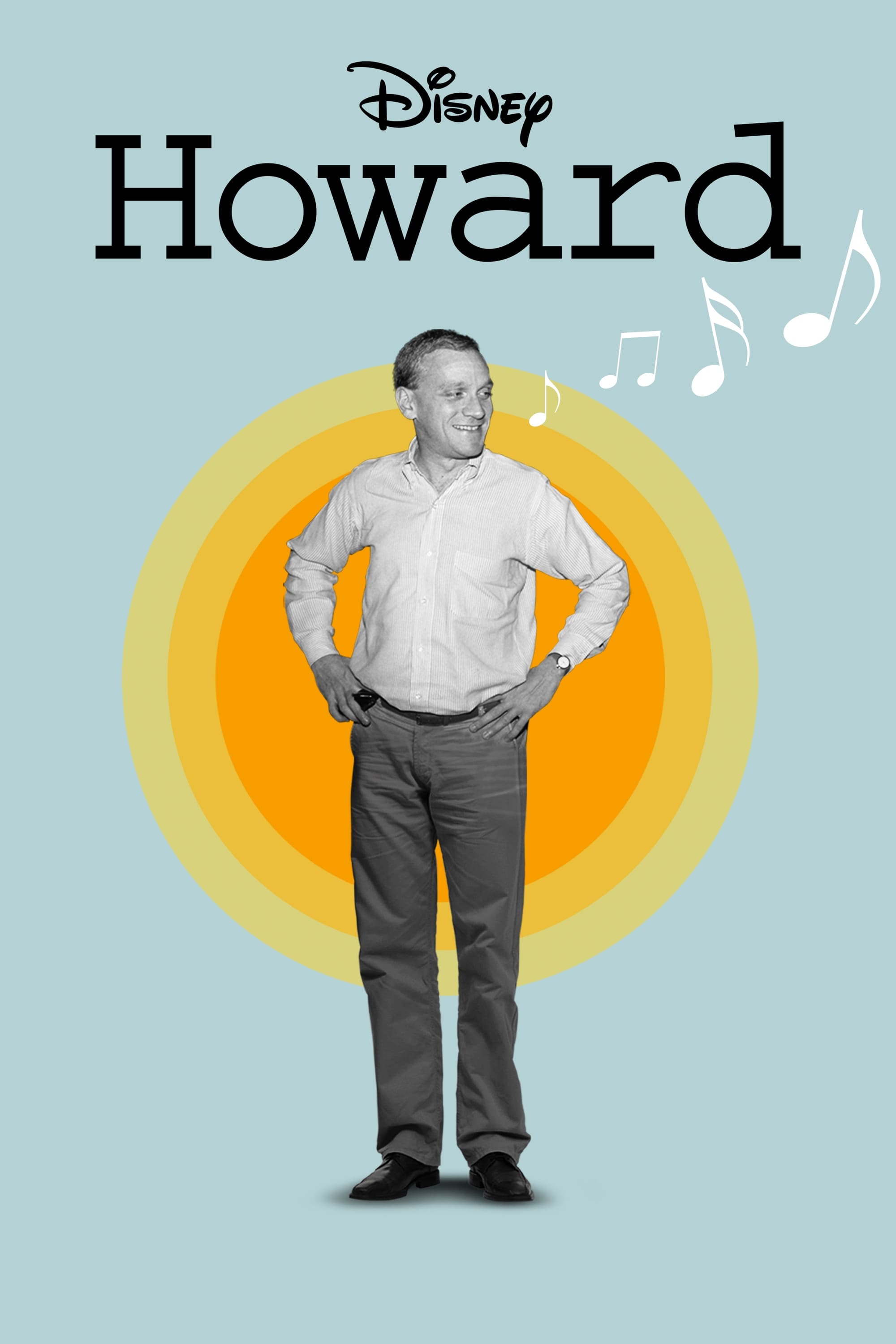
Though legendary lyricist Howard Ashman died far too young, his impact on Broadway, movies, and the culture at large were incalculable. Told entirely through rare archival footage and interviews with Ashman’s family, friends, associates, and longtime partner Bill Lauch, Howard is an intimate tribute to a once-in-a-generation talent and a rousing celebration of musical storytelling itself.
Al Pacino's deeply-felt rumination on Shakespeare's significance and relevance to the modern world through interviews and an in-depth analysis of "Richard III."
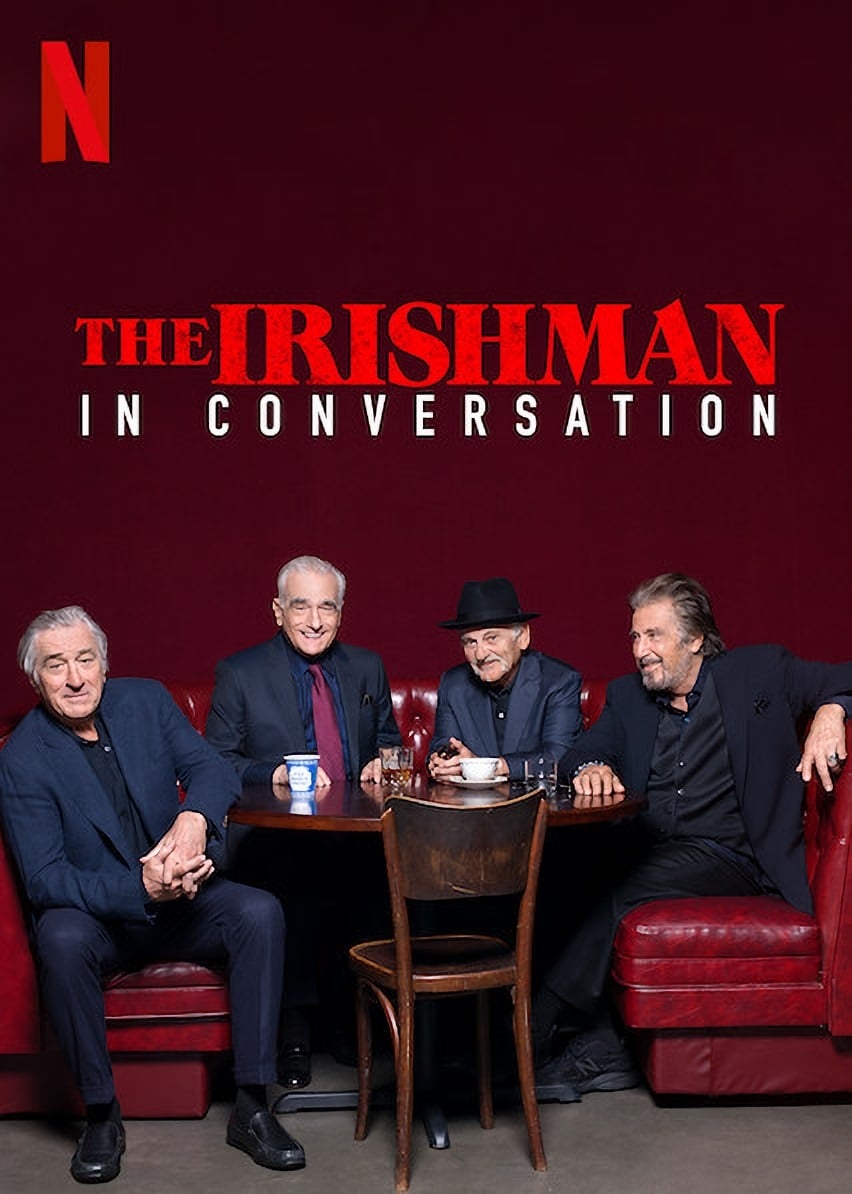
Martin Scorsese, Robert De Niro, Joe Pesci, and Al Pacino in conversation about The Irishman.
An unprecedented and intimate look at the life, work and enduring legacy of British actress Audrey Hepburn (1929-1993).
Using the book 'Fragments', which collects Marilyn Monroe's poems, notes and letters, and with participation from the Arthur Miller and Truman Capote estates who have contributed more material, each of the actresses will embody the legend at various stages in her life.
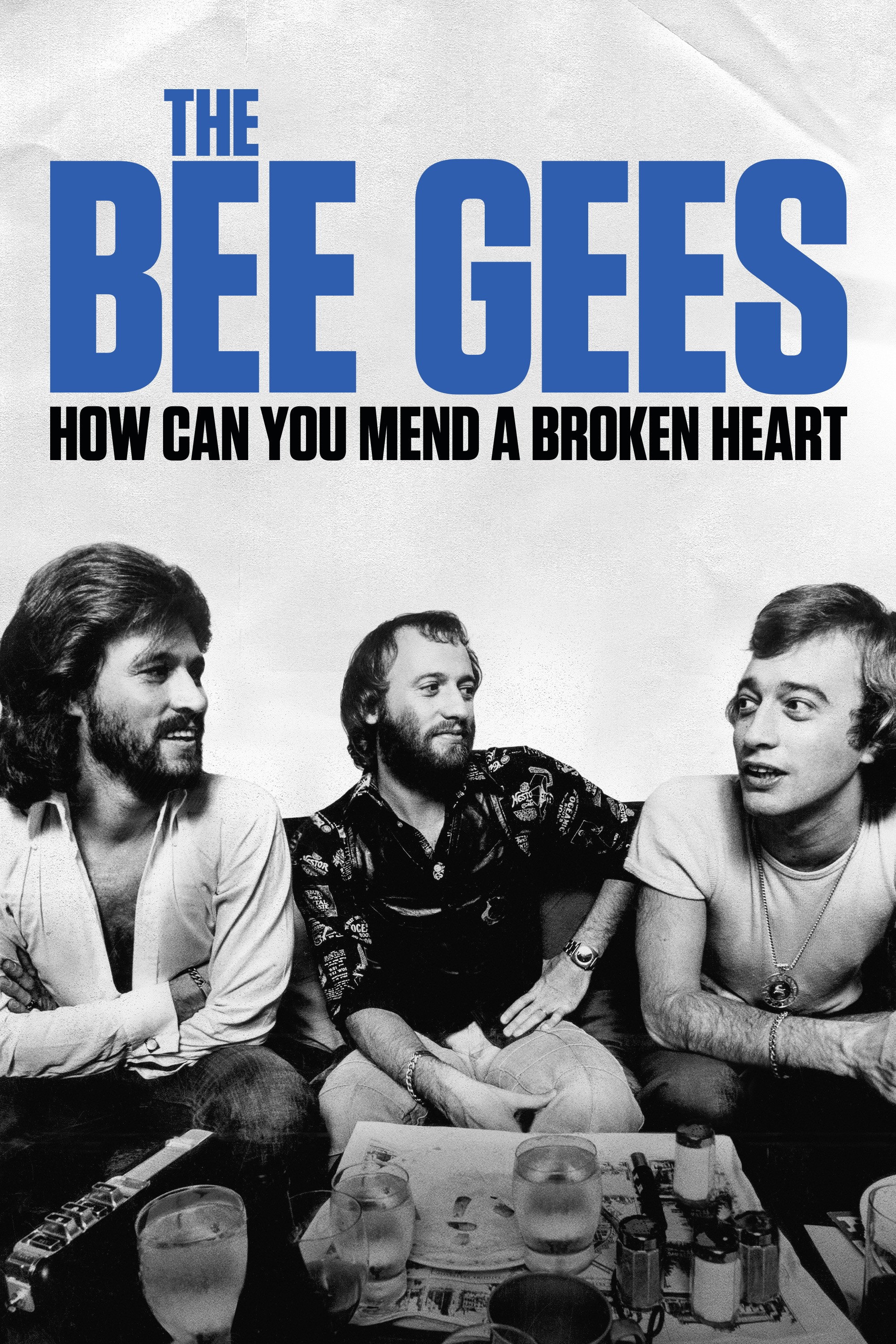
The story of the triumphs and hurdles of brothers Barry, Maurice, and Robin Gibb, otherwise known as the Bee Gees. The iconic trio, who found early fame in the 1960s, went on to write over 1,000 songs and have 20 No. 1 hits throughout their career, transcending more than five decades of changing tastes and styles.
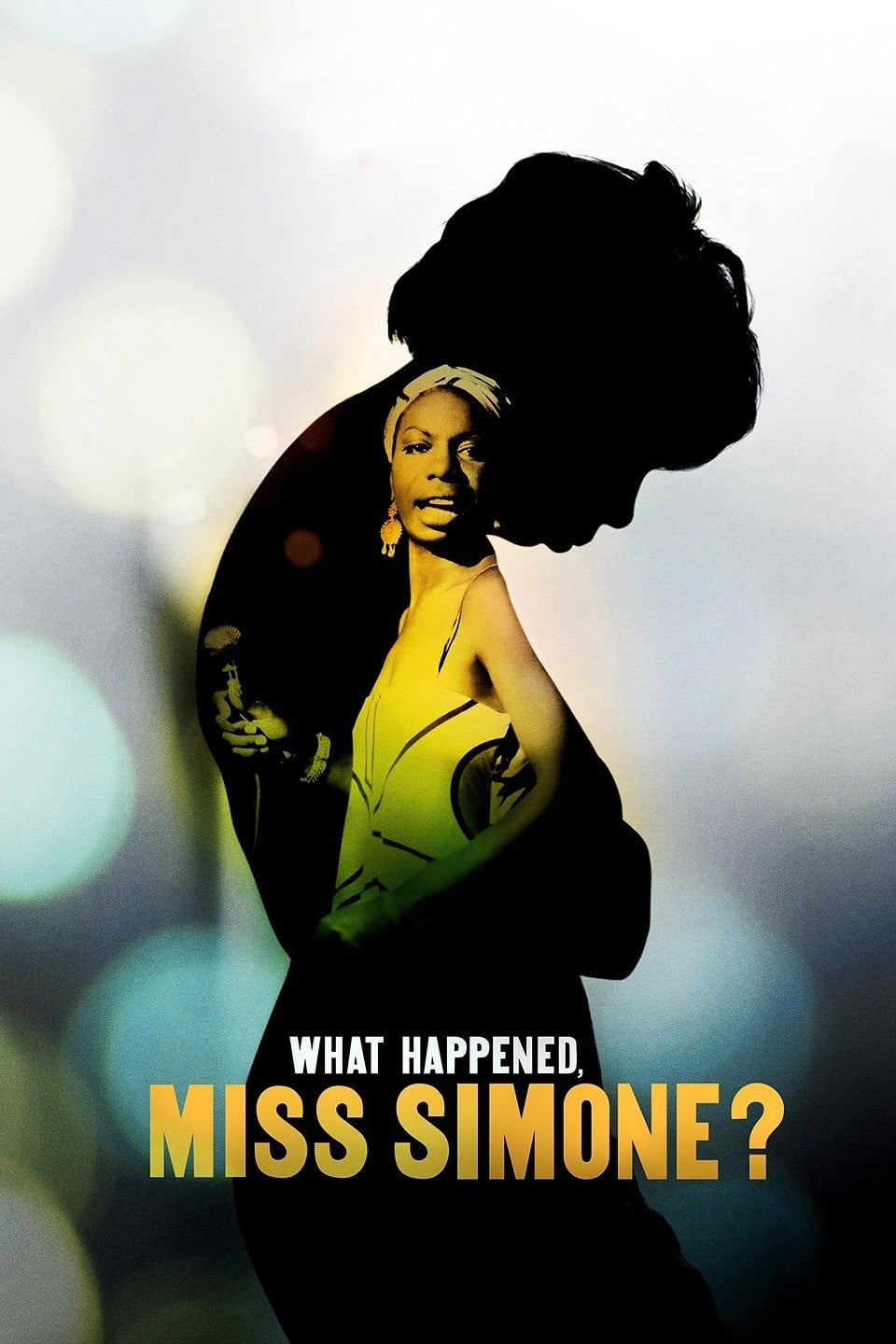
The film chronicles Nina Simone's journey from child piano prodigy to iconic musician and passionate activist, told in her own words.
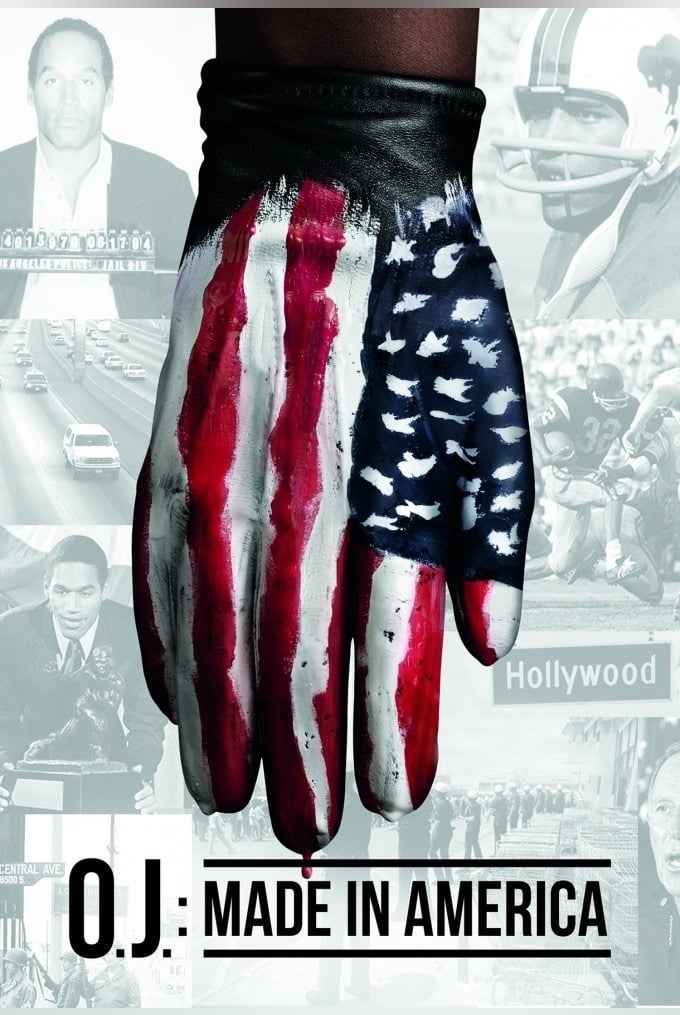
A chronicle of the rise and fall of O.J. Simpson, whose high-profile murder trial exposed the extent of American racial tensions, revealing a fractured and divided nation.