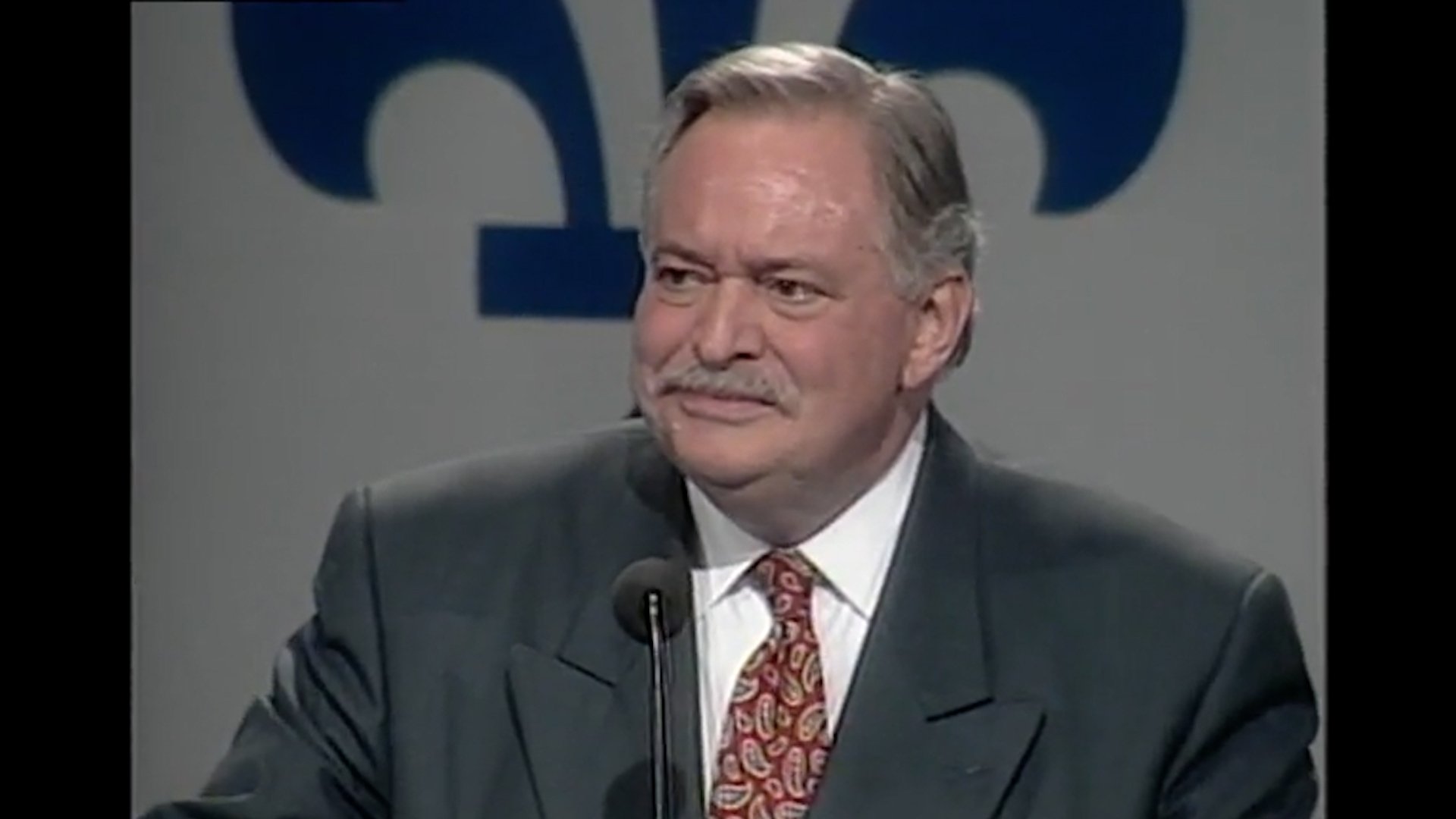
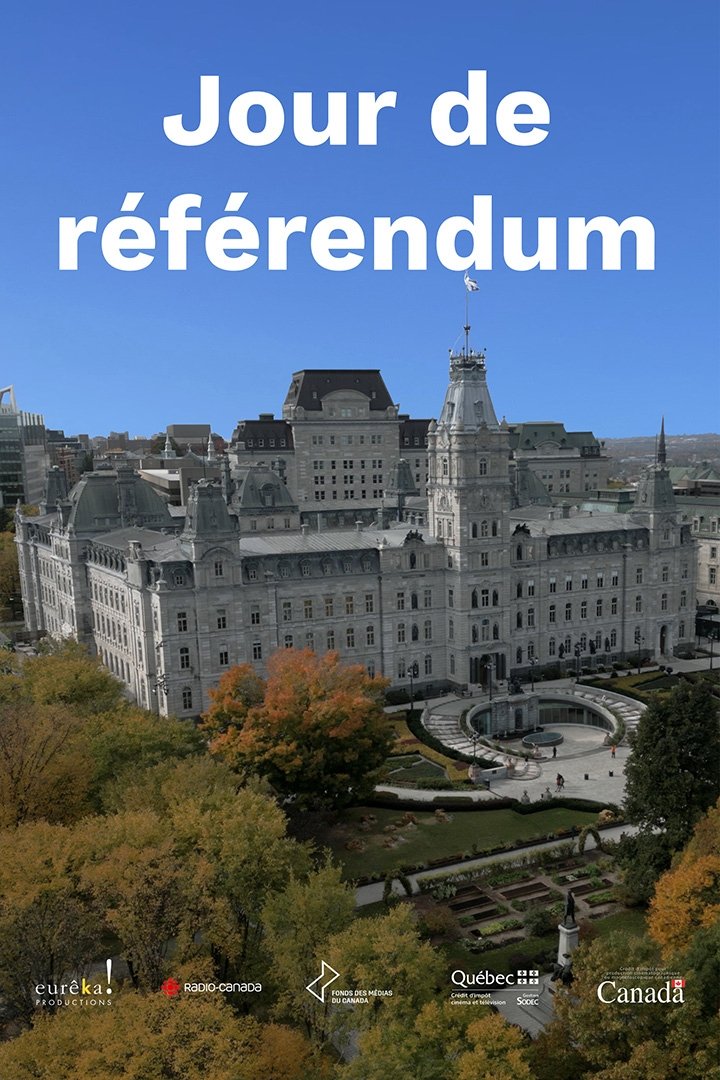
On the morning of October 30, 1995, tension was palpable throughout Quebec. On this Referendum Day, 15 years after René Lévesque chanted "À la prochaine fois!", would the people of Quebec say yes or no to their independence?
Social & External
This short documentary film is a fascinating portrait of urban and rural Quebec in the late 1960s, as the province entered modernity. The collective work produced for the Quebec Ministry of Industry and Commerce calls on several major Quebec figures.
Gilles Groulx's first film shot in 1955 with a camera borrowed from his brother and edited during his spare time when he worked as an editor at the Radio-Canada news service a few years before he joined the NFB. Silent film, presented as its author left it, where the soil and the dialectic of Groulx's work are already there: documentary realism, the social space to be explored, daily life, the relationship between individual and society, social disparities, the consumer society, seduction and happiness.
Take a breathtaking train a ride through Nothern Quebec and Labrador on Canada’s first First Nations-owned railway. Come for the celebration of the power of independence, the crucial importance of aboriginal owned businesses and stay for the beauty of the northern landscape.
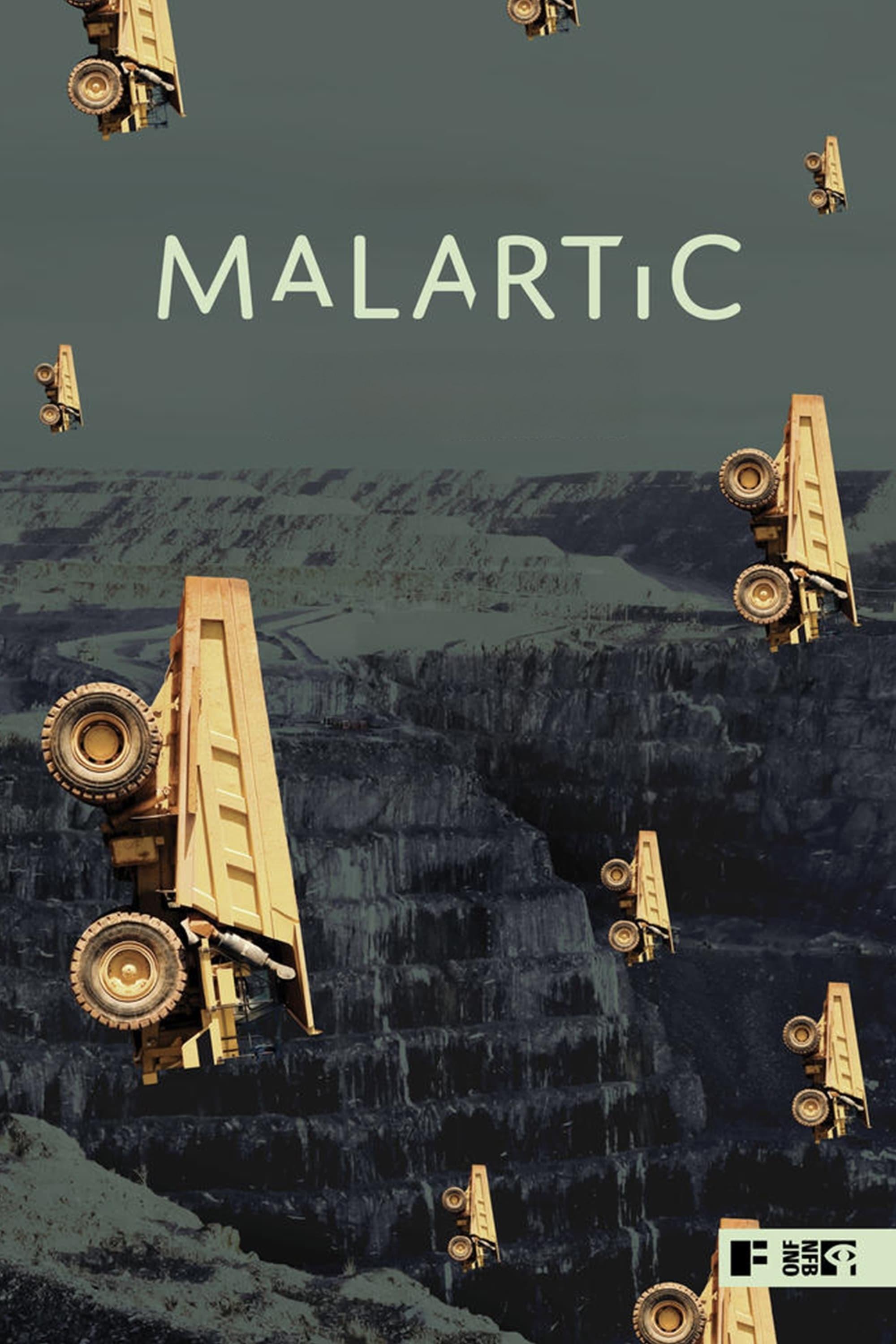
Ten years after an enormous open-pit gold mine began operations in Malartic, the hoped-for economic miracle is nothing more than a mirage. Filmmaker Nicolas Paquet explores the glaring contrast between the town’s decline and the wealth of the mining company, along with the mechanisms of an opaque decision-making system in which ordinary people have little say. Part anthropological study, part investigation into the corridors of power, Malartic addresses the fundamental issue of sustainable and fair land management.
Part documentary, part drama, this film presents the life and work of Jack Kerouac, an American writer with Québec roots who became one of the most important spokesmen for his generation. Intercut with archival footage, photographs and interviews, this film takes apart the heroic myth and even returns to the childhood of the author whose life and work contributed greatly to the cultural, sexual and social revolution of the 1960s.
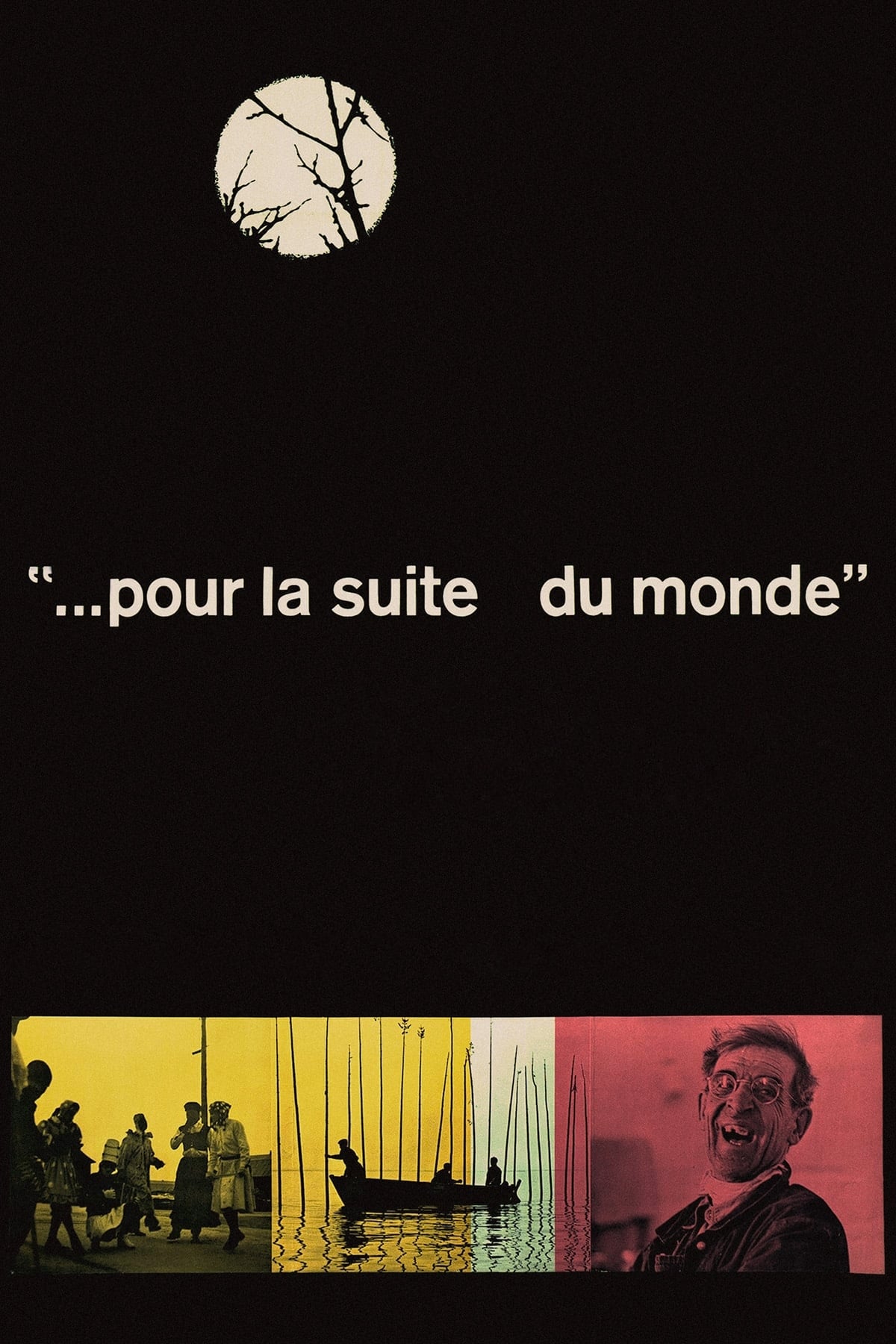
This early work from Pierre Perrault, made in collaboration with René Bonnière, chronicles summer activities in the Innu communities of Unamenshipu (La Romaine) and Pakuashipi. Shot by noted cinematographer Michel Thomas-d’Hoste, it documents the construction of a traditional canoe, fishing along the Coucouchou River, a procession marking the Christian feast of the Assumption, and the departure of children for residential schools—an event presented here in an uncritical light. Perrault’s narration, delivered by an anonymous male voice, underscores the film’s outsider gaze on its Indigenous subjects. The film is from Au Pays de Neufve-France (1960), a series produced by Crawley Films, an important early Canadian producer of documentary films.
Summer unveils a new blueberry season in northern Canada. The fields are covered in blue and workers from all over scramble before the frost puts an end to the harvest. And yet this time of year is much more than just picking: it's a time of music and connection.
A cinematic and introspective look at the residents of a Quebec town—once the site of the world's largest asbestos mine—as they grapple with their community's industrial past. Striving to honour their heritage while reconciling with their history and forging a new path forward, the miners delve into the intricacies of progress and healing.
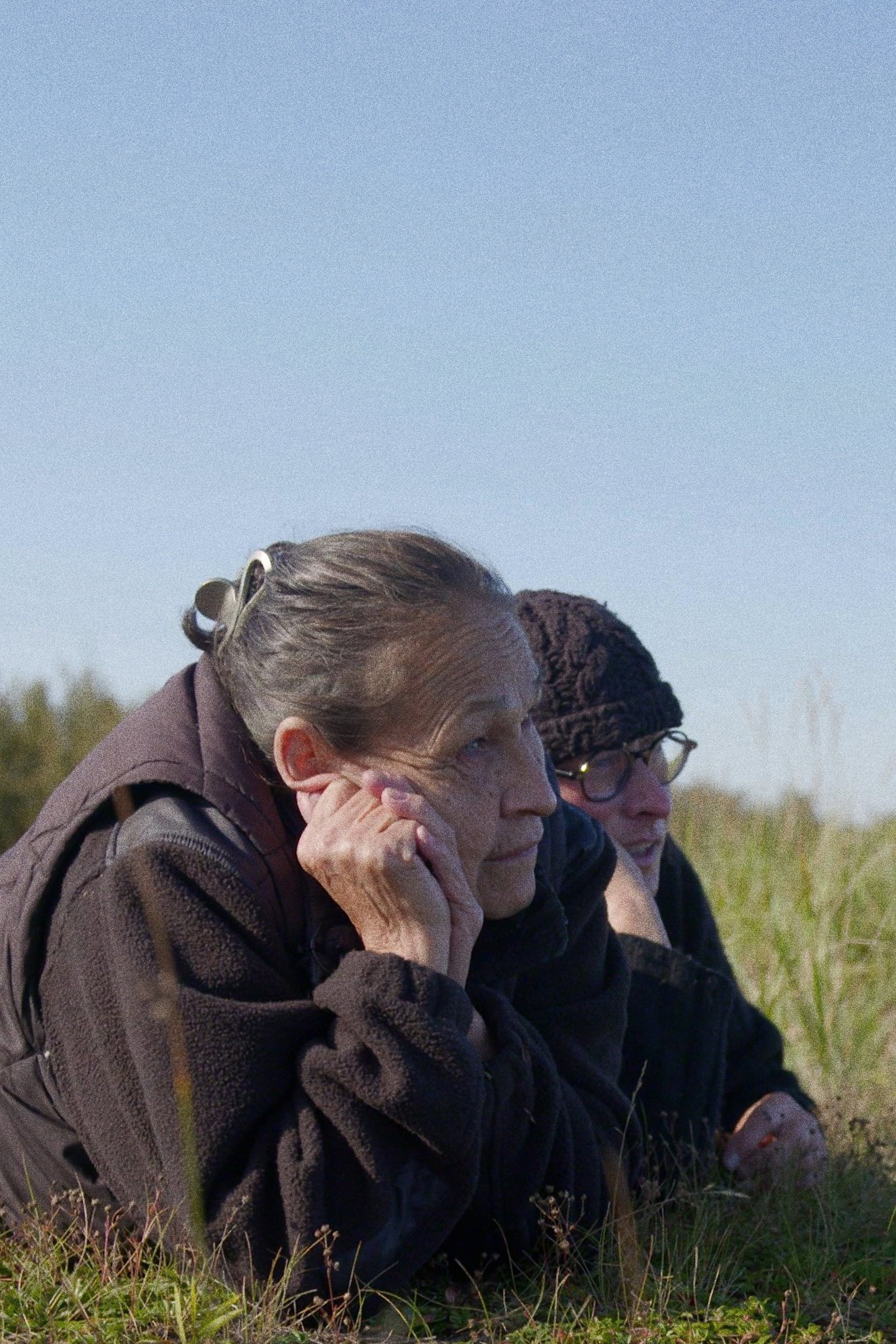
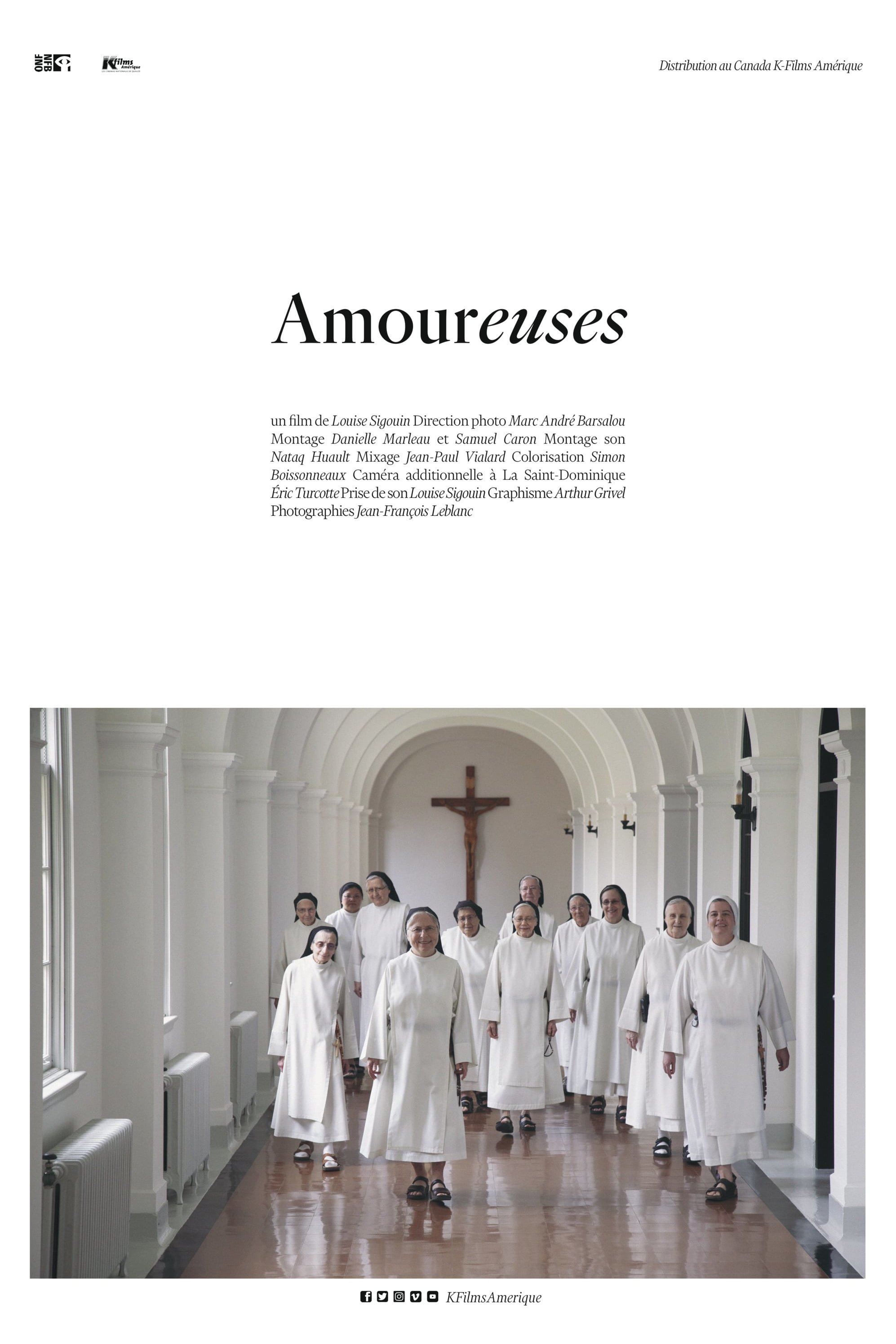
For the first time, cloistered sisters agree to be filmed for one year in all aspects of their lives. The nuns of Berthierville, the only Francophone community of Dominican nuns in North America for nearly a century, engage in a rare and unique documentary in which exceptional testimonies and archives intermingle.
This feature-length film tells the story of the passion between Marie de l’Incarnation, a mid-seventeenth-century nun and God, her "divine spouse." Fusing documentary and acting by Marie Tifo, whom we follow as she rehearses for this demanding role, the film paints an astonishing portrait of this mystic who abandoned her son and left France to build a convent in Canada, where she became the first female writer in New France.
Through the eyes of a Quebec Jewish activist, Lea Roback, feminist, unionist, pacifist and communist, A VISION IN THE DARKNESS proposes a modernist vision of Quebec history, from the beginning of the twentieth century to the period knows as « La Grande Noirceur », the Great Darkness.
A serious crisis has shaken Spain since the referendum on self-determination and the proclamation of the independence of Catalonia by the government of Carles Puigdemont, bold actions firmly fought by the Spanish government by applying the constitutional article that allows it to place a region under guardianship. While Spain is on the verge of implosion, Europe is holding its breath.
Everything about the Quebec visual artist Lyne Lapointe reflects the grip of art on her life. Lesbian and feminist, she tirelessly highlights in her work the challenging position of women in society and in the art world. This concern is the common thread in the story of her life and projects. Despite a serious accident that ended her first series, revolutionary urban creations that earned her international reputation, she reinvents her approach with the tenacity that characterizes her, ultimately becoming the subject of significant exhibitions in Quebec, Canada, and abroad.
Feature-length documentary directed by Mireille Danserau in 1973: in-depth interviews with four young women who explain their complex relationships with men, motherhood and their own femininity, sometimes radically detaching themselves from the standardized and traditional conception of the couple.
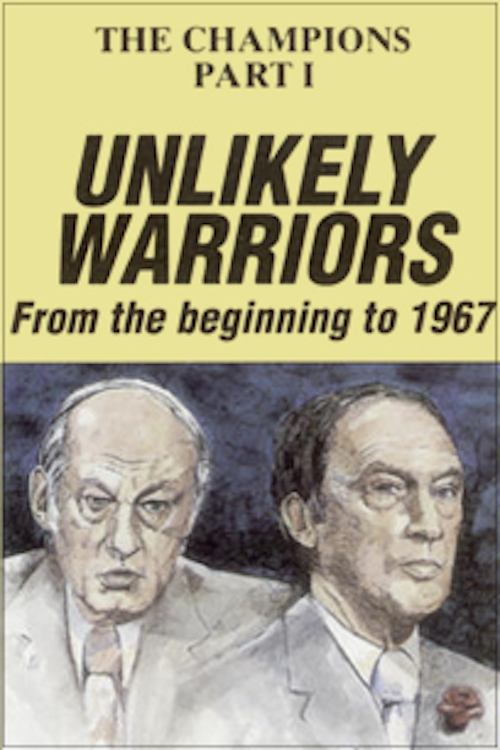
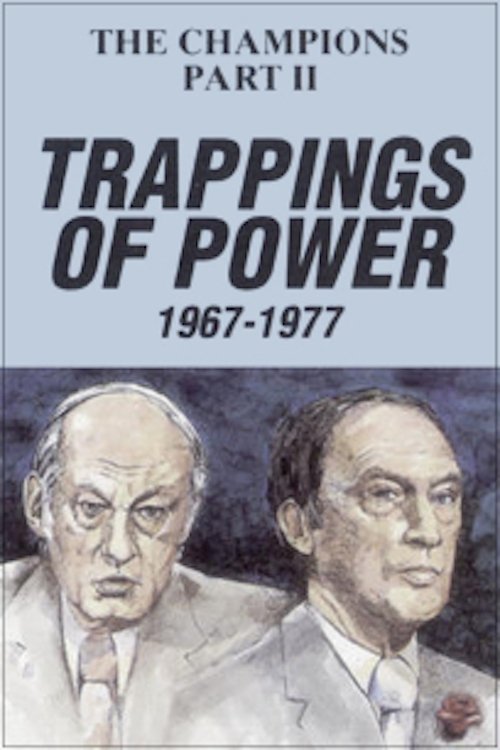
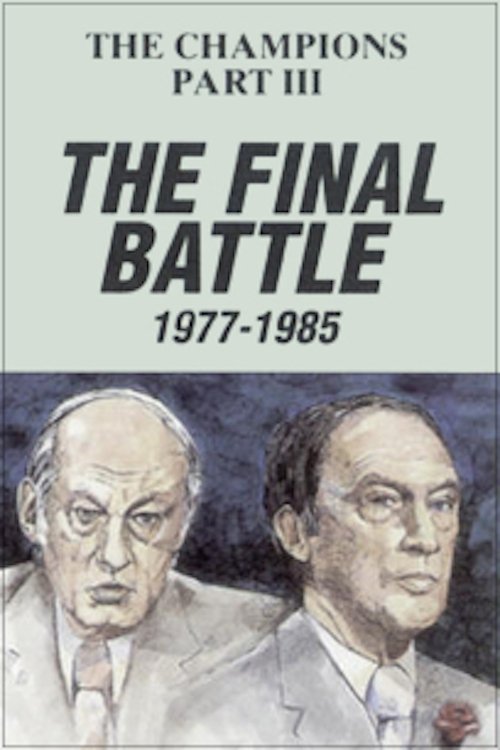
Canadian director Catherine Annau's debut work is a documentary about the legacy of Pierre Trudeau, the long-running Prime Minister of Canada, who governed during the 1970s. The film focuses particularly on Trudeau's goal of creating a thoroughly bilingual nation. Annau interviews eight people in their mid-30s on both sides of the linguistic divide. One tells of her life growing up in a community of hard-core Quebec separatists, while another, a yuppie from Toronto, recalls believing as a child that people in Montreal got drunk and had sex all day long. Annau has all of the interviewees discuss how Trudeau's policies affected their lives and their perceptions of the other side, in this issue that strikes to the heart of Canada's national identity.
Robert Roussil, one of the central figures of Québec sculpture, left a profound mark on art history with his bold creations and unwavering commitment to freedom of expression. However, since his death in 2013, his legacy seems to be fading. This film seeks to revive the memory of this visionary artist by delving into his work and philosophy. Constructed from a rich body of archival footage, the documentary also draws on numerous interviews given by Roussil throughout his career. The film traces his journey from his early exile in France to his life in a mill in Tourrettes-sur-Loup, in the Provence-Alpes-Côte d’Azur region, where he created most of his works. The narrative opens the doors to his home and studio, while also shedding light on his sculptures, still visible in Montreal, which continue to reflect his lasting influence.
Pouvoir Oublier is a political documentary first constructed from the words of the speakers whose lives changed on the tragic day of May 10, 1972 in Sept-Îles. Their word will be juxtaposed with archival material from the events, some of which are unpublished, which will reflect the collective euphoria in which Sept-Îles and all of Quebec were then bathed.