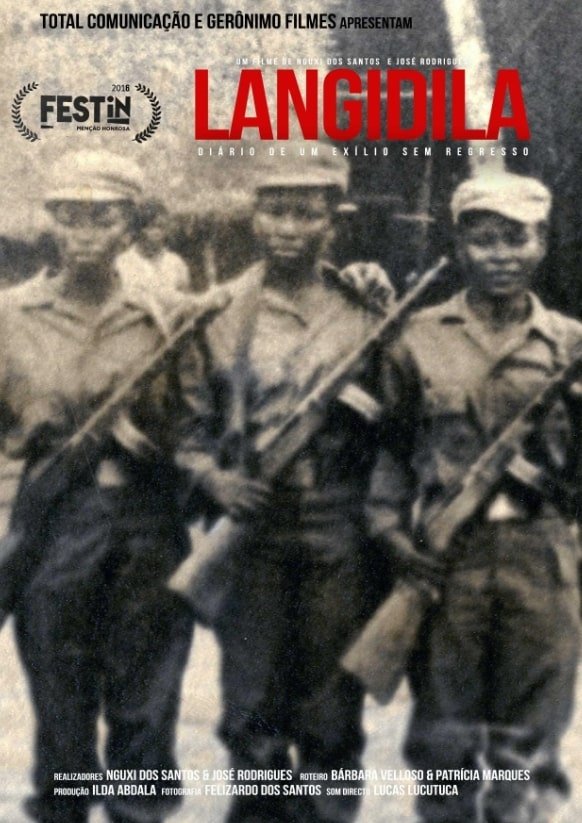
Deolinda Rodrigues Francisco de Almeida, whose war name was "Langidila," was one of the great Heroines who sacrificed her entire life for Angola. History is quick to highlight her deeds.
Social & External
Alex Jones interviews Walter Burien, commodity trading adviser (CTA) of 15 years about the biggest game in town. There are over 85,000 federal and regional governmental institutions: school districts, water and power authorities, county and city governments – and they own over 70 percent of the stock market.
A homeless man living in a encampment in Minneapolis tells his perspective on the ongoing crisis of homelessness.
Michael Moore's view on how the Bush administration allegedly used the tragic events on 9/11 to push forward its agenda for unjust wars in Afghanistan and Iraq.
A feature length, lively - montage style - documentary, capturing the essence of what life was like in socialist Hungary's conscript army, using contemporary videos.
Documentary film with play scenes about the rise and fall of the short-lived Bavarian Soviet Republic in 1919 from the perspective of various well-known poets and writers who experienced the events as contemporary witnesses.
Sean McAllister's bleak, extraordinarily intimate film offers an insight into the lives of 35 year old Kevin, who hasn't worked in 18 years, and his 19 year old girlfriend Robbie, who earns 70 pounds a week as a seamstress.
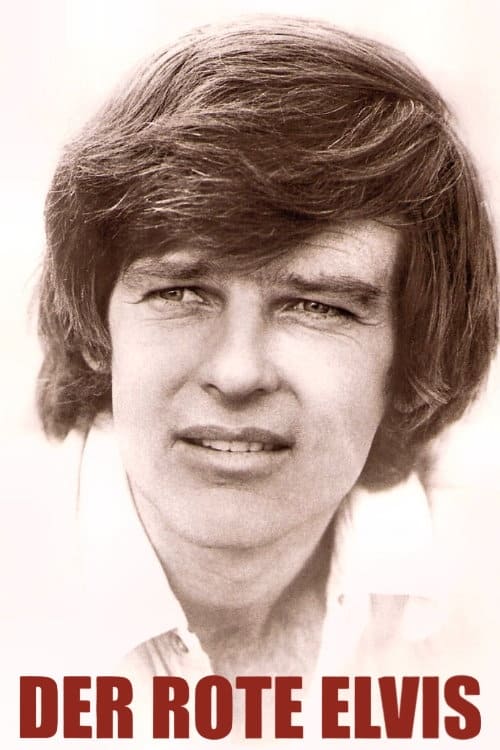
A documentary on the late American entertainer Dean Reed, who became a huge star in East Germany after settling there in 1973.
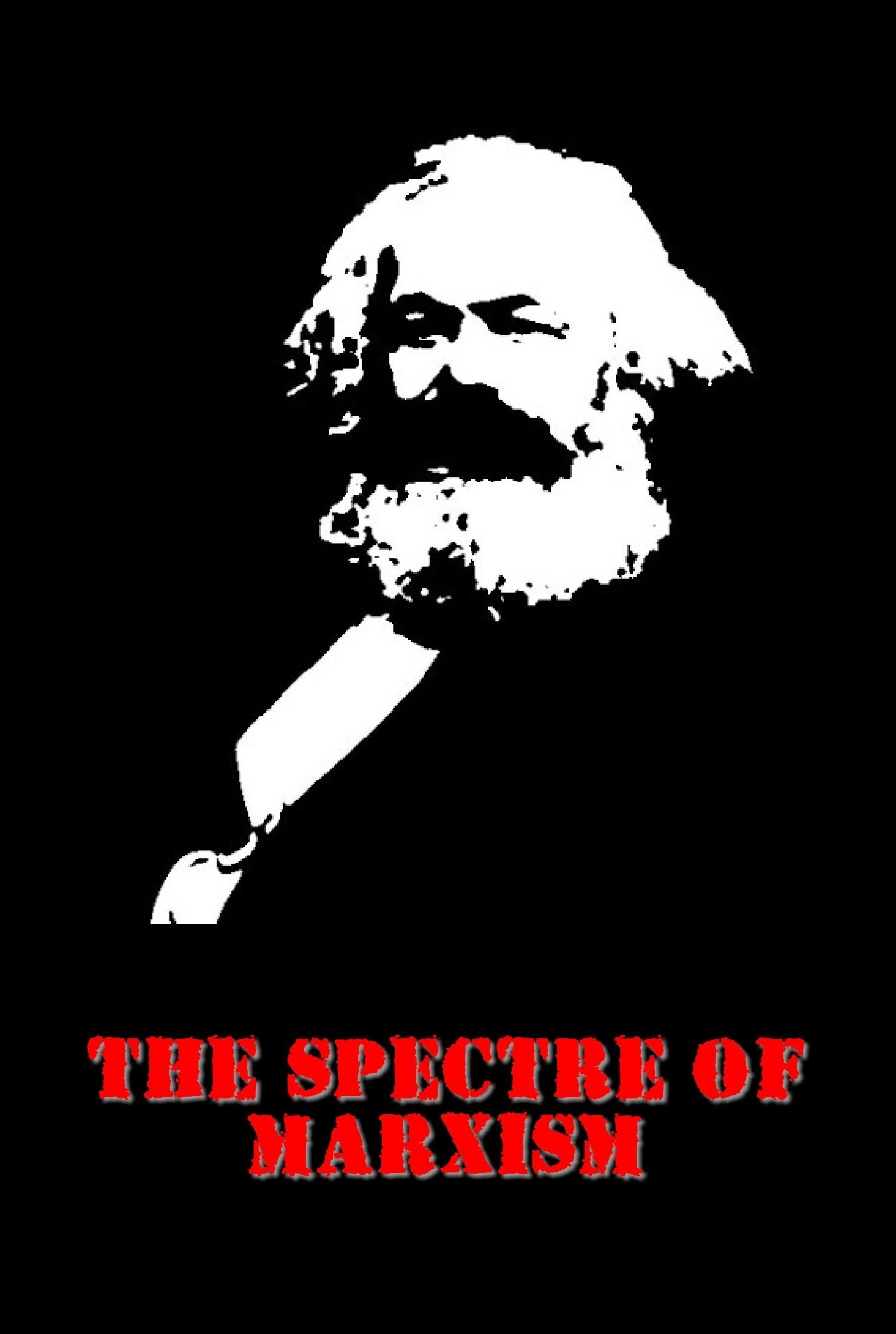
The impact of Marx on the 20th century has been all-pervasive and world-wide. This program looks at the man, at the roots of his philosophy, at the causes and explanations of his philosophical development, and at its most direct outcome: the failed Soviet Union.
The First Year tells the inside story of Jamie Driscoll’s first 12 months as the new North of Tyne Mayor.
A documentary on the rise and fall of Project Cybersyn, an attempt at a computer-managed centralized economy undertaken in Chile during the presidency of Salvador Allende.
Jean-Luc Godard brings his firebrand political cinema to the UK, exploring the revolutionary signals in late '60s British society. Constructed as a montage of various disconnected political acts (in line with Godard's then appropriation of Soviet director Dziga Vertov's agitprop techniques), it combines a diverse range of footage, from students discussing The Beatles to the production line at the MG factory in Oxfordshire, burnished with onscreen political sloganeering.
Scenes from the three last days of the festival in which the population of the old Kingdom of Jau participate yearly.
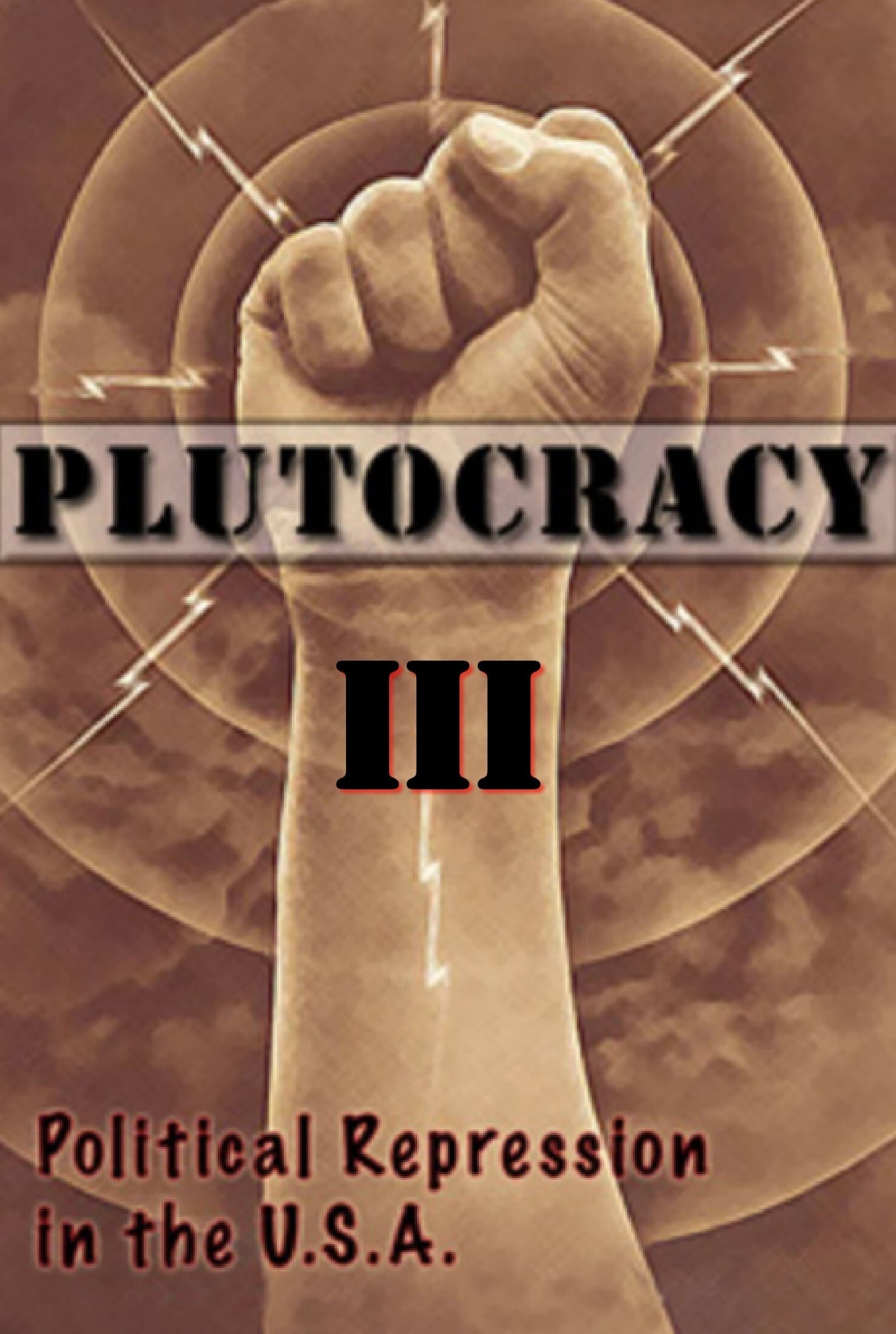
The early struggles of the working class are placed under a microscope in Plutocracy III: Class War, the latest chapter in an exceptionally well produced series which explores the origins of America's growing economic divide.
A feature length, lively - montage style - documentary, capturing the essence of what life was like in socialist Hungary - dubbed the "The most cheerful barrack" back then - using contemporary music, interviews, adverts and news footages.
A portrait of the leading female Bolshevik (and later Worker’s Opposition) revolutionary leader Alexandra Kollontai using her own words.
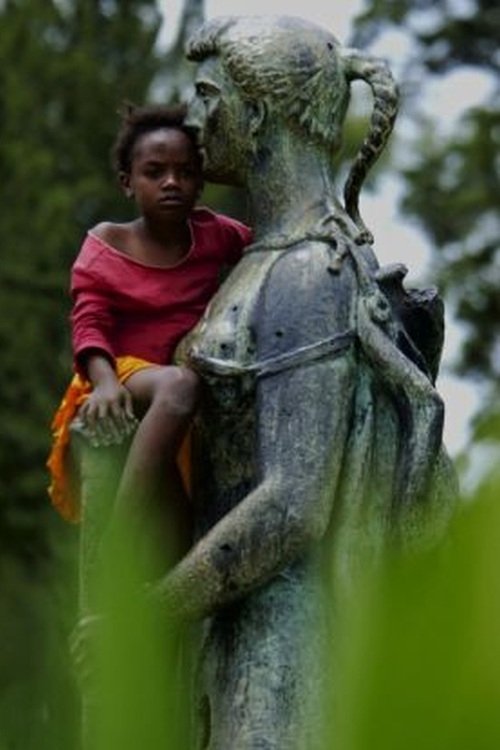
Sissako visits a war-torn Angola after thirty years of war in search of a friend and thereby through interviews reflects on the lost utopias of a generation of Africans who experienced the liberation struggles. His camera is witness to the dislocation and despair of those he encounters living in Angola, however he also discovers the resilient spirit of Africa and optimism for its future in unexpected ways.
Blood Diamonds is a made-for-TV documentary series, originally broadcast on the History Channel, that looks into the trade of diamonds which fund rebellions and wars in many African nations. The program focuses primarily on two nations: Sierra Leone and Angola. Diamonds which are traded for this purpose are known as blood diamonds.
Composed of stills by renowned Magnum photographer Susan Meiselas taken in 1978 and 1979 during the overthrow of the fifty-year dictatorship of the Somoza family. Written in the form of a letter from Meiselas to Karlin, it is a ruminative and often profound exploration of the ethics of witnessing, the responsibilities of war photography and the politics of the still image.