A documentary about the modern controversy between Poland and Russia over Russian prisoners of war from the time when Poland regained its independence, after the First World War.
Social & External
The people behind it
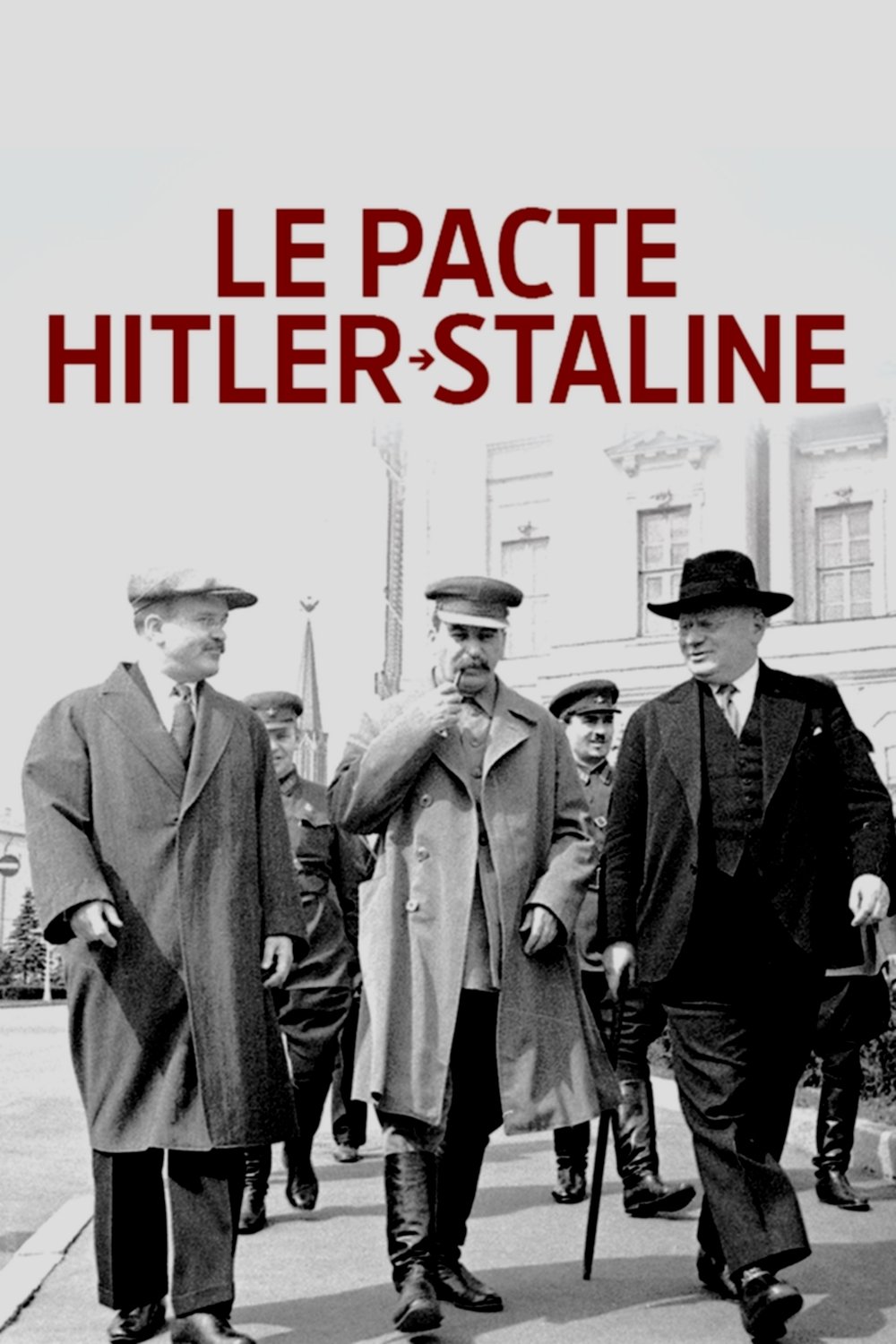
How could Hitler and Stalin, sworn ideological enemies, come to a secret pact in 1939? The captivating and detailed story of the diplomatic fiasco that led to the signing of the Nazi-Soviet pact and its devastating consequences.
In this documentary, Joachim Hellwig uses partly unpublished footage to shed light on a dark chapter of German history and shows the entanglements between the politicians' claims to power and the interests of industry and business in Germany from the beginning of the First World War to the end of the Second World War (1914 to 1945). The Nuremberg War Crimes and Industrial Trials served as the basis for this documentary.
The true story of how businessman Oskar Schindler saved over a thousand Jewish lives from the Nazis while they worked as slaves in his factory during World War II.
Inspired by true events, this film takes place in Rwanda in the 1990s when more than a million Tutsis were killed in a genocide that went mostly unnoticed by the rest of the world. Hotel owner Paul Rusesabagina houses over a thousand refuges in his hotel in attempt to save their lives.
A woman and her daughter struggle to make their way through the aftermath of the Balkan war.
In the run-up to parliamentary elections in mid-October, Polish filmmaker Marcin Wierzchowski travelled across his country to gauge the atmosphere in a society that is more divided than ever.
For almost three years, nature filmmaker and ecologist David Cebulla has been observing wild Common hamsters. He not only tries to learn more about the species, but also documents why hamsters are globally threatened with extinction. David travels from the western border of the distribution area in France via Germany, Poland, Austria and Hungary to the eastern border of the distribution area in the Kazakh steppe. In the process, he manages to capture some unique and fantastic images. But during the project, it becomes increasingly difficult to find animals living in the wild.
New York Times reporter Sydney Schanberg is on assignment covering the Cambodian Civil War, with the help of local interpreter Dith Pran and American photojournalist Al Rockoff. When the U.S. Army pulls out amid escalating violence, Schanberg makes exit arrangements for Pran and his family. Pran, however, tells Schanberg he intends to stay in Cambodia to help cover the unfolding story — a decision he may regret as the Khmer Rouge rebels move in.
A dramatic history of Pu Yi, the last of the Emperors of China, from his lofty birth and brief reign in the Forbidden City, the object of worship by half a billion people; through his abdication, his decline and dissolute lifestyle; his exploitation by the invading Japanese, and finally to his obscure existence as just another peasant worker in the People's Republic.
A group of German boys are ordered to protect a small bridge in their home village during the waning months of the second world war. Truckloads of defeated, cynical Wehrmacht soldiers flee the approaching American troops, but the boys, full of enthusiasm for the "blood and honor" Nazi ideology, stay to defend the useless bridge. The film is based on a West German anti-war novel of the same name, written by Gregor Dorfmeister.
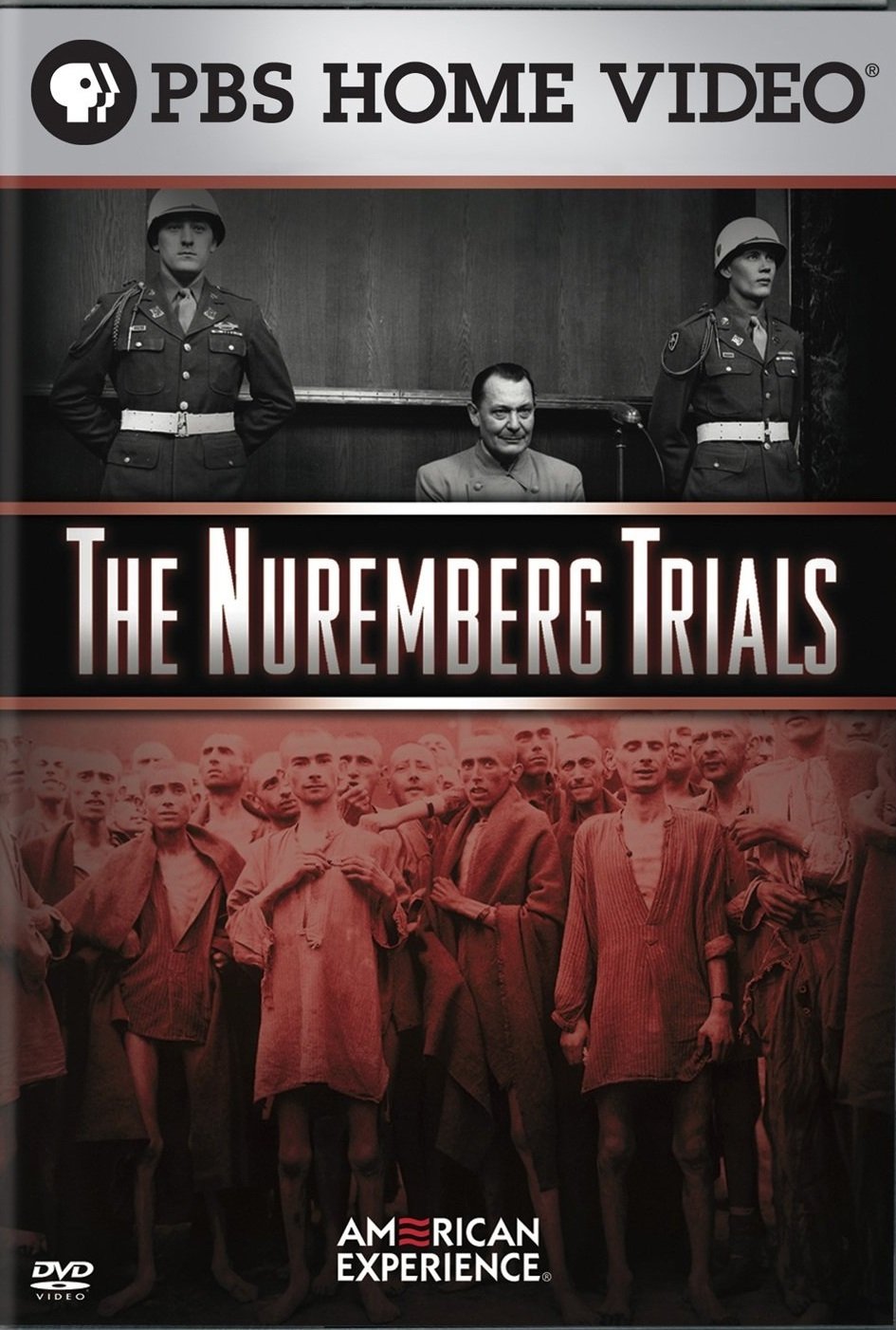
One journalist described it as a chance "to see justice catch up with evil." On November 20, 1945, the twenty-two surviving representatives of the Nazi elite stood before an international military tribunal at the Palace of Justice in Nuremberg, Germany; they were charged with the systematic murder of millions of people. The ensuing trial pitted U.S. chief prosecutor and Supreme Court judge Robert Jackson against Hermann Göring, the former head of the Nazi air force, whom Adolf Hitler had once named to be his successor. Jackson hoped that the trial would make a statement that crimes against humanity would never again go unpunished. Proving the guilt of the defendants, however, was more difficult than Jackson anticipated. This American Experience production draws upon rare archival material and eyewitness accounts to recreate the dramatic tribunal that defines trial procedure for state criminals to this day.
Live performance of the musical presented in 2014 at Teatro Lauro Gomes in São Bernardo do Campo. Karol, affectionately called Lolek by his closest relatives and friends, is a young Polish theater actor, passionate about art. After the death of his father during the Second World War, his life underwent a drastic change. When he receives a book from a simple tailor, he is awakened by the desire to become a priest in the midst of Nazism, in a country devastated by war. Between the clandestine seminary, the fun ladies who help him, his curious students and, later, the fight against communism, the world will get to know the man who became the most famous Pope of all time.
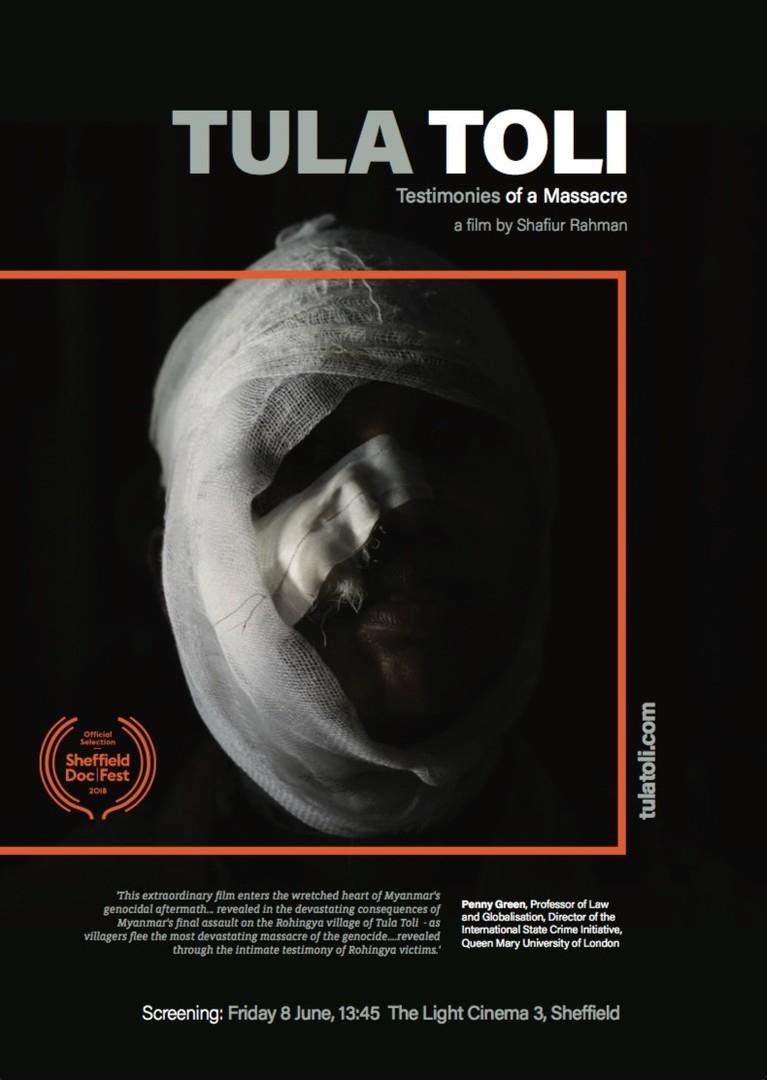
Filmed along the Myanmar-Bangladesh border and within Rohingya refugee camps, Shafiur Rahman’s documentary on the 2017 Tula Toli massacre exposes chilling interviews and evidence of Myanmar military’s premeditated atrocities. The film documents mass killings, sexual violence, and the systematic destruction of the village of Tula Toli, highlighting a humanitarian crisis that forced over half a million people—many of them children—to flee in an exodus of historic scale.
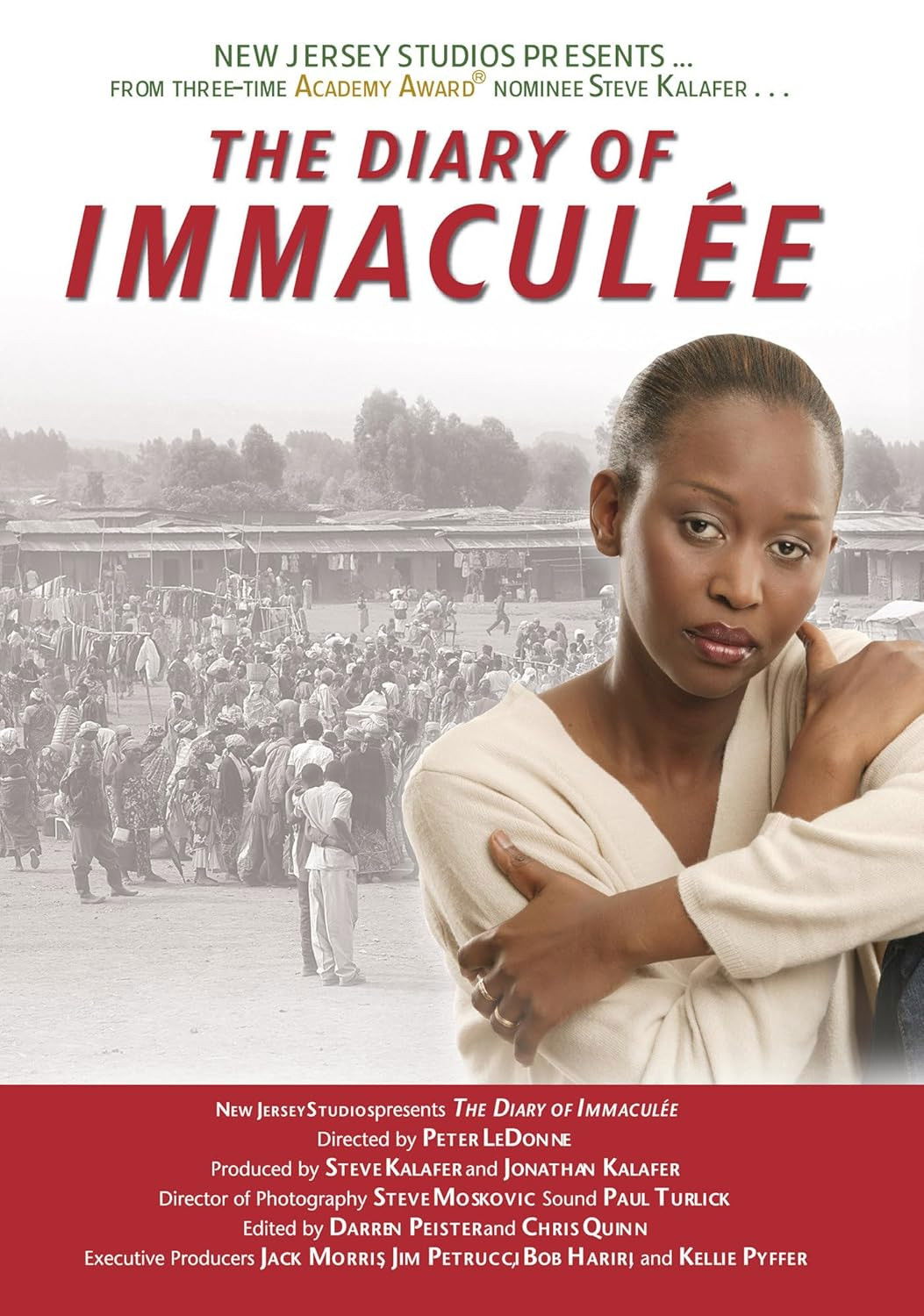
Peter LeDonne and Steve Kalafer chronicle the extraordinary life of Immaculée Ilibagiza, a young African woman who escaped genocide in Rwanda and ultimately found refuge in the United States. Seeking shelter with an Episcopalian minister, Immaculée hid from her attackers inside a bathroom for three long months but stayed centered through prayer and faith.
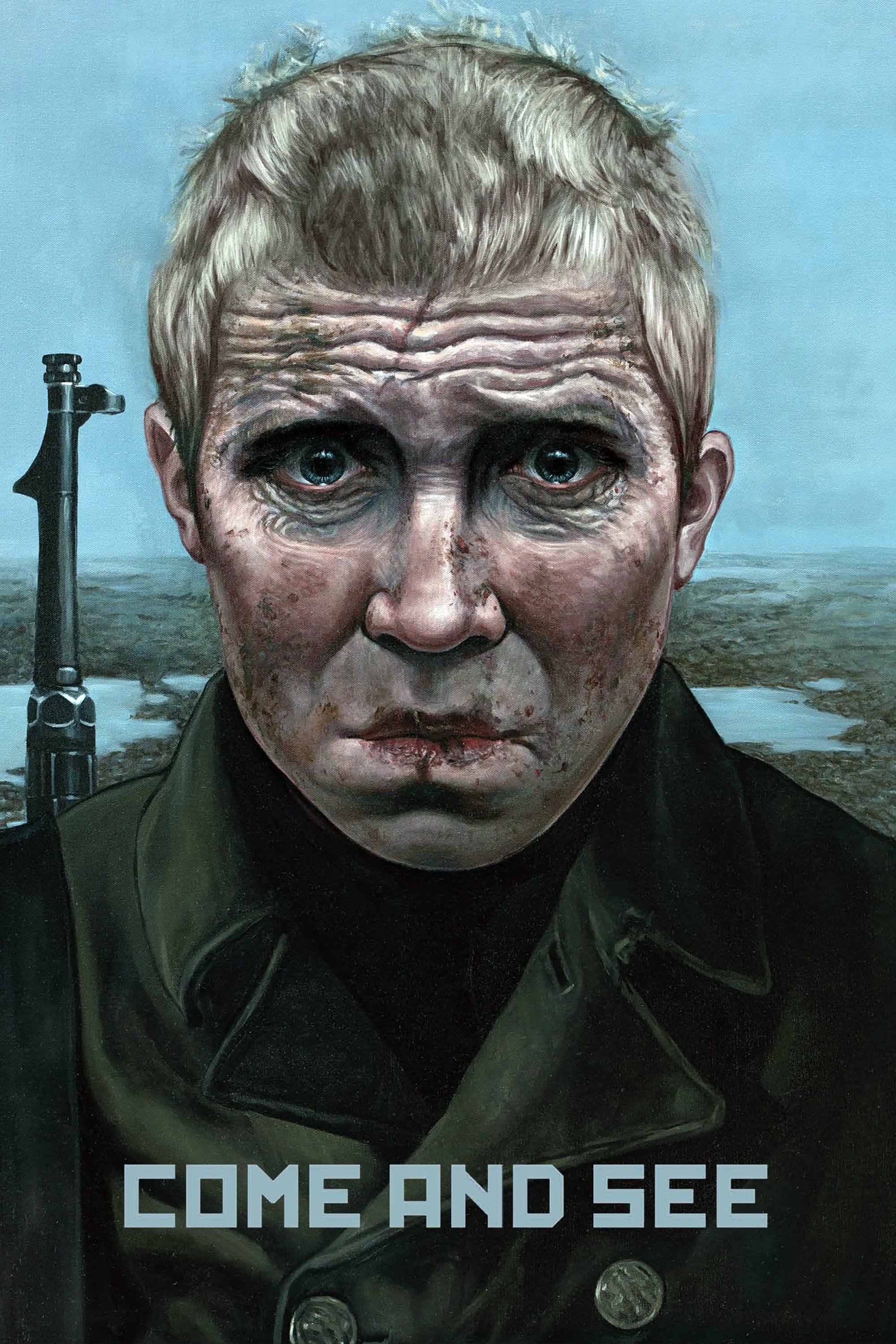
The invasion of a village in Belarus by German forces sends young Flyora into the forest to join the weary Resistance fighters, against his family's wishes. There he meets a girl, Glasha, who accompanies him back to his village. On returning home, Flyora finds his family and fellow peasants massacred. His continued survival amidst the brutal debris of war becomes increasingly nightmarish, a battle between despair and hope.
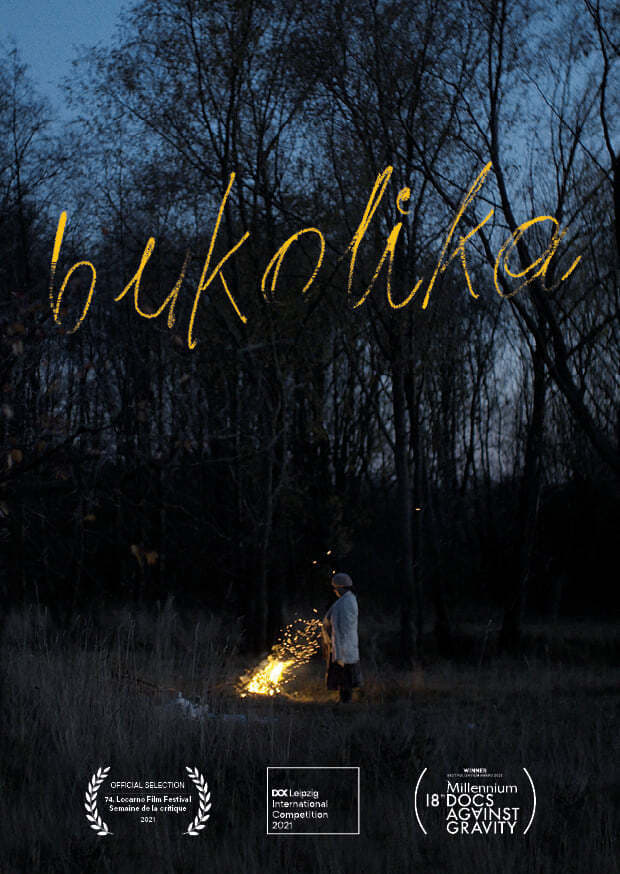
Danusia and her daughter Basia live far away from the modern world, in tune with the rhythm and laws of nature, among animals and the spirits of the dead. The peace and sense of security offered by their enclave come at a price - the women increasingly long for contact with other people. Bucolic is an affectionate observation of people who live in a different way. It evokes a curiosity about their world and a desire to take a closer look.
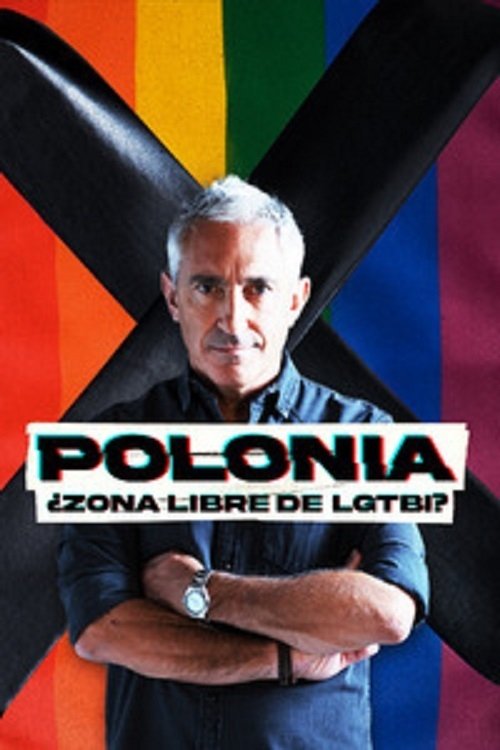
Jon Sistiaga takes an immersive trip to Poland, a country divided into two zones: on the one hand, the urban and pro-European, and on the other, the rural and ultra-Catholic, still anchored in the traumas of the war and the post-war period. Is Poland a homophobic country or does it have a homophobic government? How does the European Union allow this situation?
The documentary takes the viewer to the Polish countryside of the mid-1970s. Andrzej, Leszek, Eugeniusz, Ryszard and Jerzy are young men who dream of finding their other half. The film's protagonists have advertised in newspapers and talk frankly and without inhibition about their search and the dilemmas it involves. The picture is complemented by the statements of their parents, who watch their sons' efforts to start a family with love but also concern. The film also gives an insight into the problems farmers face - not only love but also hard work on the land awaits the chosen one of their hearts. "Either get married or quit this farm", "What's one to do on a farm?" - say the characters in the film. The countryside is not a place made for living alone.
“The Soviet Story” is a story of an Allied power, which helped the Nazis to fight Jews and which slaughtered its own people on an industrial scale. Assisted by the West, this power triumphed on May 9th, 1945. Its crimes were made taboo, and the complete story of Europe’s most murderous regime has never been told. Until now...
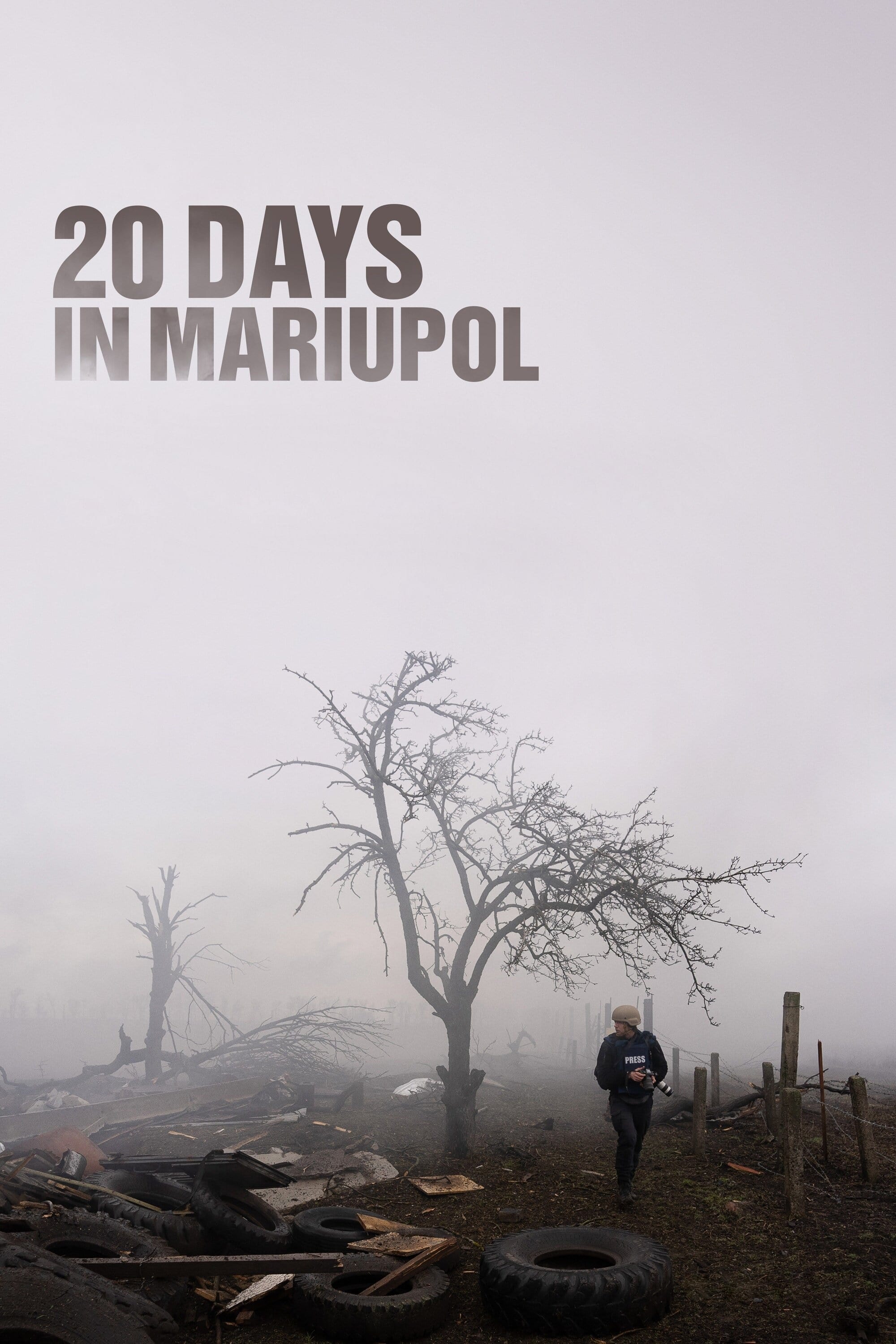
As the Russian invasion begins, a team of Ukrainian journalists trapped in the besieged city of Mariupol struggle to continue their work documenting the war's atrocities.
Amid the failing counteroffensive, a journalist follows a Ukrainian platoon on their mission to traverse one mile of heavily fortified forest and liberate a strategic village from Russian occupation. But the farther they advance through their destroyed homeland, the more they realize that this war may never end.
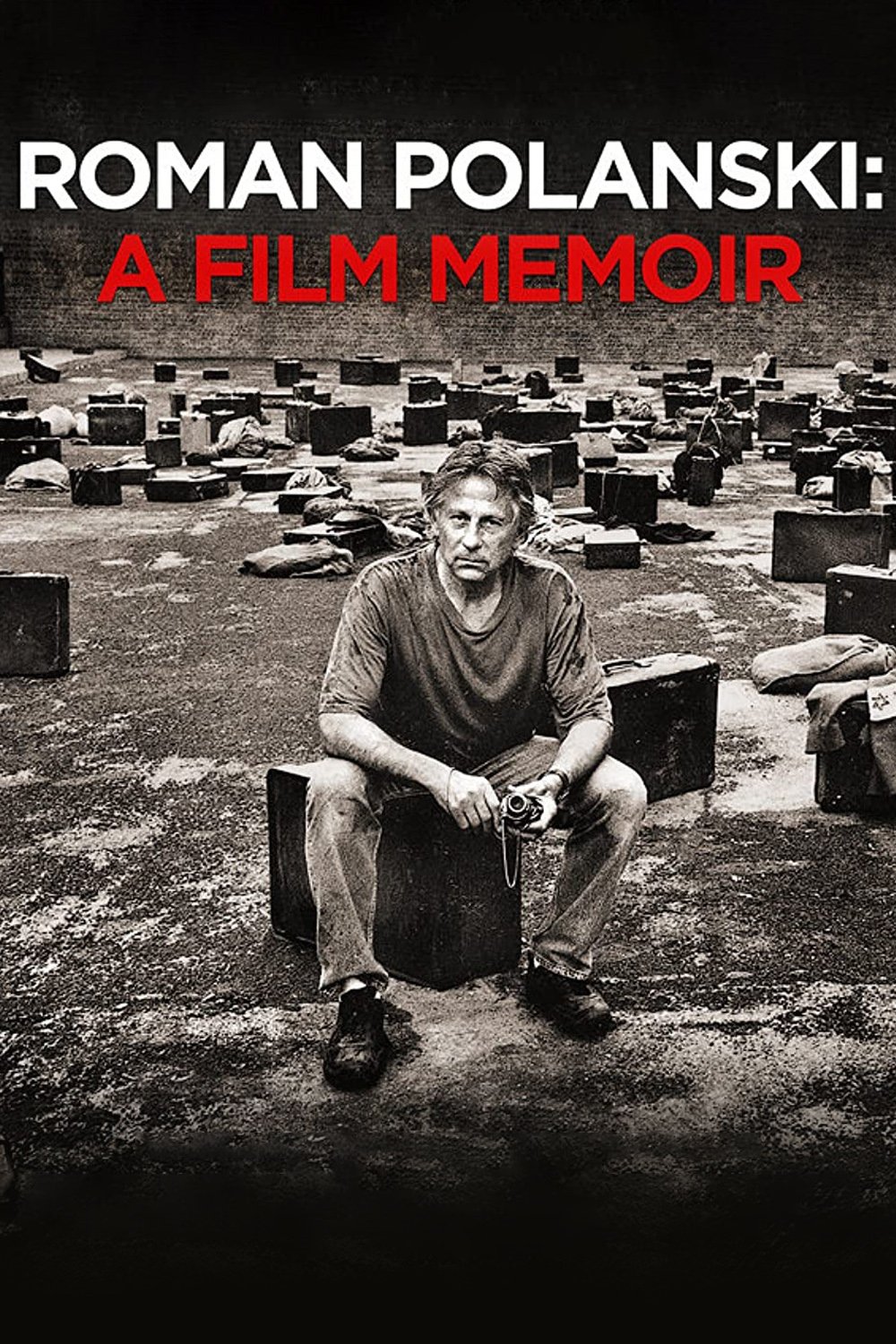
An interview with film director Roman Polanski conducted during his period of house arrest, discussing his life and work.
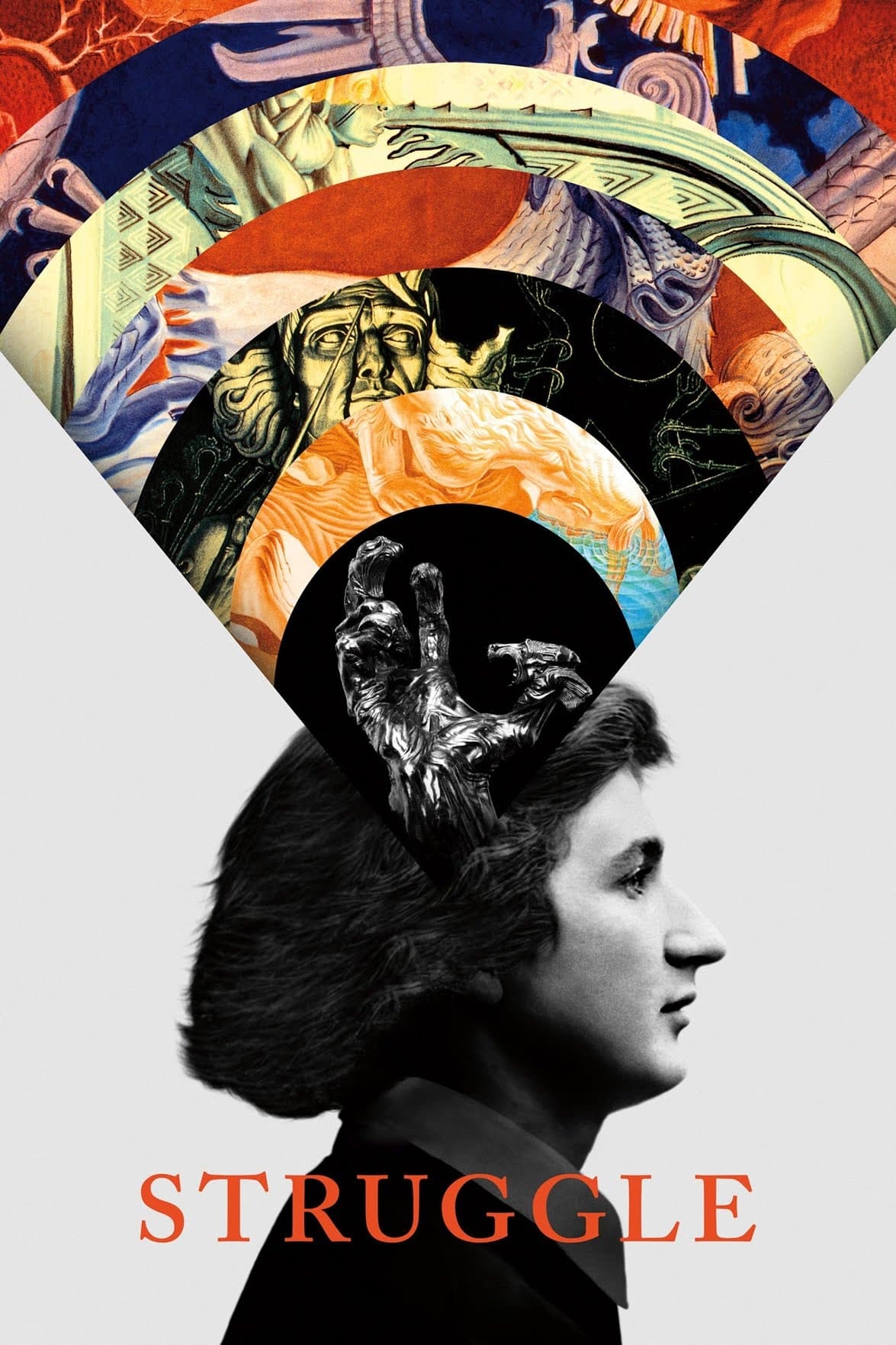
Artists in LA discover the work of forgotten Polish sculptor Stanislav Szukalski, a mad genius whose true story unfolds chapter by astounding chapter.
A love letter from a young mother to her daughter, the film tells the story of Waad al-Kateab’s life through five years of the uprising in Aleppo, Syria as she falls in love, gets married and gives birth to Sama, all while cataclysmic conflict rises around her. Her camera captures incredible stories of loss, laughter and survival as Waad wrestles with an impossible choice– whether or not to flee the city to protect her daughter’s life, when leaving means abandoning the struggle for freedom for which she has already sacrificed so much.
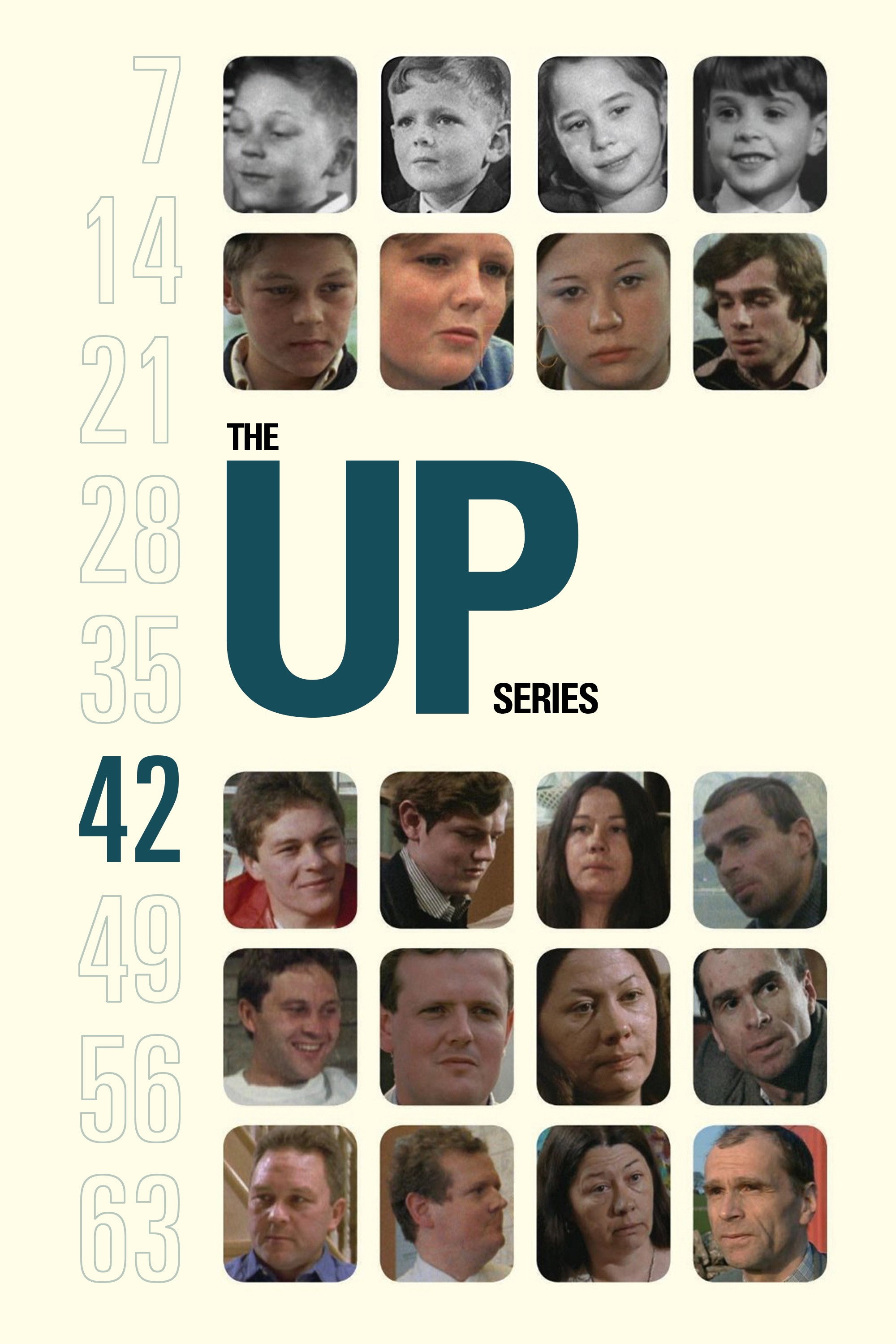
Director Michael Apted revisits the same group of British-born adults after a 7 year wait. The subjects are interviewed as to the changes that have occurred in their lives during the last seven years.
"Trinity and Beyond" is an unsettling yet visually fascinating documentary presenting the history of nuclear weapons development and testing between 1945-1963. Narrated by William Shatner and featuring an original score performed by the Moscow Symphony Orchestra, this award-winning documentary reveals previously unreleased and classified government footage from several countries.
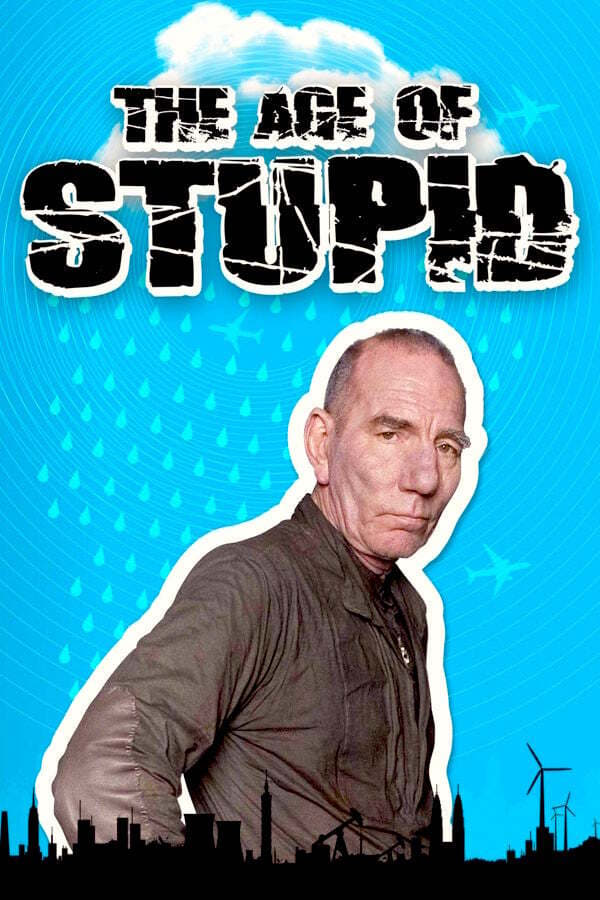
Pete Postlethwaite stars as a man living alone in the devastated future world of 2055, looking at old footage from 2008 and asking: why didn’t we stop climate change when we had the chance?
In 1975, Ryszard Kapuściński, a veteran Polish journalist, embarked on a seemingly suicidal road trip into the heart of the Angola's civil war. There, he witnessed once again the dirty reality of war and discovered a sense of helplessness previously unknown to him. Angola changed him forever: it was a reporter who left Poland, but it was a writer who returned…
A documentary about the making of season five of the acclaimed AMC series Breaking Bad.
A string of threatening emails escalates into a revenge plot involving a newly married US marshal and his ex-girlfriend.
Through deeply personal interviews with her siblings and an examination of the photographs, letters, and belongings left behind, Mariska assembles a new portrait of her mother Jayne Mansfield, an extraordinary and complex woman.
A heartfelt documentary focusing on the day-to-day lives of professional wrestlers, some on the rise, some on the wane, and others fighting for their lives.
When Sgt. First Class Brian Eisch is critically wounded in Afghanistan, it sets him and his sons on a journey of love, loss, redemption and legacy.
A visual montage portrait of our contemporary world dominated by globalized technology and violence.
Experience the events of September 11, 2001 through the eyes of President Bush and his closest advisors as they personally detail the crucial hours and key decisions from that historic day.
In an intimate and joyful story of love in the face of loss, celebrated poets Andrea Gibson and Megan Falley find strength—and unexpected hilarity—in what might be their final year together.
An inside look at one of the most anticipated movie sequels ever with James Cameron and cast.
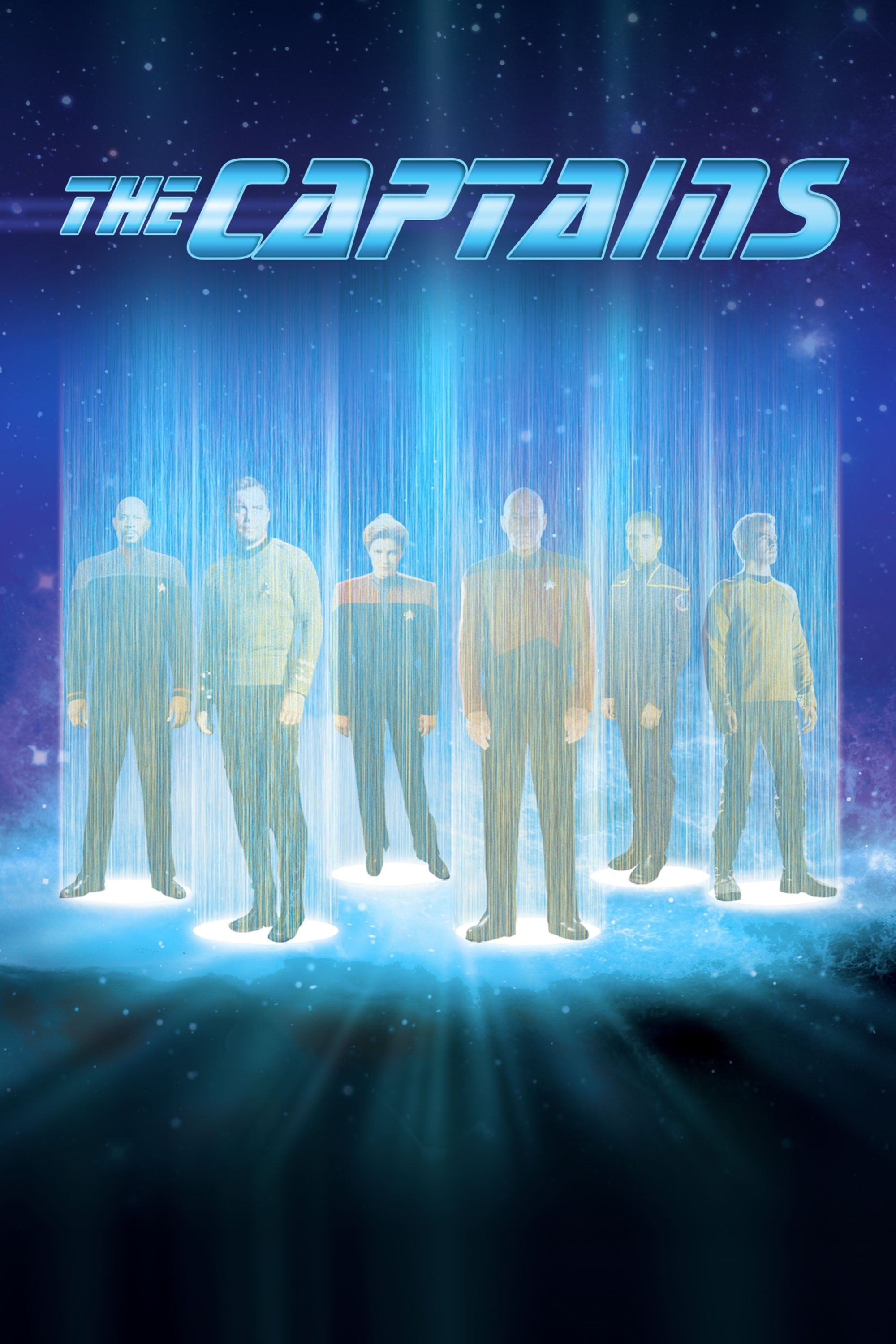
The Captains is a feature-length documentary film written and directed by William Shatner. The film follows Shatner as he interviews the other actors who have portrayed starship captains in the Star Trek franchise.