Social & External
The people behind it
Samuel Pisar
Self
Elie Buzyn
Saül Oren-Hornfeld
Térèsa Stiland
Chaim Lewkowicz
Larissa Cain
Israel Korn
Isabelle Choko
Shulem Rozenberg
Henryk Prajs
September 3rd, 1939. Britain and France declare war on Nazi Germany, only two days after the Wehrmacht invades Poland. This day, the sad date when the fate of the world changed forever, the Phoney War began: eight months of uncertainty, preparations, evacuations and skirmishes.
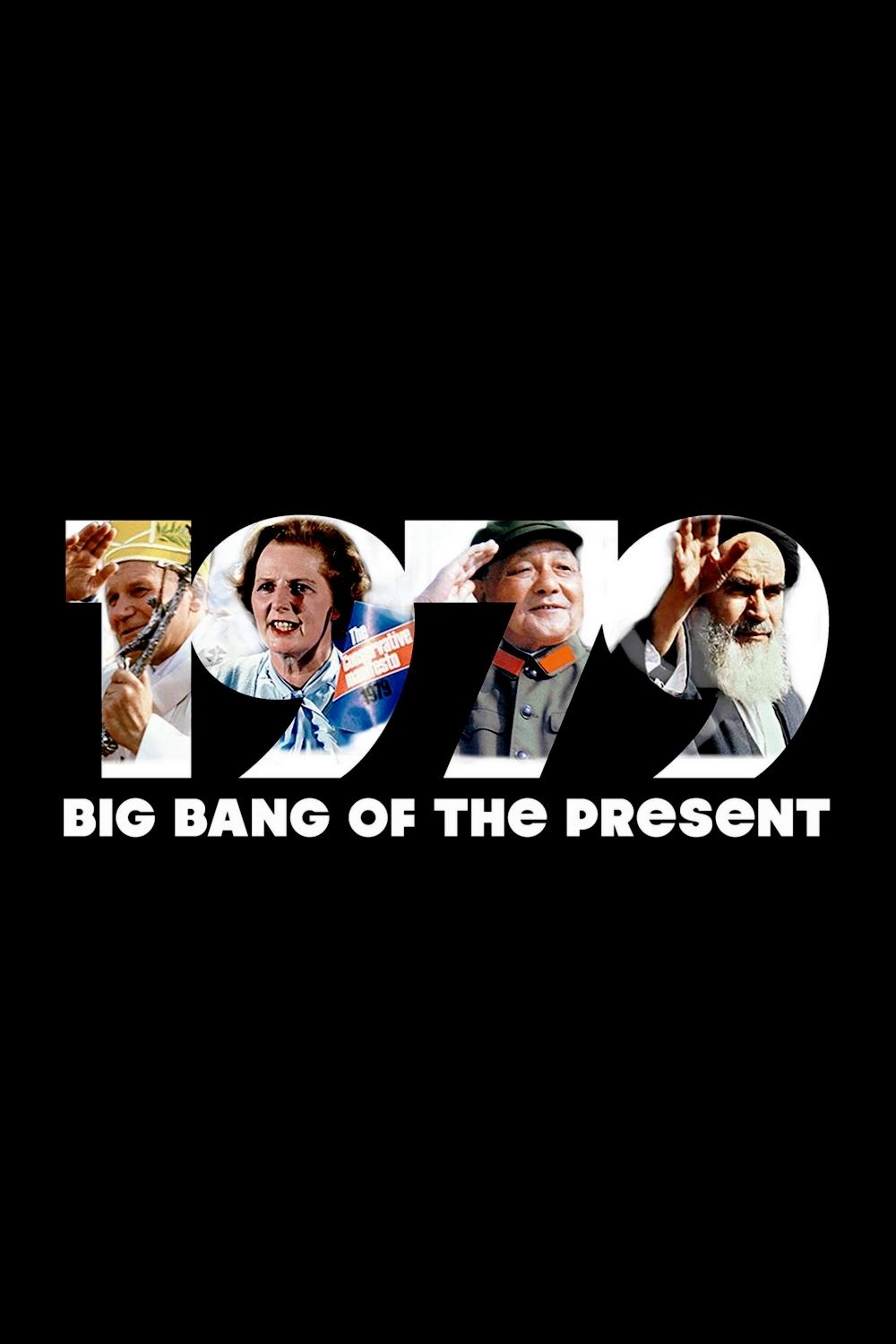
Deng Xiaoping's economic and political opening in China. Margaret Thatcher's extreme economic measures in the United Kingdom. Ayatollah Khomeini's Islamic Revolution in Iran. Pope John Paul II's visit to Poland. Saddam Hussein's rise to power in Iraq. The Soviet invasion of Afghanistan. The nuclear accident at the Harrisburg power plant and the birth of ecological activism. The year 1979, the beginning of the future.
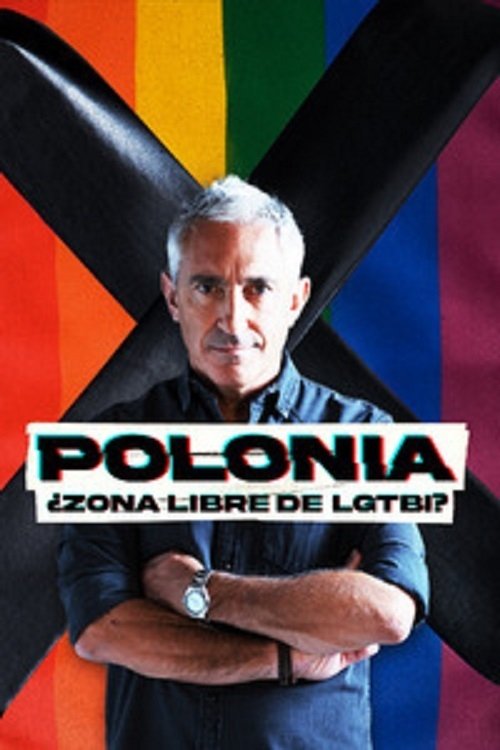
Jon Sistiaga takes an immersive trip to Poland, a country divided into two zones: on the one hand, the urban and pro-European, and on the other, the rural and ultra-Catholic, still anchored in the traumas of the war and the post-war period. Is Poland a homophobic country or does it have a homophobic government? How does the European Union allow this situation?
The film was about a group of Polish ice skaters at the slide of the Warsaw Ice Skating Society. The film was filmed using a pleograph which was an early type of the movie camera invented by Kazimierz Prószyński.
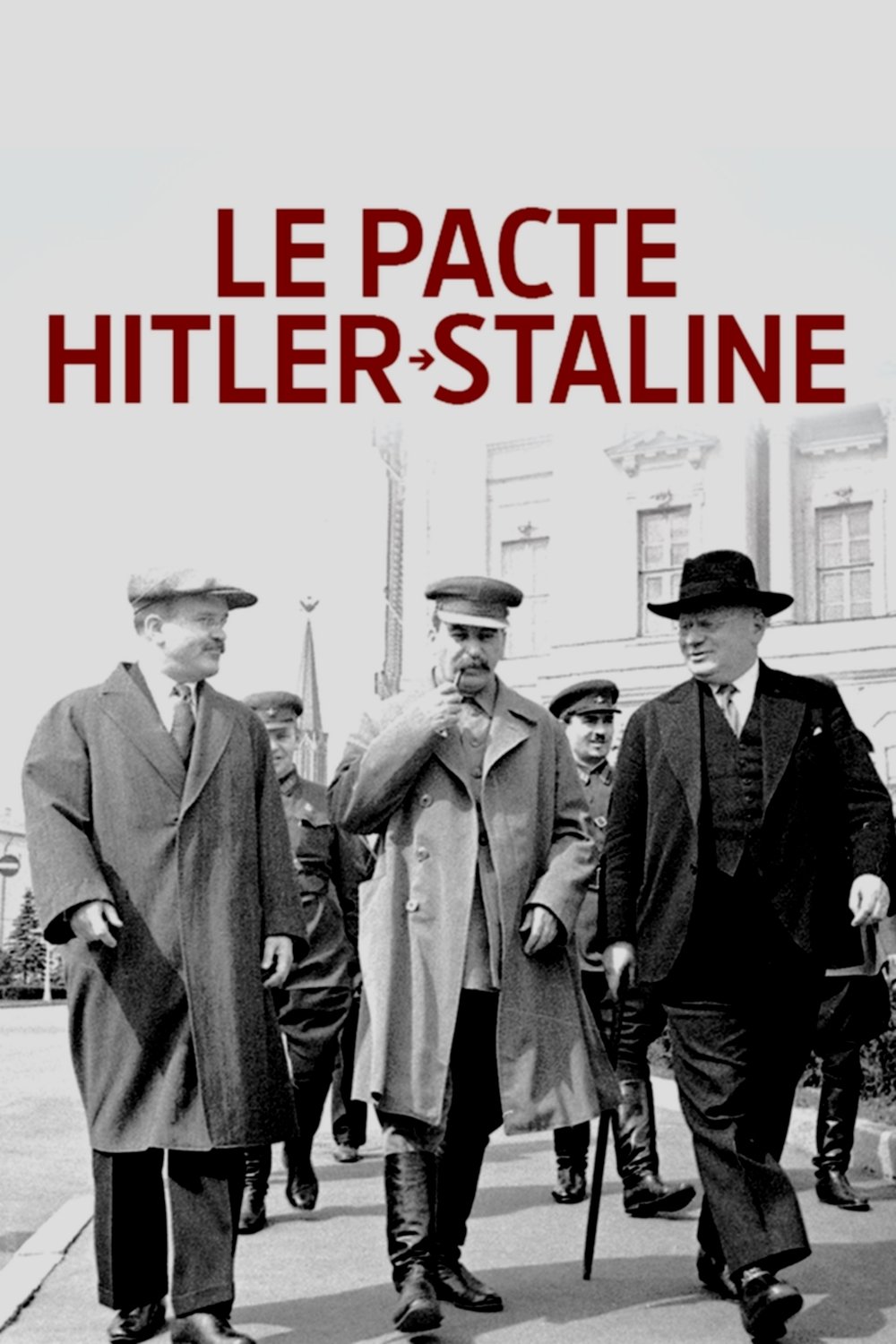
How could Hitler and Stalin, sworn ideological enemies, come to a secret pact in 1939? The captivating and detailed story of the diplomatic fiasco that led to the signing of the Nazi-Soviet pact and its devastating consequences.
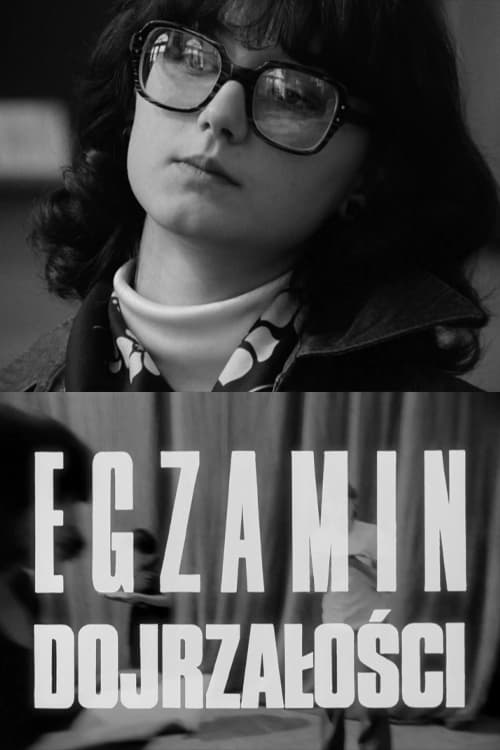
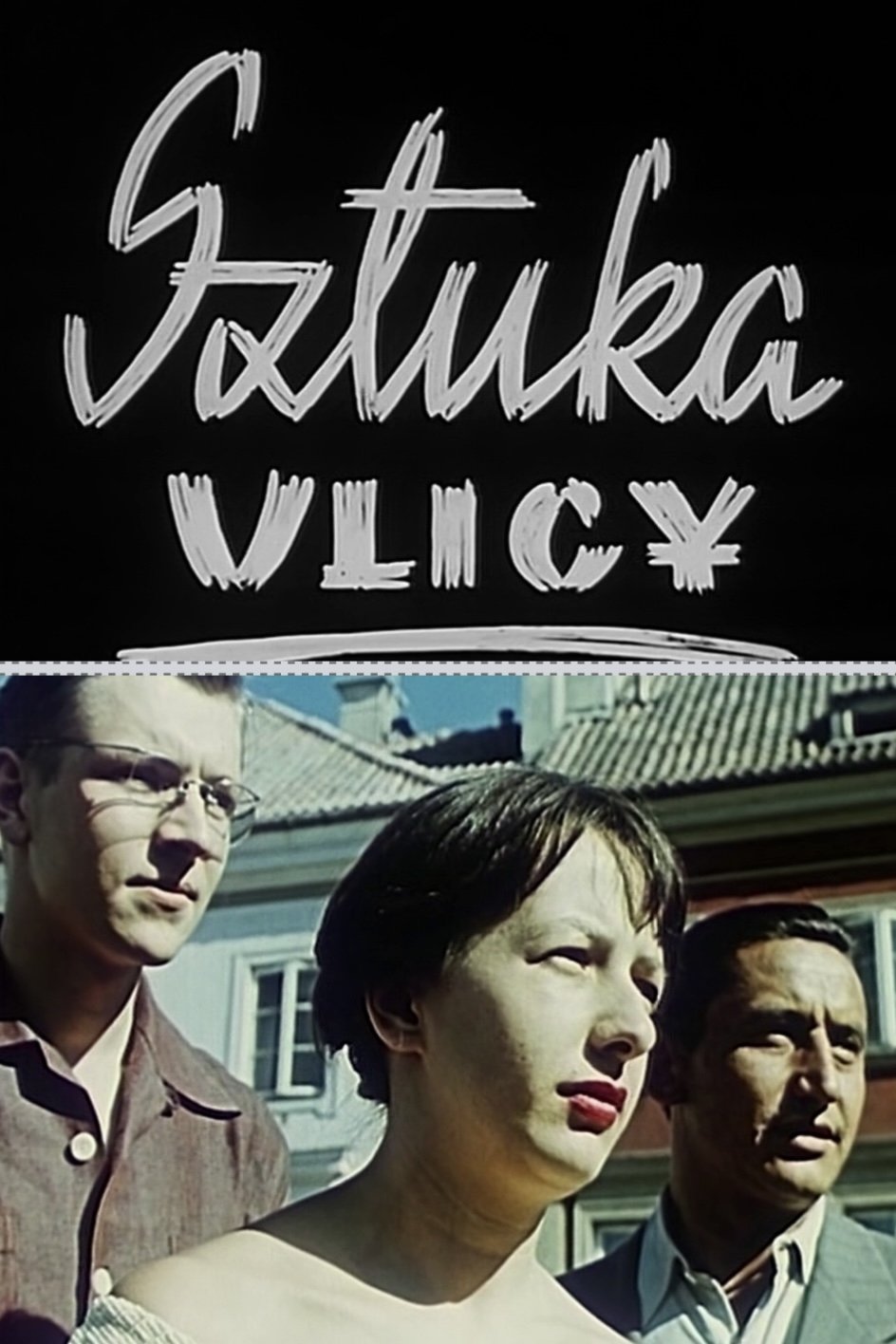
The final oral exam in history and social studies at one of Warsaw's high schools. The film illustrates the theatre of social life in Soviet Poland where one says different things on the stage and another behind the scenes.
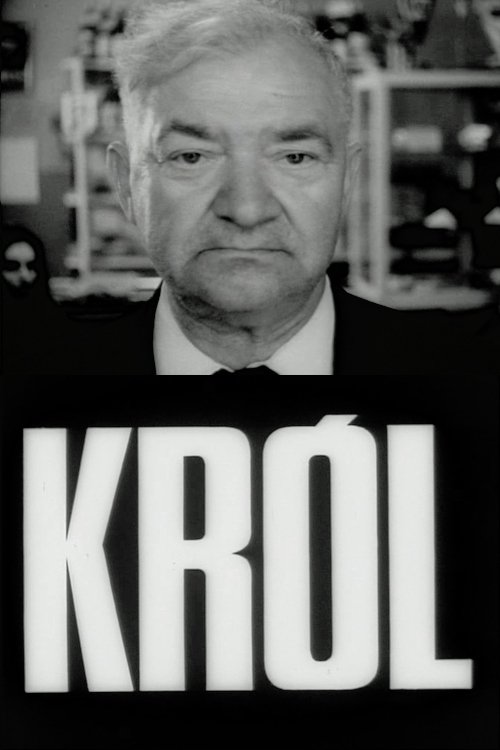
Brief portrait of a conformist.
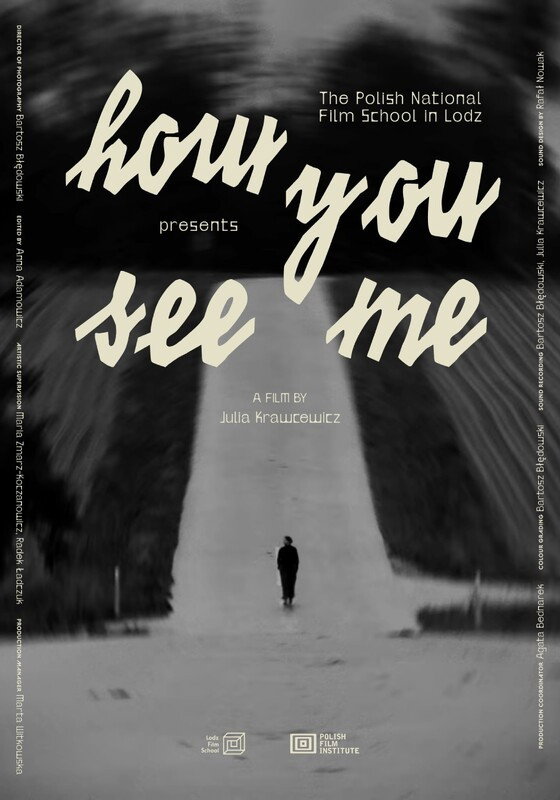
In an effort to reconnect with her grandfather, a young woman travels to northeast Poland to trace his ancestry.
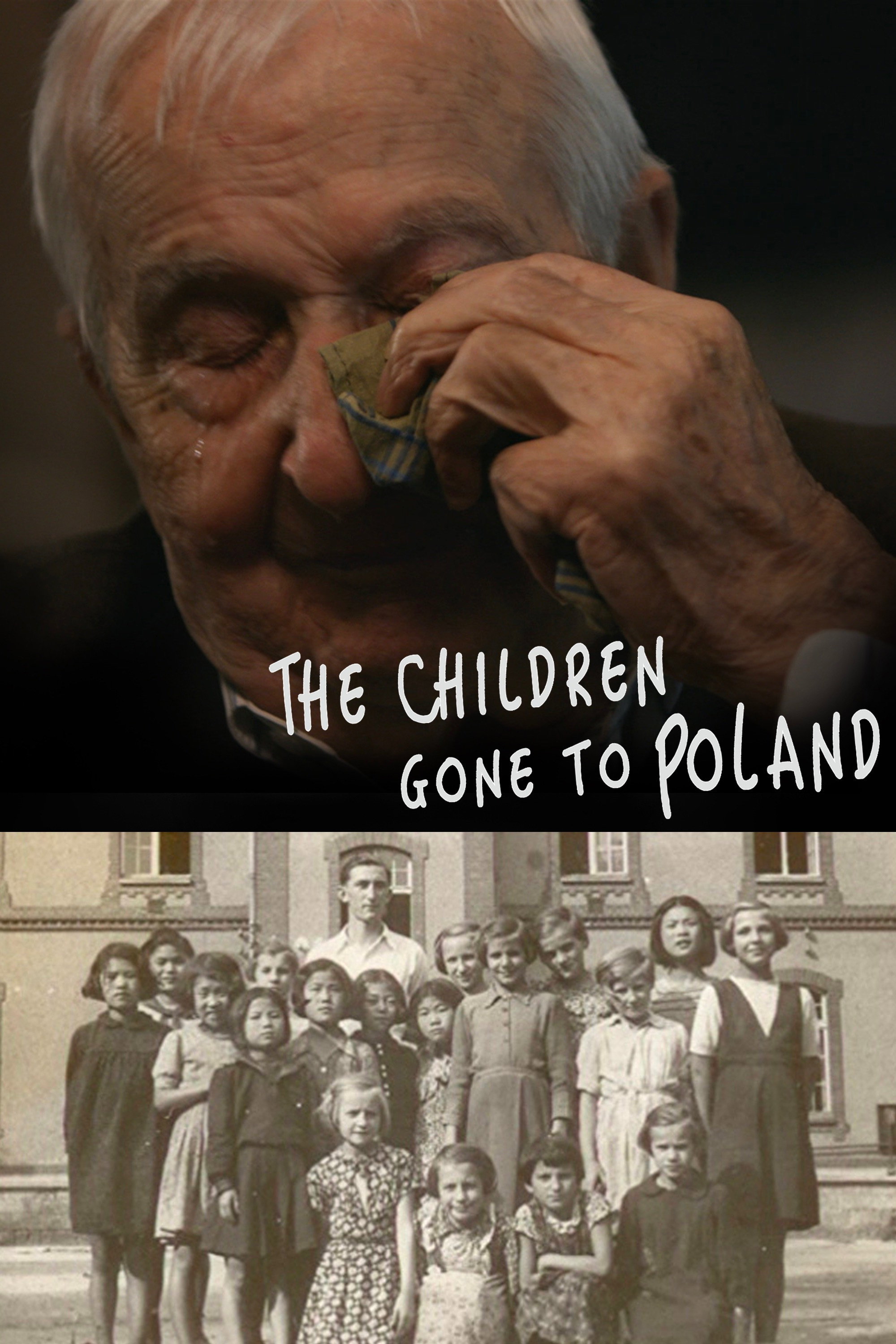
Tracing the footsteps of North Korean orphans who went to Poland during the Korean War, two women, one from the North and the other from the South, bond through the solidarity of wound and forge together a path toward healing.
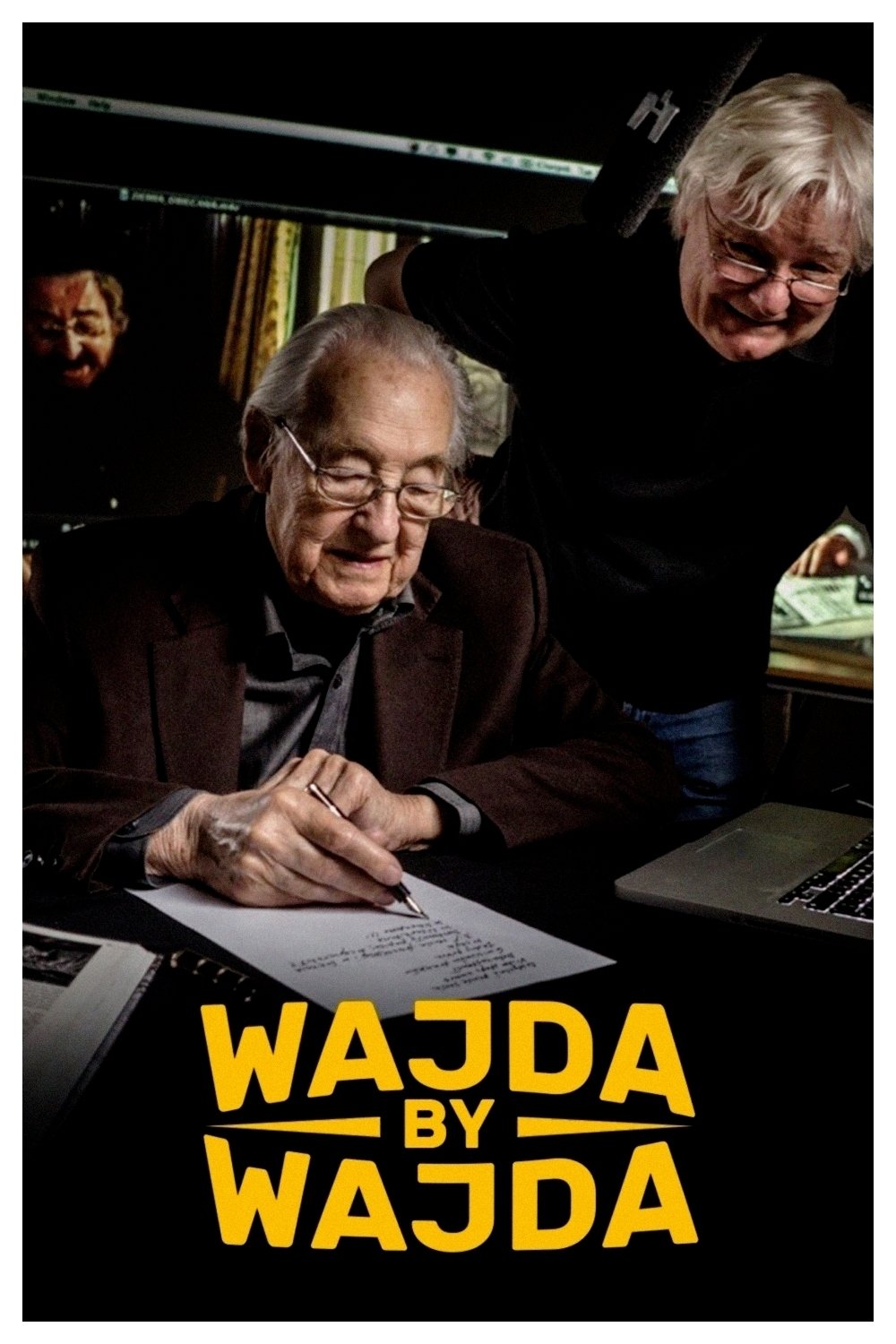
A few months before his death, Polish filmmaker Andrzej Wajda (1926-2016) revisited his work in an assembly room of the Andrzej Wajda Master School of Film Directing, established in Warsaw in 2002.
A short news reel documentary about poster art.
Meticulous documentation of the course and rituals associated with a traditional, folk wedding. Images of nature and Masovian landscapes are intertwined in this study with elements of folk culture, the basis of which is the relationship between man and nature.
This movie is about the visit of Clive Harris, the famous healer, to Warsaw. Incredible crowds gather before the entrance and Harris "heals" thousands of people by briefly touching them. Tireless on his stand, he fulfills his duty for 24 hours a day.
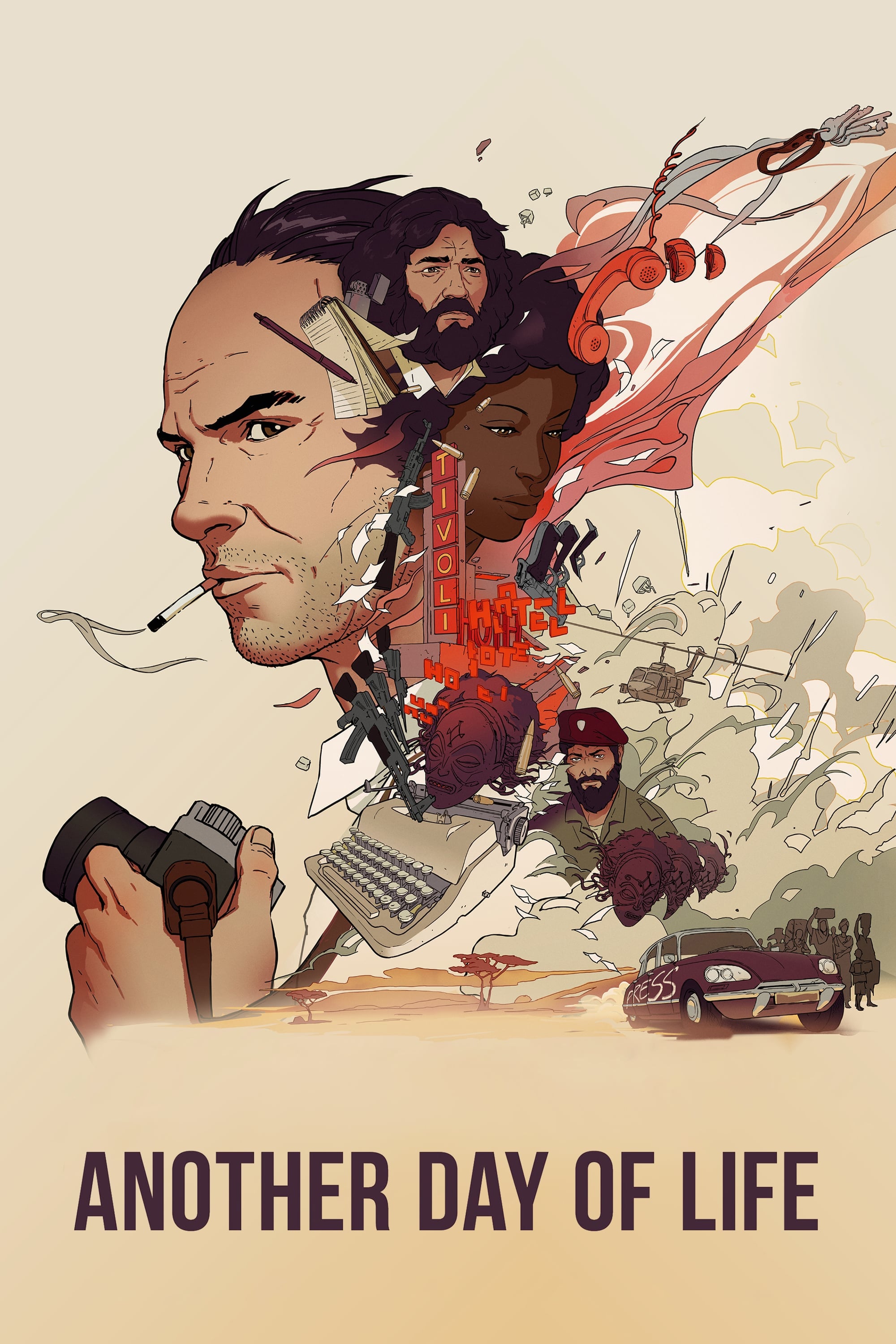
In 1975, Ryszard Kapuściński, a veteran Polish journalist, embarked on a seemingly suicidal road trip into the heart of the Angola's civil war. There, he witnessed once again the dirty reality of war and discovered a sense of helplessness previously unknown to him. Angola changed him forever: it was a reporter who left Poland, but it was a writer who returned…
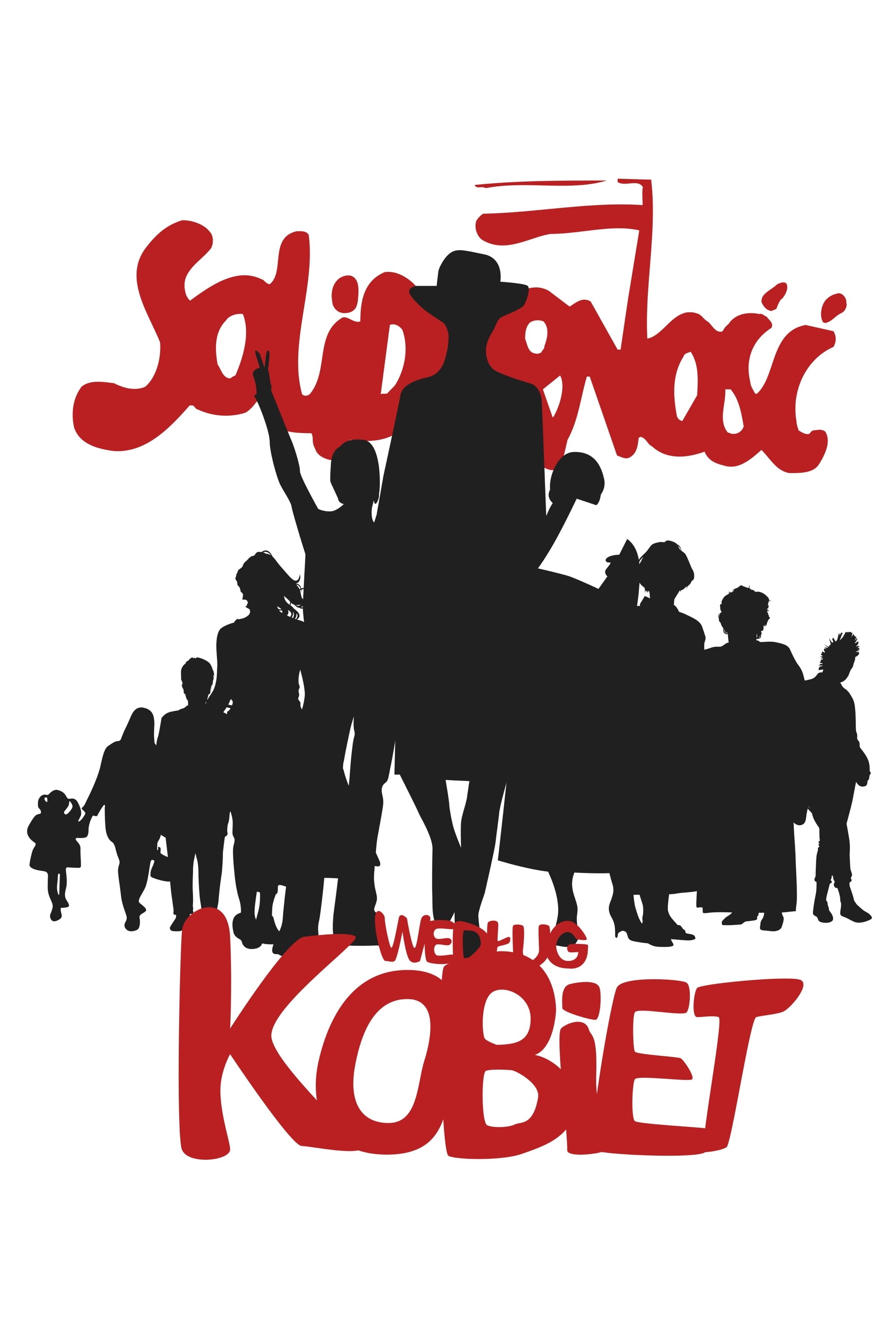
It was women who closed the gates and launched the Solidarity strike when, on a Saturday in August 1980, workers, satisfied with a raise, stopped their protest and wanted to leave the Gdansk shipyard. If it had not been for the initiative of several determined women, perhaps there would not have been any August 1980 in Polish history. Under martial law, with the men in prisons, the women took on their role. They were not interested neither in joining the union’s power structure, nor in particular posts. The most important thing was their work and its results. When communism in Poland came to an end on June 4, 1989, the vast majority of women in Solidarity disappeared from the political stage. They let themselves be forgotten when their colleagues were taking over the most important posts in power in a free Poland. This documentary by Marta Dzido and Piotr Śliwowski reminds us about these forgotten heroines, giving us a new perspective on the last 30 years of Polish history.
The documentary presents the presidential election campaign in Poland in 1990.
A documentary about unemployed workers in Walbrzych, Poland.
Henryk Greenberg is a Polish-born American who lost much of his family in the Holocaust. Certain of the location where his father and younger brother were murdered, Greenberg returns to find most of his former neighbors predictably claiming foggy memories at first; but soon their recollections come more easily.
Al Pacino's deeply-felt rumination on Shakespeare's significance and relevance to the modern world through interviews and an in-depth analysis of "Richard III."
Director Michael Apted revisits the same group of British-born adults after a 7 year wait. The subjects are interviewed as to the changes that have occurred in their lives during the last seven years.
Through deeply personal interviews with her siblings and an examination of the photographs, letters, and belongings left behind, Mariska assembles a new portrait of her mother Jayne Mansfield, an extraordinary and complex woman.
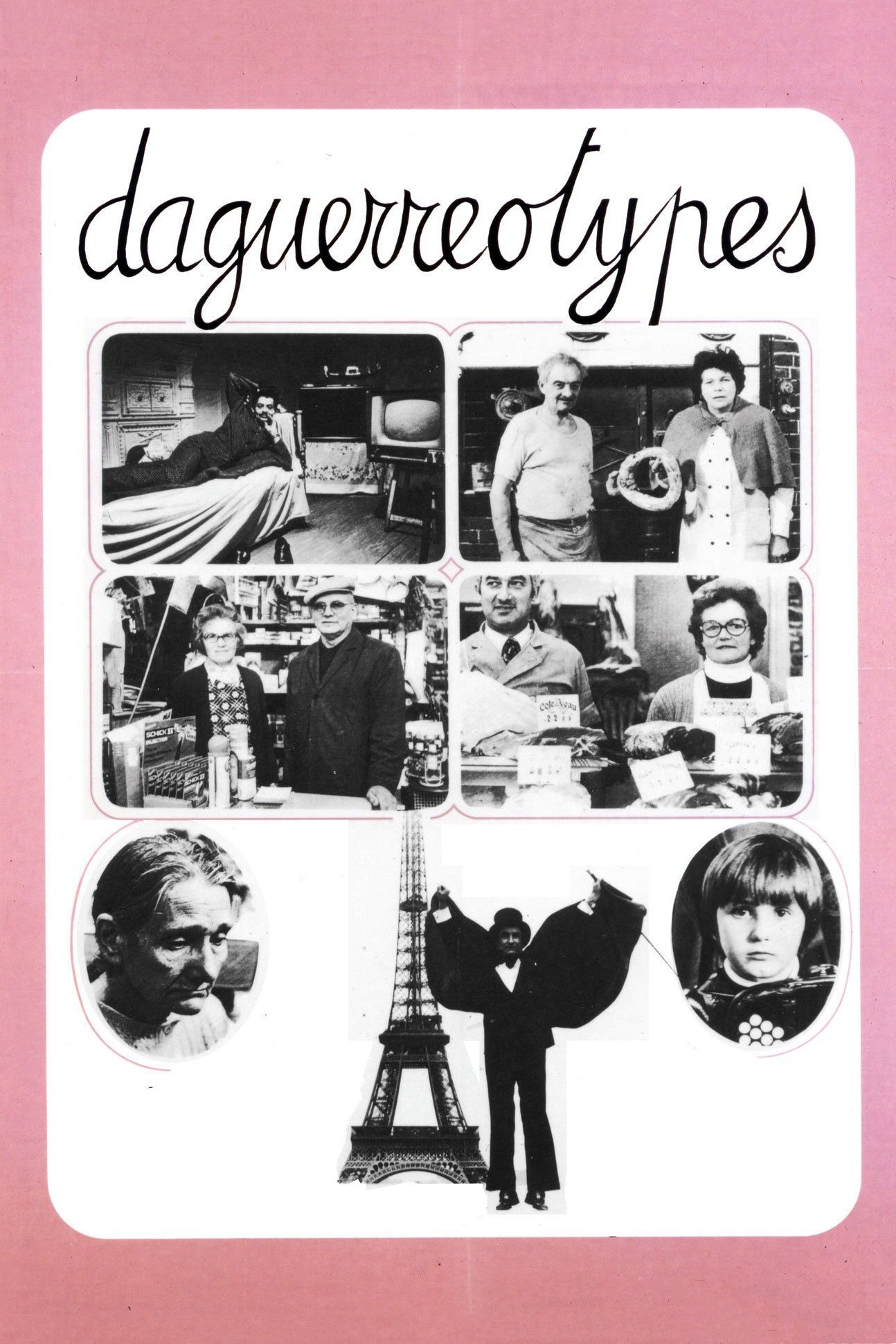
An intimate portrait of the small shops and shopkeepers of the Rue Daguerre in Paris, a picturesque street that has been the filmmaker’s home for more than 50 years.
A string of threatening emails escalates into a revenge plot involving a newly married US marshal and his ex-girlfriend.
Over 35 years after Bob Lazar's revelations, this documentary exposes secrets of a facility the government still denies. Featuring Lazar's testimony, recreations, and new evidence, it reopens a case that continues to spark global curiosity
An inside look at one of the most anticipated movie sequels ever with James Cameron and cast.
This revealing documentary honors the legendary Sidney Poitier—iconic actor, filmmaker, and civil rights activist. Featuring interviews with Denzel Washington, Spike Lee, Halle Berry, and more.
This documentary focuses on the actors and their journey over two summers to create the remake to the original IT, by Stephen King. The documentary originally released as bonus material, bundled with IT: Chapter Two.
Brilliant, long in-the-works story of the life and art of the world's greatest comedian and the cinema's first genius, Charlie Chaplin. Produced, written and directed by renowned film critic Richard Schickel.
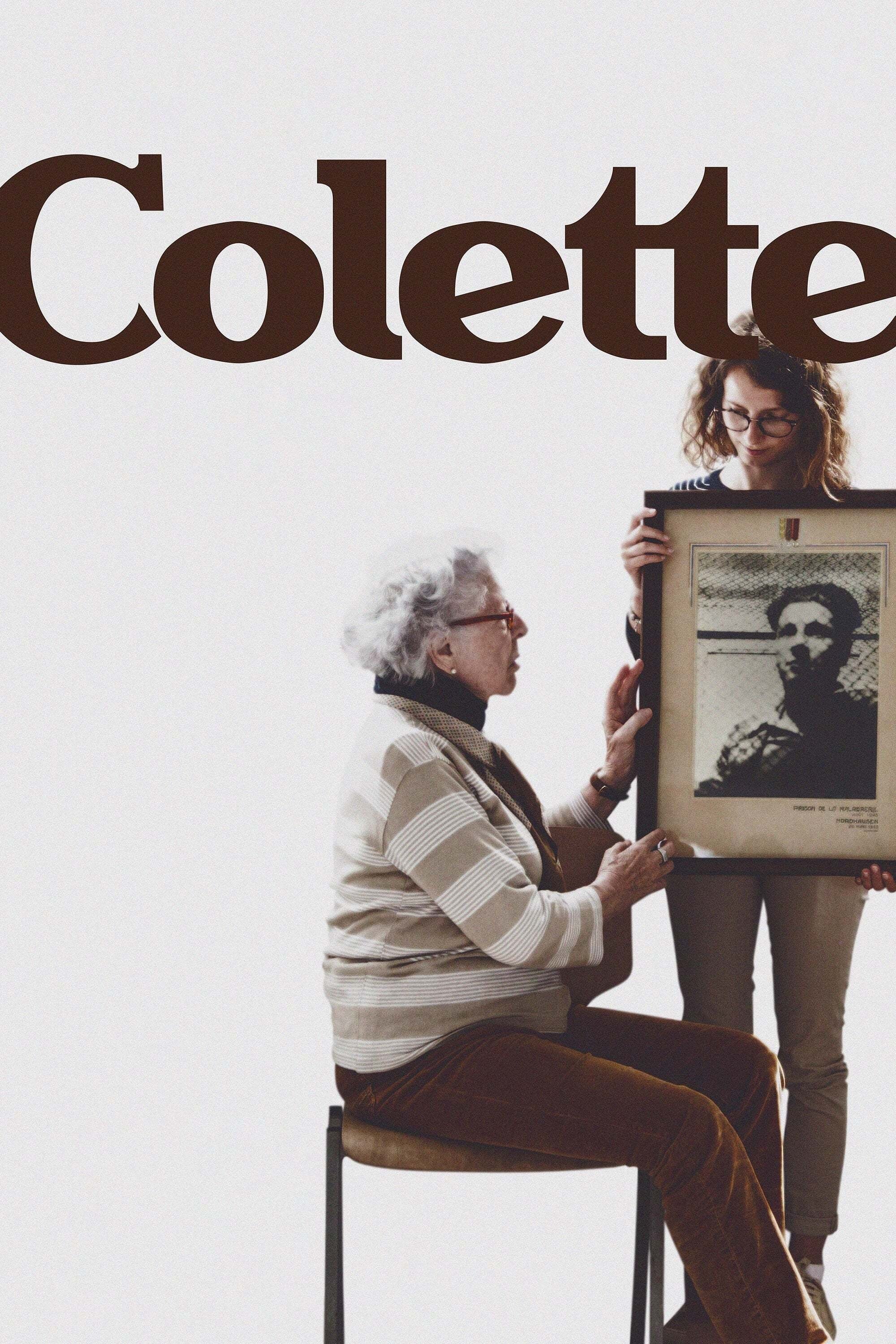
World War II. Not all warriors wore uniforms. Not all warriors were men. Meet ninety-year-old Colette Catherine who, as a young girl, fought the Nazis as a member of the French Resistance. Now she’s about to re-open old wounds, re-visting the terrors of that time. Some nightmares are too terrible to remember. But also, too dangerous to forget.
When Allied forces liberated the Nazi concentration camps in 1944-45, their terrible discoveries were recorded by army and newsreel cameramen, revealing for the first time the full horror of what had happened. Making use of British, Soviet and American footage, the Ministry of Information’s Sidney Bernstein (later founder of Granada Television) aimed to create a documentary that would provide lasting, undeniable evidence of the Nazis’ unspeakable crimes. He commissioned a wealth of British talent, including editor Stewart McAllister, writer and future cabinet minister Richard Crossman – and, as treatment advisor, his friend Alfred Hitchcock. Yet, despite initial support from the British and US Governments, the film was shelved, and only now, 70 years on, has it been restored and completed by Imperial War Museums under its original title "German Concentration Camps Factual Survey".
The film is based on interviews with 2,000 women from 50 countries, and covers the status of women all over the world. The topics covered include forced marriages, sexual assault, female genital mutilation, acid attacks, motherhood, sexuality, menstruation, education and the professional success of women.
Those who knew iconic funnyman John Candy best share his story, in their own words, through never-before-seen archival footage, imagery, and interviews.
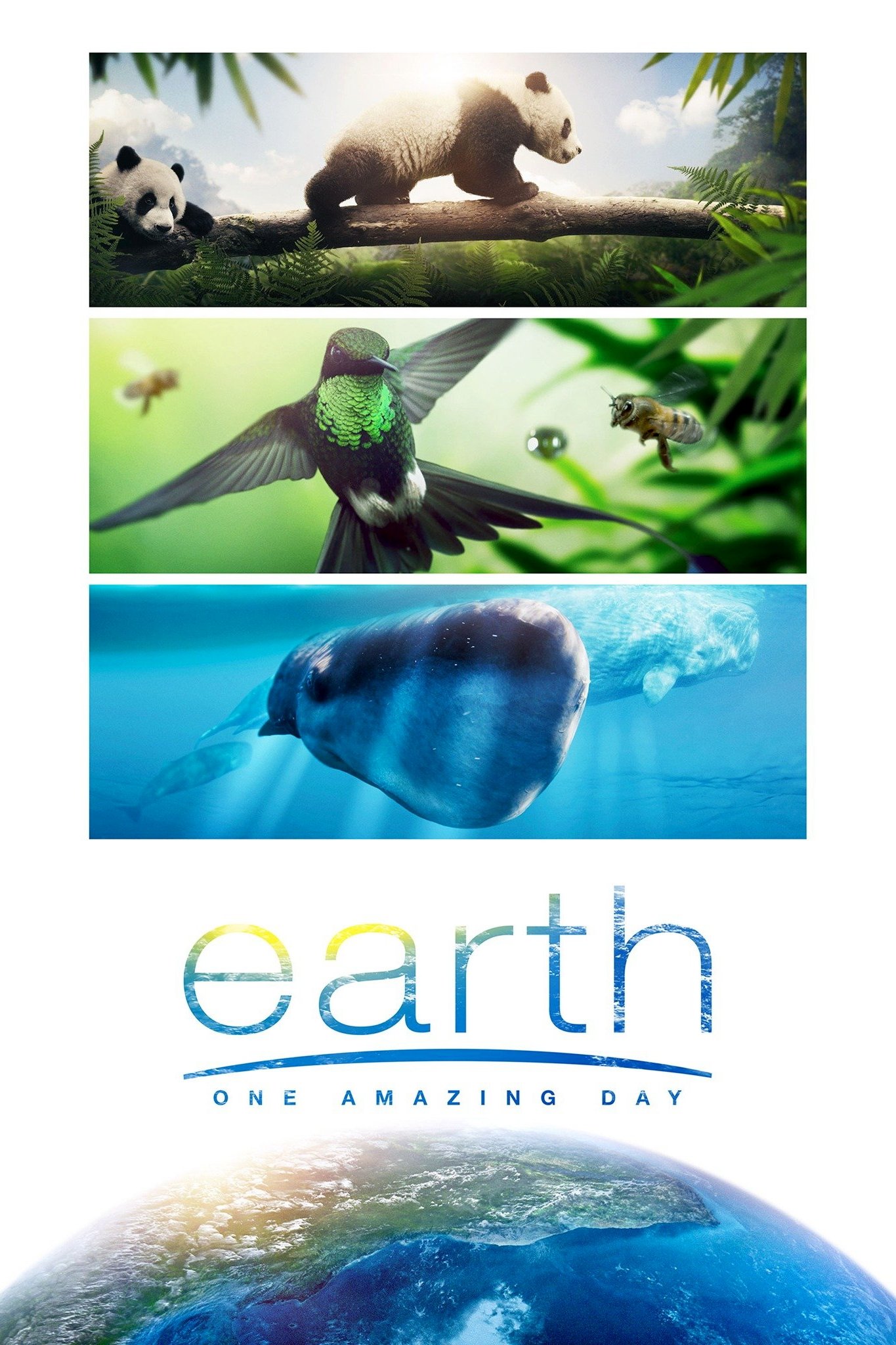
An astonishing journey revealing the awesome power of the natural world. Over the course of one single day, we track the sun from the highest mountains to the remotest islands to exotic jungles.
A visual montage portrait of our contemporary world dominated by globalized technology and violence.
The life and career of an actor, artist, and icon. His own journey through his own camera.
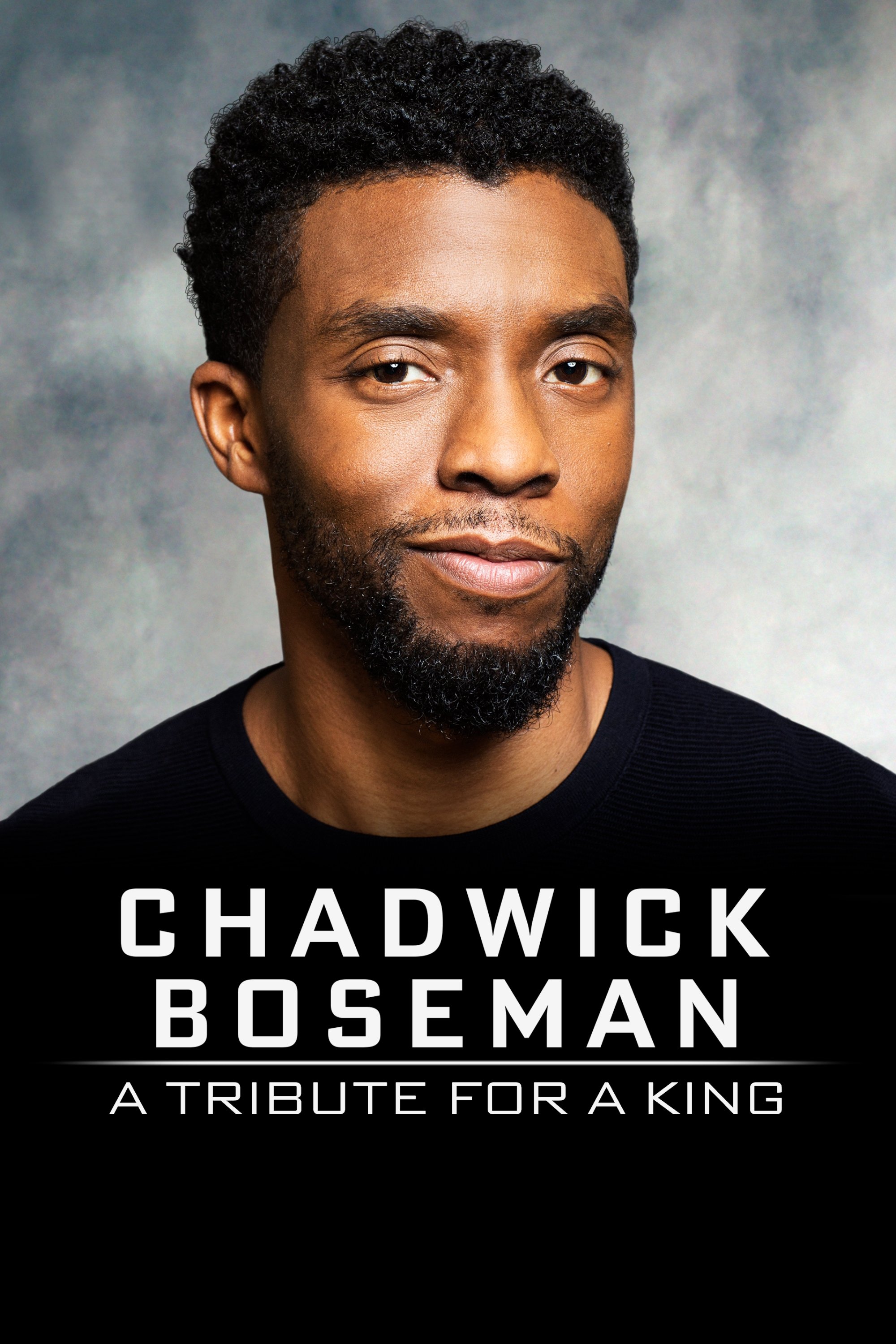
A tribute to Chadwick Boseman, celebrating his life and legacy.
Lyrical and powerfully personal essay film that reflects on the deaths of her husband Lou Reed, her mother, her beloved dog, and such diverse subjects as family memories, surveillance, and Buddhist teachings.
The Making-of James Cameron's Avatar. It shows interesting parts of the work on the set.