Social & External
Young sociologist Stanislas Previne is writing a thesis on criminal women, so he visits Camille Bliss in prison for an interview. Accused of murdering her husband and her lover, Camille recounts her life and love affairs.
The suburbs are often portrayed as dull, conformist and hermetic. But with over 80% of the UK population calling these areas home, this playful yet empathetic short film challenges enduring stereotypes by centring the experiences and eccentricities of their numerous residents. The development of these spaces, and the narratives surrounding them, has been captured over the past 100 years by early filmmakers, citizen journalists, amateur documentarians and, most recently, a growing charge of online moving image creators – all brought together here to reveal the multiple identities and realities underneath the cultural image.
Tokyo. Kazu and Tatsu are two salary men in their thirties. One night, after work, they get drunk and decide to tell each other their deepest secrets to seal the friendship. Tatsu admits being still a virgin. Kazu reveals that every time he eats an egg sandwich, his body transforms, turning him into a woman. Tatsu doesn’t believe his friend and asks him to prove it...
Benedito wakes up for another day of work as a motorcycle courier. Cradled by Raidol's Mandinga and guided by his Orishas, he receives mysterious deliveries to leave them at a final destination but the paths that open up go far beyond his everyday reality.
Fabrizio, Dante and Roberto have 14 years old and they live in Palermo in the ZEN. How is their life, their universe?
A stranger in the city asks questions no one has asked before. Known only by his initials, the man's innocent questions and childlike curiosity take him on a journey of love, laughter and letting go.
Ivory Coast, the Democratic Republic of Congo, and Senegal – when it comes to love and sex, these African countries are caught between tradition and modernity.
"I often say sociology is a martial art, a means of self-defence. Basically, you use it to defend yourself, without having the right to use it for unfair attacks." (Pierre Bourdieu) The world has witnesses who speak out loud what others keep to themselves. They are neither gurus, nor masters, but those who consider that the city and the world can be thought out. The sociologist, Pierre Bourdieu is one such witness." Over a three- year period, Pierre Carles' camera followed him through different situations: a short conversation with Günter Grass, a lively conference with the inhabitants of a working-class suburb, his relations with his students and colleagues and his plea that sociology be part of the life of the city. His thinking has a sort of familiarity, which means it is always within our reach. It is the thinking of a French intellectual who has chosen to think his times.
Ruy Mauro Marini was a brazilian sociologist who developed the Marxist Dependancy Theory, to explain the development of latin american nations due their place in the global capitalism. This film, through multiple interviews, gives a short overview of his life and work.
"Bias" challenges us to confront our hidden biases and understand what we risk when we follow our gut. Through exposing her own biases, award-winning documentary filmmaker Robin Hauser highlights the nature of implicit bias, the grip it holds on our social and professional lives, and what it will take to induce change.
Mia is thirty and getting divorced. She moves into a studio apartment in a low-income housing project. As a former swimming champion, she now finds herself giving swimming lessons to the other inhabitants... Without a pool...
When her husband died Soumicha, mother of three, had to earn a living. She became the only woman taxi driver in Sidi Bel-Abbès, Algeria. This film accompanies Soumicha around a city where religious and political violence rages, and records her experiences in a job normally reserved for men.
A group of teenagers, three cleaning staff, and a young married couple confront a social contract when they meet in the elevator queue of a middle-class apartment building.
THE PERFUMED GARDEN is an exploration of the myths and realities of sensuality and sexuality in Arab society, a world of taboos and of erotic literature. Through interviews with men and women of all ages, classes, and sexual orientation, the film lifts a corner of the veil that usually shrouds discussion of this subject in the Arab world. Made by an Algerian-French woman director, the film begins by looking at the record of a more permissive history, and ends with the experiences of contemporary lovers from mixed backgrounds. It examines the personal issues raised by the desire for pleasure, amidst societal pressures for chastity and virginity. The film discusses pre-marital sex, courtship and marriage, familial pressures, private vs. public spaces, social taboos (and the desire to break them), and issues of language.
An old lady’s house is full of boxes filled with memories. Every Wednesday, along with her cockroach friends, she tells her granddaughter wonderful stories. But as the little girl grows bigger, they start running out of space inside the house.
Director Drew Stone’s The New York Hardcore Chronicles Film is an incredible journey through the community and culture of the iconic New York hardcore scene. Not the typical history of a local music scene but so much more. Shot in an episodic format, the film contains over 60 interviews, never before seen footage, photos and a blazing soundtrack. With appearances by Roger Miret & Vinnie Stigma (Agnostic Front), Lou Koller, Craig Setari (Sick Of It All), Ray Cappo (Youth Of Today), Billy Graziadei (Biohazard), Billy Milano (S.O.D. / M.O.D.) and Mike Judge (Judge). The film addresses the community, culture, straight edge and DIY ethic of the hardcore scene in the greatest city in the world that is still vibrant, relevant and going strong to this day.
In the 1980s, young people of North African descent born in France and a priest from the Lyon suburbs organized the "March of the Beurs." Launched on October 15, 1983, by seventeen people from the La Cayolle neighborhood in Marseille following a racist crime, the march concluded two months later—on December 3—on the streets of Paris, with 100,000 participants. This movement demanded equal rights. Was their cry heard?
A census-taker is sent to investigate why a certain small town has had the same population -- 436 residents -- for the last 100 years.
Set to the intoxicating rhythms of Brazil, "Woman on Top" is a spicy, sexy comedy about the magic of food, love and music. Meet Isabella, a sultry enchantress born with the special gift of melting the palates and hearts of men everywhere. When she decides to break free from her rocky marriage and the stifling kitchen of her husband's restaurant in Brazil, she spirits off to San Francisco in pursuit of her dreams of a real culinary career.
A man remembers forty-eight crucial hours in his life when, as a child, he visited his mother, the favorite woman of an important politician, in a bordello owned by him, right before some important political changes in 1937 Brazil. In those hours, he discovers his own sexuality.
The boys get jobs as a butler and maid-- Stan in drag-- for a dinner party. When that ends in disaster, they resort to sweeping streets and accidentally capture a bank robber. The grateful bank president sends them to Oxford, at their request, and higher-education hijinks ensue.
Young lovers Orfeu and Eurydice run through the favelas of Rio during Carnaval, on the lam from a hitman dressed like Death and Orfeu's vengeful fiancée Mira and passing between moments of fantasy and stark reality. This impressionistic retelling of the Greek legend of Orpheus and Eurydice introduced bossa nova to the world with its soundtrack by young Brazilian composers Luiz Bonfá and Antonio Carlos Jobim.
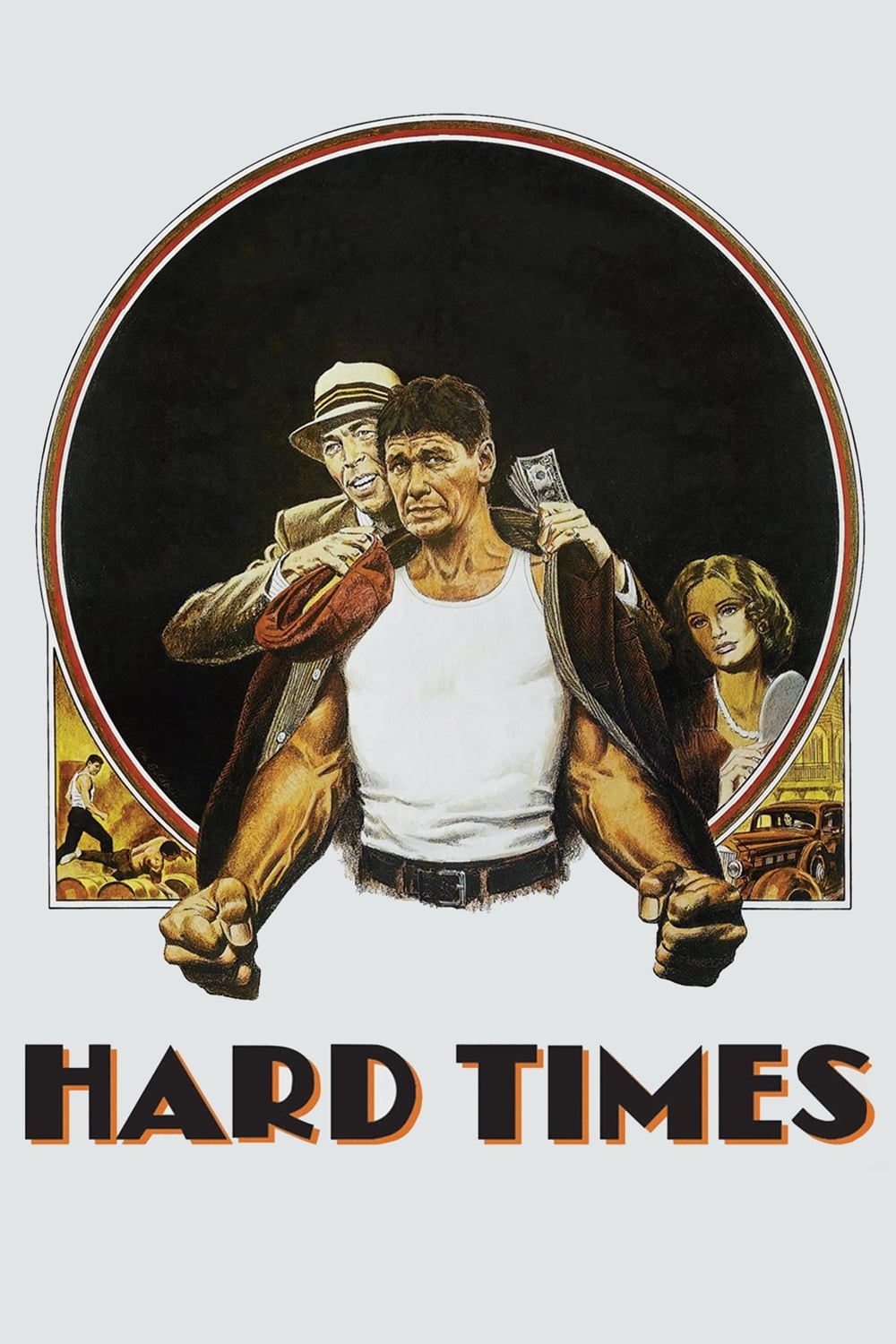
In the depression, Chaney, a strong silent streetfighter, joins with Speed, a promoter of no-holds-barred street boxing bouts. They go to New Orleans where Speed borrows money to set up fights for Chaney, but Speed gambles away any winnings.
When their son starts acting strangely, a couple unwittingly allow dark and sinister forces into their home, awakening a long-dormant ancient evil rooted deep in the countryside.
In 1925, Gabriela, a poor, uneducated, yet charming woman becomes cook, mistress, and then wife of Nacib, a bar owner in Ilhéus, a small Brazilian coastal town run by the local colonels.
A young man, plagued by the music in his head, has to come to terms with an uncertain future while balancing love, family and Brazilian culture in Newark, New Jersey.
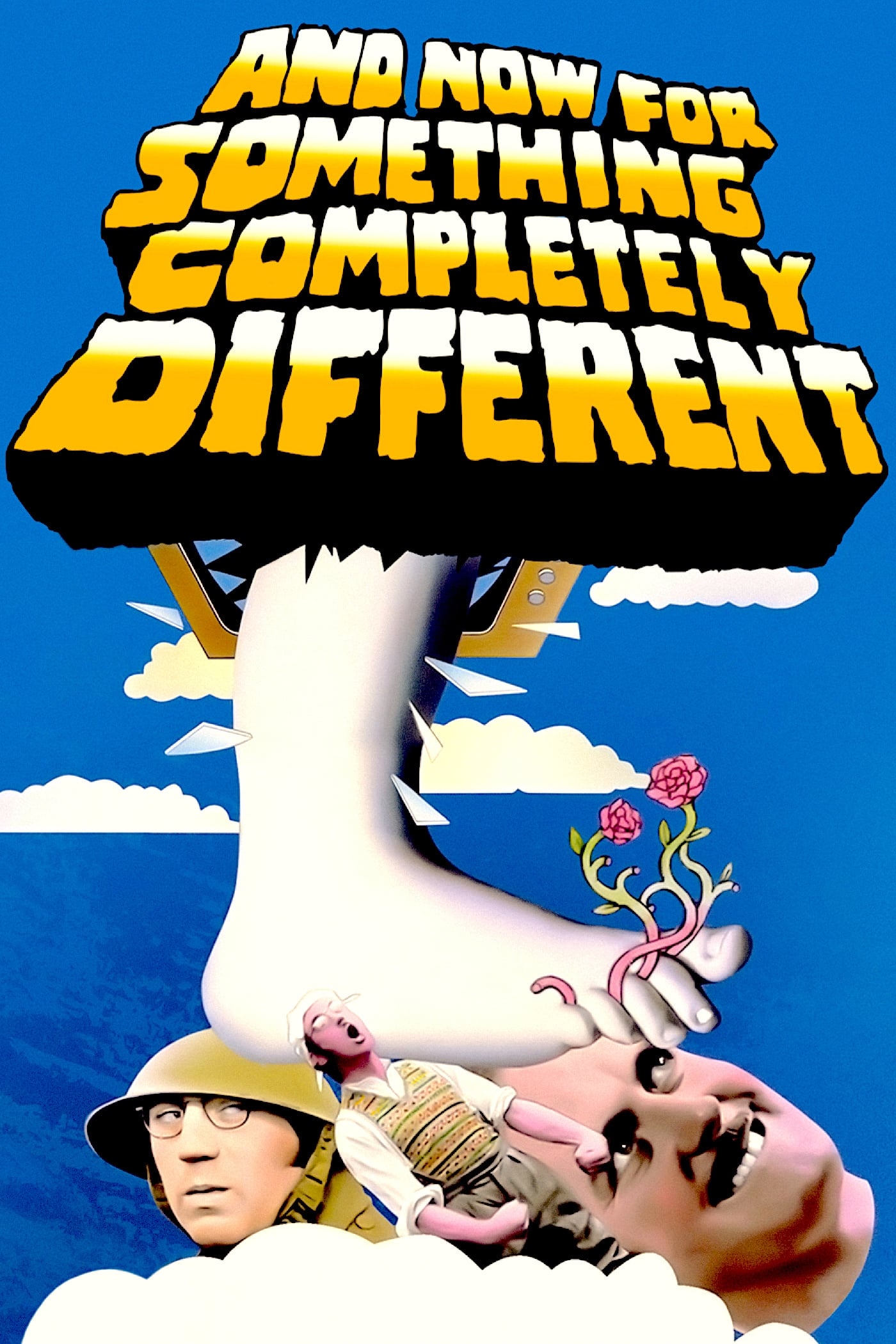
A collection of Monty Python's Flying Circus skits from the first two seasons of their British TV series.
J.C. Wiatt is a talented and ambitious New York City career woman who is married to her job and working towards partner at her firm. She has a live-in relationship with Steven, a successful investment broker who, along with J.C., agreed children aren't part of the plan. J.C.'s life takes an unexpected turn when a distant relative dies and the will appoints her the caretaker of their baby girl, Elizabeth. The baby's sudden arrival causes Steven to leave, breaking off their relationship. Juggling power lunches and powdered formula, she is soon forced off the fast track by a conniving colleague and a bigoted boss. But she won't stay down for long. She'll prove to the world that a woman can have it all and on her own terms too!
Afro-Brazilian poet and politician, the legendary Carlos Marighella. Driven to fight against the erosion of civil and human rights following the CIA-backed military coup of 1964 and the brutal, racist right-wing dictatorship that followed, the revolutionary leaves behind his wife and son to take up arms, becoming a notorious enemy to the power structure.
After the death of her mother, Evie is approached by an unknown cousin who invites her to a lavish wedding in the English countryside. Soon, she realizes a gothic conspiracy is afoot and must fight for survival as she uncovers twisted secrets in her family’s history.
Underappreciated actor Jack Noah is on location in Parador at the time the dictator dies. The dictator's right-hand man makes Jack an offer he cannot refuse... to play the dictator. Jack's acting skills fool the masses but not close friends and employees of the dictator.
Morris Buttermaker is a burned-out minor league baseball player who loves to drink and can't keep his hands to himself. His long-suffering lawyer arranges for him to manage a local Little League team, and Buttermaker soon finds himself the head of a rag-tag group of misfit players. Through unconventional team-building exercises and his offbeat coaching style, Buttermaker helps his hapless Bears prepare to meet their rivals, the Yankees.
Philo Beddoe is your regular, easygoing, truck-driving guy. He's also the best bar-room brawler west of the Rockies. And he lives with a 165-pound orangutan named Clyde. Like other guys, Philo finally falls in love - with a flighty singer who leads him on a screwball chase across the American Southwest. Nothing's in the way except a motorcycle gang, some cops, and legendary brawler Tank Murdock.
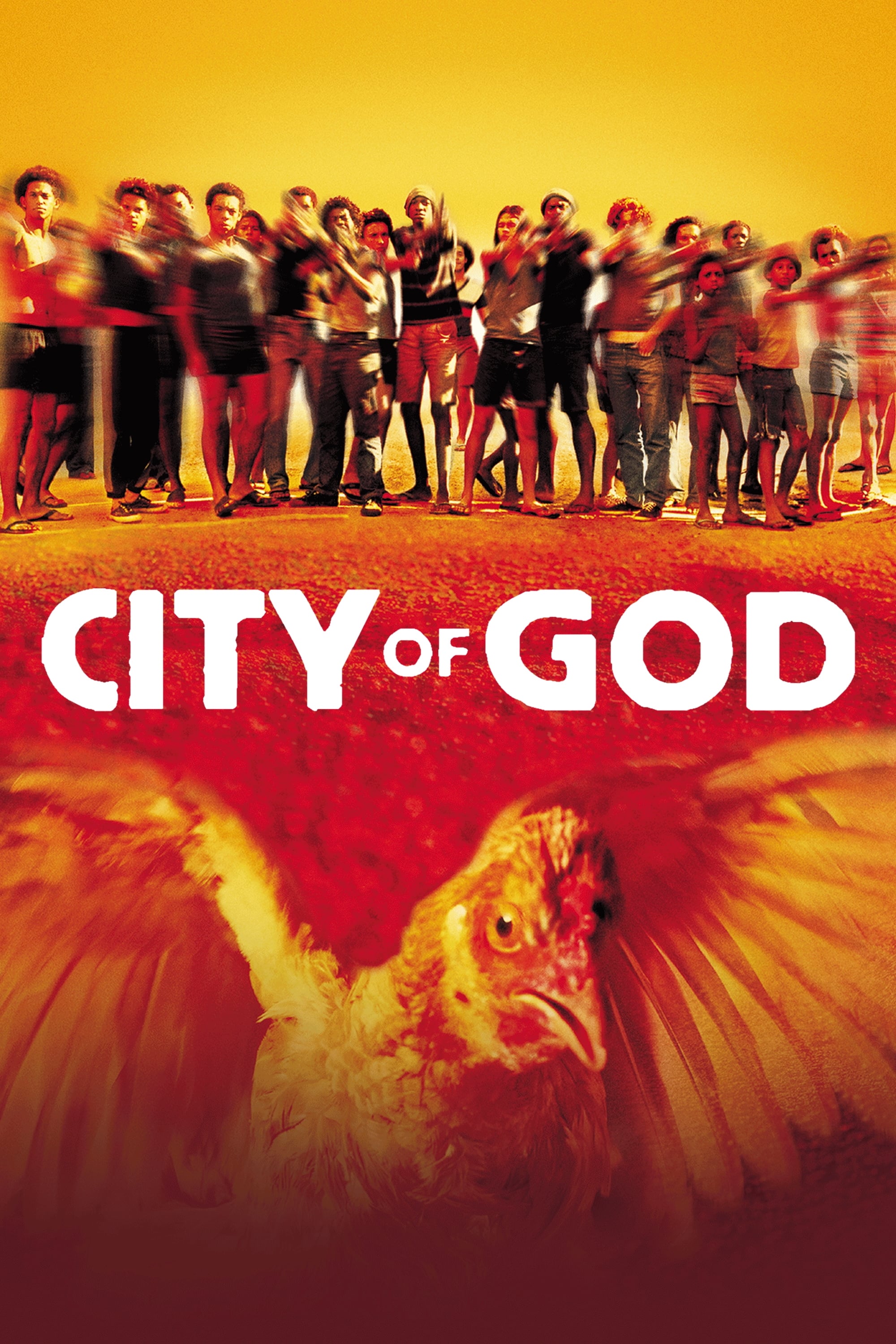
In the poverty-stricken favelas of Rio de Janeiro in the 1970s, two young men choose different paths. Rocket is a budding photographer who documents the increasing drug-related violence of his neighborhood, while José “Zé” Pequeno is an ambitious drug dealer diving into a dangerous life of crime.
A recently widowed man and his two teenage daughters travel to a game reserve in South Africa. However, their journey of healing soon turns into a fight for survival when a bloodthirsty lion starts to stalk them.
College freshman Abby tries to distance herself from her dark past while resisting her attraction to bad boy Travis.
Three eclectic, never-quite-famous folk bands come together for the first time in decades following the death of their manager to put on an reunion concert in his honor, at the request of his son.