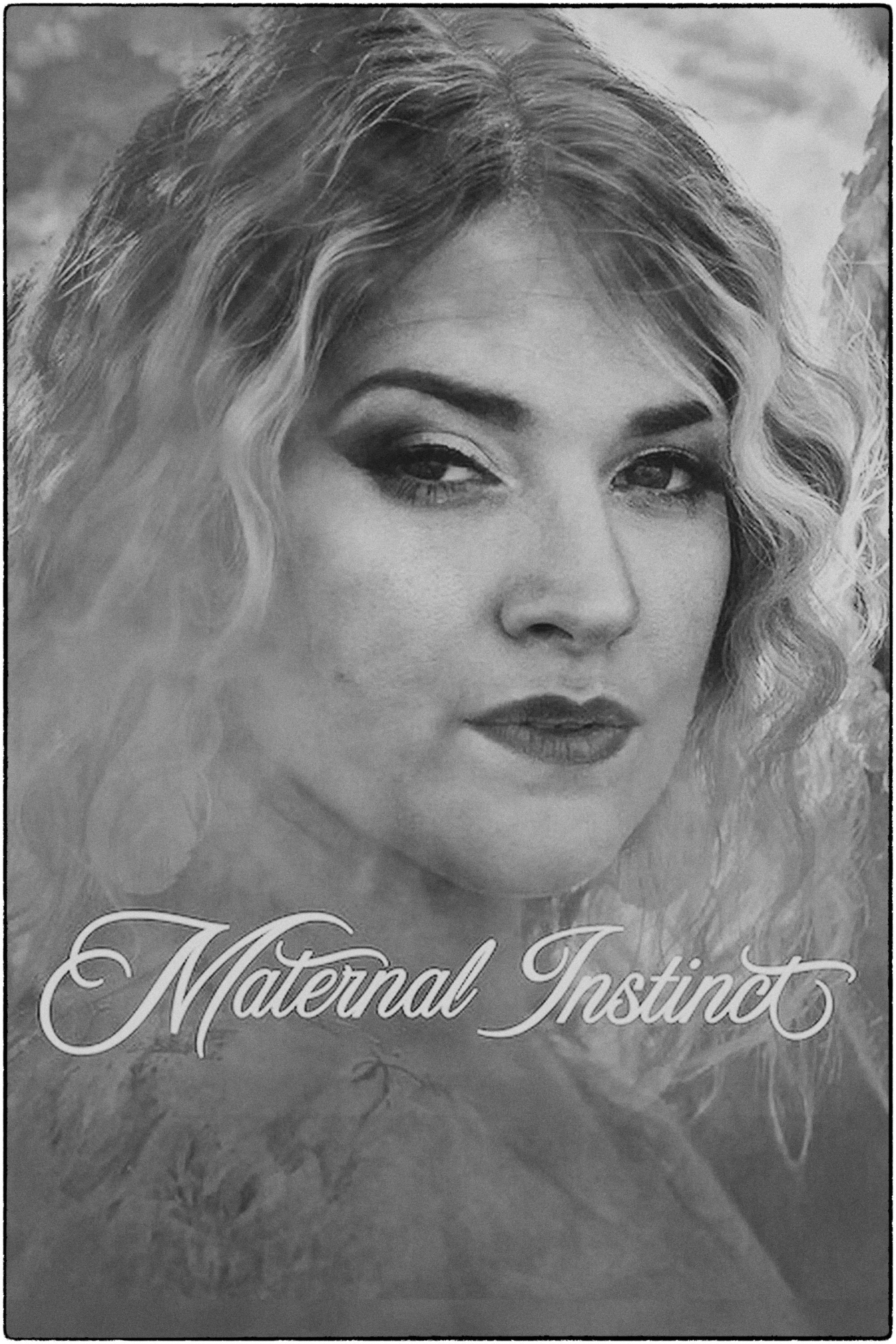
The story of two young single mothers who join forces to make a new kind of family unit for themselves and their children.
Social & External
The people behind it
Chris Fallow
Self
Bernie Slovensky
Katie Fallow
Jimi Billingsly
Exposition of two different processes of forensic identification in exhumed bodies with features of violence.
Going into my interview with Laurel Greenfield, I thought the majority of our conversation would be about her inspiration for painting food and why she chose to pursue painting as a career. We spoke about that but ended up having a much bigger conversation about pursuing a creative career. We talked a lot about finding the balance between having a business plan and taking a leap of faith into the unknown, something anyone pursuing a creative field on their own can relate to.
This documentary was produced by Citizen Film and Young Community Developers, in collaboration with a coalition of organizations, enterprises, city agencies, and community partners. To create the documentary, Citizen Film’s Tamara Walker facilitated and captured constructive dialogue between African American officers and the communities they police, helping officers understand how they are perceived by the community, and how the community is perceived by them.
CMC’s visionary leaders and artists to celebrate one of San Francisco’s most-revered and longest-running community arts programs.
The mission of Community Music Center is to make high quality music accessible to all people, regardless of financial status.
Based in the Western Addition neighborhood in San Francisco, CommunityGrows teaches cooking and gardening in local elementary schools and after school programs, and provides job skills to more than 1,300 low-income youth.
For over a decade, ShortsTV has proudly brought the Oscar© Nominated Short Films to audiences across the globe. This exclusive release features the year’s most spectacular short films and for a limited time is available to watch on the big screen. Each nominee is released in one of three distinct feature-length compilations according to their category of nomination: Live Action, Animation or Documentary. The films go into theaters around the world shortly after nominations are announced and are not released anywhere else until a few days before the Oscars©, when they are also made available via on demand platforms, including iTunes, Amazon Instant Video, Google Play and Vimeo on Demand. The release ensures the greatest number of viewers can see all the nominees before the ceremony, while providing short filmmakers with an unprecedented opportunity to commercialise their movies.
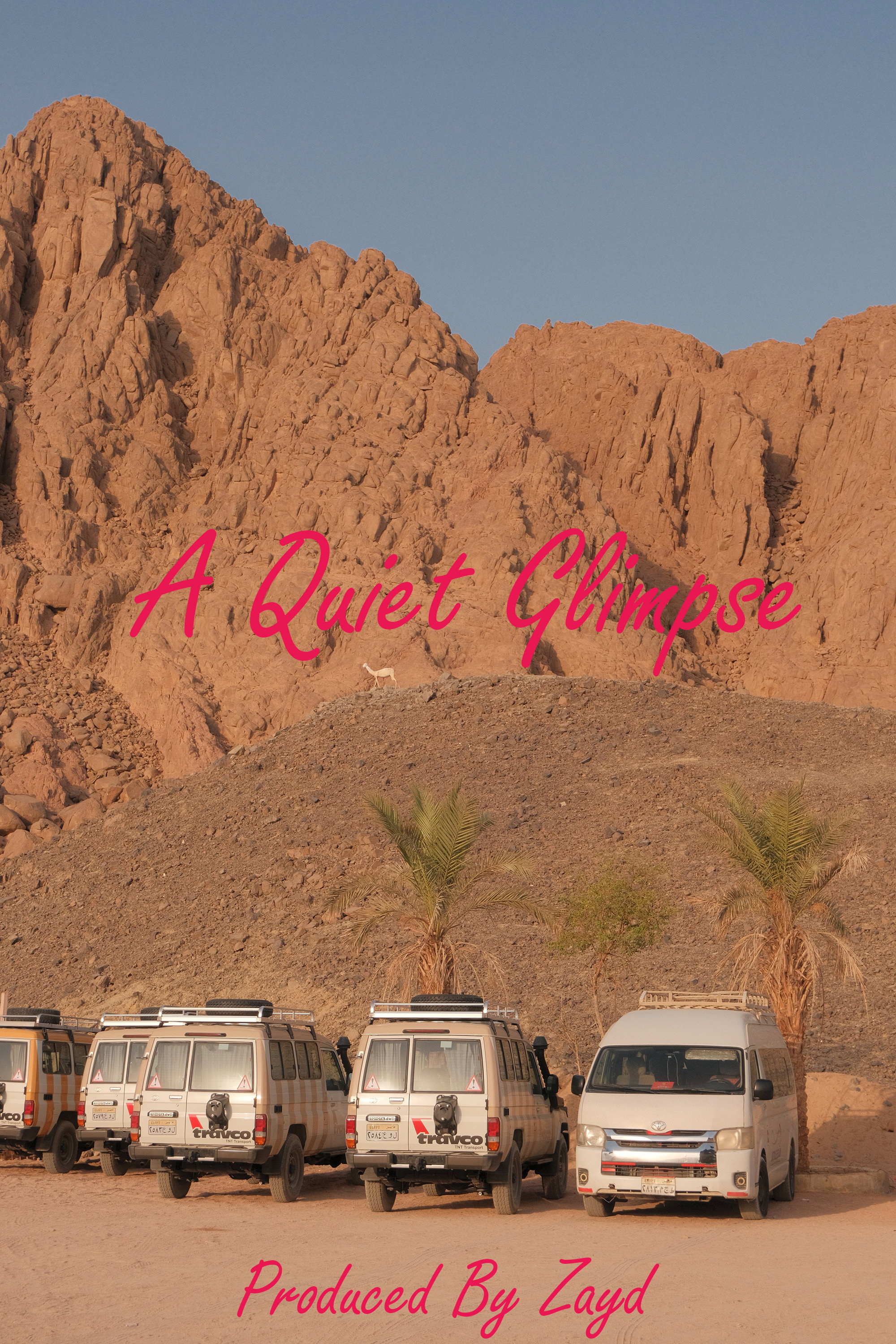
A brief but immersive travel short capturing Egypt through the lens, a personal yet cinematic look at a timeless destination.
Song of Ceylon was commissioned for the short-lived German TV-series Telekritik and broadcasted in 1975. In Telekritik documentary approaches were analysed and made available for a critique of contemporary TV, its aesthetics and modes of production. Other authors for the series include Hartmut Bitomsky, Rainer Gansera and Klaus Wildenhahn.In the 30-minute movie, Farocki shows and comments on excerpts from the film Song of Ceylon by Basil Wright (and a short segment of Eisenstein's Mexico-fragments). Farocki's voice-over describes part of the movie, focussing on details and montage. He also uses didactic and descriptive drawings and intertitles to confront the classic documentary and its stylistic approaches with contemporary TV.
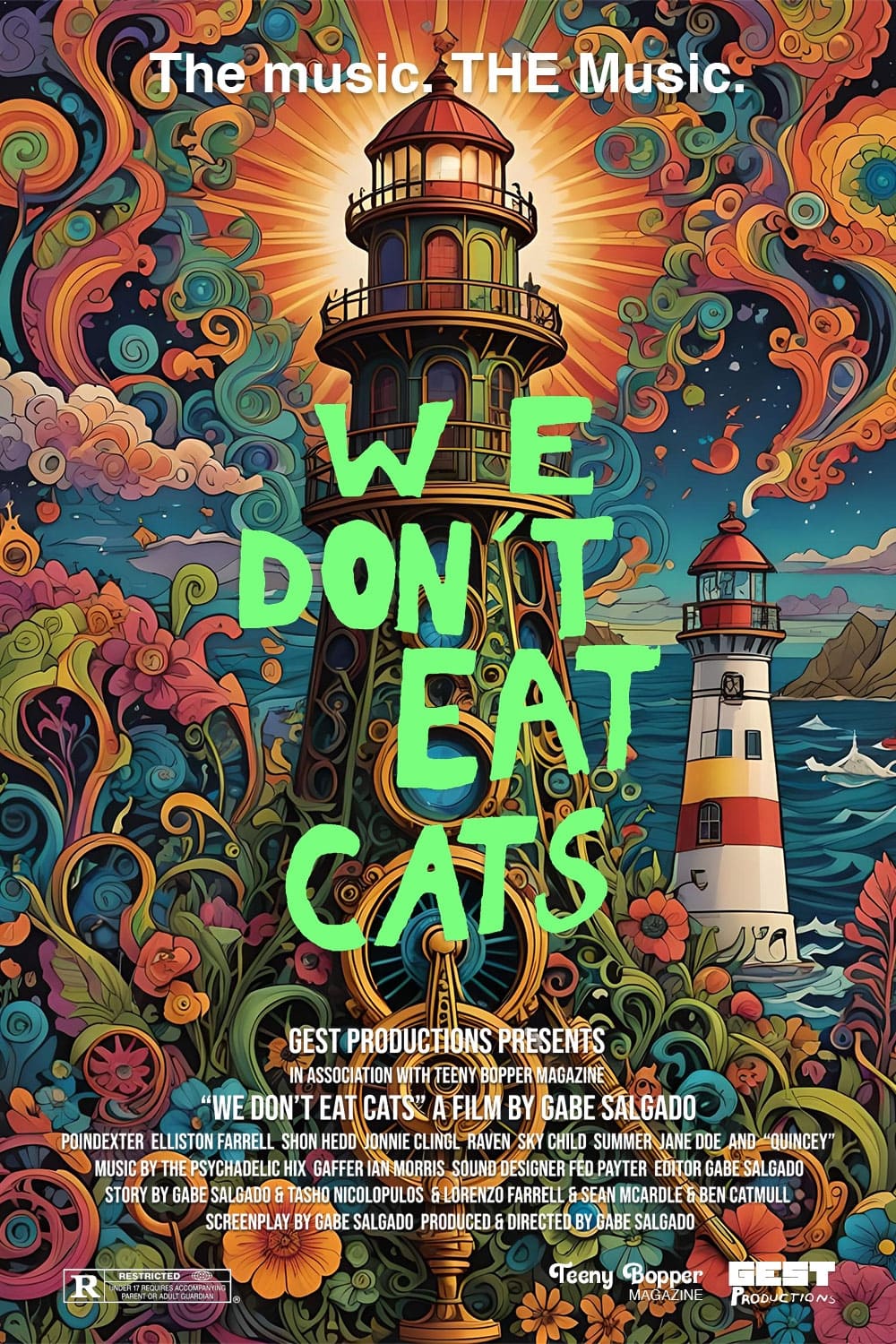
Rock and roll megastars The Psychadelic Hix are about to embark on their long anticipated world tour. However, the hype is tarnished by rumors of the group’s association with the mysterious Muncie Ball Beer Cult, which indoctrinates young Hix fans into moving to the coast of Maine and marrying lighthouse keepers.
Documentary about the Watts Towers. Preserved by the Academy Film Archive in 2009.
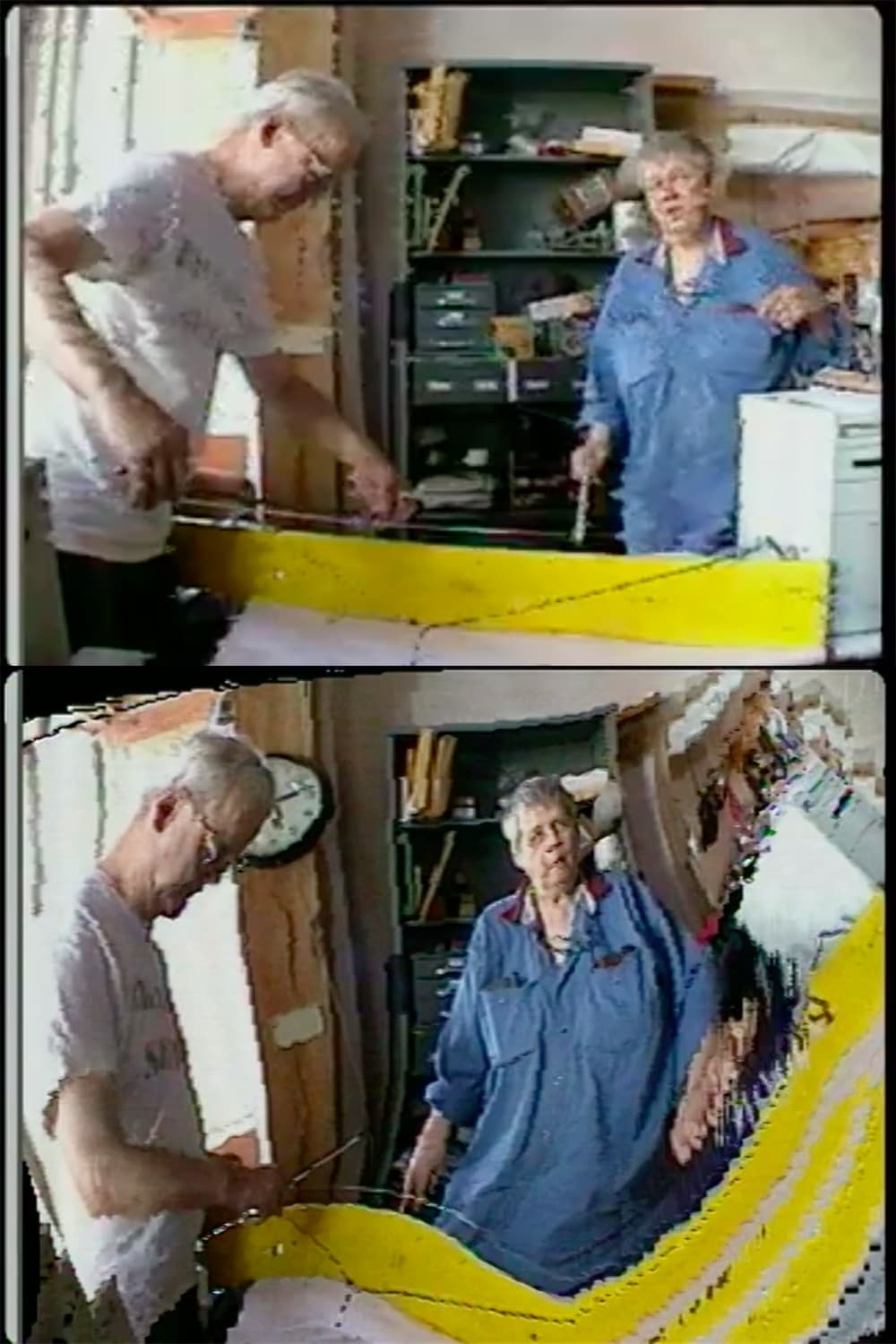
Fellow violinist and artist Tony Conrad, in collaboration with software engineer Tom Demeyer, made for Steina the instrument seen in this title. Conrad and the Vasulkas all taught at the University at Buffalo in the Media Study Department from 1976 to 1979.
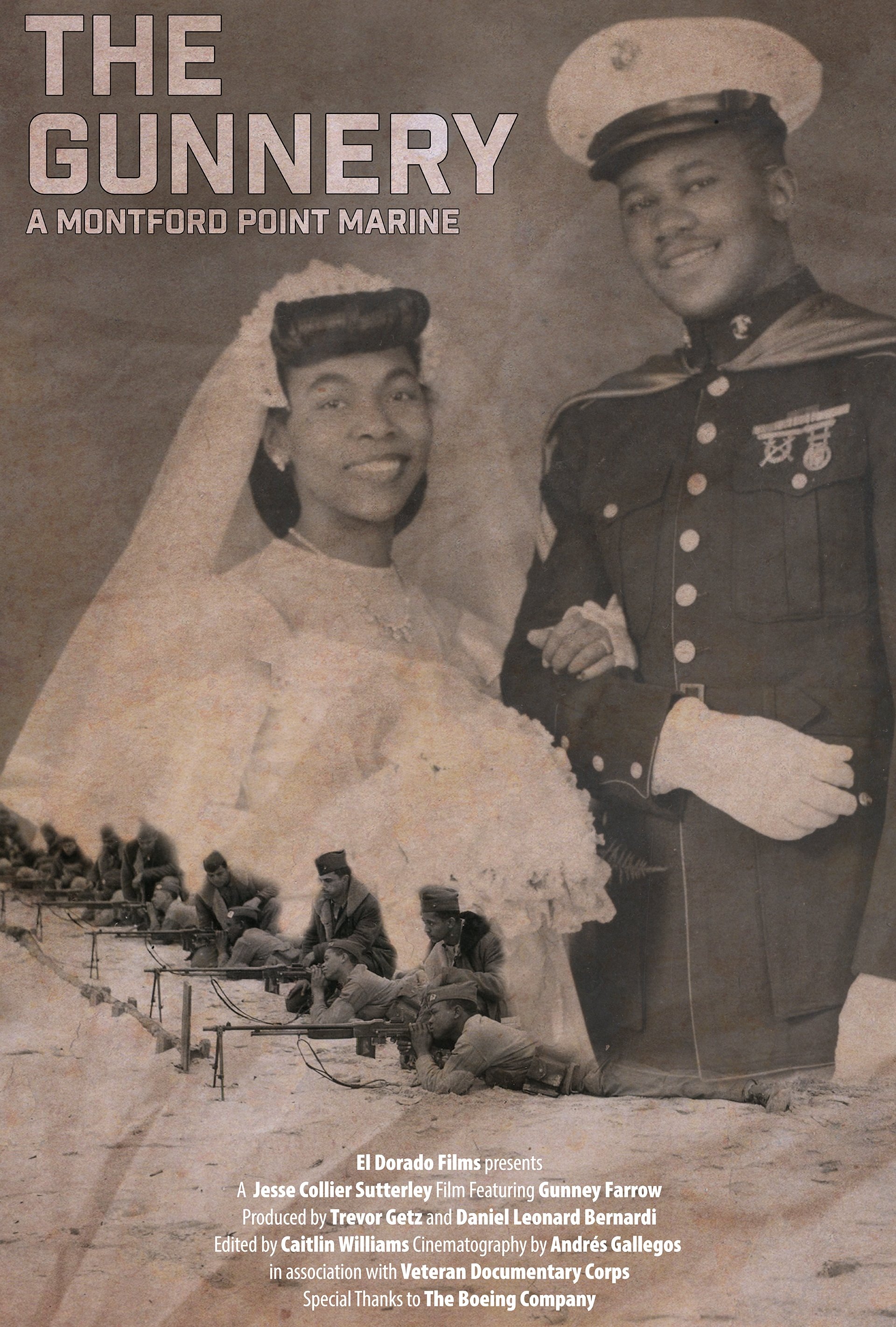
In this heartfelt short film by Jesse Collier Sutterley, Roosevelt Farrow, born in 1929 at the start of the Great Depression, shares his lifelong dream of becoming a U.S. Marine, despite the racial barriers of his time. Raised by his grandmother in humble conditions, he was inspired by the sight of Marines visiting his community. Farrow’s determination led him to join the Marine Corps, where he faced the challenges of Montford Point boot camp, eventually becoming an expert marksman and retiring as a Gunnery Sergeant. Although he never saw combat, a fact he attributed to his wife’s prayers, he realized the significance of his journey when he witnessed black officers rising in the ranks. Farrow's story is a testament to perseverance and the pursuit of one's dreams, encouraging others not to give up on their aspirations despite austere beginnings and social injustice.
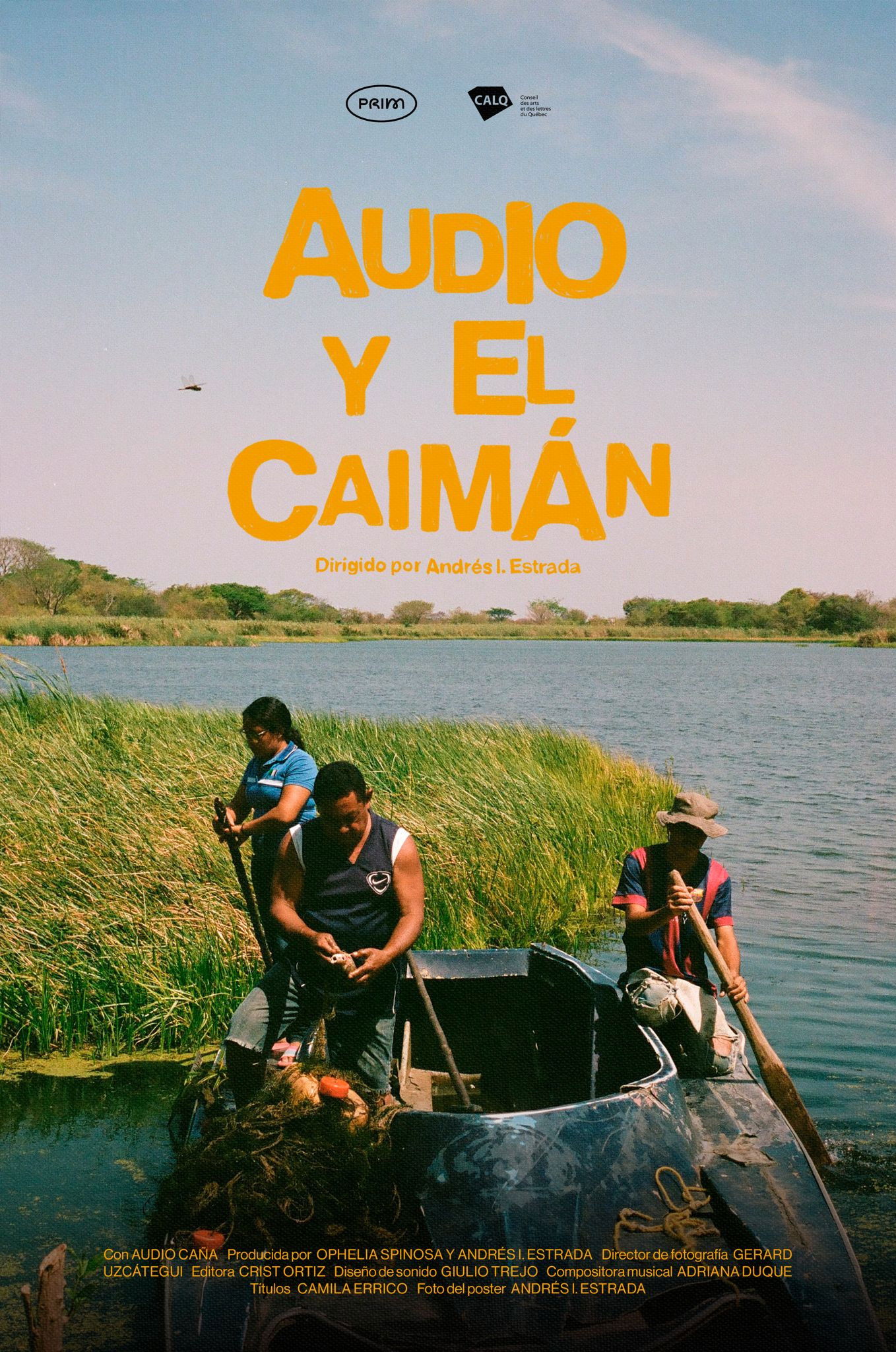
Audio Caña, an old farmer in rural Venezuela, believes there is a giant alligator living in his pond. With his family's help, he's determined to prove its existence to his friends who are often dissuaded by his exaggerated stories.
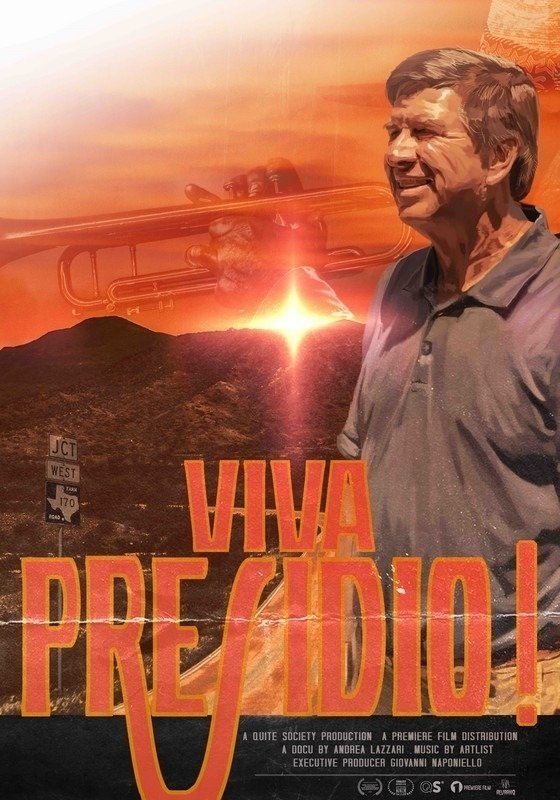
In Presidio, Texas, it is customary to hear Norteña music, typically Mexican, in the bars of the city. John Ferguson, american, governs the 4,426 inhabitants of the small town, is the principal of the city high school. As mariachi, John and Mariachi Santa Cruz also play in nearby Ojinaga, Mexico, distant the Rio Grande river from Presidio. The need to understand the history that binds Mexico to the United States, during one of the periods where the thread that weaves them seems to have become tangled. Viva Presidio! tells the story of a man whose ethnicity represents 2% of the population who voted to elect him, of the affection for his city and of the walls and customs in a reality where, the real cultural accents,represent an element of union between two communities in conflict today.
Hitch a ride with a glamorous blonde in a convertible sports car, and take a spin around the seaside town of Weston-Super-Mare and its surroundings.
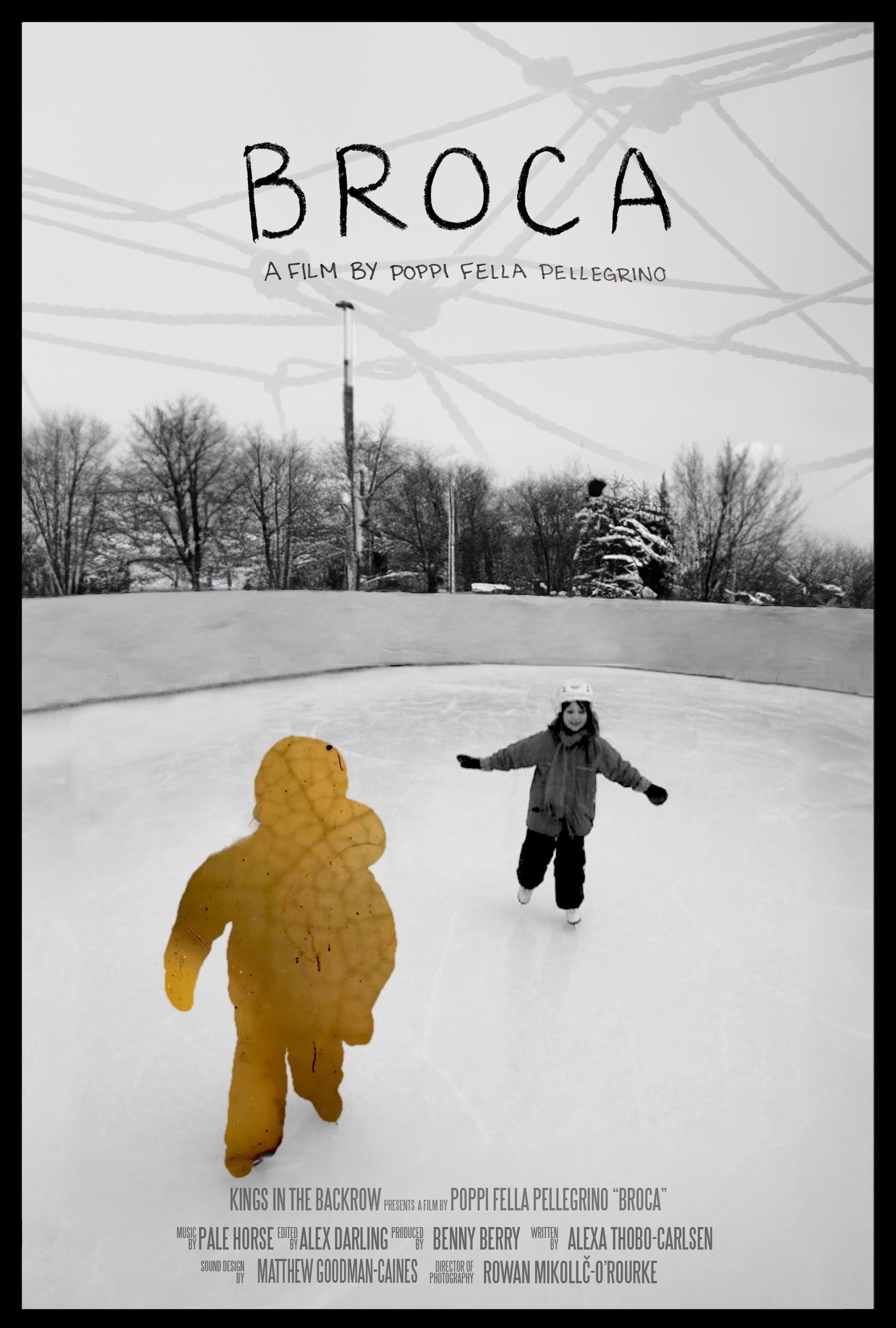
Using poetry, interviews with psychologists and survivors, and corporeal imagery, Broca is an experimental documentary hybrid that explores how the mind-body connection is altered after trauma. The Broca’s Area in the brain is involved primarily in speech production. During a traumatic event or when trying to recall a traumatic event, this area shuts down. This makes it harder for a survivor to talk about what’s happened. Our project is an experimental documentary hybrid that offers a platform for survivors to tell their stories both verbally and non-verbally.
A portal, a sorceress, a fictional device to portray existence as a moment encapsulated inside an instantaneous photograph to present fragmented biographical elements —family disintegration, rootlessness, scars, two loyal companions, the promises of a new land—subverting the notion of a home-movie and transform it into a pilgrimage tool of self-discovery, mirroring the fragile nature of memories.
Director Michael Apted revisits the same group of British-born adults after a 7 year wait. The subjects are interviewed as to the changes that have occurred in their lives during the last seven years.
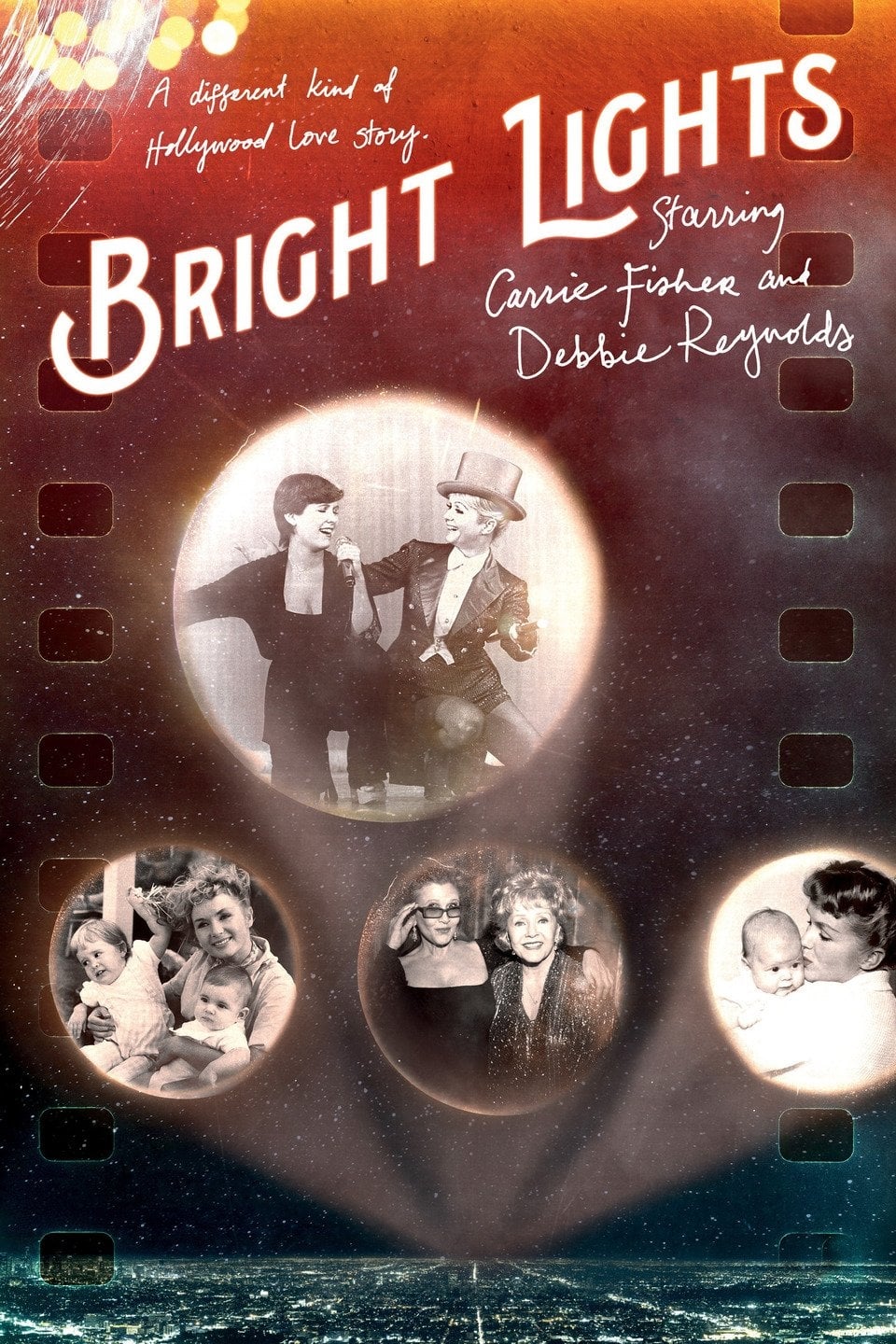
An intimate portrait of Hollywood royalty featuring Debbie Reynolds, Todd Fisher, and Carrie Fisher.
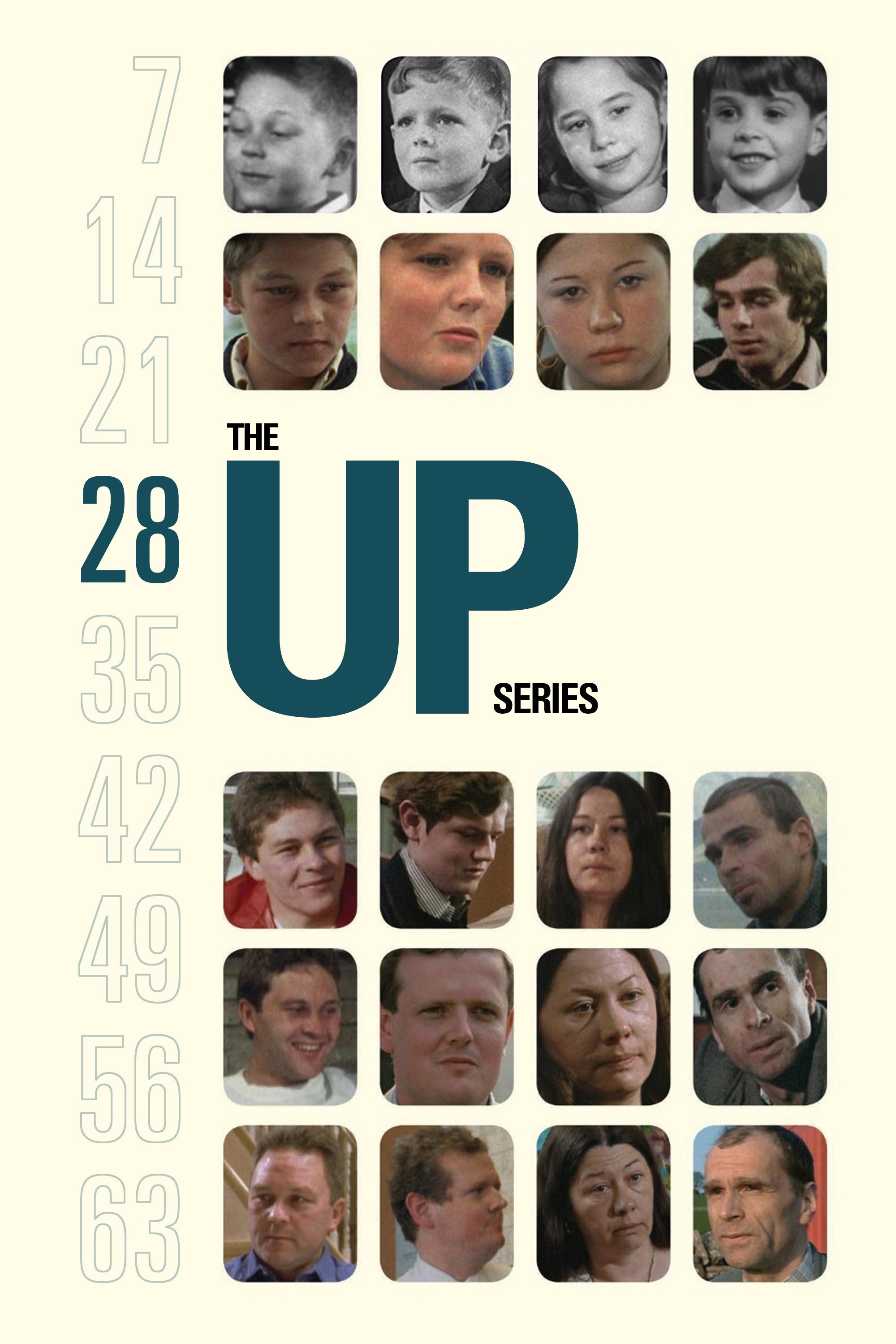
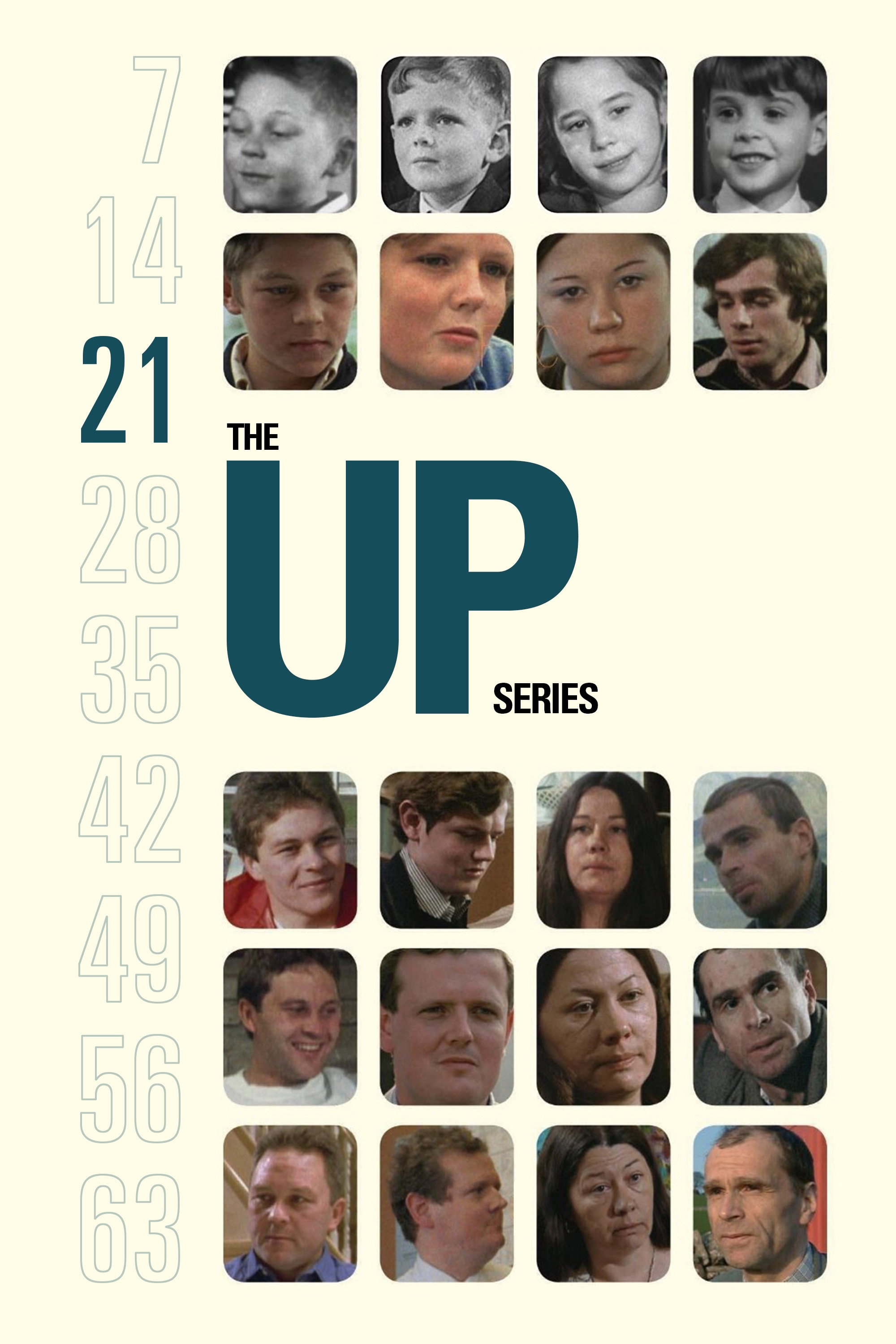
Just two years away from turning 30, participants in Michael Apted's documentary series are facing serious questions of identity and purpose, wondering whether they've found their place in the world.
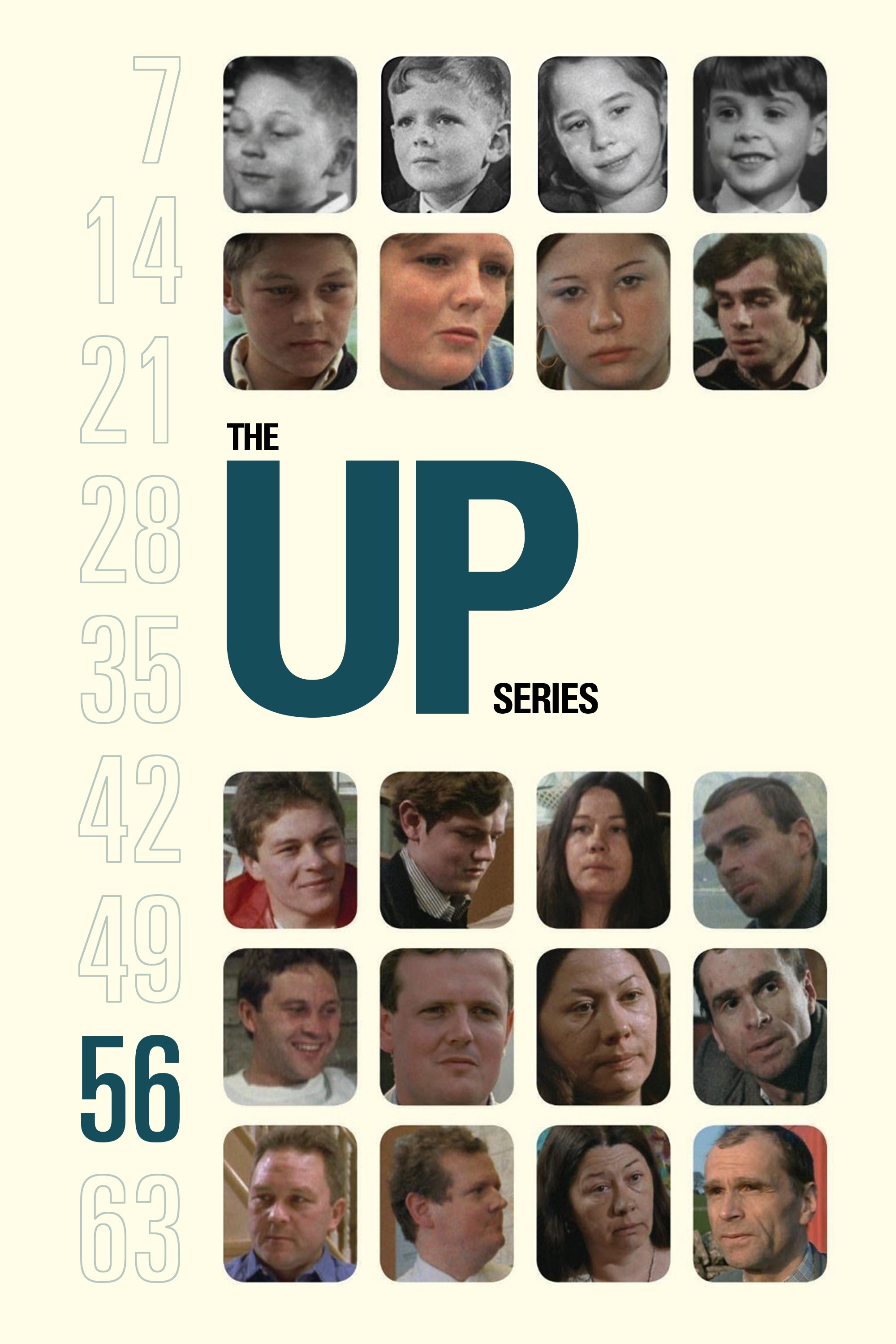
When a cross-section of seven-year-olds were interviewed for 7 Up in 1964 it was immediately evident that their social backgrounds influenced their attitudes towards life. While the upper class children were confident and self-assured, those from middle and working class backgrounds were resigned to a challenging life of hard work. This premise was put to the test every seven years when the same group were interviewed about the progression of their lives. 49 years in the making, the changes that occurred to the original 14 make for fascinating television and are in many ways the stories of all our lives. From success and disappointment, marriage and childbirth, to poverty and illness, nearly every facet of life has been captured on film. Now, at the age of 56, the group are once more brought together and, with the benefit of hindsight, assess whether their lives have been ruled by circumstance or self-determination.
After another 7 year wait, director Michael Apted revisits the same group of British-born children from Seven Up! and 7 Plus Seven. The subjects are interviewed as to the changes that have occurred in their lives during the last seven years.
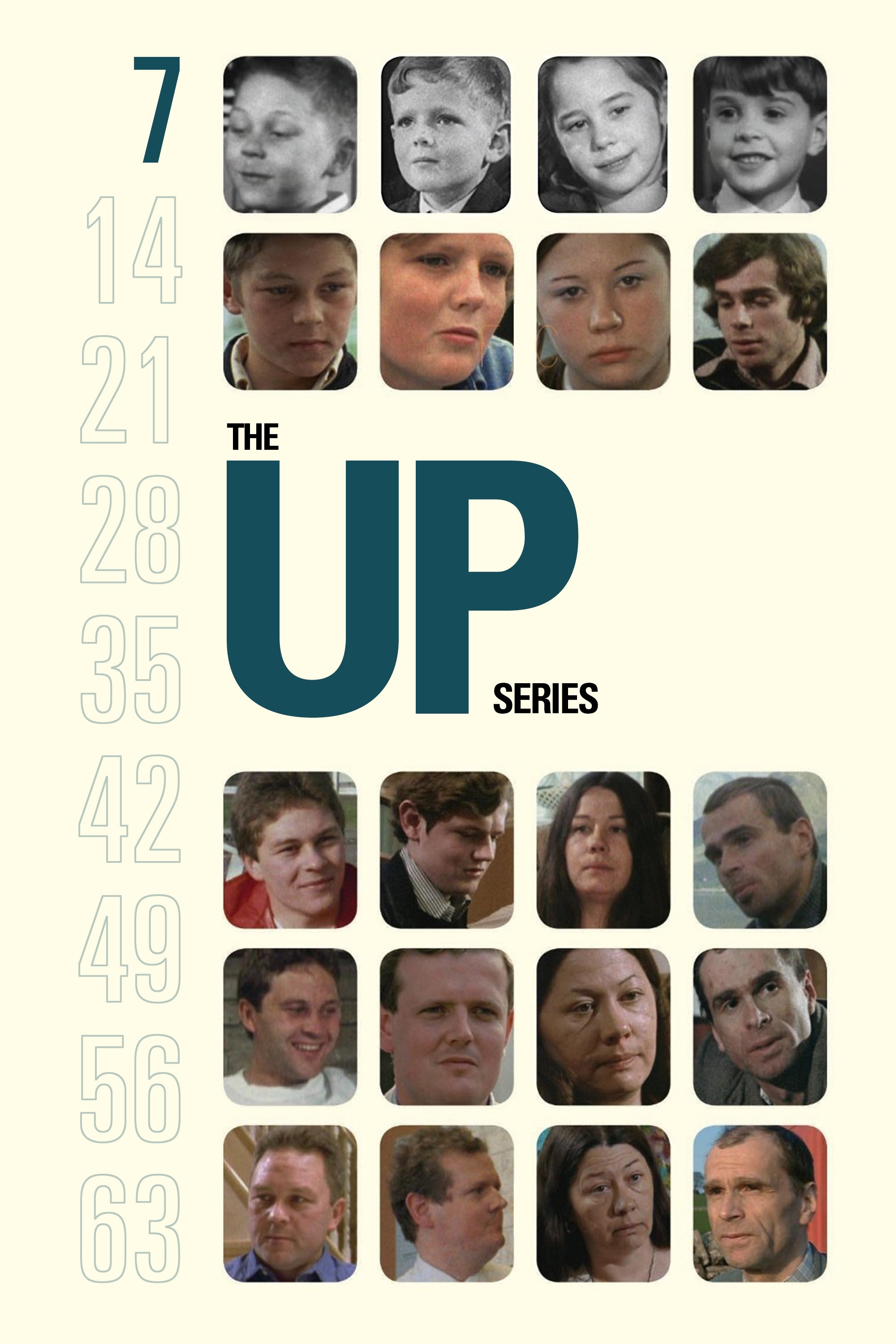
A group of British children aged 7 from widely ranging backgrounds are interviewed about a range of subjects. The filmmakers plan to re-interview them at 7 year intervals to track how their lives and attitudes change as they age.
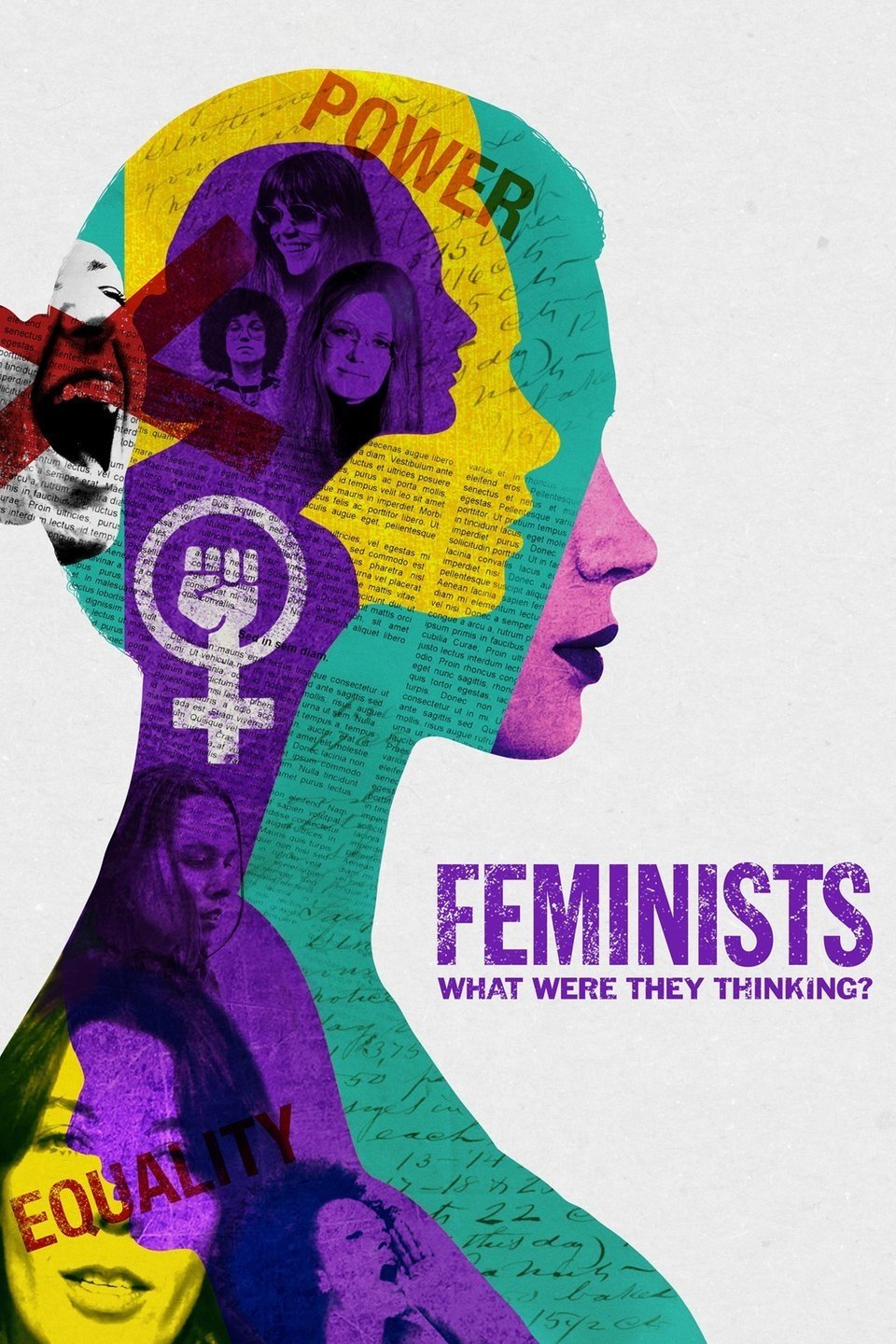
In 1977, a book of photographs captured an awakening - women shedding the cultural restrictions of their childhoods and embracing their full humanity. This documentary revisits those photos, those women and those times and takes aim at our culture today that alarmingly shows the need for continued change.
Canadian actress and filmmaker Sarah Polley investigates certain secrets related to her mother, interviewing a group of family members and friends whose reliability varies depending on their implication in the events, which are remembered in different ways; so a trail of questions remains to be answered, because memory is always changing and the discovery of truth often depends on who is telling the tale.
A documentary on the expletive's origin, why it offends some people so deeply, and what can be gained from its use.
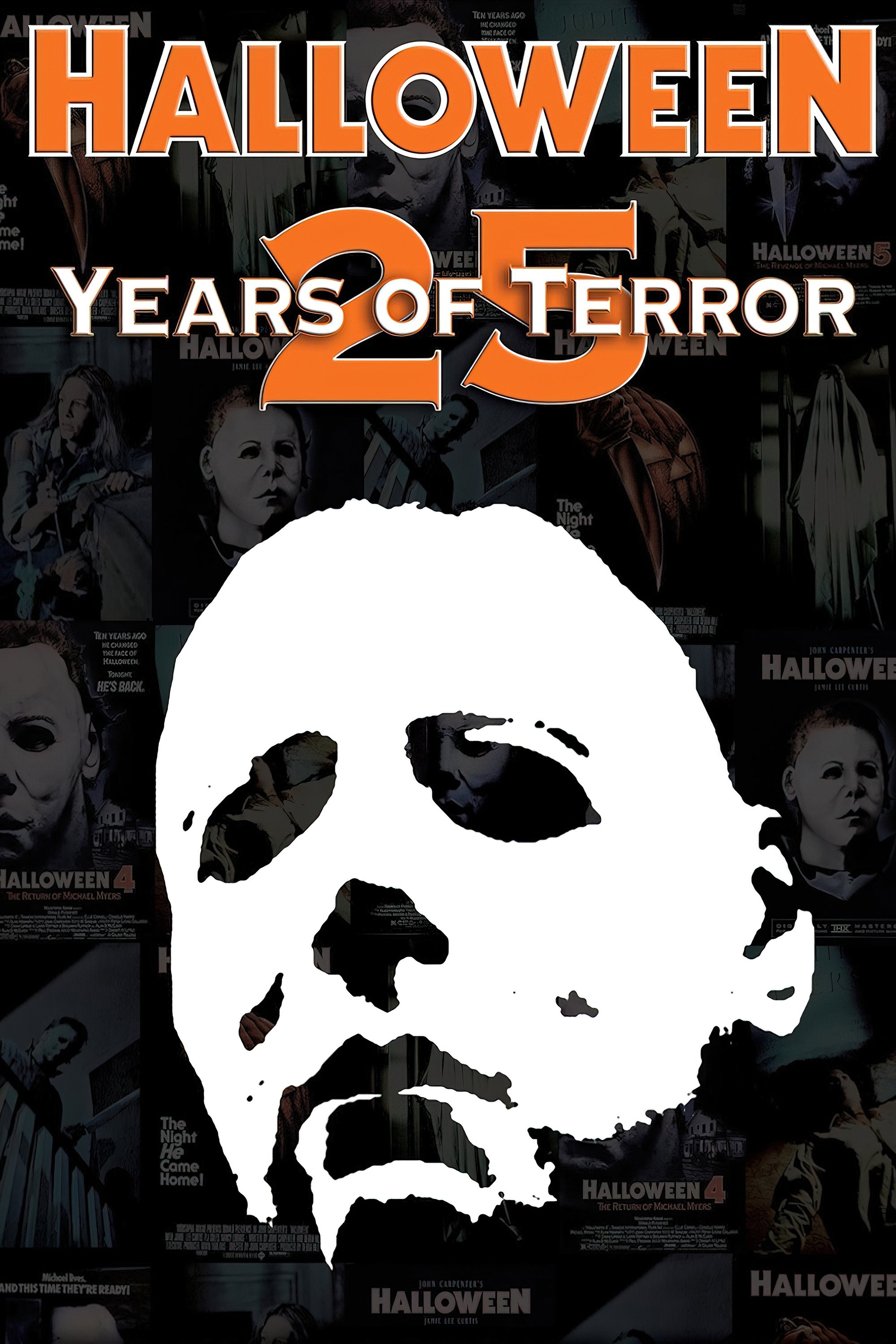
Follow the evolution of the 'Halloween' movies over the past twenty-five years. It examines why the films are so popular and revisits many of the original locations used in the films - seeing the effects on the local community. For the first time, cast, crew, critics and fans join together in the ultimate 'Halloween' retrospective.
Musician and performance artist Laurie Anderson reflects on the deaths of her husband Lou Reed, her mother and her beloved dog.
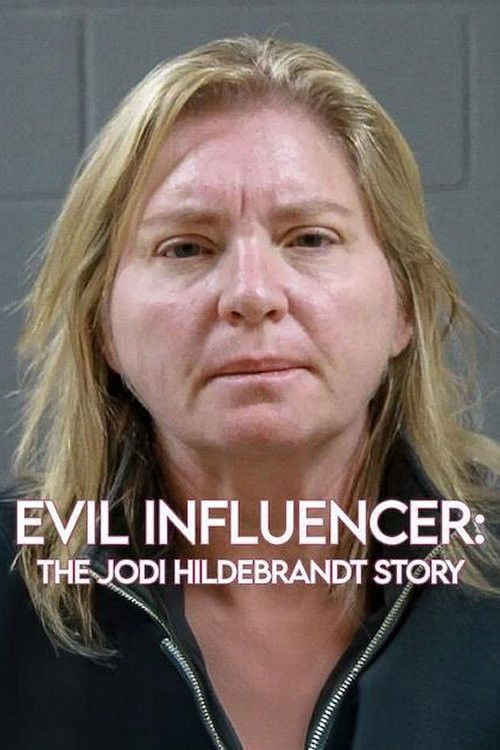
Unravel the case of Utah therapist Jodi Hildebrandt, whose child abuse arrest with parenting YouTuber Ruby Franke exposed a twisted tale of manipulation.
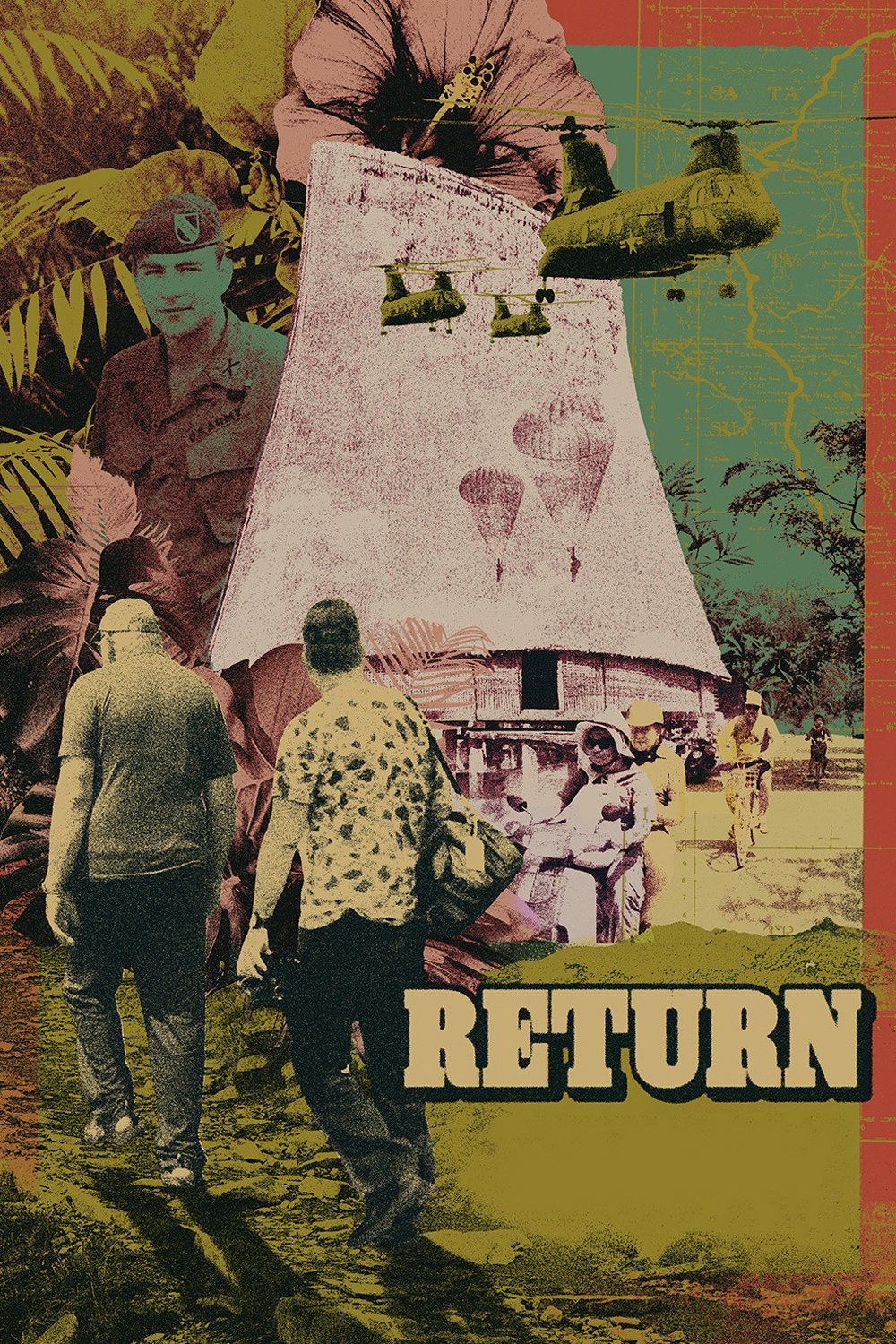
RETURN tells the story of a retired Green Beret who embarks on a healing journey from Montana to Vietnam. There he retraces his steps, shares his wartime experiences with his son, treats his Post-Traumatic Stress Disorder, and seeks out the mountain tribespeople he once lived with and fought alongside as a Special Forces officer.
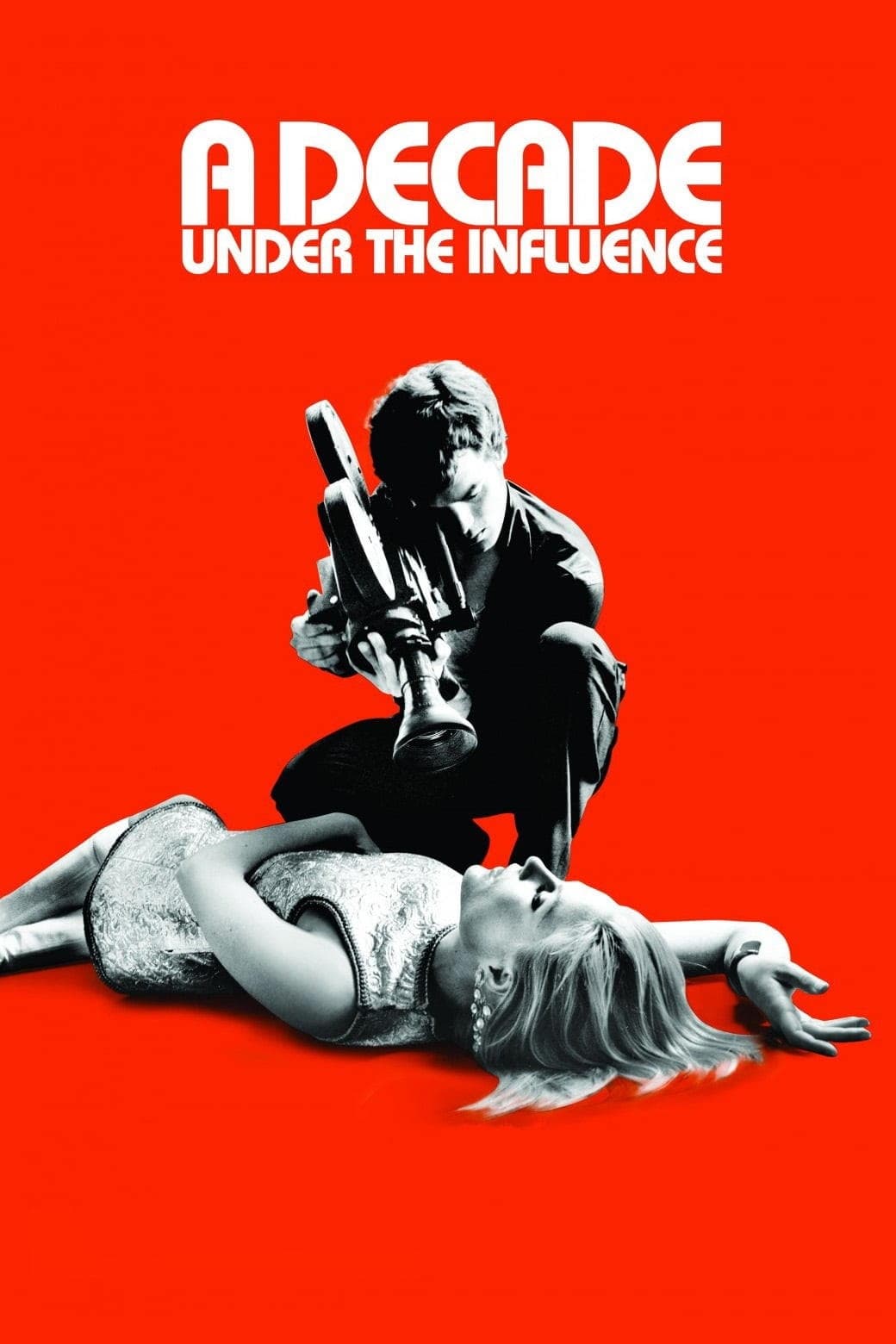
A documentary examining the decade of the 1970s as a turning point in American cinema. Some of today's best filmmakers interview the influential directors of that time.
Police pull over a woman who claims she just gave birth. But the baby — and the blood — aren't hers. Twisted lies unravel in this true-crime documentary.
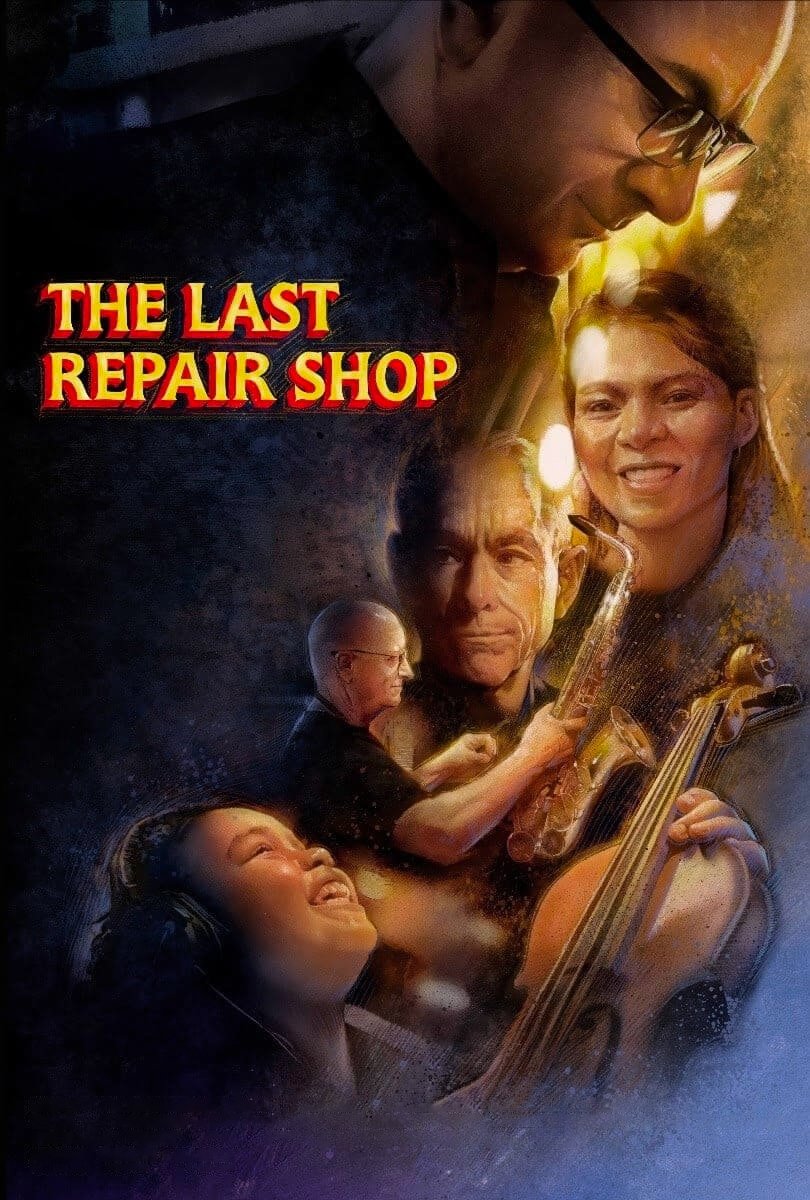
In a warehouse in the heart of Los Angeles, a dwindling handful of devoted craftspeople maintain more than 80,000 student musical instruments, the largest remaining workshop in America of its kind. Meet four unforgettable characters whose broken-and-repaired lives have been dedicated to bringing so much more than music to the schoolchildren of this city.
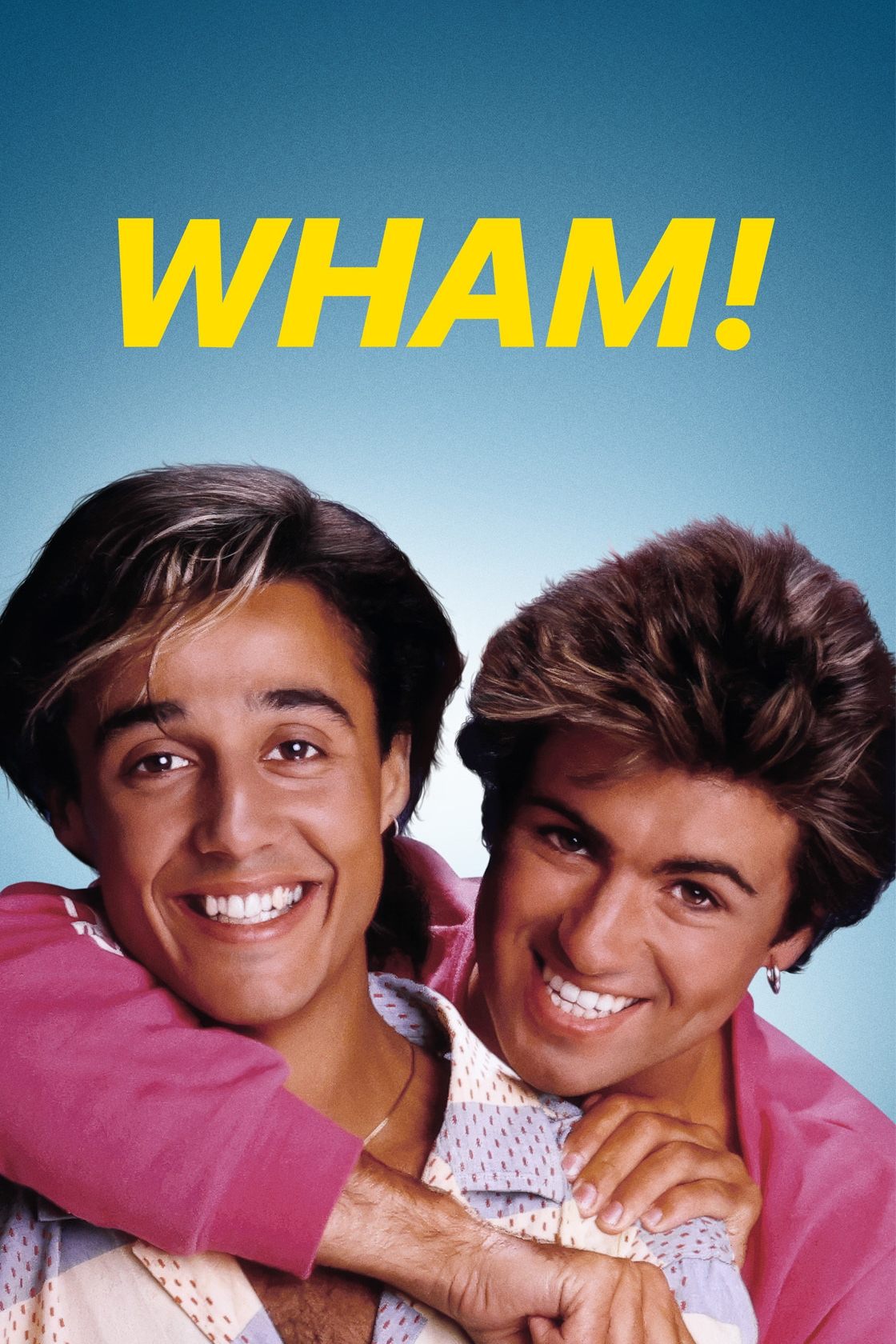
Through archival interviews and footage, George Michael and Andrew Ridgeley relive the arc of their Wham! career, from 70s best buds to 80s pop icons.
A compilation of over 30 years of private home movie footage shot by Lithuanian-American avant-garde director Jonas Mekas, assembled by Mekas "purely by chance", without concern for chronological order.
Through deeply personal interviews with her siblings and an examination of the photographs, letters, and belongings left behind, Mariska assembles a new portrait of her mother Jayne Mansfield, an extraordinary and complex woman.