A survey of the painting of Henri Matisse, revealing the development of the idyllic quality in his work. Studies pictures from the beginning of his career, and follows the spontaneous flowering of color.
Social & External
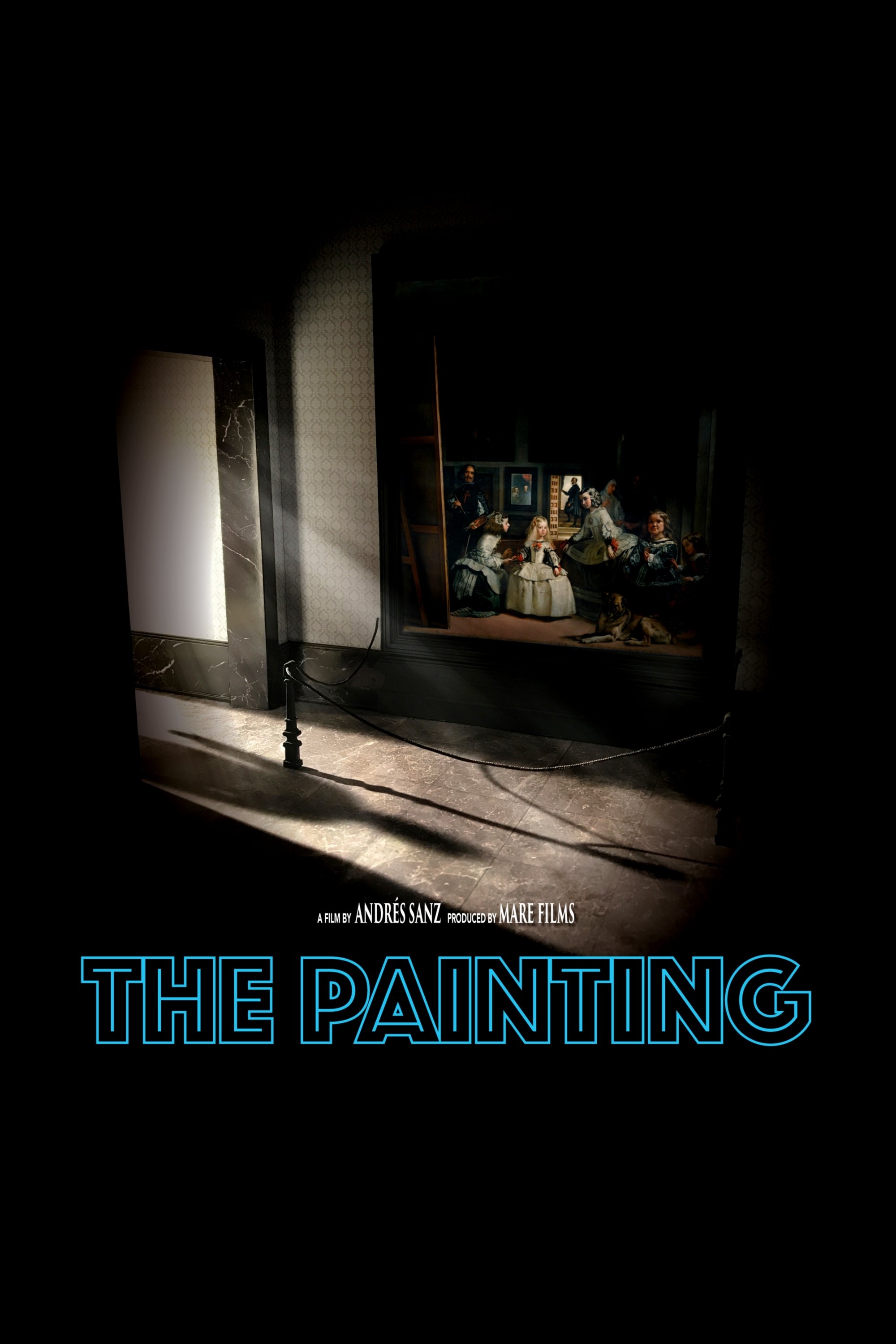
For three and a half centuries, from the same day that Diego Velázquez (1599-1660) applied his last brushstroke to the canvas, the enigma of “Las meninas, o La familia de Felipe IV” (1656) has not been deciphered. The secret story of a painting unveiled as if it was the resolution of a perfect crime.
The inner world of the great painter Max Ernst is the subject of this film. One of the principal founders of Surrealism, Max Ernst explores the nature of materials and the emotional significance of shapes to combine with his collages and netherworld canvases. The director and Ernst together use the film creatively as a medium to explain the artist's own development.
Every fall, The Center for Cartoon Studies invites 20 aspiring cartoonists to White River Junction, Vermont for a no-holds-barred education in comics. Those who complete the two-year program earn a Master of Fine Arts degree and are ready to face the hardship of a career in one of the world's most drudgery-inducing art forms. This is their story.
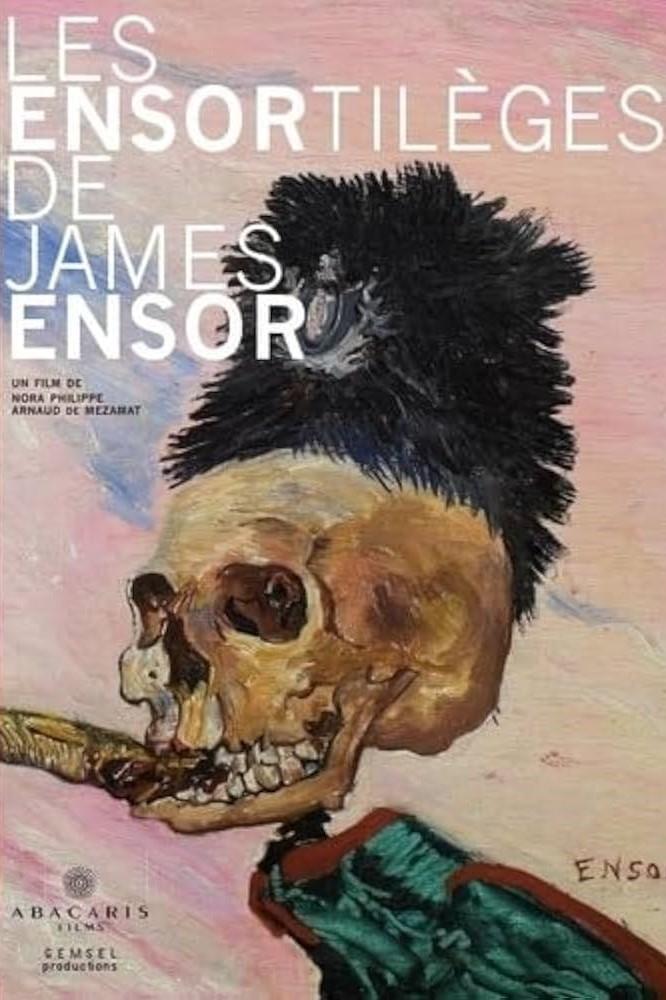
This film explains what James Ensor (1860-1949) meant for the development of art and makes palpable where he got his inspiration from.
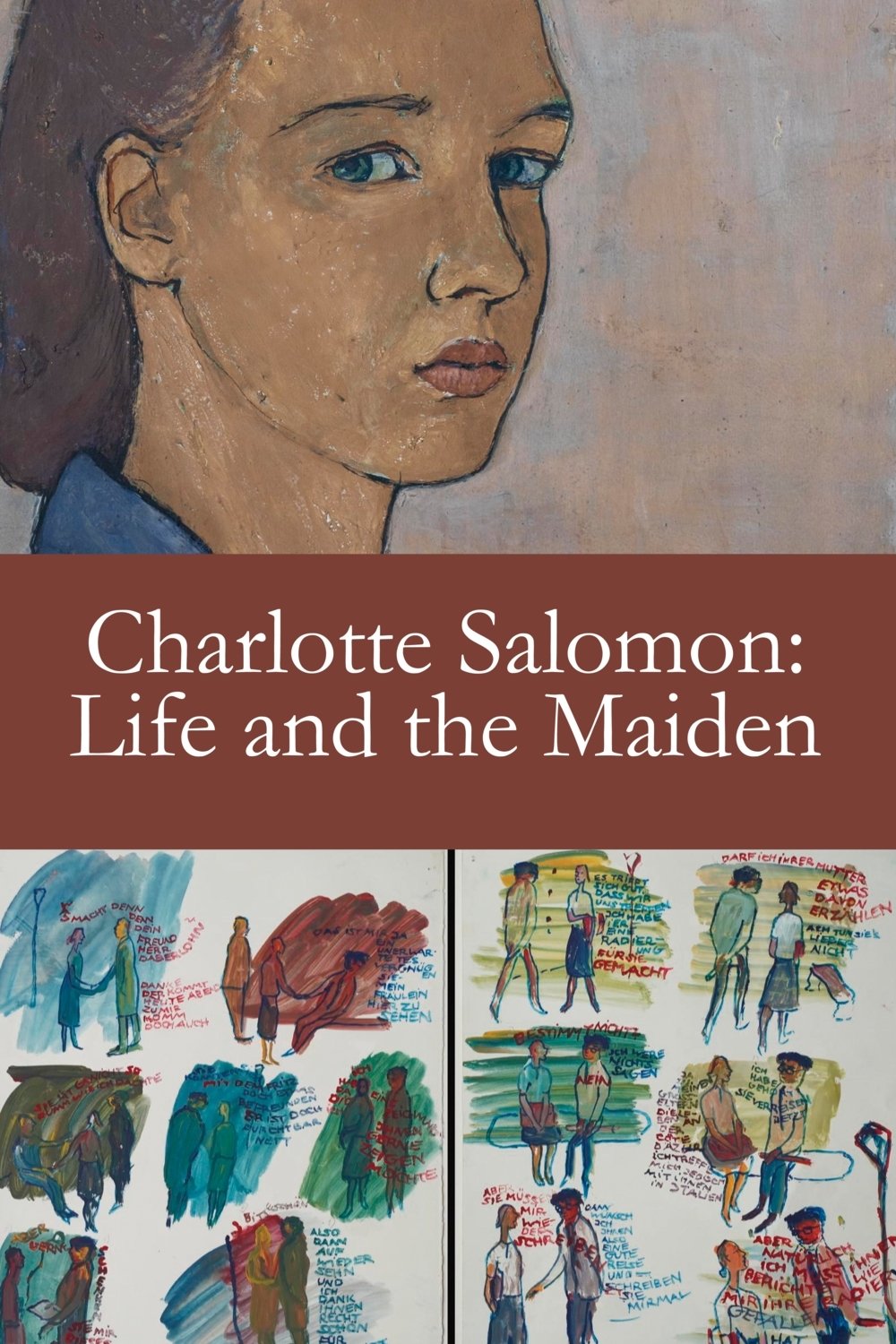
In 1940, the German artist Charlotte Salomon (1917-43) undertook an extraordinary artistic adventure, during which she combined painting, text and music: in only eighteen months, she painted more than a thousand paintings. In 1943, she was arrested by the Nazis and sent to the Auschwitz extermination camp.
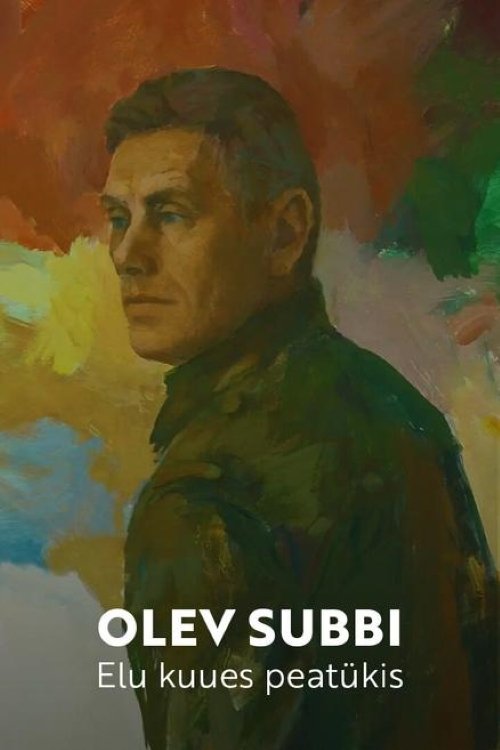
Olev Subbi (1930–2013) was one of the most significant painters of the second half of the 20th century. His art constantly strived for harmony and beauty, reviving lost memories. This documentary reconstructs the environments of his paintings, features interviews with artists and Subbi’s contemporaries, and incorporates archival footage, creating a multilayered perspective on the life and work of this remarkable artist.
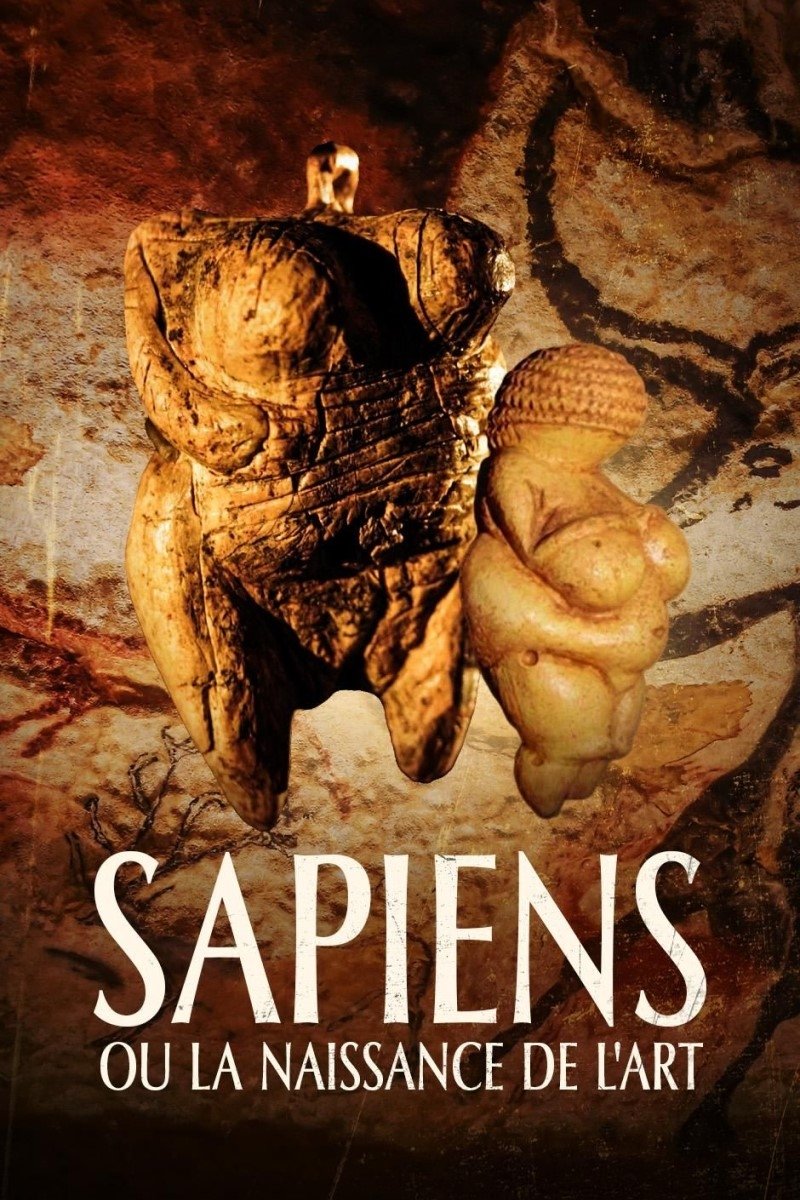
We immerse ourselves in a quest for the origins of Art, among the very first modern humans. The prehistoric works, of incredible richness and diversity, tell a story of beauty and the species. Researchers, including archaeologists, but also art historians, philosophers and contemporary artists, enrich our view of prehistoric art with their different, but also complementary, points of view on the subject.
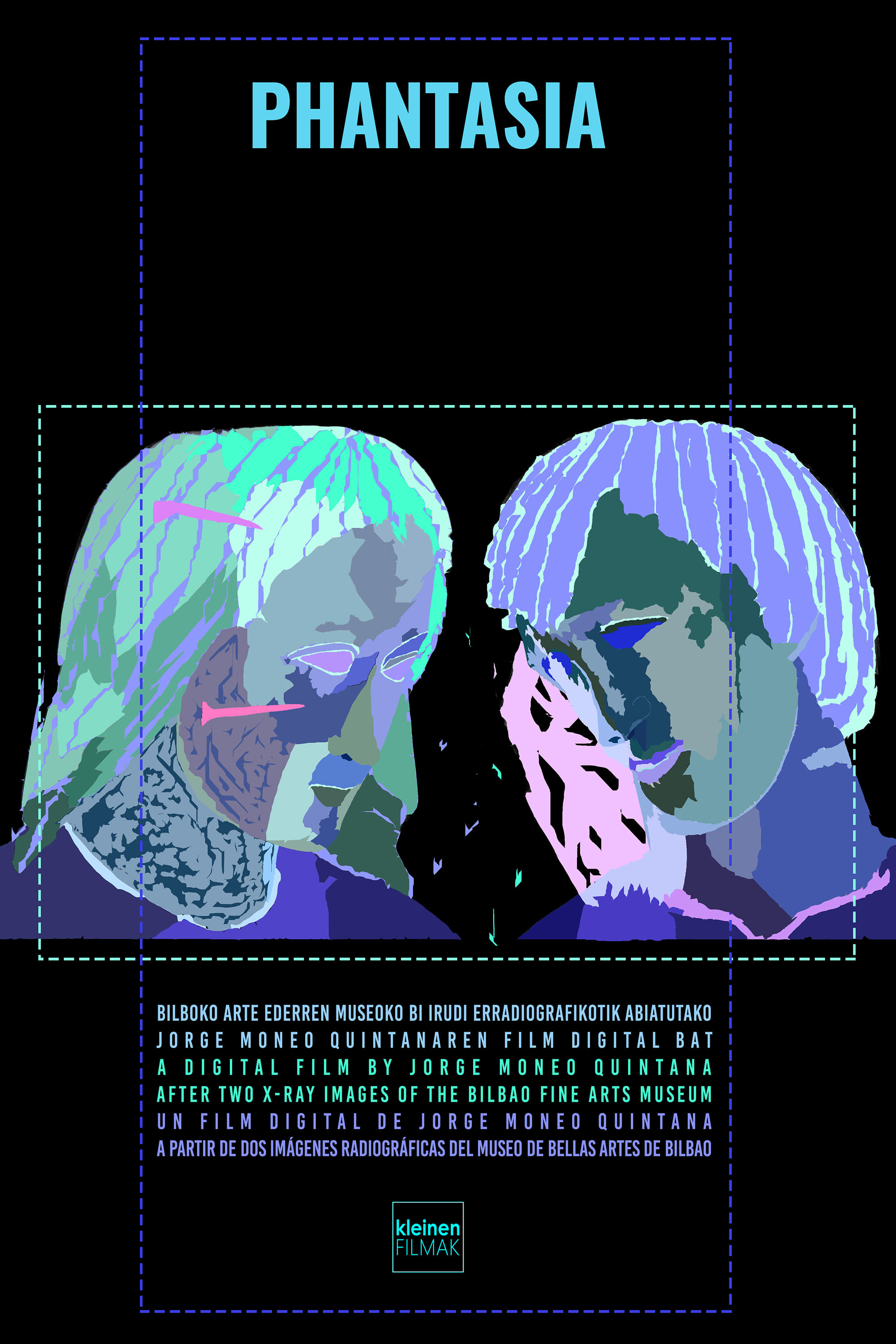
X-ray images were invented in 1895, the same year in which the Lumière brothers presented their respective invention in what today is considered to be the first cinema screening. Thus, both cinema and radiography fall within the scopic regime inaugurated by modernity. The use of X-rays on two sculptures from the Bilbao Fine Arts Museum generates images that reveal certain elements of them that would otherwise be invisible to our eyes. These images, despite being generally created for technical or scientific purposes, seem to produce a certain form of 'photogénie': they lend the radiographed objects a new appearance that lies somewhere between the material and the ethereal, endowing them with a vaporous and spectral quality. It is not by chance that physics and phantasmagoria share the term 'spectrum' in their vocabulary.
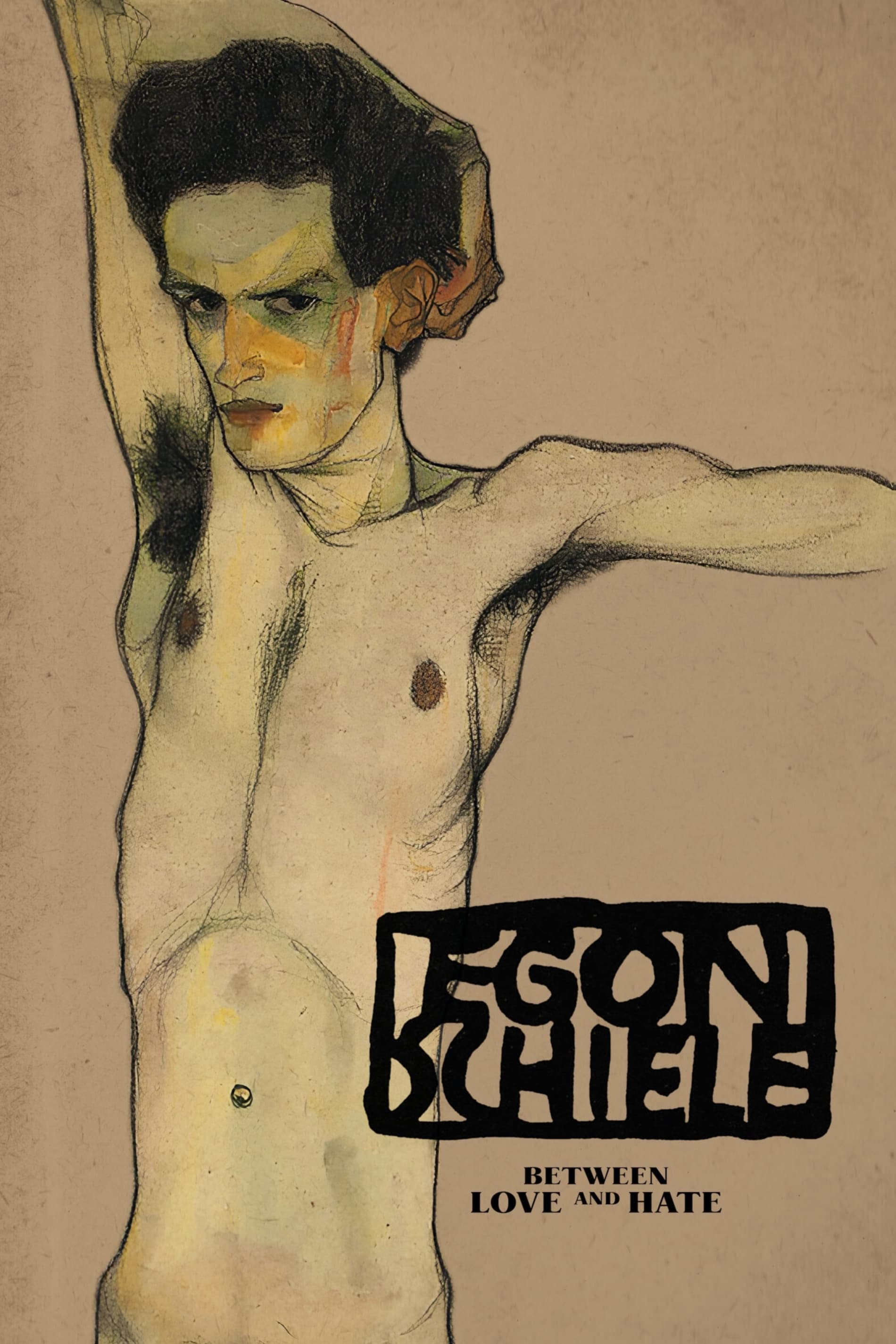
An account of the short life and the astonishing and provocative work of the Austrian painter Egon Schiele (1890-1918), seen through the peculiar point of view and the critic voices of the women who defined the paramount milestones of his existence: Gerti, his sister; Wally, his main model and lover; and Edith, his wife. A brief story of love, hate, betrayal and misfortune.
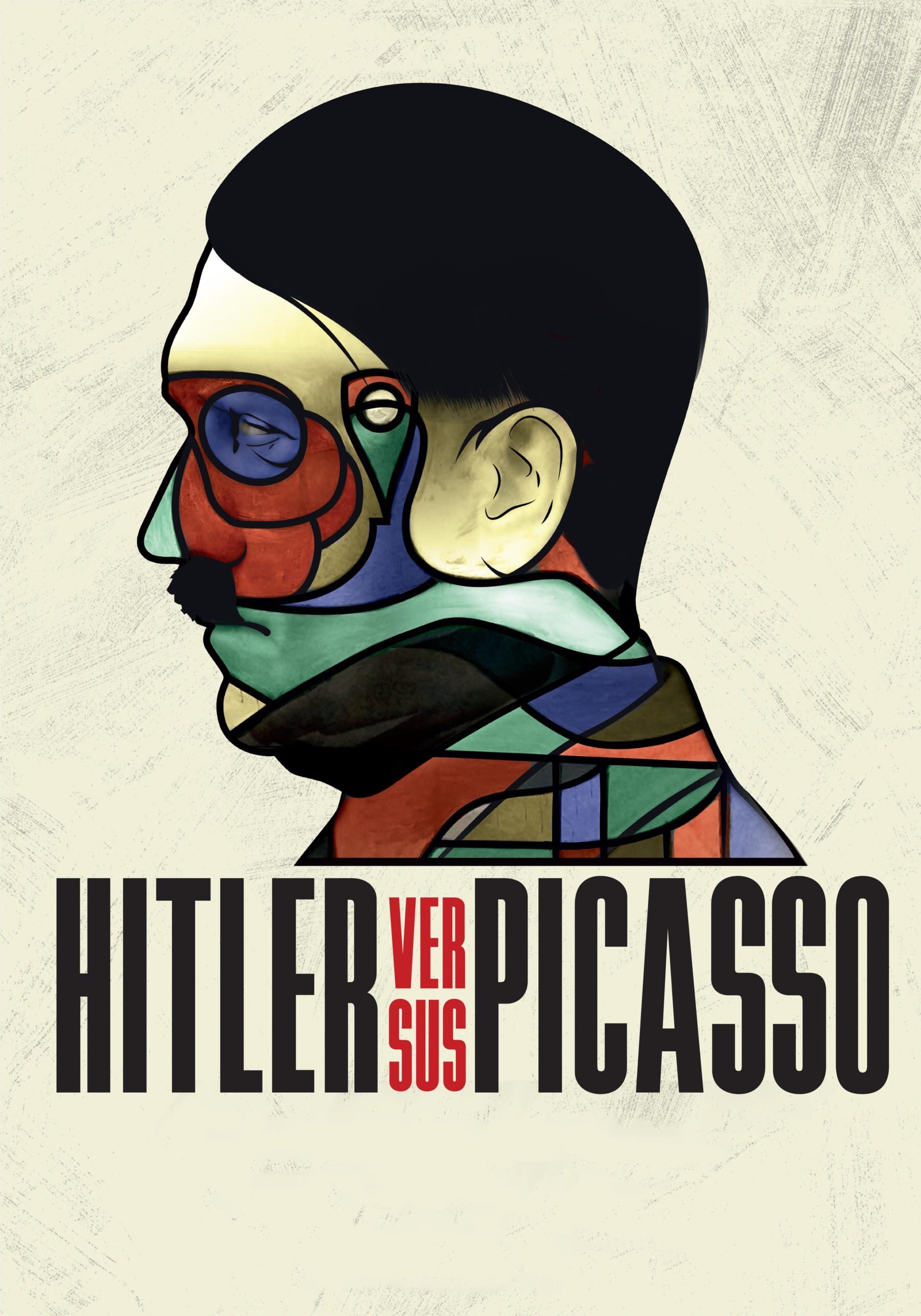
In 1937 the Nazi regime held two exhibitions in Munich: one to stigmatize “Degenerate Art” (which they systematically looted and destroyed) and one, personally curated by Hitler, to glorify “Classic Art”. This immersive new documentary reveals the Nazi’s complicated relationship with classical and modern art, displaying an incredible number of masterpieces by Botticelli, Klee, Matisse, Monet, Chagall, Renoir and Gauguin amongst others, intertwined with human stories from the most infamous period of the twentieth century. A state-of-the-art detective story exploring the Nazis’ obsession with creative expression, Hitler versus Picasso combines history, art and human drama for an unforgettable cinema experience.
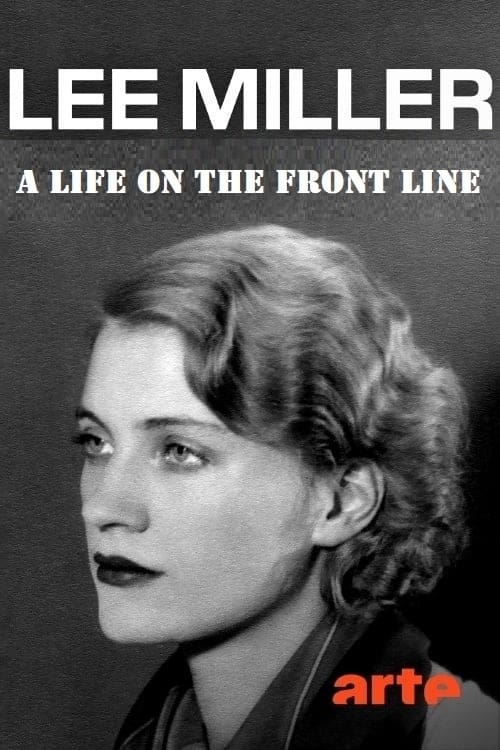
A documentary celebrating Lee Miller, a model-turned-photographer-turned-war reporter who defied anyone who tried to pin her down, put her on a pedestal, or pigeonhole her in any way.
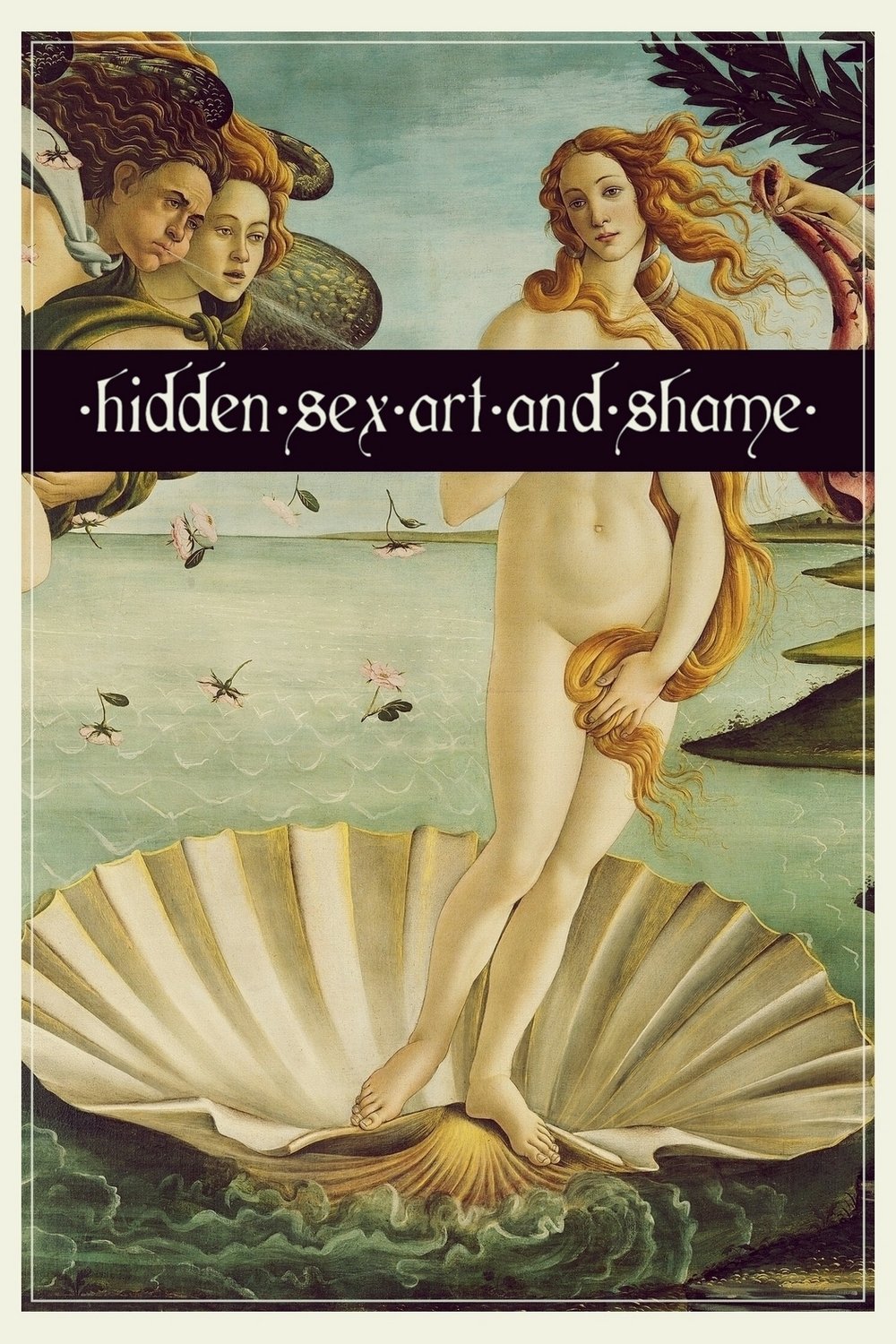
The representation of genitalia in the fine arts was censored for centuries: sexual organs were discreetly hidden among fig leaves, pearls or sheets; and it is still a taboo today. From Antiquity to the present day, the history of puritanism applied to art and the tricks used by artists to circumvent censorship.
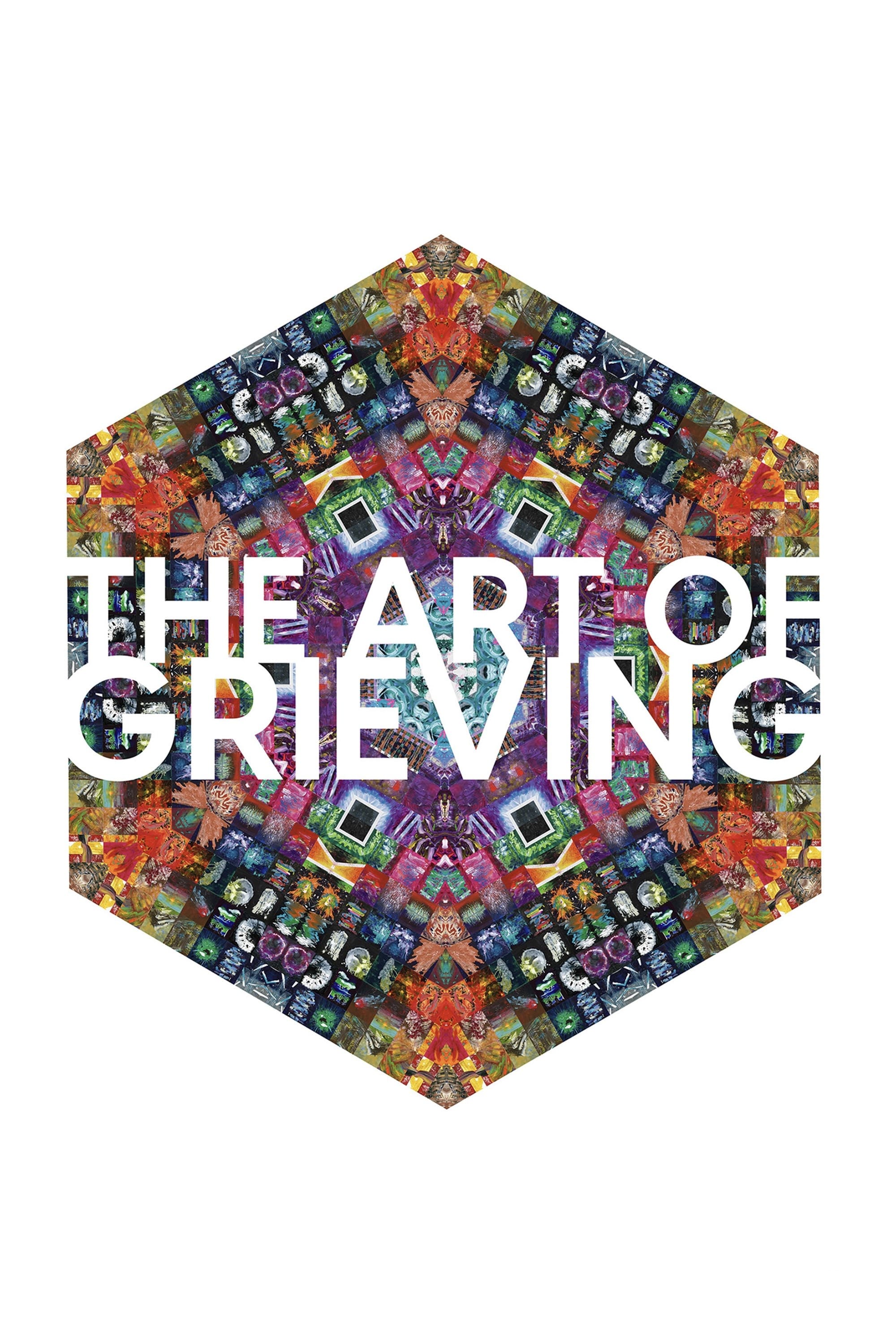
After the untimely death of his 35-year old brother, an artist explores the questions that surfaced from grief by painting 365 paintings and to spur conversation in culture.
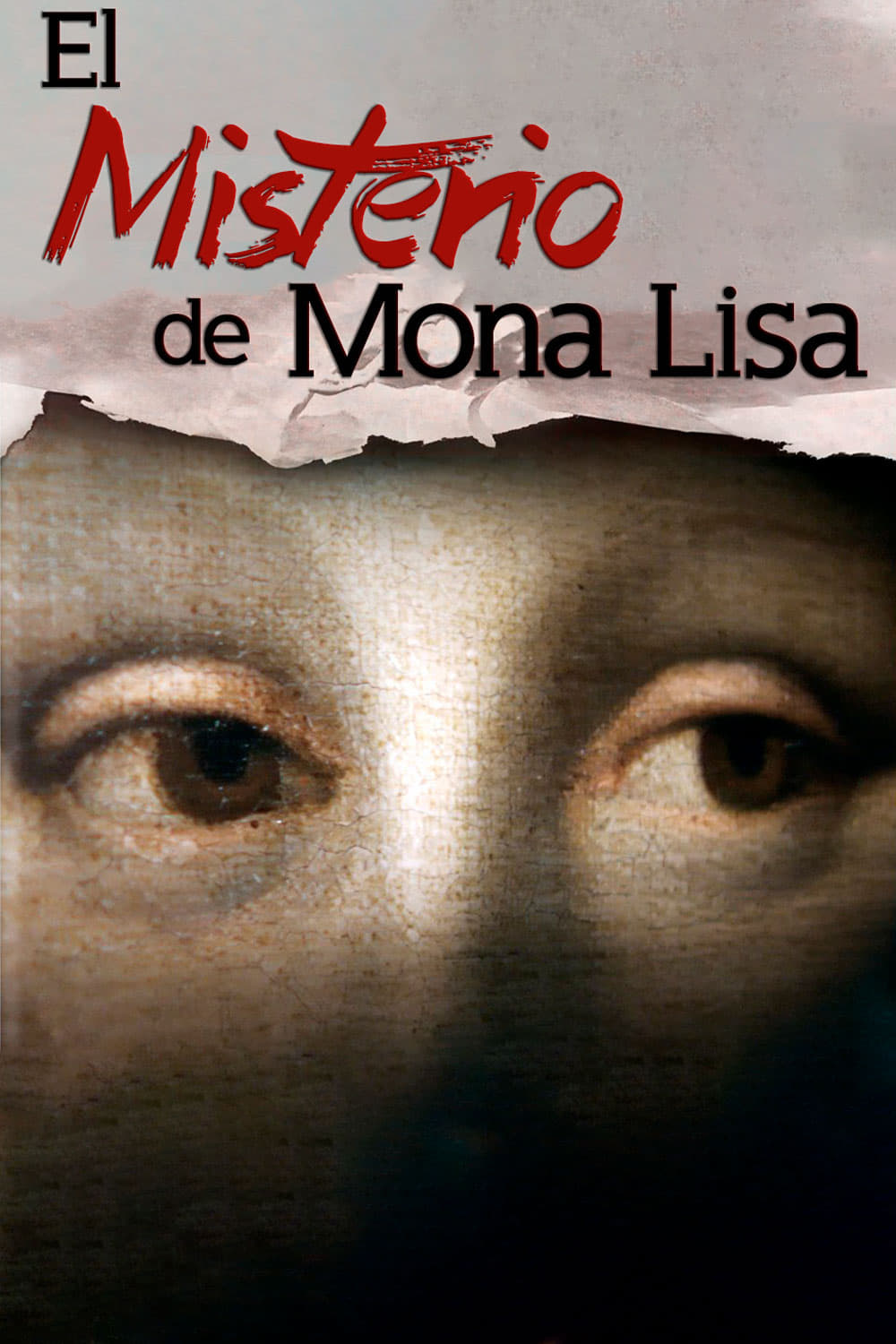
The Mona Lisa, also known as La Gioconda, is a work by Leonardo Da Vinci and one of the most famous paintings in the world. It is currently on display at the Louvre Museum in Paris and is visited by millions of people every year. The Gioconda has not only gone down in art history for its artistic value, but also for the mystery surrounding its creation. Painted between 1503 and 1519, Da Vinci's last great work was revolutionary for the painting techniques used. After several analyses of the painting, it is known that the artist first made the drawing and then applied the oil paint. Da Vinci was the inventor of the 'sfumato' or blurring technique, which consists of blurring the outline of the drawing and softening the colors to create a play of shadows that gives the figure a three-dimensional effect.
A short documentary about the life work and philosophy of William Blake featuring an interview with John Higgs.