Social & External
An inaccuracy-riddled behind-the-scenes drama about the stormy partnership of the famed comedy team that came out of burlesque to conquer radio, movies and television.
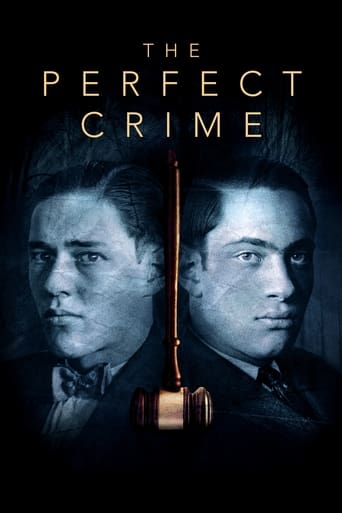
Agent Melvin Purvis is placed in charge of running down notorious killer Machine Gun Kelly, and sets out to do just that.
Narrated by Linda Hunt, this documentary examines the life of the late author and gay rights activist Paul Monette. Born in 1945 to a well-off Massachusetts family, Monette grows up unable to accept his homosexuality, for years hiding it from his loved ones while struggling to develop as a writer. In 1978, Monette publishes his first novel, which allows him to come out to his parents. After losing one lover to AIDS in 1986, he becomes a ferocious advocate for awareness of the disease.
The untold story of a Jewish baby who was born in the death camp before the liberation and survived. An extraordinary journey of the second and third generation, breaking the cycle of trauma to free themselves from Auschwitz - forever.
Kim Novak never dreamed on being a star, but she became one. Most famous for her enigmatic performance in Hitchcock’s Vertigo (1958), the Chicago-born actress never quite fitted into the Hollywood mould and wanted to do things her own way.
A documentary on the life and work of Gene Clark, co-founder of The Byrds, whose subsequent career was a rollercoaster of pioneering music and personal disaster.
An Honest Liar tells the incredible story of the world-famous magician, escape artist, and world-renowned enemy of deception, James 'The Amazing' Randi. The film brings to life Randi's intricate investigations that publicly exposed psychics, faith healers, and con-artists with quasi-religious fervor. A master deceiver who came out of the closet at the age of 81, Randi created fictional characters, fake psychics, and even turned his partner of 25 years, Jose Alvarez, into a sham guru named Carlos.
In the hills of Los Angeles the reclusive, stylish and enigmatic 96-year-old Harumi Taniguchi spent decades painting, writing poetry and dancing in her home designed by architect Richard Neutra.
Coffee is the second most important commodity in the world after oil. The drink has a long history and what's more, its effect seems to be stimulating in two senses.
Oliver Sacks: His Own Life explores the life and work of the legendary neurologist and storyteller, as he shares intimate details of his battles with drug addiction, homophobia, and a medical establishment that accepted his work only decades after the fact. Sacks was a fearless explorer of unknown mental worlds who helped redefine our understanding of the brain and mind, the diversity of human experience, and our shared humanity.
This documentary examines Borges' extraordinary life and work, using dramatizations of his most memorable stories and rare interview footage with the author at his Buenos Aires home.
After 20 years seeking Cleopatra's tomb, archaeologist K. Martinez's search shifts to an underwater Mediterranean site. She's joined by Titanic finder Bob Ballard, Egyptian Navy and dive teams to explore the location.
Elfriede Jelinek’s Nobel Lecture. Pre-recorded, and shown on video on 7 December 2004, in Börssalen at the Swedish Academy in Stockholm.
Archival footage, animation and music are used to look back at the eight anti-war protesters who were put on trial following the 1968 Democratic National Convention.
As he turns 50, filmmaker Pini Schatz sets out to explore his life-long obsession with the band Sparks (the brothers Ron and Russell Mael). Pini charts the impact of Sparks on his life while meeting with fellow Sparks fans, among them famous musicians, in Tel Aviv, London, Berlin, Rotterdam and NYC. Structured as a personal quest of the filmmaker to prove that Sparks are the coolest underrated band in the history of popular music, this docu-comedy explores the universal themes of growing old and being an outsider, the importance of art in daily life and the power of non-conformism.
An account of the successful life and work of Spanish singer and actor Camilo Sesto (1946-2019), the portentous, almost miraculous, voice of Spanish pop music for decades, through his own point of view, told during his last interview and in many others, and through the words of those creators whose own work has been strongly influenced both by his art and his magnetic personality.
American filmmaker Stanley Kubrick (1928–1999), one of the greatest in history, but also one of the most reserved, gave few interviews throughout his long career, and none of them were filmed. A first-person journey through his life and work, based on a recorded conversation with French film critic Michel Climent.
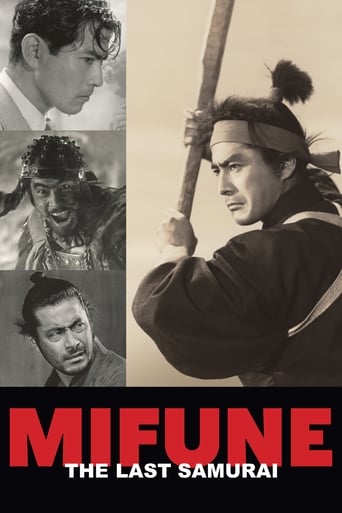
An account of the life and work of legendary Japanese actor Toshirō Mifune (1920-97), the most prominent actor of the Golden Age of Japanese cinema.
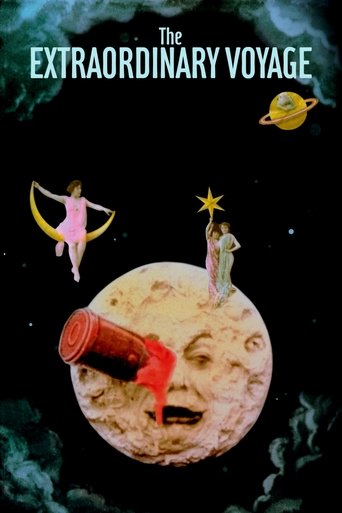
An account of the extraordinary life of film pioneer Georges Méliès (1861-1938) and the amazing story of the copy in color of his masterpiece A Trip to the Moon (1902), unexpectedly found in Spain and restored thanks to the heroic efforts of a group of true cinema lovers.
A tribute to Italian filmmaker Sergio Corbucci (1926-90), presented by American filmmaker Quentin Tarantino.
The life story of ‘Zen Anarchist’ filmmaker John Milius, one of the most influential storytellers of his generation.
A documentary on the making of the three Godfather films, with interviews and recollections from the film makers and cast. This feature also includes the original screen tests of some of the actors for "The Godfather" film, and some candid moments on the set of "The Godfather: Part III."
From a prolific career in film and television, Anton Yelchin left an indelible legacy as an actor. Through his journals and other writings, his photography, the original music he wrote, and interviews with his family, friends, and colleagues, this film looks not just at Anton's impressive career, but at a broader portrait of the man.
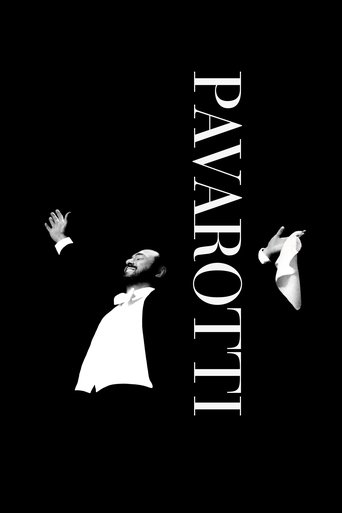
Featuring never-before-seen footage, concert performances and intimate interviews, filmmaker Ron Howard examines the life and career of famed opera tenor Luciano Pavarotti.
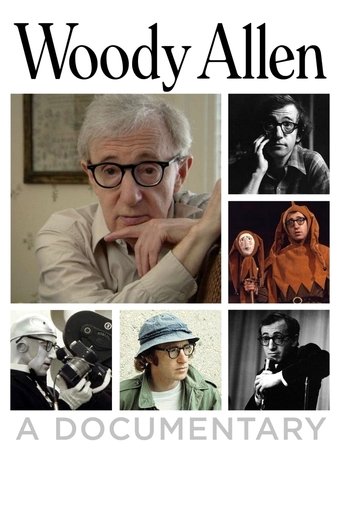
An intense portrait of the iconic filmmaker, writer, actor, comedian and musician Woody Allen: his life, family and friends; his writing and directing habits, and his relationship with performers.
Director Claude Lanzmann spent 11 years on this sprawling documentary about the Holocaust, conducting his own interviews and refusing to use a single frame of archival footage. Dividing Holocaust witnesses into three categories – survivors, bystanders, and perpetrators – Lanzmann presents testimonies from survivors of the Chelmno concentration camp, an Auschwitz escapee, and witnesses of the Warsaw Ghetto Uprising, as well as a chilling report of gas chambers from an SS officer at Treblinka.
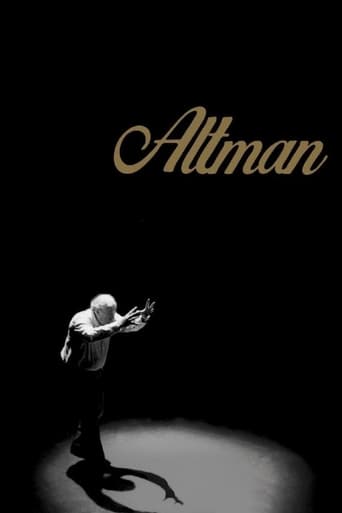
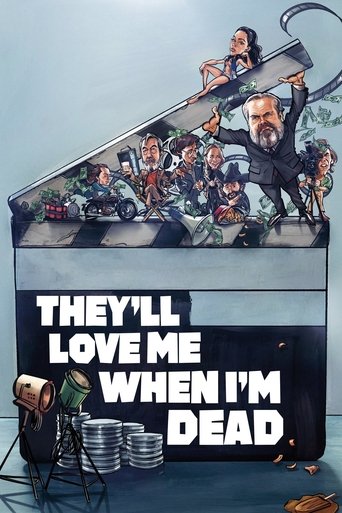
As his life comes to its end, famous Hollywood director Orson Welles puts it all on the line at the chance for renewed success with the film The Other Side of the Wind.
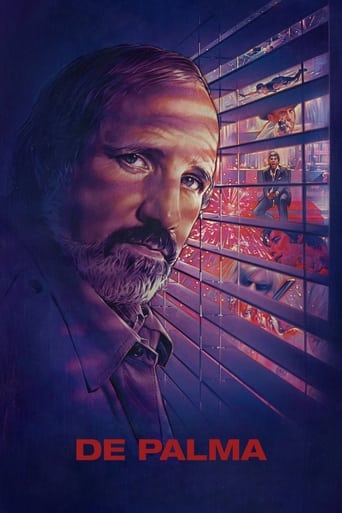
An intimate conversation between filmmakers, chronicling De Palma’s 55-year career, his life, and his filmmaking process, with revealing anecdotes and, of course, a wealth of film clips.
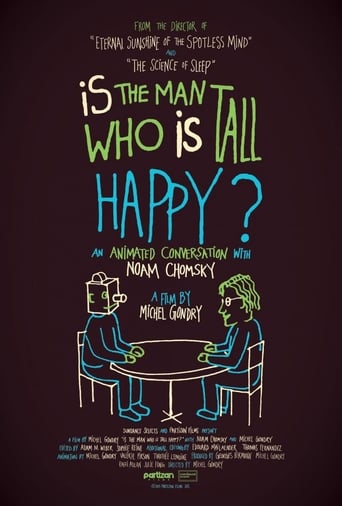
A series of interviews featuring linguist, philosopher and activist Noam Chomsky done in hand-drawn animation.
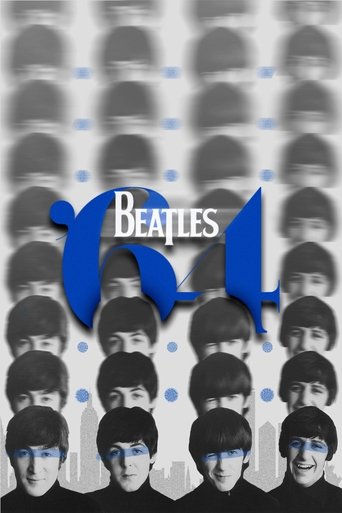
Featuring never-before-seen footage of the band and the legions of young fans who helped fuel their ascendance, follow McCartney, John Lennon, George Harrison and Starr as they land in New York City in February 1964 and solidify their status as the biggest band in the world.
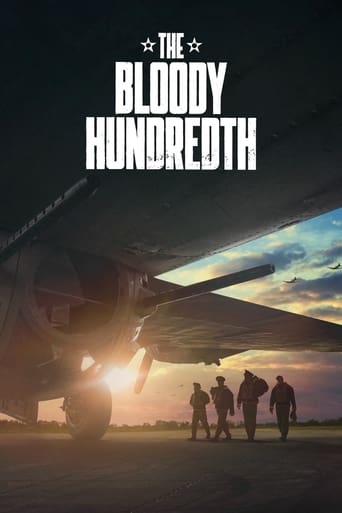
Meet the real-life airmen who inspired Masters of the Air as they share the harrowing and transformative events of the 100th Bomb Group.
The history of cinematic sound, told by legendary sound designers and visionary filmmakers.
Cameramen and women discuss the craft and art of cinematography and of the "DP" (the director of photography), illustrating their points with clips from 100 films, from Birth of a Nation to Do the Right Thing. Themes: the DP tells people where to look; changes in movies (the arrival of sound, color, and wide screens) required creative responses from DPs; and, these artisans constantly invent new equipment and try new things, with wonderful results. The narration takes us through the identifiable studio styles of the 30s, the emergence of noir, the New York look, and the impact of Europeans. Citizen Kane, The Conformist, and Gordon Willis get special attention.
In 1997, Louis Theroux made a documentary about the world of male porn performers in Los Angeles. 15 years later, he returns to find a business struggling with the deluge of free porn on the internet. Louis revisits some of the original programme's contributors as well as meeting the latest crop of porn performers dreaming of porn stardom.
The story of the gold-plated statuette that became the film industry's most coveted prize, AND THE OSCAR GOES TO... traces the history of the Academy itself, which began in 1927 when Louis B. Mayer, then head of MGM, led other prominent members of the industry in forming this professional honorary organization. Two years later the Academy began bestowing awards, which were nicknamed "Oscar," and quickly came to represent the pinnacle of cinematic achievement.
Since the invention of cinema, the standard format for recording moving images has been film. Over the past two decades, a new form of digital filmmaking has emerged, creating a groundbreaking evolution in the medium. Keanu Reeves explores the development of cinema and the impact of digital filmmaking via in-depth interviews with Hollywood masters, such as James Cameron, David Fincher, David Lynch, Christopher Nolan, Martin Scorsese, George Lucas, Steven Soderbergh, and many more.