Social & External
The people behind it
Lidia Fuentes
Lidia
Ricardo Sánchez
Ricardo
Patricio Rojas
Tatita
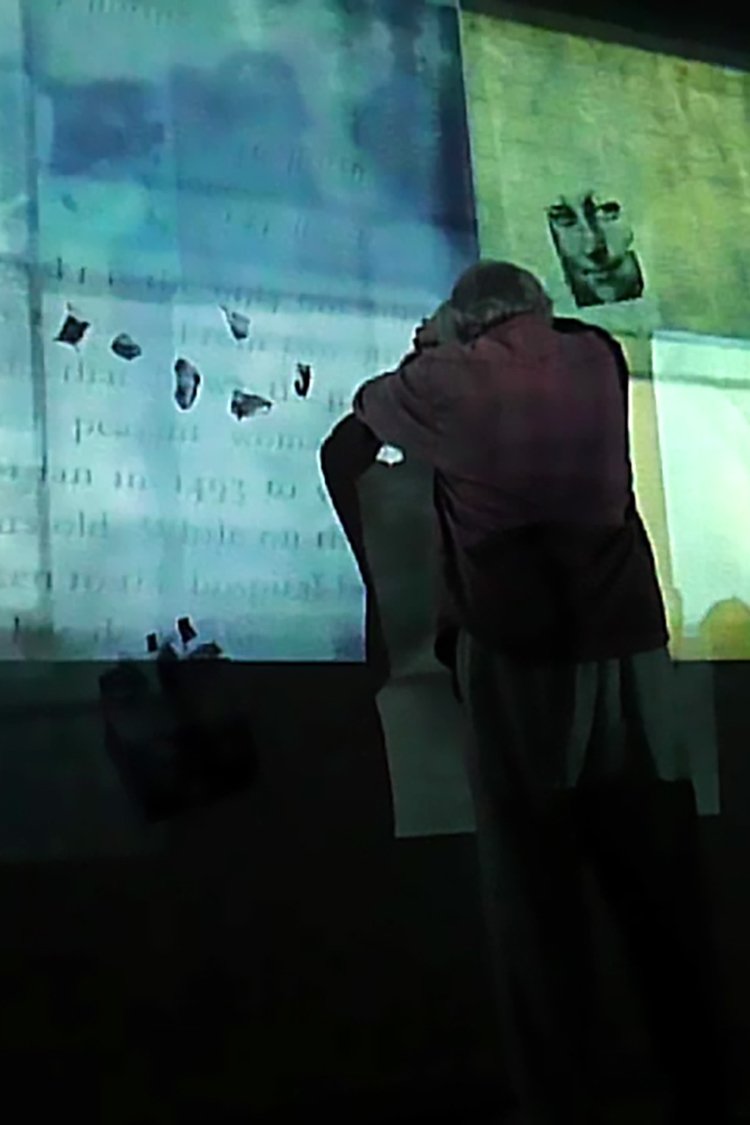
"This installation or performance work puts my own earlier film of the Mona Lisa (1973) through another stage of transformation – my own irretrievable self of some 34 years ago is now also part of the subject I first saw the ‘actual’ ‘Mona Lisa’ when I was about thirteen. Of course I had seen dozens of reproductions in books and postcards by then and the popular mythology of the enigmatic smile was already well engrained in my mind. My strongest impression, as I recall, was how small and unsurprising it was – a heavily protected cultural icon – no longer really a picture – and I was much more excited by the painting of the distant landscape than by the face. My own ‘version’ of ‘la Giaconda’ was never an homage, nor like Marcel Duchamp’s ‘L.H.O.O.Q’, an attack on its cultural power. Instead it came from a fascination with change and transformation – maybe also with arbitrary appropriation." Malcolm Le Grice
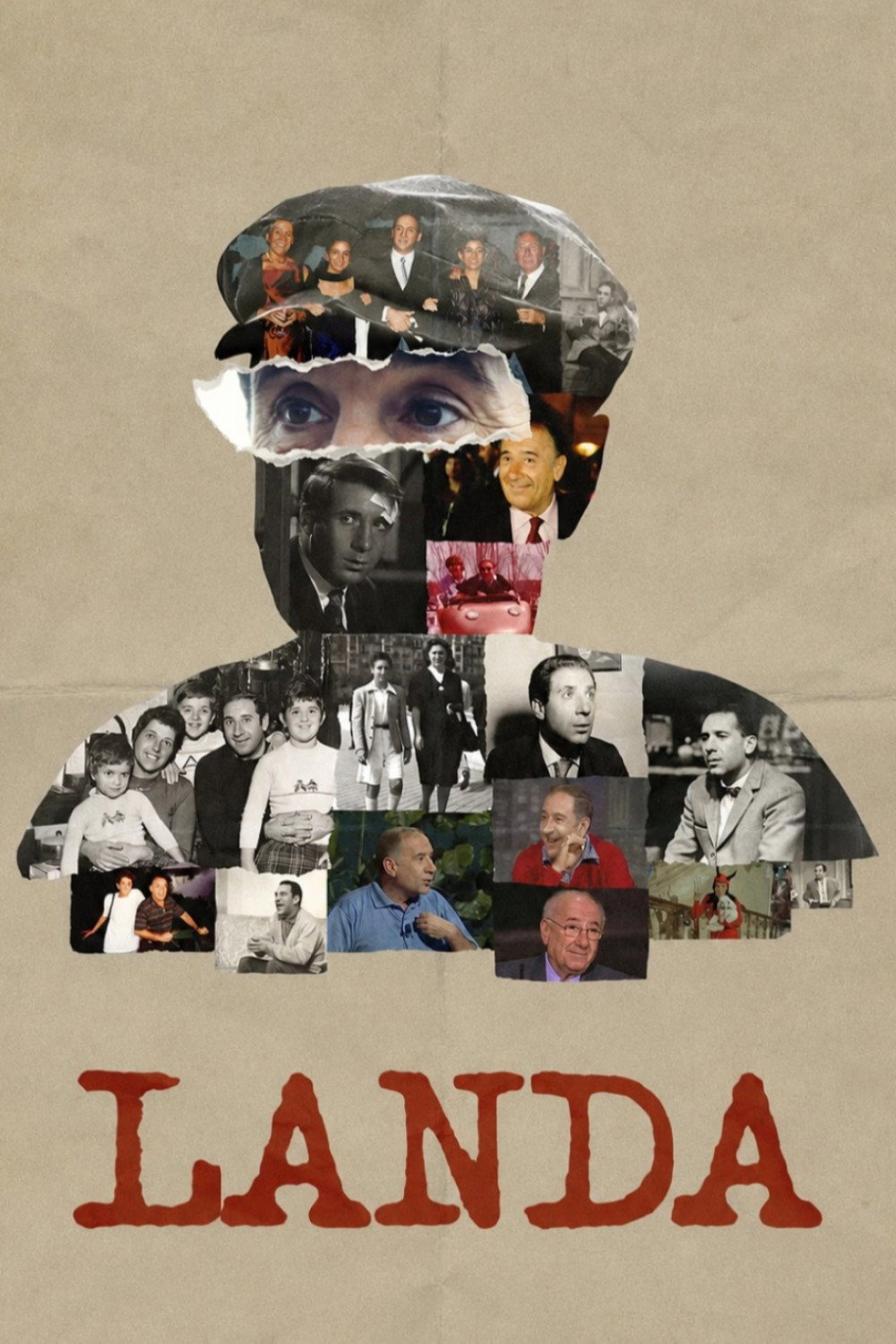
Portrait of Alfredo Landa, Spanish cinema's most popular actor. From landismo to his greatest roles, featuring public affection, prestigious awards, unreleased material, and intimate testimonies about the person behind the performer
Maurizio is a young university student living in Zürich, with a passion for diseases. Unlike many others, he can see an inherent beauty in them. Afterall, what difference can exist between a flower and an infection, if they are both a gift of nature?
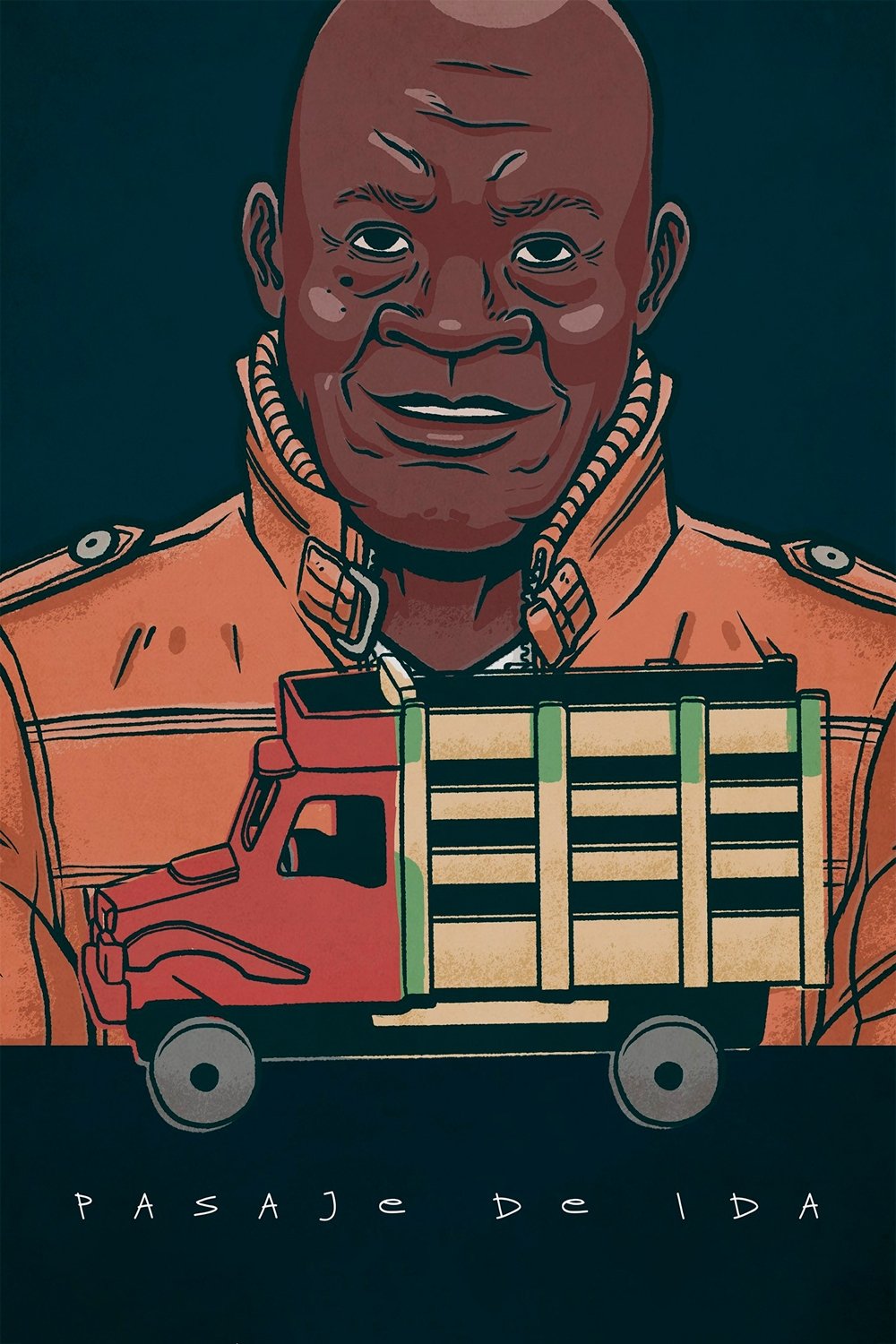
This is the story of Mr. Rafael Castrillon, a master toymaker with more than fifty years of experience and a former Mr. Peru in bodybuilding. His story is a one-way ticket towards the manufacture of the traditional (incomplete) wooden toy.
When four jazz musicians—trumpeter Serge Adam, pianist Benoît Delbecq, bassist Francky Mwele, and drummer Emile Biayenda—prepare for an African tour with the aim of engaging in dialogue with the musicians they meet along the way, certain clichés prove hard to shake. The jazzmen themselves are well aware of this; after all, isn't their very starting point a desire to avoid them? Musical curiosity must be reciprocal, and, after all, jazz is surely the territory that—even if not strictly shared—serves as an initial "no man's land" for an encounter. Beyond that lies the adventure...
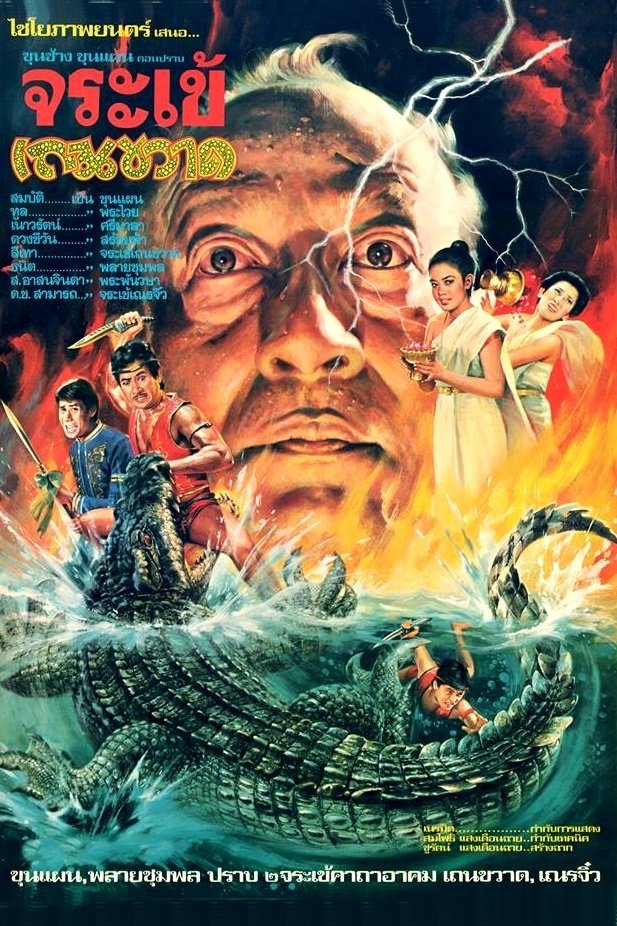
A story about a man that can transform from human to crocodile and has magical powers that make people adore him.
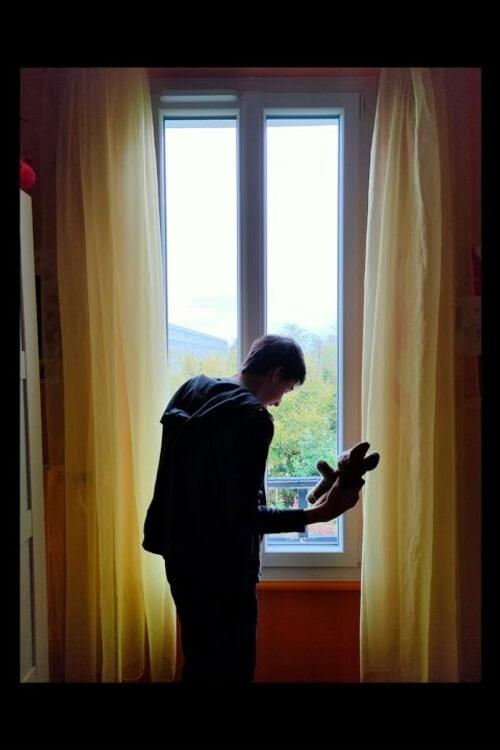
Jasmin is joy, living in the moment. A 15-year-old boy described as "non-verbal autistic." He communicates through his eyes. He makes sounds, says a word. He constantly sings the rhythm of a song whose lyrics only he knows. A bubble of sweetness and love.
A lecherous thief posing as a preacher is wandering in northern coastal Mexico. After stealing a car and evading police, he stumbles on a small coven of mysterious witches living in a seaside mansion. The preacher attempts to extort money from the witches, not knowing how dangerous they really are.
Kirill can never see his hometown again: he fled Russia when Ukraine was attacked. His friend, Daniel, makes the journey and “cans Moscow” for him. Kirill discovers his “reconfigured” apartment; his bicycle hanging on the wall watches over his remaining comrades. In snowy Moscow, the lights are shining for the holidays. Kirill looks at the images: engulfed passers-by, war posters: “This is not my city”.
“Let them eat cake!” laughs a Marie-Antoinette from the dunes... Gaëlle loves to dress up. Under her wigs, Gaëlle plays with codes and the surprise her appearances provoke. Each of her wigs explores a part of her femininity, her self-confidence and her relationship with the gaze of others... Above all, all her wigs hide a secret.
Saud now lives in Paris, caring with devotion and tenderness for his two young children while closely following the drama in Gaza. “It's hard to be far away.” He speaks sadly of his situation as a Palestinian citizen of Israel. When he accompanies his daughter to school, they both stick up placards for the liberation of Palestine...
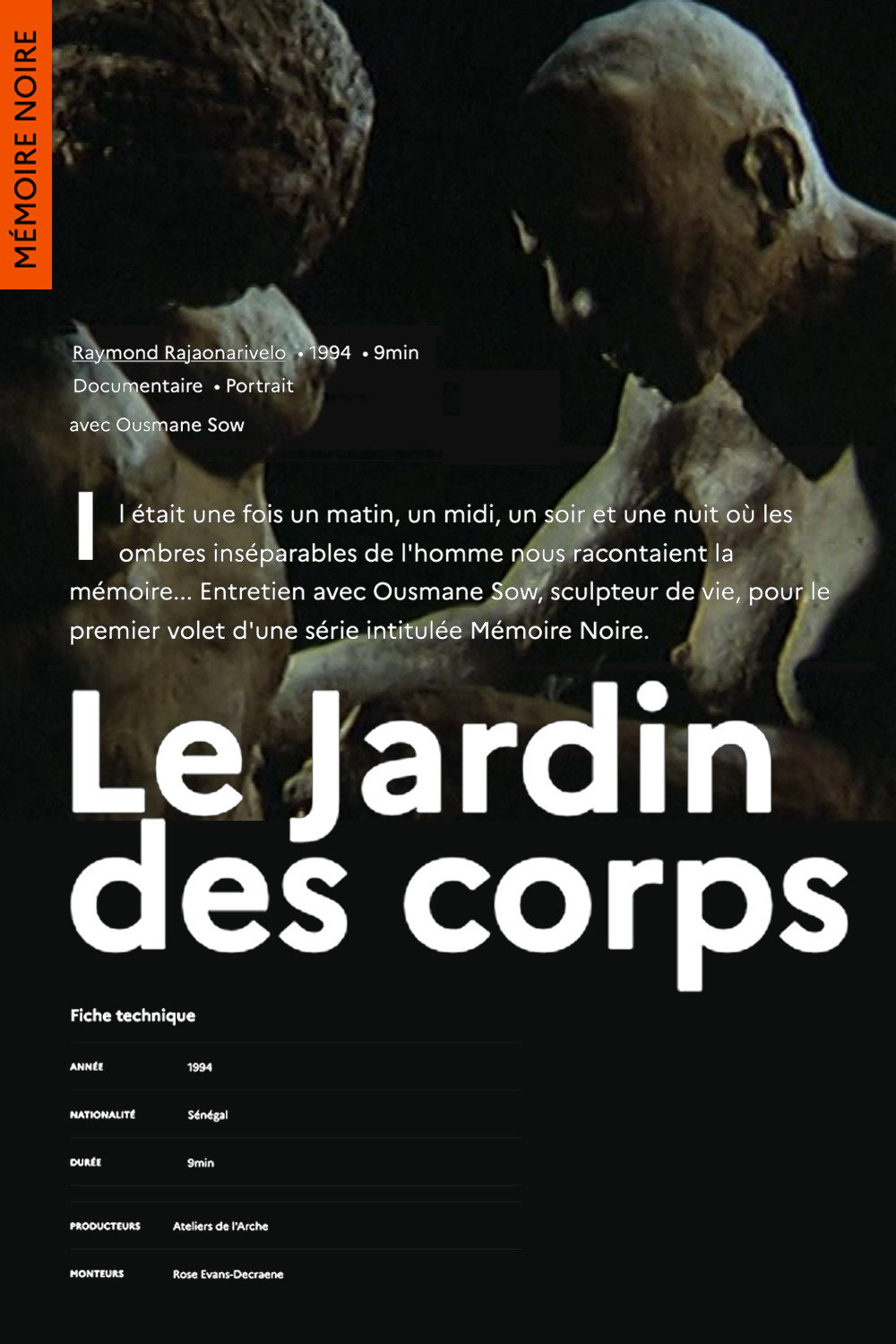
Once upon a time there was a morning, noon, evening and night when the inseparable shadows of man told us about memory... Interview with Ousmane Sow, life sculptor, for the first part of a series entitled Black Memory.
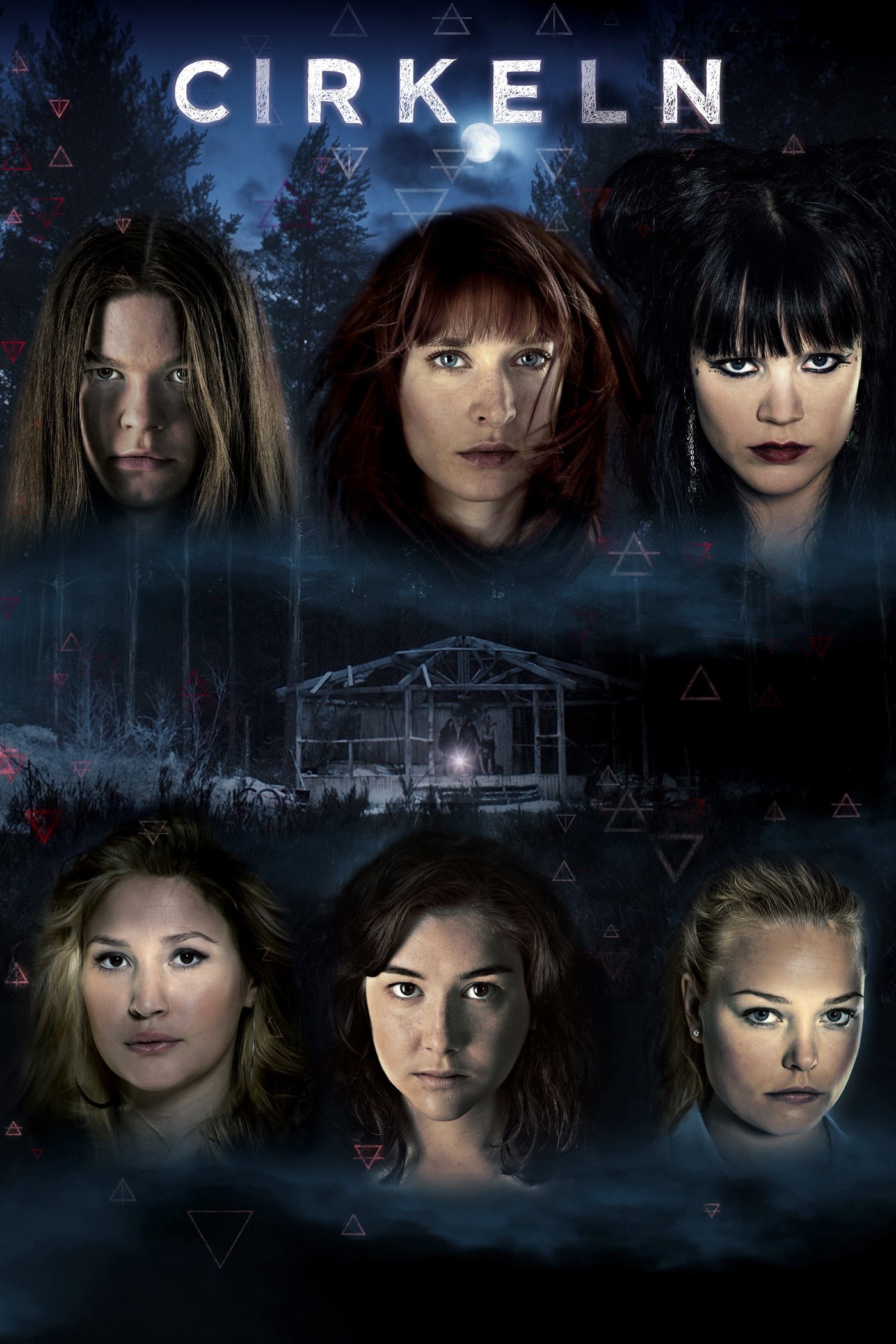
An otherworldly evil is slipping into a small town in Sweden. Six unrelated girls have been chosen to fight this evil. Together they must overcome their differences in order to save themselves and the world.
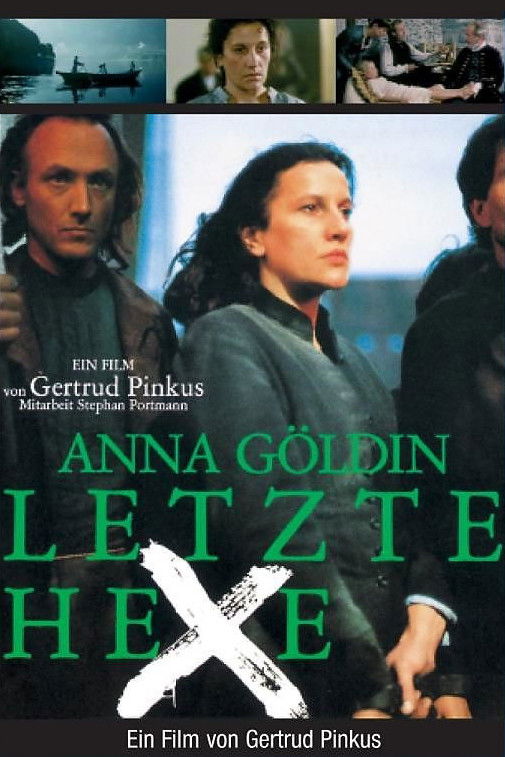
A native of Sennwald, Anna Göldi arrived in Glarus in 1765. For seventeen years, she worked as a maidservant for Johann Jakob Tschudi, a physician. Tschudi reported her for having put needles in the bread and milk of one of his daughters, apparently through supernatural means. Göldi at first escaped arrest, but the authorities of the Canton of Glarus advertised a reward for her capture in the Zürcher Zeitung on February 9, 1782. Göldi was arrested and under torture, admitted to entering in a pact with the Devil, who had appeared to her as a black dog. She withdrew her confession after the torture ended, but was sentenced on June 18, 1782 to execution by decapitation. The charges were officially of "poisoning" rather than witchcraft, even though the law at the time did not impose the death penalty for non-lethal poisoning.
A strange old hermit uses witchcraft to give life to the Frankenstein monster. Will the creature be his instrument of revenge, or will it turn on its creator?
A "documentary" on witchcraft, most notable for depicting a black mass in which a cockerel is sacrificed in order to initiate a newcomer into the coven. Very little information is available online about this film.
A twisted tale of crime, trust and desire, Framed! shows three perspectives of an unconventional robbery: The Curator’s, The Ambassador’s and The Professional Thief. However, there is more to this peculiar crime than it seems...
A grandson shows his grandmother how to navigate an iPad 2 full of clues for solving a puzzle. Over a phone call, she recites an email she wrote seven years prior.
Delving into our collective nightmares, this horror-documentary investigates the origins of our most terrifying urban legends and the true stories that may have inspired them.
Thirty-plus years after its release, the popular two-part miniseries "It" and its infamous villain Pennywise live on in the minds of horror fans around the world. This documentary captures not only the buzz the "It" saga generated in 1990 but also the lasting impact it has had on an entire generation and the horror genre at large. Several years in the making, the film features exclusive interviews with many of the cult classic's key players, from cast members Richard Thomas, Seth Green, and Tim Curry, who portrayed the notorious monster clown Pennywise, to director Tommy Lee Wallace and special effects makeup artist Bart Mixon. The documentary also boasts a wealth of archival material and never-before-seen footage.
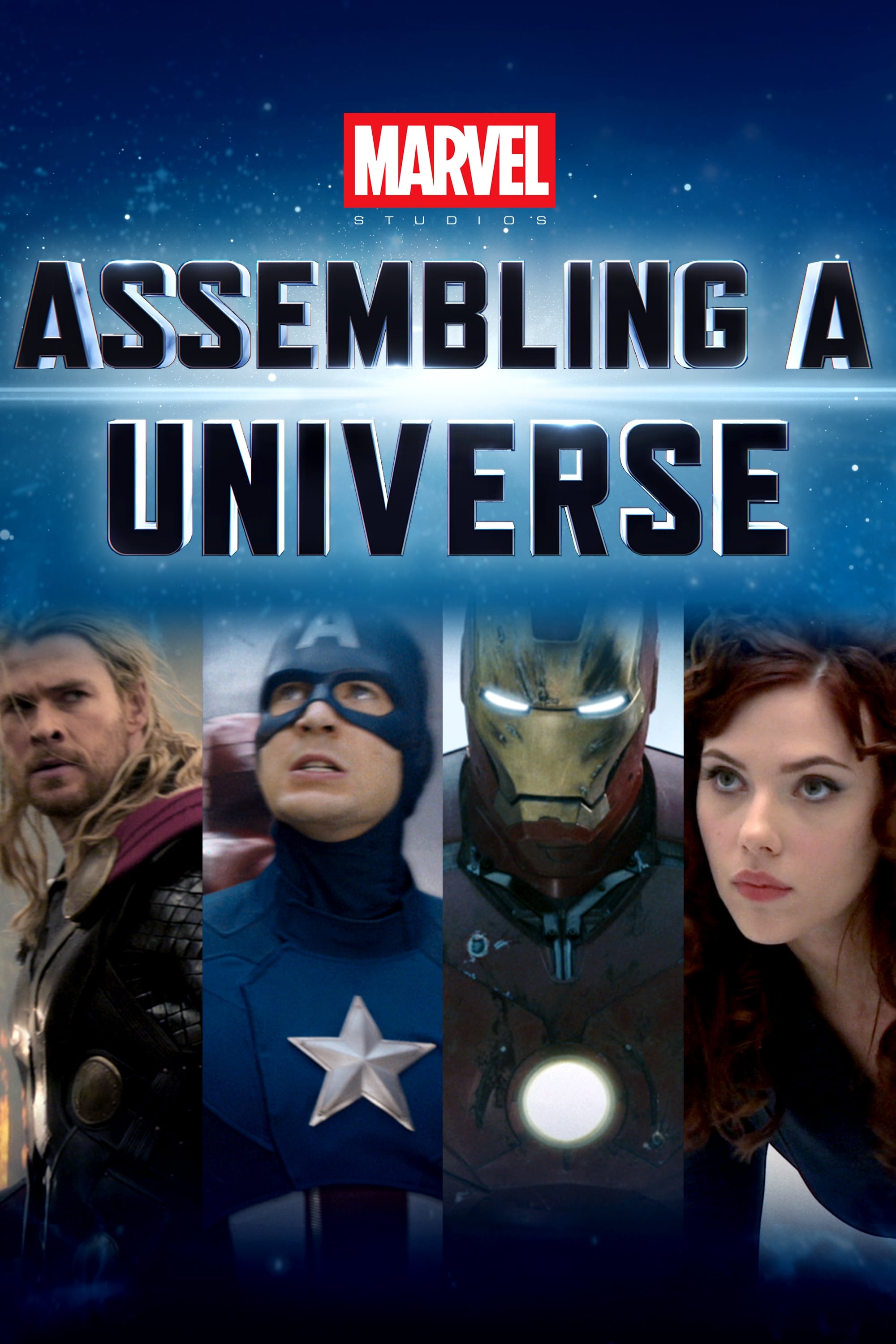
A look at the story behind Marvel Studios and the Marvel Cinematic Universe, featuring interviews and behind-the-scenes footage from all of the Marvel films, the Marvel One-Shots and "Marvel's Agents of S.H.I.E.L.D."!
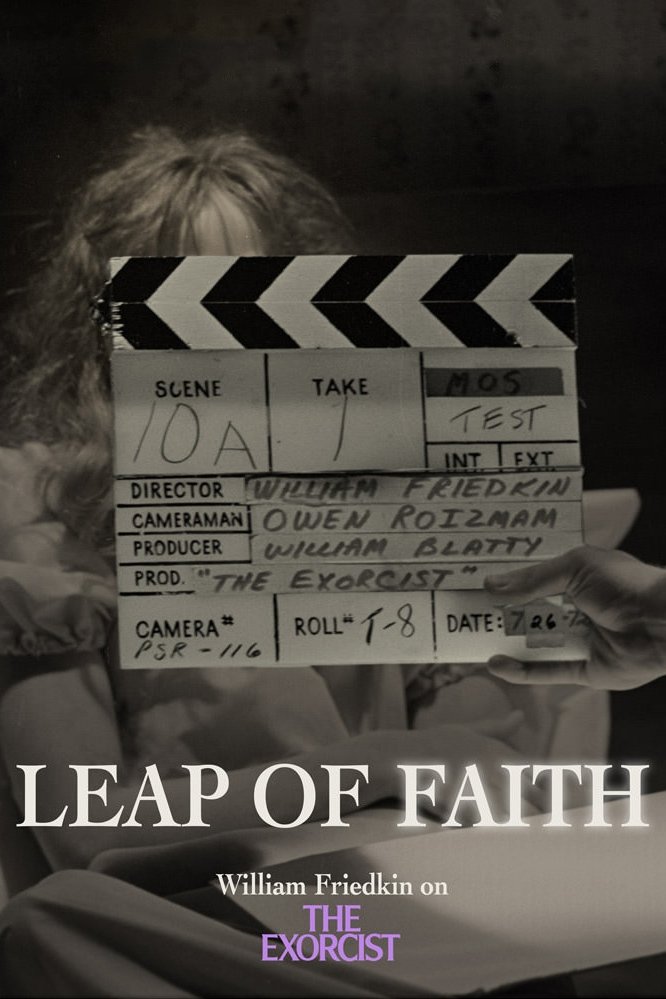
A lyrical and spiritual cinematic essay on The Exorcist, the last film of Alexandre O. Philippe explores the uncharted depths of William Friedkin’s mind’s eye, the nuances of his filmmaking process, and the mysteries of faith and fate that have shaped his life and filmography.
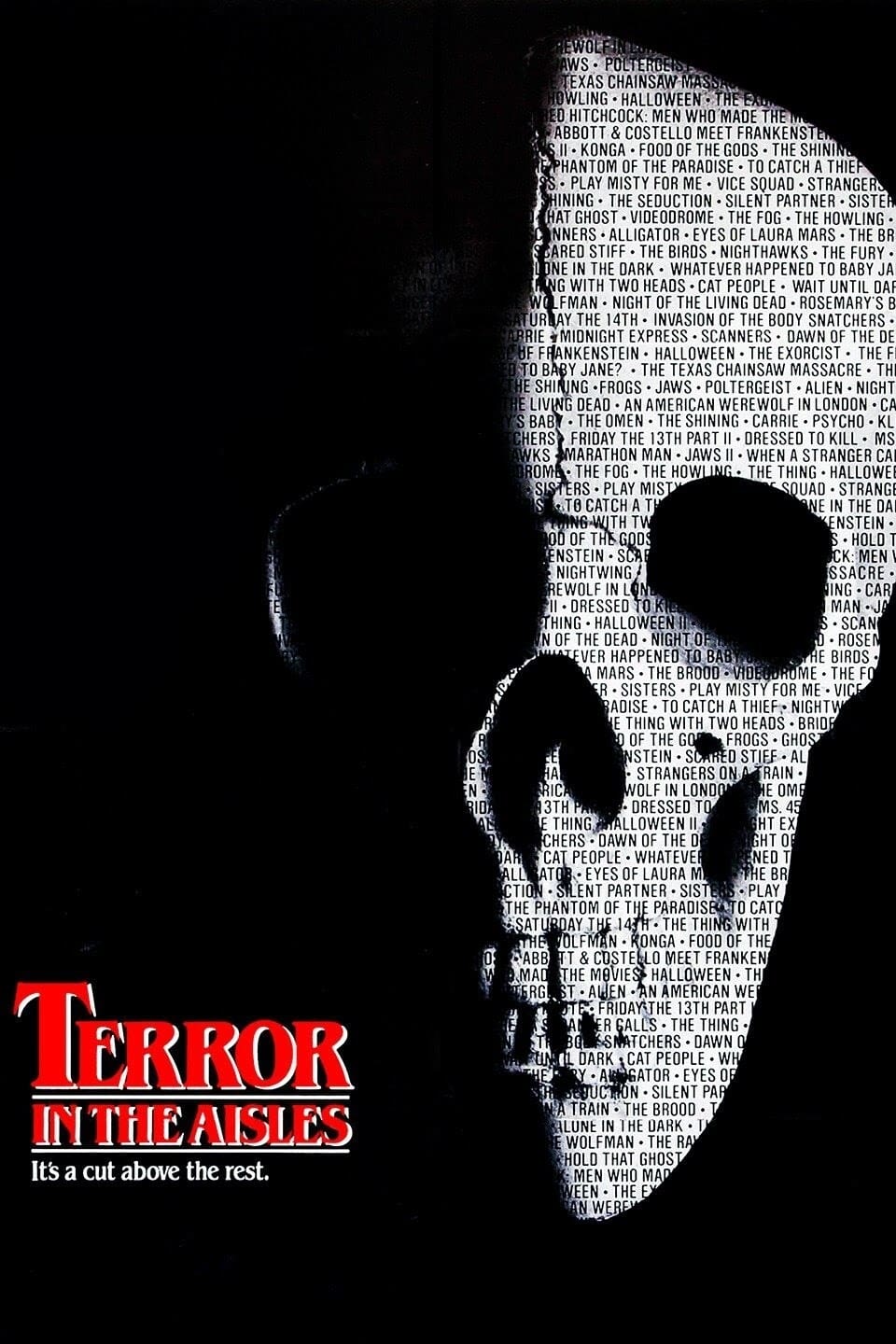
A non-stop roller coaster ride through the scariest moments of the greatest terror films of all time.
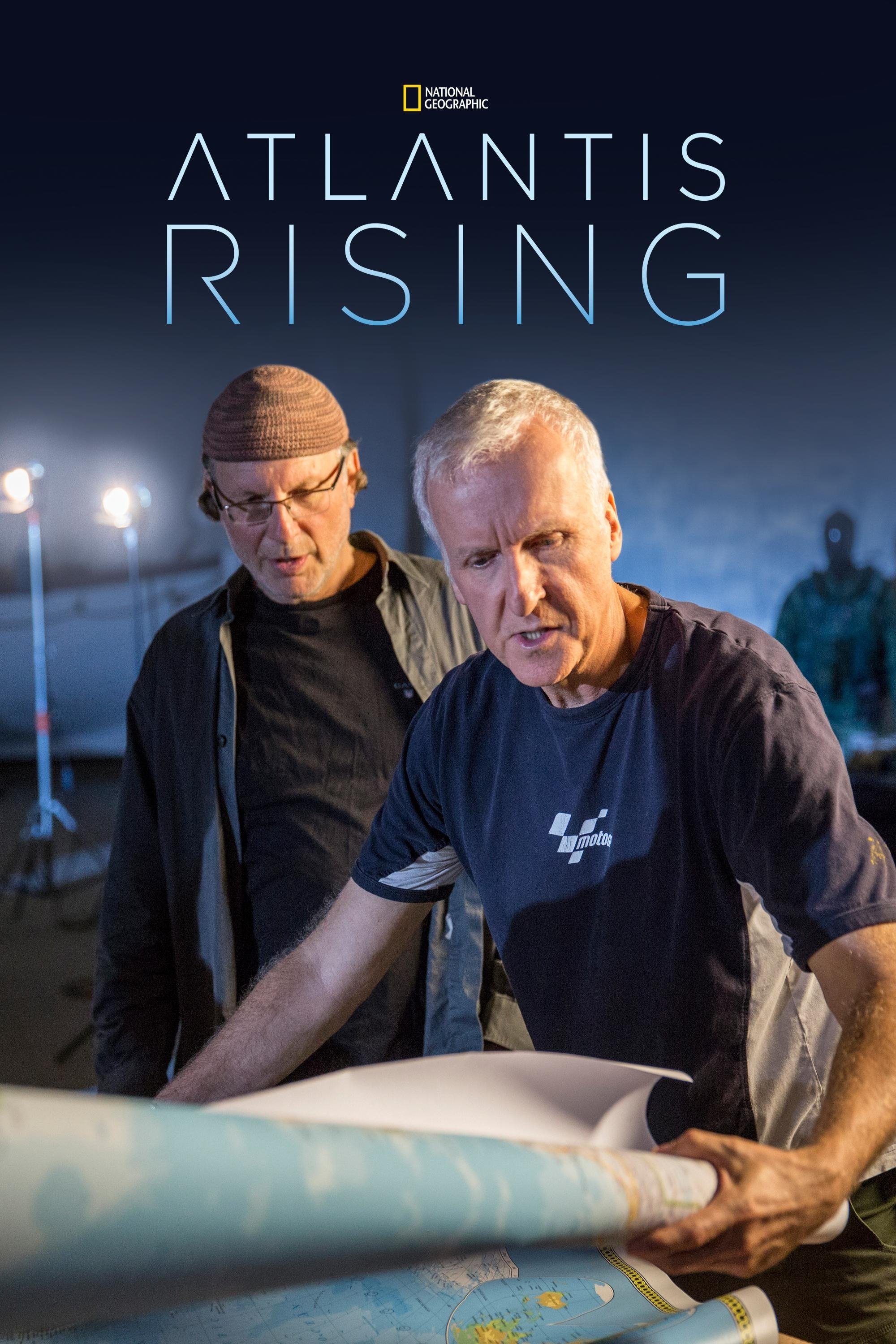
James Cameron and Simcha Jacobovici go on an adventure to find the lost city of Atlantis by using Greek philosopher Plato as a virtual treasure map.
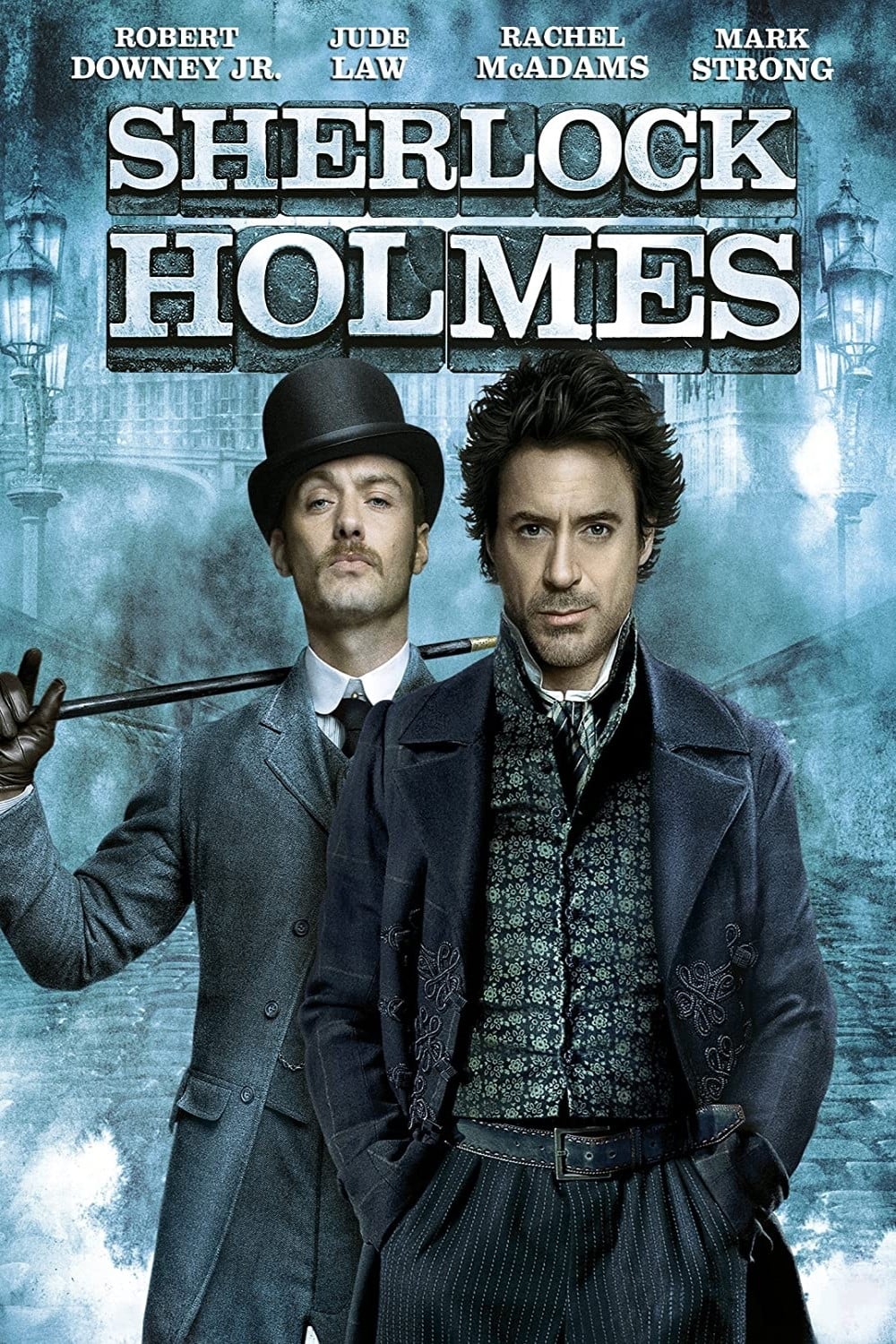
Making of featurette for Sherlock Holmes (2009).
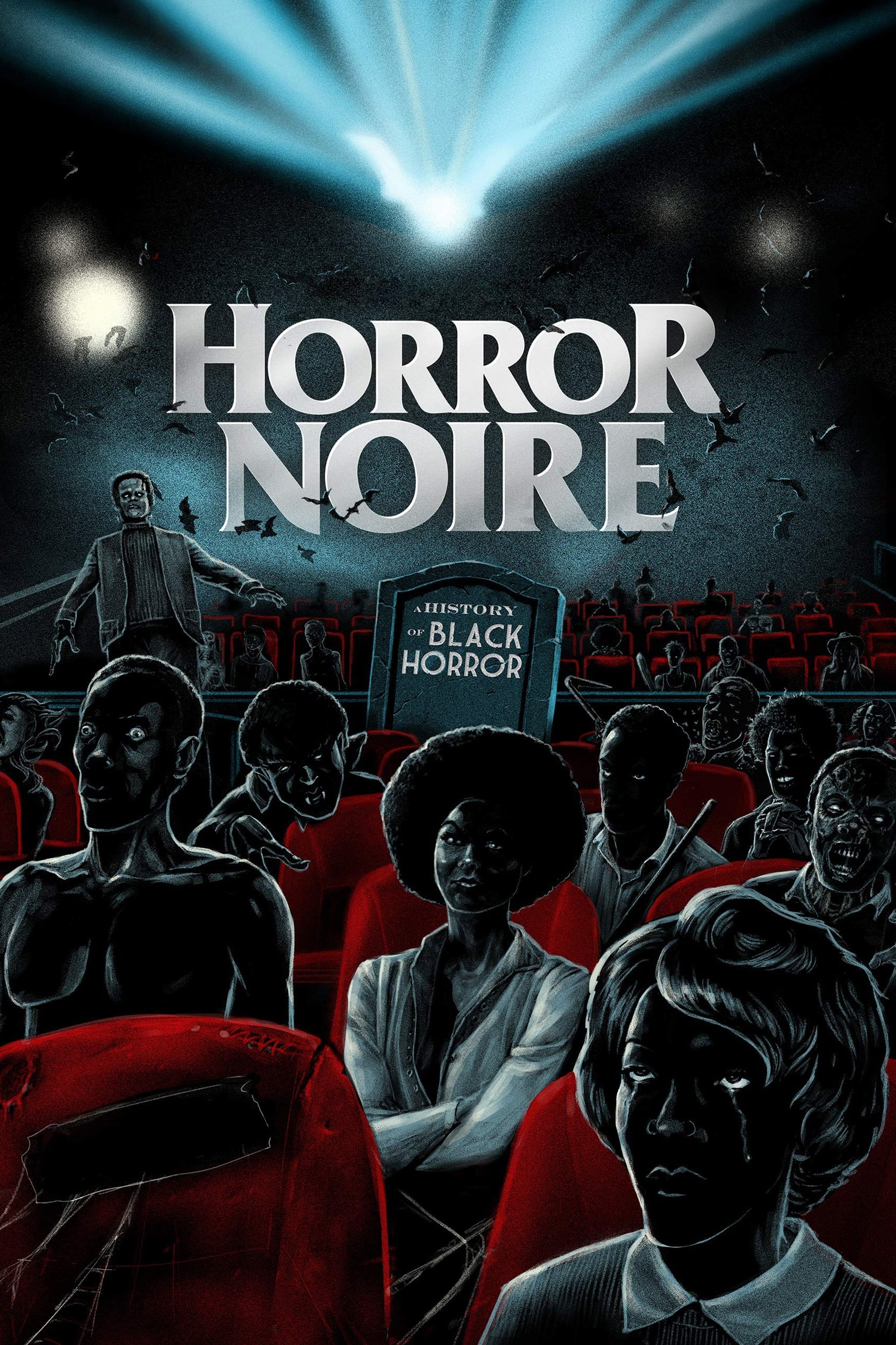
Delving into a century of genre films that by turns utilized, caricatured, exploited, sidelined, and finally embraced them, this is the untold history of black Americans in Hollywood through their connection to the horror genre.
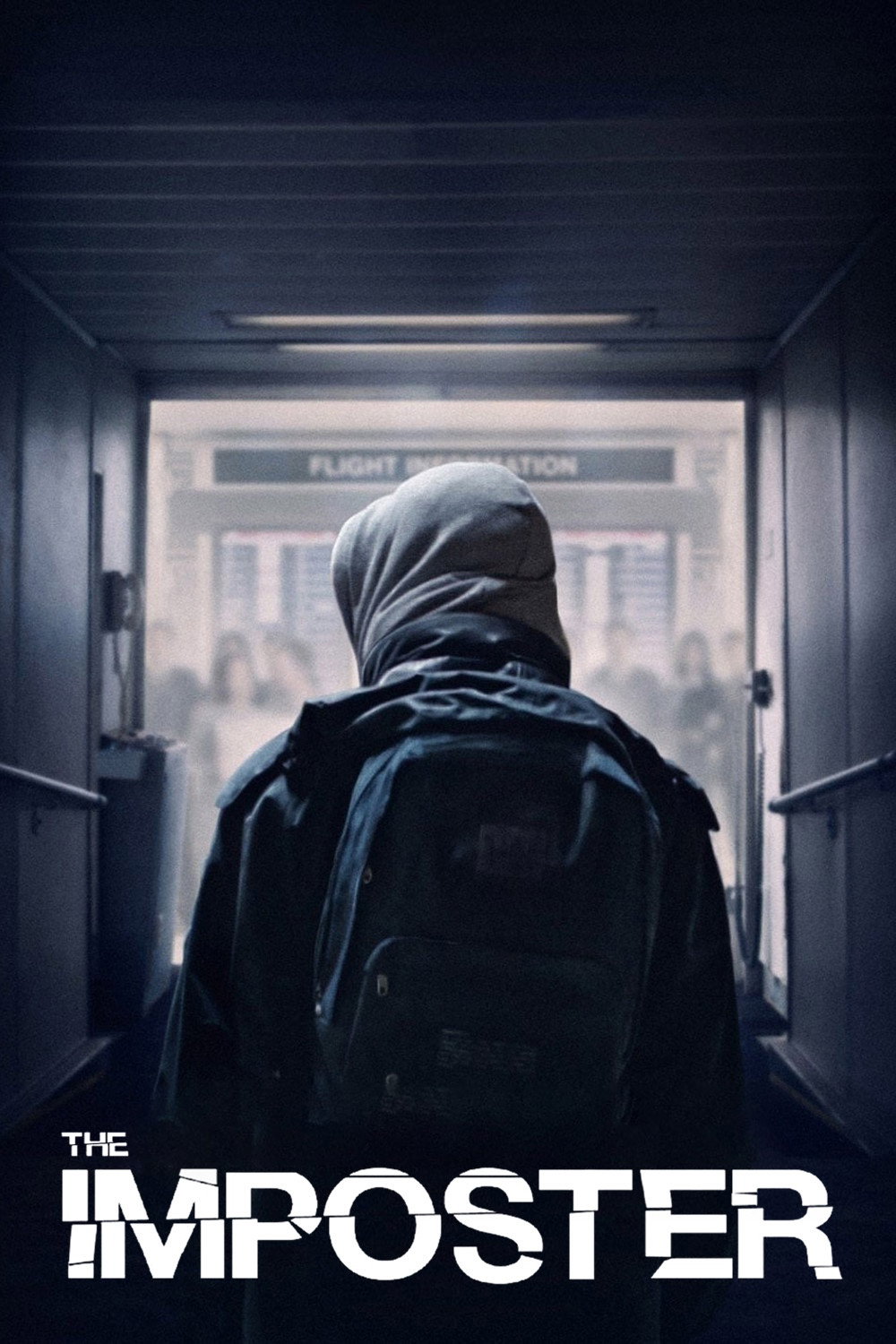
In 1994, a 13-year-old boy disappeared without a trace from his home in San Antonio, Texas. Three-and-a-half years later, he is found alive in a village in southern Spain with a horrifying story of kidnap and torture. His family is overjoyed to bring him home. But all is not quite as it seems.
Darwin meets Hitchcock in this documentary. Directors Dan Geller and Dayna Goldfine have created a parable about the search for paradise, set in the brutal yet alluring landscape of the Galapagos Islands, which interweaves an unsolved 1930s murder mystery with stories of present day Galapagos pioneers. A gripping tale of idealistic dreams gone awry, featuring voice-over performances by Cate Blanchett, Diane Kruger, and Gustaf Skarsgard.
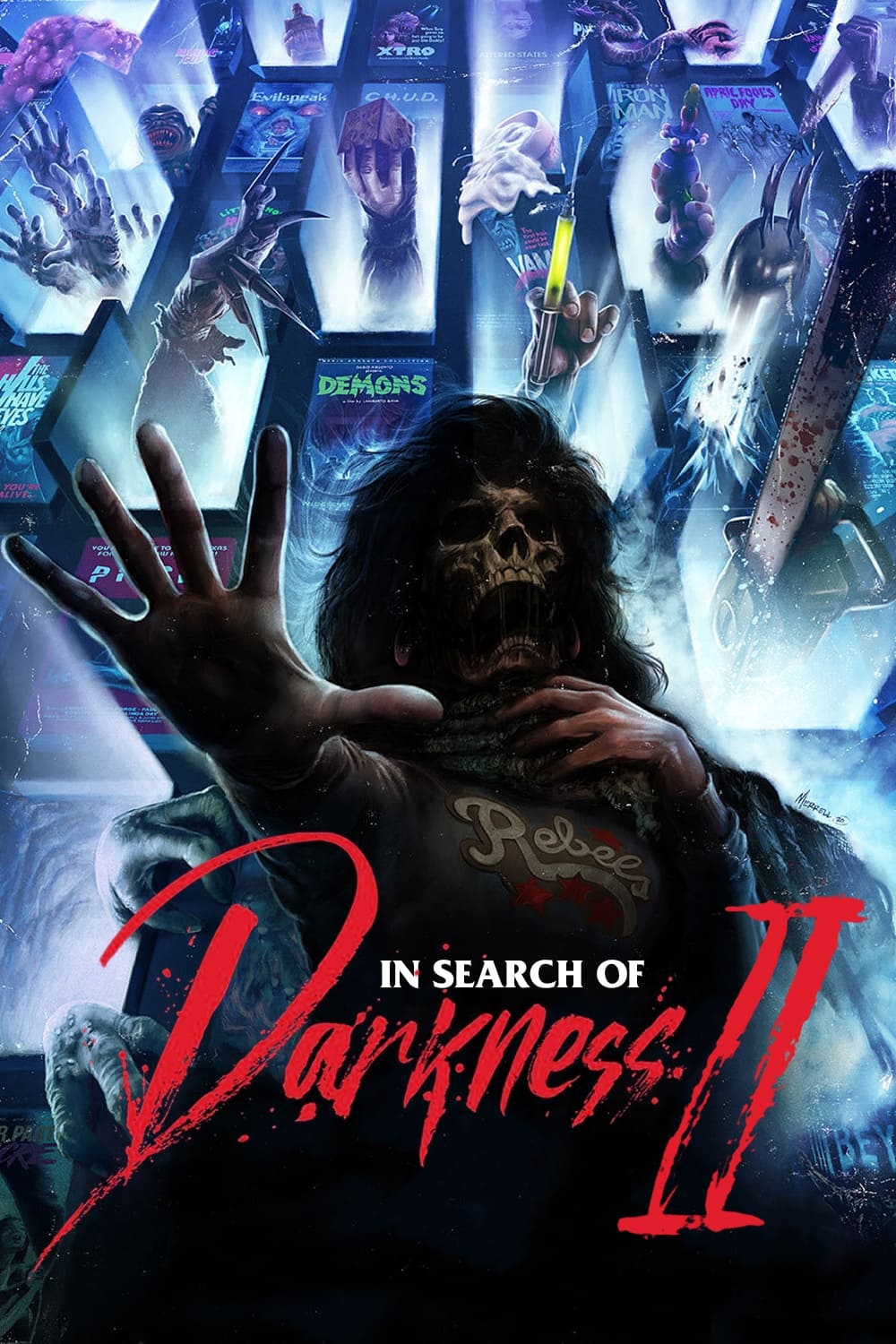
The ultimate ‘80s Horror retrospective just got BIGGER. In Search of Darkness: Part II is a four-hour-plus sequel to the Rondo Hatton-nominated In Search of Darkness, adding 15 new interviewees and 40+ returning favorites for the biggest and most comprehensive ‘80s Horror documentary cast ever assembled.
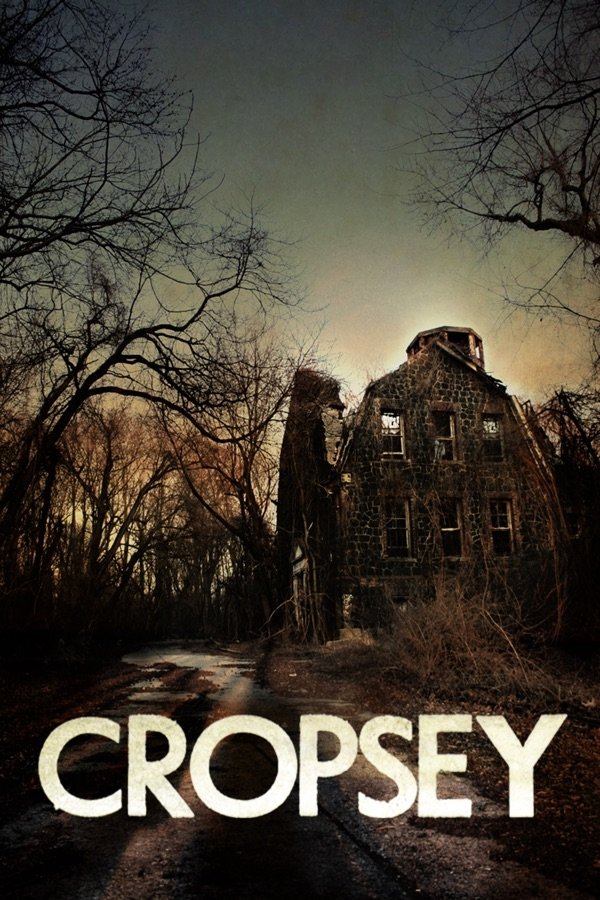
Realizing the urban legend of their youth has actually come true, two filmmakers delve into the mystery surrounding five missing children and the real-life boogeyman linked to their disappearances.
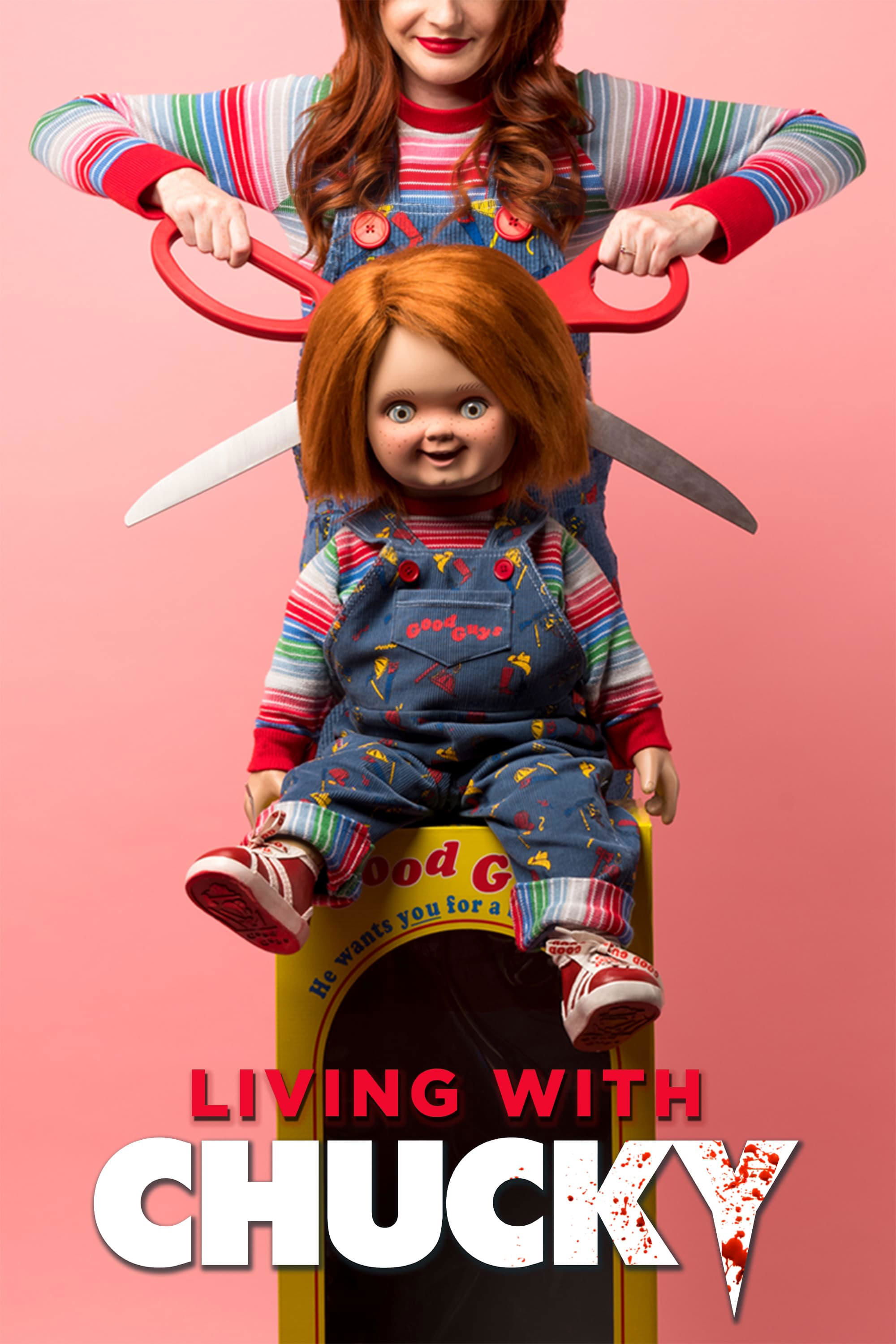
A filmmaker who grew up alongside Chucky the killer doll seeks out the other families surrounding the Child's Play films as they recount their experiences working on the ongoing franchise and what it means to be a part of the, "Chucky" family.
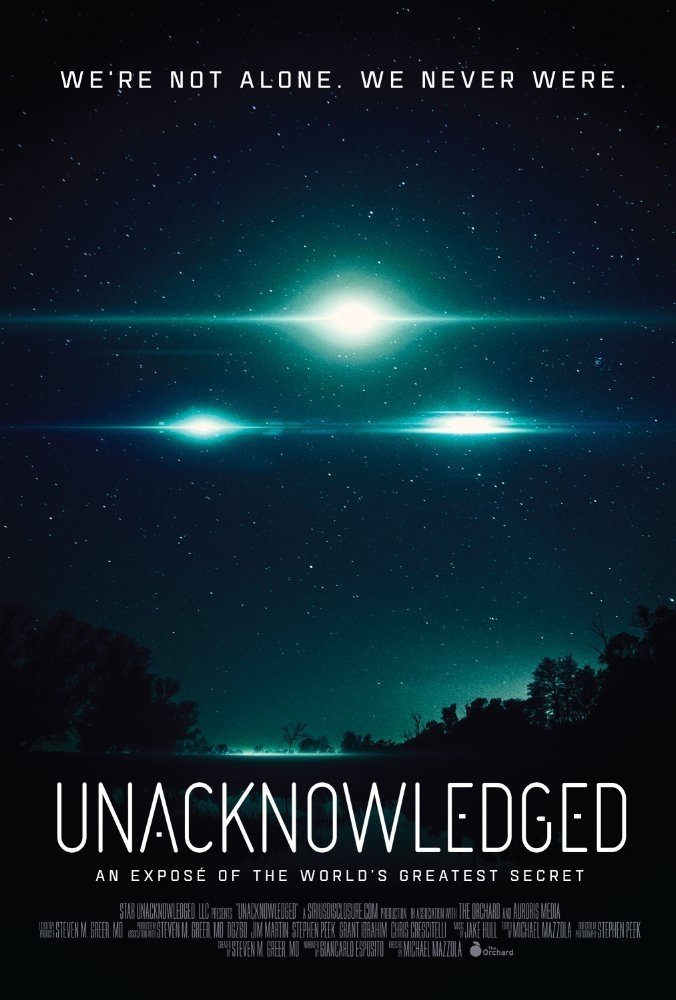
Dr. Steven Greer presents brand new top-secret evidence supporting extraterrestrial contact, including witness testimony, classified documents, and UFO footage, while also exploring the consequences of ruthlessly enforcing such secrecy.
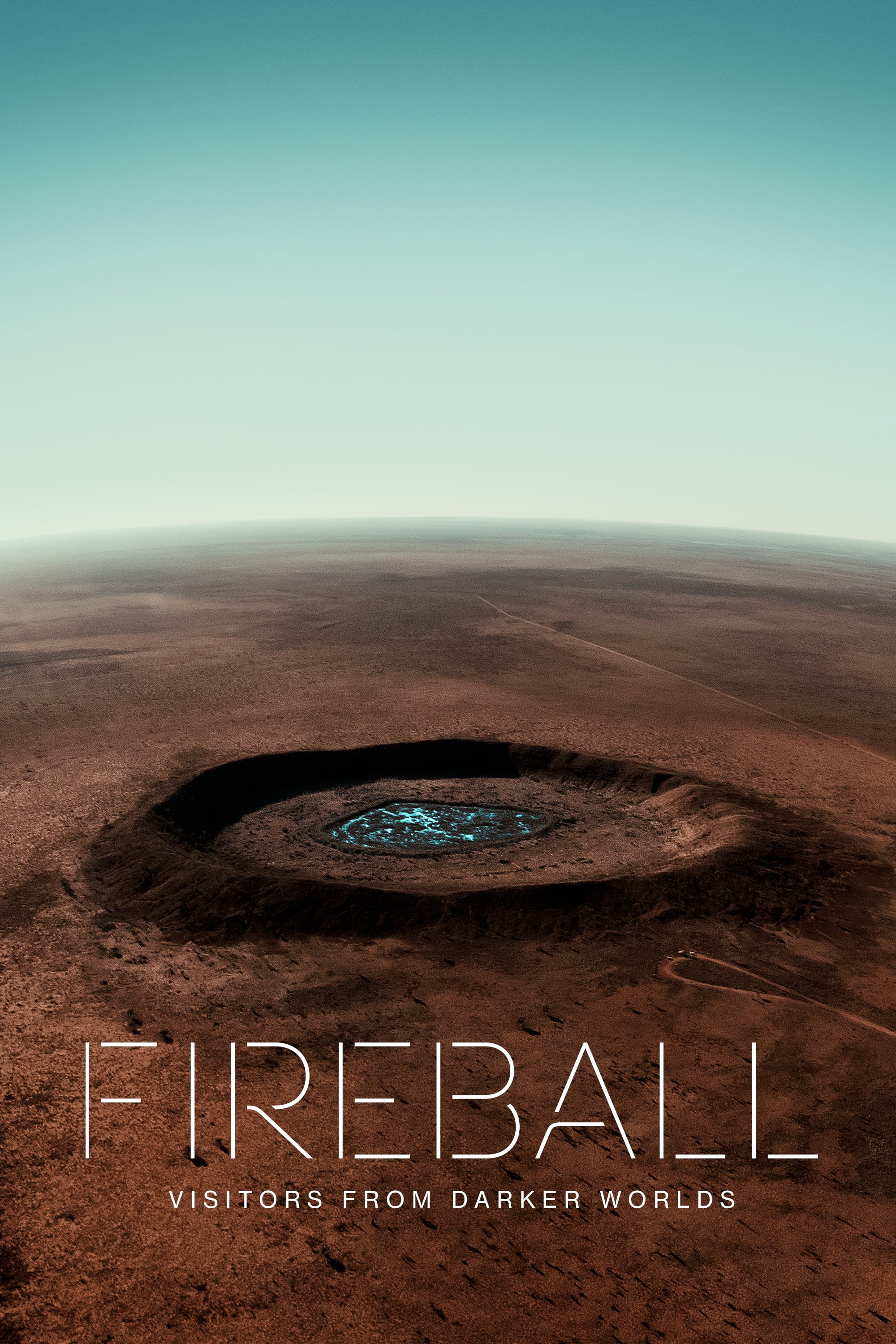
This remarkable journey across our planet and universe explores how meteorites, shooting stars, and deep impacts have awoken our wonder about other realms—and make us rethink our destinies.
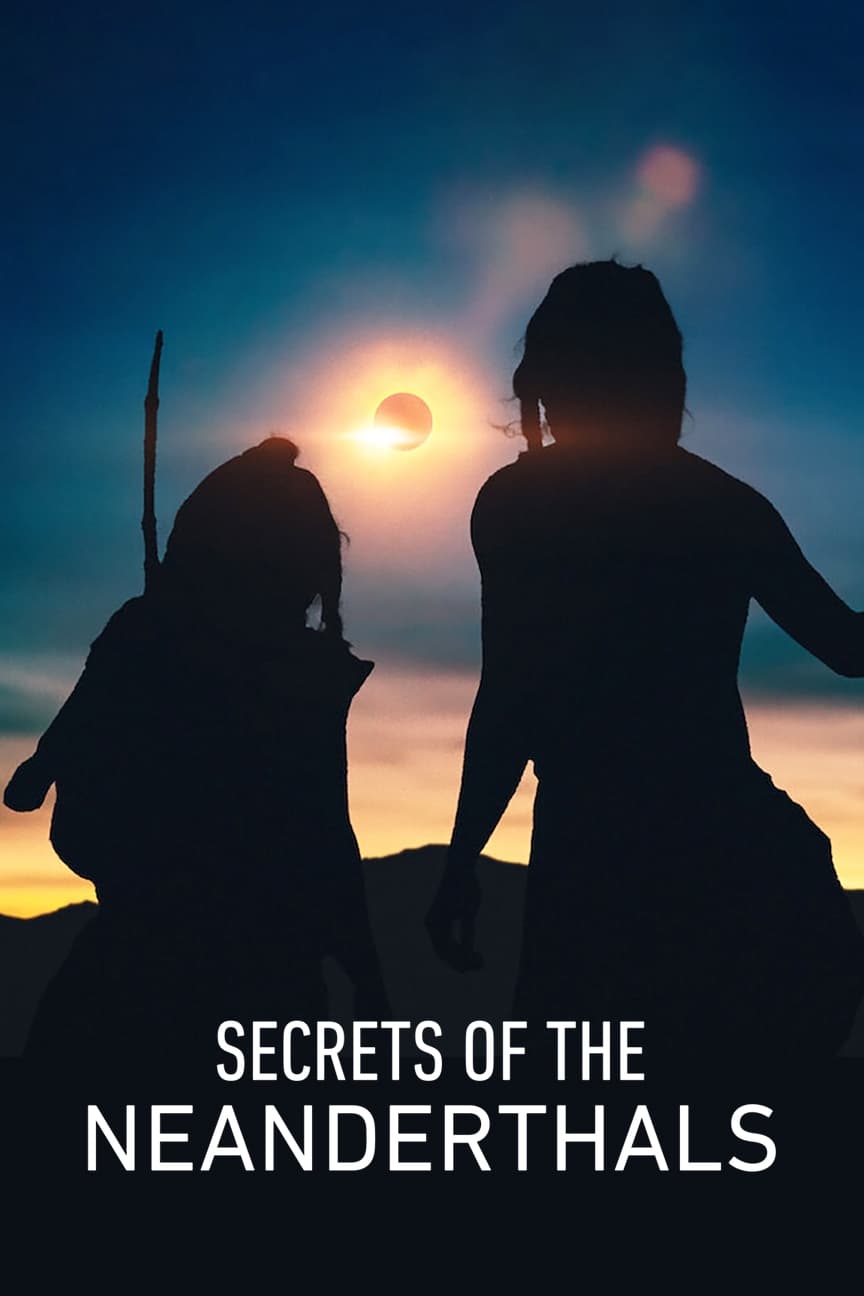
This documentary delves into the mysteries surrounding the Neanderthals and what their fossil record tells us about their lives and disappearance.
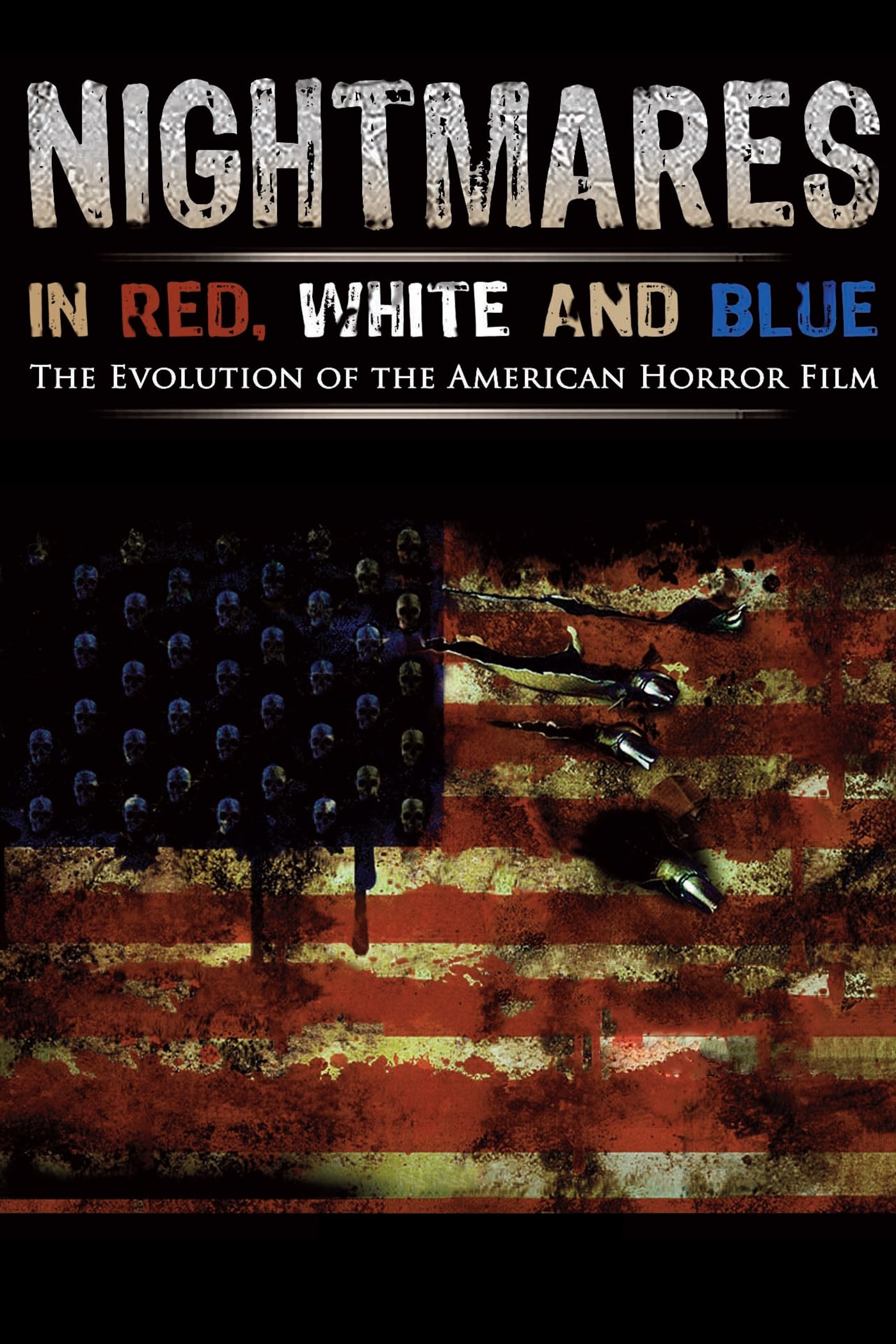
An exploration of the appeal of horror films, with interviews of many legendary directors in the genre.
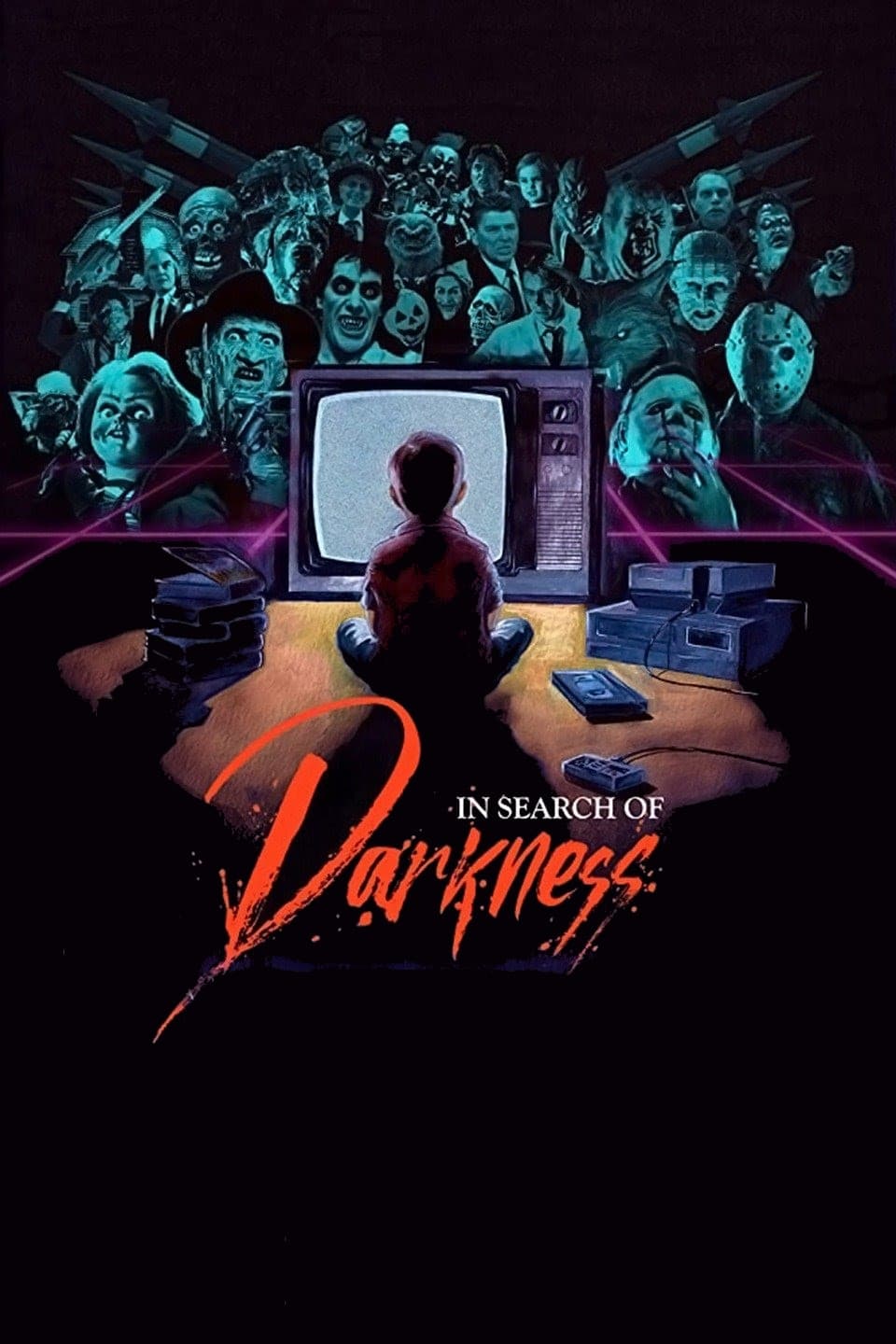
An exploration of '80s horror movies through the perspective of the actors, directors, producers and SFX craftspeople who made them, and their impact on contemporary cinema.
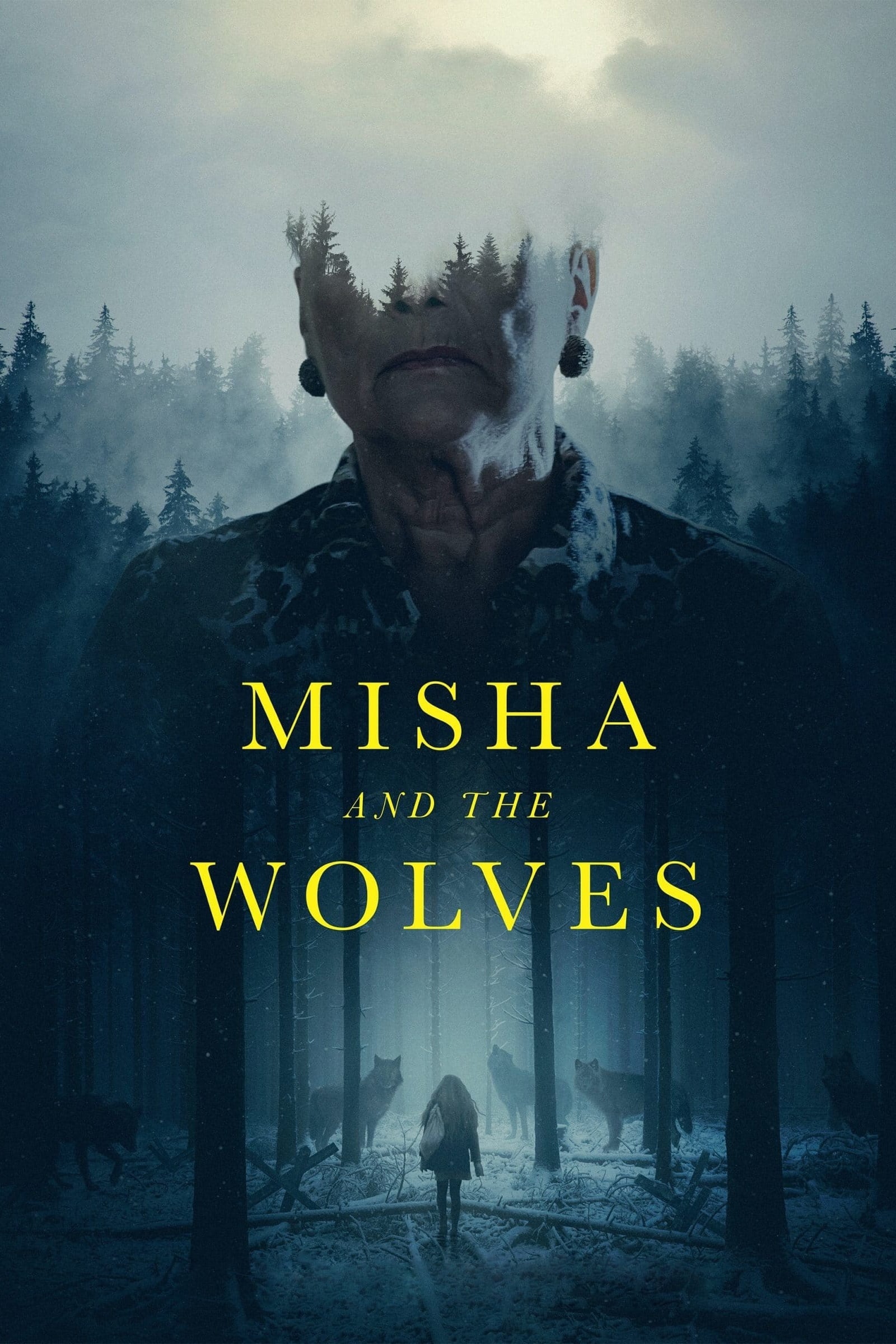
A woman’s Holocaust memoir takes the world by storm, but a fallout with her publisher-turned-detective reveals her story as an audacious deception created to hide a darker truth.
The definitive zombie culture documentary, brought to the screen by the makers of THE PEOPLE vs. GEORGE LUCAS.