Social & External
The people behind it
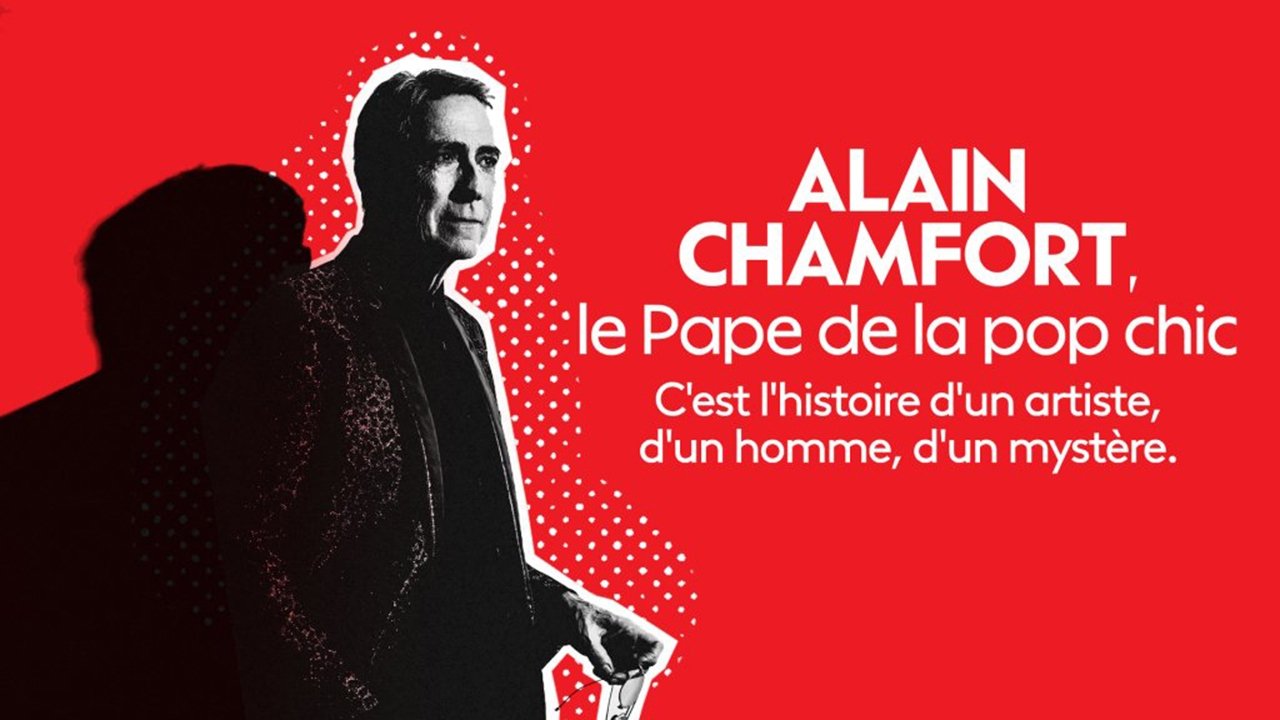
Alain Chamfort
self
'if you only had one year left of your life, what would you do?' This question asks Swiss author Franz Hohler. His answer: 'Make death your adviser to live life to the fullest.' He is one of several carefully chosen Swiss citizens who give us an insight into their personal views on life and death. Besides these colorful, oftentimes funny quotes we meet Tom, a 50-year old male that has been diagnosed with incurable brain tumor. Contrary to what one would expect, Tom takes his sickness not as a burden but as a chance and lives his life happier than ever before. This to the surprise of his family and friends and above all - himself. The film encourages people to live life more consciously.
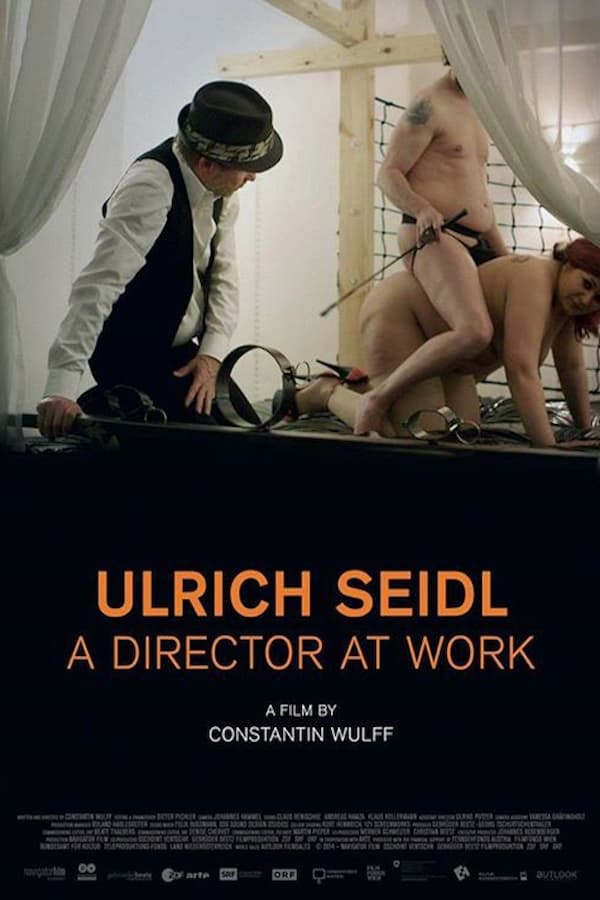
This cinematic portrait shows the Austrian filmmaker Ulrich Seidl at work. The much-discussed ‘Seidl method’ is conveyed here vividly and directly: The camera watches over Seidl’s shoulder during the filming of his new production IM KELLER, and observes him at the rehearsals for his latest theatre production ‘Böse Buben / Fiese Männer’. The film paints the picture of a fascinating and exceptional artist using a combination of extensive interviews and excerpts from earlier works.
This film begins, so to speak, where ‘Vol spécial’ left off. The reality of migration bears its teeth: Following a scuffle, 20-year-old Koumba from France is sent back to the place where she was raised – Senegal. She returns to the lost village of her ancestors hysterical, argumentative and unproductively rebellious. Now the mother of a toddler, she continues to come to terms with the two cultures; the outcome is unforeseeable, as is the outcome of this cinematic long-term observation. The risk of its failure due to its protagonist is palpable. But Koumba’s fascinating metamorphosis is also obvious, her body and character have taken on a more harmonious nature. All hope is not lost.
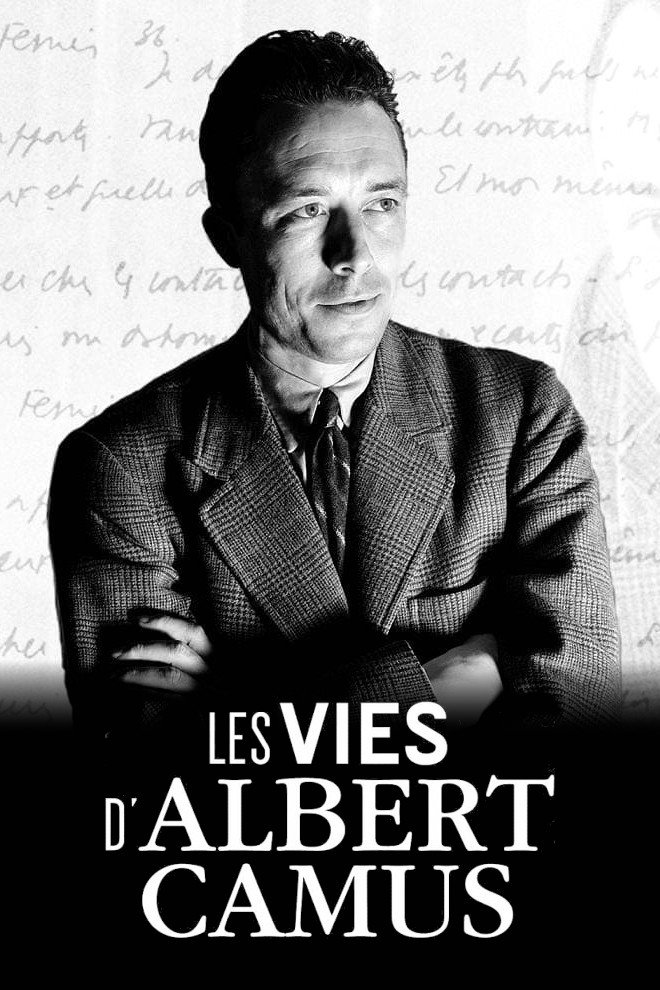
Albert Camus died at 46 years old on January 4, 1960, two years after his Nobel Prize in literature. Author of “L'Etranger”, one of the most widely read novels in the world, philosopher of the absurd and of revolt, resistant, journalist, playwright, Albert Camus had an extraordinary destiny. Child of the poor districts of Algiers, tuberculosis patient, orphan of father, son of an illiterate and deaf mother, he tore himself away from his condition thanks to his teacher. French from Algeria, he never ceased to fight for equality with the Arabs and the Kabyle, while fearing the Independence of the FLN. Founded on restored and colorized archives, and first-hand accounts, this documentary attempts to paint the portrait of Camus as he was.
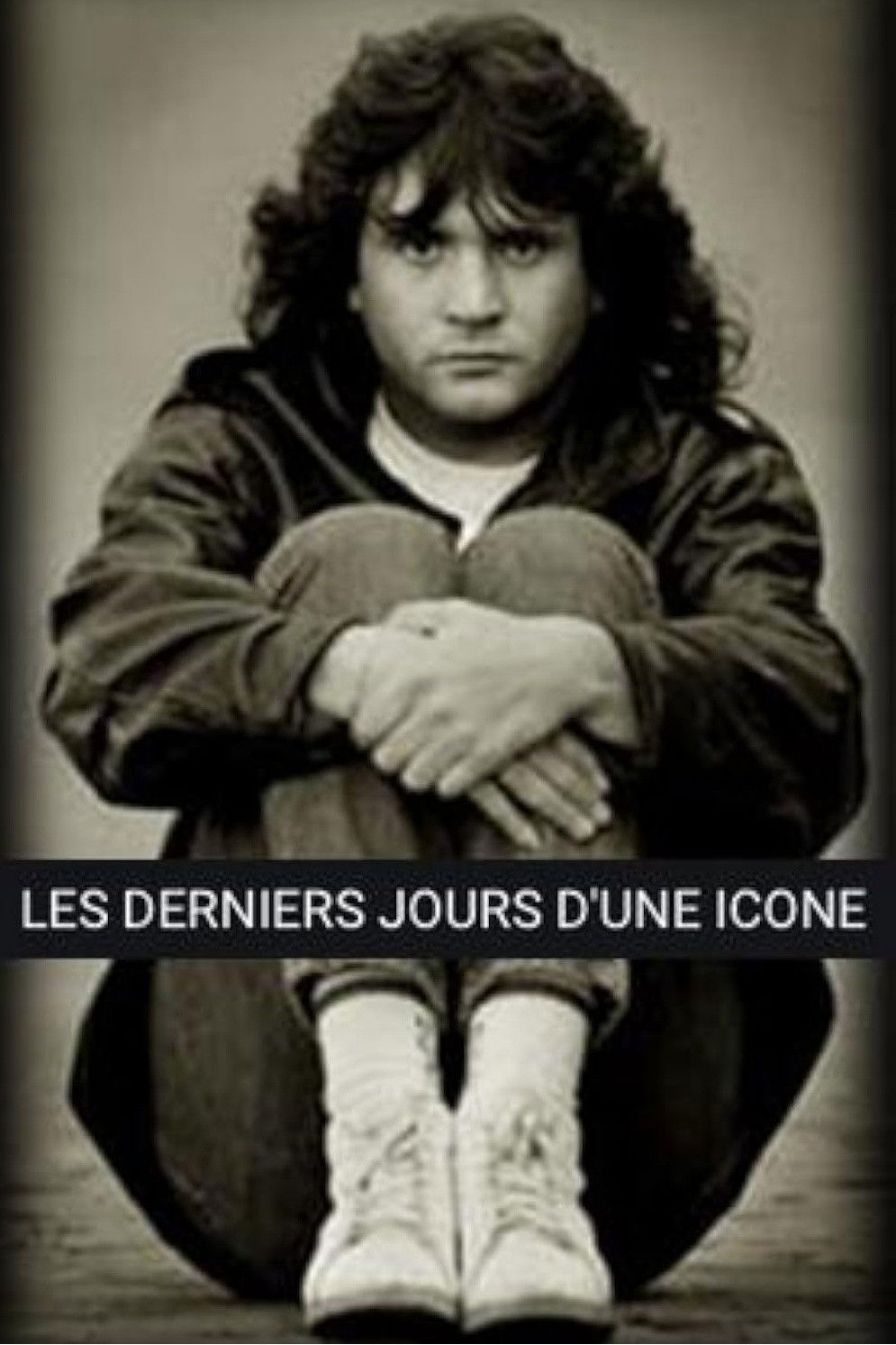
In 1986, during the Paris-Dakar rally, singer Daniel Balavoine, who was leading a humanitarian operation, was killed in a helicopter crash alongside Thierry Sabine. Nicolas Mathieu, his assistant, Léo Missir, his artistic director, HSH Albert of Monaco, and Charles Belvèze discuss the artist's career and his political and humanitarian commitments. Pierre Fauque and Anne Amado retrace the last moments of his life, from his arrival in Tamanrasset on January 6 to the day of his death in the desert, in the midst of a storm.
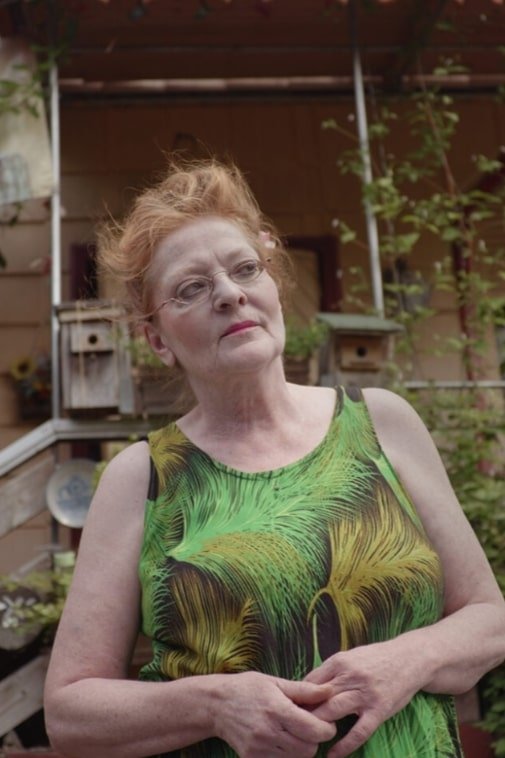
Annedore takes care of orphan birds. They give her that which humans througout her turbulent life could never give her: love.
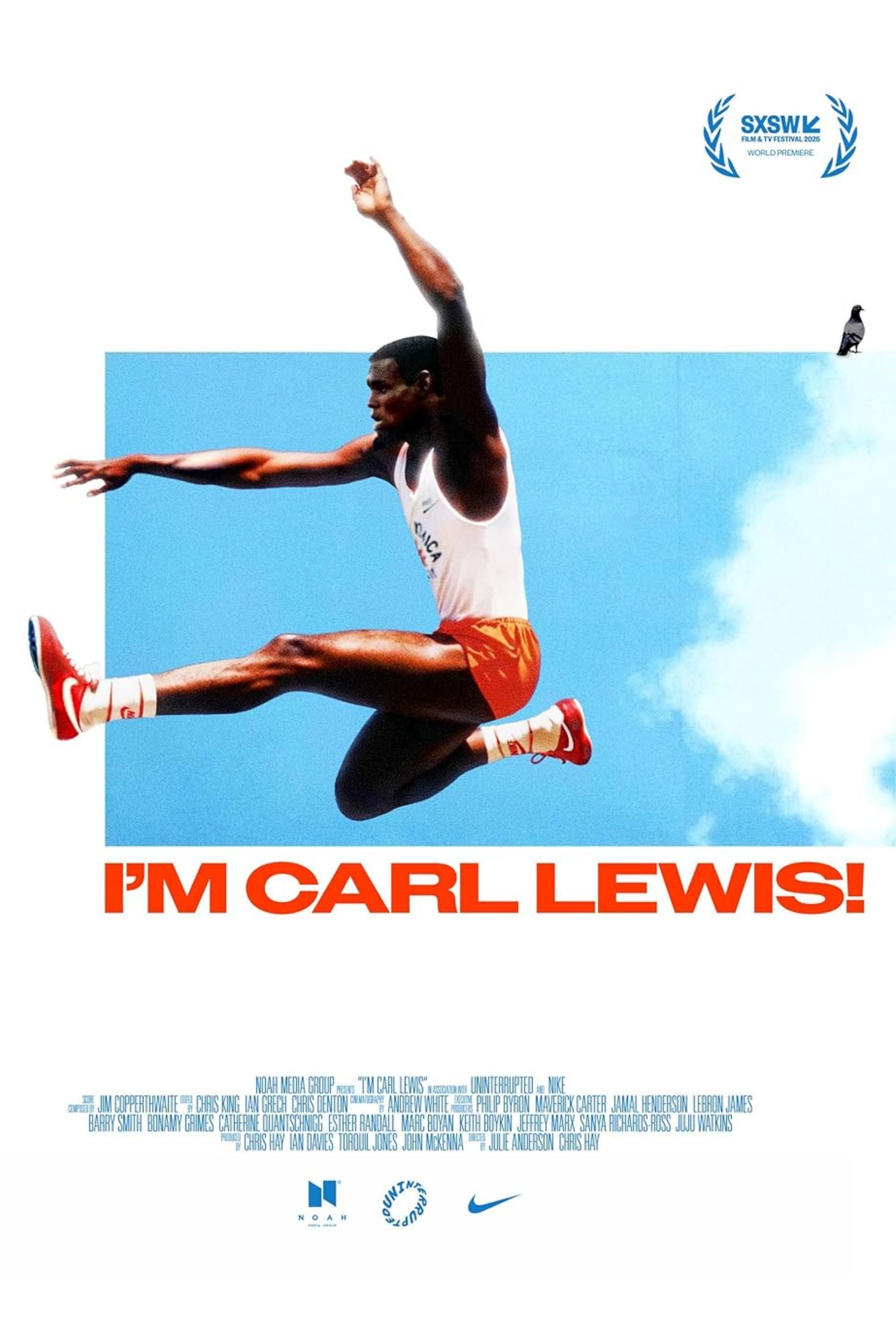
In track and field he’s remembered as The Greatest. Athletics' first commercially global star. Away from the spotlight, his is a life often misunderstood. Carl Lewis did it his own way - unwilling to conform to what the US expected from its athletes. Lewis won nine Olympic gold medals across four Games and was voted “Sportsman of the Century” by the International Olympic Committee. Yet he refused to be pigeonholed and, in doing so, he inspired change on and off the field. I’m Carl Lewis! delves into the consequences of his uncompromising drive.
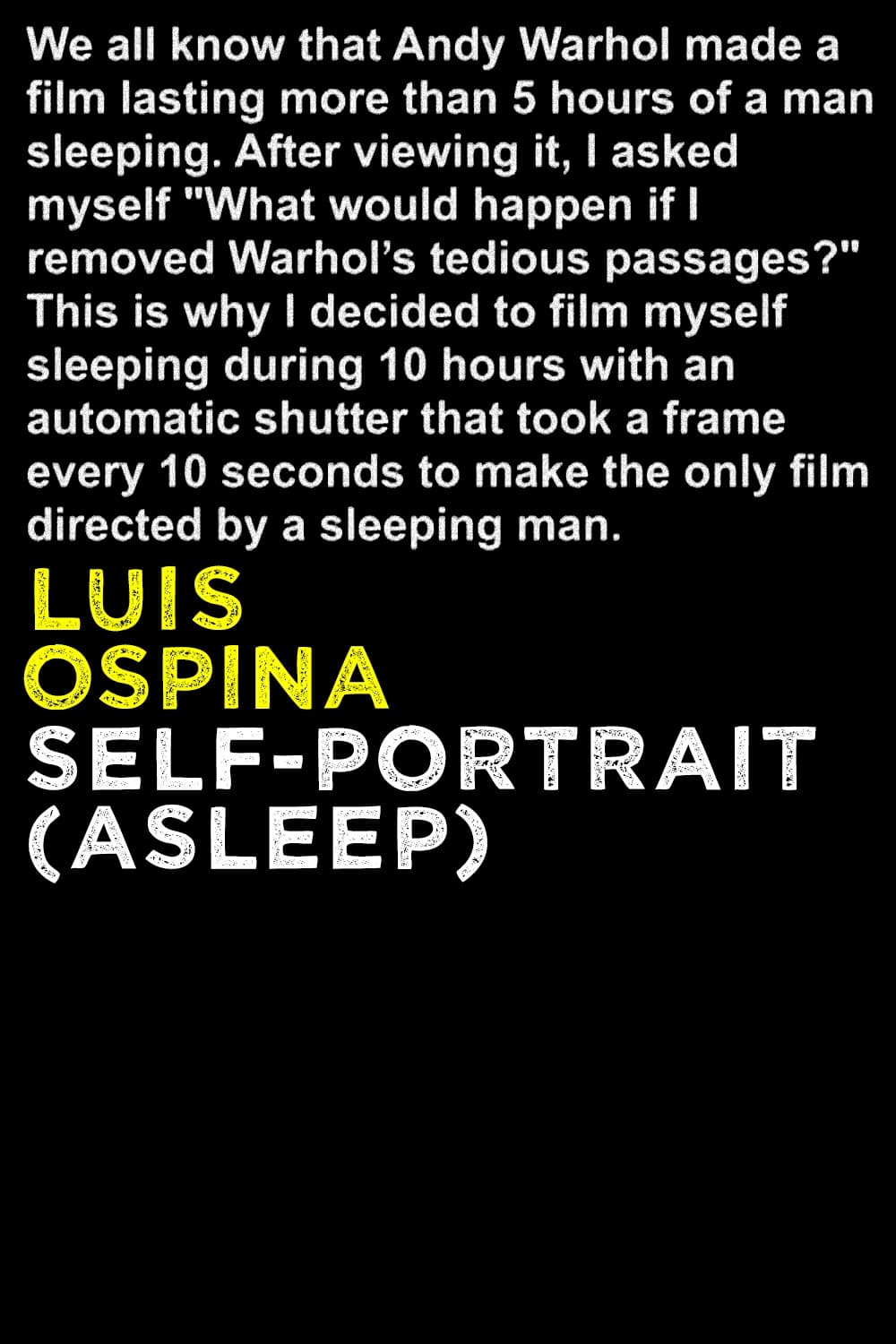
Experimental film inspired by Andy Warhol's 'Sleep'.
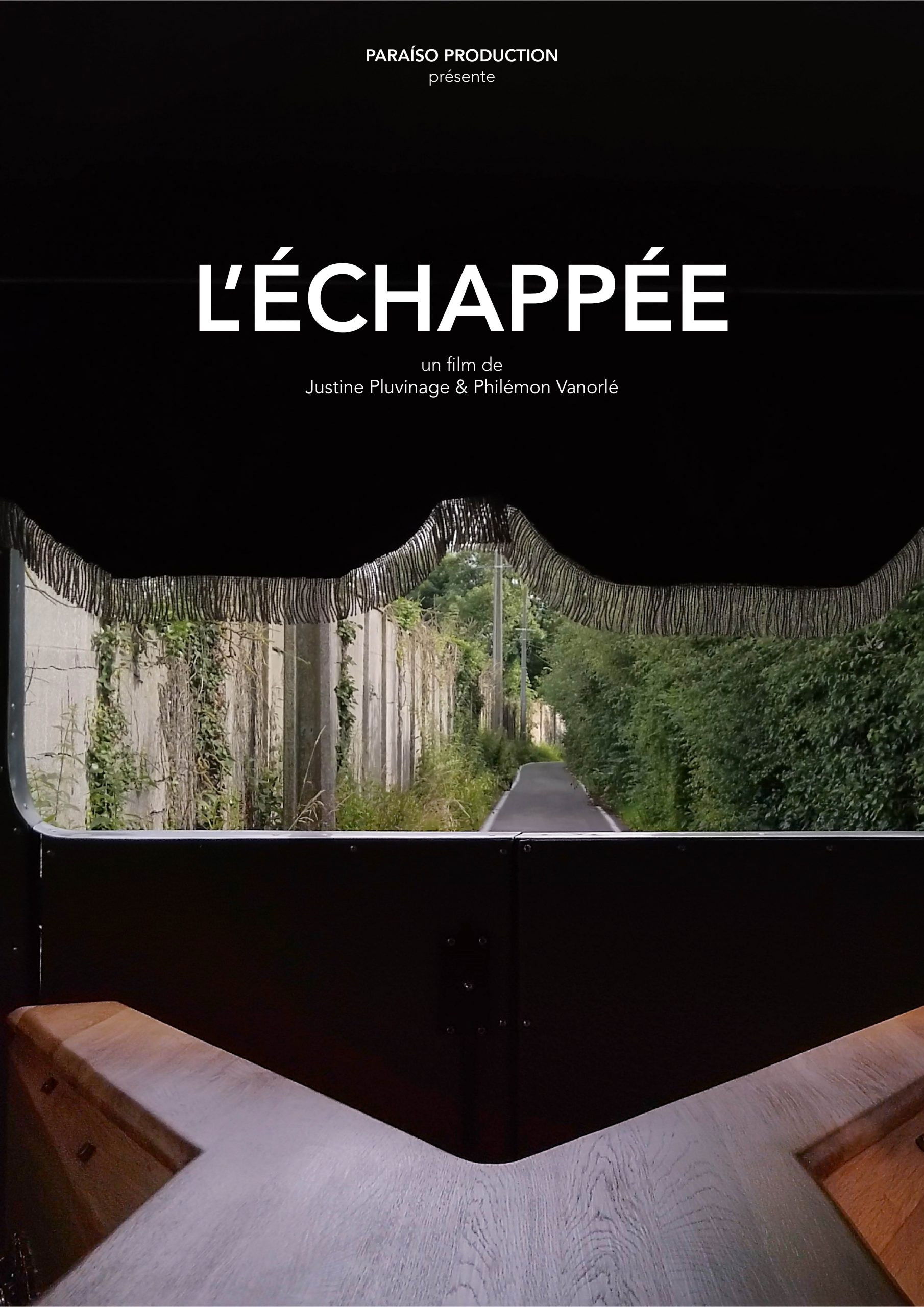
It is the story of an encounter, that of two men, that of a coffin meeting its hearse, of death inviting itself into life or perhaps of life inviting itself into death. This encounter follows an advert on Leboncoin: “Solid oak coffin, varnished. Excellent condition. Large size. Its particularitý is to have the place for the legs embedded. It is not padded inside. Does not fit in an oven, hearse or traditional vault. Difficulty to get through doors (…)”
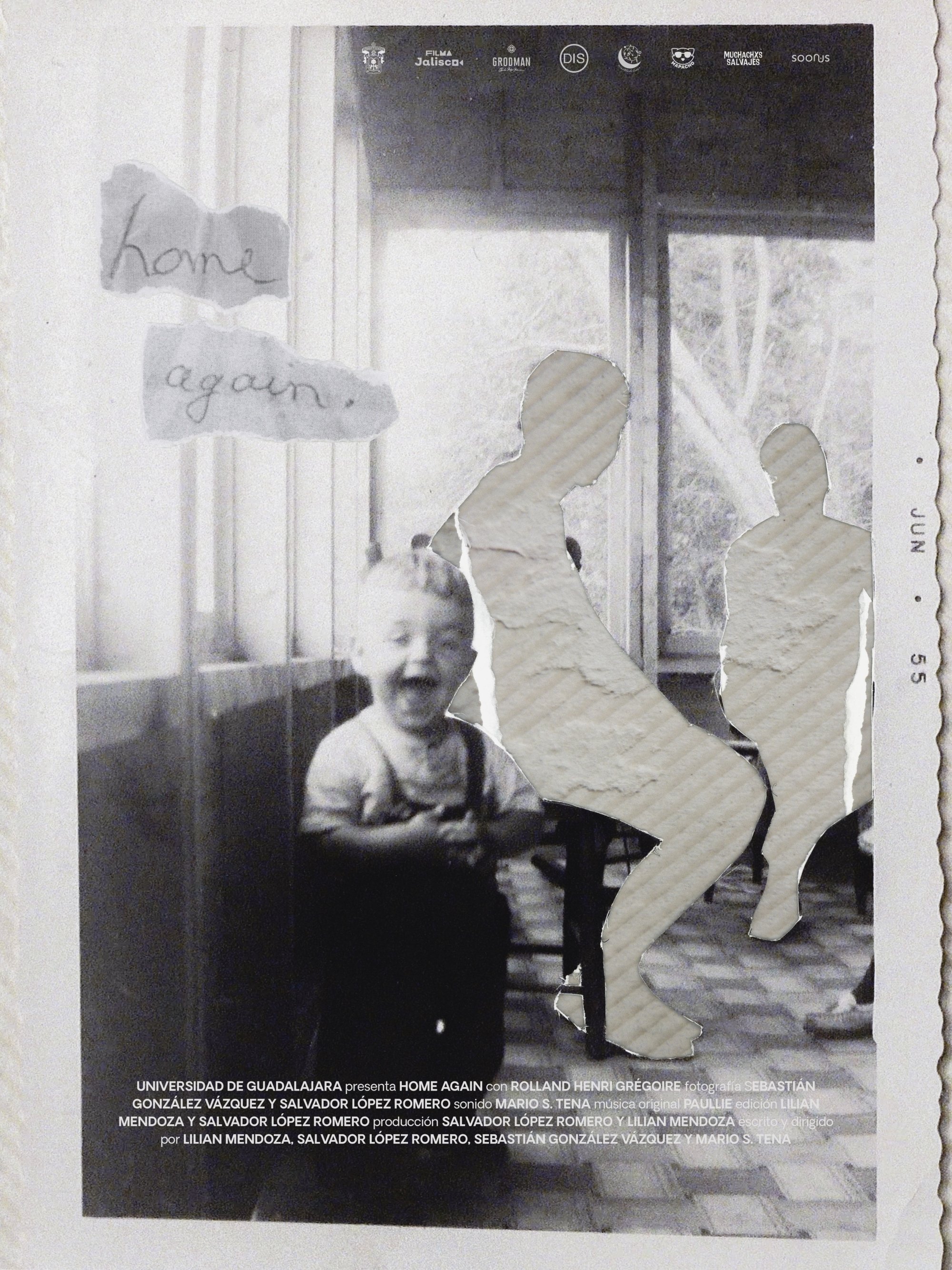
Rolland, a 70 year-old man, exiled by his family due to his sexual orientation, makes peace with the past by finding himself in a small ghost town in the western part of Jalisco, San Sebastián del Oeste. Almost 40 years later, he wants to go back to his hometown, try to regain his daughter's love and be a part o his granddaughter's life.
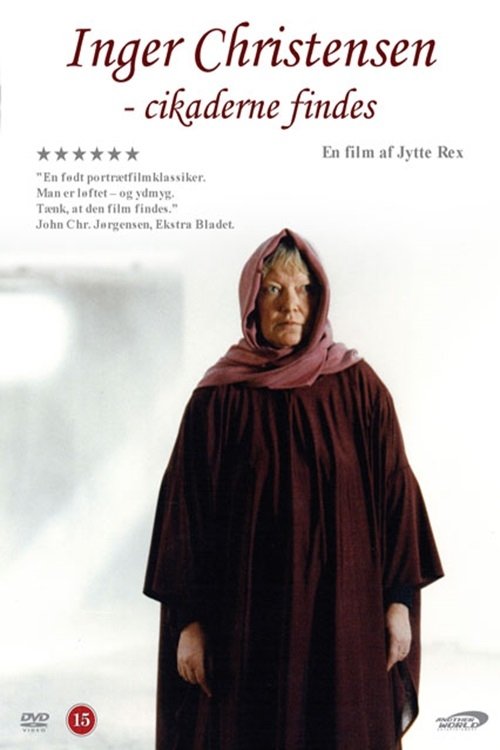
In this portrait film, we meet Inger Christensen in her apartment in Østerbro, Copenhagen, where she tells of her life and work, and reads excerpts from her major works.
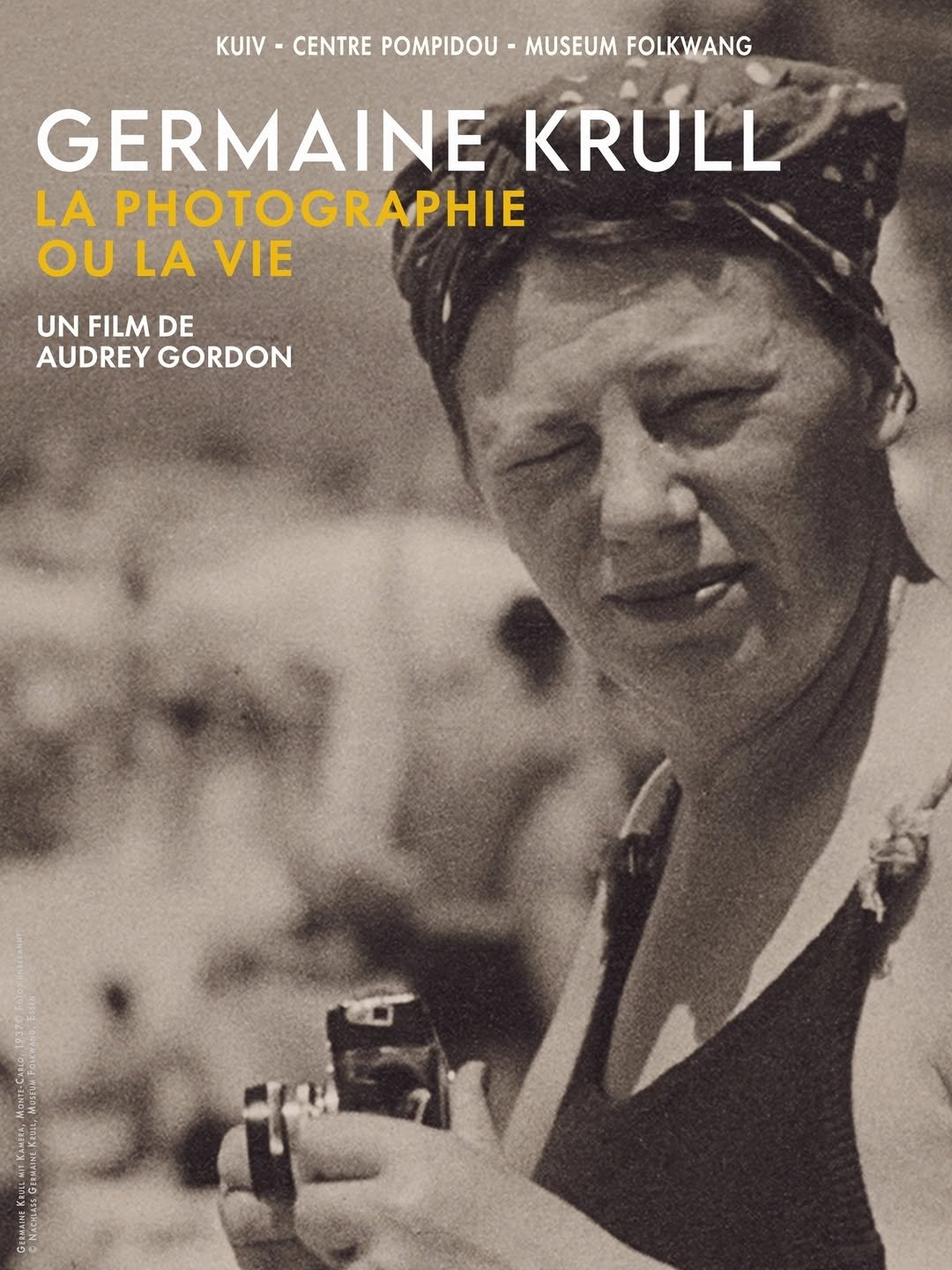
Alongside André Kertész and Man Ray, Germaine Krull invented the New Vision in photography, an innovative way of seeing and revealing the modern world. Recognized by the art world as one of the greatest photographers of the 20th century and a pioneer of photojournalism, Germaine Krull remains little known to the general public. Portrait of an artist, a great lover, and a free woman.
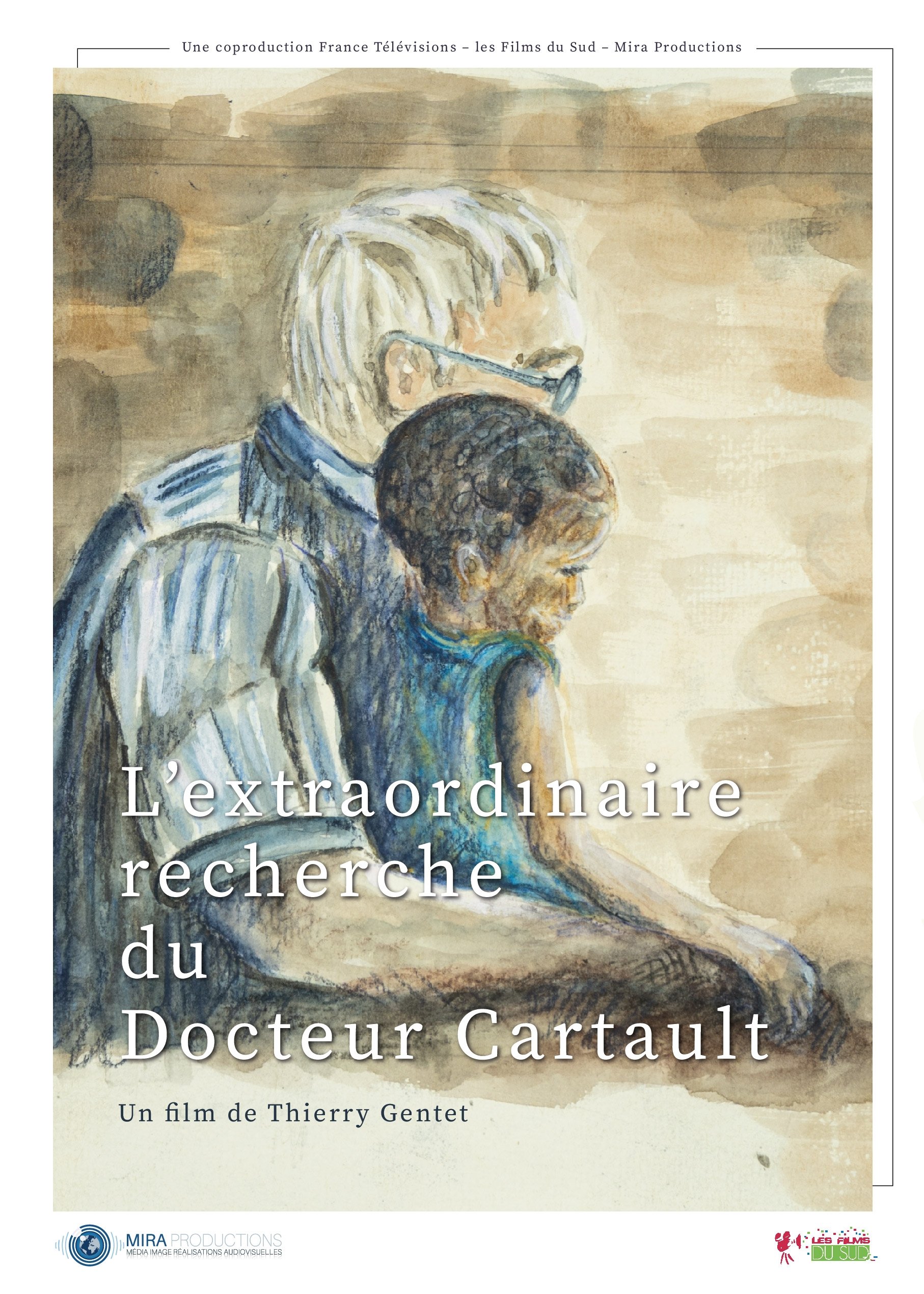
The film recounts the incredible research conducted by François Cartault, a pediatrician and geneticist on the island of Réunion. Conducted like a police investigation over more than 20 years, his research, both medical and historical, takes us on a journey through the disease of moon children, deprived of sunlight, and on the trail of slavery in Africa. The film shows how genetics is also an astonishing trace of history.
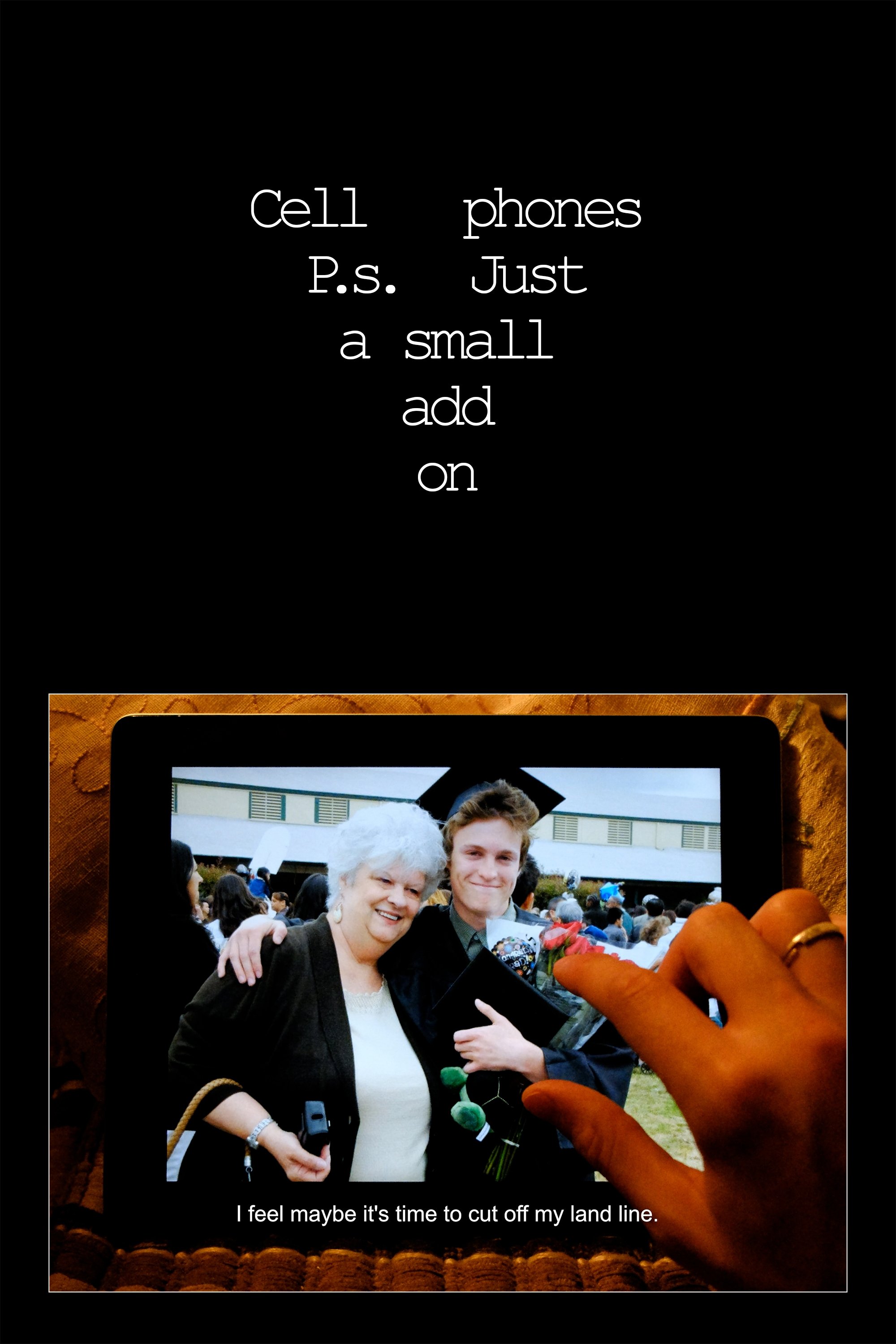
A grandson shows his grandmother how to navigate an iPad 2 full of clues for solving a puzzle. Over a phone call, she recites an email she wrote seven years prior.
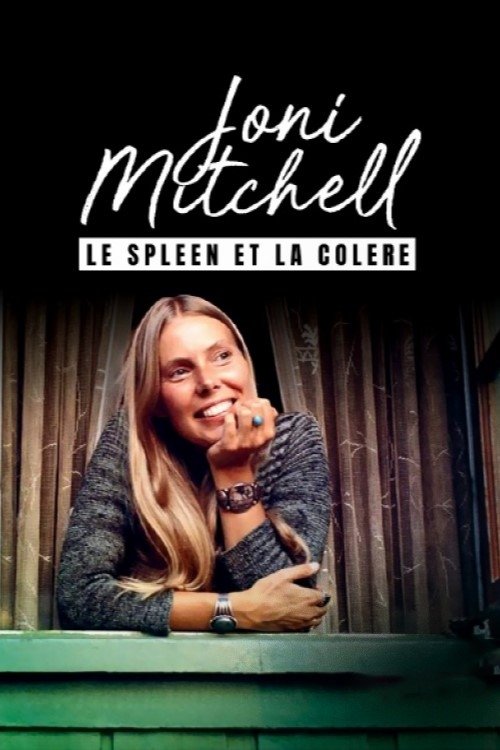
Joni Mitchell has been called the queen of folk music and one of the biggest pop stars of the 60s and 70s. Even today, her lyrics and unique guitar style continue to inspire new generations of singers and songwriters.
Alix left his native island, Martinique, and its musical culture, to study opera singing in Paris. Portrait of a young man who now embraces all his singularities: his rare countertenor voice, his kohl and his done nails. He works hard to realize his dream of becoming a professional artist.
A raw and emotionally revealing look at one of the most iconic artists of our time during a transformational period in her life as she learns to embrace her role not only as a songwriter and performer, but as a woman harnessing the full power of her voice.
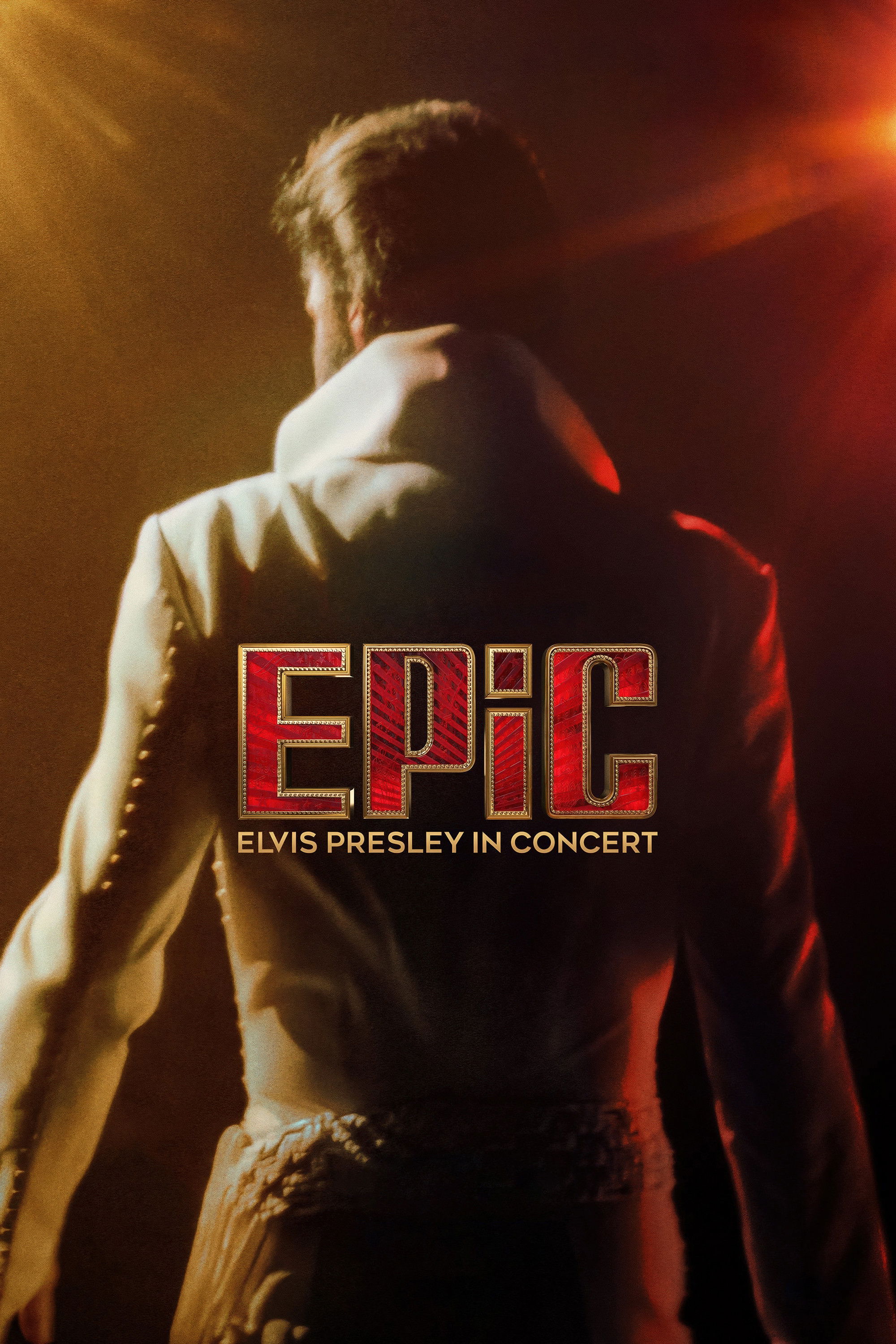
Long-lost footage from Elvis Presley's legendary Las Vegas residency in the 1970s woven together with rare 16mm footage from Elvis on Tour, and 8mm from the Graceland archive, plus recordings of Elvis telling "his side of the story" rediscovered during Baz Luhrmann's research for his 2022 film, Elvis.
A primetime special with performances from the superstar including Adele’s first new material in six years plus her chart-topping hits. The special will also feature an exclusive interview with Adele by Oprah Winfrey from her rose garden, in Adele’s first televised wide-ranging conversation.
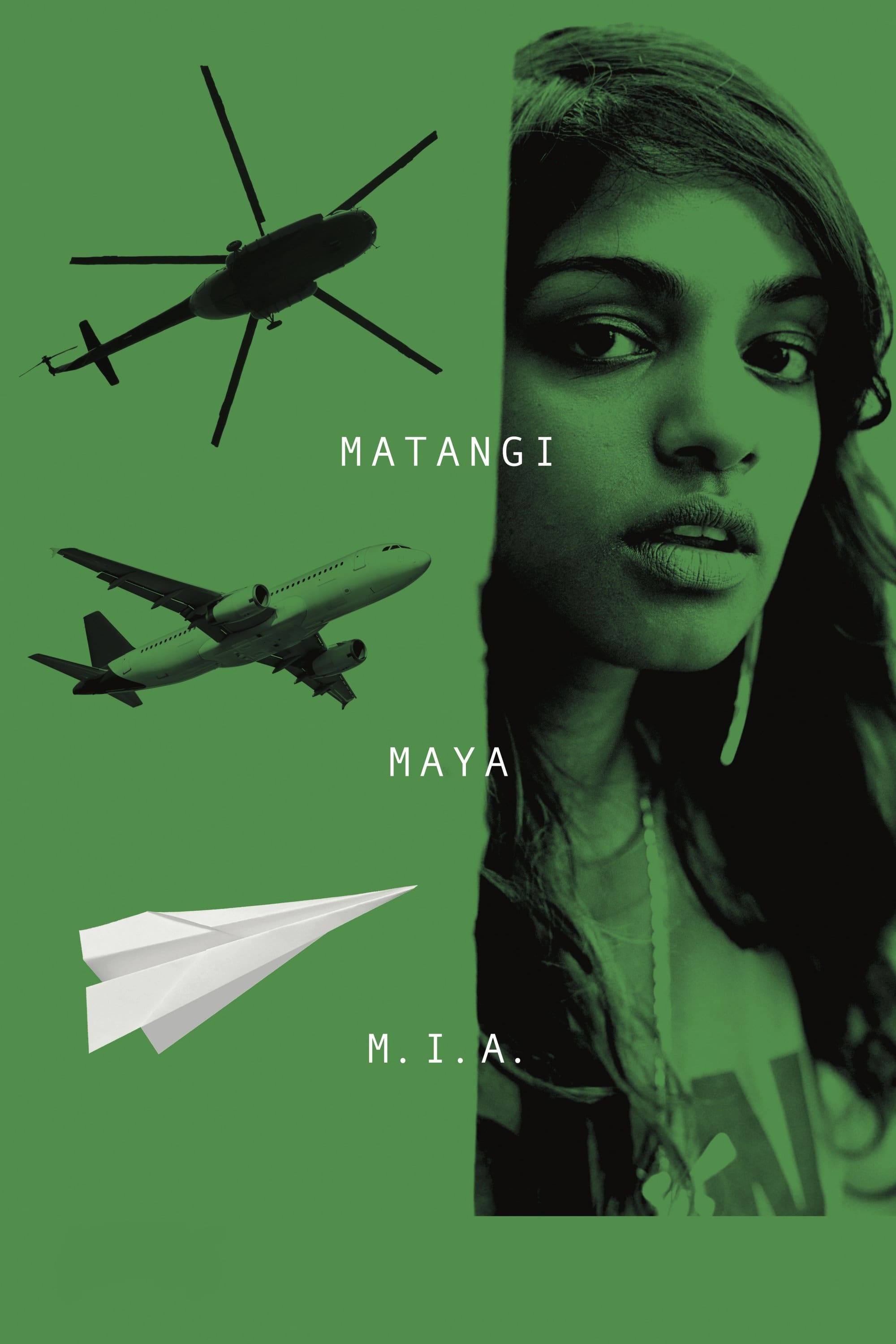
Drawn from a never before seen cache of personal footage spanning decades, this is an intimate portrait of the Sri Lankan artist and musician who continues to shatter conventions.
From a prolific career in film and television, Anton Yelchin left an indelible legacy as an actor. Through his journals and other writings, his photography, the original music he wrote, and interviews with his family, friends, and colleagues, this film looks not just at Anton's impressive career, but at a broader portrait of the man.
Captured during Billie Eilish's sold-out world tour, a concert experience from one of the most celebrated and successful artists of her generation, presented in immersive 3D.
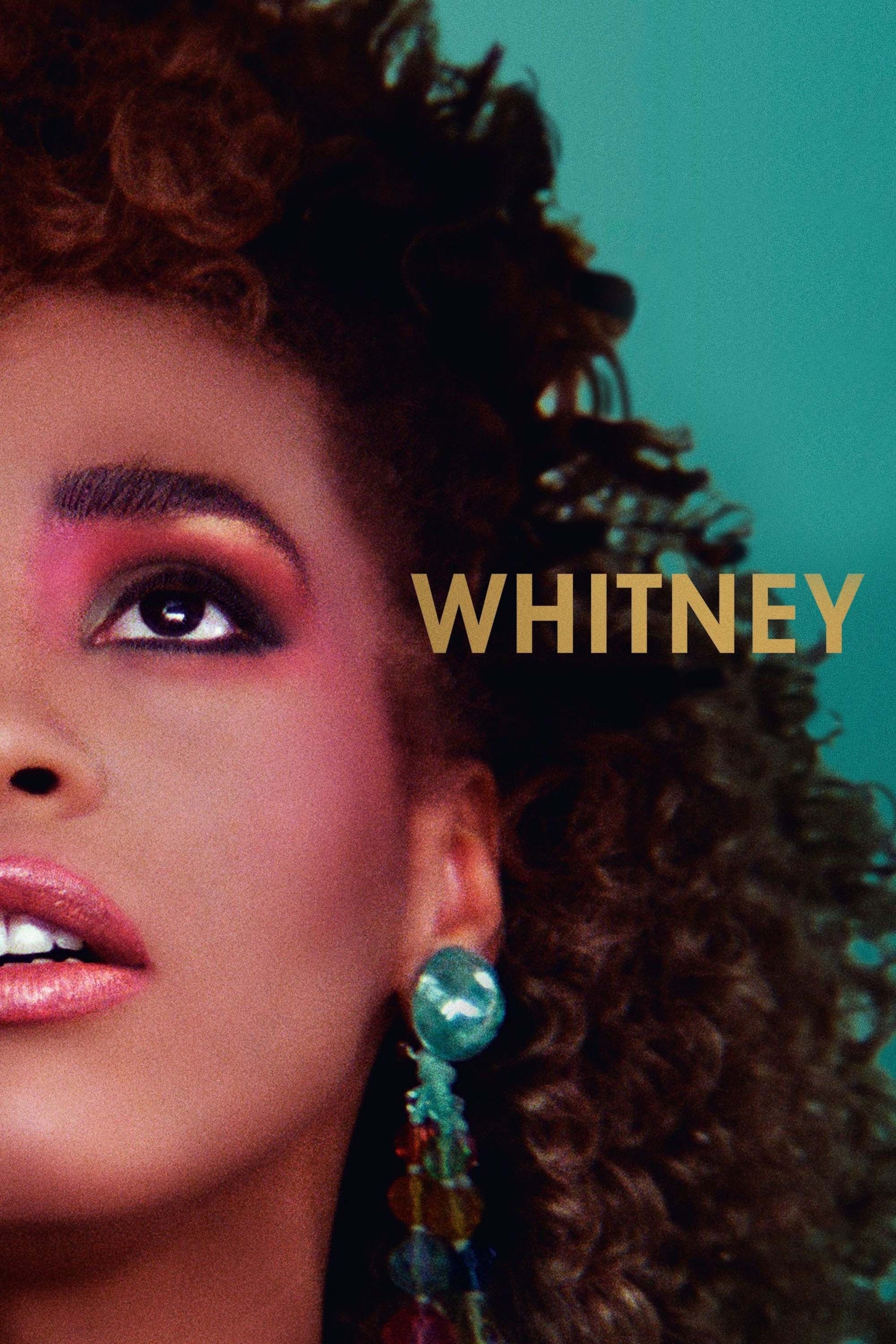
Examines the life and career of singer Whitney Houston. Features never-before-seen archival footage, exclusive recordings, rare performances and interviews with the people who knew her best.
After years in the limelight, Selena Gomez achieves unimaginable stardom. But just as she reaches a new peak, an unexpected turn pulls her into darkness. This uniquely raw and intimate documentary spans her six-year journey into a new light.
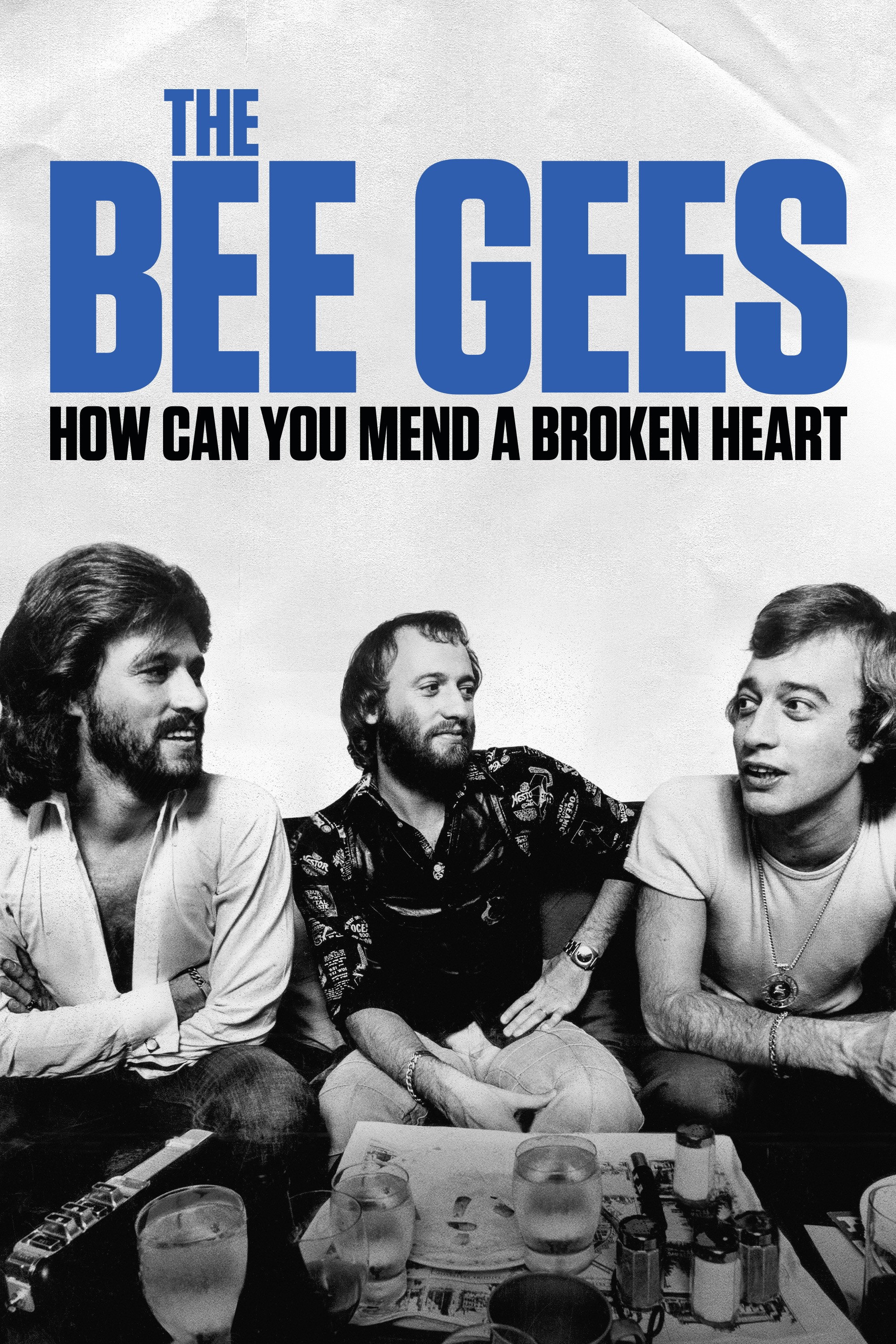
The story of the triumphs and hurdles of brothers Barry, Maurice, and Robin Gibb, otherwise known as the Bee Gees. The iconic trio, who found early fame in the 1960s, went on to write over 1,000 songs and have 20 No. 1 hits throughout their career, transcending more than five decades of changing tastes and styles.
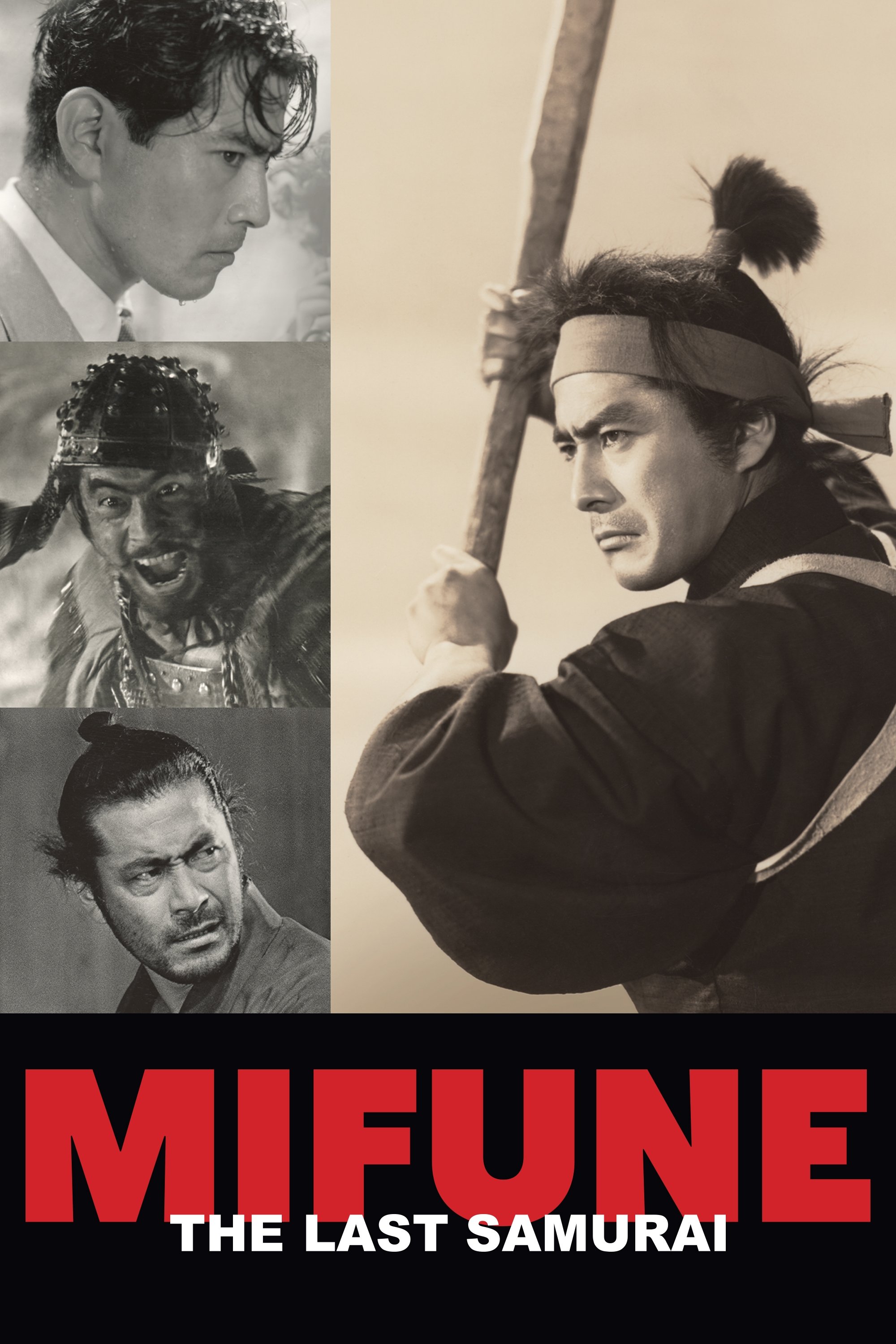
An account of the life and work of legendary Japanese actor Toshirō Mifune (1920-97), the most prominent actor of the Golden Age of Japanese cinema.
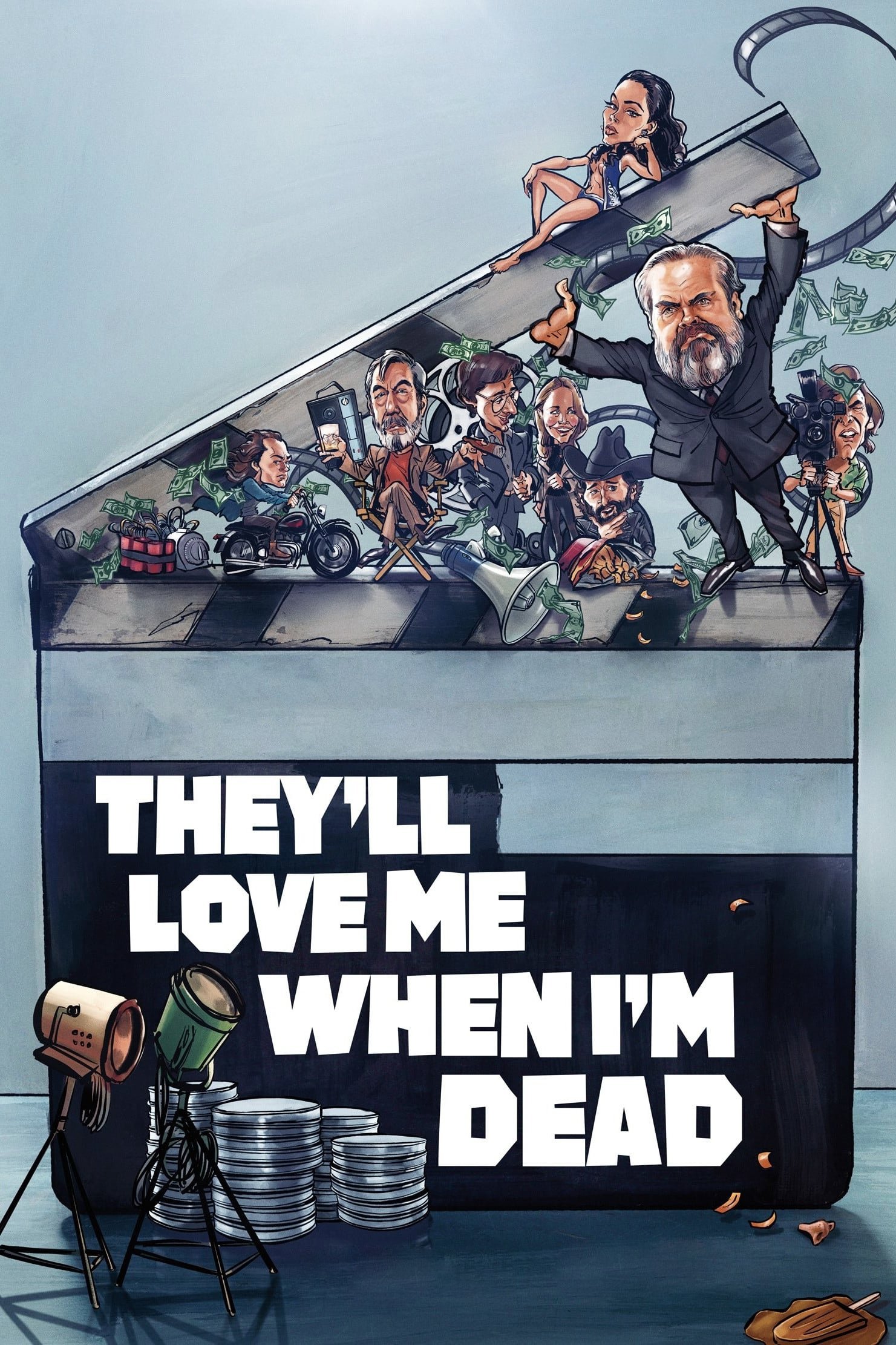
As his life comes to its end, famous Hollywood director Orson Welles puts it all on the line at the chance for renewed success with the film The Other Side of the Wind.
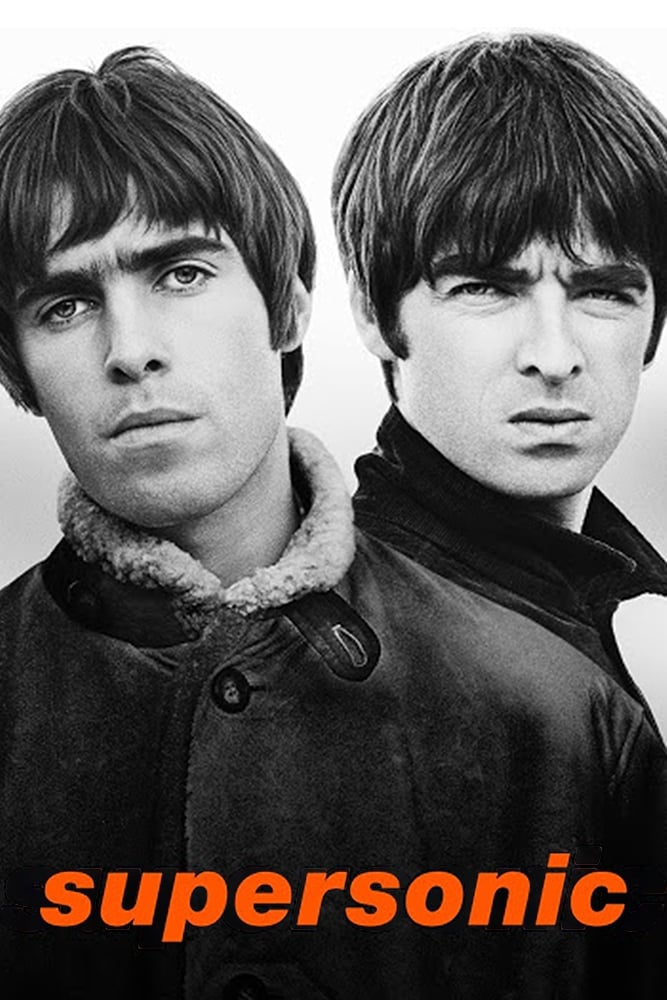
Supersonic charts the meteoric rise of Oasis from the council estates of Manchester to some of the biggest concerts of all time in just three short years. This palpable, raw and moving film shines a light on one of the most genre and generation-defining British bands that has ever existed and features candid new interviews with Noel and Liam Gallagher, their mother, and members of the band and road crew.
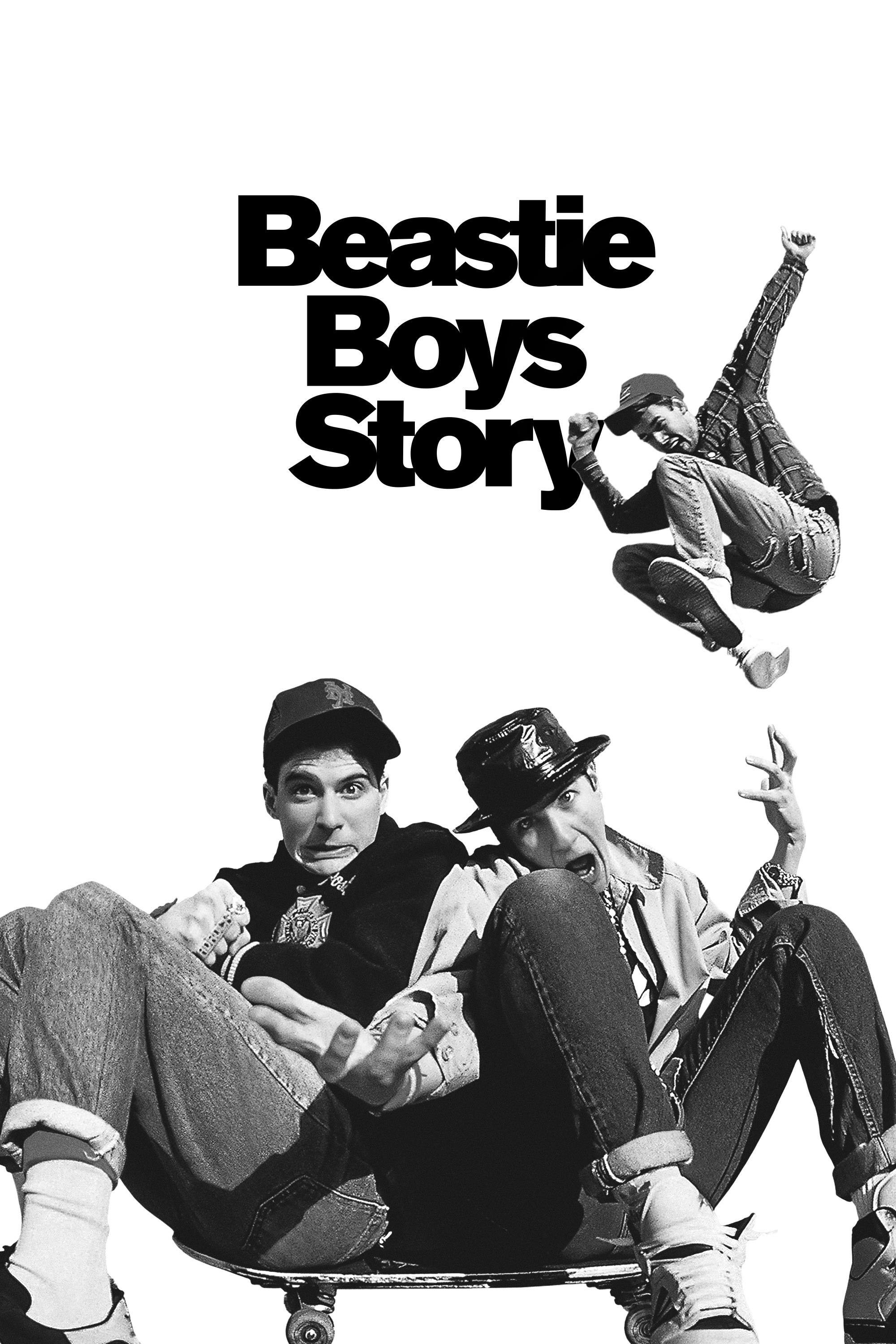
Here's a little story they're about to tell... Mike Diamond and Adam Horovitz share the story of their band and 40 years of friendship in a live documentary experience directed by friend, collaborator, and their former grandfather, Spike Jonze.
A cinematic odyssey featuring never-before-seen footage exploring David Bowie's creative and musical journey.
The life and career of an actor, artist, and icon. His own journey through his own camera.
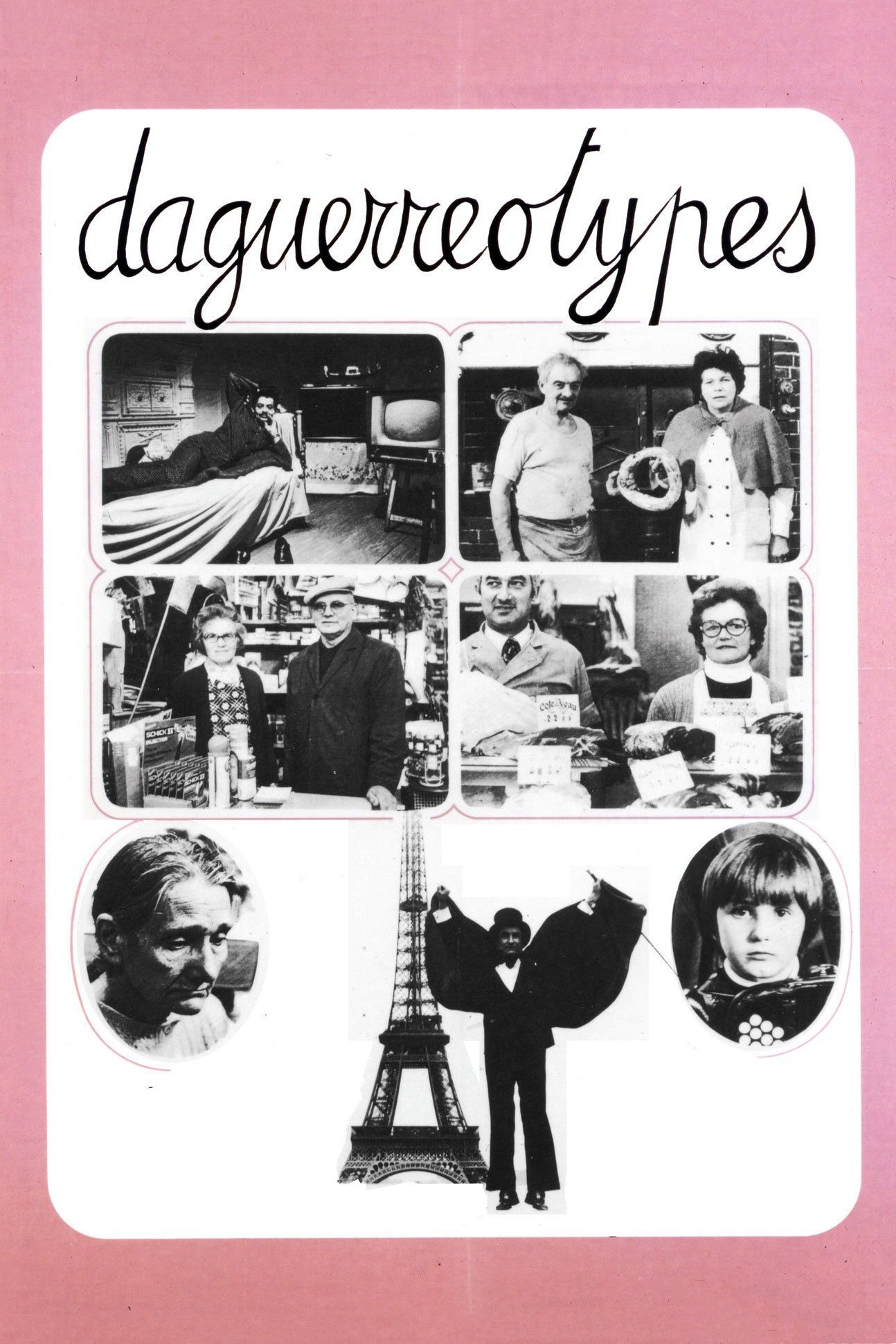
An intimate portrait of the small shops and shopkeepers of the Rue Daguerre in Paris, a picturesque street that has been the filmmaker’s home for more than 50 years.
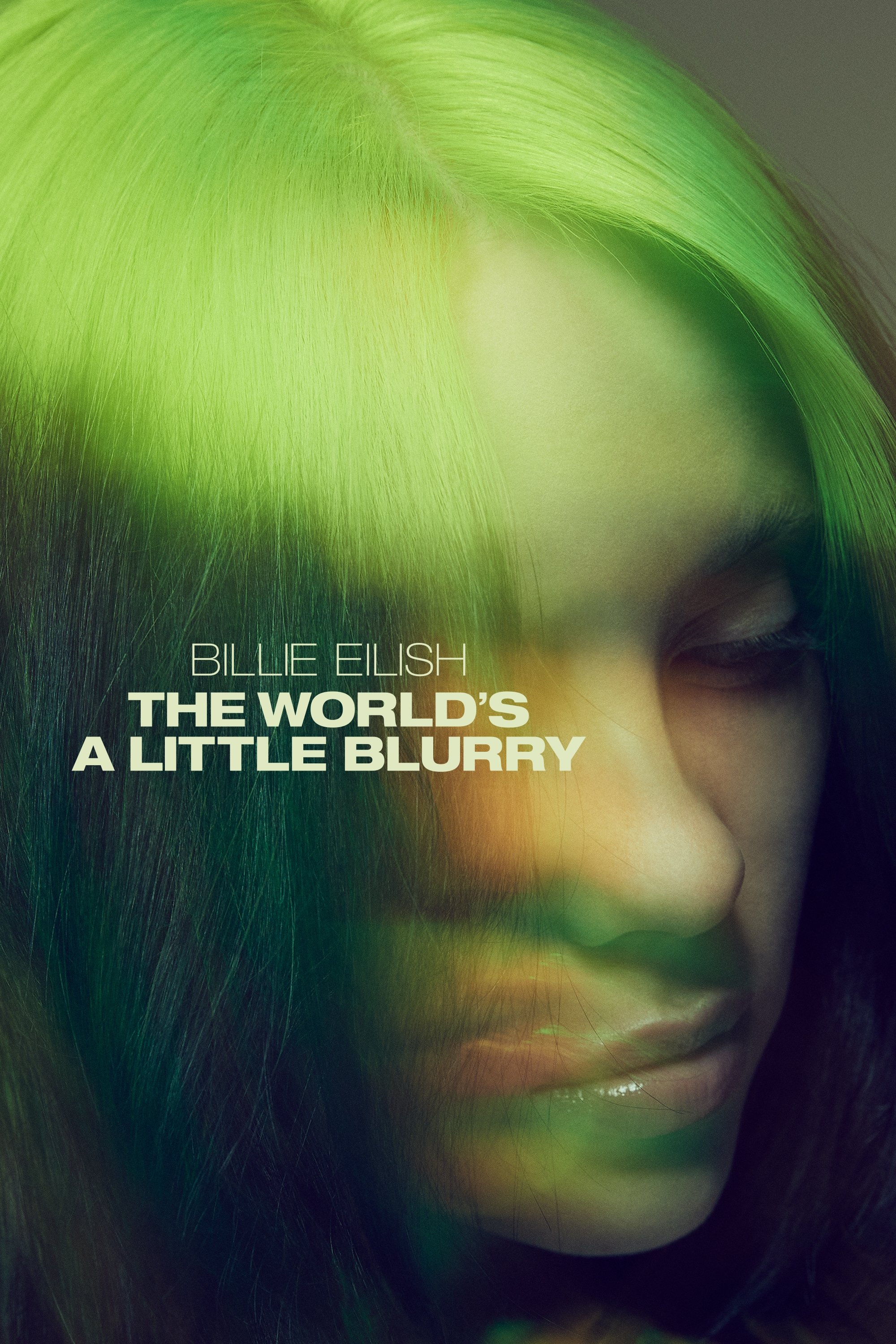
This documentary offers a deeply intimate look at extraordinary teenager Billie Eilish. Award-winning filmmaker R.J. Cutler follows her journey on the road, onstage, and at home with her family as the writing and recording of her debut album changes her life.
Those who knew iconic funnyman John Candy best share his story, in their own words, through never-before-seen archival footage, imagery, and interviews.
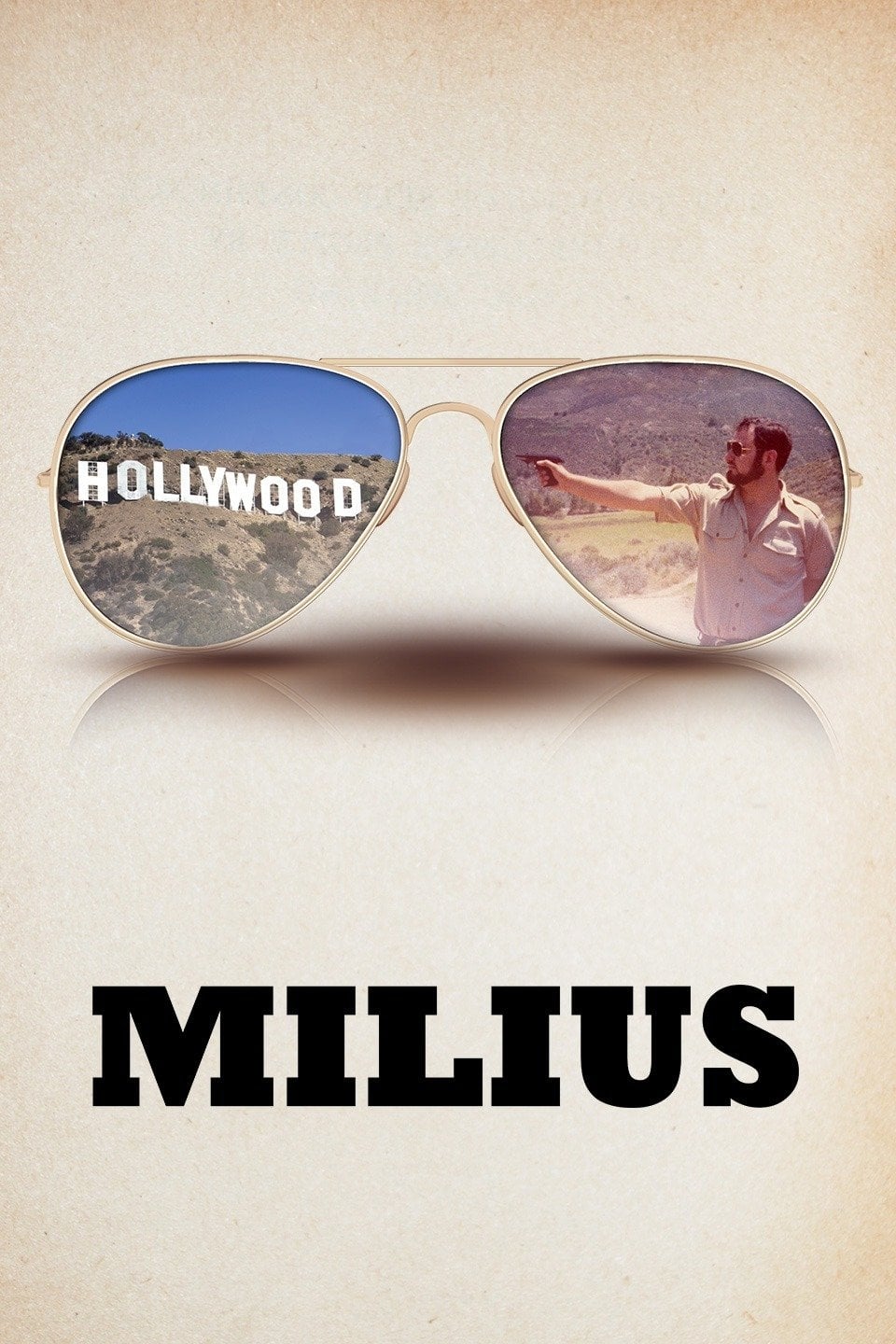
The life story of ‘Zen Anarchist’ filmmaker John Milius, one of the most influential storytellers of his generation.
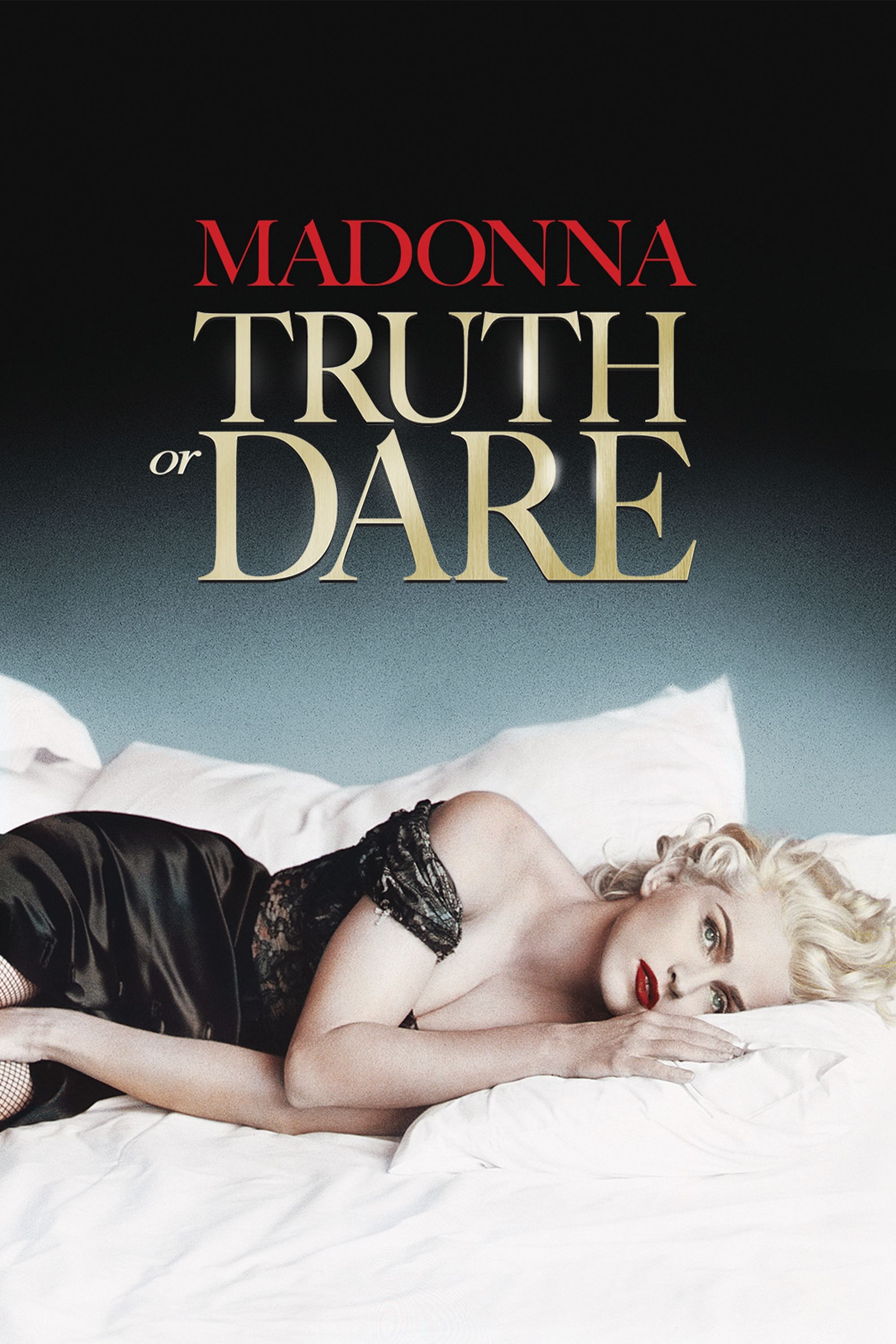
From the rains of Japan, through threats of arrest for 'public indecency' in Canada, and a birthday tribute to her father in Detroit, this documentary follows Madonna on her 1990 'Blond Ambition' concert tour. Filmed in black and white, with the concert pieces in glittering MTV color, it is an intimate look at the work of the icon, from a prayer circle before each performance to bed games with the dance troupe afterwards.