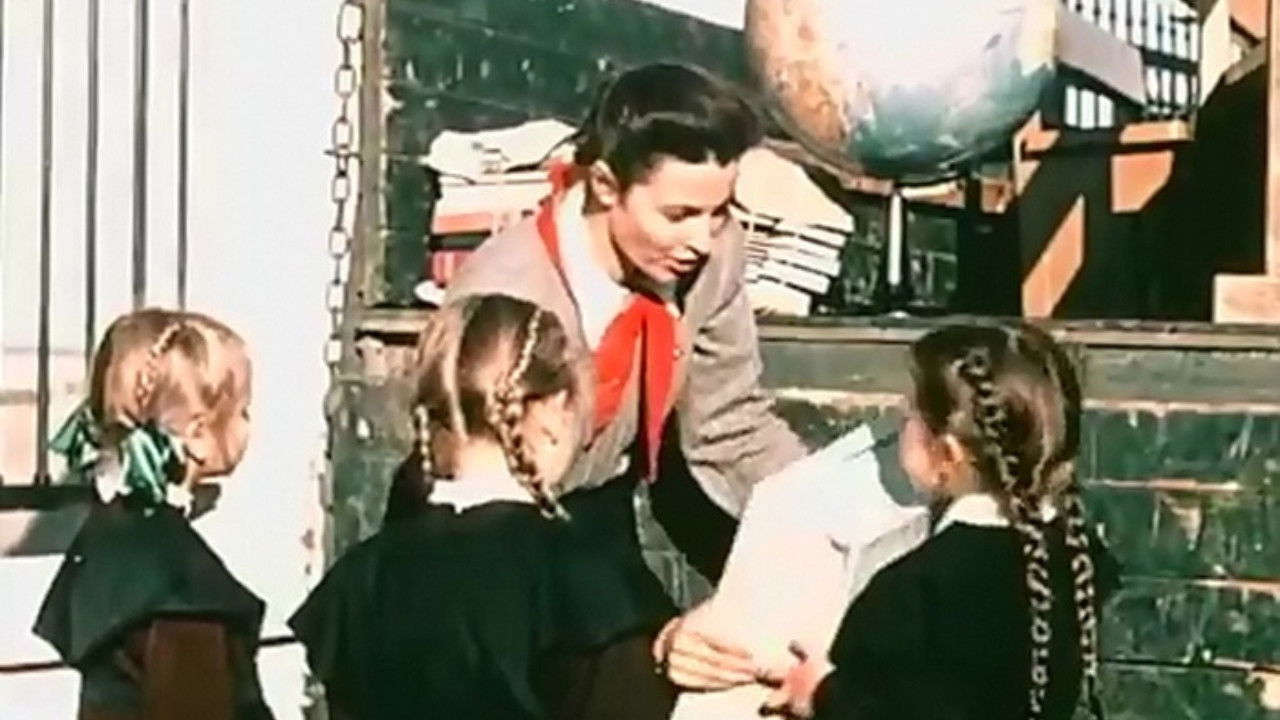
A propaganda documentary on the post war reconstruction of Miensk, capital of Belarus.
Social & External
An exploration —manipulated and staged— of life in Las Hurdes, in the province of Cáceres, in Extremadura, Spain, as it was in 1932. Insalubrity, misery and lack of opportunities provoke the emigration of young people and the solitude of those who remain in the desolation of one of the poorest and least developed Spanish regions at that time.
Warsaw's Central Railway Station. 'Someone has fallen asleep, someone's waiting for somebody else. Maybe they'll come, maybe they won't. The film is about people looking for something.
This documentary recounts the life and work of one of most famous, and yet reviled, German film directors in history, Leni Riefenstahl. The film recounts the rise of her career from a dancer, to a movie actor to the most important film director in Nazi Germany who directed such famous propaganda films as Triumph of the Will and Olympiad. The film also explores her later activities after Nazi Germany's defeat in 1945 and her disgrace for being so associated with it which includes her amazingly active life over the age of 90.
Made by the highly influential Russian cameraman Roman Karmen, this documentary vividly features Albanian life immediately after the communists came to power in 1944. The film is especially memorable since it’s missing much of the heavy socialist realism that marked Albanian doc making. Shortly after he completed the film, Karmen set off for Berlin to shoot the Soviet victory over Nazi Germany.
They came to Donbass from different countries in search of truth. And they stayed on for the sake of those whose voices were not heard. Dialogues about war and duty, a long search for meaning amidst the ruins, working with tragic footage. This is a film about those for whom Donbass has become a refuge of truth.
The absurd and often surrealistic story of the last propaganda film of the Third Reich.
Heroic Struggle in Snow and Ice is a 1917 Austro-Hungarian propaganda newsreel film produced by Sascha-Film for the Imperial and Royal War Press Headquarters. The film is hand-colored and presented in two parts. It depicts the fighting on the Alpine Front between Italy and Austria-Hungary.
Holocaust survivors, children of survivors, and grandchildren - as well as German freedom fighters - express their shock at the Covid era's fear-mongering and divisive dictates that are reminiscent of the prelude to the Holocaust. This ambitious five-part docu-series is the brainchild of Holocaust survivor and human rights activist Vera Sharav.
The story of Istituto Luce and it's newsreels, full of visual records of the social and political history of Italy under Mussolini's leadership.
A Nazi propaganda film about the lead up to World War II and Germany's success on the Western Front. Utilizes newsreel footage of battles and fell into disfavour with propaganda minister Goebbels because of it's lack of emphasis on Adolf Hitler.
An educational film about power sources that’s rendered as a lyrical meditation on heat and vapor, The Four Elements is a poetic and avant-garde documentary Curtis Harrington made for the United States Information Agency.
Social democracy propaganda film about future dreams for Denmark in 1960. Although Denmark is free again, the former opponent and worker, Svend, is disillusioned: "It is all something soft". The dream of the future is incarnated by a young woman, Karen, who shows Svend the visions of a better life in the 'youth's land'. There are homes and a nuclear-powered car for everyone.
A student is held up in the library while a riot rages outside. As SDS protesters head to burn the library down, he has to fend them off with his baseball bat. This film opens with actual footage of civil disturbances in the 1960s, and moves on to images of historical American figures.
See how alt-right icon Steve Bannon’s years as a documentary filmmaker catapulted him to Breitbart News and the Trump White House.
The story of how newspapers were distributed during the Blitz, stressing the importance of an accurate and objective press on the home front.
Leading biblical scholars and religious experts discuss the implications of the Rapture, when prophecies predict that Jesus Christ will return to Earth and his true believers will be transported to meet him.
Under the sign of the swastika, it was, amongst other things, turned into a naval base, it got heavily destroyed in two waves of attack in April of 1945 by British bombers. After the war, Heligoland was made available as bombing training ground for the English army by the West-German government. Seven young people occupied the isle and began to repair the emergency shelter for sailors who got in danger. This and further major actions eventually ended the bombing exercises. Back then, the watchword was: “Heligoland to the Germans! “ – “Heligoland for peace!”
It was the biggest escape in the history of the Berlin Wall: in one historic night of October 1964, 57 East-Berliners try their luck through a tunnel into West Berlin. Just before the last few reach the other side, the East German border guards notice the escape and open fire. Remarkably, all the refugees and their escape agents make it out of the tunnel unscathed, but one border guard is dead: 21-year-old officer Egon Schultz.
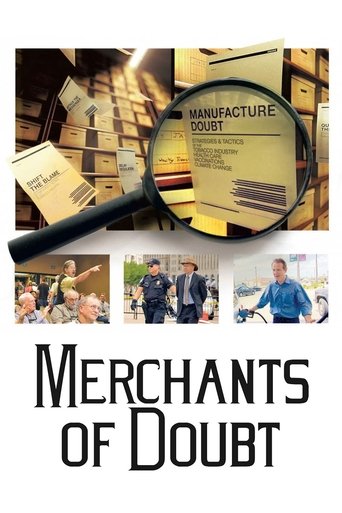
Spin doctors spread misinformation and confusion among American citizens to delay progress on such important issues as global climate change.