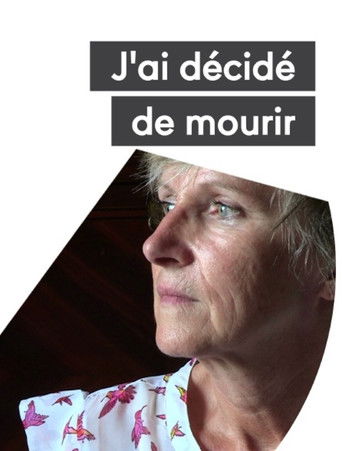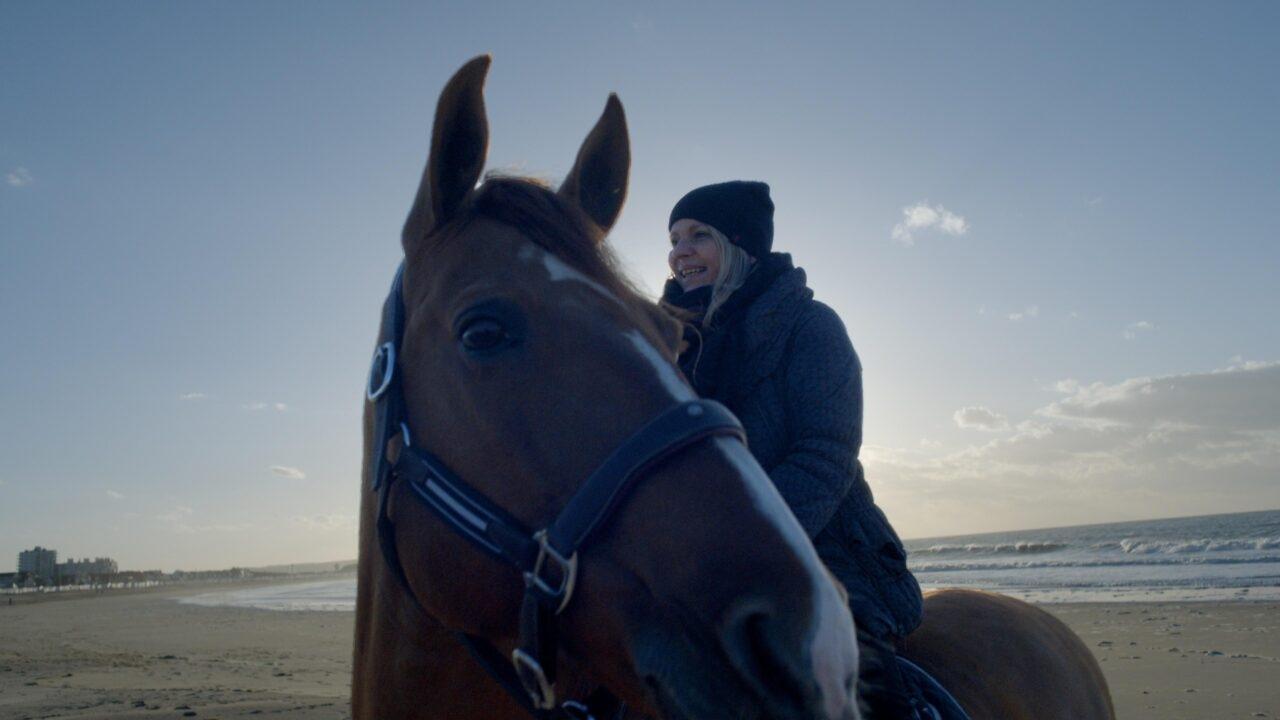
An ordinary woman finds hope and an unexpected friend in her last months on Earth. A sensual film about life and death, where gratitude gets the last word.
Social & External
Lou Colpé has been filming her grandparents since she was 15. In the process of this intense relationship, she notices some disconcerting signs in her grandmother: Alzheimer’s is slowing her down. A new film begins, a tougher one: the story of a couple that must face a tremendous challenge. Struggling against the tide of oblivion, the task of filmmaking becomes the ultimate act of resistance. Trying to retain the last images of her grandparents, an intimate conversation begins and echoes through the songs that play on the radio, conjuring lost stories and memories.
When filmmaker Debra Chasnoff faces stage-4 cancer, she turns her lens on herself and the disease. What emerges is a portrait of her extended LGBTQ family —a story about hanging on while letting go.
Marina Carrère d'Encausse lifts the veil on the intimate questions that preoccupy her as well as society at large: those related to the end of life. The doctor-journalist introduces Antoine, her partner, who is suffering from Charcot's disease, an incurable illness, and who wishes to choose how he ends his life. Is the current law in France sufficient? Should it simply be better enforced, allowing better access to palliative care? Should assisted suicide and euthanasia be legalized? Marina meets with patients concerned about the end of life, caregivers, and politicians in France, as well as in Belgium, Switzerland, and Canada, countries where euthanasia and assisted suicide are legal.
Christopher Kerr is a hospice doctor. All of his patients die. Yet he has cared for thousands of patients who, in the face of death, speak of love and grace. Beyond the physical realities of dying are unseen processes that are remarkably life-affirming. These include dreams that are unlike any regular dream. Described as "more real than real," these end-of-life experiences resurrect past relationships, meaningful events and themes of love and forgiveness; they restore life's meaning and mark the transition from distress to comfort and acceptance.
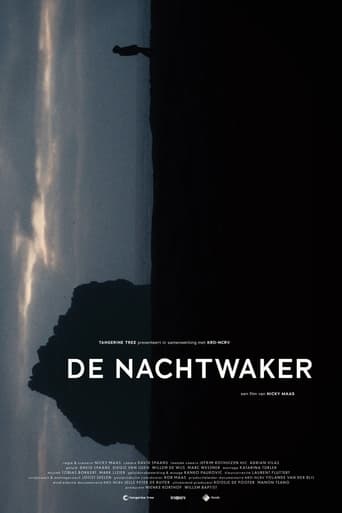
Janneke has been working as a volunteer in palliative terminal care for over twenty years, both in the hospice and in people's homes. In The Night Watchman we see Janneke both in her daily life and while waking. Scenes in which surprising parallels and paradoxes show Janneke's position in her life and how they seem to embrace death at first sight.
Brussels, La Monnaie Opera House. Three people near the end of their lives meet with choreographers, actors and musicians. They take part in a unique experience which involves music, dance and silence. Their journey becomes a tribute to the fragility of the human condition, between reality and representation, tragedy of the body and freedom of the spirit. Together they question their own relationship with death.
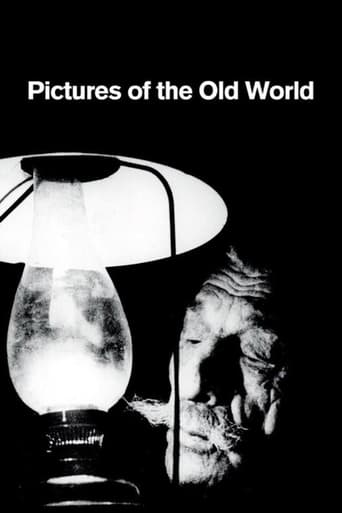
A raw and telling portrait of a people left behind by the modern world, inspired by the work of photographer Martin Martinček - whose pictures of the inhabitants of the Liptov region in central Slovakia, encompassed by the Tatra mountains, distilled entire lifetimes into luminous and intransient images. Dušan Hanák's continuation of these photographs takes the shape of a poetic visual essay, capturing more comprehensive vignettes of their isolated human experiences.
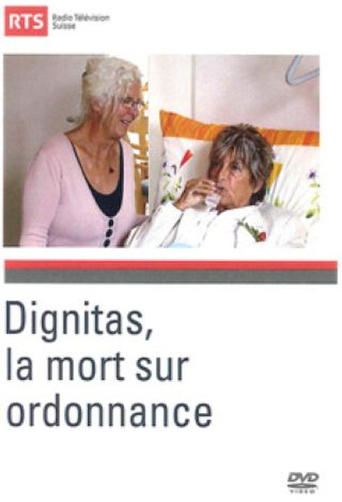
Switzerland is the only country in the world that allows foreigners to come and die on its territory. Since its founding in 1998, more than a thousand people have traveled to Zurich to end their lives with the help of the organization Dignitas. "Dignitas - Death on Prescription" is a documentary about an organization that provides people with terminal and incurable illnesses, intense unrelenting pain, and depression with a peaceful death. The organization's founder, lawyer Ludwig Minelli, is often the target of insults, especially from politicians, despite the fact that most Swiss citizens support the option of medically assisted suicide.
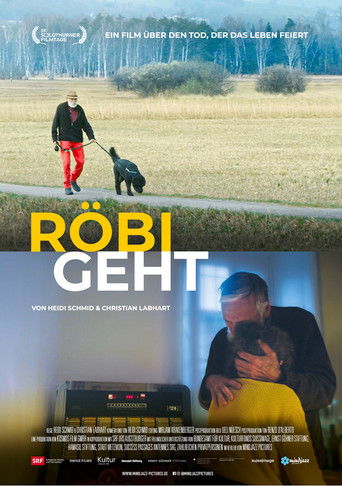
Röbi has lung cancer and only a few months to live. He does not want chemotherapy or radiation. The film accompanies Röbi on the last metres of his life.
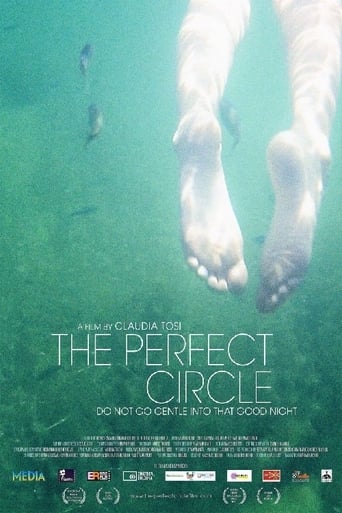
Earth to earth, water to water. The body weight of a newborn child is up to 85 percent water, but in adulthood, the ratio can be cut into half. In a way, people dry up as they grow older. In Claudia Tosi’s documentary, people drink water, watch the rain and wait for their death. The Perfect Circle depicts a man and a woman, Ivano and Meris, who spend their final days at a hospice in the hills of Reggio Emilia, Northern Italy. Their illnesses are in the terminal stage and they know that death is only a matter of time. But the ever-nearing end may fleetingly be forgotten, like when they close their eyes and get lost in the music – until the bodies being carried out next door once again remind them of the inevitable. Death also becomes a part of life for the patients’ loved ones, who want to spend the last available moments with the soon to be departed.
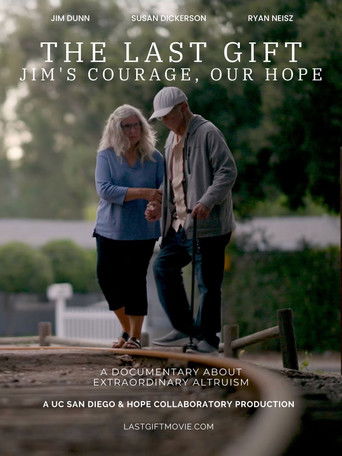
The Last Gift: Jim’s Courage, Our Hope is a moving short documentary exploring the intersection of science, altruism, and human dignity at the end of life. The film follows Jim Dunn, a man living with HIV who chooses to participate in UC San Diego’s Last Gift Study, a pioneering research effort enabling people nearing death to donate their bodies to science immediately after passing, helping researchers uncover where HIV persists despite treatment. Through intimate conversations, reflections on mortality, and moments shared with his wife Susan, clinicians, advocates, and scientists, the film reveals Jim’s profound desire to contribute to a future free of HIV. With honesty and grace, it captures the emotional complexity of end-of-life decisions and the extraordinary courage behind them. Jim’s legacy reminds us that scientific progress is built not only on data, but on human generosity, relationships, and hope.
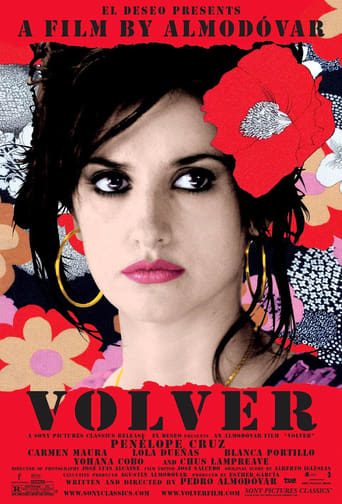
Three generations of women deal with family secrets while surviving the east wind, fire, insanity, superstition, lies and even death.
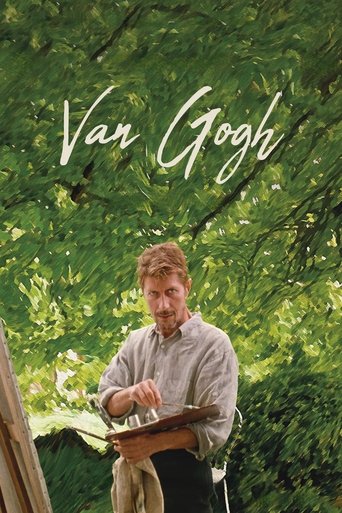
After leaving the asylum, Vincent van Gogh settles in the home of Doctor Gachet, where he keeps painting amidst the torments of his failing mental health. He begins an affair with his host’s daughter, however, she soon realizes that he doesn’t love her and that his heart beats only for art.
A love that seems to be eternal begins to end. Aurelio will do everything possible to make his inheritance fall into the hands of the love of his life, Ricardo, once he dies.
Through deeply personal interviews with her siblings and an examination of the photographs, letters, and belongings left behind, Mariska assembles a new portrait of her mother Jayne Mansfield, an extraordinary and complex woman.
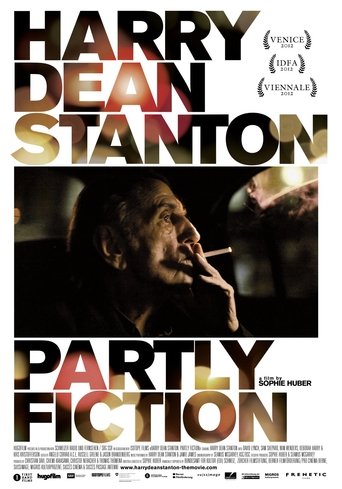
An impressionistic portrait of the iconic actor Harry Dean Stanton comprised of intimate moments, film clips from some of his 250 films and his renditions of American folk songs.
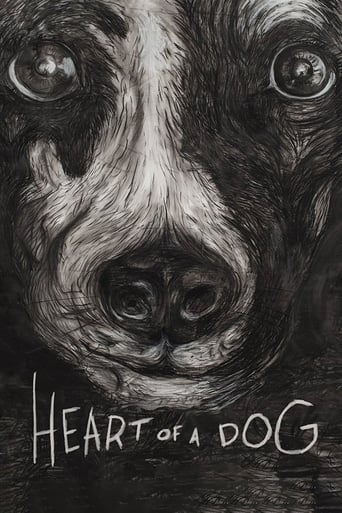
Lyrical and powerfully personal essay film that reflects on the deaths of her husband Lou Reed, her mother, her beloved dog, and such diverse subjects as family memories, surveillance, and Buddhist teachings.
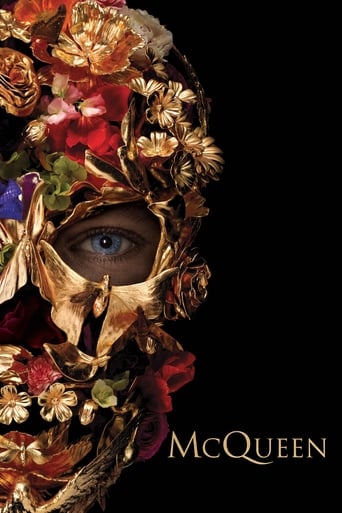
Alexander McQueen's rags-to-riches story is a modern-day fairy tale, laced with the gothic. Mirroring the savage beauty, boldness and vivacity of his design, this documentary is an intimate revelation of McQueen's own world, both tortured and inspired, which celebrates a radical and mesmerizing genius of profound influence.
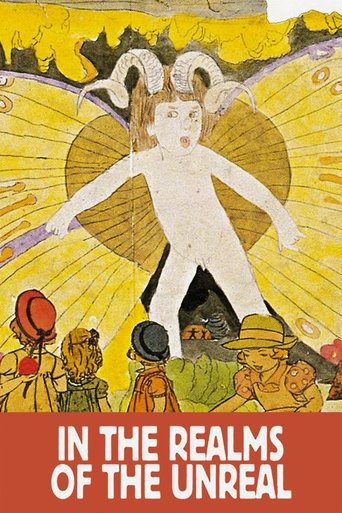
In the Realms of the Unreal is a documentary about the reclusive Chicago-based artist Henry Darger. Henry Darger was so reclusive that when he died his neighbors were surprised to find a 15,145-page manuscript along with hundreds of paintings depicting The Story of the Vivian Girls, in What is Known as the Realms of the Unreal, of the Glodeco-Angelinnian War Storm, Cased by the Child Slave Rebellion.
A documentary about ten very different lives connected by having appeared onscreen wearing masks or helmets in Star Wars.
A documentary about the closure of General Motors' plant at Flint, Michigan, which resulted in the loss of 30,000 jobs. Details the attempts of filmmaker Michael Moore to get an interview with GM CEO Roger Smith.
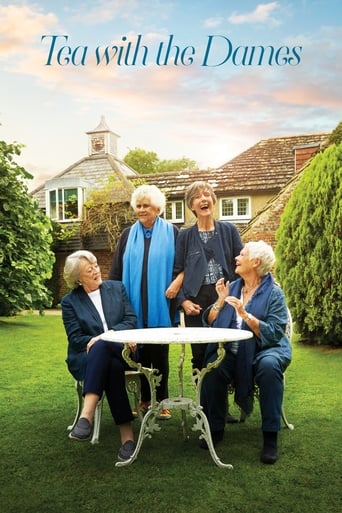
BBC Arena's documentary on the Dames of British Theatre and film featuring Maggie Smith, Eileen Atkins, Judi Dench and Joan Plowright on screen together for the first time as they reminisce over a long summer weekend in a house Joan once shared with Sir Laurence Olivier.
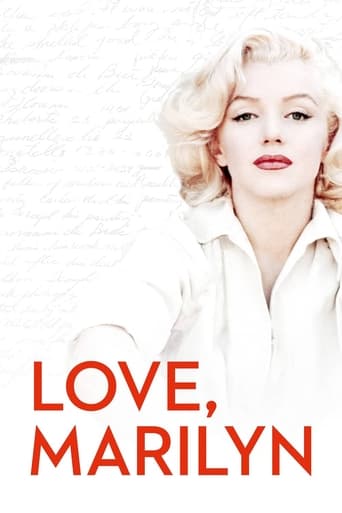
Using the book 'Fragments', which collects Marilyn Monroe's poems, notes and letters, and with participation from the Arthur Miller and Truman Capote estates who have contributed more material, each of the actresses will embody the legend at various stages in her life.
Diaries, audiotapes, videotapes and testimonials from friends and colleagues offer insight into the life and career of Gilda Radner -- the beloved comic and actress who became an icon on Saturday Night Live.
A behind the scenes look into George Romero's groundbreaking horror classic Night of the Living Dead.
From the heights of her modeling fame to her tragic death, this documentary reveals Anna Nicole Smith through the eyes of the people closest to her.
Al Pacino's deeply-felt rumination on Shakespeare's significance and relevance to the modern world through interviews and an in-depth analysis of "Richard III."
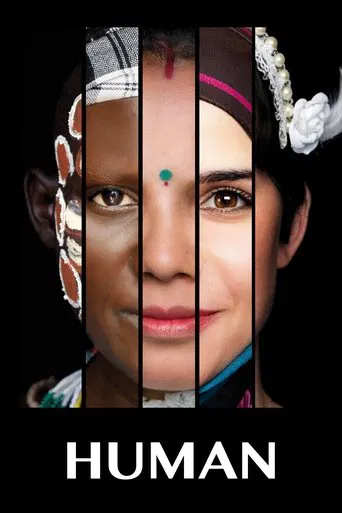
A collection of stories about and images of our world, offering an immersion to the core of what it means to be human. Through these stories full of love and happiness, as well as hatred and violence, it brings us face to face with the Other, making us reflect on our lives. From stories of everyday experiences to accounts of the most unbelievable lives, these poignant encounters share a rare sincerity and underline who we are – our darker side, but also what is most noble in us, and what is universal. Our Earth is shown at its most sublime through never-before-seen aerial images accompanied by soaring music, resulting in an ode to the beauty of the world, providing a moment to draw breath and for introspection. This film is a politically engaged work which allows us to embrace the human condition and to reflect on the meaning of our existence.
A portrait of the day-to-day operations of the National Gallery of London, that reveals the role of the employees and the experiences of the Gallery's visitors. The film portrays the role of the curators and conservators; the education, scientific, and conservation departments; and the audience of all kinds of people who come to experience it.
An inside look at one of the most anticipated movie sequels ever with James Cameron and cast.
With exclusive access to his extraordinary unseen and unheard personal archive including hundreds of hours of audio recorded over the course of his life, this is the definitive Marlon Brando cinema documentary. Charting his exceptional career as an actor and his extraordinary life away from the stage and screen with Brando himself as your guide, the film will fully explore the complexities of the man by telling the story uniquely from Marlon's perspective, entirely in his own voice. No talking heads, no interviewees, just Brando on Brando and life.
Martin Scorsese’s portrait of writer and social commentator Fran Lebowitz, celebrated for her sharp wit and observations on modern life. Filmed at New York’s Waverly Inn and intercut with archival footage and interviews, the documentary captures Lebowitz’s distinctive worldview through her spontaneous monologues and public appearances.
After the high-profile killing of Damilola Taylor, Cornelius' family move out of London. But when they discover their new town is run by racists, Cornelius takes a drastic step to survive.
In this genre-bending tale, Errol Morris explores the mysterious death of a U.S. scientist entangled in a secret Cold War program known as MK-Ultra.