Experimental yet educative and fishy
Social & External
The people behind it
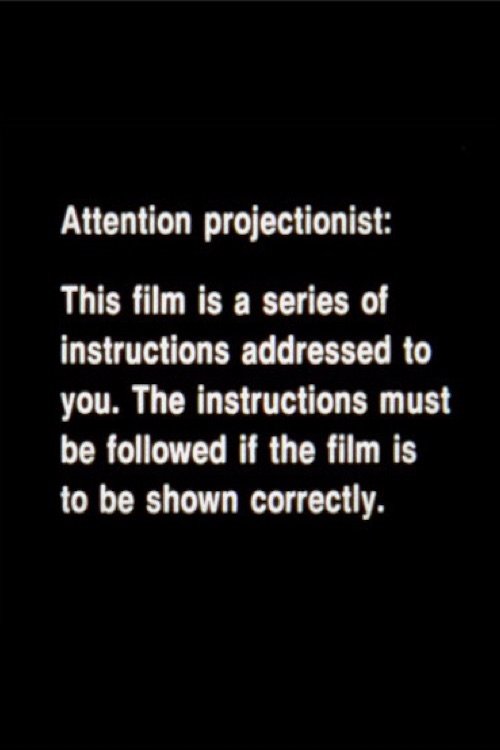
Regrettably, the labour of projectionists is usually only considered by the audience when they ‘screw up’. This film offers an alternative opportunity. Preserved by the Academy Film Archive in 2014.
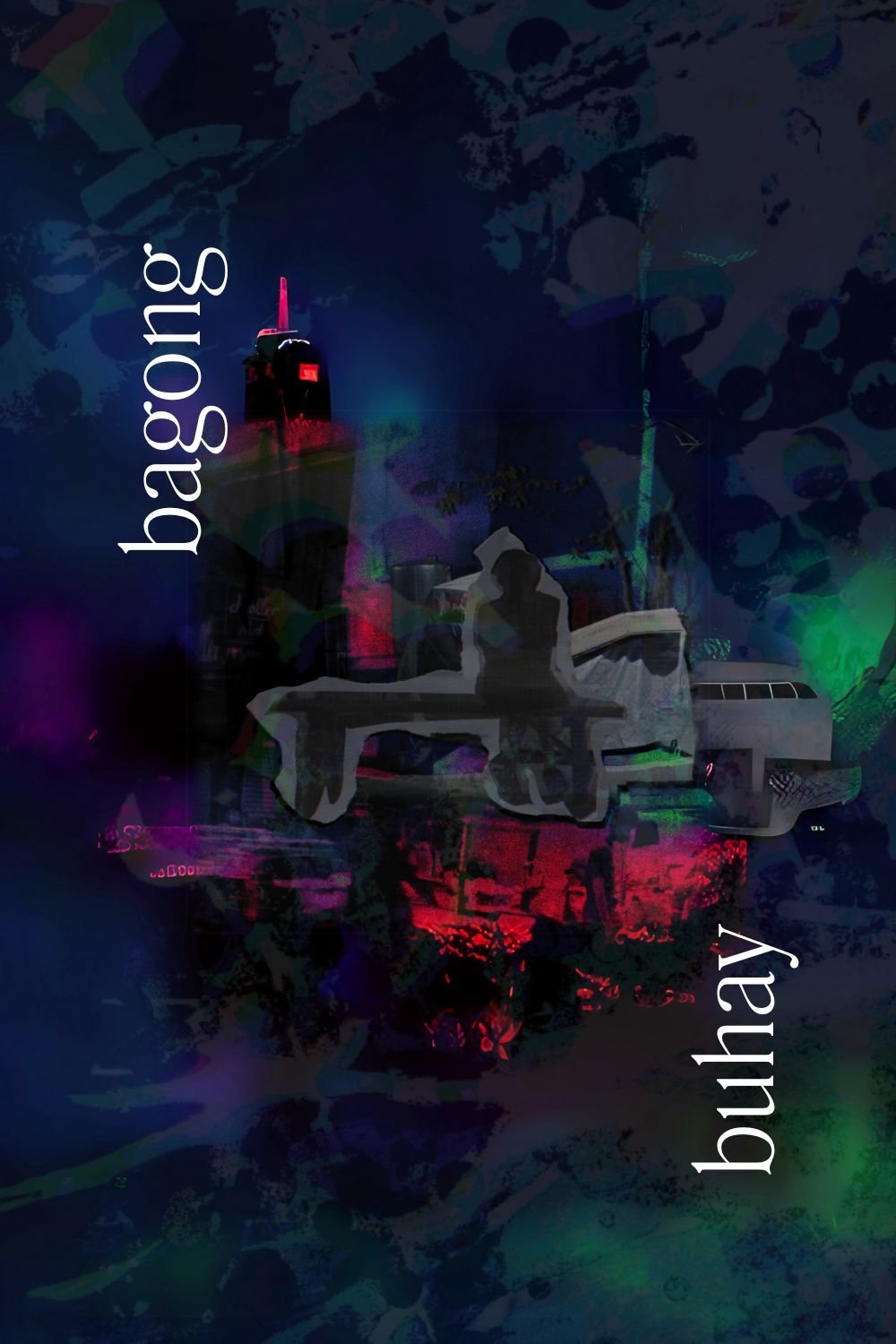
"Bagong Buhay" is a short experimental film that dispels the common belief that packing up and moving to a new place will magically improve one's quality of life. The film challenges this presumption by portraying two contrasting ways of life through objects and locations, encouraging viewers to think critically about the complexities of what makes a better life. In the Philippines, it's believed that relocating to a new area will bring about positive changes in one's existence. True satisfaction is a complex and multifaceted notion, and "Bagong Buhay" encourages us to ponder that relocating to a new place is not a surefire way to attain it.
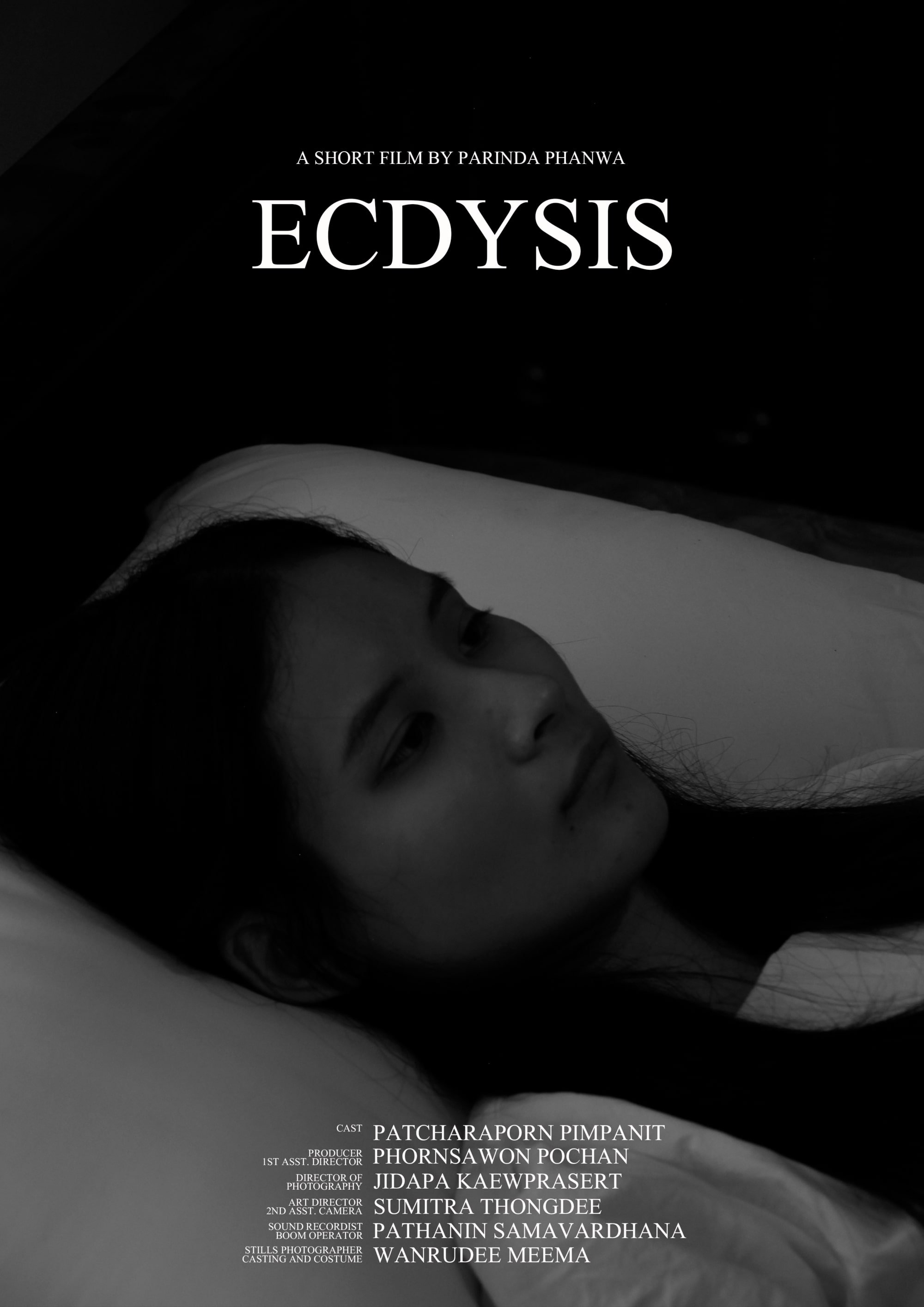
Dusk or dawn, stuck in subconsciousness until we can’t separate between the true self and appearances. Is it even possible that we will be free from our own sake?
One of the series of labodoble experiments of the natural (organic) film developers. The structure of the film is based on the chemical formula of the Rhus Typhina's developer. The main protagonist of the film is a species of flowering plant in the family Anacardiaceae which leaves and berries have been mixed with tobacco and other herbs and smoked by Native American tribes. We tried to apply the properties of the Rhus Typhina in the photochemistry. The film catches the research, experiments, harvesting and preparation of the film developer in which latter original negative was developed.
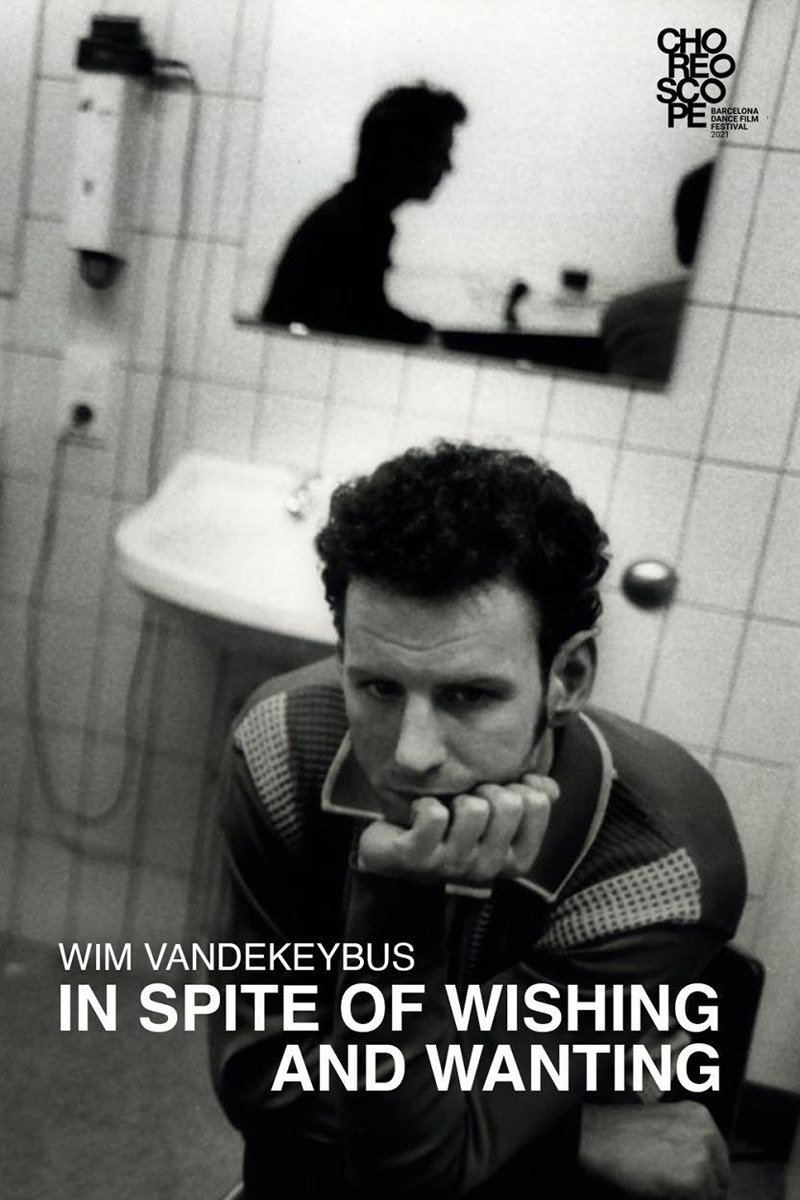
A dynamic, contemporary dance performance about how it is impossible to explain your deepest wishes or desires... how these can only be expressed in dreams and sleep. In the final sequence, we see the importance of effort and hope in the dancers' attempt to escape gravity. The all-male company performs to the music of David Byrne.
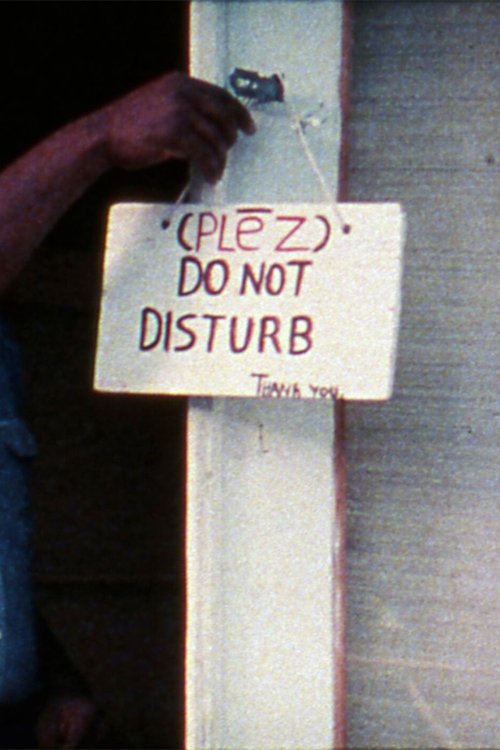
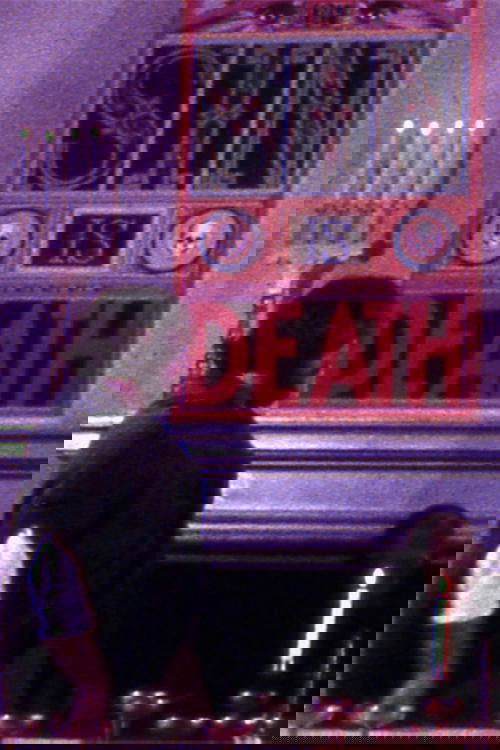
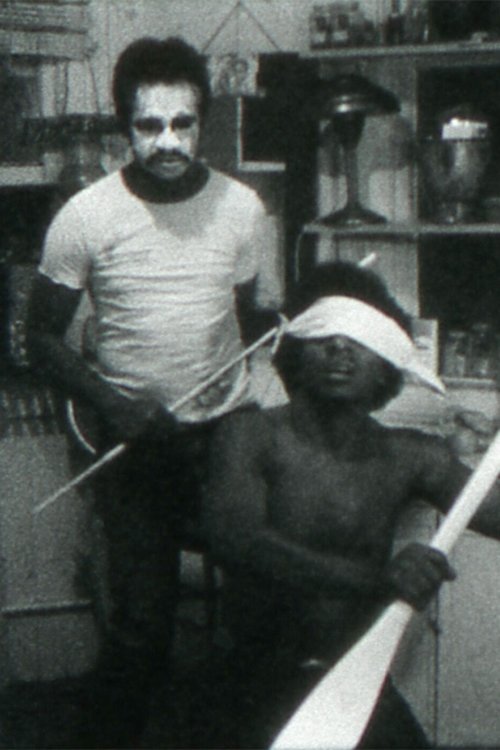
A singular cinematic figure, San Francisco’s Mike Henderson became one of the first independent African-American artists to make inroads into experimental filmmaking in the 1960s. Henderson’s work throughout the 1970s and 1980s, from which this program of 16mm films is culled, thrums with a sociopolitical, humorous sensibility that lends his small-scale, often musically kissed portraits (which he later dubbed “blues cinema”) a personal, artisanal quality. - Film Society of Lincoln Center. Preserved by the Academy Film Archive in 2014.
A singular cinematic figure, San Francisco’s Mike Henderson became one of the first independent African-American artists to make inroads into experimental filmmaking in the 1960s. Henderson’s work throughout the 1970s and 1980s, from which this program of 16mm films is culled, thrums with a sociopolitical, humorous sensibility that lends his small-scale, often musically kissed portraits (which he later dubbed “blues cinema”) a personal, artisanal quality. - Film Society of Lincoln Center. Preserved by the Academy Film Archive in 2016.
A singular cinematic figure, San Francisco’s Mike Henderson became one of the first independent African-American artists to make inroads into experimental filmmaking in the 1960s. Henderson’s work throughout the 1970s and 1980s, from which this program of 16mm films is culled, thrums with a sociopolitical, humorous sensibility that lends his small-scale, often musically kissed portraits (which he later dubbed “blues cinema”) a personal, artisanal quality. - Film Society of Lincoln Center. Preserved by the Academy Film Archive.
Brought in by an ill wind, a stranger from another world falls to earth into the body of a young man. A glitch in this interchange hampers the alien consciousness to fully integrate in the new found carcass. We follow this being for a day in their muffled wander through earth.
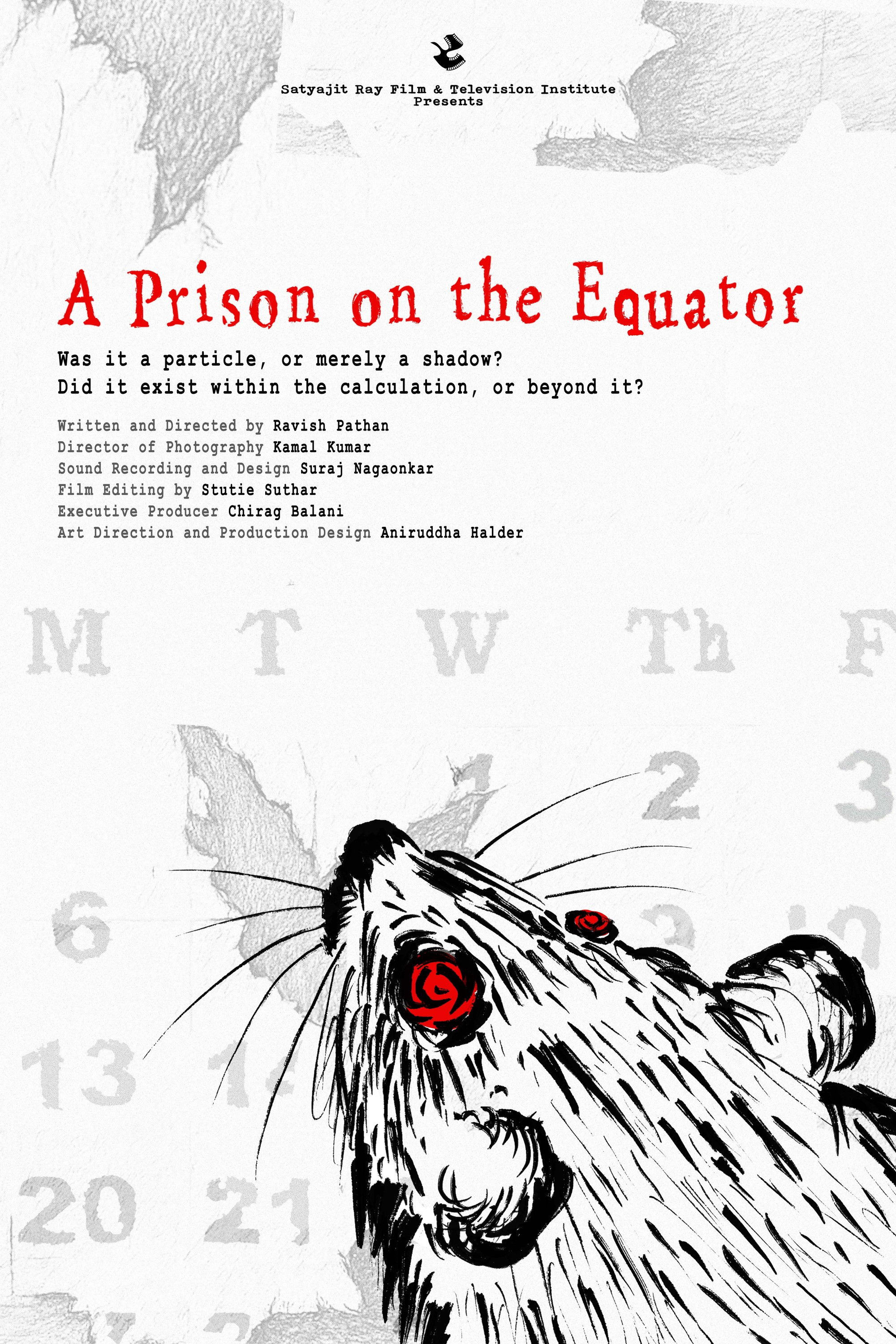
Set inside a cramped prison and unfolding in a single unbroken long take, A Prison on the Equator follows a condemned prisoner who obsessively reasons through time, logic and fate as he awaits an execution promised to be a "surprise."
editing experiments with a light source. my first experience with editing. originally made in march 2023
An afternoon of training for Olympic diver Greg Louganis transforms into a visual poem about freedom, the flight of the spirit, and the astonishing physical prowess of which the human body is capable. The title of this award-winning short film alludes to the mythical kingfisher, a harbinger of calm after the storm and a symbol of grace, elegance, and vigor.
Experimental short, soundtrack of someone coughing and grasping for air, manipulated images of lung scans.
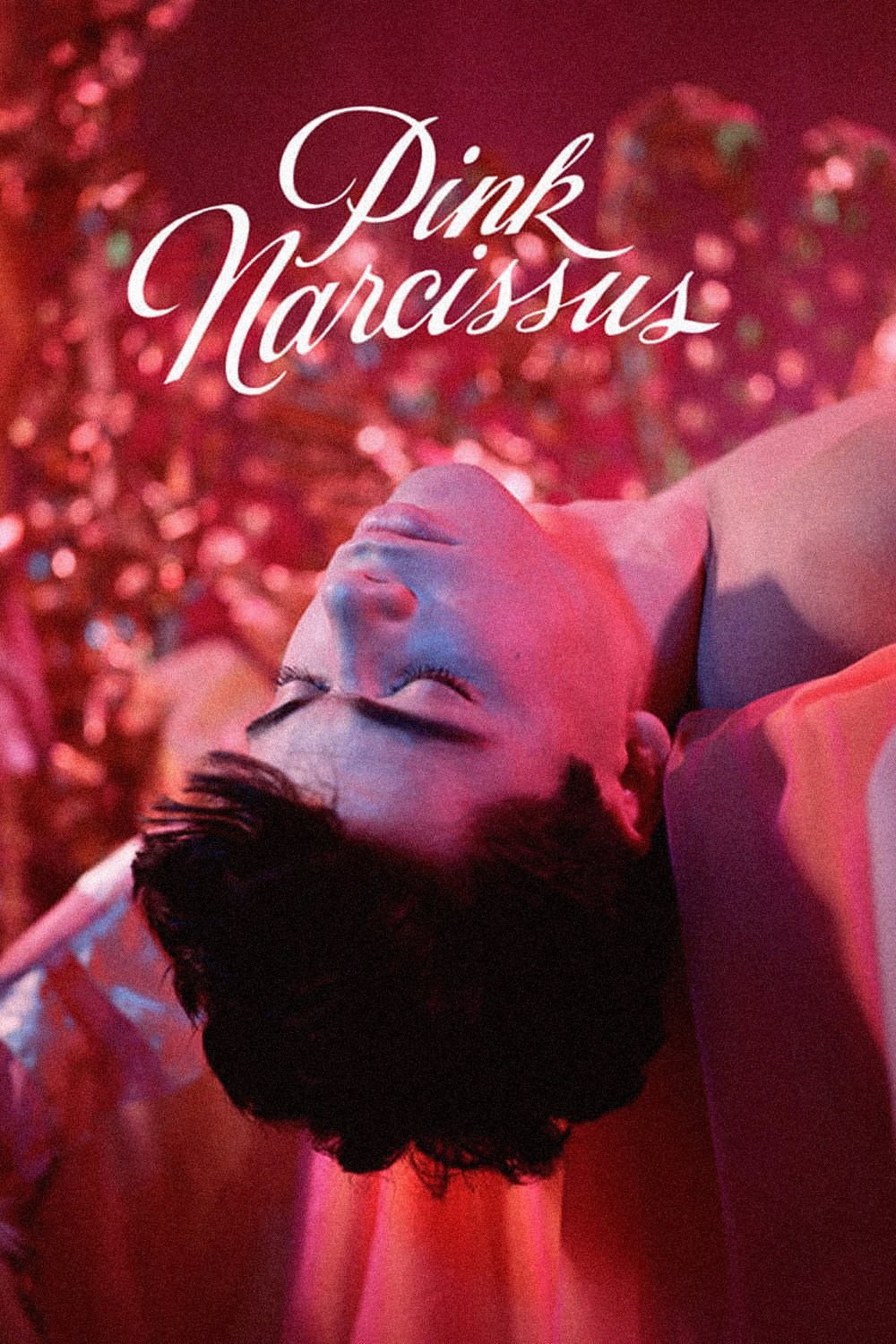
An outrageous erotic poem focusing on the daydreams of a beautiful boy prostitute who, from the seclusion of his ultra-kitsch apartment, conceives a series of interlinked narcissistic fantasies populated by matadors, dancing boys, slaves, and leather-clad bikers.
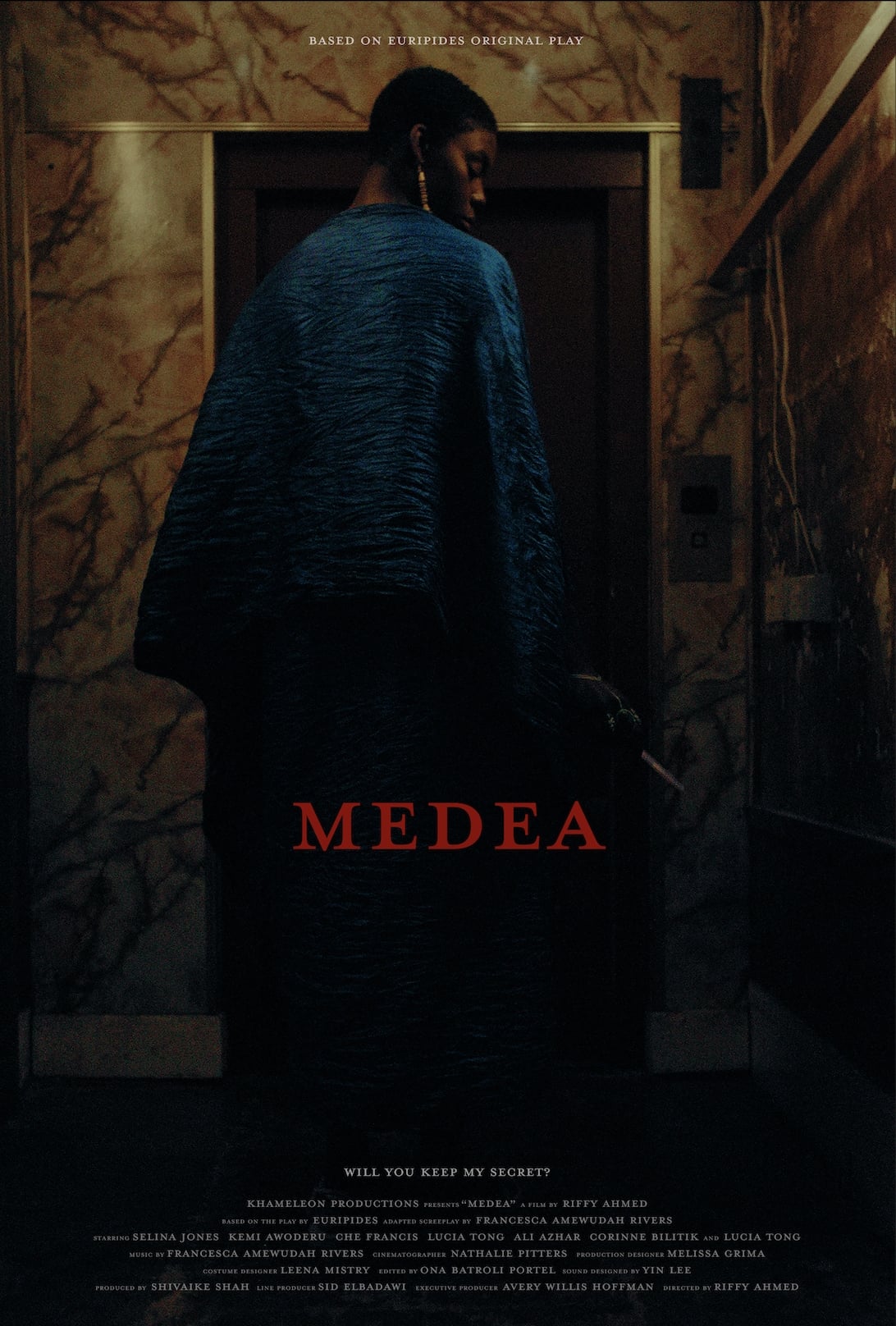
After escaping from her homeland and now abandoned by the man she loves, Medea must find strength from within to fight against growing injustice - how far is she willing to go?
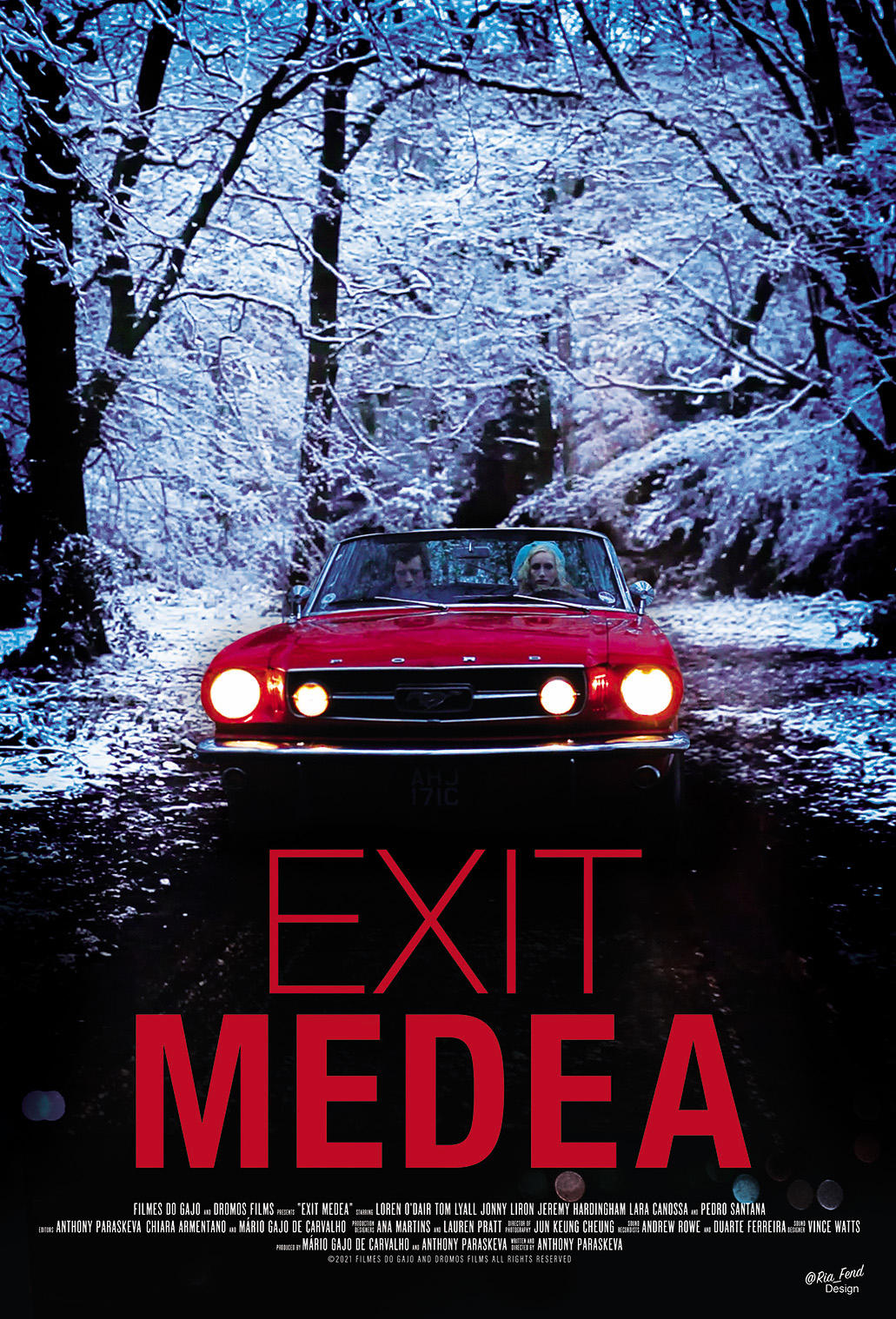
Torn between loyalty to her family, and her love for Jason, Medea attacks her father and flees with Jason to unknown lands. Her brother pursues them. When Jason betrays and abandons her, she is driven to the ultimate act of vengeful destruction.
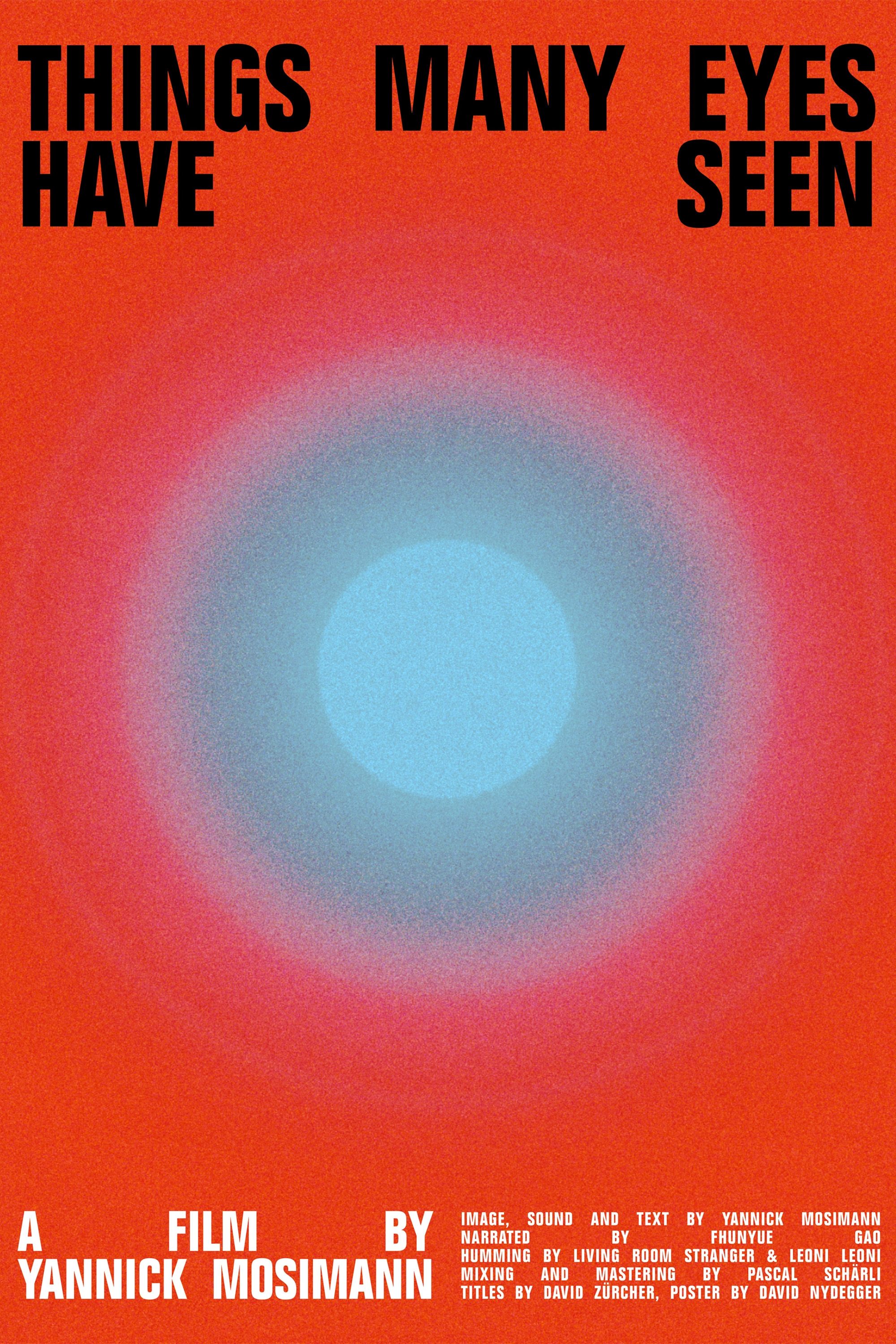
A flickering diary of time, memory, and erosion, «Things Many Eyes Have Seen» unfolds over a month on an island. Hand-processed in salty seawater, its 16mm images dissolve and transform. The landscape flashes by in broken frames of light and shadow, as if the world itself was stuttering between memory and motion. A meditation on seeing and being seen, the film lingers like a fading dream, where observer and landscape blur into one.
Twenty images of a camera running next to a chemical platform and capturing abstract light throught improvised gestures and asymmetrical motion
SEDUCED AND ABANDONED combines acting legend Alec Baldwin with director James Toback as they lead us on a troublesome and often hilarious journey of raising financing for their next feature film. Moving from director to financier to star actor, the two players provide us with a unique look behind the curtain at the world's biggest and most glamourous film festival, shining a light on the bitter-sweet relationship filmmakers have with Cannes and the film business. Featuring insights from directors Martin Scorsese, 'Bernando Bertolucci' and Roman Polanski; actors Ryan Gosling and Jessica Chastain and a host of film distribution luminaries.
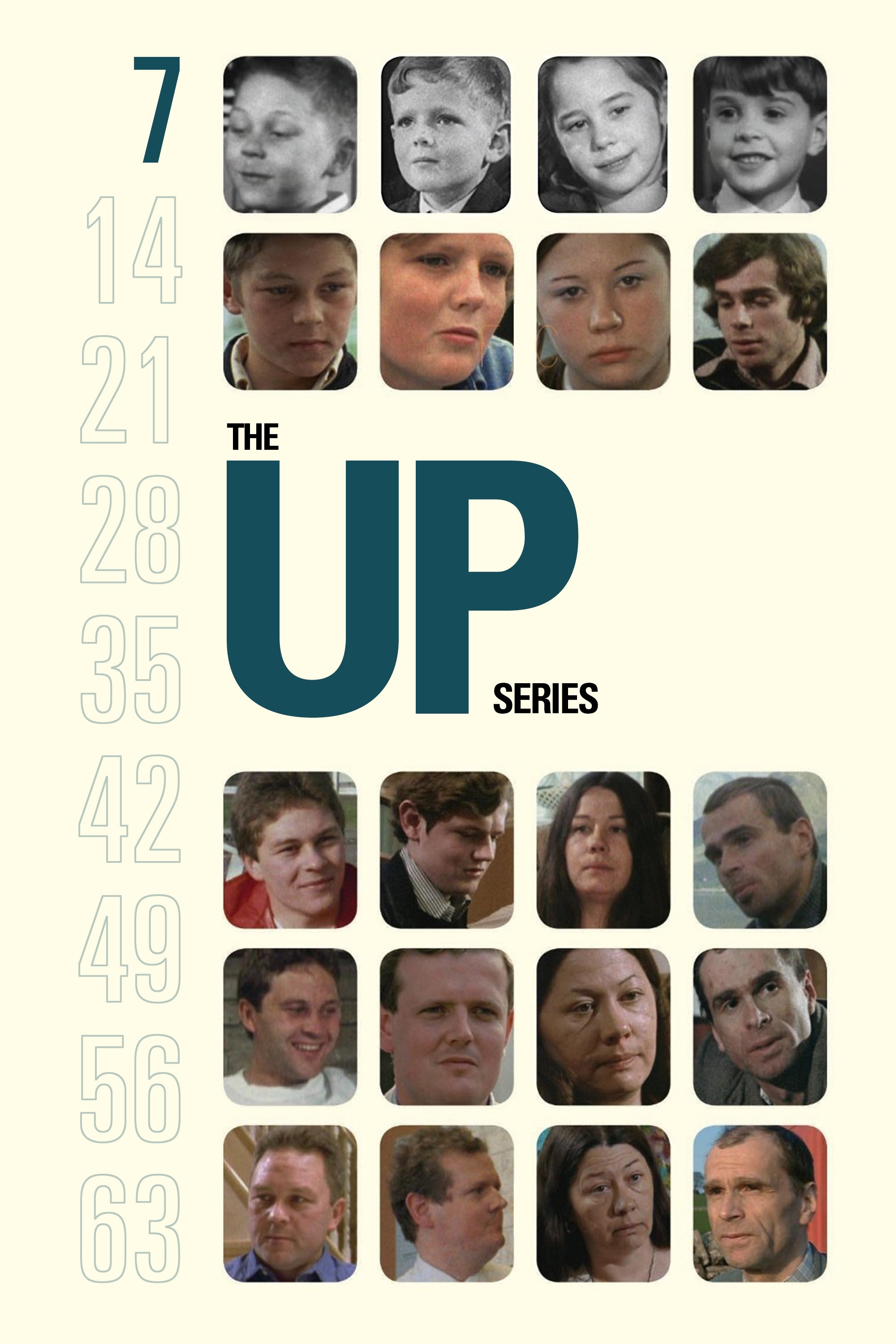
A group of British children aged 7 from widely ranging backgrounds are interviewed about a range of subjects. The filmmakers plan to re-interview them at 7 year intervals to track how their lives and attitudes change as they age.
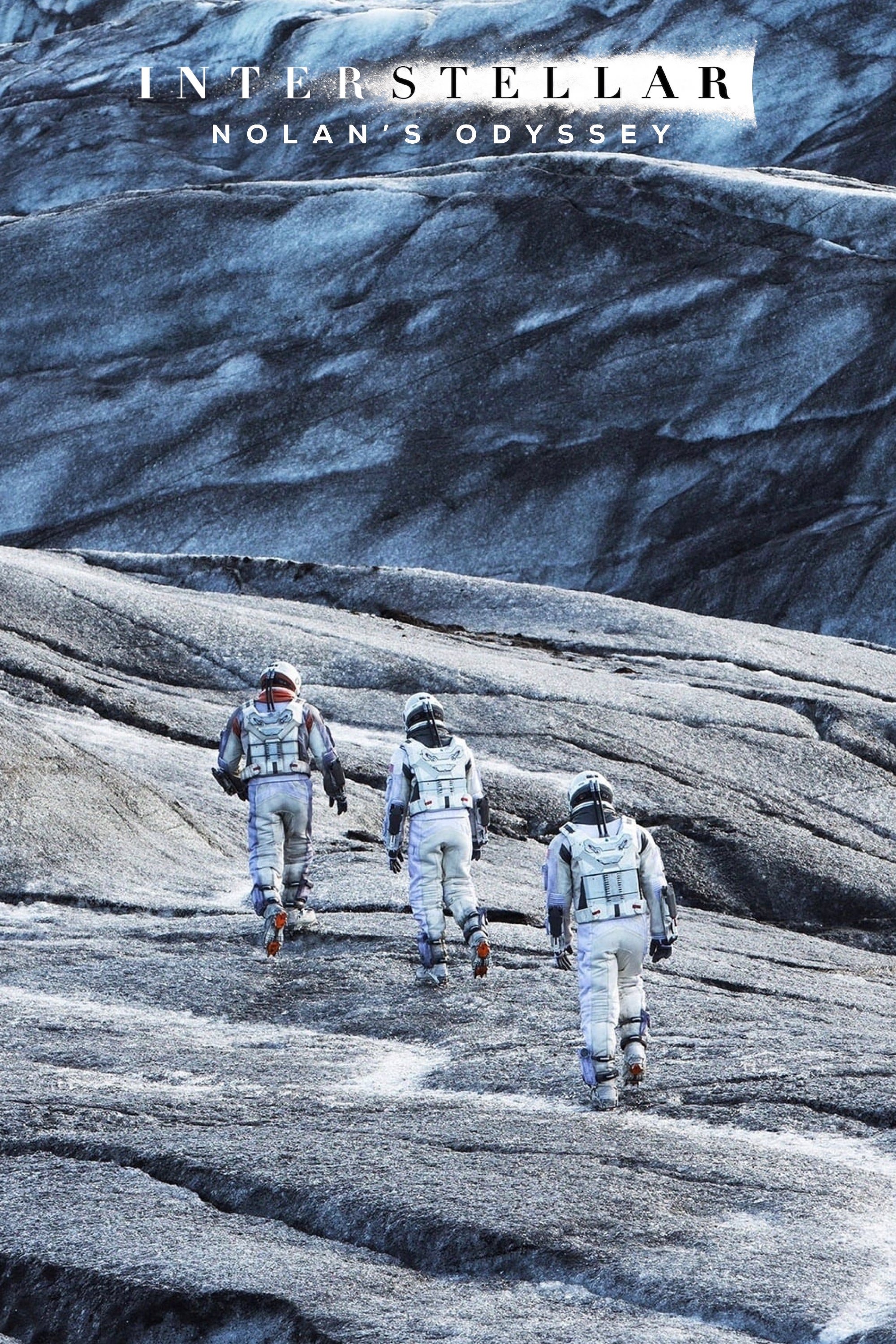
A look behind the lens of Christopher Nolan's space epic.
The Making-of James Cameron's Avatar. It shows interesting parts of the work on the set.
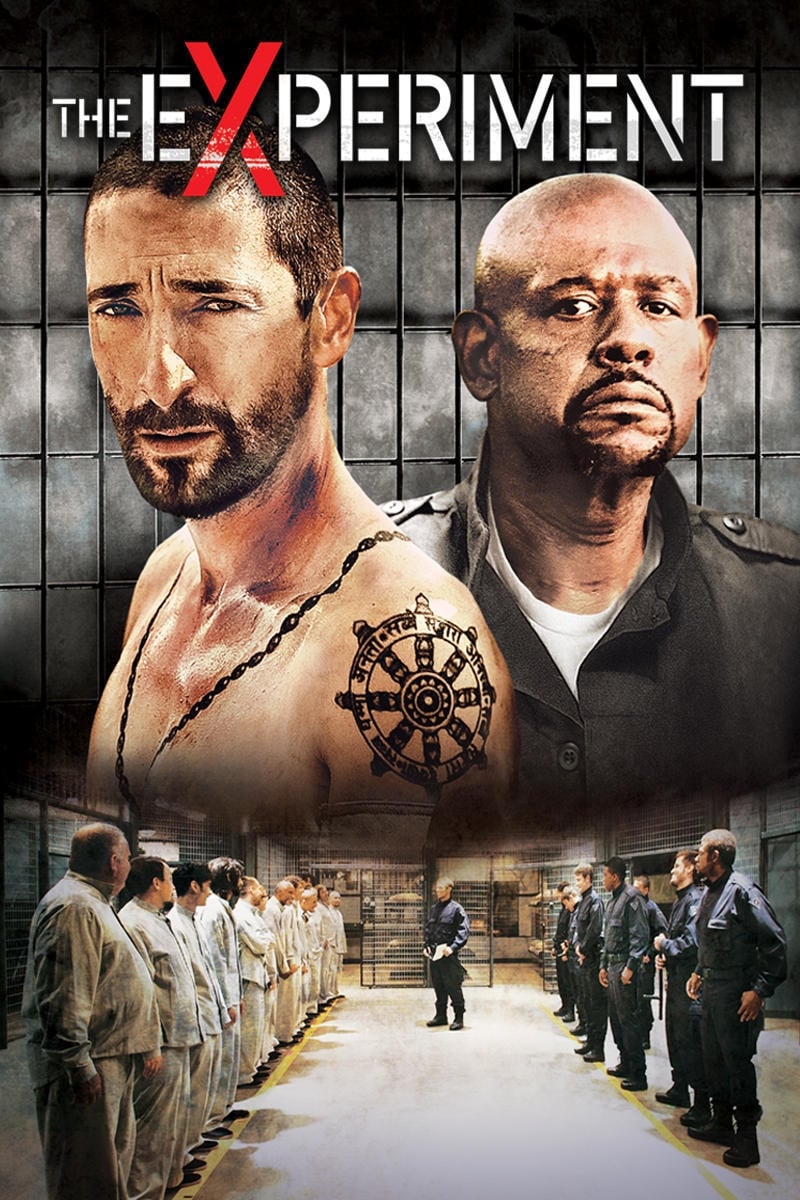
20 men are chosen to participate in the roles of guards and prisoners in a psychological study that ultimately spirals out of control.
A string of threatening emails escalates into a revenge plot involving a newly married US marshal and his ex-girlfriend.
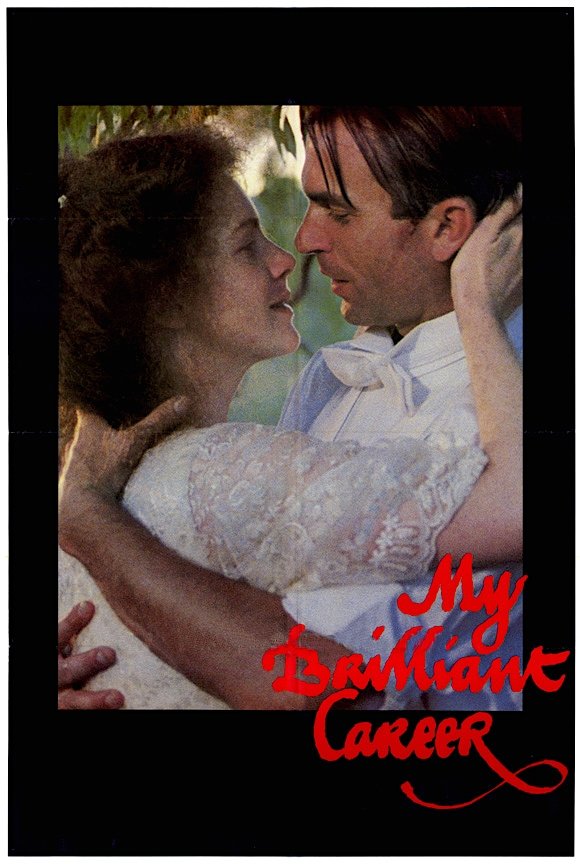
A young woman who is determined to maintain her independence finds herself at odds with her family who wants her to tame her wild side and get married.
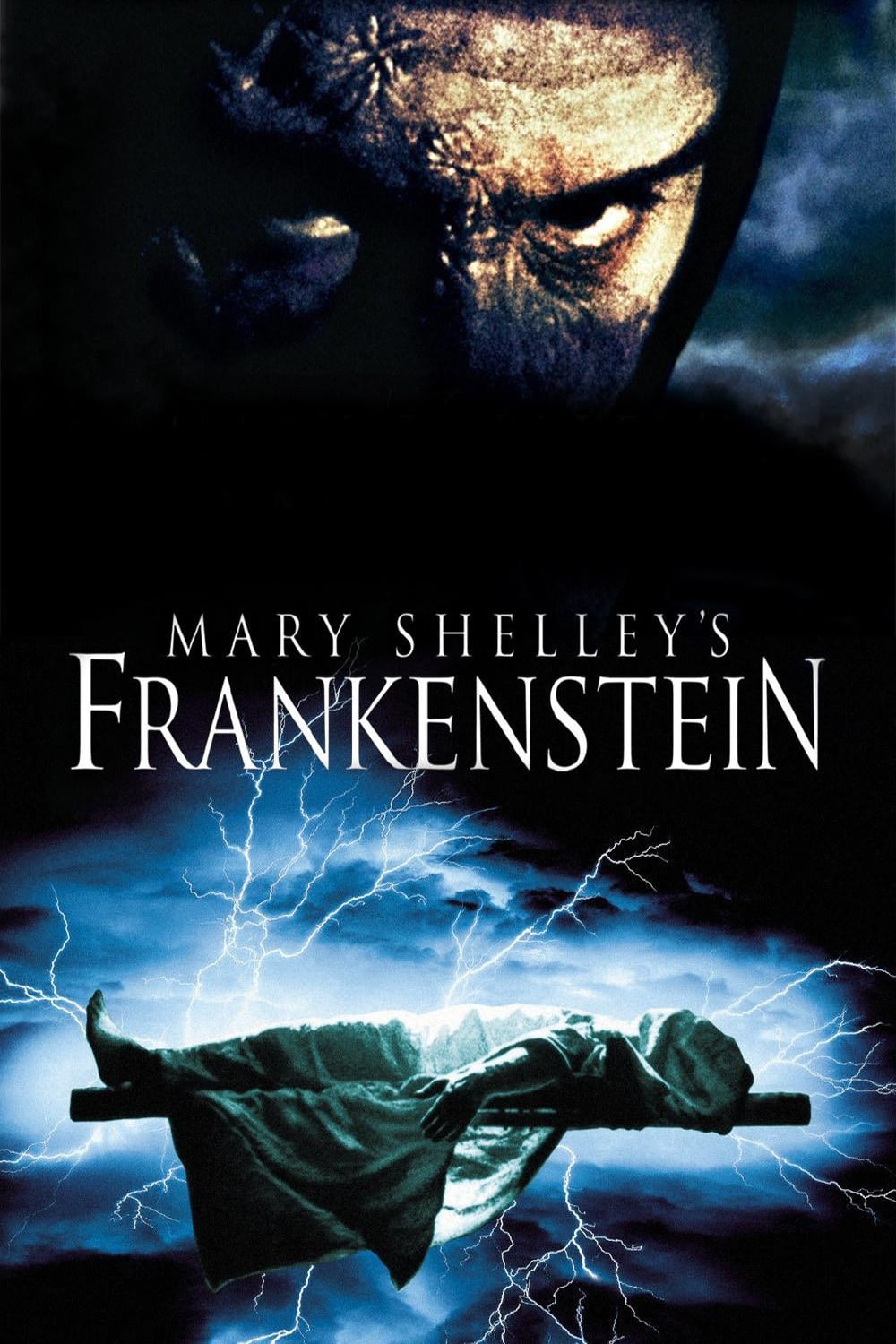
Victor Frankenstein is a promising young doctor who, devastated by the death of his mother during childbirth, becomes obsessed with bringing the dead back to life. His experiments lead to the creation of a monster, which Frankenstein has put together with the remains of corpses. It's not long before Frankenstein regrets his actions.
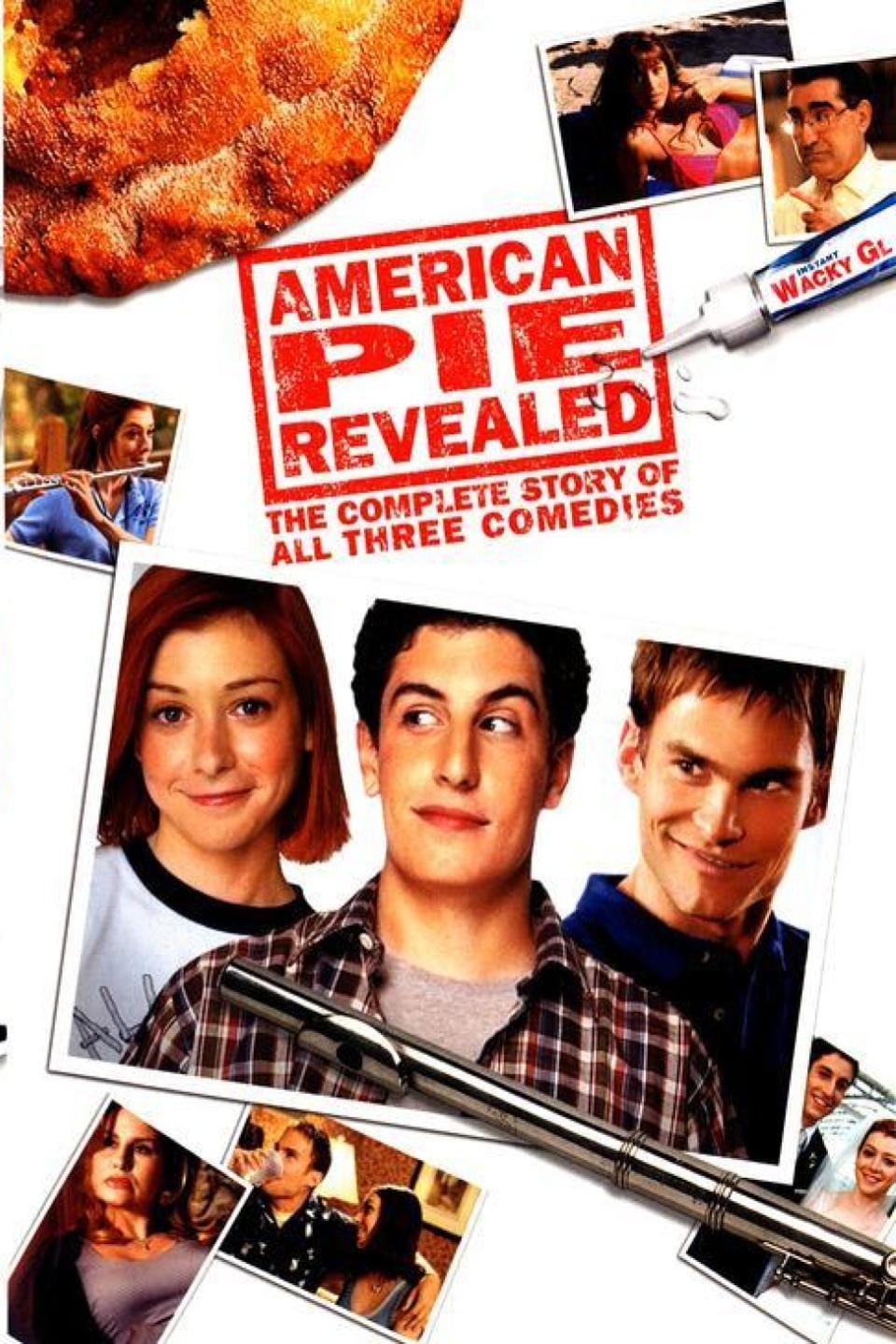
Documentary about the making of American Pie (1999), American Pie 2 (2001) and American Wedding (2003).
A mother bird tries to teach her little one how to find food by herself. In the process, she encounters a traumatic experience that she must overcome in order to survive.
Whitney Wolfe uses extraordinary grit and ingenuity to break into the male-dominated tech industry.
Capturing Avatar is a feature length behind-the-scenes documentary about the making of Avatar. It uses footage from the film's development, as well as stock footage from as far back as the production of Titanic in 1995. Also included are numerous interviews with cast, artists, and other crew members. The documentary was released as a bonus feature on the extended collector's edition of Avatar.
Conman Robert Freegard poses as an undercover MI5 agent and kidnaps countless victims amidst a high-stakes manhunt, until the woman who fell for him brings him to justice.
Goofy goes fishing with his best friend, Wilbur, a grasshopper.
Join the likes of Jeremy Renner, Hailee Steinfeld, Florence Pugh, and Vincent D’Onofrio as they reveal how Marvel Studios’ “Hawkeye” was conceived and created. Witness firsthand what it took to pull off the show’s pulse-pounding action set pieces, and discover how iconic characters from the pages of Marvel Comics such as Kate Bishop were adapted and brought to life for the six-episode series.
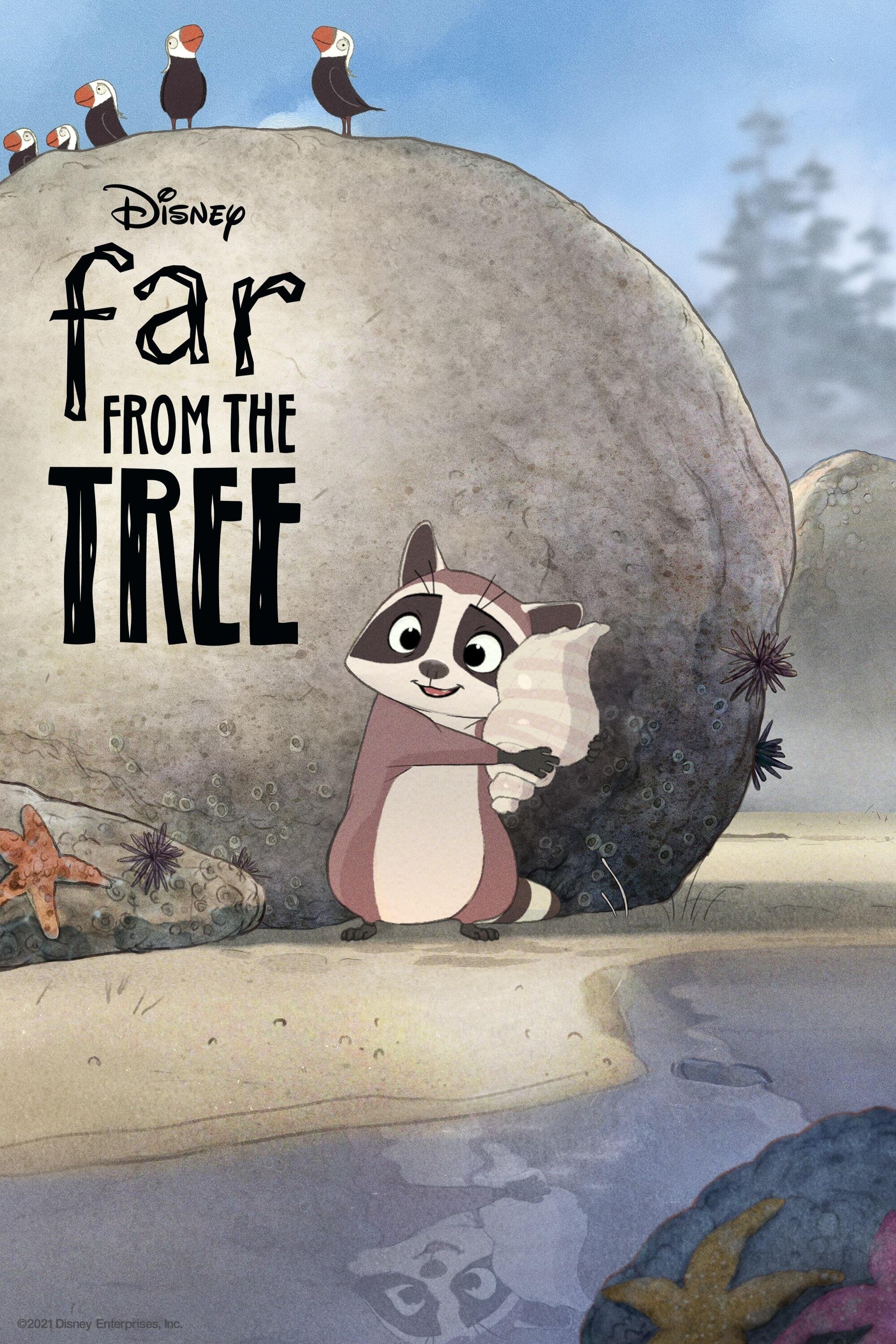
On an idyllic beach in the Pacific Northwest, curiosity gets the better of a young raccoon whose frustrated parent attempts to keep them both safe.
Those who knew iconic funnyman John Candy best share his story, in their own words, through never-before-seen archival footage, imagery, and interviews.
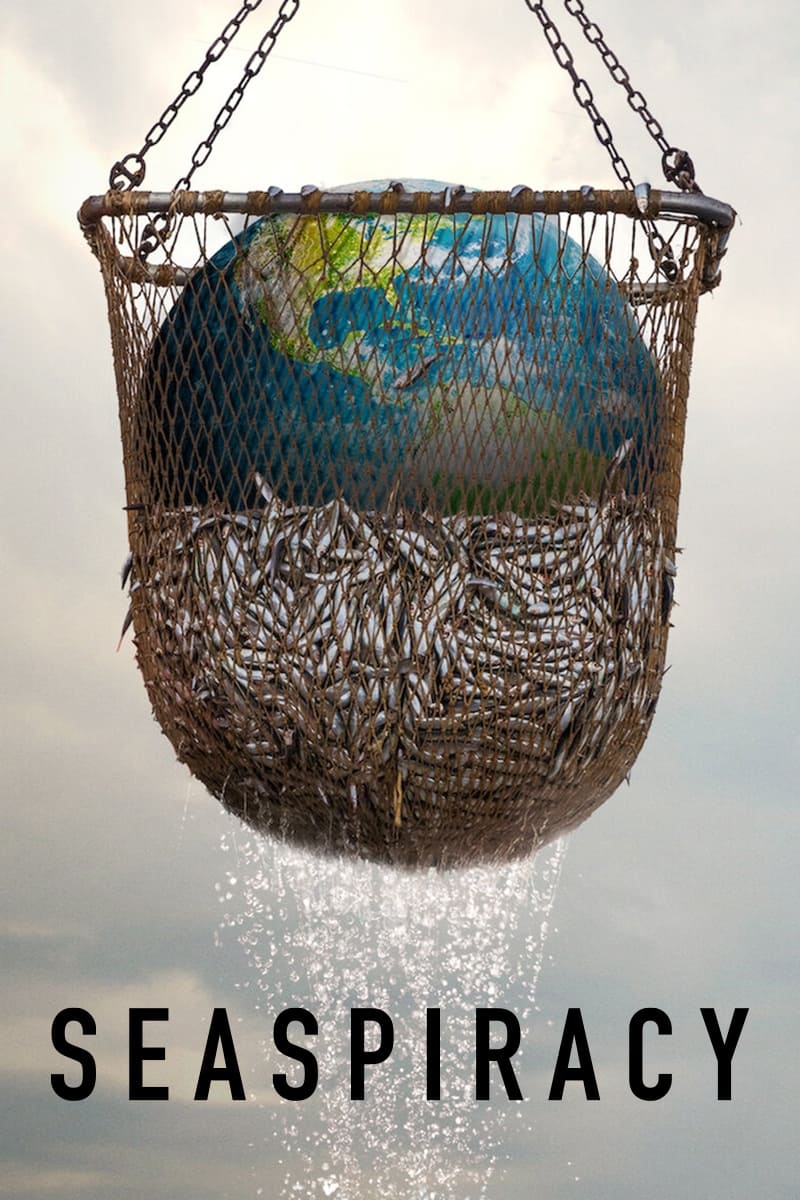
Passionate about ocean life, a filmmaker sets out to document the harm that humans do to marine species — and uncovers an alarming global conspiracy.
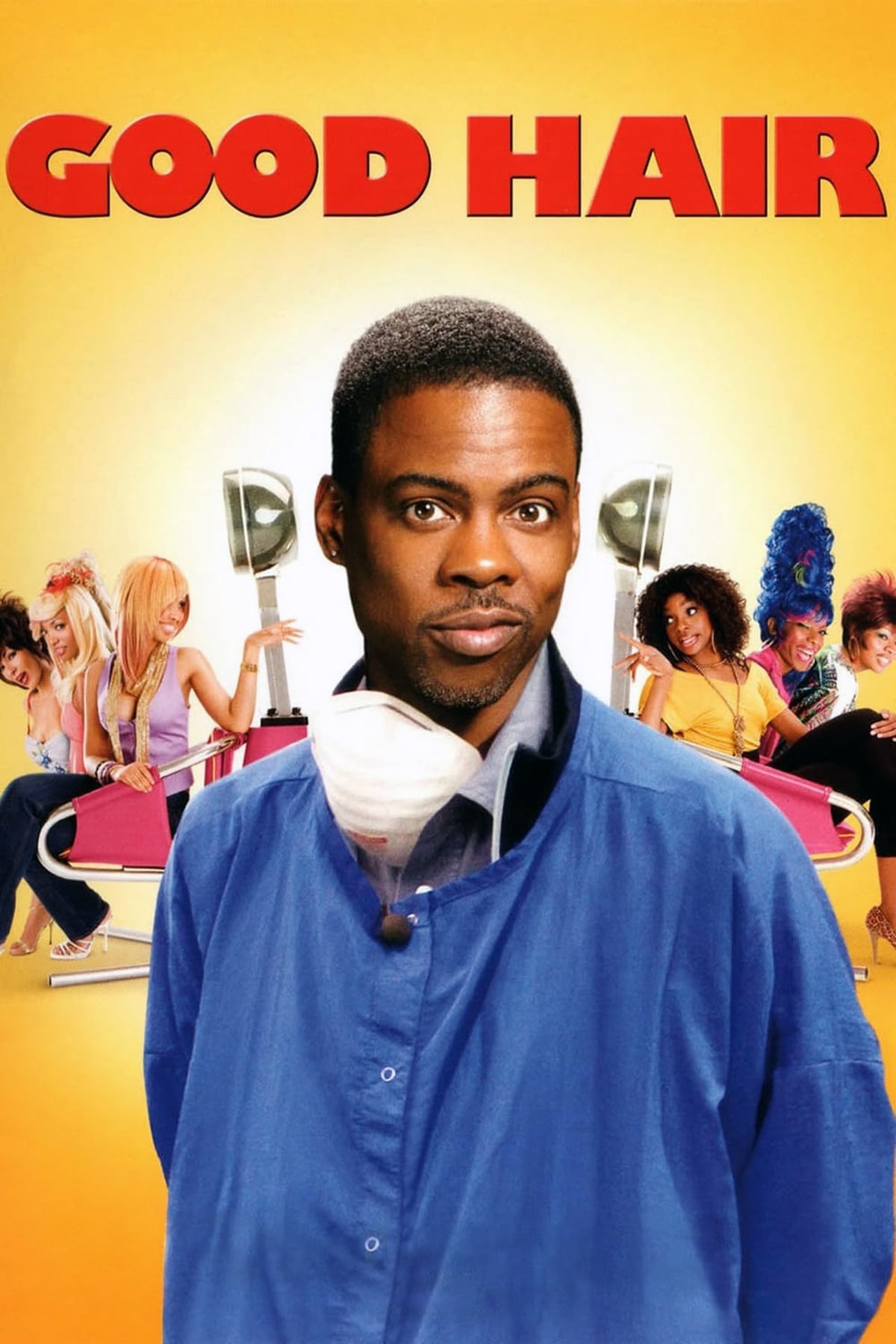
An exposé of comic proportions that only Chris Rock could pull off, GOOD HAIR visits beauty salons and hairstyling battles, scientific laboratories and Indian temples to explore the way hairstyles impact the activities, pocketbooks, sexual relationships, and self-esteem of the black community.
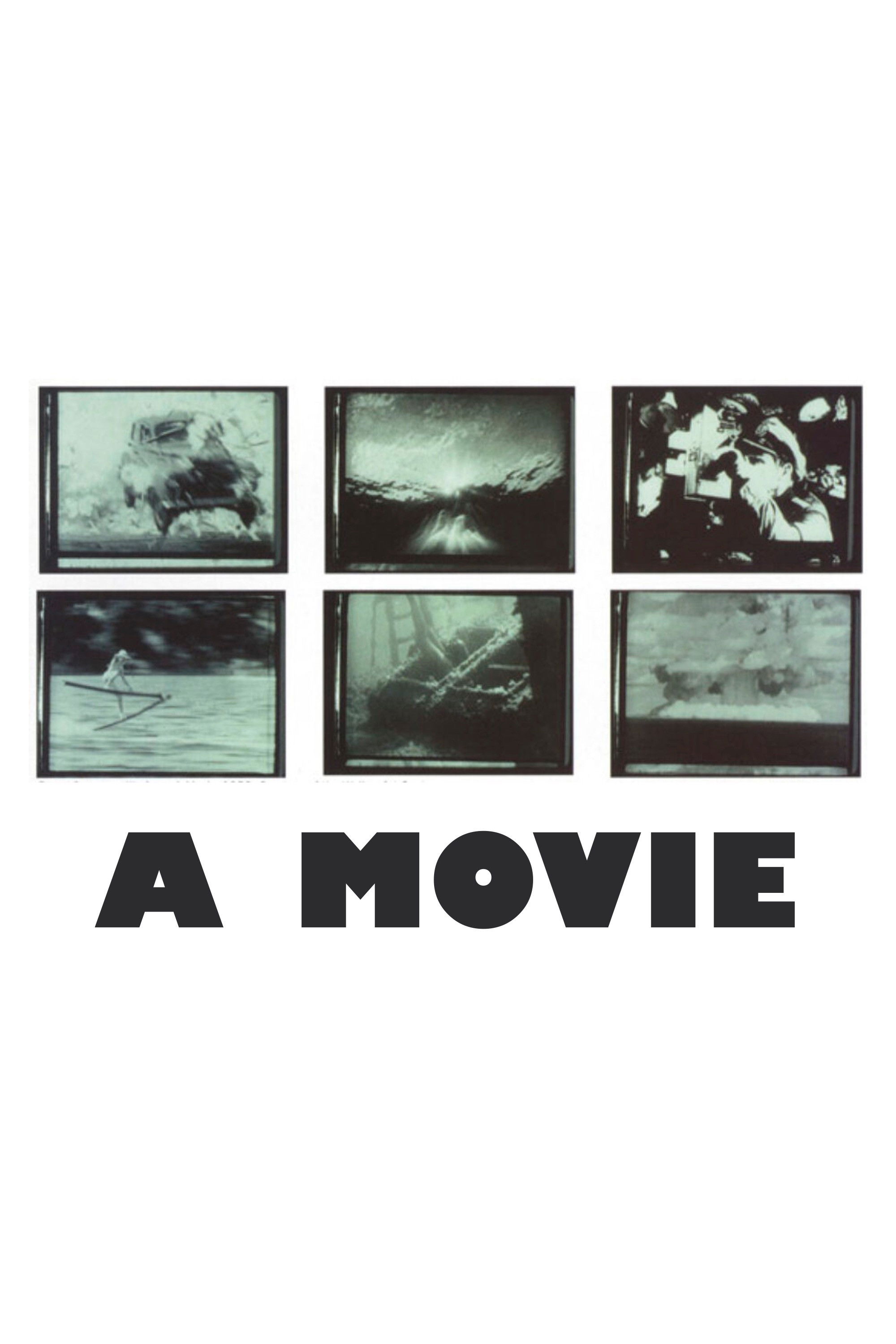
Bruce Conner's landmark experimental film consisting entirely of found footage edited to a new score.