Tamaki Ryou's concert.
Social & External
The people behind it
Ryo Tamaki
Aizuki Hikaru
Ayanagi Shou
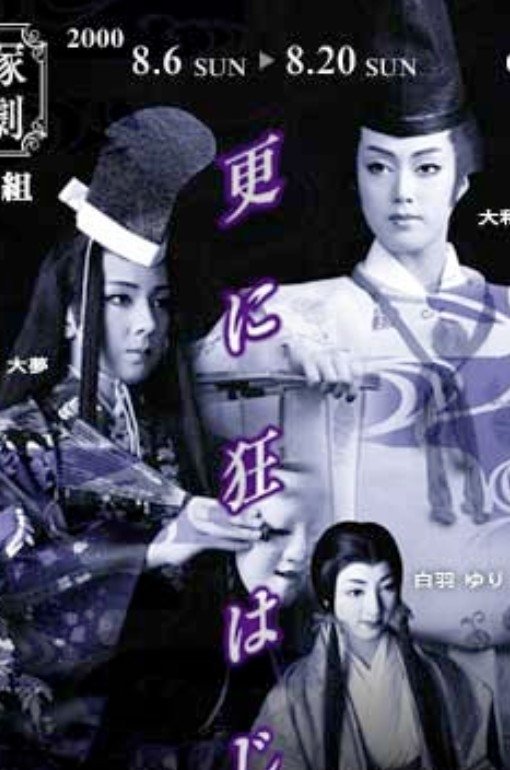
Zeami perfected the performing art of Noh. He had two sons, Motomasa and Motoshige, who were destined to inherit the Kanze school. Driven by ambition as Noh actors and entangled in a forbidden love with a woman connected to the Southern Court, their destinies unfold dramatically.
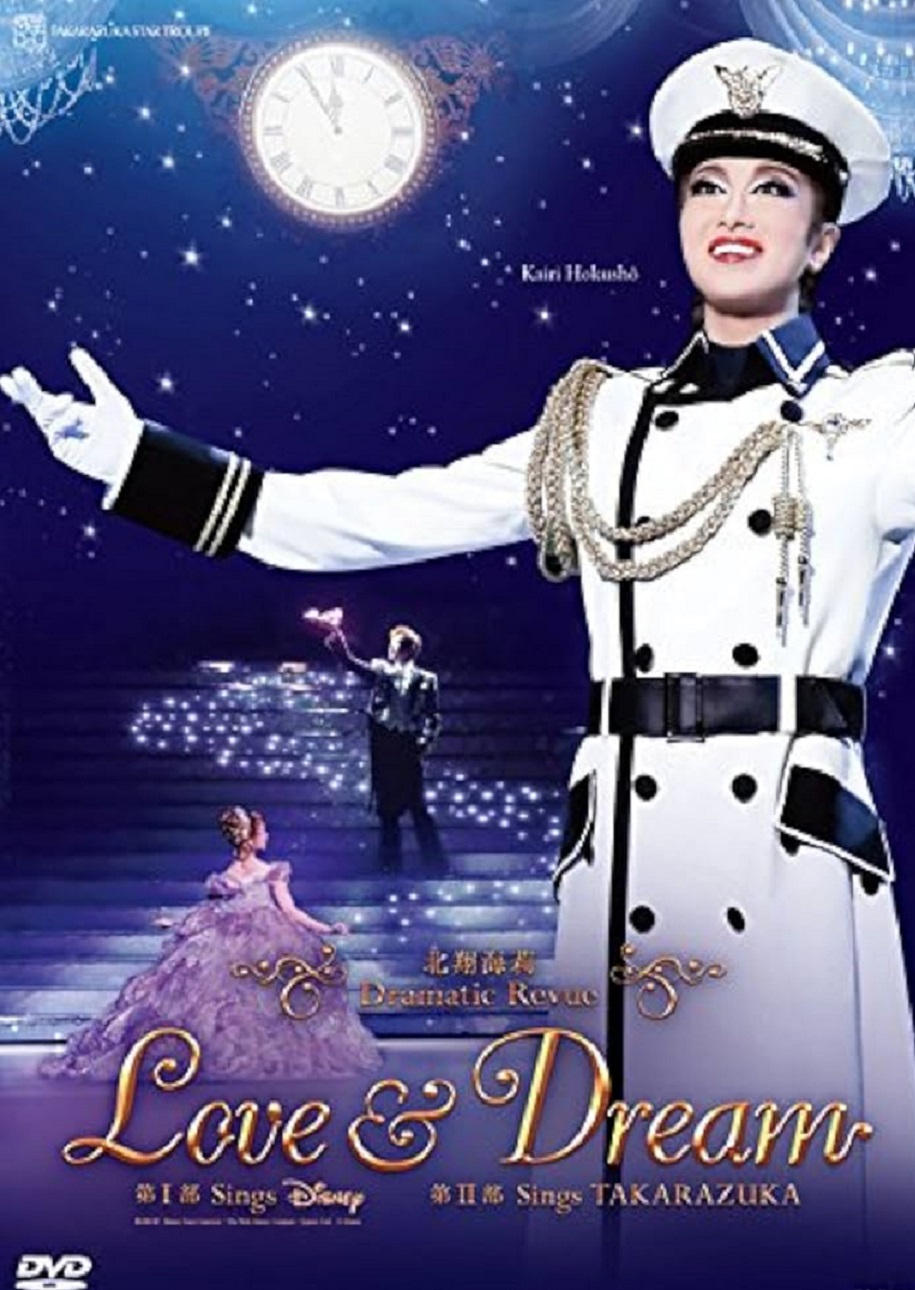
Star Troupe's performance with Disney songs.
Early in the nineteenth century in Paris, an evening party is held at Martin's residence on rue de la Chaussee d'Antin. Galantine, the residence's owner and widow of Duke Martin, holds a salon which is a social gathering of important people such as famous nobles, artists, and industrialists. At the party, a baron's second son Albert reunites with a count's daughter Vivianne whom he has known since childhood. After the loss of her father and elder brother who had stood against the present government, she was exiled to England along with her mother. However, following the advice of her aunt Galantine, she returned to Paris several years later when the government's vengeance against the opposition had subsided. Vivian and Albert are very delighted at their meeting again after a long interval and enthusiastically talk as if they were filling in the long blank of several years.
Based on Shakespeare's The Two Gentlemen of Verona.
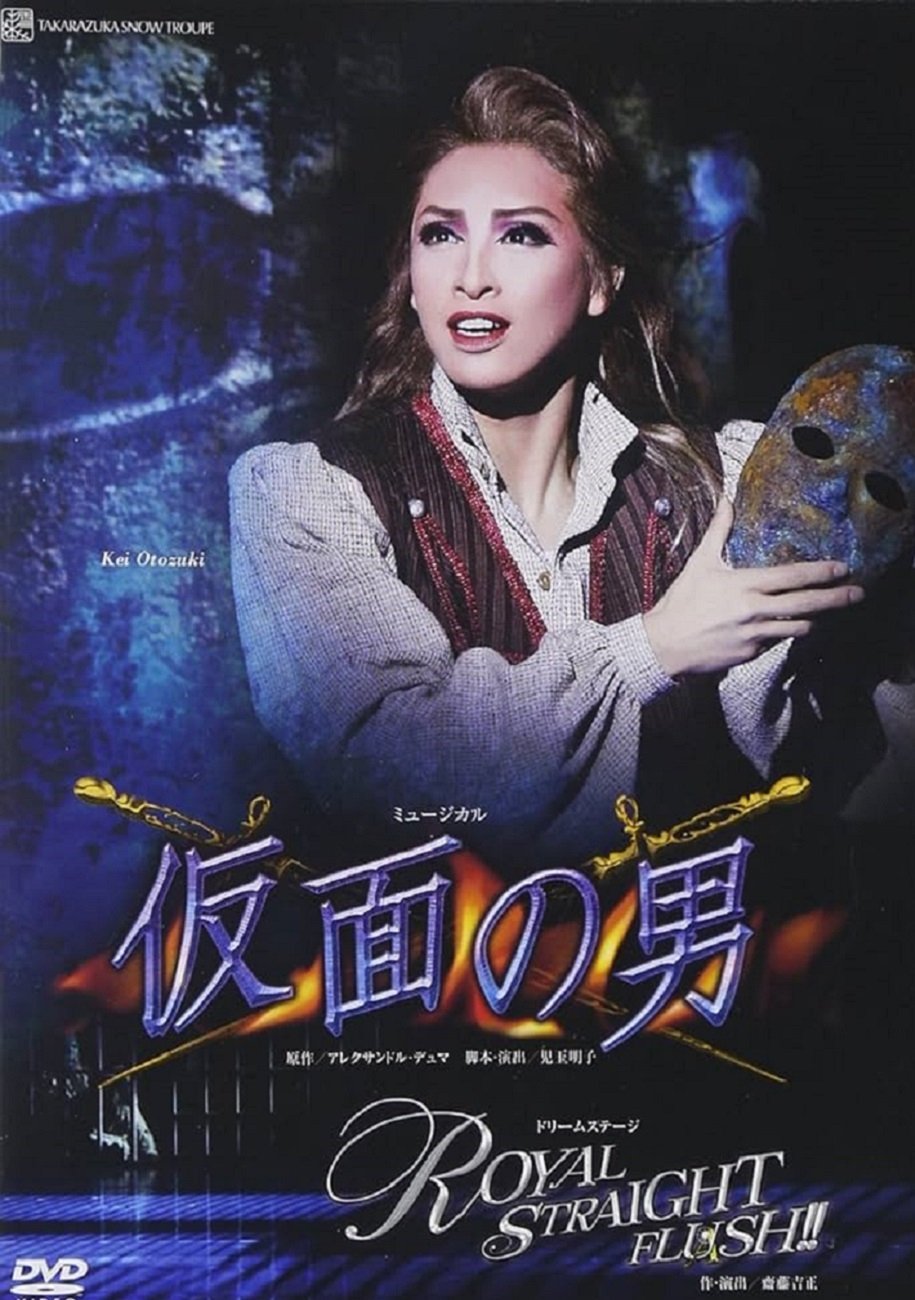
Snow Troupe's performance based on Alexandre Dumas' "The Man in the Iron Mask".
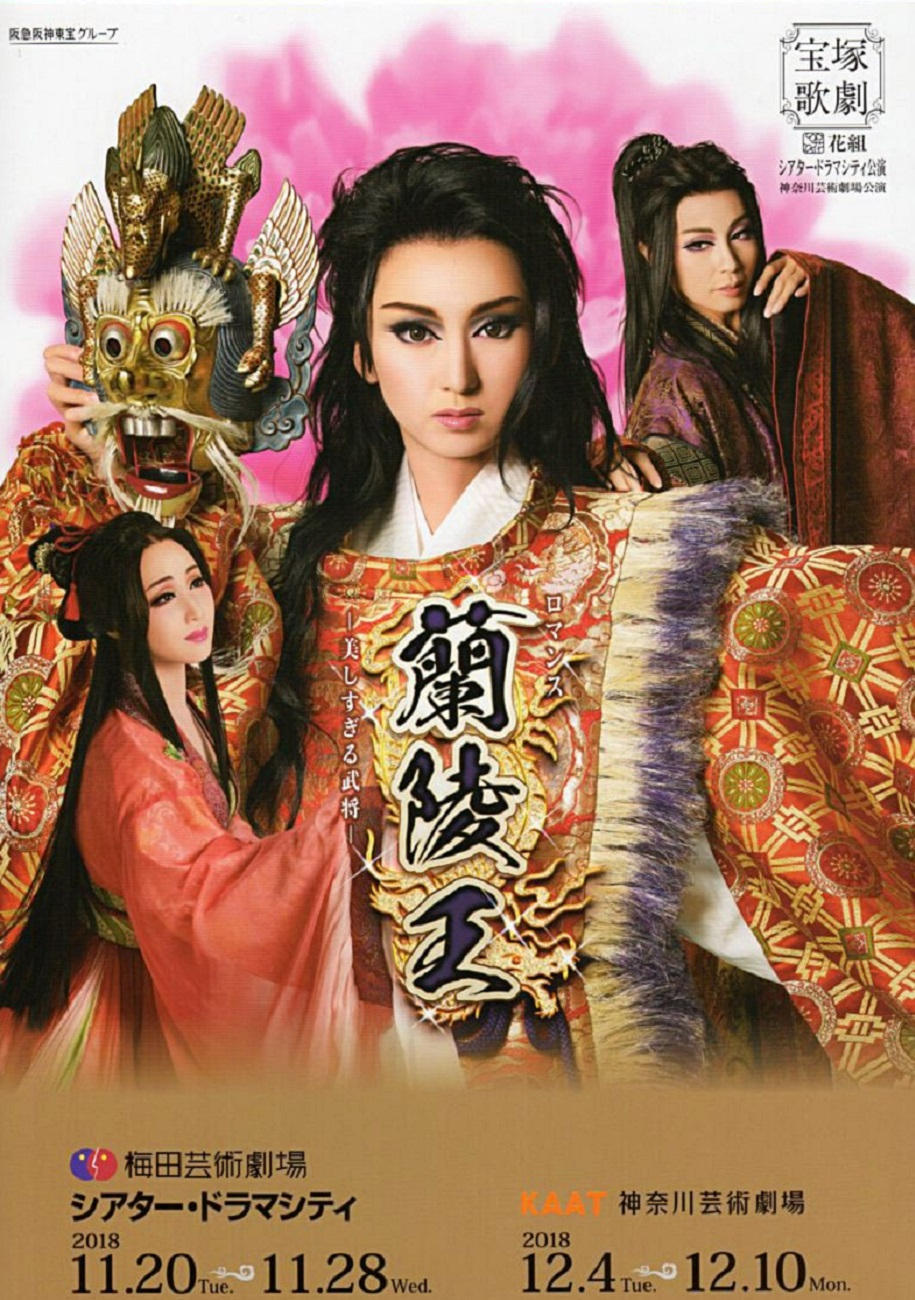
The Prince of Lan Ling, lived in the 6th century and was a historical member of the imperial family of Northern Qi in China. He was a general whose name has survived through history due to his incomparable beauty. Due to his concerns that his extreme beauty might damage the morale of his soldiers, he wears a mask into battle.
Dinner show.
Miya Rurika's second dinner show.
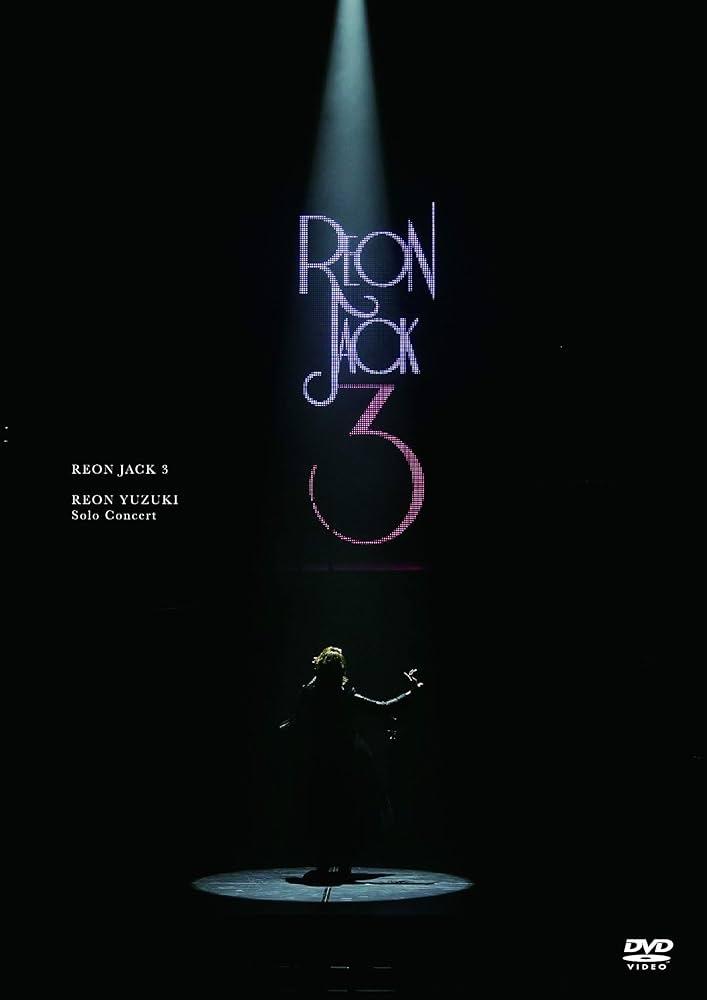
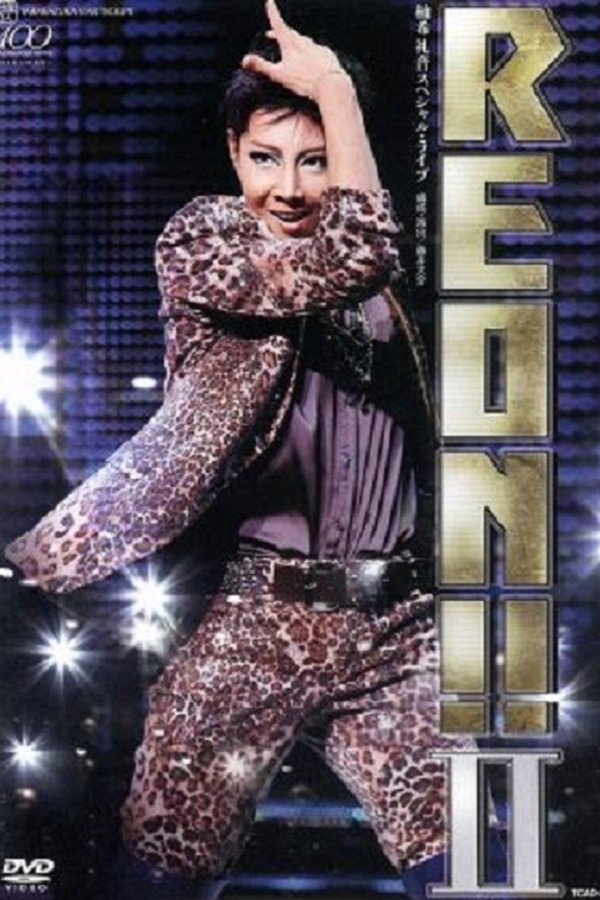
Reon Yuzuki's solo concert.
Reon Yuzuki's concert.
Reon Yuzuki's dinner show.
Asaka Manato's concert.
Asaka Manato's dinner show.
A revue themed around cocktails. Takumi Hibiki's first and last revue as top star.
Totsuko is a high school student with the ability to see the 'colors' of others. Colors of bliss, excitement, and serenity, plus a color she treasures as her favorite. Kimi, a classmate at her school, gives off the most beautiful color of all. Although she doesn't play an instrument, Totsuko forms a band with Kimi and Rui, a quiet music enthusiast they meet at a used bookstore in a far corner of town. As they practice at an old church on a remote island, music brings them together, forming friendships and stirring affections.
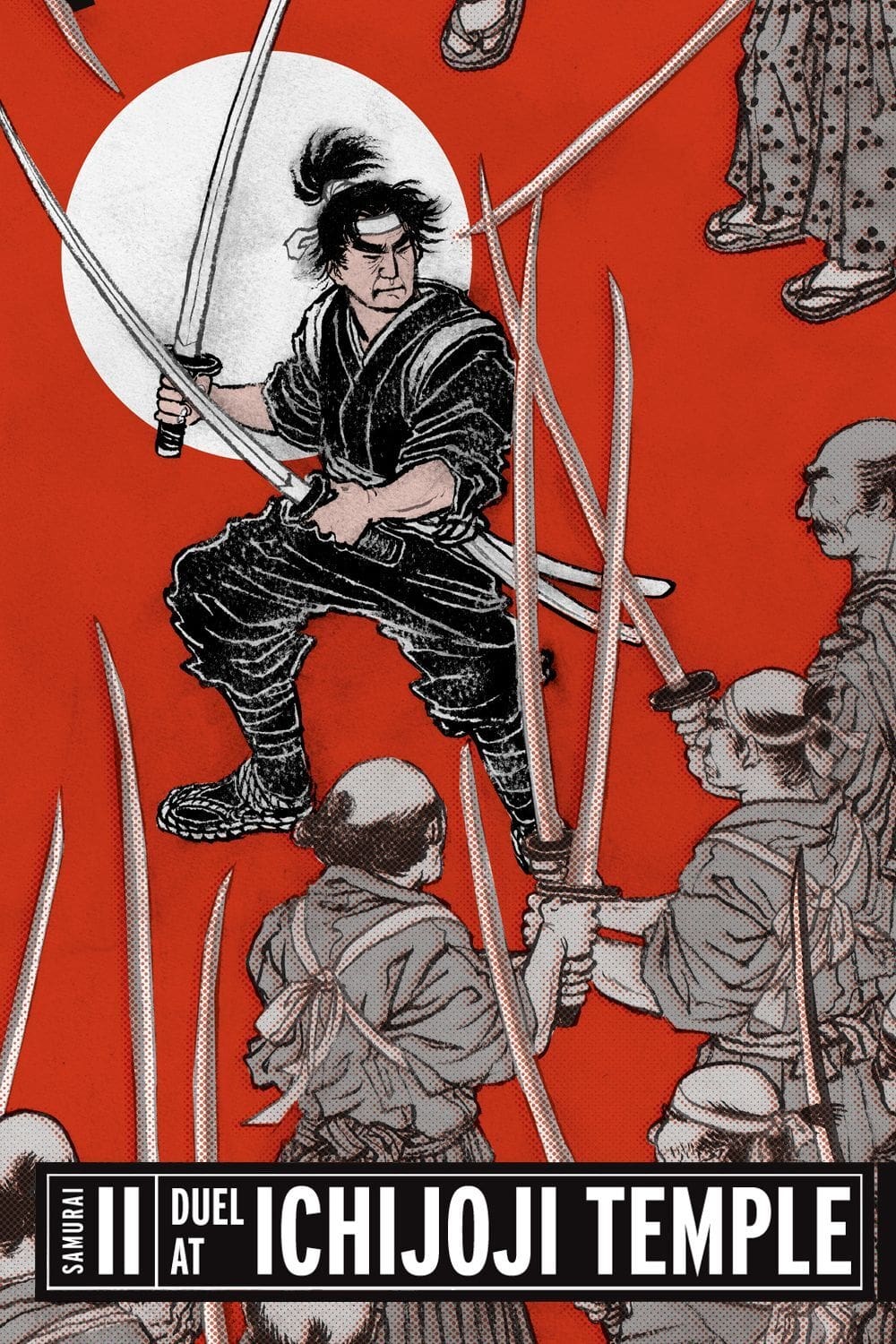
After years on the road establishing his reputation as Japan's greatest fencer, Takezo returns to Kyoto. Otsu waits for him, yet he has come not for her but to challenge the leader of the region's finest school of fencing. To prove his valor and skill, he walks deliberately into ambushes set up by the school's followers.
A music-loving kinkajou named Vivo embarks on the journey of a lifetime to fulfill his destiny and deliver a love song for an old friend.
Three distinct tales unfold in the bustling city of Tokyo. Merde, a bizarre sewer-dweller, emerges from a manhole and begins terrorizing pedestrians. After his arrest, he stands trial and lashes out at a hostile courtroom. A man who has resigned himself to a life of solitude reconsiders after meeting a charming pizza delivery woman. And finally, a happy young couple find themselves undergoing a series of frightening metamorphoses.
Five stories, five maestros, five styles and one common denominator: maximum creativity. Studio 4°C, the coolest label on the planet, invites us for the second time to an exclusive reunion of a talents with a group film, full of freedom and ingenuity, that goes from Mahiro Maeda's classic anime, to Kazuto Nakazawa's intricate urban sketches, Shinya Ohira's bedlam of color and Tatsuyuki Tanaka's animated cyberpunk. And as if that wasn't enough, Koji Morimoto, the studio big boss, is charge of putting the icing on the cake with fantafabulous piece of abstract poetry that would make a VJ die of ecstasy. The party of the year.
When young protege Akira Kageyama is bitten by his dying vampire boss, Genyo Kamiura, he must get used to his new powers before seeking revenge.
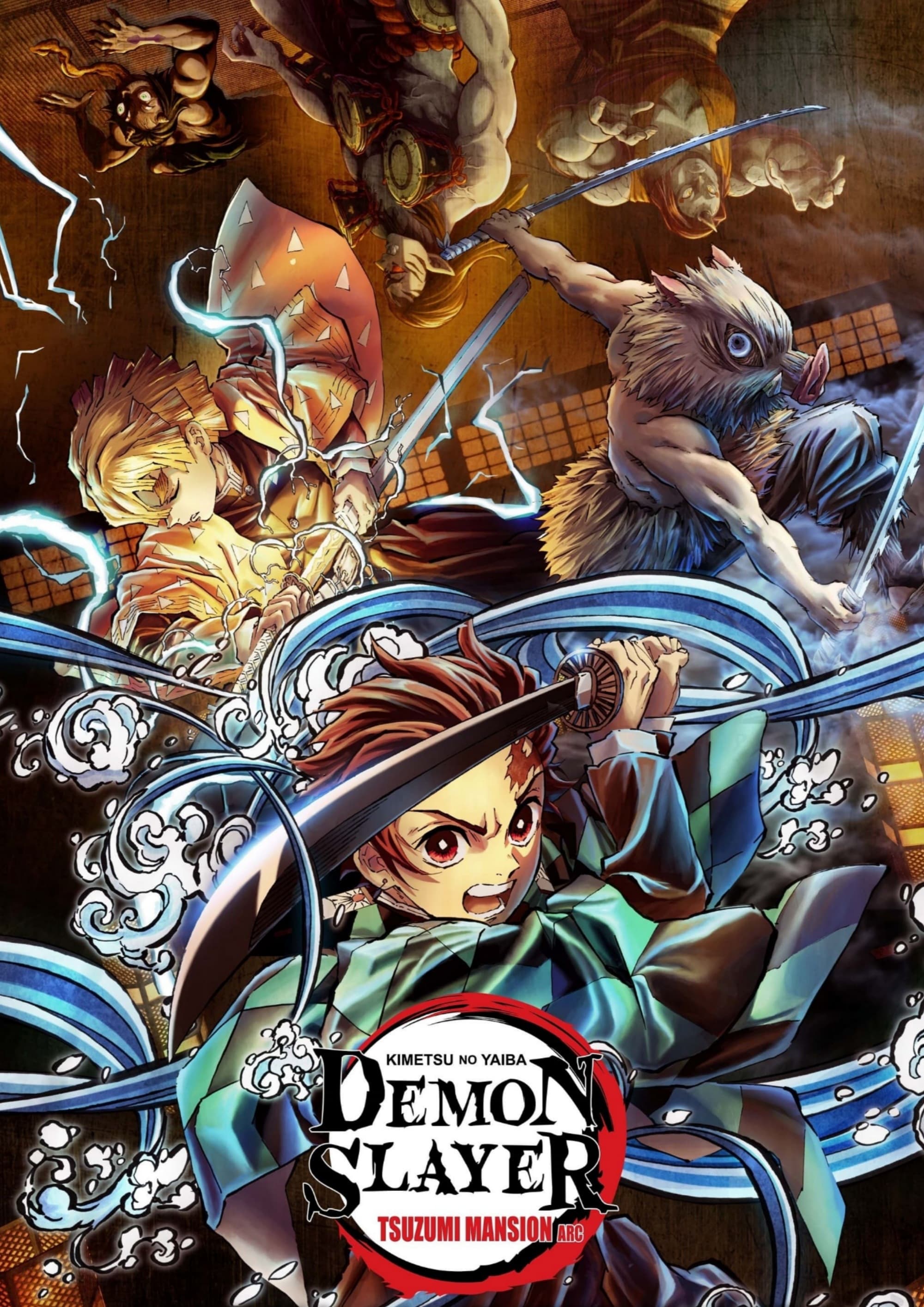
Tanjiro ventures to the south-southeast where he encounters a cowardly young man named Zenitsu Agatsuma, a fellow survivor from Final Selection. His sparrow asks Tanjiro to help keep him in line. A recap of Kimetsu no Yaiba episodes 11–14, with new footage and special end credits.
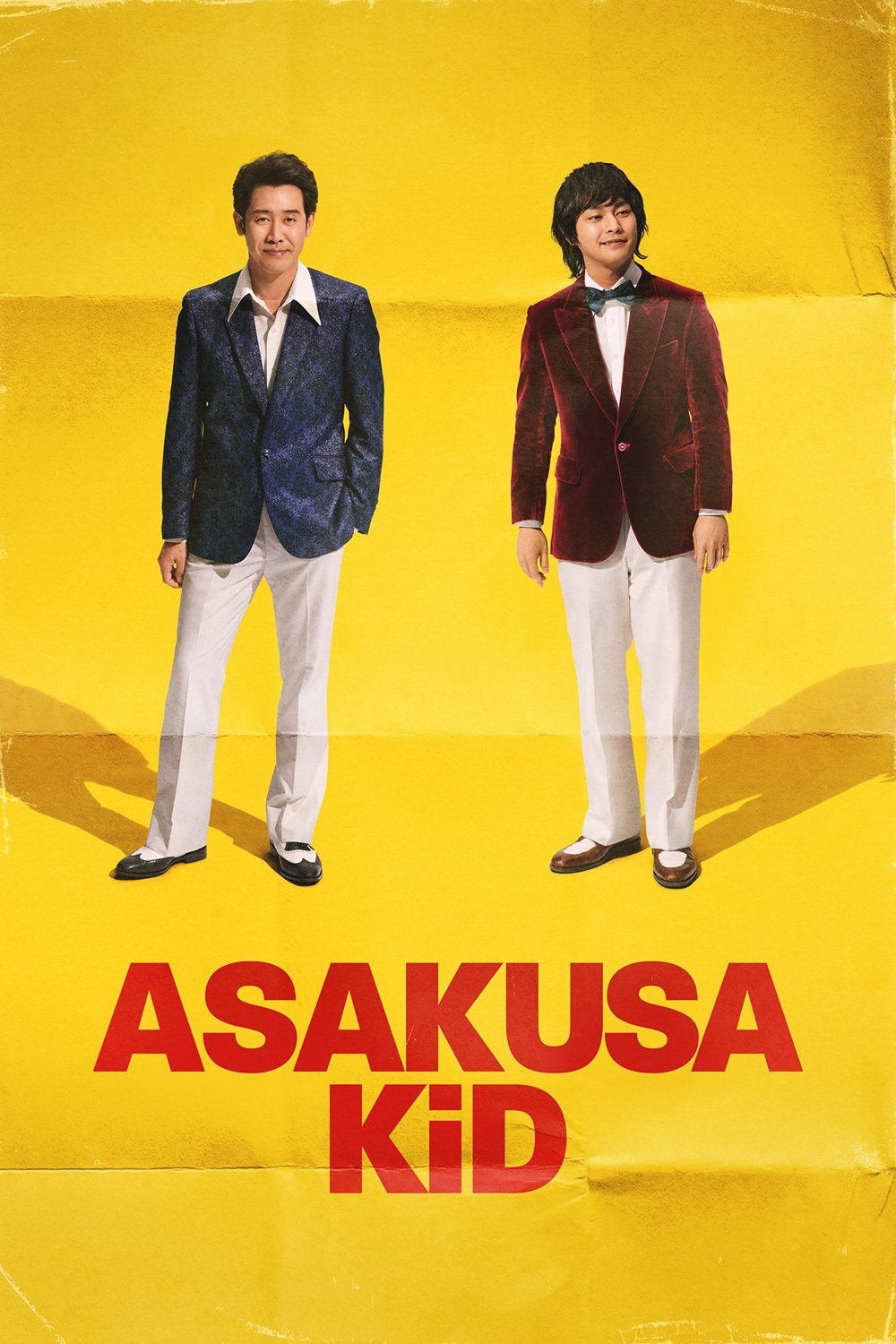
Before he hit it big, Takeshi Kitano got his start apprenticing with comedy legend Fukami of Asakusa. But as his star rises, his mentor's declines.
The seven short films making up GENIUS PARTY couldn’t be more diverse, linked only by a high standard of quality and inspiration. Atsuko Fukushima’s intro piece is a fantastic abstraction to soak up with the eyes. Masaaki Yuasa, of MIND GAME and CAT SOUP fame, brings his distinctive and deceptively simple graphic style and dream-state logic to the table with “Happy Machine,” his spin on a child’s earliest year. Shinji Kimura’s spookier “Deathtic 4,” meanwhile, seems to tap into the creepier corners of a child’s imagination and open up a toybox full of dark delights. Hideki Futamura’s “Limit Cycle” conjures up a vision of virtual reality, while Yuji Fukuyama’s "Doorbell" and "Baby Blue" by Shinichiro Watanabe use understated realism for very surreal purposes. And Shoji Kawamori, with “Shanghai Dragon,” takes the tropes and conventions of traditional anime out for very fun joyride.
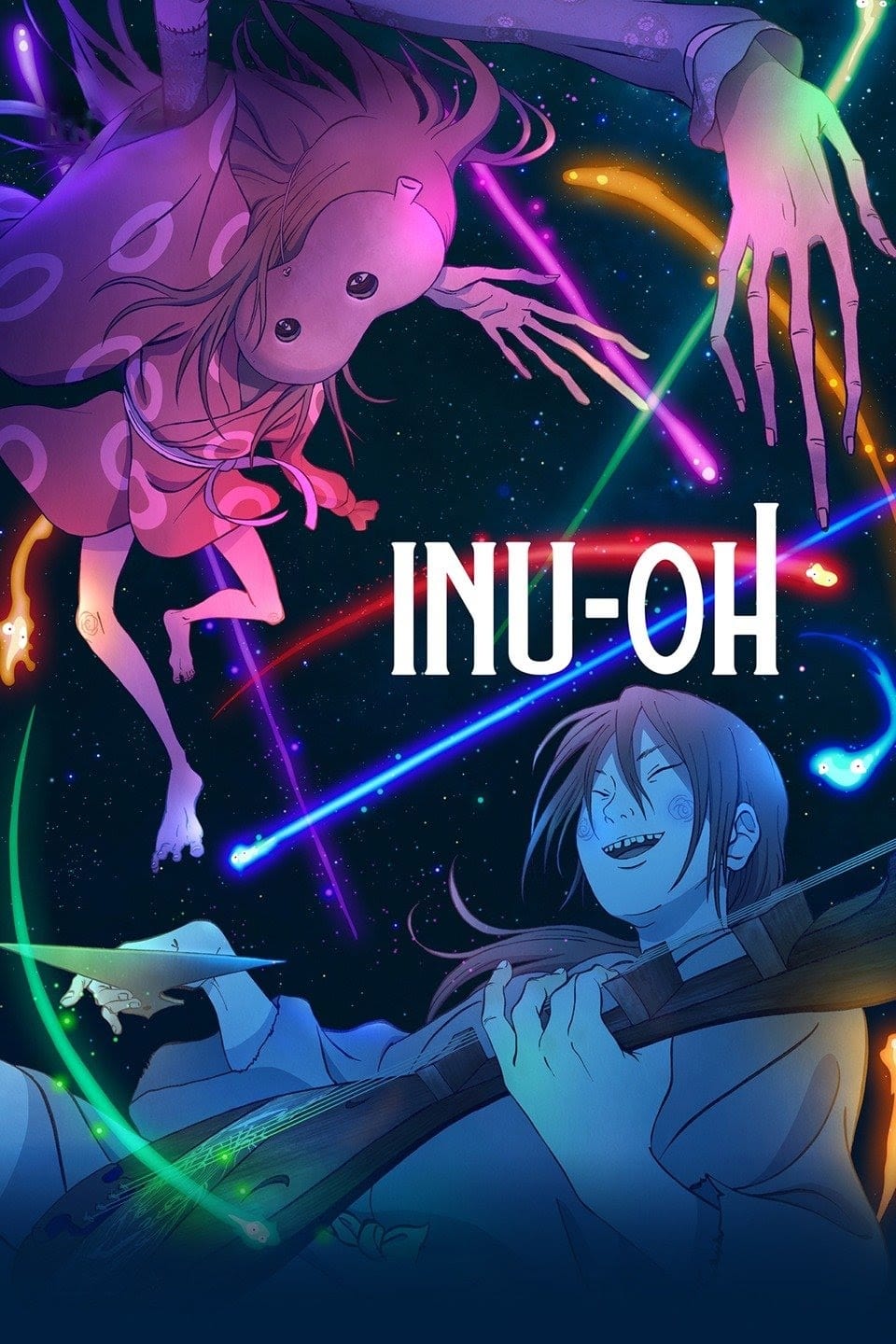
A cursed dancer and a blind musician — both ostracized by society — become business partners and inseparable friends as their larger-than-life concerts propel them to stardom in 14th century Japan.
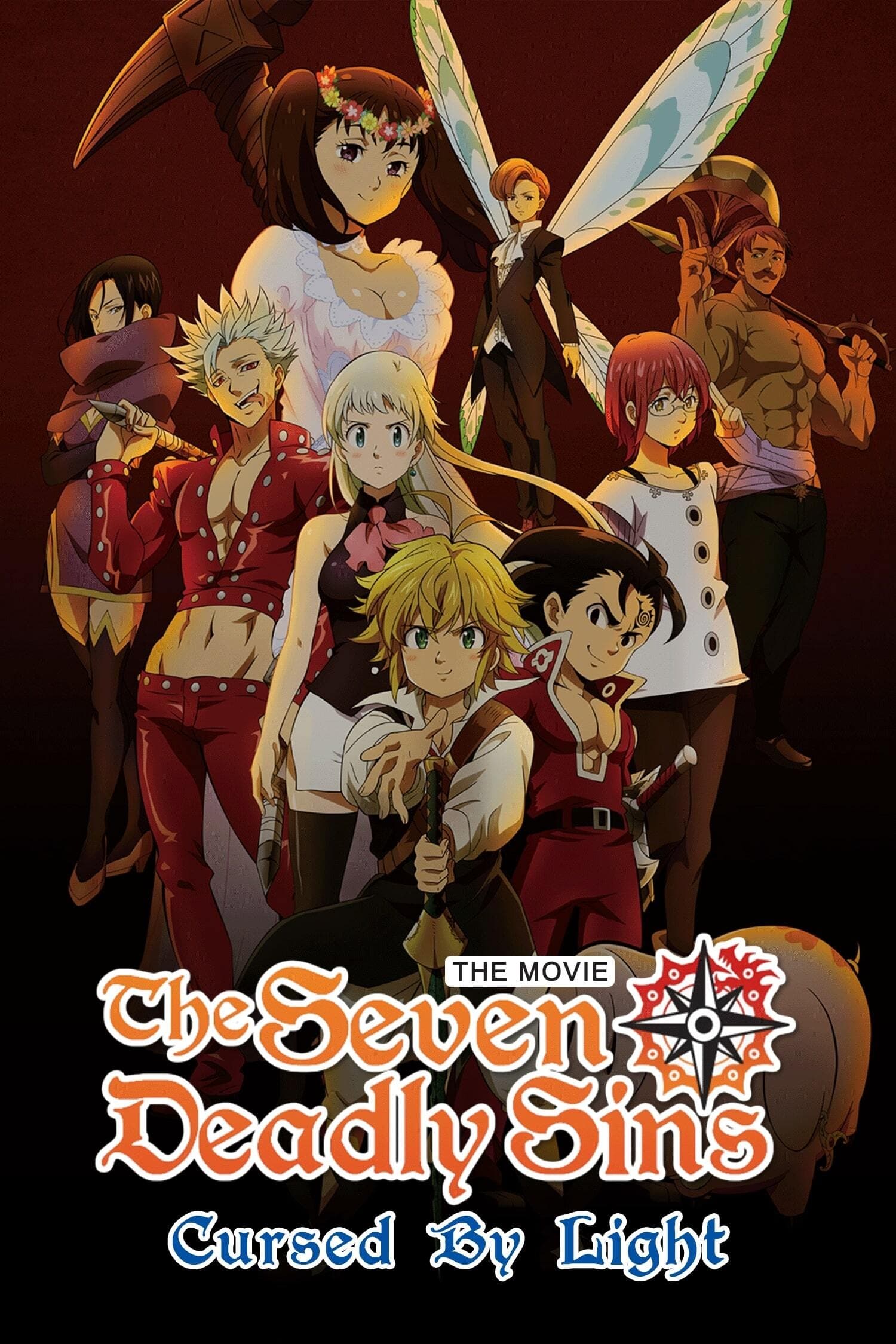
With the help of the "Dragon Sin of Wrath" Meliodas and the worst rebels in history, the Seven Deadly Sins, the "Holy War", in which four races, including Humans, Goddesses, Fairies and Giants fought against the Demons, is finally over. At the cost of the "Lion Sin of Pride" Escanor's life, the Demon King was defeated and the world regained peace. After that, each of the Sins take their own path.
The story follows the social intercourse between a cameraman, Masaya, with a visual impairment, and Misako who disconnects from the world.
Momoko, a strange and seemingly emotionless girl obsessed with 18th century France, befriends a Yanki biker and the two experience the ups and downs of their unusual lives in a rural Japanese town.
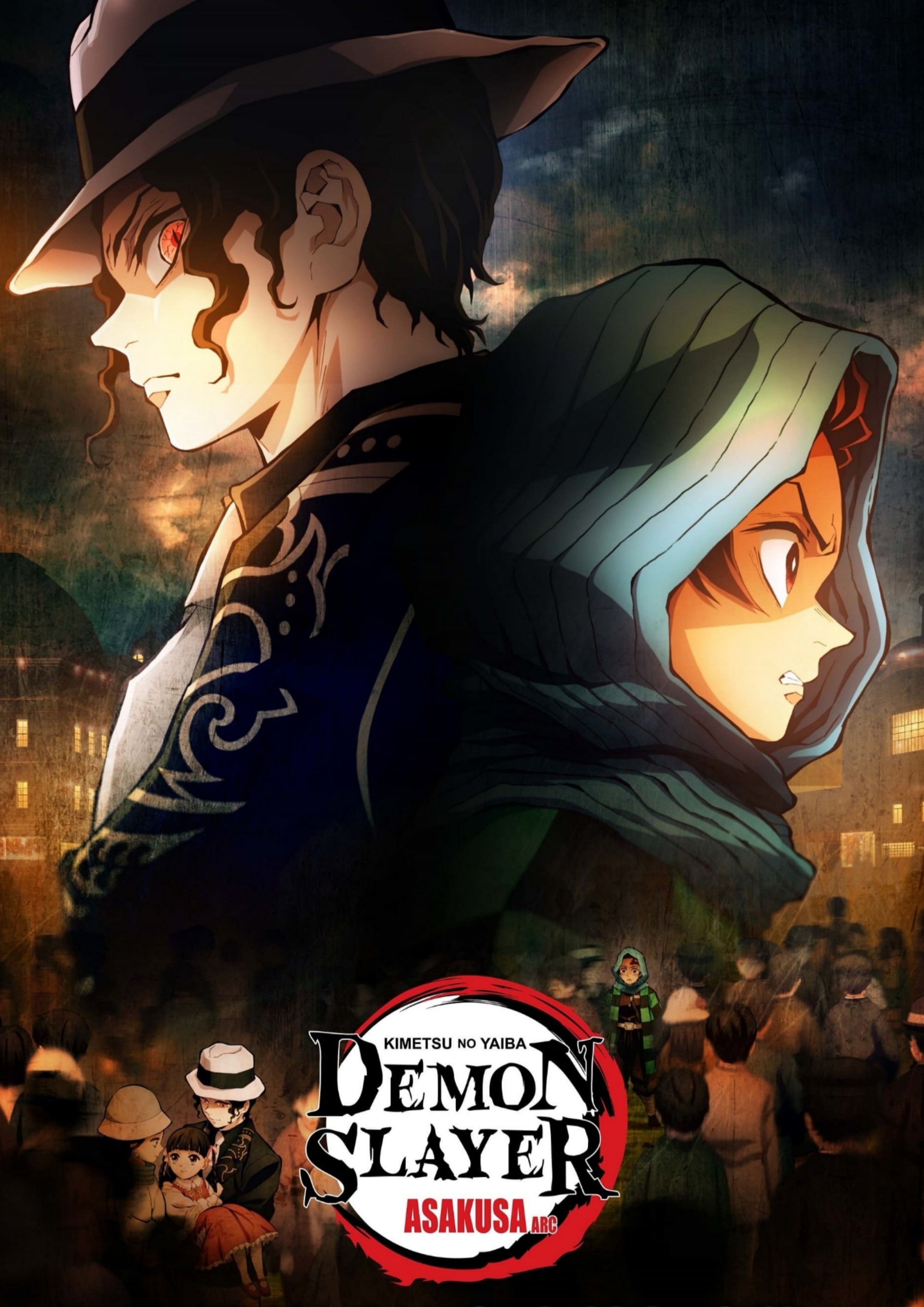
Tanjiro ventures to Asakusa for his second mission with the Demon Slayer Corps. A recap of Kimetsu no Yaiba episodes 6–10, with new footage and special end credits.
After concluding the opening ceremony of the Demon Kingdom Federation Tempest, Rimuru and his companions are invited by the Celestial Emperor Hermesia of the great elven nation – the Magi Dynasty Salion – to visit her private resort island. As the group enjoys their brief vacation, a mysterious woman named Yura appears. A new incident unfolds against the backdrop of the boundless azure sea.
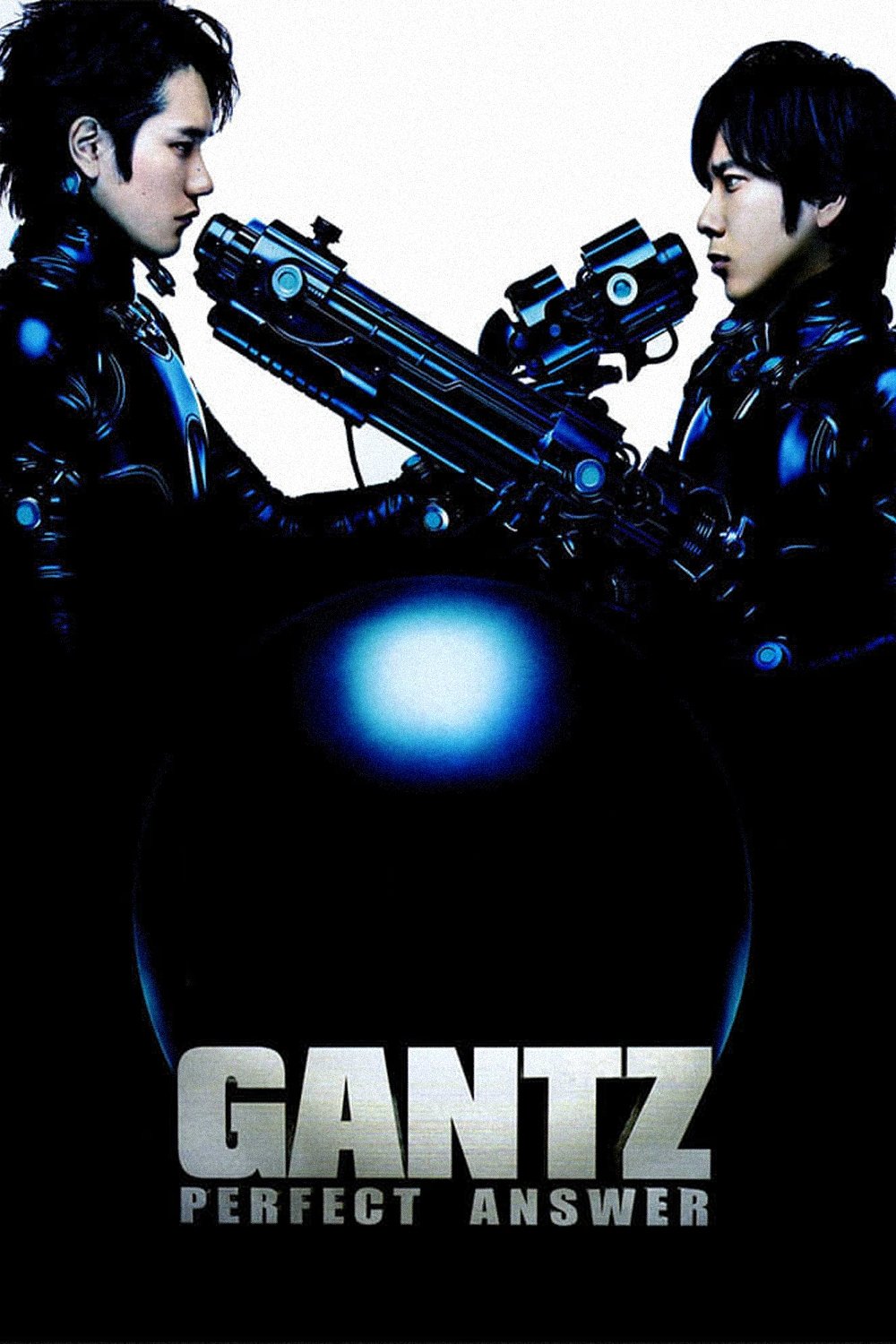
Summoned by the black sphere, Kei and Masaru fight against extraterrestrials until Masaru grows tired of fighting and refuses to continue.
Rei is a college student in the midst of finding a job. She confesses her love to Mikio, a senior whom she admires. Mikio soon demands that she perform perverted acts.
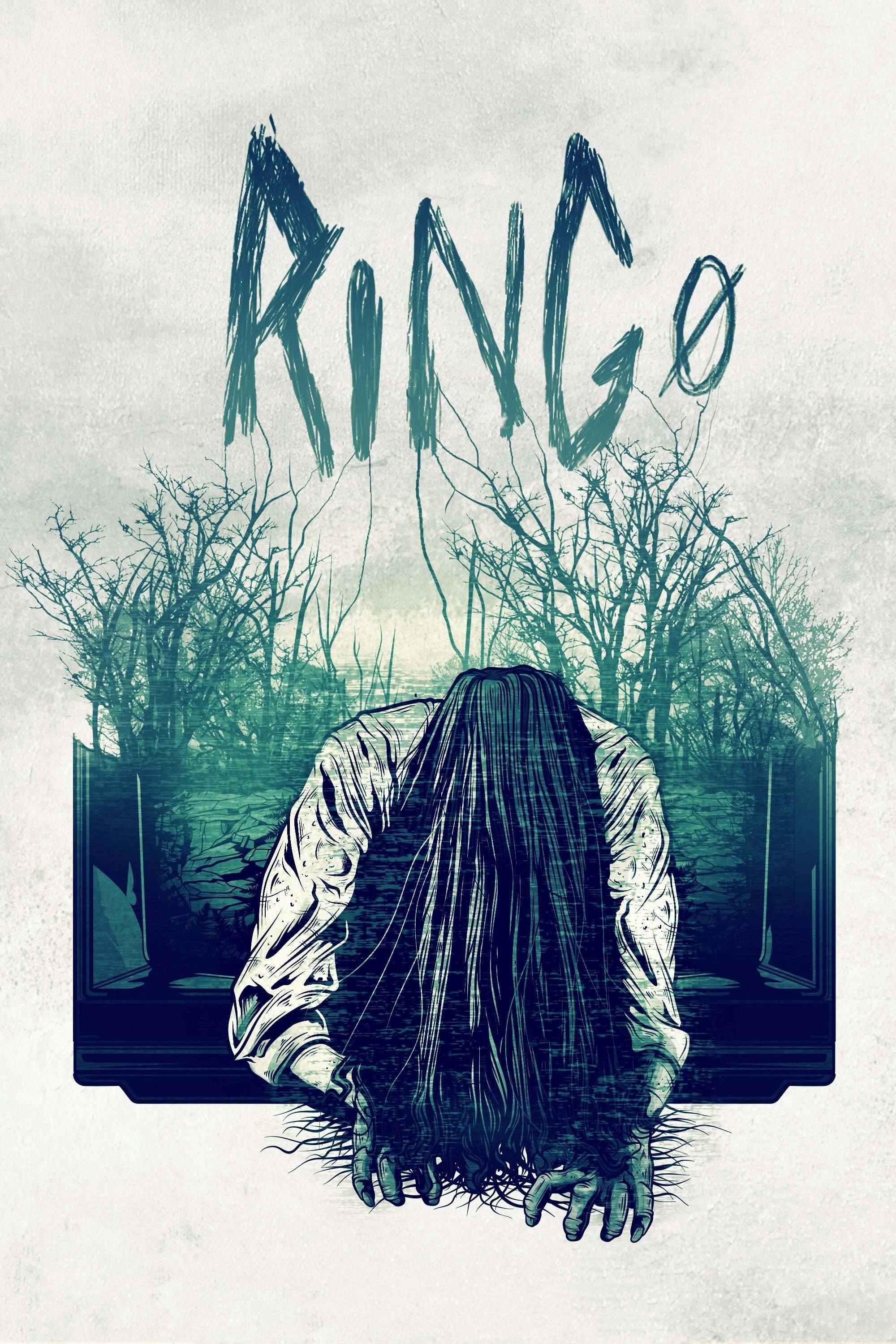
Taking place thirty years before the events of Ringu, Ringu 0 provides the shocking background story of how the girl on the video became a deadly, vengeful spirit.
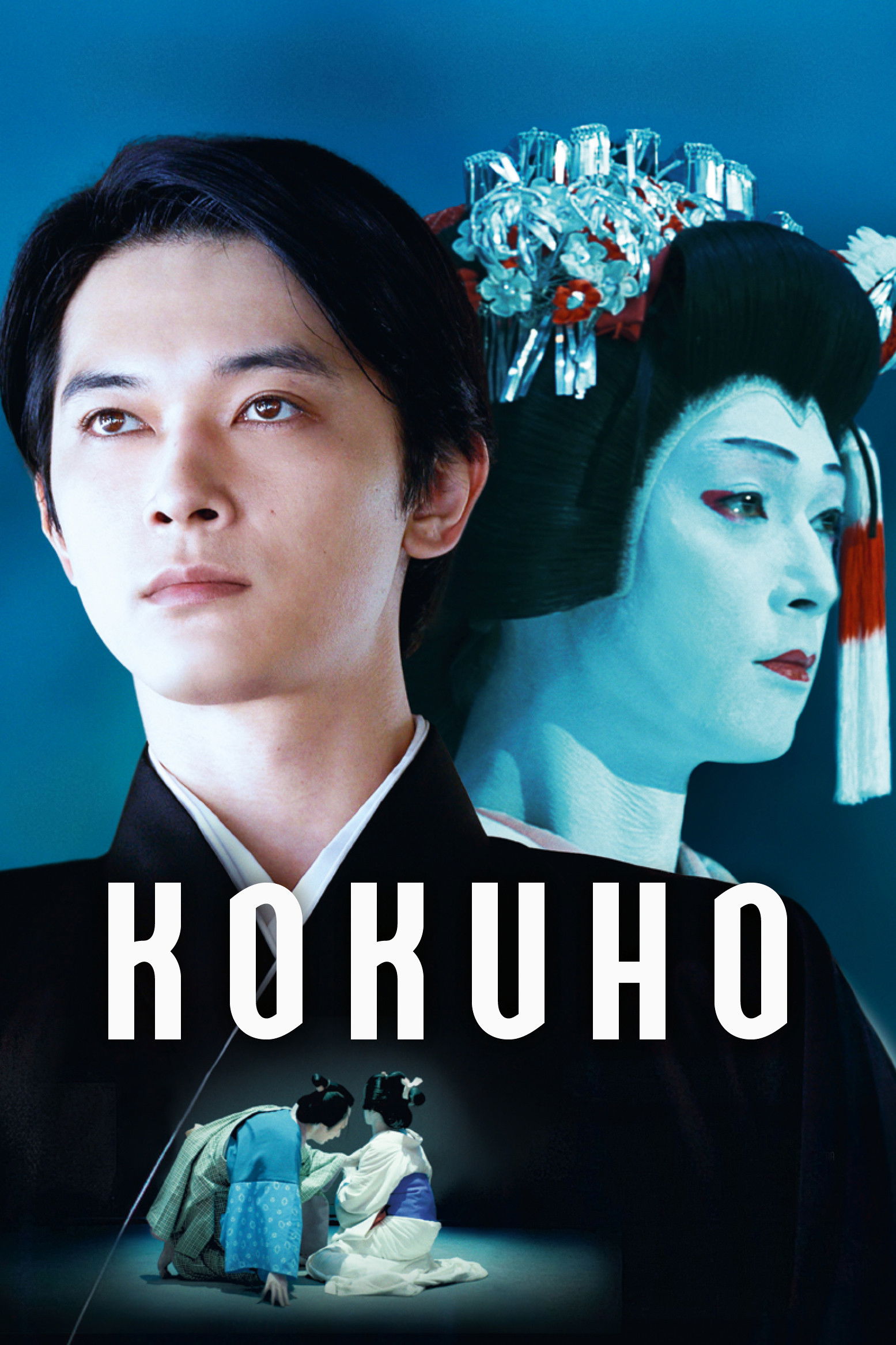
Nagasaki, 1964: Following the death of his Yakuza father, 15-year-old Kikuo is taken under the wings of a famous Kabuki actor. Alongside Shunsuke, the actor’s only son, he decides to dedicate himself to this traditional form of theatre. For decades, the two young men grow and evolve together – and one will become the greatest Japanese master of the art of Kabuki.
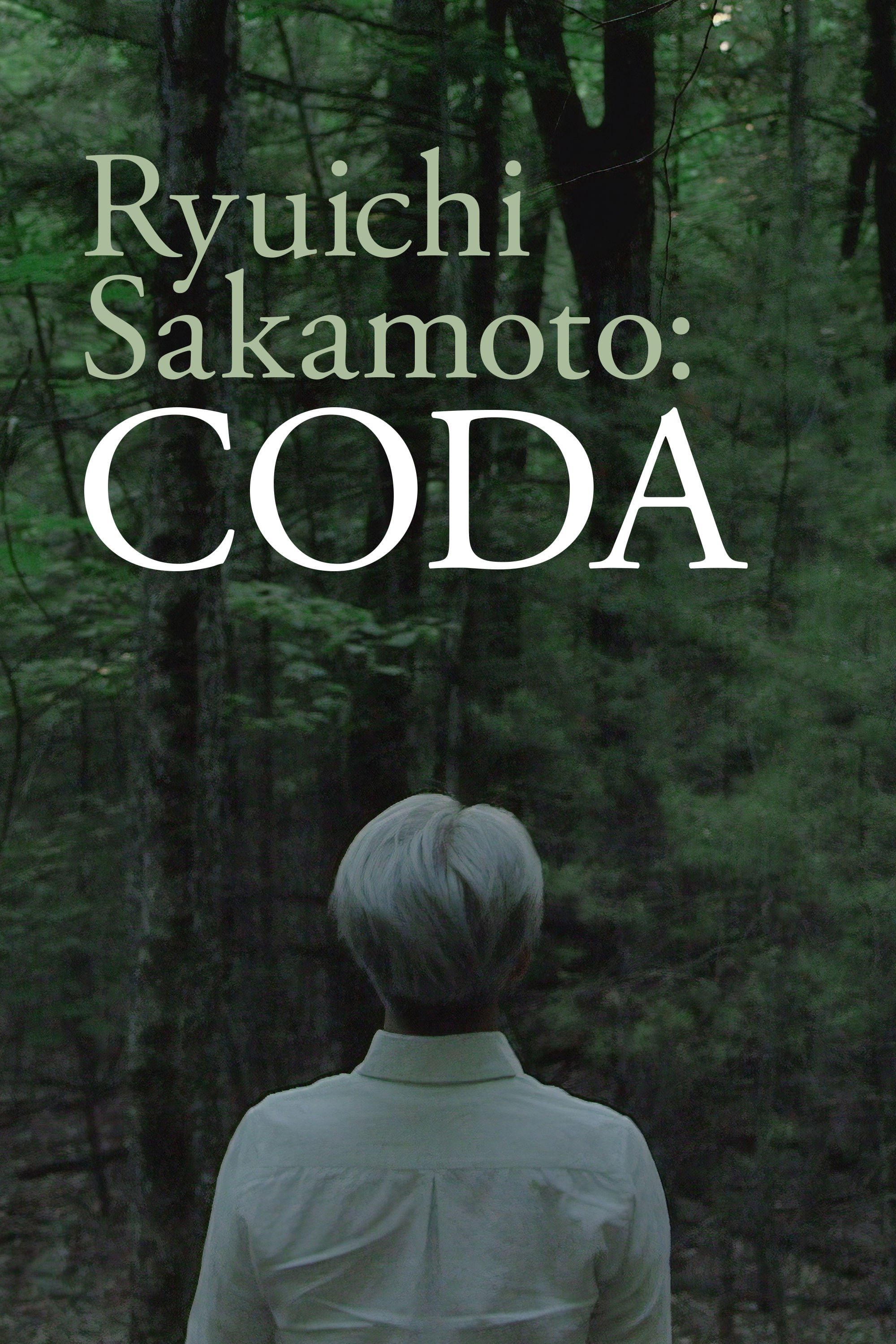
Oscar-winning composer Ryuichi Sakamoto weaves man-made and natural sounds together in his works. His anti-nuclear activism grew after the 2011 Fukushima disaster, and his career only paused after a 2014 cancer diagnosis.