An exploration of the contrast between modern civilization and isolated groups of people, often referred to as “primitive”, whose way of life is largely untouched by technological progress.
Social & External
A group of people are standing along the platform of a railway station in La Ciotat, waiting for a train. One is seen coming, at some distance, and eventually stops at the platform. Doors of the railway-cars open and attendants help passengers off and on. Popular legend has it that, when this film was shown, the first-night audience fled the café in terror, fearing being run over by the "approaching" train. This legend has since been identified as promotional embellishment, though there is evidence to suggest that people were astounded at the capabilities of the Lumières' cinématographe.

A coast guard captain on a small Greek island is suddenly charged with saving thousands of refugees from drowning at sea.
Tilly, Miah and Safa are three young women who endure debilitating period pain. Following an adolescence with little menstrual education, support or relief, they navigate the physical and emotional toll of intensely painful periods while trying to maintain a normal life.
Traveling to North Africa, Ripley offers views of The Meeting Place of the Dead in Morocco, a jail for nagging wives, a village with houses made of tin cans, and a sultan with many wives and children.
An exploration —manipulated and staged— of life in Las Hurdes, in the province of Cáceres, in Extremadura, Spain, as it was in 1932. Insalubrity, misery and lack of opportunities provoke the emigration of young people and the solitude of those who remain in the desolation of one of the poorest and least developed Spanish regions at that time.
Filmed mostly with drones, this short film shows what happened before, during and after the devastating earthquake that struck Mexico City in September 19, 2017. Through sound recordings of the rescue operations, accounts from survivors and journalistic chronicles, this film reflects the uncertainty and bewilderment caused by the quake.
Documentary that tells the story of Vianney Trejo, a young woman who struggles every day despite her disability. We go through her daily routine, as well as her passion, swimming, where she has consistently achieved triumphs and has been considered for international competitions.
A true story of a courageous boy who becomes a legend. Living a dream that wouldn't die; his passion empowered him to historically change the course of baseball. Facing challenges on every front he conquers all with his belief and determination; a true hero. A life changing story!
A short documentary covering the conclave and election of Pope Pius XII.
Duarte, a visually impaired fifty-year-old, sets out to look for Leandro, his Cape Verdean friend. Despite the heat of a Lisbon summer, Duarte wanders through the streets of his neighborhood, but no one seems to have seen or to have even known Leandro. Duarte's investigation will lead him deep into the night, and will ultimately reveal his secret.
Ra Paulette digs cathedral-like, 'eighth wonder of the world' art caves into the sandstone cliffs of Northern New Mexico. Each creation takes years to complete, and each is a masterwork. But patrons who have commissioned caves have cut off nearly all of his projects due to artistic differences. Fed up, Ra has chosen to forego all commissions to create his own Magnum Opus, a massive 10-year project.
The story of Alice Herz-Sommer, a German-speaking Jewish pianist from Prague who was, at her death, the world's oldest Holocaust survivor. She discusses the importance of music, laughter, and how to have an optimistic outlook on life.
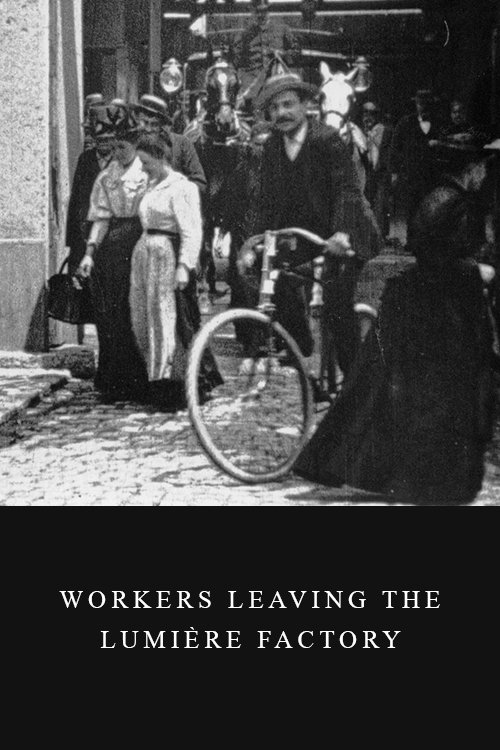
Working men and women leave through the main gate of the Lumière factory in Lyon, France. Filmed on 22 March 1895, it is often referred to as the first real motion picture ever made, although Louis Le Prince's 1888 Roundhay Garden Scene pre-dated it by seven years. Three separate versions of this film exist, which differ from one another in numerous ways. The first version features a carriage drawn by one horse, while in the second version the carriage is drawn by two horses, and there is no carriage at all in the third version. The clothing style is also different between the three versions, demonstrating the different seasons in which each was filmed. This film was made in the 35 mm format with an aspect ratio of 1.33:1, and at a speed of 16 frames per second. At that rate, the 17 meters of film length provided a duration of 46 seconds, holding a total of 800 frames.
Impressions from a plant of August Thyssen-Hütte. In this steel mill, only the fog is gray, not the job and not everyday life.
A 60th anniversary retrospective documentary on the influence and context of the 1962 film, To Kill a Mockingbird.
A unique documentary that interlaces archival interviews with author Philip K. Dick with chats featuring cast and crew. Discussed are the origins of the story, parallels the cast and crew sees to the goings-on in today's world, and adapting the story for film, modern audiences, and its unique look.
A synaesthetic portrait made between French Polynesia and Brittany, Color-blind follows the restless ghost of Gauguin in excavating the colonial legacy of a post-postcolonial present.
The camera slowly pans through a room as Smolders offers various observations and memories.
A glimpse into the life of sculptor Don Seiler during the creation of a ten-ton concrete commission, in honor of Olympic swimmer Mark Spitz, for the International Swimming Hall of Fame in Ft. Lauderdale, Florida, in the early 1970s.
Takes us to locations all around the US and shows us the heavy toll that modern technology is having on humans and the earth. The visual tone poem contains neither dialogue nor a vocalized narration: its tone is set by the juxtaposition of images and the exceptional music by Philip Glass.
A documentary about how a dominant cultural and demographic institution both sustains their traditional activities and adapts to the digital revolution.
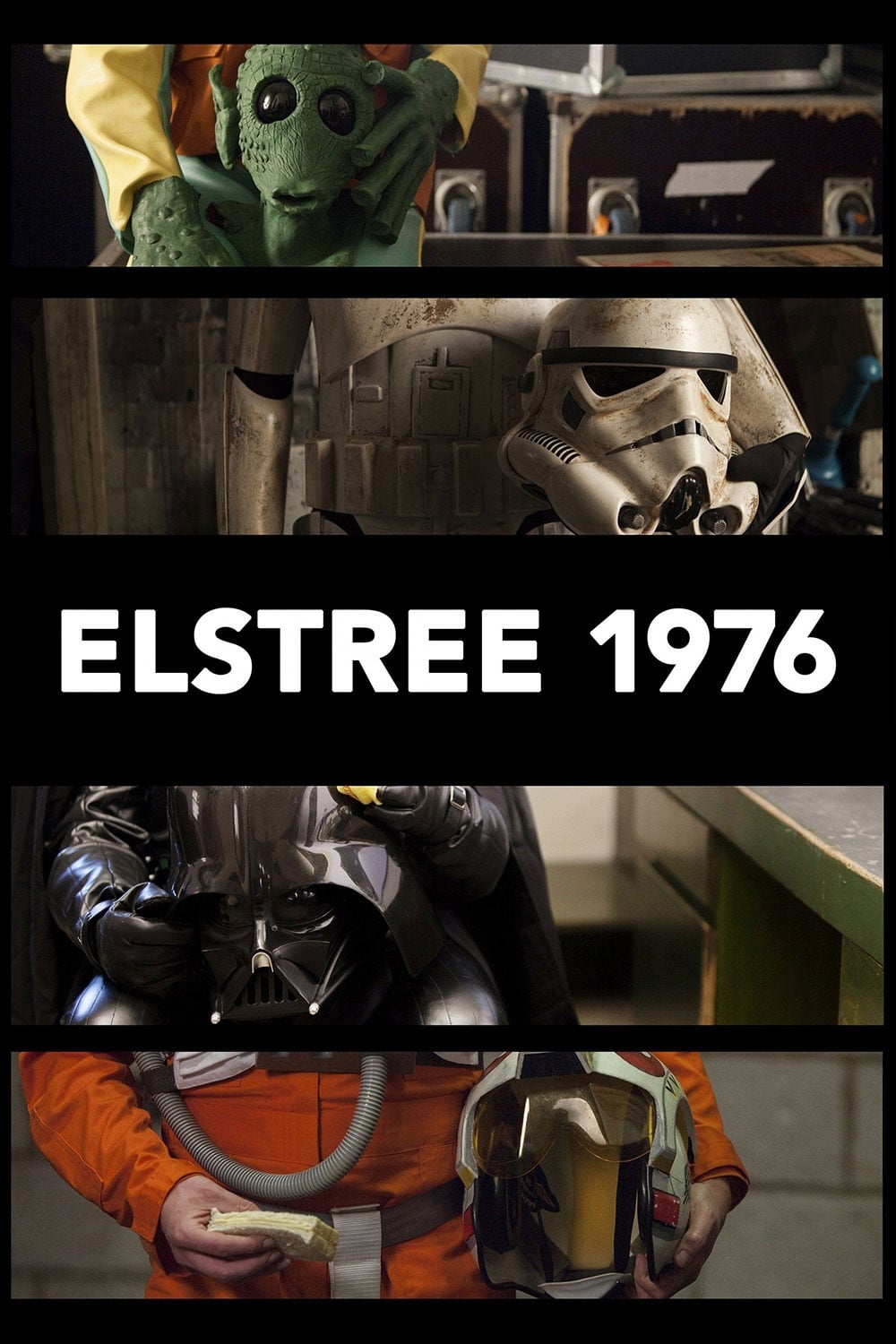
A documentary about ten very different lives connected by having appeared onscreen wearing masks or helmets in Star Wars.
A visual montage portrait of our contemporary world dominated by globalized technology and violence.
Nine filmmakers each profile a young girl from a different part of the world to weave a global tapestry of youth in the 21st century.
A documentary focused on plastic pollution in the world's oceans.
Daniel Craig candidly reflects on his 15 year adventure as James Bond. Including never-before-seen archival footage from Casino Royale to the upcoming 25th film No Time To Die, Craig shares his personal memories in conversation with 007 producers, Michael G Wilson and Barbara Broccoli.
A purely observational non-fiction film that takes viewers into the ethically murky world of end-of-life decision making in a public hospital.
An exploration of technologically developing nations and the effect the transition to Western-style modernization has had on them.
A documentary on the expletive's origin, why it offends some people so deeply, and what can be gained from its use.
The Captains is a feature-length documentary film written and directed by William Shatner. The film follows Shatner as he interviews the other actors who have portrayed starship captains in the Star Trek franchise.
A look behind the lens of Christopher Nolan's space epic.
JB Smoove and Martin Starr host a celebration of 20 years of "Spider-Man" movies, from the Sam Raimi trilogy to Marc Webb's movies and the trio from Jon Watts.
A documentary about the life and films of director John Ford.
A documentary that explores the downloading revolution; the kids that created it, the bands and the businesses that were affected by it, and its impact on the world at large.
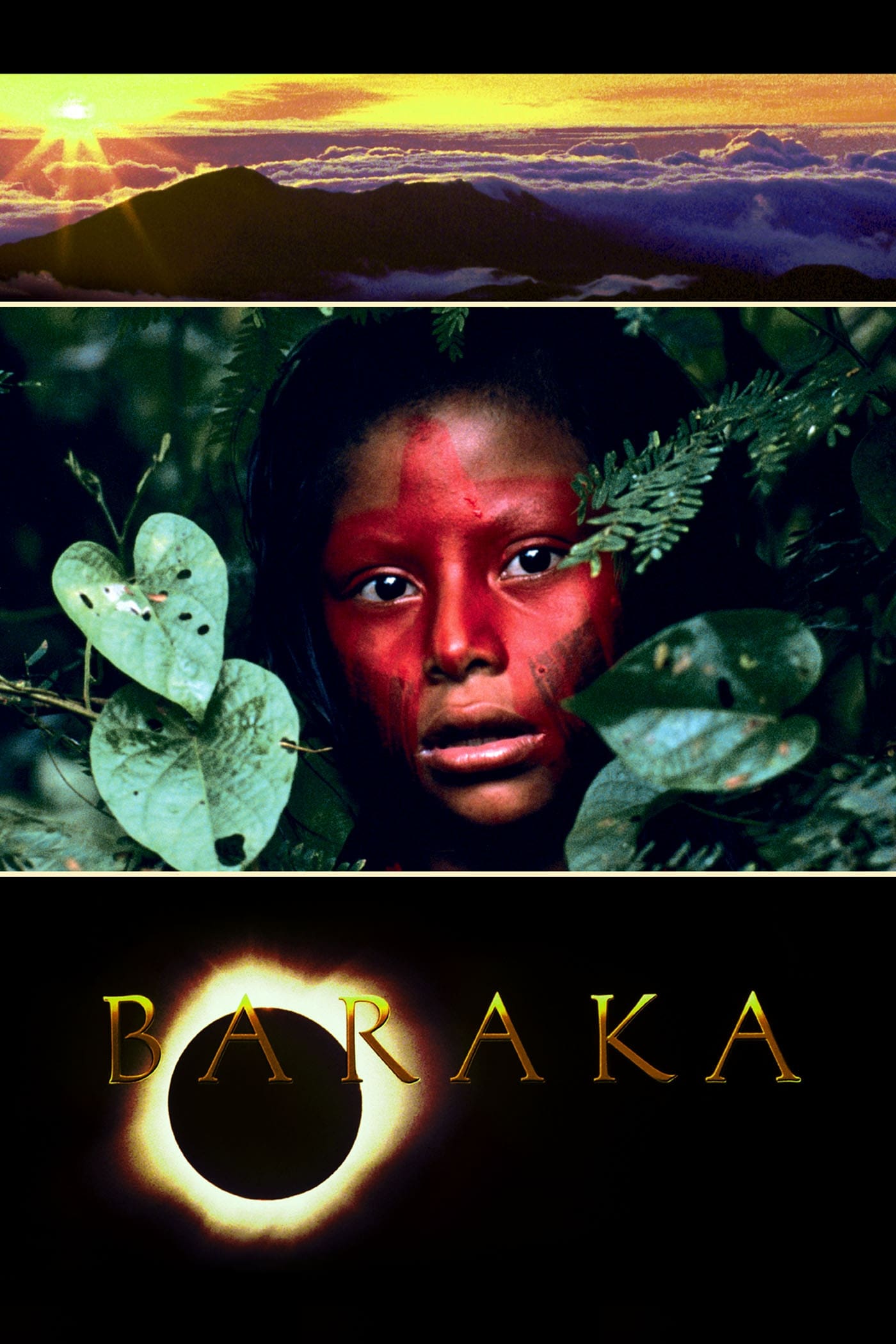
A paralysingly beautiful documentary with a global vision—an odyssey through landscape and time—that attempts to capture the essence of life.
A celebration of the universe, displaying the whole of time, from its start to its final collapse. This film examines all that occurred to prepare the world that stands before us now: science and spirit, birth and death, the grand cosmos and the minute life systems of our planet.
The definitive zombie culture documentary, brought to the screen by the makers of THE PEOPLE vs. GEORGE LUCAS.
A documentary shot by filmmakers all over the world that serves as a time capsule to show future generations what it was like to be alive on the 24th of July, 2010.
Brilliant, long in-the-works story of the life and art of the world's greatest comedian and the cinema's first genius, Charlie Chaplin. Produced, written and directed by renowned film critic Richard Schickel.