Social & External
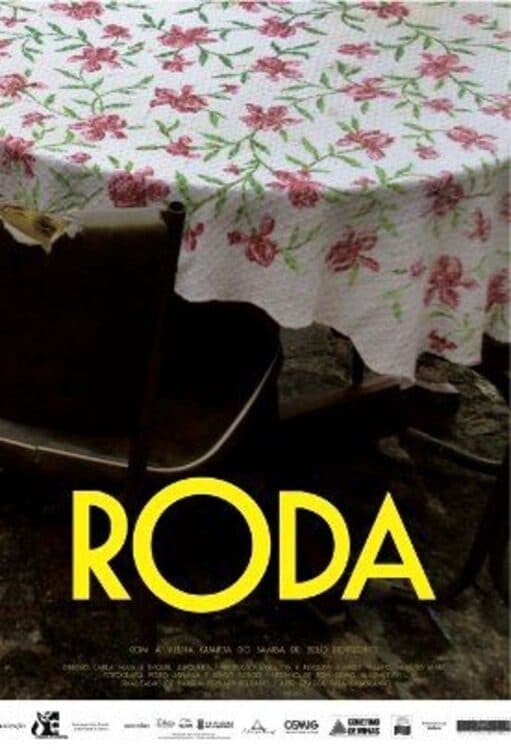
Between sambas and memories, composers, performers and "Velha Guarda do Samba" instrumentalists from Belo Horizonte
Shut Up and Sing is a documentary about the country band from Texas called the Dixie Chicks and how one tiny comment against President Bush dropped their number one hit off the charts and caused fans to hate them, destroy their CD’s, and protest at their concerts. A film about freedom of speech gone out of control and the three girls lives that were forever changed by a small anti-Bush comment
A whimsical blend of live action and animation, "Saludos Amigos" is a colorful kaleidoscope of art, adventure and music set to a toe-tapping samba beat. From high Andes peaks and Argentina's pampas to the sights and sounds of Rio de Janeiro, your international traveling companions are none other than those famous funny friends, Donald Duck and Goofy. They keep things lively as Donald encounters a stubborn llama and "El Gaucho" Goofy tries on the cowboy way of life....South American-style.
The cinema of Pernambuco is considered one of the most complex components of Brazilian cinema, particularly for its potency and creative style. The presence of women in filmmaking seldom holds the same historical notoriety as that of men, and the Pernambuco scene is no exception. In the context of "Amor, Plástico e Barulho" (Love, Plastic, and Noise), we find a film that serves as a testament to the marginalization of women in the creative industry, intertwining themes of consumption and the production of brega music. Hence, we use "Feminino e Barulho" (Feminine and Noise) as a means to share what we've learned. Renata Pinheiro has inspired us to craft a narrative that gives voice to those who need to be heard. We are here to showcase a glimpse of them and what they represent. "Feminino e Barulho" is a short film about love, femininity, sisterhood, and empowerment.
“Touch one, touch us all” is a slogan of the women who took over the streets in Brazil and organized themselves in social networks to face male chauvinist and conservatism. Through testimonies of women who have been subjected to violence, the documentary reveals that, despite legal achievements, the woman still remains vulnerable. Amongst other deponents are Maria da Penha, Joanna Maranhão, Luíza Brunet, and Clara Averbuck.
Since the cult success of Merci Patron!, activist/journalist/filmmaker François Ruffin has become an MP. Here, he attempts to table a law aimed at upholding the rights of what in Quebec are known as caregivers, and shows us in passing how a law whose need seems patently obvious is put together, debated, voted on and . . . dies on the battleground of French politics. A stirring documentary about social injustice that somehow manages to make us bust a gut laughing as we rage with indignation. And also cry at the beauty of it all, thanks to the director’s humanist sensibility and a deft play between reality and fiction.
In 2016, after the hate-fuelled murder of a woman in Gangnam, young feminists gathered to talk about their experiences, which led to the ‘tsunami’ of the feminist movement reawakening in Korean society. This tsunami included street protests against misogynistic hate crimes, political campaigning in the upcoming presidential elections, protests against sexism and sexual violence in everyday life, and the ‘black’ protests calling for the abolition of the anti-abortion law. The Fearless And Vulnerable focuses on the activities and members of the Feminist Party (known in Korean as “Femidangdang”), a feminist group that was part of this tsunami wave. The pleasure and sincerity with which they conduct their activities are compounded with their courage in the face of conflict, and the sense of fear that permeates the community. The film shows Femidangdang meetings as well as the daily lives and thoughts of members during their activities post-2016.
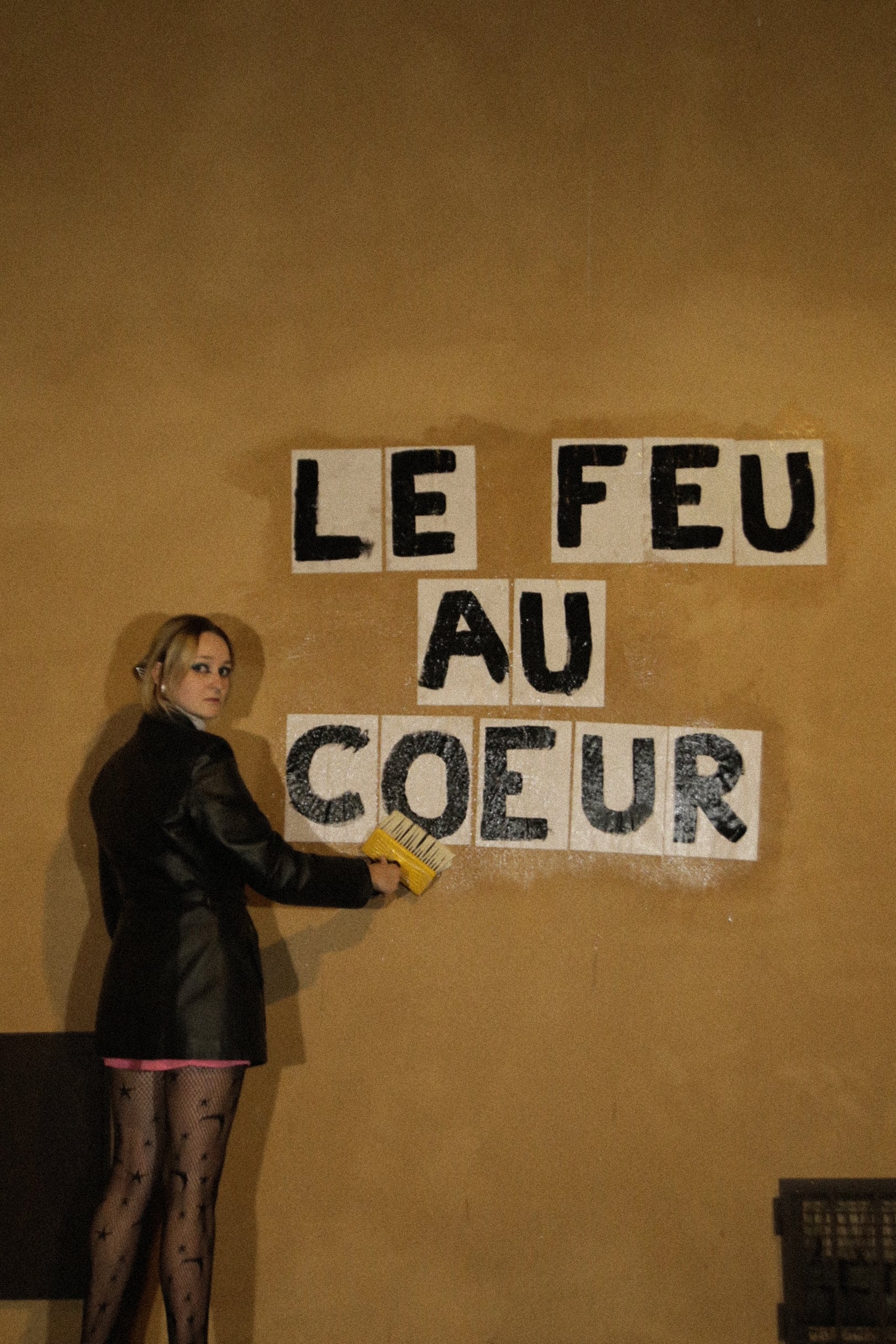
In Aix-en-Provence, feminist slogans dot the walls of the city. This is the work of "Les colleuses". Their goal: to claim their place in the public space, and to denounce patriarchal violences. For a month, we follow young Ameline and her friends. They tell us about their process, the reasons for their commitment, their doubts and their hopes.
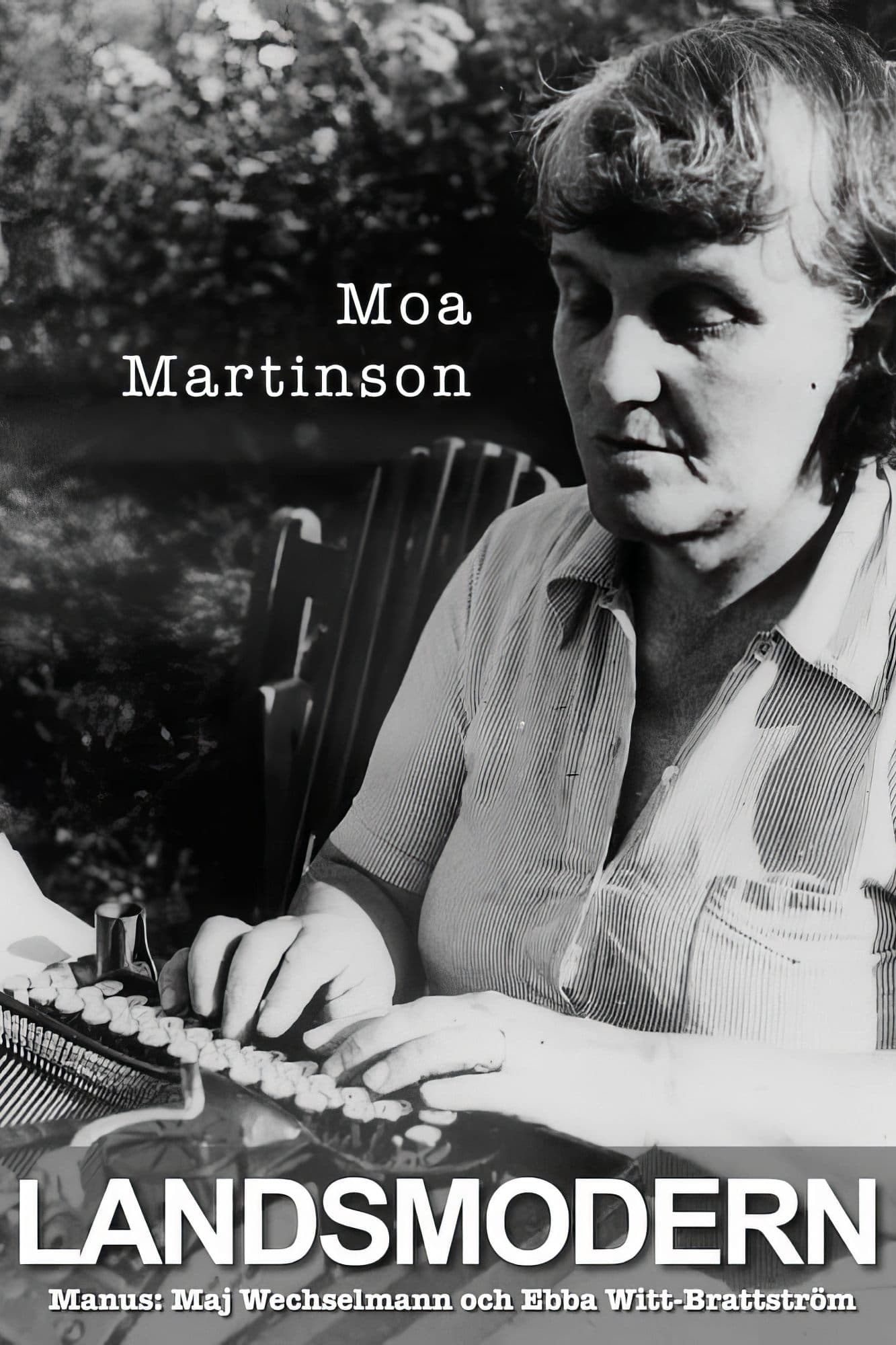
Documentary about Moa Martinson.
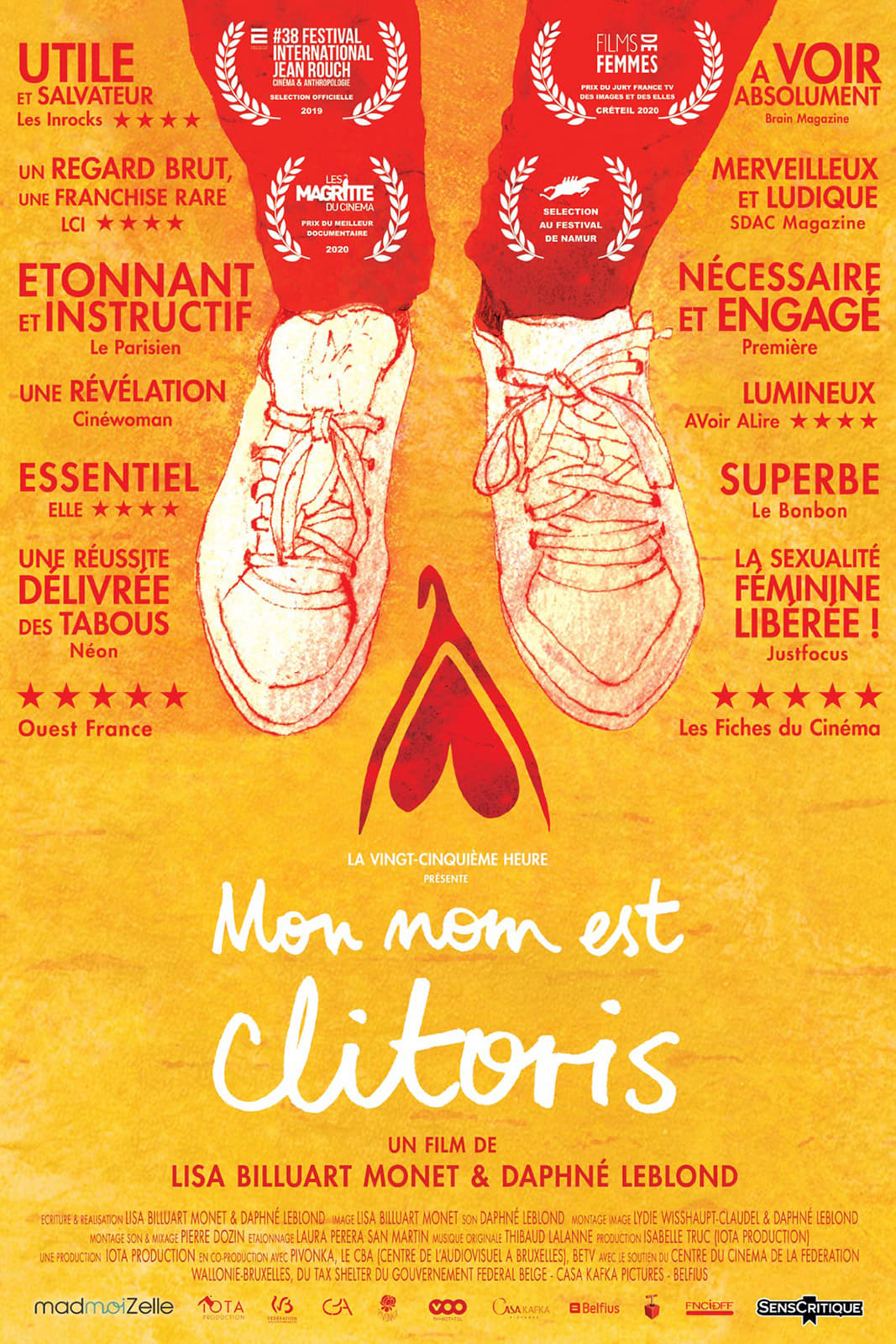
This documentary film is a dialogue between young women about female sexuality. Addressing the subject with freedom, courage and humor, they share their stories and experiences with the desire to change the world around them and to assert their right as women to an informed sexual education, free of constraints and taboos.
For the last quarter century, Houston native Arden Eversmeyer journeyed across the country to record hundreds of oral "herstories" with a mostly invisible population that is rapidly disappearing. Old Lesbians honors Arden's legacy by animating the resilient, joyful voices she preserved in the Old Lesbian Oral Herstory Project, from first crush to first love, from the closet to coming out, and finally from loss to connection.
Vārdotājas (Wordsmiths) traces the recent rise of women's stand-up comedy in Latvia, but it is by no means just for laughs. Feelings of discomfort, shame, shock, are just some of the subjects tackled.
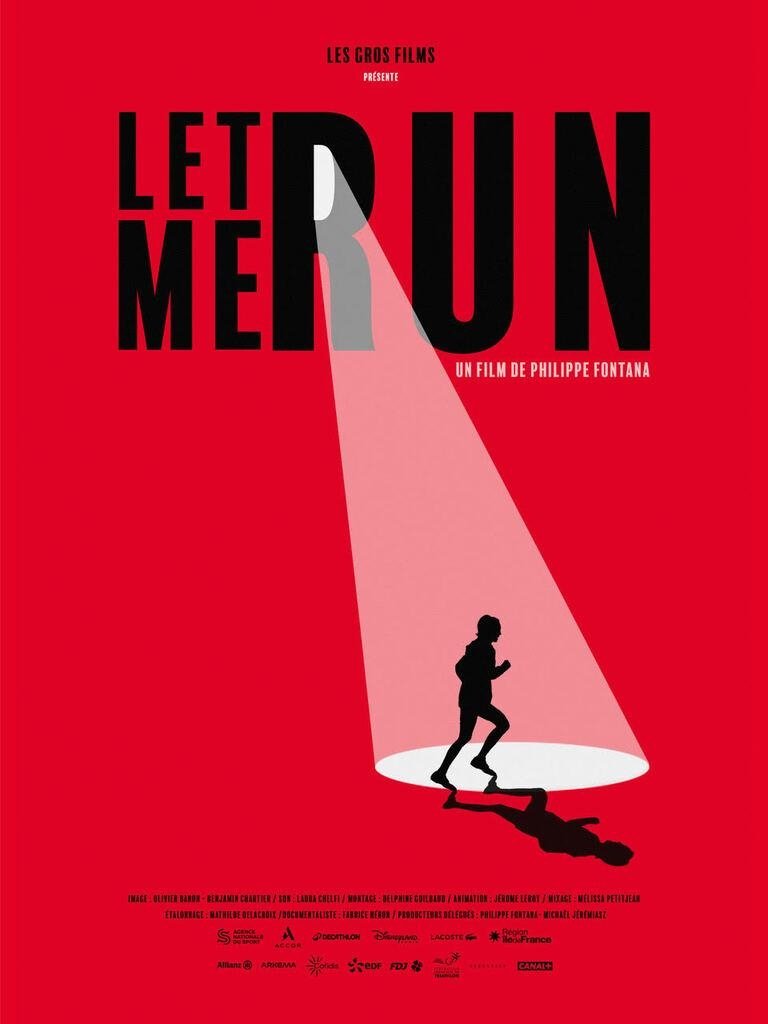
Let Me Run profiles six inspiring women, famous or anonymous, from yesterday or today, athletes or amateurs, who use sport to gain freedom, while tracing more than 150 years of women's struggle for access to sport.
Johanna Dohnal, whose political career spans three decades, was one of the very first explicitly feminist politicians in Europe. As a member of the Austrian socialist government and the first Austrian minister for Women’s Affairs from 1990 to 1994, Dohnal was responsible for founding Austria’s first women’s refuge as well as criminalizing of marital rape. Yet her legacy remains yet to be discovered and re-examined. DIE DOHNAL makes a first step, and it makes Dohnal come alive.
A film about what it means to be a woman cycling in different countries around the world. When Manon left to cycle from Brussels to Tokyo, she took a camera with her and met other women cyclists along the way. Hear their stories!
The film is based on interviews with 2,000 women from 50 countries, and covers the status of women all over the world. The topics covered include forced marriages, sexual assault, female genital mutilation, acid attacks, motherhood, sexuality, menstruation, education and the professional success of women.
A documentary focused on plastic pollution in the world's oceans.
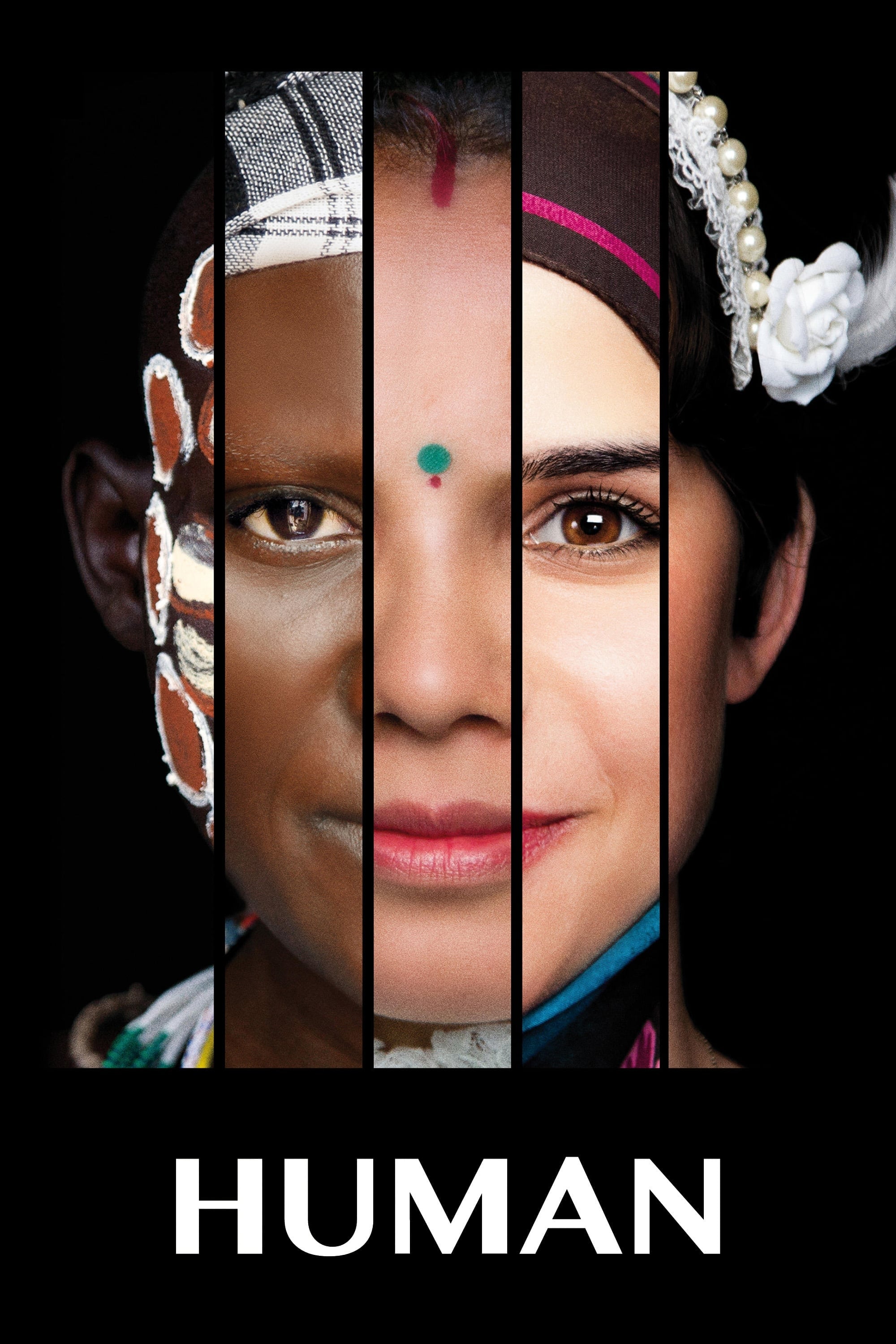
A collection of stories about and images of our world, offering an immersion to the core of what it means to be human. Through these stories full of love and happiness, as well as hatred and violence, it brings us face to face with the Other, making us reflect on our lives. From stories of everyday experiences to accounts of the most unbelievable lives, these poignant encounters share a rare sincerity and underline who we are – our darker side, but also what is most noble in us, and what is universal. Our Earth is shown at its most sublime through never-before-seen aerial images accompanied by soaring music, resulting in an ode to the beauty of the world, providing a moment to draw breath and for introspection. This film is a politically engaged work which allows us to embrace the human condition and to reflect on the meaning of our existence.
This revealing documentary honors the legendary Sidney Poitier—iconic actor, filmmaker, and civil rights activist. Featuring interviews with Denzel Washington, Spike Lee, Halle Berry, and more.
A documentary on the expletive's origin, why it offends some people so deeply, and what can be gained from its use.
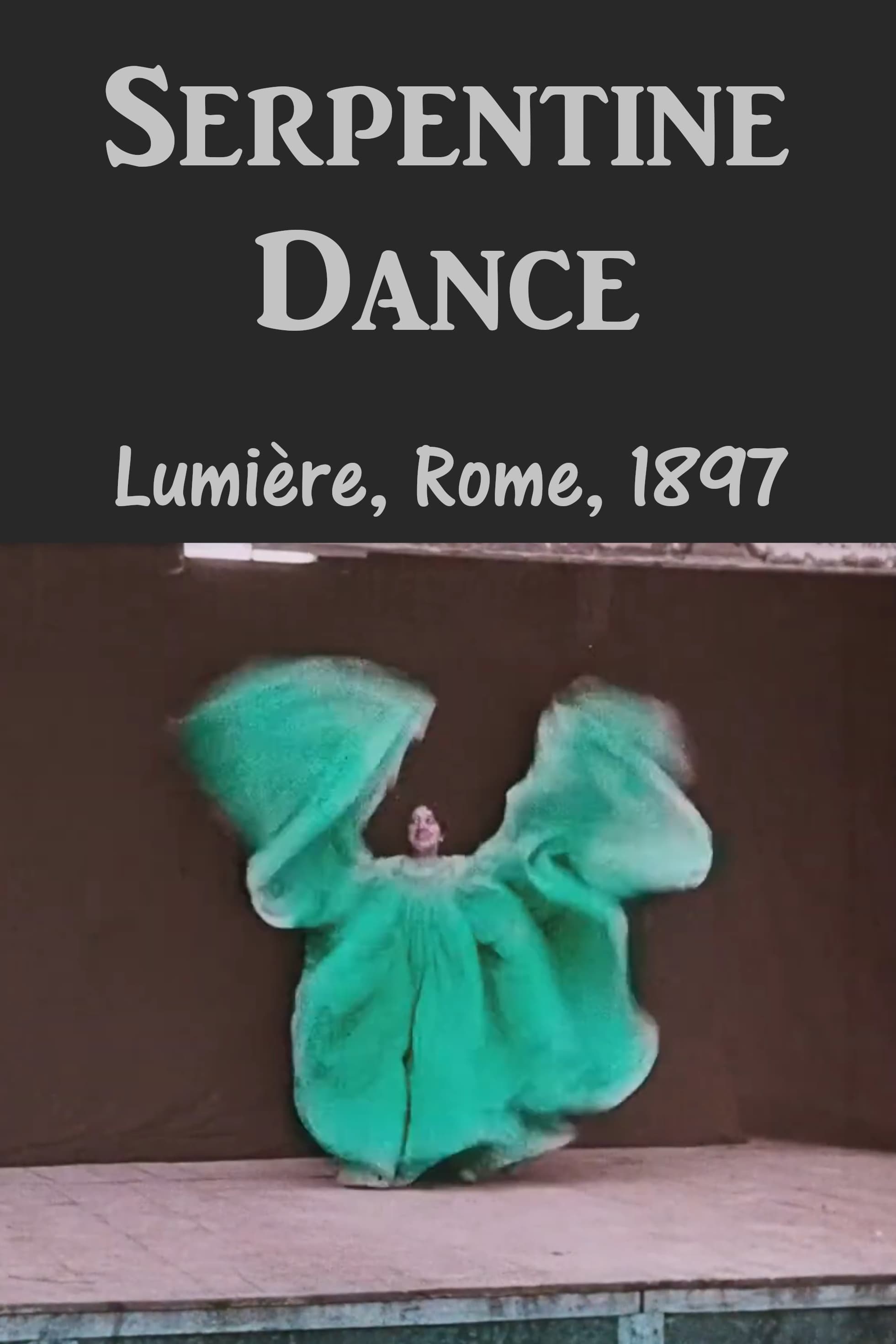
Angelic and demonic serpentine dance from dawn of cinema. Hand-colored frame by frame. Lumière no. 765 or 765.1 (colorized, different dancer?).
With unprecedented access to the official archives and intimate recollections from the band, both current and past, Iron Maiden: Burning Ambition invites fans to experience one of the most iconic journeys in music history. Spanning five decades, this electrifying documentary charts the band’s rise from the pubs of East London to the world’s biggest stadiums. Featuring exclusive interviews with band members and contributors such as Javier Bardem, Lars Ulrich and Chuck D, as well as all-new animated sequences of the band's legendary mascot, Eddie, the film offers a rare and intimate look at Iron Maiden’s uncompromising vision and unwavering connection with their truly global army of fans.
When a feminist filmmaker sets out to document the mysterious and polarizing world of the Men’s Rights Movement, she begins to question her own beliefs. Chronicling Cassie Jaye’s journey exploring an alternate perspective on gender equality, power and privilege.
This character-driven film considers the evolving sex trafficking landscape as seen by the main players: the exploited, the pimps, the johns that fuel the business, and the cops who fight to stop it.
A documentary about the life and films of director John Ford.
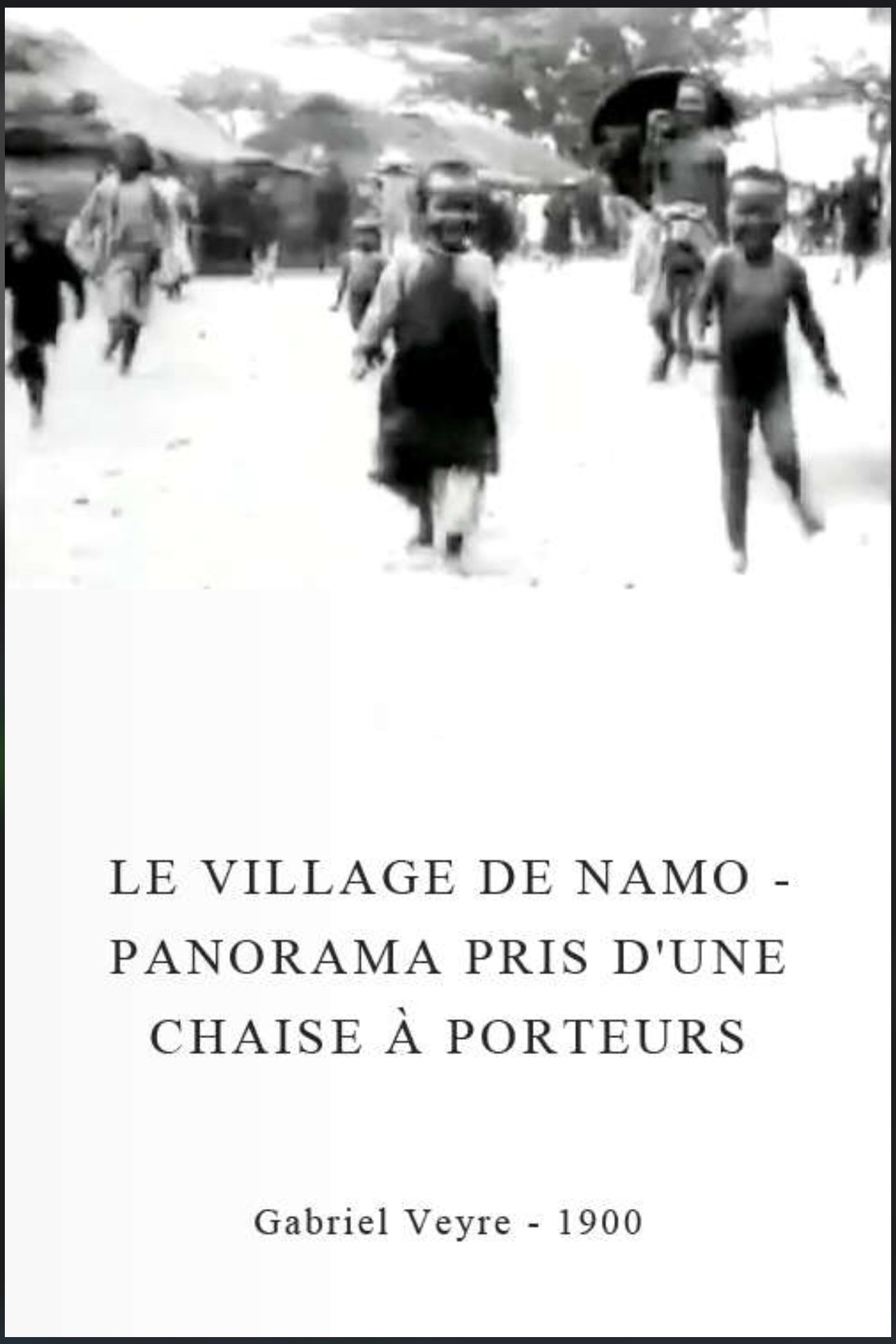
The film is a panorama shot-scene lasting just under a minute. The panorama film, as coined by Lumière, is a moving-camera shot--usually accomplished by placing the camera on a moving transport, such as a boat or train.
In the Realms of the Unreal is a documentary about the reclusive Chicago-based artist Henry Darger. Henry Darger was so reclusive that when he died his neighbors were surprised to find a 15,145-page manuscript along with hundreds of paintings depicting The Story of the Vivian Girls, in What is Known as the Realms of the Unreal, of the Glodeco-Angelinnian War Storm, Cased by the Child Slave Rebellion.
This searing investigative work shadows a group of activists risking unimaginable peril to confront the ongoing anti-LGBTQ program raging in the repressive and closed Russian republic. Unfettered access and a remarkable approach to protecting anonymity exposes this under-reported atrocity–and an extraordinary group of people confronting evil.
Amber Heard and Nicole Kidman discuss their characters Mera and Atlanna.
A detailing of the rise to prominence and global sporting superstardom of six supremely talented young Manchester United football players (David Beckham, Nicky Butt, Ryan Giggs, Paul Scholes, Phil and Gary Neville). The film covers the period 1992-1999, culminating in Manchester United's European Cup triumph.
While in San Francisco for the promotion of her last film in October 1967, Agnès Varda, tipped by her friend Tom Luddy, gets to know a relative she had never heard of before, Jean Varda, nicknamed "Yanco". This hitherto unknown uncle lives on a boat in Sausalito, is a painter, has adopted a hippie lifestyle and loves life. The meeting is a very happy one.
What does being a woman really mean? How do women live the status society reserves for them? A group of women, beautiful or not, young or not, gifted with motherly instinct or not, answer before Agnès Varda's camera.
A non-narrated documentary following the lovesome lives of four infants from birth to their first birthday. The babies featured are two from rural areas: Ponijao from Opuwo, Namibia, and Bayar from Bayanchandmani, Mongolia, as well as two from urban areas: Mari from Tokyo, Japan, and Hattie from San Francisco, USA.
Al Pacino's deeply-felt rumination on Shakespeare's significance and relevance to the modern world through interviews and an in-depth analysis of "Richard III."
When Allied forces liberated the Nazi concentration camps in 1944-45, their terrible discoveries were recorded by army and newsreel cameramen, revealing for the first time the full horror of what had happened. Making use of British, Soviet and American footage, the Ministry of Information’s Sidney Bernstein (later founder of Granada Television) aimed to create a documentary that would provide lasting, undeniable evidence of the Nazis’ unspeakable crimes. He commissioned a wealth of British talent, including editor Stewart McAllister, writer and future cabinet minister Richard Crossman – and, as treatment advisor, his friend Alfred Hitchcock. Yet, despite initial support from the British and US Governments, the film was shelved, and only now, 70 years on, has it been restored and completed by Imperial War Museums under its original title "German Concentration Camps Factual Survey".