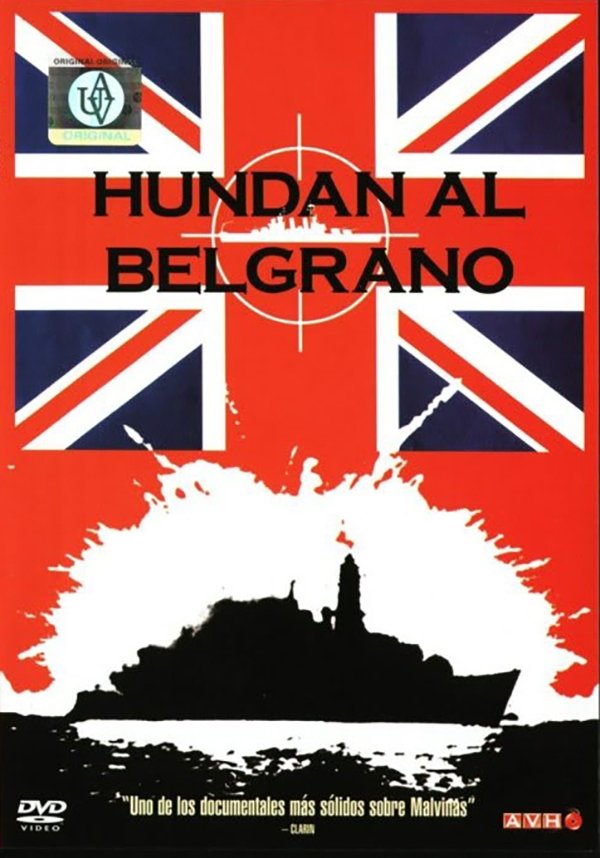
During the Falklands war England's attack on the ARA Belgrano outside of the conflict zone is reviewed 20 years later by a team of National Geographic hoping to find the ship and shed more light into what happened that night.

Social & External
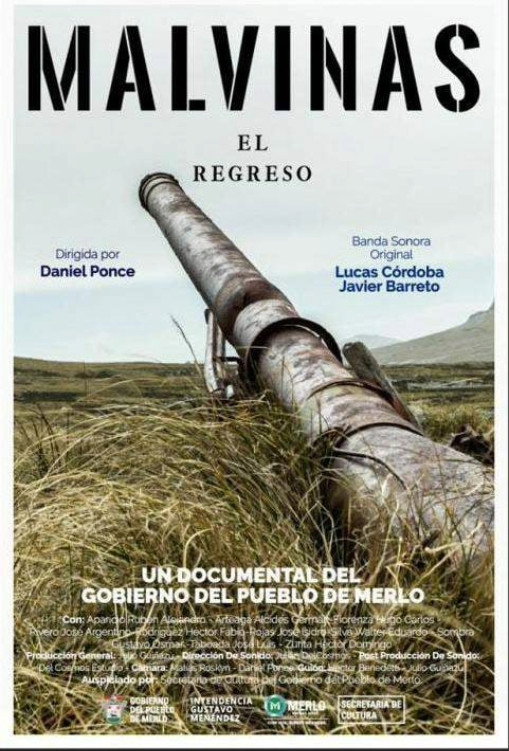
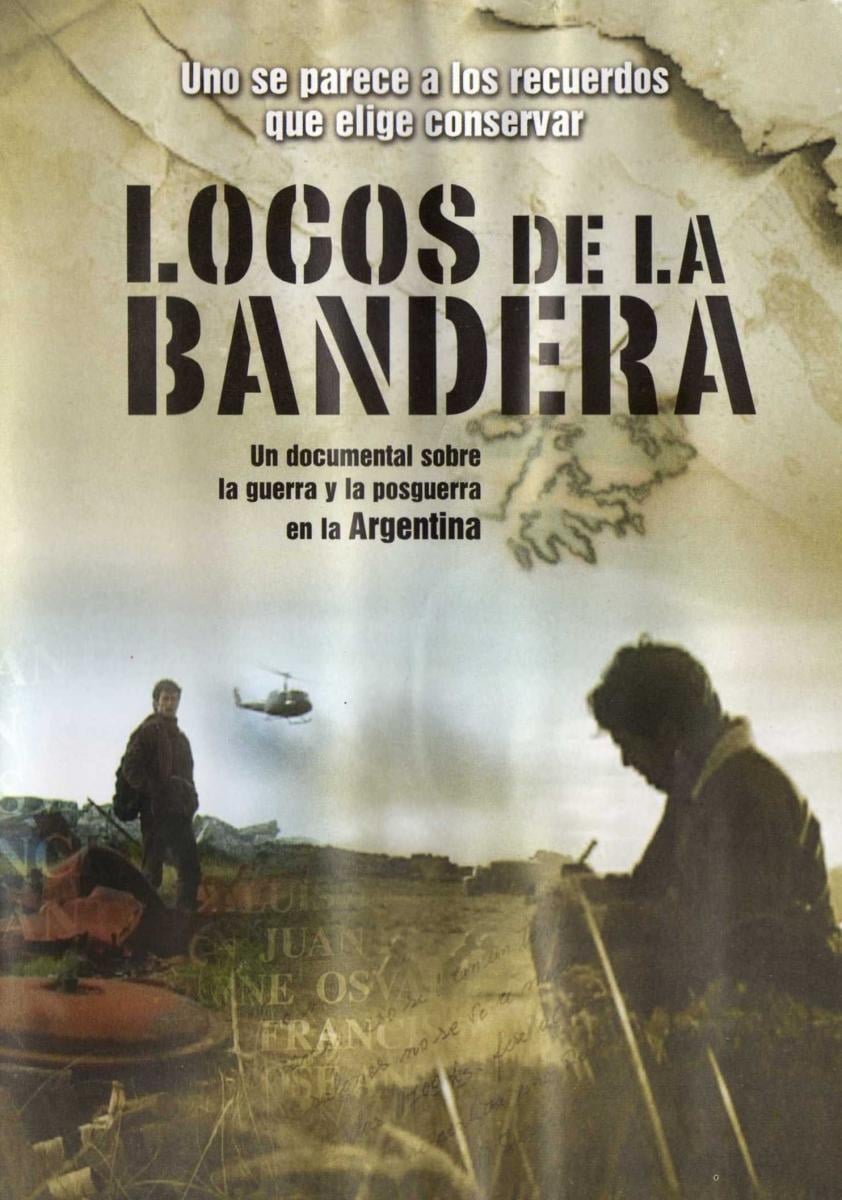
The story of the relatives of the 649 Argentine fallen in the Malvinas War, who as soon as the military conflict ended, found themselves alone with their pain and prevented from approaching the grave of their loved ones, either because their bodies were left in the Cemetery of Darwin, in the Malvinas, or because they disappeared without being identified.
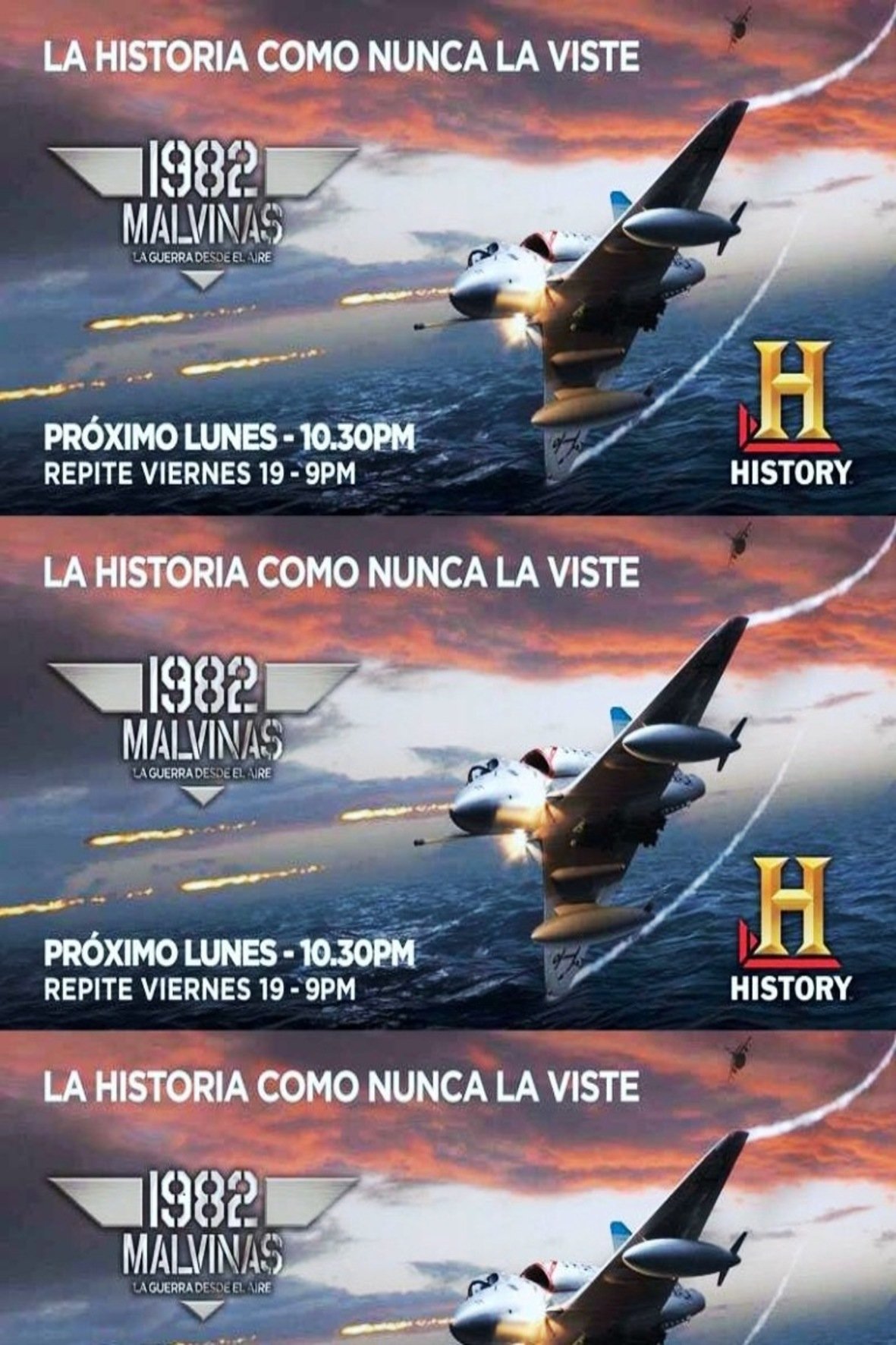
Documentary film about the then longest range bombing mission in history, which changed the outcome of the Falklands War.
Documentary about the sinking of the Britannic during the First World War, examining how she ultimately came to suffer the same fate as her sister ship, the Titanic. The Titanic sank in April 1912, and her sister ship, the Britannic, ultimately suffered the fate, sinking in 1916 due to an explosion caused by an underwater mine. In the wake of the Titanic disaster, Britannic was re-engineered to be even stronger. And yet she sank in just 55 minutes - three times faster than Titanic. It's one of Britain's greatest untold disaster stories. Now on the 100th anniversary, presenters Kate Humble and Andy Torbet piece together exactly what happened in those 55 minutes. While Andy makes a dangerous dive to the wreck, Kate speaks to descendants of the survivors. The characters she uncovers include Violet 'Miss Unsinkable' Jessops, who survived both Titanic and Britannic, Captain 'Iceberg Charlie' Bartlett and lookout Archie Jewell, who miraculously survived while those around him died.
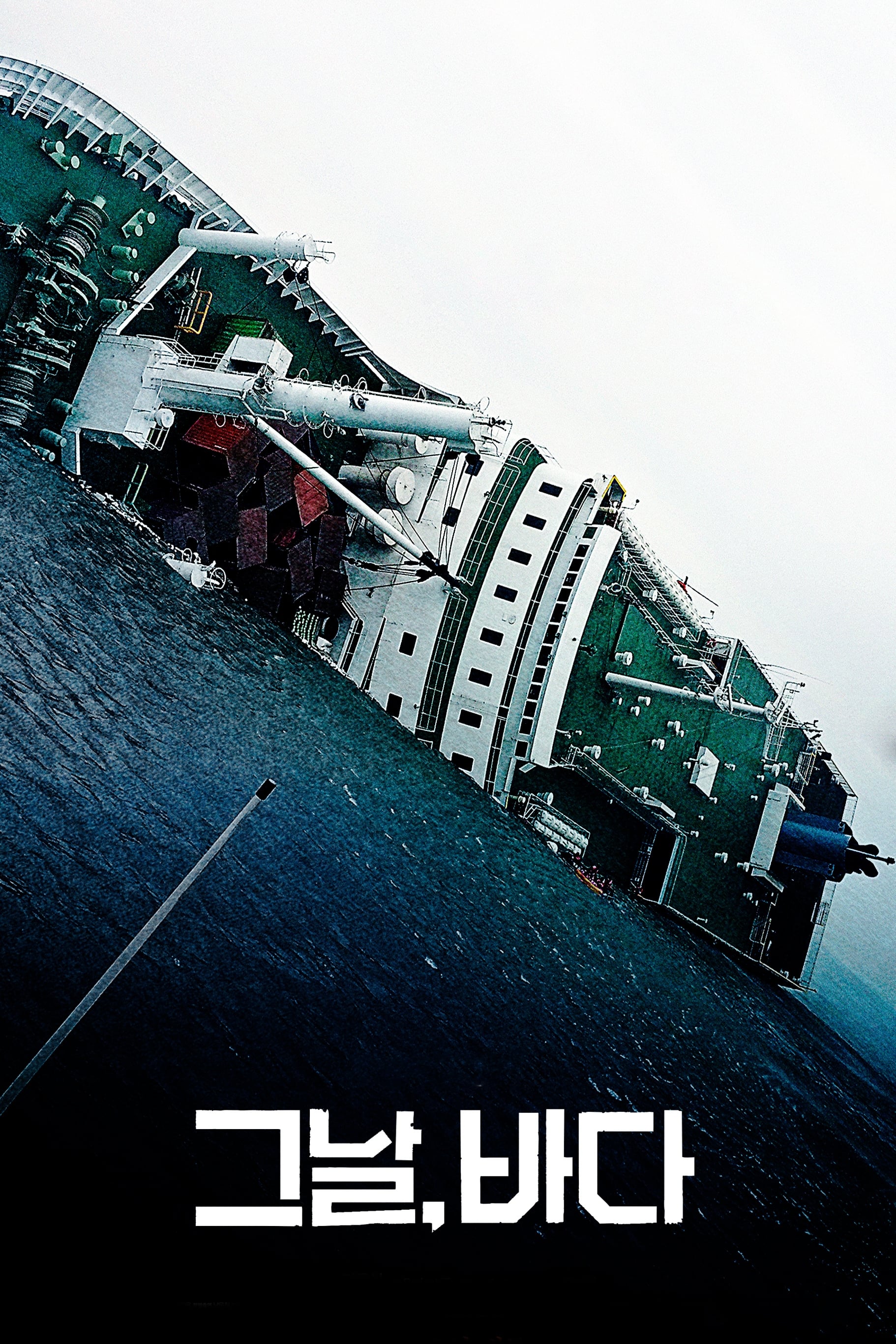
A documentary that scientifically analyses and tracks down the route of the Sewol Ferry that sank on the 16th of April in 2014 using its AIS to discover the cause of the unconfirmed sinking.
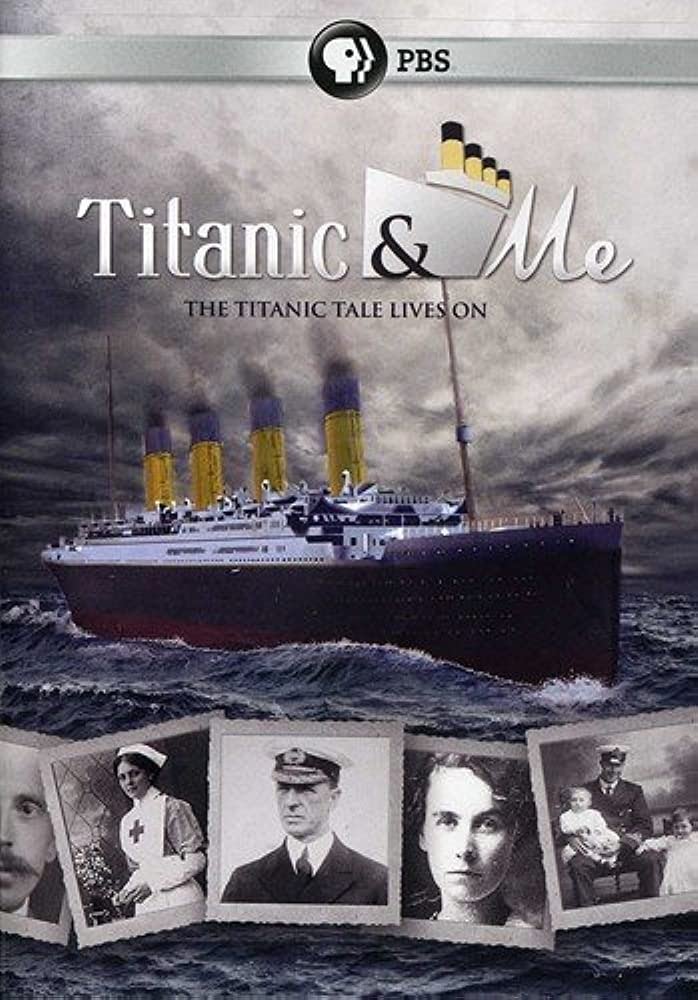
This documentary talks with the descendants of families affected by the sinking of the Titanic in 1912. It includes stories from the builders, the passengers, the rescuers and even some who ignored the call for help.
A single female voice sings of waiting in her garden for her ‘dark-eyed sailor’ to return from war, bearing the other half of their token, a gimmel ring. Three veterans pass on the road as she waits, and she asks them: “When you were fighting in distant lands, did you think of the home you left?” In reply the veterans relate their recollections. The garden images in the accompanying film represent ‘home’, but also stand for a more general possibility of redemption, of the potential of the past to return at any time, disguised and changed, to renew the present: “Each moment of time is a garden gate,” the song goes, “Through it my love may walk.”
For many, the name Malvinas/Falklands evokes an absurd war between England and Argentina in 1982. For Julieta Vitullo, the protagonist of this film, this tragic history becomes deeply personal 25 years later when she suffers a loss associated with her search to uncover that past, unfolding into a life-affirming struggle for renewal and rebirth. This film tells the story of two trips, one made in 2006 and the other in 2010. In the space between one trip and the next, between past and present, between the public and the private, between what can and cannot be told, the movie reflects on the possibilities of conveying extreme life experiences, presenting landscapes and sounds that suggest subtle contours of that shape, 'The Exact Shape of the Islands.'
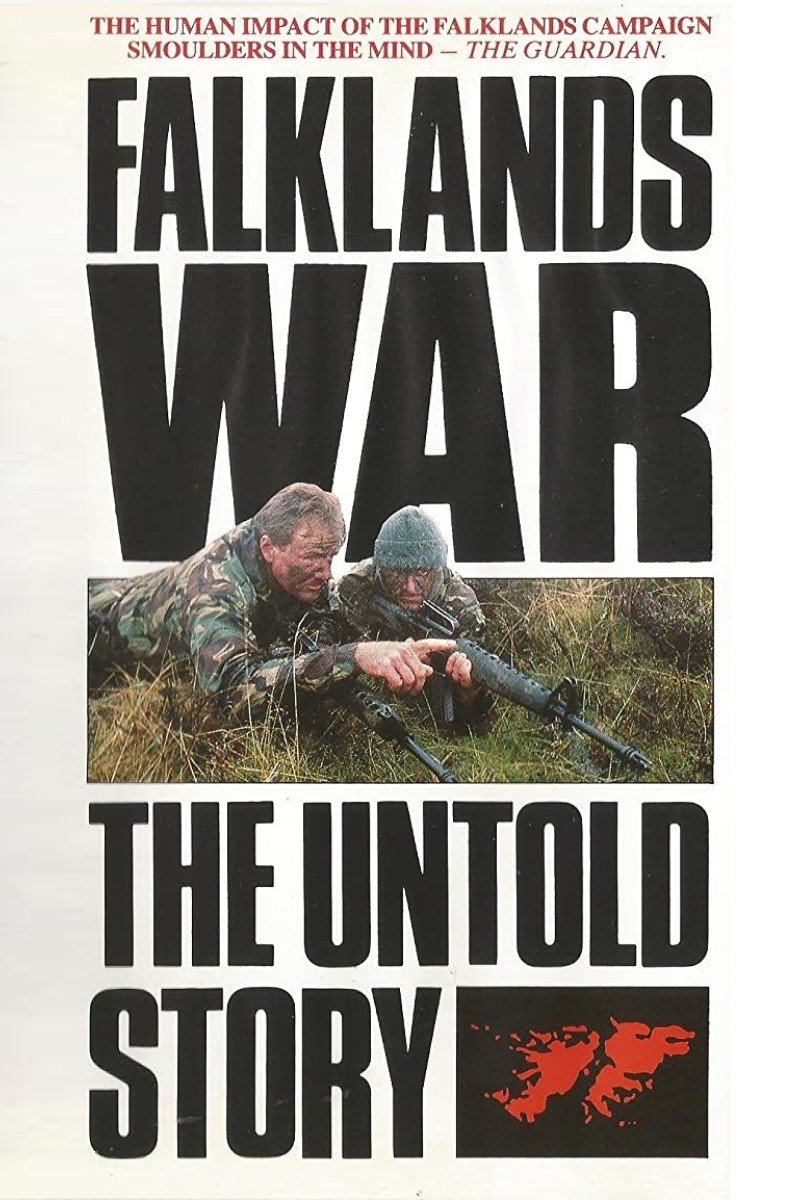
Five years after the war in the Falklands between Britain and Argentina, many facts were still wrapped in red tape. Many of the key figures had remained silent. No-one had been to Argentina to tell the other side of the story. For the majority of the British people, the war was another glorious chapter in their history. With flags waving and bands playing, British troops had sailed away to repel the invaders. Patriotic emotions were stirred as they returned victorious. Government MPs tried to get the film banned, but Yorkshire TV's telephones were jammed with messages of support from wives and mothers of those who died in the conflict. Called 'the documentary to end all documentaries about the Falklands War' in the British press, it was also described as 'more poem than polemic - a hymn against war'.
A powerful Argentine political film stands on the figure of an outsider intellectual, Sebreli, but manages to transcend it, he becomes a touchstone to go through Argentina and its dilemmas, through this country that is proud of almost everything it should be ashamed of. From national icons like Gardel, Evita, Che, and Maradona the film dialogs with recent Argentine history and it does so with extraordinary energy, supported by a rarely seen use of all kinds of archive material in an almost Dionysian state of sampleadelia. The film arrives to a surprising reflection on nationalism, demagogic governments and delusions of unanimity; problems that are common to emerging societies that cannot find their ways to a freer and more egalitarian society.
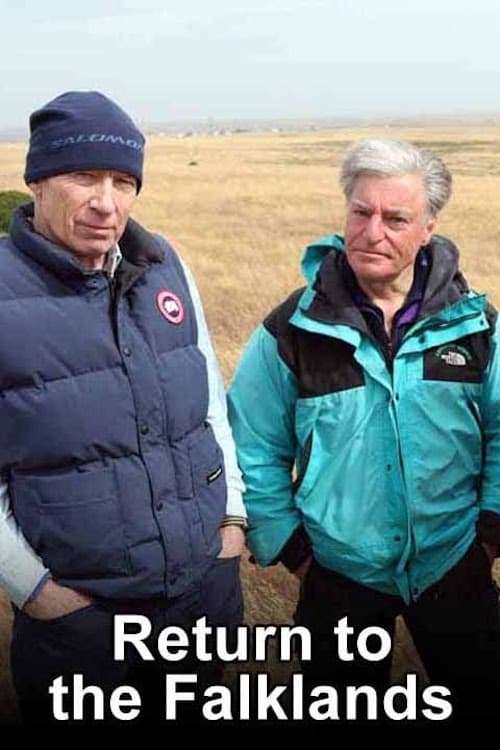
To mark 30 years since the Falklands War, this documentary follows three men back to the islands. For veteran Simon Weston, the journey is an opportunity to experience some of the stunning wildlife on Sea Lion Island.
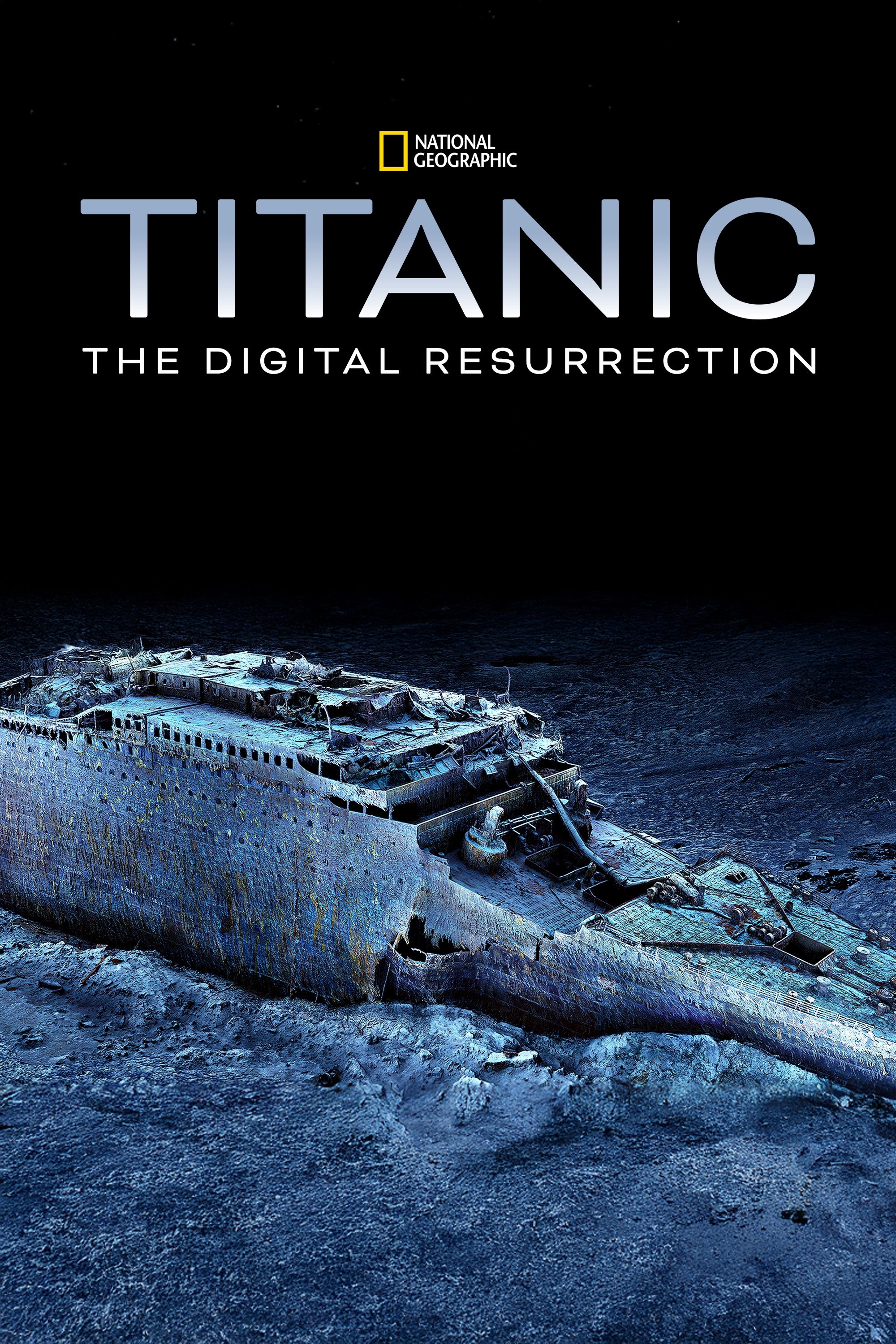
Using cutting-edge scanning technology and state-of-the-art CGI, a team of experts creates the first high-resolution 3D digital twin of the Titanic wreck. Through a groundbreaking immersive investigation, they uncover the ship’s final moments, shedding light on the acts of heroism and cowardice aboard—and revealing the true story behind the sinking of the “unsinkable” ship.
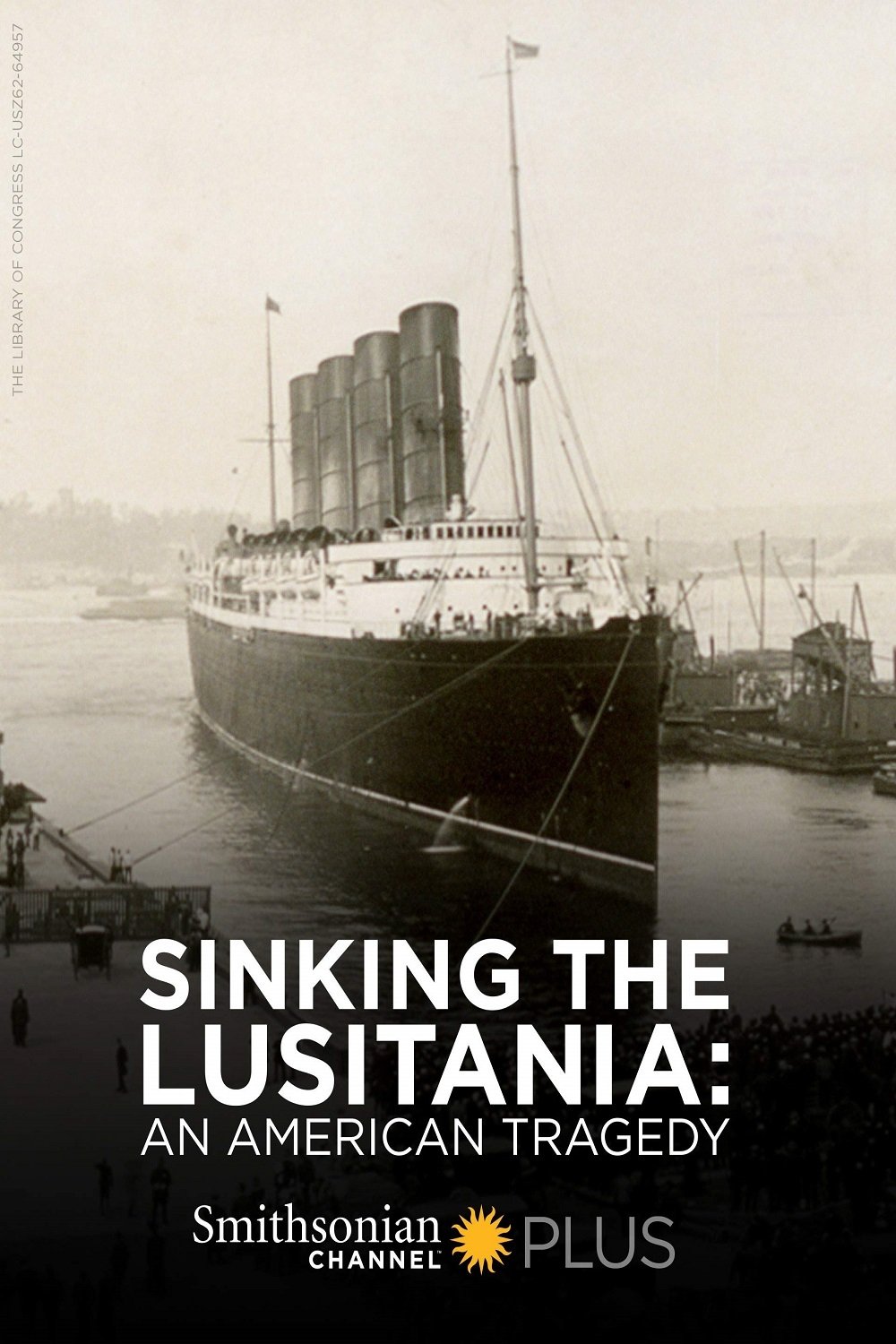
The sinking of the Lusitania and the impact it had in determining the fate of World War I is widely known. But few know the stories of the passengers and crew aboard the doomed luxury liner, or the German commander who ordered the deadly attack on May 7, 1915. Follow the final voyage of the massive ship, from her celebrated exit from New York's Pier 54 to her 18-minute plummet off the coast of Ireland. Through firsthand accounts, meet the men, women, and children who rode the "Greyhound of the Seas" into a war zone, and into history.
Thirty years after the Falkland's War, journalist and military historian Max Hastings explores the conflict's impact and its legacy. Hastings, who sailed with the Task Force in 1982 and reported on the Falklands campaign first-hand, looks at how victory in the South Atlantic revived the reputation of our armed forces and renewed Britain's sense of pride and its image abroad after years of decline as an imperial and military power. Hastings examines how the Falklands provided a model of a swift and successful war that was matched by other conflicts Britain fought at the end of the 20th-century. In contrast, the long campaigns in Iraq and Afghanistan have left the British public sceptical about sending our armed forces in large numbers to war again. The Falklands could well be the last popular war Britain fights, and certainly the country's last imperial hurrah.
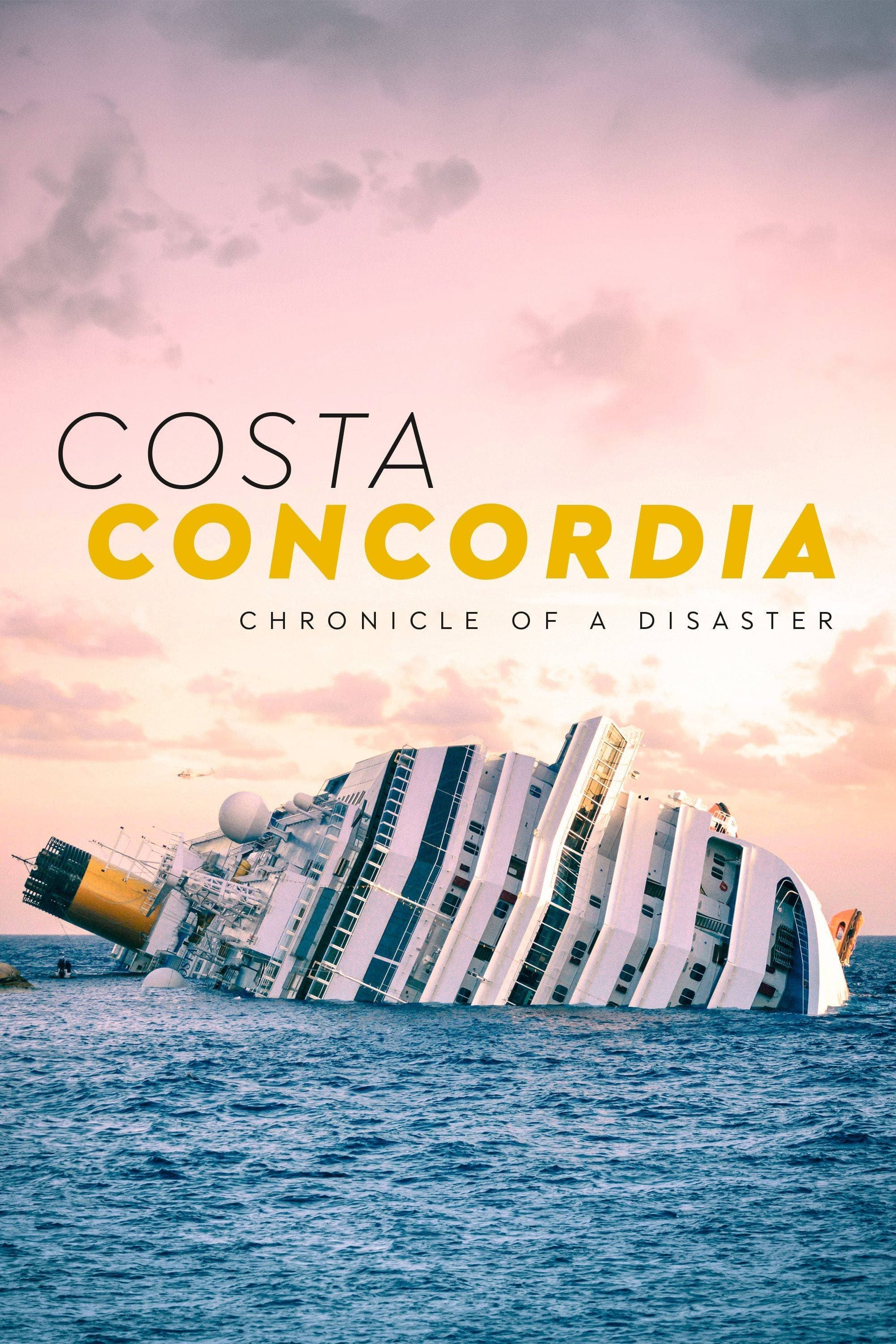
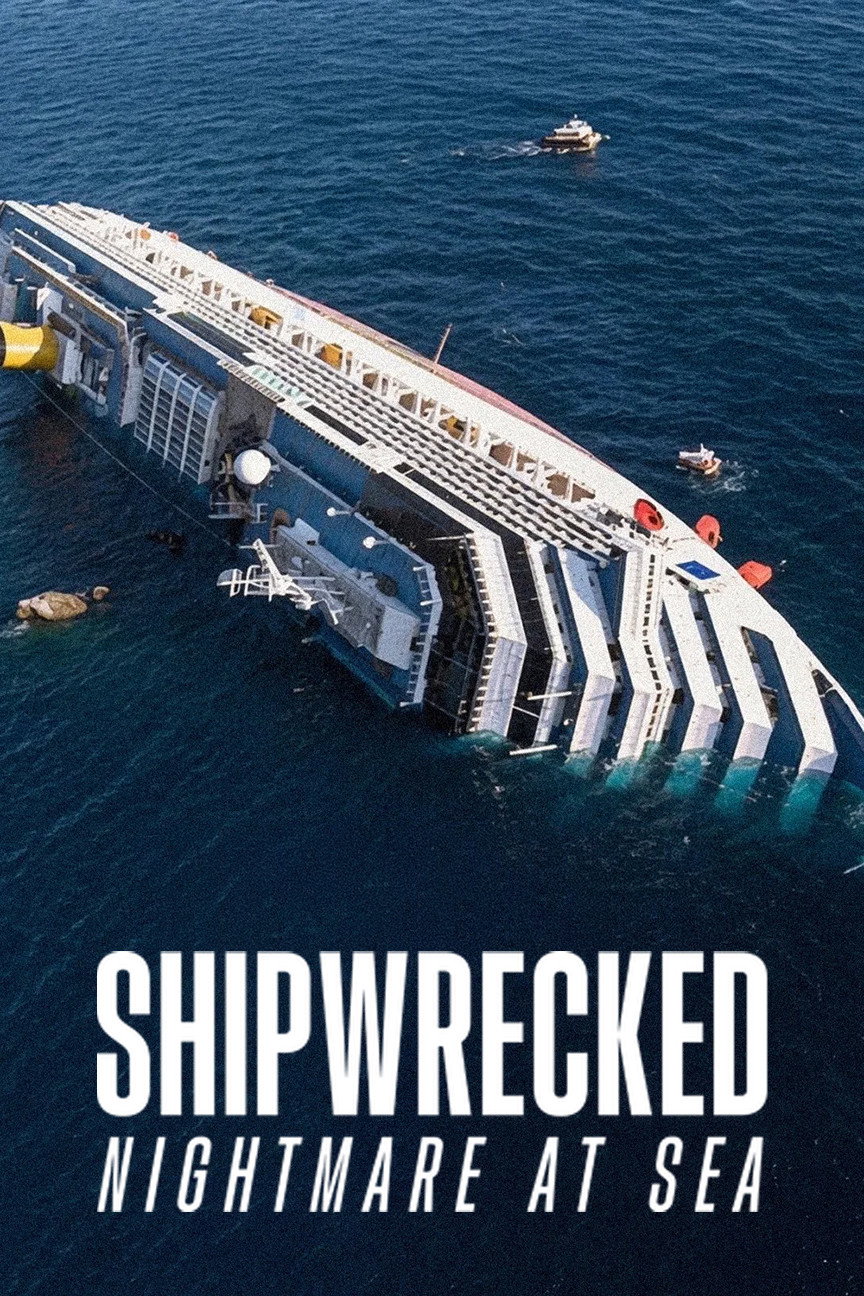
A reconstruction of the shipwreck of Costa Concordia, occurred on the night of 13 January 2012 in front of the Island of Giglio. A tragic night, full of emotions, that changed the life of those who were on board and the history of tourist navigation.
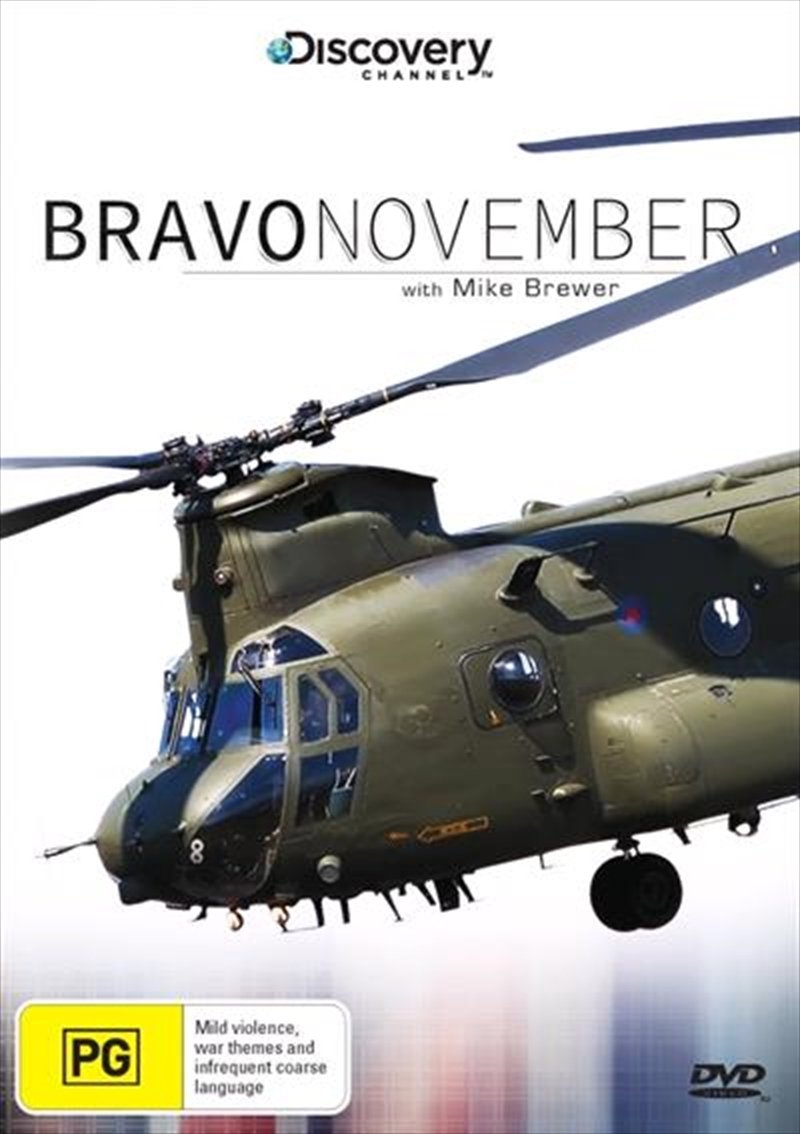
Mike Brewer sets off on a journey of discovery to find out the story of one of the most remarkable aircraft in the British Armed Forces: a Chinook helicopter code named Bravo November. By doing so he examines the invaluable contribution that these helicopters have made to campaigns from the Falklands War to modern day British Military service over the past thirty years.
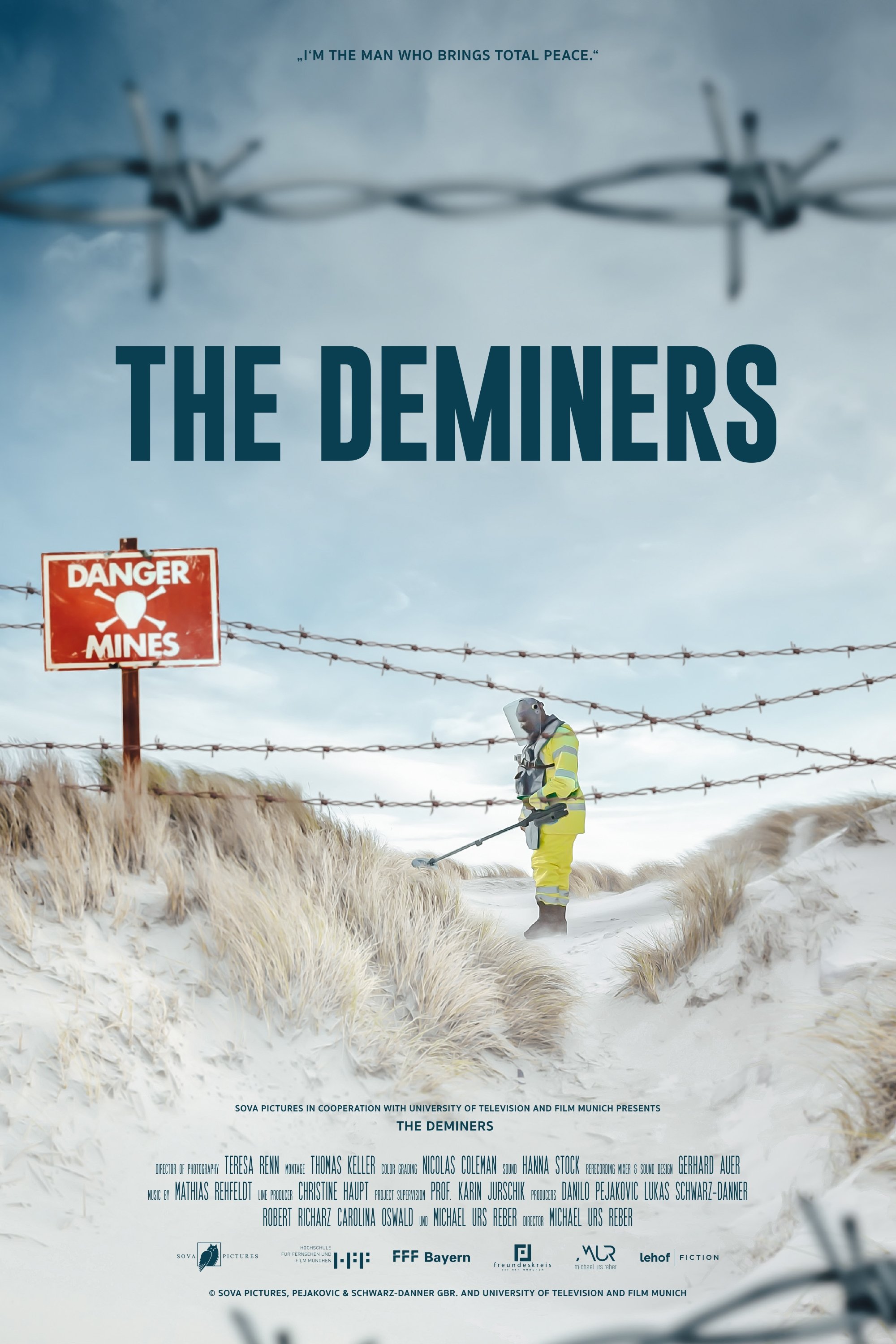
Zimbabwean landmine clearers Shame and Cosimas, as well as medic Previous have been traveling to the other side of the world for years to clear mines in the British Falkland Islands. In the subpolar cold, between sand dunes and penguins, they defuse and blow up the legacies of a forgotten war.
The Falklands/Malvinas War has proved a powerful motif in contemporary Argentine film-making and Ramiro Longo's new documentary offers a unique take on the conflict and its pervasive legacy. While Argentina suffered 649 casualties during the War, subsequently over 350 ex-servicemen have committed suicide while attempting to come to terms with civilian life in the aftermath of the 1982 defeat. Longo's film is structured around an extended interview with War veteran Sergio Delgado who provides a moving testimony on the conflict and the ways in which it has subsequently haunted his life and aspirations. As much an insider's view of the conflict as a tale of the legacy of trauma, Not Really Ours offers a reflection on memory, fear and the shaping of a nation's psyche. Longo's deft editing juxtaposes telling footage alongside Delgado's story. The result is both a moving tapestry of war and its scars and a telling reflection on the ways in which official history is constructed.
Everyone knows the story of the Titanic, how the largest moving object ever fashioned by the hand of man hit an iceberg on its maiden voyage and sank in the middle of the North Atlantic, and 1,500 lives were lost. The tragedy has been well documented in books and on films. No matter how often the story is told, it never fails to capture the imagination. It is a story that has left many questions unanswered, and the programme provides an intriguing hypothesis that the ship that plummeted two miles to the bottom of the sea was not the Titanic but its sister ship the Olympic. This film is based upon the research of Andrew Newton and includes the evidence of the British and American inquiries, the eye witness reports of survivors, newspapers of the day, photographs, video, film and radio broadcasts. The views and opinions presented in this film are based on actual evidence and legitimate inference. It may be the ultimate conspiracy – or could it be the truth?
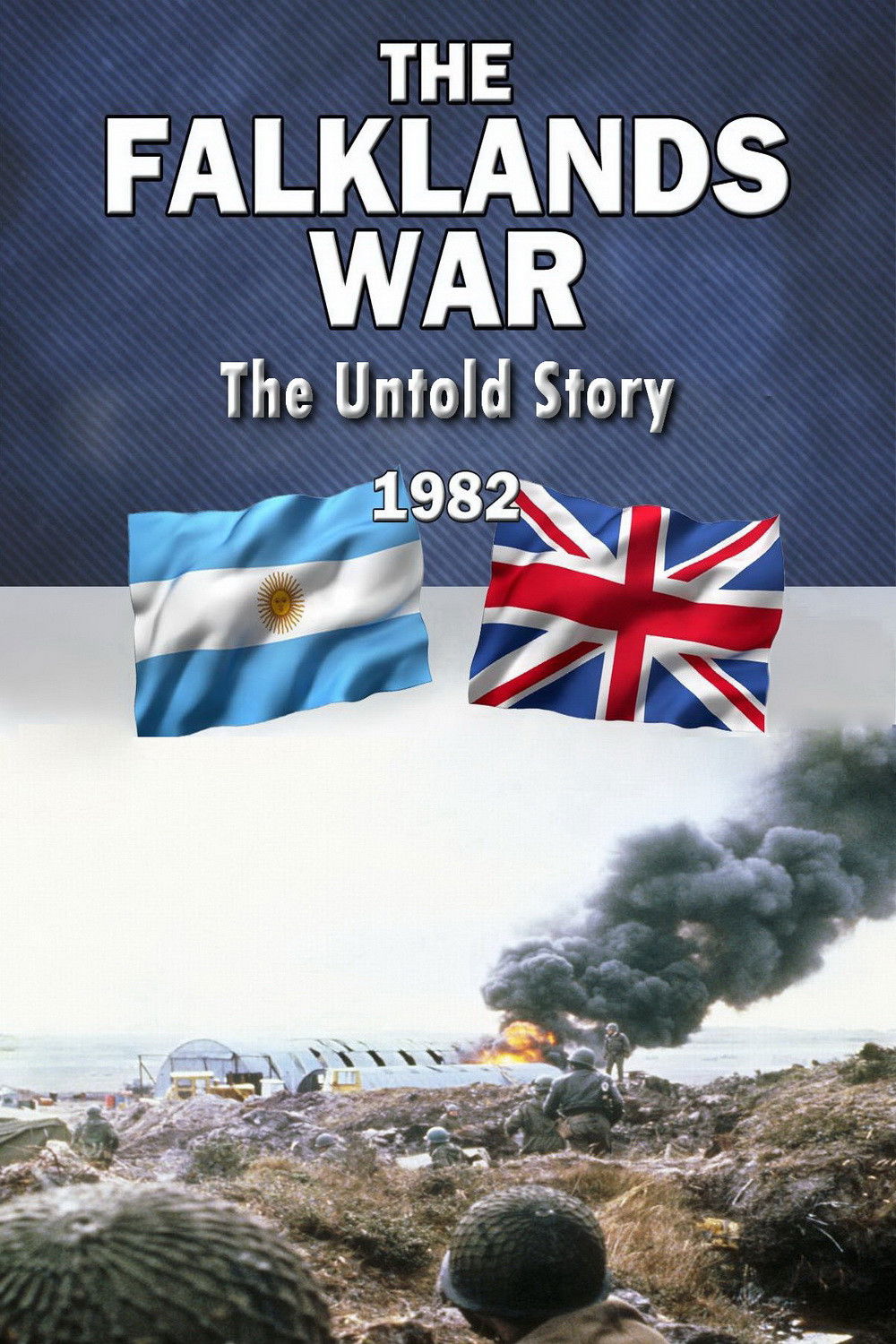
On the 40th anniversary of the conflict, senior commanders and ground troops reveal how a series of mistakes nearly cost Britain its hard-won victory over Argentina in the South Atlantic.
With a team of the world's foremost historic and marine experts as well as friend Bill Paxton, James Cameron embarks on an unscripted adventure back to the wreck of the Titanic where nearly 1,500 souls lost their lives almost a century ago.
JB Smoove and Martin Starr host a celebration of 20 years of "Spider-Man" movies, from the Sam Raimi trilogy to Marc Webb's movies and the trio from Jon Watts.
A documentary that explores the downloading revolution; the kids that created it, the bands and the businesses that were affected by it, and its impact on the world at large.
A close examination of the Whakaari / White Island volcanic eruption of 2019 in which 22 lives were lost, the film viscerally recounts a day when ordinary people were called upon to do extraordinary things, placing this tragic event within the larger context of nature, resilience, and the power of our shared humanity.
Join the likes of Jeremy Renner, Hailee Steinfeld, Florence Pugh, and Vincent D’Onofrio as they reveal how Marvel Studios’ “Hawkeye” was conceived and created. Witness firsthand what it took to pull off the show’s pulse-pounding action set pieces, and discover how iconic characters from the pages of Marvel Comics such as Kate Bishop were adapted and brought to life for the six-episode series.
When Allied forces liberated the Nazi concentration camps in 1944-45, their terrible discoveries were recorded by army and newsreel cameramen, revealing for the first time the full horror of what had happened. Making use of British, Soviet and American footage, the Ministry of Information’s Sidney Bernstein (later founder of Granada Television) aimed to create a documentary that would provide lasting, undeniable evidence of the Nazis’ unspeakable crimes. He commissioned a wealth of British talent, including editor Stewart McAllister, writer and future cabinet minister Richard Crossman – and, as treatment advisor, his friend Alfred Hitchcock. Yet, despite initial support from the British and US Governments, the film was shelved, and only now, 70 years on, has it been restored and completed by Imperial War Museums under its original title "German Concentration Camps Factual Survey".
An unflinching look at the how the battle over abortion rights has played out in the United States over the last 15 years.
On September 15, 1963, a bomb destroyed a black church in Birmingham, Alabama, killing four young girls who were there for Sunday school. It was a crime that shocked the nation--and a defining moment in the history of the civil-rights movement. Spike Lee re-examines the full story of the bombing, including a revealing interview with former Alabama Governor George Wallace.
Legendary journalist Gay Talese unmasks a motel owner who spied on his guests for decades. But his bombshell story soon becomes a scandal of its own.
From the heights of her modeling fame to her tragic death, this documentary reveals Anna Nicole Smith through the eyes of the people closest to her.
Those who knew iconic funnyman John Candy best share his story, in their own words, through never-before-seen archival footage, imagery, and interviews.
Artists in LA discover the work of forgotten Polish sculptor Stanislav Szukalski, a mad genius whose true story unfolds chapter by astounding chapter.
A documentary about the life and films of director John Ford.
An engine fire leaves 4,000 passengers stranded at sea without power and plumbing in this wild documentary about the infamous "poop cruise" of 2013.
A comedic, brutally honest documentary following self-destructive TV writer Dan Harmon as he takes his live podcast on a national tour.
A documentary about the sport of boxing, as seen through the eyes of champions Mike Tyson, Evander Holyfield and Bernard Hopkins.
Alex Gibney explores the charged issue of pedophilia in the Catholic Church, following a trail from the first known protest against clerical sexual abuse in the United States and all way to the Vatican.
A documentary focused on plastic pollution in the world's oceans.
Explores the true story of the notorious Jesse James, how the myth developed during his lifetime, and how the legends have persisted over 100 years after his death at the hands of his former friend, Robert Ford.
The special focuses on how Star Wars is relevant today and the history that inspired it, and also makes various connections to Greek mythology. It consists of several interviews with well-known politicians, journalists, and critics, along with historical content and clips from all six of the Star Wars movies.