Social & External
The people behind it
Luis de Sobrón Lumbreras
Luis de Sobrón Martínez
Marta Cabrero
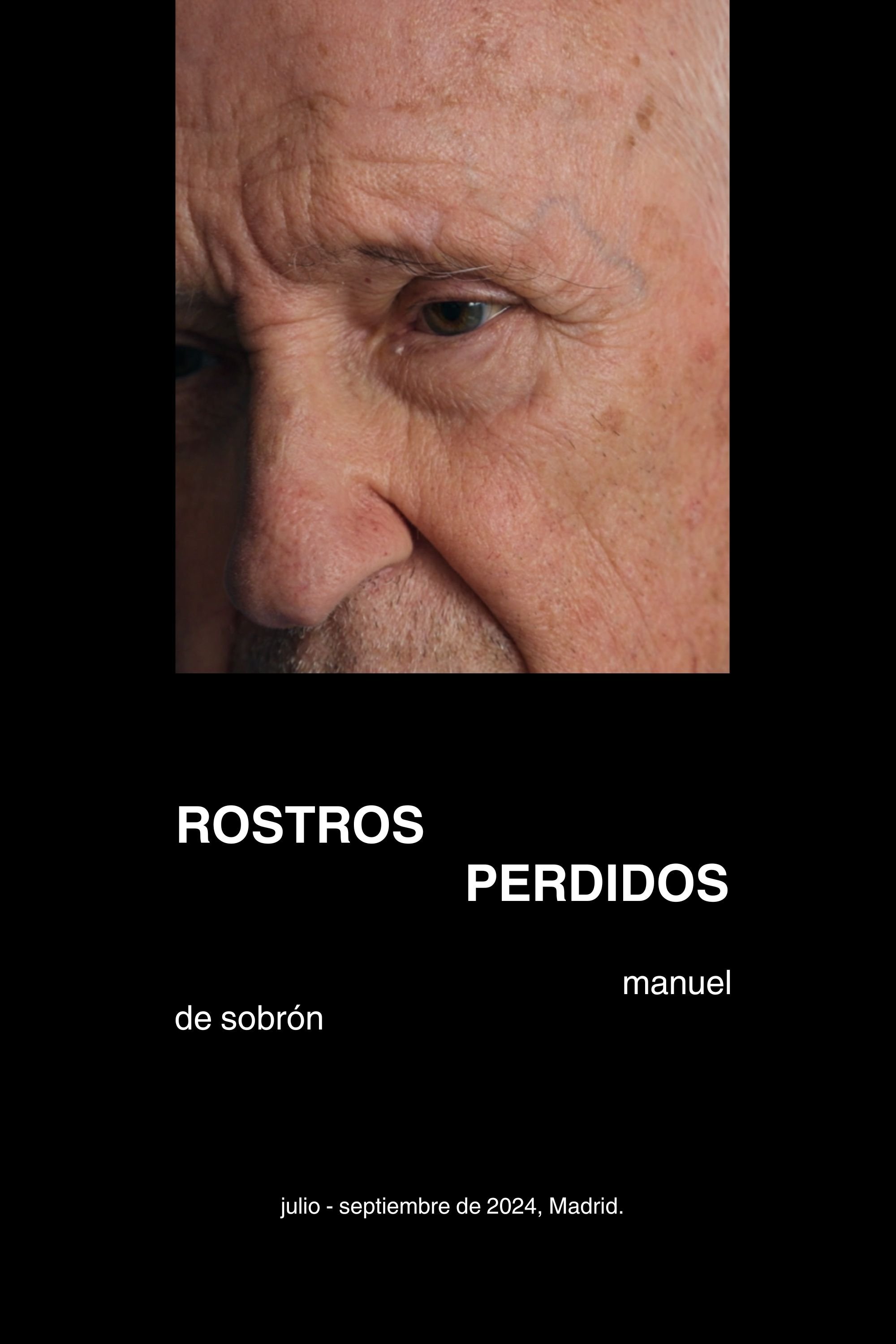
Manuel de Sobrón
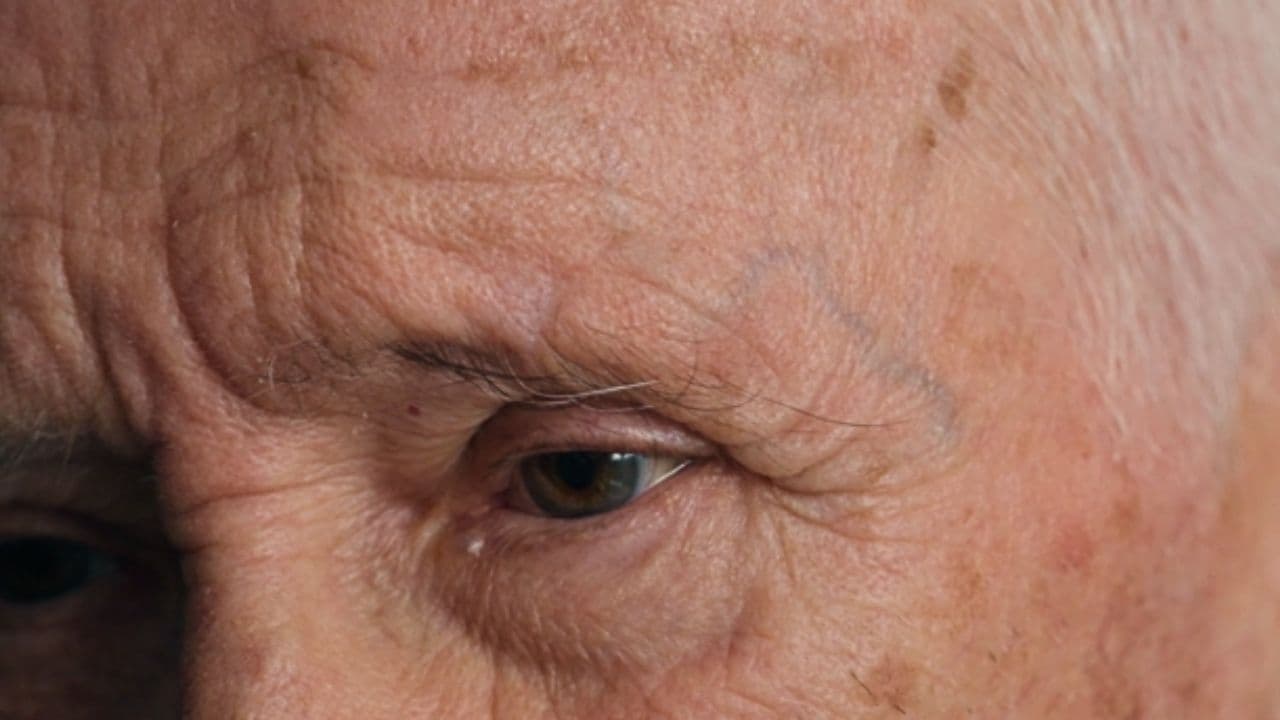
A filmmaker attempts to piece together memories of her mother after the discovery of diaries she left behind 16 years ago.
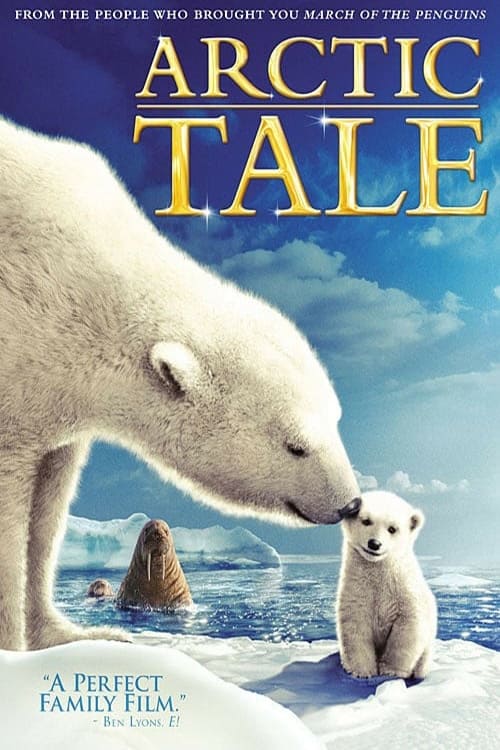
Arctic Tale is a 2007 documentary film from the National Geographic Society about the life cycle of a walrus and her calf, and a polar bear and her cubs, in a similar vein to the 2005 hit production March of the Penguins, also from National Geographic.
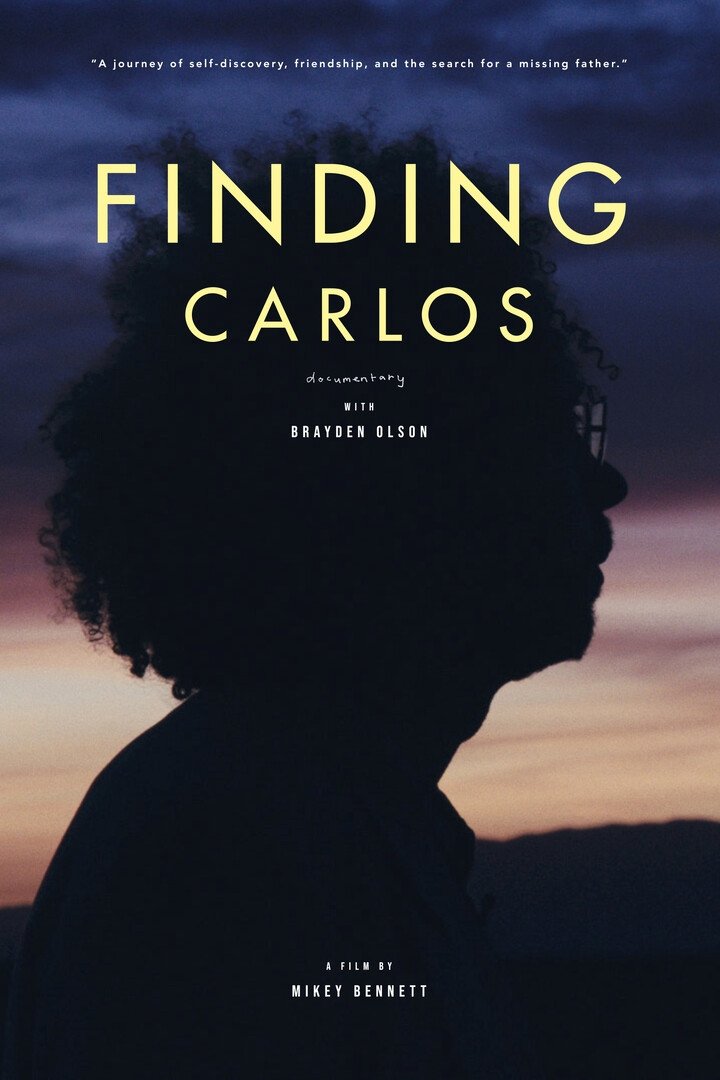
Brayden Olson has spent his life wondering about the father he never knew. Armed with only a name, a faded photograph, and an improbable lead, he sets out across continents to uncover the mystery of Carlos. But as each revelation brings him closer to the truth, Brayden risks unraveling the life he’s always known — especially the bond with the mother who raised him alone. Raw, intimate, and deeply human, Finding Carlos explores identity, family, and the silent epidemic of fatherlessness.
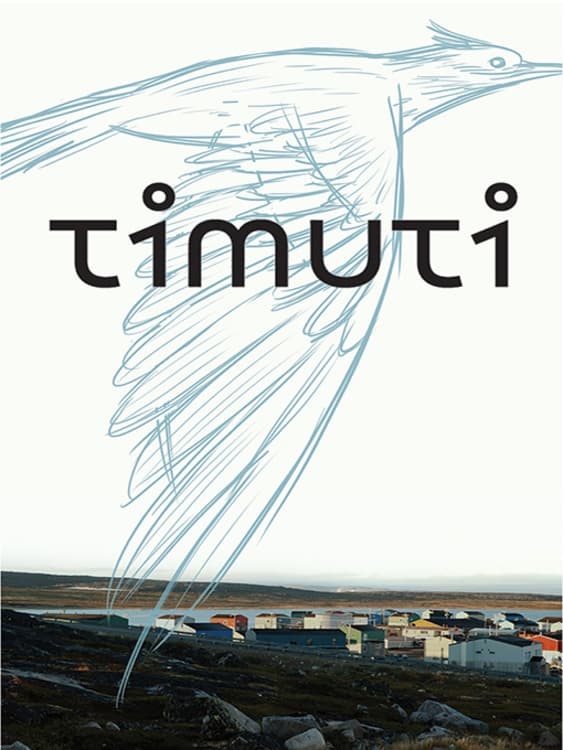
In this short film, artist Jobie Weetaluktuk turns his gaze on his family and the power of ritual through the story of a young woman and her unplanned child. In Inukjuak, an Inuit community in the Eastern Arctic, a baby boy has come into the world and they call him Timuti, a name that recurs across generations of his people, evoking other Timutis, alive and dead, who will nourish his spirit and shape his destiny.
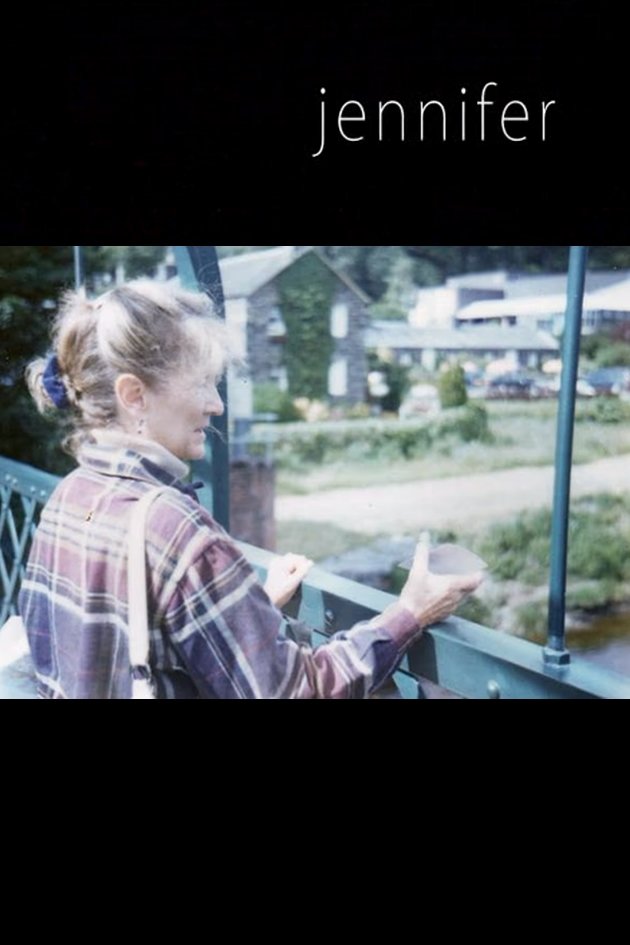
In the short film 'Jennifer', filmmaker Stewart Copeland explores his relationship with his mother through a recorded conversation between eighth-grade students and astronauts aboard the International Space Station.
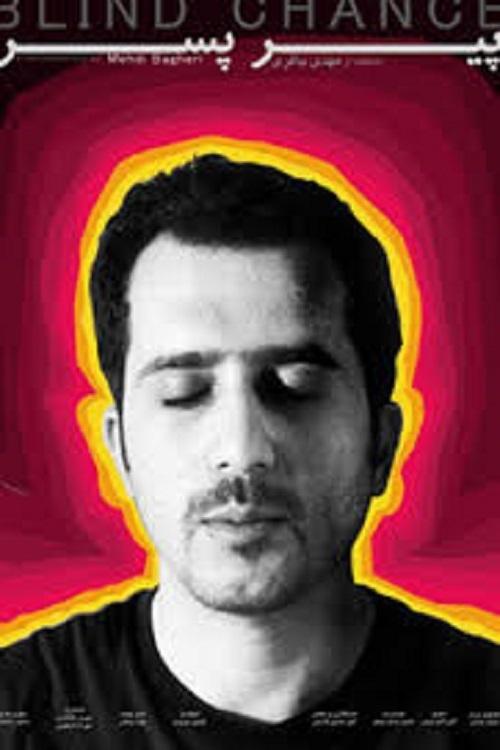
We had a comfortable life until my father went bankrupt and I blamed him for our misfortune. Being 30 and still living with my parents, I do not speak with my father. It is my brother's wedding and I'm not attending his ceremony. I asked my friend to film the wedding and specially my father. This film is an occasion for me to revise my attitude toward every member of my family by talking to them.
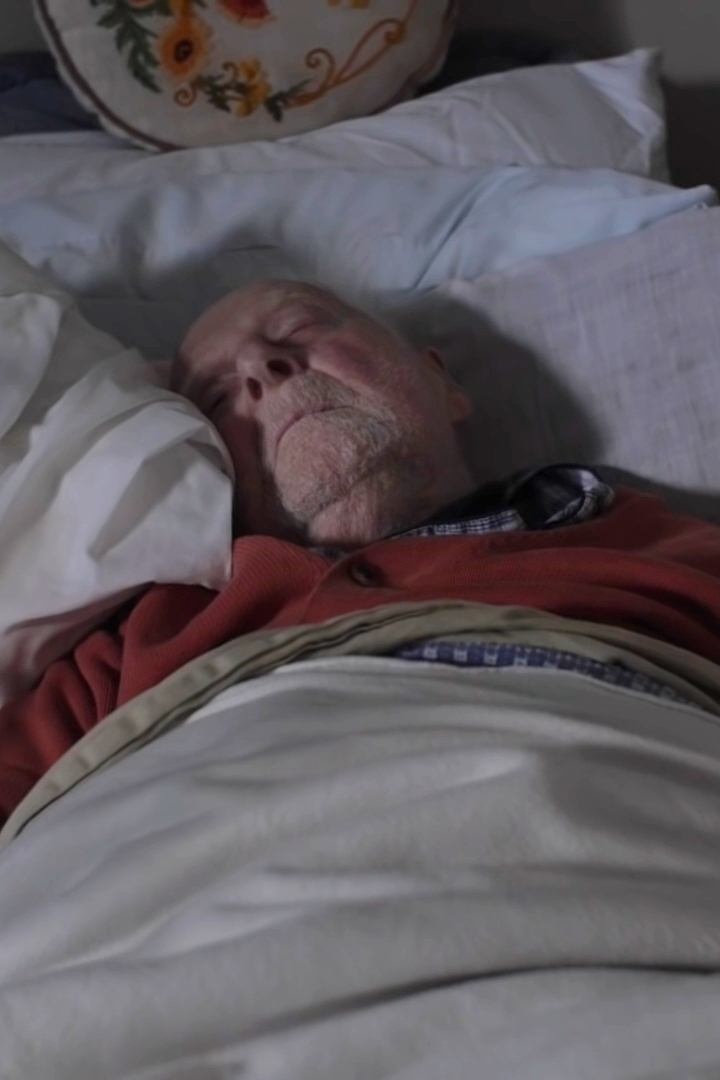
Herbert Fingarette once argued that there was no reason to fear death. At 97, his own mortality began to haunt him, and he had to rethink everything.
This is a reconstruction of the daily life of an ordinary family. With kindness and gentle humour, the film reveals the relationship between the older and the younger generation. The original concept of a short film study with authentic characters of the Ravager family grew into a feature-length picture on the border between a documentary and fiction. It was made as an improvisation without a previously approved screenplay in the course of only twenty days.
Growing up Mell wished her autistic brother could speak - now, in adulthood, she realises you don’t have to talk to explain what you need. KIN is a coming of age story between two sisters (Mell and Janine) and their neurodivergent and autistic brother (Carl), exploring sibling relationships, family duty and care.
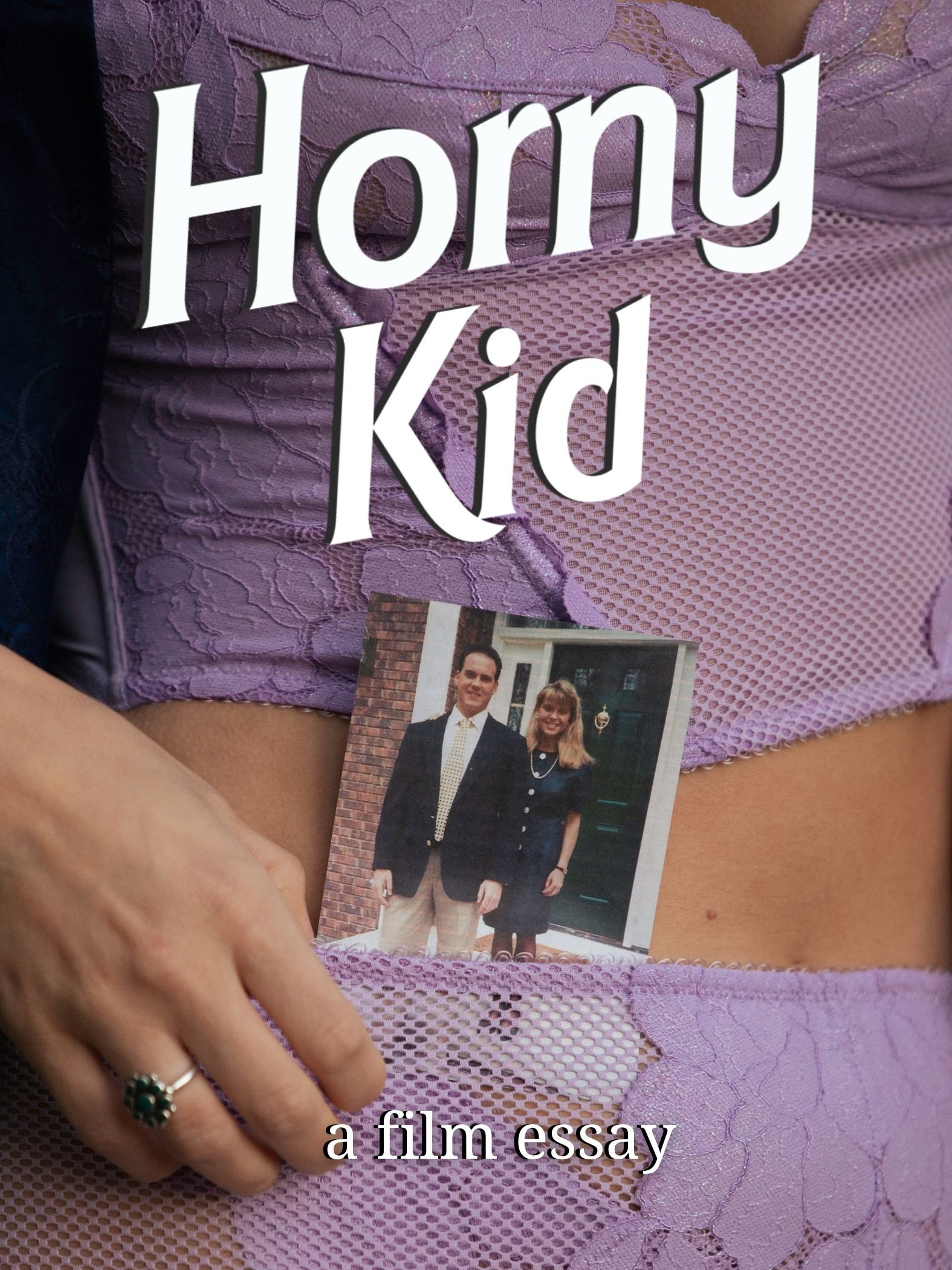
The filmmaker's mother describes stories of his lustful youth over the phone, causing them to reflect on his current love life at the age of 30.
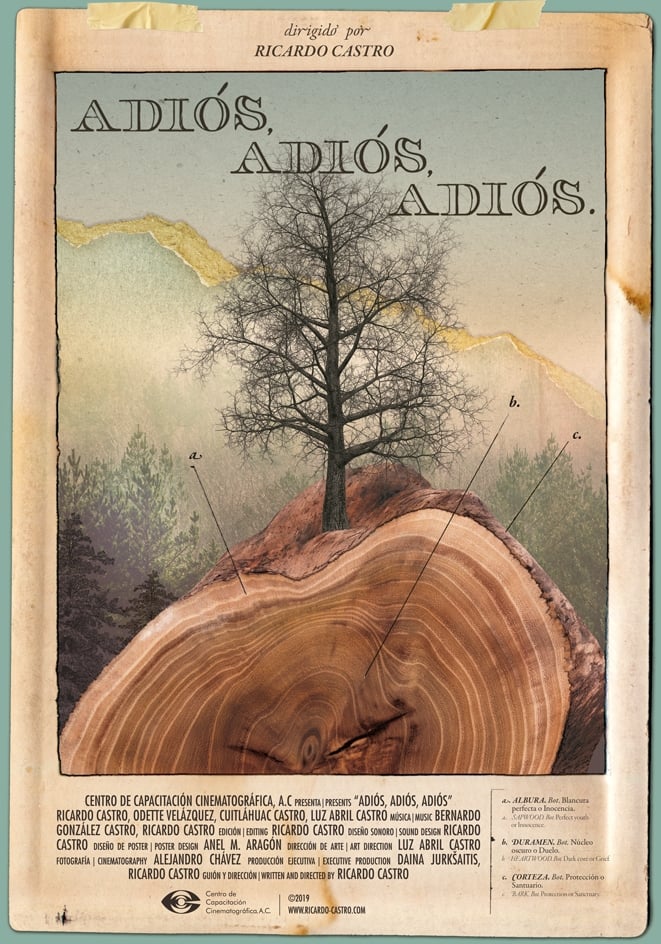
Ricardo Castro narrates the adventures of his eccentric childhood and the utopian dream that his family of 17 lived in a forest transformed into their home, in the outskirts of Mexico City. After years of building the perfect microcosm, a tragedy shatters their utopia, leaving a void in the family that seems irreparable. Ricardo flees to a secluded cabin near a dam, where he griefs in a turbulent and also magical way.
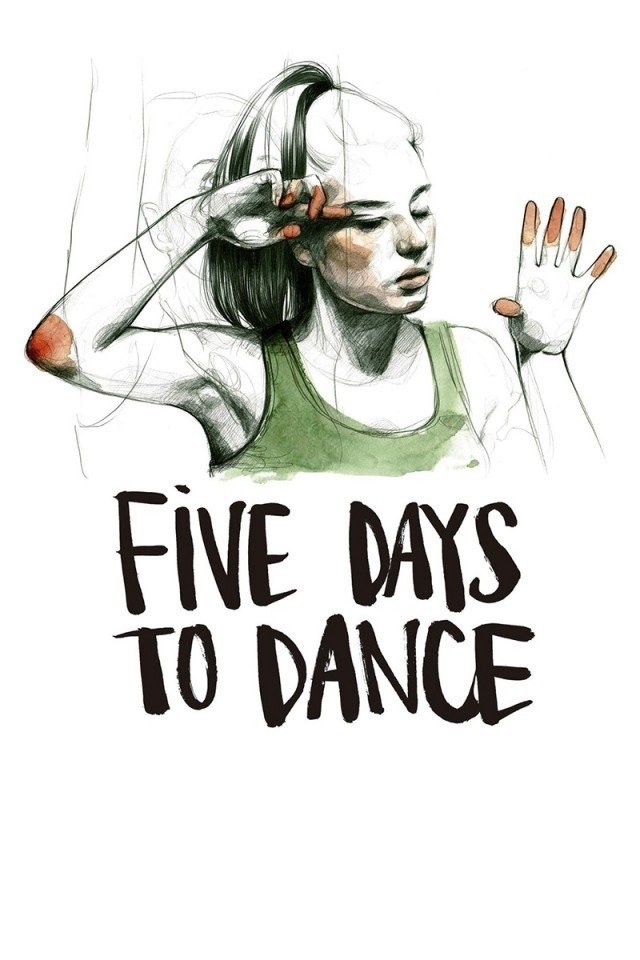
A couple of dancers appear one morning in a High School. It's Monday and they announce to a group of youngsters that they have five days to get up on stage and dance. A short time but a big challenge. The dance compels these youngsters to break through their roles exactly at the time of their lives when the social roles are being forged. The handsome boy is no longer the most admired, the timid one takes a step forward. Wilfried van Popple and Amaya Lubeigt are the choreographers. Professional dancers who have decided now to work with people who have never danced before. This is the challenge: five days, a class of teenagers, a microcosm in which occurs a little big bang.
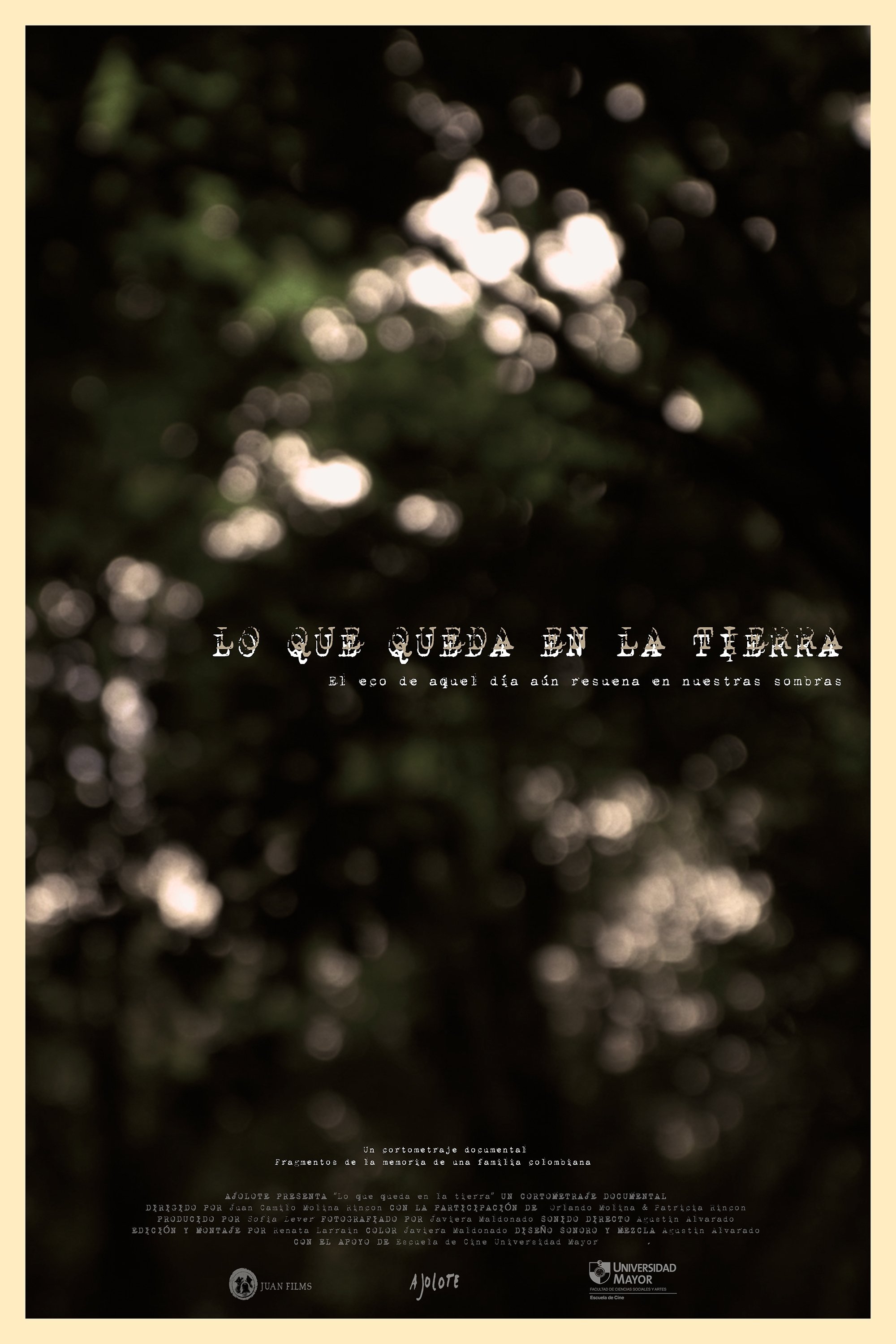
In the mountains of Colombia's Coffee Triangle, a family faces the shadow of armed conflict. Years later, a son reconstructs the inherited fear, amidst echoes of the past and invisible scars. A sensory journey into memory, where the unspoken still resonates.
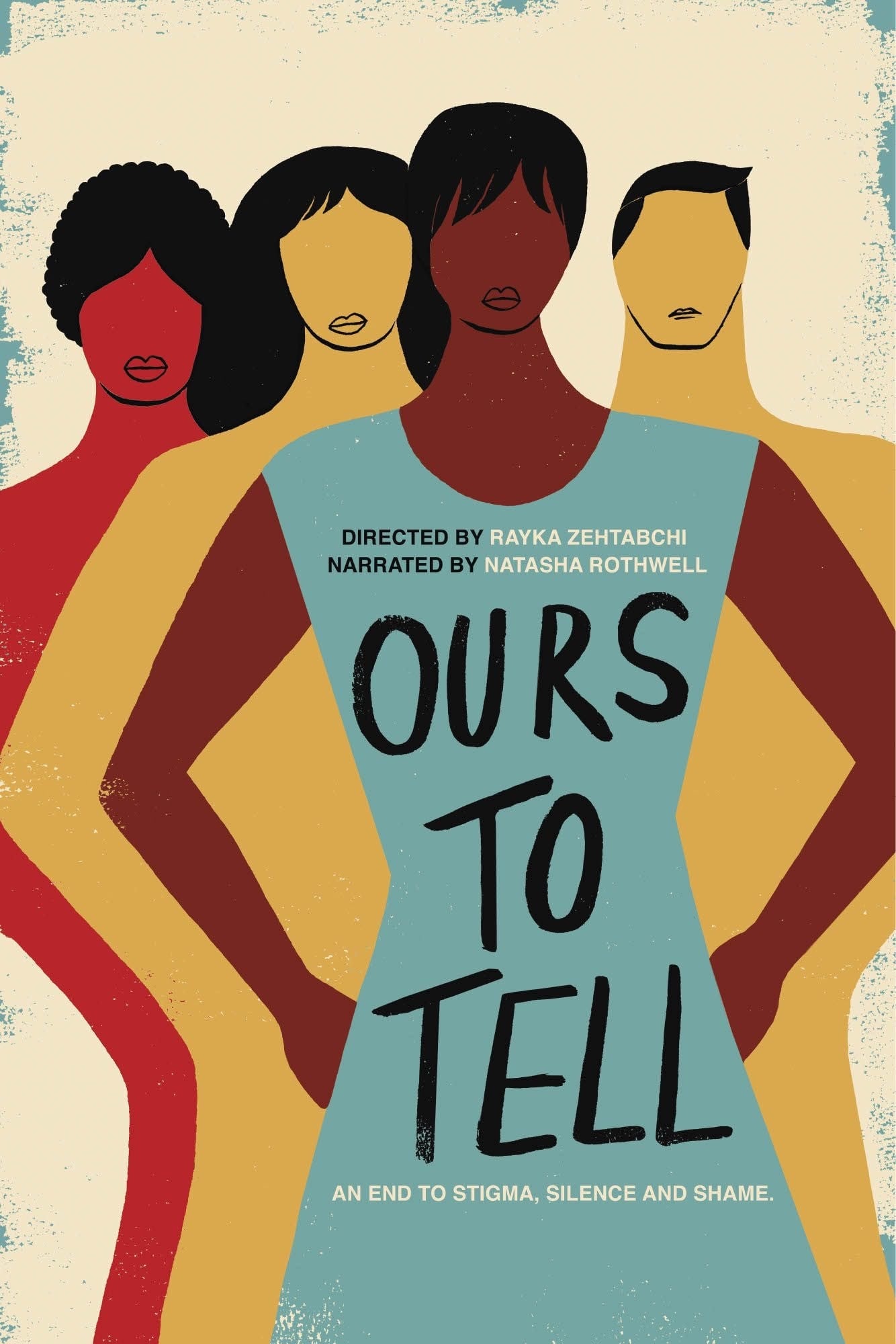
Four people - Brittany, Hannah, Nick, and Ylonda - tell their stories about how access to abortion in their community helped them empower themselves to lead lives they want to live.
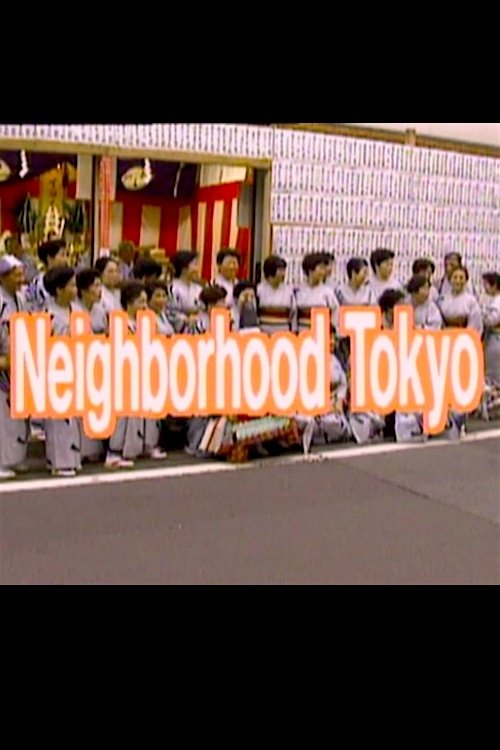
Miyamoto-cho is a community of Mom-and-Pop stores and family enterprises located near the center of Tokyo. Competition from supermarkets and shopping centers threatens the livelihoods of long-term residents. High land prices tempt owners to tear down old homes and replace them with apartment buildings; this in turn is changing the composition of the population. Against this backdrop, residents strive to maintain the close social ties, symbols of local identity, and community rituals that keep Miyamoto-cho from becoming just another mailing address. Theodore Bestor began his research here in 1979. His prize winning book of the same name is available through Stanford University Press. This documentary is one of a series depicting the variety of life in today's Japan in the context of human problems common to all industrial nations. A comprehensive study guide is available.
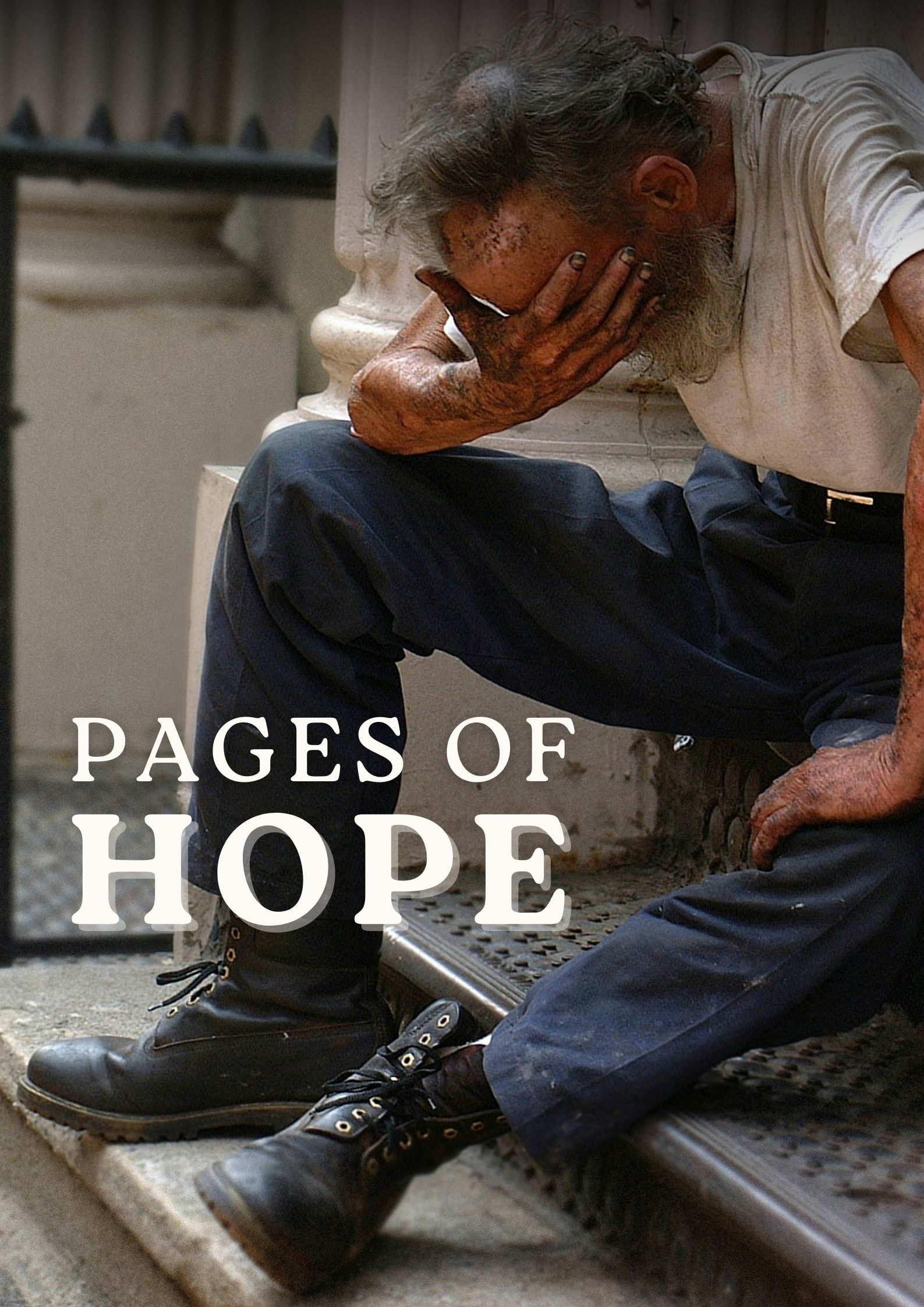
Homeless man Robert (Bobby) Webb discovers the art of filmmaking, turning pages of his life into a heartfelt reel. Through his journey he finds hope and new meanings in unexpected aspects of his life as he relives them.
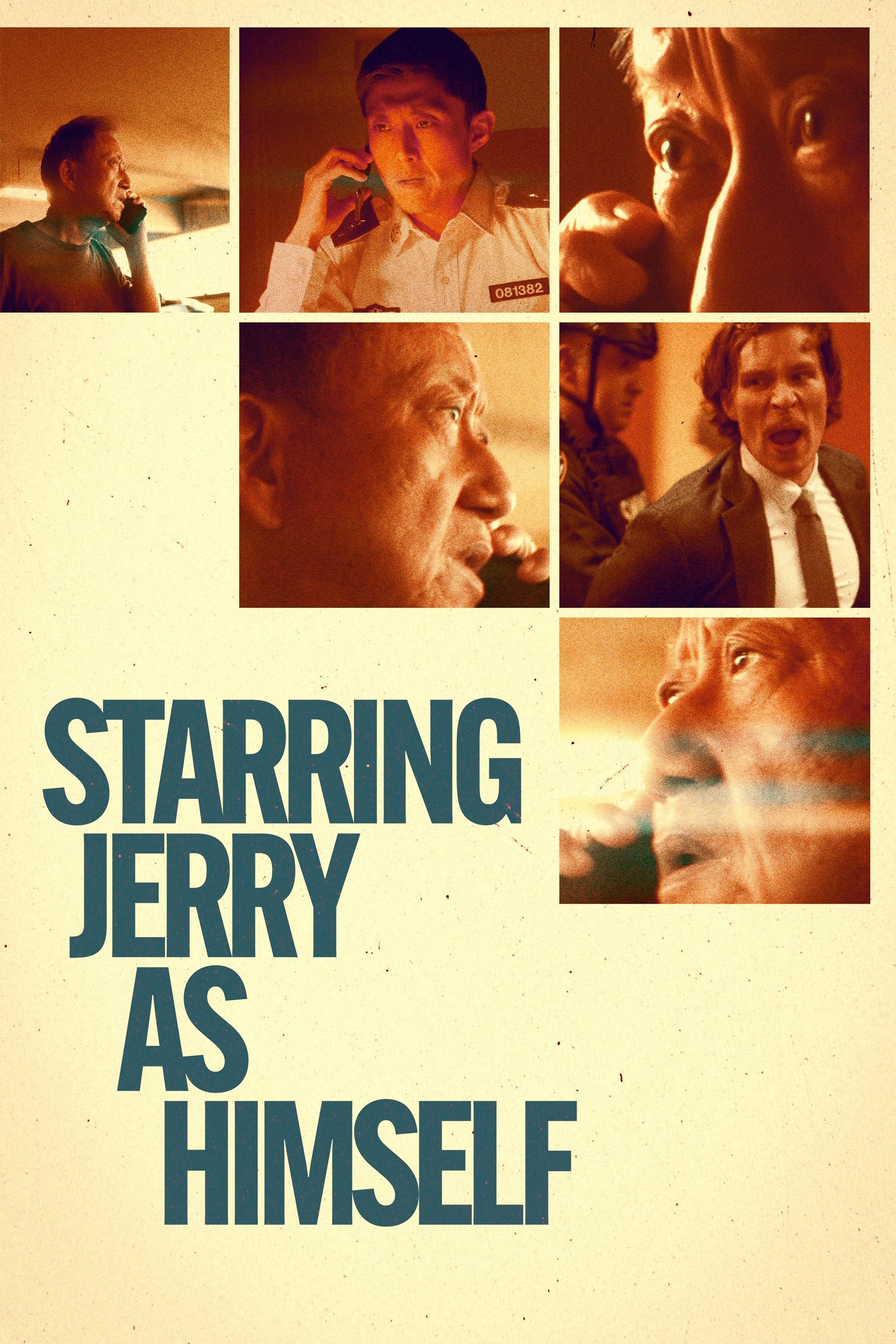
Jerry, an ordinary immigrant dad, retired in Orlando, is recruited to be an undercover agent for the Chinese police. Jerry’s family recreates the events on film and his three sons discover a darker truth. True crime meets spy thriller in this genre-bending docufiction hybrid about an immigrant’s search for the American dream. A Slamdance Film Festival Grand Jury and Audience Award winner.
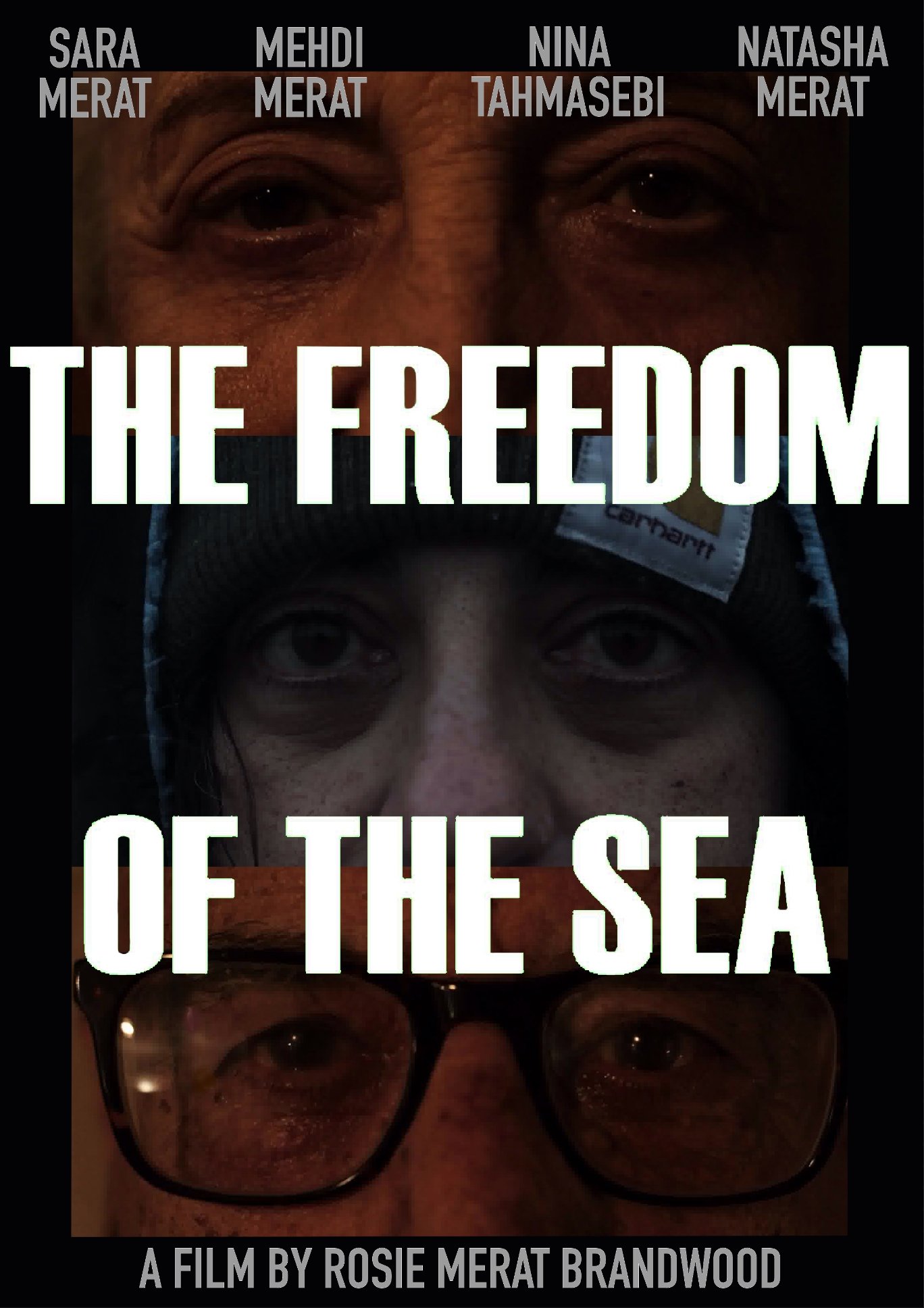
The Freedom of the Sea is a short documentary highlighting the freedom of living in the UK - in contrast to a more restrictive life in Iran - through the joy of daily sea swimming in Brighton.
Told through performances, TV interviews, home movies, family photographs, private letters and unpublished memoirs, the film reveals the essence of an extraordinary woman who rose from humble beginnings in New York City to become a glamorous international superstar and one of the greatest artists of all time.
Through deeply personal interviews with her siblings and an examination of the photographs, letters, and belongings left behind, Mariska assembles a new portrait of her mother Jayne Mansfield, an extraordinary and complex woman.
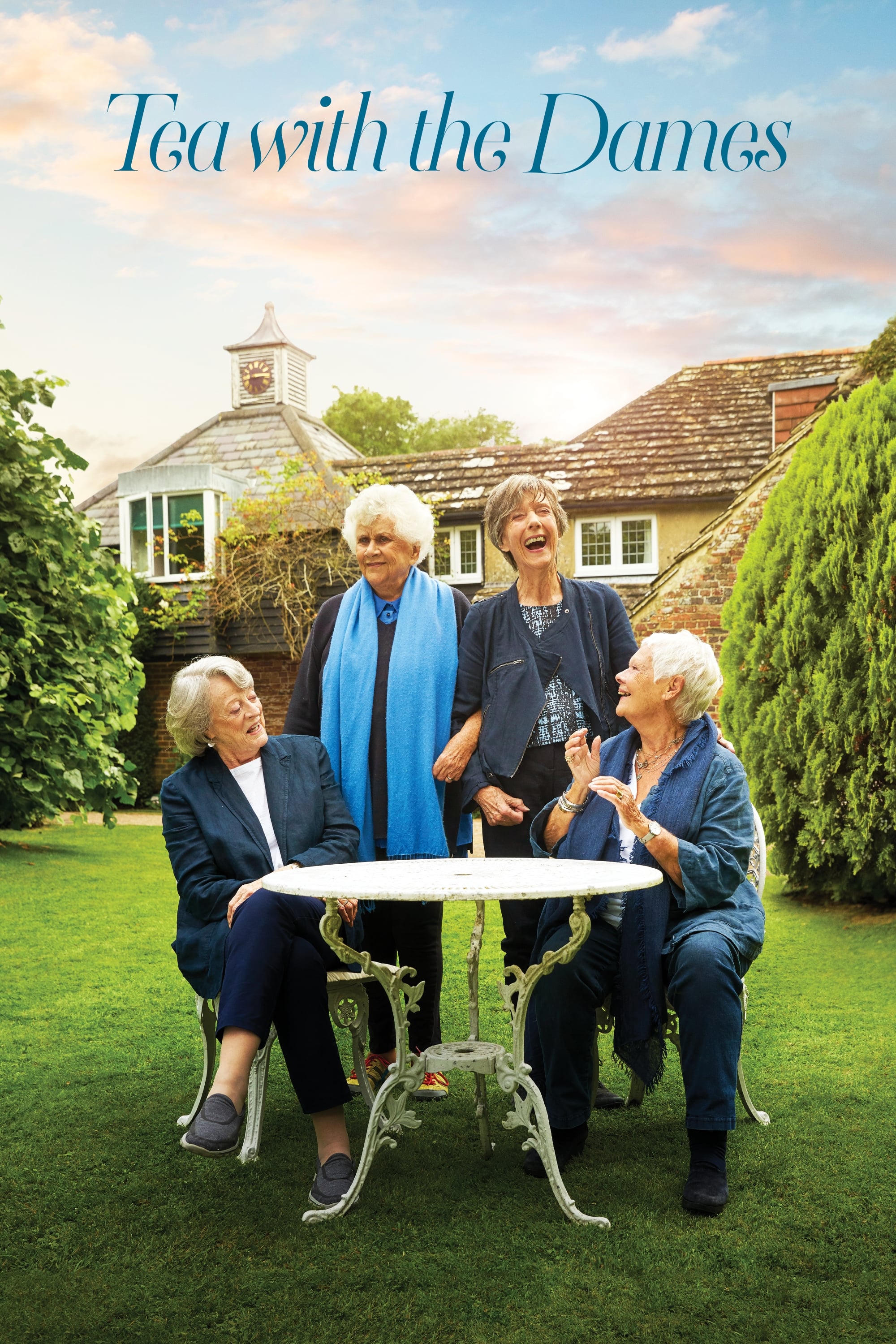
BBC Arena's documentary on the Dames of British Theatre and film featuring Maggie Smith, Eileen Atkins, Judi Dench and Joan Plowright on screen together for the first time as they reminisce over a long summer weekend in a house Joan once shared with Sir Laurence Olivier.
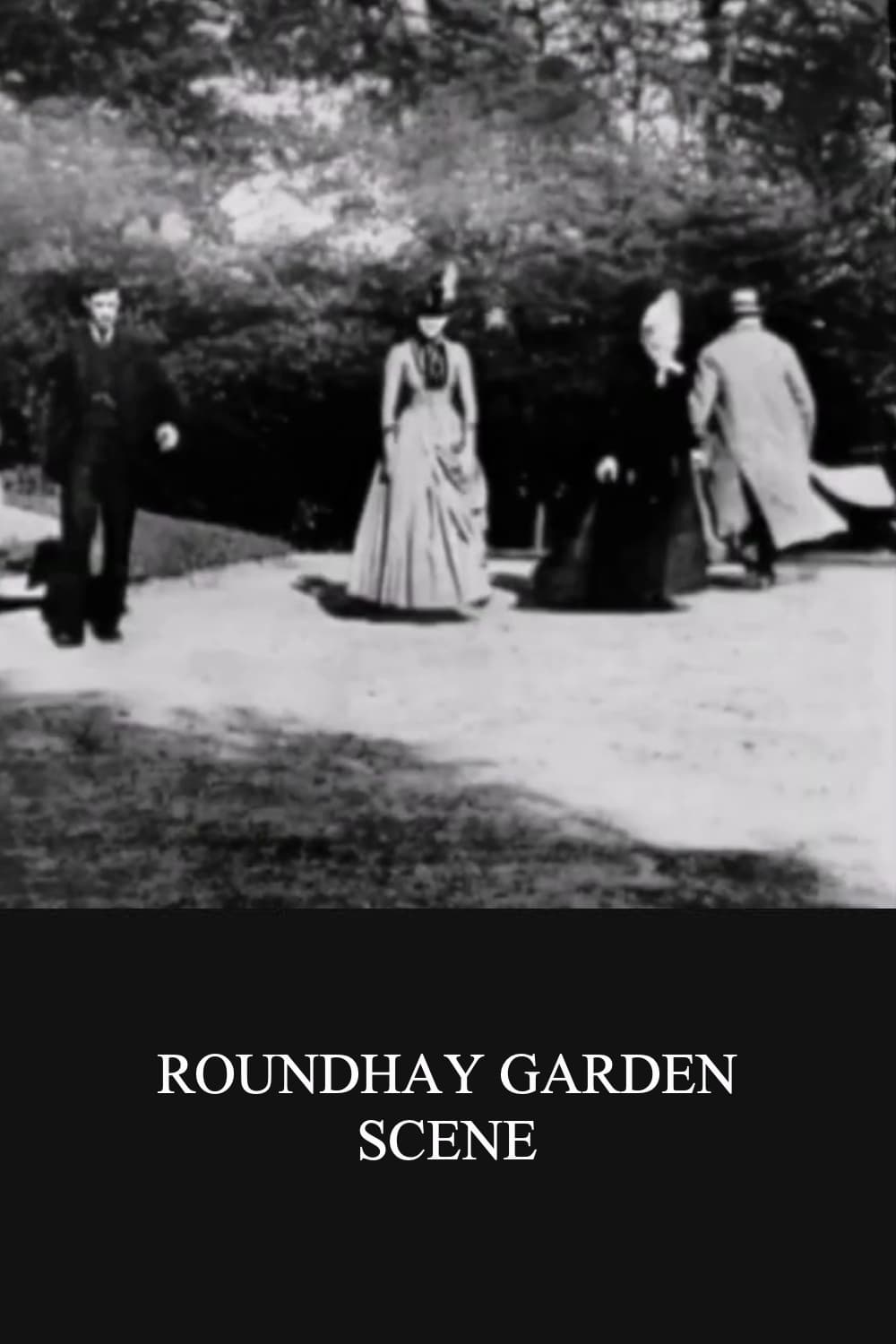
The earliest surviving motion-picture film, and believed to be one of the very first moving images ever created, was shot by Louis Aimé Augustin Le Prince using the LPCCP Type-1 MkII single-lens camera. It was taken on paper-based photographic film in the garden of Oakwood Grange, the Whitley family house in Roundhay, Leeds, West Riding of Yorkshire (UK), on 14 October 1888. The film shows Adolphe Le Prince (Le Prince’s son), Mrs. Sarah Whitley (Le Prince’s mother-in-law), Joseph Whitley, and Miss Harriet Hartley walking around in circles, laughing to themselves, and staying within the area framed by the camera. Roundhay Garden Scene is often associated with a recording speed of around 12 frames per second and runs for about 2 to 3 seconds.
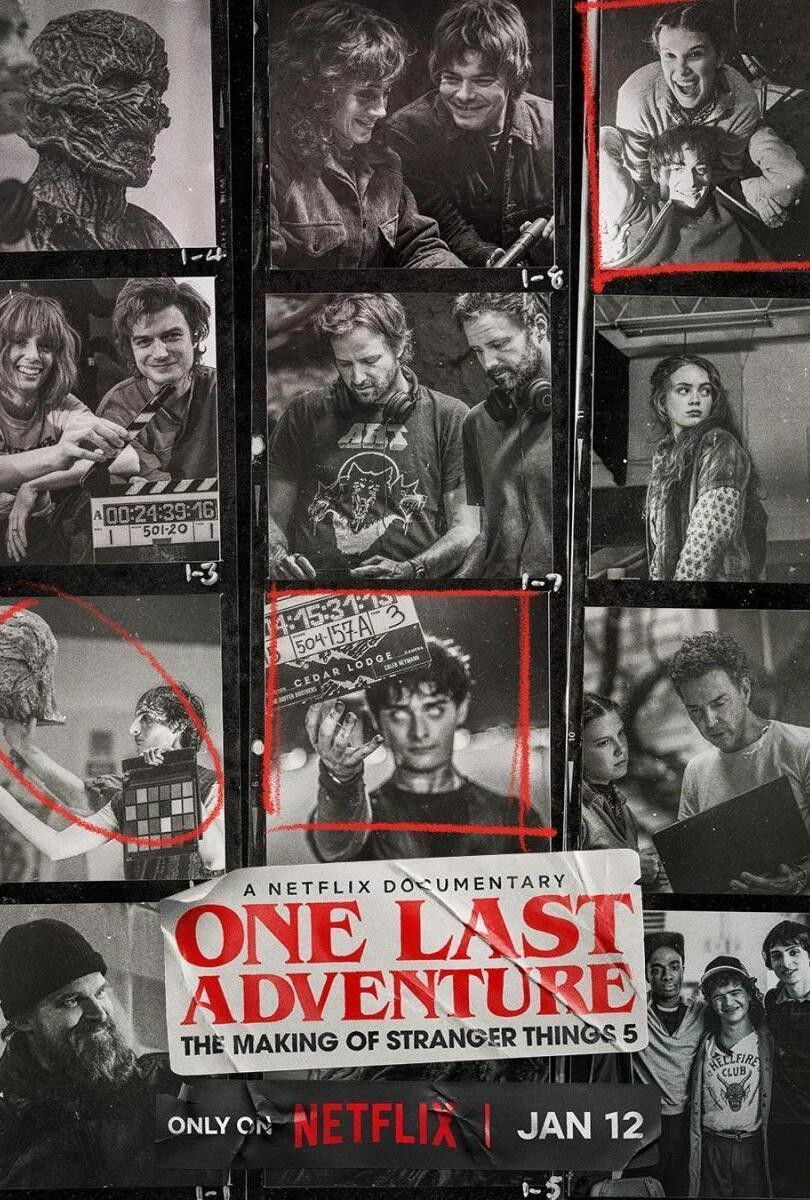
An inside look at the years of effort and craft that went into the final installment of the Duffer Brothers' generation-defining series.
Those who knew iconic funnyman John Candy best share his story, in their own words, through never-before-seen archival footage, imagery, and interviews.
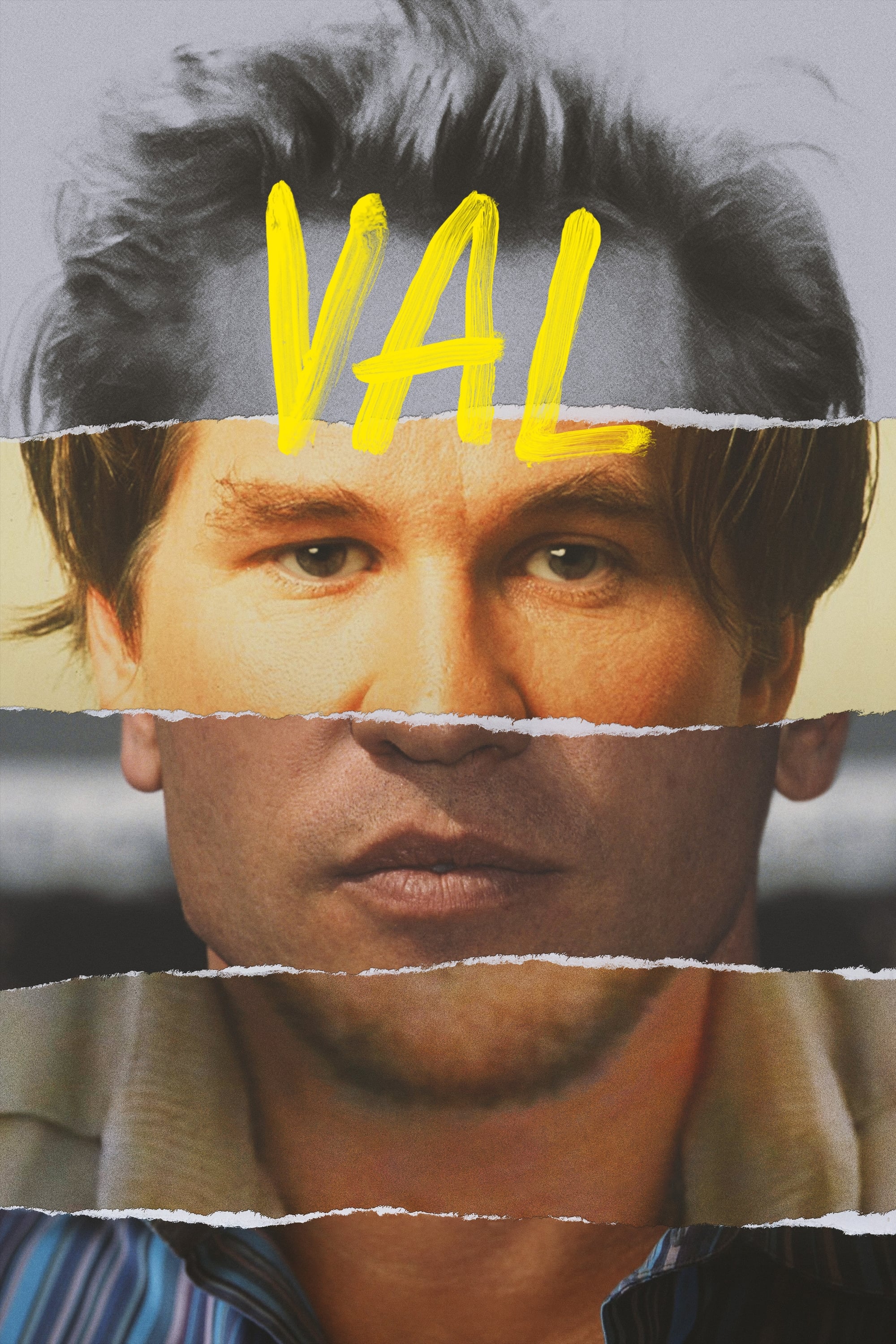
For over 40 years Val Kilmer, one of Hollywood’s most mercurial and/or misunderstood actors has been documenting his own life and craft through film and video. He has amassed thousands of hours of footage, from 16mm home movies made with his brothers, to time spent in iconic roles for blockbuster movies like Top Gun, The Doors, Tombstone, and Batman Forever. This raw, wildly original and unflinching documentary reveals a life lived to extremes and a heart-filled, sometimes hilarious look at what it means to be an artist and a complex man.
Director Michael Apted revisits the same group of British-born adults after a 7 year wait. The subjects are interviewed as to the changes that have occurred in their lives during the last seven years.
The life and career of an actor, artist, and icon. His own journey through his own camera.
A compilation of over 30 years of private home movie footage shot by Lithuanian-American avant-garde director Jonas Mekas, assembled by Mekas "purely by chance", without concern for chronological order.
Over 35 years after Bob Lazar's revelations, this documentary exposes secrets of a facility the government still denies. Featuring Lazar's testimony, recreations, and new evidence, it reopens a case that continues to spark global curiosity
Lyrical and powerfully personal essay film that reflects on the deaths of her husband Lou Reed, her mother, her beloved dog, and such diverse subjects as family memories, surveillance, and Buddhist teachings.
Ranjit, a farmer in India, takes on the fight of his life when he demands justice for his 13-year-old daughter, the victim of a brutal gang rape. His decision to support his daughter is virtually unheard of, and his journey unprecedented.
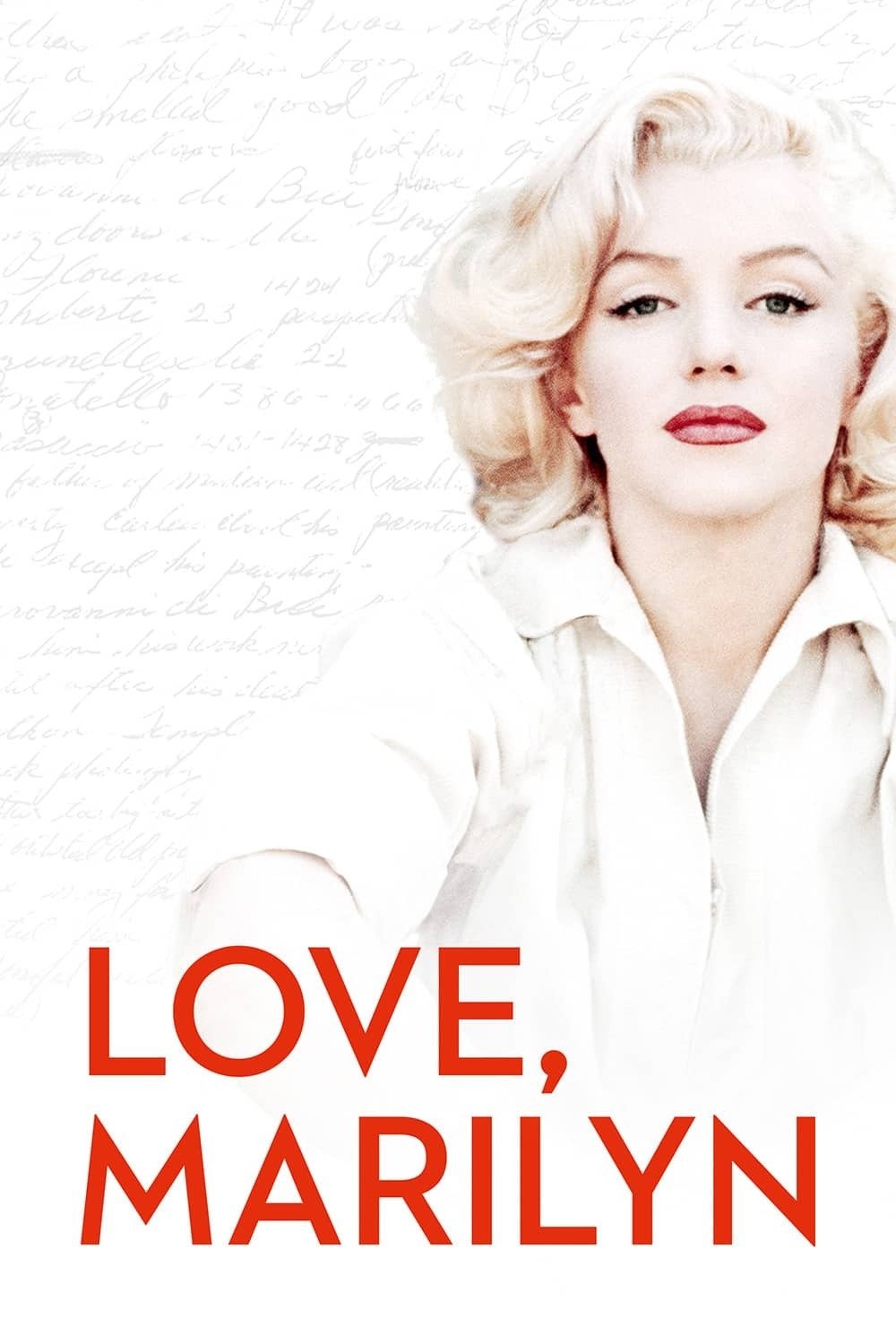
Using the book 'Fragments', which collects Marilyn Monroe's poems, notes and letters, and with participation from the Arthur Miller and Truman Capote estates who have contributed more material, each of the actresses will embody the legend at various stages in her life.
As a visually radical memoir, CAMERAPERSON draws on the remarkable footage that filmmaker Kirsten Johnson has shot and reframes it in ways that illuminate moments and situations that have personally affected her. What emerges is an elegant meditation on the relationship between truth and the camera frame, as Johnson transforms scenes that have been presented on Festival screens as one kind of truth into another kind of story—one about personal journey, craft, and direct human connection.
A visual montage portrait of our contemporary world dominated by globalized technology and violence.
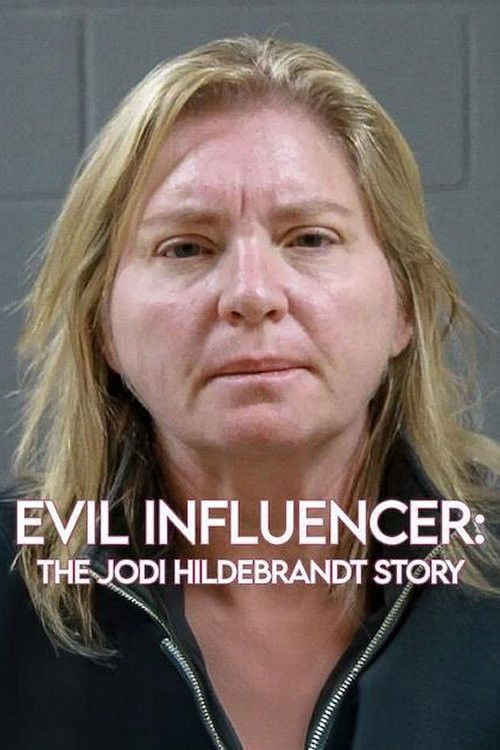
Unravel the case of Utah therapist Jodi Hildebrandt, whose child abuse arrest with parenting YouTuber Ruby Franke exposed a twisted tale of manipulation.
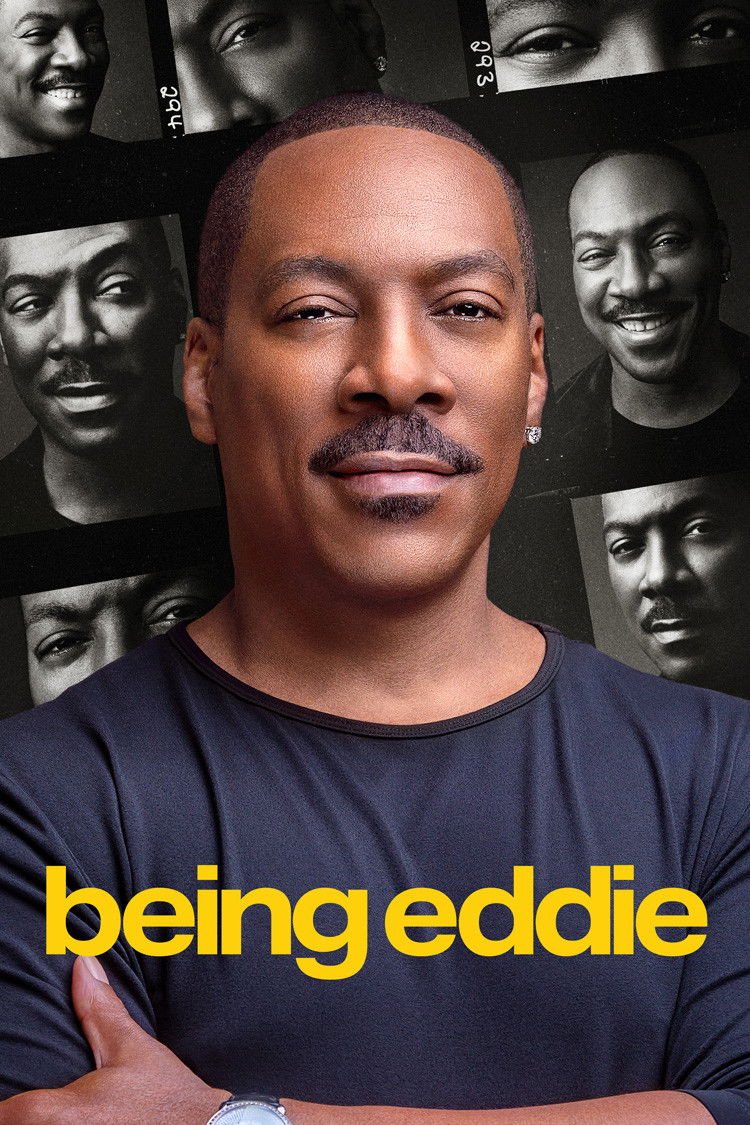
From teen comedian to Hollywood legend, Eddie Murphy revisits his extraordinary showbiz ride with raw honesty and humor.
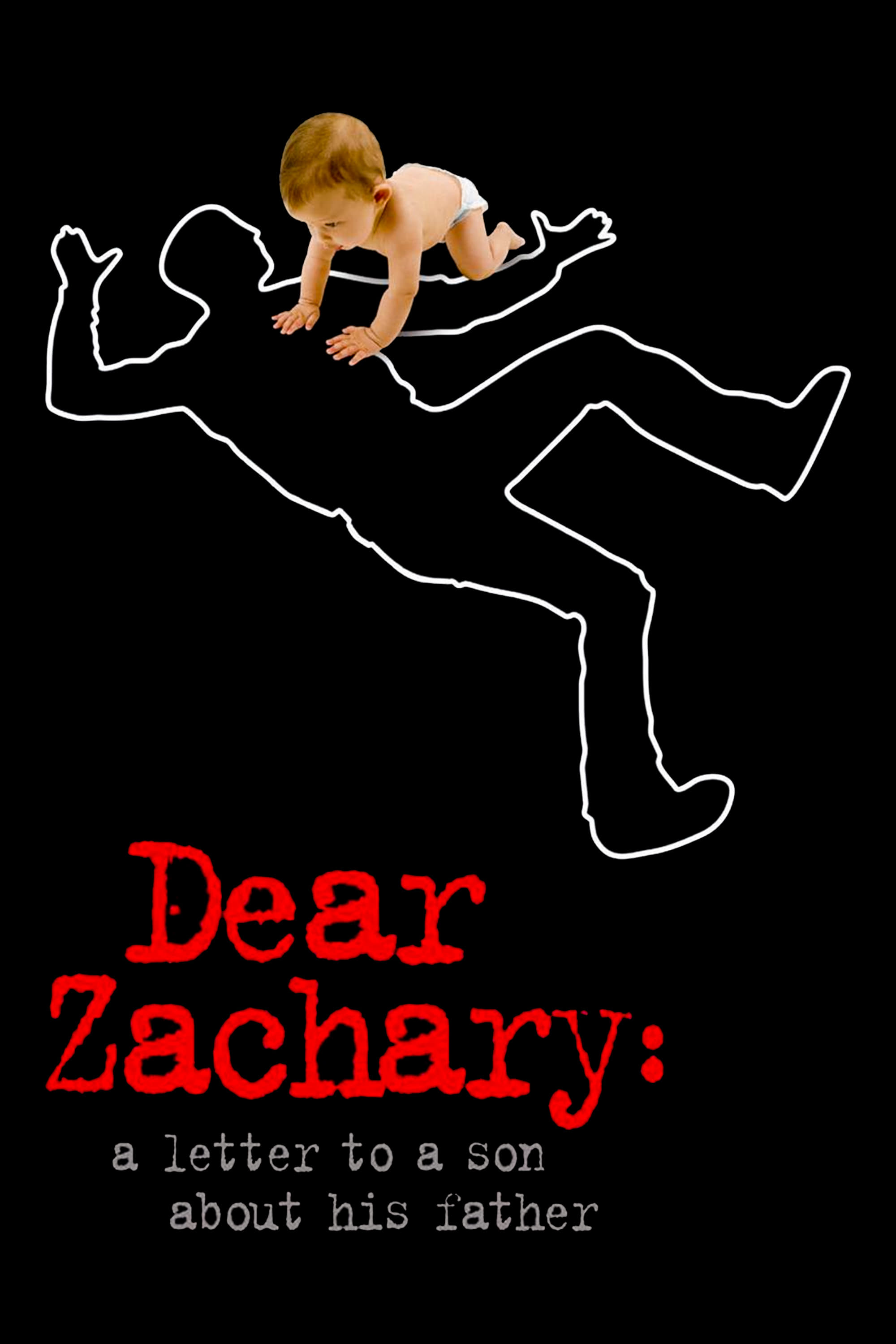
In 2001, Andrew Bagby, a medical resident, is murdered not long after breaking up with his girlfriend. Soon after, when she announces she's pregnant, one of Andrew's many close friends, Kurt Kuenne, begins this film, a gift to the child.
From a prolific career in film and television, Anton Yelchin left an indelible legacy as an actor. Through his journals and other writings, his photography, the original music he wrote, and interviews with his family, friends, and colleagues, this film looks not just at Anton's impressive career, but at a broader portrait of the man.