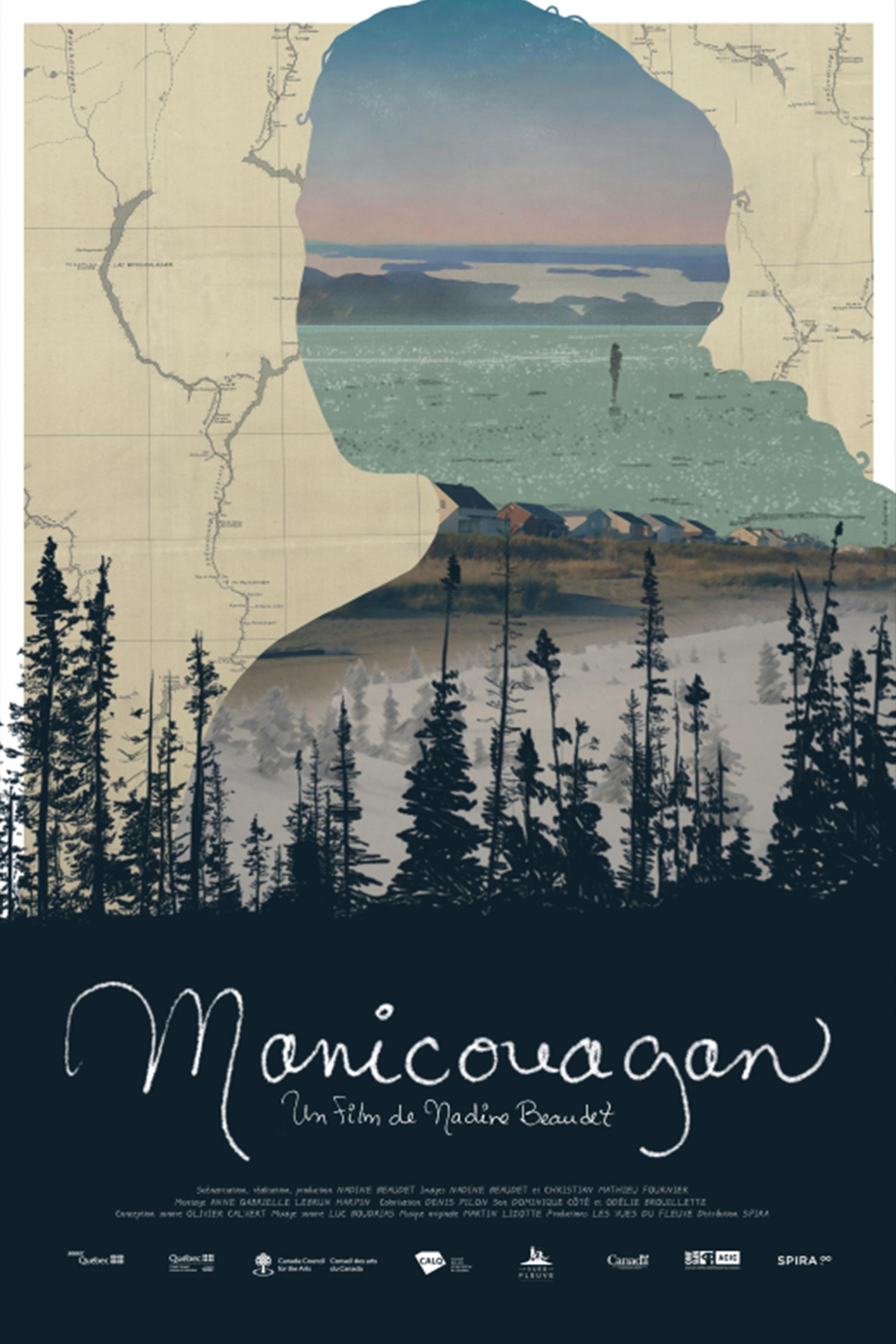
Driven by an intimate quest, this choral film reveals the meeting of individuals who inhabit the territory of Manicouagan and who together contribute to defining its geomorphological and socio-cultural imprints through time in a dreamlike manner.

Social & External
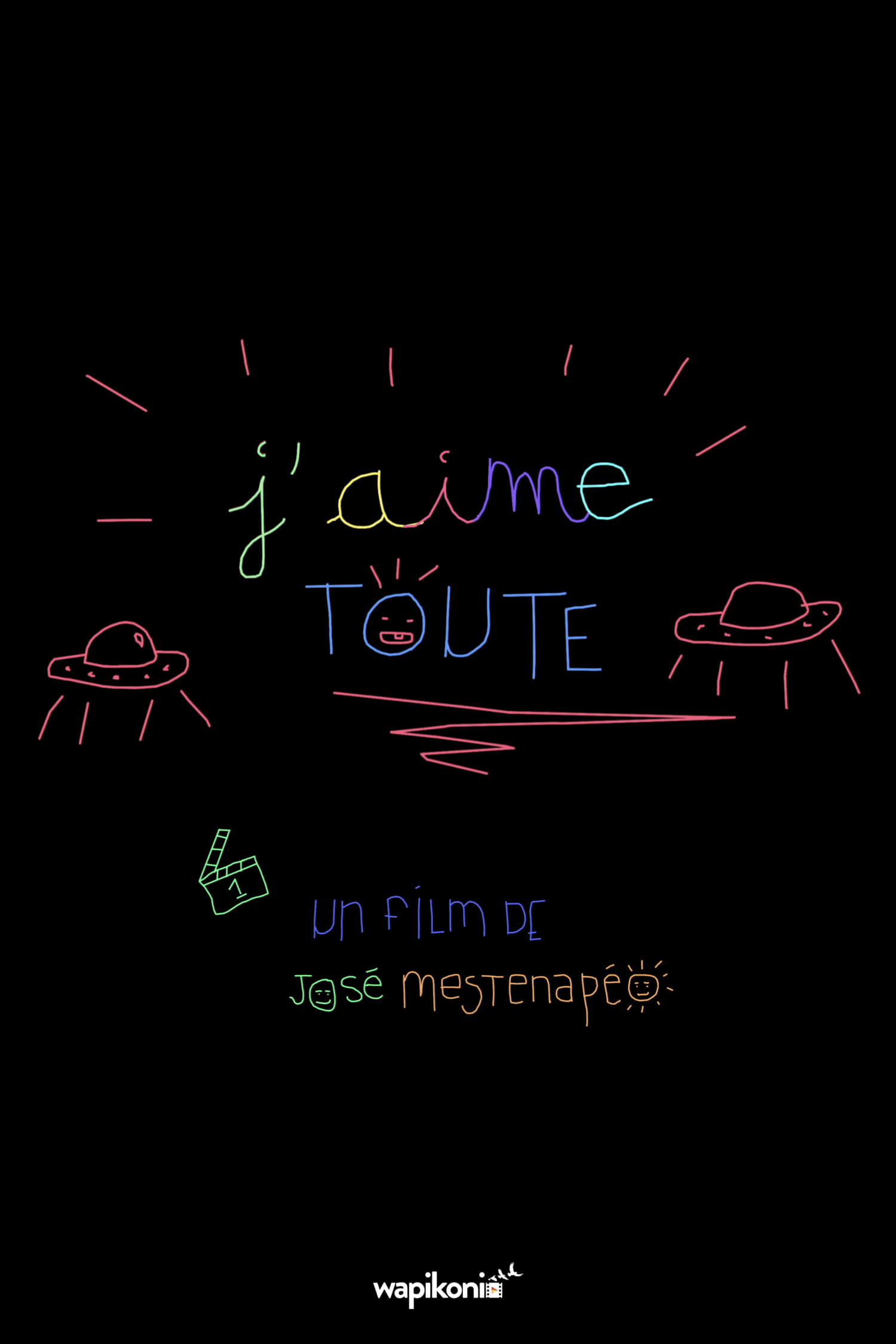
At the age of eight, José shows us his village, Nutashkuan, and everything he loves there.
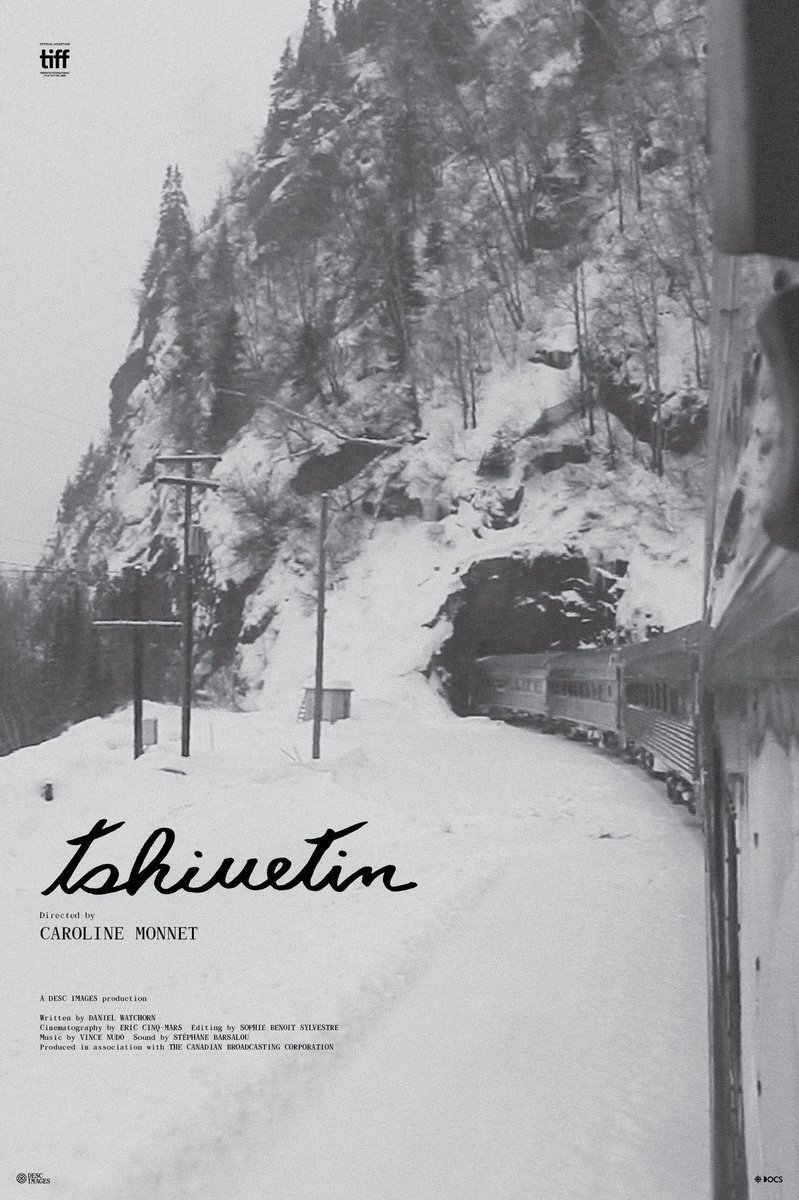
Take a breathtaking train a ride through Nothern Quebec and Labrador on Canada’s first First Nations-owned railway. Come for the celebration of the power of independence, the crucial importance of aboriginal owned businesses and stay for the beauty of the northern landscape.
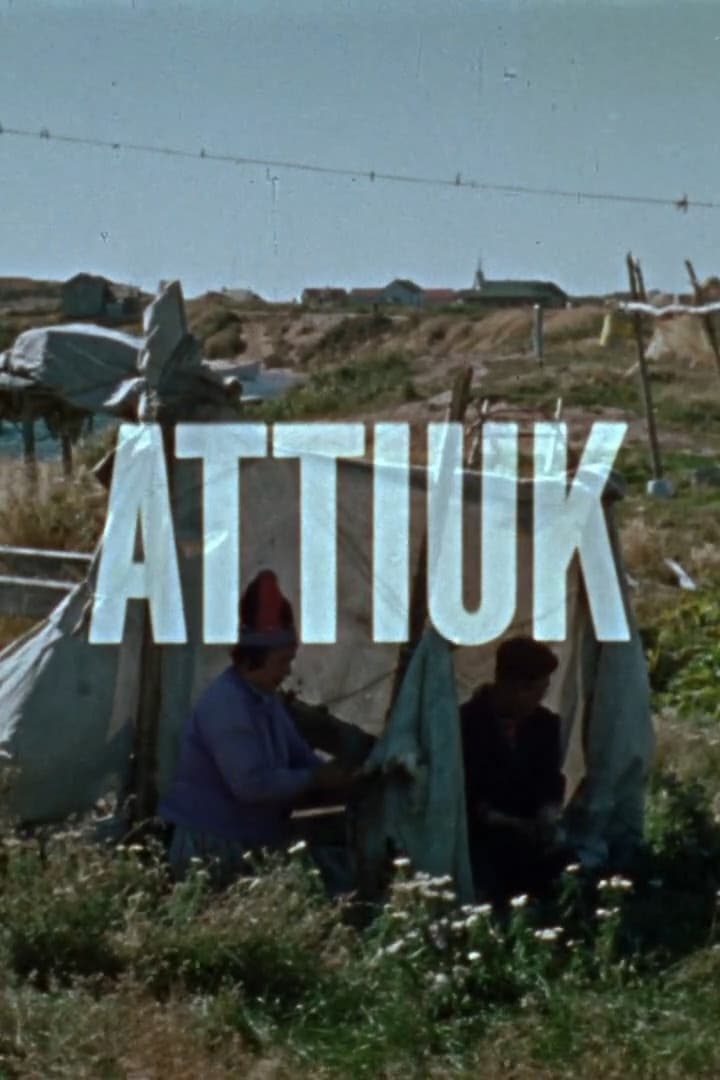
This early work from Pierre Perrault, made in collaboration with René Bonnière, chronicles summer activities in the Innu communities of Unamenshipu (La Romaine) and Pakuashipi. Shot by noted cinematographer Michel Thomas-d’Hoste, it documents the construction of a traditional canoe, fishing along the Coucouchou River, a procession marking the Christian feast of the Assumption, and the departure of children for residential schools—an event presented here in an uncritical light. Perrault’s narration, delivered by an anonymous male voice, underscores the film’s outsider gaze on its Indigenous subjects. The film is from Au Pays de Neufve-France (1960), a series produced by Crawley Films, an important early Canadian producer of documentary films.
The people of Unamenshipu (La Romaine), an Innu community in the Côte-Nord region of Quebec, are seen but not heard in this richly detailed documentary about the rituals surrounding an Innu caribou hunt. Released in 1960, it’s one of 13 titles in Au Pays de Neufve-France, a series of poetic documentary shorts about life along the St. Lawrence River. Off-camera narration, written by Pierre Perrault, frames the Innu participants through an ethnographic lens. Co-directed by René Bonnière and Perrault, a founding figure of Quebec’s direct cinema movement.

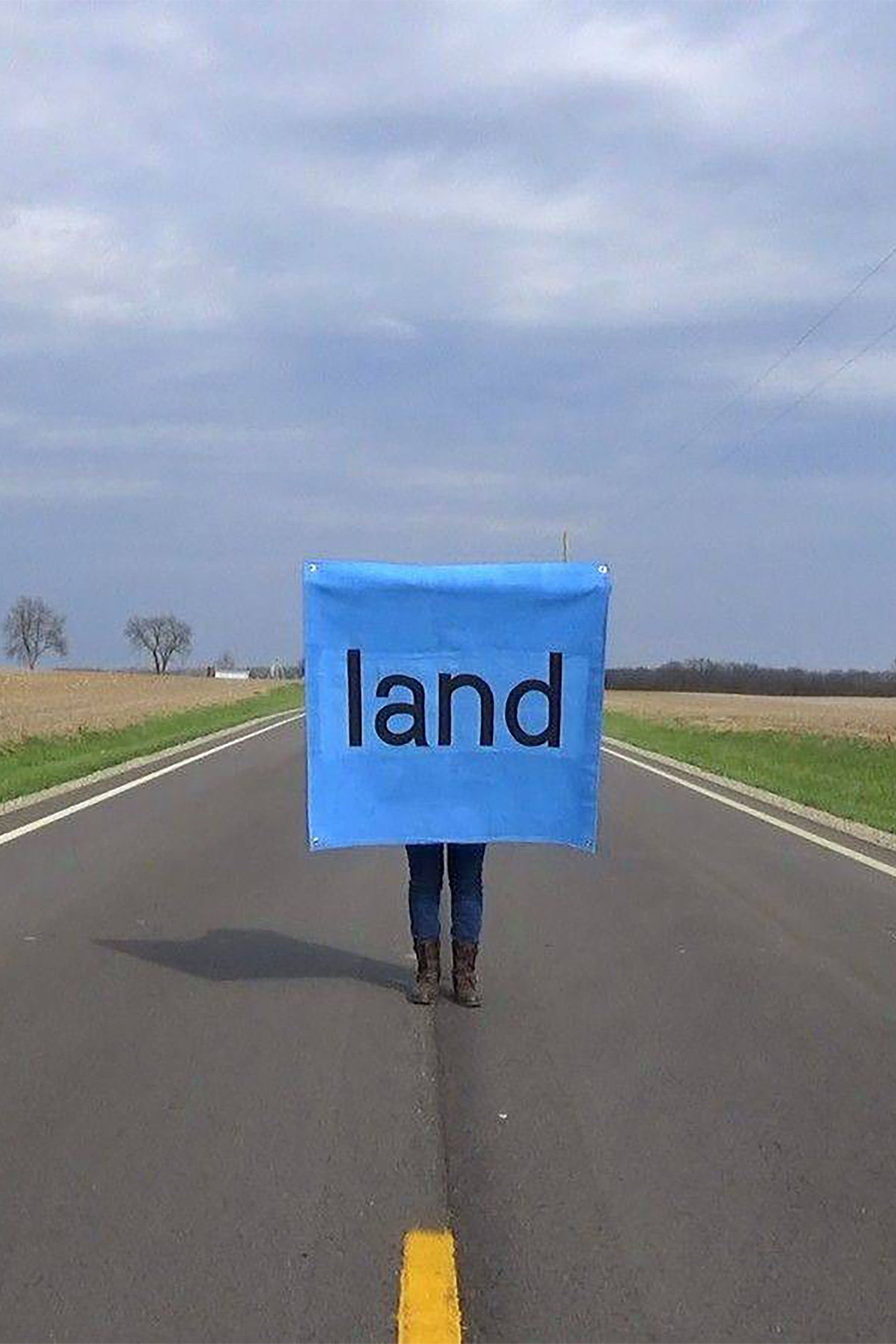
In 2020, just as the pandemic was beginning, Gazala purchased land in western Ohio, on which sits a disused school building. This site allowed her to explore her complex relationship with “the land.” As the daughter of displaced indigenous Palestinians, she attempts to form a proxy bond with the earth, on ground that was stolen from the displaced indigenous Shawnee people. Closeness to the Land is video footage of hand-painted text signs that translate the word الأرض (ard) into six English words, displayed performatively in multiple locations to capture the now-invisible nature of indigenous culture in Ohio. These signs were installed on the old schoolhouse in early 2021.
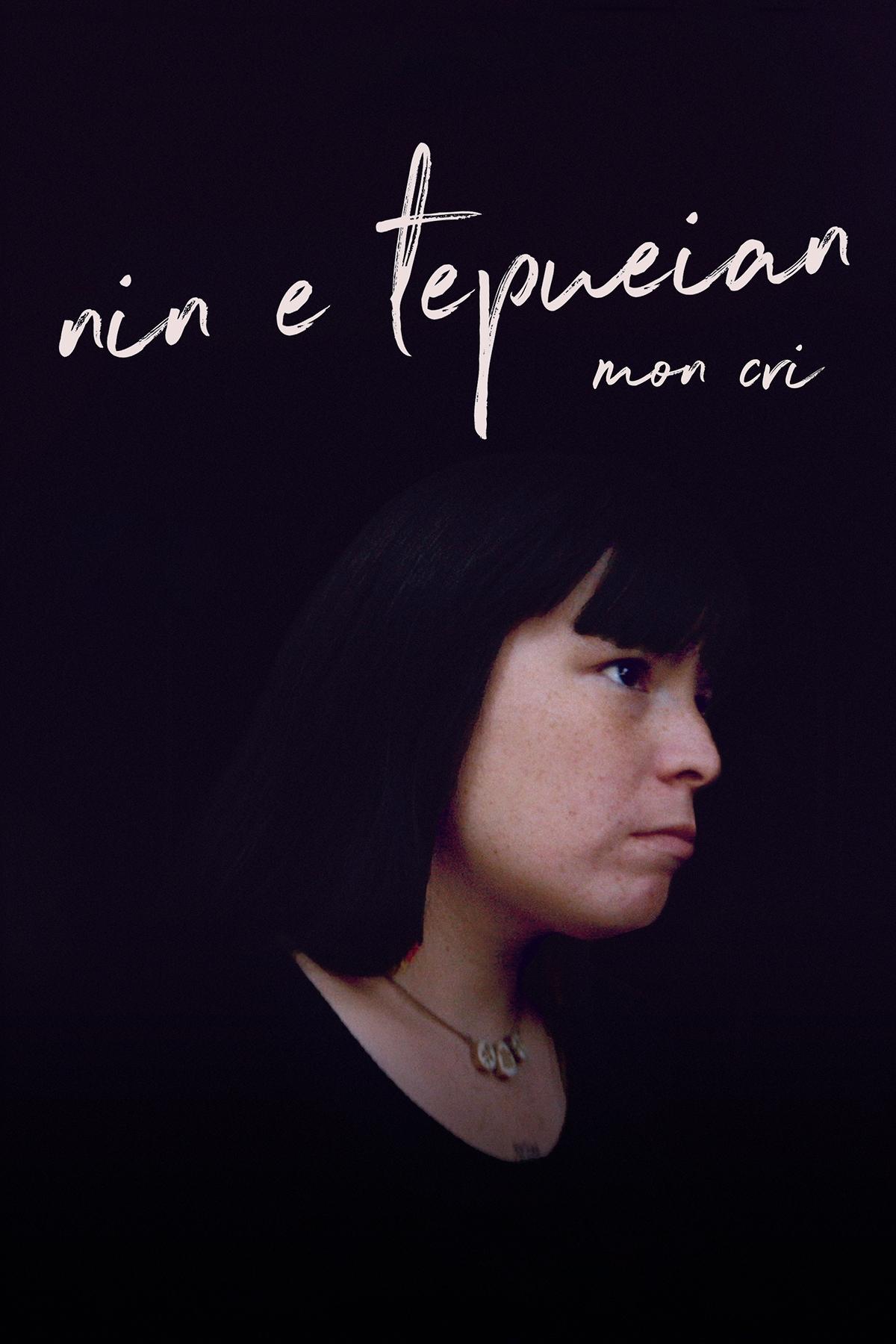
NIN E TEPUEIAN - MY CRY is a documentary tracks the journey of Innu poet, actress and activist, Natasha Kanapé Fontaine, at a pivotal time in her career as a committed artist. Santiago Bertolino's camera follows a young Innu poet over the course of a year. A voice rises, inspiration builds; another star finds its place amongst the constellation of contemporary Indigenous literature. A voice of prominent magnitude illuminates the road towards healing and renewal: Natasha Kanapé Fontaine.
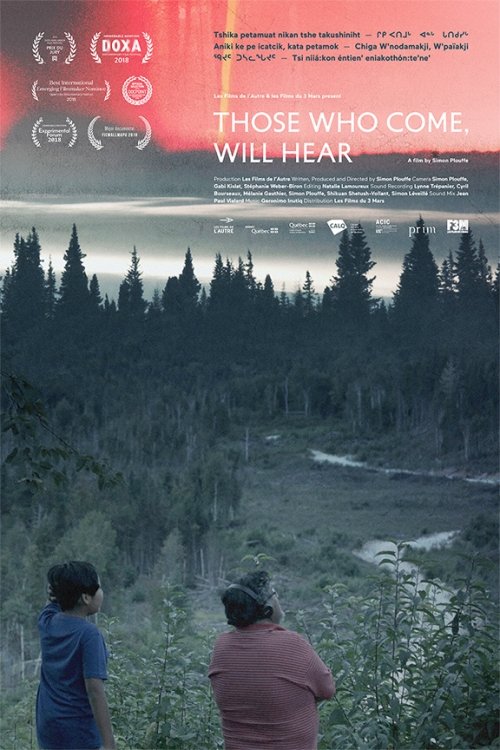
The documentary proposes a unique meeting with the speakers of several indigenous and inuit languages of Quebec – all threatened with extinction. The film starts with the discovery of these unsung tongues through listening to the daily life of those who still speak them today. Buttressed by an exploration and creation of archives, the film allows us to better understand the musicality of these languages and reveals the cultural and human importance of these venerable oral traditions by nourishing a collective reflection on the consequences of their disappearance.
Documentary filmed at the end of the Manic-Outardes hydroelectric projects on the North Shore of the St. Lawrence (1978) to pay tribute to the men and women who participated, for 20 years, in the first collective project in modern Quebec. Le Temps de la Manic allows us to follow live the moving end of this era in the company of Jean-Noël Laprise nicknamed “the Switch”, Andrée Laprise (Grenier) his partner, their 4 children Carole, Serge, Yvan and Hélène, by Édouard Hovington and Véronique Hovington, by Camille Brisson, Léo Boisclair, Denis Ouellet, Gérard Debigaré and Fernande Buissière. Everyone has experienced the time of the Manic adventure from the inside. The Prime Minister, Mr. René Lévesque, also appears in the film.
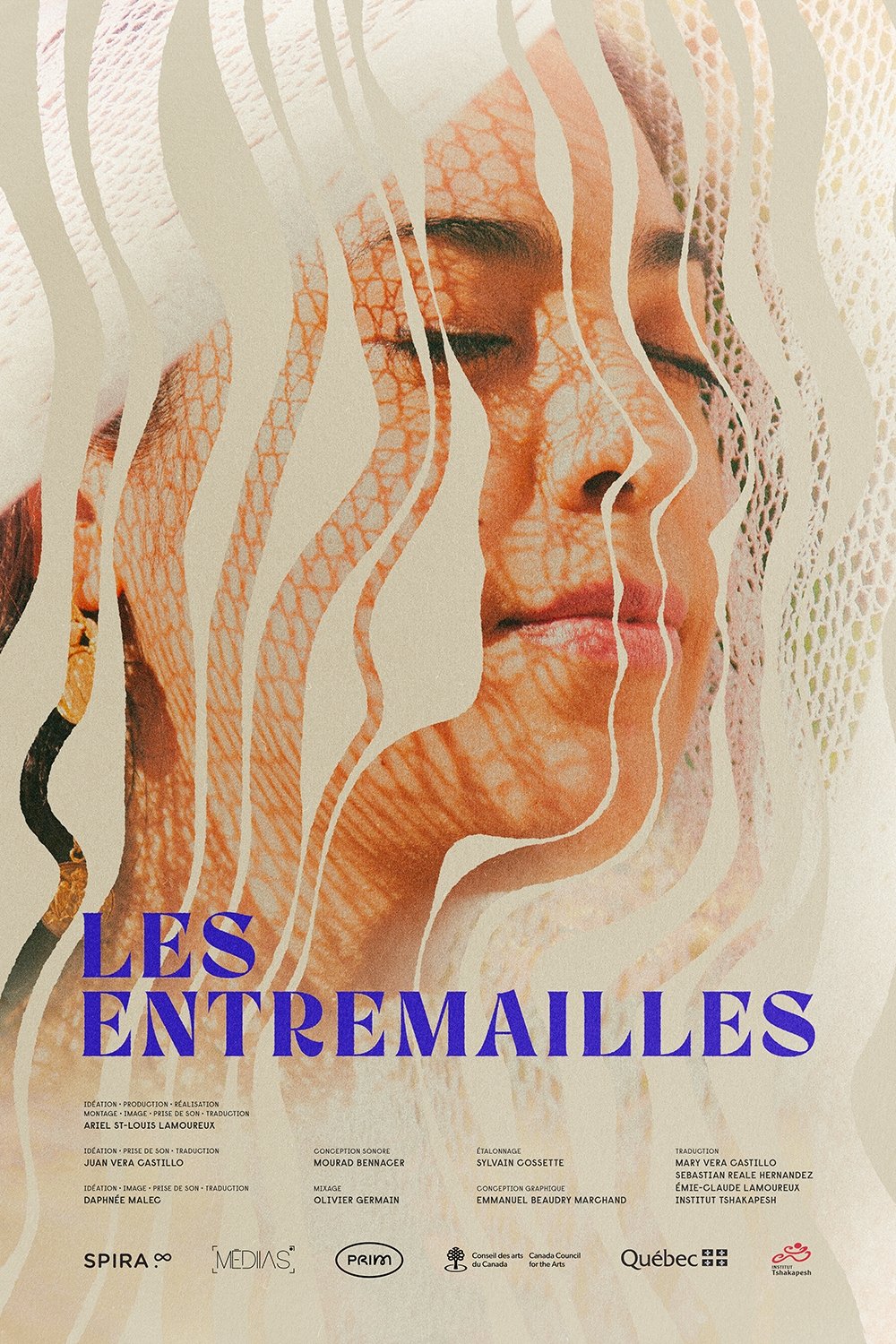
Five female artisans from the Innu, Franco-Quebecois, and Zapotec peoples discuss their work. Their techniques, objects, and textile traditions give rise to stories that overlap. Their clothing reflects on identity and otherness.
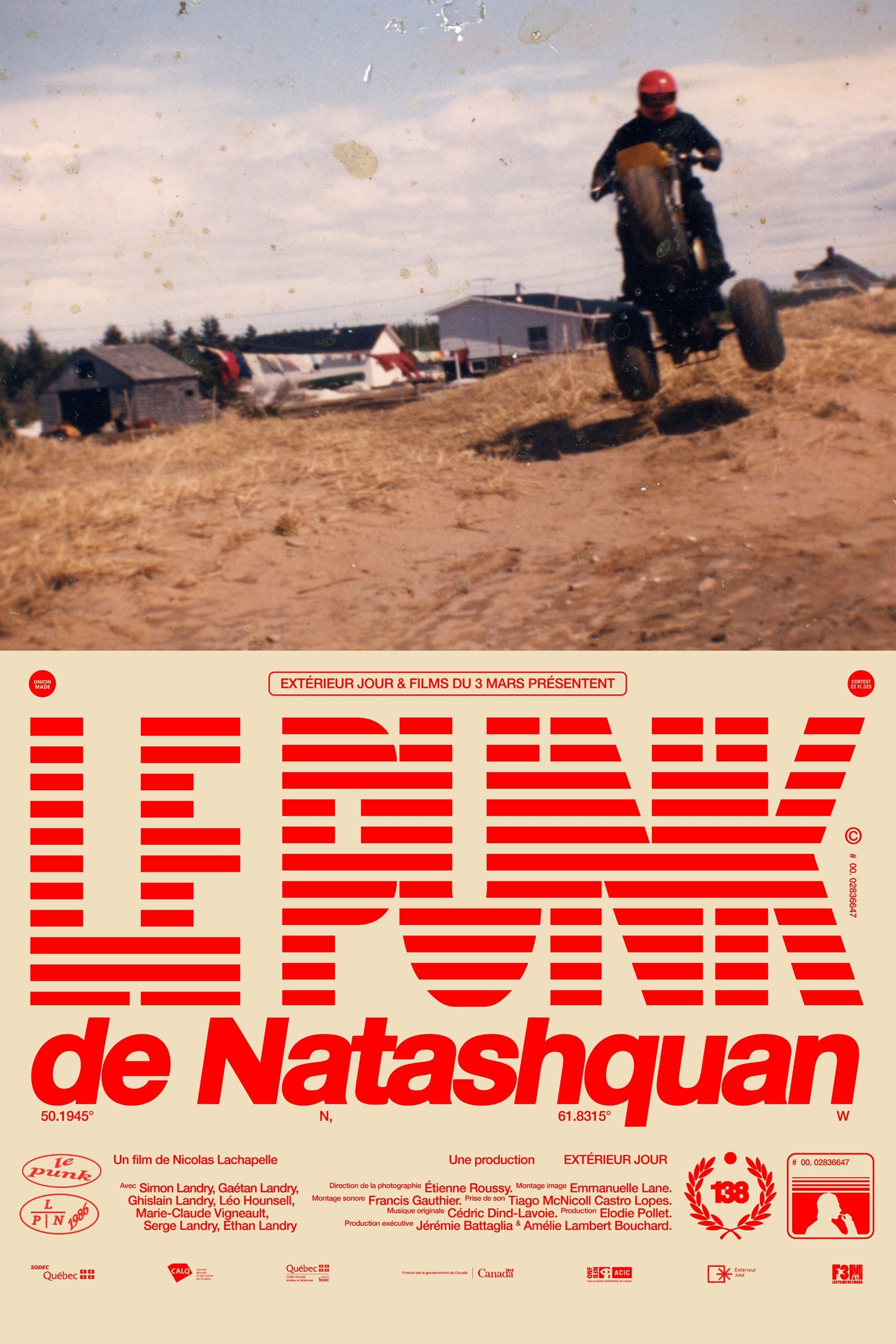
In 1981, an unusual person arrives in Natashquan, marking the beginning of an unlikely love story between this small Quebec village and the young man they call “The Punk”. Five years later, he vanishes without a trace, forever impacting the community.
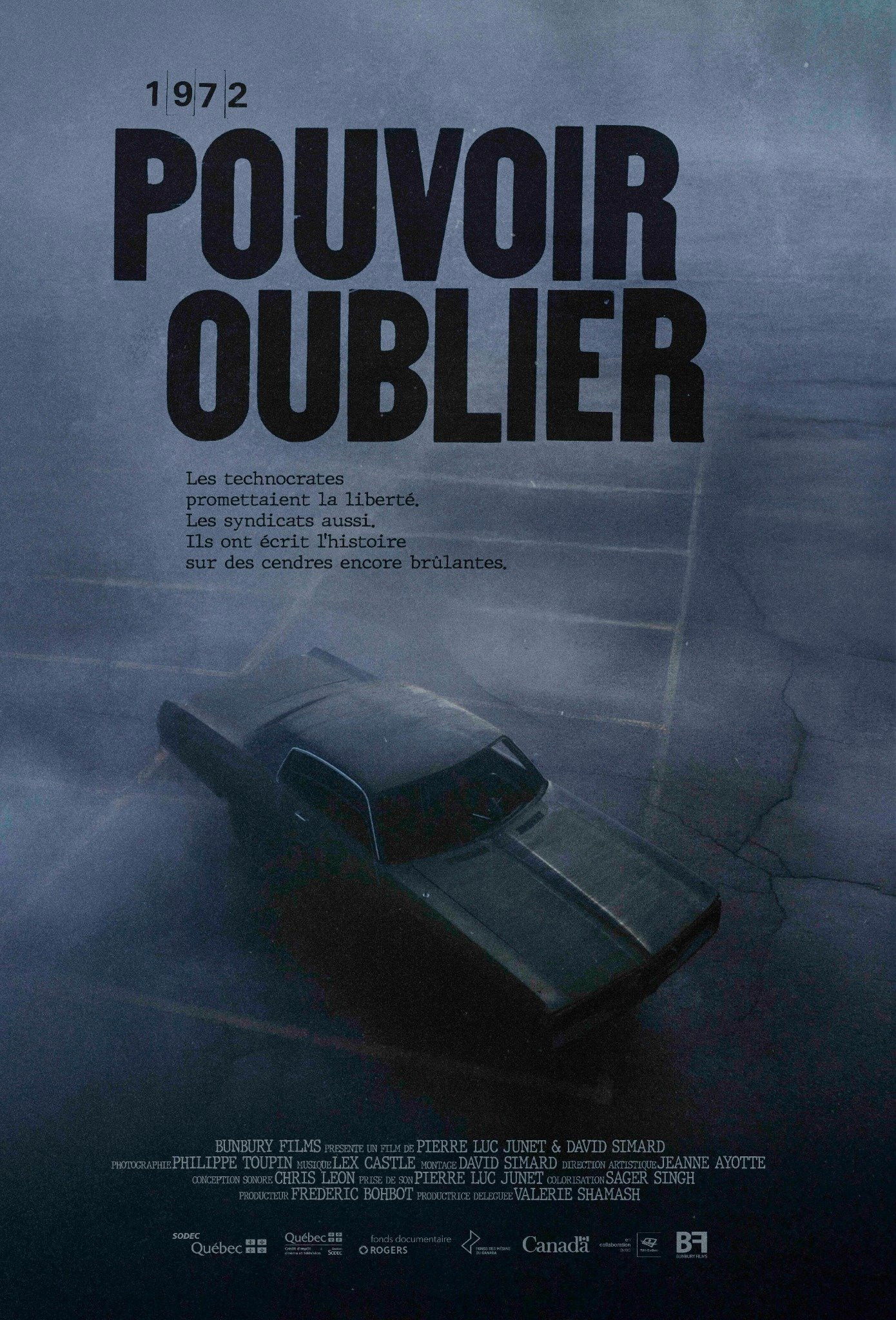
Pouvoir Oublier is a political documentary first constructed from the words of the speakers whose lives changed on the tragic day of May 10, 1972 in Sept-Îles. Their word will be juxtaposed with archival material from the events, some of which are unpublished, which will reflect the collective euphoria in which Sept-Îles and all of Quebec were then bathed.
Resilience is dedicated to those whose lives have been fragmented by intergenerational trauma, but who wish to break the cycle.
Florent Vollant, an iconic musician of the Innu nation, feels the urgent need to tell his story like never before. Co-founder of the celebrated duo Kashtin, renowned for his acclaimed solo albums and as a political activist in defense of his culture, Florent now has limited mobility due to a stroke. As he enters a new chapter of his life, he remains committed to creating, transmitting and dreaming up new projects.
The film follows two young men from the Côte-Nord in Quebec who fall on hard times due to an economic crisis raging in the region. Between staging and song, the movie deals with the importance of work in the construction of identity.
For over thirty summers, Mrs. Fife, an exceptional woman of our time, lived in the village of Baie-Johan-Beetz, where her great gentleness and generosity left their mark on people. This documentary is therefore intended as a tribute: it brings together both numerous testimonies and a collection of archival films and photos, signed by Mary Fife.
Three decades after the shuttering of the mining town of Schefferville, the Innu people, who moved in after the non-natives abandoned the town, are facing a new challenge: the iron mines are about to be reopened. Land, identity and legitimacy are central to the dialogue between peoples locked in parallel struggles, the Québécois and the First Nations.