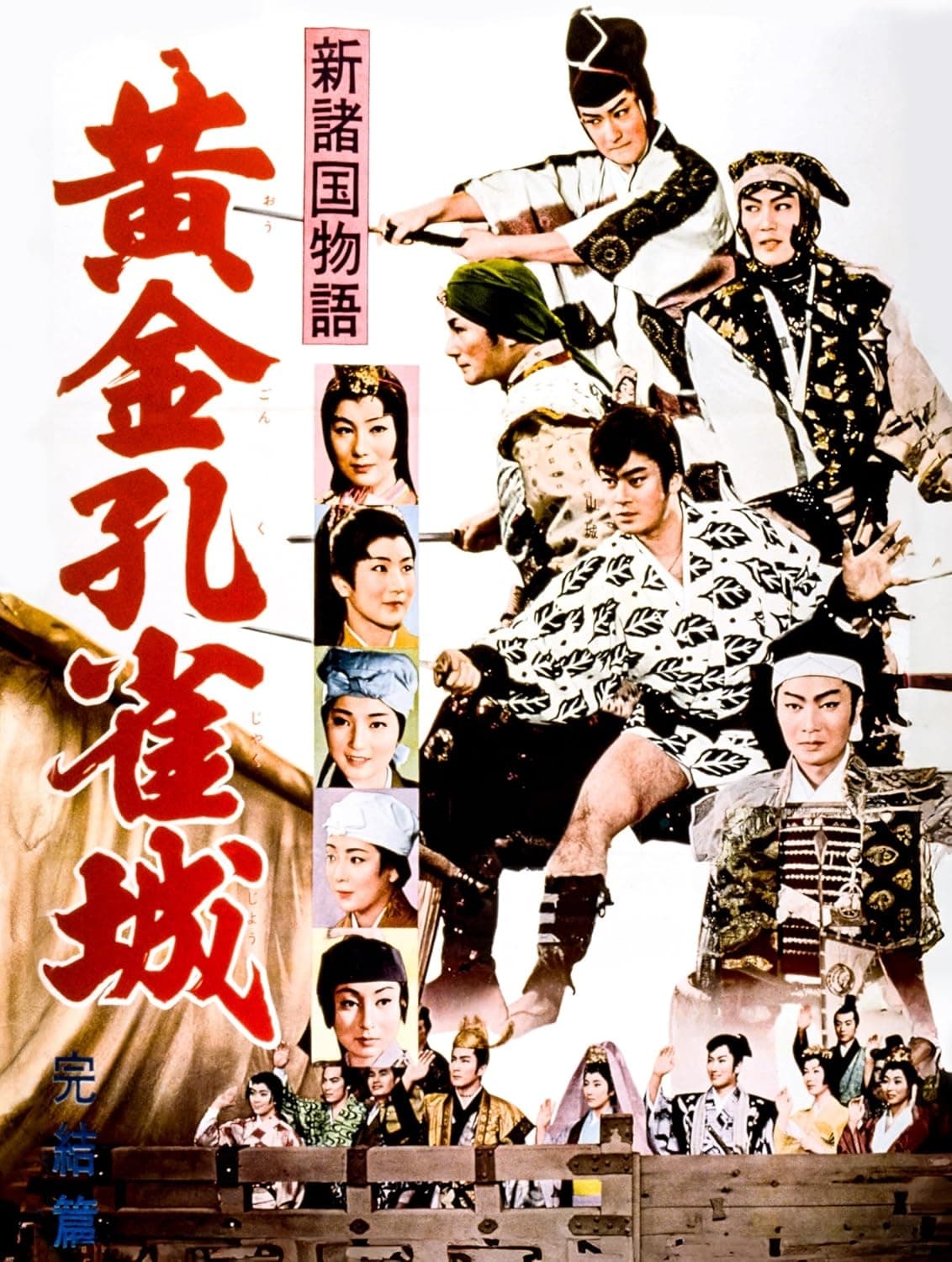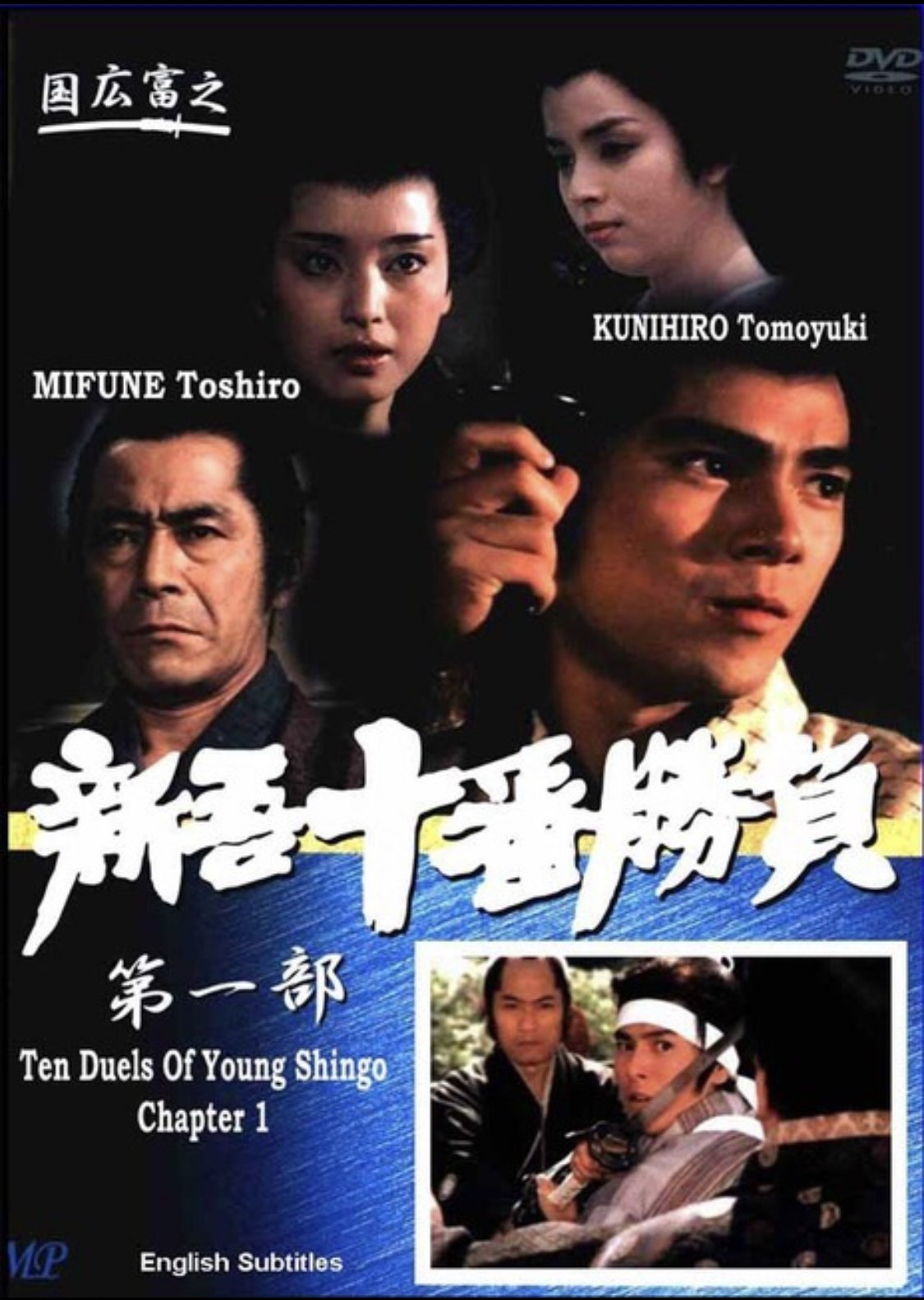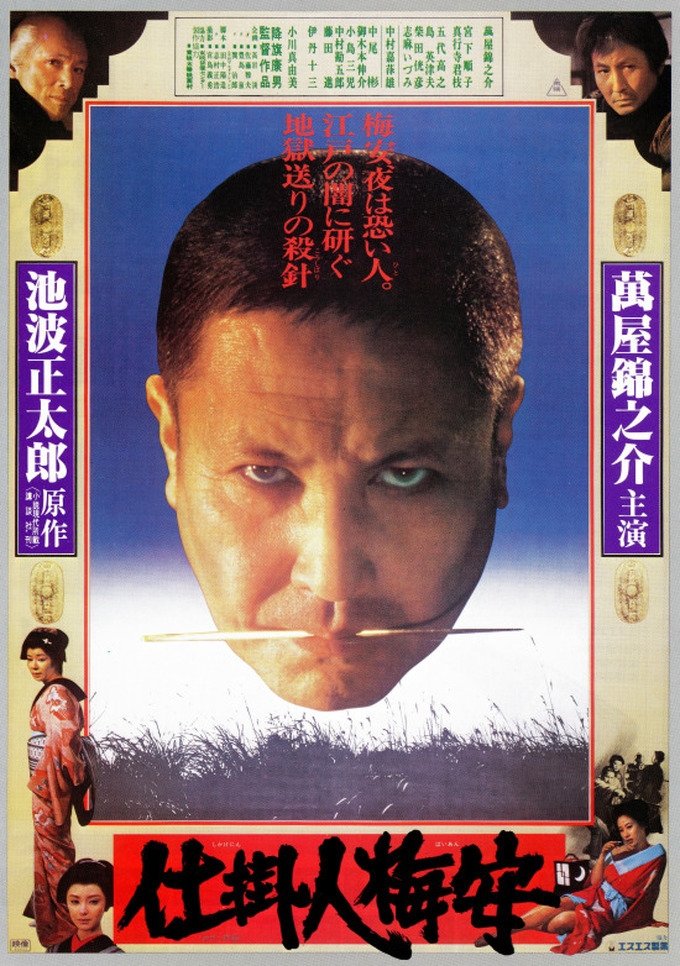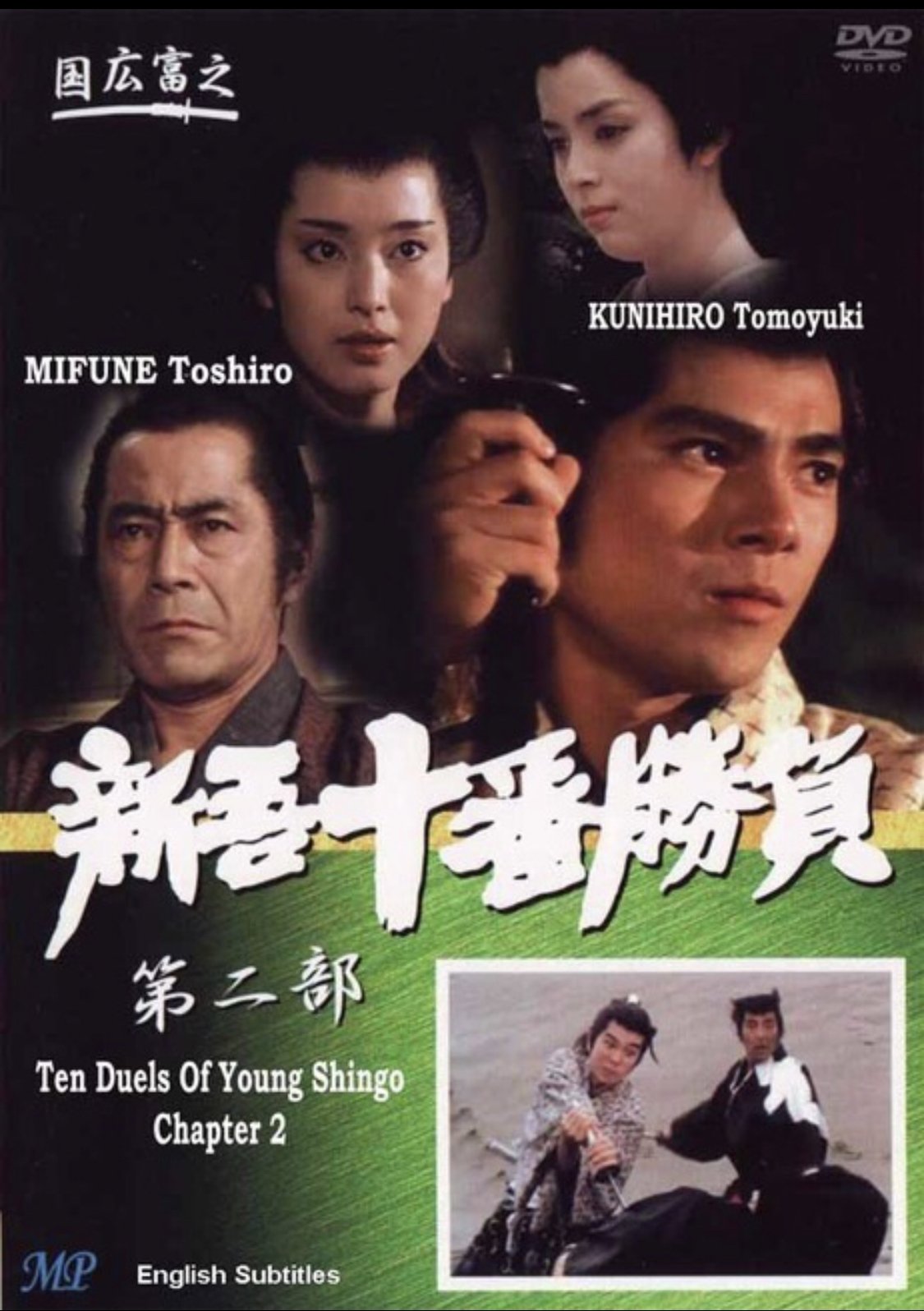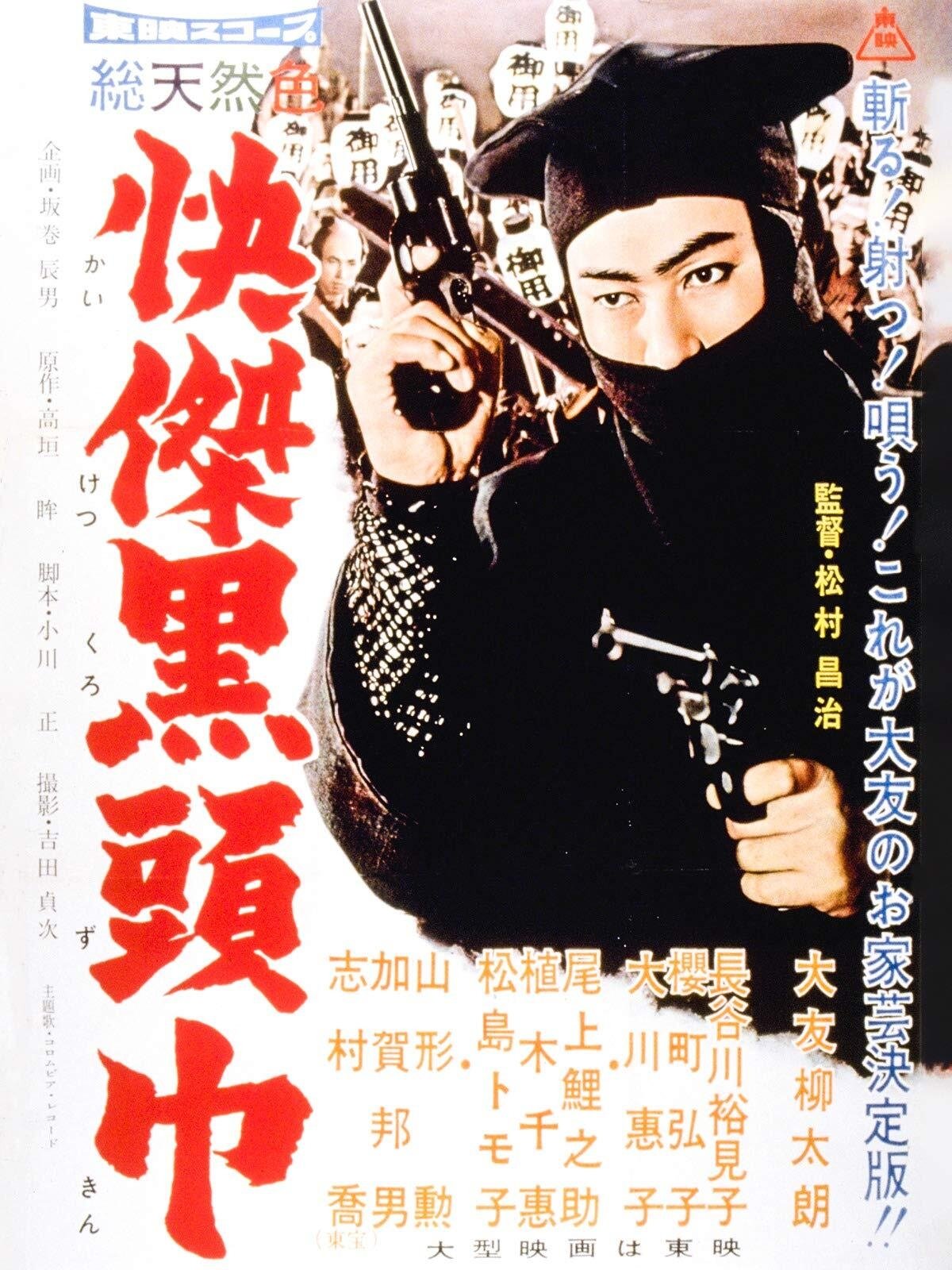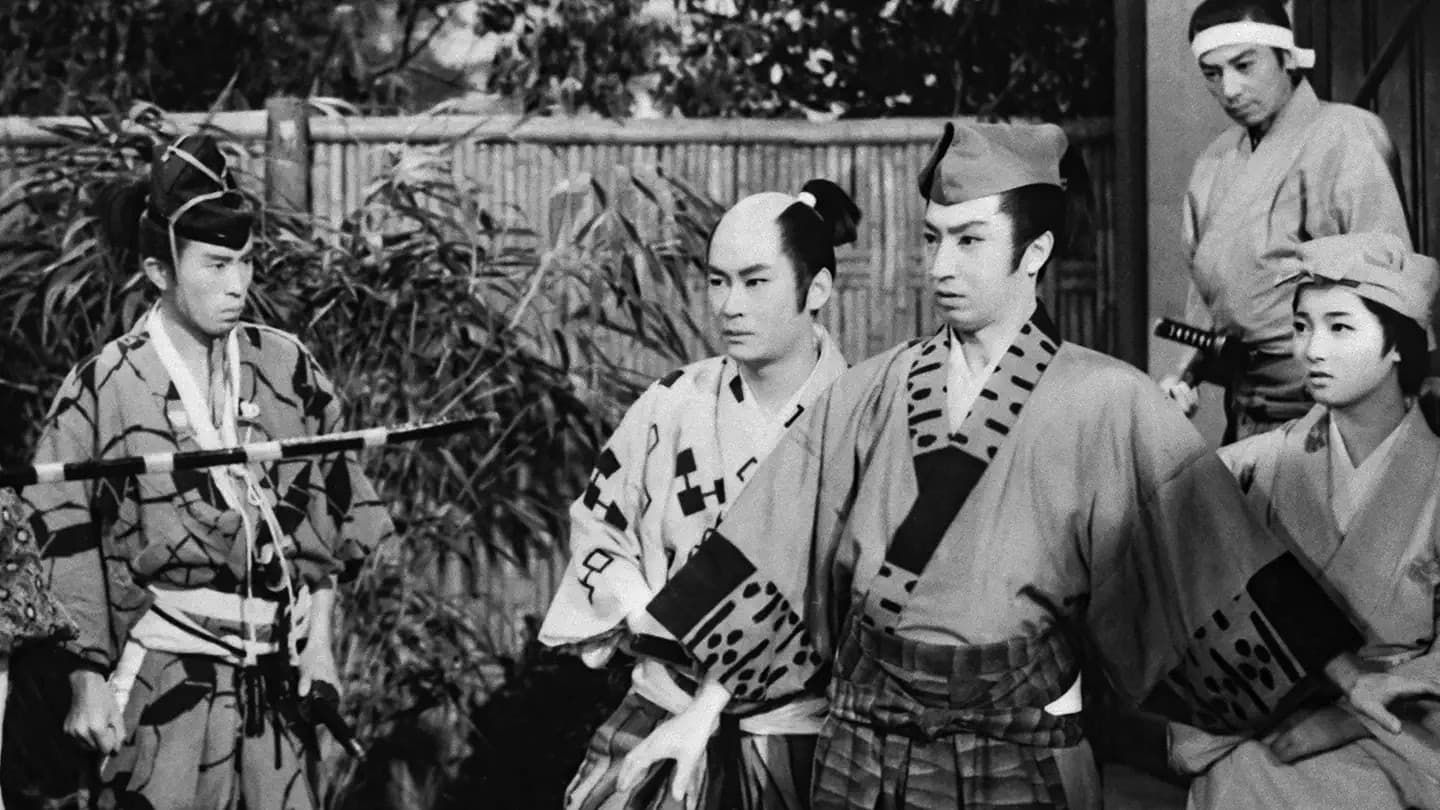
The struggles of the Golden Peacock Clan continue as they seek to reclaim their home and prevent the evil Gondaiyu from taking their most prized treasures.
Social & External
Unknown Role
Four people recount different versions of the story of a man's murder and the rape of his wife.
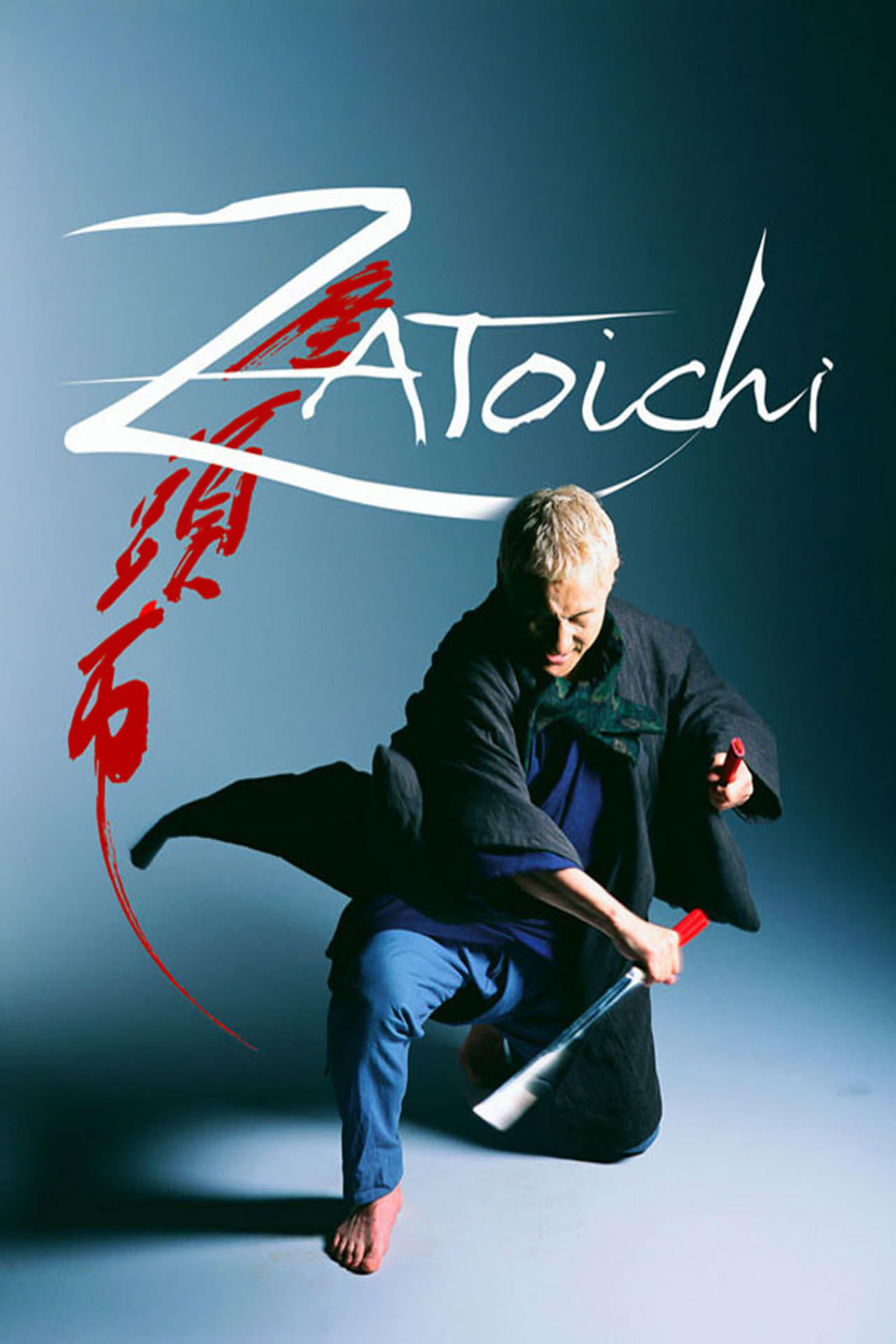
Blind traveler Zatoichi is a master swordsman and a masseur with a fondness for gambling on dice games. When he arrives in a village torn apart by warring gangs, he sets out to protect the townspeople.
The background to and depiction of a watershed battle in Japanese history, at Sekigahara in 1600, when Tokugawa Ieyasu's Army of the East defeated the Army of the West of Ishida Mitsunari. The story includes the intrigues and shifting loyalties of the various retainers, family members, and samurai.
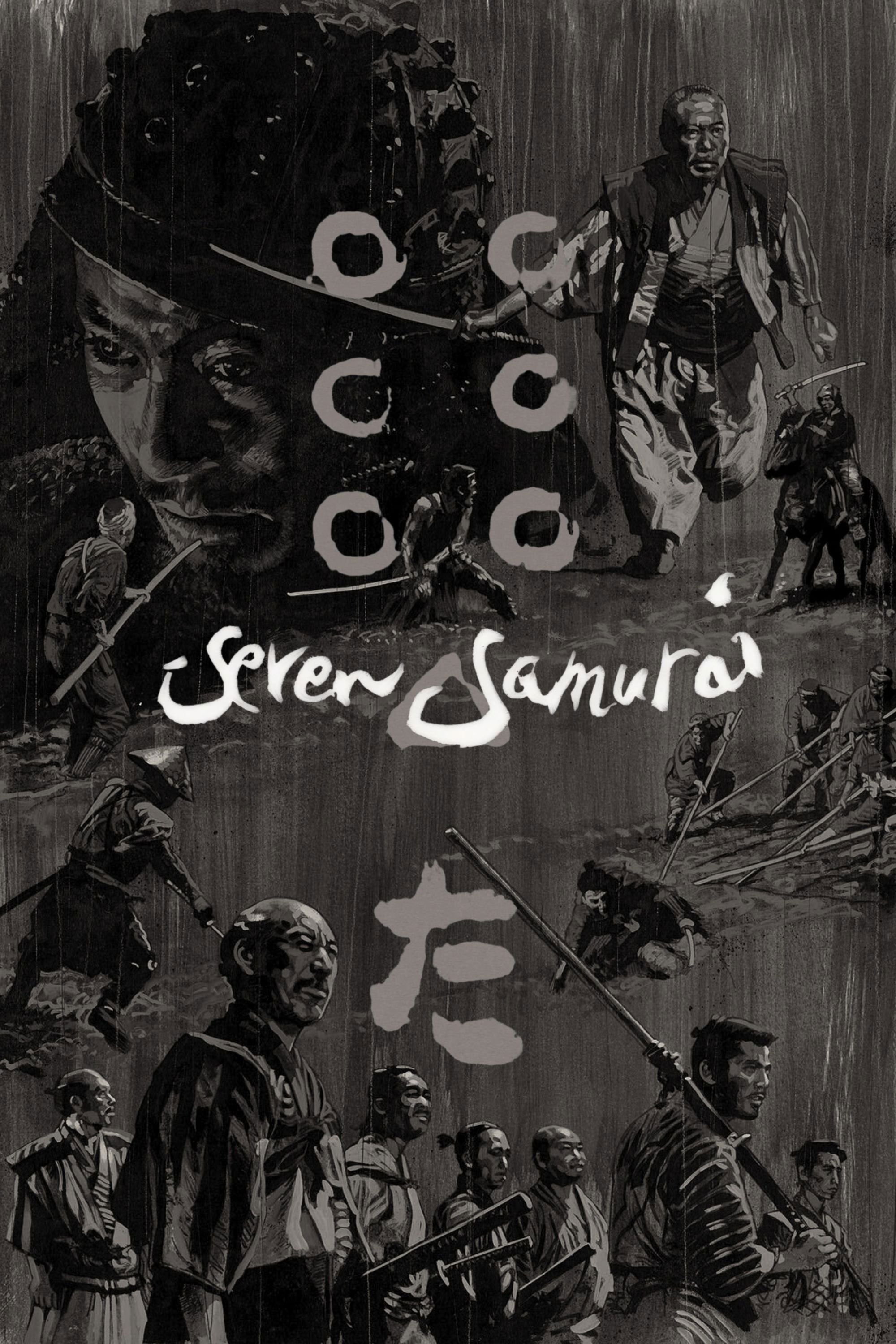
A samurai answers a village's request for protection after he falls on hard times. The town needs protection from bandits, so the samurai gathers six others to help him teach the people how to defend themselves, and the villagers provide the soldiers with food.
The Color Print of Edo is a 1939 black and white Japanese silent film with benshi accompaniment directed by Kazuo Mori. It is a cheerful period drama, sprinkled with comical scenes and tells the story of a loyal and handsome Edo period servant who fights to help his older brother marry the woman he loves. The star of this film, Utaemon Ichikawa, gained enormous popularity for his portrayal of a cheerful and chivalrous man.
In feudal Japan, during a bloody war between clans, two cowardly and greedy peasants, soldiers of a defeated army, stumble upon a mysterious man who guides them to a fortress hidden in the mountains.
In this film, Hibari plays a dual role as brother and sister. The story involves a journey to Hanagasa for an incognito Lord (Kotaro Satomi) to overthrow an attempted usurpation of his domain, while being harassed by vassals of the usurper (Kensaku Hara). There's also a mysterious ronin played by Jushiro Konoe. The songs are seamlessly woven into the narrative and don't overwhelm the action. While the plot is derivative it is good example of its type and quite enjoyable. Note that there are some flashback sequences in black and white.
Follows the final days of the shogunate and Shinsengumi's Vice-Comander Hijikata Toshizo along with his fellow anti-imperialist group.
Returning to their lord's castle, samurai warriors Washizu and Miki are waylaid by a spirit who predicts their futures. When the first part of the spirit's prophecy comes true, Washizu's scheming wife, Asaji, presses him to speed up the rest of the spirit's prophecy by murdering his lord and usurping his place. Director Akira Kurosawa's resetting of William Shakespeare's "Macbeth" in feudal Japan is one of his most acclaimed films.
Aspiring to an easy job as personal physician to a wealthy family, Noboru Yasumoto is disappointed when his first post after medical school takes him to a small country clinic under the gruff doctor Red Beard. Yasumoto rebels in numerous ways, but Red Beard proves a wise and patient teacher. He gradually introduces his student to the unglamorous side of the profession, ultimately assigning him to care for a prostitute rescued from a local brothel.
Drama set in the historical Warring States Era of Japan. Tokaido name Imagawa Yoshimoto personally led his army to invade Owari Province territory, now in Aichi Prefecture Nagoya City area, was the leader Nobunaga of this surprising burst of death. After the war, the Imagawa clan who originally dominated the Tokaido region fell away, and the victorious Oda Nobunaga quickly expanded his power in Central Japan and the Kinki region, laying the foundation for his future control of the central government of Japan.
During the Edo period, a gifted swordsman was exiled from his clan when he questioned the misconduct of his leader. Years after, his dying wife wish was for him to go back to his clan.
The story of Ryoma Sakamoto, considered to be the architect behind the downfall of the Tokugawa shogunate. He was considered an outlaw by his own clan, hunted by his government, and was despised by supporters of the Shogun as well as the Loyalists for desiring the opening of Japan to the West in order to learn its technology, in the hopes of one day defeating the West with a modern army and navy.
Toshiro Mifune swaggers and snarls to brilliant comic effect in Kurosawa's tightly paced, beautifully composed "Sanjuro." In this companion piece and sequel to "Yojimbo," jaded samurai Sanjuro helps an idealistic group of young warriors weed out their clan's evil influences, and in the process turns their image of a proper samurai on its ear.

During the Sengoku period, an army relentlessly lays siege to a castle, but they will need the head of the opposing lord to declare victory.
Shakespeare's King Lear is reimagined as a singular historical epic set in sixteenth-century Japan where an aging warlord divides his kingdom between his three sons.
In 1908, Director/Producer Shozo Makino (father of Japanese cinema) directed and produced the first dramatic film in Kyoto. “Honnô-ji Gassen” was shot at Shinnyo-Do Temple. Considered a lost film.
Kotani Zenzaemon, a ronin who has a side job making brushes in a tenement house in the back alley, is watching Omine, who lives with him, from Kichizo, a resident of the same tenement house and a boatman. is asked to Kichizo and Mine have eloped and got married, but she feels empty in her boring daily life, and she wants to take a break by crossing the bridge over the river. On the other hand, Kichizo forbids him from crossing the bridge, fearing that his whereabouts will be known to others. Zenzaemon superimposes the appearance of these two people on the appearance of his former self and his wife, whom he killed himself.
Zatoichi is sworn to protect the life of a young girl and without any real allies finds himself in the middle of a bloody turf war.
Wishing to find peace, Zatoichi travels to his old village but only finds trouble when he ends up in a love triangle and finds old scores have followed him home.