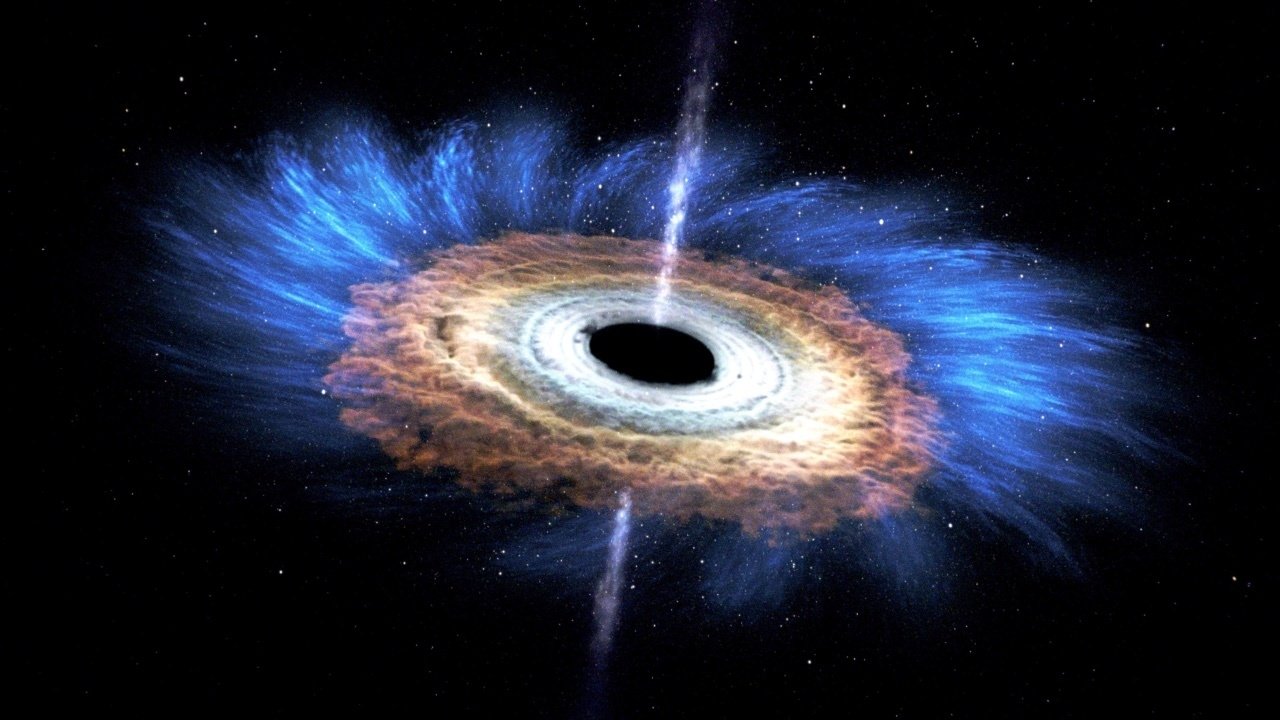
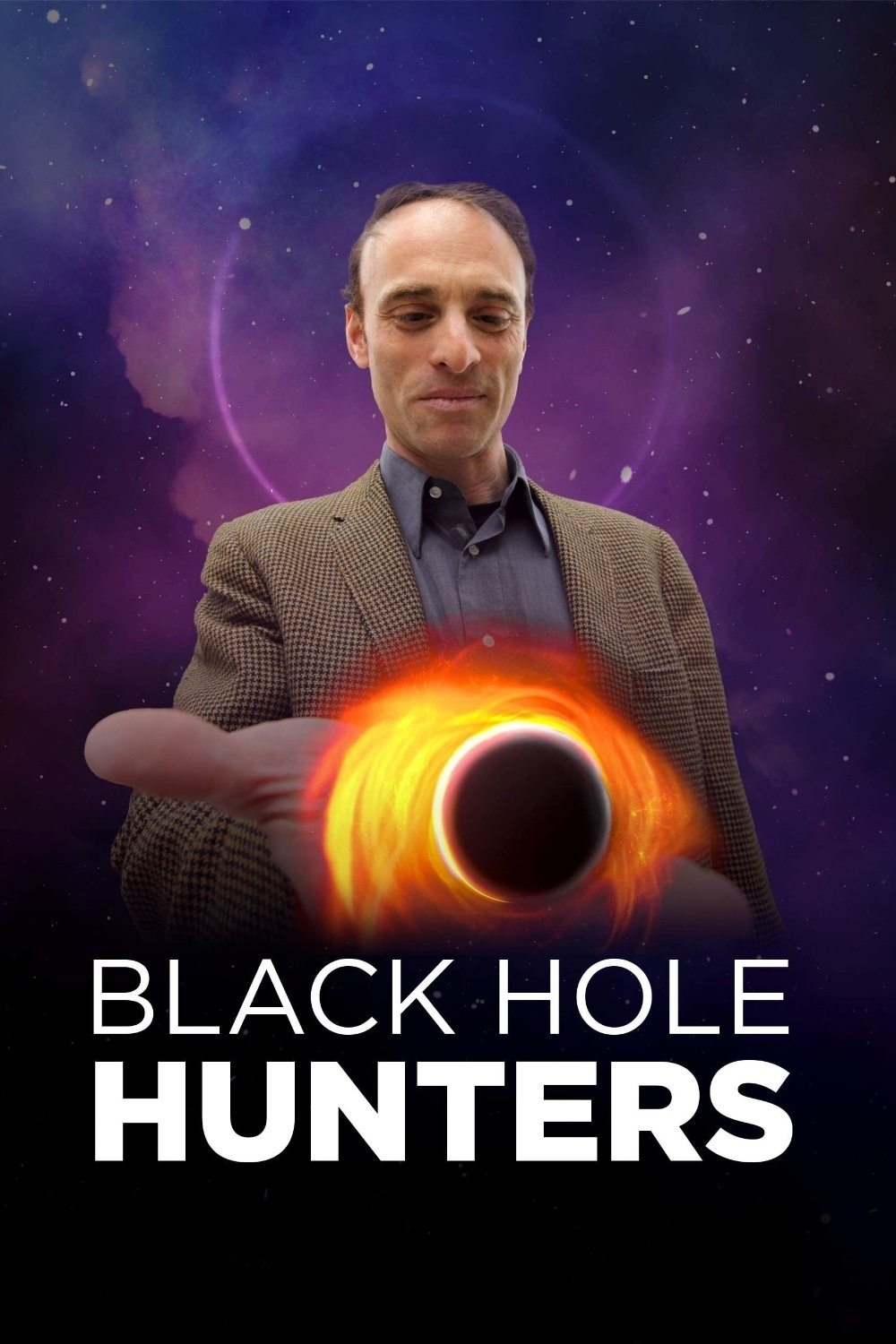
A team of international scientists attempt to document the first-ever image of a black hole.
Social & External
The people behind it
Sheperd Doeleman
Eric Meyers
Narrator
What if you could get behind the wheel and race through space? We scale down the Solar System to the continental United States and place the planets along the way to better appreciate the immense scale of the Universe. See space as never before, with Mars looming over the Freedom Tower and Jupiter towering above the Lincoln Memorial. Join former astronaut Chris Hadfield - a YouTube sensation for his performance of David Bowie’s “Space Oddity” aboard the International Space Station - and his interstellar hitchhikers Michio Kaku and astronomers Derrick Pitts and Laura Danly. It’s a joyride from coast to coast - and from the sun to Pluto.
Explore the mysterious Amazon through the amazing IMAX experience. Amazon celebrates the beauty, vitality and wonder of the rapidly disappearing rain forest.
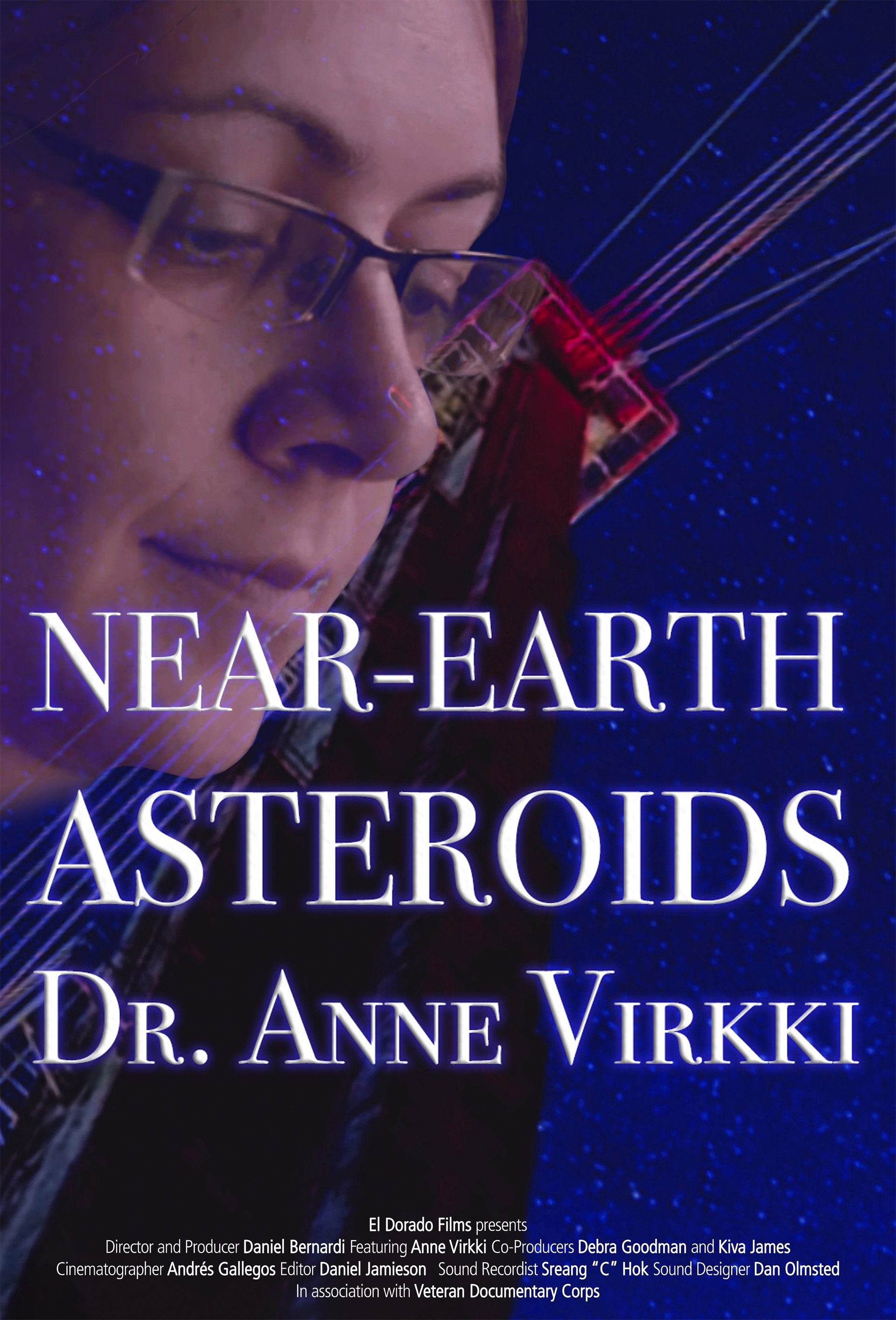
At Arecibo Observatory in Puerto Rico, “Near Earth Asteroids: Dr. Anne Virkki” tells the story of Research Scientist Anne Virkki and her ongoing studies on asteroids and their threat to humanity. Originally from Finland, Anne Virkki shares her experience in education as well as her studies on asteroids, including her work hunting and tracking asteroids headed for Earth.
Explores the latest longevity research and whether dramatically extended human lifespan is achievable. Features top scientists, startup leaders, celebrities, and critics offering balanced perspectives on this fascinating field.
Acclaimed filmmaker Werner Herzog travels to Antarctica, where he finds a desolate, beautiful landscape, largely untouched by human hands, and a group of truly unique people who risk their lives to study it. Centered at McMurdo Station, the United States' largest Antarctic research center, Herzog explores the minds of the scientists willing to abandon civilization and endure volatile conditions to learn more about the continent's wildlife and awe-inspiring natural wonders.
Mountain Gorilla takes us to a remote range of volcanic mountains in Africa, described by those who have been there as ""one of the most beautiful places in the world"", and home to the few hundred remaining mountain gorillas. In spending a day with a gorilla family in the mountain forest, audiences will be captivated by these intelligent and curious animals, as they eat, sleep, play and interact with each other. Although gorillas have been much-maligned in our popular culture, viewers will finally ""meet the legend"" face to face, and learn about their uncertain future.
Top Gear presenter James May presents this informative program that examines the historic moon missions. Traveling to America, May meets three of the men who walked on the surface of the moon, learning how it felt and how the now antiquated technology was used to achieve such an historic feat.
Documentary about the Griffith Observatory, shown at their Leonard Nimoy Event Horizon Theater
The Wonder of it All focuses on the human side of the men behind the Apollo missions through candid interviews with seven of the Apollo astronauts: Buzz Aldrin, Alan Bean, Edgar Mitchell, John Young, Charles Duke, Eugene Cernan and Harrison Schmitt. They all reflect on the training, the tragedies, the camaraderie, and the effect that their space travel has had on their families.
William Shatner presents a light-hearted look at how the "Star Trek" TV series have influenced and inspired today's technologies, including: cell phones, medical imaging, computers and software, SETI, MP3 players and iPods, virtual reality, and spaceship propulsion.
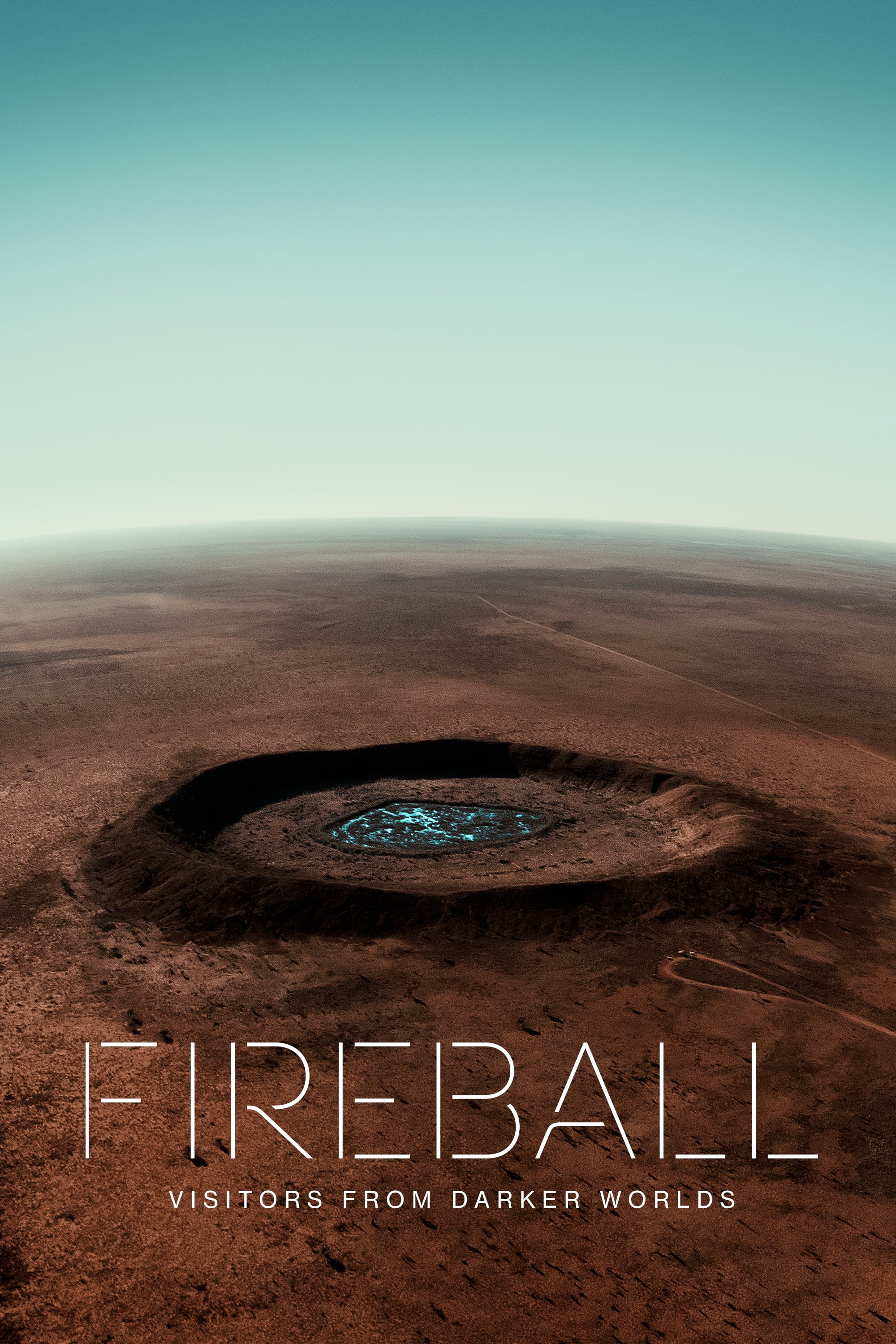
214 million years ago a gigantic meteorite broke up and impacted Earth. 65 million years ago, the impact that killed the dinosaurs occurred where the country of Belize stands today. 200 thousand years ago early humans were walking and died when they were hit by a 40 meter wide meteorite hit South Africa creating a 1.4 km wide crater. This meteorite fragment, the largest ever found hit Namibia 80 000 years ago and more recently a major impact occurred in Toungouska, Russia in 1908. Every year 10 000 tons of meteoritic matter fall onto Earth in much smaller but not necessarily less influential pieces. This film will explore how the impact of these meteorites big and small through the ages have changed our world and what they brought from outer space with them that may have been the seed of life itself on Earth.
The wonders of the universe have long propelled our insatiable desire to learn more about who we are and where we came from. With the advancing age of science and technology, we're able to explore our world and the cosmos like never before. We are exploring the unknown at the farthest reaches in space unlocking new wonders and mysteries that are both shocking and amazing. From colling planets, to disappearing comets, to unexplained activity on the surface of planets in our solar system, the next evolution of mankind is well underway.
In unusual circumstances, scientists from different countries work together to achieve a common scientific goal. Locked in their spinning space lab, they are isolated from the world — family and friends - and can only watch from the outside as life on Earth continues without them. The space station is a monument not only to the weaknesses of humanity, but also to its ability to do the impossible for the sake of life in space.
The first American space station Skylab is found in pieces scattered in Western Australia. Putting these pieces back together and re-tracing the Skylab program back to its very conception reveals the cornerstone of human space exploration.
The film features amazing scenes of places never before seen gathered by key space missions that culminated with groundbreaking discoveries in 2015. It features a spectacular flight though the great cliffs on comet 67P, a close look at the fascinating bright "lights" on Ceres, and the first ever close ups of dwarf binary planet Pluto/Charon and its moons.
This feature-length documentary is a portrait of eclipse chasers, people for whom solar eclipses - among nature's more spectacular phenomena – are a veritable obsession. The film follows 4 of them as they travel incredible distances to witness the last total eclipse of the millennium as it sweeps eastward across Europe to India. At various points along the way enthusiasts Alain Cirou in France, Paul Houde in Austria, Olivier Staiger in Germany and Debasis Sarkar in India offer their impressions of the historic event.
Meet Nikola Tesla, the genius engineer and tireless inventor whose technology revolutionized the electrical age of the 20th century. Although eclipsed in fame by Edison and Marconi, it was Tesla's vision that paved the way for today's wireless world. His fertile but undisciplined imagination was the source of his genius but also his downfall, as the image of Tesla as a mad scientist came to overshadow his reputation as a brilliant innovator.
Astrophysicists show how black holes might hold answers to how the universe evolved, leading to life on Earth and, ultimately, the human race.
Black holes stand at the limit of what we can know. To explore that edge of knowledge, the Event Horizon Telescope links observatories across the world to simulate an earth-sized instrument. With this tool the team pursues the first-ever picture of a black hole, resulting in an image seen by billions of people in April 2019. Meanwhile, Hawking and his team attack the black hole paradox at the heart of theoretical physics—Do predictive laws still function, even in these massive distortions of space and time? Weaving them together is a third strand, philosophical and exploratory using expressive animation. “Edge” is about practicing science at the highest level, a film where observation, theory, and philosophy combine to grasp these most mysterious objects.
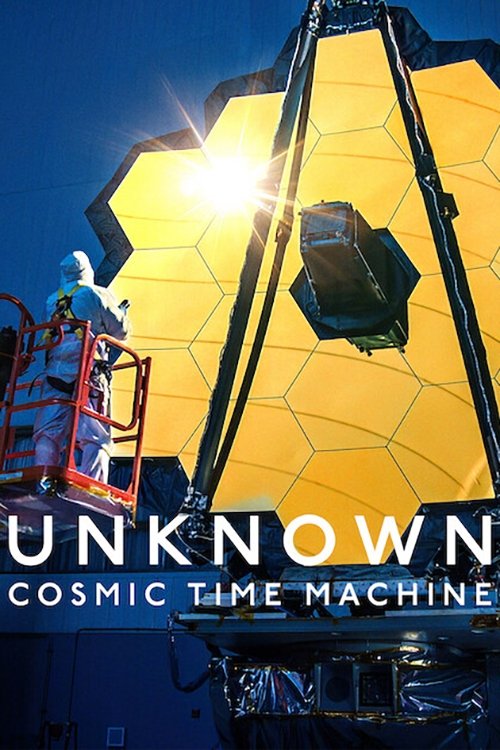
The James Webb Telescope stirs imaginations with vivid photos of distant galaxies. This documentary tracks its historic journey from inception to launch.
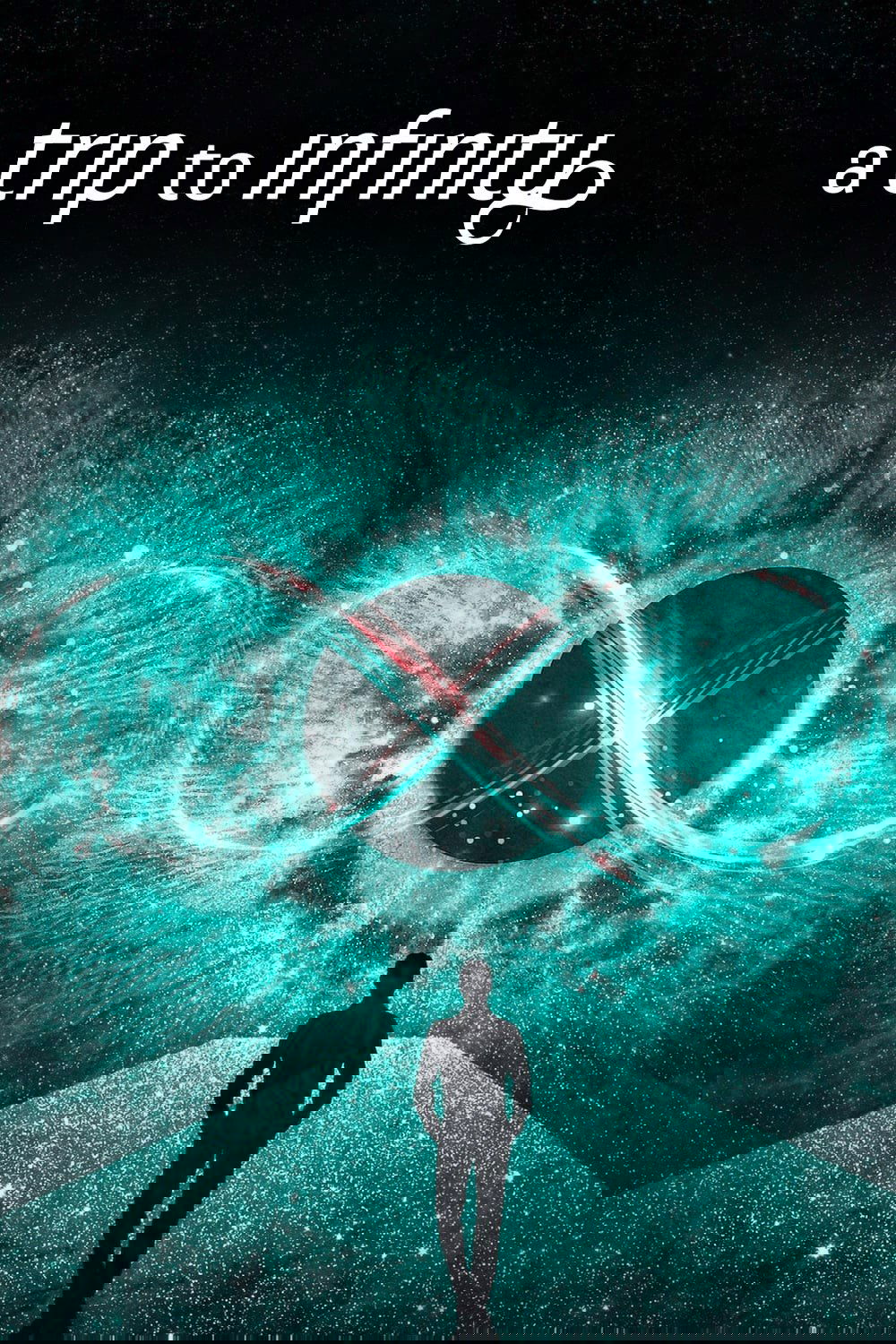
Does infinity exist? Can we experience the Infinite? In an animated film (created by artists from 10 countries) the world's most cutting-edge scientists and mathematicians go in search of the infinite and its mind-bending implications for the universe. Eminent mathematicians, particle physicists and cosmologists dive into infinity and its mind-bending implications for the universe.
Constructed from over 500 hours of never-before-seen footage, this documentary centers on the personal life and career of the controversial football player Diego Maradona who played for SSC Napoli and Argentina in the 1980s.
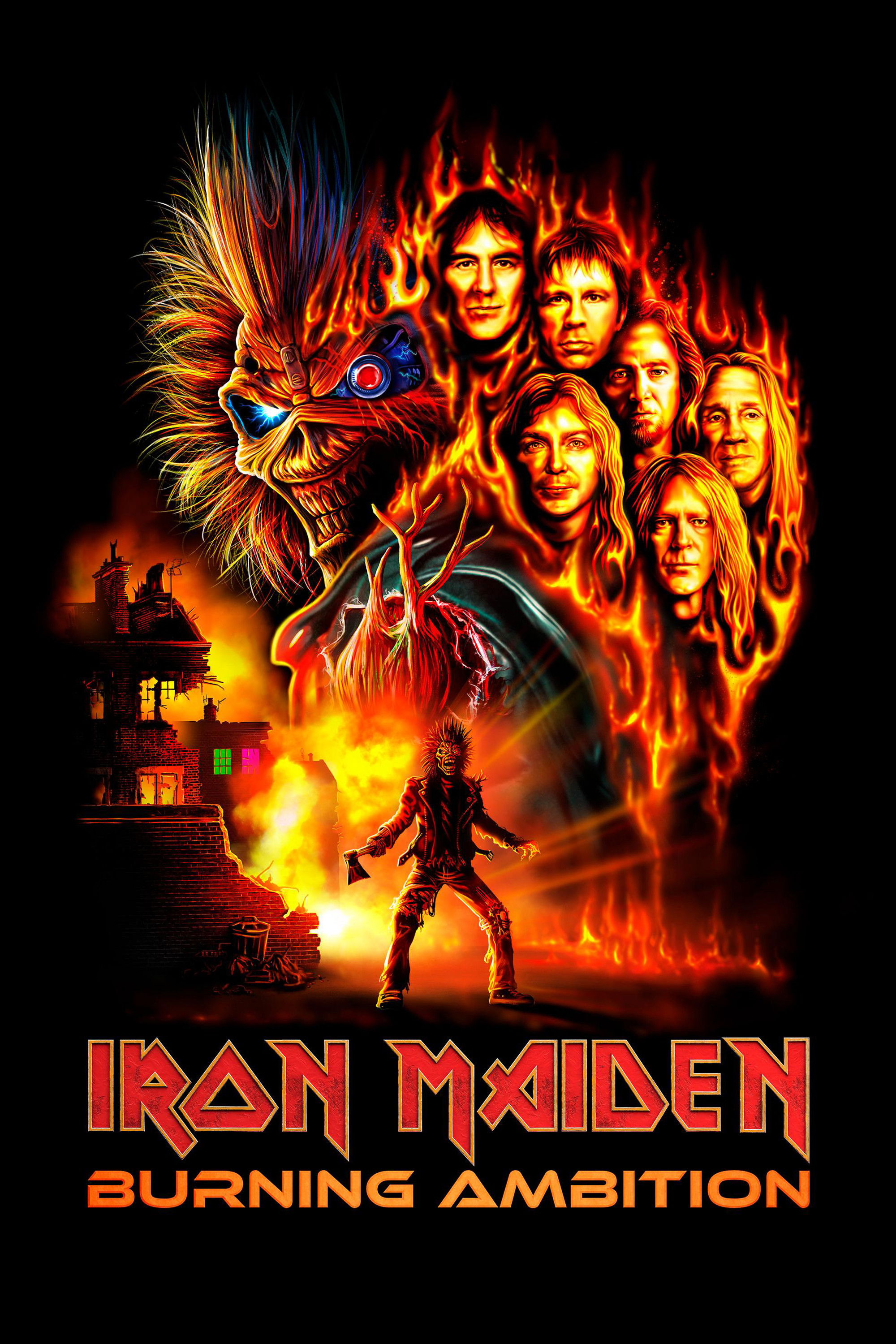
With unprecedented access to the official archives and intimate recollections from the band, both current and past, Iron Maiden: Burning Ambition invites fans to experience one of the most iconic journeys in music history. Spanning five decades, this electrifying documentary charts the band’s rise from the pubs of East London to the world’s biggest stadiums. Featuring exclusive interviews with band members and contributors such as Javier Bardem, Lars Ulrich and Chuck D, as well as all-new animated sequences of the band's legendary mascot, Eddie, the film offers a rare and intimate look at Iron Maiden’s uncompromising vision and unwavering connection with their truly global army of fans.
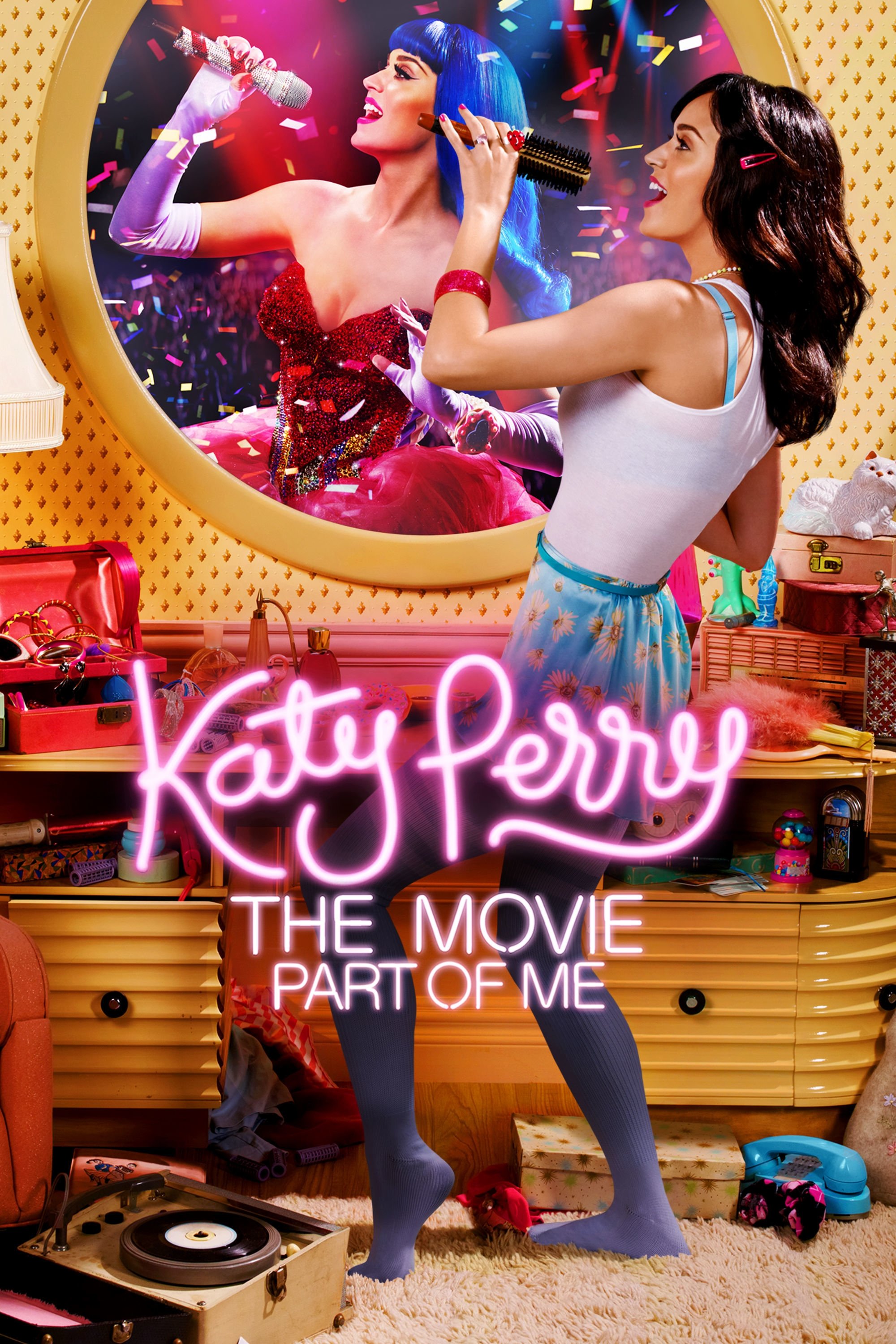
Giving fans unprecedented access to the real life of the music sensation, Katy Perry: Part of Me exposes the hard work, dedication and phenomenal talent of a girl who remained true to herself and her vision in order to achieve her dreams. Featuring rare behind-the-scenes interviews, personal moments between Katy and her friends, and all-access footage of rehearsals, choreography, Katy’s signature style and more, Katy Perry: Part of Me reveals the singer’s unwavering belief that if you can be yourself, then you can be anything.
The Captains is a feature-length documentary film written and directed by William Shatner. The film follows Shatner as he interviews the other actors who have portrayed starship captains in the Star Trek franchise.
A doomed love triangle between intrepid French scientists Katia and Maurice Krafft, and their beloved volcanoes.
A backstage and on-stage look at Justin Bieber during his rise to super stardom.
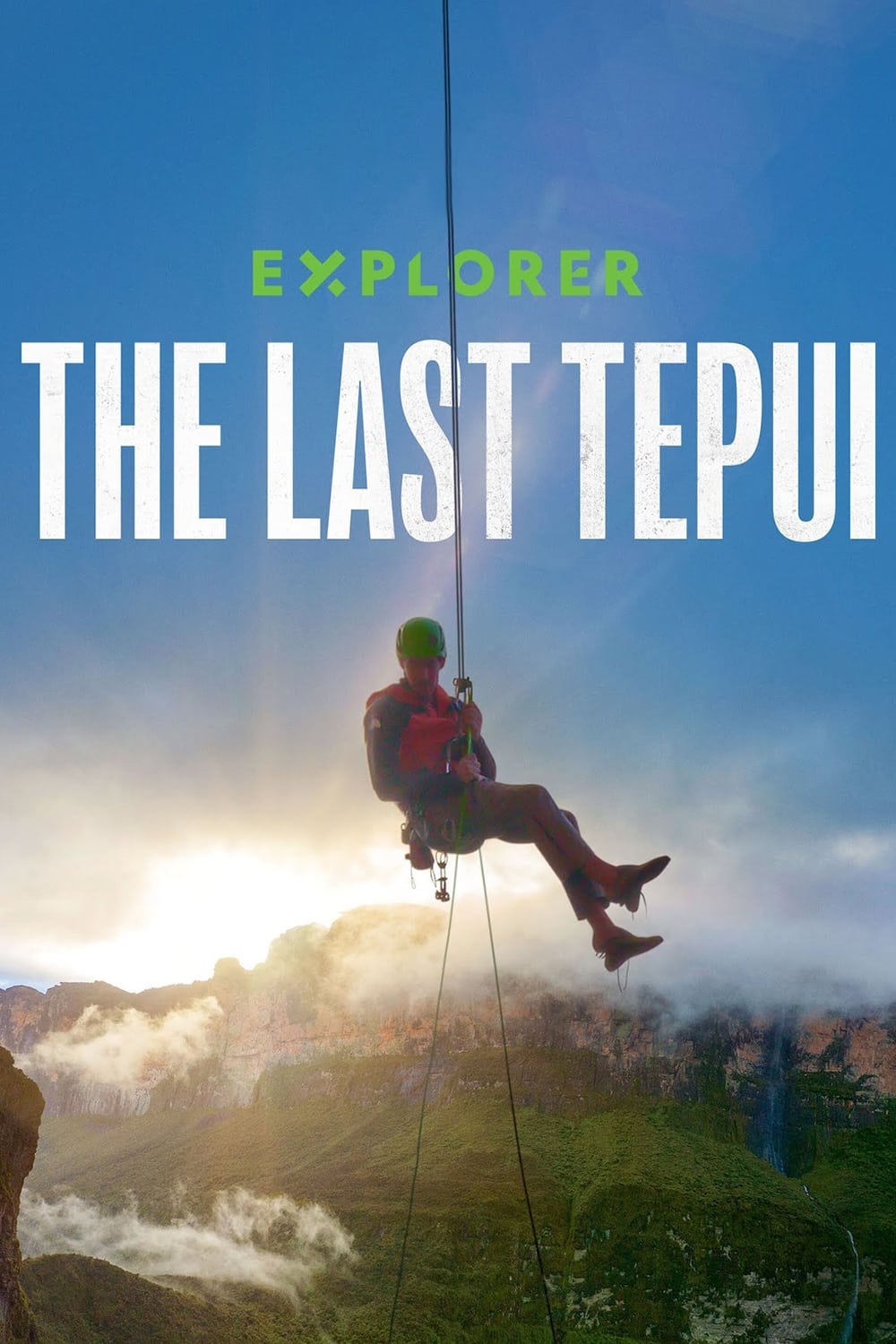
This documentary starring climber Alex Honnold and famous biologist Bruce Means document their expedition to the South American sky islands in search of new species and discoveries. Follows elite climber Alex Honnold and a world-class climbing team led by National Geographic Explorer and climber Mark Synnott on a grueling mission deep in the Amazon jungle as they attempt a first-ascent climb up a 1000 foot sheer cliff.
An inside look at one of the most anticipated movie sequels ever with James Cameron and cast.
This remarkable journey across our planet and universe explores how meteorites, shooting stars, and deep impacts have awoken our wonder about other realms—and make us rethink our destinies.
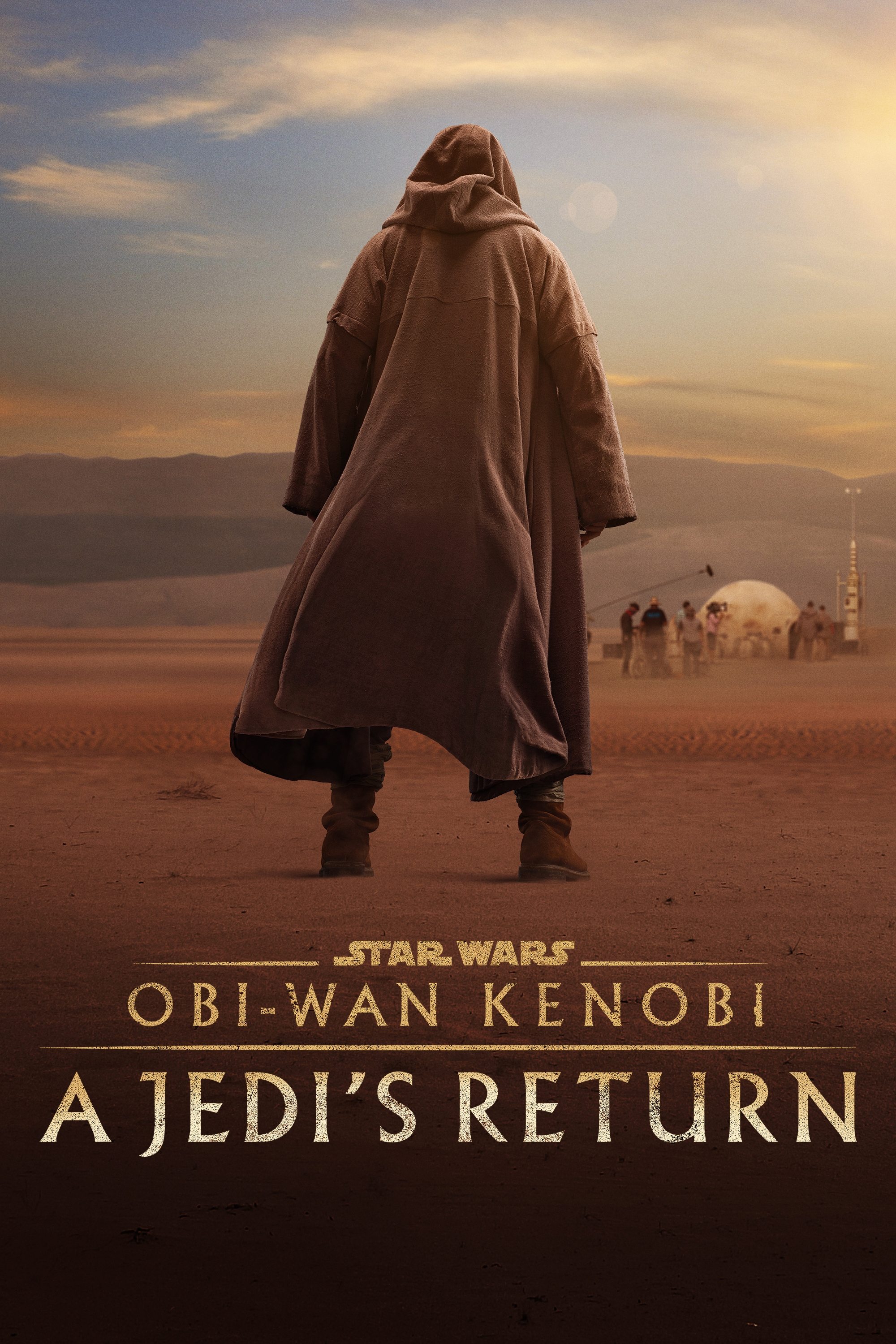
This special explores the return of Obi-Wan Kenobi and Anakin Skywalker to the screen, as well as Ewan McGregor and Hayden Christensen to their classic roles. Director Deborah Chow leads the cast and crew as they create new heroes and villains that live alongside new incarnations of beloved Star Wars characters, and an epic story that dramatically bridges the saga films.
The elite pilots of the Air Force Thunderbirds display exceptional skill, trust and courage during a high-stakes training season.
A raw and emotionally revealing look at one of the most iconic artists of our time during a transformational period in her life as she learns to embrace her role not only as a songwriter and performer, but as a woman harnessing the full power of her voice.
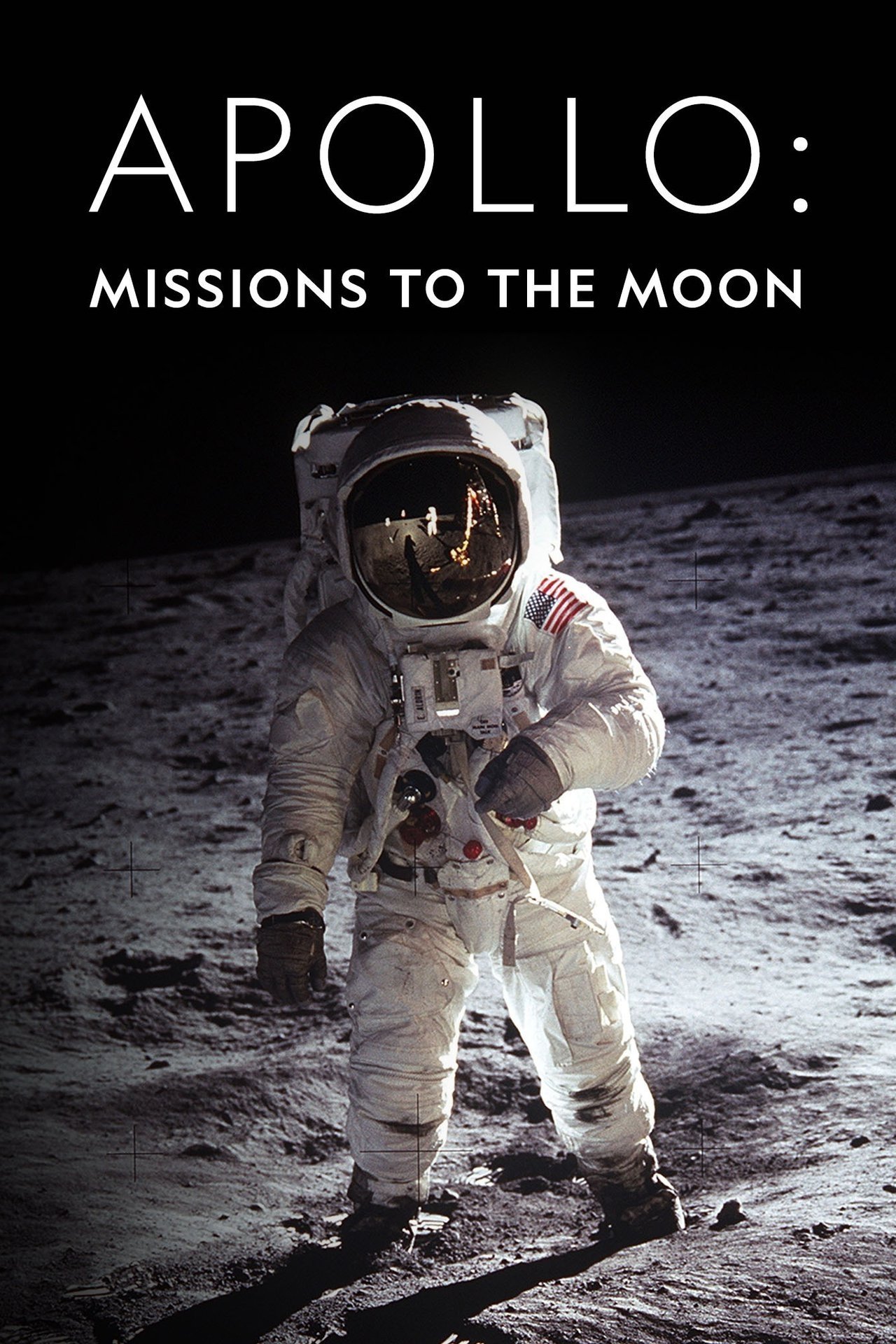
National Geographic's riveting effort recounts all 12 crewed missions using only archival footage, photos and audio.
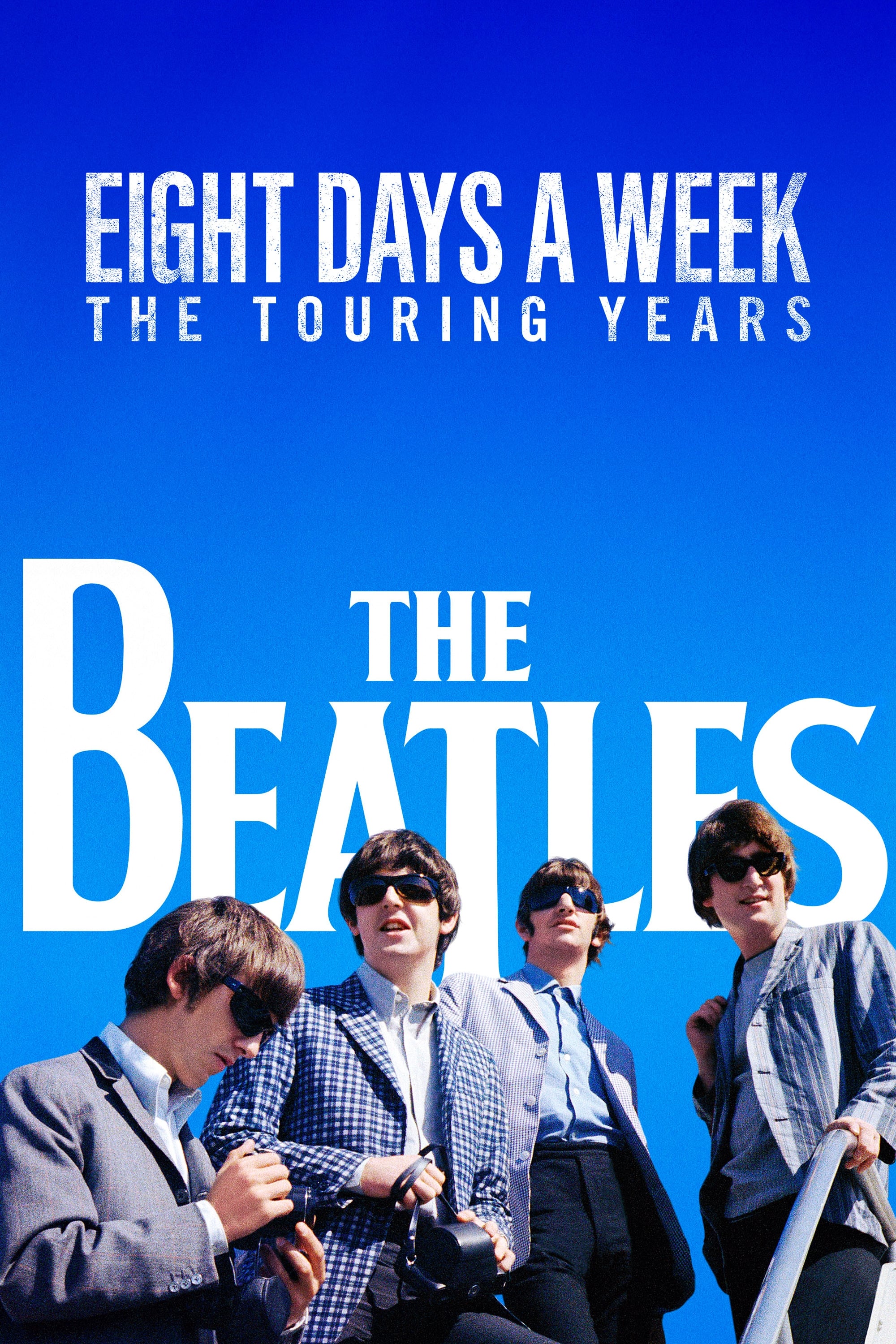
The Beatles stormed through Europe's music scene in 1963, and, in 1964, they conquered America. Their groundbreaking world tours changed global youth culture forever and, arguably, invented mass entertainment as we know it today. All the while, the group were composing and recording a series of extraordinarily successful singles and albums. However the relentless pressure of such unprecedented fame, that in 1966 became uncontrollable turmoil, led to the decision to stop touring. In the ensuing years The Beatles were then free to focus on a series of albums that changed the face of recorded music.
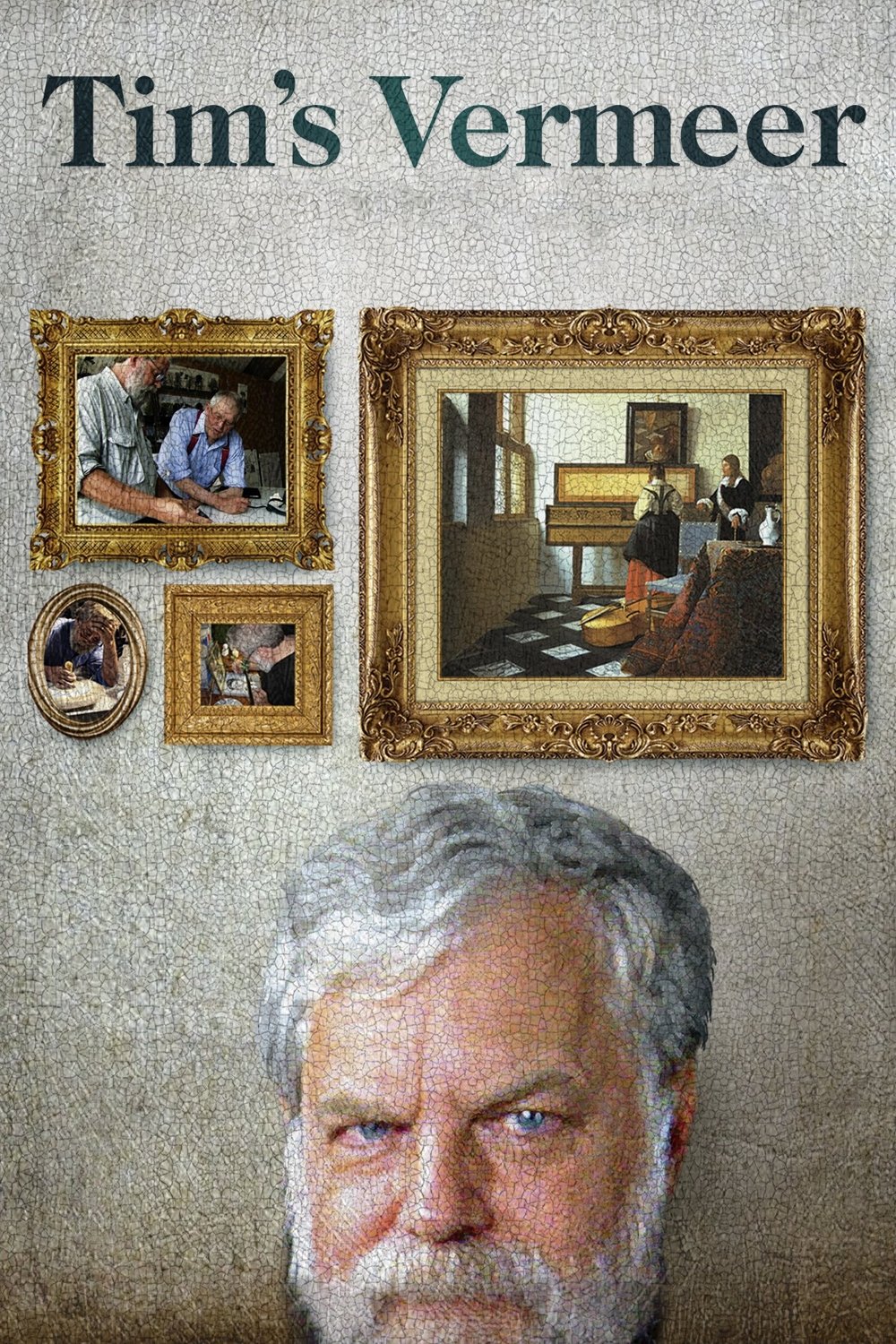
Tim Jenison, a Texas based inventor, attempts to solve one of the greatest mysteries in all art: How did Dutch Master Johannes Vermeer manage to paint so photo-realistically 150 years before the invention of photography? Spanning a decade, Jenison's adventure takes him to Holland, on a pilgrimage to the North coast of Yorkshire to meet artista David Hockney, and eventually even to Buckingham Palace. The epic research project Jenison embarques on is as extraordinary as what he discovers.
Filmed in front of a live studio audience and hosted by Alex Cooper of 'Call Her Daddy' fame, Miley Cyrus reflects on the creation and impact of the series with never-before-seen archival footage, all the while interacting and reminiscing on some of the show's most memorable sets 'brought back to life' — including the Stewart family living room and the legendary Hannah Montana closet.