Social & External
The people behind it
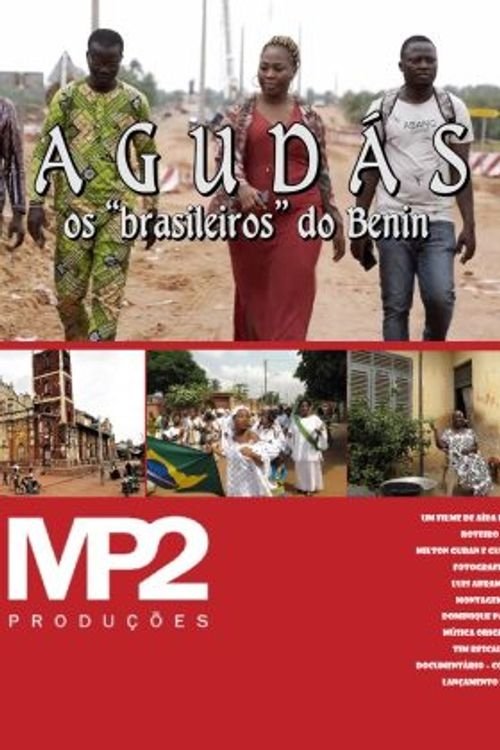
The film portrays the trajectory and life of the “Agudá” people today. This is a group of descendants of Africans enslaved in Brazil, who returned to their homeland with the end of slavery, and also descendants, Brazilian and Portuguese, of slave traffickers, who settled in that region of Africa in the 18th and XIX. Present in Benin and Togo, the “agudás” assimilated the surname and part of the culture of their masters.
Hazoumè's "NGO (Beninese Solidarity with Endangered Westerners)" reflects on issues of immigration, economic disparity, and perceptions of wealth. Taking a critical eye toward the vast numbers of local and international nongovernmental organizations (NGOs) operating in his country of Benin, the artist created his own NGO to aid poor Westerners, thereby reversing conventional assumptions concerning poverty and the distribution of capital from so-called developed nations. In an attempt to expose the often hidden realities of the income inequality that exists in global Northern countries, he asked Beninese celebrities to solicit donations from Africans, who commonly associate Westerners with affluence. For Hazoumè, the driving concept of the project is to uncover such illusions: "To all appearances, it’s a matter of reversing the help, from south to north. But in reality—it is about making the Africans cogitate differently."
Thousands of royal artifacts of Dahomey, a West African kingdom, were taken by French colonists in the 19th century for collection and display in Paris. Centuries later, a fraction returned to their home in modern-day Benin. This dramatized documentary follows the journey of 26 of the treasures as told by cultural art historians, embattled university students, and one of the repatriated statues himself.
Women of the Kingdom of Dahomey (now Benin) are shown creating pottery.
In July 1860, the schooner Clotilda slipped quietly into the dark waters of Mobile, Ala., holding 110 Africans stolen from their homes and families, smuggled across the sea, and illegally imported to be sold into slavery. Surviving Clotilda is the extraordinary story of the last slave ship ever to reach America's shores: the brash captain who built and sailed her, the wealthy white businessman whose bet set the cruel plan in motion, and the 110 men, women, and children whose resilience turned horror into hope.
What happens when a group of Finns travel to a tiny village in Benin to participate in a vaccination study? By participating, they can aid in the development of a diarrhea vaccine for children in developing countries – and, at the same time, have a different kind of vacation in West Africa. The complicated side of helping people and the clashes between two cultures rise to the forefront of Mia Halme’s delicious documentary film.
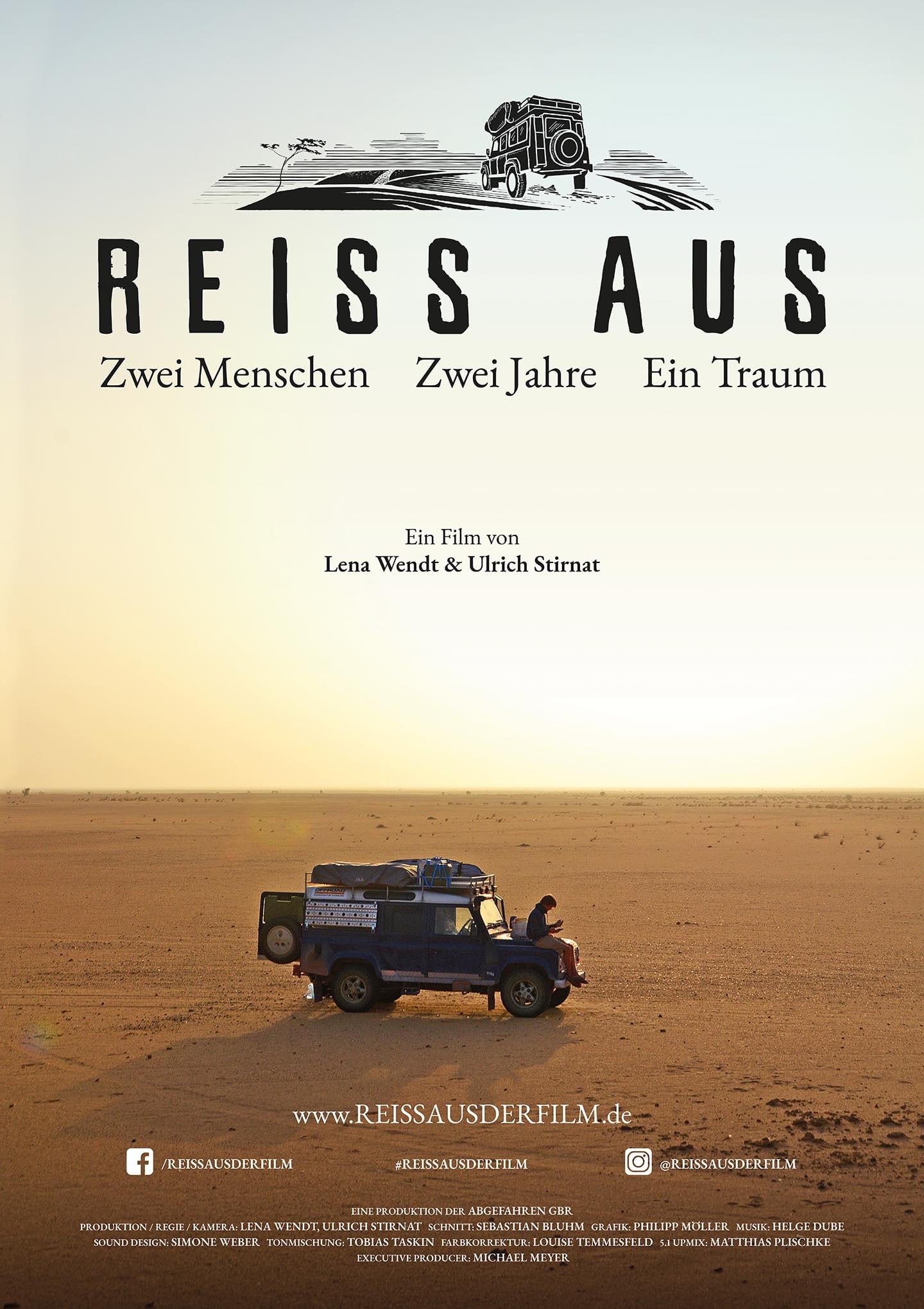
When Lena and Ulli start the engine of their old Land Rover, Lady Terés, they have a plan: to drive from Hamburg to South Africa in six months. What they don't know yet is that they won't ever get there. Two totally different characters, jammed together in two square meters of space for almost two years, they experience what it really means to travel: leaving your comfort zone for good.
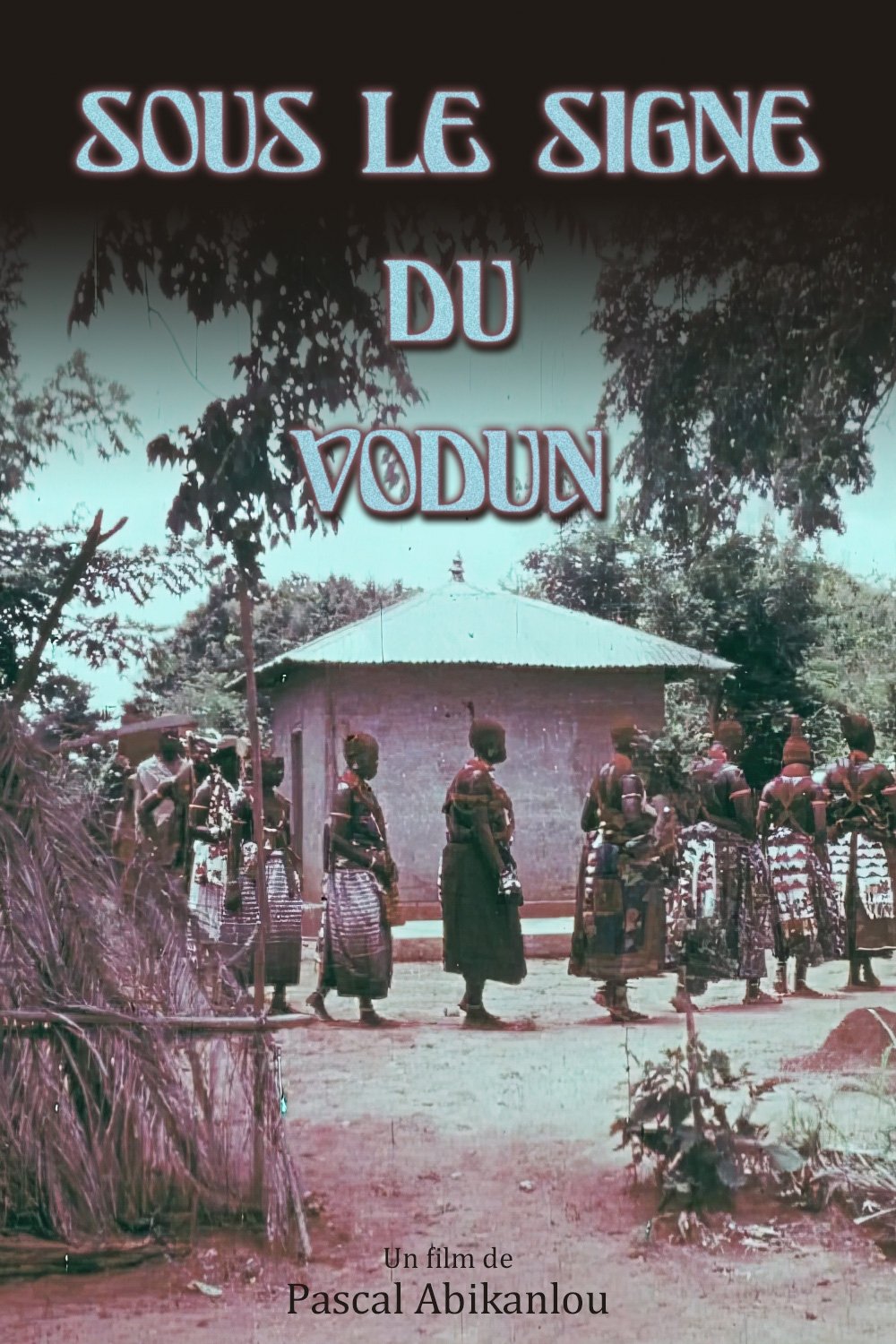
A young man having omitted to make the ritual offerings of voodoo, suffers the wrath of the spirits.
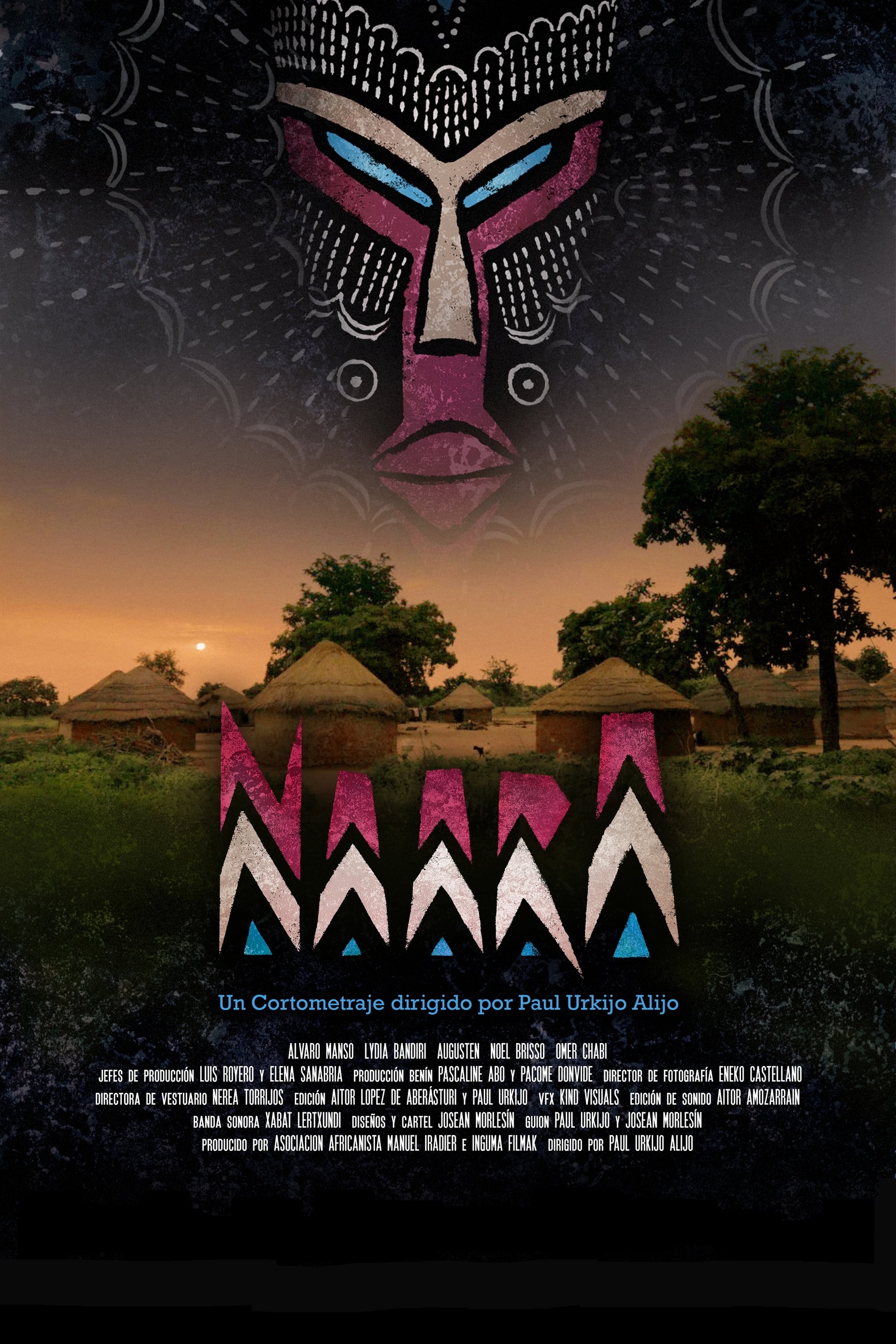
David, a clueless and cocky Spanish video blogger traveling in Africa, arrives in Benin, where he accidentally finds the truth behind an ancient legend.
Adopted at the age of ten from her homeland of Bénin, West Africa, and raised in an abusive household in Connecticut, Chef Adé Carrena travels back home on a journey to reclaim her identity through food and represent what was taken away from her across the Diaspora.
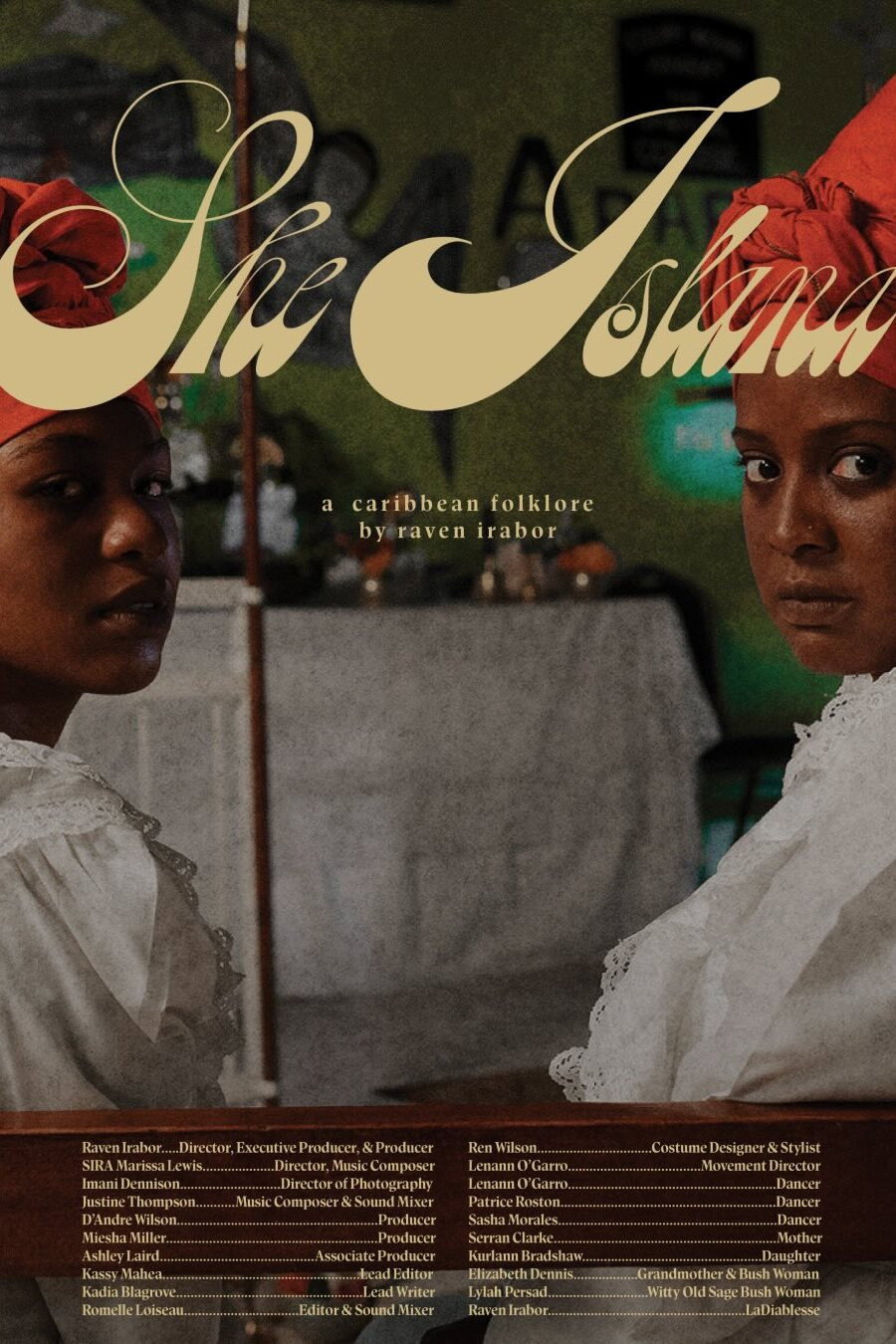
In the heart of the Caribbean, a mother and daughter confront a malevolent curse erasing identities of all the island's women, propelling them on a daring quest to reclaim their rich cultural heritage and triumph over the encroaching darkness.
Esosa, Fatouma, and Giselle, three women trafficked as teenagers who reunite seventeen years later to dismantle the powerful men behind their pain. From the streets of Lagos to the shadows of Abidjan and Cotonou, they execute a cold, calculated mission, each move sharpened by trauma, sisterhood, and strategy.
In the oceanside village of Iyi, the revered Mama Efe acts as an intermediary between the people and the all-powerful water deity Mami Wata. But when a young boy is lost to a virus, Efe’s devoted but rebellious daughter Zinwe and skeptical protégé Prisca warn Efe about unrest among the villagers. With the sudden arrival of a mysterious rebel deserter named Jasper, a conflict erupts, leading to a violent clash of ideologies and a crisis of faith for the people of Iyi.
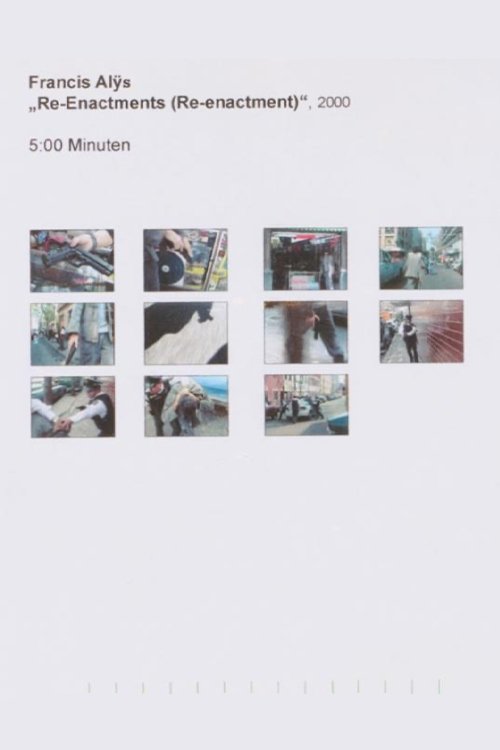
For this work Alÿs purchased a gun in Mexico City then walked through the city streets with the weapon in his hand. After eleven minutes he was arrested by the police. The following day he repeated the action, this time in cooperation with the police. By presenting a record of this dramatic action alongside footage of its reenactment, Alÿs blurs the boundaries between documentation and fiction. Questioning the concept of authenticity, this work demonstrates “how media can distort and dramatize the immediate reality of a moment,” the artist has said. Gallery label from Francis Alÿs: A Story of Deception, May 8–August 1, 2011.
Experimental Video Opera.
Through deeply personal interviews with her siblings and an examination of the photographs, letters, and belongings left behind, Mariska assembles a new portrait of her mother Jayne Mansfield, an extraordinary and complex woman.
In an intimate and joyful story of love in the face of loss, celebrated poets Andrea Gibson and Megan Falley find strength—and unexpected hilarity—in what might be their final year together.
A string of threatening emails escalates into a revenge plot involving a newly married US marshal and his ex-girlfriend.
An inside look at one of the most anticipated movie sequels ever with James Cameron and cast.
A documentary on the expletive's origin, why it offends some people so deeply, and what can be gained from its use.
Follow the evolution of the 'Halloween' movies over the past twenty-five years. It examines why the films are so popular and revisits many of the original locations used in the films - seeing the effects on the local community. For the first time, cast, crew, critics and fans join together in the ultimate 'Halloween' retrospective.
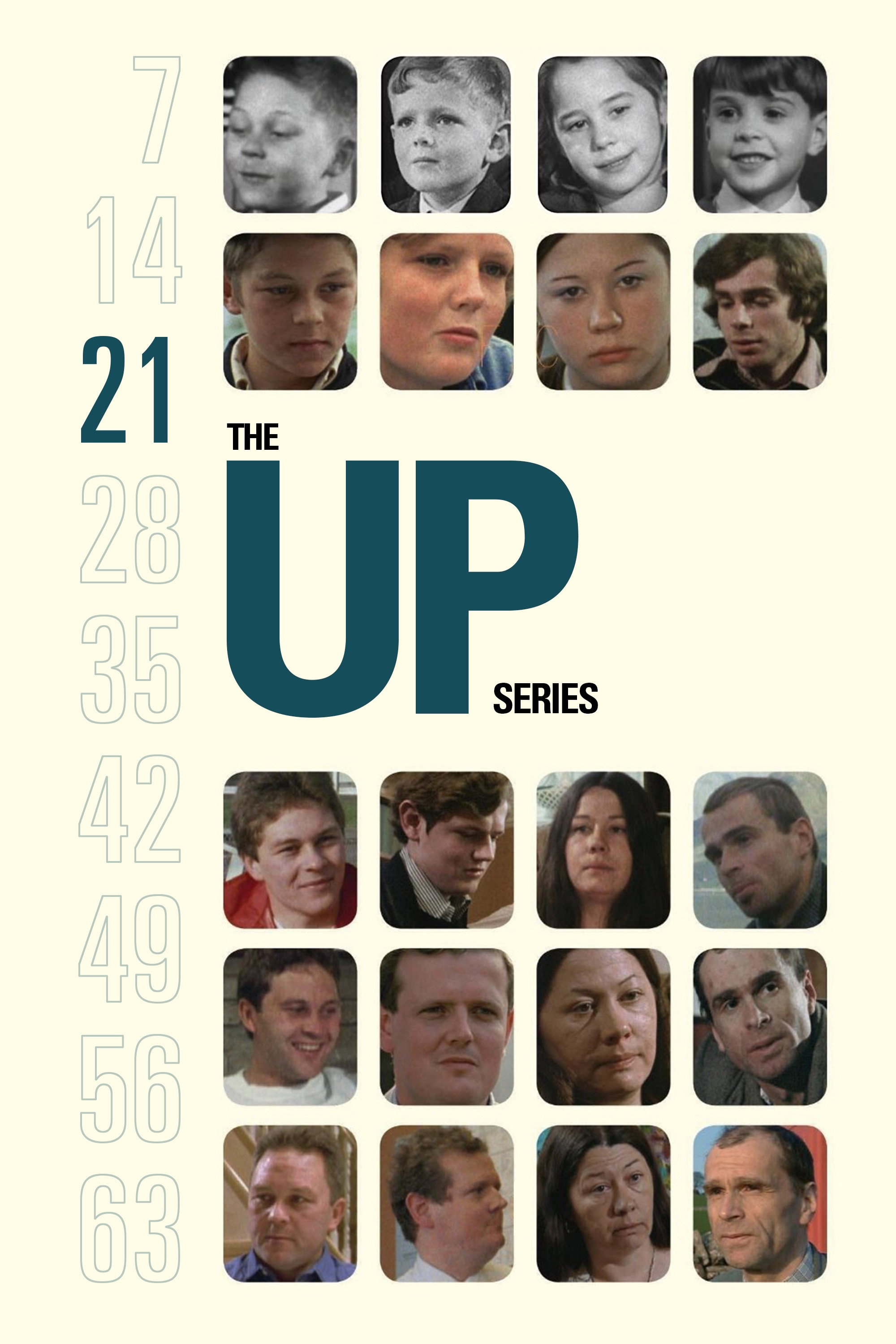
After another 7 year wait, director Michael Apted revisits the same group of British-born children from Seven Up! and 7 Plus Seven. The subjects are interviewed as to the changes that have occurred in their lives during the last seven years.
This documentary focuses on the actors and their journey over two summers to create the remake to the original IT, by Stephen King. The documentary originally released as bonus material, bundled with IT: Chapter Two.
A visual montage portrait of our contemporary world dominated by globalized technology and violence.
A tribute to Chadwick Boseman, celebrating his life and legacy.
Director Michael Apted revisits the same group of British-born adults after a 7 year wait. The subjects are interviewed as to the changes that have occurred in their lives during the last seven years.
A documentary about the making of season five of the acclaimed AMC series Breaking Bad.
A documentary about the making of David Fincher's 2008 film THE CURIOUS CASE OF BENJAMIN BUTTON. Virtually every element in the evolution of the Fincher's film is documented here, from the project's attachment to numerous other directors during the 1990s, to its shoot in 2006 and 2007 in New Orleans, to its complex, CGI-intensive postproduction process.
Al Pacino's deeply-felt rumination on Shakespeare's significance and relevance to the modern world through interviews and an in-depth analysis of "Richard III."
Using the book 'Fragments', which collects Marilyn Monroe's poems, notes and letters, and with participation from the Arthur Miller and Truman Capote estates who have contributed more material, each of the actresses will embody the legend at various stages in her life.
Brilliant, long in-the-works story of the life and art of the world's greatest comedian and the cinema's first genius, Charlie Chaplin. Produced, written and directed by renowned film critic Richard Schickel.
This revealing documentary honors the legendary Sidney Poitier—iconic actor, filmmaker, and civil rights activist. Featuring interviews with Denzel Washington, Spike Lee, Halle Berry, and more.
A candid look at rehearsal footage in support of a focus on pre-viz.
In a crime-plagued neighborhood near Miami, brutal, bare-knuckled backyard fights give young men a chance to earn money -- and self-respect.
Film adaptation of French economist Thomas Piketty's ground-breaking global bestseller of the same name: an eye-opening journey through wealth and power.