Social & External
The people behind it
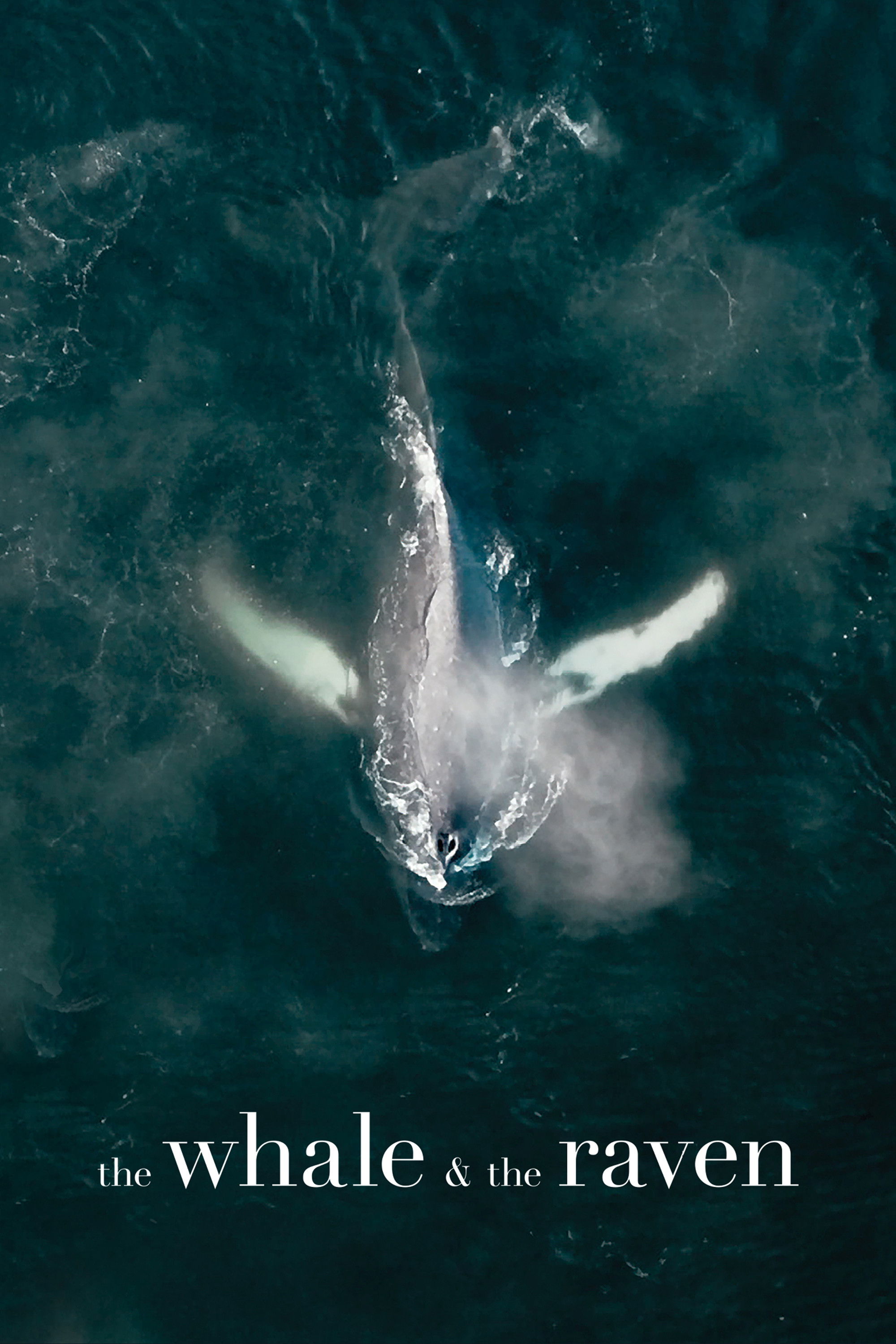
Director Mirjam Leuze’s The Whale and The Raven illuminates the many issues that have drawn whale researchers, the Gitga’at First Nation, and the Government of British Columbia into a complex conflict. As the people in the Great Bear Rainforest struggle to protect their territory against the pressure and promise of the gas industry, caught in between are the countless beings that call this place home.
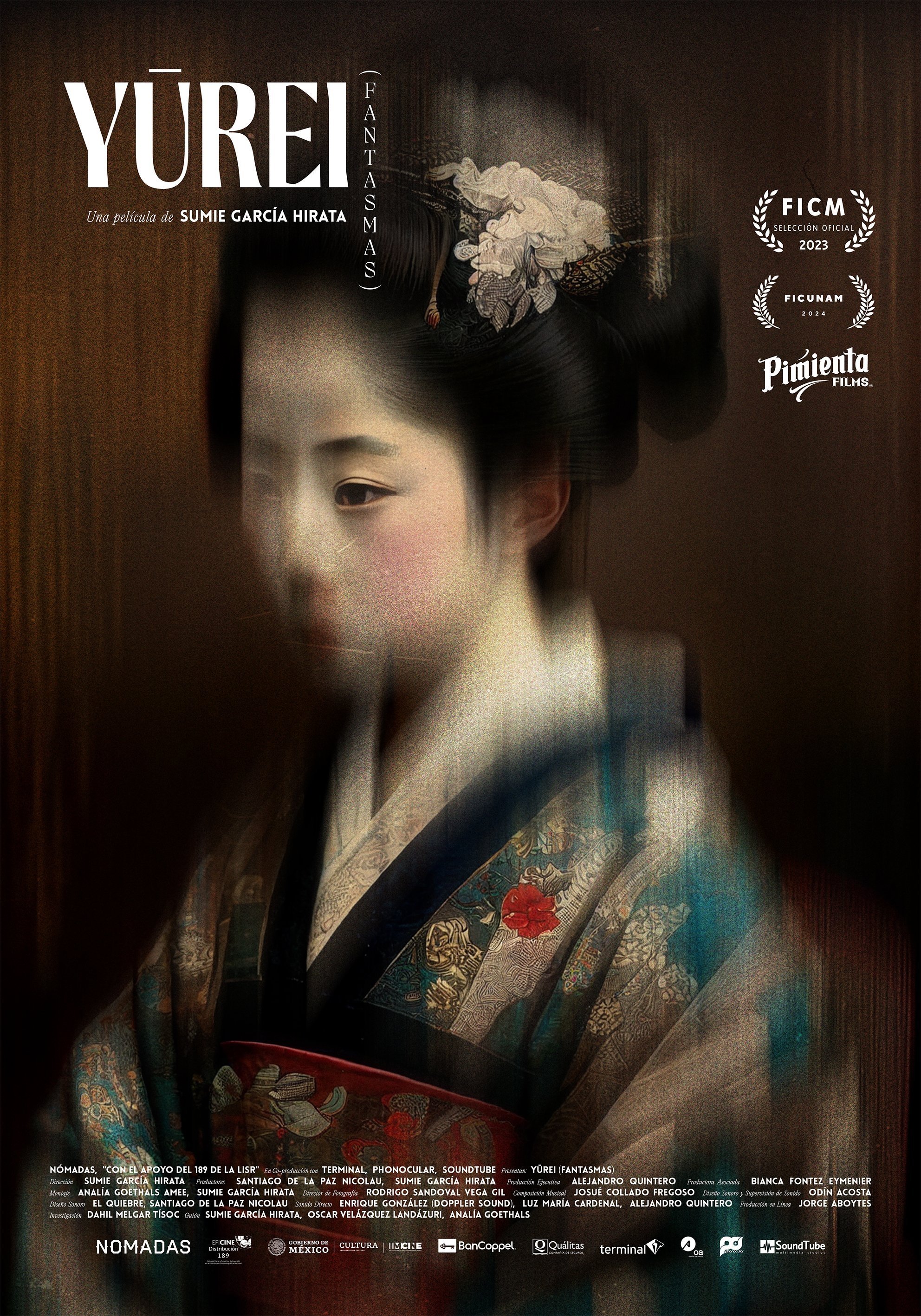
The veiled story of Japanese diaspora in Mexico and the endurable impact of historic silence in its descendants is portrayed through testimonies and an exploration of landscape and choreography, questioning the formation and theatricality of individual and collective identity. When everything that's left of history are memories, how are invisible wounds healed? Yurei goes through different zones in Mexico towards an exploration of memory.
Idak-Idak-Idak is a hybrid-documentary relating the stolen Lombok Treasures with the Sasak diaspora through three generations of women: a daughter, her mother, and her grandmother. Blending full-spectrum cinematography with personal footage, this film moves between Indonesia and the Netherlands to examine colonial legacies, displacement and healing the heart of home. In Sasak, "Idak" can be interpreted as both “heart” and “absence”, becoming a container for memory, loss, and the unseen layers of the self between generations.
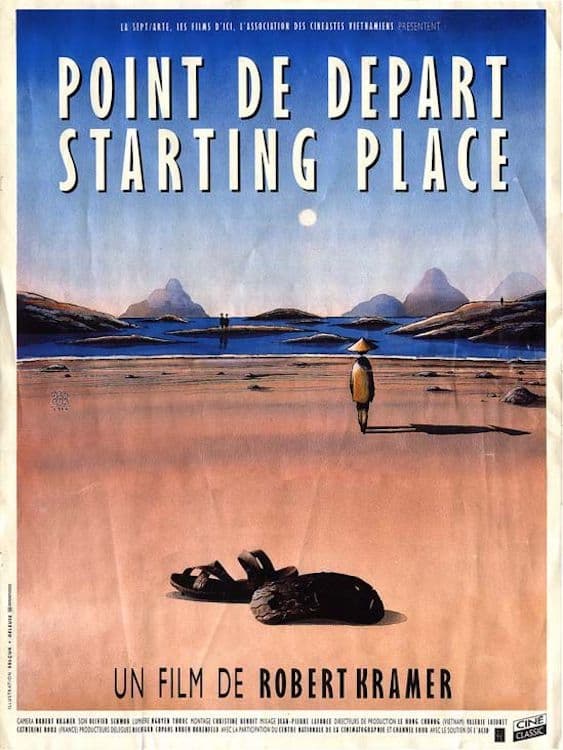
In this film from late in his career, Kramer returns to Hanoi after nearly 25 years to re-envision the city’s struggle through an uncertain and daunting past, present, and future. The Vietnamese characters in the film are diverse: Kramer’s former guide from an earlier visit in 1969; a tight-rope walker in the national circus; a man who took photos of B-52s and another who lost his fingers shooting them down.
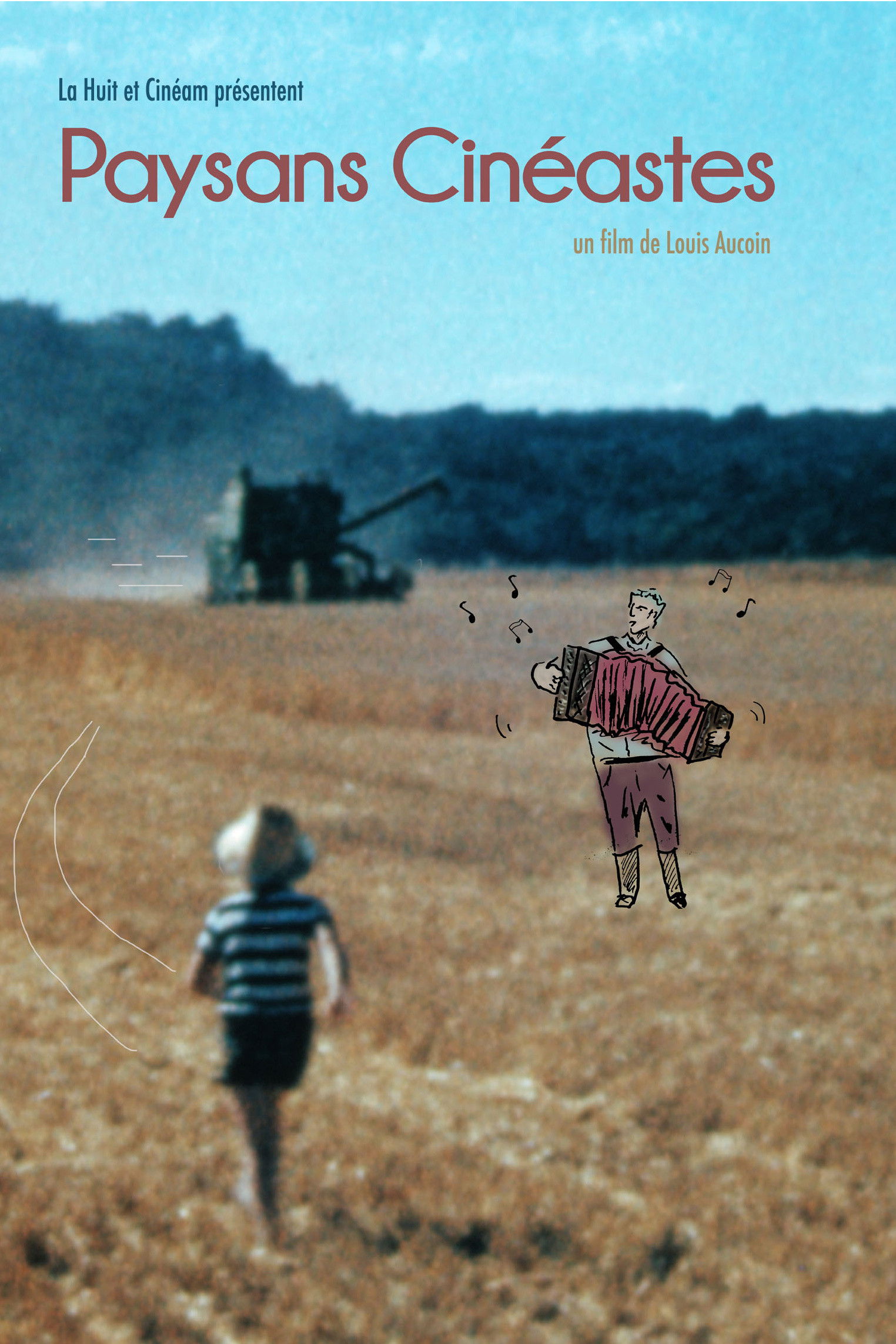
Farmers in the Île-de-France region, they filmed life on the farm, working in the fields, and family and village celebrations on 8 mm or Super 8 film. From the 1950s to the 1980s, these testimonies unfold a history of rural life: we move away from a peasant and family model to industrial agriculture for export. Through these family images, I attempt to answer my own questions about our agricultural future. In the 1950s, the land of Île-de-France fed us.
This short documentary is part of the Canada Carries On series of morale-boosting wartime propaganda films. In Home Front, the various WWII-era social contributions of women are highlighted. From medicine to industrial labour to hospitality, education and domesticity, the service these women provided to their country is lauded.
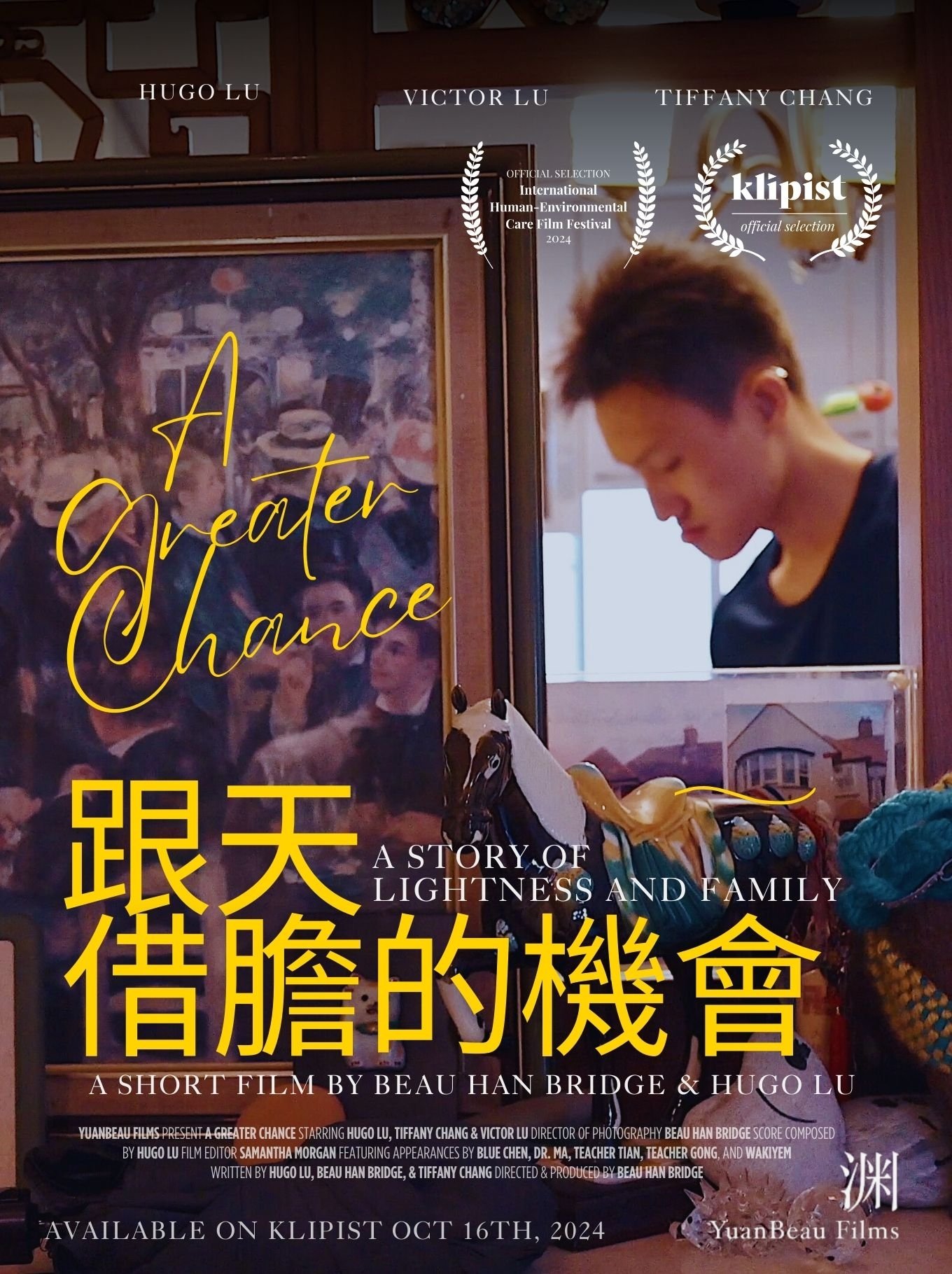
Upon learning of his father's terminal illness diagnosis, a young, autistic, hearing-impaired artist travels back to Taiwan with a filmmaker to make a film in his honour.
After their success climbing the world’s hardest offwidth, the Wide Boyz, Pete Whittaker and Tom Randall, embark on their next crack climbing mission. This time their sights are set on the thinner end of the crack climbing spectrum. Their goal is the mighty Cobra Crack in Squamish BC, considered to be the hardest finger crack in the world. First climbed by Canadian ‘rock star’ Sonnie Trotter after battling it out with Didier Berthod, the route hit the media spotlight in the film First Ascent. With no local hard cracks to train on, the Wide Boyz refit their underground training dungeon and commit to a year of torturous finger training. With only a short trip to Canada planned, the Boyz face their biggest challenge yet against the sharp granite bite of the mighty Cobra Crack!
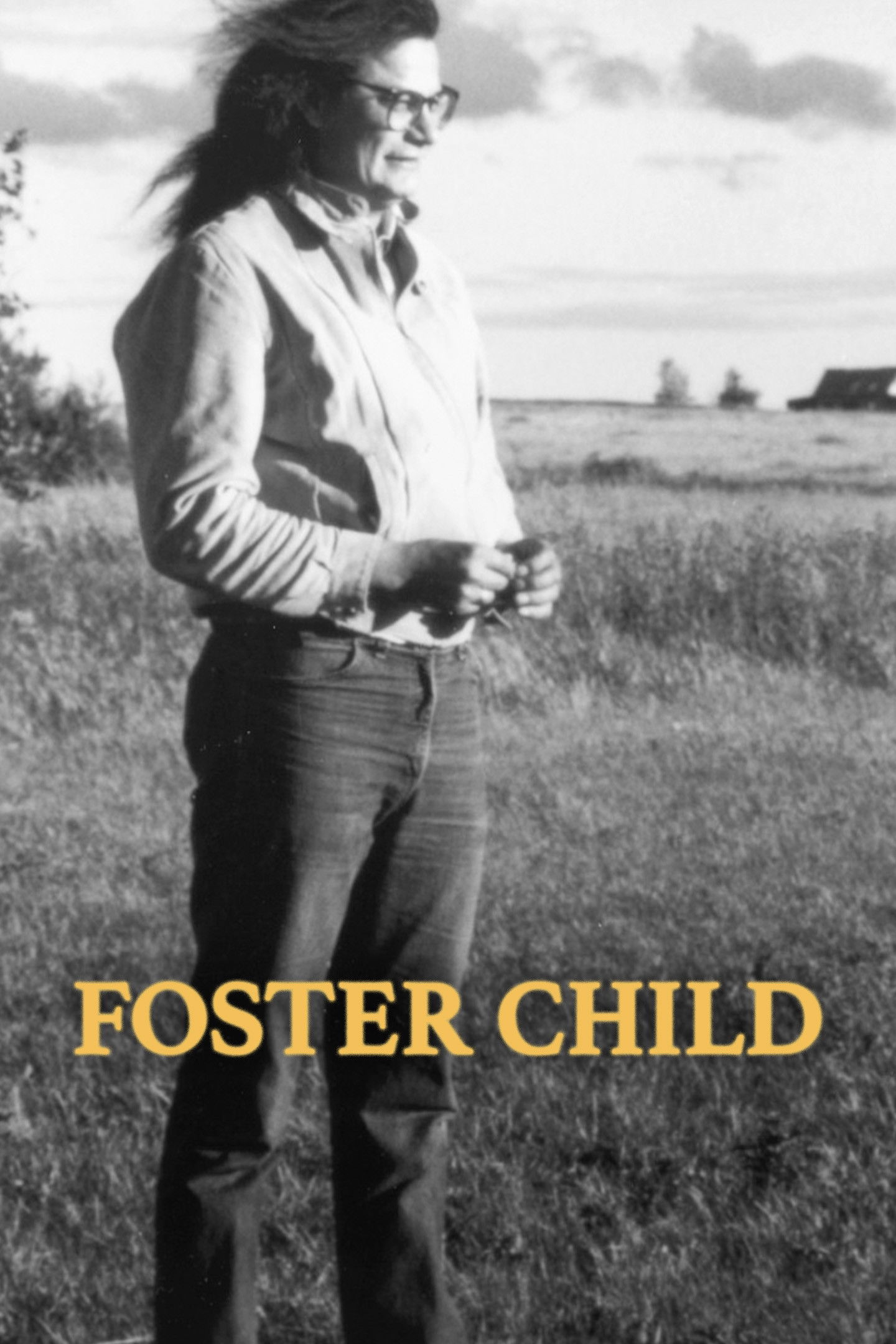
Gil Cardinal searches for his natural family and an understanding of the circumstances that led to his becoming a foster child. An important figure in the history of Canadian Indigenous filmmaking, Gil Cardinal was born to a Métis mother but raised by a non-Indigenous foster family, and with this auto-biographical documentary he charts his efforts to find his biological mother and to understand why he was removed from her. Considered a milestone in documentary cinema, it addressed the country’s internal colonialism in a profoundly personal manner, winning a Special Jury Prize at Banff and multiple international awards.
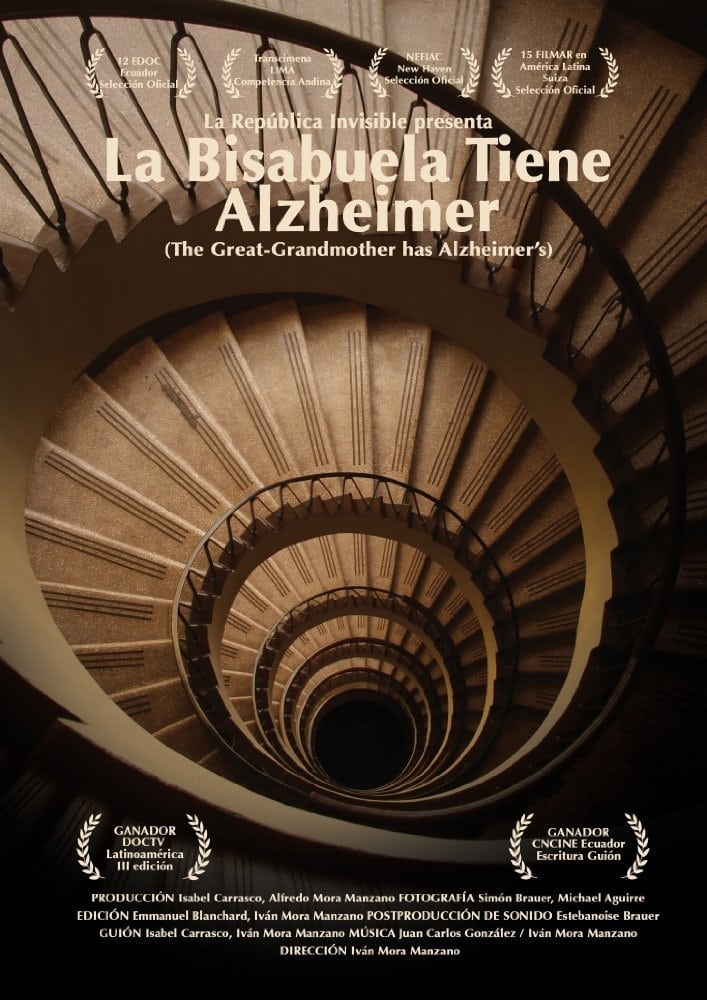
A meeting between the daughter and the grandmother of the director, Iván Mora Manzano, at a time when the memories of one, the girl’s, were taking shape, and the other’s the grandmother’s, were vanishing. This starting point is used as a pretext to talk about other topics such as the importance of family memories and the search for memory.
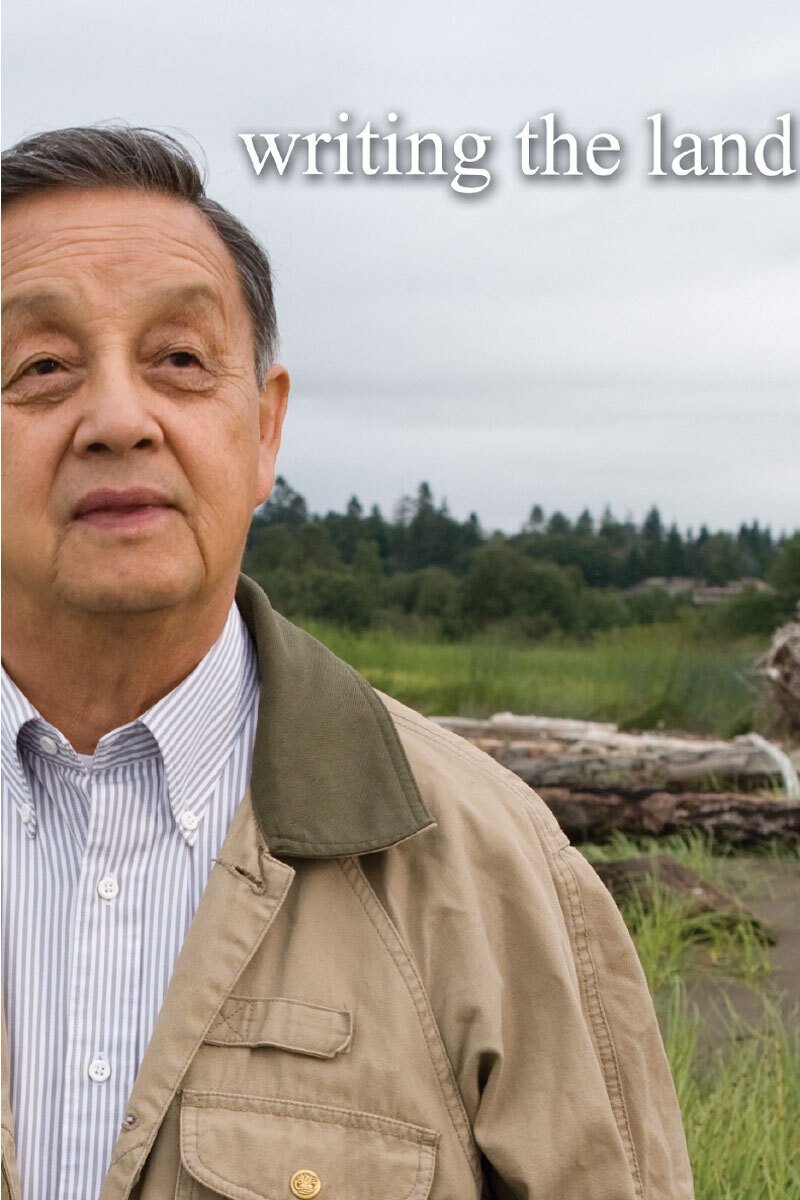
In this short documentary, a Musqueam elder rediscovers his Native language and traditions in the city of Vancouver, in the vicinity of which the Musqueam people have lived for thousands of years. Writing the Land captures the ever-changing nature of a modern city - the glass and steel towers cut against the sky, grass, trees and a sudden flash of birds in flight and the enduring power of language to shape perception and create memory.
“Our memories are marked by smells. Bound together by their olfactory sensitivity, a daughter leads her father to question his family heritage: together they go through their double mourning, that of a grandmother and a childhood in Algeria. How do you face up to the fear of vanishing ghosts?”
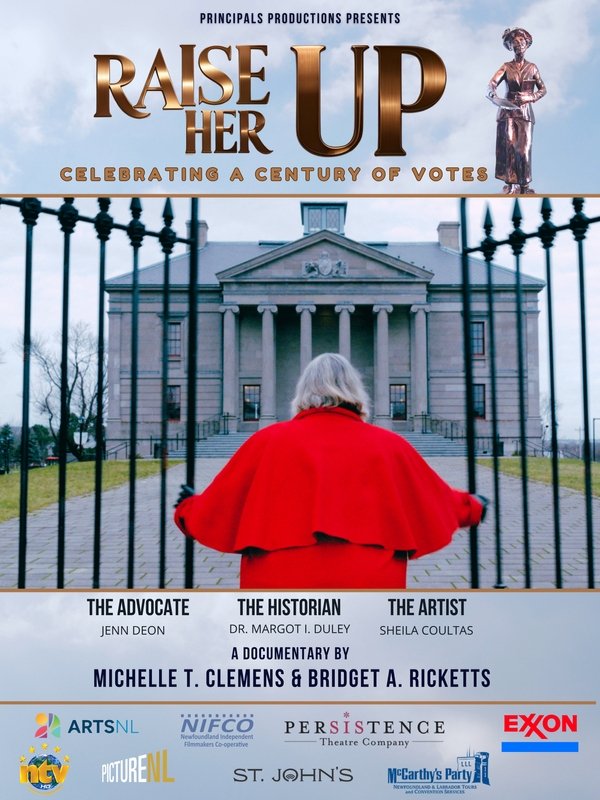
Raise Her Up follows the historian, advocate, and artist creating a statue of Armine Gosling, marking 100 years of womens suffrage in Newfoundland.
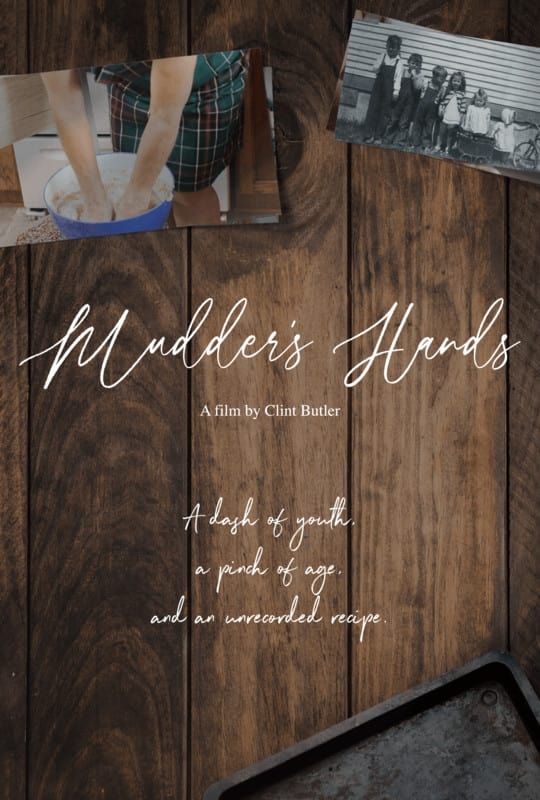
A dash of youth, a pinch of age, and an unrecorded recipe: Mudder's Hands is a charming documentary conversation about arthritis, centered around the tradition of baking Newfoundland raisin bread.
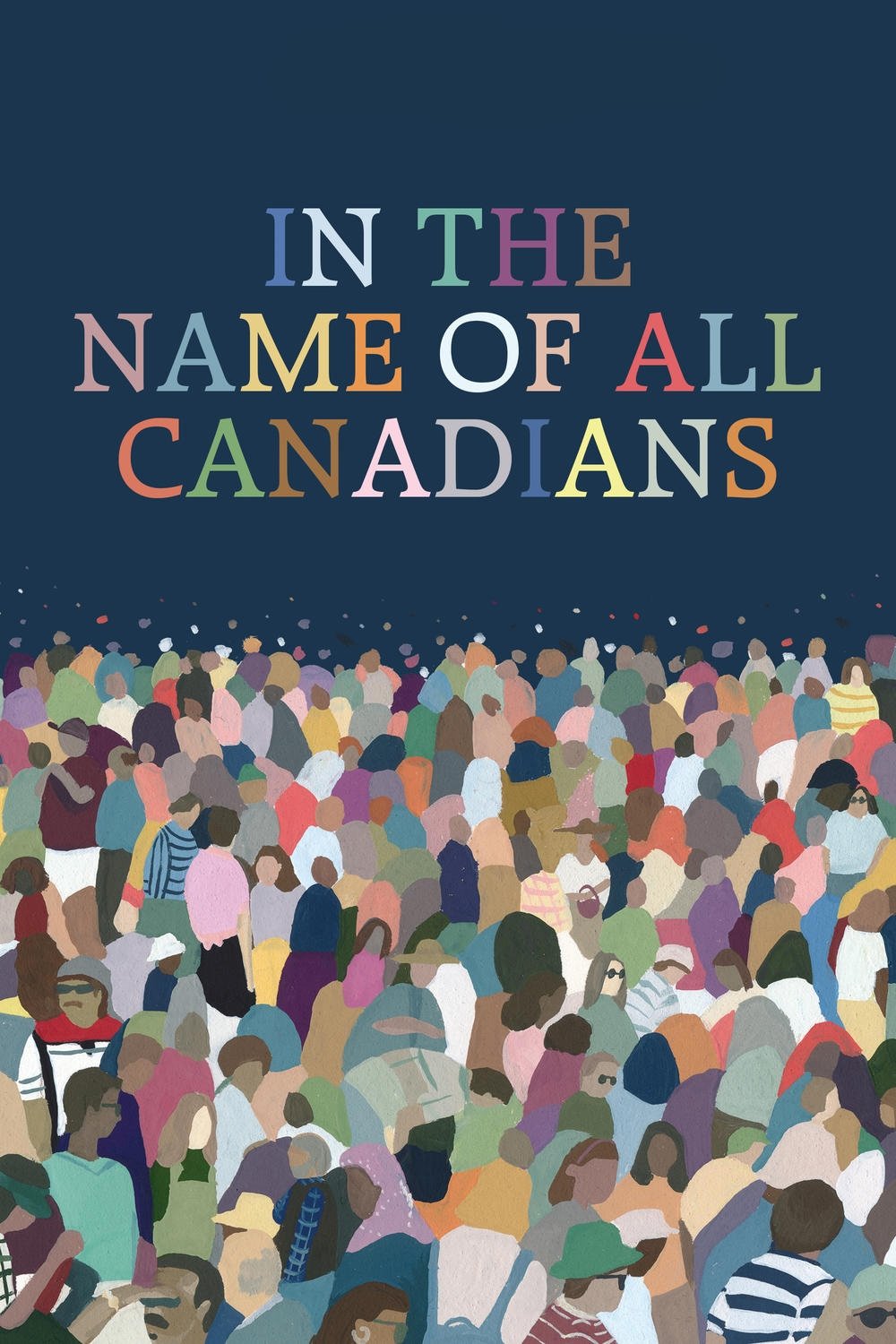
Hot Docs will commemorate Canada's 150th anniversary of Confederation with the commissioning of In the Name of All Canadians, a compilation of six short documentaries inspired by Canada’s Charter of Rights and Freedoms. From Indigenous rights to multiculturalism to the controversial ‘notwithstanding clause,’ participating filmmakers have each selected a specific aspect of the Charter to explore, looking at how it resonates in the stories of their fellow Canadians.
The King family is from Badger's Quay near Greenspond, Newfoundland with over 40 family relatives still living there. The entire community has a population of only 400. Actor/musician Greg King takes us on tour of his family homes, and to meet his father and sister, who work at the hospital where they were all born. They tell of the importance of family and the irony of feeling worldly while connected to a small community in central Newfoundland.
Short film about racism.
In this searing documentary, Indigenous people share heartbreaking stories that reveal the injustices inflicted by the Canadian child welfare system.
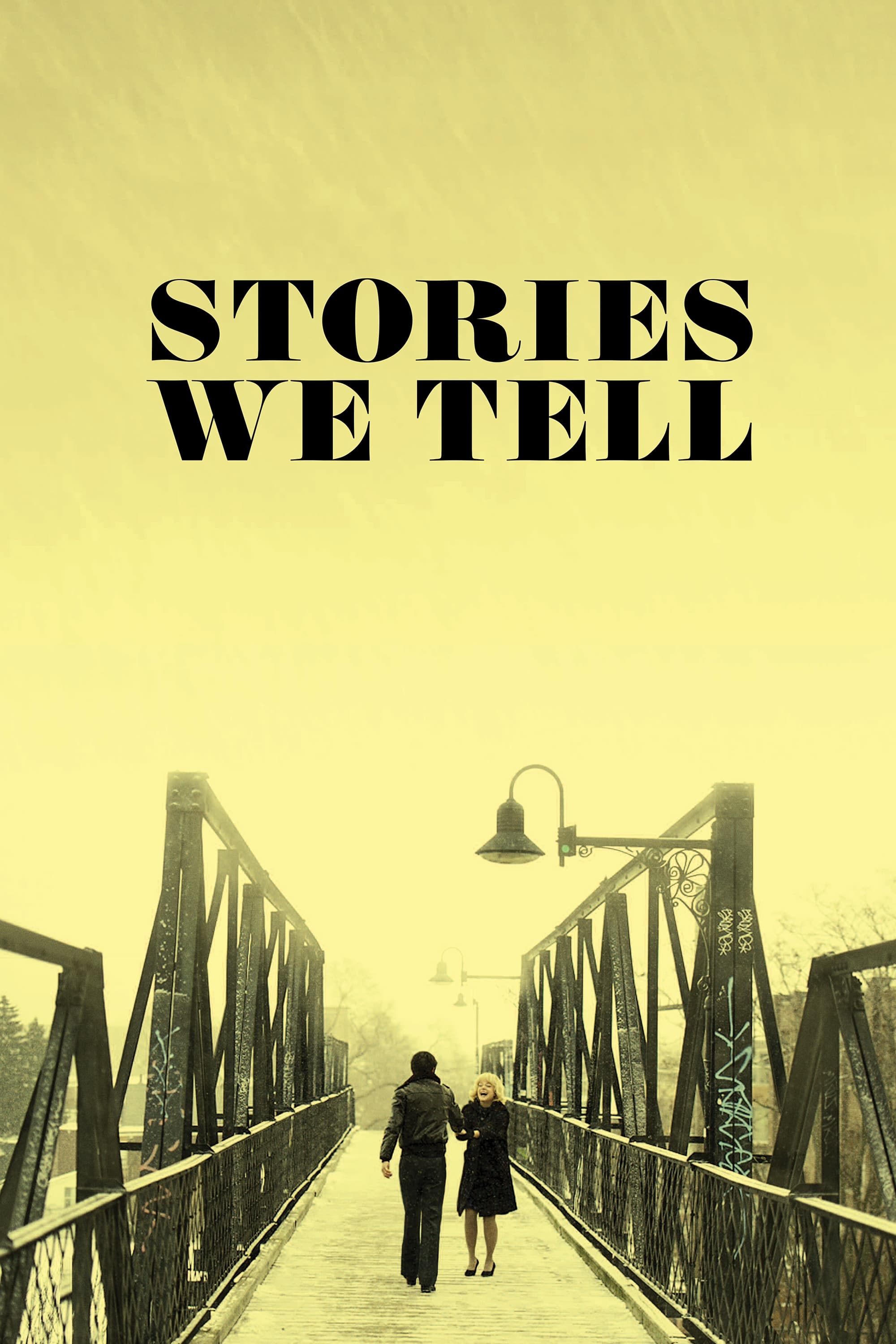
Canadian actress and filmmaker Sarah Polley investigates certain secrets related to her mother, interviewing a group of family members and friends whose reliability varies depending on their implication in the events, which are remembered in different ways; so a trail of questions remains to be answered, because memory is always changing and the discovery of truth often depends on who is telling the tale.
A string of threatening emails escalates into a revenge plot involving a newly married US marshal and his ex-girlfriend.
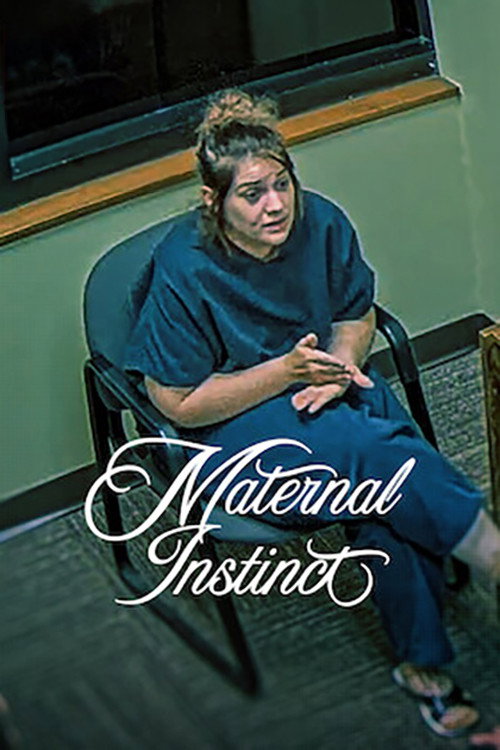
Police pull over a woman who claims she just gave birth. But the baby — and the blood — aren't hers. Twisted lies unravel in this true-crime documentary.
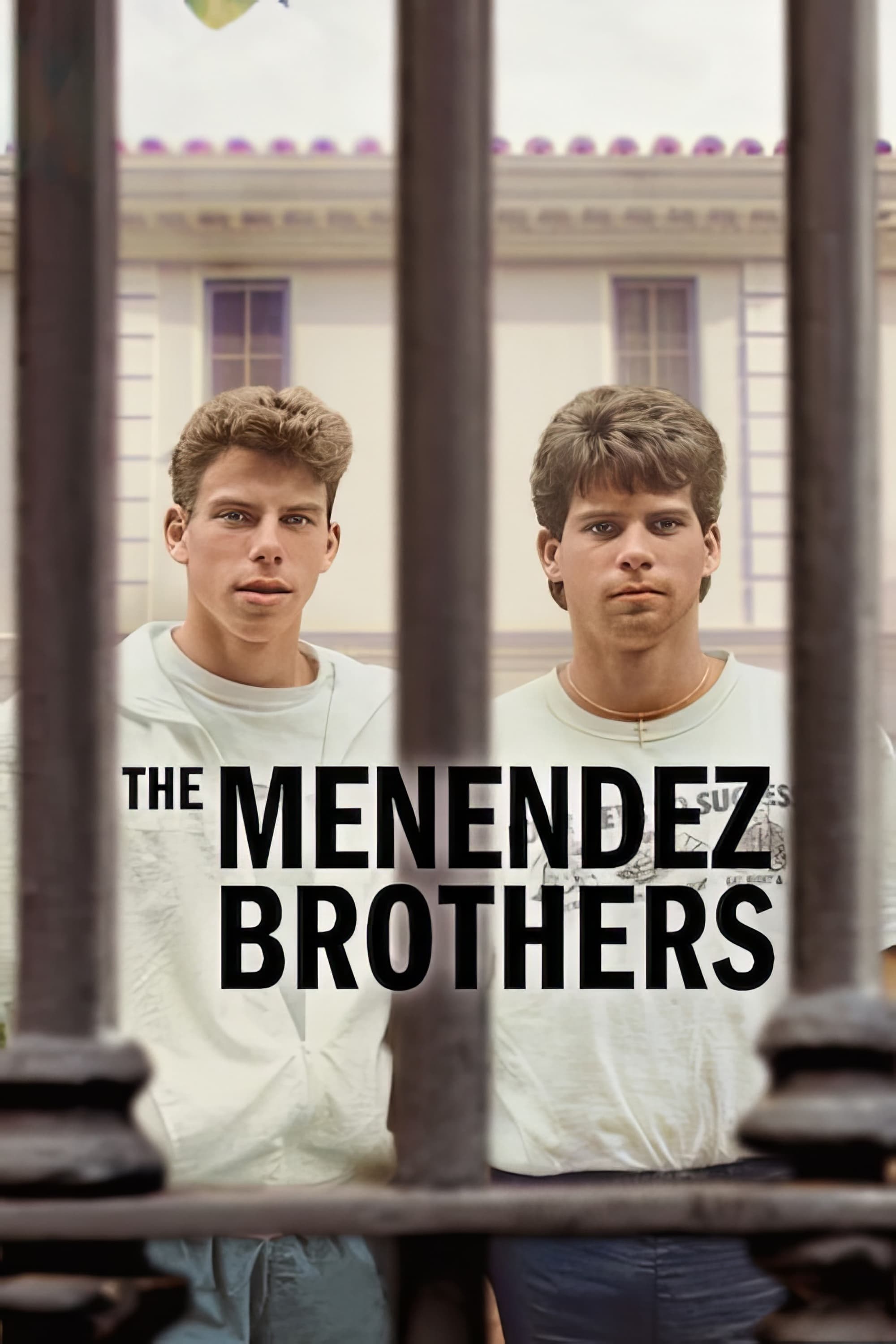
Serving life in prison for murdering their parents, Lyle and Erik Menendez speak out in this documentary explaining the shocking crime and ensuing trials.
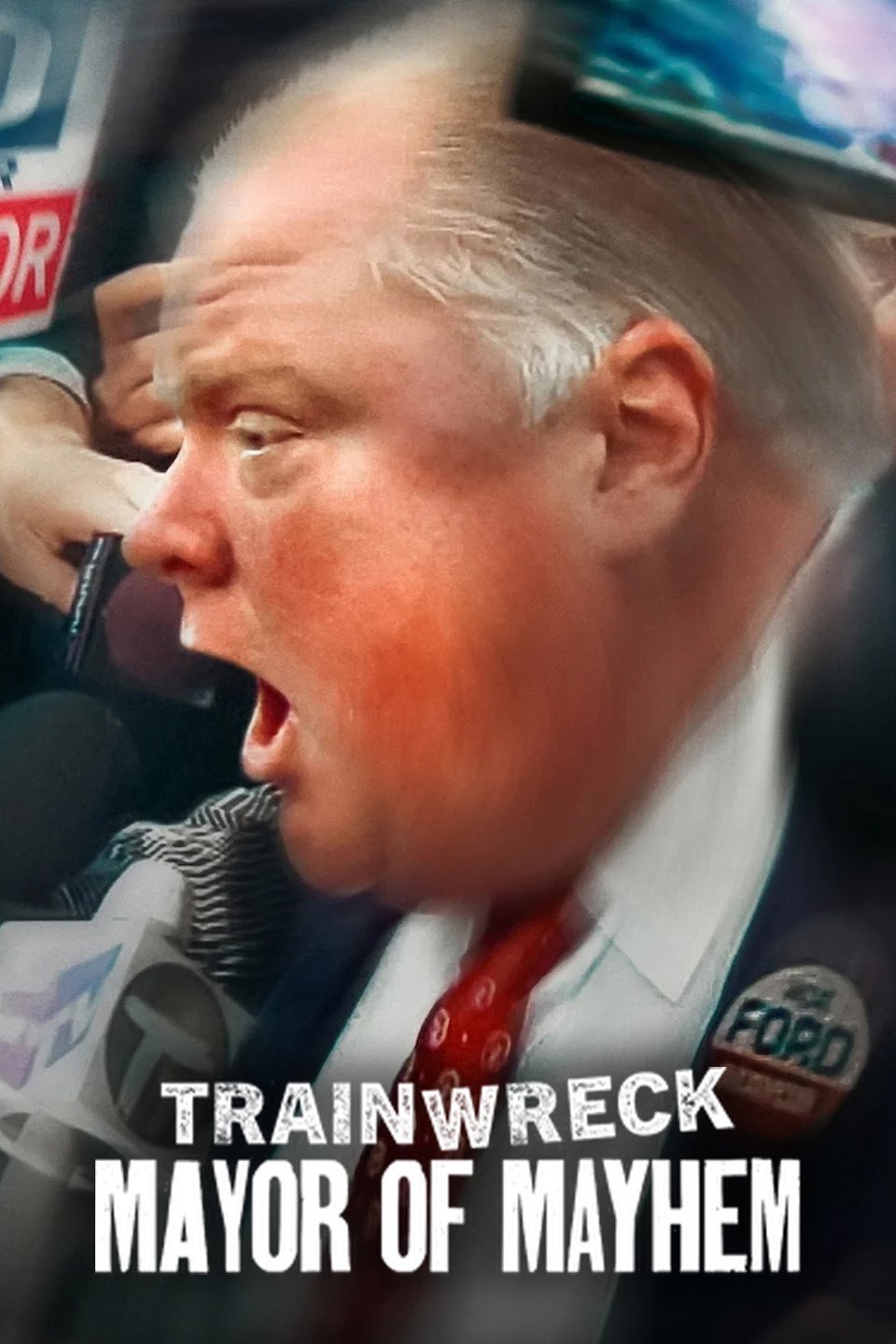
Rob Ford scandalized Canadian politics as the brash yet beloved mayor of Toronto — until an infamous video of him smoking crack sparked his downfall.
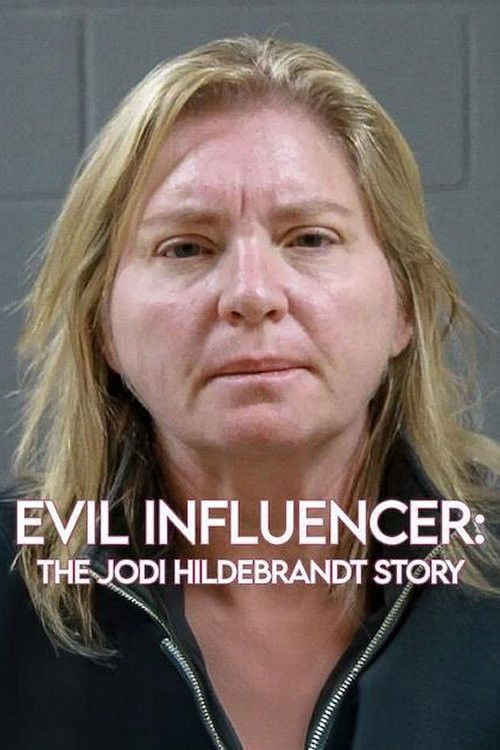
Unravel the case of Utah therapist Jodi Hildebrandt, whose child abuse arrest with parenting YouTuber Ruby Franke exposed a twisted tale of manipulation.
This revealing documentary honors the legendary Sidney Poitier—iconic actor, filmmaker, and civil rights activist. Featuring interviews with Denzel Washington, Spike Lee, Halle Berry, and more.
Those who knew iconic funnyman John Candy best share his story, in their own words, through never-before-seen archival footage, imagery, and interviews.
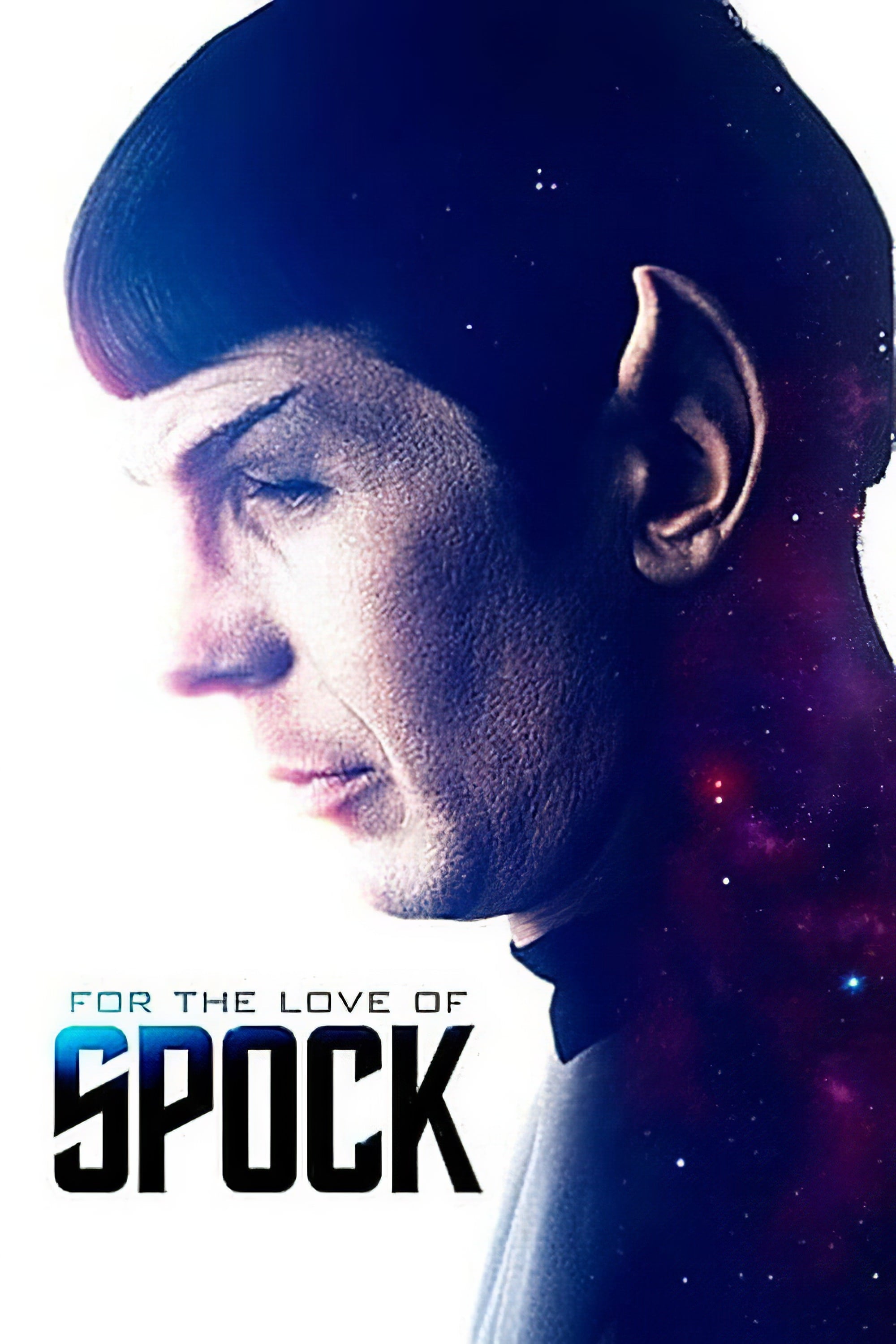
The life of Mr. Spock, as well as that of Leonard Nimoy, the actor who played him for almost fifty years, written and directed by his son: Adam.
Al Pacino's deeply-felt rumination on Shakespeare's significance and relevance to the modern world through interviews and an in-depth analysis of "Richard III."
A purely observational non-fiction film that takes viewers into the ethically murky world of end-of-life decision making in a public hospital.
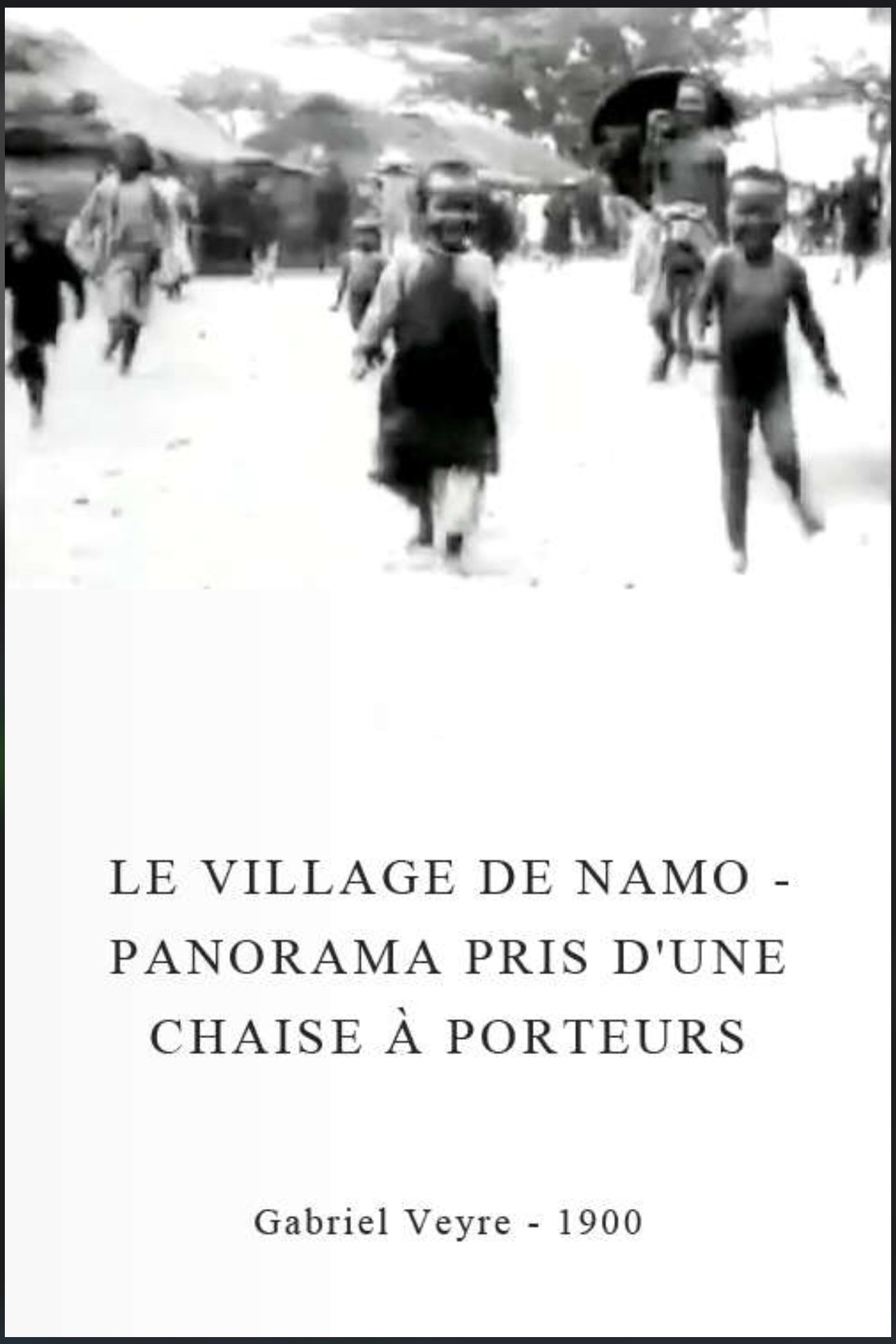
The film is a panorama shot-scene lasting just under a minute. The panorama film, as coined by Lumière, is a moving-camera shot--usually accomplished by placing the camera on a moving transport, such as a boat or train.
Director Michael Apted revisits the same group of British-born adults after a 7 year wait. The subjects are interviewed as to the changes that have occurred in their lives during the last seven years.
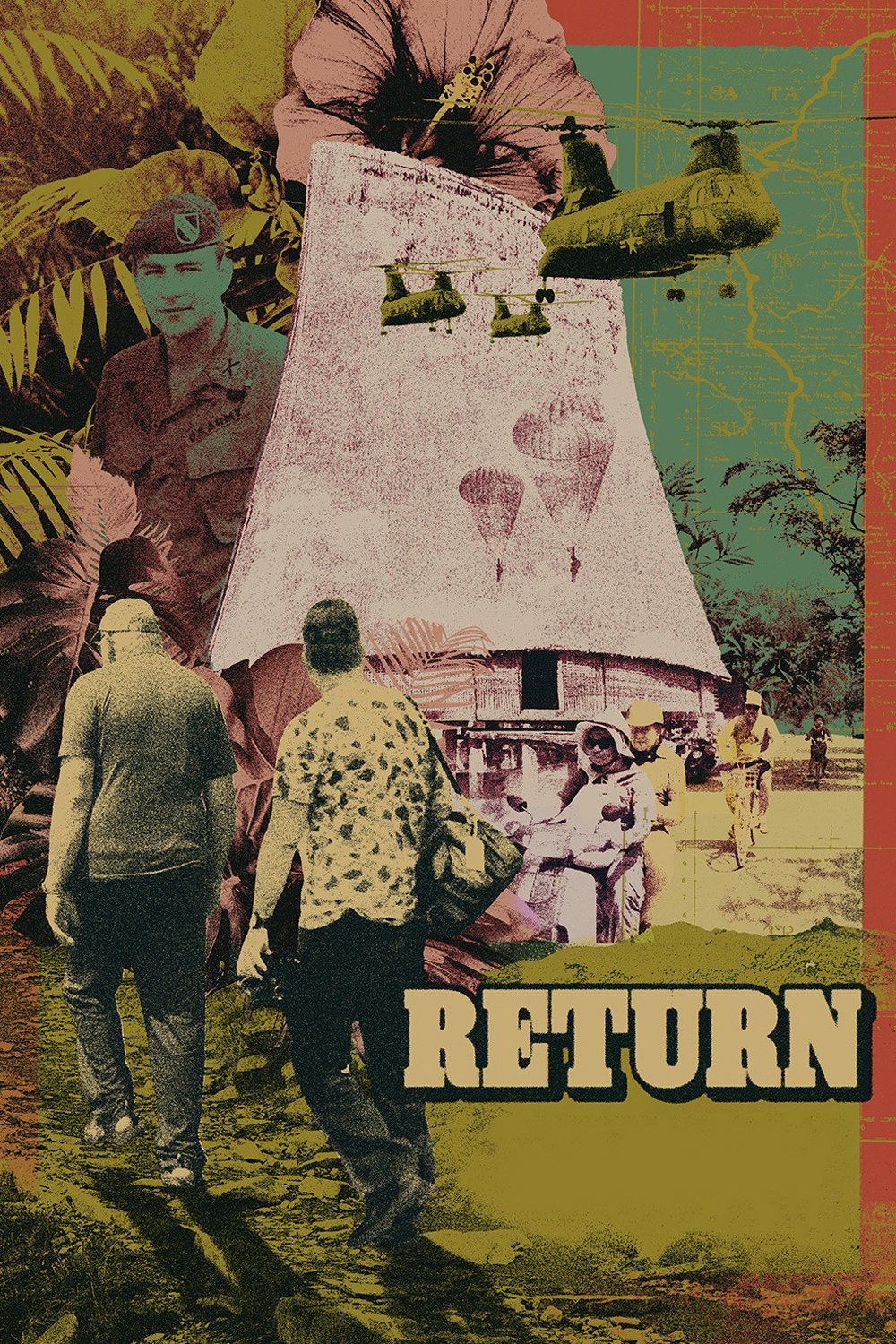
RETURN tells the story of a retired Green Beret who embarks on a healing journey from Montana to Vietnam. There he retraces his steps, shares his wartime experiences with his son, treats his Post-Traumatic Stress Disorder, and seeks out the mountain tribespeople he once lived with and fought alongside as a Special Forces officer.
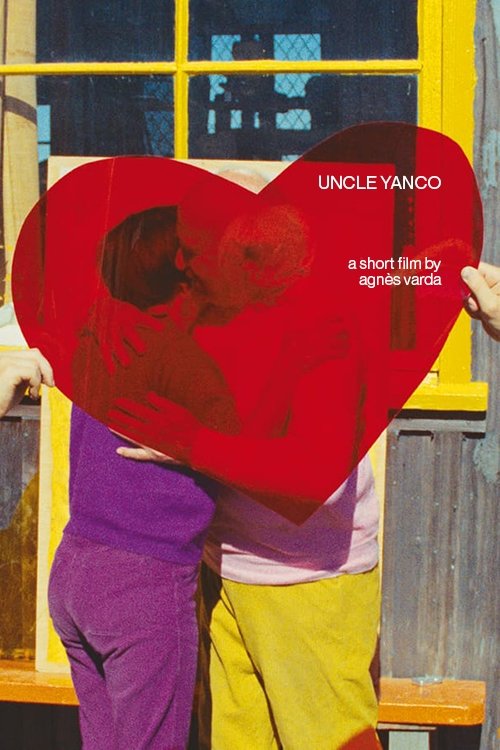
While in San Francisco for the promotion of her last film in October 1967, Agnès Varda, tipped by her friend Tom Luddy, gets to know a relative she had never heard of before, Jean Varda, nicknamed "Yanco". This hitherto unknown uncle lives on a boat in Sausalito, is a painter, has adopted a hippie lifestyle and loves life. The meeting is a very happy one.
The Making-of James Cameron's Avatar. It shows interesting parts of the work on the set.
In the past 40 years, the War on Drugs has accounted for 45 million arrests, made America the world's largest jailer, and destroyed impoverished communities at home and abroad. Yet drugs are cheaper, purer, and more available today than ever. Where did we go wrong?
Through deeply personal interviews with her siblings and an examination of the photographs, letters, and belongings left behind, Mariska assembles a new portrait of her mother Jayne Mansfield, an extraordinary and complex woman.
The film follows adventurer Jeff Johnson as he retraces the epic 1968 journey of his heroes Yvon Chouinard and Doug Tompkins to Patagonia.
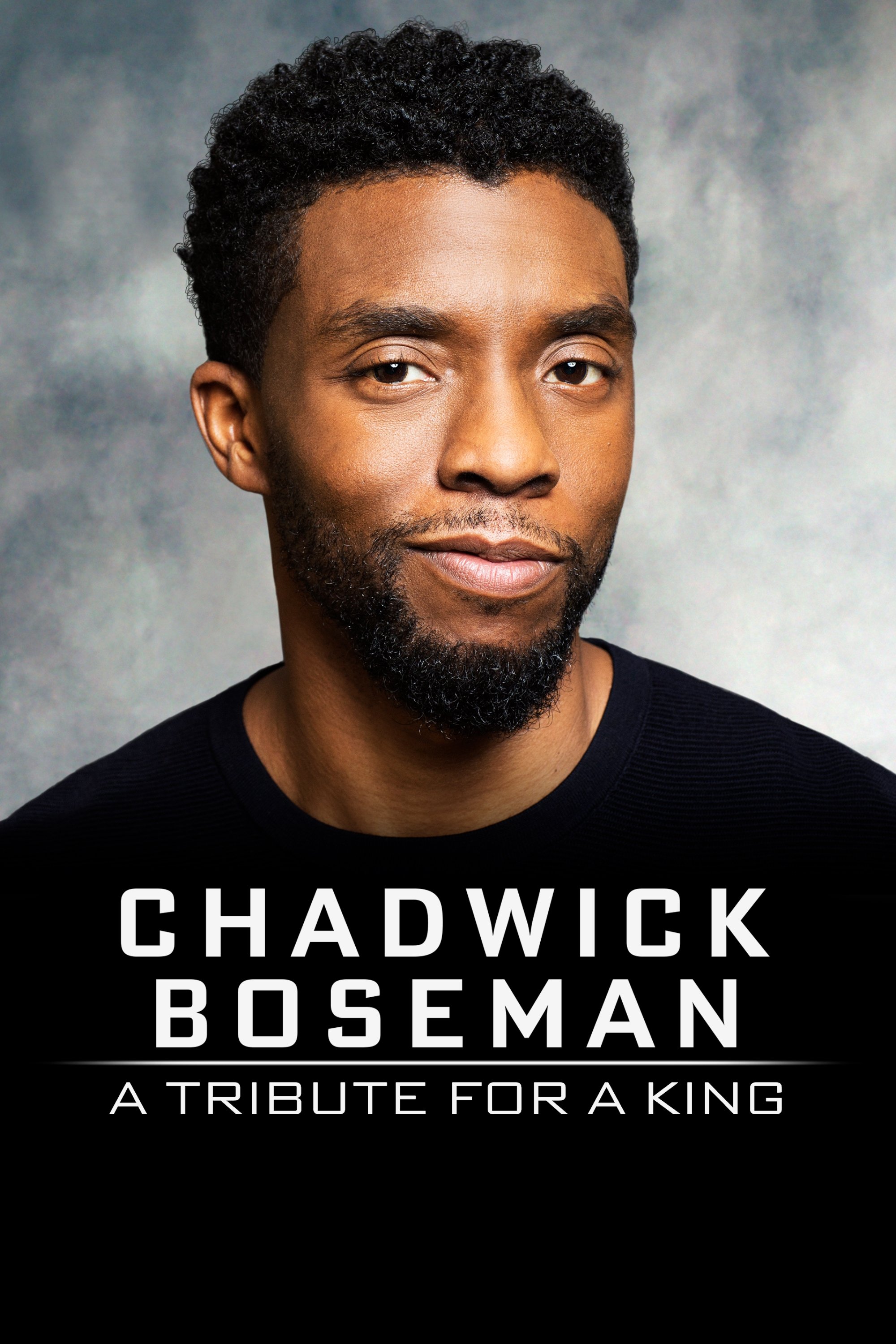
A tribute to Chadwick Boseman, celebrating his life and legacy.