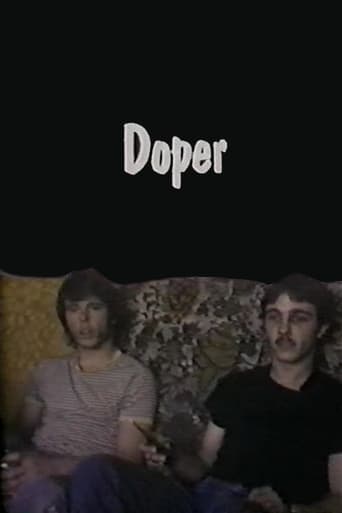
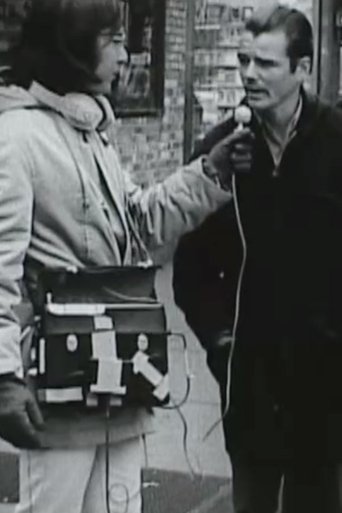
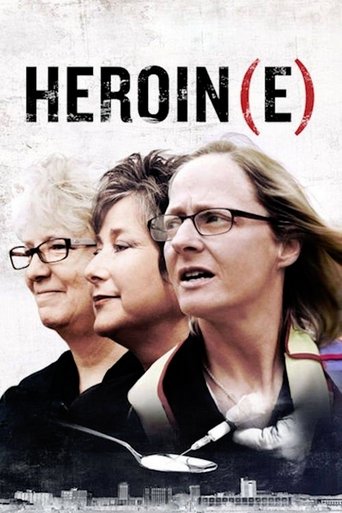
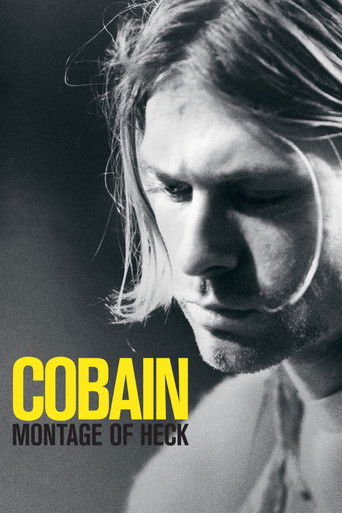
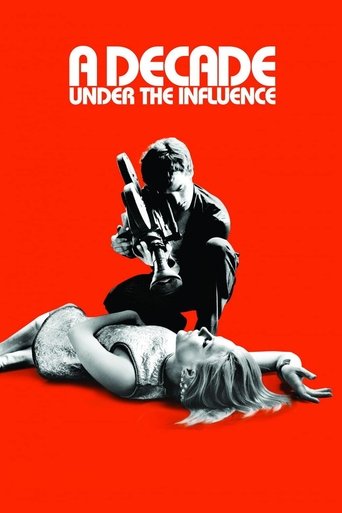
In the early 1970s, a group of young volunteers, the Free Youth Clinic of Winnipeg, operated a "crisis bus" to rescue young people experiencing bad drug trips, usually from LSD.
Social & External
A coming of age celebration about the year of 2023 through the eyes of a young filmmaker.
Two filmmakers journey to Arizona's Sonoran Desert to find bufo alvarus, a psychedelic toad. TOAD TO NOWHERE is a documentary about healing, hallucinogens, and looking within to explore the unknown.
This pioneering documentary film depicts the lives of the indigenous Inuit people of Canada's northern Quebec region. Although the production contains some fictional elements, it vividly shows how its resourceful subjects survive in such a harsh climate, revealing how they construct their igloo homes and find food by hunting and fishing. The film also captures the beautiful, if unforgiving, frozen landscape of the Great White North, far removed from conventional civilization.
This is not a film about gun control. It is a film about the fearful heart and soul of the United States, and the 280 million Americans lucky enough to have the right to a constitutionally protected Uzi. From a look at the Columbine High School security camera tapes to the home of Oscar-winning NRA President Charlton Heston, from a young man who makes homemade napalm with The Anarchist's Cookbook to the murder of a six-year-old girl by another six-year-old. Bowling for Columbine is a journey through the US, through our past, hoping to discover why our pursuit of happiness is so riddled with violence.
An intimate look at the Woodstock Music & Art Festival held in Bethel, NY in 1969, from preparation through cleanup, with historic access to insiders, blistering concert footage, and portraits of the concertgoers; negative and positive aspects are shown, from drug use by performers to naked fans sliding in the mud, from the collapse of the fences by the unexpected hordes to the surreal arrival of National Guard helicopters with food and medical assistance for the impromptu city of 500,000.
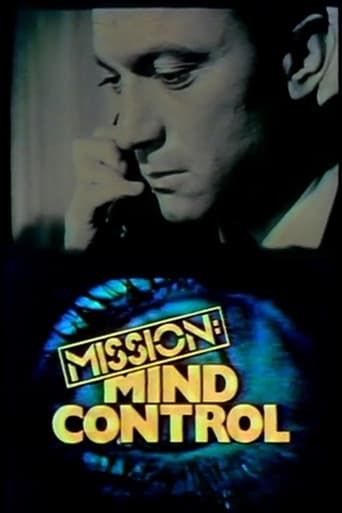
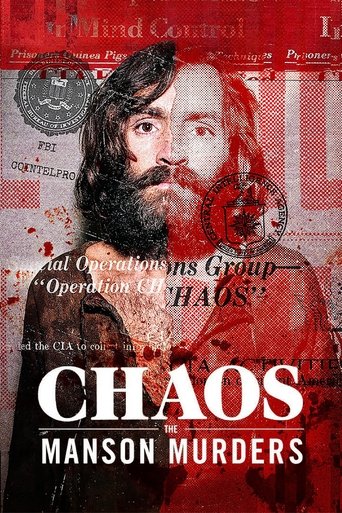
In August 1969, Charles Manson's followers killed seven people on his orders. Why? Explore a conspiracy of mind control, CIA experiments, and murder.
Cocaine has always gotten a bad rap, and for a reason. It is a drug used by the rich and the poor legally and illegally, Mexican cartels fought over it with Colombia once associated with the brutal cocaine wars, and a source of tension between the American and Mexican borders on the people who are illicitly bringing in cocaine from one side of the border to another and will do anything to do it. So it can be surprising at times to the viewer throughout the course of the documentary special, that it was never always like this.
Following the death of her brother, filmmaker Robie Flores returns to her hometown Eagle Pass on the Texas/Mexico border, wanting to turn back time. She collides with unruly experiences of adolescence – quinceañeras, Rio Grande river excursions, teen makeovers and beyond – that invite her to soak up the details of the home her brother adored and she ignored. What emerges is a playful dance between a personal and collective coming-of-age portrait of kids on the border and Robie herself as she rediscovers the possibilities of joy in the aftermath of grief.
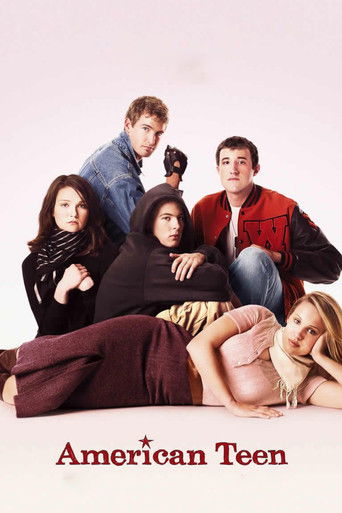
A documentary on seniors at a high school in a small Indiana town and their various cliques.
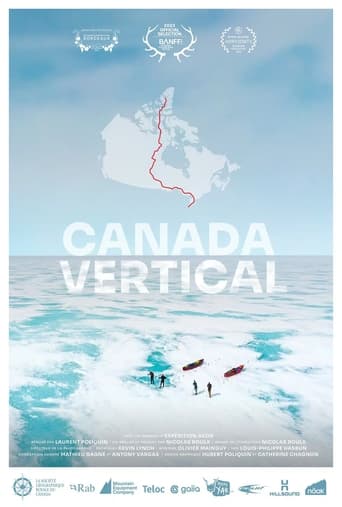
Every winter for decades, the Northwest Territories, in the Canadian Far North, changes its face. While the landscape is covered with snow and lakes of a thick layer of ice, blocking land transport, ice roads are converted to frozen expanses as far as the eye can see.
Three intrepid women battle for Indigenous women's treaty rights.
Alcohol: No substance in the world seems so familiar to us and is so incredibly diverse in its effect. Alcohol is available everywhere and this particular molecule has the power to affect all 200 billion neurons of our human brain in completely different ways. But hardly anyone calls alcohol a drug despite its psychoactive and cell-destroying effect. Why do we tolerate the death of three million people every year? Have we turned a blind eye to the dangers and risks for thousands of years? What role does the powerful alcohol industry play with an annual turnover of 1.2 trillion euros in this on-going concealment? The author, who himself enjoys having a drink, looks into the question why we drink at all, what alcohol does to us and to what extent the alcohol industry influences society and politics.
The filmed account of a large Canadian rock festival train tour boasting major acts. In the summer of 1970, a chartered train crossed Canada carrying some of the world's greatest rock bands. The Grateful Dead, Janis Joplin, The Band, Buddy Guy, and others lived (and partied) together for five days, stopping in major cities along the way to play live concerts. Their journey was filmed.
Quiet towns across rural Australia are in the grip of an Ice epidemic. Major international drug cartels are working with local outlawed motorcycle gangs to push crystal meth to a captive market of children.
A young and ambitious team of chefs face the life-changing challenges of competing in the world's most prestigious culinary competition.
This documentary let us to relive the challenge of the men behind the 1967 Universal Exposition in Montréal, Canada. By searching trough 80,000 archival documents at the national Archives, they managed to bring light on one of the biggest logistical and political challenges that were faced by organizers during the "Révolution Tranquille" in the Québec sixties. Includes the accounts of the Chief of Advertising Yves Jasmin, and businessman Philippe de Gaspé Beaubien.
Examines the intergenerational impact of addiction by chronicling the love, labor, loss, and uncertainty of one woman’s struggle to live a life of sobriety. Weaving together moments of glee, fulfillment, acceptance, sorrow, and disappointment, this documentary takes an intimate look at the bonds that hold one family together and a disease that threatens to tear them apart.
The injustice of the Japanese internment is explored through the story of Kyuichi Nomoto, one of the first Japanese Canadians to graduate from UBC, who suffered a breakdown deep in the BC Interior.
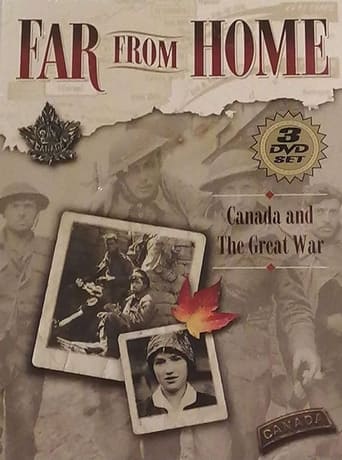
Two thousand Canadians suffered the longest incarceration anywhere in the Second World War, a bitter four-year period inside Japanese POW camps in Hong Kong and Japan.
One Saturday morning, filmmaker Madison Thomas has a revelation: she’s just like her mother. As she thinks about a friend going through tough times, she feels the sudden urge to clean. Through the scrubbing and wiping and rinsing, Madison's thoughts drift to her mother — and her obsessive need to tidy. Madison’s mother survived a traumatic childhood: her own mother never reconciled what she went through at residential school. Cleaning offers moments of control that she didn’t have as a child. She’s fought hard, against all odds, to become a strong woman. They say trauma is in the genes, that it’s passed from one generation to the next. But strength is inherited too. Through rituals as simple as spending time together and smudging, Madison and her mother are beginning to mend the cycle of pain in their family. Declutter is an intimate look into a private moment between mother and daughter and the strength that carries them both.