Social & External
The people behind it
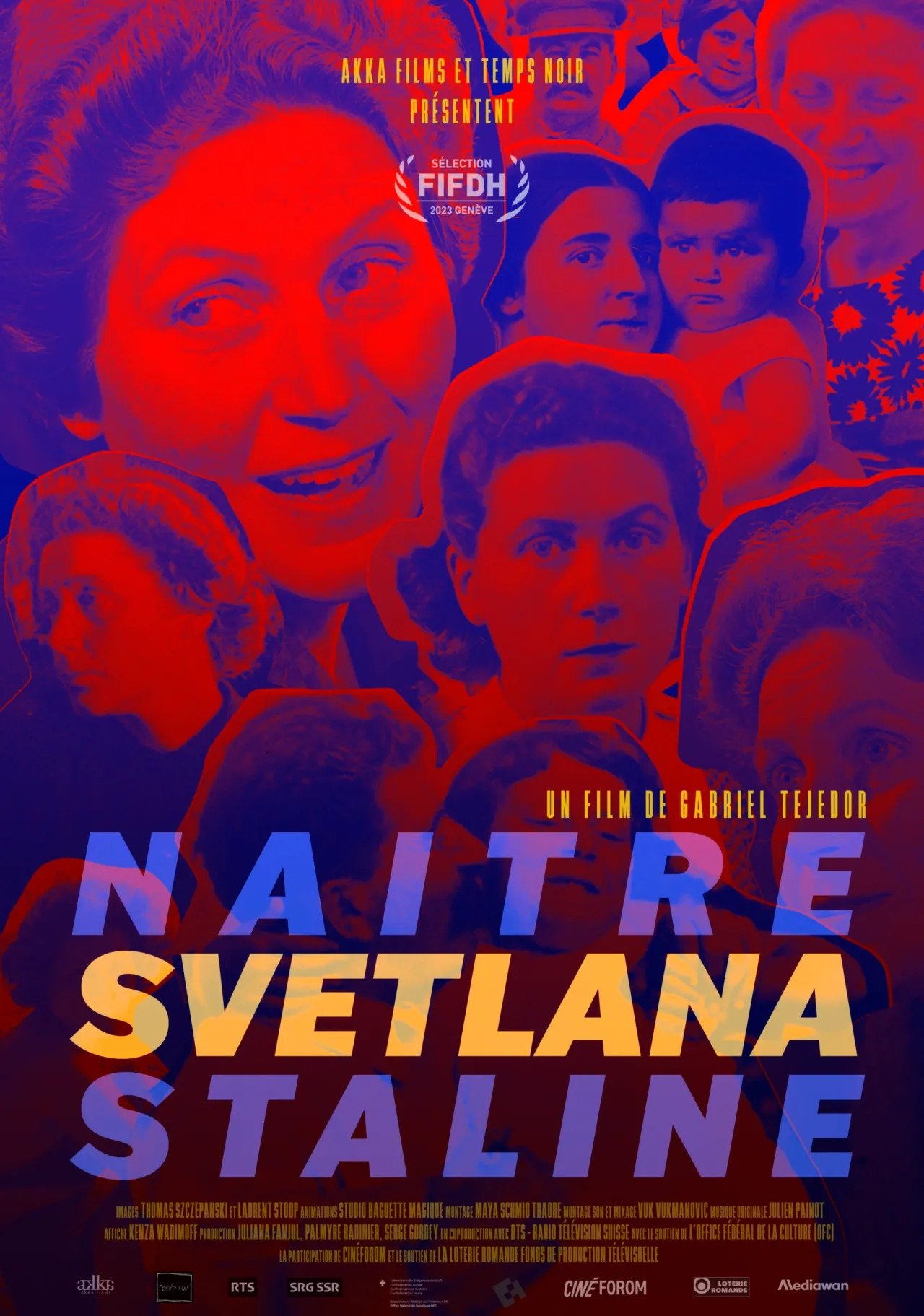
In 1967, in the middle of the Cold War, Joseph Stalin's only daughter goes to the American embassy in New Delhi and asks for asylum. Svetlana leaves behind her country and her two children. Hunted by the press, the KGB, and many admirers, the woman, nicknamed the Kremlin princess, will never cease to flee. From the summit of the Soviet empire to the solitude and poverty of her last years in a Wisconsin home, Gabriel Tejedor traces the destiny of a resolutely free woman, at the very heart of the century and its geopolitical challenges.
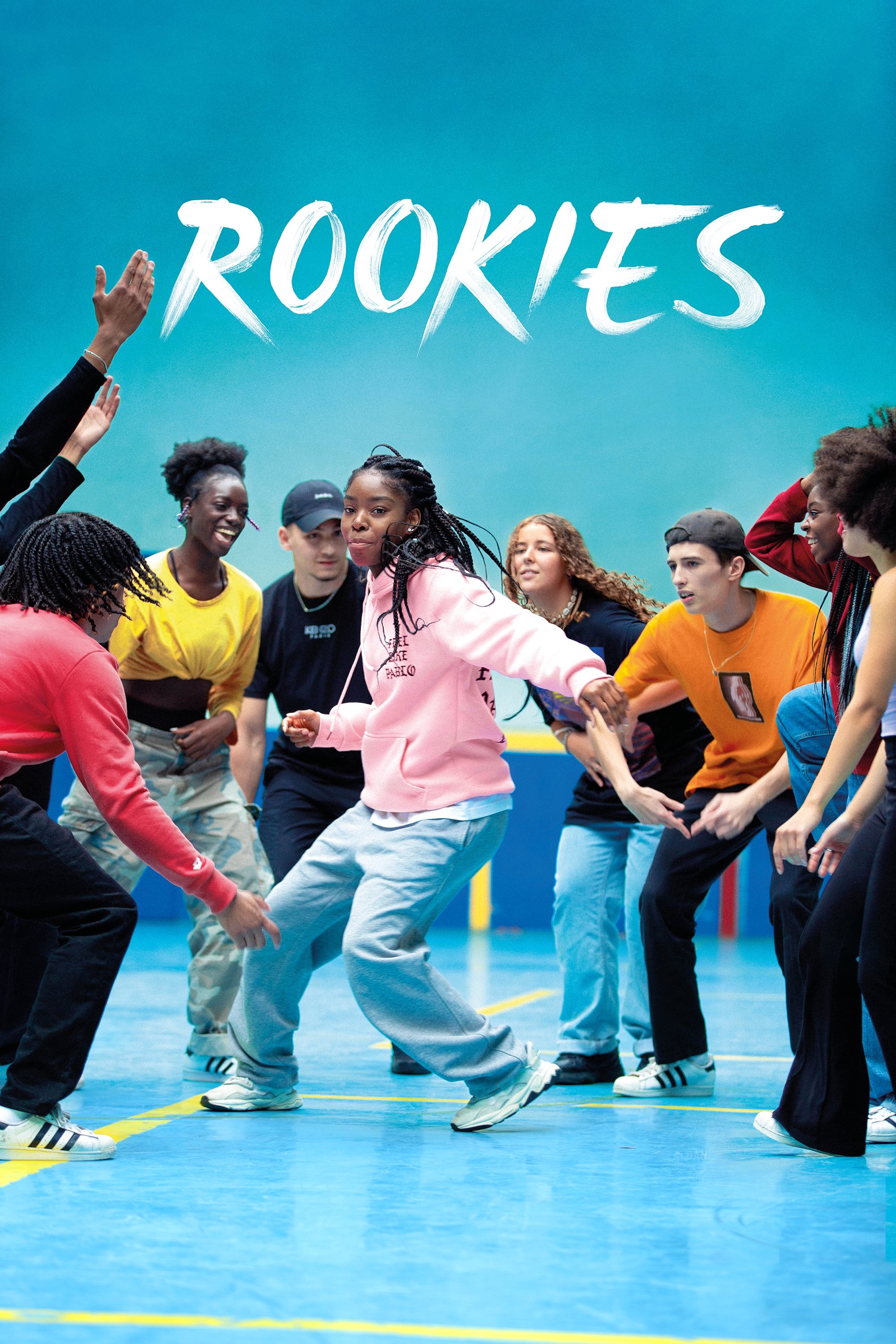
HipHop as a language and an outlet for young people: The film follows the youngest class members of a dance academy on their way to becoming professional dancers. Many of the students come from the socially deprived areas of Paris. Accompanied by a pulsating, dancing camera that pulls the audience right into the action, the film negotiates themes such as origins, pains, dreams and hopes.
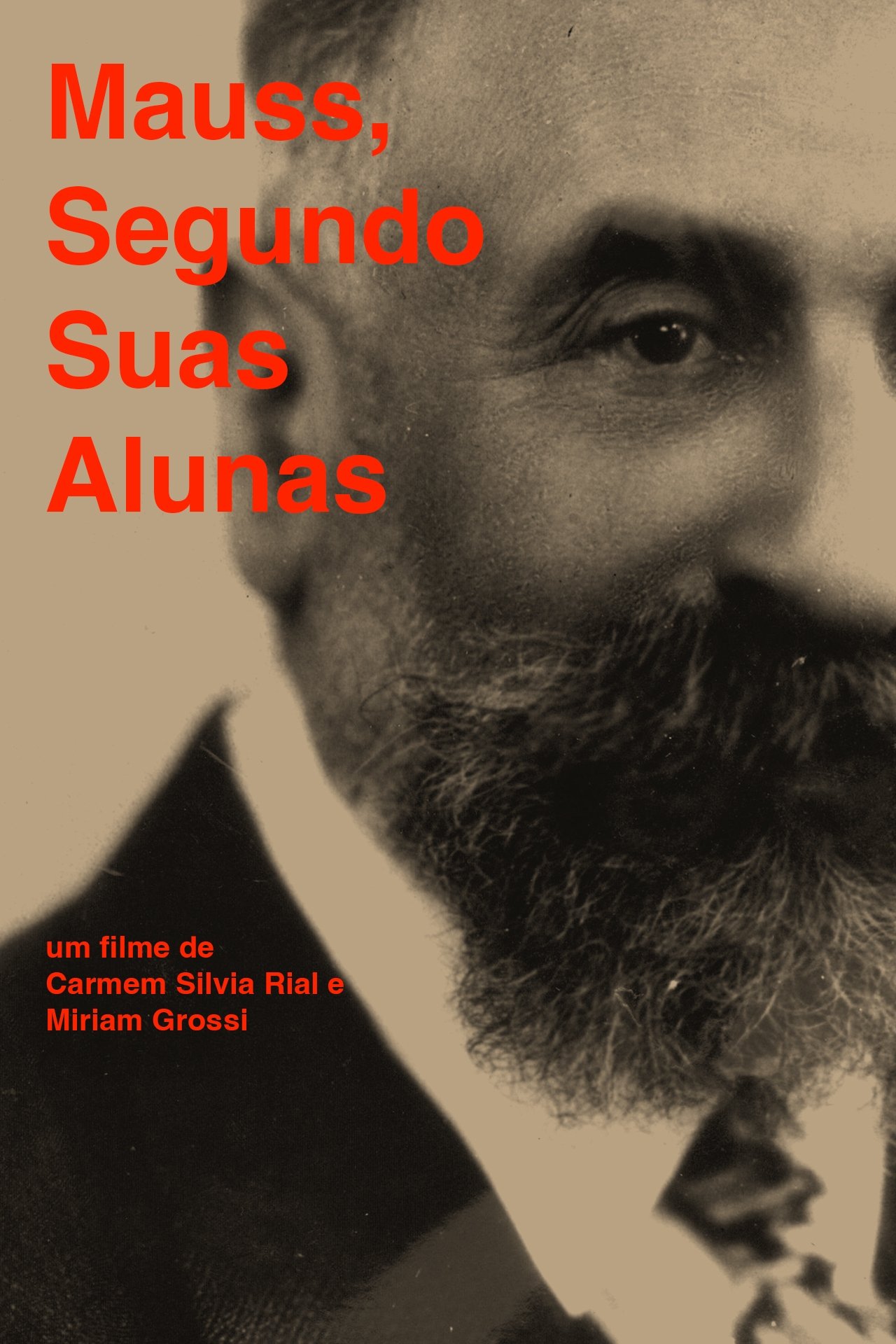
Biography of the ideas and teachings of Marcel Mauss, considered the founder of Anthropology who lived and wrote in the first half of the 20th century, in France. His work is discussed through the testimony of three students, carried out in Paris between 1997 and 1999. Denise Paulme died 4 months after the interview, Germaine Diertelen died 9 months later and Germaine Tillion, aged 95 in 2002, still works. The three were part of the first generation of French anthropologists, formed in the 1930s.
For nine months in 1930, seven Bretons, lobster fishermen, were "forgotten" on a volcanic island by their employers, Normans from Le Havre, heirs of the last French whalers. Four employees would die on the spot. Their descendants today revive the memory of this human tragedy which also struck 42 Madagascans. Starting from a sordid social conflict, the documentary shows that the “Forgotten Saint Paul” mark the end of an era of “colonization”, a term rarely used for the French Southern Territories, but nevertheless close to reality. This is the story of the Third World, as its discoverer, Yves de Kerguelen, named it.
The 'stolen' insider emails that informed Nicky Hager's best-selling account of National's 2005 election campaign return in Alister Barry's (Someone Else's Country) new film - just in time to caution us against campaigning politicians in 2008. Addressing each other like schoolboy Machiavellis, party leader Don Brash and his advisors spelled out how they'd copy the big boys in Australia and the US in order to win the votes of people who'd never support the kind of policies such men are widely presumed to represent. The dividing and conquering began at Orewa.
Combining nostalgia, dazzling architecture, pop culture, economics and politics, MALLS R US examines North America's most popular and profitable suburban destination-the enclosed shopping center-and how for consumers they function as a communal, even ceremonial experience and, for retailers, sites where their idealism, passion and greed merge. The film blends archival footage tracing the history of the shopping mall in America, visits to some of the world's largest and most spectacular malls-in Canada, the U.S., the U.K., Japan, Poland, France, and Dubai-and interviews with architects, mall developers, sales managers, environmentalists, labor activists and social critics, as well as commentary from mall shoppers themselves.
Explore the lost biography of Jesus Christ in this doc, chronicling an untold version of Christ's life story that would have been told by those who knew him better than anyone else - his closest followers and his family.
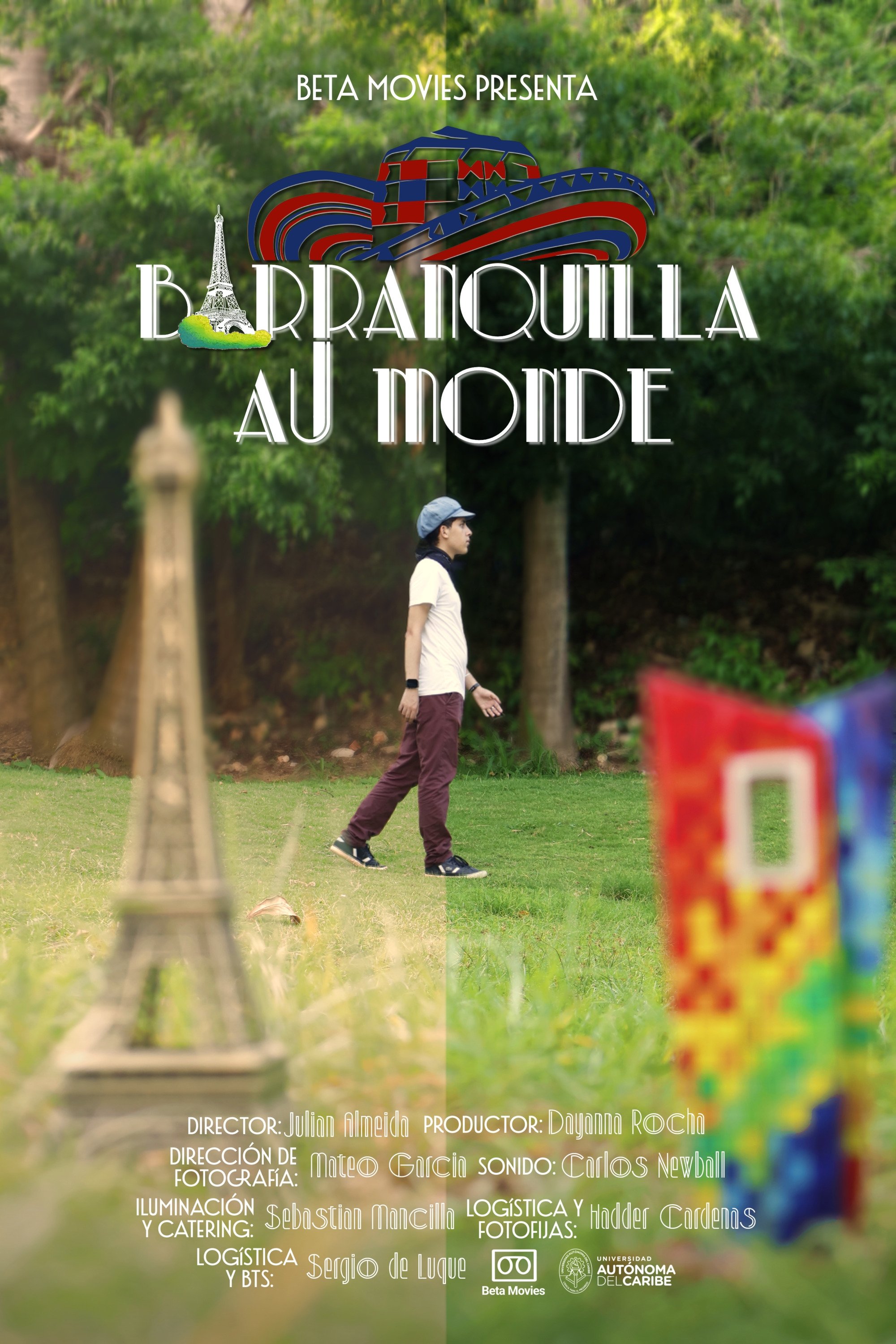
This documentary unravels the surprising history that links Barranquilla with France, from the arrival of its first migrants to the palpable influence they left in the gastronomy, fashion and elegant urban landscape marked by Art Deco. Through his encounters with experts and witnesses, Julian explores the French legacy in the delicate art of stained glass and in the foundations of local education, culminating in the vibrant presence of institutions such as the Alliance Française, demonstrating that this historical connection is still alive and enriching Barranquilla's present.
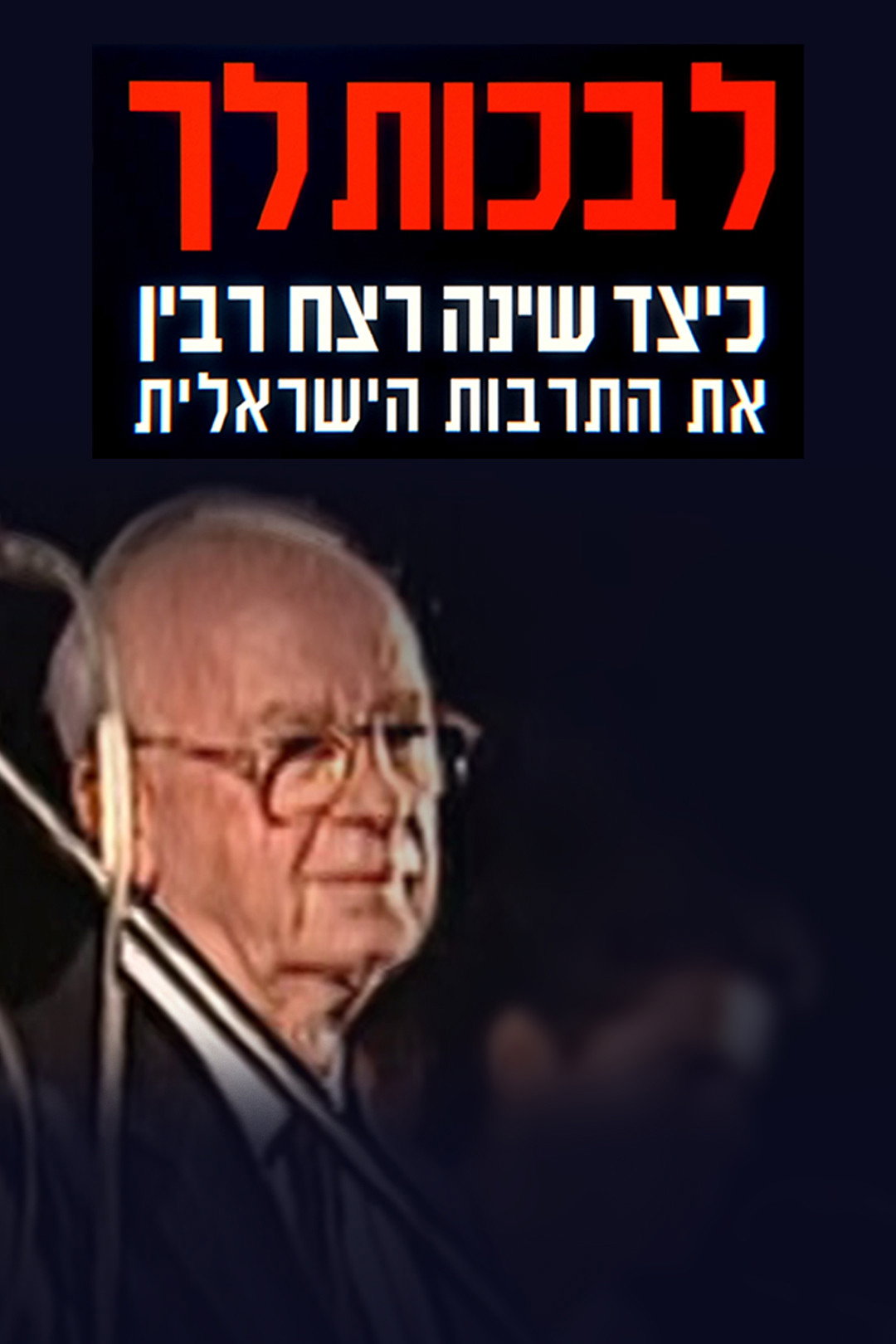
In a series of interviews with cultural and television figures, artists, and researchers, Shai Lahav attempts to deconstruct one of the most traumatic and formative moments in Israel's cultural and political history.
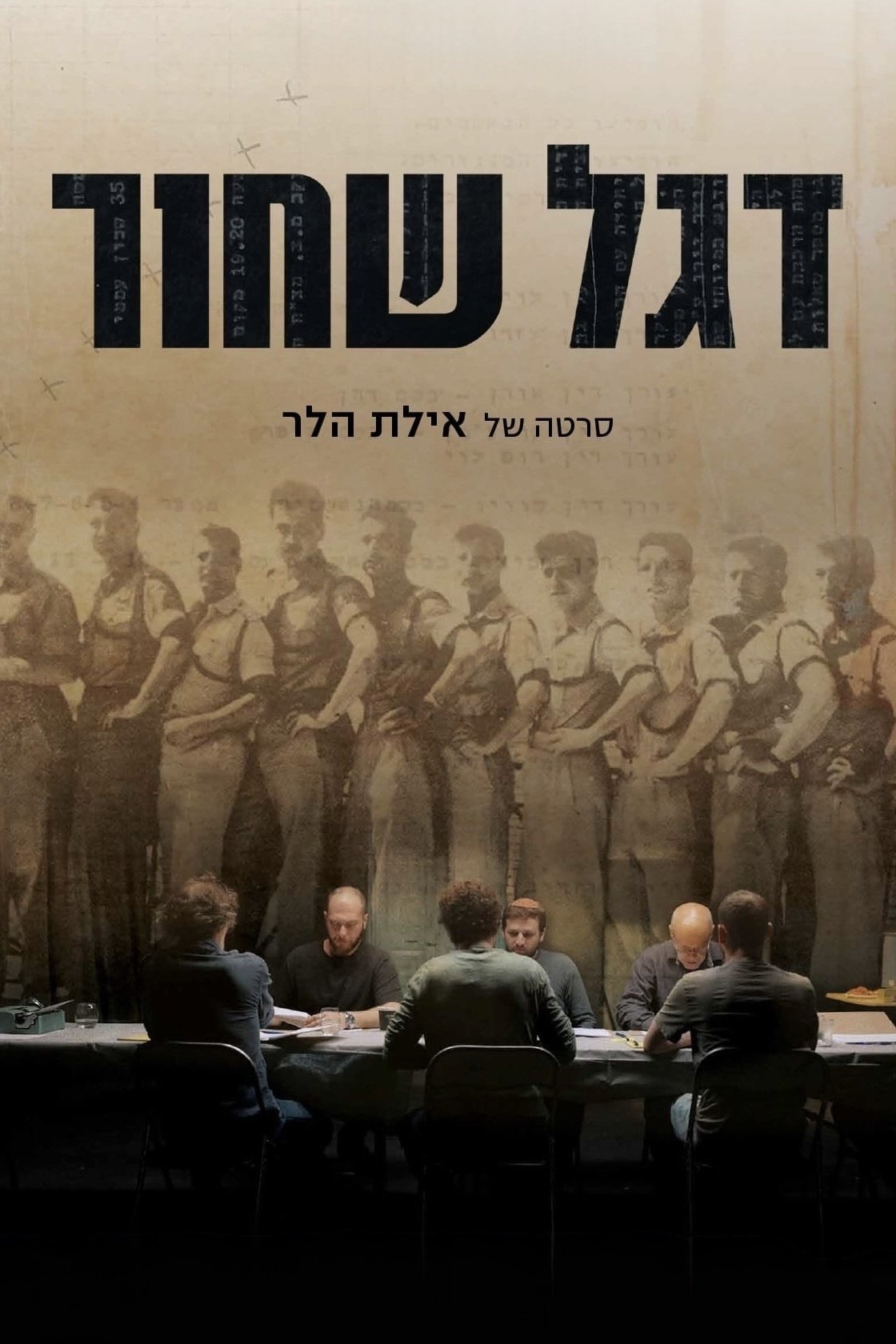
The film delves into an almost forgotten event that took place in Kfar Qasim in October 1956, when 47 innocent civilians were shot and killed by Israeli Border Police soldiers. Through a gripping narrative structure, like a suspenseful legal drama, the film unfolds the historical, political, and psychological reality that shaped and triggered the event. A cinematic montage created by the intertwined plotlines, emphasizes immense gaps, conflicting narratives, and deep divides between Jews and Arabs who are destined to live together on the same land. If we begin to recognize these gaps, will there be hope for reconciliation?
Year 1969 - in Turkey. 60s youth were living the most excited days. There was a great effort to make a bridge in Istanbul, on the Bosphorus. Meanwhile, on the eastern border of Turkey, in a Kurdish city between the borders of Iran and Iraq that is left to its destiny, in Hakkari, Zap River was taking lives since there were no passage on it.
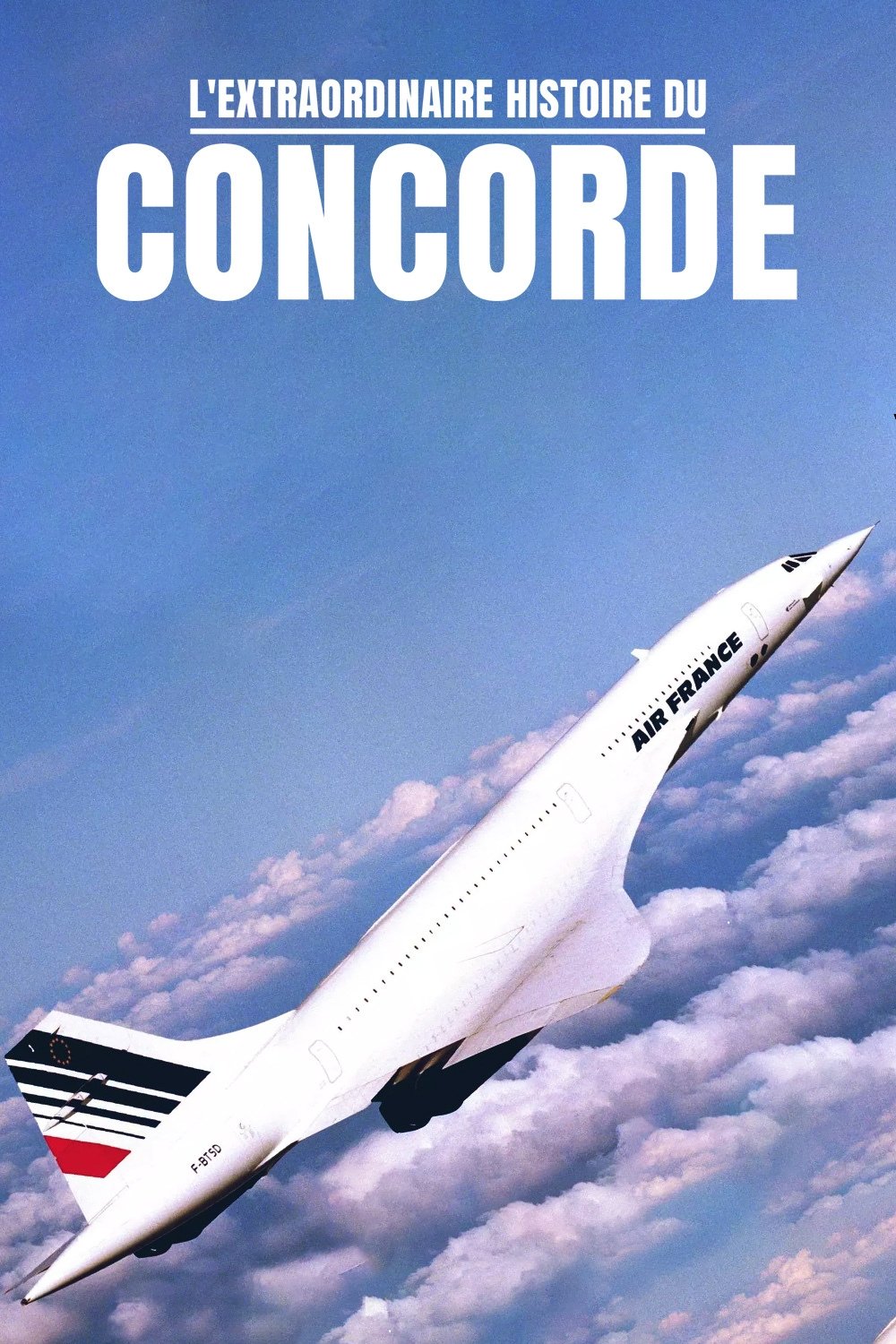
The Concorde remains a legend of the sky. In both looks and performance, it was incomparable, and the technology behind it was nothing less than revolutionary. Learn all about this magnificent craft that was able to fly at over 1300 mph, linking Paris and London to New York in under 4 hours. A unique flying machine, it remains the only supersonic commercial aircraft in the history of aviation.
A brief history of the emergence and artistic innovations of tango in 19th-century Argentina and Europe. The film offers a mosaic of tango melodies, art works, dance performances, historical footage, photographs of Buenos Aires at the turn of the 20th century, and texts by Celedonio Flores and Enrique Santos Discépolo.
Expert interviews, dramatic reconstructions and location shooting bring to life the iconic legend of Egyptian Queen Cleopatra in this historical documentary.
This documentary revisits the French football team's controversial 2010 World Cup and the bus strike that sparked global headlines and national outrage.
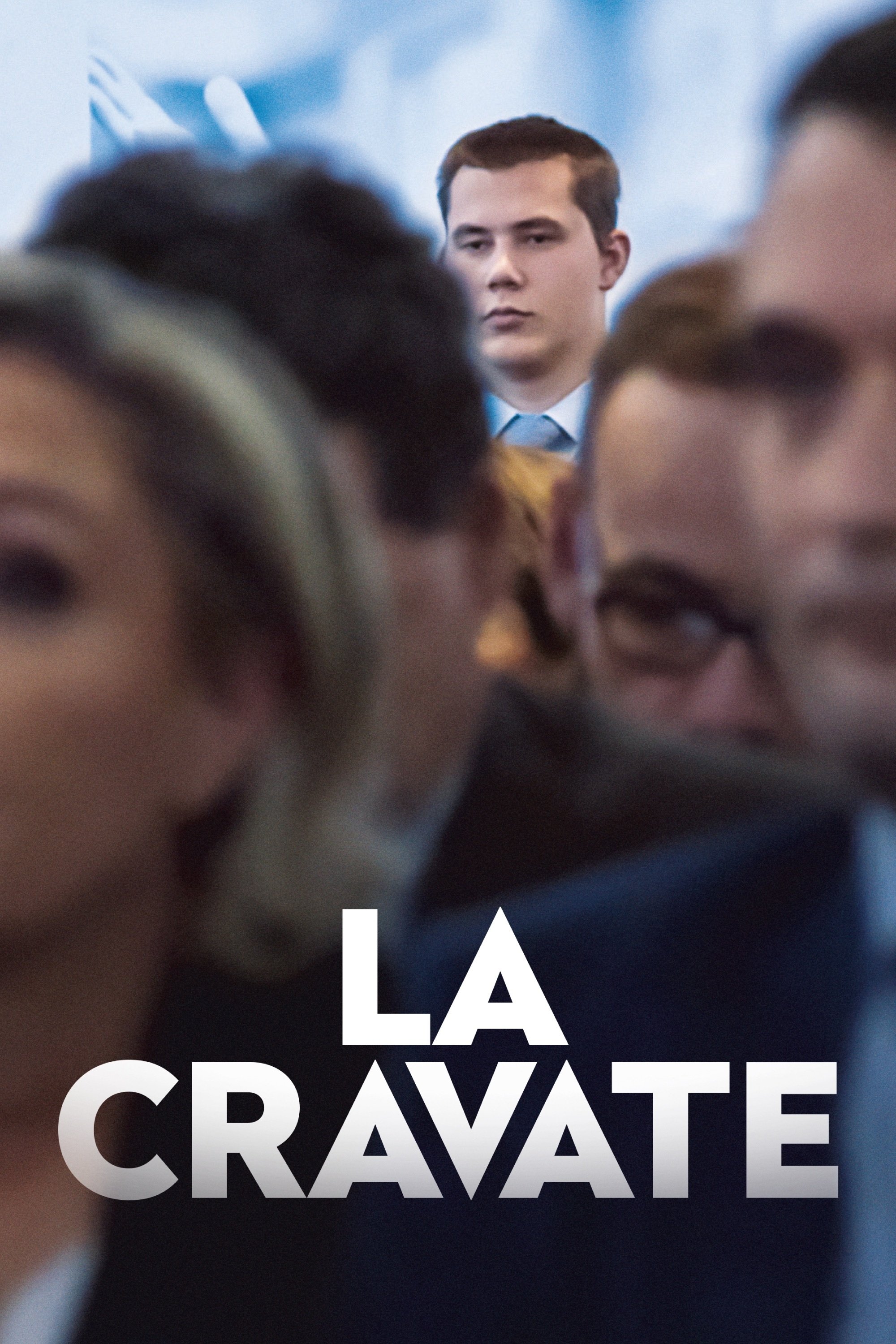
Bastien is twenty years old and has been an activist for five years in the main extreme right party. When the presidential campaign begins, he's invited by his superior to commit even further. Initiated into the art of decking himself out like a politician, he starts to dream of a career, but old demons surge forth...
A documentary about the making of season five of the acclaimed AMC series Breaking Bad.
The film follows adventurer Jeff Johnson as he retraces the epic 1968 journey of his heroes Yvon Chouinard and Doug Tompkins to Patagonia.
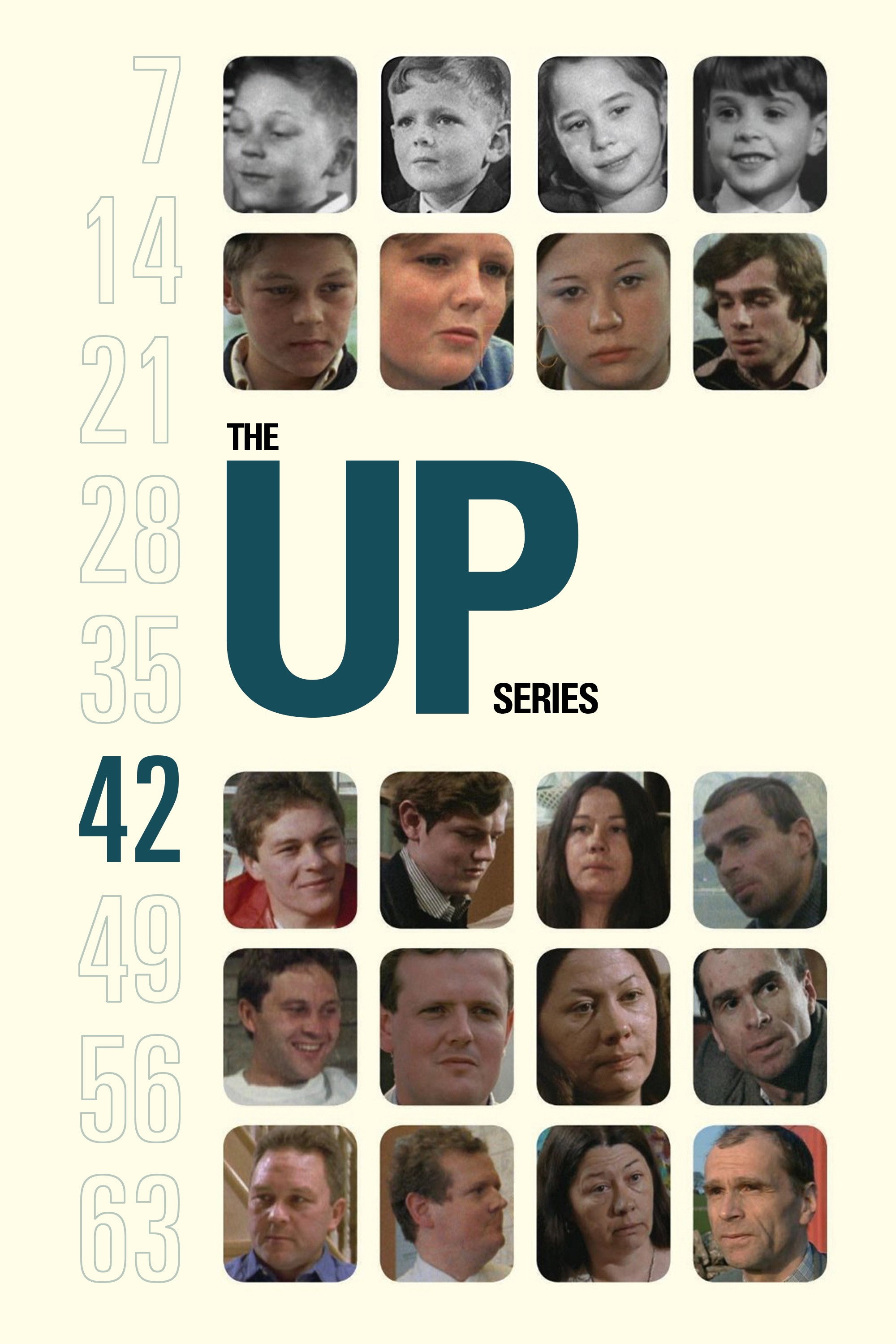
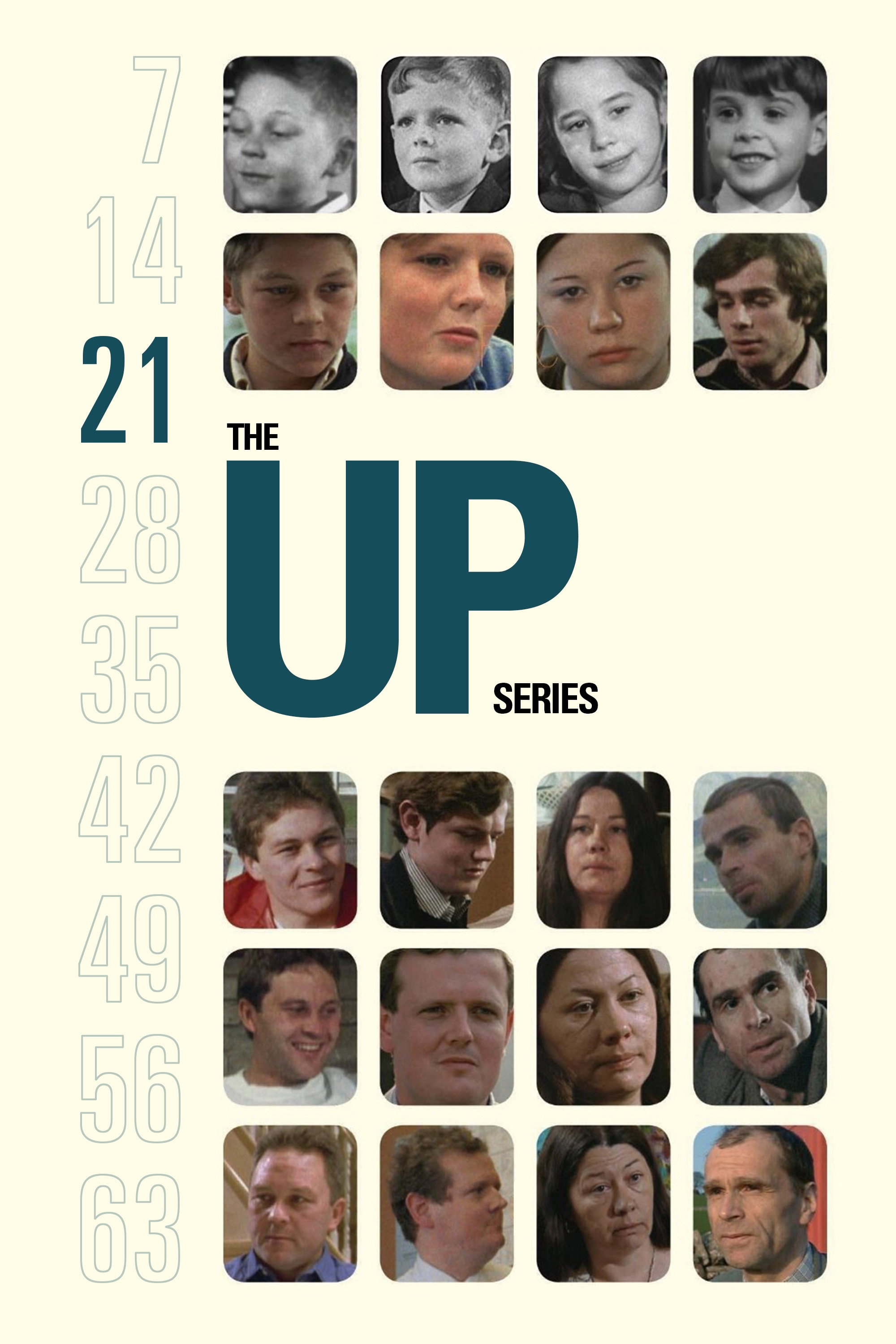
Director Michael Apted revisits the same group of British-born adults after a 7 year wait. The subjects are interviewed as to the changes that have occurred in their lives during the last seven years.
Over 35 years after Bob Lazar's revelations, this documentary exposes secrets of a facility the government still denies. Featuring Lazar's testimony, recreations, and new evidence, it reopens a case that continues to spark global curiosity
An inside look at one of the most anticipated movie sequels ever with James Cameron and cast.
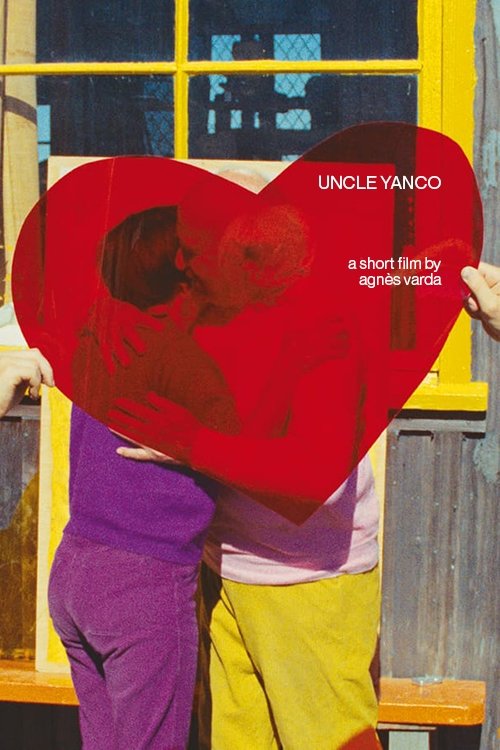
While in San Francisco for the promotion of her last film in October 1967, Agnès Varda, tipped by her friend Tom Luddy, gets to know a relative she had never heard of before, Jean Varda, nicknamed "Yanco". This hitherto unknown uncle lives on a boat in Sausalito, is a painter, has adopted a hippie lifestyle and loves life. The meeting is a very happy one.
This revealing documentary honors the legendary Sidney Poitier—iconic actor, filmmaker, and civil rights activist. Featuring interviews with Denzel Washington, Spike Lee, Halle Berry, and more.
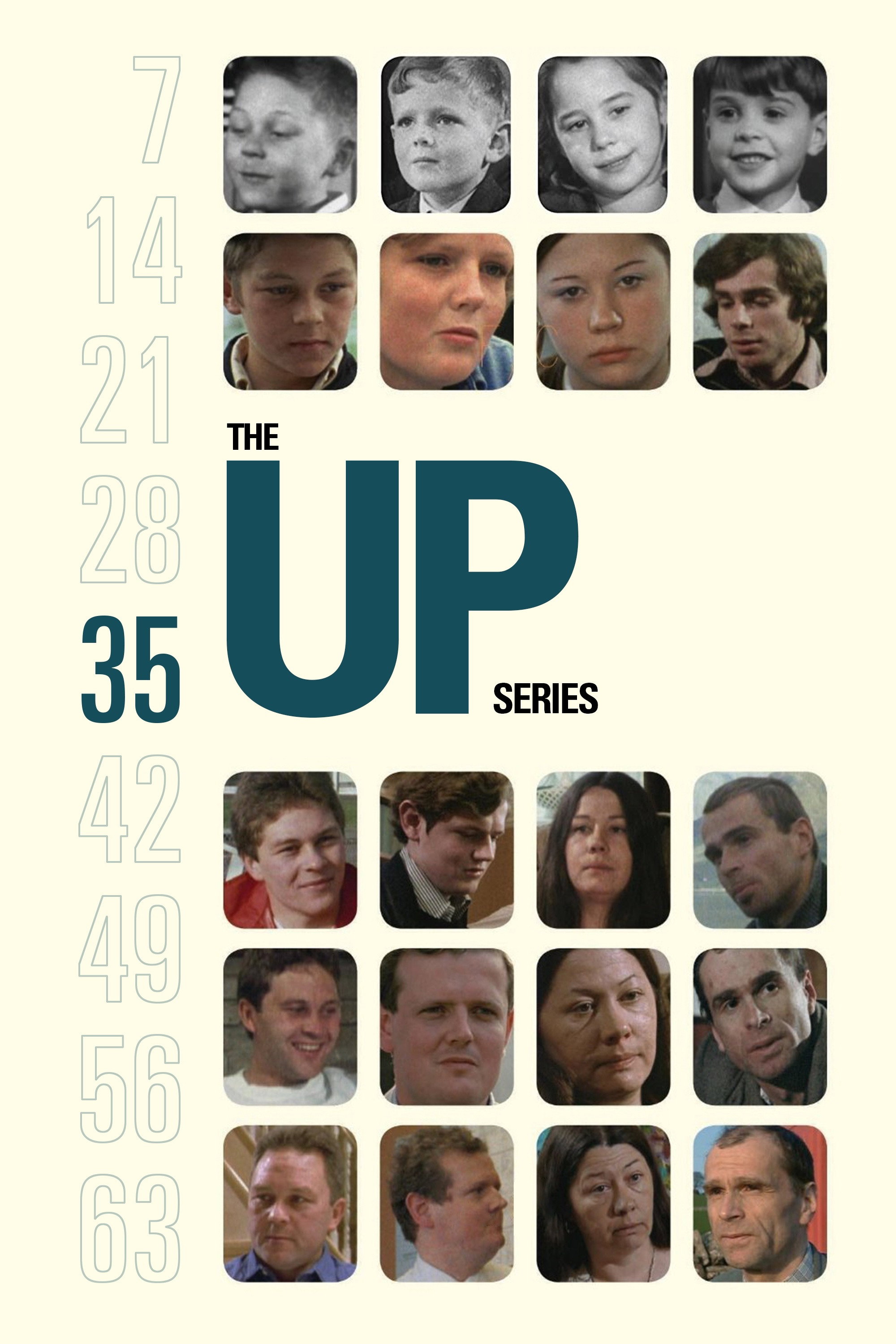
After another 7 year wait, director Michael Apted revisits the same group of British-born children from Seven Up! and 7 Plus Seven. The subjects are interviewed as to the changes that have occurred in their lives during the last seven years.
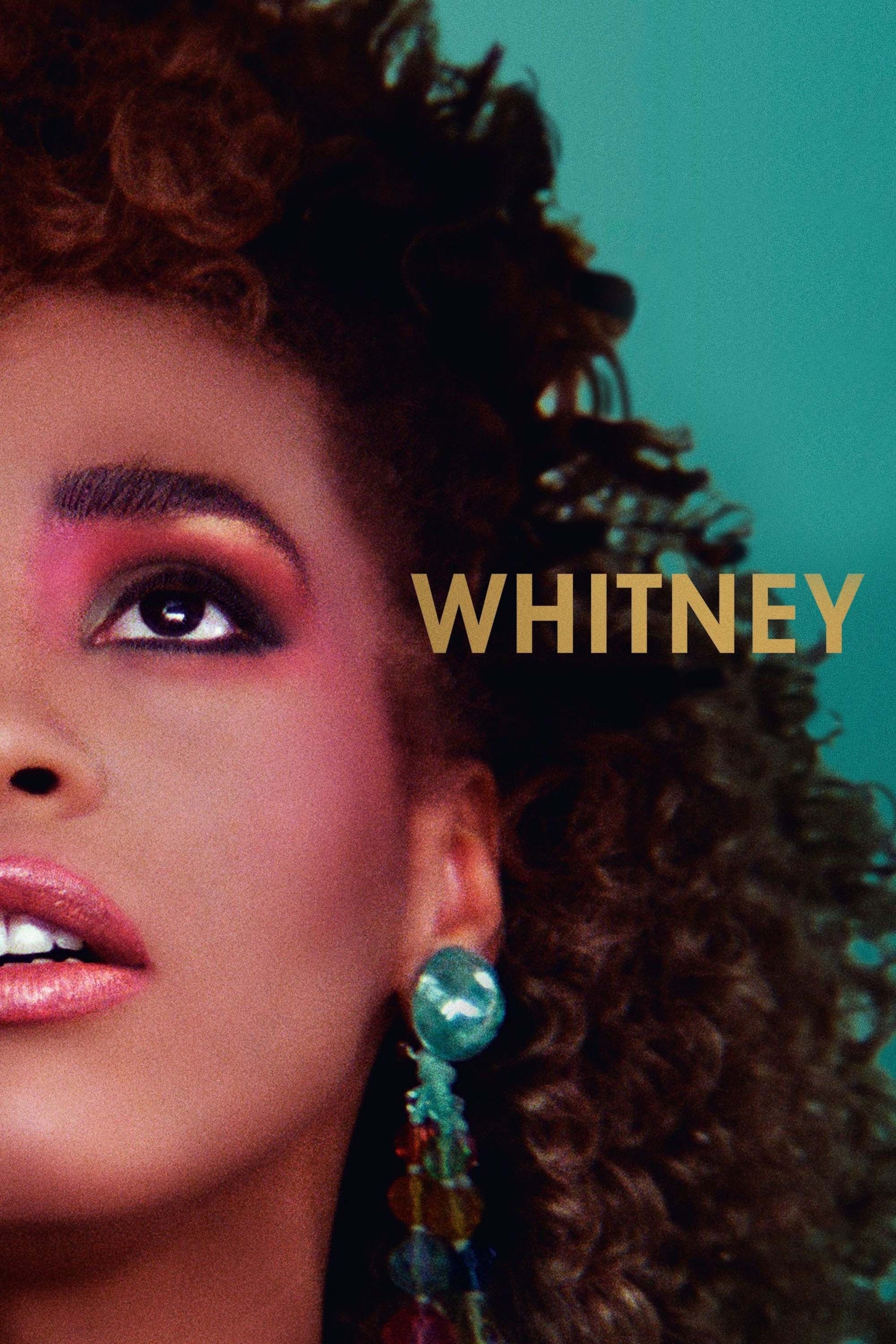
Examines the life and career of singer Whitney Houston. Features never-before-seen archival footage, exclusive recordings, rare performances and interviews with the people who knew her best.
In her own words, through personal video and diaries, Pamela Anderson shares the story of her rise to fame, rocky romances and infamous sex tape scandal.
A look at the origins, history and conspiracies behind the "Majestic 12", a clandestine group of military and corporate figureheads charged with reverse-engineering extraterrestrial technology.
THE SPIRIT MOLECULE weaves an account of Dr. Rick Strassman's groundbreaking DMT research through a multifaceted approach to this intriguing hallucinogen found in the human brain and hundreds of plants, including the sacred Amazonian brew, ayahuasca. Utilizing interviews with a variety of experts to explain their thoughts and experiences with DMT, and ayahuasca, within their respective fields, and discussions with Strassman’s research volunteers, brings to life the awesome effects of this compound, and introduces us to far-reaching theories regarding its role in human consciousness.
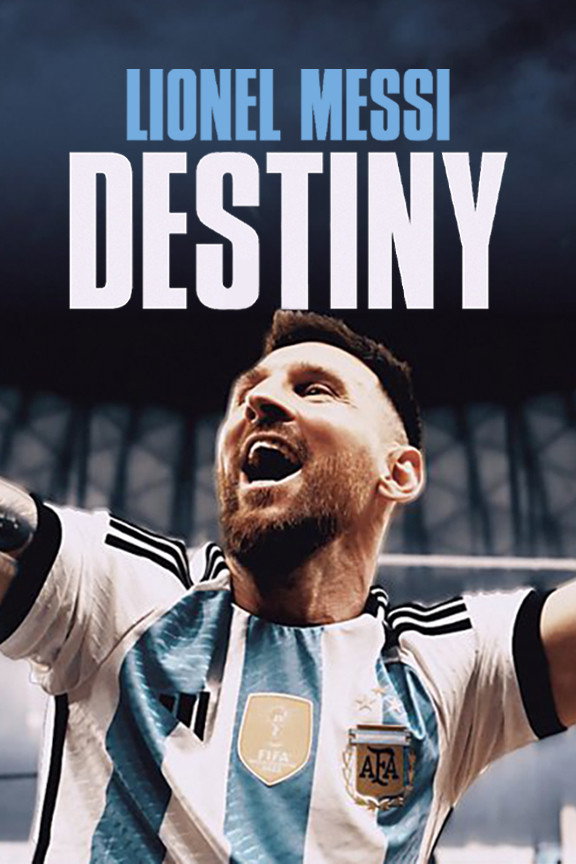
Behind-the-scenes documentary about how Lionel Messi succeeded in lifting the World Cup – the only trophy to have eluded him in an incredible career.
A string of threatening emails escalates into a revenge plot involving a newly married US marshal and his ex-girlfriend.
A feature length documentary about the all-women team at the helm of Pixar's original feature, Turning Red. With unprecedented behind-the-scenes access to Director Domee Shi and her core leadership crew, this story shines a light on the powerful professional and personal journeys that brought this incredibly comical, utterly relatable, and deeply heartfelt story to the screen.
A comedic, brutally honest documentary following self-destructive TV writer Dan Harmon as he takes his live podcast on a national tour.
Bruce Conner’s most celebrated film for a reason: it takes historical moments that were replayed over and over on television—chilling repetition of Kennedy assassination coverage—and repurposes them into a meditation on how the media tries to exert authority and apply a sense of order to the anarchic. And though it may sound perverse to say so, the film is also—not incidentally—a thrill to watch. -- The A.V. Club