Social & External
What if, instead of bombs, we dropped watermelons? Dreamy and hopeful, this animated short sweeps us up into a colourful world where layers of reality and creativity intersect. Our protagonist navigates through it all seamlessly, and in the process shows us the importance of imagination.
The Hugo's Brain is a French documentary-drama about autism. The documentary crosses authentic autistic stories with a fiction story about the life of an autistic (Hugo), from childhood to adulthood, portraying his difficulties and his handicap.
The first time Regina tried to kill herself, she was 5 years old. Now she's 45 and hell-bent on trying to live.
Produced in 1967, this black and white film is an inmate's view of Daytop, a drug treatment centre on Staten Island, New York, where addicts learn to get along without drugs. Uncompromising, often brutal group therapy sessions are designed to shake loose the excuses a victim makes for himself. The people and situations shown are authentic; only one actor was employed. The results obtained at Daytop are regarded by some psychiatrists as a breakthrough.
It's a sensitive, moving doc chronicling the life of Tétrault's brother Philip , a Montreal poet, musician and diagnosed paranoid schizophrenic. A promising athlete as a child, Philip began experiencing mood swings in his early 20s. His extended family, including his daughter, share their conflicted feelings love, guilt, shame, anger with the camera. They want to make sure he's safe, but how much can they take?
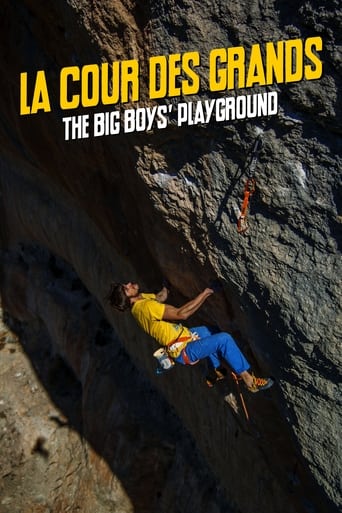
Stéphane and Alizée, two rock-climbers looking for a breakthrough, spend their winter in Catalonia—the perfect place for climbing hard. Their projects lie in the sector called “El Pati” (the playground). Success, more than a physical achievement, seems to be a state of mind.
Initially airing on HBO's "America Undercover" series, this riveting documentary focuses on three families shattered by the psychiatric disorder of schizophrenia. Subjects "Bob," "Missy" and "Steven" have lived for over a decade with schizophrenia. The film documents the difficult day-to-day existence of both those afflicted with this order and the families searching for answers to their loved ones' suffering. This film also shows the varied and variably successful treatment methods for each of the subjects—one is placed in a group home, one is placed in an institution, and one is cared for at home. The documentary was critically acclaimed for its compassionate treatment of mental illness.
Psychiatrist Dr. Dean Brooks, who appears in the film One Flew Over The Cuckoo's Nest, and others discuss how jails and prisons have become our new asylums and how community care, especially inadequately funded community care, is failing to help people. They also discuss the need for what his granddaughter, Dr. Ulista Brooks, describes as “true asylums” — the construction of new modern mental hospitals, and other important issues regarding care for the mentally ill.
This refreshingly frank and impartial study of the discovery and development of the notorious hallucinogenic drug is notably free of moral judgmental, and features contributions from such legendary heroes of psychedelia as Albert Hoffman - the Swiss scientist who discovered the drug - Aldous Huxley - author of 'The Doors of Perception' - Ken Kesey - author of 'One Flew Over the Cuckoo's Nest.
Jérôme was sexually abused as a child by a priest. In a deeply personal film, he tries to search for clues in his memories and come to terms with the complicity of his former social environment.
In this feature-length documentary, six teenage girls, aged 14 to 16, agree to open up and have their private worlds invaded by the camera. They have to face problems that they intend to take on "to the end": early experience of sexuality, belonging to a gang, relationships with parents, social tolerance, friendship... They live tender and pure lives in their own way.
The psychiatric hospital was and is a disturbing place. Michel Défago, a former nurse, reports on a time when mentally ill people were still shackled or isolated. Today, nurses make every effort to free patients from their suffering and isolation.
Five subjects from Gen-Z take the PHQ-9 - a survey to assess the degree of one's depression severity. They -also- have a lot to say.
THEY HEARD VOICES is a documentary film exploring the Hearing Voices Movement, chronic psychosis, and the schizophrenia label. The film is a series of wide-ranging interviews with voice hearers, medical historians, anthropologists and psychiatrists from Britain and America, presenting different people’s views. Is schizophrenia hard science or an arbitrary, catch-all term with no real meaning? What does it mean for those experiencing psychosis?
The film is an intimate record of a difficult period in the life of the creators. The main character, eight months pregnant, was diagnosed with aggressive breast cancer. The dramatic event disrupted the joy associated with the birth of her child.
Multi award-winning psychological illusionist Derren Brown returns in the recording of his acclaimed live show ‘Infamous’. Featuring Derren at his baffling best with the excitement of a live theatre audience, Infamous includes amazing, provocative, jaw dropping demonstrations of his incredible skills of magic, suggestion, showmanship and misdirection in a must-watch roller coaster of emotions.
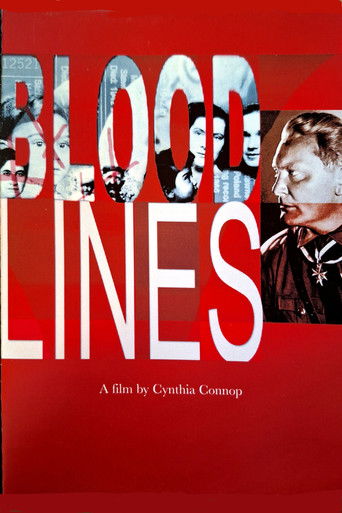
Epigenetics and psychogenealogy through a VERY personal experience.
In 1955, Albert Maysles traveled by motorcycle throughout Russia. During this trip, he shot what was to become his first film, 'Psychiatry in Russia', an unprecedented view into Soviet mental healthcare. Originally televised by the David Garroway Show on NBC-TV in 1956.