Social & External
导演
Malaysia's multiculturalism is unrivaled throughout Southeast Asia and is reflected in its cuisine. Roving foodie Merrilees Parker begins her journey on the Malaysian peninsula with the native Orang Asli people of Kelantan She then heads off to the stunning Islamic East coast to cook a rich curry using freshly caught mackerel. In the ancient spice capital of Melaka, Merrilees cooks up a storm with fiery Laksa soup in the style of the Nyonya. In the Cameron Highlands, 5,000 feet above sea level, there is a notable English influence. The island of Penang is Merilees' next stop then she visits the capital, Kuala Lumpur, one of the fastest growing cities in Southeast Asia.
We all love food. As a society, we devour countless cooking shows, culinary magazines and foodie blogs. So how could we possibly be throwing nearly 50% of it in the trash? Filmmakers and food lovers Jen and Grant dive into the issue of waste from farm, through retail, all the way to the back of their own fridge. After catching a glimpse of the billions of dollars of good food that is tossed each year in North America, they pledge to quit grocery shopping and survive only on discarded food. What they find is truly shocking.
In this remarkable journey, Planet Food travels the world to see how control of the spice trails, over the last five millennia, has made great cities and destroyed ancient civilizations. Our guides travel from the Molucca Islands of Indonesia, the original home of cloves and nutmeg, to the Indian province of Kerala, with its native pepper and cardamom. Additional stops include Venice, Beirut, Cairo and other significant places in the spice trade that created and toppled empires.
From New York City to the farmlands of the Midwest, there are 50,000 Chinese restaurants in the U.S., yet one dish in particular has conquered the American culinary landscape with a force befitting its military moniker—“General Tso’s Chicken.” But who was General Tso and how did this dish become so ubiquitous? Ian Cheney’s delightfully insightful documentary charts the history of Chinese Americans through the surprising origins of this sticky, sweet, just-spicy-enough dish that we’ve adopted as our own.
For centuries, the ports of Lebanon dominated the trade routes between Europe, the Middle East, China and India. In this documentary, our intrepid gastronaut Merrilees Parker finds a world of heavily spiced lamb, cooling salads, deliciously strong wines from and sweet pastries filled with pistachios and honey.
In today's climate debate, there is only one factor that cannot be calculated in climate models - humans. How can we nevertheless understand our role in the climate system and manage the crisis? Climate change is a complex global problem. Increasingly extreme weather events, rising sea levels, and more difficult living conditions - including for us humans - are already the order of the day. Global society has never faced such a complex challenge. For young people in particular, the frightening climate scenarios will be a reality in the future. For the global south, it is already today. To overcome this crisis, different perspectives are needed. "THE UNPREDICTABLE FACTOR" goes back to the origins of the German environmental movement, accompanies today's activists in the Rhineland in their fight against the coal industry and gives a voice to scientists from climate research, ethnology and psychology.
Documentary about the history of the progressive Farmer-Labor movement in Minnesota from 1915 to 1944, when the party merged with the Democrats to form the DFL, the Democratic-Farmer-Labor Party.
A thought provoking documentary feature film providing a comprehensive exploration of the evolution of signals intelligence over the past century. Whether you're intrigued by the secretive world of intelligence agencies or concerned about the implications of digital surveillance, this film will leave you with a deeper understanding of the role signals intelligence plays in society.
An organic farmer in Maine sets out to transform the prison food system. Seeds of Change captures the intersecting stories of life-long farmer Mark McBrine and several incarcerated men as they harvest their own meals from a five-acre prison garden unlike any other.
Morgan Spurlock subjects himself to a diet based only on McDonald's fast food three times a day for thirty days without exercising to try to prove why so many Americans are fat or obese. He submits himself to a complete check-up by three doctors, comparing his weight along the way, resulting in a scary conclusion.
How well we know our cup of coffee?
The history of one of the most famous ships in the world – from construction, maiden voyage and claim on the coveted Blue Riband, to the Second World War and the post-war ‘golden age’. Featuring high quality archive sequences and exclusive interviews. More recent footage of the ship as she is today completes the fascinating story.
Sweden and Denmark are as much renowned for their Viking warriors as they for the Midnight Sun and, long, cold, dark winters. From the dregs of Viking feasts, to the finest restaurants in Copenhagen, these 2 countries have evolved a totally unique cuisine. In this exciting documentary with roving chef Merrilees Parker, she travels to Scandinavia to find out if there's more on the menu than smorgasbord and smelly fish. In Sweden she enjoys the Midsummer festival, tries some aquavit and samples some sausages. Across the border she tries Danish pastry, tours the Carlsberg factory and watches herring being fermented and smoked.
In 1944 Crimean Tatars has suffered a long road in exile. It was accompanied by famine, illness and loss. In the first years of exile, almost half of deported Crimean Tatars died. But those, who survived, dreamed of only one thing - to return to Crimea. The documentary 1944 tells about the tragedy of all Crimean Tatars through several separate life stories. They are cherished by each Crimean Tatar family and must be remembered by all generations to come.
Follow the shocking, yet humorous, journey of an aspiring environmentalist, as he daringly seeks to find the real solution to the most pressing environmental issues and true path to sustainability.
Roughly a hundred years ago Stockholm City Hall was Inagurated and since then It has become one of the cities most famous silhouettes. This documentary depicts the how architect Ragnar Östberg fights through global crises and workers strikes together with the various artisans to finish Swedens monument to Its newfound democracy
Food in the 21st century has become much more than “meat and potatoes” and canned soup casseroles.” Chefs have gained celebrity status; recipes and exotic ingredients, once impossible to find, are now just a mouse click away; and the country's major cities are better known for their gastronomy than their art galleries. This food movement can be traced back to one man: James Beard. His name graces the highest culinary honor in the American food world today—the James Beard Foundation Awards. And while chefs all around the country aspire to win a James Beard Award, often referred to as the “culinary Oscars,” many of those same chefs know very little about the man behind the medal. Respected restaurateur Drew Nieporent summed it up when he said, “Everybody knows the name James Beard. They may not know who he is, but they know the name.”
A docu-film about the city Lucknow where the creators ask their family members important questions they have always wanted answers to, while indulging in tomfoolery around town. The film showcases the differences in the way three different generations perceive Lucknow. An ode to the city, and an attempt to provide solace to the social misfits of the creators' hometown.
Based on a poem and archive images, the military aggression of the US army stationed in the Canal Zone against the Panamanian people who demand to raise their flag in the territory occupied since the beginning of the 20th century is reconstructed and denounced. The aggression that occurred between January 9 and 11, 1964 left a balance of 21 patriots.
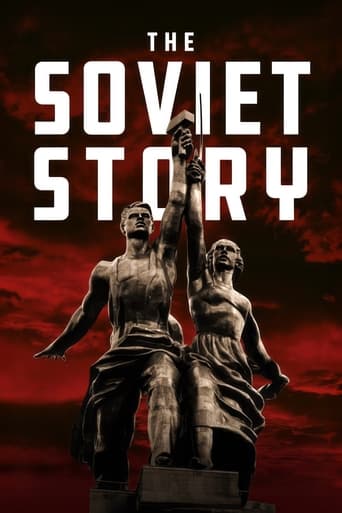
“The Soviet Story” is a story of an Allied power, which helped the Nazis to fight Jews and which slaughtered its own people on an industrial scale. Assisted by the West, this power triumphed on May 9th, 1945. Its crimes were made taboo, and the complete story of Europe’s most murderous regime has never been told. Until now...
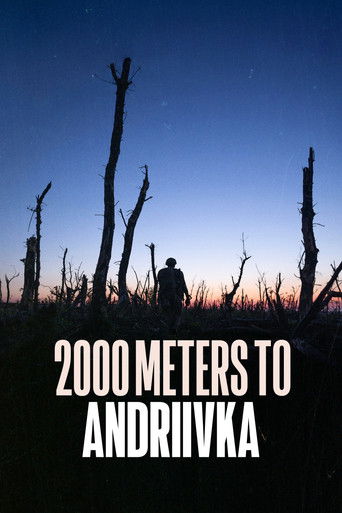
Amid the failing counteroffensive, a journalist follows a Ukrainian platoon on their mission to traverse one mile of heavily fortified forest and liberate a strategic village from Russian occupation. But the farther they advance through their destroyed homeland, the more they realize that this war may never end.
Pete Postlethwaite stars as a man living alone in the devastated future world of 2055, looking at old footage from 2008 and asking: why didn’t we stop climate change when we had the chance?
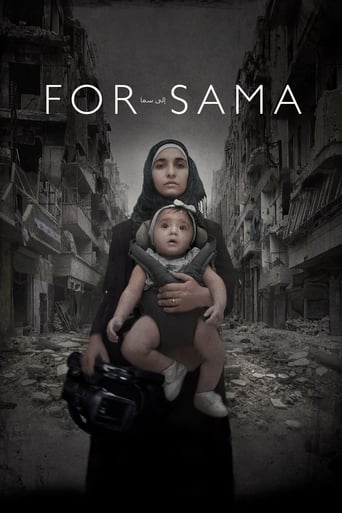
A love letter from a young mother to her daughter, the film tells the story of Waad al-Kateab’s life through five years of the uprising in Aleppo, Syria as she falls in love, gets married and gives birth to Sama, all while cataclysmic conflict rises around her. Her camera captures incredible stories of loss, laughter and survival as Waad wrestles with an impossible choice– whether or not to flee the city to protect her daughter’s life, when leaving means abandoning the struggle for freedom for which she has already sacrificed so much.
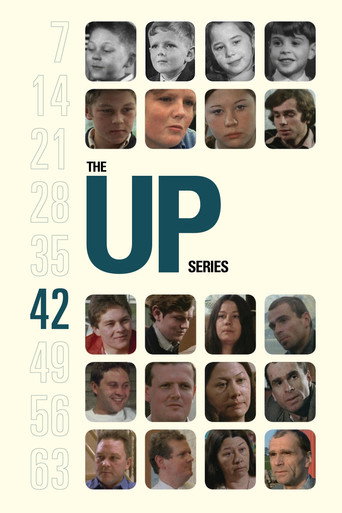
Director Michael Apted revisits the same group of British-born adults after a 7 year wait. The subjects are interviewed as to the changes that have occurred in their lives during the last seven years.
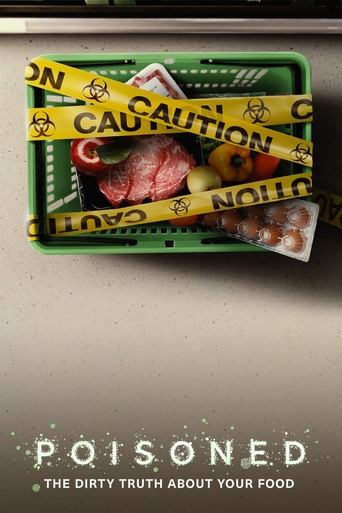
Through revealing interviews with experts and victims' families, this gripping documentary examines the problem of deadly foodborne illness in the US.
Filmmaker Martin Scorsese interviews his mother and father about their life in New York and family history back in Sicily.
An unprecedented and intimate look at the life, work and enduring legacy of British actress Audrey Hepburn (1929-1993).
Prelude to War was the first film of Frank Capra's Why We Fight propaganda film series, commissioned by the Pentagon and George C. Marshall. It was made to convince American troops of the necessity of combating the Axis Powers during World War II. This film examines the differences between democratic and fascist states.
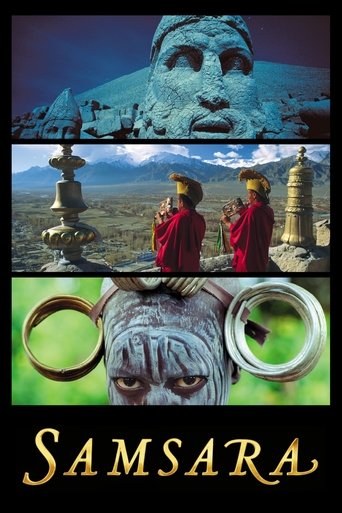
Filmed over nearly five years in twenty-five countries on five continents, and shot on seventy-millimetre film, Samsara transports us to the varied worlds of sacred grounds, disaster zones, industrial complexes, and natural wonders.
A comedic, brutally honest documentary following self-destructive TV writer Dan Harmon as he takes his live podcast on a national tour.
A documentary on the expletive's origin, why it offends some people so deeply, and what can be gained from its use.
Set both in Latin America and the United States, the film explores the historic and current relationship of Washington with countries such as Venezuela, Bolivia and Chile. Pilger says that the film "...tells a universal story... analysing and revealing, through vivid testimony, the story of great power behind its venerable myths. It allows us to understand the true nature of the so-called "war on terror". According to Pilger, the film’s message is that the greed and power of empire is not invincible and that people power is always the "seed beneath the snow".
Police pull over a woman who claims she just gave birth. But the baby — and the blood — aren't hers. Twisted lies unravel in this true-crime documentary.
Cameramen and women discuss the craft and art of cinematography and of the "DP" (the director of photography), illustrating their points with clips from 100 films, from Birth of a Nation to Do the Right Thing. Themes: the DP tells people where to look; changes in movies (the arrival of sound, color, and wide screens) required creative responses from DPs; and, these artisans constantly invent new equipment and try new things, with wonderful results. The narration takes us through the identifiable studio styles of the 30s, the emergence of noir, the New York look, and the impact of Europeans. Citizen Kane, The Conformist, and Gordon Willis get special attention.
When Allied forces liberated the Nazi concentration camps in 1944-45, their terrible discoveries were recorded by army and newsreel cameramen, revealing for the first time the full horror of what had happened. Making use of British, Soviet and American footage, the Ministry of Information’s Sidney Bernstein (later founder of Granada Television) aimed to create a documentary that would provide lasting, undeniable evidence of the Nazis’ unspeakable crimes. He commissioned a wealth of British talent, including editor Stewart McAllister, writer and future cabinet minister Richard Crossman – and, as treatment advisor, his friend Alfred Hitchcock. Yet, despite initial support from the British and US Governments, the film was shelved, and only now, 70 years on, has it been restored and completed by Imperial War Museums under its original title "German Concentration Camps Factual Survey".
The making of Matrix Revolutions, The (2003) is briefly touched on here in this documentary. Interviews with various cast and crew members inform us how they were affected by the deaths of Gloria Foster and Aaliyah, and also delve into the making of the visual effects that takes up a lot of screen time. Written by Rhyl Donnelly
Those who knew iconic funnyman John Candy best share his story, in their own words, through never-before-seen archival footage, imagery, and interviews.
The history of cinematic sound, told by legendary sound designers and visionary filmmakers.
In 1997, Louis Theroux made a documentary about the world of male porn performers in Los Angeles. 15 years later, he returns to find a business struggling with the deluge of free porn on the internet. Louis revisits some of the original programme's contributors as well as meeting the latest crop of porn performers dreaming of porn stardom.