"English"
A documentary about the laying of the first transatlantic telephone line.
Social & External
The people behind it
John Hiestand
Narrator
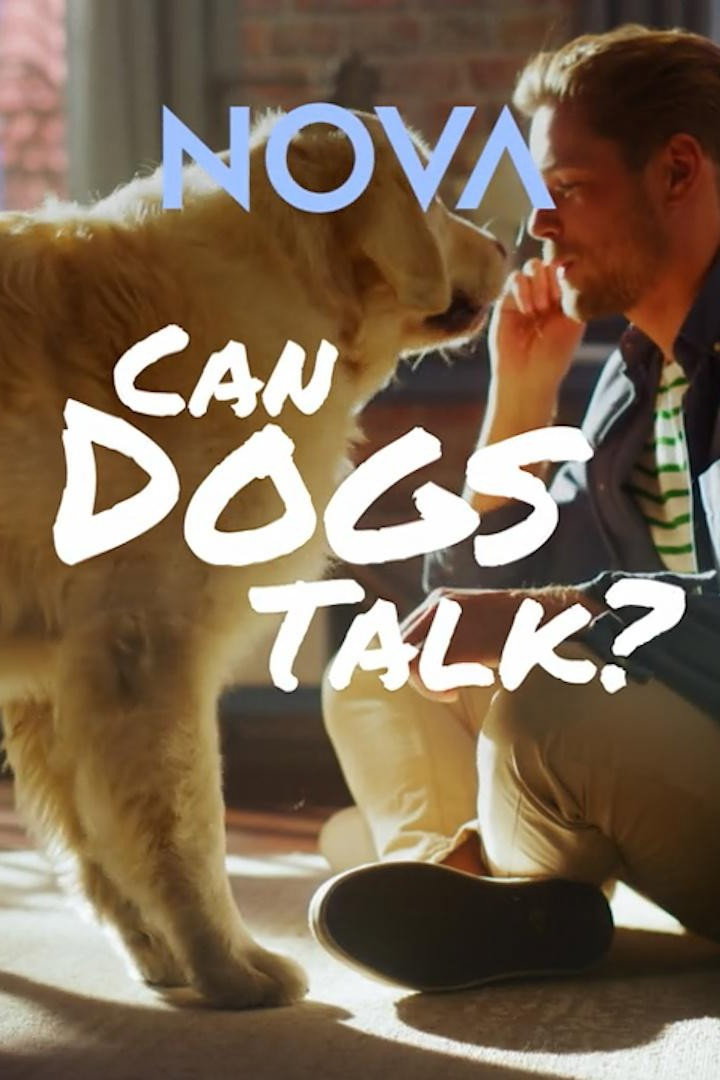
Imagine a world where your furry best friend could tell you exactly what they're thinking. A growing number of dog owners claim this is already happening, thanks to innovative word buttons that seem to unlock a new realm of canine communication. But are these dogs truly understanding what we’re saying — and talking back? Are they really thinking creatively, applying words in new contexts? Or is this just clever conditioning? To find out, scientists are conducting the largest animal communication study in history, analyzing millions of button presses from thousands of dogs worldwide. Witness astonishing moments that challenge our assumptions about animal intelligence, from dogs that seemingly engage in conversations to those who learn new words with incredible speed. Prepare to question everything you thought you knew about the minds of dogs and discover just how far their linguistic abilities might stretch.
Mechanistic portrait of the iron industry, with molten metal shaped into "pig-irons" before being reheated and pressed into steel rails.
Introduction to the oil industry of India in the post-colonial period.
The Metaphor That Became a Room is a psychological drama exploring identity, communication, and the struggle for self-understanding. Divided into two parts, the film first delves into the protagonist’s frustration with the urge to persuade others, realizing that over-explaining only distorts meaning. A note from the past echoes a hard truth: “Someone’s unwillingness to understand will always outweigh your effort.” In A Symphony of Unfinished Selves, the narrative shifts inward, revealing the protagonist’s fractured identity. Trapped in a metaphorical room built from illusions and contradictions, he reflects on his dual persona—the social facade and the hidden, lost self. The film questions how we see ourselves versus how others see us and whether true self-recognition is possible. Through minimalist dialogue and layered symbolism, the film captures the silent tension between who we are, who we appear to be, and who we long to become.
Facing deteriorating machines and the advance of new technologies, Argentine printing presses are closing up their shops. A group of young designers has rediscovered this great technical innovation in the history of the written word – the typesetting printing press – but the technique is difficult to learn, passed down from master to apprentice. The last press mechanic in the country will be in charge of teaching them so that this historic technique endures.
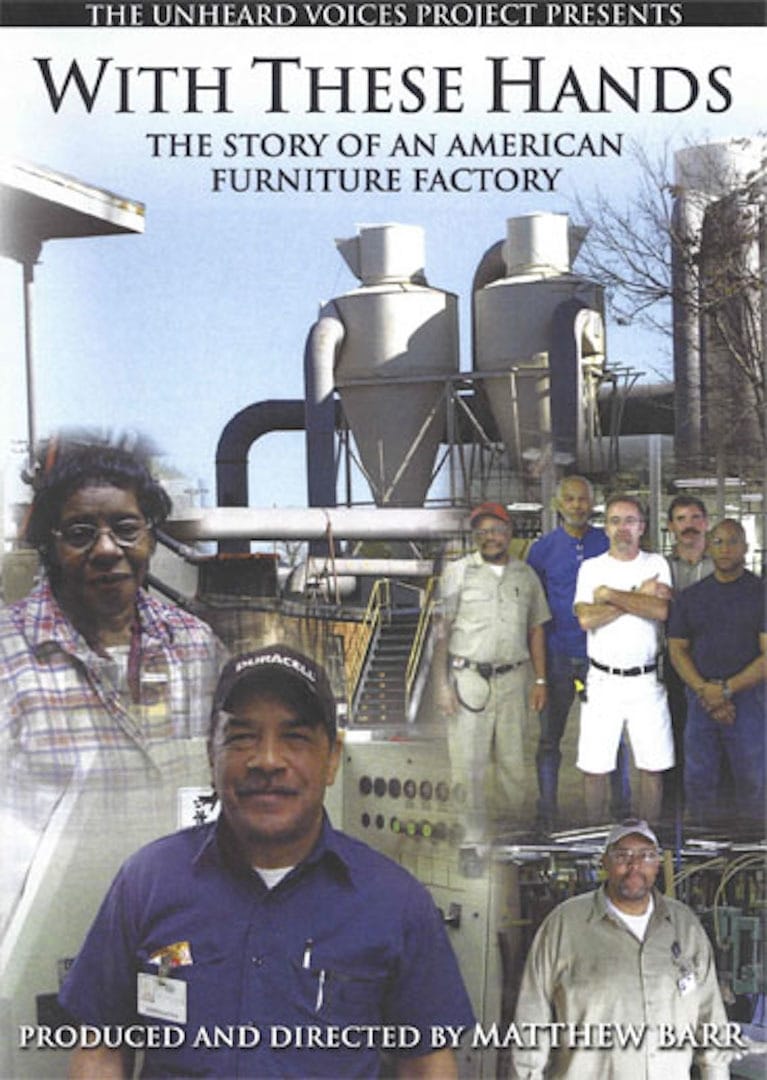
In 2007, unable to compete with cheaper offshore production, Hooker Furniture Co. closed its plant in Martinsville, Virginia, after 83 years in operation. With These Hands follows the last load of wood down the assembly line as it is cut, honed, and assembled into fine furniture. Along the way, employees at the factory share their perspectives on work, community, and survival in a country devastated by de-industrialization and outsourcing.
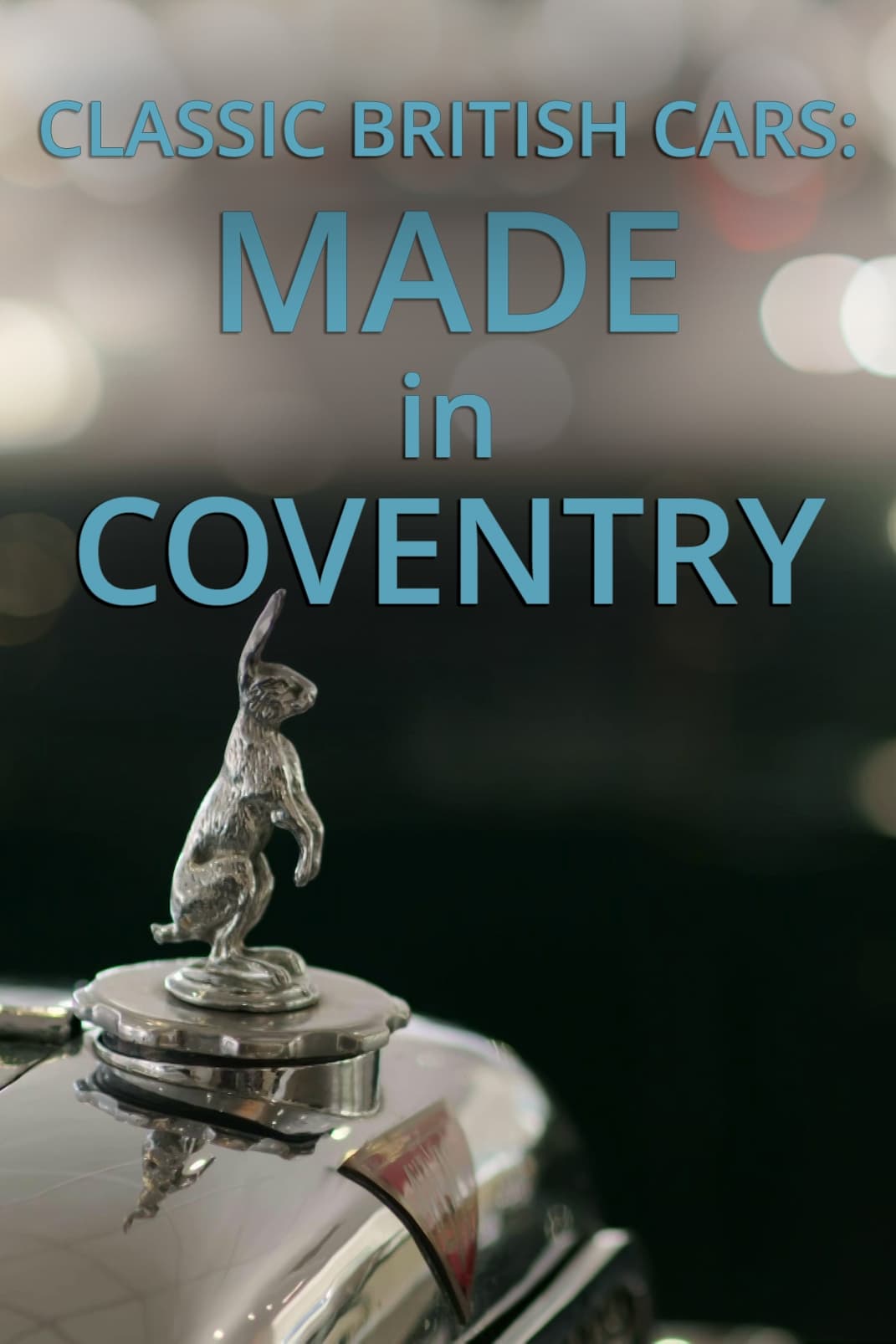
Find out how the cars were crafted and discover the secret family stories behind the most famous marques including Riley, Standard, Triumph and Jaguar. Legendary racers Rosemary Smith, Pat Quinn and Norman Dewis share their memories of competing Coventry’s cars in some of the world’s most dangerous motorsport events. And, meet the people passionate about preserving the city’s extraordinary motoring heritage.
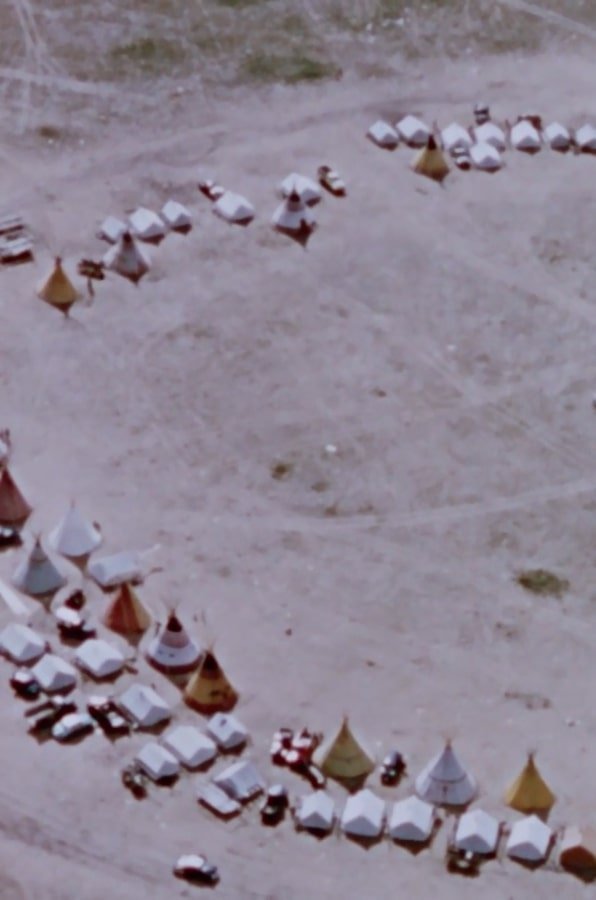
On the Kainai (Blood) First Nations Reserve, near Cardston, Alberta, a hopeful new development in Indigenous enterprise. Once rulers of the western plains, the Bloods live on a 1 300-square-kilometer reserve. Many have lacked gainful employment and now pin their hopes on a pre-fab factory they have built. Will the production line and work and wages fit into their cultural pattern of life? The film shows how it is working and what the owners themselves say about their venture.
This unique video teaches families who need to care for an elderly parent how to work together to develop a shared caregiving plan. It takes an in-depth look at how one typical family comes together to assess its elder parent’s needs.
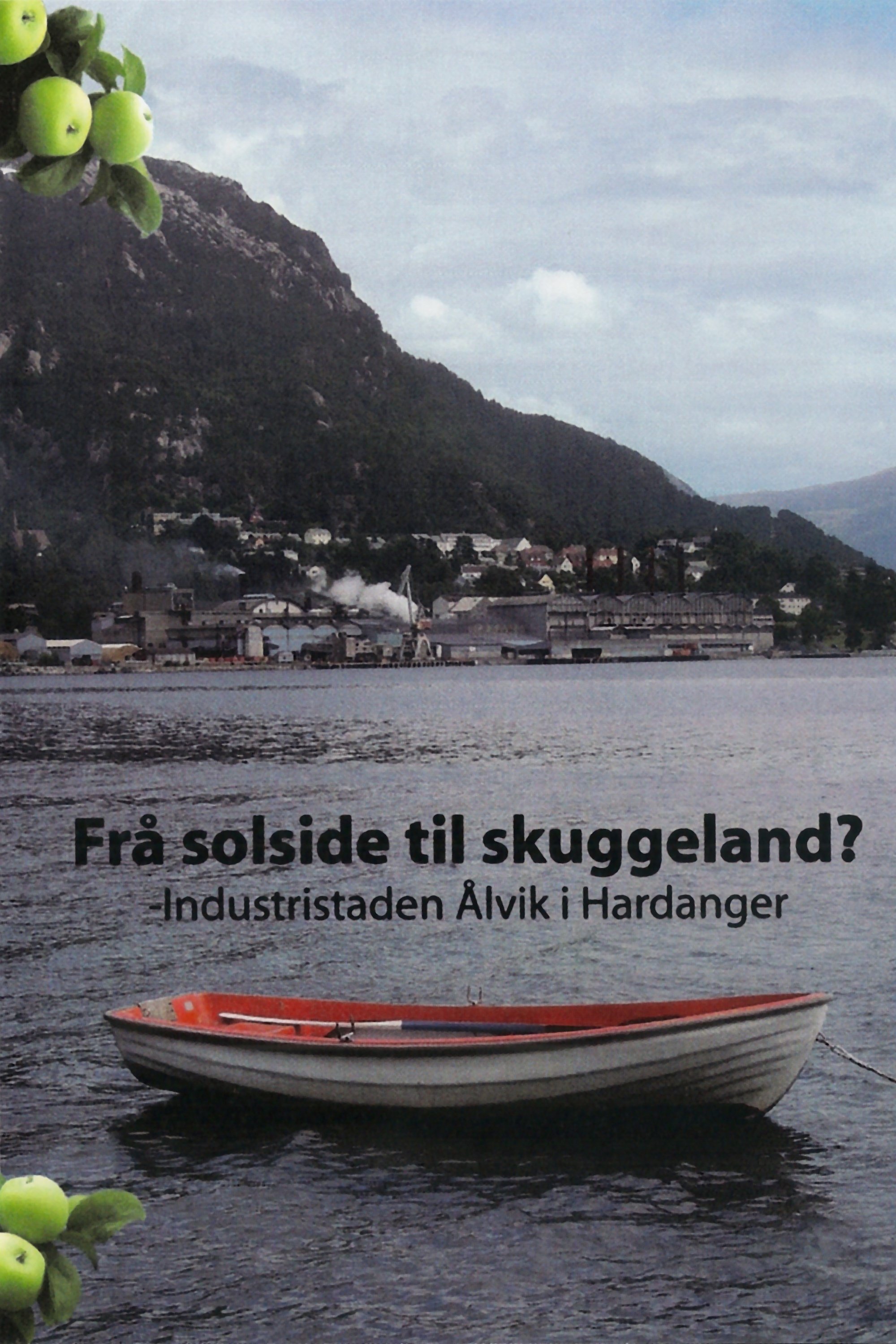
This is a documentary that tells about the history of Ålvik as an industrial town. It is the story of the water on the mountain that was tamed into electric power, and was the foundation of Bjølvefossen. The film tells about Trallebanen, one of the most unique cultural heritage sites in Hardanger. Should it be preserved?
TV-documentary about communication
This short documentary film is a fascinating portrait of urban and rural Quebec in the late 1960s, as the province entered modernity. The collective work produced for the Quebec Ministry of Industry and Commerce calls on several major Quebec figures.
A documentary that follows Dr. Penny Patterson's current scientific study of Koko, a gorilla who communicates through American Sign Language.
The life and career of an actor, artist, and icon. His own journey through his own camera.
Filmmaker Lawrence Shapiro discusses voice-over acting with the talented people behind the characters.
Daniel Craig candidly reflects on his 15 year adventure as James Bond. Including never-before-seen archival footage from Casino Royale to the upcoming 25th film No Time To Die, Craig shares his personal memories in conversation with 007 producers, Michael G Wilson and Barbara Broccoli.
An unprecedented and intimate look at the life, work and enduring legacy of British actress Audrey Hepburn (1929-1993).
Al Pacino's deeply-felt rumination on Shakespeare's significance and relevance to the modern world through interviews and an in-depth analysis of "Richard III."
The film follows adventurer Jeff Johnson as he retraces the epic 1968 journey of his heroes Yvon Chouinard and Doug Tompkins to Patagonia.
A documentary chronicling Vogue editor-in-chief Anna Wintour's preparations for the 2007 fall-fashion issue.
Join director Clint Eastwood and his creative team, along with Bradley Cooper and Sienna Miller, as they overcome enormous creative and logistic obstacles to make a film that brings the truth of Navy SEAL Chris Kyle's story to the screen.
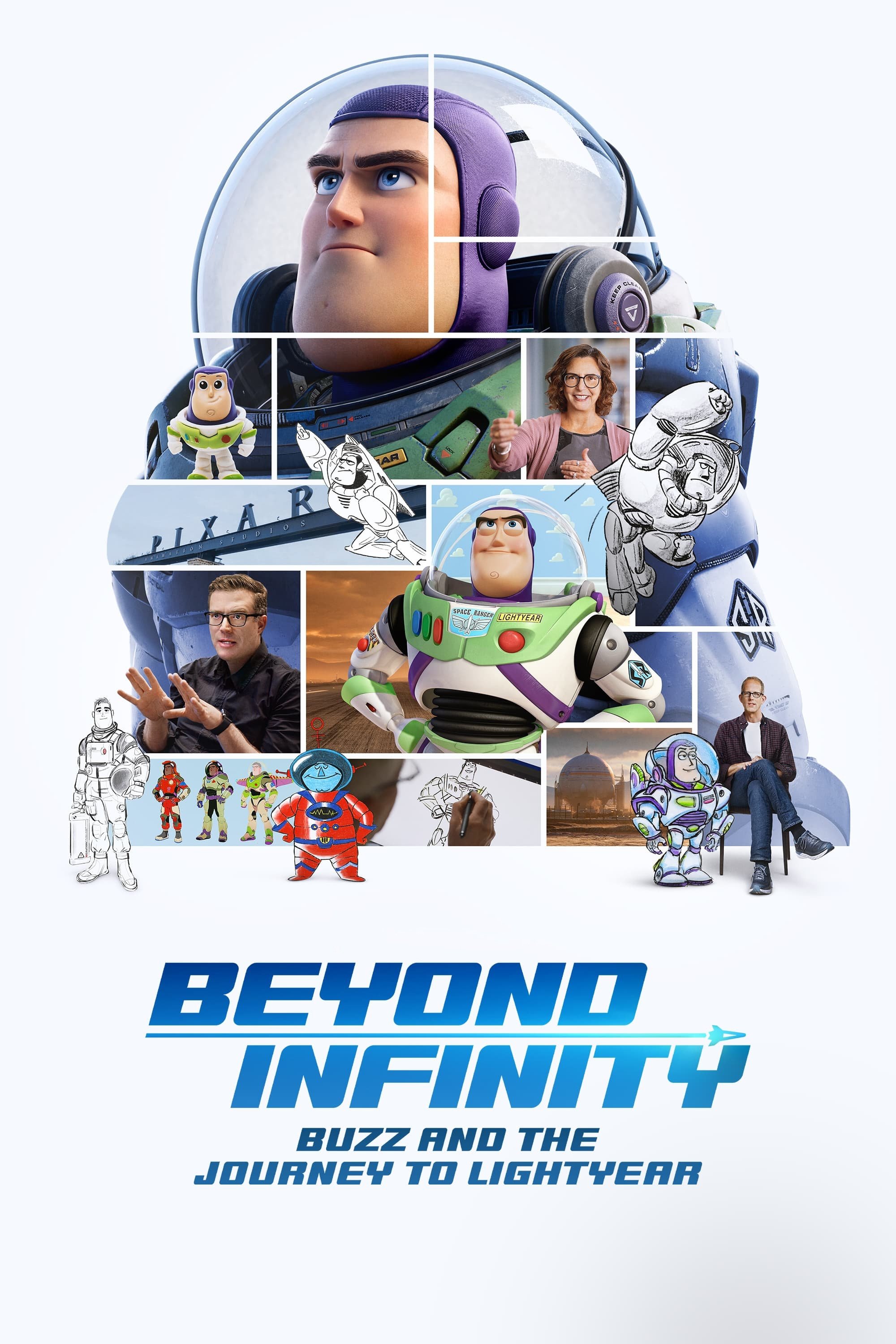
Explore the evolution of Buzz Lightyear from toy to human in the making of Pixar’s Lightyear. Dive into the origin and cultural impact of everyone’s favorite Space Ranger, the art of designing a new “human Buzz,” and the challenges faced by the Lightyear crew along the way.
Through deeply personal interviews with her siblings and an examination of the photographs, letters, and belongings left behind, Mariska assembles a new portrait of her mother Jayne Mansfield, an extraordinary and complex woman.
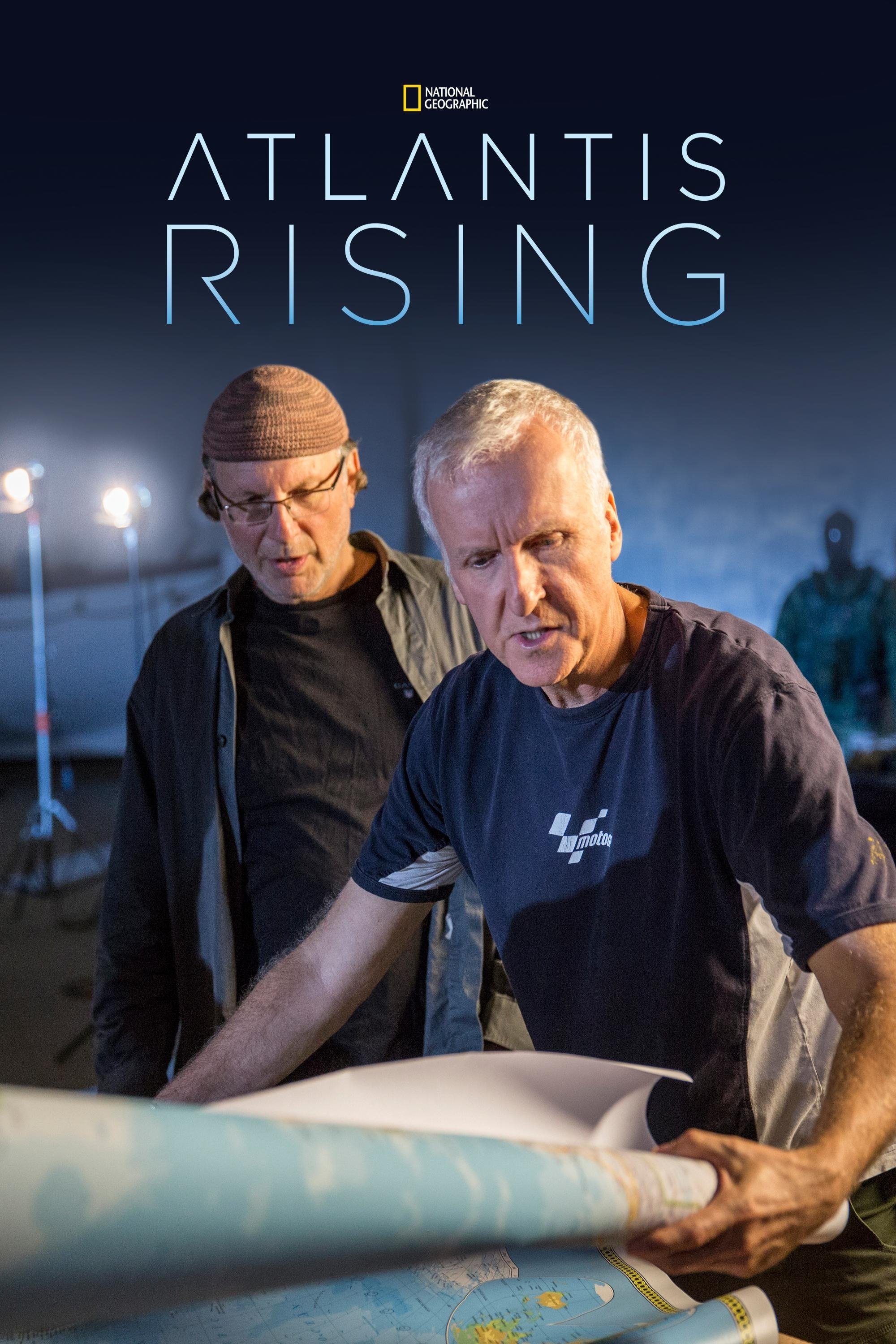
James Cameron and Simcha Jacobovici go on an adventure to find the lost city of Atlantis by using Greek philosopher Plato as a virtual treasure map.
A deep dive into the making of the Paranormal Activity films with first time ever interviews with cast and crew, never-before-seen footage from the movies, and a preview of the seventh installment in the franchise.
A feature length documentary about the all-women team at the helm of Pixar's original feature, Turning Red. With unprecedented behind-the-scenes access to Director Domee Shi and her core leadership crew, this story shines a light on the powerful professional and personal journeys that brought this incredibly comical, utterly relatable, and deeply heartfelt story to the screen.
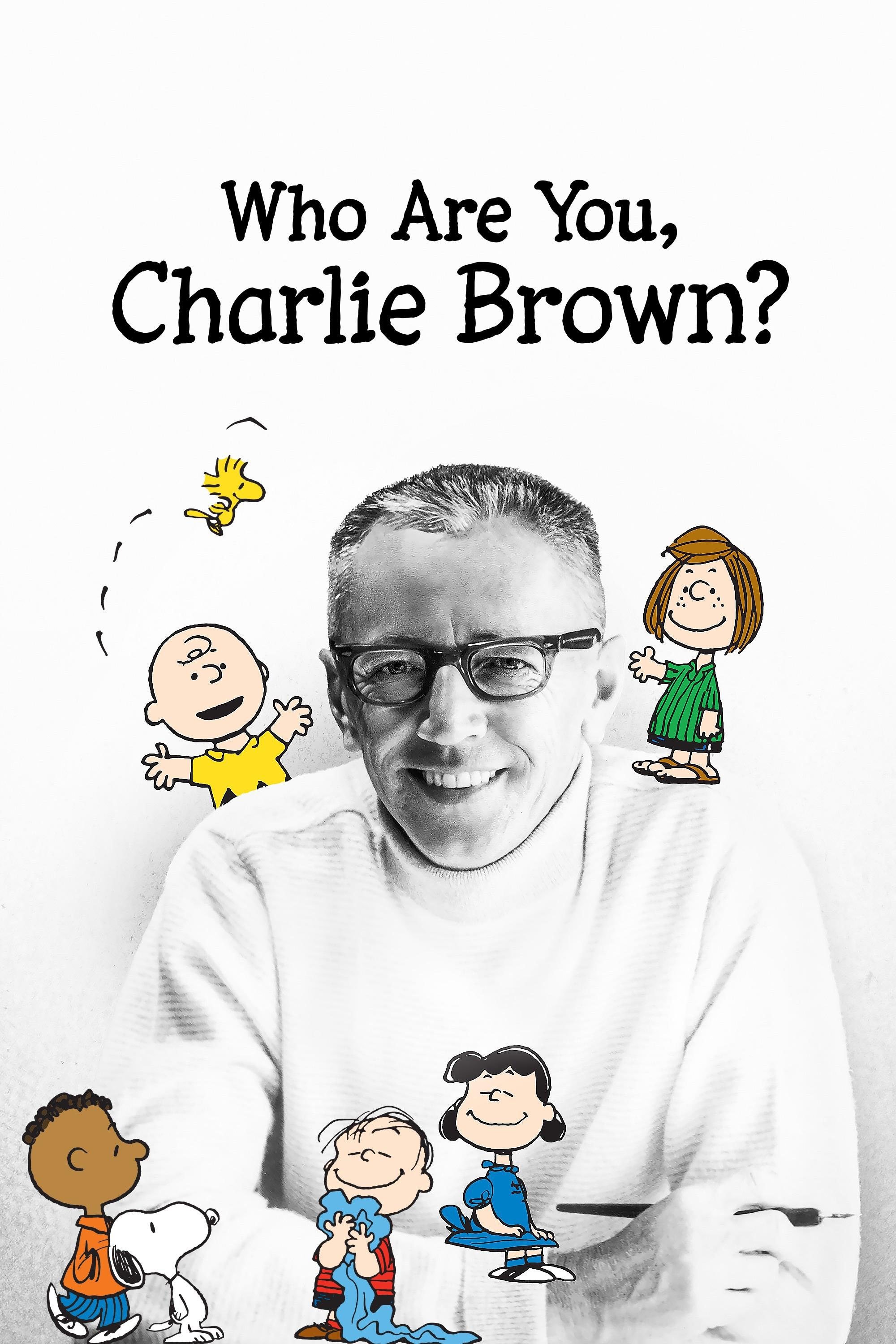
Lupita Nyong'o narrates a documentary about Peanuts and its creator, Charles M. Schulz. Famous fans—including Drew Barrymore, Kevin Smith, and Al Roker—share its influence on them, and a new animated story finds Charlie Brown on a quest.
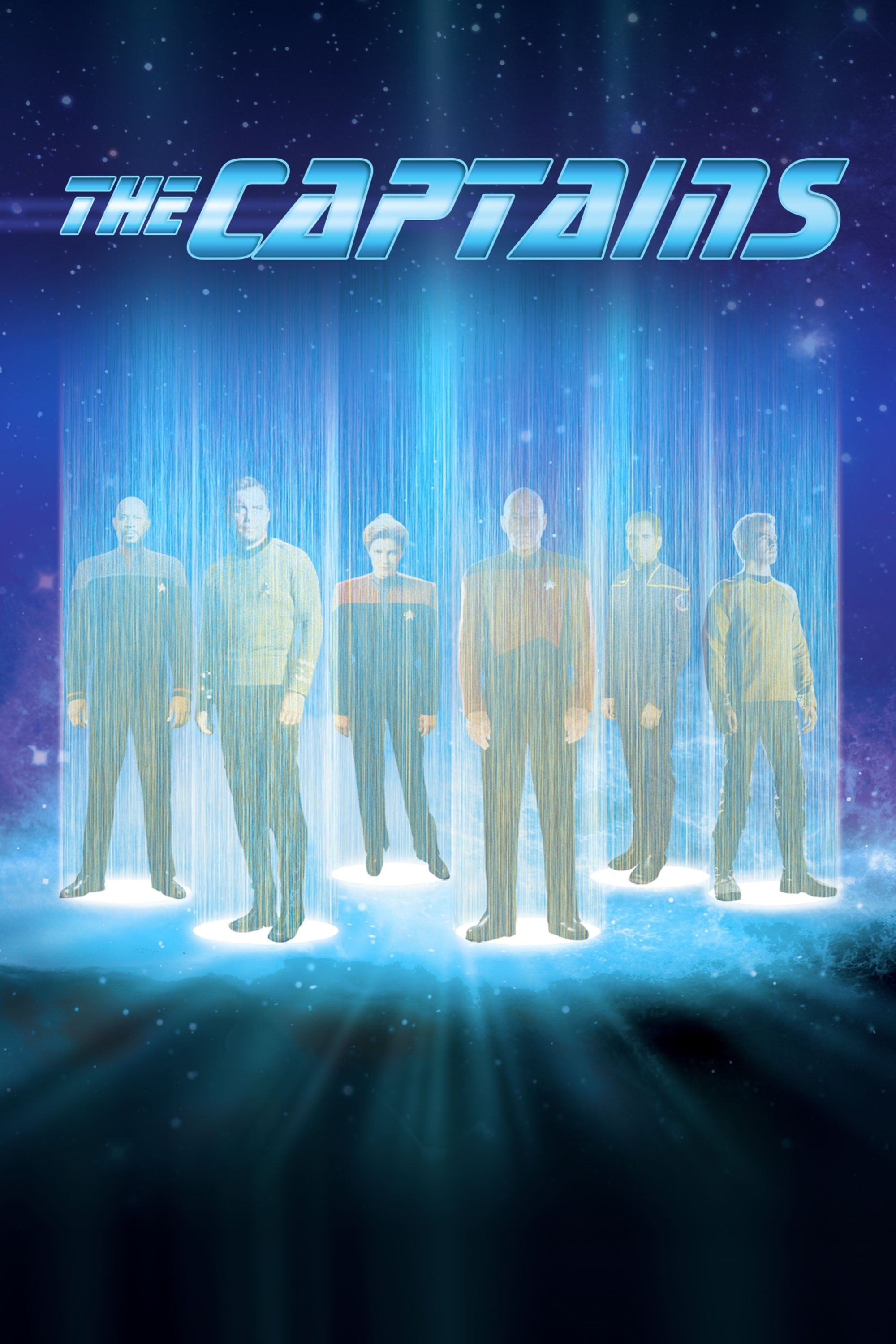
The Captains is a feature-length documentary film written and directed by William Shatner. The film follows Shatner as he interviews the other actors who have portrayed starship captains in the Star Trek franchise.
A visual montage portrait of our contemporary world dominated by globalized technology and violence.
A look at the origins, history and conspiracies behind the "Majestic 12", a clandestine group of military and corporate figureheads charged with reverse-engineering extraterrestrial technology.
Prelude to War was the first film of Frank Capra's Why We Fight propaganda film series, commissioned by the Pentagon and George C. Marshall. It was made to convince American troops of the necessity of combating the Axis Powers during World War II. This film examines the differences between democratic and fascist states.
Nine filmmakers each profile a young girl from a different part of the world to weave a global tapestry of youth in the 21st century.
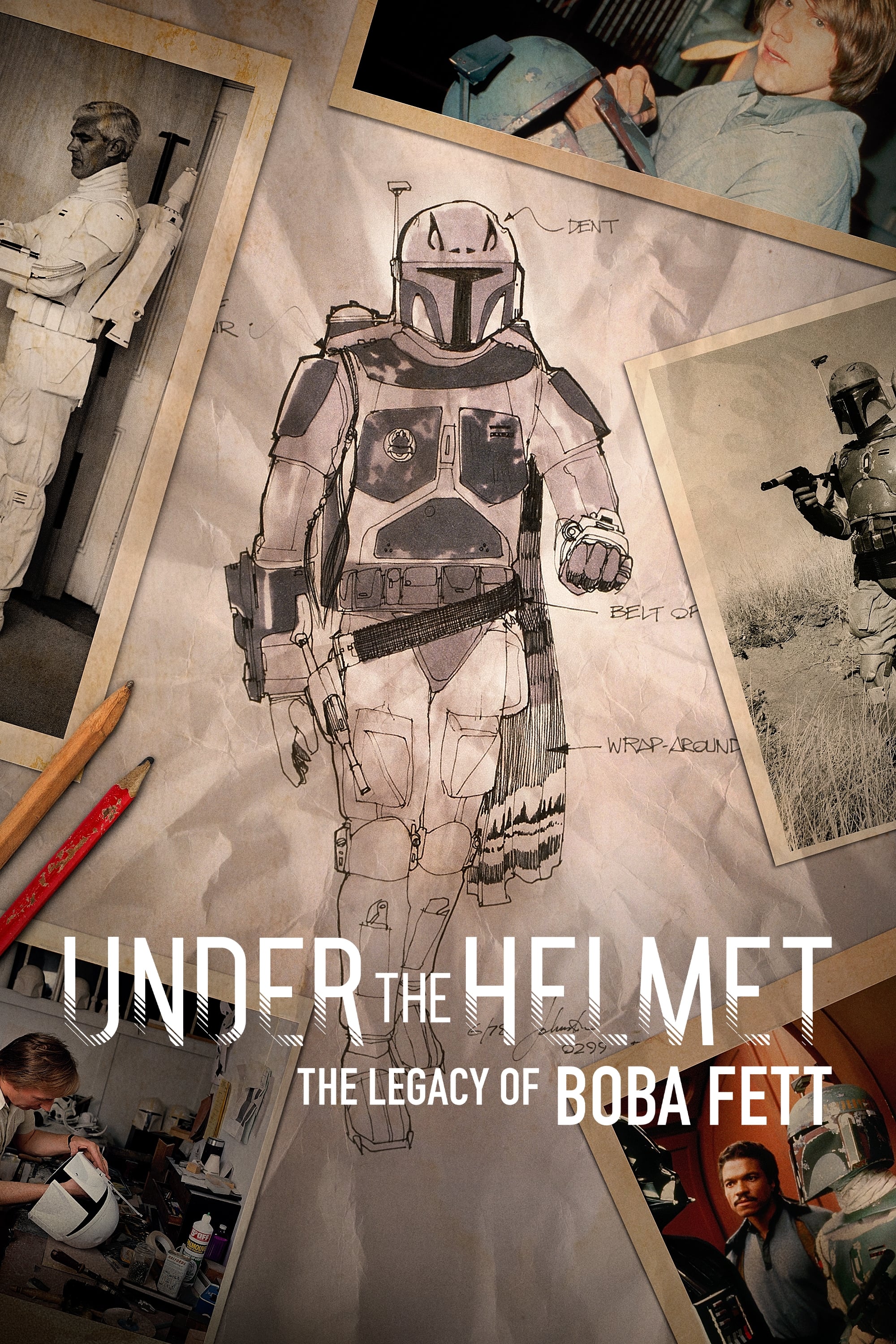
A special celebrating the origins and legacy of Star Wars' legendary bounty hunter, Boba Fett.