Social & External
The people behind it
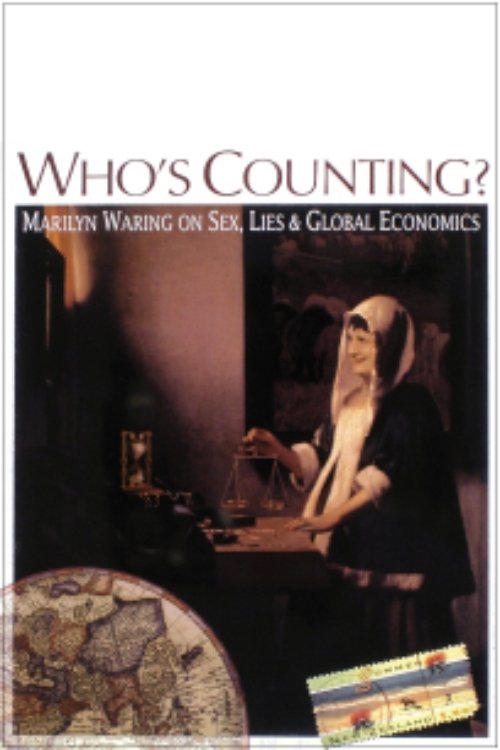
This documentary profiles economist and writer Marilyn Waring. In extensive interviews, Waring details her feminist approach to finances and challenges commonly accepted truths about the global economy. The filmmakers detail Waring's early rise to political prominence and her successful protests against nuclear arms. Waring also speaks candidly about wartime economies, suggesting that government policies tend to marginalize the fiscal contributions of women.
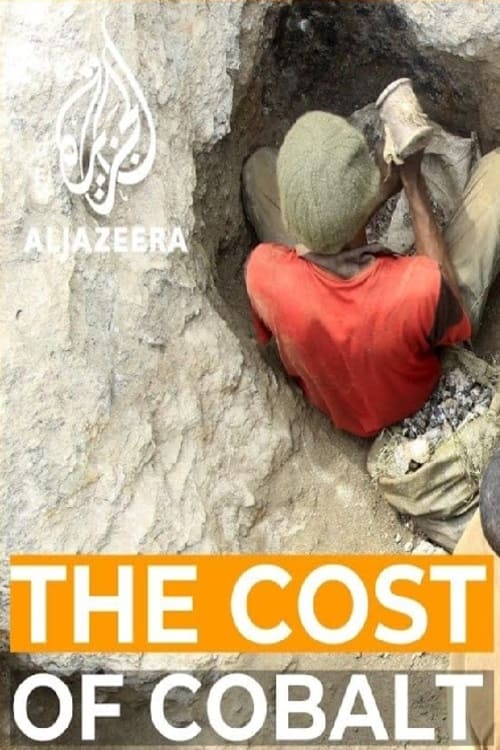
In the cobalt mining areas of Katanga in the Democratic Republic of the Congo (DRC), babies are being born with horrific birth defects. Scientists and doctors are finding increasing evidence of environmental pollution from industrial mining which, they believe, may be the cause of a range of malformations from cleft palate to some so serious the baby is stillborn. More than 60% of the world’s reserves of cobalt are in the DRC and this mineral is essential for the production of electric car batteries, which may be the key to reducing carbon emissions and to slowing climate change. In The Cost of Cobalt we meet the doctors treating the children affected and the scientists who are measuring the pollution. Cobalt may be part of the global solution to climate change, but is it right that Congo’s next generation pay the price with their health? Many are hoping that the more the world understands their plight, the more pressure will be put on the industry here to clean up its act.
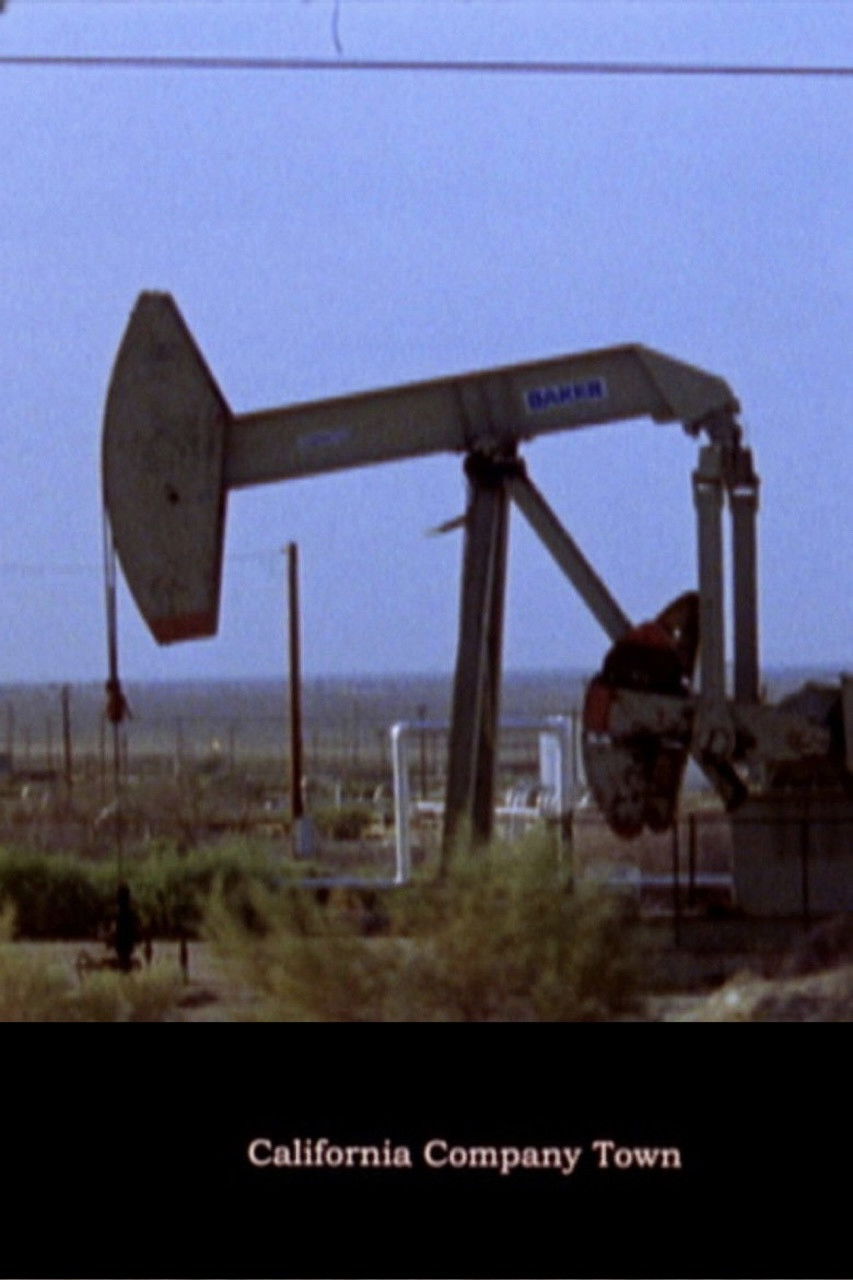
Lee Anne Schmitt explores California's landscape and past to document the history of one-time boom towns built and abandoned by the industries that necessitated their creation. Sold as a limitless land expansive with free opportunity, California was actually, from its onset, fissured by the interwoven needs of private and public interests. Schmitt's film covers various locations through time, as the major industries of the early 20th century (mining, lumber, oil) give way to the military, eventually leading to multinational corporations, and the use of small towns as satellites for growing urban metropolises.
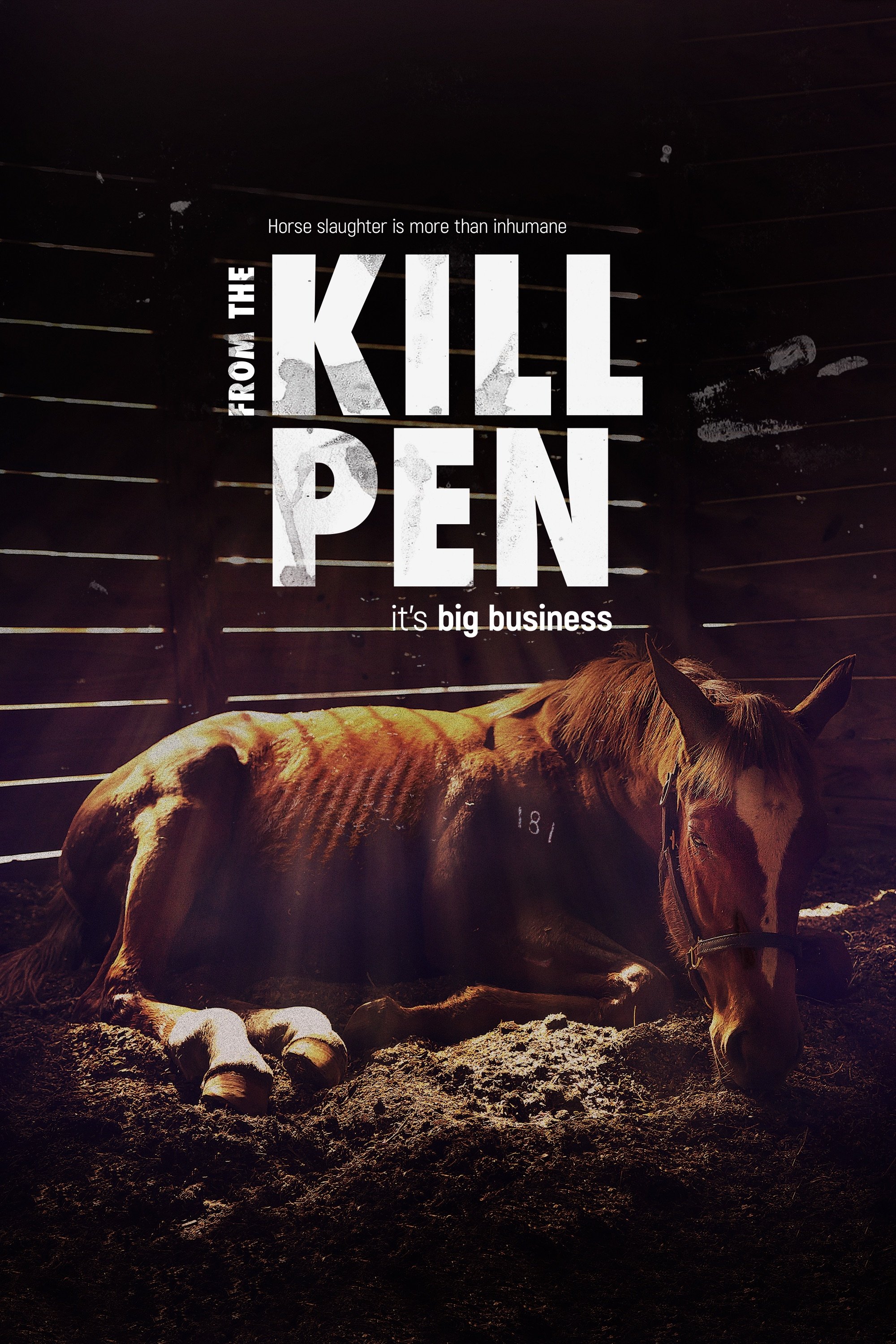
Horse slaughter is more than inhumane. It's big business.
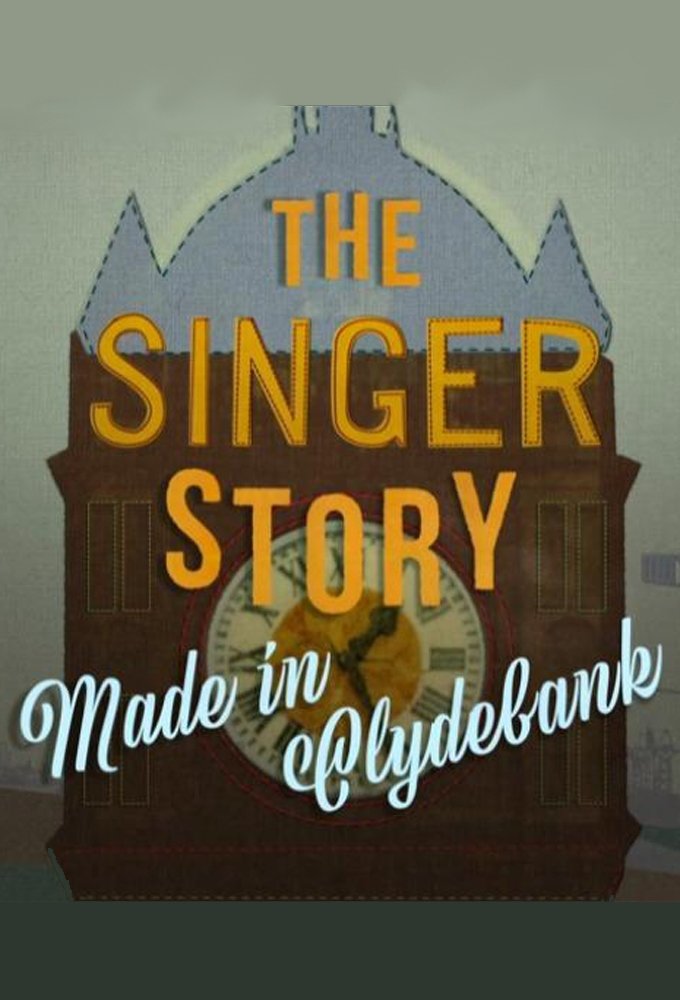
The Singer sewing machine, international icon and a symbol of the Industrial Revolution, helped put the town of Clydebank on the map. Over the course of a century, it employed tens of thousands of 'bankies' before its demise nearly 40 years ago. This documentary charts the story of those workers: how their lives were intertwined with the fortunes of Scotland’s first US multinational company. The programme pays homage to the Singer machine, and the huge impact it made on families and households all over the world.
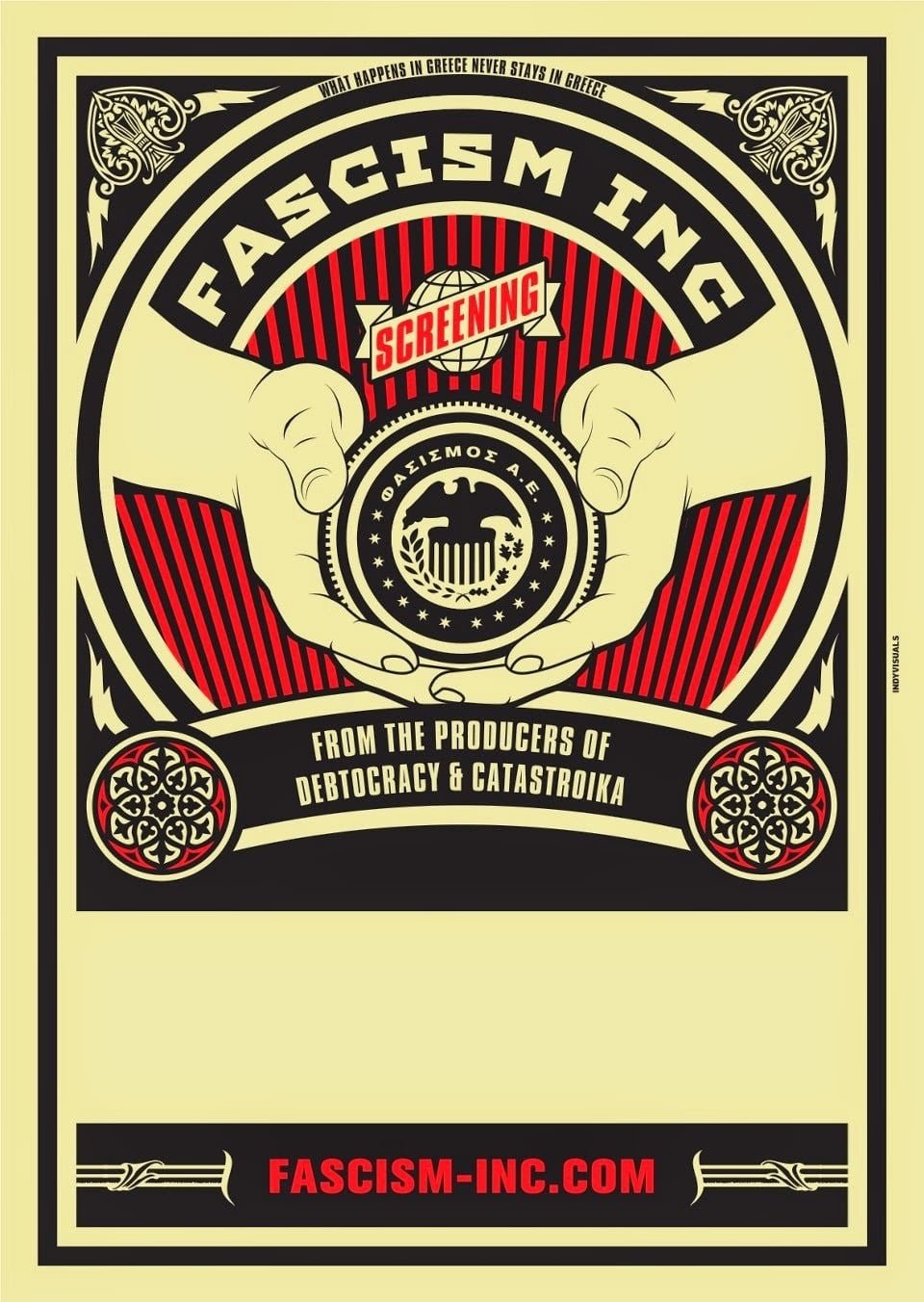
Unknown short stories from the past, the present and the future of fascism and its relation to the economic interests of each era. We will travel from Mussolini’s Italy to Greece under the Nazi occupation, the civil war and the dictatorship; and from Hitler’s Germany to the modern European and Greek fascism.
The environmental problems caused by fracking in America have been well publicized but what's less known are the gas industry's plans for expansion in other countries. This investigation, filmed in Botswana, South Africa and North America, reveals how gas companies are quietly invading some of the most protected places on the planet.
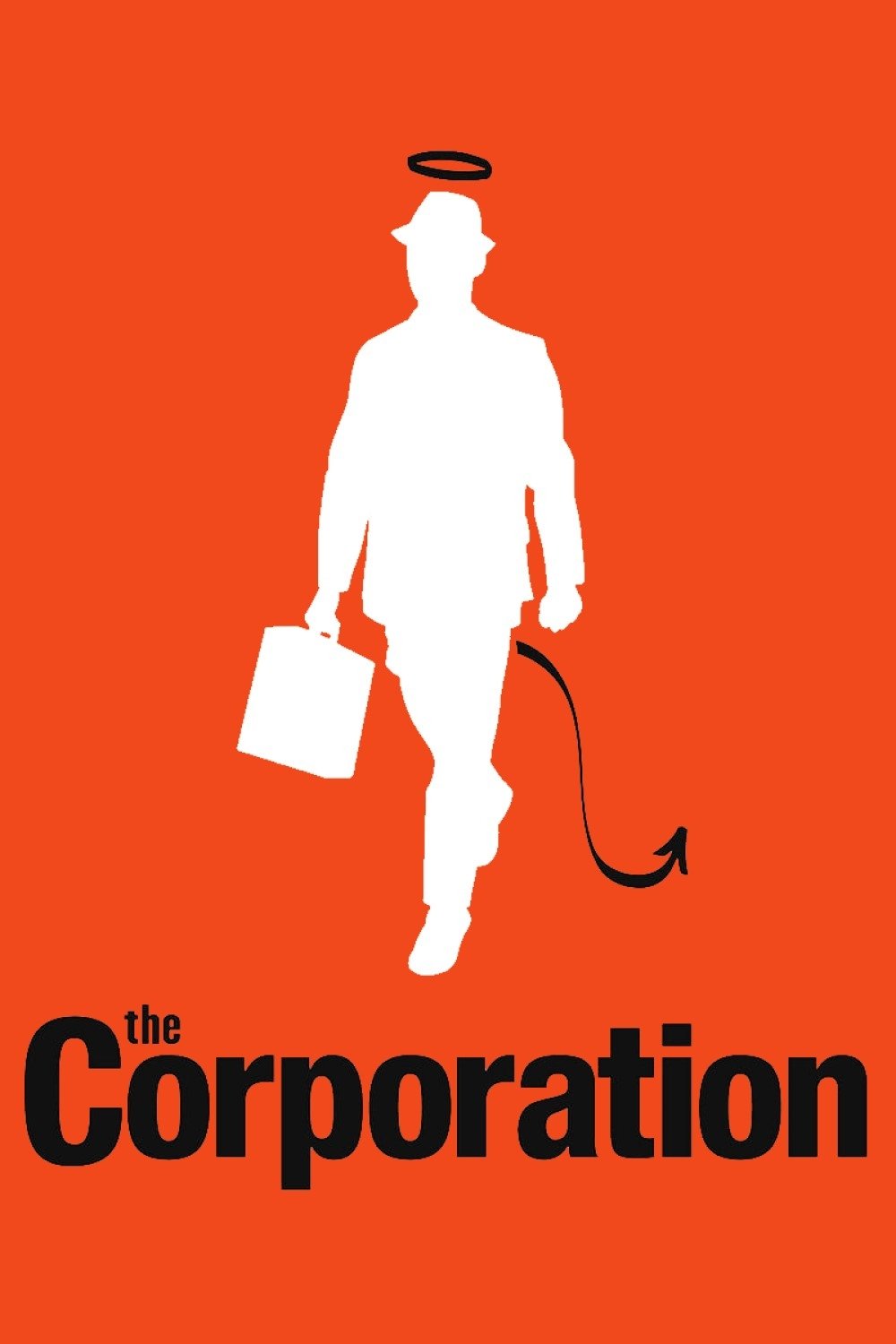
Since the late 18th century American legal decision that the business corporation organizational model is legally a person, it has become a dominant economic, political and social force around the globe. This film takes an in-depth psychological examination of the organization model through various case studies. What the study illustrates is that in the its behaviour, this type of "person" typically acts like a dangerously destructive psychopath without conscience. Furthermore, we see the profound threat this psychopath has for our world and our future, but also how the people with courage, intelligence and determination can do to stop it.
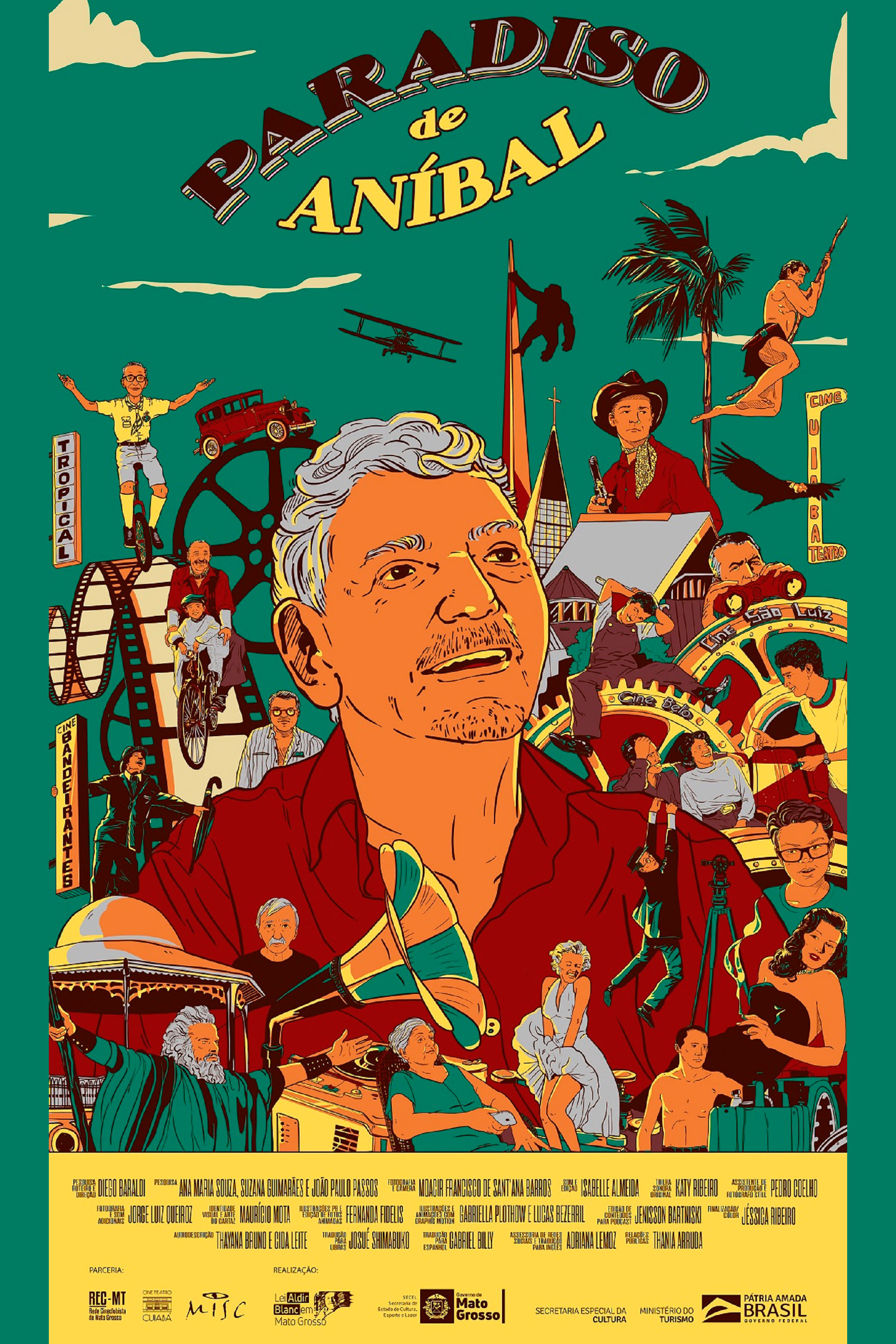
Aníbal Alencastro worked in different cinemas in Mato Grosso in the 1950s and 1960s. Now, he recalls stories related to the job of projectionist.
A devoted group of entrepreneurs and activists believe they see the writing on the wall, and they're determined to add a new chapter.
The video is accompanied by a richly detailed article that adds more depth to the documentary. If there’s any question about why Hollywood is dead set against the unionization of vfx artists, the following graphic from the article will answer the question: vfx artists comprise the biggest portion of the crew on most Hollywood blockbusters.
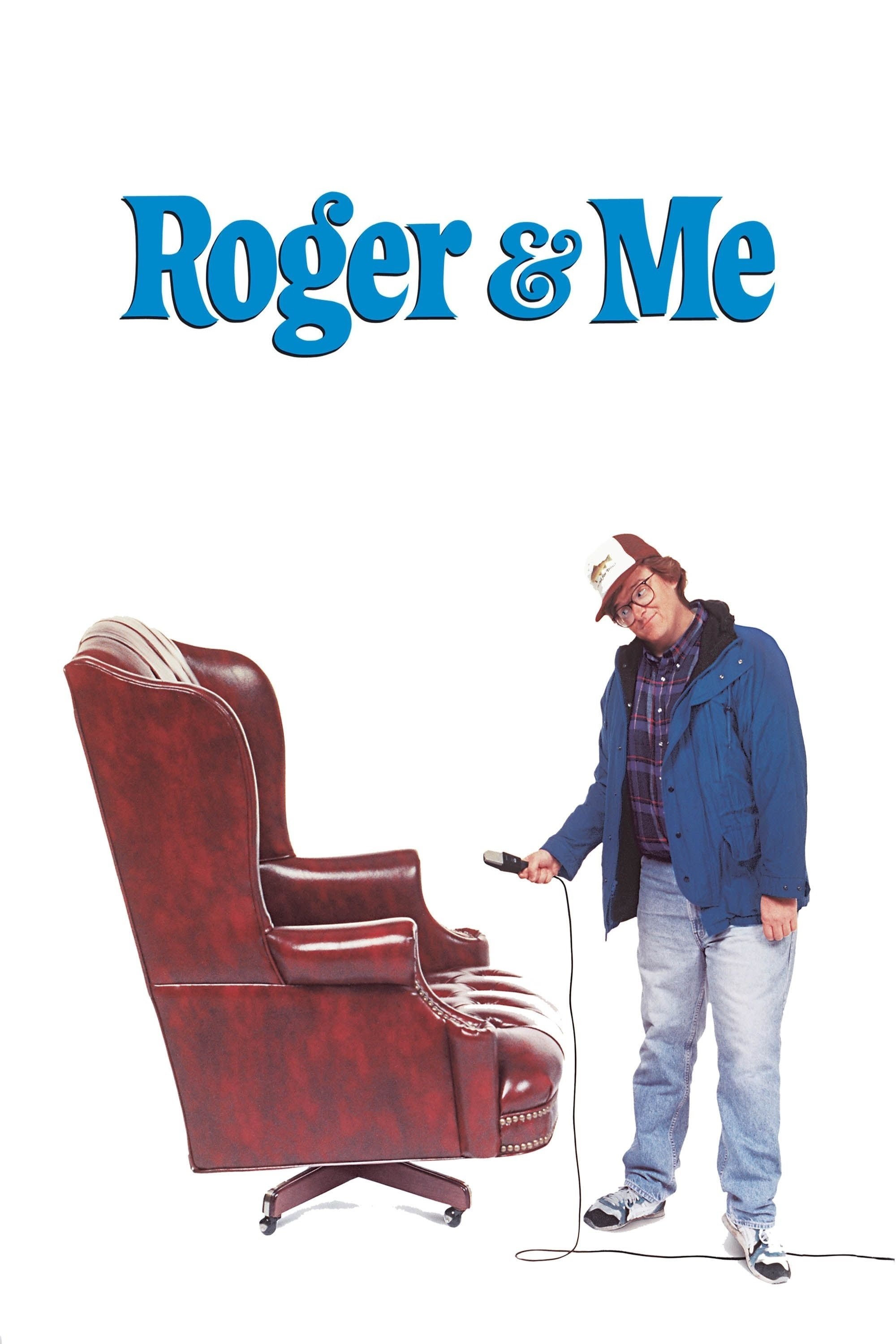
A documentary about the closure of General Motors' plant at Flint, Michigan, which resulted in the loss of 30,000 jobs. Details the attempts of filmmaker Michael Moore to get an interview with GM CEO Roger Smith.
A discussion of the economic and political ideas presented in the book "The Incredible Bread Machine".
An engineering feat: Second city civil engineers complete a new bridge to carry traffic over New Street's tangled railway intersections.
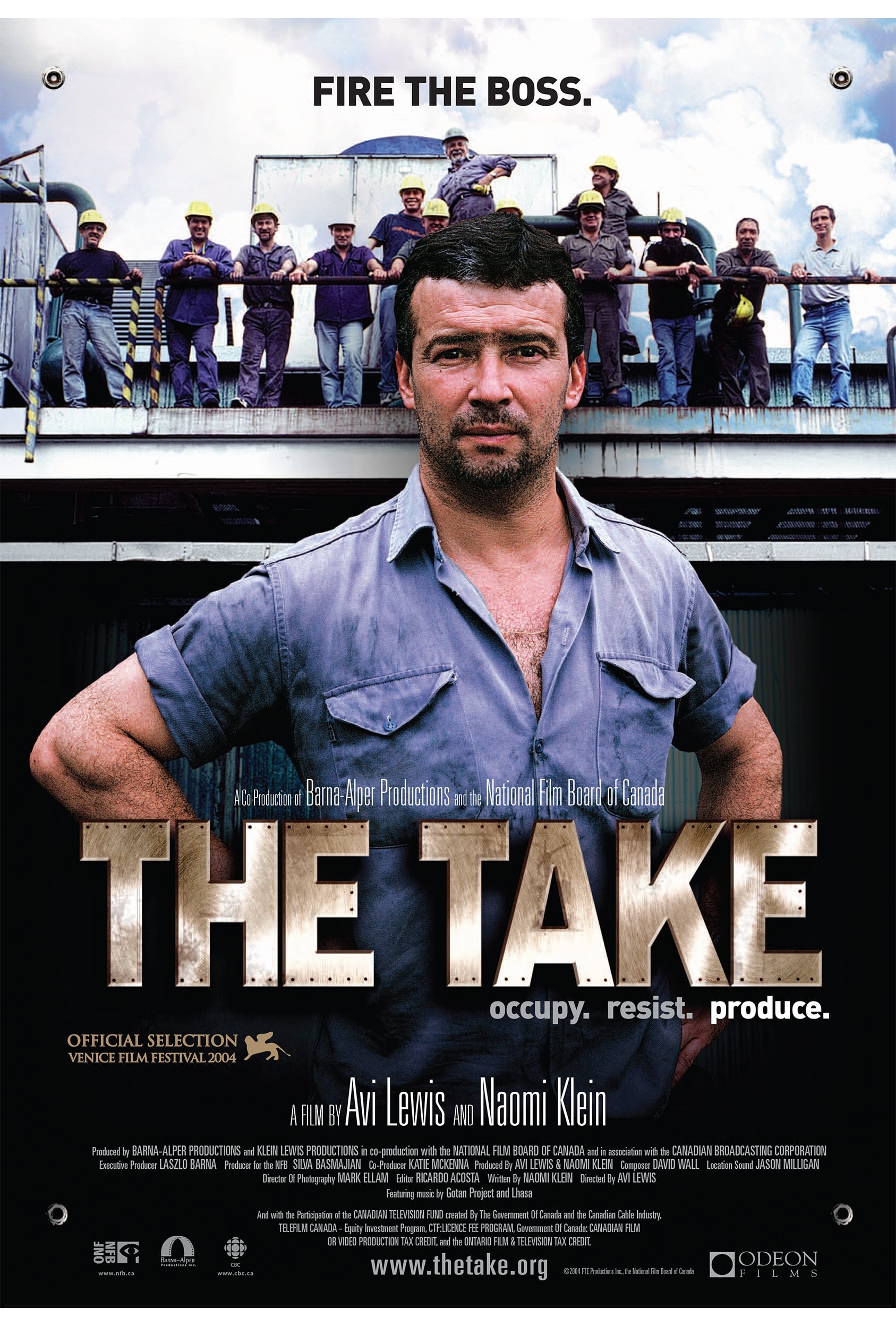
In suburban Buenos Aires, thirty unemployed ceramics workers walk into their idle factory, roll out sleeping mats and refuse to leave. All they want is to re-start the silent machines. But this simple act - the take - has the power to turn the globalization debate on its head. Armed only with slingshots and an abiding faith in shop-floor democracy, the workers face off against the bosses, bankers and a whole system that sees their beloved factories as nothing more than scrap metal for sale.
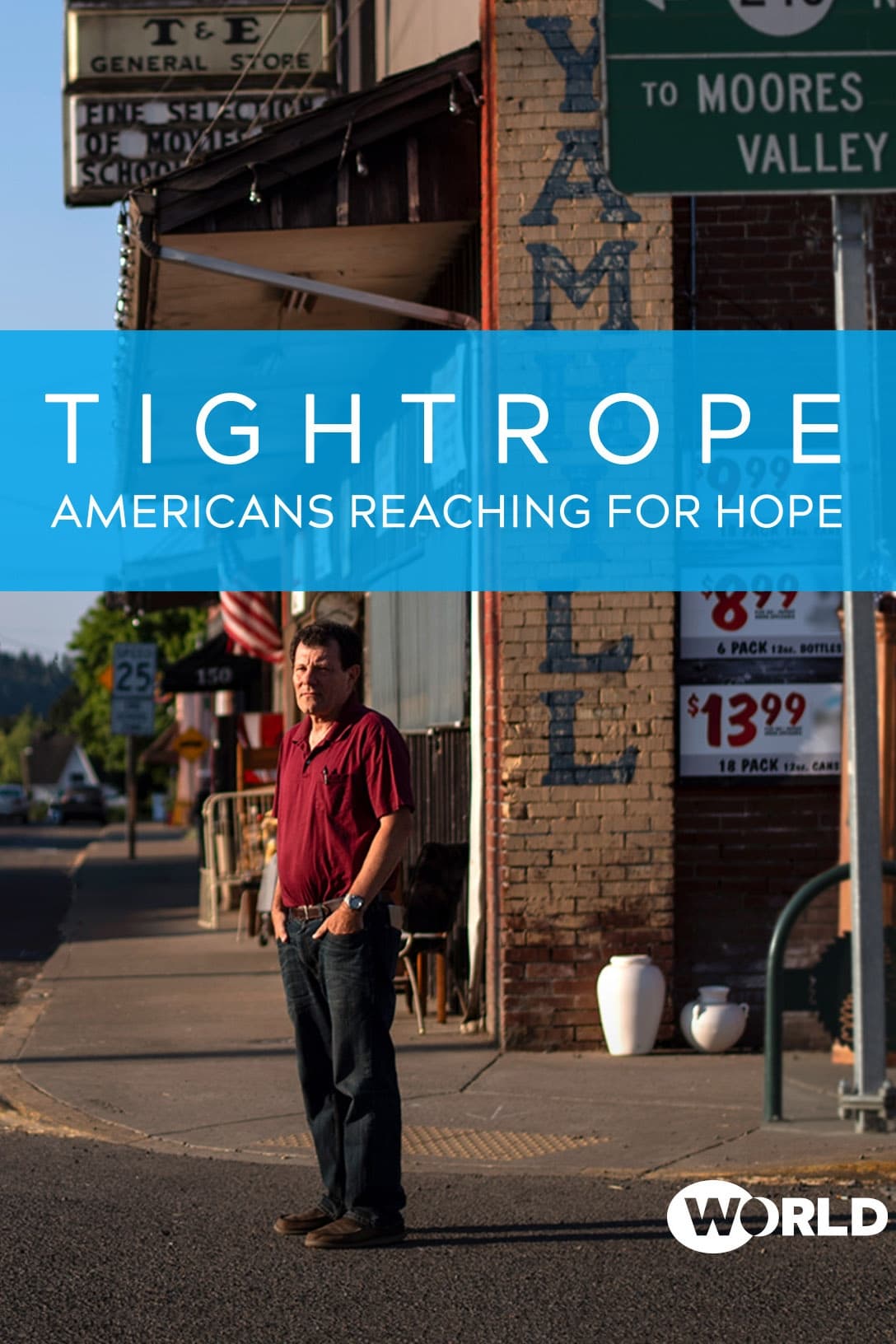
Pulitzer Prize-winning journalists Nicholas Kristof and Sheryl WuDunn explore the causes and costs of addiction, poverty and incarceration plaguing America, from the inner city to small towns like Kristof's hometown of Yamhill, Oregon. While pockets of empathy and aid exist, are they enough to rescue the thousands of Americans in despair, for whom the American Dream of self-reliance is impossibly out of reach?
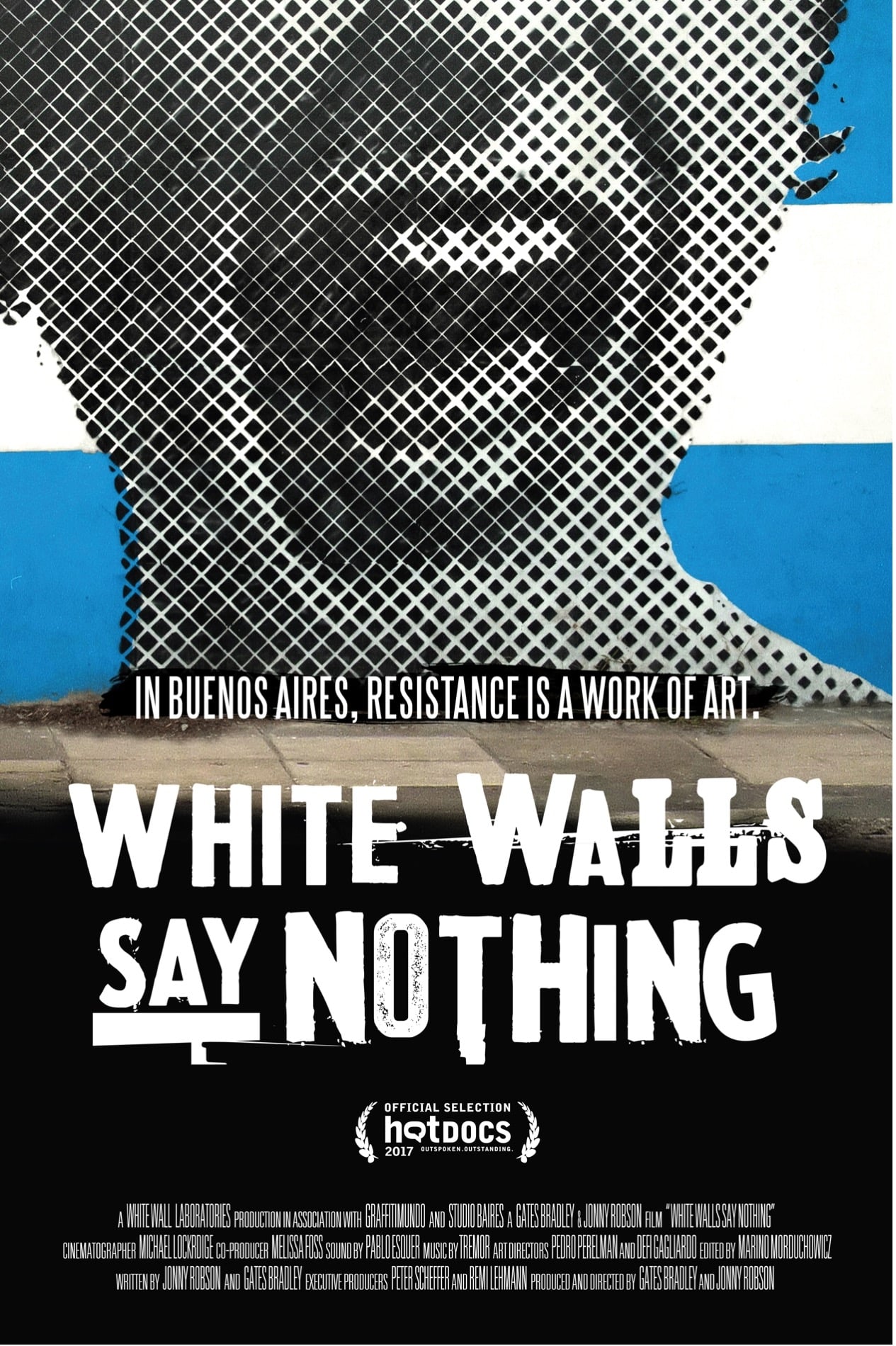
Buenos Aires is a complex, chaotic city. It has European style and a Latin American heart. It has oscillated between dictatorship and democracy for over a century, and its citizens have faced brutal oppression and economic disaster. Throughout all this, successive generations of activists and artists have taken to the streets of this city to express themselves through art. This has given the walls a powerful and symbolic role: they have become the city’s voice. This tradition of expression in public space, of art and activism interweaving, has made the streets of Buenos Aires into a riot of colour and communication, giving the world a lesson in how to make resistance beautiful.
It's 1948 and hydro-electric power is transforming Scotland's Grampians.
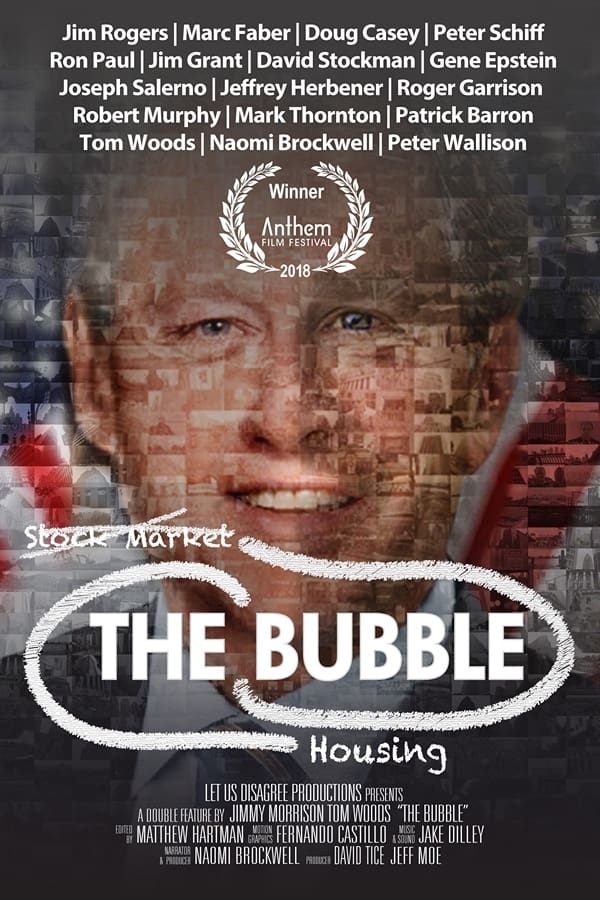
Diving deep into the true causes of the Great Recession, the financial crisis of the 2010s, renowned economists, investors and business leaders explain what America is facing if we don't learn from our past mistakes. Is the economy really improving or are we just blowing up another Bubble?
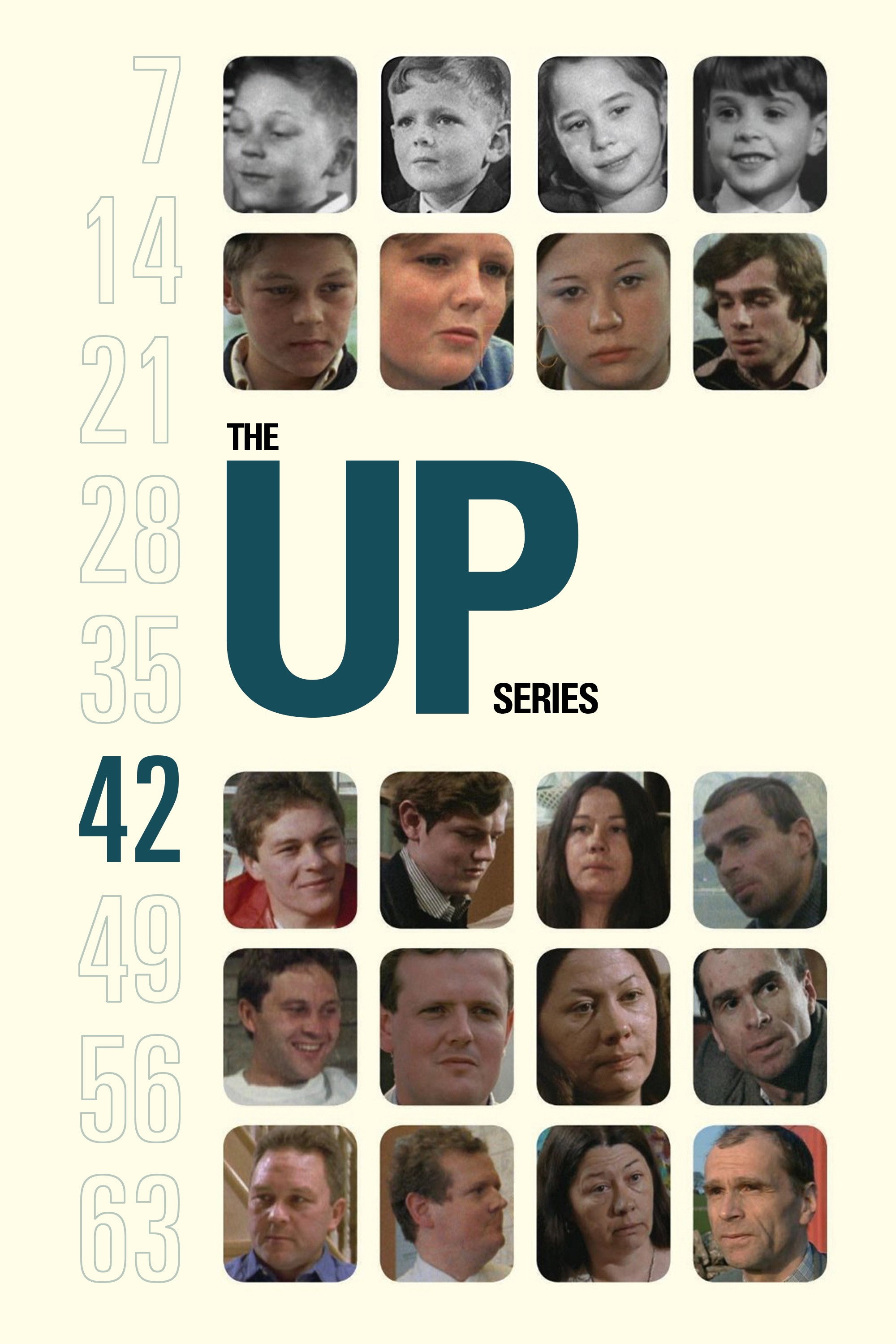
Director Michael Apted revisits the same group of British-born adults after a 7 year wait. The subjects are interviewed as to the changes that have occurred in their lives during the last seven years.
This revealing documentary honors the legendary Sidney Poitier—iconic actor, filmmaker, and civil rights activist. Featuring interviews with Denzel Washington, Spike Lee, Halle Berry, and more.
Al Pacino's deeply-felt rumination on Shakespeare's significance and relevance to the modern world through interviews and an in-depth analysis of "Richard III."
Over 35 years after Bob Lazar's revelations, this documentary exposes secrets of a facility the government still denies. Featuring Lazar's testimony, recreations, and new evidence, it reopens a case that continues to spark global curiosity
From a prolific career in film and television, Anton Yelchin left an indelible legacy as an actor. Through his journals and other writings, his photography, the original music he wrote, and interviews with his family, friends, and colleagues, this film looks not just at Anton's impressive career, but at a broader portrait of the man.
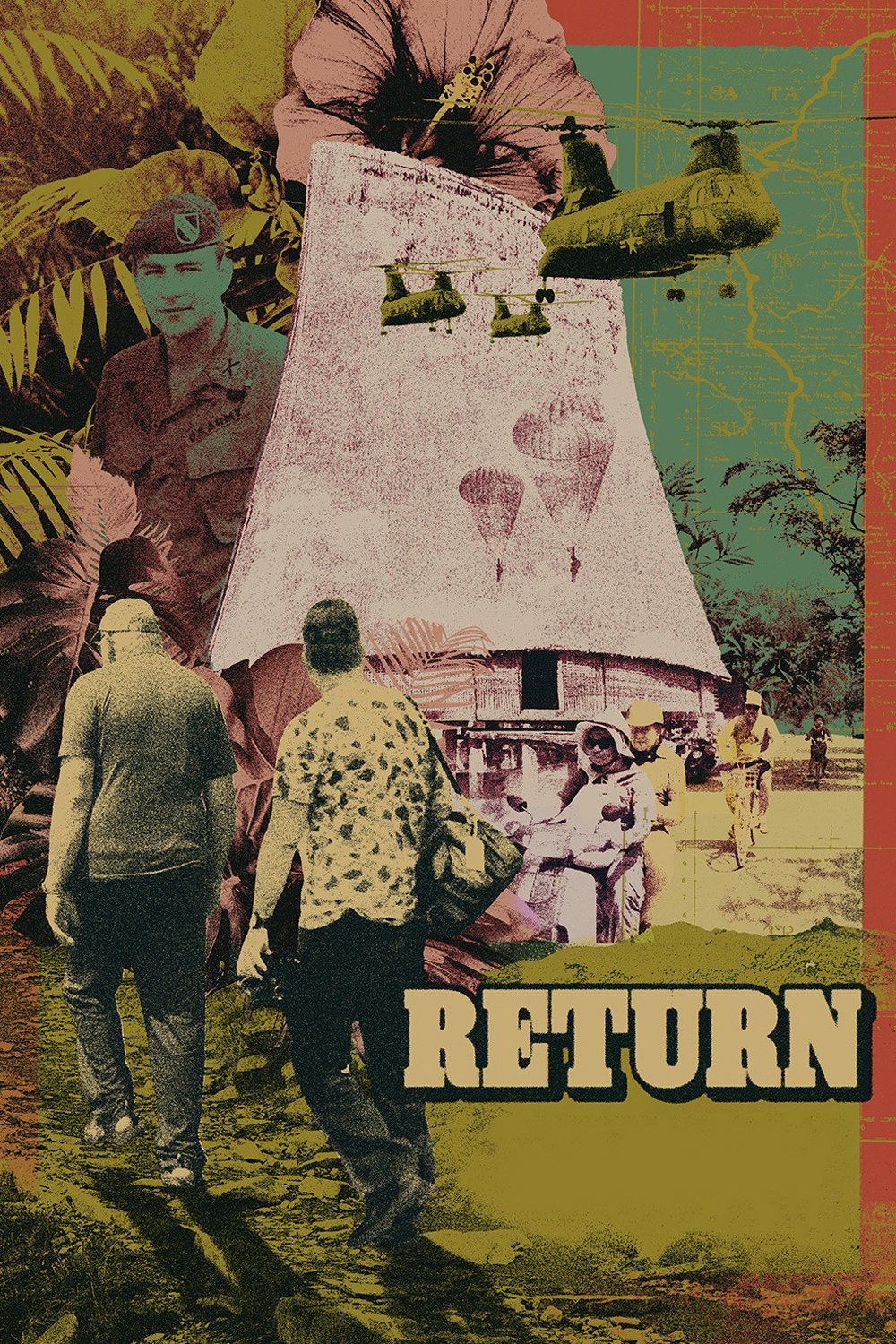
RETURN tells the story of a retired Green Beret who embarks on a healing journey from Montana to Vietnam. There he retraces his steps, shares his wartime experiences with his son, treats his Post-Traumatic Stress Disorder, and seeks out the mountain tribespeople he once lived with and fought alongside as a Special Forces officer.
Filmmaker Lawrence Shapiro discusses voice-over acting with the talented people behind the characters.
SEDUCED AND ABANDONED combines acting legend Alec Baldwin with director James Toback as they lead us on a troublesome and often hilarious journey of raising financing for their next feature film. Moving from director to financier to star actor, the two players provide us with a unique look behind the curtain at the world's biggest and most glamourous film festival, shining a light on the bitter-sweet relationship filmmakers have with Cannes and the film business. Featuring insights from directors Martin Scorsese, 'Bernando Bertolucci' and Roman Polanski; actors Ryan Gosling and Jessica Chastain and a host of film distribution luminaries.
An inside look at one of the most anticipated movie sequels ever with James Cameron and cast.
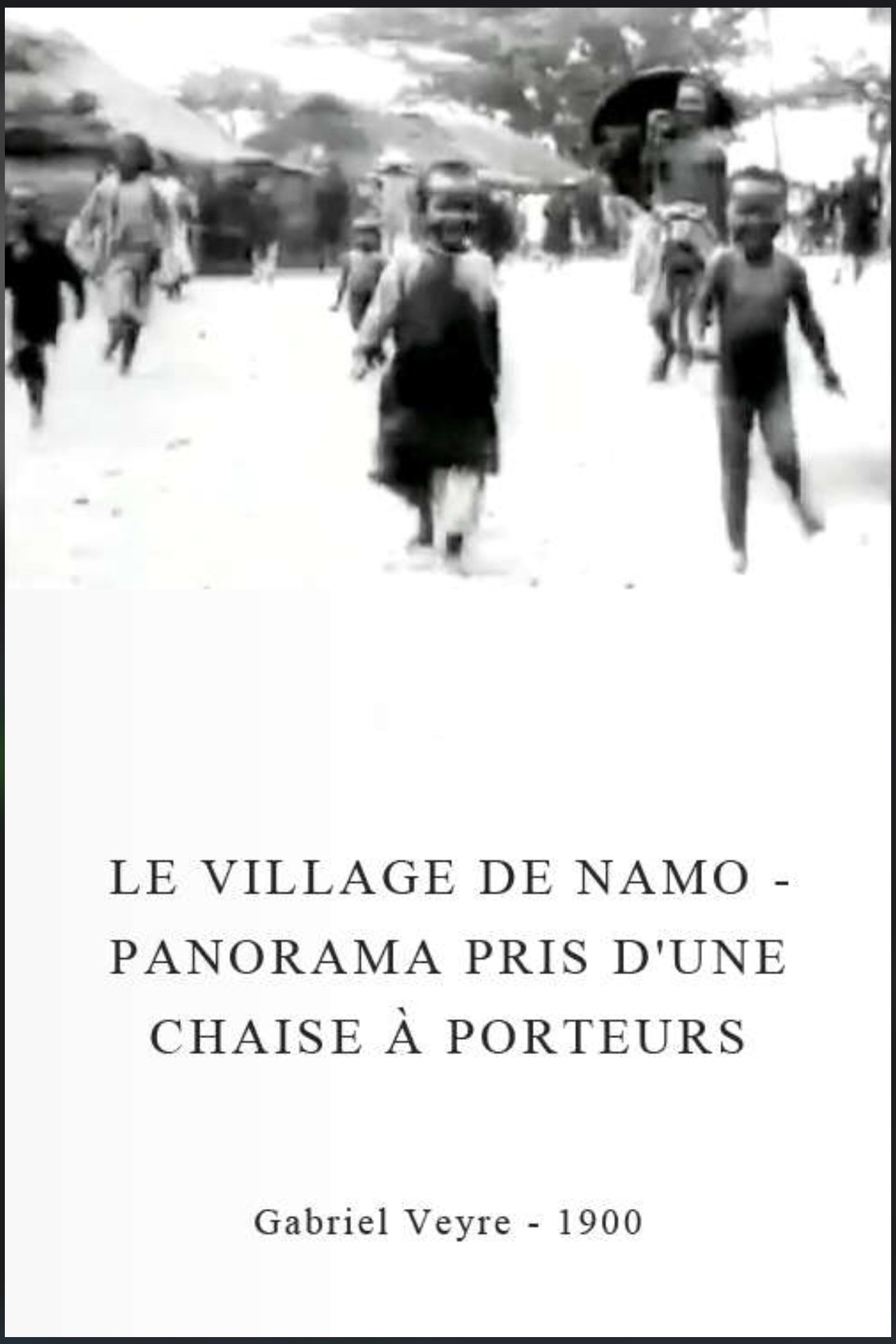
The film is a panorama shot-scene lasting just under a minute. The panorama film, as coined by Lumière, is a moving-camera shot--usually accomplished by placing the camera on a moving transport, such as a boat or train.
Through deeply personal interviews with her siblings and an examination of the photographs, letters, and belongings left behind, Mariska assembles a new portrait of her mother Jayne Mansfield, an extraordinary and complex woman.
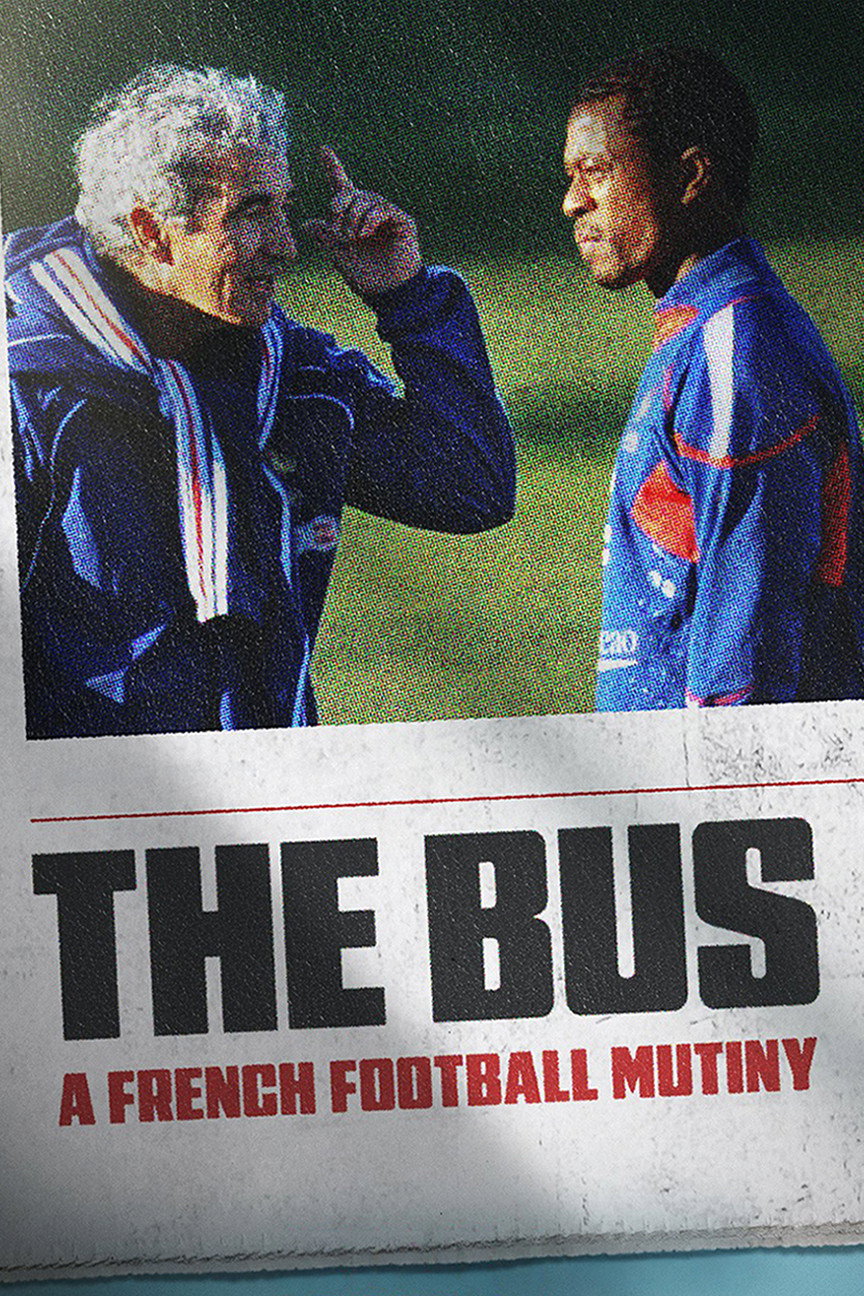
This documentary revisits the French football team's controversial 2010 World Cup and the bus strike that sparked global headlines and national outrage.
A documentary about how a dominant cultural and demographic institution both sustains their traditional activities and adapts to the digital revolution.
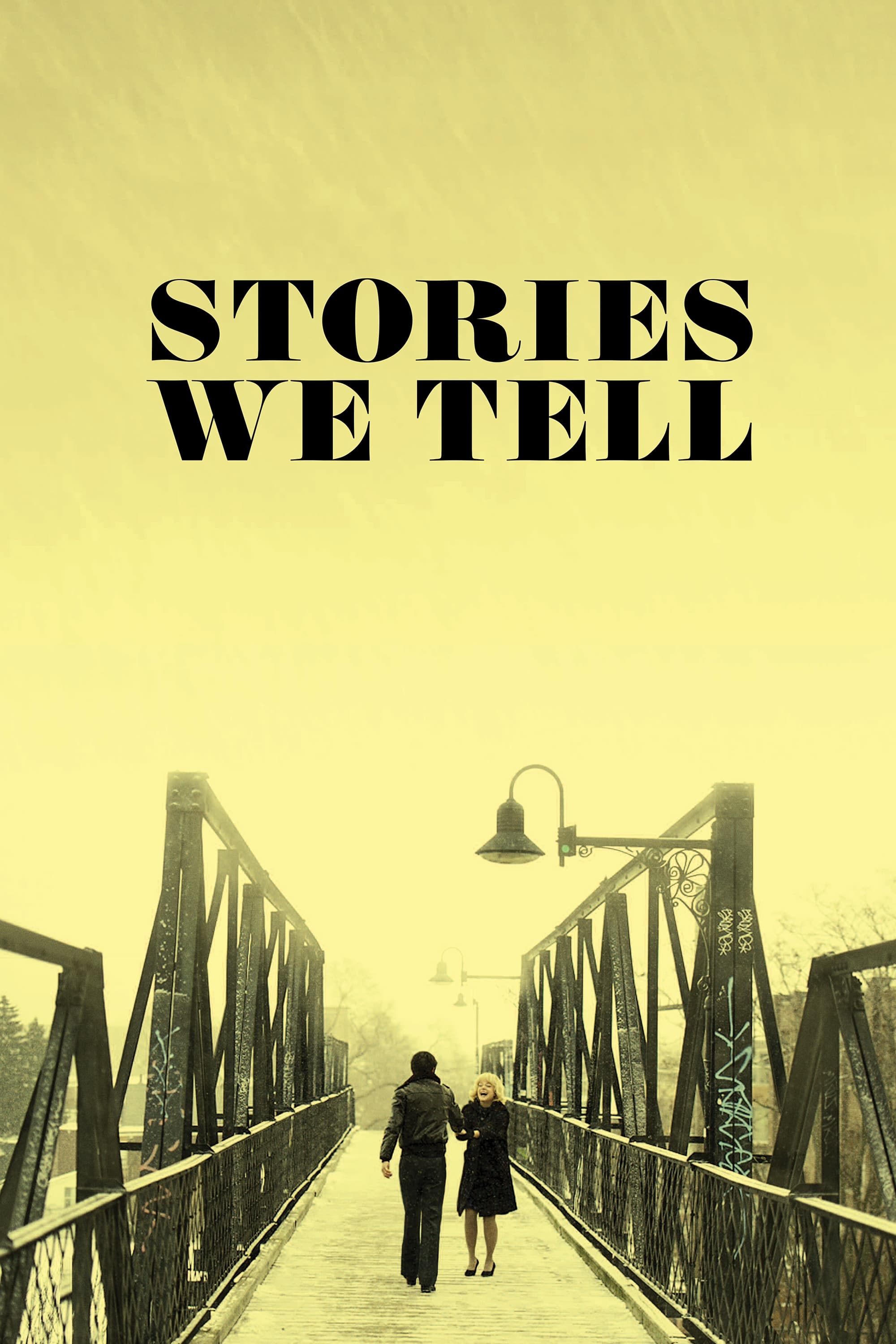
Canadian actress and filmmaker Sarah Polley investigates certain secrets related to her mother, interviewing a group of family members and friends whose reliability varies depending on their implication in the events, which are remembered in different ways; so a trail of questions remains to be answered, because memory is always changing and the discovery of truth often depends on who is telling the tale.
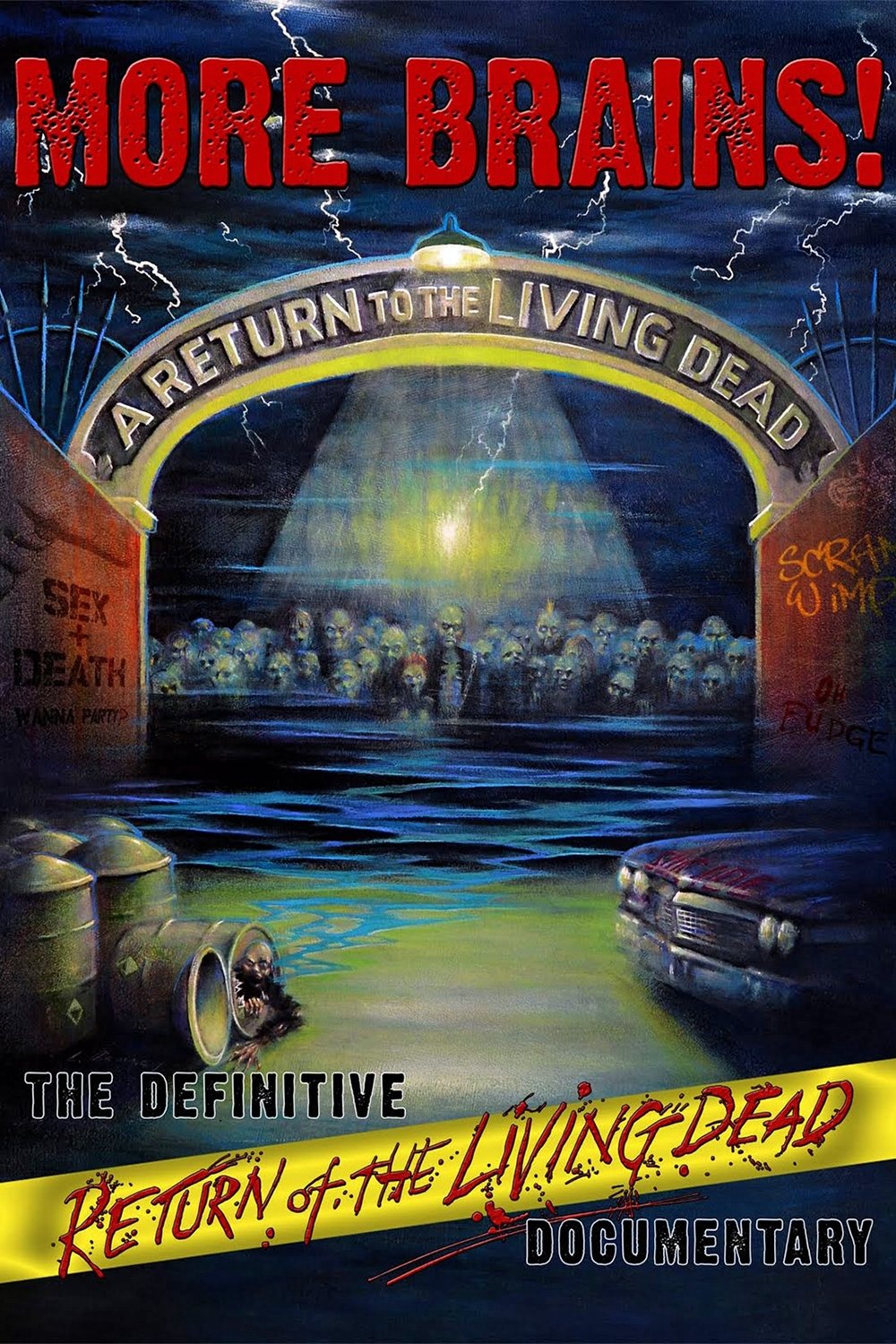
Retrospective documentary about the making of the horror cult classic "The Return of the Living Dead."
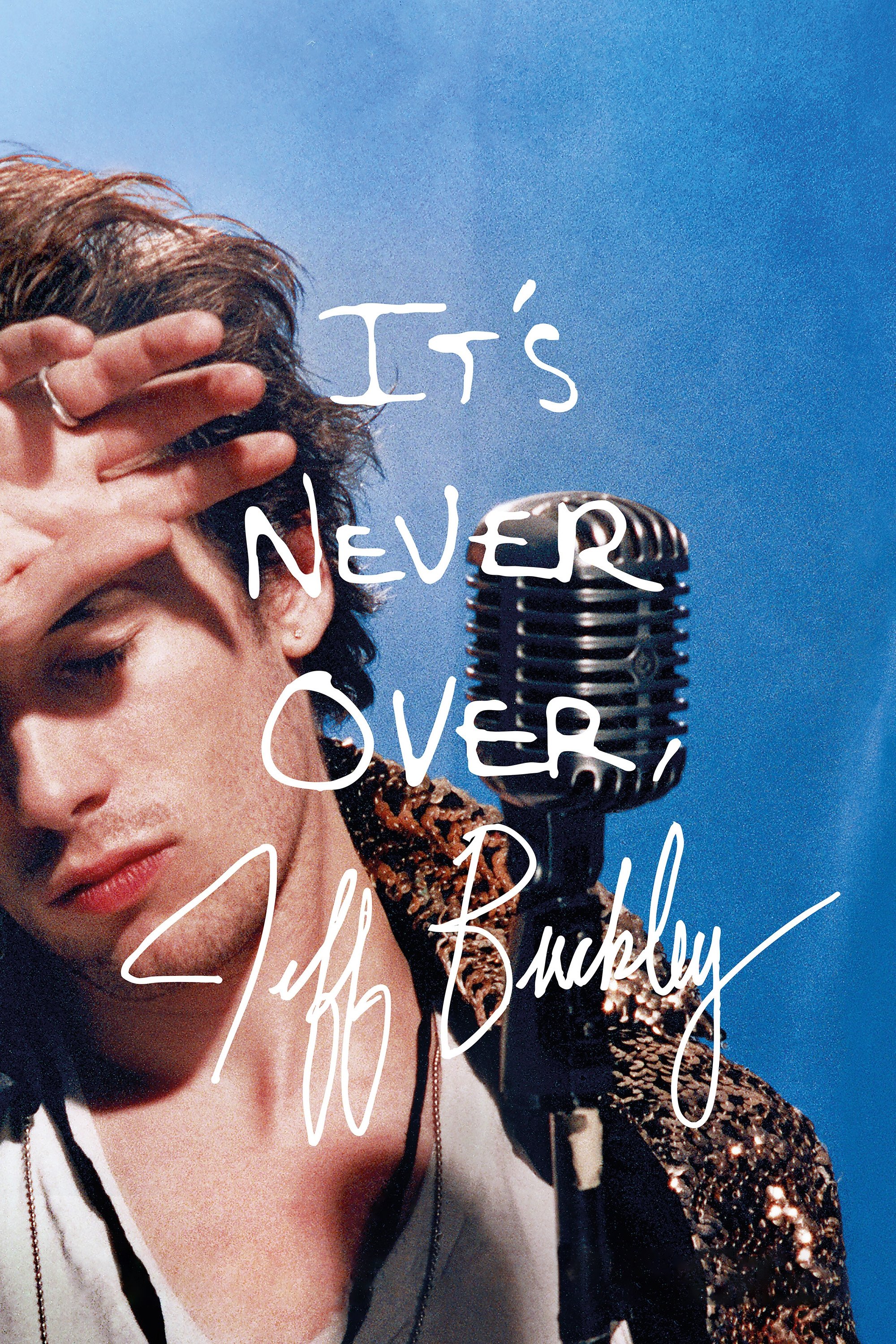
Rising musician Jeff Buckley had only released one album when he died suddenly in 1997. Now, never-before-seen footage, exclusive voice messages, and accounts from those closest to him offer a portrait of the captivating singer.
A string of threatening emails escalates into a revenge plot involving a newly married US marshal and his ex-girlfriend.
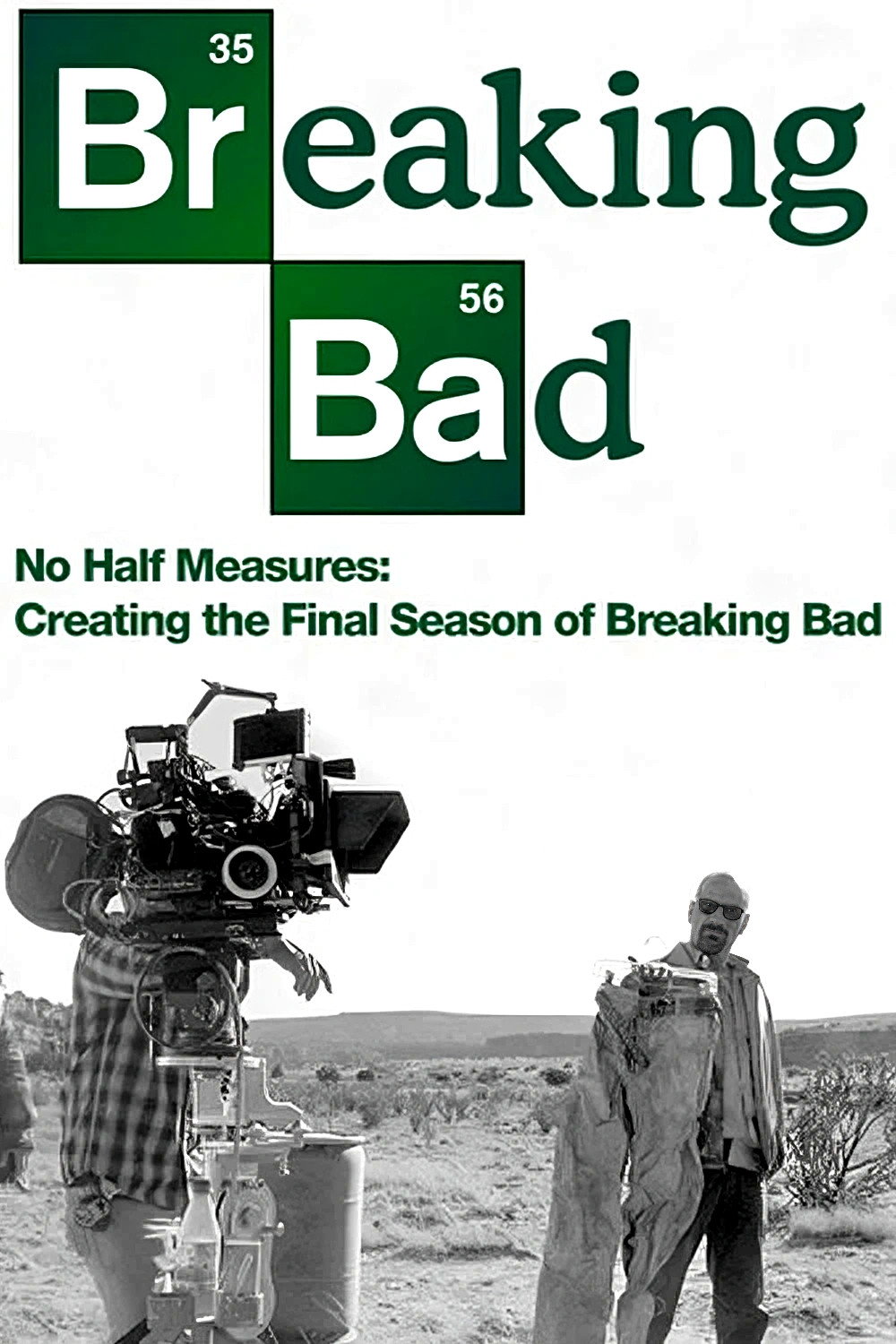
A documentary about the making of season five of the acclaimed AMC series Breaking Bad.
Documentary sequel that offers a close-up look into the personal lives of the legendary porn stars who've survived the test of time and influenced popular culture. Blends rare interviews with erotic clips and additional appearances by Whoopi Goldberg, Steven Soderbergh and a host of adult stars, directors and trendsetters.