"historia de un anarcosindicalista"
A documentary overview of the life of Salvador Seguí, also known as El noi de Sucre, his anarcho-syndicalist tendencies and his relation to the CNT
Social & External

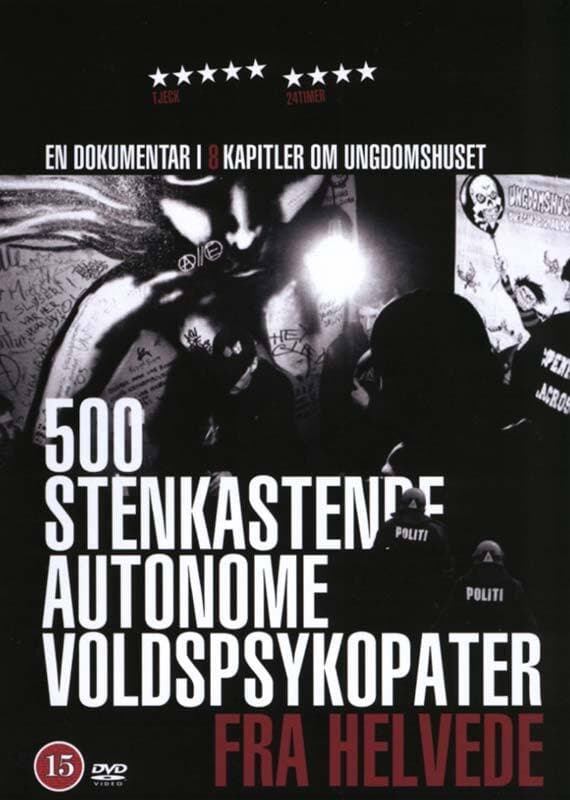
"For Sale! Including 500 violent stone throwers from Hell", was the message from the controversial squat 'Ungdomshuset' in Copenhagen, Denmark. The film takes a balanced look behind the barricades and follows the definitive last year in the life of the squatters before all was demolished in March 2007 and riots broke out in Copenhagen.
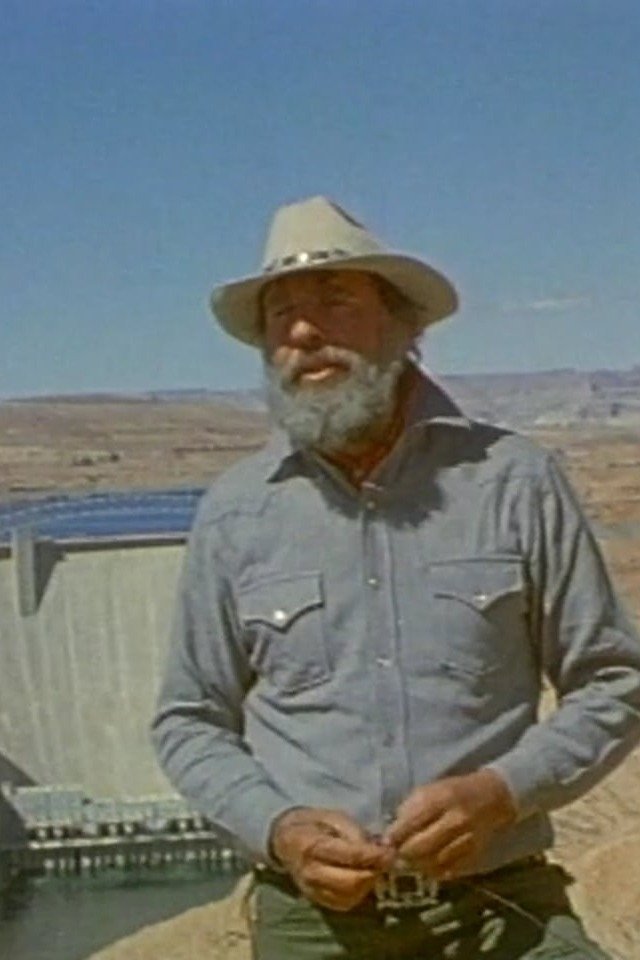
The birth of the radical environmental movement is captured in this short, poetic film on the legendary direct action at Glen Canyon Dam in March of 1981. The film contains one of the only interviews ever given by the late, great author Edward Abbey along with his classic speech from the back of a pick-up truck.
A key overview of twentieth-century American fascism and antifascism produced in 1991 by the John Brown Anti-Klan Committee.
It’s a model story, an extraordinary adventure, a tale of revolutionary practice and tension, among anarchy and irony, simplicity, curiosity and vitality throughout the whole of Europe, its wars and the social struggles of the 1900s. A tale on how to live all in one breath, responsibly, diving into contradictions, "getting one's hands dirty", and still keeping one's balance between theory and practice.˝
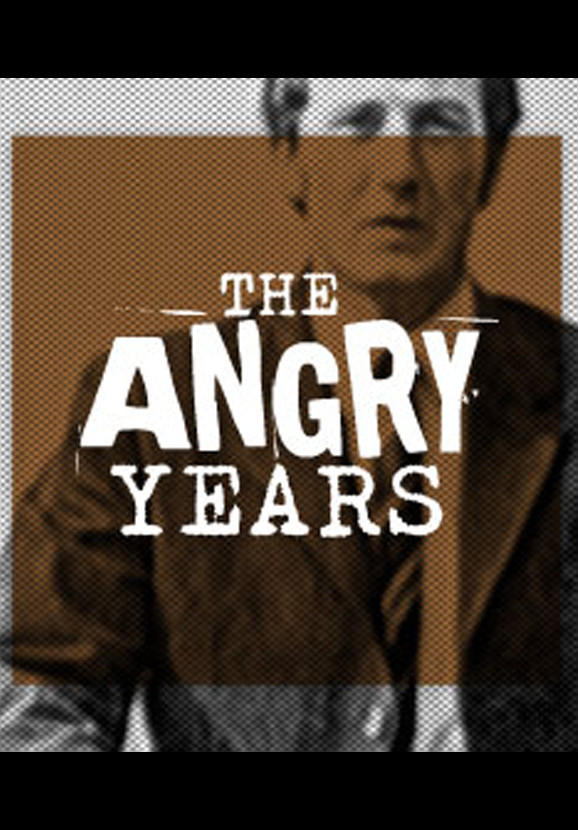
1970 marked the start of a bombing campaign by British urban guerrilla revolutionaries The Angry Brigade. Their targets, a bizarre mix, included the Miss World contest, Ford’s motor factory, the home of a conservative cabinet minister and the Biba department store. Following a two year hunt by the newly formed Special Branch, eight suspects were arrested, and following the longest trial in British criminal history, four young graduates were convicted of the bombings. The Angry Years tells the little known story of the Angry Brigade - contributors include Jake Prescott, ex Angry Brigade member, the journalist Paul Foot and the Special Branch detective credited with tracking the Angry Brigade down.
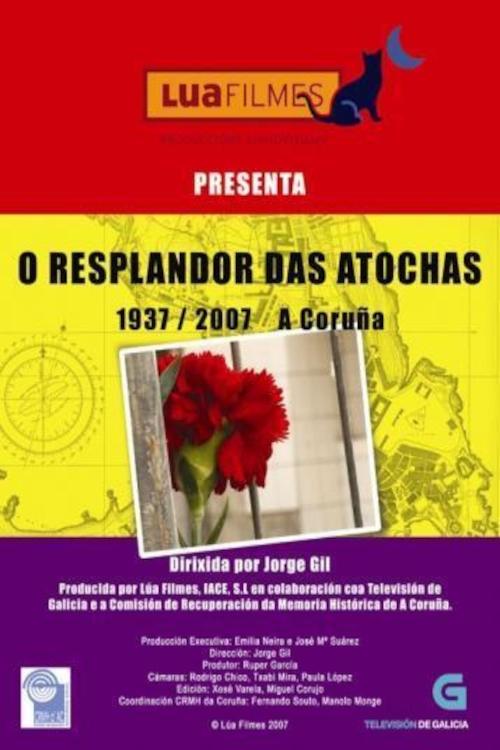
The memory of a defeat, a barbarism: the destruction at the dawn of the civil war of people who fought for freedom, a group of anarchists from A Coruña located in the Atochas area. Through valuable witnesses and historical images a reconstruction of a metaphorical episode in the history of the country. This projection is made in collaboration with its author and the Commission for the Recovery of Historical Memory.
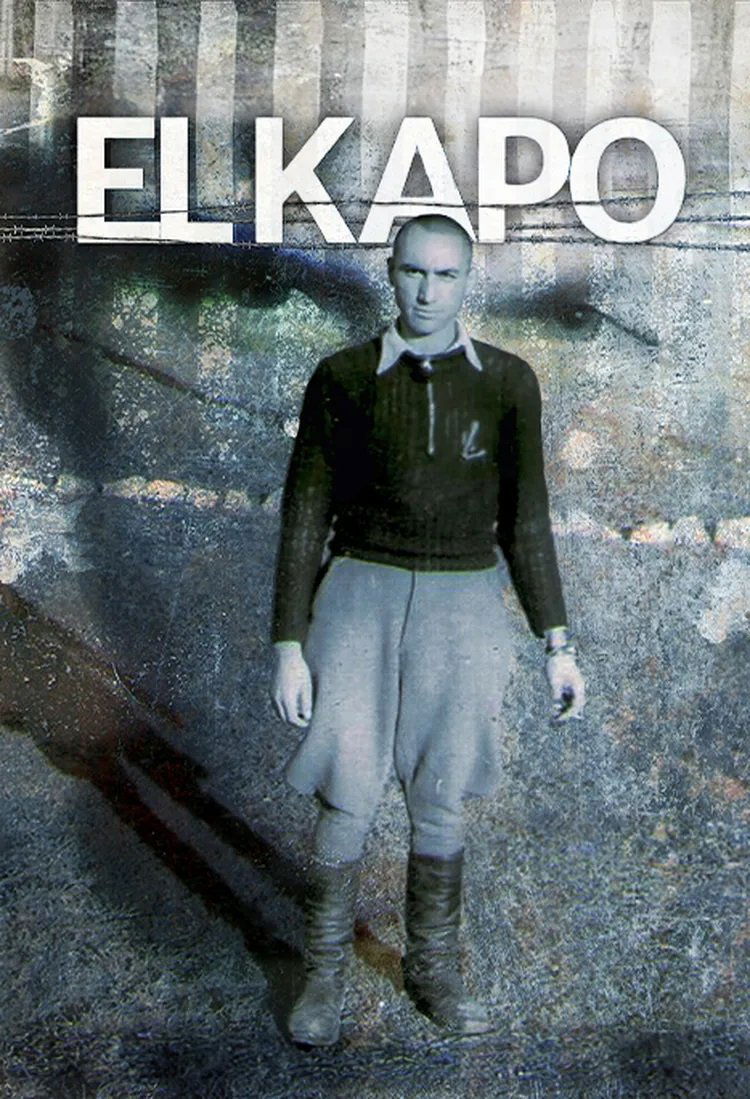
For decades, the name of the Valencian anarchist César Orquín Serra responded to that of one of the 7,251 Spanish republicans deported to the Nazi concentration camp of Mauthausen-Gusen between 1940 and 1945, although the controversy surrounding his role as Chief of Kommando pursued him with the survivors, divided between those who highlighted his actions to help the survival of his men and those who accused him of collaborating with the SS.
During the Spanish Civil War (1936-1939) and the Second World War (1939-1945), around three thousand people managed to elude their pursuers, and probably also avoided being killed, thanks to the heroic and very efficient efforts of the Ponzán Team, a brave group of people — mountain guides, forgers, safe house keepers and many others —, led by Francisco Ponzán Vidal, who managed to save their lives, both on one side and the other of the border between Spain and France.
The German punk band "Terrorgruppe" was found in 1993 and broke up in 2005. The band was essential for the developement of German punk. Songs like "Keine Airbags für die CSU" or "Mein Skateboard ist wichtiger als Deutschland" inspired a whole generation of punks and anarchists. This documentary portraits the band's history from 1993 to 2005.
On September 16, 1920, as hundreds of Wall Street workers headed out for lunch, a horse-drawn cart packed with dynamite exploded in front of Morgan Bank — the world’s most powerful banking institution. The blast turned the nation’s financial center into a bloody war zone and left 38 dead and hundreds more seriously injured. As financial institutions around the country went on high alert, many wondered if this was the strike against American capitalism that radical agitators had threatened for so long.
After a wave of arrests in 1969, Italian anarchist Giuseppe Pinelli allegedly falls out of a police building window while being interrogated. The circumstances leading to his death are re-enacted in three hypothetical versions in this attempt at counter-investigation. Released together with Nelo Risi's 'Giuseppe Pinelli', as 'Documenti su Giuseppe Pinelli'.
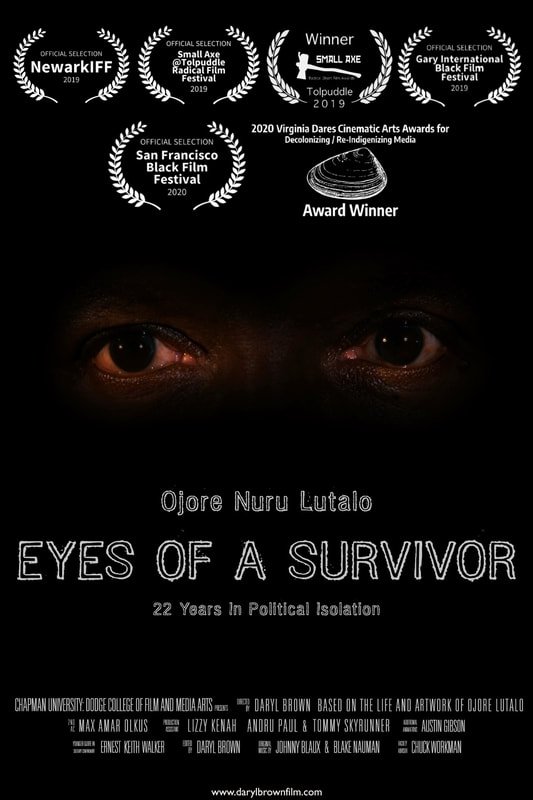
An experimental intake of Ojore Nuru Lutalo as he recounts the 22 years he spent in political isolation, and the flourishing comradery he built with prison abolitionist, Bonnie Kerness, whose work supported him and other prisoners.
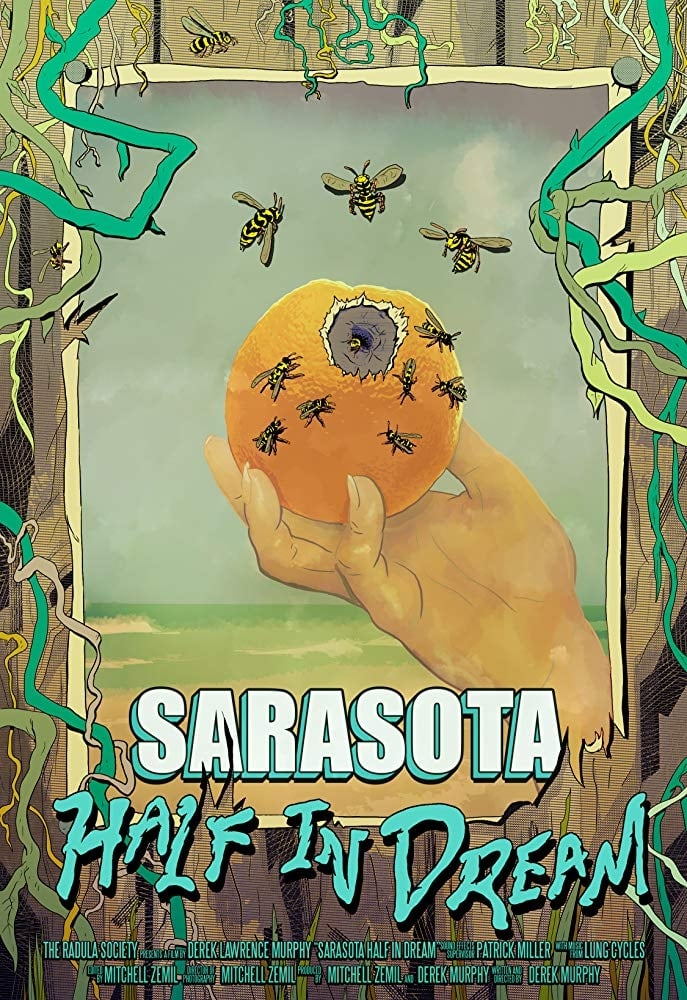
An experimental documentary about dead turtles, crab swarms, decaying tennis courts, and microscopic histories. The filmmakers shot their explorations into the abandoned golf courses, factories, and resorts of Sarasota, Florida and spoke to local youths who are using them for new and strange purposes. What would the Surrealists and Situationists think of a suburban, subtropical tourist town? What goes on in a storage unit in the dead of night? What is the afterlife of a decommissioned train car? What ghosts haunt a ruined hotel? What is the life cycle of a city? When will waters wash it all away?
The Vietnam War during the JFK years and beyond. Made in 1972 in the filmmaker's apartment, without documentary footage of the war, metaphors are created through the animation of images and objects, and through guerrilla skits. By rejecting the authority of traditional documentary footage, the anarchist spirit of individual responsibility is established. This is history from one person's point of view, rather than a definitive proclamation.
In a country that prides itself on democracy, a group of activists, known for chalking messages and holding signs, faces a terrifying escalation: repression so severe that their right to speak freely becomes their last, desperate stand.
Upon the outbreak of the Spanish Civil War in July 1936, the anarchist union CNT socialized the film industry in Spain, so in Madrid and Barcelona film workers took over the production assets and, between 1936 and 1938, numerous films on a wide variety of topics were released, composing a varied mosaic that gives rise to one of the most unusual and original moments of Spanish cinematography.
The Netherlands, a bastion of capitalism, has struggled with unprecedented housing crises since 2018. This brings a rise of different ideologies that challenge the dominant status quo. In the city of Nijmegen, an anarchist collective JAN10 battles the ongoing housing crisis by squatting empty buildings, which poses a threat to the established capitalist interests.