Documentary exploring the meaning and history of cool through the American music that started in the 1940s in the bars of New York and LA, and became known as cool jazz.
Social & External
The people behind it
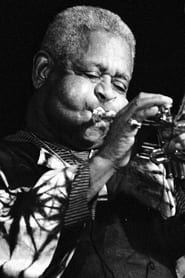
Dizzy Gillespie
Self
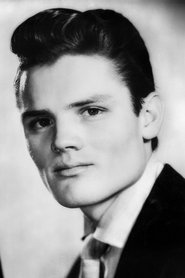
Chet Baker
Charlie Parker
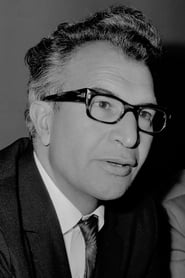
Dave Brubeck
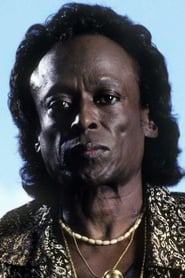
Miles Davis
The story of Ronnie Gardiner, the jazz musician who turned a personal tragedy into a new treatment method for stroke victims.
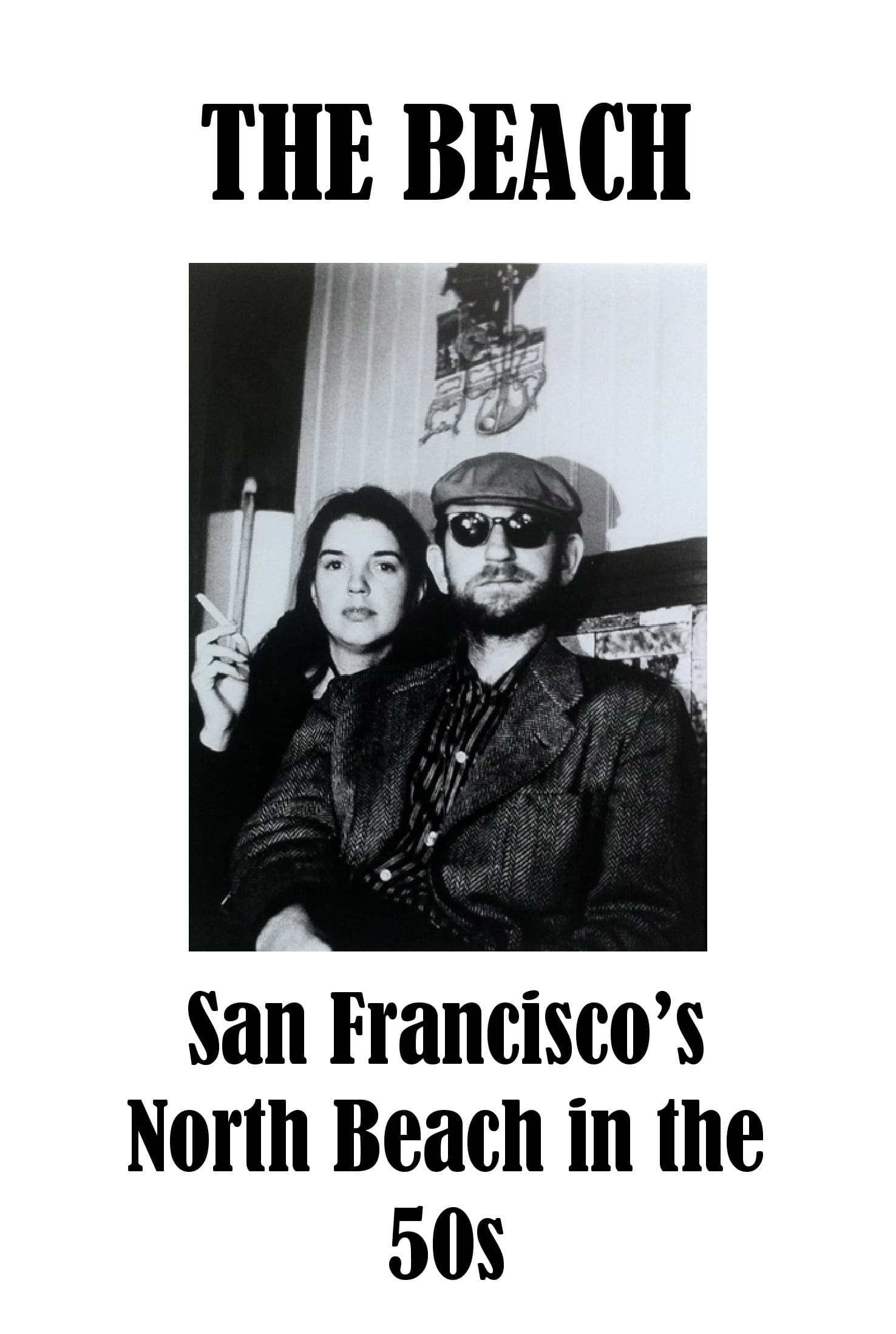
San Francisco's North Beach in the 50's - A mix of jazz, poetry and art - The Beach recreates the atmosphere that prevailed through first-hand accounts from the actual "players" along with photographs and artwork from that vibrant time.
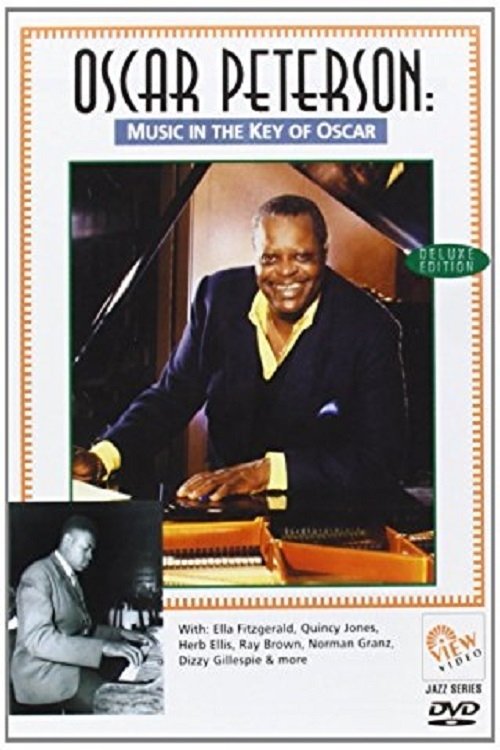
This riveting music documentary traces the history of Jazz piano legend Oscar Peterson, from his early days as Montreal's teenage Boogie-Woogie sensation through his meteoric rise to international celebrity with Norman Granz and the ground-breaking Jazz at the Philharmonic and beyond. In this award-winning autobiographical portrait, legendary jazz pianist Oscar Peterson narrates his story, from his beginnings in smoke-filled Montreal clubs to hallmark performances with jazz greats. Concert footage includes an unforgettable combo -- Nat King Cole with Jazz at the Philharmonic and the Oscar Peterson Trio Wall reunion. Quincy Jones, Ella Fitzgerald and Dizzy Gillespie are interviewed, among others.
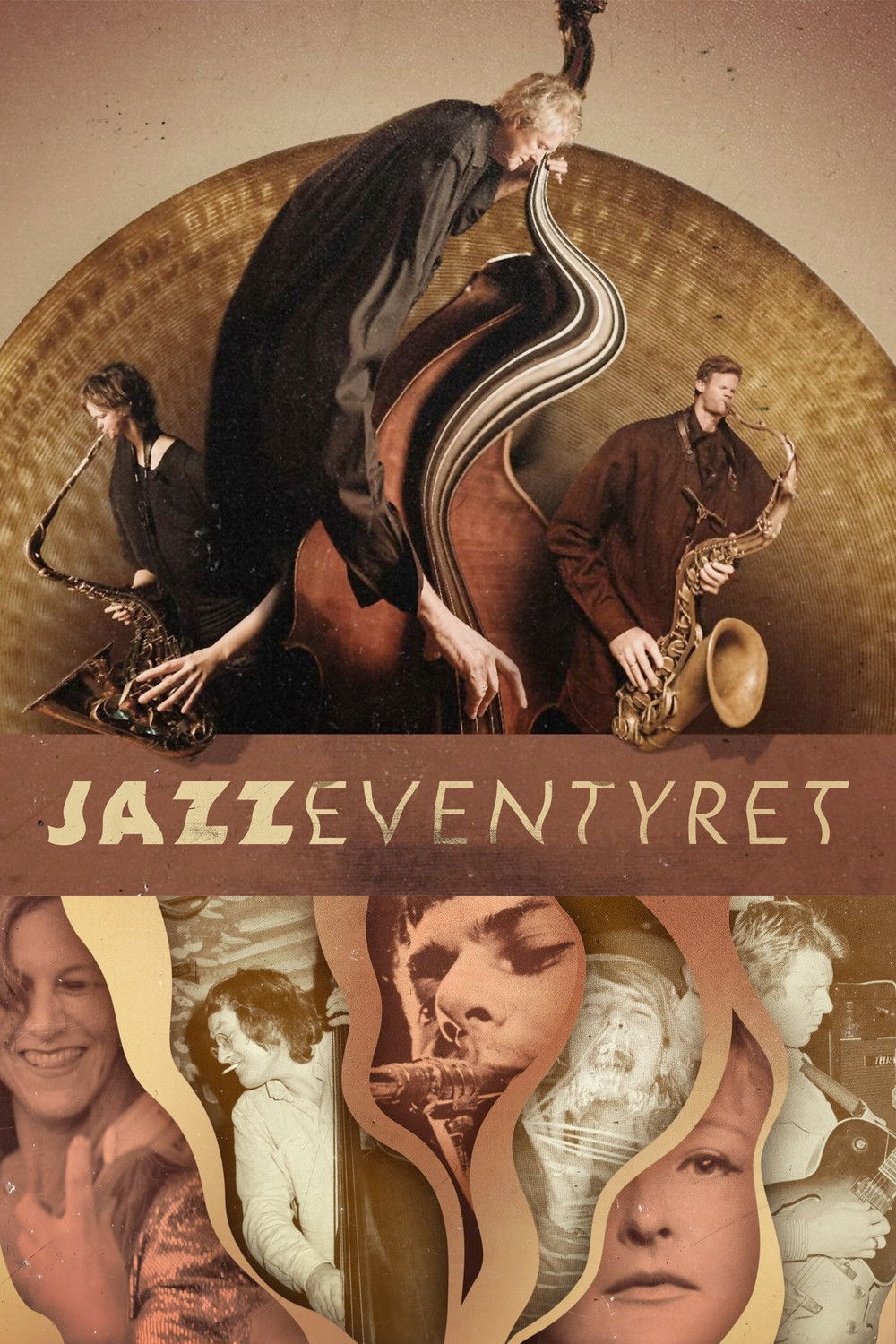
Record label manager and producer Manfred Eicher established the record label ECM in 1969. He has been a key promoter of European - and Norwegian - jazz.
From the sound of mountains and endless expanses, to the heavy pulse of the big city. Norwegian jazz is loved by fans all over the world. How did small Norway become a big jazz country?
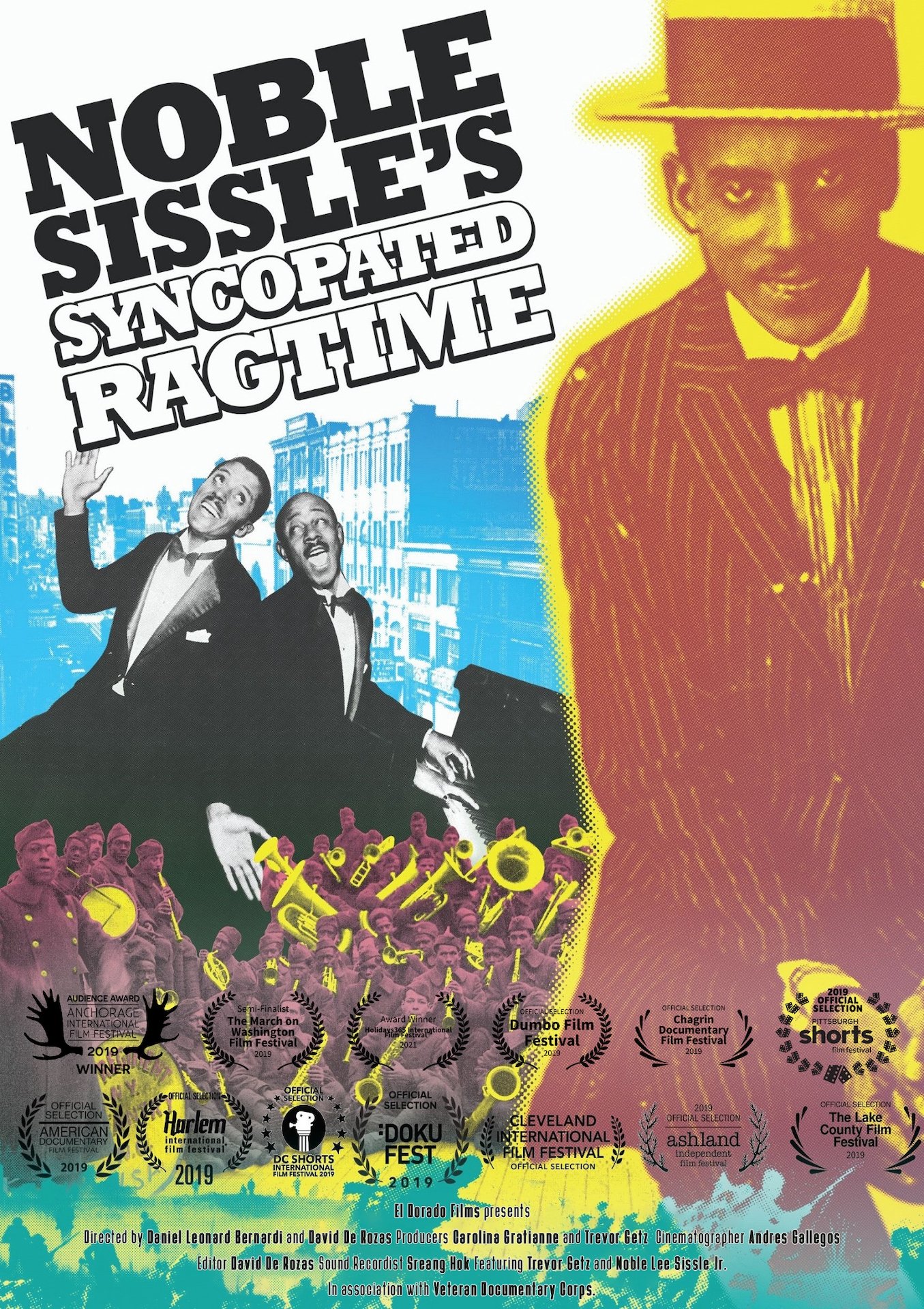
Combining footage unseen since WWI with original scores from the era, this film tells the story of Noble Sissle's incredible journey that spans "The Harlem Hellfighters" of World War I, Broadway Theatre, the Civil Rights movement, and decades of Black cultural development.
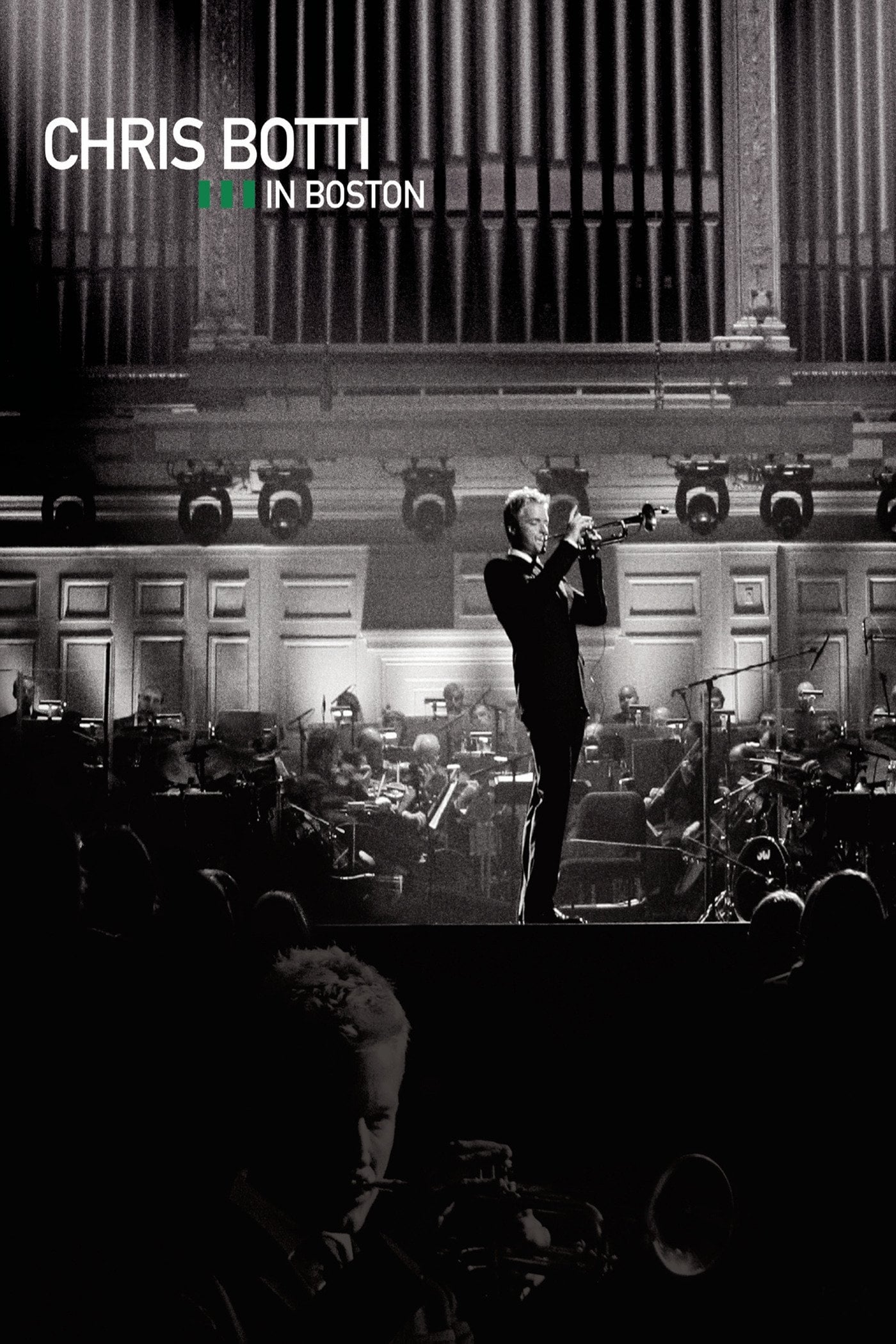
Chart-topping jazz trumpeter Chris Botti and special guests performed two star-studded concerts at the historic Boston Symphony Hall with Keith Lockhart and the Boston Pops on September 18 and 19, 2008. Special guests include Josh Groban, Yo-Yo Me, John Mayer, Katharine McPhee, Lucia Micarelli, Sting and Steven Tyler.
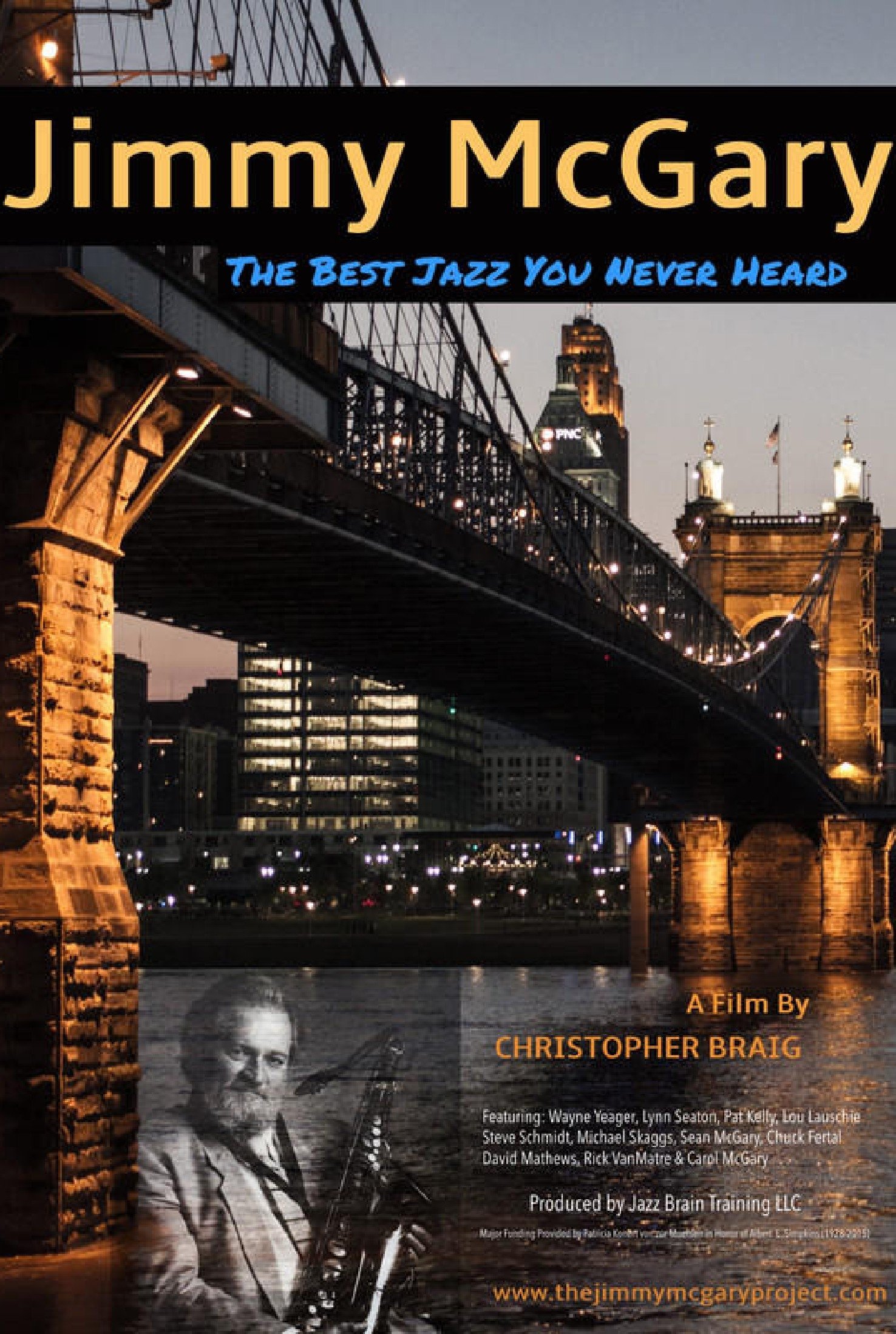
Tenor saxophonist Jimmy McGary was a major presence in the Cincinnati music scene from the 1950s until his death in the early ’90s. With music rooted in Bebop with a progressive slant, the Jazz legend was a session player for King Records and released his first album as a bandleader — The First Time (with a quartet that included pianist Pat Kelly) — in 1979. McGary’s spirit and legacy have lived on well after his passing and well beyond Cincinnati, as evidenced in this new documentary film.
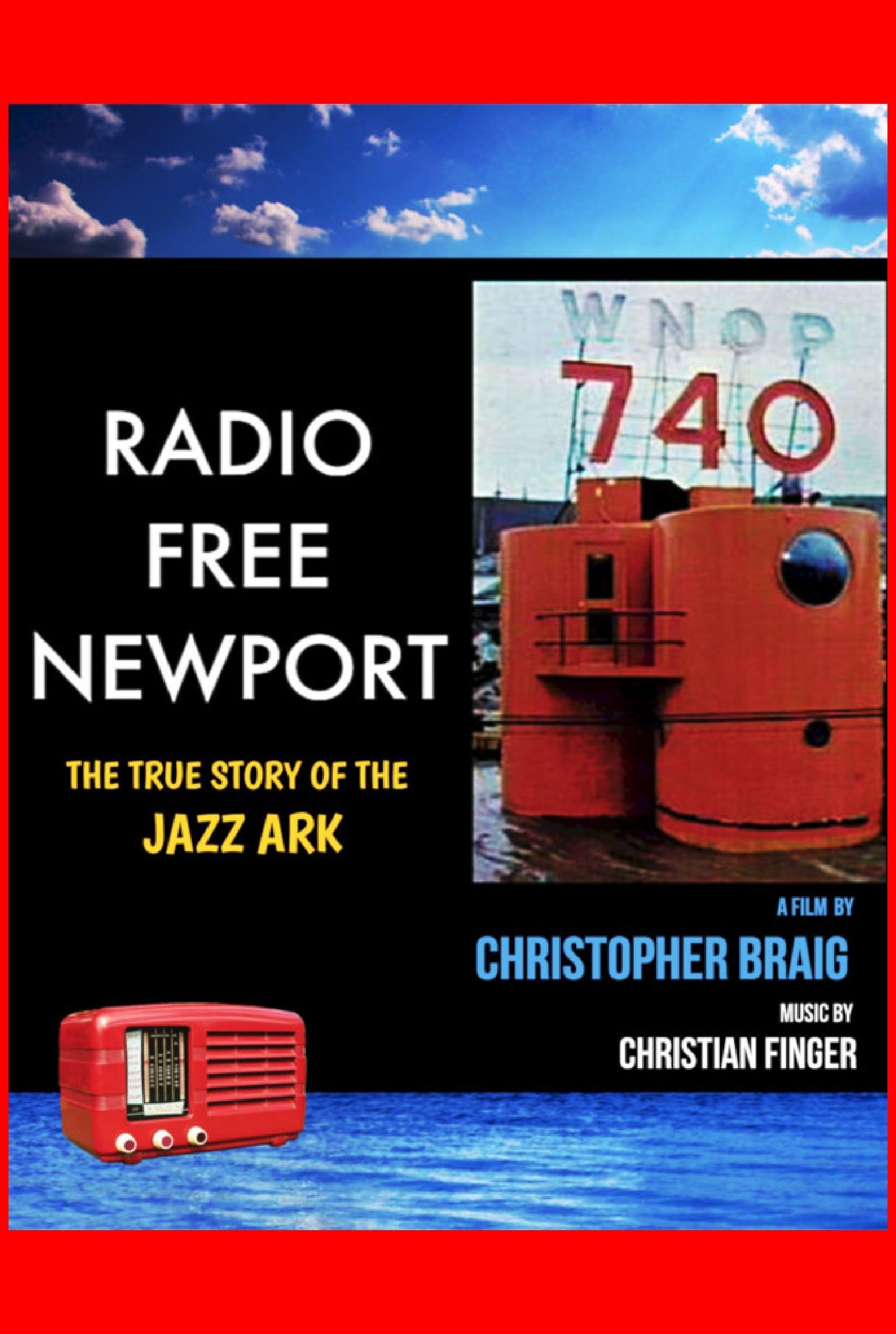
Imagine an AM Radio Station with a dawn to dusk license that played nothing but jazz and comedy records. Did I mention it FLOATED in the Ohio River and changed the culture of a Community? The history of Cincinnati Jazz is long, wide, diverse and in the case of WNOP sometimes beyond belief. Saxophonist turned filmmaker Christopher Braig's second Film will focus on the people, music, and cities that kept "The Jazz Ark" sailing for 42 years from 1968 to 2000.
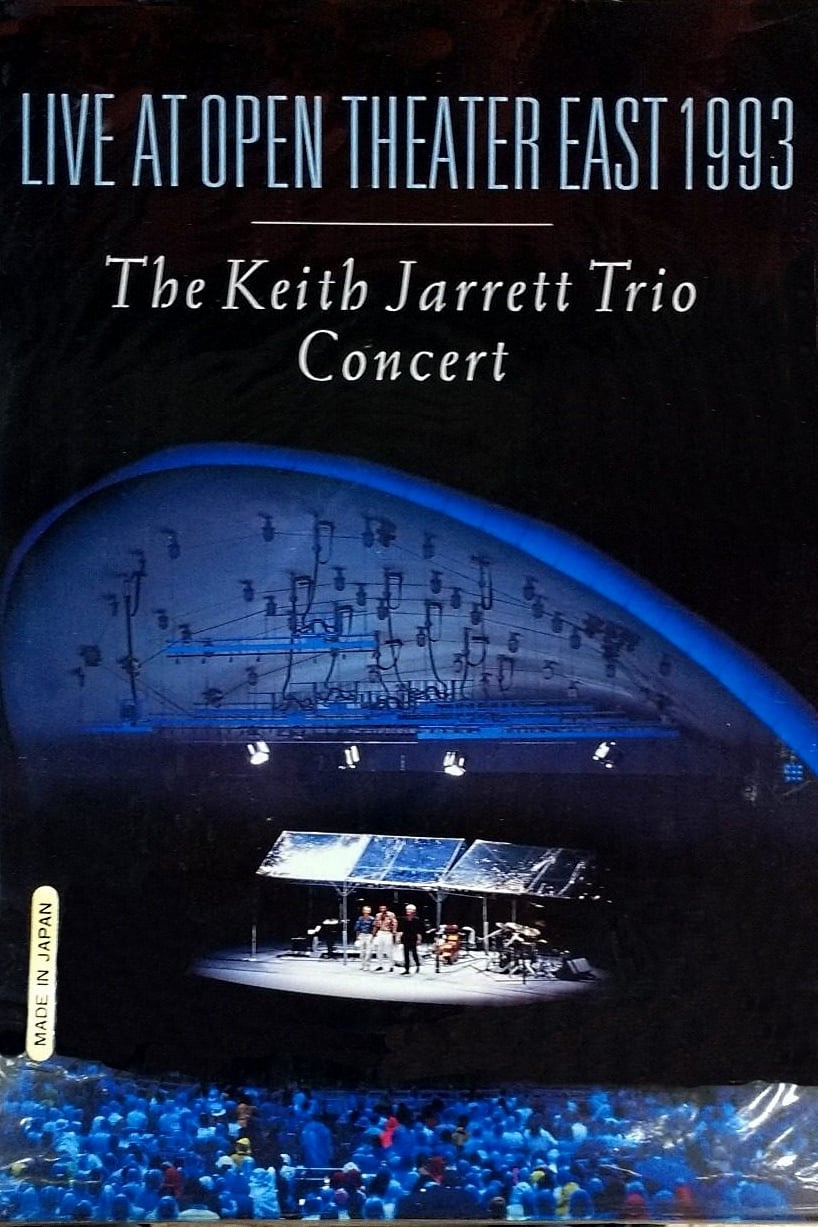
Recorded live at Open Theater East, Tokyo, Japan on July 25, 1993. Keith Jarrett piano - Gary Peacock bass - Jack De Johnette drums /// 1. In Your Own Sweet Way 2. Butch And Butch 3. Basin Street Blues 4. Solar 5. Ex-tension 6. If I Were A Bell 7. I Fall In Love Too Easily 8. Oleo 9. Bye Bye Blackbird 10. The Cure 11. I Thought About You
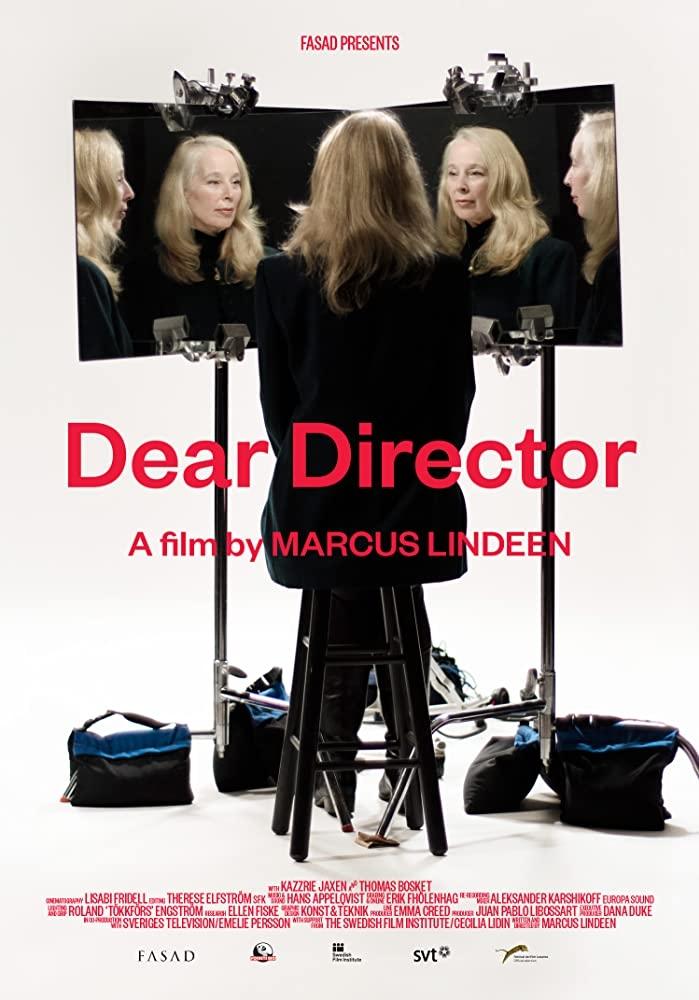
During the summer of 1980, the American jazz concert pianist Kazzrie Jaxen writes a 16 pages long letter to director Ingmar Bergman. His film 'From the Life of the Marionettes' have sent her on a dramatic inner journey, making her realize that she is not alone in her own body.
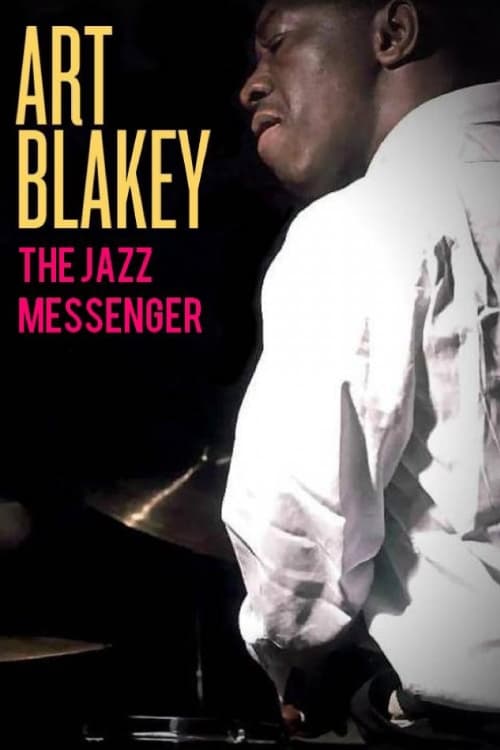
A portrait of inspirational jazz drummer and teacher Art Blakey with Dizzy Gillespie, many pupils including Wayne Shorter, the Marsalis brothers, and a surprising new generation of musicians and dancers.
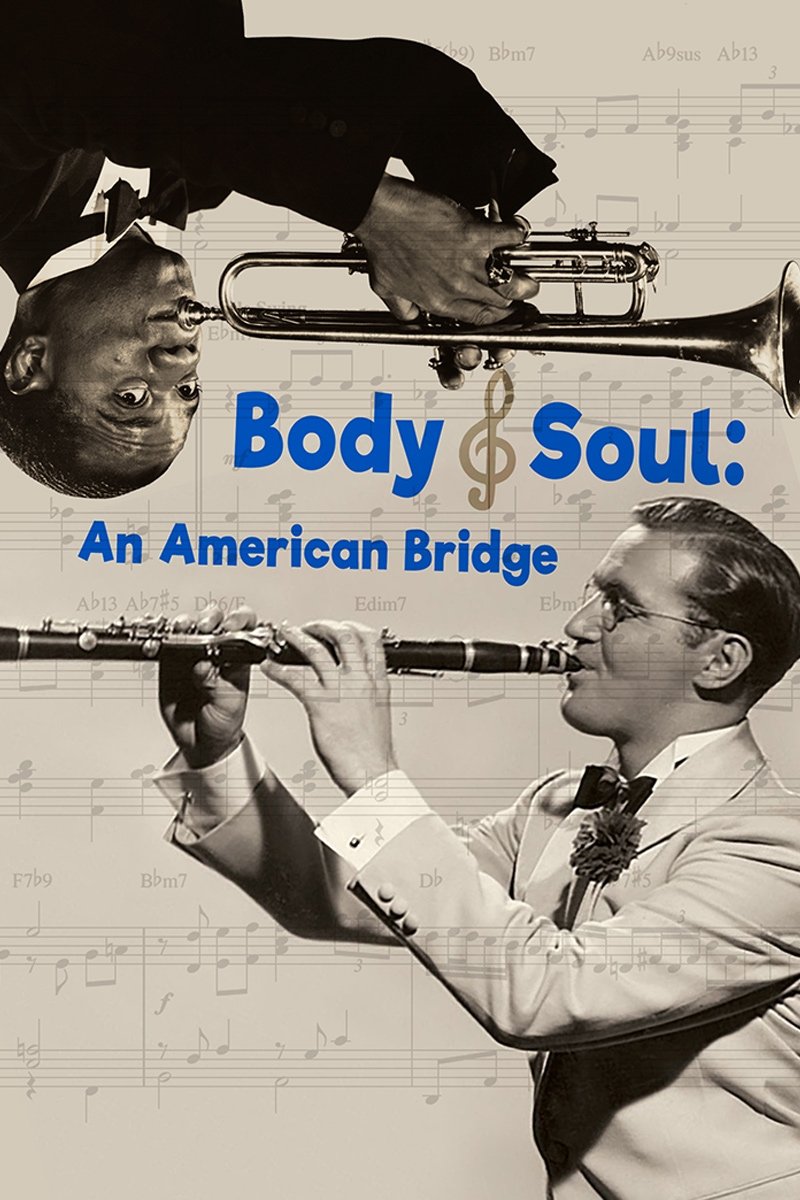
A documentary about the jazz standard and it's roots in Jewish and African-American culture/
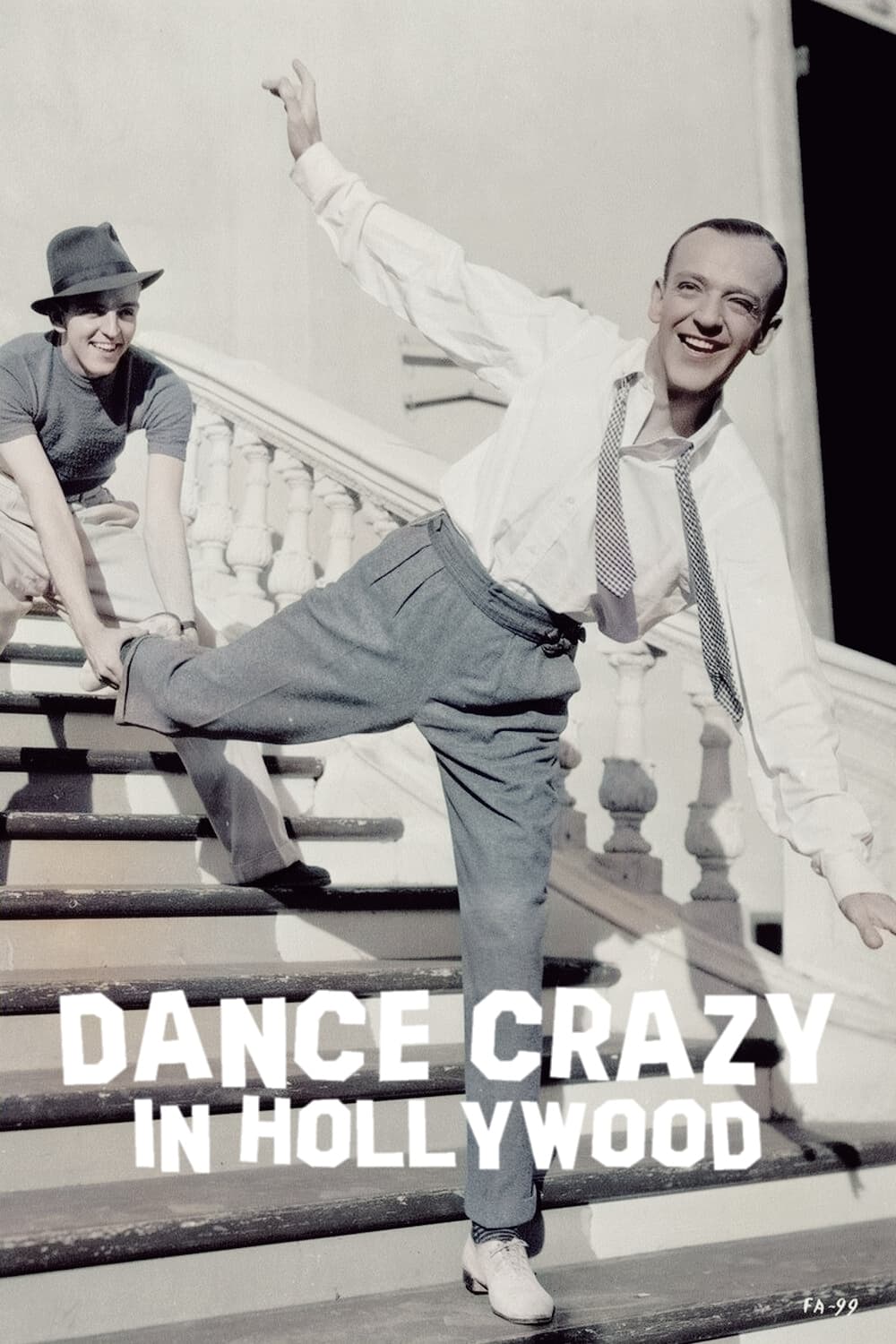
American dancer and choreographer Hermes Pan recalls his life and work as he relives the glorious history of the Hollywood musical.
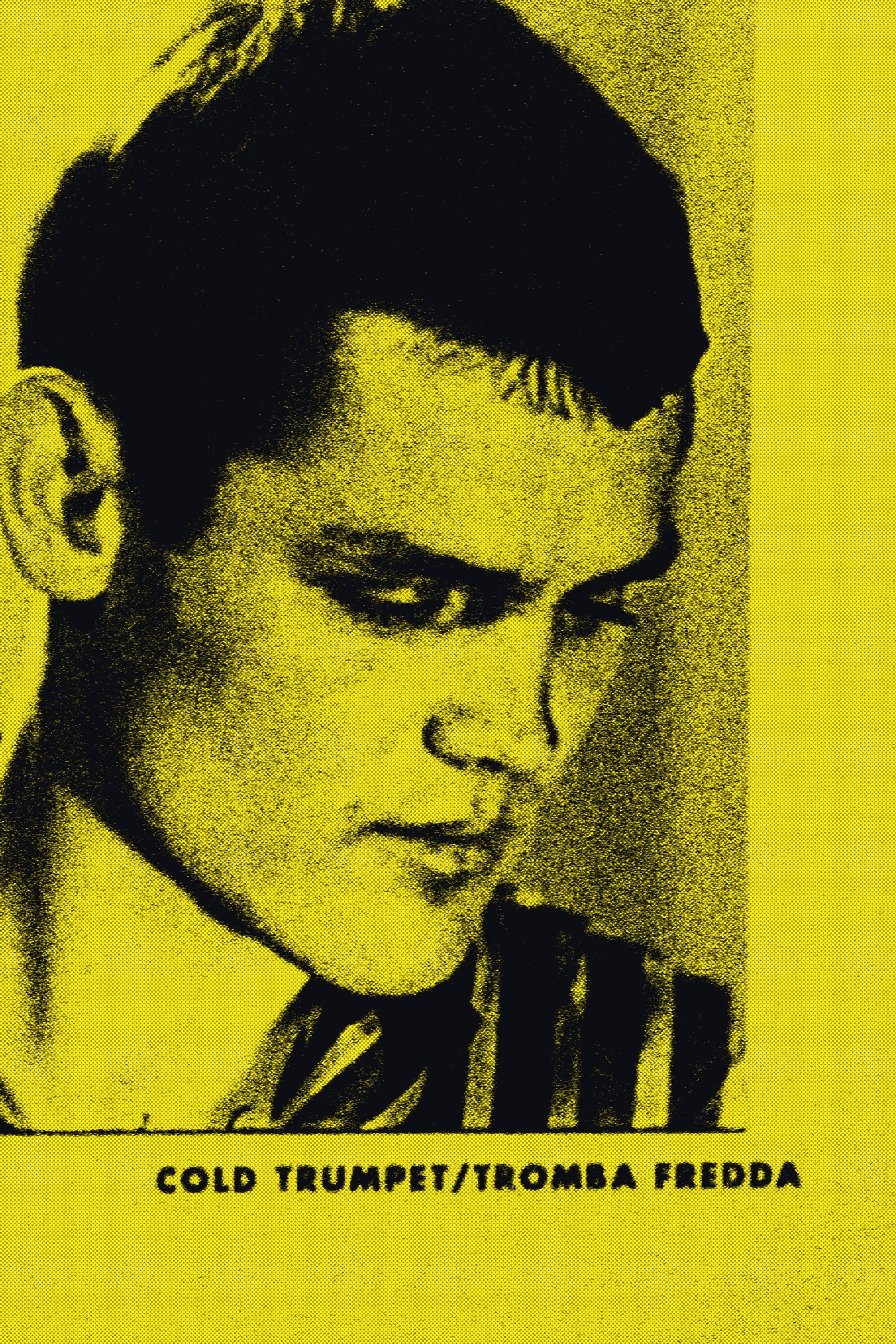
Chet Baker silently wanders through an Antonioniesque landscape in a Felliniesque state of wonderment as his improvised trumpet solos alternate between earnestly offering the obvious and mocking the artiness of the whole affair.
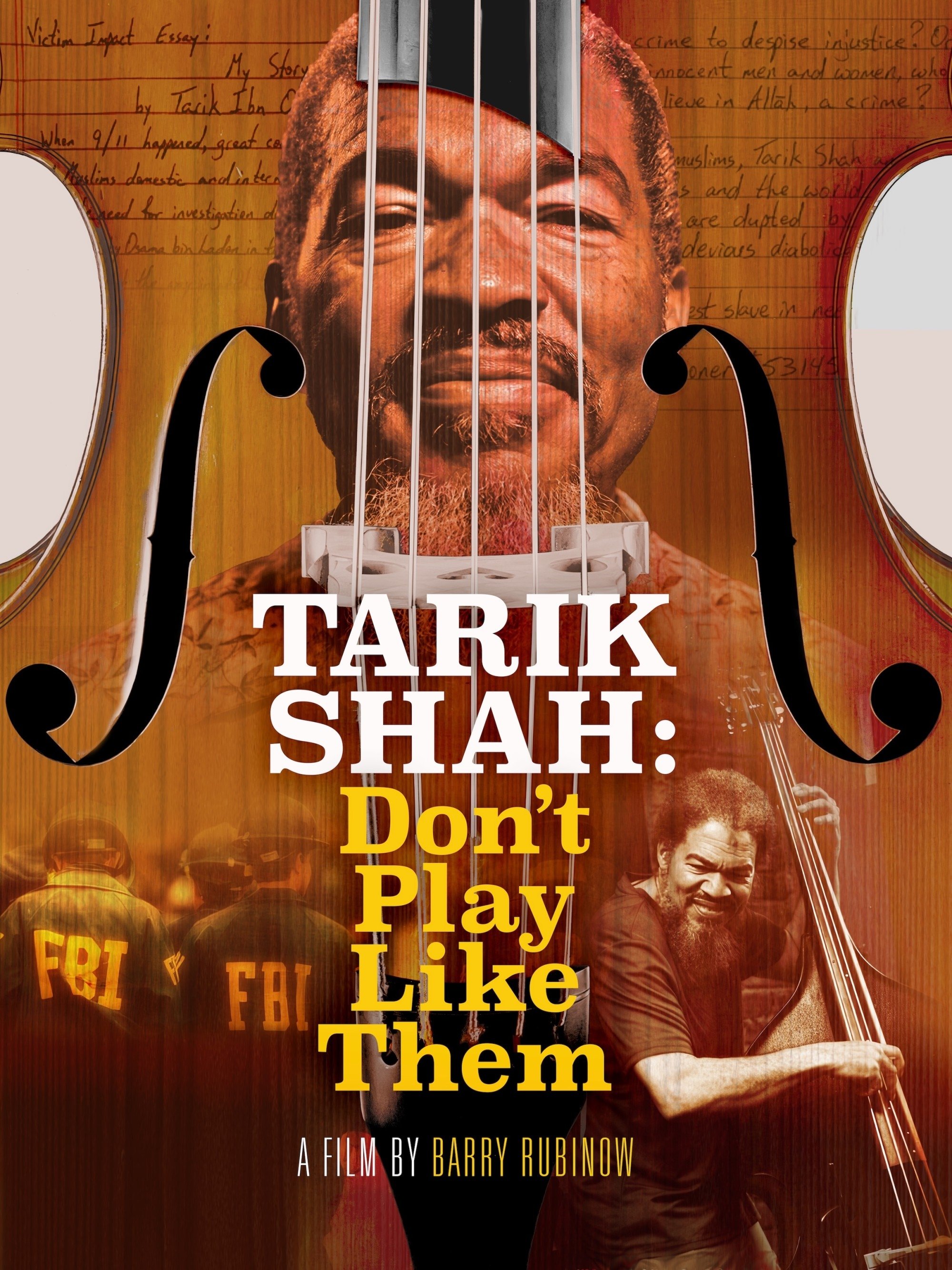
Tarik Shah, supremely talented Muslim American jazz bassist, endured 15 years of unjust imprisonment. Shah toured with jazz legend Betty Carter and was invited to play at President Bill Clinton's inauguration, only to be unfairly targeted by the FBI after 9/11. This is the inspirational true story of his music, resilience, and unconquerable spirit
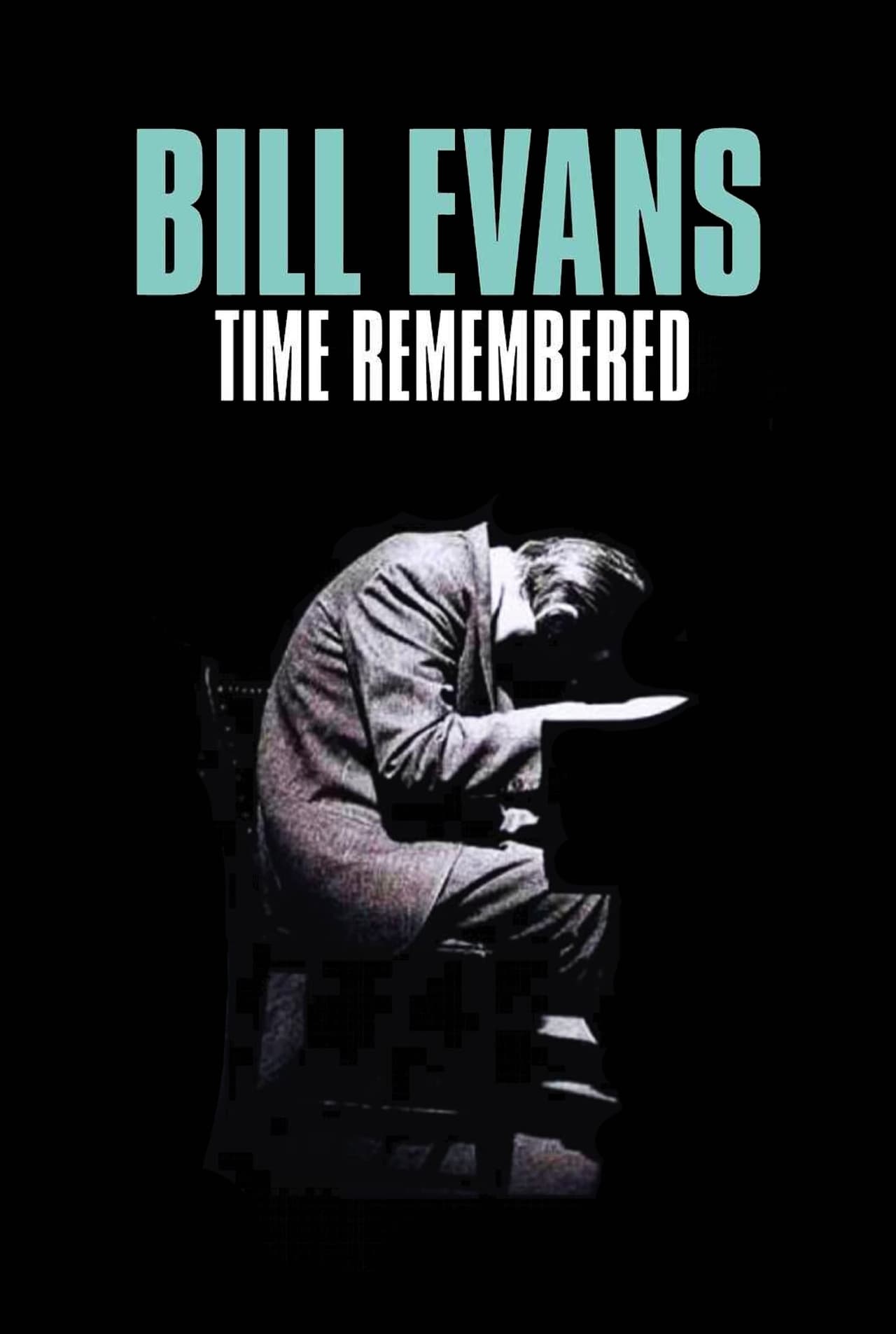
A biographical film featuring the music and times of Bill Evans with interviews from Tony Bennett, Jack Dejohnette, Billy Taylor, Paul Motian, Jon Hendricks, Orin Keepnews, Bobby Brookmeyer, Pat Evans and more, including family and friends who knew Bill Evans well.
In this Amazon Music Songline episode, filmed live in Iceland, Laufey reimagines her most beloved songs with stunning new arrangements at her childhood music school.
Documentary short showcasing the genius of jazz greats Coleman Hawkins, Roy Eldridge, Cozy Cole, and Milt Hinton, among others.
An inside look at one of the most anticipated movie sequels ever with James Cameron and cast.
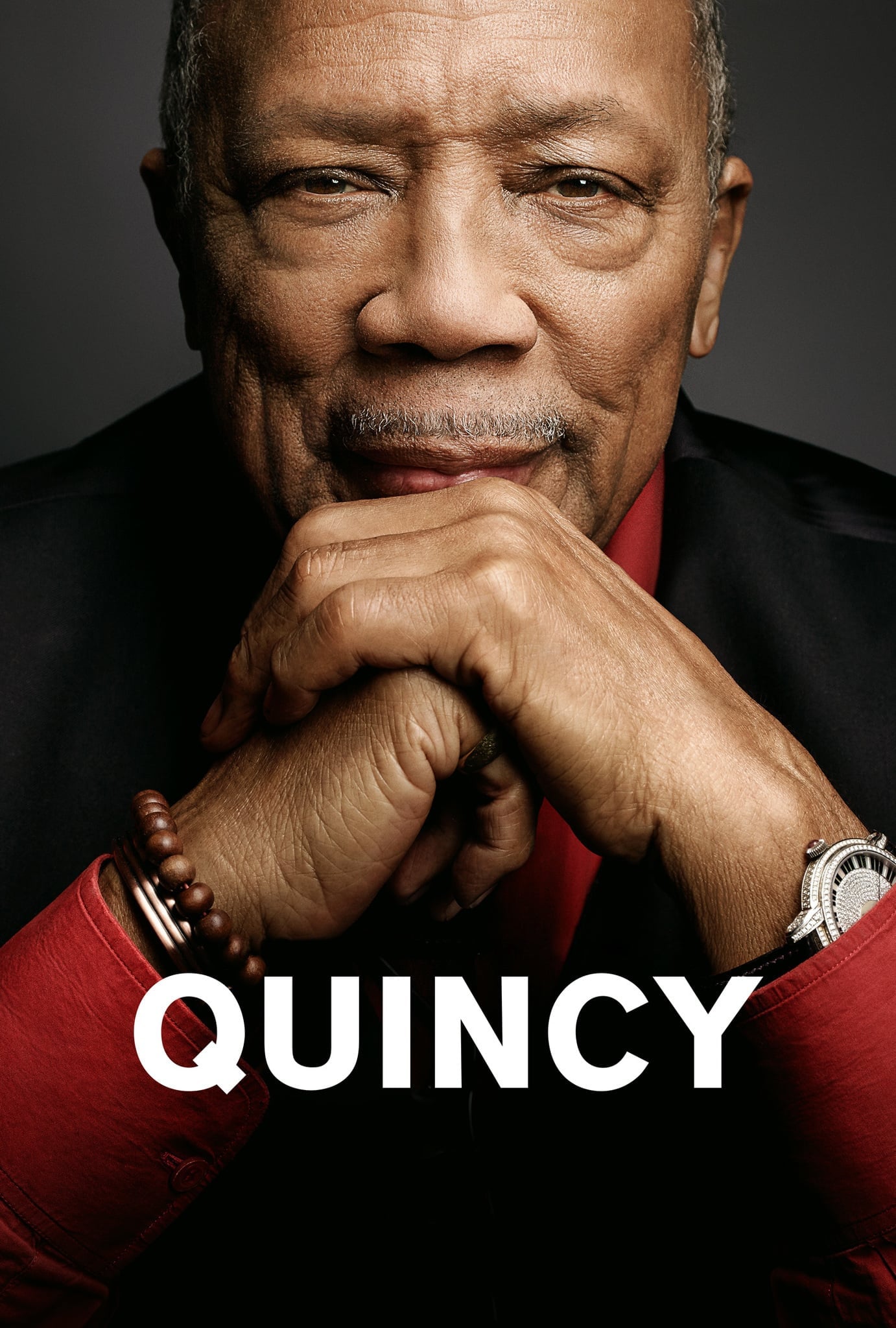
An intimate look into the life of icon Quincy Jones. A unique force in music and popular culture for 70 years, Jones has transcended racial and cultural boundaries; his story is inextricably woven into the fabric of America. Jones came to prominence in the 1950s as a jazz arranger and conductor before working on pop music and film scores. He moved easily between musical genres, producing major pop hits of the early 1960s and serving as an arranger and conductor for several collaborations in the same time period.
Al Pacino's deeply-felt rumination on Shakespeare's significance and relevance to the modern world through interviews and an in-depth analysis of "Richard III."
Through deeply personal interviews with her siblings and an examination of the photographs, letters, and belongings left behind, Mariska assembles a new portrait of her mother Jayne Mansfield, an extraordinary and complex woman.
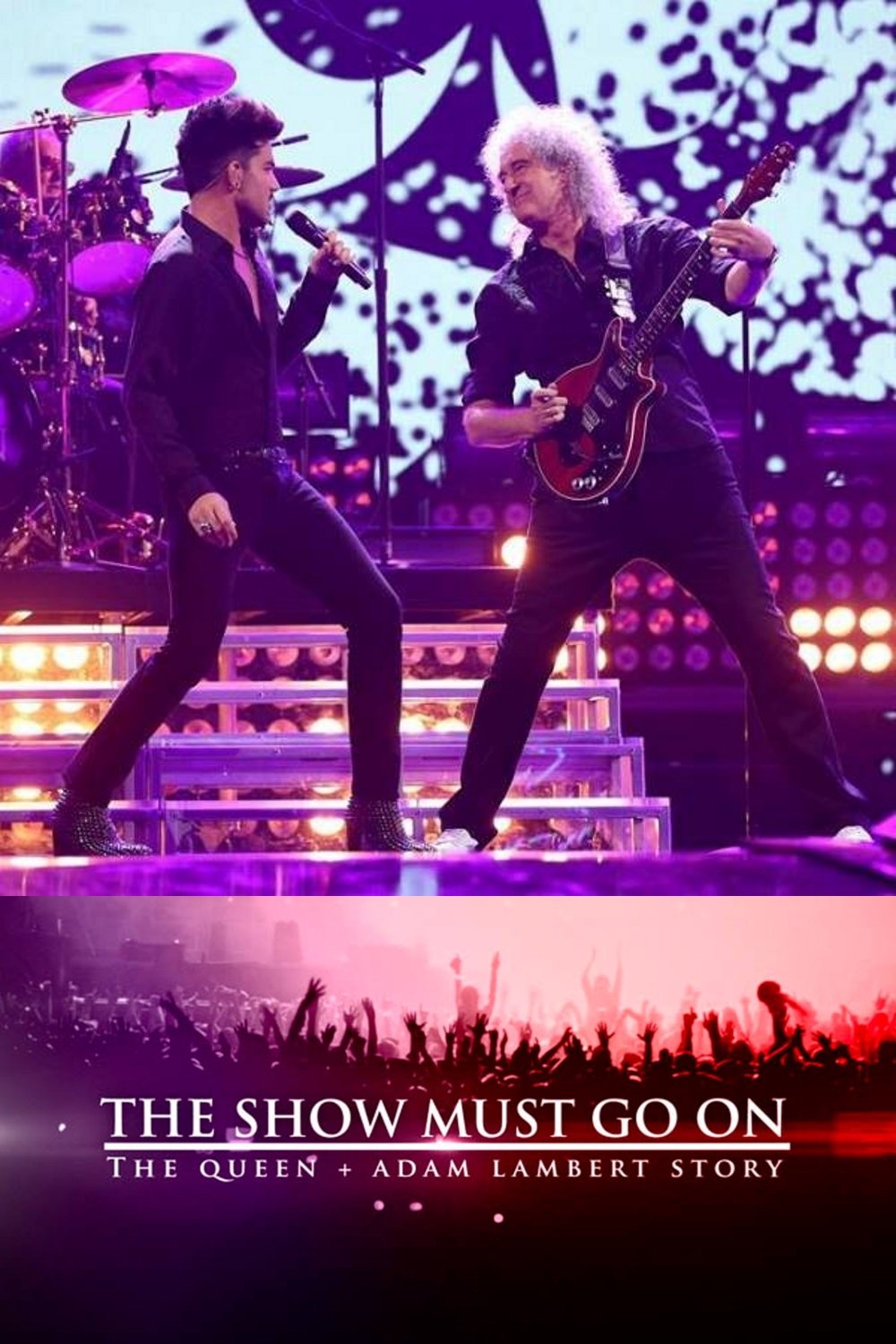
A documentary chronicling Queen and Lambert's incredible journey since they first shared the stage together on "American Idol" in 2009.
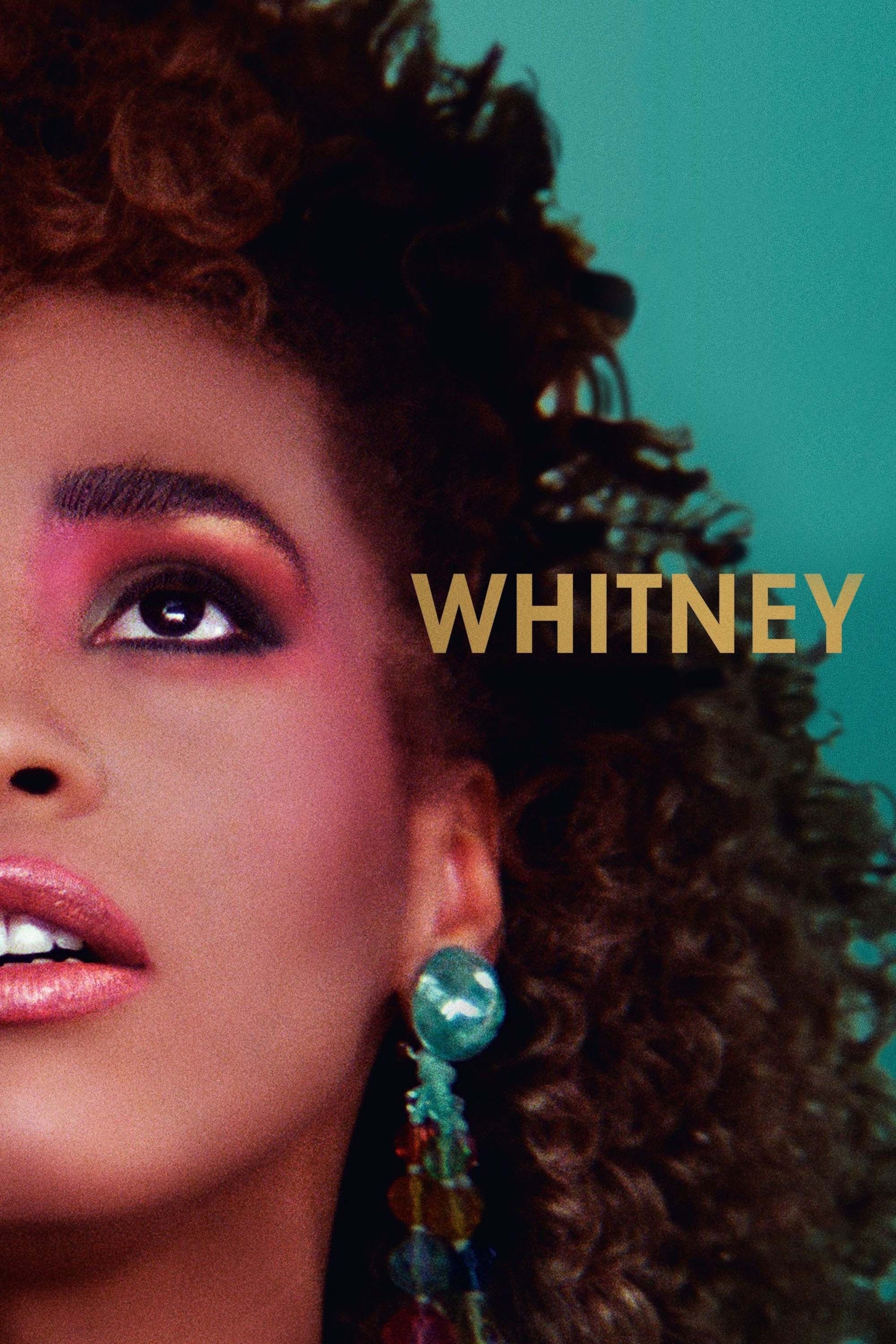
Examines the life and career of singer Whitney Houston. Features never-before-seen archival footage, exclusive recordings, rare performances and interviews with the people who knew her best.
A string of threatening emails escalates into a revenge plot involving a newly married US marshal and his ex-girlfriend.
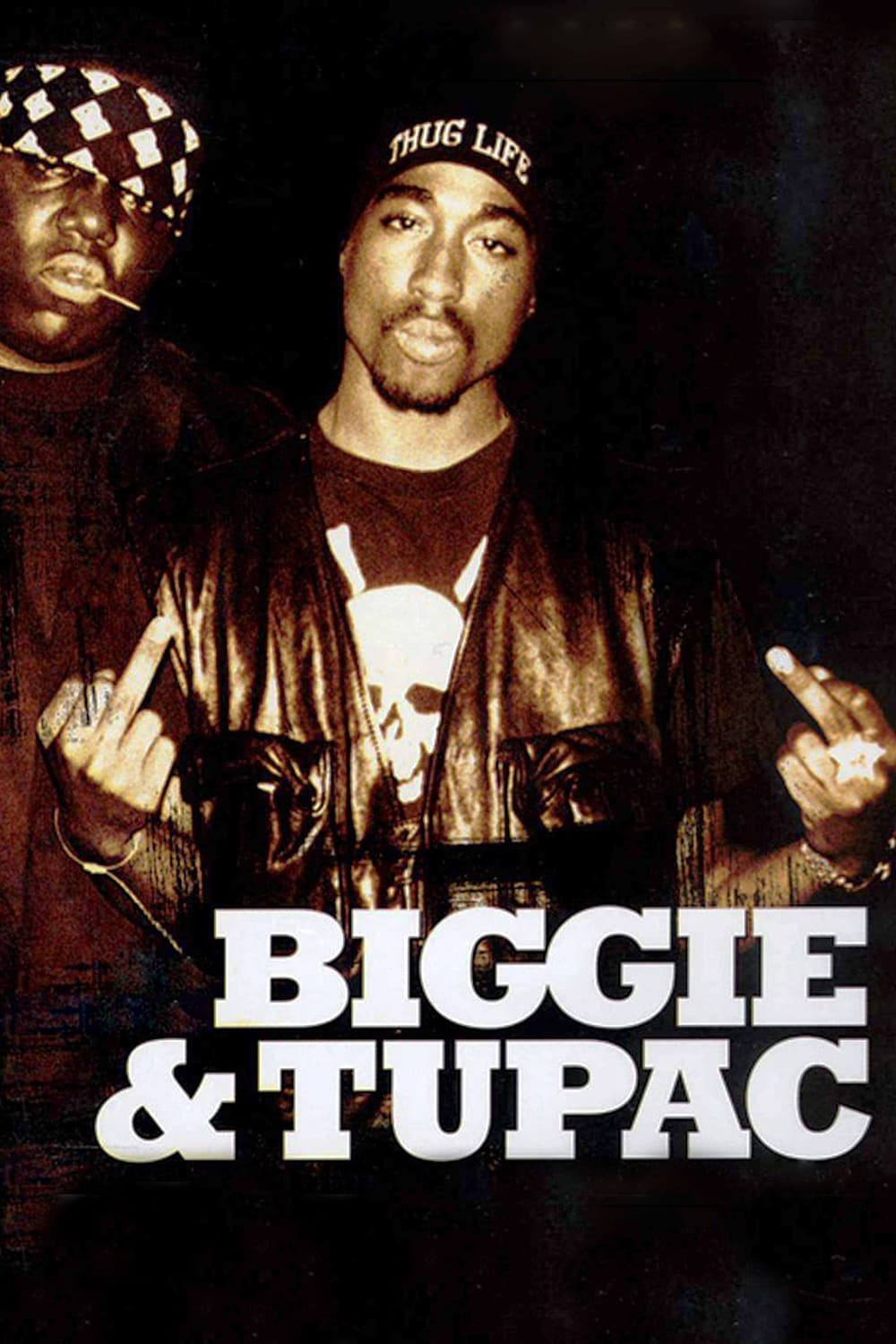
In 1997, rap superstars Tupac Shakur and Christopher Wallace (aka Biggie Smalls, The Notorious B.I.G.) were gunned down in separate incidents, the apparent victims of hip hop's infamous east-west rivalry. Nick Broomfield's film introduces Russell Poole, an ex-cop with damning evidence that suggests the LAPD deliberately fumbled the case to conceal connections between the police, LA gangs and Death Row Records, the label run by feared rap mogul Marion "Suge" Knight.
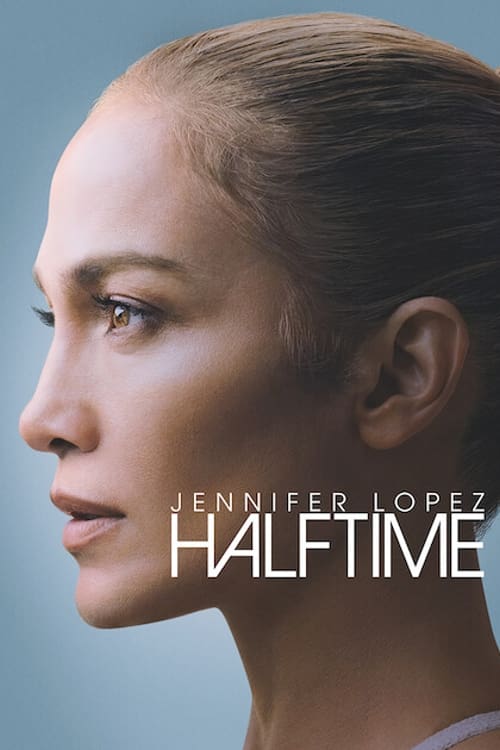
Global superstar Jennifer Lopez reflects on her multifaceted career and the pressure of life in the spotlight in this intimate documentary.
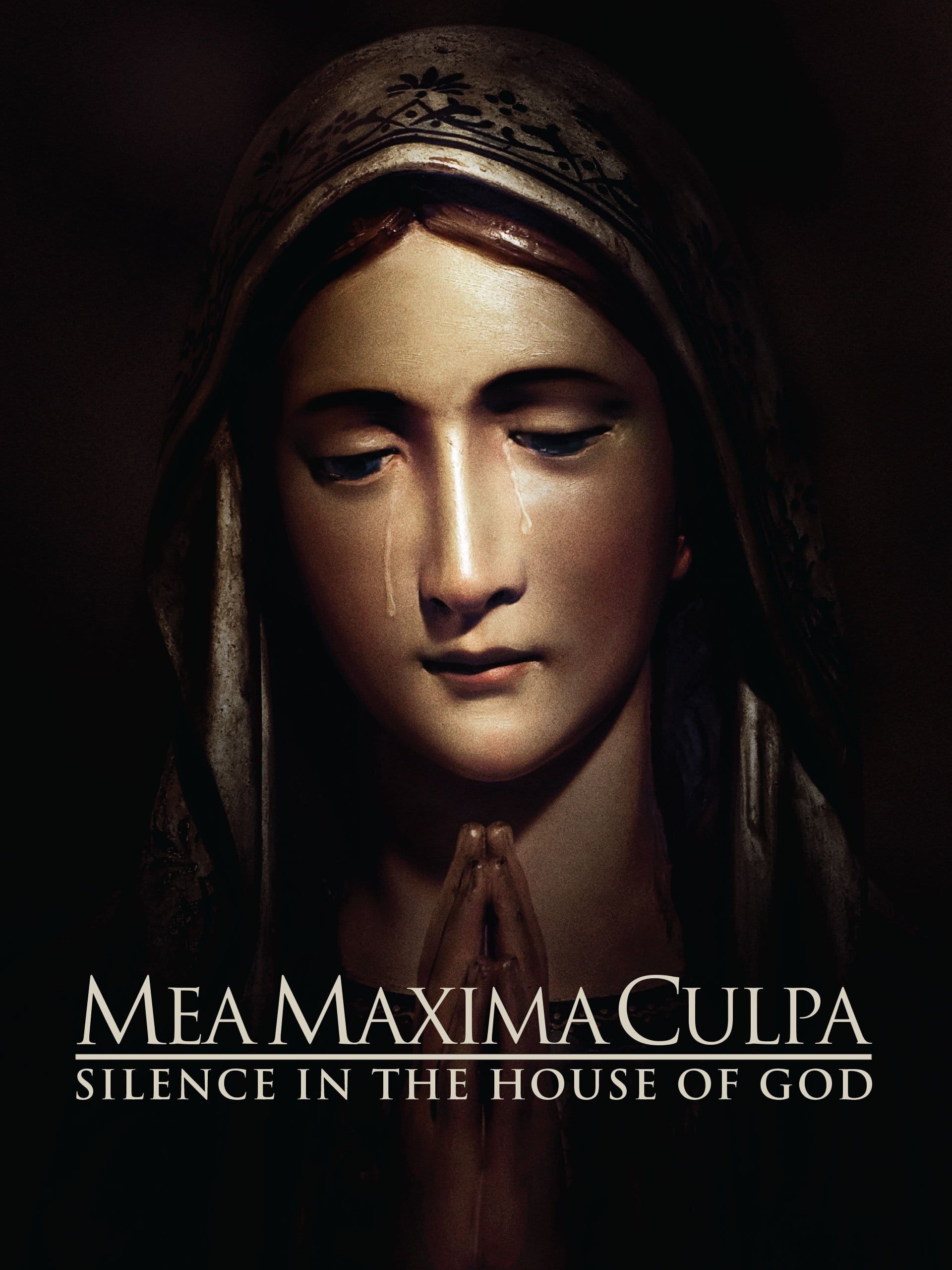
Alex Gibney explores the charged issue of pedophilia in the Catholic Church, following a trail from the first known protest against clerical sexual abuse in the United States and all way to the Vatican.
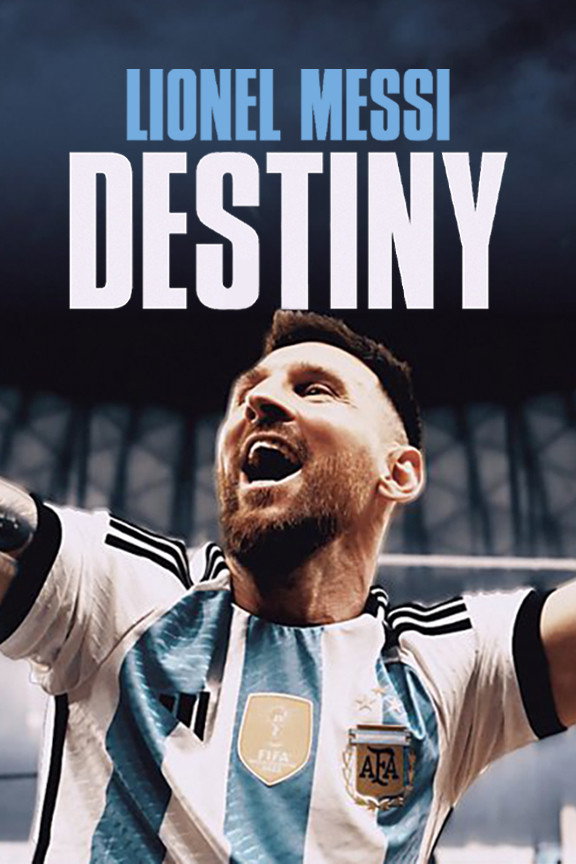
Behind-the-scenes documentary about how Lionel Messi succeeded in lifting the World Cup – the only trophy to have eluded him in an incredible career.
A celebration of the musical work of a group of session musicians known as "The Wrecking Crew." a band that provided back-up instrumentals to such legendary recording artists as Frank Sinatra, The Beach Boys, and Bing Crosby.
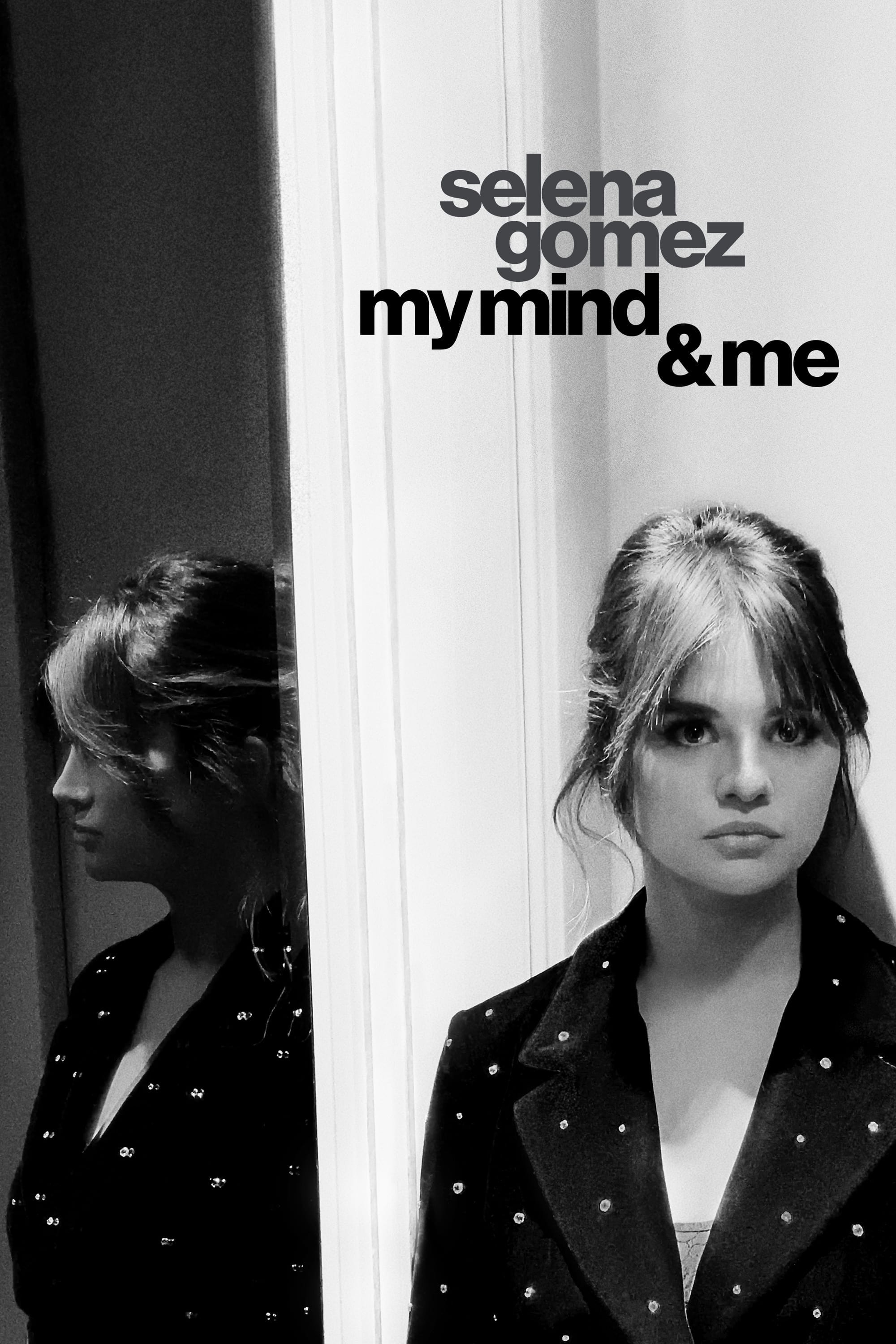
After years in the limelight, Selena Gomez achieves unimaginable stardom. But just as she reaches a new peak, an unexpected turn pulls her into darkness. This uniquely raw and intimate documentary spans her six-year journey into a new light.
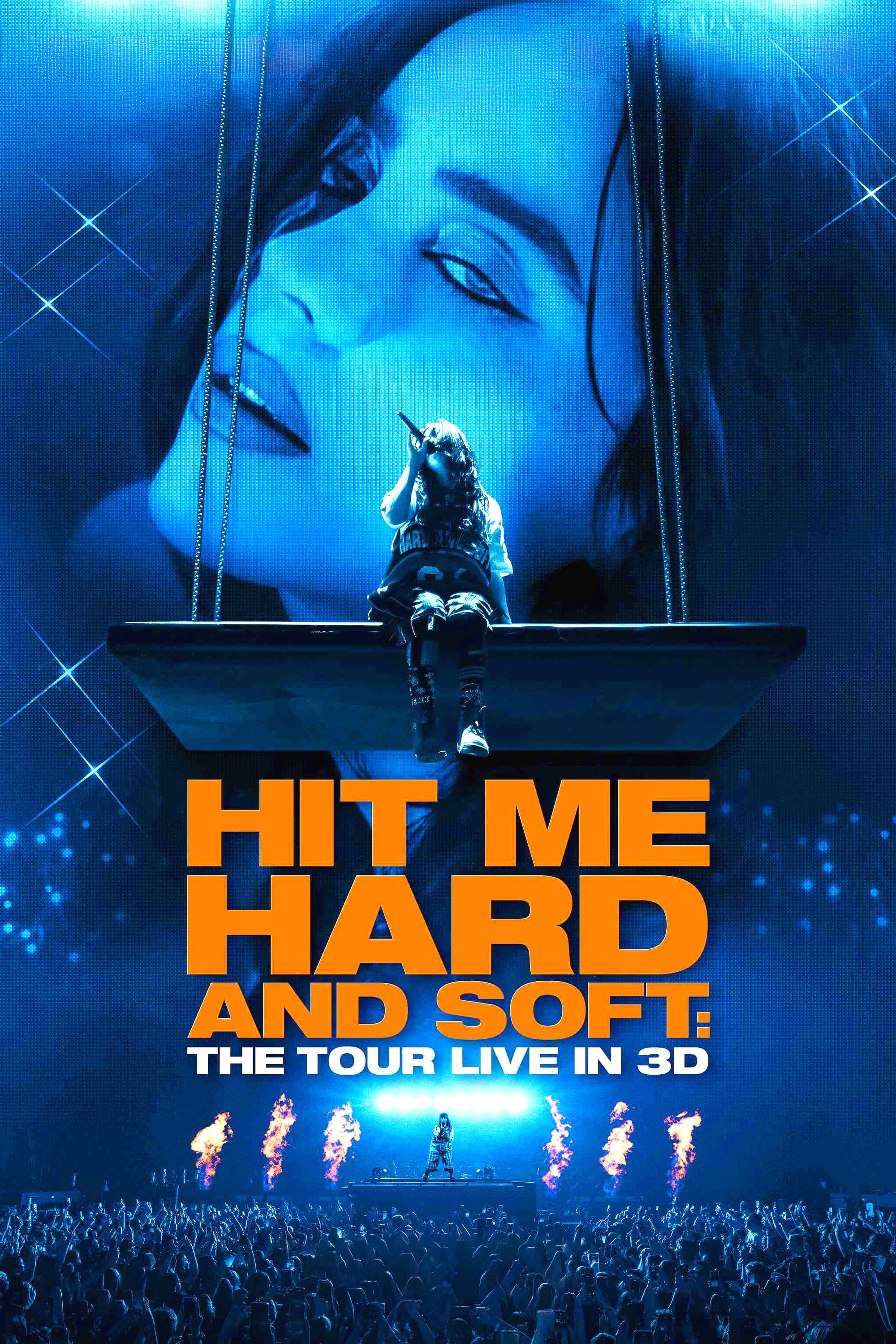
Captured during Billie Eilish's sold-out world tour, a concert experience from one of the most celebrated and successful artists of her generation, presented in immersive 3D.
A documentary on the expletive's origin, why it offends some people so deeply, and what can be gained from its use.
The Making-of James Cameron's Avatar. It shows interesting parts of the work on the set.
A look at the origins, history and conspiracies behind the "Majestic 12", a clandestine group of military and corporate figureheads charged with reverse-engineering extraterrestrial technology.
This revealing documentary honors the legendary Sidney Poitier—iconic actor, filmmaker, and civil rights activist. Featuring interviews with Denzel Washington, Spike Lee, Halle Berry, and more.
A comedic, brutally honest documentary following self-destructive TV writer Dan Harmon as he takes his live podcast on a national tour.
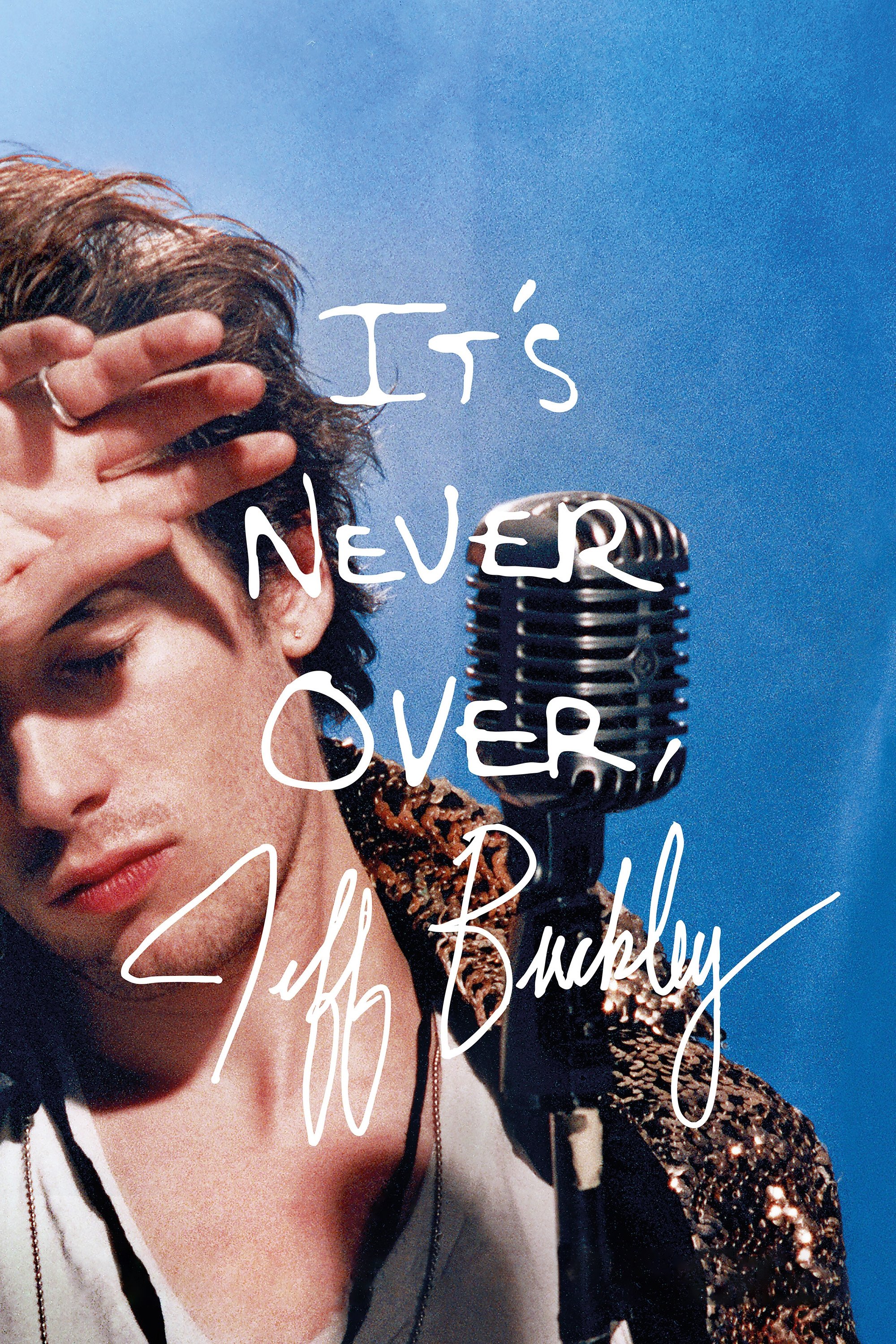
Rising musician Jeff Buckley had only released one album when he died suddenly in 1997. Now, never-before-seen footage, exclusive voice messages, and accounts from those closest to him offer a portrait of the captivating singer.